Kenya Cultural Tours Combined with Wildlife Safaris
December 22, 2025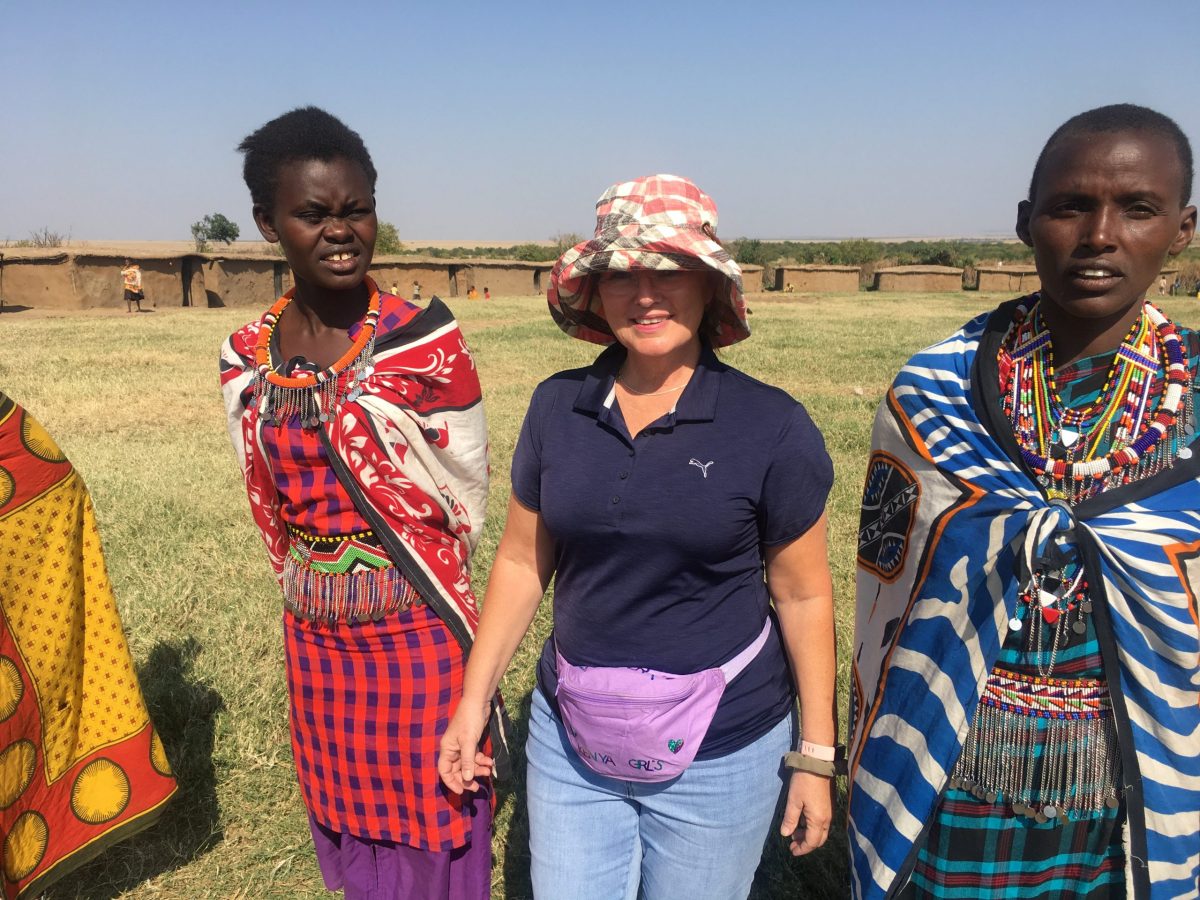
Meeting the Samburu People on a Kenya Safari
December 22, 2025Meeting the Maasai on a Kenya Safari
Connecting with Maasai Culture on a Kenya Safari
A Meeting with the Maasai on a Kenya Safari is not only about the vast savannahs, majestic wildlife, or dramatic landscapes. Meeting the Maasai people adds a profound cultural dimension, offering a rare glimpse into a community that has maintained its rich traditions for centuries. The Maasai, one of Africa’s most iconic indigenous communities, thrive as pastoralists while simultaneously contributing to modern conservation and tourism initiatives.
Engaging with them on a Kenya Uganda Safari or a Kenya Uganda Safari Holiday allows travelers to experience authentic traditions, hear fascinating stories, and understand the intricate balance between people, wildlife, and land. Visiting the Maasai fosters cultural appreciation, deepens your understanding of Kenya’s heritage, and highlights the human side of conservation efforts. This journey into Maasai life transforms a typical safari into an immersive, educational adventure that celebrates both nature and culture.
Kenya Cultural Safaris
Experiencing the Maasai on a Kenya Safari Authentically
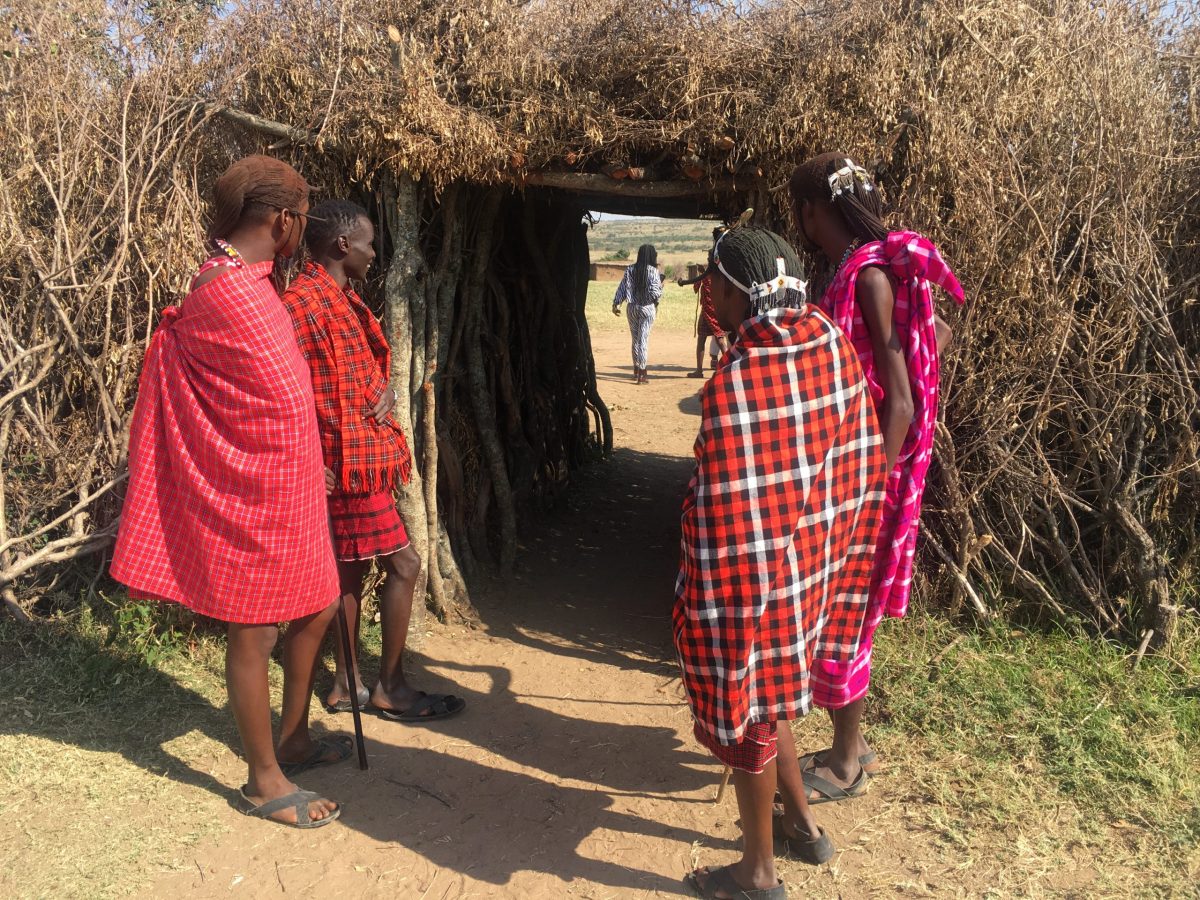
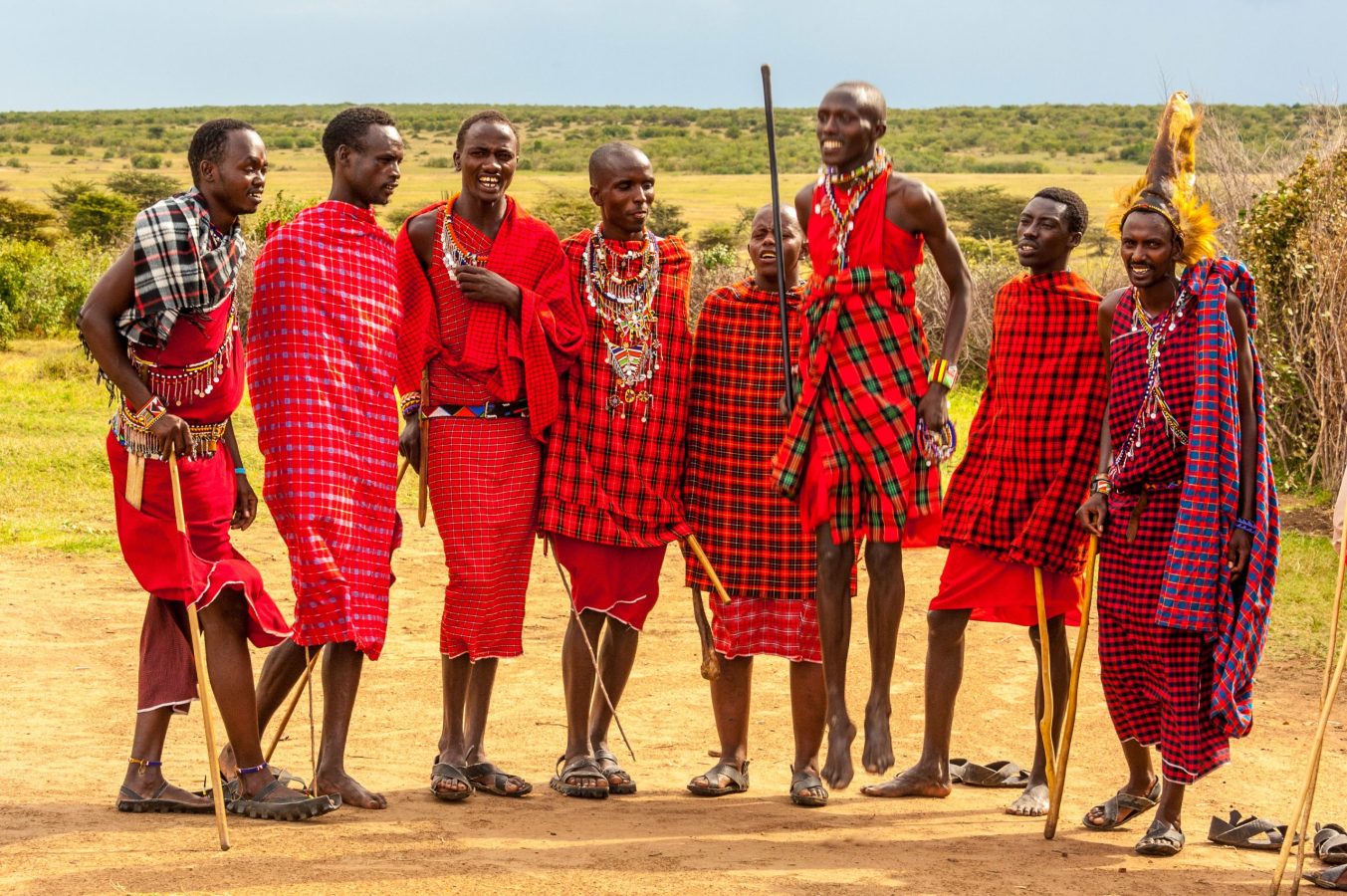
The most meaningful Maasai encounters occur when arranged respectfully through safari lodges or reputable tour operators. Village visits, or manyatta tours, are the most common entry point into daily Maasai life. Upon arrival, visitors are often greeted with traditional songs and dances that showcase the vibrant colors, rhythms, and communal spirit of the Maasai. Walking through circular homesteads, or bomas, provides insight into architectural ingenuity and communal living practices. Guests observe daily routines such as cattle herding, fire-making, and traditional cooking, which have persisted across generations. Local markets within or near the village offer authentic Maasai beadwork and crafts. Purchasing directly from artisans ensures that the proceeds support the community sustainably, making the experience both educational and ethically rewarding.
In addition to village tours, guided walks in conservancies bordering the Maasai Mara provide more personal interactions. Many Maasai warriors serve as guides in these private conservancies, offering visitors opportunities to learn about animal tracking, medicinal plants, and the Maasai philosophy of land stewardship. These walks offer a quieter, more intimate experience than structured village tours, emphasizing practical knowledge, cultural stories, and direct engagement with nature. Staying at lodges employing Maasai staff also allows informal interactions, offering perspectives on modern life, conservation involvement, and their evolving role in Kenyan society.
Maasai Contributions to Wildlife Conservation
The Maasai have become indispensable partners in Kenya’s conservation success. Much of the land within the Maasai Mara ecosystem is Maasai-owned and leased to conservation organizations and private conservancies. This arrangement ensures that preserving wildlife remains economically viable, turning potential land-use conflicts into opportunities for sustainable stewardship. Through these leases, the Maasai benefit financially while maintaining cultural autonomy, providing a model for harmonious coexistence between human communities and wildlife.
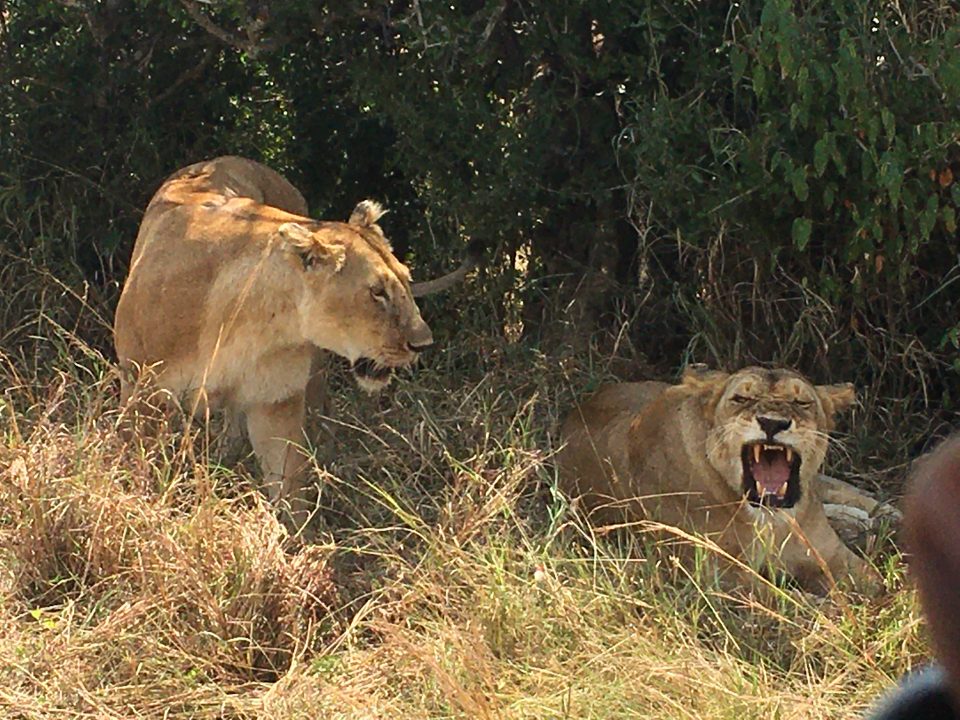
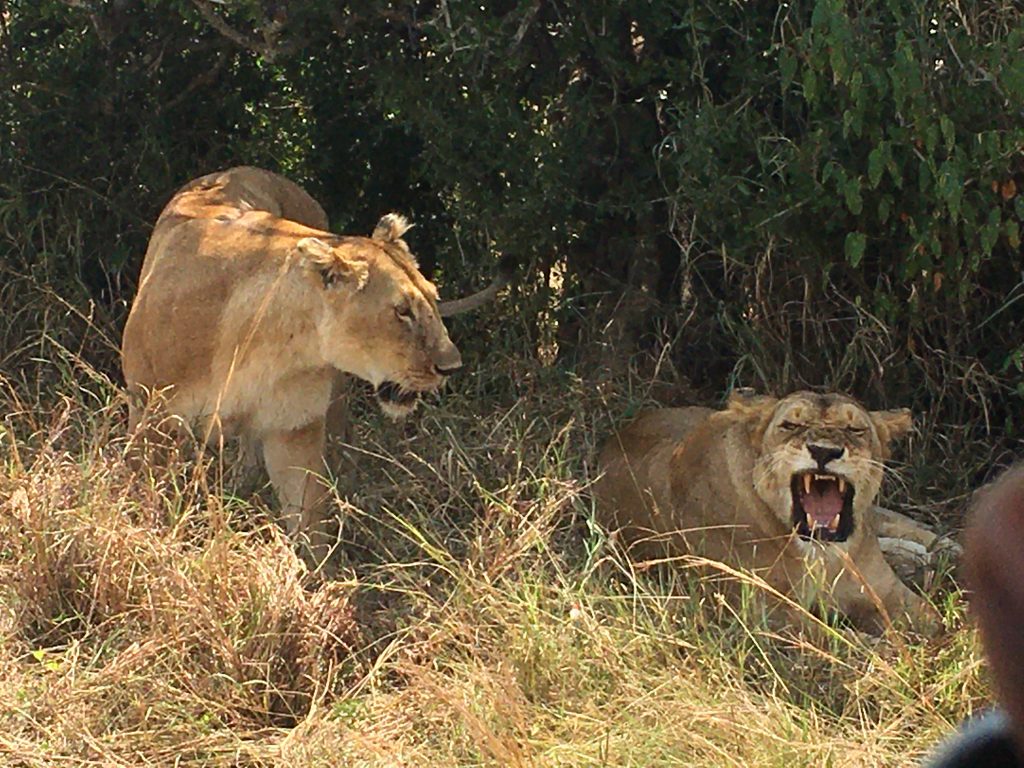
Programs such as the Lion Guardians exemplify the Maasai commitment to conservation. Former hunters are trained to monitor lion populations, protect livestock, and reduce human-wildlife conflict. By employing local knowledge and fostering community responsibility, these initiatives ensure both cultural preservation and ecological balance. Wildlife tourists benefit from observing lions in their natural habitats, while local communities receive tangible benefits, demonstrating how a Kenya Safari can support ethical and sustainable tourism practices.
The Maasai also integrate traditional knowledge with conservation science. Their intimate understanding of grazing patterns, water sources, and seasonal animal movements allows conservancies to manage ecosystems effectively. For travelers on a Kenya Uganda Safari Holiday, learning about these practices provides a deeper appreciation of how indigenous knowledge sustains wildlife populations. Visitors witness firsthand how cultural heritage intersects with environmental responsibility, illustrating a model of community-based conservation unique to Kenya.
Maasai People Cultural Safaris Kenya
Village Visits: The Manyatta Experience
Visiting a Maasai manyatta offers travelers a structured yet authentic immersion into the community’s daily life. These homesteads are built in circular formations, providing both communal security and social cohesion. While exploring a manyatta, travelers observe traditional fire-making techniques, livestock management, and household activities that sustain Maasai families. Children often participate in welcoming ceremonies, dancing and singing in colorful attire, which highlights the intergenerational transmission of culture. Visitors can participate in crafts, learn about jewelry-making from local artisans, and even help prepare traditional foods, making the experience interactive and memorable.
Markets surrounding Maasai villages provide unique opportunities to support local livelihoods directly. Intricate beadwork, handcrafted ornaments, and functional tools are sold by community members, allowing tourists to take home authentic cultural artifacts. Purchasing directly ensures that profits go to the artisans rather than external vendors. This economic empowerment reinforces cultural preservation while providing travelers with tangible memories of their Kenya Safari. Engaging in these markets also fosters conversation and mutual respect, bridging the gap between tourists and the Maasai community.
Guided Conservancy Walks and Nature Interaction
Many private conservancies employ Maasai warriors as expert guides for walking safaris. These experiences allow visitors to witness wildlife and the environment from a human-scale perspective. During guided walks, travelers learn to identify animal tracks, recognize bird calls, and differentiate plant species used for medicinal purposes. Guides share stories about Maasai spirituality, ecological knowledge, and the historical significance of certain animal behaviors, providing a holistic understanding of the ecosystem.
Unlike vehicle-based safaris, walking experiences offer intimate encounters with nature. Visitors gain an appreciation for smaller, often overlooked elements of the landscape. The combination of cultural and environmental education enriches the Kenya Uganda Safari experience, making it more than a traditional wildlife tour. Travelers leave with not only photographs but also an understanding of Maasai life and their deep connection to the land, fostering long-lasting respect for Kenya’s cultural and natural heritage.
Cultural Etiquette for Respectful Interaction
Respectful behavior is essential when meeting the Maasai. Asking permission before photographing individuals, particularly children, demonstrates cultural sensitivity. In many cases, it is customary to offer a small donation or purchase a beadwork item in exchange for photos, creating a mutually beneficial interaction. Visitors should approach the experience with an open mind, avoiding stereotypes or assumptions about traditional attire, practices, or daily life.
Time is also an important consideration. Village visits often provide income for community members, so visitors should adhere to agreed schedules and be mindful of the community’s daily routines. Supporting ethical practices ensures that tourism benefits the Maasai directly, reinforcing cultural preservation. Travelers can also participate in sustainable initiatives, such as conservation education programs or school sponsorships, adding a philanthropic element to their Kenya Safari experience. By following these guidelines, visitors build trust, respect, and meaningful connections with the Maasai people.
Cultural Experiences Around Maasai Lodges
Many lodges in the Maasai Mara and surrounding conservancies employ Maasai staff and organize cultural activities to enhance the safari experience. Guests can witness traditional storytelling sessions, learn beadwork techniques, or participate in evening dances around a communal fire. Some lodges organize day trips to local schools or medical centers, giving visitors insight into modern community life while highlighting the positive impacts of tourism.
These lodges also prioritize sustainability, using eco-friendly energy sources, recycling programs, and locally sourced food. Staying at such properties allows travelers to experience Maasai culture in context while minimizing environmental impact. For photographers and wildlife enthusiasts, this combination of cultural immersion and environmental consciousness adds depth to a Kenya Uganda Safari Holiday, making the trip more meaningful and impactful.
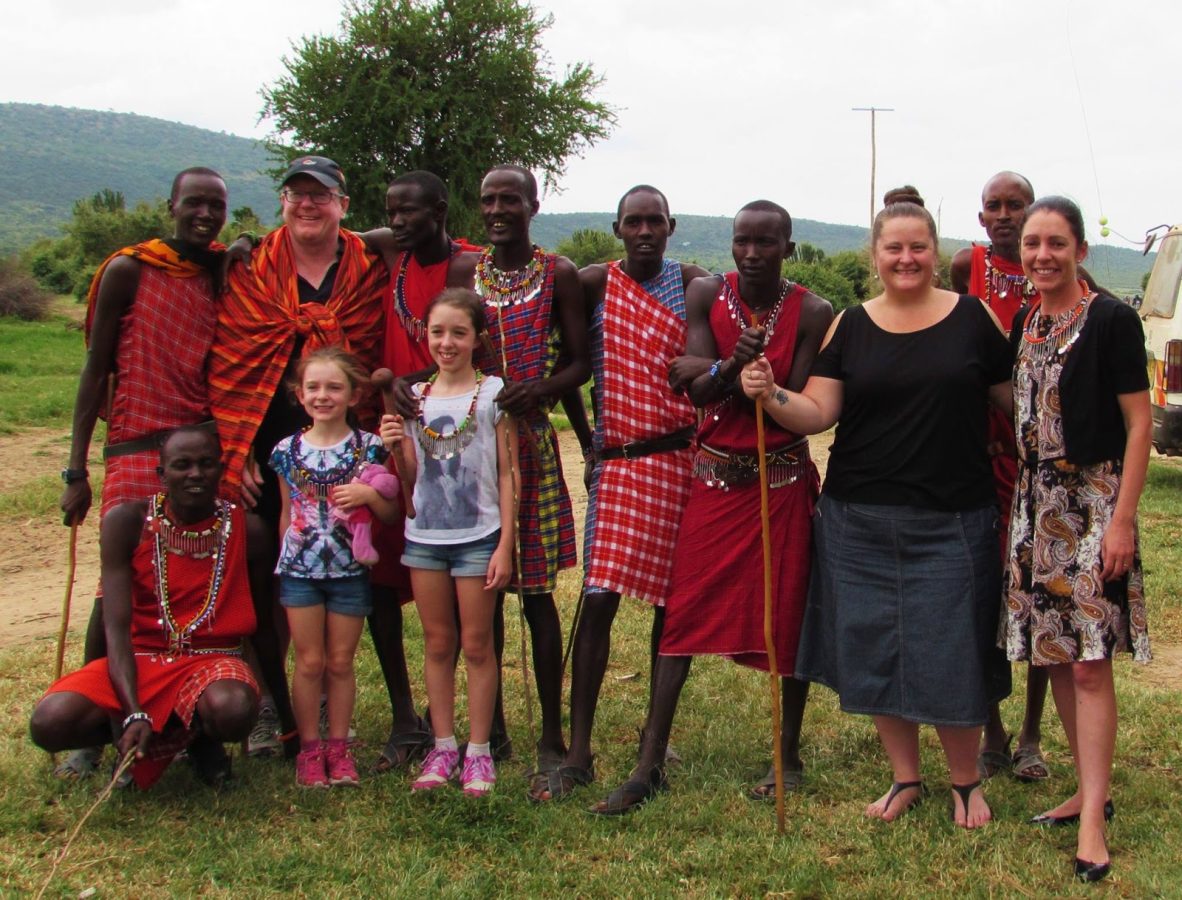
Experiencing the Maasai Community
The Maasai as Partners in Sustainable Tourism
The Maasai model demonstrates how cultural heritage can harmonize with conservation and tourism. By leasing land for conservancies, participating in wildlife protection programs, and sharing cultural knowledge with visitors, the Maasai create a sustainable tourism ecosystem. Travelers benefit from authentic experiences, unique wildlife encounters, and cultural education, while the community enjoys economic support and environmental stewardship.
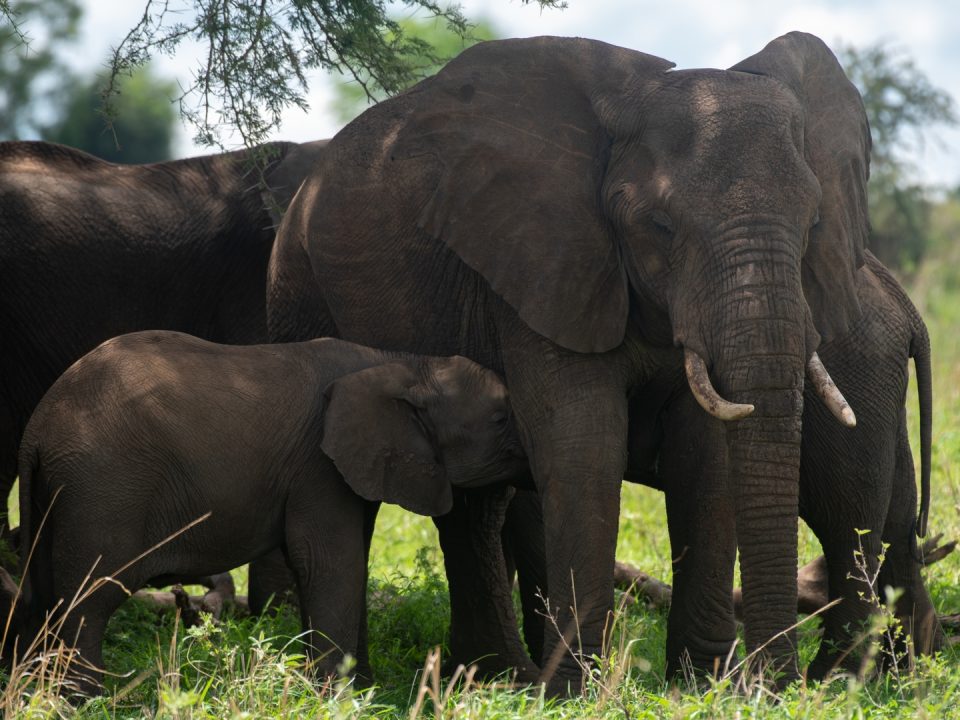
Private conservancies that partner with the Maasai often restrict visitor numbers to reduce environmental pressure and ensure high-quality safari experiences. This approach aligns with responsible tourism practices and enhances wildlife photography opportunities, especially for species such as lions, elephants, and giraffes. By engaging ethically and supporting local initiatives, travelers reinforce the Maasai’s role as custodians of the land, ensuring that future generations can continue to share their traditions with the world.
A Transformative Cultural Experience
Meeting the Maasai on a Kenya Safari elevates a traditional wildlife tour into an unforgettable cultural journey. From guided conservancy walks to manyatta visits and lodge-based interactions, travelers gain insight into one of Africa’s most iconic communities. Ethical engagement, cultural respect, and support for local livelihoods ensure that the experience benefits both visitors and the Maasai people.
Participating in conservation programs and understanding the intricate balance between human and wildlife habitats deepens the connection to Kenya’s natural heritage. For a Kenya Uganda Safari Holiday, meeting the Maasai provides a unique, educational, and inspiring dimension, creating memories that blend wildlife, culture, and ethical adventure into a truly transformative African safari experience.