
20 Days East Africa Safari Experience: The Ultimate Kenya, Tanzania and Uganda Wildlife Adventure
The 20 Days East Africa Safari Experience offers an extraordinary opportunity to discover three of East Africa’s most remarkable safari destinations: Kenya, Tanzania and Uganda. This carefully structured journey brings together classic African savannahs, extraordinary wildlife encounters, mountain gorilla trekking, chimpanzee tracking, scenic lakes, dramatic volcanic landscapes and authentic cultural experiences. From the sweeping plains of the Maasai Mara to Tanzania’s magnificent Serengeti and Uganda’s ancient rainforests, every destination reveals a different dimension of Africa’s natural and cultural heritage.
Your adventure begins in Nairobi, Kenya, before continuing through Lake Nakuru National Park, the Maasai Mara National Reserve, Serengeti National Park, the Ngorongoro Conservation Area, Tarangire National Park and Amboseli National Park. After exploring Kenya’s and Tanzania’s renowned wildlife destinations, you fly to Entebbe in Uganda for a rewarding primate safari. Here, chimpanzees inhabit the lush forests of Kibale, elephants and hippos thrive around Queen Elizabeth National Park, and endangered mountain gorillas live in the mist-covered forests of Bwindi Impenetrable National Park.
20 Days East Africa Safari Experience Highlights
Day | Activities | Accommodation |
Day 1 | Arrival at Jomo Kenyatta Airport and Check-in the Hotel for Relaxation | Raddison Blu Hotel Half Board Basis |
Day 2 | Morning Road Transfer to Lake Nakuru National Park and Have Game Drives and Sunset Boat Cruise | Ziwa Bush Lodge Full Board Basis |
Day 3 | Morning Road Transfer to Masai Mara National Reserve for an Evening Game Drives Adventure | Zebra Plains Mara Camp Full Board Basis |
Day 4 | Adventure in Masai Mara National Reserve, Game Drives, Nature Walks, Maasai People Visit, and Photography | Zebra Plains Mara Camp Full Board Basis |
Day 5 | Morning Road Transfer to Serengeti National Park for Another Wildlife Safari Experience | Kontiki Serengeti Camp Full Board Basis |
Day 6 | Adventure in Central Serengeti National Park (Game Drives, and Witnessing the Great Wildlife Migration at Grumeti River) | Kontiki Serengeti Camp Full Board Basis |
Day 7 | Another Day in Serengeti National Park (Game Drives, Optional: Hot Air Balloon Ride, and a Visit to Maasai Boma Community) | Kontiki Serengeti Camp Full Board Basis |
Day 8 | Morning Road Transfer to Ngorongoro Conservation Area for Another Wildlife Experience | Ngorongoro Farm House Full Board Basis |
Day 9 | Adventure in Ngorongoro Area (Game Drives and a Hike to the Ngorongoro Crater) | Ngorongoro Farm House Full Board Basis |
Day 10 | Game Drives in Tarangire National Park to Spot the Different Large Herds of Elephants | Tarangire Sopa Lodge Full Board Basis |
Day 11 | Morning Road Transfer to Amboseli National Park Via Namanga Boarder and Have Captivating Views of Mount Kilimanjaro | Sentrim Amboseli Lodge Full Board Basis |
Day 12 | Adventure in Amboseli National Park to Capture the Magnificent Views of Mount Kilimanjaro Roof and Game Drives | Sentrim Amboseli Lodge Full Board Basis |
Day 13 | Morning Road Transfer to Nairobi Airport and Flight to Entebbe Airport Uganda for a Primates Safari Tour | Lake Victoria Hotel Full Board Basis |
Day 14 | Morning Road Transfer to Kibale Forest National Park and Have Afternoon Bigodi Swamp Walk | Turaco Treetops Lodge Full Board Basis |
Day 15 | Go Chimpanzee Tracking in the Kibale Forest National Park and Afternoon Game Drives in Queen Elizabeth National Park | Elephant Hub Lodge Full Board Basis |
Day 16 | Adventure in Queen Elizabeth National Park with Game Drives and Boat Cruise on the Kazinga Channel | Elephant Hub Lodge Full Board Basis |
Day 17 | Morning Road Transfer to Bwindi Impenetrable Forest (Rushaga Sector) and Afternoon Batwa Cultural Experience | Ichumbi Gorilla Lodge Full Board Basis |
Day 18 | Go Mountain Gorilla Trekking in Bwindi Impenetrable Forest (Highlight of the Safari) and Afternoon Relaxation at Lake Bunyonyi | Arcadia Lodges Full Board Basis |
Day 19 | Morning Road Transfer Back to Entebbe Airport City and Relaxation | Lake Victoria Hotel Full Board Basis |
Day 20 | Morning Shoebill Tracking on a Canoe in Mabamba Swamp and Afternoon Reserved for Departure at Entebbe Airport (Flight Back Home) | None Half Board Basis |
How Much Does the 20 Days East Africa Safari Experience Cost?
| Number of People | Solo Traveller | 2 People | 4 People | 6 People |
| Rate Per Person | USD 26,389 | USD 13,879 | USD 9,985 | USD 8,876 |
Single Room Supplement: USD 1,276
Discover the Heart of Africa on the 20 Days East Africa Safari Experience
Beyond wildlife viewing, the 20 Days East Africa Safari Experience introduces you to the cultural richness of East Africa. Community experiences around the Maasai Mara and Serengeti provide opportunities to learn about Maasai traditions, while a Batwa cultural experience near Bwindi offers insight into the heritage of one of the region’s Indigenous Forest communities. Meanwhile, the peaceful shores of Lake Bunyonyi and the wetlands of Mabamba create a relaxing and memorable conclusion to your adventure.
At Deks Africa Safaris & Tours Ltd, the aim is to combine meaningful experiences with practical travel arrangements, comfortable accommodation and knowledgeable guiding. This 20-day journey suits travellers who want to experience Kenya Safaris, Tanzania Safaris and Uganda Safaris within one connected itinerary.
The 20 Days East Africa Safari Experience is more than a wildlife holiday. It is an opportunity to experience the extraordinary diversity of East Africa, discover its communities and appreciate the natural heritage that makes this region one of the world’s most rewarding travel destinations.
20 Days East Africa Safari Experience: Safari Overview
Three countries, one unforgettable adventure
The 20 Days East Africa Safari Experience connects Kenya, Tanzania and Uganda through a combination of road transfers, regional flights, guided game drives, primate tracking and cultural excursions. Each country contributes distinctive attractions, allowing you to experience several of East Africa’s most celebrated wildlife environments without limiting your holiday to one destination.
Kenya introduces you to the Great Rift Valley, Lake Nakuru, the Maasai Mara and Amboseli. These destinations offer opportunities to search for lions, elephants, rhinos, buffaloes, giraffes, zebras and other wildlife. Tanzania adds the extensive plains of Serengeti National Park, the dramatic Ngorongoro Crater and Tarangire’s elephant-rich landscapes. Together, these destinations create a classic East African safari focused on savannah wildlife and the Great Wildlife Migration.
Uganda provides a different atmosphere through tropical rainforests, wetlands, crater lakes and green countryside. The country’s primate experiences include chimpanzee tracking in Kibale Forest National Park and mountain gorilla trekking in Bwindi Impenetrable National Park. Queen Elizabeth National Park adds game drives and a boat cruise along the wildlife-rich Kazinga Channel.
A journey designed around diverse experiences
The itinerary combines active wildlife days with cultural discovery and moments of relaxation. You can photograph elephants beneath Mount Kilimanjaro, explore the Maasai Mara’s open grasslands, observe chimpanzees in their forest habitat and experience the remarkable presence of mountain gorillas.
In addition, the journey includes accommodation at selected mid-range hotels, lodges and tented camps. The proposed properties place you near many of the destinations featured in the programme, although final availability and room categories require confirmation.
The package quotation supplied for four travellers is USD 9,985per person. This quotation should be reconfirmed before booking, together with all permit arrangements, accommodation details, flights and activities.
Why Choose the 20 Days East Africa Safari Experience?
Explore East Africa’s most distinctive wildlife regions
The 20 Days East Africa Safari Experience combines several ecosystems that support different animal species and wildlife behaviours. Kenya and Tanzania provide extensive savannah landscapes, where herds of grazing animals share the plains with predators. Uganda’s forests, meanwhile, support chimpanzees, mountain gorillas, monkeys and specialised birdlife.
This ecological variety makes the itinerary particularly attractive to travellers who want more than traditional game drives. You can explore open grasslands in the morning, enjoy a river or lake excursion in the afternoon and spend another day walking through a tropical forest with experienced guides.
The route also offers opportunities to appreciate the relationships between wildlife, water, vegetation and seasonal weather. For example, elephants often gather around reliable water sources, while migratory grazers follow changing grass conditions across the Serengeti–Maasai Mara ecosystem. In Uganda, forest primates depend on the habitats protected within national parks and surrounding conservation landscapes.
Experience wildlife through different activities
Game drives remain a central feature of this journey. However, boat cruises, nature walks, primate trekking and birdwatching provide additional perspectives. The planned excursions include a Kazinga Channel cruise, chimpanzee tracking, mountain gorilla trekking and a canoe excursion through Mabamba Swamp.
A hot-air balloon ride over the Serengeti is also available as an optional activity, subject to booking arrangements and weather conditions. This experience offers a different perspective on the landscape, particularly around sunrise.
Connect with local cultures
Cultural experiences add meaning to the wildlife journey. Maasai community visits in Kenya and Tanzania provide opportunities to learn about pastoral traditions, beadwork and local livelihoods. Near Bwindi, a Batwa cultural experience introduces visitors to aspects of Indigenous Forest heritage, music, dance and traditional knowledge.
These activities should take place through appropriate local providers who respect community preferences and support participating residents. When planned thoughtfully, cultural experiences create a stronger connection between visitors and the destinations they explore.
Day 1: Arrival in Nairobi, Kenya — Welcome to East Africa
- Accommodation: Radisson Blu Hotel, Nairobi
- Meal plan: Half board
Arrival and airport transfer
Your 20 Days East Africa Safari Experience begins when you arrive at Jomo Kenyatta International Airport in Nairobi, Kenya’s busy international gateway. After completing airport formalities, meet your safari representative and transfer to the Radisson Blu Hotel for check-in and relaxation.
The first day provides an opportunity to recover from your international journey before beginning the wildlife circuit. Depending on your arrival time, you may prefer to rest at the hotel, enjoy its facilities or take a short excursion around Nairobi.
Nairobi offers a distinctive introduction to Kenya. The city combines modern commercial districts, residential neighbourhoods, restaurants, museums and green spaces. Travellers with sufficient time can explore selected attractions before departing for the national parks.
Optional cultural and city experiences
If your arrival schedule permits, you may consider visiting the Karen Blixen Museum or the Giraffe Centre. Both attractions offer different perspectives on Nairobi’s history, wildlife education and conservation tourism. A guided city excursion can also introduce you to local markets, Kenyan cuisine and the city’s varied cultural influences.
For a relaxed evening, enjoy dinner at your hotel or select a reputable restaurant that suits your preferences. The aim is to keep the first day comfortable rather than add too many activities after a long flight.
Preparing for the safari
Use the evening to check your luggage, organise essential travel documents and prepare clothing for the following day’s road transfer. Keep your passport, travel insurance information, camera equipment and personal medication accessible.
The first overnight stay establishes a comfortable starting point for the 20 Days East Africa Safari Experience. A good night’s rest will help you approach the wildlife adventure ahead with energy and enthusiasm.
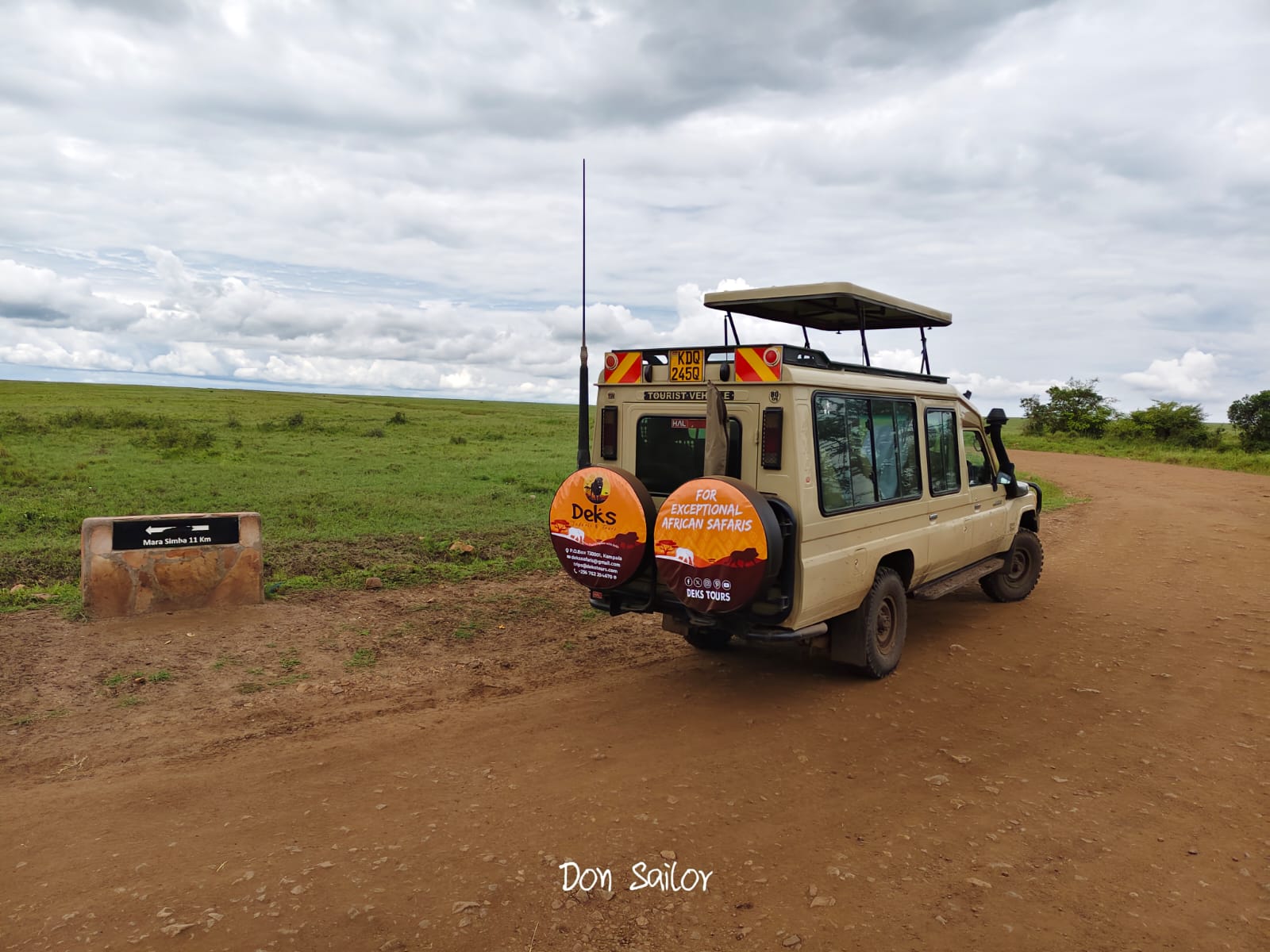
Kenya Wildlife Tours
Day 2: Nairobi to Lake Nakuru National Park — Rift Valley Scenery and Wildlife
- Accommodation: Ziwa Bush Lodge
- Meal plan: Full board
A scenic journey through the Great Rift Valley
After breakfast, depart Nairobi and travel towards Lake Nakuru National Park. The route passes through sections of Kenya’s Great Rift Valley, where escarpments, open landscapes and distant lakes create excellent opportunities for photography.
Upon arrival, check in at the proposed Ziwa Bush Lodge, subject to confirmation of its exact location and the final booking arrangements. After settling in, continue with the planned wildlife activities according to the day’s schedule and the park’s operating conditions.
Lake Nakuru National Park supports a variety of habitats, including lake margins, woodland, grassland and rocky hills. These environments provide opportunities to observe several mammal species and a rich diversity of birds.
Wildlife viewing around Lake Nakuru
Game drives may reveal white and black rhinos, buffaloes, Rothschild’s giraffes, zebras and various antelope species. Lions and leopards also inhabit the park, although sightings depend on animal movements and local conditions.
Lake Nakuru has long attracted birdwatchers because of its waterbirds and changing bird populations. Flamingos may gather along the lake, but their numbers vary with water conditions and food availability. Therefore, the park offers excellent birdwatching potential without guaranteeing a particular concentration of flamingos on every visit.
Lake excursions and sunset photography
The supplied itinerary includes a sunset boat cruise on Lake Nakuru. Because standard visitor activities and boat access can change, confirm this excursion directly with the safari operator before departure. If the cruise cannot operate, the itinerary should specify an appropriate alternative, such as an additional game drive or a scenic viewpoint visit.
After the day’s activities, return to your accommodation for dinner and relaxation. The combination of Rift Valley scenery and wildlife viewing introduces you to Kenya’s varied landscapes before the journey continues towards the Maasai Mara.
Day 3: Lake Nakuru to the Maasai Mara — Entering Kenya’s Wildlife Heartland
- Accommodation: Zebra Plains Mara Camp
- Meal plan: Full board
Travel towards the Maasai Mara
After breakfast, depart Lake Nakuru and travel southwest towards the Maasai Mara National Reserve. The journey passes through changing countryside, rural settlements and landscapes associated with Maasai communities.
The Maasai Mara is one of Kenya’s best-known wildlife destinations. Its open grasslands, scattered trees and river systems provide habitat for many of Africa’s iconic mammals. The reserve forms part of the wider ecosystem associated with the Great Wildlife Migration, which connects the Mara with Tanzania’s Serengeti.
Upon arrival, check in at Zebra Plains Mara Camp, as listed in the proposed itinerary. The camp’s final availability, room category and exact location should be confirmed before booking, particularly if you want to minimise driving time to preferred game-viewing areas.
An introductory evening game drive
After some time to settle in, embark on the planned evening game drive if the transfer schedule and reserve access permit. The late afternoon can provide attractive photographic light across the savannah, while many animals become active as temperatures begin to fall.
You may encounter elephants, giraffes, zebras, gazelles, buffaloes and other grazing animals. Predators such as lions, cheetahs, leopards and hyenas also inhabit the region, although each sighting depends on wildlife movements and the guide’s ability to locate animals.
The Maasai Mara offers excellent opportunities to observe relationships between predators and prey. Experienced guides can explain animal behaviour, habitat use and the importance of conservation across the wider ecosystem.
Evening at the safari camp
Return to camp for dinner and an evening of relaxation. Depending on the property’s facilities and activities, you may enjoy the campfire area, observe the night sky or simply appreciate the atmosphere of the surrounding wilderness.
The first night in the Maasai Mara prepares you for a fuller exploration the following day, when additional game drives and cultural experiences form the centre of the itinerary.
Day 4: Full Day in the Maasai Mara — Game Drives and Maasai Culture
- Accommodation: Zebra Plains Mara Camp
- Meal plan: Full board
Morning wildlife exploration
Begin the day with an early breakfast before heading into the Maasai Mara for a morning game drive. Early hours often provide cooler temperatures and opportunities to observe animals when they are active.
The reserve supports a wide range of wildlife, including lions, elephants, cheetahs, leopards, buffaloes, giraffes, zebras and numerous antelope species. Your guide will select routes according to park conditions, recent wildlife observations and the time available.
The Maasai Mara is also an important birdwatching destination. Raptors, ground-dwelling birds, waterbirds and many other species occupy different habitats throughout the reserve. Travellers who enjoy photography should keep their cameras ready, while allowing time to appreciate animal behaviour rather than focusing only on obtaining images.
The Great Wildlife Migration
Depending on your travel dates, you may have opportunities to observe wildebeest and zebra herds associated with the Great Wildlife Migration. Herd movements depend on rainfall, grazing conditions and water availability, so the location of the animals changes throughout the year.
River crossings can attract considerable attention, but they are unpredictable. A responsible itinerary focuses on seasonal wildlife viewing and realistic expectations rather than guaranteeing a specific crossing.
Maasai community experience
The planned cultural visit offers an opportunity to learn about Maasai heritage, beadwork, pastoral traditions and contemporary community life. A local guide or community representative can explain the significance of selected traditions and the relationship between livestock, land and wildlife.
Ask before photographing people, and respect any restrictions during the visit. Where possible, choose community experiences that provide direct benefits to participating residents and local enterprises.
A guided nature walk may also be available through an authorised provider or suitable conservancy, depending on the final arrangements. Walking activities must follow local safety rules and should not be assumed to take place inside the main reserve.
A memorable evening
After the day’s excursions, return to camp for dinner and relaxation. The combination of game drives and cultural discovery makes this one of the most varied days of the 20 Days East Africa Safari Experience.
Day 5: Maasai Mara to Serengeti National Park — Crossing into Tanzania
- Accommodation: Kontiki Serengeti Camp
- Meal plan: Full board
A cross-border wildlife journey
After breakfast, depart the Maasai Mara and travel towards Tanzania. The supplied itinerary identifies the Isebania border crossing for the journey into the Serengeti region. The operator must confirm the exact route, border procedures, vehicle arrangements and realistic transfer time before departure.
International border crossings require valid travel documents and compliance with the entry requirements of both countries. Travellers should keep their passports accessible and ensure that visa arrangements cover the planned route.
After completing the border formalities, continue towards Serengeti National Park and the proposed Kontiki Serengeti Camp. The journey may take a substantial part of the day, depending on road conditions, border processing and the camp’s location. Therefore, the timing of any afternoon game drive should remain flexible.
Discover the Serengeti
The Serengeti is one of Africa’s most celebrated wildlife destinations. Its extensive grasslands, rocky outcrops, riverine woodland and seasonal watercourses support a diverse range of animals. The name is widely associated with the idea of endless plains, reflecting the park’s open landscapes.
If time and park access permit, enjoy an introductory game drive on arrival. Possible sightings include elephants, giraffes, buffaloes, zebras, antelopes and large predators. Your guide will help interpret the landscape and identify areas that offer suitable viewing opportunities.
Settling into camp
Kontiki Serengeti Camp is the proposed accommodation for the next three nights. Confirm the camp’s precise location, room category and seasonal availability, as these factors influence the length of game drives and the practical route for the following days.
After check-in, enjoy dinner and prepare for a full day of wildlife exploration. The cross-border journey adds an important international dimension to the 20 Days East Africa Safari Experience, connecting Kenya’s famous Mara ecosystem with Tanzania’s extensive Serengeti wilderness.
Day 6: Central Serengeti — Game Drives and the Great Wildlife Migration
- Accommodation: Kontiki Serengeti Camp
- Meal plan: Full board
Explore Central Serengeti
Today focuses on Central Serengeti, a major wildlife-viewing region with a mixture of open plains, rocky kopjes and scattered trees. The area supports resident wildlife throughout the year, while seasonal migration movements influence the distribution of wildebeest and zebras.
Start with a morning game drive, when cooler temperatures often create favourable conditions for wildlife observation. Lions may rest near rocky outcrops, cheetahs may scan open grasslands and grazing animals may move across the plains in search of fresh vegetation.
Your guide will adapt the route to the conditions and the wildlife information available on the day. Although no particular sighting can be guaranteed, a full day in the park provides more opportunities to explore different habitats and observe animal behaviour.
Understanding migration patterns
The Great Wildlife Migration involves large herds of wildebeest and zebras moving through the Serengeti–Maasai Mara ecosystem in response to rainfall and grazing conditions. The timing and location of these movements change each year, so travellers should plan around seasonal patterns rather than a fixed calendar.
The supplied itinerary highlights the Grumeti River. However, the river’s suitability for migration viewing depends on the time of year and the herd’s location. Central Serengeti and the Grumeti area are not interchangeable, so the operator should confirm the best wildlife-viewing area for your actual travel dates.
Photography and landscape appreciation
The Serengeti offers outstanding opportunities for landscape and wildlife photography. Golden grasslands, acacia trees, rocky kopjes and expansive skies create distinctive scenes throughout the day.
Return to camp after the game drives for dinner and relaxation. A full day in the Serengeti allows you to appreciate the park’s wildlife and landscapes without the pressure of a long transfer to another destination.
Day 7: Serengeti — Optional Hot Air Balloon Ride and Maasai Boma Visit
- Accommodation: Kontiki Serengeti Camp
- Meal plan: Full board
Optional Hot Air Balloon Ride over the Serengeti
The 20 Days East Africa Safari Experience offers an optional Hot Air Balloon Ride over the Serengeti, providing a memorable way to experience the plains from above. Balloon flights usually begin before sunrise, when cooler air and early morning light create distinctive viewing conditions.
From the air, you may see herds moving across open grasslands, rivers winding through the landscape and wildlife habitats extending towards the horizon. However, sightings depend on animal movements, visibility, flight conditions and the route approved by the operator.
After landing, some balloon packages include a bush breakfast and transfers back to the safari programme. These details vary by provider, so confirm the full arrangement before booking. The activity carries an additional cost according to the supplied itinerary and should not be treated as included in the quoted safari price.
Balloon flights depend on suitable weather conditions. Ask about the cancellation policy, refund arrangements and any alternative offered if the operator cannot fly safely.
Maasai Boma cultural experience
Later in the day, the planned visit to a Maasai Boma provides an opportunity to learn about pastoral traditions, family life, beadwork and community heritage. A respectful visit should allow time for local explanations and questions without turning cultural practices into a spectacle.
The Maasai have diverse contemporary experiences across Kenya and Tanzania. Cultural traditions vary between communities, and visitors should avoid assuming that every household follows the same customs or lifestyle.
You may also have time for another game drive, depending on the balloon schedule, transfer arrangements and camp location. If you prefer a quieter afternoon, relaxing at camp allows you to enjoy the landscape and recover from several consecutive wildlife days.
The combination of an optional Hot Air Balloon Ride, cultural discovery and wildlife viewing gives this day a distinctive character within the 20 Days East Africa Safari Experience.
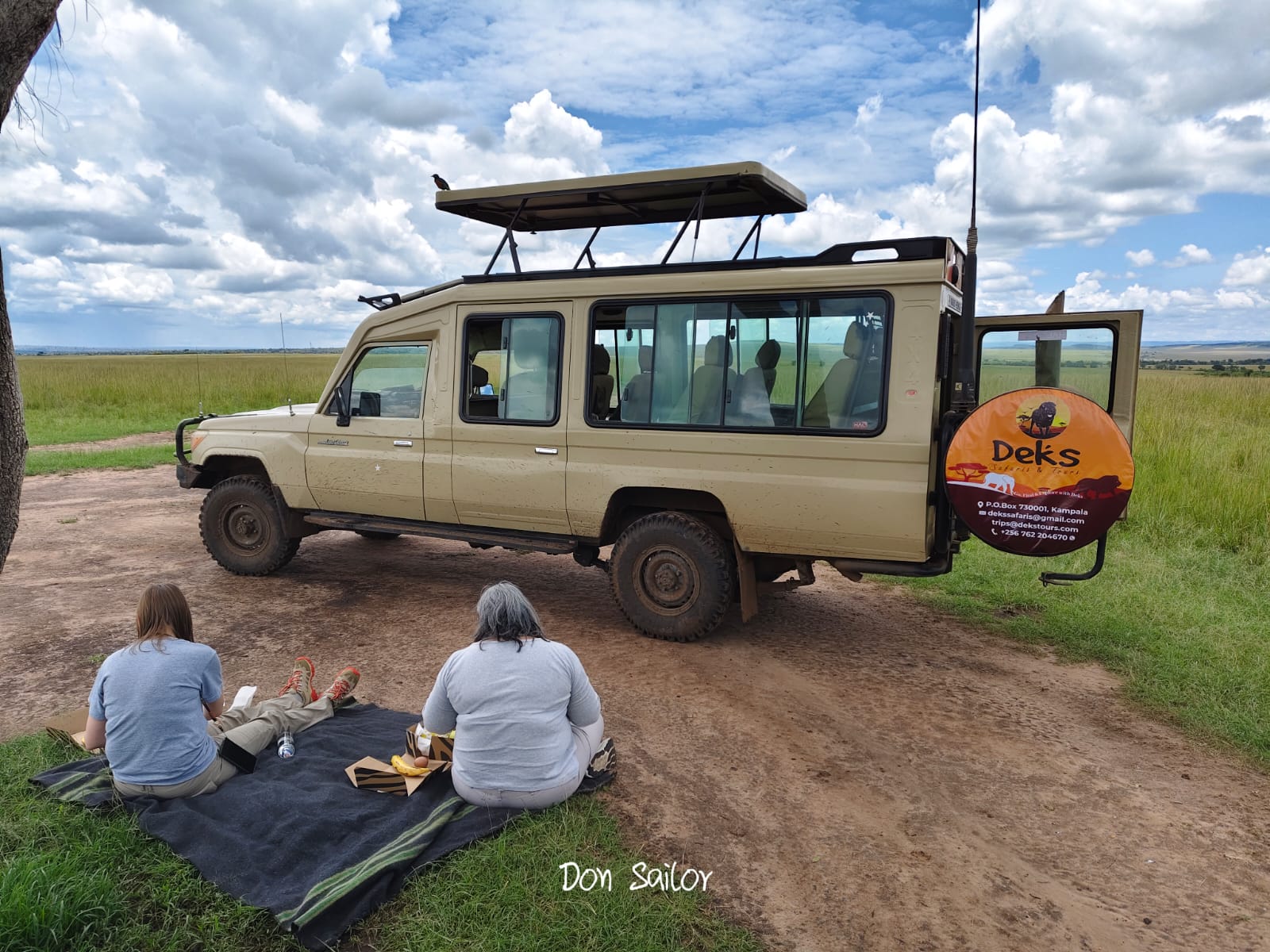
Tanzania Wildlife Safari
Day 8: Serengeti to Ngorongoro Conservation Area — Journey into the Highlands
- Accommodation: Ngorongoro Farm House
- Meal plan: Full board
Scenic transfer towards Ngorongoro
After breakfast, leave the Serengeti and travel towards the Ngorongoro Conservation Area. The route introduces you to changing landscapes, from open plains to highland scenery and areas with different vegetation.
The Ngorongoro Conservation Area is internationally recognised for its remarkable geological features, wildlife and conservation significance. Its most famous attraction, Ngorongoro Crater, formed when a large volcanic structure collapsed in on itself, creating a vast caldera.
During the journey, your guide can explain the relationship between wildlife, grazing lands and the human communities that live within the wider conservation landscape. The area supports pastoral livelihoods alongside conservation and tourism, making it an important example of the complexities involved in managing shared landscapes.
Check-in at Ngorongoro Farm House
The itinerary lists Ngorongoro Farm House as the proposed accommodation. The lodge provides the base for the following day’s crater excursion, although the final property, room category and meal plan require confirmation.
Depending on arrival time and lodge arrangements, the afternoon may offer an opportunity to relax or explore the immediate surroundings through an approved activity. The property setting and available experiences should be confirmed directly, rather than assuming every guest activity comes with the accommodation.
Preparing for the crater
Use the evening to prepare for the following day’s wildlife excursion. Comfortable clothing, sun protection, drinking water and a camera are useful for game drives. Conditions in the highlands can feel cooler than in the lowland parks, so an additional layer may be helpful.
The journey from the Serengeti to Ngorongoro adds a change of scenery to the 20 Days East Africa Safari Experience, preparing you for another important wildlife destination.
Day 9: Ngorongoro Crater — Wildlife Viewing and Highland Scenery
- Accommodation: Ngorongoro Farm House
- Meal plan: Full board
Game drives in Ngorongoro Crater
Today’s main activity is a wildlife excursion in the Ngorongoro Crater. The crater floor contains grassland, woodland, wetland and lake habitats that support a variety of mammals and birds.
During the game drive, you may search for lions, buffaloes, zebras, wildebeest, elephants, hyenas and other wildlife. Black rhinos also inhabit the wider ecosystem, although sightings depend on location and animal movements.
The crater’s enclosed geography makes it a distinctive wildlife destination. Its varied habitats support different species within a relatively concentrated landscape, creating opportunities for rewarding game viewing during a well-planned excursion.
Your guide will select routes according to park rules, wildlife activity and the day’s schedule. Visitors must follow designated tracks and respect restrictions intended to protect the environment and wildlife.
Understanding the crater landscape
Ngorongoro’s geological formation contributes to its dramatic scenery. The crater rim rises above the floor, creating panoramic views across grasslands, woodland and water features. Photographers can capture both wildlife and the broader landscape, especially when light and visibility are favourable.
Crater rim hike: confirm the arrangement
The supplied itinerary mentions a guided hike associated with the Ngorongoro Crater. Travellers should clarify the exact route, authorisation, guide arrangements and whether the activity involves a designated crater-rim walk or another approved hiking area. A standard crater game drive does not automatically include permission to hike into the crater.
The day’s activities should prioritise safe, authorised access and realistic travel times. After the excursion, return to Ngorongoro Farm House for dinner and relaxation.
The combination of geological scenery and wildlife viewing makes Ngorongoro an important part of the 20 Days East Africa Safari Experience.
Day 10: Ngorongoro to Tarangire National Park — The Elephant Kingdom
- Accommodation: Tarangire Sopa Lodge
- Meal plan: Full board
Journey to Tarangire
After breakfast, leave the Ngorongoro area and travel towards Tarangire National Park. The landscape changes as you approach a park famous for its baobab trees, seasonal river systems and large elephant populations.
Tarangire offers a different atmosphere from the Serengeti and Ngorongoro. Its vegetation includes woodland, grassland and areas shaped by the movement of water through the ecosystem. During dry periods, the Tarangire River can become an important source of water for wildlife, influencing where animals gather.
Game drives among elephants and baobabs
After reaching the park and completing the necessary arrangements, enjoy a game drive according to the day’s schedule. Elephants are among Tarangire’s most recognisable animals, and visitors may see family groups moving between feeding areas or gathering near water.
Other wildlife may include giraffes, zebras, buffaloes, wildebeest, warthogs, antelopes and predators. The species and numbers you encounter depend on the season, rainfall and the areas accessible during the visit.
The park also offers excellent opportunities for landscape photography. Baobabs stand prominently across the terrain, while changing light can create dramatic contrasts between trees, grasslands and distant hills.
Cultural activities around the lodge
Tarangire’s surrounding communities have varied livelihoods connected to farming, livestock, crafts and regional trade. Depending on the lodge location and available local providers, travellers may arrange a community visit, a local market excursion or an introduction to regional food and craft traditions.
Confirm the availability, cost and transport arrangements for any cultural activity. Such experiences are not automatically included simply because they take place near a lodge.
After the game drive, check in or return to Tarangire Sopa Lodge according to the final schedule. Dinner and an overnight stay provide time to rest before the cross-border journey back to Kenya.
Day 11: Tarangire to Amboseli National Park — Crossing into Kenya
- Accommodation: Sentrim Amboseli Lodge
- Meal plan: Full board
Cross the Namanga border
After breakfast, depart the Tarangire area and travel towards Kenya through the Namanga border crossing, subject to the confirmed route and immigration arrangements. This international transfer requires valid travel documents and compliance with the entry rules of both countries.
The journey to Amboseli can take a substantial part of the day, depending on road conditions, border processing and the exact starting point. The operator should confirm the realistic transfer schedule and whether an afternoon game drive is feasible after arrival.
Discover Amboseli’s distinctive landscape
Amboseli National Park is famous for its elephants and its views towards Mount Kilimanjaro. The mountain lies across the border in Tanzania, but its dramatic presence forms an important part of the Amboseli landscape when weather conditions provide clear visibility.
The park contains open plains, wetlands, seasonal swamps and areas of woodland. These habitats support elephants, buffaloes, zebras, wildebeest, giraffes and other wildlife. Predators also inhabit the area, although sightings depend on local conditions.
Accommodation and relaxation
Sentrim Amboseli Lodge is the proposed accommodation for the next two nights. Confirm the room category, meal plan and location before departure, as these details influence the timing of game drives.
If the transfer allows, an afternoon game drive may provide an introduction to the park. Otherwise, enjoy the lodge’s facilities and begin wildlife exploration the following morning.
The return to Kenya creates a distinctive link between the Tanzania wildlife circuit and the final part of the Kenyan safari. This cross-border journey adds variety to the 20 Days East Africa Safari Experience, although practical transport arrangements remain essential.
Day 12: Amboseli National Park — Elephants beneath Mount Kilimanjaro
- Accommodation: Sentrim Amboseli Lodge
- Meal plan: Full board
Morning game drive
Start the day with an early game drive through Amboseli National Park. Morning conditions can provide attractive light for photography, and wildlife may be active around the park’s plains and wetlands.
Amboseli is particularly well known for its elephants. Visitors may observe family groups feeding, walking across open terrain or gathering near wetland habitats. Guides can explain elephant social behaviour and the importance of protected areas and wider wildlife corridors.
Other possible sightings include zebras, wildebeest, giraffes, buffaloes and various antelope species. Lions and other predators inhabit the ecosystem, but sightings remain unpredictable.
Mount Kilimanjaro views and photography
When clouds clear, Mount Kilimanjaro creates a spectacular backdrop for wildlife photography. The mountain’s snow-covered summit can appear above the plains, producing one of East Africa’s most recognisable safari scenes.
Visibility changes with weather and time of day, so travellers should treat clear mountain views as a possibility rather than a guarantee. Patience and flexible game-drive timing can help photographers make the most of favourable conditions.
Amboseli also offers rewarding birdwatching, with species associated with wetlands, open grasslands and other habitats. Your guide can help identify birds and explain how seasonal water conditions affect their distribution.
Cultural experiences around Amboseli
A community visit may provide an introduction to Maasai heritage, pastoral traditions, beadwork and contemporary livelihoods. Arrange such visits through appropriate local providers, and ask about the community’s preferred photography rules and the benefits generated by tourism.
The day allows time to combine wildlife viewing with an understanding of the landscape’s cultural context. Return to Sentrim Amboseli Lodge for dinner and relaxation before the following day’s transfer to Nairobi and flight to Uganda.
Day 13: Amboseli to Nairobi — Flight to Entebbe, Uganda
- Accommodation: Lake Victoria Hotel
- Meal plan: Full board
Return to Nairobi Airport
After breakfast, depart Amboseli for Nairobi’s Jomo Kenyatta International Airport. The road journey requires careful scheduling because traffic, road conditions and airport procedures can affect the transfer time.
The itinerary includes a flight from Nairobi to Entebbe International Airport in Uganda. Confirm the flight time, airline, baggage allowance, fare conditions and airport transfer arrangements before departure. The international flight should allow enough time for the transfer from Amboseli and the airport’s check-in requirements.
Welcome to Uganda
Upon arrival in Entebbe, meet your local representative and transfer to Lake Victoria Hotel for check-in and relaxation. This marks the beginning of the Ugandan section of the 20 Days East Africa Safari Experience, which focuses on forests, primates, savannah wildlife and wetlands.
Uganda’s landscapes differ from the open plains of Kenya and Tanzania. Green countryside, freshwater lakes, forests and agricultural communities create a distinctive setting for the next part of the journey.
Lake Victoria and local experiences
Lake Victoria is one of Africa’s most important freshwater bodies and a defining feature of the Entebbe region. Depending on arrival time, you may enjoy a relaxed walk near the lake, visit a local craft shop or sample Ugandan cuisine at a suitable restaurant.
Entebbe Botanical Gardens may also be an option if time permits and the schedule allows. The gardens offer opportunities for birdwatching and learning about local plant life, although the visit should remain optional unless the operator includes it in the final programme.
Use the evening to prepare for the road transfer to Kibale Forest National Park. Check that your forest-walking shoes, rain protection and personal items are ready.
The flight between Nairobi and Entebbe creates a practical transition from East Africa’s classic savannah safaris to Uganda’s celebrated primate experiences.

Chimpanzee Tracking in Kibale
Day 14: Entebbe to Kibale Forest National Park — Bigodi Wetland Walk
- Accommodation: Turaco Treetops Lodge
- Meal plan: Full board
Journey through western Uganda
After breakfast, depart Entebbe and travel towards Kibale Forest National Park. The journey passes through rural settlements, agricultural land, rolling countryside and sections of western Uganda known for their green landscapes.
Allow sufficient time for the drive, refreshment stops and any agreed scenic breaks. The route provides opportunities to observe everyday life beyond the main tourist destinations, including farming activities, local trading centres and roadside markets.
Upon arrival, check in at Turaco Treetops Lodge, the proposed accommodation near Kibale. Confirm the lodge’s room category and final location before travel, particularly if you want convenient access to the following day’s chimpanzee tracking briefing.
Explore Bigodi Wetland Sanctuary
In the afternoon, the itinerary includes a guided walk in Bigodi Wetland Sanctuary, a community conservation area near Kibale Forest. This experience complements the national park’s forest ecosystem by introducing visitors to wetland habitats, birdlife and community-based conservation.
A local guide can help identify birds, monkeys, plants and other wildlife encountered along the walking route. Sightings depend on the season, weather and animal movements, but the walk offers a useful opportunity to appreciate the area’s biodiversity.
Cultural experiences around Kibale
The communities near Kibale have strong connections to agriculture, food production, local markets and conservation-related tourism. Depending on the available programme, visitors may arrange a village walk, a traditional food experience or a craft activity through a local provider.
These activities provide insight into daily life in western Uganda and the relationship between communities and the protected forest. Confirm whether a cultural visit is included or carries an additional cost.
Return to Turaco Treetops Lodge for dinner and rest. The peaceful forest setting provides a fitting introduction to the primate-focused section of the 20 Days East Africa Safari Experience.
Day 15: Chimpanzee Tracking in Kibale and Transfer to Queen Elizabeth National Park
- Accommodation: Elephant Hub Lodge
- Meal plan: Full board
Chimpanzee tracking in Kibale Forest
Begin the day with breakfast before heading to the designated briefing point for chimpanzee tracking in Kibale Forest National Park. Park staff explain the rules, safety precautions and expectations for visitors before the guided walk begins.
Experienced guides and trackers help locate chimpanzee communities by listening for calls, observing movement through the forest and following signs of activity. Once the chimpanzees are found, visitors may observe feeding, grooming, social interactions and movement through the canopy or along the forest floor.
The walk can involve uneven terrain, humid conditions and muddy trails. Comfortable hiking boots, long trousers, drinking water and rain protection help make the experience more manageable.
Chimpanzees are wild animals, and their movements determine the length of the walk. Visitors should follow the guide’s instructions and maintain the required distance. Confirm the chimpanzee permit and activity time in advance, particularly because the same day includes a transfer to another national park.
Journey to Queen Elizabeth National Park
After tracking, continue towards Queen Elizabeth National Park. The route passes through attractive countryside, with possible views of crater lakes, agricultural areas and distant mountain landscapes depending on the route and weather.
Queen Elizabeth National Park contains savannah, woodland, wetlands and crater-lake habitats. These ecosystems support elephants, buffaloes, antelopes, hippos, crocodiles and numerous bird species.
Upon arrival, check in at Elephant Hub Lodge, as listed in the itinerary. If time and park access permit, an evening game drive may offer an introduction to the wildlife around the Kasenyi area.
Evening relaxation
Return to the lodge for dinner and rest. The combination of chimpanzee tracking and savannah wildlife introduces two distinct ecosystems in a single day, although the final schedule should allow realistic time for both activities and the transfer.
Day 16: Queen Elizabeth National Park — Game Drives and Kazinga Channel Cruise
- Accommodation: Elephant Hub Lodge
- Meal plan: Full board
Early morning game drive
Begin the day with an early game drive in Queen Elizabeth National Park, using the Kasenyi sector or another suitable area according to the final route. The park’s open grasslands and woodland support a wide variety of wildlife.
Possible sightings include Uganda kob, buffaloes, elephants, hyenas and lions. Leopards also inhabit the park, although they can be difficult to find. Your guide will interpret animal tracks, feeding patterns and habitat features while searching for wildlife.
The park’s changing landscapes create excellent opportunities for photography. Open plains may provide long views across grazing herds, while wooded areas offer different opportunities to observe birds and mammals.
Boat cruise on the Kazinga Channel
After the game drive and a suitable break, enjoy the planned boat cruise along the Kazinga Channel. This natural waterway connects Lake Edward and Lake George and supports a rich variety of wildlife.
Hippos often gather in the water, while crocodiles may rest along the banks. Elephants and buffaloes sometimes approach the shoreline, and numerous birds use the channel as a feeding or resting area.
The boat cruise offers a different perspective from a vehicle-based game drive. Visitors can observe animals along the water’s edge and appreciate how the channel supports wildlife throughout the ecosystem.
Cultural experiences near Queen Elizabeth National Park
Communities surrounding the park have varied traditions associated with farming, fishing, crafts and local trade. Depending on the lodge location and available arrangements, visitors may join a guided community walk, visit a local craft group or learn about traditional food preparation.
These experiences should respect local customs and provide fair benefits to participating residents. Confirm the exact activity and cost with the operator rather than assuming it forms part of the lodge stay.
Return to Elephant Hub Lodge for dinner and relaxation. This day combines game drives, water-based wildlife viewing and the cultural landscape surrounding Queen Elizabeth National Park.
Day 17: Queen Elizabeth National Park to Bwindi — Batwa Cultural Experience
- Accommodation: Ichumbi Gorilla Lodge, Rushaga sector
- Meal plan: Full board
Journey towards Bwindi Impenetrable National Park
After breakfast, leave Queen Elizabeth National Park and travel towards Bwindi Impenetrable National Park in southwestern Uganda. The route passes through rural settlements, cultivated hills and landscapes that become increasingly green as you approach the forest region.
Bwindi protects an important population of endangered mountain gorillas and supports many other forest species. Its steep terrain, dense vegetation and changing weather create a distinctive environment compared with the open savannahs of Kenya and Tanzania.
The itinerary identifies Ichumbi Gorilla Lodge in the Rushaga sector as the proposed accommodation. Confirm the exact property and gorilla trekking sector before travel, as the permit allocation and lodge location influence the following morning’s arrangements.
Batwa cultural experience
The afternoon includes a Batwa cultural experience. The Batwa are an Indigenous forest community with a longstanding connection to the forests of the region. A responsible cultural programme can introduce visitors to aspects of traditional forest knowledge, music, dance, storytelling and historical relationships with the forest environment.
These experiences should present Batwa communities with dignity and respect. Their history includes significant challenges connected to forest conservation, land access and changes in traditional livelihoods. A knowledgeable community guide can provide valuable context while ensuring that the experience reflects local perspectives.
Visitors should ask permission before taking photographs and follow the guidance of the host community. Where possible, choose programmes that provide direct benefits to participants and support locally managed cultural initiatives.
Prepare for gorilla trekking
After the cultural visit, return to the lodge for dinner and rest. Prepare comfortable hiking boots, long trousers, rain protection, drinking water and any personal medication required for the following day’s trek.
Mountain gorilla trekking requires patience and flexibility because the gorillas move through their natural habitat. Confirm the briefing time, permit arrangements and transport to the correct park headquarters.
The forest setting and cultural experience make this an important transition within the 20 Days East Africa Safari Experience, leading to one of the journey’s main highlights.
Day 18: Uganda Gorilla Trekking in Bwindi and Relaxation at Lake Bunyonyi
- Accommodation: Arcadia Lodges, Lake Bunyonyi
- Meal plan: Full board
Mountain gorilla trekking in Bwindi
Today brings one of the defining highlights of the 20 Days East Africa Safari Experience: mountain gorilla trekking in Bwindi Impenetrable National Park. After an early breakfast, travel to the designated park headquarters for registration and a briefing from the rangers.
Park staff allocate visitors to a gorilla group according to the applicable arrangements and explain the rules for the trek. Experienced guides and trackers then lead the group into the forest to locate the gorillas.
The duration and difficulty of the trek depend on the gorillas’ movements, terrain, weather and the location of the assigned group. Some treks take a few hours, while others require longer walks over steep or muddy ground. Visitors should prepare for changing conditions and follow all ranger instructions.
Once the gorillas are located, visitors receive a limited viewing period under the applicable conservation rules. Watching a gorilla family feed, groom, rest and interact can provide a powerful insight into the behaviour of these endangered primates.
Responsible gorilla trekking
Maintaining the required distance, following health precautions and avoiding sudden movements help protect both visitors and gorillas. Anyone feeling unwell should follow the park’s current guidance and discuss the situation with the operator before joining the trek.
A successful experience depends on preparation rather than a guaranteed viewing distance or trek duration. Comfortable footwear, gloves for vegetation, rain protection and sufficient water can make the walk easier.
Relax at Lake Bunyonyi
After the trek, transfer towards Lake Bunyonyi, subject to the practical timing of the activity and road journey. The lake is known for its terraced hills, green surroundings and calm waters, providing a relaxing contrast to the forest trek.
Depending on local conditions and available arrangements, you may enjoy a canoe excursion, a lakeside walk or time to relax at Arcadia Lodges. Swimming should only take place in locations where local guidance confirms it is appropriate and safe.
Cultural experiences around Lake Bunyonyi may include guided village walks, local craft encounters and introductions to regional food traditions. Confirm the availability of these activities with the lodge or operator.
The transition from gorilla trekking to Lake Bunyonyi’s tranquil scenery creates a memorable balance of adventure and relaxation.
Day 19: Lake Bunyonyi to Entebbe — Scenic Road Journey and Equator Stop
- Accommodation: Lake Victoria Hotel
- Meal plan: Full board
Return through Uganda’s countryside
After breakfast, depart Lake Bunyonyi and begin the road journey towards Entebbe. The route passes through Uganda’s varied countryside, including cultivated hills, rural trading centres and landscapes shaped by farming and local commerce.
The journey is substantial, so allow time for refreshment breaks and lunch. The operator should confirm the planned departure time and expected arrival time, especially if you have onward travel arrangements the following day.
Stop at the Equator crossing
The itinerary includes a stop at the Equator crossing in Kayabwe. This location provides a popular opportunity for photographs, souvenir shopping and a brief introduction to the geography of the Equator.
Local businesses offer crafts and other souvenirs, and travellers can support local makers by purchasing authentic products. If time permits, a guide can explain the significance of the Equator and the region’s position within Uganda.
Entebbe and Lake Victoria
Upon arrival in Entebbe, check in at Lake Victoria Hotel for your final overnight stay. Depending on the arrival time, you may enjoy a quiet evening, take a short walk near the lake or relax at the hotel.
Entebbe offers a calmer atmosphere than Nairobi and provides convenient access to the airport. The town’s location beside Lake Victoria creates opportunities for birdwatching, lakeside scenery and selected local experiences.
If your schedule allows, you may consider visiting a local craft shop or enjoying a meal featuring Ugandan dishes. However, after a long drive, rest may be the best option.
Use the evening to organise luggage, check your international flight details and prepare for the final excursion to Mabamba Swamp. This overnight stay gives you a comfortable base before departure and completes the main road journey of the 20 Days East Africa Safari Experience.
Day 20: Mabamba Swamp — Shoebill Tracking and Departure
- Accommodation: None
- Meal plan: Half board
Canoe excursion in Mabamba Swamp
Your final day begins with an early excursion to Mabamba Swamp, a wetland on the northern shores of Lake Victoria and one of Uganda’s recognised birdwatching destinations. The swamp’s channels and papyrus vegetation provide habitat for a variety of wetland birds.
The main target is the shoebill, a distinctive and sought-after bird known for its large bill and prehistoric appearance. A local guide can navigate suitable channels and help identify birdlife along the route. Sightings depend on bird movements, water conditions and the time spent exploring appropriate habitat.
The excursion typically uses a small canoe or locally operated boat. Travellers should follow the guide’s safety instructions, protect cameras and phones from water and avoid disturbing birds.
Other species may include herons, kingfishers and papyrus-associated birds, depending on conditions. The experience provides a different wildlife perspective from the savannah game drives and forest treks earlier in the journey.
Local conservation and community livelihoods
Mabamba offers opportunities to learn about the relationship between wetland conservation, birdwatching tourism and local livelihoods. A responsible visit can support local guides and community members who help visitors explore the wetland.
Travellers should respect the environment by avoiding litter, following designated routes and keeping a suitable distance from birds. Wetland habitats can be sensitive to disturbance, so quiet observation improves the experience for both visitors and wildlife.
Departure from Entebbe
After the excursion, return according to the final transport and meal arrangements. Allow sufficient time for your international departure procedures at Entebbe International Airport. The exact schedule should account for the flight time, airport check-in requirements and the distance from the wetland or hotel.
The shoebill excursion provides a fitting conclusion to the 20 Days East Africa Safari Experience, bringing together Uganda’s birdlife, local guiding and wetland landscapes before you return home.
Accommodation Guide for the 20 Days East Africa Safari Experience
The proposed accommodation combines city hotels, safari lodges and tented camps across Kenya, Tanzania and Uganda. Each property provides a base for exploring nearby attractions, although room categories, meal plans and availability should be confirmed before booking.
Radisson Blu Hotel, Nairobi
The itinerary lists Radisson Blu Hotel for the first night in Nairobi. Its role is to provide a comfortable arrival base before the journey towards Lake Nakuru and the Maasai Mara.
Depending on arrival time and hotel arrangements, travellers may enjoy dining, relaxation or selected city excursions. Cultural activities in Nairobi can include visits to museums, craft markets, local restaurants and other attractions. Confirm any excursion costs and transport arrangements separately.
Ziwa Bush Lodge
Ziwa Bush Lodge appears in the itinerary for the Lake Nakuru section. Confirm the exact location and property details, including access to the park and the planned lake activity.
Local experiences may include visits to nearby communities, markets or craft outlets, depending on the lodge’s location and available providers. These options should remain subject to confirmation.
Zebra Plains Mara Camp
Zebra Plains Mara Camp is the proposed base for two nights in the Maasai Mara. The schedule combines game drives with a Maasai cultural experience and opportunities for nature interpretation.
Ask about the camp’s exact location, room facilities, meal plan and any activities it organises. Community visits should follow local protocols and provide fair benefits to participating residents.
Kontiki Serengeti Camp
The itinerary allocates three nights to Kontiki Serengeti Camp. Its precise location is important because the Serengeti is extensive and seasonal wildlife movements affect the best game-drive areas.
Cultural visits to a Maasai Boma and an optional Hot Air Balloon Ride form part of the planned experience, subject to availability and cost. Confirm whether the camp can support the chosen activities within the schedule.
Ngorongoro Farm House
Ngorongoro Farm House is the proposed accommodation for two nights. The location provides a base for the Ngorongoro excursion, although the exact crater access route and transfer time should be checked.
Ask about any available farm or cultural experiences around the property. Such activities depend on the lodge’s current programme and should not be assumed to be included.
Tarangire Sopa Lodge
Tarangire Sopa Lodge is listed for the night in the Tarangire area. The itinerary focuses on elephant viewing, baobab landscapes and game drives.
Cultural experiences may be available through nearby community providers, including craft or local food activities. Confirm their location, cost and transport requirements.
Sentrim Amboseli Lodge
The itinerary includes two nights at Sentrim Amboseli Lodge. The park offers opportunities for elephant viewing, game drives and photography with Mount Kilimanjaro as a possible backdrop.
Community visits may introduce travellers to Maasai culture and local conservation activities. Confirm the lodge’s available excursions and whether they form part of the package.
Lake Victoria Hotel
Lake Victoria Hotel provides accommodation in Entebbe before and after the Ugandan safari activities. Its location supports airport access and potential lakeside experiences.
Depending on the schedule, travellers may consider local food experiences, craft shopping or a visit to Entebbe Botanical Gardens. These options require confirmation and sufficient time.
Turaco Treetops Lodge
Turaco Treetops Lodge is the proposed accommodation near Kibale Forest National Park. The location is useful for the Bigodi Wetland walk and chimpanzee tracking, although the final transfer and briefing arrangements should be confirmed.
Local cultural experiences may include guided community walks, craft encounters and traditional food activities arranged through suitable providers.
Elephant Hub Lodge
Elephant Hub Lodge is listed for the Queen Elizabeth National Park section. The planned activities include game drives and a boat cruise along the Kazinga Channel.
Ask about the property’s exact location, access to the park and the timing of the boat cruise. Nearby community experiences may be available depending on the route and local arrangements.
Ichumbi Gorilla Lodge
Ichumbi Gorilla Lodge is listed in the Rushaga sector near Bwindi Impenetrable National Park. Confirm that the accommodation matches the gorilla trekking permit sector and the planned briefing location.
The itinerary includes a Batwa cultural experience, which should be arranged through an appropriate local provider with respect for community preferences and heritage.
Arcadia Lodges, Lake Bunyonyi
Arcadia Lodges provides the planned overnight stay near Lake Bunyonyi after gorilla trekking. The lake offers opportunities for relaxation, scenic walks and possible canoe excursions.
Local community experiences may include craft activities, guided village walks and regional food experiences, depending on availability. Confirm any extra costs and safety guidance before participating.
Best Time to Book the 20 Days East Africa Safari Experience
June to October: Popular safari months
The dry-season months often attract travellers to Kenya and Tanzania because many wildlife areas offer productive game viewing during this period. In parts of the Maasai Mara and Serengeti, seasonal migration herds may create excellent wildlife opportunities, although their precise location changes from year to year.
Uganda’s gorilla trekking and chimpanzee tracking activities operate in different seasons, subject to current park arrangements. Forest conditions can change with rainfall, so visitors should always prepare for damp or muddy trails.
Popular travel periods can increase demand for permits, lodges and flights. Advance booking is particularly valuable when your dates are fixed or you want a specific accommodation property.
January to March: Calving season and primate experiences
Some southern Serengeti areas may support large concentrations of wildebeest during the calving period. This can provide opportunities to observe young animals and predator activity, depending on the season and the location of the herds.
Uganda’s primate experiences can also fit into this period, although rain and forest conditions remain variable. Travellers should choose appropriate clothing and understand that wildlife sightings and trekking durations cannot be guaranteed.
November, December and changing seasons
Rainfall patterns vary across East Africa, so November and December can bring greener landscapes and changing wildlife distribution. Some roads may become slower in wet conditions, while birdwatching and photography can benefit from seasonal changes.
Festive-season travel can also increase demand for popular lodges and flights. Confirm availability early if you plan to travel around Christmas or New Year.
Booking permits and accommodation
For the 20 Days East Africa Safari Experience, the best time to book depends on your preferred dates and priorities. Secure the essential gorilla and chimpanzee permits before making non-refundable arrangements that depend on specific trekking dates.
Confirm the accommodation, flights, park activities and border logistics together. This helps prevent a single unavailable service from disrupting the wider itinerary.
What Is Included in the 20 Days East Africa Safari Experience?
- All Park entrance fees and conservation charges.
- Ground transportation and transfers in 4×4 safari vehicles.
- Domestic flight from Nairobi to Entebbe.
- Accommodation and meals according to the itinerary’s meal plan.
- Services of a professional English-speaking driver-guide as specified in the final arrangement.
- Scheduled game drives and wildlife activities.
- Boat cruise on the Kazinga Channel.
- Other scheduled boat or canoe activities only where confirmed in the final quotation.
- Gorilla trekking permit in Uganda.
- Chimpanzee tracking permit in Uganda.
- Bottled drinking water during the safari, according to the package terms.
- Airport pick-up and drop-off services at the agreed arrival and departure points.
- Government taxes and levies applicable at the time of quotation.
- Emergency medical evacuation cover through the stated AMREF/Flying Doctors arrangement, subject to policy terms.
- Scheduled cultural visits with Maasai and Batwa communities.
- Nature walks and guided hikes where confirmed in the itinerary.
- All road transfers specified in the final itinerary.
- Confirm the optional activities
The Serengeti Hot Air Balloon Ride is listed as an optional extra. It should not be treated as included unless the operator confirms otherwise in writing.
The Lake Nakuru sunset boat cruise and Ngorongoro hiking activity also require confirmation of availability, access, safety arrangements and cost. The final quotation should clearly distinguish confirmed inclusions from optional or unconfirmed activities.
What Is Excluded from the Safari Package?
- International flights to and from East Africa.
- Visa fees for Kenya, Tanzania and Uganda, as applicable to your nationality.
- Travel and medical insurance.
- Optional Hot Air Balloon Ride in the Serengeti.
- Additional cultural visits or excursions not included in the final itinerary.
- Personal expenses such as laundry, telephone calls and souvenirs.
- Tips and gratuities for guides, drivers and lodge staff.
- Meals and beverages not specified in the agreed meal plan.
- Extra accommodation before or after the safari.
Government-imposed increases in park fees or taxes where the booking terms allow these charges to be passed on.
Personal purchases and items of a personal nature.
Plan for additional expenses
Travellers should also clarify the treatment of drinks, special dietary requests, extra transfers, early check-in, late check-out and any activities that require separate bookings. These details vary by property and operator.
Check visa requirements
Entry rules depend on nationality, travel documents and the route. Kenya, Tanzania and Uganda have separate immigration requirements, so confirm the applicable rules through official immigration sources before departure.
The East African Tourist Visa does not replace Tanzania’s separate entry requirements. Travellers should verify all necessary documents for the full route, including the Kenya–Tanzania crossings and the flight into Uganda.
How Much Does the 20 Days East Africa Safari Experience Cost?
| Number of People | Solo Traveller | 2 People | 4 People | 6 People |
| Rate Per Person | USD 26,389 | USD 13,879 | USD 9,985 | USD 8,876 |
Single Room Supplement: USD 1,276
These figures reflect the source itinerary and should be reconfirmed before booking. Changes to travel dates, accommodation availability, permit costs, flight fares or the inclusion of optional activities may affect the final amount.
What affects the price?
The total cost depends on accommodation, transport, park fees, specialist permits, guiding arrangements and the number of travellers sharing the safari vehicle. Regional flights and cross-border logistics also influence the price.
Optional activities, including the Serengeti Hot Air Balloon Ride, can increase the total cost. Travellers should request a written price for each optional excursion and confirm whether the quoted amount covers all applicable fees.
Value and transparency
A useful quotation identifies the accommodation, meal plan, permits, park fees, flights, transfers and activities included in the package. It should also list exclusions and explain the payment schedule.
Before paying a deposit, confirm the cancellation policy, refund conditions, payment deadlines and procedures for changes caused by weather or operational circumstances.
Deks Africa Safaris & Tours Ltd can provide the final booking details for the proposed itinerary, subject to current availability and confirmation of all listed services.
Practical Travel Tips for the 20 Days East Africa Safari Experience
Documents and border arrangements
Carry a valid passport, required visas, flight confirmations, travel insurance details and copies of important documents. Check the entry requirements for Kenya, Tanzania and Uganda before departure.
Keep your passport accessible during border crossings and follow instructions from immigration officials. Confirm which operator or vehicle will handle each cross-border transfer, because transport arrangements can differ between countries.
Clothing and equipment
Pack comfortable clothing suitable for warm savannah conditions and cooler mornings. Neutral colours work well for many game drives, while long trousers and long-sleeved shirts can be useful for forest activities.
For gorilla and chimpanzee tracking, bring sturdy hiking boots, rain protection, gardening gloves if desired and a small daypack. The forest terrain can become slippery, so footwear and clothing should prioritise comfort and protection.
A hat, sunscreen, insect repellent and reusable water bottle can be useful throughout the trip. Travellers should also bring personal medication and any essential items that may be difficult to obtain during remote sections of the journey.
Photography
A camera with a versatile zoom lens can help capture wildlife from different distances. Binoculars are useful for observing birds and animals without disturbing them.
Protect equipment from dust, rain and humidity, especially during forest walks and boat excursions. Follow all rules on photography around primates and respect local guidance during cultural visits.
Health and fitness
The itinerary includes early starts, long road journeys, game drives and forest trekking. A reasonable level of fitness helps with the walking activities, particularly gorilla trekking and chimpanzee tracking.
Discuss relevant health concerns with a qualified medical professional before travel. Check current vaccination and travel-health recommendations for each destination and follow the guidance of the relevant authorities.
Money and personal spending
Carry suitable payment methods for your personal expenses and confirm which currencies are useful for the route. Inform your bank about international travel if necessary and check whether cards are accepted at your chosen lodges.
Tips, souvenirs, drinks and optional activities may require extra spending. Planning for these costs helps avoid unnecessary uncertainty during the trip.
Responsible Tourism on Your 20 Days East Africa Safari Experience
Protect wildlife
Wildlife viewing should always follow park rules and guide instructions. Never feed wild animals, approach them without authorisation or pressure a guide to break regulations for a photograph.
During gorilla trekking, follow the current rules on distance, group behaviour and health precautions. These measures help protect the gorillas and the people who work with them.
Respect local communities
Cultural visits should take place with the consent and participation of local hosts. Ask before taking photographs, respect any restrictions and approach cultural traditions with curiosity rather than judgement.
Where possible, support community-led tourism, local guides and craft makers. Fair payment for cultural activities helps direct tourism benefits towards participating residents.
Reduce environmental impact
Avoid littering and follow the waste-management guidance of lodges and parks. Reusable water bottles and responsible use of water and energy can reduce environmental pressure, especially in remote areas.
Stay on designated paths and avoid disturbing plants, animals or cultural sites. Small actions can help protect the environments that make the safari experience possible.
Support conservation-minded travel
National parks, community programmes and responsible tourism businesses contribute to wildlife conservation in different ways. Travellers can ask their operator how the itinerary supports local employment and conservation initiatives.
The 20 Days East Africa Safari Experience offers opportunities to appreciate wildlife and cultural heritage while learning why responsible travel matters. Respectful choices help protect these destinations for future generations.
Frequently Asked Questions About the 20 Days East Africa Safari Experience
Which countries does this safari visit?
The 20 Days East Africa Safari Experience takes you through three remarkable East African countries: Kenya, Tanzania and Uganda. Each destination contributes a distinct wildlife, cultural and scenic experience, creating a diverse journey across the region. The itinerary begins in Nairobi, Kenya, before exploring Lake Nakuru National Park and the world-famous Maasai Mara National Reserve. These destinations offer opportunities to encounter African wildlife, including elephants, giraffes, zebras, buffaloes and various predators.
The journey continues into Tanzania, where you explore Serengeti National Park, the Ngorongoro Conservation Area and Tarangire National Park. These destinations are renowned for their expansive landscapes, abundant wildlife and opportunities to witness the Great Wildlife Migration when seasonal conditions are favourable. The itinerary then returns to Kenya for a safari in Amboseli National Park, famous for its elephant herds and spectacular views of Mount Kilimanjaro.
Finally, the Ugandan section introduces a different side of East Africa through chimpanzee tracking in Kibale Forest National Park, wildlife viewing in Queen Elizabeth National Park, mountain gorilla trekking in Bwindi Impenetrable National Park and birdwatching at Mabamba Swamp. This combination makes the tour suitable for travellers seeking Kenya Wildlife Safaris, Tanzania Safaris and Uganda Safaris within one extended adventure.
Does the 20 Days East Africa Safari Experience include mountain gorilla trekking?
Yes. The 20 Days East Africa Safari Experience includes mountain gorilla trekking in Bwindi Impenetrable National Park in southwestern Uganda. This is one of the most memorable highlights of the journey because it gives you the opportunity to encounter endangered mountain gorillas in their natural forest habitat. Bwindi is internationally recognised for its mountain gorilla population and its dense, biodiverse rainforest.
On the scheduled trekking day, you travel to the relevant park sector for registration, a briefing by park officials and assignment to a habituated gorilla family. Rangers and trackers then lead the group into the forest to search for the gorillas. Trekking conditions vary according to the family’s location, terrain and weather. Consequently, the walk may be relatively short or involve several hours of hiking through steep, muddy and densely vegetated terrain.
The itinerary places this experience on Day 18? No—the supplied schedule places gorilla trekking on Day 18? The correct scheduled day is Day 18 only if the preceding itinerary is renumbered; in the supplied 20-day itinerary, the gorilla trek is on Day 18? Please confirm the final day numbering against the complete itinerary before publishing. The planned activity follows the transfer to Bwindi and Batwa cultural experience on Day 17, with the following day allocated to trekking and relaxation at Lake Bunyonyi.
Is chimpanzee tracking included in the 20 Days East Africa Safari Experience?
Yes. Chimpanzee tracking in Kibale Forest National Park is included in the Ugandan section of the 20 Days East Africa Safari Experience. Kibale is one of East Africa’s best-known destinations for observing wild chimpanzees, and its tropical forest supports numerous other primates, birds, butterflies and plant species. This experience complements mountain gorilla trekking by introducing you to another of Uganda’s remarkable great apes.
According to the itinerary, you travel from Entebbe towards Kibale Forest National Park on Day 14, with a Bigodi Wetland Sanctuary walk planned for the afternoon. Day 15 is dedicated to chimpanzee tracking before continuing to Queen Elizabeth National Park. This arrangement allows you to explore the forest environment and learn about its biodiversity before moving into Uganda’s savannah landscapes.
Chimpanzee tracking generally begins with a briefing from park staff, followed by a guided walk through the forest with experienced trackers and rangers. The time required to locate the chimpanzees varies because the animals move through the forest in search of food. Once the group encounters them, visitors can observe their behaviour, social interactions and movement, subject to the applicable park rules.
Can I see the Great Wildlife Migration?
The 20 Days East Africa Safari Experience offers opportunities to look for the Great Wildlife Migration in Kenya’s Maasai Mara and Tanzania’s Serengeti National Park. This remarkable natural movement involves vast herds of wildebeest and zebras travelling across the Serengeti–Mara ecosystem in response to rainfall, fresh grazing and water availability. The migration is dynamic rather than fixed, so its location changes throughout the year.
In Kenya, the Maasai Mara is particularly well known for seasonal concentrations of migrating herds, while Tanzania’s Serengeti supports large wildlife populations across different regions and seasons. Your itinerary includes game drives in the Maasai Mara on Days 3 and 4, followed by Serengeti game drives on Days 5 to 7. These activities provide several opportunities to search for wildlife and, depending on the season, migration herds.
The supplied programme mentions migration viewing around the Grumeti River. However, the suitability of this area depends on your travel dates and the herds’ movements. A particular river crossing, herd concentration or predator encounter cannot be promised. Even during a favourable season, sightings depend on weather, animal behaviour and daily conditions.
Is the Hot Air Balloon Ride included?
No. The Hot Air Balloon Ride in the Serengeti is listed as an optional activity in the 20 Days East Africa Safari Experience and is subject to an additional charge. It is not included in the stated package price unless the operator confirms otherwise in writing. This distinction is important when planning your overall safari budget.
A typical Serengeti balloon excursion begins early in the morning, when conditions are generally suitable for flight. After a transfer to the launch site and a safety briefing, participants rise above the plains to appreciate the landscape from the air. Depending on the flight route and weather, the views may include open grasslands, woodland, rivers and wildlife moving across the ecosystem. The experience commonly concludes with a landing and a breakfast arrangement, although the precise programme depends on the provider.
The balloon ride can add a memorable perspective to your Tanzania Safaris experience, particularly for photographers and travellers who want to see the Serengeti from a different angle. However, it is not necessary to enjoy the park. Standard game drives remain the main wildlife activity in the supplied itinerary and provide opportunities to explore different habitats with your guide.
Are international flights included?
No. The supplied quotation for the 20 Days East Africa Safari Experience excludes international flights between your home country and East Africa. Travellers should therefore budget separately for their arrival and departure tickets, including any connecting flights required to reach Nairobi at the start of the tour and leave Entebbe at the end.
The itinerary does, however, list a flight from Nairobi to Entebbe as included in the package, subject to confirmation of the final arrangements. This flight connects the Kenyan and Ugandan sections of the safari after your stay in Amboseli National Park. The exact airline, departure time, baggage allowance, airport procedures and ticket conditions should be confirmed before the booking is finalised.
The other major transfers described in the itinerary are by road in safari vehicles, including travel between Kenya and Tanzania through the Isebania border and between Tanzania and Kenya through the Namanga border. These journeys involve immigration procedures and can take considerable time. Your passport, visa arrangements and entry requirements should be checked well in advance.
Because this is a multi-country itinerary, make sure your international flights align with the first and final safari days. Arriving late in Nairobi or booking a departure from Entebbe too early could create logistical difficulties. It is also sensible to allow for unexpected delays, especially after long road transfers.
What accommodation standard does the safari offer?
The 20 Days East Africa Safari Experience is presented as a mid-range safari, combining city hotels, safari lodges and tented camps across Kenya, Tanzania and Uganda. The proposed properties include Radisson Blu Hotel in Nairobi, Zebra Plains Mara Camp in the Maasai Mara, Kontiki Serengeti Camp in the Serengeti, Ngorongoro Farm House, Tarangire Sopa Lodge, Sentrim Amboseli Lodge, Lake Victoria Hotel, Turaco Treetops Lodge, Elephant Hub Lodge, Ichumbi Gorilla Lodge and Arcadia Lodges near Lake Bunyonyi.
These accommodation options are intended to provide a balance between comfort, convenient access to wildlife destinations and the practical requirements of a long overland journey. Safari camps and lodges can also provide opportunities to enjoy the surrounding landscapes, relax between activities and experience the atmosphere of different ecosystems. Facilities and services, however, vary from one property to another.
The final accommodation arrangement should be checked carefully because property availability can change, particularly during busy travel periods. Ask the operator to confirm the name of every property, room category, occupancy arrangement, meal plan and any additional charges. You should also clarify whether the quoted price includes en-suite facilities, Wi-Fi, laundry, drinks, transfers between the property and park gates, and other services important to you.
Are meals included in the 20 Days East Africa Safari Experience?
Yes. Meals are included according to the meal plan specified for each day of the 20 Days East Africa Safari Experience. The supplied quotation describes half board for the first and final days and full board on most safari days. This arrangement is designed to provide regular meals while allowing the tour to move between national parks, lodges and accommodation stops.
Half board generally means breakfast and one additional main meal, usually dinner, while full board generally includes breakfast, lunch and dinner. Nevertheless, the precise arrangement should be verified with the operator because meal schedules may differ by property and activity. Early-morning game drives, long road transfers and park excursions can also affect the timing and location of meals.
During safari days, lunch may be served at the lodge, provided as a packed meal or arranged according to the day’s route. The itinerary includes several long transfers, including travel between the Maasai Mara and Serengeti, Tarangire and Amboseli, and Entebbe and Kibale. It is therefore helpful to confirm whether packed lunches and drinking water are provided on these journeys.
The quotation should also clarify whether tea, coffee, bottled water, soft drinks and alcoholic beverages are included. Do not assume that every beverage is covered simply because meals are included. Special dietary requirements, including vegetarian, vegan, gluten-free or allergy-related needs, should be communicated before travel so that the operator can coordinate with the accommodation providers.
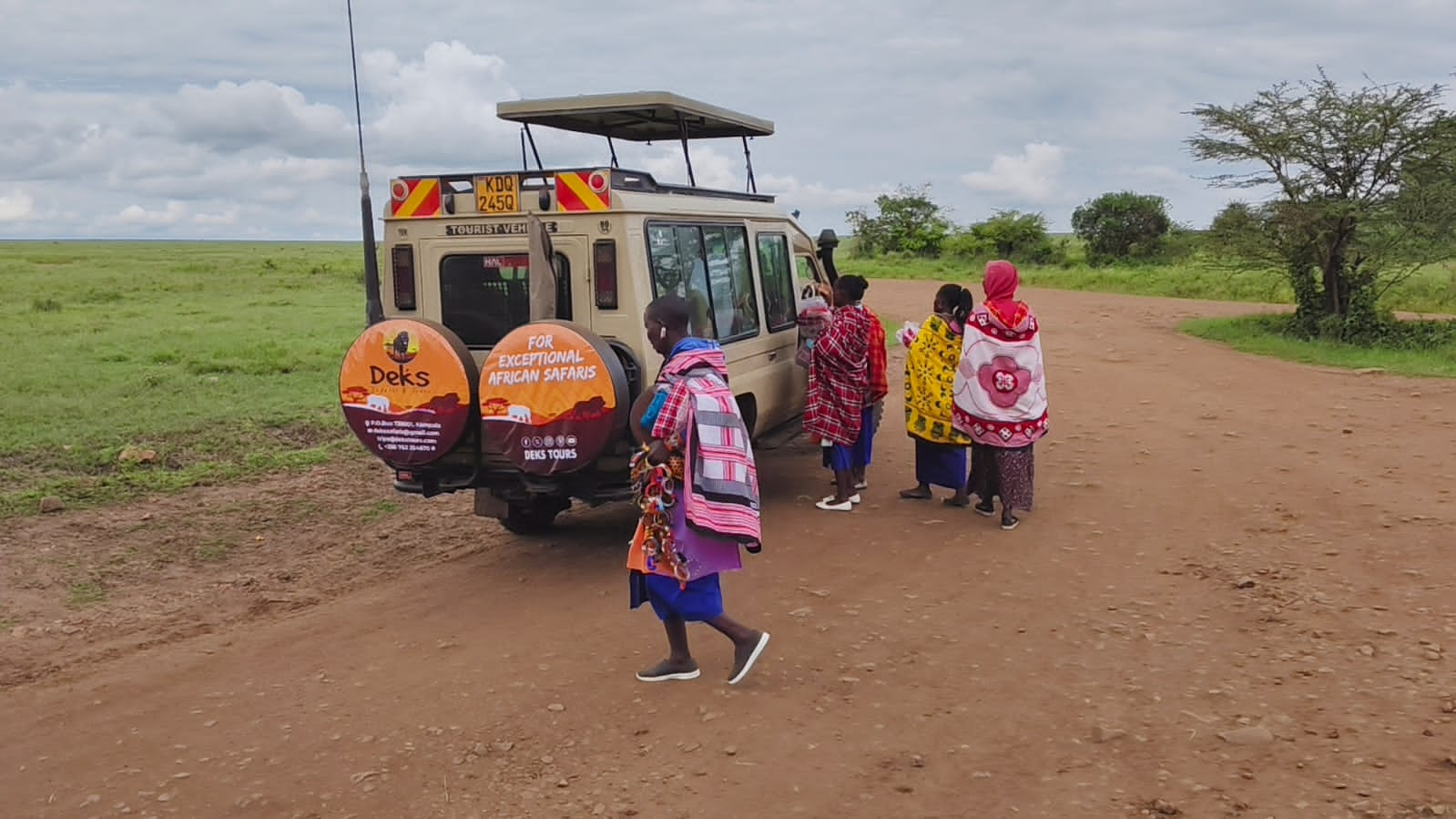
Masai Mara National Reserve
Can the 20 Days East Africa Safari Experience be customised?
Yes. The 20 Days East Africa Safari Experience may be customised, subject to permit availability, accommodation space, park regulations, transport logistics and the additional or reduced costs associated with changes. Because the tour covers Kenya, Tanzania and Uganda, adjustments should be considered carefully to preserve realistic driving times and avoid compromising key wildlife activities.
For example, travellers may wish to spend more time in the Maasai Mara or Serengeti, change a lodge, add an extra night in Uganda or adjust the balance between wildlife viewing and cultural experiences. However, any proposed change should be assessed against the locations of the parks, border-crossing arrangements, domestic flight schedules and the time needed to travel between destinations.
Some activities require advance arrangements. Mountain gorilla trekking and chimpanzee tracking depend on the availability of the appropriate permits, while a Serengeti Hot Air Balloon Ride requires a separate booking and additional payment. Changes to the dates of these activities may therefore affect the overall itinerary and total cost.
If you are interested in combining more destinations, the operator can discuss related options such as Uganda Rwanda Safaris, Uganda Kenya Safaris, Tanzania Uganda Safaris, Tanzania Rwanda Safaris or Kenya Rwanda Safaris. These alternatives would be separate itinerary configurations rather than automatic inclusions in the supplied three-country programme. Each would need a fresh assessment of travel time, border procedures, accommodation and activity availability.
What should I confirm before paying a deposit?
Before paying a deposit for the 20 Days East Africa Safari Experience, review the complete itinerary and written quotation carefully. A multi-country safari involves several accommodation bookings, park activities, border crossings, permits and transport arrangements, so clear documentation is essential. Confirm that your travel dates and the number of travellers are correct and that the quoted package price matches the agreed arrangements.
First, verify the accommodation list, room categories, occupancy, meal plans and confirmation status of each property. Next, ask for written confirmation of the Uganda gorilla trekking and chimpanzee tracking permits, including the activity dates and relevant park locations. Confirm whether all park entry fees, conservation charges, game drives, boat activities, transfers and the Nairobi–Entebbe flight are included. The optional Serengeti Hot Air Balloon Ride should be clearly identified as an extra expense unless you have specifically requested and paid for it.
You should also review the border-crossing arrangements between Kenya and Tanzania, including the Isebania and Namanga routes listed in the itinerary. Check passport validity, visa requirements for every country you will enter and any applicable transit requirements. Travellers are responsible for ensuring they meet the relevant immigration and health requirements.
Finally, read the payment schedule, deposit amount, final-payment deadline, cancellation policy, refund conditions and procedures for changes caused by weather, permit availability or other disruptions. Ask whether emergency evacuation cover is included, what the policy covers and whether you need separate comprehensive travel insurance.
Begin Your 20 Days East Africa Safari Experience with Deks Africa Safaris & Tours Ltd
The 20 Days East Africa Safari Experience brings together the extraordinary diversity of Kenya, Tanzania and Uganda in one extended wildlife and cultural journey. From the Great Rift Valley and the Maasai Mara to the Serengeti, Ngorongoro, Tarangire and Amboseli, the itinerary offers opportunities to explore some of East Africa’s most celebrated wildlife landscapes.
The Ugandan section adds a different dimension through chimpanzee tracking in Kibale Forest, game drives in Queen Elizabeth National Park, a boat cruise along the Kazinga Channel and mountain gorilla trekking in Bwindi. Cultural experiences with Maasai and Batwa communities introduce additional perspectives on the region’s heritage, livelihoods and conservation challenges.
Lake Bunyonyi provides a peaceful contrast to the forest trek, while Mabamba Swamp offers a final opportunity to search for the remarkable shoebill. Together, these experiences create a varied journey that combines adventure, wildlife, scenery and opportunities to connect with local communities.
Careful planning remains essential. Confirm permits, accommodation, transport, border procedures, meal arrangements and optional activities before paying a deposit. Seasonal wildlife movements, road conditions and activity availability can affect the final schedule, so a realistic itinerary will always provide a better foundation than promises of guaranteed sightings.
Deks Africa Safaris & Tours Ltd aims to help travellers explore East Africa through well-organised safari experiences, knowledgeable guiding and a strong appreciation for the region’s wildlife and cultural heritage.
Book the 20 Days East Africa Safari Experience with Deks Africa Safaris & Tours Ltd and begin planning a remarkable journey through Kenya, Tanzania and Uganda.
Related Africa Safaris & Tour Holidays
- 30-Day African Overland Experiential Safari
- 27 Days Uganda Rwanda Kenya Tanzania Safari
- 20 Days East Africa Safari Experience
- 20-Day Uganda Birding Excursion Safari
- 20-Day Uganda–Rwanda Birding Excursion Safari
- 19 Days Tanzania Uganda Safari
- 19 Days Signature East Africa Luxury Safari Expedition
- 19 Days Kenya Tanzania and Uganda Safari Holiday
- 18 Days Tanzania and Uganda Safari
- 18 Days Tanzania and Uganda Safari Experience
- 19 Days Kenya Tanzania and Uganda Safari Holiday
- 22 Days Africa Safari of a Lifetime Experience
- 22 Days Uganda Kenya Victoria Falls and Botswana Safari Experience
- 23 Days Africa Safari of a Lifetime
- 19 Days Uganda Kenya and Diani Beach Safari
- 17 Days Zimbabwe–Botswana–Tanzania–Uganda Safari
- 23 Days Uganda Rwanda Burundi Tanzania and Mozambique Tour
- 21 Days East Africa Wildlife Tour & Zanzibar Safari
- 20 Days Namibia–Uganda Safari Experience
- 20 Days Uganda, Tanzania, and Mafia Island Beach Safari
- 20-Day Rwanda Tanzania Zanzibar Safari Experience
- 18-Day Rwanda Gorilla Trekking and Kenya Safari
- 22 Days Africa Wildlife Safari Experience
- 30 Days Best of East Africa Safari Experience
- 21 Days Africa Adventure Safari Holiday
