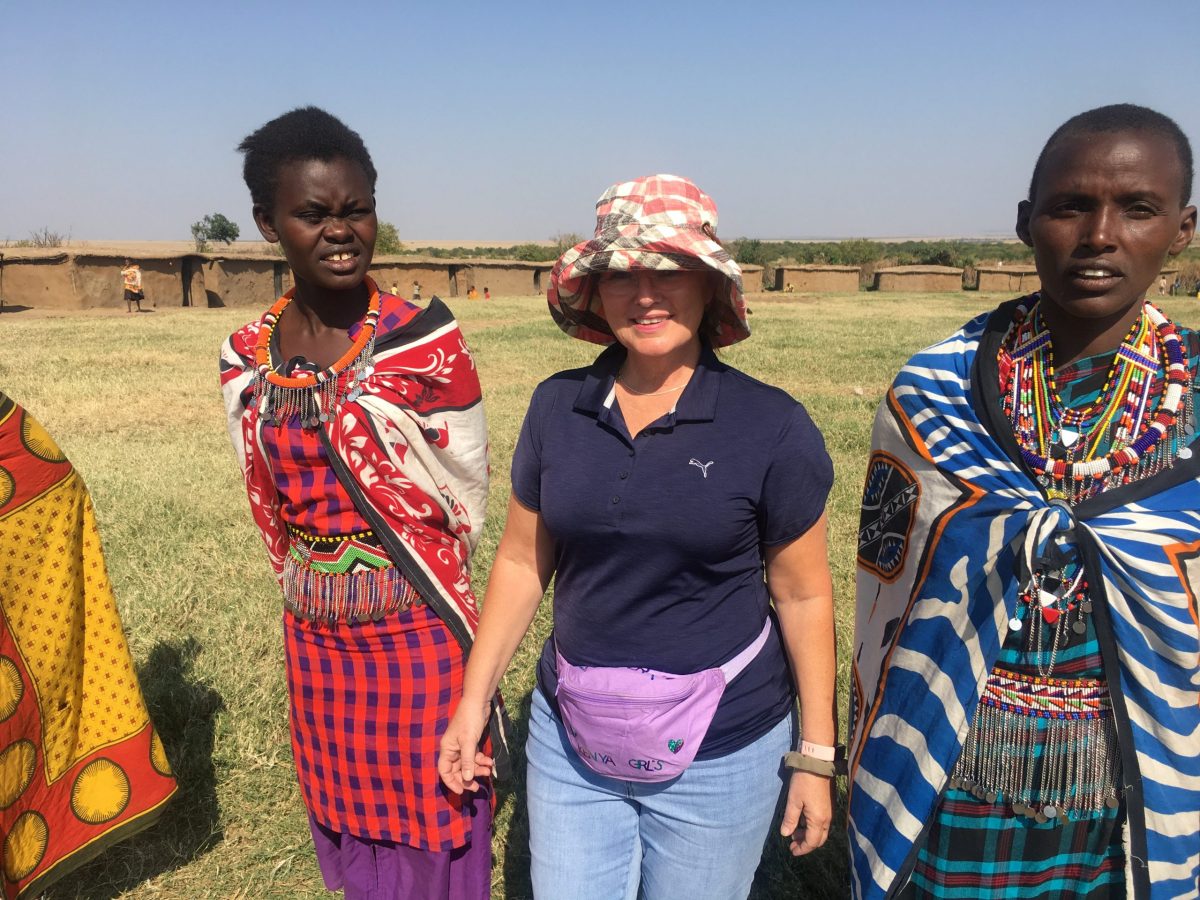
Meeting the Samburu People on a Kenya Safari
December 22, 2025
How to Include Gorilla Trekking in Uganda on a Kenya Safari?
December 24, 2025Traditional Maasai Cultural Experiences on a Kenya Safari
Immersive Maasai Culture on a Kenya Safari
A Traditional Maasai Cultural Experiences on a Kenya Safari offers more than thrilling wildlife encounters; it also presents a unique gateway into the rich traditions of Kenya’s indigenous communities. Among these, the Maasai people provide one of the most profound cultural experiences. Centered primarily around the Maasai Mara and its surrounding private conservancies, traditional Maasai cultural experiences have evolved in 2026 into interactive, ethical, and immersive engagements that go far beyond standard village tours.
Travelers on a Kenya Uganda Safari or Kenya Uganda Safari Holiday can now participate in programs that combine storytelling, hands-on activities, and community-led initiatives. Each interaction illuminates the Maasai’s centuries-old pastoralist lifestyle, their ecological knowledge, and their integral role in conserving Kenya’s landscapes. By incorporating these cultural activities into a safari itinerary, visitors gain a multi-layered understanding of both human and wildlife systems, creating memories that extend far beyond the typical photographic encounter.
Maasai cultural immersion ensures travelers witness the community as living stewards of the land, not merely performers for tourism. Ethical engagement strengthens conservation, supports livelihoods, and fosters mutual respect, providing an authentic narrative for anyone seeking deeper connections during a Kenya Safari. This approach allows visitors to appreciate the profound relationship between people, wildlife, and the ecosystem in East Africa.
Kenya Cultural Safaris
Exploring the Manyatta: The Heart of Maasai Life
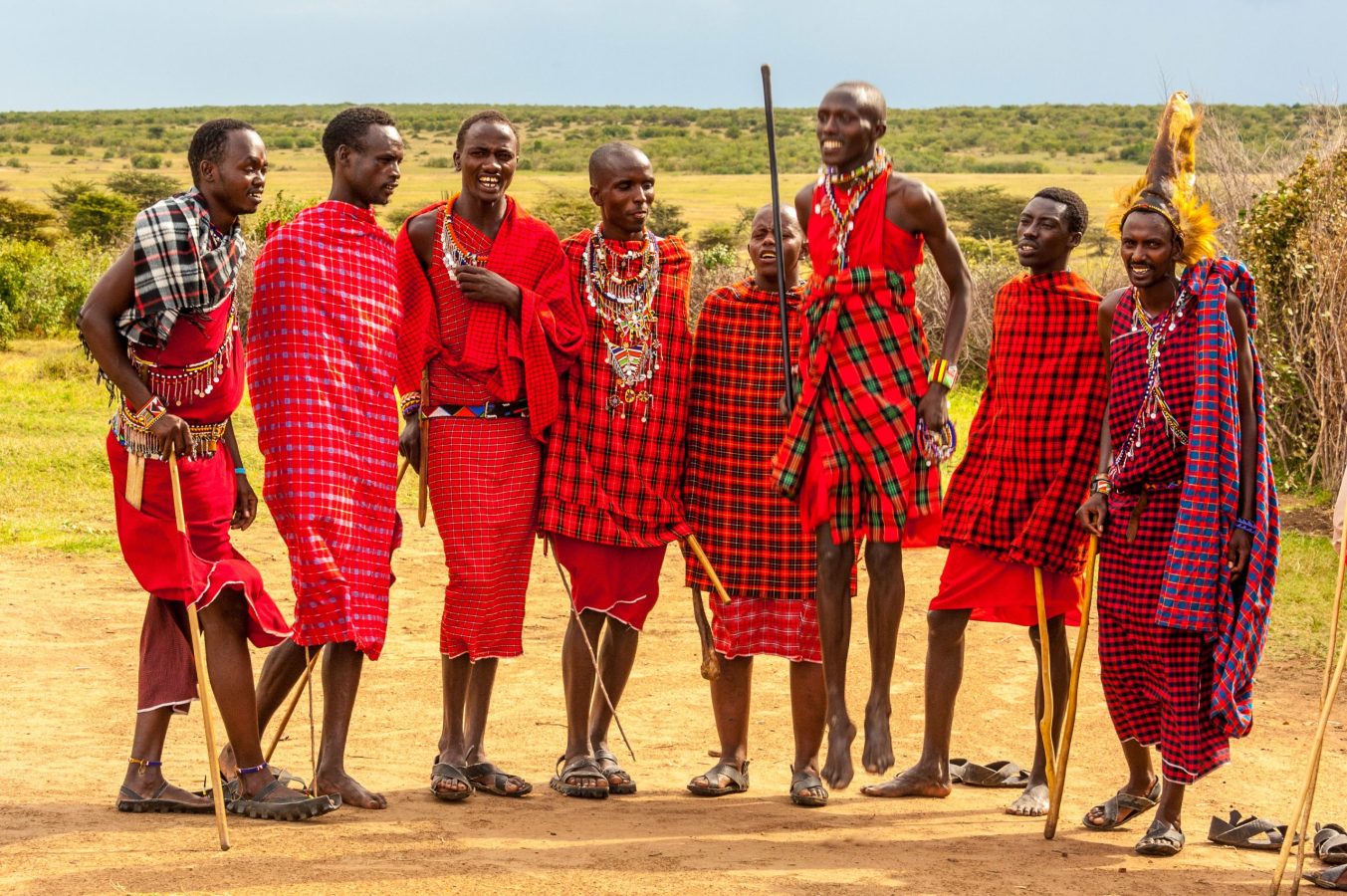
The Manyatta, or traditional Maasai homestead, serves as the central hub for cultural exploration on a Kenya Safari. Visiting a Manyatta offers an intimate perspective of daily life, providing insight into family structures, architectural ingenuity, and community cohesion. Upon arrival, guests are often greeted by the Morans, or warriors, with the Adumu—commonly known as the jumping dance—accompanied by rhythmic chanting. This energetic welcome reflects the pride, strength, and social significance of Maasai warriors.
During the homestead tour, women guide visitors through the bomas, demonstrating how homes constructed from mud, sticks, and cow dung sustain daily life and withstand seasonal challenges. The tour often includes lessons in fire-making using only traditional tools, showcasing techniques that have been passed down for generations. By observing and participating, travelers gain a tactile understanding of the community’s resilience and resourcefulness. Combining a Manyatta visit with a wildlife-focused Kenya Uganda Safari Holiday amplifies the experience, showing how Maasai culture and the surrounding ecosystems are deeply interwoven, providing a holistic view of Kenya’s northern landscapes.
Warrior Training and Bush Skills
For travelers seeking a more interactive experience, lodges and conservancy camps—such as those in Mara Naboisho or Olare Motorogi—offer “Warrior for a Day” programs. These experiences allow participants to step into the shoes of Maasai Morans and learn practical bush skills essential for pastoral life. Guests are taught to identify animal tracks, read ecological cues, and understand predator-prey interactions, gaining a deeper appreciation for how Maasai knowledge contributes to wildlife conservation.
Instruction in traditional weaponry, such as the rungu (wooden club) and bow and arrow, offers insight into self-defense techniques historically used for protection of livestock and community. Travelers also explore medicinal botany, learning which plants serve as remedies for common ailments, hygiene purposes, and ritual uses. This hands-on learning connects visitors directly with the land, emphasizing the Maasai’s holistic approach to natural resource management. Including warrior training in a Kenya Safari itinerary demonstrates how cultural preservation and ecological awareness operate hand in hand, fostering respect for indigenous knowledge systems while enhancing the overall safari adventure.
Beadwork Workshops: A Symbolic Art
Maasai beadwork is a cultural language that communicates age, social status, and clan affiliation through vibrant colors and intricate designs. Engaging in beadwork workshops provides travelers with a unique, creative, and educational experience during a Kenya Safari. Participants sit alongside Maasai women, observing and learning the rhythmic threading techniques used to produce necklaces, bracelets, and ceremonial ornaments.
Each color carries meaning: red signifies bravery, white represents peace, and green symbolizes the earth and fertility. These workshops also support economic empowerment, as purchasing beadwork directly from artisans ensures that the profits remain within the community. This interaction combines education, creativity, and ethical tourism, allowing visitors to leave with tangible mementos that also carry cultural significance. Integrating beadwork into a Kenya Uganda Safari Holiday not only enriches the itinerary but also highlights sustainable tourism practices, demonstrating how cultural engagement can provide lasting benefits to both travelers and Maasai communities.
Experiencing the Maasai Community
Cultural Immersion Stays: Living Maasai Traditions
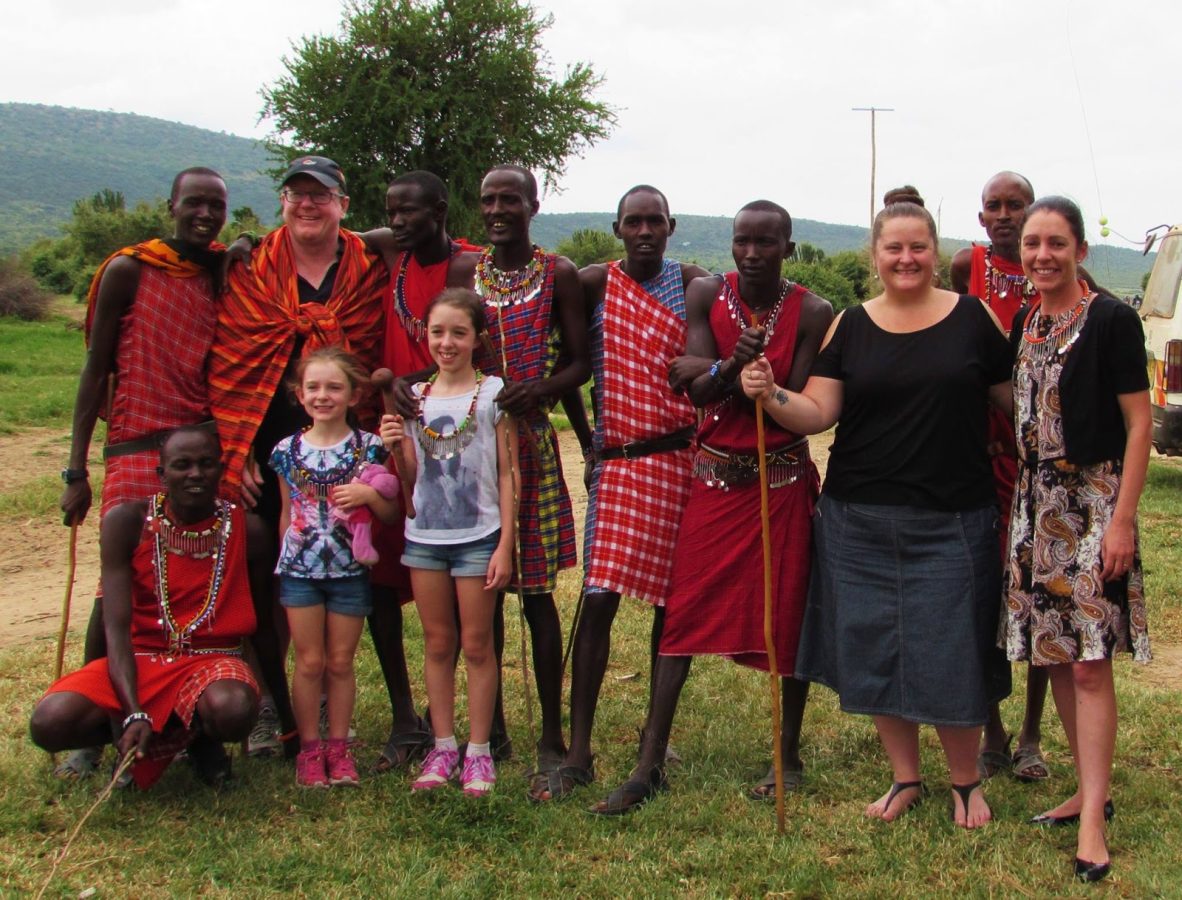
For travelers seeking profound experiences, some eco-camps and lodges offer extended immersion programs. Guests may join herders in tending livestock, learning the intricacies of managing cattle—the Maasai’s most prized asset—across grazing lands. Evenings are often spent around the fire, listening to elders recount folklore, history, and the community’s spiritual beliefs centered on Enkai, the Creator God.
This extended engagement allows travelers to appreciate the rhythm and responsibilities of Maasai life over several days, providing a richer understanding than a single visit could. Cultural immersion programs also integrate conservation education, showing how the Maasai manage land sustainably while coexisting with wildlife. By incorporating these stays into a Kenya Safari or Kenya Uganda Safari, visitors gain a holistic perspective of how indigenous culture, ecological stewardship, and tourism intertwine to preserve both natural and human heritage.
Ethical Guidelines for Maasai Cultural Experiences in 2026
Ethical engagement is essential for ensuring that Maasai cultural experiences remain respectful and mutually beneficial. Use official channels such as the Maasai Mara Wildlife Conservancies Association (MMWCA) to identify lodges and programs with formal agreements that benefit the local community. This guarantees that tourism dollars contribute directly to livelihoods and conservation initiatives.
Photography must be approached respectfully: always request permission before taking portraits of individuals or family activities. Many structured visits include fees that support the village, but confirming details and respecting local protocols is courteous. Adhering to Kenya’s plastic ban is also crucial; visitors should avoid bringing single-use plastics into Maasai communities. Donations should be thoughtful, directed toward recognized projects like The Maa Trust, rather than individual gifts to children, which can create dependency. Following these guidelines ensures that a Kenya Safari experience strengthens cultural preservation, supports local economies, and fosters ethical tourism practices.
Integrating Traditional Maasai Cultural Experiences and Wildlife Experiences
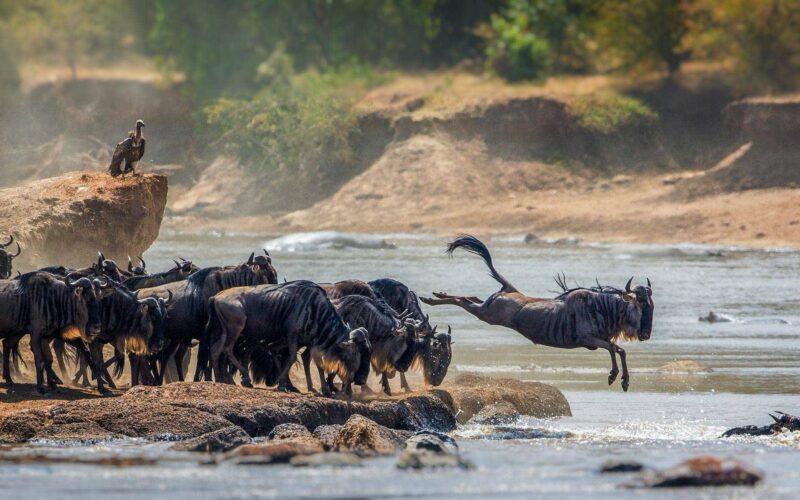
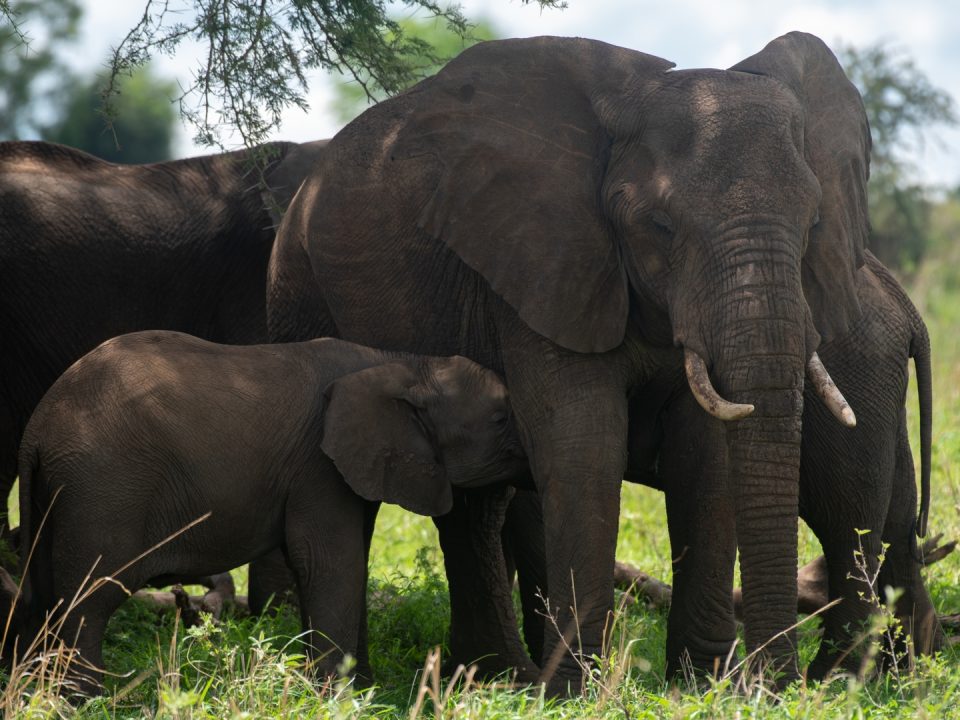
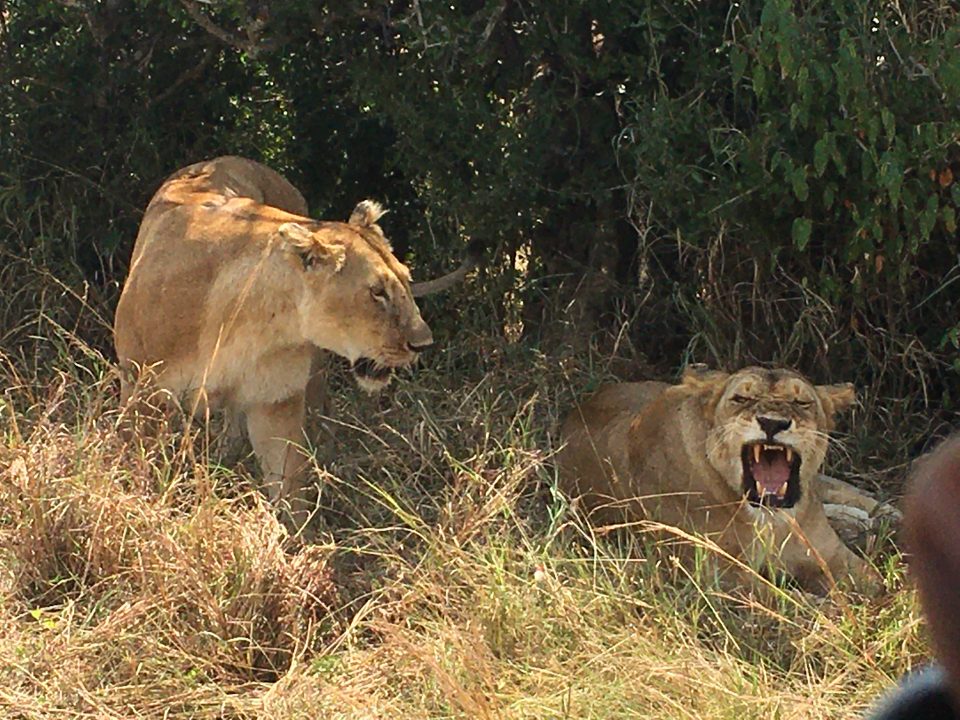
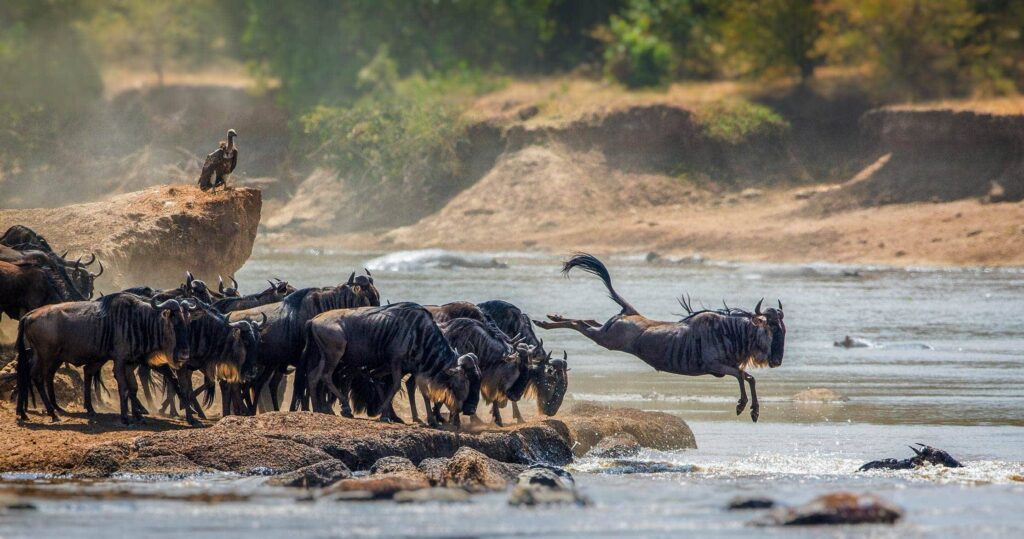
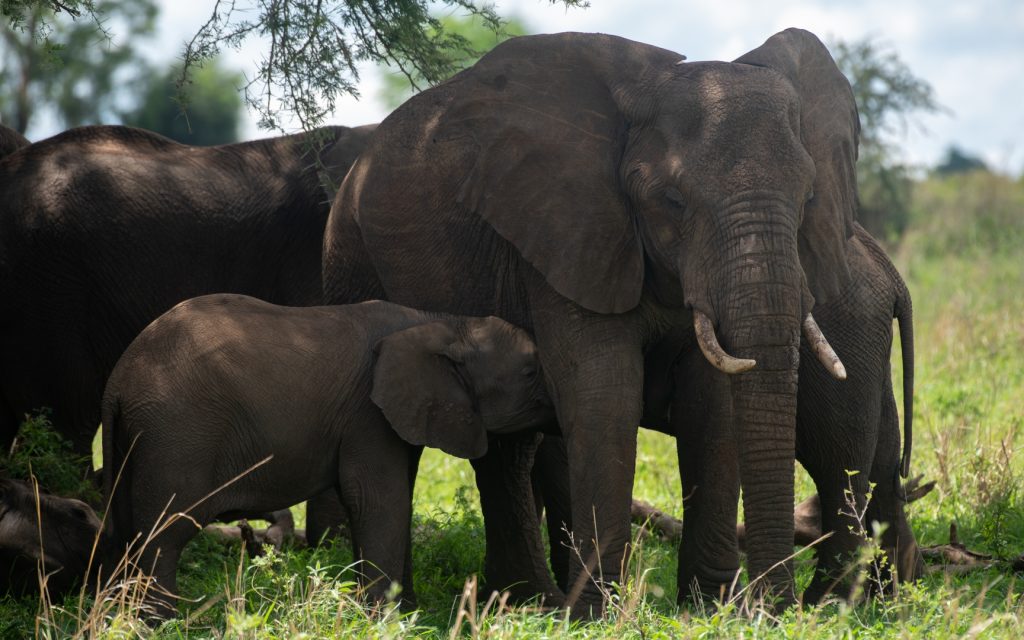
A Kenya Safari becomes truly exceptional when cultural immersion is paired with wildlife exploration. The Maasai Mara and surrounding conservancies host iconic wildlife species such as lions, elephants, and wildebeest. By participating in village visits, guided nature walks, or warrior programs, travelers learn how Maasai land management practices influence wildlife patterns, predator behavior, and ecosystem stability.
Walks led by Maasai trackers offer insights into animal tracking, medicinal plants, and ecological knowledge. Observing the symbiotic relationship between people and wildlife fosters appreciation for the delicate balance maintained by indigenous communities. Combining these cultural experiences with traditional game drives creates a multi-dimensional safari, where participants understand not only the majesty of Kenya’s fauna but also the cultural and ecological frameworks that protect it. Including cultural immersion in a Kenya Uganda Safari Holiday elevates the journey, making it educational, ethical, and unforgettable.
Maasai People Cultural Safaris Kenya
Cultural Activities Around Safari Lodges
Many lodges near Maasai communities integrate cultural programs into their guest offerings. Visitors can engage with Maasai guides for storytelling, craft demonstrations, and participatory dances. Evening gatherings around a campfire provide opportunities to hear folklore, learn about rituals, and discuss the community’s conservation efforts. Some lodges organize school visits or support local infrastructure projects, allowing travelers to contribute meaningfully to community development while enhancing their safari experience.
Engaging with lodge staff, many of whom are Maasai themselves, offers informal learning about modern adaptations, challenges, and opportunities within the culture. These interactions provide a nuanced understanding of contemporary Maasai life while reinforcing the importance of sustainable tourism practices. By choosing lodges with strong community ties, travelers ensure that a Kenya Safari supports economic growth, cultural preservation, and environmental stewardship simultaneously.
Conservation and Community Collaboration
The Maasai play a pivotal role in Kenya’s conservation landscape. Through land leasing agreements and participation in wildlife monitoring programs, communities help protect the Mara ecosystem while benefiting economically. Initiatives such as the Lion Guardians program employ Maasai to track and protect lions, reduce human-wildlife conflict, and advocate for sustainable pastoralist practices.
By witnessing these programs firsthand on a Kenya Safari or Kenya Uganda Safari Holiday, travelers understand how indigenous knowledge supports biodiversity and ecosystem management. Cultural immersion combined with conservation activities creates an ethically responsible safari model, where tourism reinforces rather than disrupts local systems. Visitors leave with not only photos and memories but also a deeper understanding of the interplay between culture, wildlife, and sustainable development in Kenya.
A Transformative Cultural Safari
Traditional Maasai cultural experiences enrich a Kenya Safari by providing meaningful, ethical, and immersive engagement with one of Africa’s most iconic communities. From Manyatta visits and warrior training to beadwork workshops and cultural immersion stays, each activity offers insight into the Maasai’s values, resilience, and environmental stewardship.
By integrating these experiences with wildlife viewing, a Kenya Uganda Safari Holiday becomes an educational, memorable, and transformative journey. Respectful interaction, ethical tourism, and support for local initiatives ensure that travelers contribute positively while gaining authentic connections. Experiencing Maasai culture firsthand highlights the dynamic relationship between people, wildlife, and landscapes, making every safari not only an adventure but also a lesson in conservation and heritage preservation.