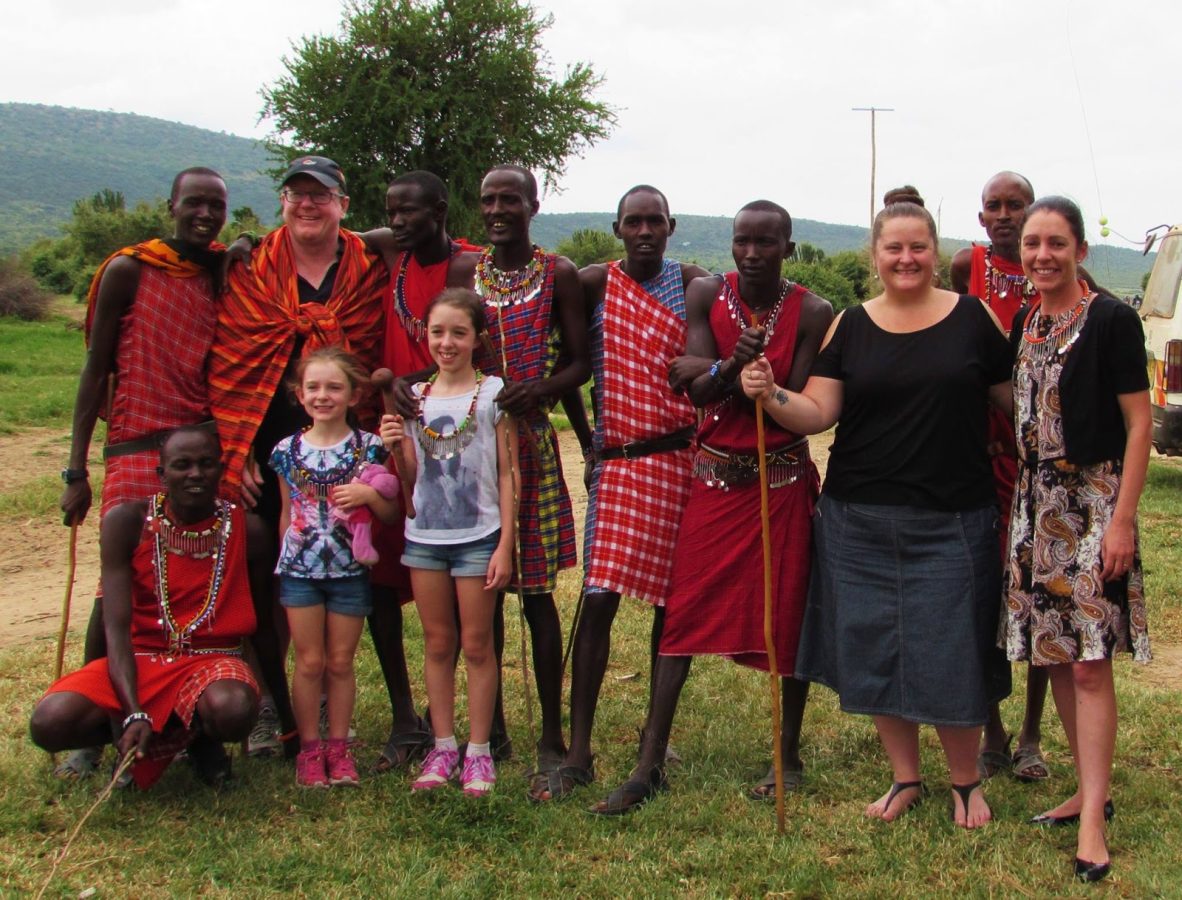
Meeting the Maasai on a Kenya Safari
December 22, 2025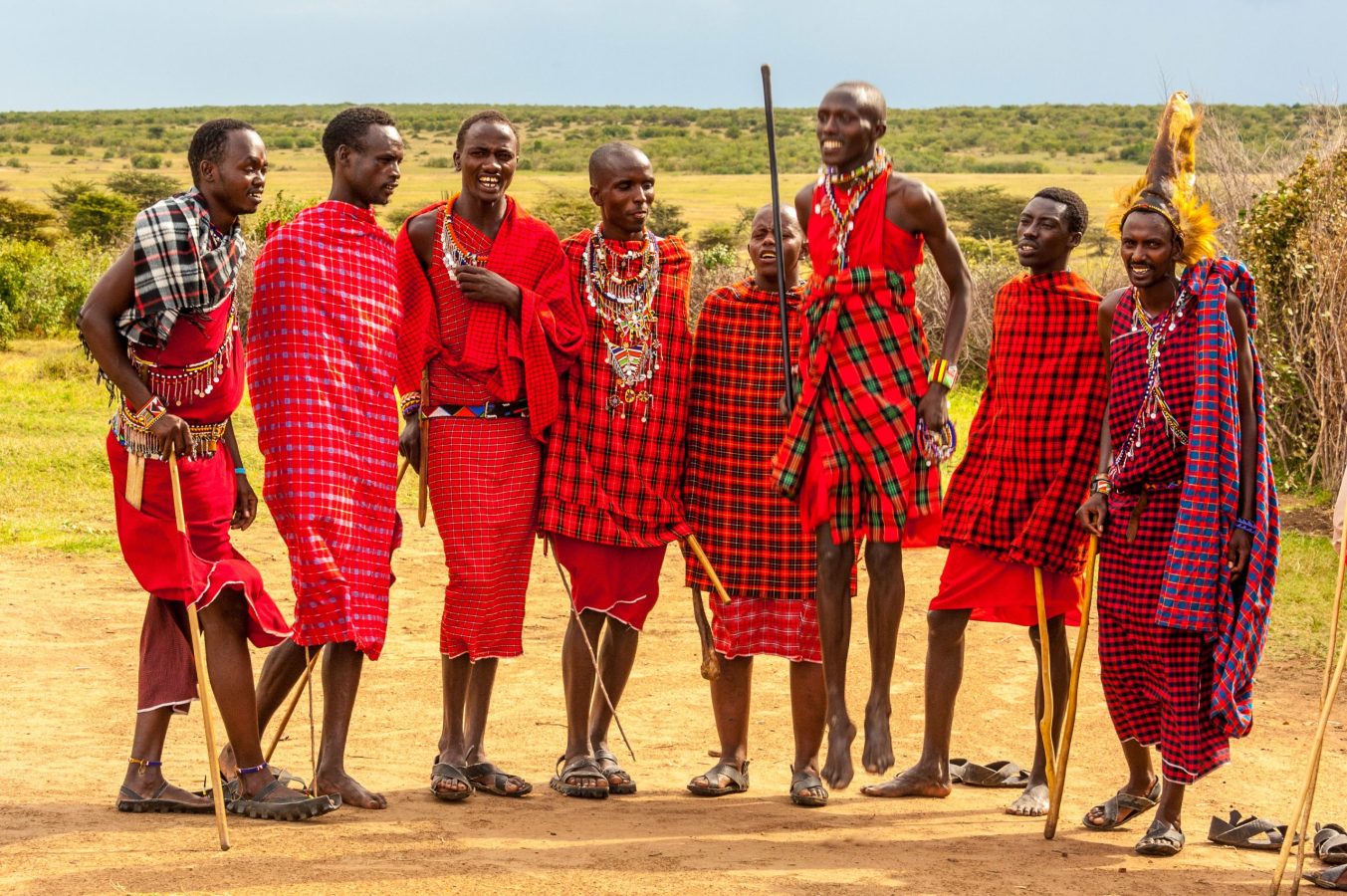
Traditional Maasai Cultural Experiences
December 22, 2025Meeting the Samburu People on a Kenya Safari
Experiencing Samburu Culture on a Kenya Safari
A Meeting with the Samburu People on a Kenya Safari is a journey beyond wildlife and stunning landscapes; it is also an exploration of authentic African cultures. Among the northern communities, the Samburu people offer one of the most enriching cultural encounters. Known for their semi-nomadic pastoralist lifestyle, the Samburu maintain centuries-old traditions while navigating modern realities. A Kenya Uganda Safari or Kenya Uganda Safari Holiday that includes a Samburu cultural visit provides travelers with a rare opportunity to witness daily life intimately, understand unique social structures, and learn about the community deep spiritual and ecological connection to their environment. Visitors leave with more than photographs—they gain insight into the human element that sustains Kenya’s northern ecosystems, creating a profound and memorable layer to any wildlife-focused safari.
Planning an Ethical Visit to the Samburu Community
Engaging with the Samburu requires careful planning to ensure the experience is respectful and mutually beneficial. Most reputable safari operators and lodges in northern Kenya can coordinate visits to local villages, known as manyattas. The Samburu primarily inhabit Samburu County, surrounding the iconic Samburu National Reserve, a region renowned for its wildlife and dramatic landscapes. Visits can range from a half-day cultural immersion to multi-day programs that integrate community interaction with wildlife exploration. Selecting the right operator ensures ethical practices, from directing proceeds to the community to minimizing disruption to daily life. Additionally, planning allows visitors to combine their cultural experience with a Kenya Safari itinerary, creating a seamless blend of wildlife viewing and cultural enrichment.
When arranging a visit, consider timing and group size. Smaller, private groups often yield more personal and meaningful interactions, while larger groups may feel intrusive. Lodges often employ local Samburu guides, facilitating authentic storytelling and enabling travelers to learn about flora, fauna, and survival strategies while maintaining a safe and respectful distance. Visitors should also clarify the purpose of their visit, whether it’s to observe daily life, participate in workshops, or support community-led initiatives, ensuring that the experience contributes positively to both tourism and Samburu livelihoods.
Samburu People Cultural Safaris Kenya
Immersing Yourself in Village Life
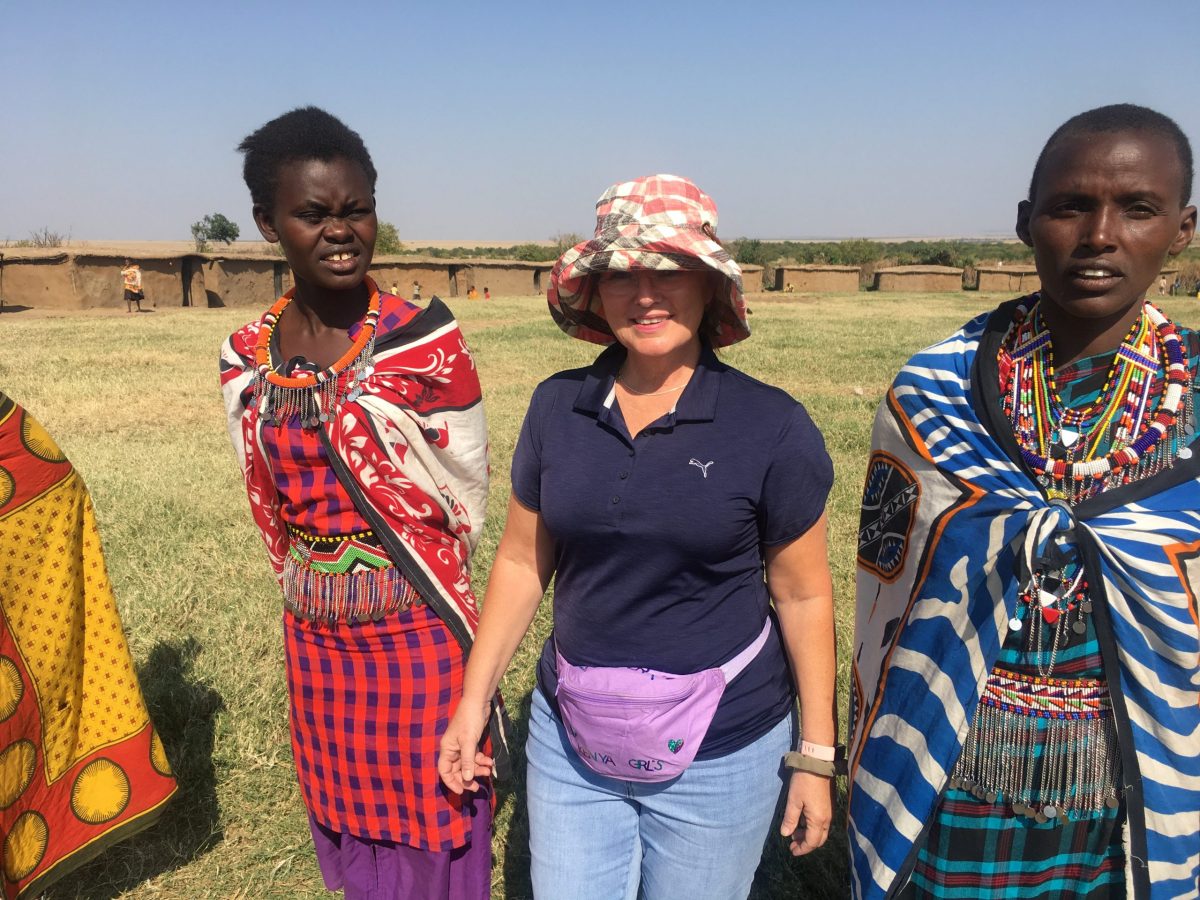
A visit to a Samburu manyatta immerses travelers in a vibrant and living culture. The dome-shaped homes, constructed by women from mud, sticks, and cow dung, demonstrate ingenuity and resourcefulness. Walking through a manyatta, visitors witness daily tasks that sustain the community—from tending livestock and fetching water to preparing traditional meals. Women and children often participate actively, offering a hands-on perspective into the rhythm of Samburu life.
Traditional attire adds vivid color and symbolic meaning to the village experience. These People wear red shukas, while beadwork communicates social status, age, and clan affiliation. Visitors can observe intricate necklaces, bracelets, and headdresses, and purchase authentic items directly from the artisans. Engaging with women in their craft workshops not only supports the local economy but also provides insight into the cultural storytelling embedded in each design. By combining visual observation with direct participation, a Kenya Safari transforms into a cultural education, where every interaction deepens understanding of how traditions endure alongside conservation efforts in northern Kenya.
Warrior Traditions and Ceremonial Life
The Samburu Moran, or warriors, represent a crucial element of community structure and cultural identity. These young men are responsible for protecting livestock, maintaining security, and learning leadership skills through rigorous training. Visitors can observe ceremonial dances featuring high jumps, rhythmic chanting, and intricate footwork. These performances are not merely entertainment—they reflect social cohesion, spiritual beliefs, and the passing of knowledge from one generation to the next.
Elders also play a pivotal role in storytelling and community governance. Their narratives convey folklore, historical events, and moral lessons rooted in beliefs in Enkai, the Creator God. Camels, often used for transportation across arid terrains, further illustrate the Samburu’s adaptation to their environment. Travelers on a Kenya Uganda Safari Holiday benefit from these interactions, gaining both an understanding of pastoralist life and a firsthand look at the values and responsibilities that underpin Samburu society. The combination of visual observation, personal dialogue, and participatory experiences creates a rich tapestry of cultural insight that complements the wildlife-focused elements of the safari.
Ethical Guidelines for Meeting the Samburu People on a Kenya Safari
Respectful interaction is essential for preserving the authenticity and dignity of the Samburu experience. Always request permission before taking photographs, particularly of children or private household activities. While many Samburu welcome photography, a refusal should be respected without exception. Dressing modestly demonstrates cultural sensitivity and signals appreciation for local norms. Engaging thoughtfully—asking questions and participating in community activities with genuine interest—reinforces mutual respect and ensures the visit is meaningful for both parties.
Visitors should also support the community economically and ethically. Fees for village visits or purchases of beadwork and crafts should directly benefit the local people rather than external intermediaries. By prioritizing ethical tourism, travelers help sustain Samburu livelihoods while encouraging cultural preservation. These interactions provide a model for responsible Kenya Safaris, where wildlife, nature, and human communities coexist harmoniously, offering a richer, more holistic safari experience.
Integrating Cultural and Wildlife Experiences
Samburu cultural visits are most impactful when integrated into broader safari itineraries. The Samburu region hosts unique wildlife species, including the “Samburu Special Five”: Grevy’s zebra, reticulated giraffe, Somali ostrich, gerenuk, and beisa oryx. Combining a cultural visit with game drives allows travelers to witness how human communities and wildlife share the same landscapes. Knowledgeable guides explain how pastoralist practices influence animal movements and how sustainable grazing supports ecosystem balance.
Walking safaris guided by local Samburu trackers provide intimate wildlife encounters while teaching visitors to interpret animal tracks, identify plants, and observe ecological patterns. These walks are complemented by storytelling about Samburu traditions, highlighting how culture and conservation are deeply intertwined. Tourists experience firsthand the delicate balance maintained by communities and ecosystems, creating a profound appreciation for Kenya’s biodiversity and cultural heritage. These combined activities enhance the Kenya Uganda Safari narrative, ensuring travelers enjoy both educational and adventurous elements in one journey.
Experiencing the Samburu Community
Cultural Activities at Safari Lodges
Many lodges in Samburu County integrate cultural immersion programs, employing local Samburu staff for tours, storytelling, and craft demonstrations. Evening events often include traditional songs, dances, and fire-side storytelling, offering visitors a chance to learn about rituals, music, and communal life. Lodges may also organize school visits or community service initiatives, allowing tourists to contribute to local development projects directly. These opportunities add depth to a Kenya Safari experience, connecting cultural understanding with ethical tourism practices.
Guests also gain insight into modern Samburu life, observing how traditional practices coexist with contemporary education, healthcare, and entrepreneurship. This dual perspective allows travelers to appreciate the resilience and adaptability of the Samburu people while fostering cross-cultural understanding. Supporting lodges that prioritize sustainability and local engagement ensures that tourism positively impacts both people and the environment, making each visit a meaningful and responsible journey.
Conservation and Community Partnership
The Samburu play an active role in conservation. By managing livestock, protecting grazing lands, and participating in anti-poaching initiatives, they contribute to ecosystem stability. Collaborative programs with wildlife conservancies empower the community, turning potential conflicts with predators into proactive stewardship. Conservation tourism provides economic incentives, linking sustainable land management with financial benefits for the people.
Visitors to the Samburu region on a Kenya Uganda Safari Holiday witness how culture, wildlife, and tourism intersect. Guided discussions, community projects, and participatory experiences allow tourists to appreciate the depth of local ecological knowledge. Ethical engagement ensures that visits strengthen conservation efforts, support livelihoods, and preserve cultural integrity. This holistic approach transforms a standard safari into a comprehensive educational journey, leaving travelers inspired and connected to both the environment and the people who call it home.
A Transformative Cultural Encounter
Meeting the Samburu people on a Kenya Safari elevates the traditional safari experience, blending wildlife adventure with profound cultural insights. From immersive manyatta visits to guided conservancy walks, travelers gain firsthand knowledge of pastoralist life, traditions, and conservation efforts. Respectful interaction, ethical engagement, and community support ensure that these experiences benefit both visitors and locals.
By combining cultural immersion with wildlife exploration, a Kenya Uganda Safari offers a unique perspective on Kenya’s northern regions, fostering appreciation for both human heritage and natural ecosystems. Travelers leave with lasting memories, photographs, and meaningful connections that illustrate the essence of authentic African safaris.