
21-Days Kenya–Tanzania–Rwanda Luxury Safari
This 21-Days Kenya–Tanzania–Rwanda Safari is curated for travellers who crave the quintessential East African experience: dramatic landscapes, world-class wildlife encounters, deeply authentic cultural exchanges, and the rare privilege of tracking mountain gorillas. Over three weeks you traverse the Rift Valley and the Great Migration corridors, explore the Serengeti’s rolling plains and Ngorongoro’s living caldera, walk with Hadzabe hunter-gatherers by Lake Eyasi, hike volcanic escarpments at Lake Natron, and conclude with a humbling, life-changing gorilla trek in Volcanoes National Park, Rwanda. The 21-Days Kenya–Tanzania–Rwanda Safari is paced to balance long game-rich days with restorative nights at carefully selected lodges and tented camps from riverside comfort at Lake Naivasha to intimate bush camps in the Mara and family-run camps in the Serengeti; culminating in refined city rest in Kigali.
Deks Safaris & Tours designs every day to maximize wildlife sightings while preserving comfort and cultural sensitivity. Expert guides and tracking crews ensure access to active predator territories during dawn and dusk windows, and local community visits are scheduled to be mutually beneficial and respectful.
21-Days Kenya–Tanzania–Rwanda Safari Logistics are Seamless
VIP meet & greet on arrival, internal light flights where noted, private transfers, and all park permits (including gorilla permits) handled professionally to avoid delays. Meals highlight local flavours and accommodate dietary needs; accommodation choices reflect the character of each landscape from rustic elegance to refined colonial charm.
Expect variable road surfaces, incredible photographic opportunities, and an itinerary that blends classic wildlife spectacles (river crossings, kopje ambushes, crater floors) with immersive cultural moments (Hadza hunts, Maasai exchanges, Kigali markets). This is not simply a checklist-style safari it is an intentionally composed East African narrative that moves from Nairobi’s energetic welcome to the quiet, sacred hush inside a Rwandan gorilla family’s presence. Trust Deks Safaris to deliver it with warmth, safety, and the highest guide expertise.
Kenya Wildlife Tours
Detailed 21-Days Kenya–Tanzania–Rwanda Safari
Day 1 — Nairobi: Arrival, VIP Meet & Greet, Welcome Dinner at Carnivore
You arrive at Jomo Kenyatta International Airport where our VIP meet & greet team welcomes you with swift immigration assistance and a private transfer to Karen Blixen Coffee Garden a tranquil colonial-style setting that eases you into Kenyan time. Nairobi acts as the pulsing heartbeat of your 21-Days Kenya–Tanzania–Rwanda Safari, offering both modern conveniences and immediate access to conservation experiences. After settling into your rooms you’ll have time to refresh before an evening welcome dinner at the legendary Carnivore Restaurant a convivial introduction to regional cuisine and the social rhythm of Kenyan dining.
The Carnivore experience is sensory and celebratory: succulent grilled meats and vegetarian options, local side dishes, and a warm, festive atmosphere. Your 21-Days Kenya–Tanzania–Rwanda Safari guide will use the dinner to brief you on the coming days wildlife expectations, packing tips for flight segments, photography reminders (golden-hour priority), and cultural etiquette for community visits.
Adventure in Nairobi City
This gentle first day sets the tone: relaxed logistics, expert orientation, and the beginning of relationships with your 21-Days Kenya–Tanzania–Rwanda Safari guide and fellow travellers. Expect short transfers, friendly Kenyan hospitality, and practical notes on vaccinations, sun protection, and water. The Karen Blixen area itself nods to the region’s literary past and botanical calm; if time allows, a brief pre-dinner walk through its gardens reconnects you with the land’s fragrance jacaranda, bougainvillea, and coffee blossom.
Early to bed is encouraged: the rhythm of game drives begins at dawn tomorrow and full days lie ahead. Your luggage and permits are checked tonight; hot air balloon riders and walking-safari participants will be reminded to confirm physical readiness. This is the gentle, confident start to an ambitious, memorable three-week itinerary.
- Animals to spot: urban sightings only — rock hyrax in gardens; possible migratory birds in green spaces.
- Birds to spot: Hadada Ibis, Speckled Pigeon, African Palm Swift.
- Cultures to meet/observe: Nairobi cosmopolitan life; brief introduction to Kenyan dining culture and conversational Swahili greetings.
Day 2 — Lake Naivasha National Park: Transfer from Nairobi; Sheldrick Elephant Orphanage visit; Settle in
Today you leave Nairobi’s bustle and descend into the Rift Valley’s sweeping geometry, arriving at Lake Naivasha a freshwater jewel fringed by papyrus and fever trees. Your morning begins with a visit to the David Sheldrick Trust Elephant Orphanage (timed per their visiting hours and permit constraints), where you’ll witness the rehabilitation work that’s become the model for Elephant conservation in East Africa.
The orphanage visit is intimate: keepers introduce orphaned calves, share their histories, and explain rehabilitation protocols a moving primer on human-wildlife coexistence. From there the drive to Lake Naivasha Sopa Lodge crosses varied farmland and acacia-dotted hills; settle in, enjoy lunch with lake views, and prepare for the afternoon boat safari.
A Scenic Boat Cruise on Lake Naivasha
The boat cruise on Lake Naivasha is a photographer’s delight. Hippos poke and yawn among papyrus stands while fish eagles wheel overhead; families of yellow-billed storks, hamerkops, and African jacanas forage along the margins. In the late afternoon the shore light softens into gold, perfect for guided walks along the lakeside or an optional lakeside sundowner.
Naivasha’s unique position freshwater at altitude draws out a different suite of species than the savannah plains, and it offers a quieter pace after Nairobi. Discussions with your guide will cover tomorrow’s Hell’s Gate biking option: route, fitness level, helmet fit, and safety. Evenings at Sopa Lodge are relaxed: lake breezes, regional dishes, and an early-night tempo before Mara travel tomorrow.
- Animals to spot: hippopotamus, warthog near marshes, small antelope in surrounding bush.
- Birds to spot: African Fish Eagle, Grey Heron, Malachite Kingfisher, African Jacana, Hamerkop.
- Cultures to meet/observe: Rift Valley farming communities; discussion of conservation partnerships with local ranchers.
Uganda Rwanda Wildlife Tours
Day 3 — Lake Naivasha: Hell’s Gate Biking Safari; Boat Safari
Day three is kinetic and scenic: Hell’s Gate National Park invites you to trade a vehicle for a bicycle and experience East Africa’s geology at close range. Hell’s Gate’s dramatic cliffs, volcanic plug formations, and winding gorges were once the inspiration behind cinematic landscapes; today they are a safe, rideable playground.
After a guided morning transfer into the park, fitted bikes and helmets will be provided, and a local ranger will lead you along graded tracks and through narrow canyons. Stops include geothermal vents, colorful lichen-streaked rocks, and panoramic viewpoints. Biking here means encountering wildlife on foot: dik-dik, steenbok, and larger grazing herds in the distance; your guide highlights tracks and explains the park’s ecological dynamics.
A Relaxation at Lake Naivasha
In the afternoon, return to Lake Naivasha for a second boat excursion or a relaxed lakeside walk. The slow water surface is perfect to scout marsh edges for elusive species and to photograph flamingos when present (seasonal). The boat also provides access to Crescent Island (if included/desired) where a guided walk among grazing zebras, giraffe, and impala offers incredible close-up encounters on foot, a rare and safe opportunity compared to standard vehicle game drives.
Expect an emphasis on interpreting animal behavior, spotting mammals at waterlines, and listening for bird call melodies. The evening gives you a chance to sample Kenyan stews, chat about tomorrow’s long drive to the Mara, and stow camera gear for the plains. This day blends movement, close geology, and intimate natural history interpretation, an ideal transition from lakes to classic savannah.
- Animals to spot: dik-dik, steenbok, zebra (Crescent Island), giraffe, impala.
- Birds to spot: Greater Flamingo (seasonal), Blacksmith Lapwing, African Spoonbill, Little Grebe.
- Cultures to meet/observe: Local Maasai and Kikuyu communities on the periphery; smallholder farming life.
Day 4 — Mara Conservancy: Drive Naivasha → Mara; Evening Game Drive; Kicheche Bush Camp
You depart early for the long but scenic drive to the Mara Conservancy, traversing Great Rift escarpments and entering an ecosystem that epitomizes African safari romance. The Mara Conservancy is distinguished by its active conservation management and lower vehicle density compared to the busier reserve lending itself to more personalized game viewing and intimate bush experiences.
Arriving mid-afternoon, you’ll settle into Kicheche Bush Camp, a camp designed to blend into the landscape with luxury canvas tents and attentive service. After lunch and a short rest, your first Mara game drive introduces you to the Mara’s rhythm: grazing plains, watchful lion prides on kopjes, and the artful ambush of cheetahs in the long grasses.
Scenic Evening Masai Mara National Reserve
Evening drives in the Mara are special: golden light brings predators out of midday shade and concentrates thirsty grazers near seasonal rivers. Your 21-Days Kenya–Tanzania–Rwanda Safari guide will prioritize areas with recent activity reported kills, fresh tracks, and congregation points to maximize active wildlife encounters. Kicheche’s emphasis on small group sizes means flexibility: if a lion pride is located, your group may spend extended time observing stalks and social behavior.
Bush camps bring a close sensory feel to the land: night sounds, clear starlit skies, and the subtle thrill that comes from being immersed in predator-country. Tent comfort and attentive service ensure restorative nights. The Mara Conservancy’s community-conservation partnerships will be introduced by your guide, giving context to land use and wildlife protection in this iconic landscape.
- Animals to spot: lion, spotted hyena, hartebeest, zebra, topi.
- Birds to spot: Lilac-breasted Roller, Secretary Bird, Kori Bustard, Yellow-billed Oxpecker.
- Cultures to meet/observe: Maasai cultural context — pastoralist land use and conservancy partnerships.
Day 5 — Mara Conservancy: Guided Walking Safari; Night Game Drive
Day five deepens the Mara experience with a guided walking safari and a special night drive. Morning walking safaris are guided by armed, highly experienced rangers and focus on the smaller but fascinating details of savannah ecology: spoor identification (tracks and droppings), dung beetles at work, spoor signals between predators and prey, and the medicinal uses of local plants all explained with patient narrative.
Walking the Mara on foot reveals scale, scent, and texture in ways vehicle drives cannot; it’s also an ethical, low-impact way to connect with the land. Walks are timed for cooler hours and follow safety protocols. Your 21-Days Kenya–Tanzania–Rwanda Safari guide will choose routes likely to encounter grazing herds or to follow recent predator tracks at a safe distance.
Another Guided Game Drives in Masai Mara National Reserve
After a midday rest, the afternoon lends itself to a gentle game drive focused on prides, cheetah sightings, and riverine activity. As darkness pencils in, a night drive brings an entirely different wildlife palette. Night vision and spotlight protocols reveal nocturnal hunters and foragers civet, genet, porcupine, and hunting hyenas plus the dramatic eyeshine of predators and ungulates. There is a unique solemnity to the Mara at night: the land feels both intimate and vast.
Guides exercise caution, maintain legal and ethical limits, and prioritize animal welfare and safety. The night drive is permitted in the Conservancy (where applicable) and is a rare, controlled window into nocturnal behaviors. Evening briefing will include tomorrow’s schedule: transfer into the main Masai Mara Reserve and preparations for the hot-air balloon experience.
- Animals to spot: cheetah (on plains), lion, spotted hyena, nocturnal small carnivores.
- Birds to spot: Nightjars, African Hoopoe, Plovers at water margins.
- Cultures to meet/observe: Deeper engagement with Maasai grazing patterns and land stewardship.
Rwanda Kenya Tanzania & Zanzibar Safari
Day 6 — Masai Mara National Reserve: Transfer into Main Reserve; Hot Air Balloon Safari; Migration Game Drive
A signature day: transfer into the main Masai Mara Reserve and an early morning hot air balloon safari (weather permitting). Dawn balloons float silently over the Mara plains, providing unparalleled bird’s-eye perspective on the great migration herds, sprawling acacia patterns, and ambush points by river lines.
The balloon experience is more than spectacle: it’s a study in scale hundreds to thousands of wildebeest and zebra threading migration routes and an elegant way to situate your subsequent ground game drives. Post-landing champagne or tea and a celebratory light breakfast in the bush are standard, followed by a relaxed transfer back to Basecamp Masai Mara to freshen up.
Witnessing the Great Wildlife Migration
The rest of the day is dedicated to migration-focused game drives. Your 21-Days Kenya–Tanzania–Rwanda Safari guide will target river‐crossing hotspots and concentrate on predator-prey interactions: crocodiles at the Mara River, lion ambushes on the banks, and the statistical drama of animals fighting for survival. This is prime photographic material; your guide will choreograph vantage points for light, background, and animal behavior while respecting the animals’ space.
The Mara’s scale means even long game drives yield diverse sightings elephant family groups, giraffe browsing, and the occasional elusive leopard. Basecamp offers comfortable tents, a communal dining area, and campfire presentations where guides recap species behavior, conservation issues, and upcoming 21-Days Kenya–Tanzania–Rwanda Safari journey logistics. This day blends cinematic adventure with careful interpretation; prepare for long hours in the field with periodic refreshment stops.
- Animals to spot: wildebeest migration, zebra, lion, elephant, Nile crocodile.
- Birds to spot: Saddle-billed Stork, African Fish Eagle, Cattle Egret, Marabou Stork.
- Cultures to meet/observe: Maasai cultural presence — optional village visit to learn beadwork and pastoral life.
Day 7 — Masai Mara National Reserve: Full Day Game Drive — River Crossings & Picnic Lunch
Today is a full-length game drive designed to follow migration movements and prioritize river-crossing action. The day starts at first light an optimal window for predator activity and stretches across key habitats: riverine corridors, open plains, and woodland edges. Your 21-Days Kenya–Tanzania–Rwanda Safari guide will plan the day using morning radio updates and on-the-ground tracking; patience is rewarded as you stake out crossing points or wait for ambush behaviors on kopjes.
A picnic bush lunch is laid out in a scenic clearing a classic safari moment where linen, shaded seating, and hot drinks punctuate the wilderness intimacy. These lunches are arranged with respect for wildlife and local rules; the site is chosen for low impact and maximum viewing.
Experiencing the Masai Mara Nature Walks
The Mara’s topography lends itself to variable sightings within short distances: you may watch a pride lounge on a shaded slope, then turn to find a solitary cheetah mid-hunt. Guides emphasize behavioral narrative explaining the energy budget of predators, the herd dynamics of wildebeest, and the hydrological importance of seasonal rivers. Evenings can bring sightings of nocturnal predators beginning their patrols.
The full-day drive offers both cinematic moments and patient observation: long looks at social behaviors are as valuable as action shots. Return to camp in the golden light for a debrief, dinner, and rest. Today’s concentrated field time is designed for both photography and deep natural history immersion a day when the Mara’s epic stories most often reveal themselves.
- Animals to spot: wildebeest (river crossings), lion prides, cheetah, elephant, buffalo.
- Birds to spot: Grey-headed Kingfisher, White-necked Raven, Yellow-billed Stork.
- Cultures to meet/observe: Maasai pastoralist life; community conservancy initiatives and tourism benefits.
Day 8 — Serengeti (Central): Flight from Mara → Serengeti; Afternoon Game Drive in Seronera
Your 21-Days Kenya–Tanzania–Rwanda Safari enters its next chapter as you depart the Masai Mara by air, soaring over the plains toward one of the world’s most iconic wilderness sanctuaries the Serengeti. This light aircraft flight provides spectacular aerial views of migration routes, river systems, and the rugged tapestry of the Kenya–Tanzania borderlands. On landing at Seronera Airstrip, you are welcomed by your Tanzanian guide, marking a seamless transition into the second country of this trans-boundary safari experience.
A brief orientation introduces you to Serengeti National Park’s central region the Seronera Valley, often called “the heartbeat of the Serengeti.” It is famed for its permanent water sources, which attract an astonishing density of predators and grazers year-round. After settling into Serengeti Tanzania Bush Camp – Simba, you head out for an afternoon game drive. Seronera is big-cat country: lions lounge along rocky outcrops, cheetahs patrol the open plains, and leopards skulk in sausage trees. The landscape itself is a study in contrasts golden grasslands merging with riparian woodlands and dramatic granite kopjes that serve as predator lookouts.
Enjoy Guided Game Drives in Serengeti National Park
This first Serengeti drive offers rich photographic opportunities as animals gather at river lines during the cooling afternoon hours. Expect close encounters with elephants, giraffes, and grazing zebra herds, often shadowed by lions waiting for their moment. As daylight softens, the Serengeti reveals its timeless magic: amber skies, echoing bird calls, and herds stretching to the horizon. Back at camp, enjoy dinner under star-laden skies and a peaceful night in the wilderness.
- Animals to spot: Lions, cheetahs, leopards, elephants, giraffes, zebras, hyenas.
- Birds to spot: Fischer’s Lovebird, Superb Starling, Secretary Bird, Rüppell’s Vulture.
- Cultures to observe: Introduction to Tanzanian safari guiding traditions and Serengeti–Maasai cultural landscape.
8-Day Kenya and Tanzania Safari
Day 9 — Serengeti (Central): Full-Day Game Drive — Big Cat Focus & Kopje Scouting
Today is dedicated to exploring the deepest rhythms of the central Serengeti a full-day game drive that seeks the park’s legendary big cats and the stunning geological formations known as kopjes. After an early breakfast, you set out into the awakening plains where predators use the morning cool to hunt. The Seronera River Valley is a predator stronghold, with high concentrations of lions, leopards, and cheetahs. Your 21-Days Kenya–Tanzania–Rwanda Safari guide uses fresh tracks, calls, and radio intelligence to locate active prides, solitary males, and hunting coalitions.
Kopjes are essential to Serengeti ecology: these ancient granite outcrops host shade, vantage points, dens, and small microhabitats for reptiles and hyraxes. They are ideal spots for spotting lions warming themselves on sunlit boulders or leopards draped across rock shelves. As you travel between kopjes, expect to encounter elephant families navigating woodland edges, buffalo herds moving in large blocks, and hyenas circling carcass sites.
A Picnic Lunch in Serengeti National Park
A picnic lunch is served at a scenic safe zone, offering sweeping views of the plains while allowing time to reflect on predator behavior and migration patterns. Afternoon drives focus on cheetah territories vast open plains where these elegant hunters rely on speed and stealth. The changing light brings dramatic photographic contrasts, highlighting cloud shadows sweeping across grasslands.
Returning to camp in the golden glow of evening, you share reflections around the fire, discussing sightings, animal behavior, and tomorrow’s explorations.
- Animals to spot: Lions, cheetahs, leopards, hyenas, buffaloes, elephants, gazelles.
- Birds to spot: Grey-breasted Spurfowl, Martial Eagle, Black-headed Heron, Kori Bustard.
- Cultures to observe: Insights into Maasai coexistence with wildlife around Serengeti boundaries.
Day 10 — Serengeti (Central): Full-Day Game Drive & Private Bush Lunch
Your final full day in Central Serengeti is a deep immersion in one of the richest wildlife ecosystems on earth. The early morning drive expands into lesser-visited sectors of Seronera, following predator trails, scanning for hidden leopards in riverine vegetation, and watching large herbivore herds move gracefully through the plains. With three days in the Serengeti core, your 21-Days Kenya–Tanzania–Rwanda Safari guiding team now has a detailed picture of animal positions, allowing exceptionally targeted game-viewing.
The highlight of the day is a Private Bush Lunch, beautifully set beneath an acacia or overlooking a sweeping valley. This exclusive outdoor dining event includes hot dishes, chilled drinks, and shaded seating a luxurious pause in the heart of wilderness. It is designed to blend comfort with pure serenity, allowing you uninterrupted time to soak in the grandeur of the Serengeti skyline.
Another Guided Game Drives in Serengeti National Park
The afternoon drive is your final chance to capture Serengeti’s signature species: lion prides, solitary males, elegant cheetahs perched on termite mounds, elephants moving in stately matriarch-led lines, and giraffes browsing in silhouette. You may also visit hippo pools and watch territorial behaviors and interactions within these social groups.
Returning to camp, there is a sense of gratitude and completion having explored Serengeti’s diverse habitats thoroughly before moving toward the Ngorongoro highlands tomorrow.
- Animals to spot: Lions, cheetahs, elephants, giraffes, hippos, buffaloes, warthogs.
- Birds to spot: African Grey Hornbill, Lappet-faced Vulture, Tawny Eagle, Red-billed Oxpecker.
- Cultures to observe: Understand traditional Maasai clan structures through guide storytelling.
Day 11 — Ngorongoro Rim: Drive Serengeti → Crater Rim; Olduvai Gorge Visit
Today you depart the Serengeti plains and begin a picturesque drive toward the Ngorongoro Conservation Area, traversing one of Africa’s most scenic overland routes. The elevation gradually increases, and the air cools as you climb into volcanic highlands. Along the way, you stop at the world-renowned Olduvai Gorge Museum, a cradle of human evolution where the Leakey family uncovered pivotal hominid fossils dating back millions of years. The interpretive centre showcases human origins, paleoanthropology, and ancient stone tools a humbling reminder of our shared ancestry.
Continuing the ascent, you arrive at Ngorongoro Serena Safari Lodge, perched dramatically at the crater rim. The lodge’s architectural style blends seamlessly into the stone cliffs, offering expansive views across the world’s largest unbroken volcanic caldera. After check-in and lunch, you have the afternoon at leisure to enjoy the lodge’s panoramic terraces, photograph the caldera’s shifting cloud shadows, or take a gentle nature walk accompanied by 21-Days Kenya–Tanzania–Rwanda Safari guides.
Guided Game Drives in Ngorongoro Crater
The Ngorongoro Crater is a UNESCO World Heritage Site and one of the densest wildlife arenas on earth, home to black rhinos, lions, flamingos, buffalo herds, and a self-contained ecosystem unlike anywhere else on the continent. Your 21-Days Kenya–Tanzania–Rwanda Safari guide will offer a briefing on tomorrow’s descent into the crater floor timing, game-viewing expectations, and photography recommendations for handling contrasting light conditions.
Dinner is served with unbroken crater views, often accompanied by fireside talks on geology, Maasai grazing traditions, and wildlife management. This is a day of transition from plains to highlands, from predators to ancient humanity.
- Animals to spot: En route elephant, giraffes, gazelles; rim-dwelling baboons.
- Birds to spot: Augur Buzzard, White-necked Raven, Crowned Eagle.
- Cultures to observe: Maasai highland communities and Olduvai’s anthropological heritage.
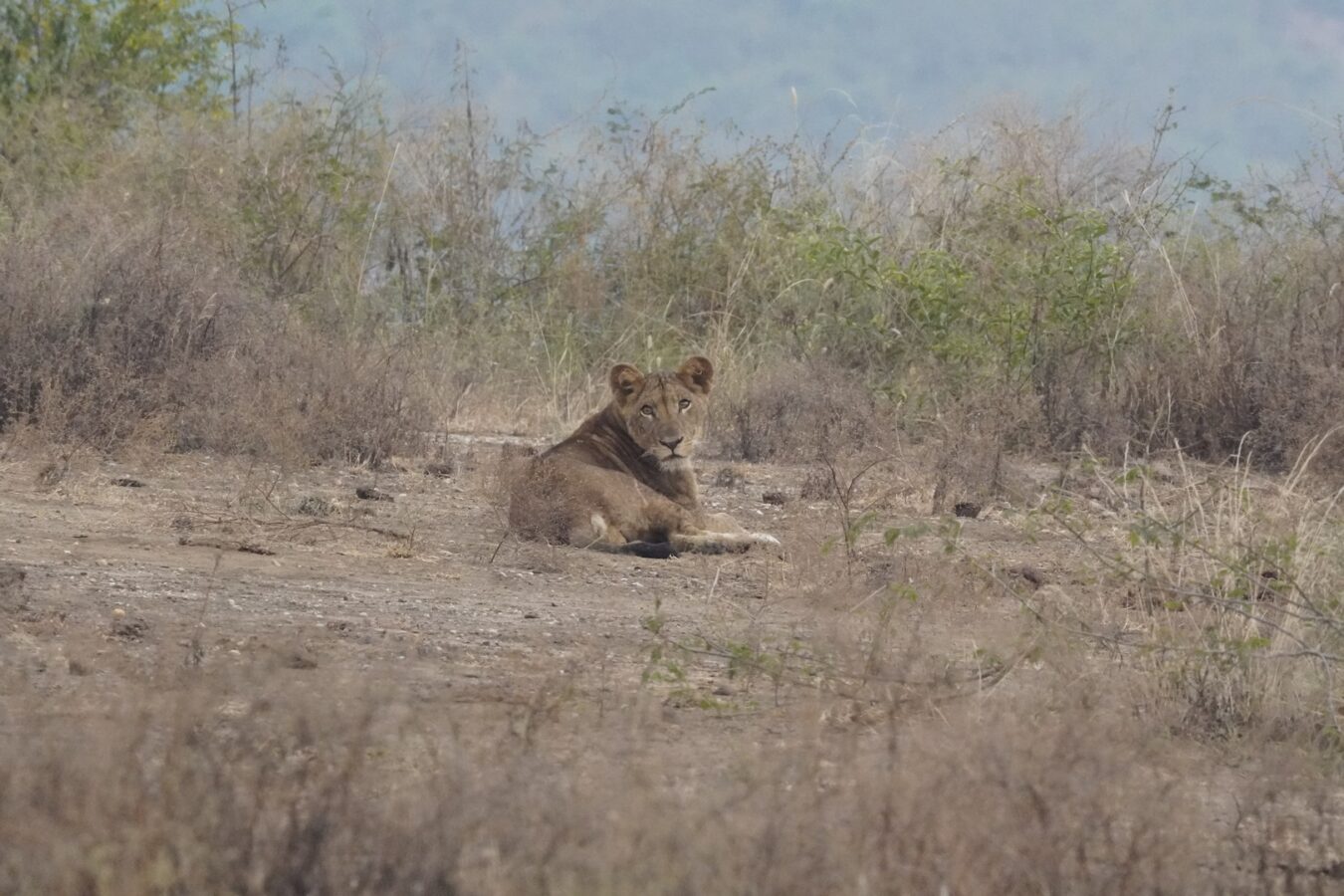
Tanzania Big Five Safari
Day 12 — Karatu: 6-Hour Ngorongoro Crater Game Drive → Karatu
Rise early for the iconic descent into the Ngorongoro Crater a moment many travellers consider the highlight of their 21-Days Kenya–Tanzania–Rwanda Safari. The descent road drops sharply into a vast green bowl teeming with wildlife. The crater floor is a self-contained Eden, sustaining thousands of mammals year-round due to its permanent water sources and nutrient-rich grasses.
Your six-hour game drive covers key sectors of the crater: Lerai Forest, the hippo pools, the alkaline lake shorelines where flamingos gather, and open plains where lions patrol in full view. The chance of seeing black rhinos extremely rare elsewhere is highest here. Large buffalo herds graze near marshlands, hyenas roam openly, and elephants with unusually long tusks move between woodland patches.
Cultural Experience Around Lake Eyasi
Your 21-Days Kenya–Tanzania–Rwanda Safari guide will interpret animal interactions, explain ecological dynamics, and choose the best picnic spots within the crater’s designated areas. Midday sunlight often illuminates flocks of crowned cranes, grazing zebra clusters, and lions stretched in repose after early hunts.
After ascending the crater rim in the afternoon, you drive to Lake Eyasi Safari Lodge in Karatu, a quieter highland region surrounded by farms, forests, and indigenous cultures. This shift from wildlife-dense habitat to cultural landscapes offers a refreshing change of pace. Dinner is served in a serene setting, preparing you for tomorrow’s remarkable Hadzabe cultural excursion.
- Animals to spot: Black rhino, lion, buffalo, hyena, hippo, wildebeest, flamingos.
- Birds to spot: Grey Crowned Crane, Flamingo species, Yellow-billed Kite, Sacred Ibis.
- Cultures to observe: Highland agricultural communities of Karatu.
Day 13 — Karatu / Lake Eyasi: Dawn Hunting with the Hadzabe People
This morning is one of the most authentic cultural encounters in East Africa, a dawn visits with the Hadzabe, one of the last remaining hunter-gatherer communities on the continent. Depart before sunrise and travel to Lake Eyasi’s woodland fringes, where the Hadza live in harmony with the land, practicing traditional foraging, hunting, and crafting lifestyles unchanged for centuries.
On arrival, you are welcomed into their temporary encampment. The Hadza guide explains their language (characterized by distinctive click sounds), seasonal movements, and the symbolic meaning of their tools and weapons. Accompanied by experienced hunters, you follow them on a short hunting foray an ethically controlled experience in which the Hadza demonstrate tracking techniques, bow-making craftsmanship, fire-lighting methods, and plant knowledge. The walk is culturally immersive, offering insight into cognition, survival strategies, and intergenerational knowledge transfer.
A Visit to Datoga Blacksmith Community
You may observe honey gathering, small-game tracking, or plant foraging depending on conditions. Photography is permitted respectfully and only with consent, emphasizing cultural dignity. After the hunt, return to camp for a small exchange with the Datoga blacksmith community (if available), who craft arrowheads for the Hadza in a mutually supportive traditional economy.
Return to Lake Eyasi Safari Lodge for lunch and a relaxed afternoon. This day offers profound reflection contrasting modern life with stone-age traditions still alive today.
- Animals to spot: small game, birds, baboons, bushbuck around woodlands.
- Birds to spot: Hoopoes, Weavers, Hornbills, Mousebirds.
- Cultures to observe: Hadzabe hunter-gatherers, Datoga blacksmiths.
Day 14 — Lake Natron: Drive Karatu → Natron via Manyara Treetop Walkway
Today’s route takes you from Karatu’s fertile farmlands toward the dramatic, volcanic landscapes around Lake Natron one of Africa’s most haunting and geologically striking regions. En route, you stop at the Lake Manyara Treetop Walkway, an elevated canopy bridge system that glides through lush forest, offering an unusual aerial perspective of monkeys, butterflies, and forest birds. The walkway consists of suspension bridges and viewing towers, creating a calm, immersive nature experience.
Continuing north, the scenery shifts dramatically into semi-arid steppe dominated by volcanic formations and the looming presence of Ol Doinyo Lengai, the “Mountain of God” revered by the Maasai. Arrive at Lake Natron Camp (Ngare Sero) a minimalist eco-lodge that blends beautifully into this stark yet breath-taking landscape. The camp sits near freshwater springs feeding the lake and attracts flocks of flamingos that feed on its alkaline shallows.
Adventure at Lake Natron
In the late afternoon, take a guided walk along the lake margin to observe the surreal scenery: polygonal salt flats, dust spirals, and thousands of flamingos whose pink hues contrast against the basaltic backdrop. Lake Natron is the world’s most important breeding site for Lesser Flamingos, offering unmatched ornithological interest.
Return to camp for dinner under dazzling night skies free of light pollution — a perfect stargazing opportunity.
- Animals to spot: zebra and giraffe along the approach, small antelope, flamingo habitats.
- Birds to spot: Lesser Flamingo, Greater Flamingo, Stilts, Sandpipers, Avocets.
- Cultures to observe: Maasai communities living along the escarpment; cultural narratives linked to Ol Doinyo Lengai.
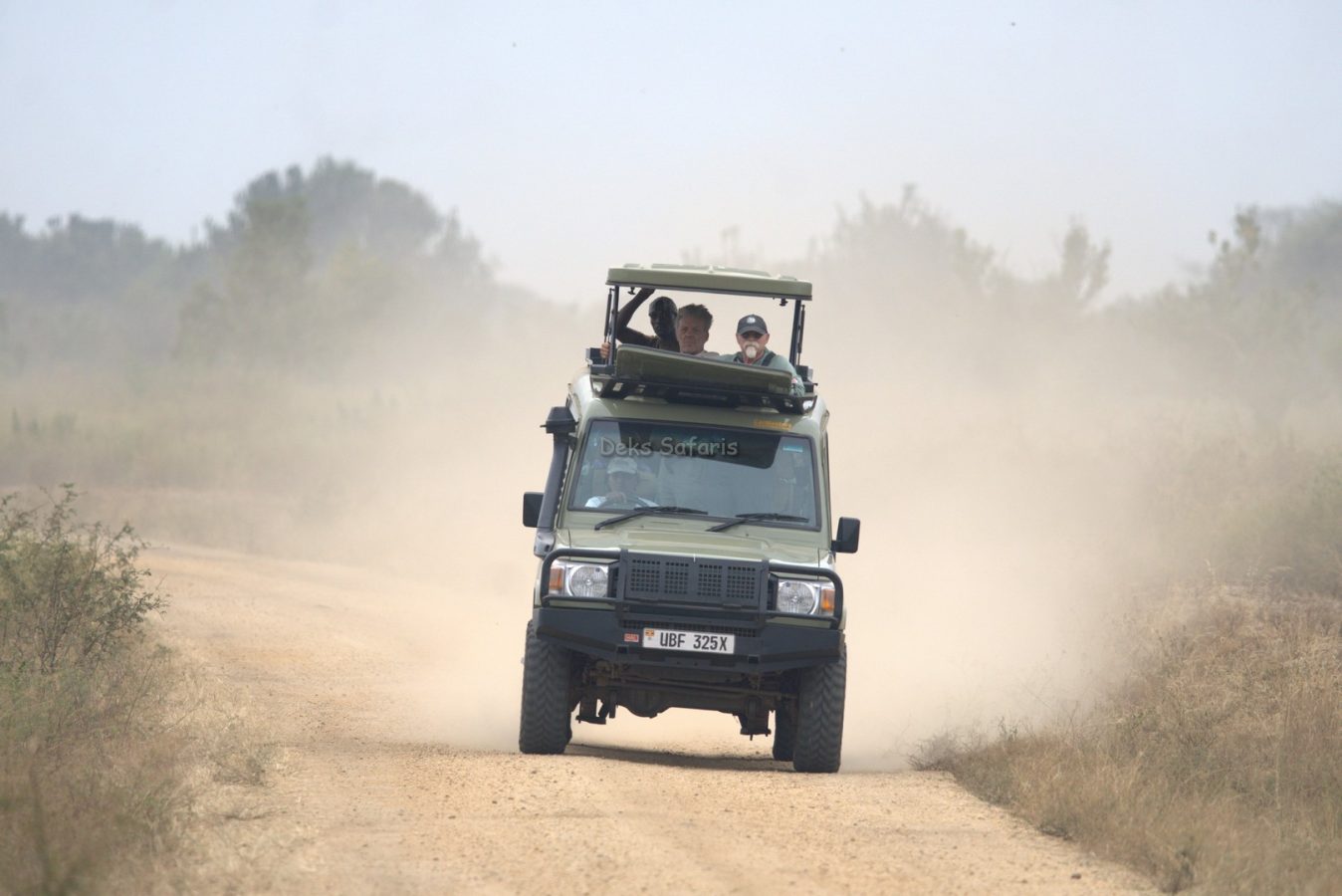
Uganda Safari Experience
Day 15 — Lake Natron → Tarangire National Park: Ngare Sero Waterfall Hike & Transfer
The day begins with an invigorating morning hike to the Ngare Sero Waterfalls, one of the most rewarding short treks in northern Tanzania. The trail leads through rocky gorges carved by ancient water flows, where narrow passages, cooling sprays, and towering canyon walls create a refreshing microclimate. Local Maasai guides accompany the walk, sharing stories about the landscape, spiritual landmarks, and the ecology of the region. The waterfall itself is a striking contrast to the arid surroundings a clear cascade feeding lush pockets of vegetation.
After the hike, return to camp for a quick freshen-up before starting the 21-Days Kenya–Tanzania–Rwanda Safari journey toward Tarangire National Park, known for its iconic baobabs, vast elephant populations, and dramatic dry-season wildlife concentrations. As you drive south, landscapes gradually shift from volcanic desert to rolling acacia woodlands.
Check-in at Elephant Rock Luxury Camp
Arrive at Elephant Rock Luxury Camp, a beautiful property nestled near wildlife corridors. After check-in, enjoy sweeping views of Tarangire’s baobab-studded plains and settle in for a peaceful evening. Your 21-Days Kenya–Tanzania–Rwanda Safari guide will brief you on tomorrow’s walking safari and night game drive two exceptional activities unique to Tarangire.
- Animals to spot: giraffes, zebra herds, small antelope, elephants near Tarangire entrance.
- Birds to spot: Hornbills, Vultures, Flamingos (Lake Natron), White-headed Buffalo-Weaver.
- Cultures to observe: Maasai pastoral life around Natron and migratory communities near Tarangire.
Day 16 — Tarangire National Park: Guided Walk, Afternoon/Evening Game Drive & Night Game Drive
Tarangire’s claim to fame is its dramatic baobab-studded plains and extraordinarily high elephant densities a landscape that invites both close study and wide-angle appreciation. After an early breakfast at Elephant Rock Luxury Camp, you set out on a guided walking safari with an experienced ranger. Walking here is intentionally slow: the 21-Days Kenya–Tanzania–Rwanda Safari guide interprets elephant sign (bark-stripping, dung, water-digging), points out medicinal plants used by local communities, and explains Tarangire’s seasonal migration dynamics. On foot you’ll notice subtle ground-level interactions, elephant pathways, dung-beetle economies, and tiny pollinators that are invisible from vehicles.
Following the walk, a midday rest lets you recharge for an extended afternoon game drive. Tarangire’s mosaic of riverine forest, acacia woodlands, and grassland is particularly fruitful late in the day when herds congregate near the Tarangire River. Expect long-lived matriarchal elephant family units exhibiting complex social behavior: cooperative calf care, deliberate water-digging during dry spells, and dust-bathing rituals. The park also supports big cats, numerous plains herbivores, and a rich suite of birdlife. Guides use local ranger networks and recent signs to concentrate on active wildlife areas.
How is a Night in Tarangire National Park Like?
As night falls, a controlled night game drive (where permitted) reveals the nocturnal cast of Tarangire civets, genets, owls, and hyenas moving under starlight. Night viewing is a different sensory experience: quieter, more intimate, and revealing of behaviors masked during daylight. Safety protocols and park permissions guide every step; your 21-Days Kenya–Tanzania–Rwanda Safari guide will maintain ethical viewing distances and minimize disturbance. Return to camp for a fireside debrief and a well-earned dinner, carrying images of immense baobabs and elephant silhouettes into sleep.
- Animals to spot: large elephant herds, giraffes, buffalo, lion, lesser kudu (occasionally).
- Birds to spot: Yellow-collared Lovebird, Fischer’s Turaco, White-browed Sparrow-Weaver, Pel’s Fishing Owl (rare).
- Cultures to meet/observe: Maasai pastoralist presence near park boundaries; discussions on human–elephant coexistence.
Day 17 — Arusha: Transfer Tarangire → Arusha; Town Orientation & Cultural
A leisurely morning in Tarangire gives you one last game glimpse before you begin the road transfer back toward Arusha. The journey south is scenically diverse baobabs fade into village orchards and the first coffee terraces appear as you near Arusha town. On arrival at Gran Meliá Arusha, you’ll have time to refresh, followed by a gentle orientation walking-tour of Arusha’s cultural heartbeat: local markets, artisan stalls, and the International Coffee Centre if time permits.
Arusha is a gateway city with a lively, cosmopolitan character and important role in regional tourism logistics. Your 21-Days Kenya–Tanzania–Rwanda Safari guide will arrange any last-minute flight paperwork and confirm the international and regional flight schedules required for tomorrow’s transfer to Kigali. Depending on arrival times, an optional visit to the local Maasai market or the Arusha Cultural Heritage Centre lets you purchase responsibly sourced crafts and learn about the role of tourism income for local artisans.
How is a Night in Arusha?
Dinner in Arusha offers an opportunity to sample Tanzanian coastal and highland cuisines coconut-infused stews, roasted maize, and spiced grilled meats while guides brief you on Rwandan entry protocols and gorilla trekking preparations. Porters, walking difficulty, and fitness expectations are reviewed: mountain gorilla treks vary in duration and terrain, and support options such as porters or shorter-trek families are discussed to ensure a comfortable, respectful experience.
- Animals to spot: Urban birds and small wildlife around hotel gardens.
- Birds to spot: Superb Starling, White-bellied Sunbird, Speckled Mousebird.
- Cultures to meet/observe: Arusha market life; artisan crafts; coffee-growing culture in surrounding foothills.
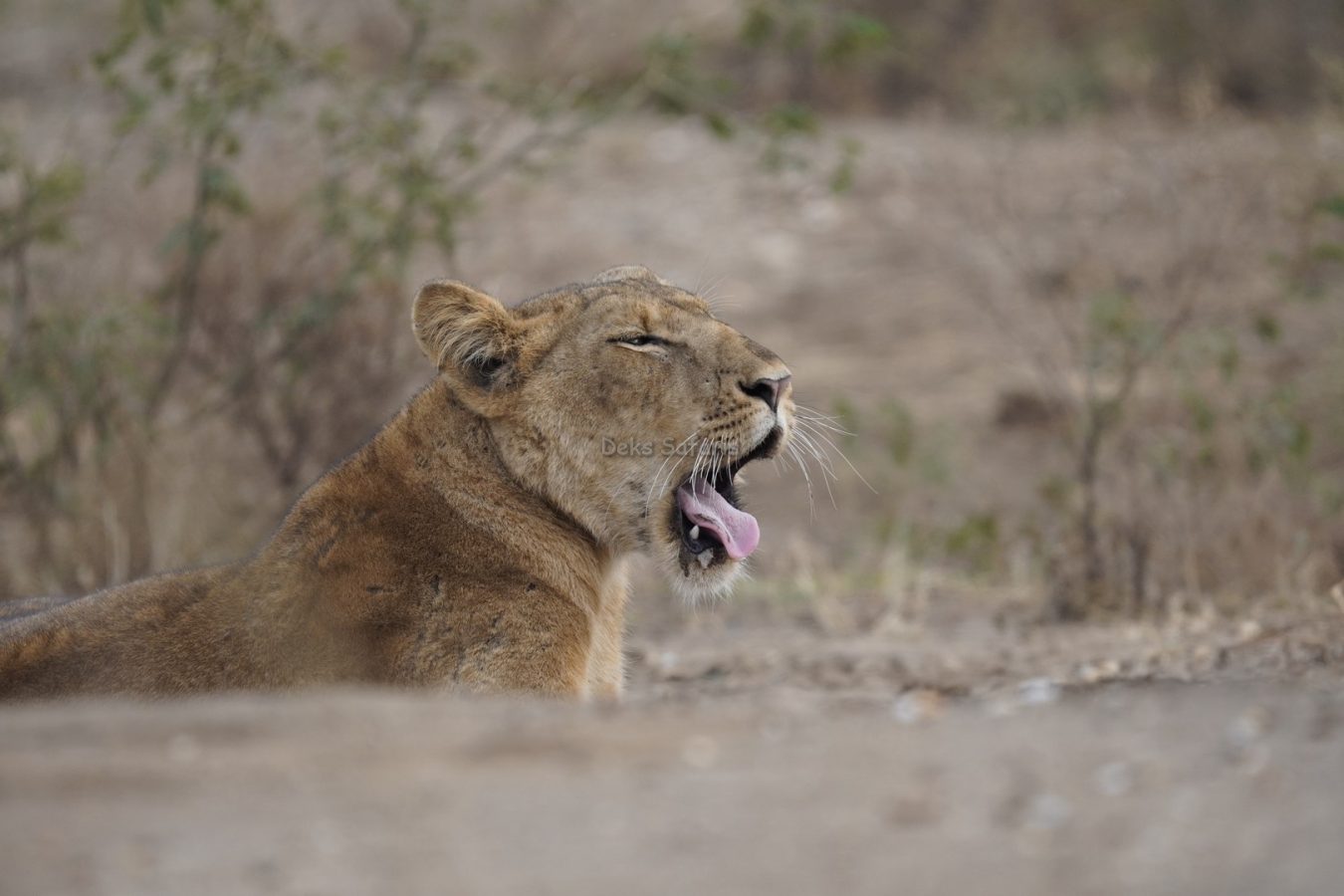
Uganda Wildlife Safaris
Day 18 — Kigali: Flight Arusha (JRO) → Kigali (KGL); Arrival, Transfer & Rest
Today you cross a national border by air and arrive in Rwanda’s compact, orderly capital Kigali. Depending on flight schedules and carrier (regional options include RwandAir and Precision Air among others), you’ll depart from JRO or ARK and touch down at Kigali International Airport (KGL). Flight durations are modest but can include routing variations; your 21-Days Kenya–Tanzania–Rwanda Safari uses vetted regional connections timed for comfort and minimal layover. Upon arrival you are assisted through immigration and transferred to Kigali Serena Hotel for rest and acclimatization.
Kigali is tidy, verdant, and steeped with modern history. You will likely be scheduled for a short orientation and a visit to the Kigali Genocide Memorial (time-permitting and respectful of guests’ emotional bandwidth), which offers an essential, somber context for Rwanda’s recent history and the peace-building that underpins current conservation work. The afternoon is kept deliberately gentle to allow rest before the travel-intensive mountain gorilla trek scheduled for Day 20.
Important Note on Gorilla Permits
Your 21-Days Kenya–Tanzania–Rwanda Safari guide will reconfirm gorilla permit details, meeting times, and physical needs. Important note on gorilla permits: gorilla trekking permits are issued by the Rwanda Development Board and must be purchased in advance; fees are set by RDB and vary by visitor category. We handle permit procurement as part of your safari package to ensure availability and compliance. This evening your guide finalizes trekking logistics porter allocations, clothing recommendations, and photography rules to preserve the gorillas’ wellbeing.
- Animals to spot: Urban birdlife in Kigali’s gardens.
- Birds to spot: African Paradise Flycatcher, Ruwenzori Turaco (where seen in transit gardens).
- Cultures to meet/observe: Rwandan urban life, civic recovery and reconciliation initiatives; Kigali’s craft markets.
Day 19 — Volcanoes National Park Region: Drive Kigali → Musanze; Kigali Genocide Memorial & Kimironko Market
A scenic morning drive (≈2.5–3.5 hours depending on traffic) brings you north to Musanze, the gateway town for Volcanoes National Park. En route you may stop for panoramic views of terraced hillsides and tea plantations that characterize Rwanda’s highlands. On arrival you check into The DAF Hotel, Musanze, a comfortable base close to the park and the research stations that support mountain-gorilla conservation.
Before the trek, your 21-Days Kenya–Tanzania–Rwanda Safari guide leads visits to two culturally important sites in Kigali (timed according to arrivals and energy): the Kigali Genocide Memorial (if not visited on Day 18) and Kimironko Market, where daily Rwandan life is on full display. Kimironko is an explosion of color, spice, and craft a chance to buy locally woven baskets, artisan coffee, and traditional cloth while supporting local livelihoods. These stops ground the gorilla experience in place: conservation cannot be separated from the people who live beside these forests.
Mountain Gorilla Trek in Volcanoes National Park
In Musanze, your guide conducts a full briefing about tomorrow’s Mountain Gorilla Trek in Volcanoes National Park meeting points, porter services, physical considerations, and etiquette around the gorillas (observing at 7 meters before permitted close viewing, no flash photography, no eating near gorilla groups, etc.). Early to bed is recommended; wake-up calls and pre-packed lunches prepare you for an early transfer to the park ranger station on Day 20.
- Animals to spot: Forest birds and small mammals around Musanze; colobus monkeys in higher forests.
- Birds to spot: Rwenzori Turaco (if present), Dusky Twinspot, Mountain Masked Apalis.
- Cultures to meet/observe: Rwandan market traders, tea- and coffee-farming communities, reconciliation and community tourism initiatives.
Day 20 — Volcanoes National Park: Mountain Gorilla Trek (Permits & Protocols) — Return to Kigali
Today is the capstone of your three-week odyssey: the Mountain Gorilla Trek in Volcanoes National Park. You will be issued gorilla permits in advance (Rwanda Development Board governs allocations), and early-morning transfers bring you to the park ranger posts where treks begin. Trekking time is variable from under an hour to multiple hours across steep, muddy slopes because gorillas move and their locations change daily. Your 21-Days Kenya–Tanzania–Rwanda Safari guide and assigned park rangers choose a family that matches your group’s fitness and preferences; porter services are available for those who need them.
Once the gorillas are located, the park allows a one-hour habituated viewing period a profoundly intimate, regulated encounter where soft voices, measured movements, and strict hygiene rules protect both visitors and gorillas. Expect to see social behaviors: grooming, play among young, nesting, and feeding. The rangers control proximity and duration to ensure minimal stress. Photography is allowed but without flash and with etiquette adhered to the entire hour.
Why Book Gorilla Trekking Permits in Rwanda on Time?
Permits are mandatory and usually sold per person in advance; current RDB prices for non-resident foreign visitors are published by the Rwanda Development Board and our office arranges them on your behalf to secure access. (Permit fees support conservation, anti-poaching, and local communities.) After the trek, you return to Musanze for lunch, then transfer back to Kigali Serena Hotel for rest, documentation, and departure preparations for Day 21.
- Animals to spot: Mountain gorillas (primary), golden monkeys (occasionally), forest duikers.
- Birds to spot: Albertine Rift endemics such as the Grauer’s Warbler and regal sunbirds (depending on altitude).
- Cultures to meet/observe: Community tourism projects, park warden conservation work, local trackers and porter support systems.
Day 21 — Departure: Private Transfer to Kigali International Airport (KGL) & Farewells
This final day is intentionally light on activity, centered on smooth departure logistics and reflection. After breakfast at Kigali Serena Hotel, your private transfer takes you to Kigali International Airport (KGL) for your international flight home or onward travel. Depending on your flight schedule, there may be time for a final stroll through hotel gardens, last-minute souvenir purchases, or a short photography stop overlooking the city.
Your 21-Days Kenya–Tanzania–Rwanda Safari guide and driver ensure timely arrival for international check-in, assist with paperwork where required, and conduct a final handover briefing. We also provide a gentle post-safari checklist: address photos and data backups, emergency contact numbers, and advice on shipping excess baggage if you acquired significant craft items. Deks Safaris & Tours strives for a seamless last impression the same warmth and attention that opened your trip is extended through your departure.
Ending your 21-Days Kenya–Tanzania–Rwanda Safari
We encourage you to reflect on the breadth of experiences across Kenya, Tanzania, and Rwanda: from Nairobi’s urban warmth and Mara’s cinematic drama to Serengeti’s predator-rich plains, Ngorongoro’s edenic crater, the cultural depth of Lake Eyasi, the volcanic austerity of Natron, Tarangire’s elephant kingdoms, and the profound hush of a gorilla family’s presence. Your 21-Days Kenya–Tanzania–Rwanda Safari memories are the living currency of conservation support each permit, lodge night, and cultural visit helps sustain communities and habitats. Safe travels, and we look forward to welcoming you again.
- Animals to spot: Urban birds around Kigali; last glimpses of Rwanda’s highland greenery.
- Birds to spot: Sunbirds, weavers, pigeons common to Kigali parks.
- Cultures to meet/observe: Final cultural exchanges in Kigali; departure customs and hospitality.
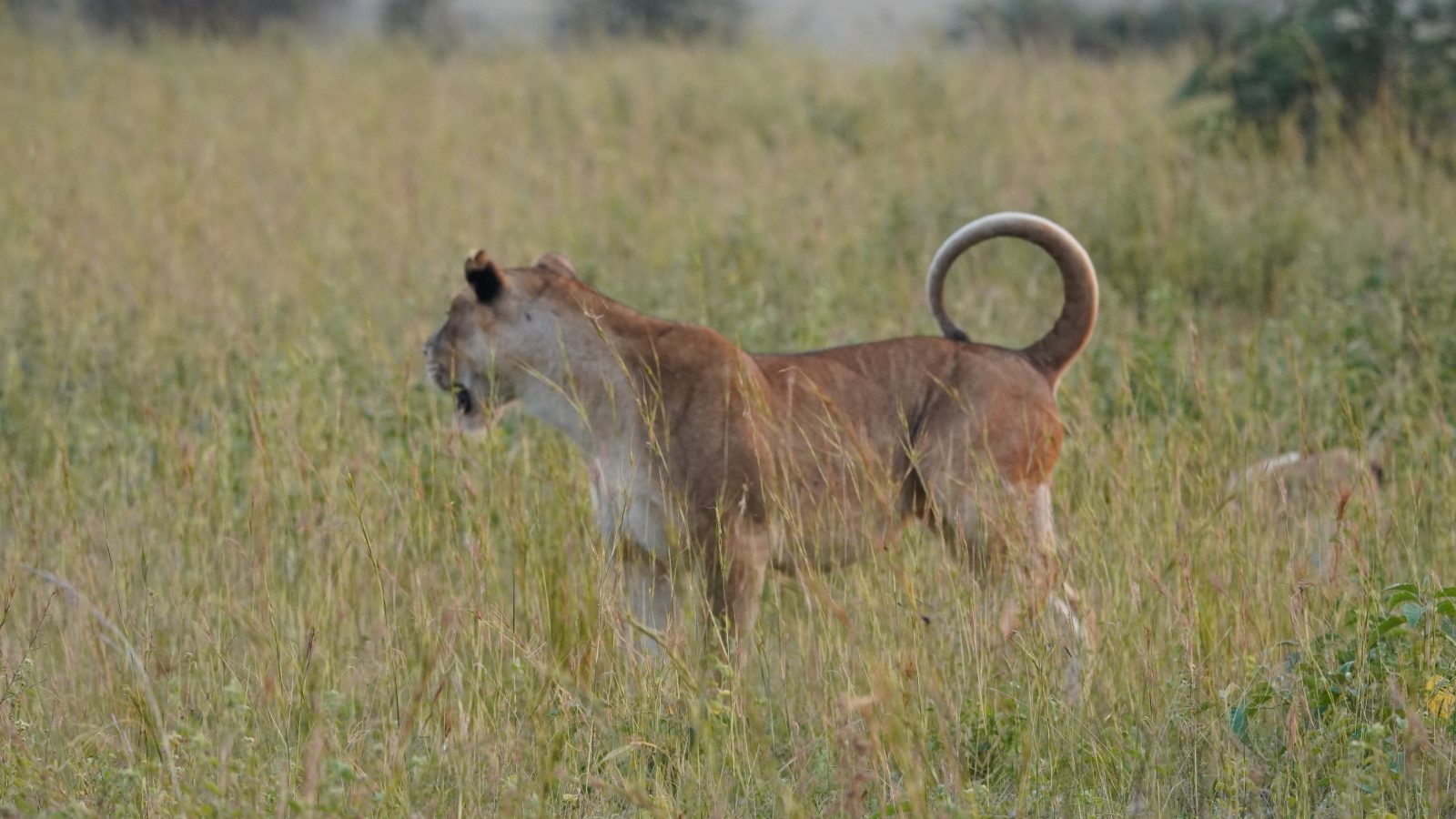
6 Days Uganda Safari Experience
21-Days Kenya–Tanzania–Rwanda Safari Inclusions and Exclusions
Safari Inclusions — Deks Safaris & Tours (comprehensive)
- All ground transportation in comfortable, safari-equipped 4×4 vehicles (with pop-up roof for game viewing) as per itinerary.
- VIP arrival meet & greet at Nairobi Jomo Kenyatta International Airport (JKIA).
- Domestic light aircraft transfer: Masai Mara → Serengeti (where indicated).
- International/regional flight assistance and ground transfers (Arusha → Kigali via scheduled regional carrier; flights booked).
- Accommodation (20 nights) as outlined in the itinerary — a mix of lodges, tented camps, and hotels (single/double occupancy pricing to be confirmed per booking).
- All meals as specified in the daily itinerary (breakfast, selected lunches, dinners indicated); bottled drinking water during drives.
- All park entry fees, conservancy fees, and national park gate fees for Kenya, Tanzania, and Rwanda (as applicable).
- Gorilla trekking permit(s) in Rwanda (procured and included in package for the number of participants specified at booking) — fees collected at time of booking per Rwanda Development Board regulations.
- Professional, licensed English-speaking safari guides and local ranger accompaniment for gorilla trek.
- Activities as listed: Hell’s Gate biking, boat safaris, hot air balloon (subject to weather & available at additional cost if not included), guided walks, night drives where permitted, Olduvai Gorge visit, private bush lunch, Hadzabe cultural visit, Ngare Sero waterfall hike.
- Emergency evacuation plan and 24/7 local operator support.
- Porter service for gorilla treks (one porter per person where requested at US$30 per porter), and related logistics support.
- Taxes and service charges (local VAT where applicable).
Safari Exclusions — Standard (please read carefully)
- International flights to Nairobi (JKIA) and from Kigali (KGL) — international airfare and associated taxes.
- Visa fees (where applicable) and personal travel/medical insurance (comprehensive coverage including emergency medical evacuation is highly recommended).
- Optional activities not explicitly included or marked as “subject to availability” (e.g., hot-air balloon if not confirmed; Crescent Island entry if charged separately).
- Personal items: laundry, tips/gratuities to guides/driver/camp staff (suggested guideline provided on booking), telephone/fax calls, excess baggage charges, and personal souvenirs.
- Meals and beverages not stated in the itinerary — alcoholic beverages unless specified.
- Vaccinations, malaria prophylaxis, and personal medications. Please consult a travel health clinic.
- Any increases in park fees, gorilla permit fees, or government levies enacted after deposit/payment (these will be passed on if they occur).
- Visa or entry requirements costs (e-visas, etc.), COVID-related testing or health certificates if required at time of travel.
- Items of a personal nature or services not specified in “Inclusions”.
Practical Notes, Permits & Logistics (brief)
- Gorilla permits: These are issued by the Rwanda Development Board and must be secured well in advance (6 Months Prior) due to limited daily allocations; fees vary by visitor category and are subject to change. Deks Safaris manages permit procurement as part of your booking to avoid sold-out dates.
- Regional flights: There are multiple regional carriers servicing routes between northern Tanzania and Kigali; schedules and direct connectivity can vary seasonally. We recommend confirming and ticketing regional flights as early as possible.
- Health & safety: Altitudes vary (Ngorongoro rim and Volcanoes region are high); bring layered clothing. Mountain gorilla treks are strenuous for some — porters are available for hire to help carry gear.
- Photography: Flash photography is not permitted during gorilla encounters; always follow ranger and guide instructions.
- Conservation & ethics: Our itineraries emphasize community benefit and low-impact wildlife viewing; please respect local rules, avoid single-use plastics where possible, and follow guide directions.
What to Pack for Your 21-Days Kenya–Tanzania–Rwanda Safari?
Clothing & Footwear
Lightweight Safari Clothing
- 4–6 breathable, moisture-wicking shirts (long-sleeve recommended for sun and insects)
- 2–4 pairs of lightweight safari trousers (convertible pants recommended)
- 1–2 pairs of shorts (for camp relaxation)
- Neutral colors: khaki, tan, olive, brown — avoids attracting insects and disturbing wildlife
- Avoid black and navy in tsetse areas (Serengeti, Tarangire)
Warm Layers (Important!)
- The Ngorongoro Rim and Volcanoes National Park can be cold:
- Fleece or down jacket
- Long-sleeve thermal top
- Light wool sweater
Warm socks
- Rain & Wind Protection
- Waterproof windbreaker or rain jacket (essential for gorilla trekking)
- Waterproof trousers (optional but very helpful for gorilla trekking)
Footwear
- Sturdy hiking boots (mandatory for gorilla trekking)
- Comfortable closed walking shoes for nature walks
- Sandals or lodge slippers for evenings
- Gaiters (optional but helpful in muddy gorilla trekking terrain)
Gorilla Trekking–Specific Gear
- Sturdy waterproof hiking boots (broken in beforehand)
- Garden gloves (highly recommended for gripping vegetation)
- Long-sleeve shirt + long pants (to protect against stinging nettle)
- Rain jacket &/or poncho
- Gaiters or high socks tucked into pants to keep out ants
- Sweat-absorbent bandana or headband
- Light backpack (porters available to carry)
- Reusable water bottle (at least 1–2 liters)
Personal Essentials
- Travel Documents
- Passport (valid for 6+ months)
- Visa confirmation documents (Kenya, Tanzania, and Rwanda as per nationality)
- Vaccination certificates if required (e.g., Yellow Fever depending on routing)
- Travel insurance details
- Money
- Credit/debit card
- Small USD bills for tips, markets, and border situations (issued from 2017 and newer)
Health & Hygiene Items
- Malaria prophylaxis (consult your travel doctor)
- Personal medications & prescriptions
- Sunscreen (SPF 30–50+, East African sun is strong)
- Insect repellent with DEET or picaridin
- Anti-bacterial hand sanitizer
- Travel-sized first aid kit (plasters, blister pads, pain relief, electrolyte packets)
- Motion-sickness tablets if needed for safari roads
- Rehydration salts (important in hot parks like Tarangire & Serengeti)
21-Days Kenya–Tanzania–Rwanda Safari Gear & Accessories
- Binoculars (8×42 or 10×42 recommended for wildlife)
- Camera or phone with good zoom capability
- Extra SD cards or storage
- Power bank (very important)
- Universal plug adapter
- Headlamp or small flashlight
- Travel pillow for long transfers
- Lightweight foldable daypack
- Quick-drying travel towel
Hot-Air Balloon & Walking Safaris
For Mara Balloon Ride & Serengeti Walks:
- Warm fleece (mornings are cold)
- Sunglasses
- Hat with chin strap (balloon wind can be strong)
- Comfortable walking shoes
- Camera with secure strap
Cultural Respect Items
For visits with:
- Maasai Communities (Kenya & Tanzania)
- Hadzabe People (Lake Eyasi)
- Local Rwandan markets (Kimironko)
Pack:
- Modest clothing (covered shoulders/knees recommended)
- Small cash for local crafts
- A polite “no-photo-unless-permitted” mindset
- Reusable shopping bag for market purchases
Lake Natron & Desert Conditions
Lake Natron is rugged, hot, and windy:
- Lightweight, breathable long sleeves
- Buff or light scarf (protects from dust)
- Strong sunscreen
- Sturdy walking shoes for rocky volcanic terrain
Optional but Highly Recommended
- Travel journal or digital note-taking app
- Ziplock bags for dust protection (cameras/phones)
- Spare glasses or contact lenses
- Snacks (protein bars for long drive days)
- Extra camera batteries (charging options vary in remote camps)
Luggage Guidelines
- Soft-sided duffel bag preferred over hard suitcases (fits easier into safari vehicles & bush flights)
- 15–20 kg total weight limit typical for regional flights — check final ticket details
- Small daypack for daily essentials