
Is It Safe to Travel on Safari in Kenya and Uganda?
March 10, 2026
Are Safaris Suitable for Families with Children?
March 10, 2026What Should I Pack for an East African Safari?
Travelers planning an East African safari often ask one essential question: What should I pack for an East African safari? This question is crucial because proper packing ensures safety, comfort, and enjoyment throughout the journey. Safari adventures in Kenya and Uganda cover diverse landscapes, from vast savannahs and rolling plains to dense rainforests and riverine forests. Each environment requires specific clothing, equipment, and essentials.
A well-packed safari bag allows visitors to enjoy early morning game drives without discomfort. It also ensures preparedness for unexpected weather changes, insect activity, and long walking excursions. Moreover, traveling light yet effectively helps guests move between parks, lodges, and safari vehicles seamlessly. Many travelers underestimate the importance of specialized clothing, accessories, and gear. Therefore, careful planning maximizes enjoyment while reducing unnecessary stress.
During a typical safari itinerary, guests encounter the iconic Maasai Mara National Reserve, Uganda’s lush Bwindi Impenetrable National Park, and scenic Queen Elizabeth National Park. Each site demands a slightly different approach to packing. Therefore, it is crucial to prepare for variable climates, long drives, and physical activities like gorilla trekking or walking safaris.
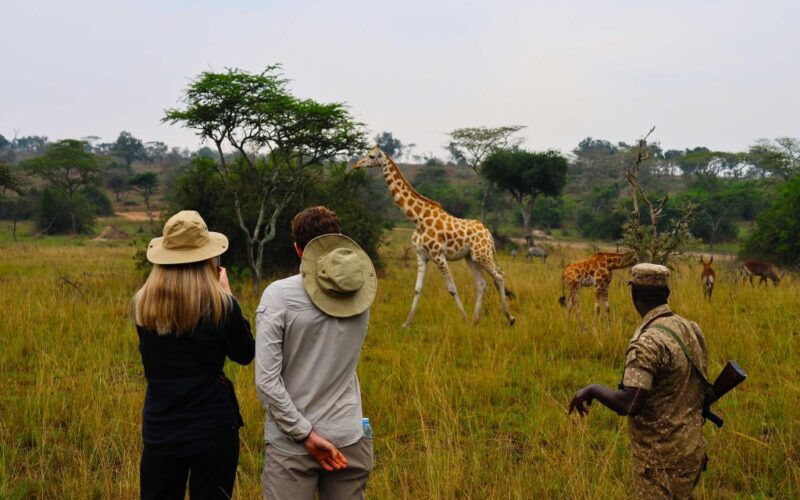
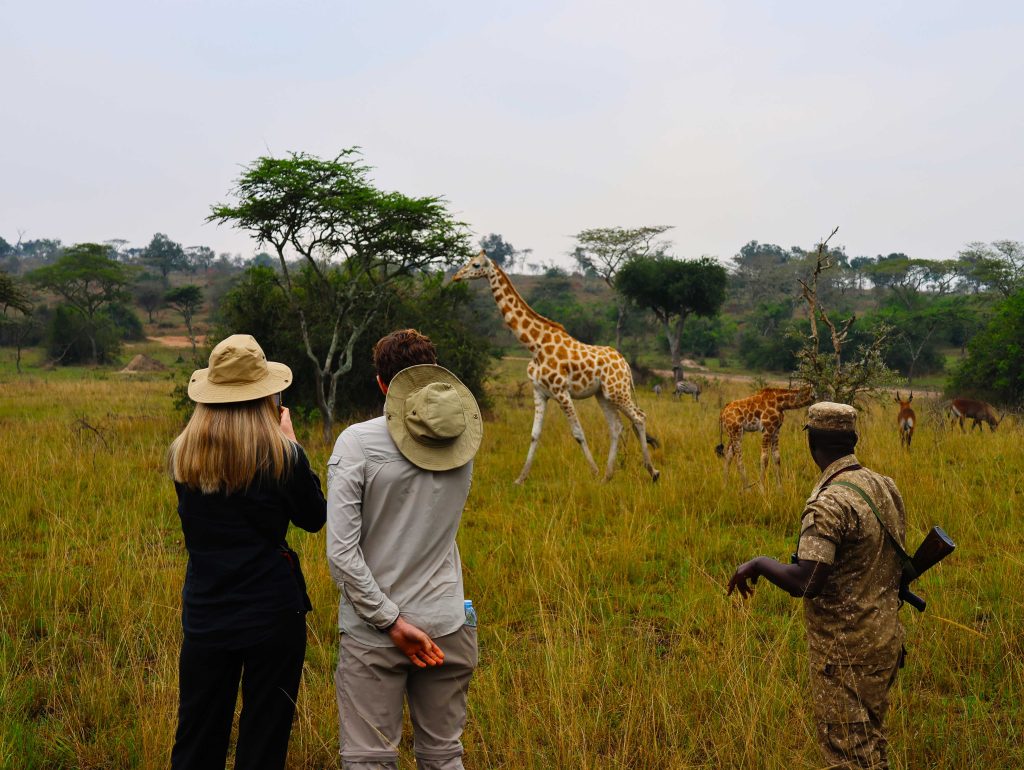
Additionally, packing correctly enhances wildlife observation. Neutral-colored clothing allows visitors to blend into the environment, improving photographic opportunities and minimizing animal disturbance. Binoculars, cameras, and field guides add to the experience while ensuring travelers remain fully prepared.
Finally, travelers need essentials for personal health, comfort, and documentation. These include medications, travel documents, sunscreen, and hydration solutions. Knowing exactly what to pack for an East African safari ensures a stress-free and immersive wildlife adventure. Deks Safaris and Tours designs itineraries that incorporate both preparation and safety for maximum enjoyment.
Understanding Safari Essentials – What Should I Pack for an East African Safari?
A successful safari begins with proper packing. Therefore, travelers repeatedly ask: What should I pack for an East African safari? Packing effectively allows guests to enjoy long game drives, boat safaris, gorilla trekking, and cultural visits without challenges.
First, clothing forms the foundation of any safari pack. Lightweight, breathable, and neutral-colored clothing works best. Long-sleeved shirts and trousers protect against the sun and insects. Waterproof jackets are essential for rainy or misty weather. Layered clothing ensures comfort during chilly mornings or evenings.
Second, footwear plays a critical role. Durable hiking shoes or boots provide support for uneven terrain. Comfortable sandals or casual shoes allow relaxation during lodge stays. Socks and gaiters protect against insect bites, dirt, and minor scrapes.
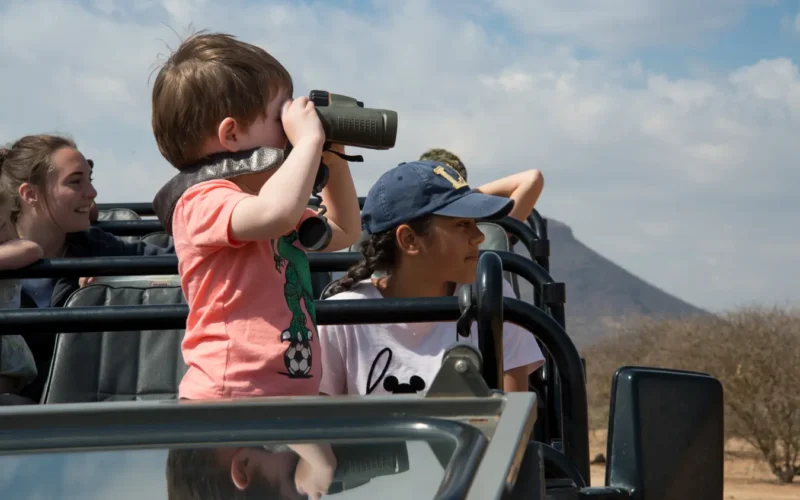
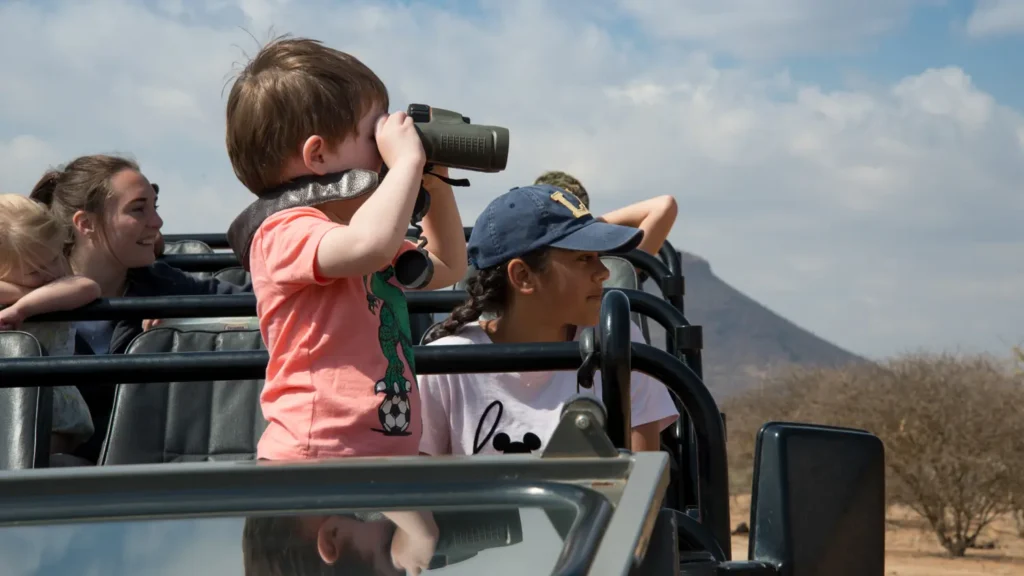
Accessories also enhance the safari experience. A wide-brimmed hat or cap protects from sun exposure. Sunglasses reduce glare and improve comfort. Binoculars allow observation of distant wildlife, while cameras capture unforgettable moments.
Third, health and hygiene essentials improve overall well-being. Sunscreen, insect repellent, hand sanitizer, and personal medications remain critical. Travelers should pack first-aid supplies for minor injuries or ailments.
Additionally, safari-specific gear increases comfort. Small daypacks hold water bottles, field guides, and snacks during long drives. Reusable water bottles ensure hydration. Travel documents, permits, and identification should remain organized and secure.
Furthermore, travelers visiting Uganda for gorilla trekking require additional items. Trekking poles, lightweight gloves, and moisture-wicking clothing improve comfort in dense forests. Protective gear, such as rain ponchos and gaiters, ensures preparedness for muddy trails.
In summary, a thoughtful packing strategy addresses clothing, footwear, accessories, health, and gear. Knowing what to pack for an East African safari ensures travelers experience comfort, safety, and maximum enjoyment. Deks Safaris and Tours provides detailed pre-departure guidance to optimize packing for each itinerary.
Packing for Kenya’s Savannah Adventures
Kenya offers world-renowned wildlife experiences. Therefore, travelers ask: What should I pack for an East African safari? Safari preparation in Maasai Mara National Reserve, Amboseli National Park, or Samburu National Reserve requires specific considerations.
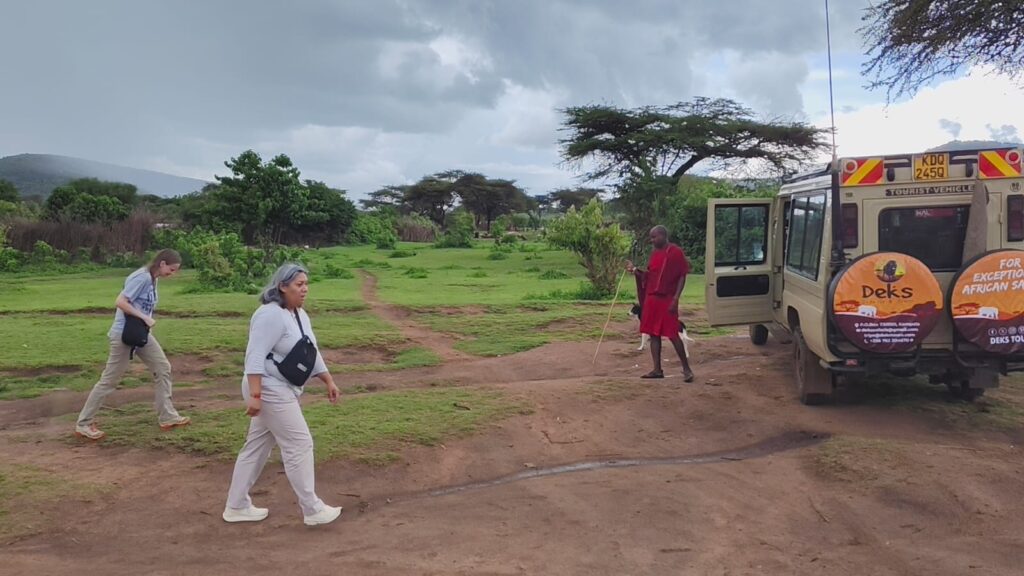
Clothing remains the most critical aspect. Neutral-colored shirts, trousers, and jackets prevent startling wildlife and allow comfortable movement. Layering options are necessary to adapt to morning chills and midday heat. Rainproof jackets and windbreakers protect against unexpected weather.
Footwear must provide support for walking across uneven terrain and savannah grasses. Durable boots reduce fatigue during early morning game drives. Additionally, casual shoes provide comfort at the lodge.
Accessories enhance the safari experience. Wide-brimmed hats, sunglasses, and scarves protect against harsh sun rays. Binoculars improve distant wildlife viewing. Cameras with extra batteries ensure unforgettable photographic memories.
Health considerations remain essential. Sunscreen, insect repellent, and basic first-aid kits prevent common safari-related issues. Personal medications and hydration solutions are critical.
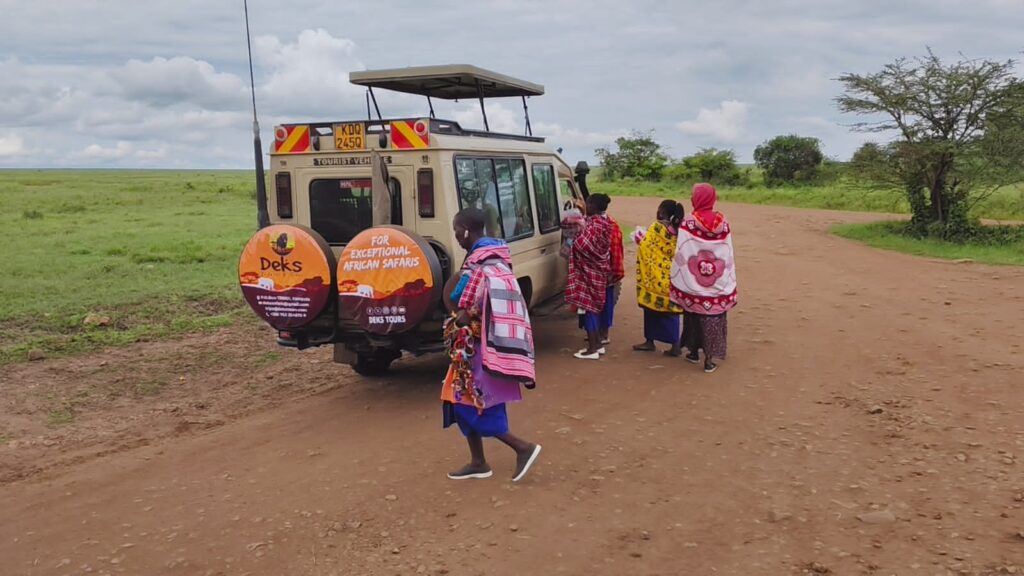
Moreover, cultural visits to local communities require modest and respectful attire. Lightweight scarves or wraps offer both comfort and cultural sensitivity.
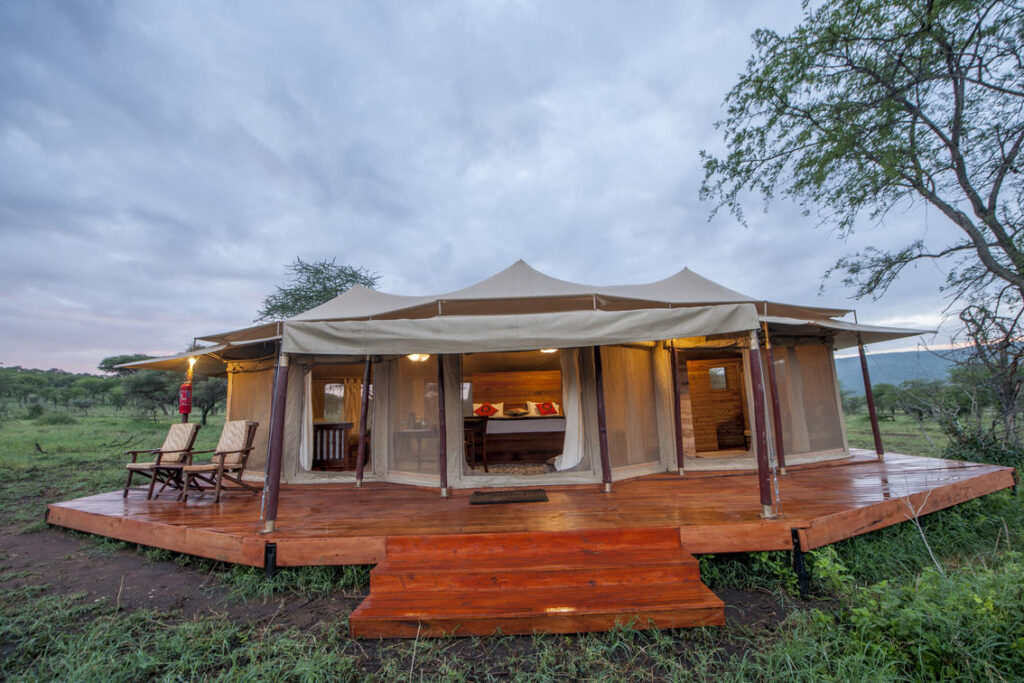
Finally, lodge stays often include luxury amenities. Packing light ensures travelers move efficiently between accommodations while maintaining comfort and convenience. Therefore, knowing what to pack for an East African safari enhances the overall experience.
Packing for Uganda’s Rainforest and Gorilla Experiences
Uganda’s rainforests, rivers, and savannahs demand specialized gear. Travelers often ask: What should I pack for an East African safari? Gorilla trekking and walking safaris require careful preparation.
First, clothing must balance comfort, protection, and mobility. Moisture-wicking shirts, long trousers, and lightweight jackets help manage humidity and insect exposure. Rain ponchos protect against heavy rainfall. Gloves prevent scratches during trekking.
Second, footwear is crucial. Waterproof hiking boots provide traction on muddy and uneven trails. Gaiters prevent mud and insects from entering shoes. Lightweight socks reduce discomfort during long treks.
Accessories such as hats, sunglasses, and binoculars improve observation and comfort. Cameras and waterproof cases preserve photographic memories. Trekking poles provide additional support during steep forest hikes.
Health and hygiene preparation remain critical. Sunscreen, insect repellent, and hand sanitizer protect travelers. Water purification tablets or reusable bottles maintain hydration safely. First-aid kits remain essential for minor injuries.
Additionally, visitors should carry small daypacks to store essentials during long treks. Snacks, travel documents, and personal medications should remain easily accessible.
Finally, respectful clothing is important when visiting local villages or cultural sites. Lightweight, modest garments ensure cultural sensitivity while providing comfort.
By addressing clothing, footwear, accessories, and health essentials, travelers remain prepared for Uganda’s diverse environments. Knowing what to pack for an East African safari ensures safe and enjoyable wildlife encounters.
Essential Safari Accessories
Beyond clothing and footwear, several accessories improve safari safety, comfort, and experience. Therefore, travelers often ask: What should I pack for an East African safari?
First, a good pair of binoculars allows observation of distant animals. Wildlife often remains several meters away, and binoculars improve visibility.
Second, cameras with extra memory cards and batteries capture moments without interruption. Lens cleaning kits ensure clear images.
Third, sun protection accessories, including hats, sunglasses, and sunscreen, prevent sunburn. Scarves or buffs protect the neck and face during dusty drives.
Fourth, hydration solutions remain essential. Reusable water bottles, hydration packs, and electrolytes maintain energy during long drives and treks.
Fifth, small daypacks or sling bags allow easy transport of essentials like snacks, travel documents, and first-aid kits.
Additionally, trekking poles, gaiters, gloves, and rain ponchos remain vital for Uganda’s gorilla trekking and forest walks.
Finally, travel documents, identification, and permits should be organized and waterproofed to avoid loss or damage.
By including these accessories, travelers maximize comfort, convenience, and safety. Knowing what to pack for an East African safari ensures a seamless and memorable adventure.
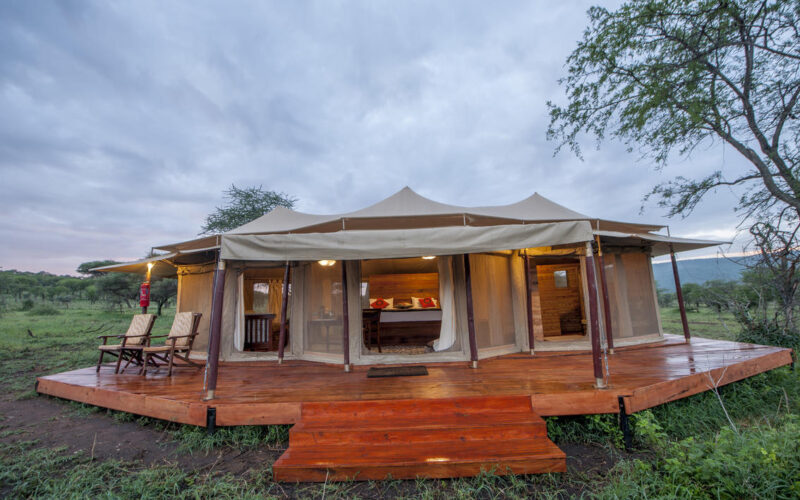
What to Pack for an East African Safari Lodge
Safari lodges provide comfort, but travelers must pack smartly. Here is a recommended packing list:
- Neutral-colored safari clothing
- Lightweight long-sleeved shirts and trousers
- Waterproof rain jacket
- Warm sweater or fleece for mornings and evenings
- Hiking boots and comfortable lodge shoes
- Safari hat or cap
- Sunglasses
- Sunscreen and lip balm
- Insect repellent
- Camera with extra batteries and memory cards
- Binoculars
- Daypack for excursions
- Reusable water bottle
- Travel documents and permits
- Personal medications
- Trekking gloves and gaiters (for Uganda)
- Poncho or rain gear
Safari Inclusions
- Airport transfers
- Accommodation during safari
- Meals during safari
- Professional safari guide
- Park entrance fees
- Gorilla trekking permits
- Game drives
- Boat safaris
- Safari vehicle with fuel
- Bottled drinking water
Safari Exclusions
- International flights
- Visa fees
- Travel insurance
- Personal expenses
- Tips and gratuities
- Alcoholic beverages
- Laundry services
- Optional activities
- Extra accommodation before or after safari
Final Thoughts – What Should I Pack for an East African Safari?
Travelers frequently ask: What should I pack for an East African safari? Proper preparation remains critical to safari comfort, safety, and enjoyment.
Kenya and Uganda present varied environments, from open savannahs to dense forests. Each setting requires thoughtful clothing, footwear, and accessories. Layering, sun protection, and insect defense are essential.
Professional safari guides and well-organized lodges enhance safety, but personal preparation remains important. Correct gear ensures comfort during long drives, trekking, and boat safaris.
Additionally, packing thoughtfully improves wildlife observation, cultural interactions, and overall satisfaction. Neutral clothing, binoculars, cameras, and hydration solutions maximize the safari experience.
By addressing clothing, footwear, accessories, and health essentials, travelers remain prepared for all conditions. Knowing what to pack for an East African safari ensures a seamless, safe, and unforgettable wildlife journey.
Deks Safaris and Tours provides expert advice for every itinerary. The company ensures travelers enter East Africa fully prepared, maximizing comfort, safety, and adventure.
With careful planning and proper packing, every safari becomes an extraordinary memory of wildlife, culture, and nature.