Frequently Asked Questions About Kenya Safaris
December 24, 2025
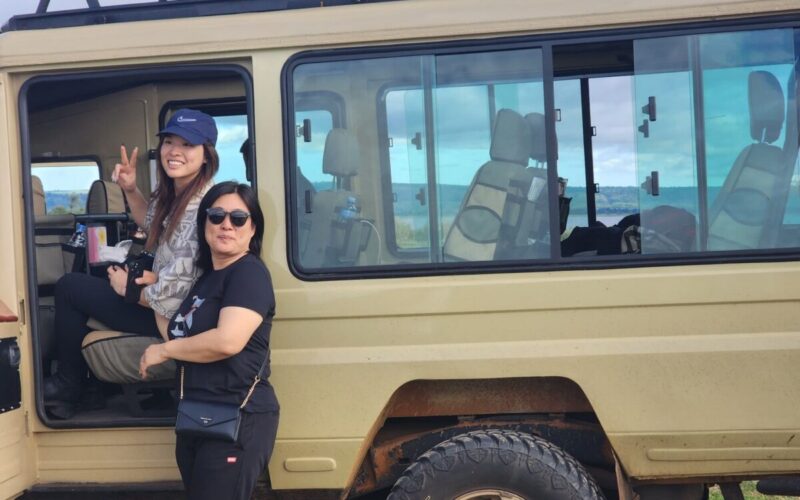
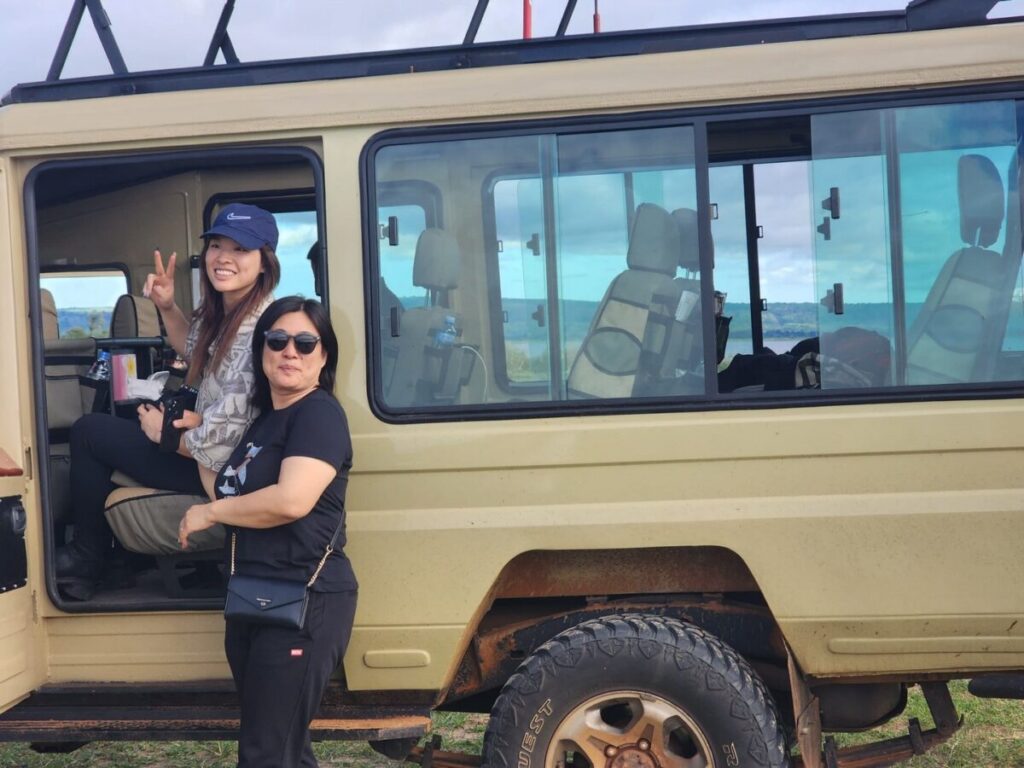
How to Choose Your Kenya Safari Vehicle?
December 24, 2025Great Wildebeest Migration Safari: When and Where to See It
The Great Wildebeest Migration Safari stands as Africa’s most powerful wildlife movement, unfolding across Tanzania and Kenya throughout the year. This natural phenomenon involves over two million wildebeest, zebras, and gazelles moving in search of water and fresh grazing. Unlike single-location wildlife events, the Great Wildlife Migration Safari constantly shifts, rewarding travelers who understand timing and geography. Each season delivers a unique experience, from newborn calves to dramatic river crossings.
A well-planned Kenya Safari allows travelers to witness this migration while exploring iconic landscapes and vibrant cultures. When combined with a Kenya Uganda Safari Holiday, guests enjoy diverse ecosystems, rich traditions, and extraordinary wildlife encounters. The migration does not pause, yet its highlights change monthly. Therefore, knowing when and where to travel defines success. Deks Safaris and Tours designs journeys that follow the herds responsibly while offering comfort, expert guiding, and meaningful cultural encounters near leading safari lodges.
The Year-Round Journey of the Great Wildebeest Migration Safari
The Great Wildlife Migration Safari operates as a continuous cycle driven by rainfall patterns rather than calendar dates. During the short rains, the herds spread across nutrient-rich plains. During dry months, they converge near rivers and permanent water sources. This rhythm shapes every safari experience.
Between December and April, the herds gather in the Southern Serengeti and Ndutu region. These open plains provide ideal conditions for calving. As grass quality declines, movement begins northward. From April to June, massive columns stretch across Central and Western Serengeti. This phase offers striking visuals and intense mating activity.
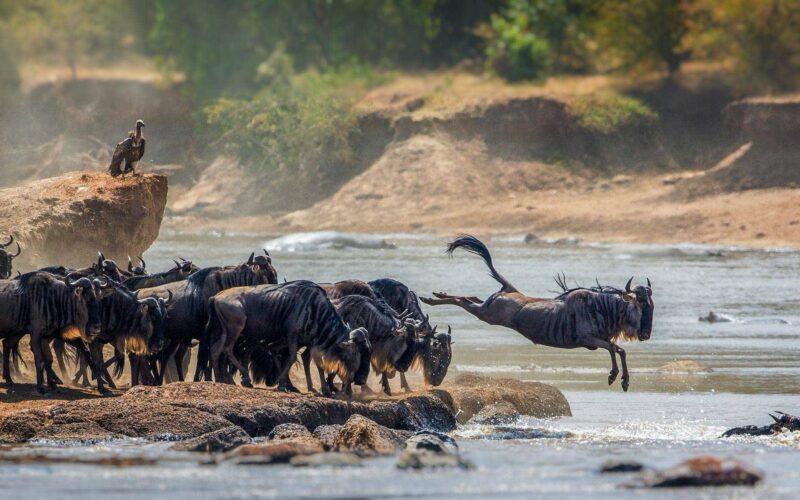
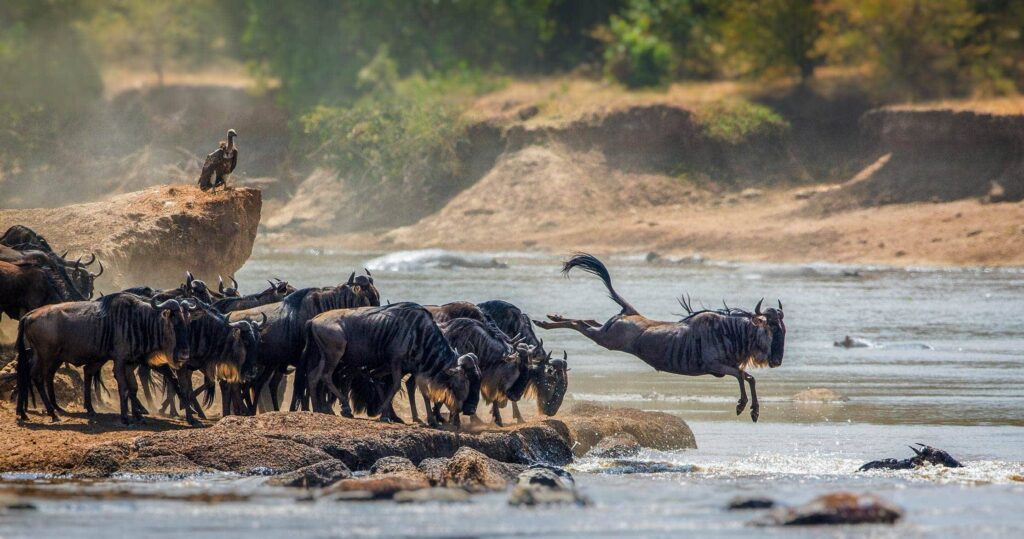
From July to October, the Great Wildebeest Migration Safari reaches its most famous chapter. The herds push into Northern Serengeti and Kenya’s Maasai Mara. Here, river crossings define survival. Crocodiles, steep banks, and powerful currents test every animal. Later, short rains trigger a gradual return southward. For travelers booking Kenya Safaris or Kenya Uganda Safari extensions, this cyclical movement creates endless itinerary possibilities across borders.
December to April: Calving Season in Southern Serengeti
The Great Wildebeest Migration Safari begins its most delicate phase between December and April. Vast herds settle across the Southern Serengeti and Ndutu plains. This region transforms into a nursery, welcoming thousands of newborn calves daily during February. Nutrient-rich grasses support lactating mothers, ensuring strong early growth.
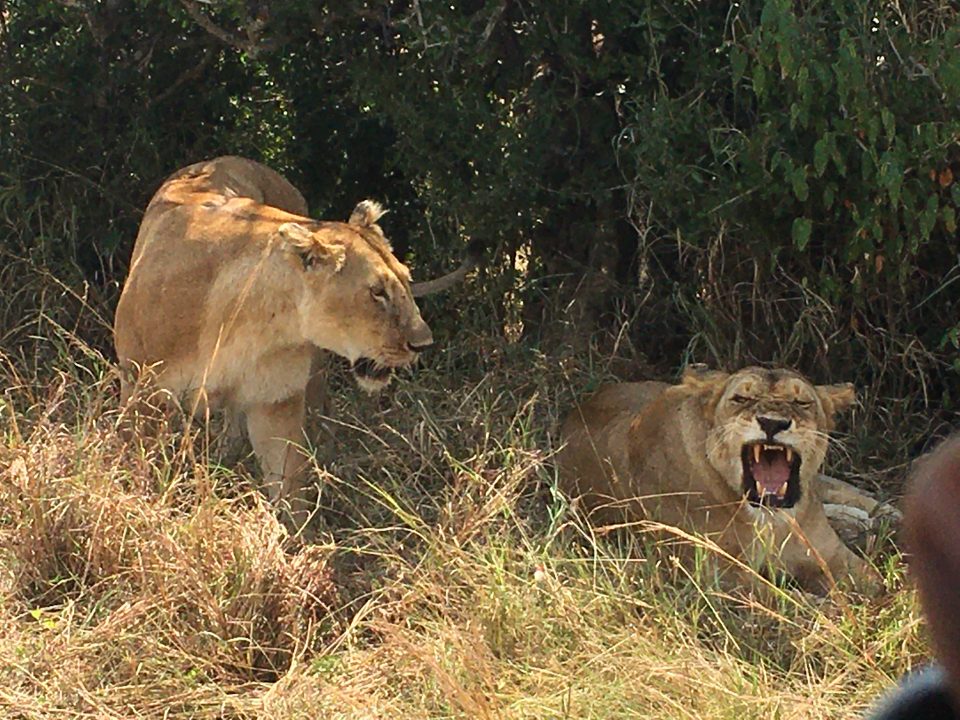
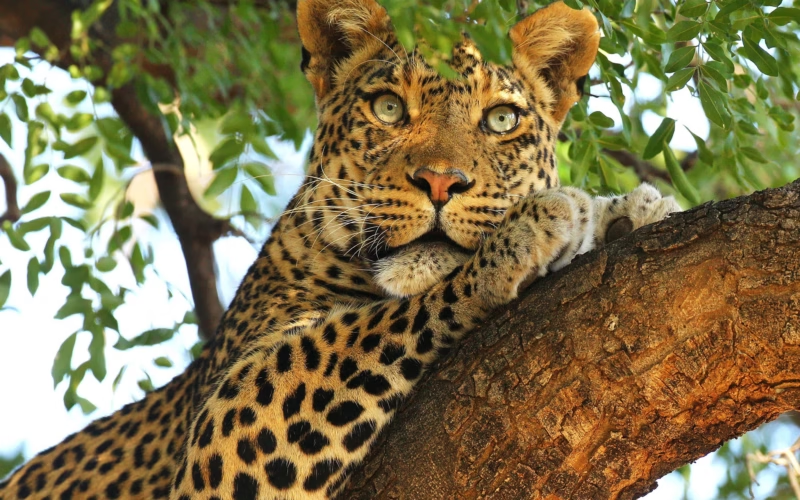
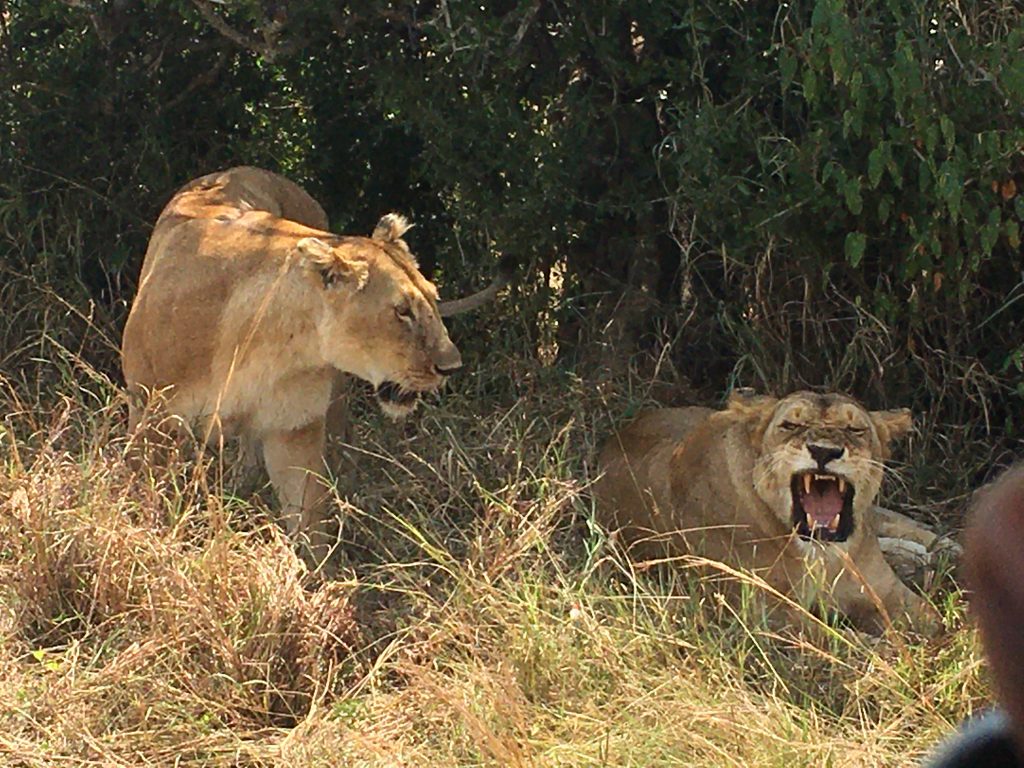
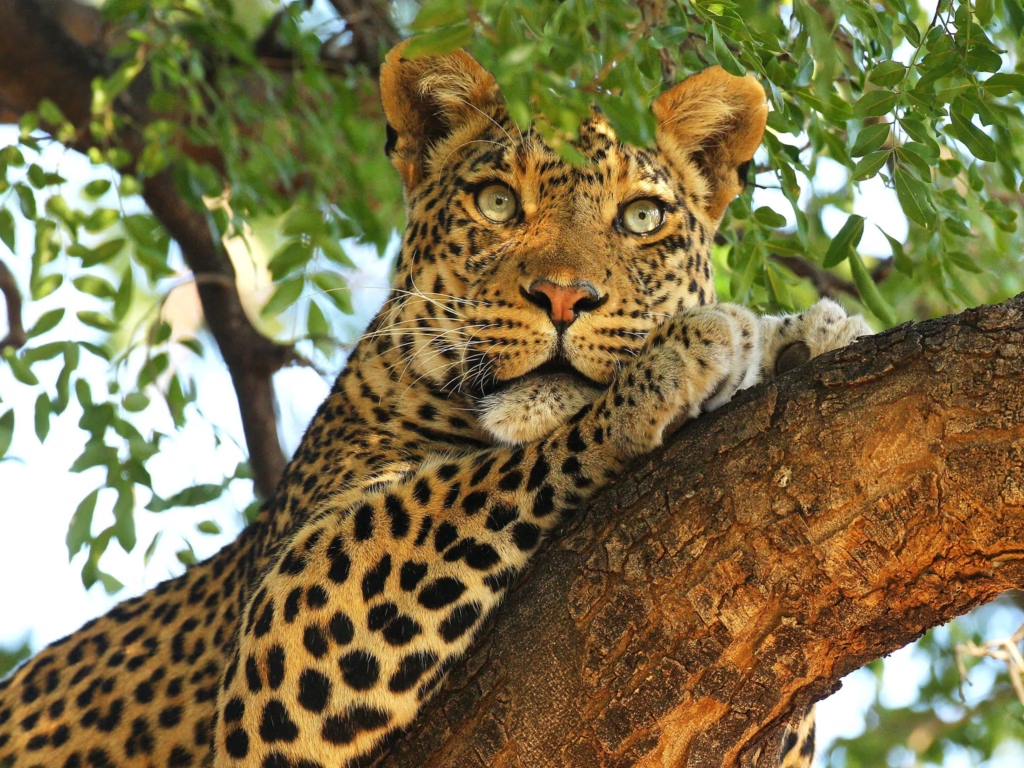
Predators respond quickly to abundance. Lions, cheetahs, hyenas, and leopards patrol constantly. Action unfolds throughout daylight hours, making this season ideal for photography and observation. Unlike river crossings, predator encounters during calving appear frequent and intense. The open terrain allows clear visibility and extended sightings.
Guests on a Kenya Safari combined with Tanzania experience gain perspective on migration origins before herds move north. Safari lodges near Ndutu also introduce cultural experiences with local communities, including storytelling evenings and guided nature walks. This phase of the Great Wildlife Migration Safari emphasizes life, vulnerability, and survival in equal measure.
April to May: Movement Through Central Serengeti
As rains taper, the Great Wildebeest Migration Safari enters a transitional stage. During April and May, herds begin pushing north through Central Serengeti. Movement becomes purposeful, forming long, dramatic lines across rolling savannahs. This period also marks peak mating activity, filling the plains with tension and energy.
Grumeti and Seronera regions deliver exceptional wildlife density. Big cats remain highly active, while scavengers follow closely. Photographers appreciate softer skies and fewer safari vehicles. The migration appears more fluid here, less chaotic than river crossings yet equally captivating.
Travelers combining this phase with Kenya Uganda Safari Holidays enjoy a balanced experience. Central Serengeti offers excellent accommodation, knowledgeable guides, and access to both migration routes and resident wildlife. Cultural interactions around lodges include local conservation talks and community craft visits. This chapter of the Great Wildebeest Migration Safari highlights scale, movement, and anticipation.
June: Grumeti River Crossings in Western Serengeti
June introduces the first serious obstacle of the Great Wildlife Migration Safari. The herds reach the Grumeti River in Western Serengeti. Although smaller than the Mara River, Grumeti still presents danger. Steep banks, strong currents, and resident crocodiles create dramatic crossings.
These events occur unpredictably, often without warning. Patience rewards travelers who stay several days. When crossings happen, scenes unfold rapidly. Dust clouds rise as thousands surge forward. Survival instincts dominate. Unlike the Mara, crowds remain smaller, offering intimate viewing experiences.
Western Serengeti camps provide secluded stays and deeper immersion. Cultural experiences around lodges include interactions with local fishing communities and guided bush walks. Guests traveling onward to a Kenya Safari gain continuity as herds prepare for northern routes. This stage of the Great Wildebeest Migration Safari balances drama with solitude.
July to October: Mara River Crossings in Kenya and Northern Serengeti
The most iconic phase of the Great Wildlife Migration Safari unfolds from July through October. Herds arrive at the Mara River, forming massive congregations along the banks. Crossing attempts remain unpredictable. Some days pass quietly. Suddenly, thousands plunge forward.
The river presents extreme danger. Crocodiles wait beneath the surface. Steep exits trap weaker animals. Panic spreads quickly. These moments define the global reputation of the Great Wildebeest Migration Safari. Kenya’s Maasai Mara offers excellent viewing points, especially within private conservancies.
A Kenya Safari during this season allows flexible game drives, fewer restrictions, and exclusive access. Cultural encounters with Maasai communities enhance the experience. Visitors learn traditional tracking skills, livestock management, and conservation practices near safari lodges. Travelers extending to Kenya Uganda Safari Holidays enjoy seamless transitions between iconic ecosystems. This phase delivers raw power, emotion, and unforgettable imagery.
October to November: The Return South
As short rains begin, the Great Wildebeest Migration Safari enters a quieter phase. During October and November, herds gradually move south from Maasai Mara into Serengeti. River crossings still occur but with less urgency. Grazing improves, easing pressure on animals.
This period suits travelers seeking fewer crowds and relaxed viewing. Wildlife disperses across green landscapes, creating scenic drives. Predators remain active, although encounters feel less frantic. The atmosphere becomes reflective rather than dramatic.
Safari lodges offer cultural storytelling sessions, traditional meals, and conservation discussions. Guests on a Kenya Safari or Kenya Uganda Safari extension enjoy peaceful transitions between regions. This chapter of the Great Wildebeest Migration Safari emphasizes renewal and continuity rather than survival alone.
8-Day Kenya and Tanzania Safari
Best Time to Choose Your Great Wildebeest Migration Safari
Choosing the ideal Great Wildlife Migration Safari depends on personal interests. Travelers seeking dramatic action favor July through October. Those drawn to predator behavior prefer February calving season. Photographers chasing scale enjoy May’s massive columns.
Each season supports different safari styles. Luxury camps offer prime locations and expert guides year-round. Cultural experiences remain available throughout migration zones, especially near Maasai Mara lodges. Guests on Kenya Safaris benefit from diverse accommodation options and flexible itineraries.
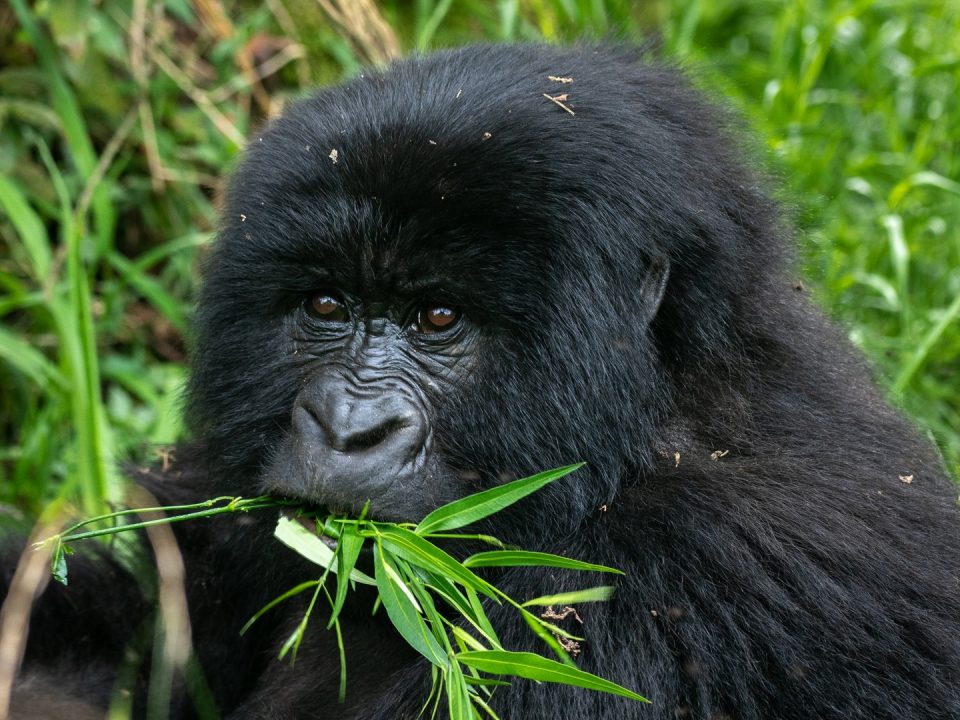
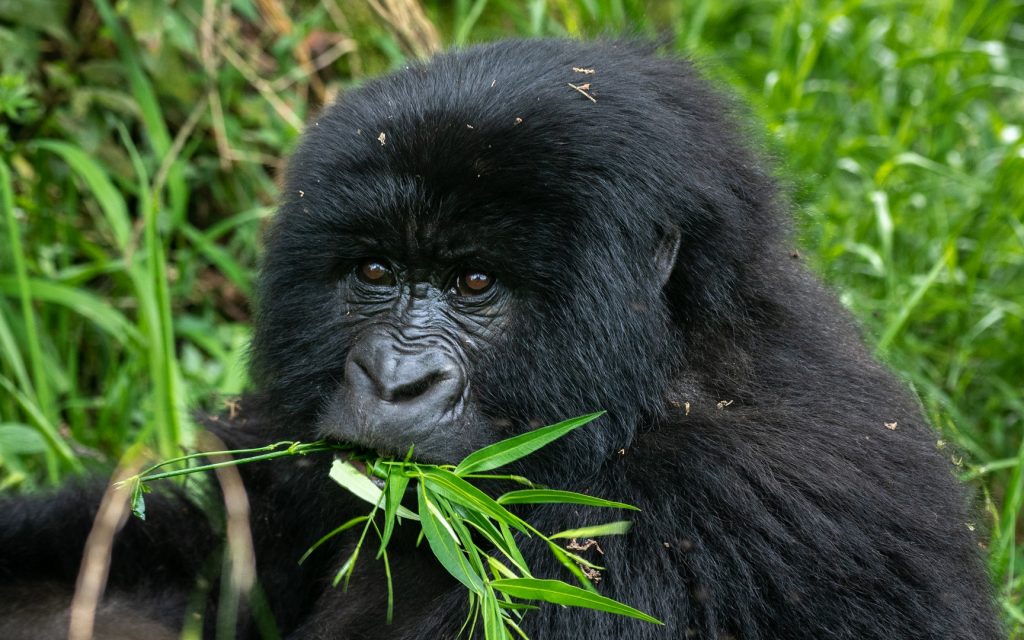
A combined Kenya Uganda Safari Holiday adds primate trekking, lake regions, and forest landscapes. This approach deepens understanding of East Africa’s ecological diversity. Deks Safaris and Tours crafts itineraries aligned with wildlife movements, guest interests, and ethical travel standards. A well-timed Great Wildebeest Migration Safari becomes a journey of knowledge, wonder, and respect.
Cultural Experiences Around Migration Safari Lodges
The Great Wildebeest Migration Safari connects deeply with local cultures living alongside migration routes. Maasai communities near Mara conservancies welcome visitors for guided village visits. Guests explore traditional homes, learn beadwork symbolism, and observe warrior dances.
Guided bush walks led by Maasai trackers reveal indigenous knowledge of wildlife behavior. These experiences complement game drives, offering human perspectives on conservation. In Serengeti regions, cultural programs focus on storytelling, music, and land stewardship discussions.
Safari lodges integrate community projects, allowing travelers to support schools, health initiatives, and conservation programs. Guests on a Kenya Safari or Kenya Uganda Safari extension gain meaningful cultural context alongside wildlife viewing. These interactions strengthen appreciation for coexistence within the Great Wildebeest Migration Safari ecosystem.
Why the Great Wildebeest Migration Safari Matters
The Great Wildlife Migration Safari represents nature’s resilience, rhythm, and raw beauty. This continuous journey shapes landscapes, sustains predators, and defines East Africa’s ecological identity. Each phase tells a different story, from birth to survival to renewal.
A thoughtfully planned Kenya Safari or Kenya Uganda Safari Holiday transforms migration viewing into a complete African experience. Cultural connections, conservation awareness, and expert guiding elevate every moment. Deks Safaris and Tours delivers journeys rooted in experience, integrity, and respect.
Travelers leave with more than photographs. They carry understanding, inspiration, and a lasting connection to Africa’s greatest wildlife movement. The Great Wildebeest Migration Safari remains a testament to nature’s enduring power and humanity’s responsibility to protect it.