Can I See All the Big Five During a Uganda–Kenya Safari?
March 16, 2026What Is the Best Time for a Photographic Safari in Uganda and Kenya?
Wildlife photography inspires travelers from across the world. Many dream about capturing Africa’s wildlife in stunning natural landscapes. As a result, photographers often ask an important question. What is the best time for a photographic safari in Uganda and Kenya?
Uganda and Kenya offer excellent photography opportunities throughout the year. However, some seasons provide better light, wildlife visibility, and dramatic landscapes. Choosing the right time improves the chances of capturing unforgettable images.
A photographic safari across Uganda and Kenya combines different ecosystems and wildlife scenes. Uganda features thick rainforests, rolling hills, rivers, and wetlands. Kenya presents wide savannah plains and open landscapes. Together, these environments create diverse photography subjects.
During the dry seasons, wildlife gathers near water sources. Animals become easier to spot and photograph. Additionally, clear skies allow beautiful natural light during sunrise and sunset. These moments create perfect conditions for wildlife photography.
Meanwhile, the green seasons also offer special photography benefits. Rain transforms landscapes into lush green environments. Migratory birds arrive in large numbers. Dramatic skies and fewer visitors also create unique photo opportunities.
When travelers ask what is the best time for a photographic safari in Uganda and Kenya, the answer depends on photography goals. Some photographers prefer dramatic wildlife scenes. Others prefer lush landscapes and colorful birdlife.
Deks Safaris and Tours designs photography safaris that match different seasonal conditions. Professional guides understand wildlife movements and lighting conditions. Their experience helps photographers capture remarkable images.
Therefore, a Uganda–Kenya photography safari offers endless opportunities for both beginner and professional photographers.
Understanding Wildlife Photography in East Africa
Before deciding what is the best time for a photographic safari in Uganda and Kenya, photographers should understand East Africa’s unique environments.
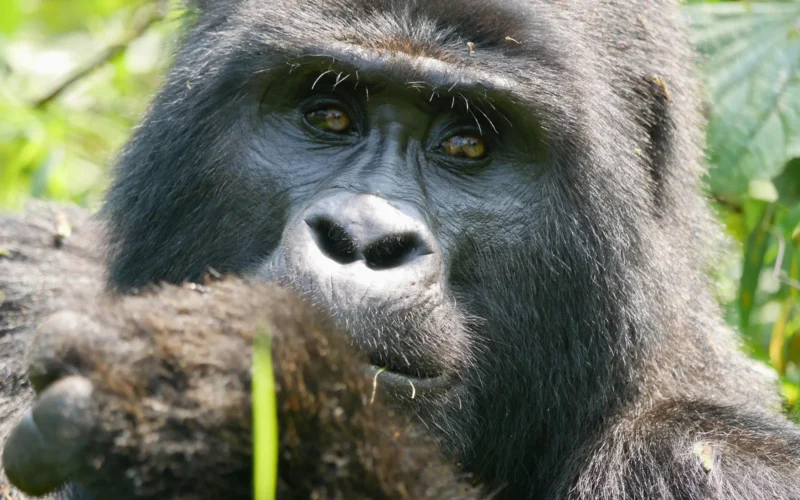
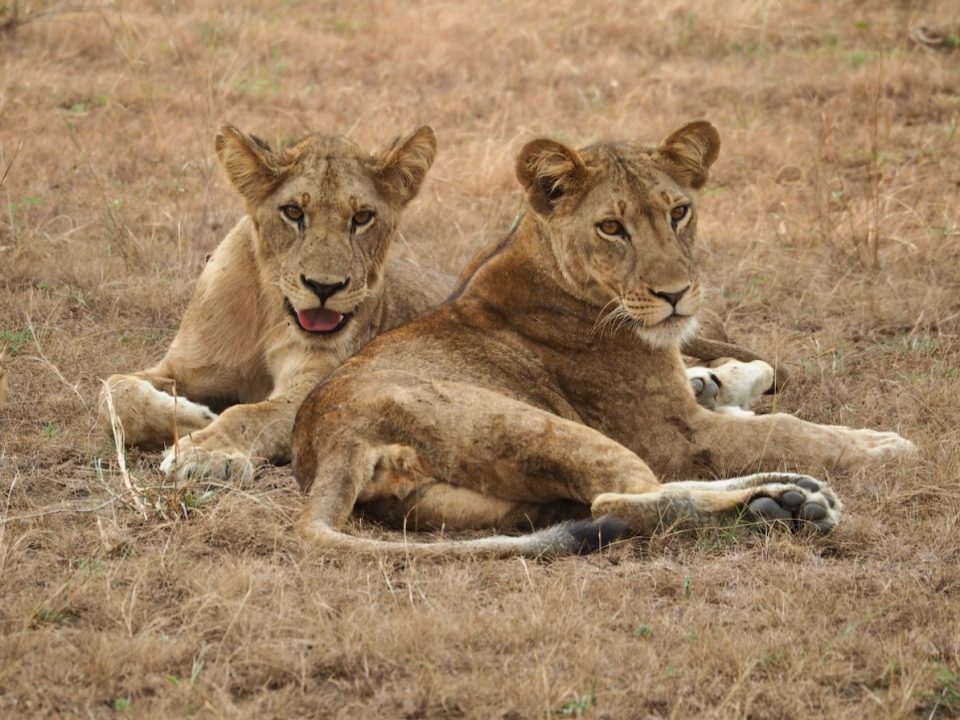
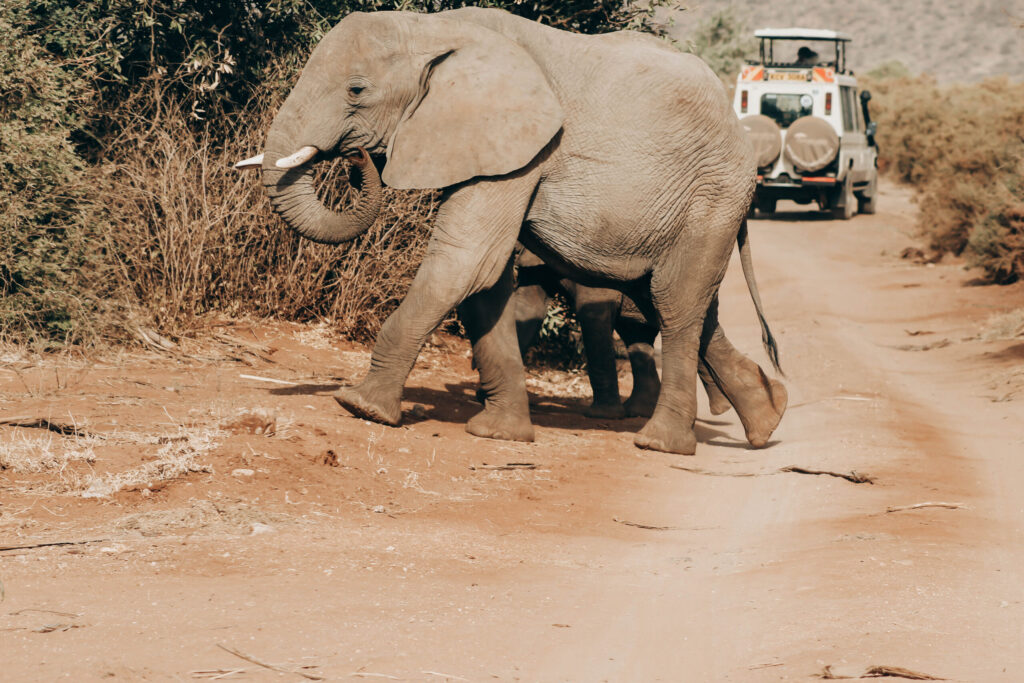
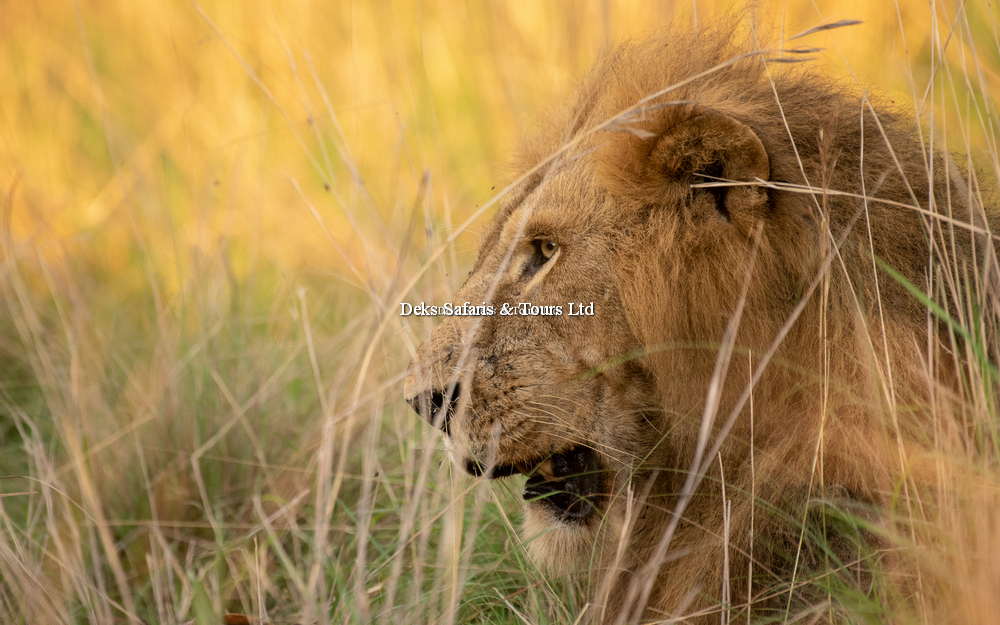
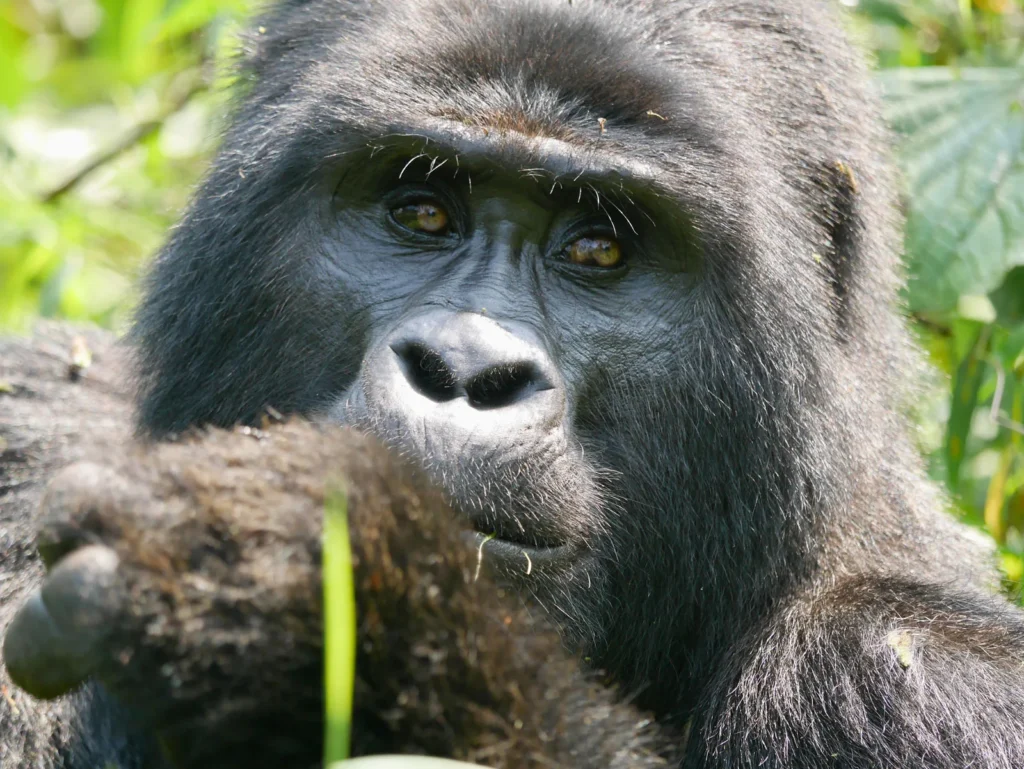
Uganda features forests, lakes, rivers, and savannah parks. These landscapes create rich photographic diversity. Forests host primates such as gorillas and chimpanzees. Meanwhile, savannah parks support elephants, lions, and buffalo.
Kenya provides classic safari photography scenes. Golden grasslands stretch across wide horizons. Acacia trees stand against colorful skies. Large wildlife herds create dramatic compositions.
Lighting plays an important role in safari photography. Early morning and late afternoon produce the best light conditions. Soft golden light enhances animal features and landscape textures.
In addition, wildlife behavior influences photography success. Animals move actively during cooler hours of the day. Photographers often capture hunting scenes or social interactions during these moments.
Therefore, when travelers ask what is the best time for a photographic safari in Uganda and Kenya, timing matters greatly for lighting and wildlife movement.
Professional safari guides help photographers find the best angles and positions. They also understand animal habits and park locations.
This guidance improves the chances of capturing powerful wildlife images throughout the safari.
Dry Season Photography: Ideal Wildlife Visibility
Many photographers consider the dry seasons as the best time for safari photography. Therefore, the question what is the best time for a photographic safari in Uganda and Kenya often leads to this period.
The dry seasons in both countries occur from June to September and December to February. During these months, rainfall decreases significantly. Vegetation becomes thinner and wildlife gathers around water sources.
These conditions improve wildlife visibility. Animals appear more frequently during game drives. Photographers enjoy clear views across open landscapes.
Dust in the air also creates dramatic lighting effects during sunrise and sunset. Golden tones enhance the colors of wildlife and landscapes.
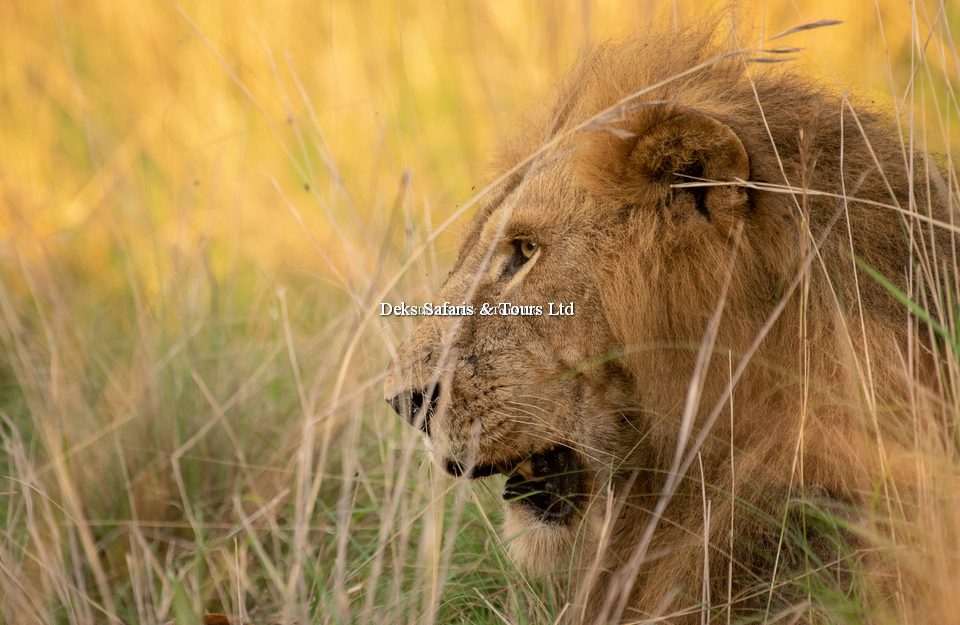
Game drives during these months often produce exciting photography opportunities. Predators hunt near waterholes where prey gathers.
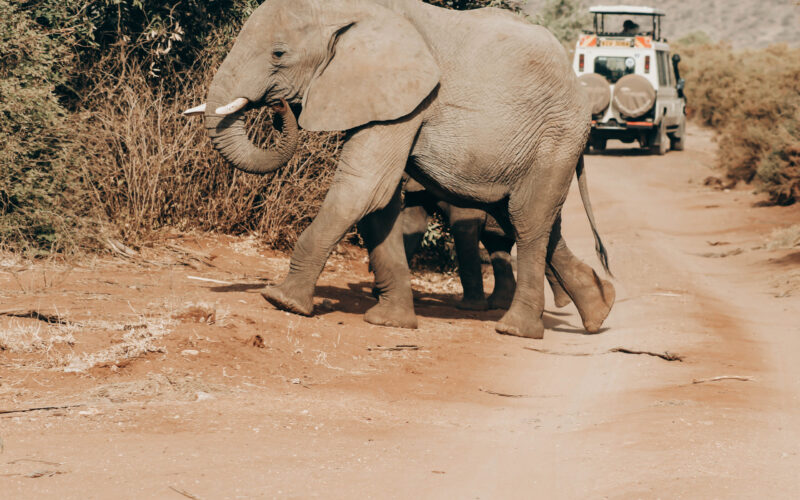
For example, Kenya’s famous Masai Mara National Reserve becomes extremely active during the dry season. Large wildlife herds roam the plains.
Similarly, Uganda’s Queen Elizabeth National Park offers excellent wildlife sightings during this period.
These conditions help answer the question what is the best time for a photographic safari in Uganda and Kenya for wildlife-focused photographers.
The Green Season: Stunning Landscapes and Bird Photography
Although the dry season remains popular, the green season also offers exceptional photography opportunities. Therefore, many photographers still ask what is the best time for a photographic safari in Uganda and Kenya when planning their trips.
The green season usually occurs from March to May and October to November. Rain showers transform landscapes into lush green environments. Grasslands appear vibrant and fresh.
These conditions create beautiful photography scenes. Landscapes appear colorful and dramatic under cloudy skies.
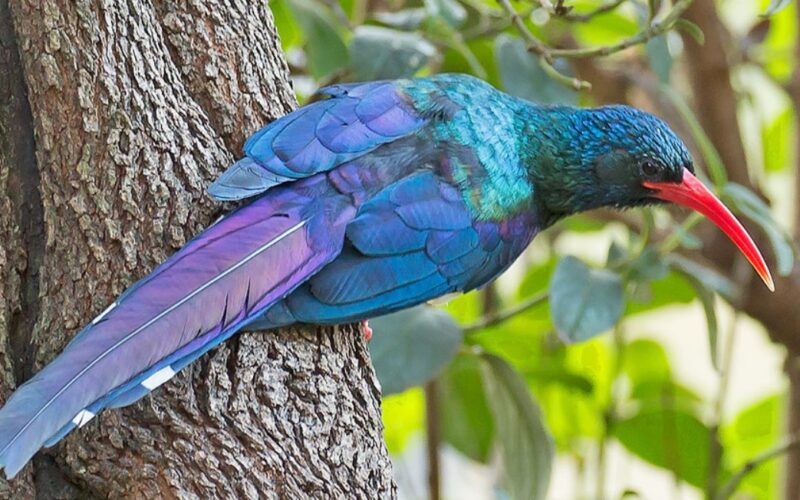
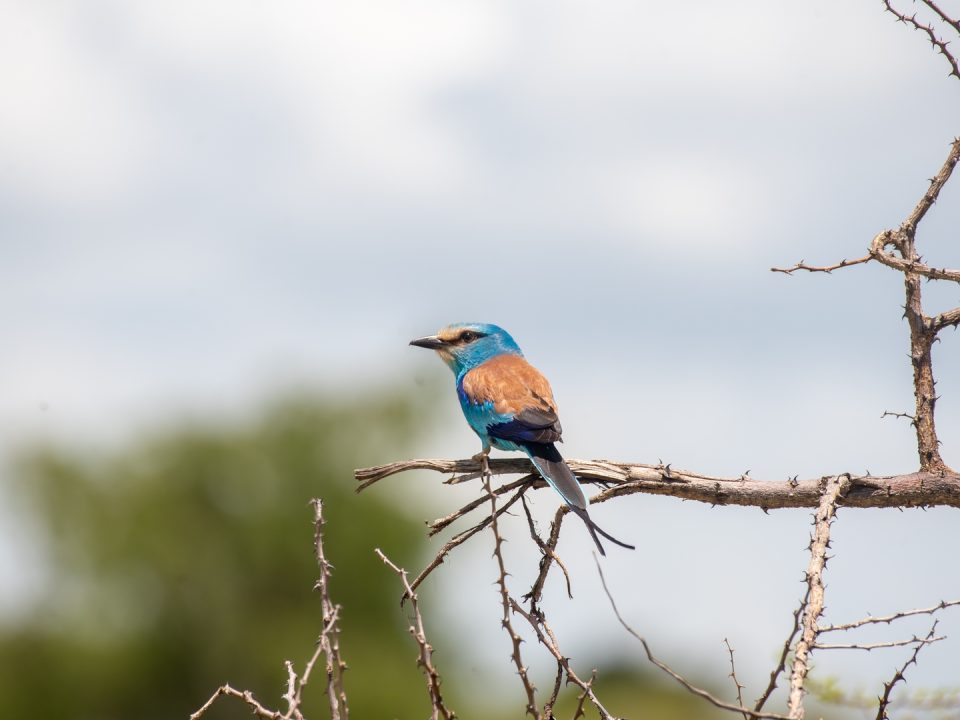
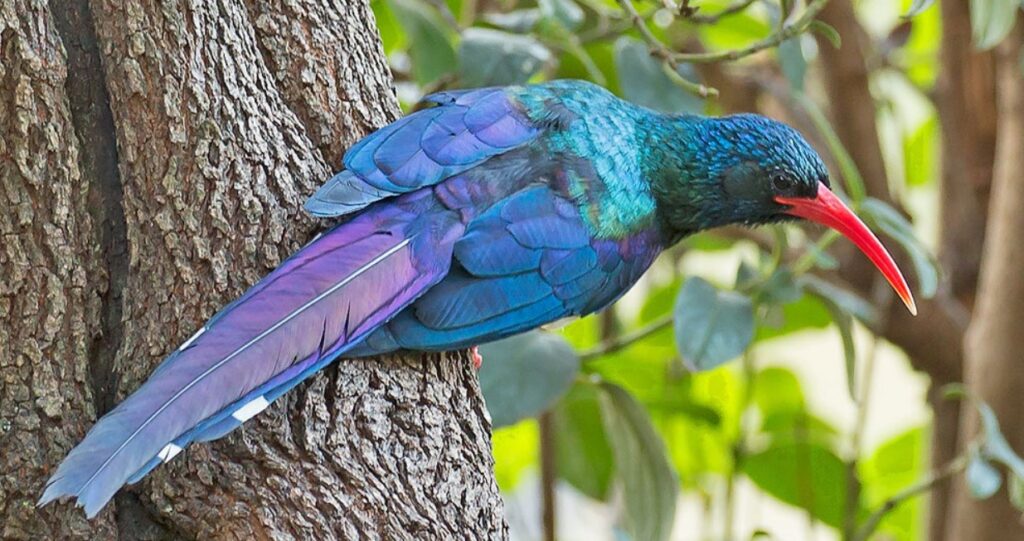
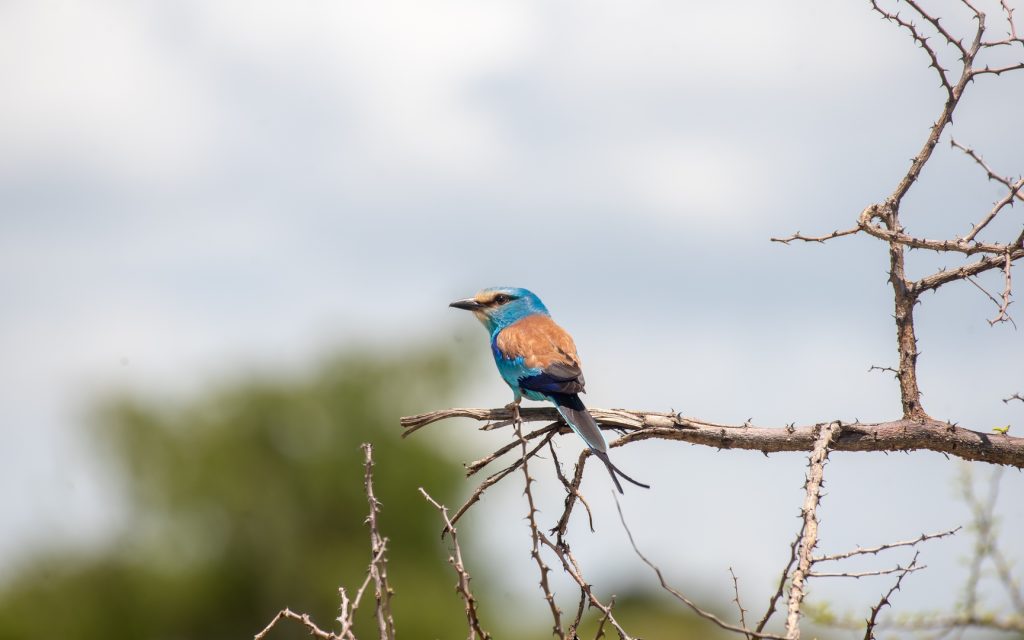
In addition, many migratory bird species arrive during this period. Bird photographers enjoy excellent opportunities to capture rare and colorful species.
Uganda’s Murchison Falls National Park becomes especially scenic during the green season. Rivers flow strongly and vegetation becomes rich.
Kenya’s Amboseli National Park also appears stunning after rainfall. The wetlands attract birds and wildlife.
Another advantage of the green season involves fewer tourists. Photographers enjoy quieter parks and uninterrupted photography sessions.
Therefore, the green season also answers the question what is the best time for a photographic safari in Uganda and Kenya for landscape and bird photographers.
The Great Migration: A Photographer’s Dream
For many photographers, the Great Migration represents one of the most dramatic wildlife events on Earth. Therefore, many people ask what is the best time for a photographic safari in Uganda and Kenya to witness this spectacle.
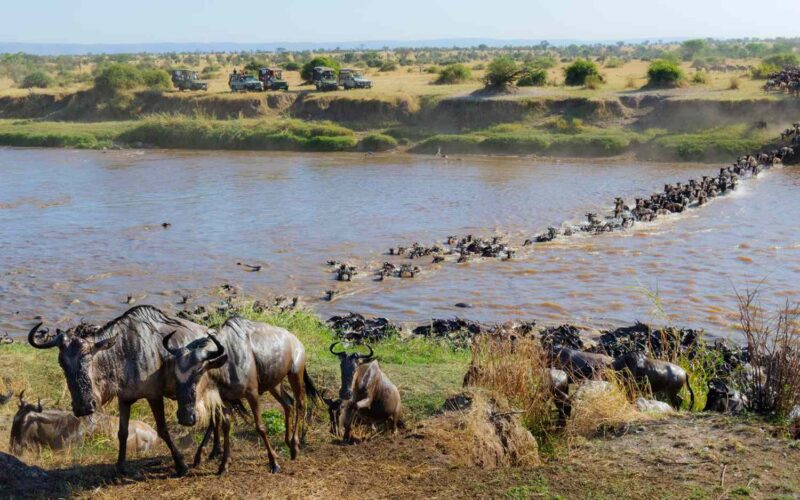
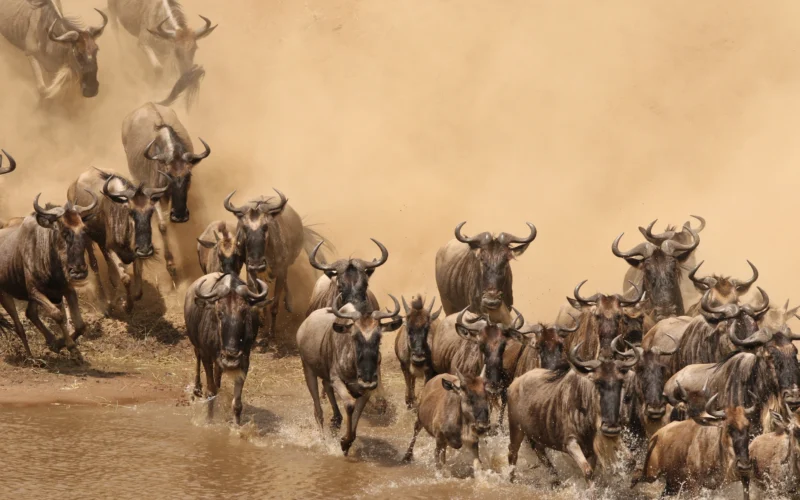
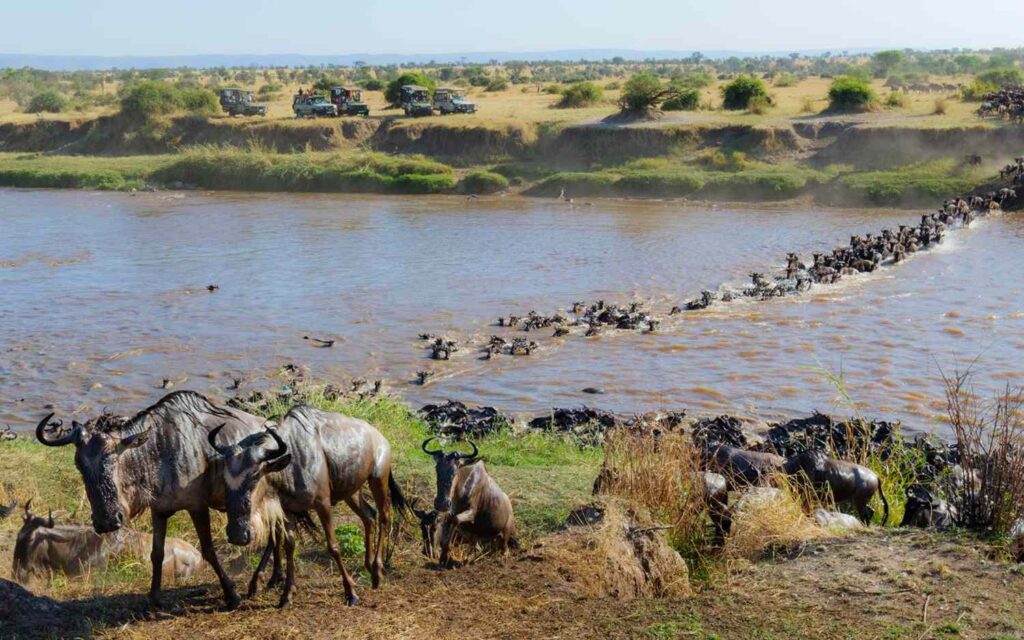
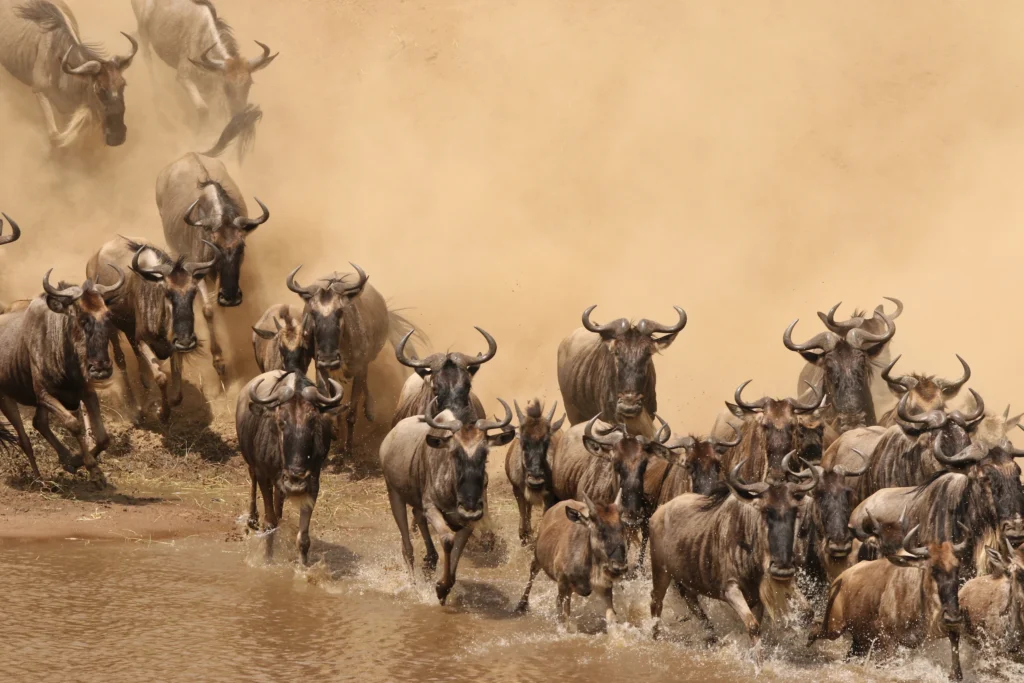
The Great Migration occurs each year across the plains of the Masai Mara. Millions of wildebeest, zebras, and antelopes move across the savannah in search of fresh grazing.
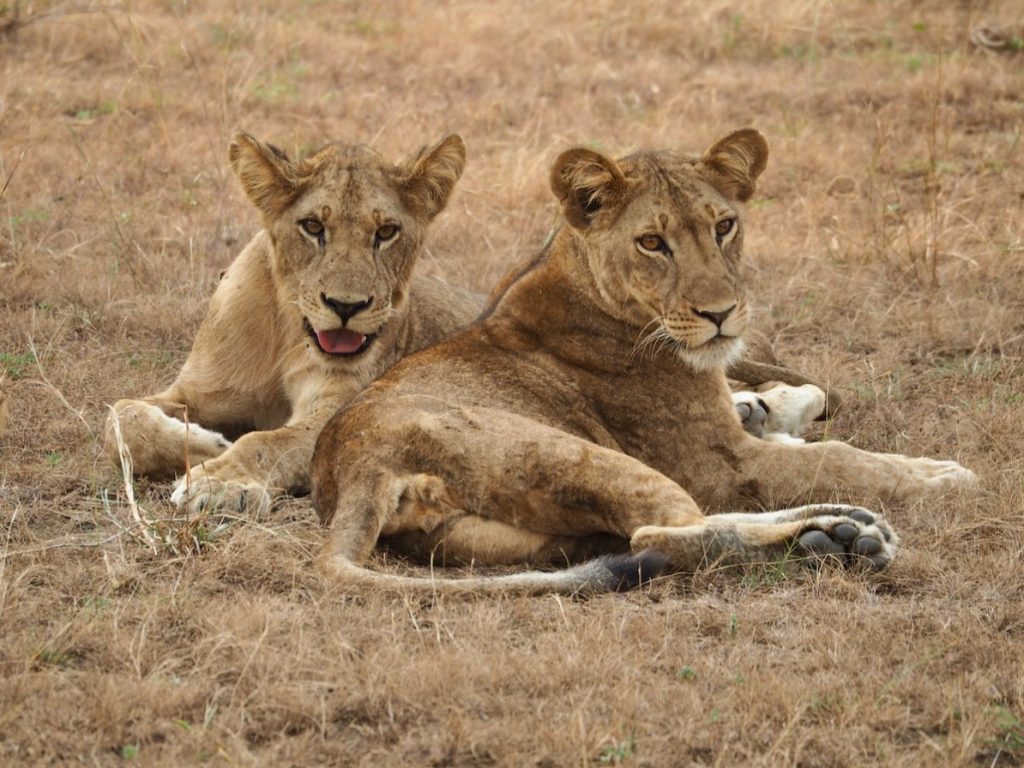
Predators follow these herds closely. Lions, cheetahs, and crocodiles create dramatic hunting scenes.
River crossings during the migration produce breathtaking photography moments. Large herds attempt to cross rivers while crocodiles wait below.
Photographers often capture powerful wildlife images during these events.
The migration usually reaches the Masai Mara between July and October. During this period, photographers gather from around the world.
Therefore, wildlife photographers often choose this season when asking what is the best time for a photographic safari in Uganda and Kenya.
Best Photography Locations in Uganda and Kenya
Several national parks provide excellent photography opportunities during a Uganda–Kenya safari.
Queen Elizabeth National Park offers tree-climbing lions, elephants, and beautiful crater lakes.
Murchison Falls National Park features dramatic waterfalls and wildlife along the Nile River.
Masai Mara National Reserve provides iconic savannah landscapes and the famous Great Migration.
Amboseli National Park offers incredible views of elephants with Mount Kilimanjaro in the background.
These destinations provide powerful answers to the question what is the best time for a photographic safari in Uganda and Kenya.
Why Choose Deks Safaris and Tours for a Photography Safari
Deks Safaris and Tours specializes in East African safari experiences. The company designs customized photography safaris across Uganda and Kenya.
Professional guides understand wildlife movements and photography needs. They position safari vehicles carefully for the best lighting angles.
The company also selects lodges located near wildlife areas. These locations allow photographers to reach wildlife scenes quickly.
Transportation between parks remains comfortable and well organized.
Additionally, Deks Safaris and Tours supports responsible tourism and wildlife conservation.
Therefore, photographers asking what is the best time for a photographic safari in Uganda and Kenya often rely on this experienced safari company.
What to Pack for a Photographic Safari Lodge Stay
- Lightweight safari clothing
- Neutral colored shirts and trousers
- Comfortable walking shoes
- Light hiking boots
- Wide-brim safari hat
- Sunglasses
- Sunscreen
- Insect repellent
- Professional camera
- Extra camera batteries
- Memory cards
- Camera cleaning kit
- Binoculars
- Small day backpack
- Reusable water bottle
- Rain jacket
- Personal medications
- Travel documents
Safari Inclusions
- Airport transfers
- Professional safari guide
- Park entrance fees
- Game drives
- Boat safaris
- Accommodation
- Meals as per itinerary
- Bottled drinking water
- Transportation in safari vehicle
Safari Exclusions
- International flights
- Visa fees
- Travel insurance
- Personal expenses
- Tips and gratuities
- Optional activities
- Alcoholic beverages
- Laundry services
What Is the Best Time for a Photographic Safari in Uganda and Kenya?
Travelers and photographers often begin their safari planning with one exciting question. What is the best time for a photographic safari in Uganda and Kenya?
Both countries provide excellent photography opportunities throughout the year. However, the dry seasons offer the best wildlife visibility and dramatic lighting.
Meanwhile, the green seasons provide lush landscapes and incredible bird photography opportunities.
Kenya’s Great Migration also attracts photographers seeking dramatic wildlife scenes.
Therefore, the answer to what is the best time for a photographic safari in Uganda and Kenya depends on the photographer’s goals.
Deks Safaris and Tours carefully designs photography safaris that match seasonal conditions and traveler interests.
With the right timing and expert guidance, photographers can capture extraordinary wildlife images across the beautiful landscapes of Uganda and Kenya.