
Okavango Delta (Okavango Swamp)
The Okavango Delta is one of the most popular safari destinations in Botswana, a region that is dominated by free canals, lakes, swamps, and islands. During Botswana Safaris or African Safaris, the Okavango Delta is must visit for a memorable experience. This Delta encompasses a Grassland formed along the Okavango River in the central part of the endorheic basin of the Kalahari Desert.
The Delta is a designated UNESCO World Heritage Site, one of the few inland delta systems that do not flow their water directly into a sea or ocean. The water received in the delta is just from evaporation and transpiration, with the area receiving about 11 km3 (2.6 cu mi) of water spreads over the 6,000–15,000 km2 (2,300–5,800 sq mi) area each year-round. When flooded, some of its waters drains into Lake Ngami. This area was once part of ancient Lake Makgadikgadi which mostly dried up by the early Holocene.
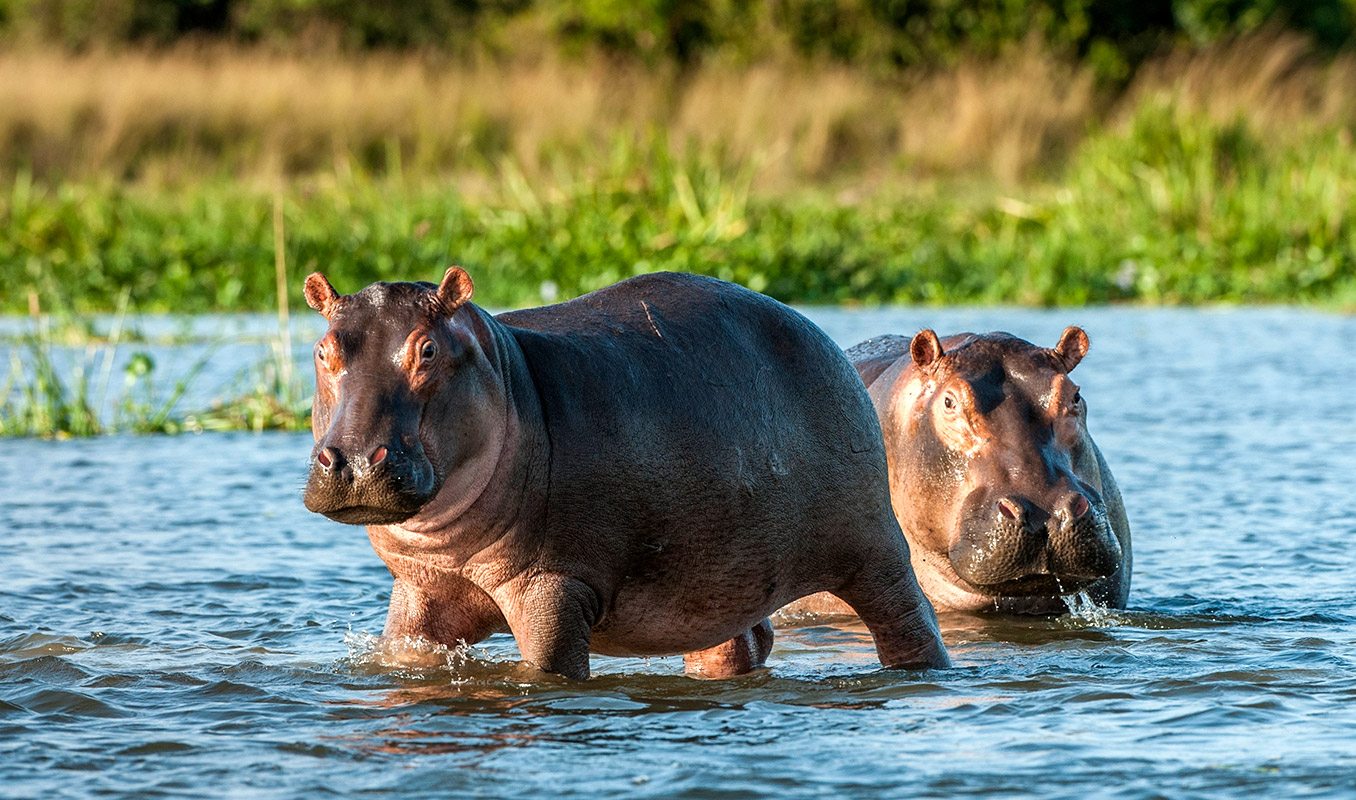
Botswana Wildlife Safaris
Why Was Okavango Named The Seven Natural Wonders of Africa?
The Okavango Delta was named one of the Seven Natural Wonders of Africa, declared on 11 February 2013 in Arusha, Tanzania. It was later designated UNESCO World Heritage site on 22 June 2014, making it the the 1000th site to be officially inscribed on the List.
The Okavango Delta is formed by seasonal flooding. Rainfall from Angola flows down the Okavango River and reaches the delta after about a month. The water then slowly spreads across the area over several months. Because of the high temperatures, much of the water evaporates or is absorbed by plants, causing water levels to rise and fall. The flood usually reaches its highest point between June and August, during Botswana’s dry season. At this time, the delta becomes much larger and attracts many animals. The land is very flat, with only small height differences, and the water gently flows from higher to lower areas.
The popular features located in the Okavango Delta in Botswana
The Salt Islands
Salt builds up around plant roots, creating dry white patches in the centre of many of the thousands of islands. These areas become too salty for most plants to survive, except for a few salt-tolerant palm trees. Around the edges, where the soil is less salty, grasses and trees can still grow. About 70% of the islands originally started as termite mounds, where trees later grew on top of the raised soil.
Chief’s Island
The Chief’s Island is the largest island in the delta. The fault line that raised land about 70 km long (43 mi) and 15 km wide (9.3 mi) formed this Island. In the past, it was a known hunting ground for the chief, but today it is protected for wildlife conservation in the area. When the water levels in the delta rise to cause the usual floods, most animals take refuge in the Chief Island, making it a prime location to visit for wildlife sightseeing in Botswana.
Although generally the Delta region does not receive a lot of rainfall, it is one of the places in the country that have rich greenery and acts like an oasis in a dry country.
Wildlife in the Okavango Delta – What you’ll see during Safaris here
Just like most African safari countries, Botswana is home to some incredible wildlife species. During safaris in the delta Region, the most abundant large mammal you’ll encounter is the lechwe, with up to 88,000 individuals living here. Other top wildlife to see in the Okavango Delta include giraffe, blue wildebeest, plains zebra, hippopotamus, impala, common eland, greater kudu, sable antelope, roan antelope, waterbuck, sitatunga, cheetah, African wild dog, spotted hyena, black-backed jackal, caracal, serval, aardvark, tsessebe, aardwolf, bat-eared fox, African savanna hare, honey badger, crested porcupine, common warthog, chacma baboon, vervet monkey and Nile crocodile.
For bird lovers, the Okavango Delta is a Bird watching paradise, hosting over 400 bird species, including the helmeted guineafowl, African fish eagle, Pel’s fishing owl, Egyptian goose, South African shelduck, African jacana, African skimmer, marabou stork, crested crane, African spoonbill, African darter, southern ground hornbill, wattled crane, lilac-breasted roller, secretary bird and common ostrich among others.
Fish
The other popular thing in the Okavango Delta is its 71 fish species, including the tigerfish, species of tilapia, and various species of catfish. The fish sizes in the delta range from the 1.4 m (4.6 ft) African sharptooth catfish to the 3.2 cm (1.3 in) sickle barb. These same species of fish are also found in the Zambezi River, indicating a historic linkage between the two river systems in the region.
Flora of the delta
The Okavango Delta is one of the most flora rich regions in Botswana, with about 1068 plant species that belong to 134 families and 530 genera found in the Delta. There are five key plant groups in the delta permanent swamp: Papyrus cyperus in deeper water, Miscanthus in shallow flooded areas, and Phragmites australis, Typha capensis, and Pycreus in between. These dominant swamp plants, also spread widely into seasonally flooded regions.
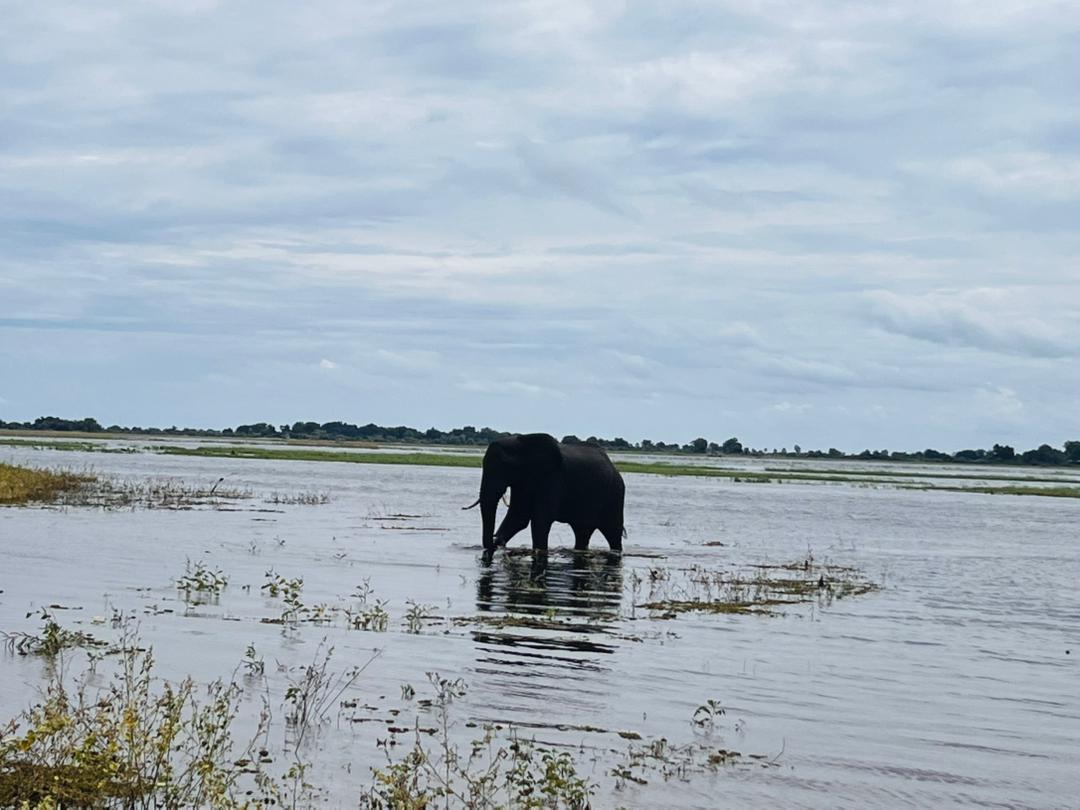
Botswana Wildlife Safaris
Papyrus cyperus reed beds grow best in slow-moving water of medium depth and are commonly seen along channel edges. On islands and along the mainland edges above flooded grasslands, different plant communities appear. These plants grow based on their water needs; for example, Philenoptera violacea needs little water, grows at higher levels in permanent swamps, and is common on drier seasonal swamp islands. Trees limited to islands in the permanent swamp include the palm Hyphaene petersiana and acacias.
Plants in the delta are very important because they help hold the sand together. Riverbanks usually have a lot of mud, which mixes with sand carried by the river to build up the banks. However, the Okavango’s water carries almost only sand since it has very little mud. Plants trap and hold the sand, acting like glue and replacing the missing mud, and in doing so, they help form new islands where more plants can grow.
Most Recommended Africa Safari Packages to Botswana
- 6 Days Victoria Falls and Chobe Botswana Safari
- 10 Days Zimbabwe-Botswana-Rwanda Safari
- 10 Days Zimbabwe-Botswana-Uganda-Rwanda Safari
- 12 Days Zimbabwe–Botswana–Kenya Safari
- 12 Days Zimbabwe–Botswana–Uganda–Rwanda Safari
- 13 Days Kenya Tanzania and Uganda Safari
- 13 Days Zimbabwe Botswana and Uganda Safari Experience
- 13 Days Zimbabwe–Botswana–Tanzania Safari
- 14 Days Kenya and Tanzania Camping Safari Experience
- 14 Days Uganda Tanzania and Kenya Safari
- 14 Days Zimbabwe Botswana and Uganda Safari Experience
- 14 Days Zimbabwe Botswana Uganda Rwanda Safari Experience
- 15 Days Uganda Kenya Tanzania Safari Experience
- 16 Days East Africa Safari Experience
- 16 Days Zimbabwe–Botswana–Kenya–Tanzania Safari
- 16 Days Zimbabwe–Botswana–Kenya–Uganda Safari
- 17 Days Zimbabwe–Botswana–Tanzania–Uganda Safari