
Serengeti National Park Travel Guide
Few destinations capture the true spirit of Africa like Serengeti National Park. This remarkable wilderness represents the heart of Tanzania Safaris and remains one of the world’s finest wildlife destinations. Every journey into the Serengeti reveals endless golden plains, thriving ecosystems, dramatic landscapes, and unforgettable wildlife encounters. Travelers from every continent visit this exceptional destination to witness nature in its purest form while enjoying authentic African hospitality.
A Serengeti Safari Tanzania experience offers much more than wildlife viewing. It creates lasting memories through breathtaking scenery, close encounters with iconic animals, rich cultural experiences, and expertly guided adventures. Every season introduces unique attractions, making The Serengeti National Park a year-round destination for photographers, honeymooners, families, solo travelers, and wildlife enthusiasts. Whether you dream of witnessing the Great Migration or searching for the legendary Big Five, the Serengeti continues to exceed every expectation.
Deks Africa Safaris & Tours Ltd creates carefully designed Serengeti Safaris that combine comfort, adventure, conservation, and authentic local experiences. Every itinerary reflects years of experience across East Africa while maintaining the highest standards of professionalism and responsible tourism. Our safari experts understand every corner of the Serengeti ecosystem, allowing every visitor to enjoy unforgettable wildlife encounters and carefully selected accommodations.
How About Serengeti National Park Conservation Efforts?
The Serengeti National Park also stands among Africa’s greatest conservation achievements. Vast protected landscapes allow millions of wild animals to roam freely across ancient migration routes. Predators follow natural hunting patterns, birds flourish throughout diverse habitats, and local communities continue preserving centuries-old traditions alongside wildlife conservation efforts. This unique balance between nature and culture makes every safari meaningful beyond sightseeing alone.
Modern Tanzania Wildlife Safaris focus on sustainable travel that benefits wildlife, visitors, and surrounding communities. Every safari contributes to conservation programs, supports local employment, and strengthens community-based tourism initiatives. Responsible tourism ensures future generations will continue experiencing the extraordinary beauty of the Serengeti National Park while protecting its remarkable biodiversity.
This complete guide explores everything travelers need before planning a Serengeti Safari. You will discover The Park’s fascinating history, spectacular wildlife, seasonal highlights, landscapes, cultural experiences, accommodation options, safari activities, travel tips, conservation efforts, and practical planning advice. Every section provides valuable insights that help you enjoy one of Africa’s greatest safari destinations with complete confidence.
Why Serengeti National Park Deserves a Place on Every Safari Bucket List?
Few protected areas rival the diversity and beauty of The Serengeti. Every landscape tells a different story, while every game drive presents fresh opportunities for remarkable wildlife sightings. Endless grasslands stretch toward distant horizons, interrupted only by granite kopjes, winding rivers, scattered acacia trees, and seasonal wetlands. This extraordinary variety creates perfect habitats for hundreds of animal species.
The Serengeti National Park supports one of Earth’s healthiest ecosystems. Natural predator-prey relationships continue without interruption, creating exceptional wildlife viewing throughout the year. Lions patrol vast territories, cheetahs sprint across open plains, elephants travel through woodlands, and leopards quietly rest beneath ancient fig trees. Every safari introduces visitors to authentic African wilderness without artificial barriers.
Unlike many wildlife destinations, the Serengeti changes continuously throughout the year. Seasonal rainfall transforms landscapes into lush grazing grounds before dry months reveal dramatic river crossings and concentrated wildlife around permanent water sources. These natural cycles guarantee unique experiences regardless of travel season.
The Serengeti National Park also offers outstanding accessibility through several airstrips and well-maintained safari routes. Visitors may combine the Serengeti with other famous destinations, including Ngorongoro Conservation Area, Tarangire National Park, Lake Manyara National Park, and Zanzibar beaches. This flexibility makes Tanzania Safaris among Africa’s most rewarding travel experiences.
What Makes Serengeti National Park Famous?
Home of the Great Migration
The annual Great Migration remains the Serengeti’s greatest attraction. More than two million wildebeests, zebras, gazelles, and antelopes travel across the Serengeti ecosystem following seasonal rainfall and fresh grazing. This continuous movement creates one of the world’s most extraordinary wildlife spectacles.
Unlike many travelers imagine, the migration never stops. Animals move throughout the year while following predictable seasonal patterns across southern, central, western, and northern Serengeti National Park. Every stage offers different wildlife experiences, from newborn calves to dramatic river crossings filled with crocodiles and determined predators.
The migration also supports impressive predator populations. Lions, leopards, hyenas, cheetahs, crocodiles, jackals, and vultures depend upon migrating herbivores for survival. This interconnected ecosystem creates extraordinary opportunities for wildlife photography and unforgettable game drives.
Every safari season reveals different migration highlights. Calving season brings thousands of newborn wildebeests each day. Dry months feature dramatic river crossings where enormous herds brave dangerous crocodile-filled waters. These remarkable events demonstrate nature’s resilience while attracting wildlife enthusiasts from around the globe.
Tanzania Wildlife Safaris
UNESCO World Heritage Recognition – Global Conservation Importance
Serengeti National Park enjoys international recognition because of its ecological significance. UNESCO designated The Park as a World Heritage Site due to its exceptional biodiversity, outstanding natural beauty, and globally important conservation value.
This recognition reflects decades of successful wildlife protection. Conservation efforts safeguard countless animal species while preserving one of the planet’s last intact large mammal ecosystems. The Serengeti demonstrates how effective conservation supports wildlife, tourism, scientific research, and surrounding communities simultaneously.
Researchers from around the world continue studying predator behavior, migration patterns, ecosystem dynamics, climate adaptation, and biodiversity within the Serengeti. Their findings influence wildlife conservation strategies across Africa and beyond.
Visitors also contribute directly to conservation through park entrance fees, community partnerships, and responsible tourism practices. Every safari supports ongoing wildlife protection while encouraging sustainable development throughout northern Tanzania.
Where is Serengeti National Park Located?
Northern Tanzania’s Wildlife Paradise
Serengeti National Park lies in northern Tanzania within East Africa’s celebrated safari circuit. The Park covers approximately 14,750 square kilometers, making it one of Africa’s largest protected wildlife areas. Its enormous size allows wildlife to roam naturally across varied habitats throughout the year.
The Serengeti forms part of the greater Serengeti ecosystem, which extends beyond park boundaries into protected conservation areas and neighboring Kenya. This enormous ecosystem supports seasonal wildlife movements while maintaining healthy ecological balance across international borders.
Several famous protected areas surround the Serengeti. Ngorongoro Conservation Area borders the southeast, while Maswa Game Reserve protects western migration corridors. Grumeti Game Reserve and Ikorongo Game Reserve further strengthen wildlife conservation throughout the ecosystem. Kenya’s Maasai Mara National Reserve connects directly with northern Serengeti migration routes.
Most international visitors begin their safari from Arusha before traveling by road or domestic flight into The Serengeti National Park. Multiple entry gates and strategically located airstrips provide convenient access to different Serengeti regions, allowing customized safari itineraries throughout the year.
Understanding the Serengeti Ecosystem – More Than a National Park
Many travelers think the Serengeti refers only to the national park. In reality, the Serengeti ecosystem extends far beyond protected boundaries. This larger landscape covers nearly 30,000 square kilometers across northern Tanzania and southwestern Kenya.
Several protected areas work together to preserve this remarkable ecosystem. Wildlife moves freely between national parks, conservation areas, game reserves, community lands, and migration corridors without recognizing political boundaries. This natural movement supports healthy populations of herbivores, predators, birds, reptiles, and countless smaller species.
The ecosystem contains diverse habitats that include open grasslands, riverine forests, acacia woodlands, seasonal marshes, volcanic highlands, granite kopjes, and permanent rivers. Every habitat supports different wildlife communities while contributing to overall ecological balance.
Healthy ecosystems depend upon uninterrupted migration routes, abundant grazing, seasonal rainfall, predator populations, and responsible conservation management. Tanzania continues investing heavily in protecting these natural processes because they remain essential for biodiversity, tourism, scientific research, and local livelihoods.
Size of Serengeti National Park – One of Africa’s Largest Protected Areas
Serengeti National Park covers approximately 14,750 square kilometers (5,700 square miles). This immense landscape creates enough space for millions of wild animals to thrive without disrupting natural ecological processes.
The Park stretches across several ecological zones, each offering unique landscapes and wildlife experiences. Southern plains provide nutrient-rich grazing areas for calving wildebeests. Central Serengeti supports year-round resident wildlife. Western corridors feature river systems attracting crocodiles and hippos. Northern Serengeti hosts famous Mara River crossings during migration season.
This enormous size allows visitors to enjoy varied safari experiences during a single journey. Morning game drives may explore open plains before afternoon excursions enter woodland habitats or rocky kopjes filled with lions and leopards.
Large protected landscapes also reduce human disturbance while supporting healthy predator populations. Wildlife continues following ancient migration routes that existed thousands of years before modern conservation began.
For travelers seeking authentic African wilderness, few destinations match the sheer scale and ecological richness of Serengeti National Park.
Tanzania Wildlife Safaris
The Remarkable History of Serengeti National Park
From Ancient Wilderness to Global Conservation Icon
Serengeti National Park protects one of the oldest surviving ecosystems on Earth. The landscapes, wildlife movements, and ecological processes have remained largely unchanged for millions of years. Every season follows natural patterns that have shaped this remarkable wilderness for countless generations. Today, visitors experience the same dramatic wildlife spectacles that existed long before modern civilization reached East Africa.
The name Serengeti originates from the Maasai word “Siringet,” which means “the endless plains.” This name perfectly describes the vast open grasslands stretching beyond the horizon. These expansive plains continue supporting millions of grazing animals while creating one of Africa’s most recognizable landscapes. Every visitor quickly understands why the Maasai gave this extraordinary wilderness such a fitting name.
For centuries, Maasai pastoralists lived alongside wildlife throughout the Serengeti ecosystem. Their traditional lifestyle respected nature while allowing wildlife to move freely across seasonal grazing areas. Their deep understanding of animal behavior, rainfall patterns, medicinal plants, and ecosystem balance continues influencing conservation efforts today.
The Serengeti National Park remains a powerful example of harmony between natural ecosystems and indigenous knowledge. Modern conservation continues benefiting from this long-standing relationship between local communities and the environment.
The Evolution of Wildlife Conservation
Protecting Africa’s Greatest Safari Destination
Wildlife conservation in the Serengeti began during the early twentieth century as governments recognized the region’s extraordinary ecological value. Increasing hunting pressure threatened many wildlife species across East Africa. Conservation leaders realized immediate protection would secure one of the world’s richest wildlife ecosystems.
The first protected area emerged during the 1920s through controlled hunting regulations. These early conservation measures gradually expanded as scientific research revealed the Serengeti’s global importance. Authorities officially established Serengeti National Park in 1951, creating one of Africa’s earliest national parks.
Since its establishment, The Park has become a global conservation success story. Strong wildlife protection, scientific research, anti-poaching programs, habitat preservation, and responsible tourism continue strengthening the ecosystem. Population numbers for many iconic species have recovered significantly through decades of dedicated management.
Today, Serengeti National Park represents international cooperation in wildlife conservation. Researchers, conservation organizations, tourism operators, local communities, and government agencies work together to protect this extraordinary natural treasure for future generations.
UNESCO World Heritage Status – Recognition of Global Natural Value
International recognition arrived in 1981 when UNESCO designated Serengeti National Park as a World Heritage Site. This prestigious status reflects The Park’s exceptional ecological importance, remarkable biodiversity, and unique natural beauty.
UNESCO recognized the Serengeti because few places on Earth support such large concentrations of freely roaming mammals. The annual Great Migration represents one of nature’s greatest spectacles, while predator populations remain among the healthiest anywhere in Africa.
World Heritage recognition also strengthens international conservation partnerships. Research institutions, environmental organizations, and governments continue supporting long-term ecological monitoring throughout the ecosystem. Their work improves wildlife management while expanding scientific understanding of natural ecosystems.
Visitors directly contribute to this conservation success through park entrance fees and responsible tourism. Every Serengeti Safari Tanzania supports wildlife protection while helping preserve one of Africa’s greatest natural wonders.
Geography of Serengeti National Park – A Landscape Shaped by Nature
Serengeti National Park occupies northern Tanzania within the famous Northern Safari Circuit. The Park stretches across approximately 14,750 square kilometers, creating one of Africa’s largest protected wildlife landscapes.
Although many travelers imagine endless flat plains, the Serengeti contains remarkable geographical diversity. Open savannahs gradually transition into wooded hills, river valleys, granite kopjes, seasonal wetlands, and permanent forests. Each landscape supports unique wildlife communities while contributing to the ecosystem’s overall health.
Volcanic activity helped shape much of today’s Serengeti millions of years ago. Ancient eruptions from nearby volcanic highlands deposited nutrient-rich volcanic ash across southern plains. These fertile soils continue producing highly nutritious grasses that attract millions of migrating herbivores every year.
The western region becomes greener due to higher rainfall, while northern woodlands support different vegetation adapted to changing environmental conditions. Rivers flowing through the ecosystem create additional habitats for aquatic wildlife, birds, and mammals.
This geographical diversity allows visitors to experience several completely different landscapes during a single safari.

Tanzania Wildlife Safaris
The Four Main Regions of the Serengeti National Park
Southern Serengeti
The southern Serengeti consists mainly of open short-grass plains. Rich volcanic soils produce highly nutritious grasses that attract enormous herds during the calving season. Between January and March, hundreds of thousands of wildebeest give birth across these plains.
This region provides excellent visibility for wildlife photography. Predators frequently patrol open grasslands searching for vulnerable calves. Lions, cheetahs, hyenas, jackals, and vultures remain particularly active throughout this season.
Morning game drives often reveal dramatic predator-prey interactions while newborn animals take their first steps across the plains.
Central Serengeti
Central Serengeti National Park remains one of The Park’s most popular safari destinations because wildlife stays here throughout the year. The famous Seronera Valley contains permanent water sources that attract resident animals regardless of migration patterns.
Visitors regularly encounter lions, elephants, giraffes, buffaloes, hippos, crocodiles, leopards, and numerous antelope species. Rocky kopjes provide ideal resting places for lions while acacia woodlands shelter elusive leopards.
This region offers exceptional game viewing during every month, making it an excellent choice for first-time visitors planning Tanzania Wildlife Safaris.
Western Corridor
The Western Corridor follows the Grumeti River toward Lake Victoria. This region receives more rainfall than central Serengeti, creating dense vegetation and permanent river systems.
Between May and July, migrating wildebeests gather along the Grumeti River before attempting dangerous crossings. Massive Nile crocodiles wait patiently beneath the water while predators patrol surrounding grasslands.
Woodlands, river forests, and floodplains support impressive birdlife alongside elephants, buffaloes, hippos, and numerous primates. Visitors seeking quieter safari experiences often appreciate the Western Corridor’s peaceful atmosphere.
Northern Serengeti
Northern Serengeti National Park remains famous for spectacular Mara River crossings. Between July and October, enormous migration herds attempt one of nature’s most dramatic journeys across crocodile-filled waters.
Rolling hills, riverine forests, open grasslands, and rocky escarpments characterize this beautiful landscape. Wildlife remains abundant throughout the year, although visitor numbers generally remain lower than central Serengeti.
This region also provides excellent opportunities to observe elephants, giraffes, leopards, lions, hyenas, crocodiles, and numerous bird species within stunning natural surroundings.
Rivers That Sustain Life in Serengeti National Park
The Lifeblood of the Serengeti
Several permanent rivers maintain ecological balance throughout the Serengeti ecosystem. These waterways provide drinking water, support aquatic habitats, nourish vegetation, and influence seasonal wildlife movements.
The Mara River remains The Park’s most famous watercourse. Its dramatic crossings attract photographers and wildlife enthusiasts from every corner of the world. During migration season, thousands of wildebeests plunge into fast-moving waters despite the constant threat from giant crocodiles.
The Grumeti River creates another vital migration obstacle. Dense vegetation surrounding the river shelters elephants, hippos, crocodiles, monkeys, and numerous bird species.
Smaller rivers and seasonal streams further enrich the ecosystem by supporting localized wildlife populations throughout different regions.
Granite Kopjes – Ancient Islands Above the Plains
Granite kopjes rise dramatically above surrounding grasslands like natural islands scattered across the Serengeti. These massive rock formations formed millions of years ago through geological uplift and erosion.
Kopjes provide ideal shelter for many wildlife species. Lions frequently climb these rocks to scan surrounding plains before hunting. Leopards rest beneath shaded crevices while hyraxes, reptiles, and numerous bird species inhabit rocky surfaces.
Acacia trees often grow around kopjes because moisture collects within rocky soils. These trees provide additional habitat for giraffes, elephants, monkeys, and nesting birds.
Every Serengeti National Park safari benefit from visiting several kopjes because wildlife activity remains consistently high around these unique geological features.
Rwanda and Tanzania Combo Guided Safari
Climate of Serengeti National Park – A Comfortable Year-Round Safari Destination
Serengeti National Park enjoys a pleasant tropical climate that supports wildlife throughout every season. Temperatures remain relatively stable due to The Park’s elevation above sea level.
Daytime temperatures usually range between 20°C and 30°C. Even during warmer months, mornings often begin with cool fresh air before sunshine gradually warms the plains. Evening temperatures drop comfortably, creating pleasant conditions for overnight stays in safari lodges and tented camps.
Unlike many destinations, extreme weather rarely disrupts travel plans. Instead, seasonal rainfall transforms landscapes while influencing wildlife distribution across different regions.
This predictable climate allows visitors to enjoy Serengeti Safaris during any month of the year.
Understanding the Two Rainy Seasons in Serengeti National Park
Long Rains
The long rainy season generally occurs from March through May. Afternoon showers nourish grasslands while transforming landscapes into vibrant green wilderness.
Many travelers avoid these months because of occasional rain. However, experienced safari enthusiasts appreciate fewer visitors, beautiful scenery, dramatic skies, and excellent photographic opportunities.
Wildlife viewing remains rewarding because resident animals continue occupying permanent habitats throughout The Serengeti National Park.
Short Rains
The short rainy season usually occurs between November and December. Rainfall remains lighter than during the long rains, while sunshine continues dominating most days.
Fresh vegetation attracts grazing animals, creating outstanding wildlife viewing conditions across southern and central Serengeti.
Birdwatchers especially enjoy this period because migratory species arrive from Europe and Asia, greatly increasing bird diversity.
Dry Season Advantages – Exceptional Wildlife Viewing
The dry season generally extends from June through October. Water becomes less abundant, encouraging wildlife to gather near rivers and permanent waterholes.
Game drives become especially productive because vegetation grows shorter while animals remain easier to locate. Predator activity also increases around water sources as prey species concentrate within smaller areas.
The famous Mara River crossings usually occur during these months, making the dry season particularly popular among visitors planning Serengeti Safari Tanzania holidays.
Excellent road conditions further improve accessibility throughout The Serengeti National Park during this period.
Why the Serengeti National Park Supports Extraordinary Wildlife?
A Perfect Ecological Balance
Several natural factors combine to create one of Earth’s richest wildlife ecosystems. Fertile volcanic soils nourish nutritious grasses that sustain millions of herbivores throughout the year. Seasonal rainfall encourages continuous plant growth while supporting diverse habitats.
Permanent rivers provide reliable water sources even during prolonged dry periods. Predators maintain healthy prey populations, while scavengers recycle nutrients back into the ecosystem. Birds assist seed dispersal and insect control, strengthening ecological stability.
Large protected landscapes allow uninterrupted migration across ancient wildlife corridors. Conservation efforts further reduce human disturbance while preserving natural ecological processes.
Together, these elements create an ecosystem unlike any other on Earth. Every Tanzania safari reveals the remarkable balance that makes The Serengeti National Park one of Africa’s greatest natural treasures.
The Great Migration – Nature’s Greatest Wildlife Spectacle
The Great Migration defines the identity of Serengeti National Park and stands among the most remarkable natural events on Earth. Every year, more than two million wildebeests, accompanied by hundreds of thousands of zebras and gazelles, move across the Serengeti ecosystem in search of fresh grazing and reliable water. This continuous journey follows seasonal rainfall rather than a fixed calendar, creating an ever-changing wildlife spectacle that attracts travelers from every corner of the world.
Unlike many wildlife events, the Great Migration never truly ends. The herds travel in a circular pattern throughout the Serengeti ecosystem, crossing rivers, open plains, woodlands, and rolling hills while constantly adapting to changing environmental conditions. Every stage presents different wildlife experiences, from thousands of newborn calves taking their first steps to dramatic river crossings filled with giant crocodiles. Each safari season offers something unique, ensuring that no two visits to the Serengeti are ever identical.
A Serengeti Safari Tanzania during the migration delivers unforgettable encounters with nature at its most authentic. Visitors witness enormous herds stretching beyond the horizon, predators following natural hunting strategies, and breathtaking landscapes that transform with every season. These extraordinary moments explain why the Great Migration remains the highlight of countless Tanzania Wildlife Safaris.
13 Days Kenya Tanzania and Uganda Safari
Why the Great Migration Happens? – Survival Drives Every Journey
The Great Migration follows one simple purpose: survival. Wildebeests, zebras, gazelles, and other grazing animals constantly search for nutritious grass and dependable water. Seasonal rainfall determines where fresh vegetation grows, encouraging the herds to move throughout the year.
Rainfall patterns shape the migration more than any calendar date. Fresh grass appears after seasonal rains, attracting herbivores that depend upon nutrient-rich grazing to maintain their health. As grasses dry and water becomes scarce, the herds continue moving toward greener pastures.
Zebras usually lead the migration because they graze on taller grasses. Wildebeests follow closely behind, feeding on shorter grasses exposed by the zebras. Thomson’s gazelles arrive afterward, selecting tender new shoots left behind by larger grazers. This natural grazing sequence allows different species to share the same landscape without competing directly for food.
Predators closely follow these enormous herds throughout their journey. Lions, cheetahs, leopards, hyenas, crocodiles, and wild dogs depend upon migrating animals for food, creating one of the world’s healthiest predator-prey ecosystems.
How Many Animals Join the Migration? – One of Earth’s Largest Mammal Movements
The Serengeti National Park ecosystem supports extraordinary wildlife numbers throughout the migration. Current estimates include approximately:
- More than 5 million wildebeests
- Around 250,000 zebras
- Over 500,000 Thomson’s gazelles
- Thousands of Grant’s gazelles
- Elands
- Topis
- Hartebeests
- Impalas
These massive herds attract equally impressive predator populations.
The ecosystem supports:
- More than 3,000 lions
- Thousands of spotted hyenas
- Hundreds of cheetahs
- Leopards
- African wild dogs in surrounding ecosystems
- Nile crocodiles
- Jackals
- Vultures
- Martial eagles
This incredible concentration of wildlife makes The Serengeti National Park one of the finest safari destinations anywhere in Africa.
The Annual Migration Cycle – A Continuous Circle of Life
Many travelers believe the migration begins and ends during river crossings. In reality, wildlife moves continuously throughout the year. Every month introduces different migration highlights, creating rewarding safari experiences regardless of travel season.
Understanding the migration cycle helps visitors choose the best safari based on personal interests rather than simply following peak tourist seasons.
January to March – Calving Season in Southern Serengeti
The southern Serengeti National Park becomes the center of wildlife activity between January and March. Vast nutrient-rich plains around Ndutu and the southern grasslands provide ideal grazing conditions for pregnant wildebeests.
During this remarkable season, approximately half a million calves enter the world within only a few weeks. Thousands of newborns appear every single day across the open plains.
Young wildebeests demonstrate extraordinary survival instincts almost immediately. Most calves stand within minutes after birth and begin running shortly afterward. Rapid mobility helps them escape predators while staying close to their mothers.
Predators recognize this season as an excellent hunting opportunity. Lions, cheetahs, hyenas, leopards, jackals, and vultures remain highly active across southern Serengeti. Visitors frequently witness dramatic predator interactions while enjoying exceptional photography opportunities.
Calving season offers one of the most rewarding Serengeti Safaris because wildlife activity remains constant throughout every game drive.
April and May – Journey Toward the Central Serengeti
Seasonal rains encourage the herds to leave southern grasslands during April and May. Millions of grazing animals gradually move northwest through central Serengeti National Park while searching for fresh vegetation.
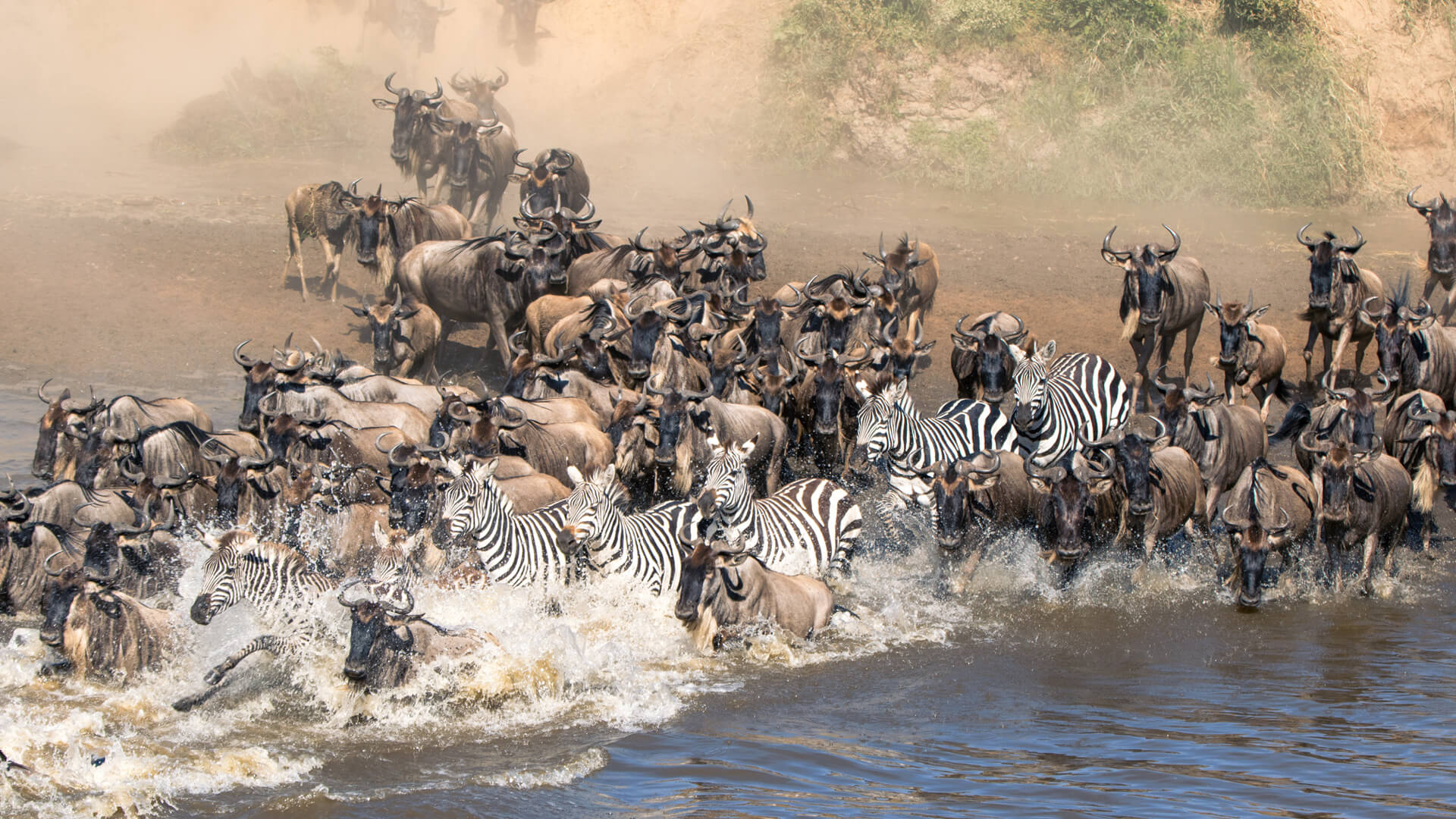
Long lines of wildebeests stretch across the plains, creating spectacular landscapes unlike anywhere else on Earth. Dust rises behind moving herds while predators quietly follow nearby.
This period offers quieter safari experiences because visitor numbers remain relatively low. Green landscapes, dramatic skies, and abundant wildlife create outstanding photography conditions despite occasional rainfall.
Central Serengeti also supports resident wildlife throughout the year, ensuring visitors enjoy excellent game viewing beyond the migration itself.
June and July – Grumeti River Crossings
As dry conditions develop, migrating herds approach the Grumeti River within the Western Corridor. This stage introduces one of the migration’s most dramatic challenges.
The Grumeti River contains enormous Nile crocodiles that patiently wait beneath the water’s surface. Wildebeests hesitate before crossing, often gathering for several hours while searching for safe entry points.
Eventually, one animal leaps into the river, triggering thousands of others to follow almost instantly. Chaos erupts as splashing water, dust, and nervous animals create unforgettable wildlife spectacles.
Although crocodiles capture some animals, most successfully reach the opposite bank before continuing their journey northward.
River crossings demonstrate the determination driving the Great Migration while illustrating nature’s remarkable balance between predator and prey.
July to October – Mara River Crossings
The Mara River represents the migration’s most famous and dramatic obstacle. Located within northern Serengeti National Park near the Kenyan border, this river attracts wildlife photographers and safari enthusiasts from around the world.
Crossings occur unpredictably. Herds may wait several hours or several days before attempting the dangerous journey. Wildlife guides carefully monitor animal behavior because crossing decisions often happen without warning.
Once movement begins, thousands of wildebeests plunge into fast-moving water despite steep riverbanks, powerful currents, and giant crocodiles.
Many animals safely complete the crossing, while others fall victim to predators or difficult river conditions. Although dramatic, these events remain essential components of the Serengeti’s natural ecological cycle.
Witnessing a Mara River crossing ranks among Africa’s greatest wildlife experiences and remains a highlight of countless Serengeti Safari Tanzania adventures.
November and December – Return to Southern Plains
Short rains begin transforming southern Serengeti National Park into fresh grazing habitat during November and December.
The migration gradually leaves northern regions before moving southward through eastern Serengeti. Fresh grass provides ideal feeding conditions for pregnant females preparing for another calving season.
Wildlife viewing remains outstanding throughout this transition. Predator activity continues while landscapes become greener following seasonal rainfall.
By late December, enormous herds once again occupy southern Serengeti, completing one full migration cycle before beginning another.
Predators Along the Migration – Africa’s Greatest Wildlife Drama
Predators remain constant companions throughout the migration. Every movement of grazing animals attracts carnivores searching for hunting opportunities.
Lions frequently hunt near river crossings, open plains, and wooded areas where prey naturally concentrates. Their coordinated teamwork often results in successful hunts, especially during darkness or early morning.
Cheetahs rely upon incredible speed to pursue gazelles and young wildebeests across open grasslands. Southern Serengeti National Park offers particularly excellent opportunities for observing these graceful hunters.
Leopards prefer wooded habitats and riverine forests where thick vegetation provides excellent camouflage. They often drag successful kills into trees to protect them from hyenas.
Spotted hyenas display remarkable intelligence while hunting cooperatively or scavenging abandoned carcasses. Their adaptability makes them among Africa’s most successful predators.
These predator interactions reveal the Serengeti’s extraordinary ecological balance during every stage of the migration.
Birds Follow the Migration – The Hidden Spectacle Above the Plains
The Great Migration benefits far more than large mammals. Numerous bird species depend upon migrating herds for feeding opportunities.
Vultures quickly locate carcasses across open plains, helping recycle nutrients back into the ecosystem.
Secretary birds patrol grasslands searching for snakes disturbed by passing herbivores.
Marabou storks gather near predator kills alongside eagles and other scavenging birds.
Oxpeckers remove ticks from buffaloes, giraffes, zebras, and wildebeests while benefiting both birds and mammals.
Migratory birds also arrive during the rainy season, greatly increasing bird diversity across the Serengeti National Park ecosystem.
Best Ways to Experience the Great Migration
Guided Game Drives
Professional game drives remain the most popular way to witness the migration.
Experienced safari guides understand wildlife behavior, seasonal movements, and the best viewing locations. Their knowledge greatly increases opportunities for unforgettable wildlife encounters while ensuring visitor safety.
Morning and afternoon game drives provide excellent opportunities to observe wildlife during periods of peak animal activity.
Hot Air Balloon Safaris
A sunrise balloon safari delivers an unforgettable perspective of the migration.
Floating silently above endless plains allows visitors to appreciate the true scale of moving herds while enjoying breathtaking panoramic views.
Golden morning light creates exceptional photography opportunities before a traditional bush breakfast completes this remarkable experience.
Many visitors consider balloon safaris the highlight of their Tanzania Safaris.
Photography During the Migration
The Great Migration offers endless photographic opportunities throughout every season.
Early morning light creates soft colors and dramatic shadows across the plains.
Late afternoon provides equally beautiful lighting while many predators become increasingly active.
Fast shutter speeds help capture river crossings, running wildebeests, hunting predators, and dramatic wildlife interactions.
Patience remains the greatest photography tool. Wildlife often rewards observers who wait quietly while allowing natural behavior to unfold.
Respecting wildlife always takes priority over obtaining photographs. Ethical photography protects both animals and their natural environment.
Why the Great Migration Matters? More Than a Tourist Attraction
The Great Migration supports one of the world’s healthiest ecosystems. Migrating herbivores fertilize grasslands through natural grazing and nutrient cycling. Their movements encourage fresh vegetation while supporting countless insects, birds, predators, and scavengers.
Scientists continue studying this remarkable migration because it provides valuable insights into climate adaptation, ecosystem resilience, predator-prey relationships, and biodiversity conservation.
Responsible tourism further strengthens conservation by supporting park management, wildlife research, anti-poaching initiatives, and community development.
Every Serengeti National Park Safari contributes toward protecting one of Earth’s last great wildlife migrations for future generations.
Wildlife of Serengeti National Park
Serengeti National Park supports one of the richest concentrations of wildlife on Earth. Every ecosystem within The Park contributes to an extraordinary diversity of mammals, birds, reptiles, insects, and plant life. Vast grasslands, riverine forests, acacia woodlands, granite kopjes, and seasonal wetlands create ideal habitats for hundreds of animal species. This remarkable biodiversity has made The Serengeti the centrepiece of Tanzania Wildlife Safaris and one of the most celebrated safari destinations in the world.
Unlike many protected areas, the Serengeti functions as a complete and healthy ecosystem. Herbivores graze freely across ancient migration routes while predators maintain natural population balance. Scavengers recycle nutrients back into the environment, birds control insect populations, and rivers sustain life throughout the year. Every wildlife encounter demonstrates the remarkable harmony that exists within this magnificent wilderness.
A Serengeti Safari Tanzania offers far more than occasional animal sightings. Visitors experience thriving populations of lions, elephants, buffaloes, giraffes, cheetahs, leopards, crocodiles, hippos, zebras, wildebeests, and hundreds of bird species during every Tanzania safari. Each game drive introduces fresh opportunities because wildlife constantly moves through changing landscapes in search of food, water, shelter, and breeding grounds.
Deks Africa Safaris & Tours Ltd carefully designs every Serengeti Safari to maximize wildlife viewing while respecting conservation principles. Our experienced safari guides understand animal behavior, seasonal movements, and habitat preferences, ensuring memorable and responsible wildlife experiences throughout your journey.
Tanzania Wildlife Safaris
The Big Five of Serengeti National Park
Meet Africa’s Most Iconic Animals
The Serengeti National Park proudly ranks among Africa’s finest destinations for viewing the legendary Big Five. These famous animals originally earned their title because they presented the greatest challenge to hunters on foot. Today, photographers and wildlife enthusiasts celebrate them as symbols of African conservation and safari excellence.
The Big Five include:
- Lion
- Leopard
- African Elephant
- African Buffalo
- Black Rhinoceros
Finding all five during one safari remains an exciting achievement, although black rhinoceroses require more patience due to their limited population and carefully protected habitat.
Lions – The True Kings of the Serengeti
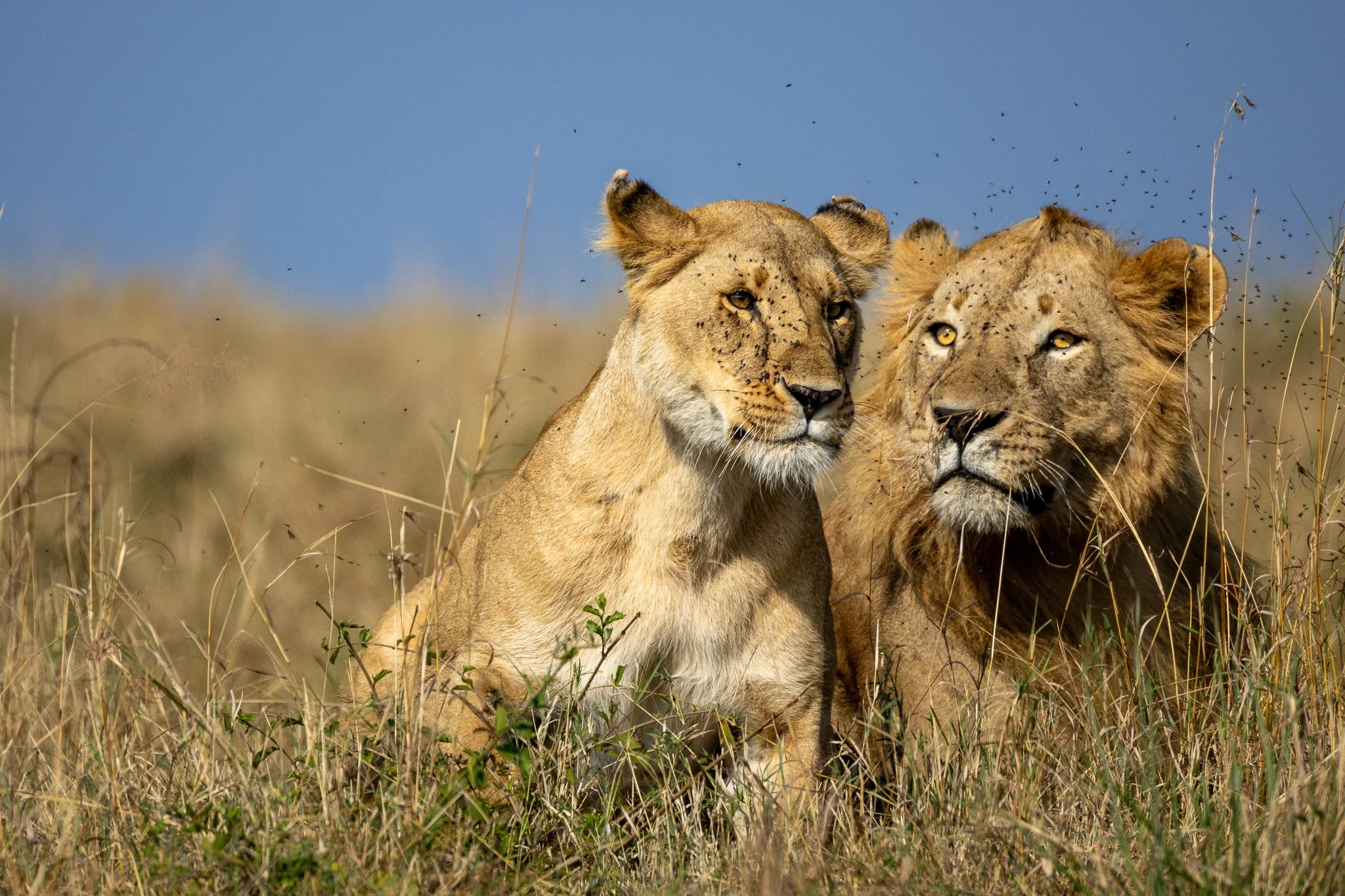
The Serengeti National Park supports one of Africa’s largest lion populations, making it one of the world’s best places to observe these magnificent predators. More than 3,000 lions roam freely throughout the ecosystem, occupying territories across grasslands, kopjes, river valleys, and woodlands.
Lions spend much of the day resting beneath acacia trees or on elevated granite rocks where cooling breezes provide relief from the African sun. As temperatures fall during early morning and late afternoon, prides become increasingly active. Visitors often witness territorial patrols, social interactions, playful cubs, or coordinated hunting behavior.
Female lions perform most hunting duties while working together to isolate vulnerable prey. Wildebeests, zebras, buffaloes, and various antelope species form the foundation of their diet. Males defend pride territories against rival lions while protecting cubs from external threats.
Central Serengeti National Park and the Seronera Valley consistently produce excellent lion sightings throughout the year. Southern Serengeti also becomes exceptionally productive during the calving season when predators take advantage of abundant prey.
Every Tanzania Safari offers unique opportunities to observe these remarkable cats displaying natural behaviors within their wild environment.
Leopards – Masters of Stealth and Camouflage
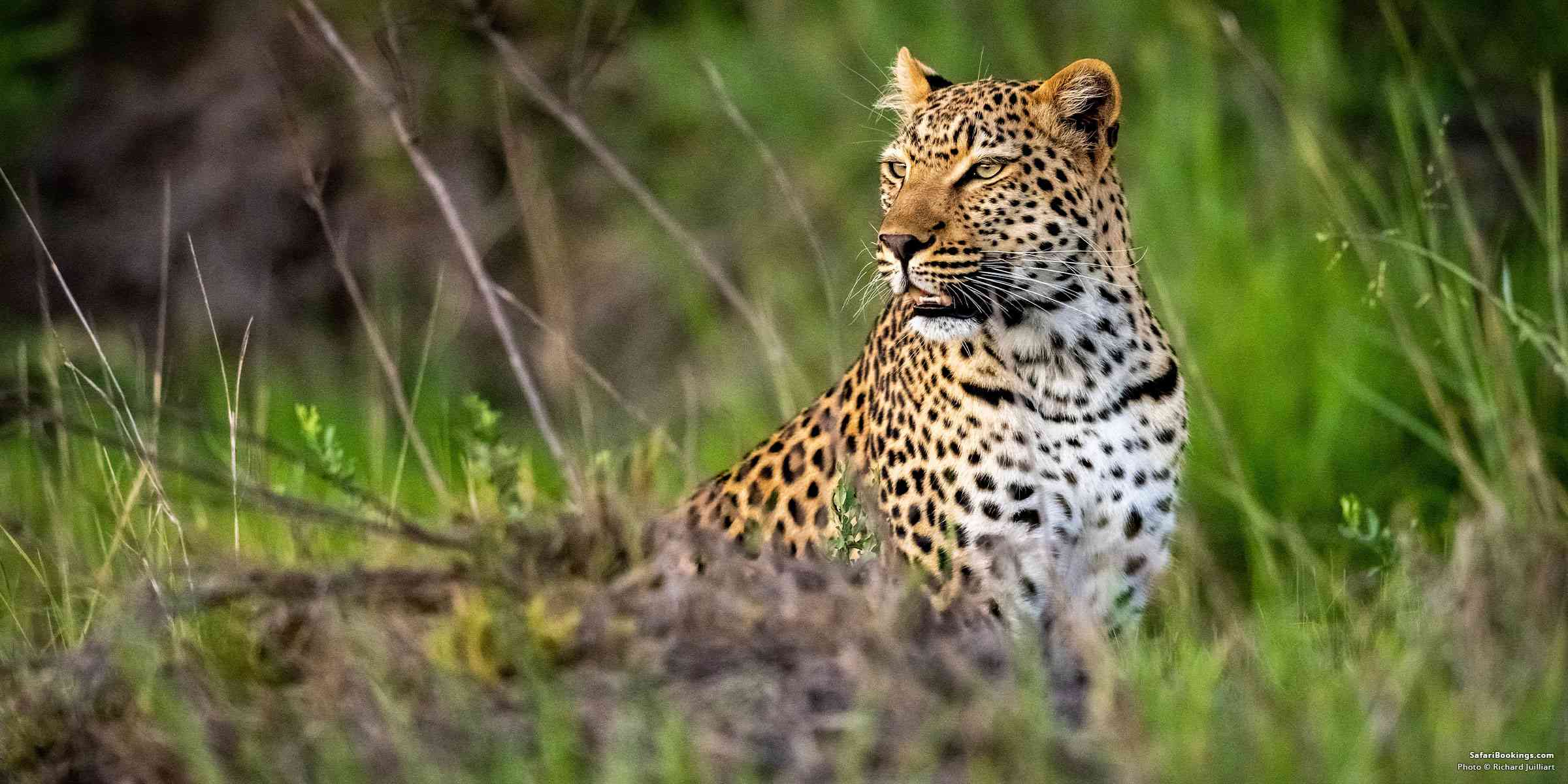
Leopards remain among the Serengeti’s most elusive predators. Their remarkable camouflage allows them to disappear effortlessly into woodland habitats, riverine forests, and rocky landscapes.
Unlike lions, leopards usually live alone except during mating periods or while raising cubs. They prefer hunting under the cover of darkness or during quieter daylight hours when opportunities arise. Their incredible strength enables them to drag prey into trees, protecting valuable meals from scavengers such as hyenas and lions.
Visitors frequently discover leopards resting gracefully across thick tree branches after successful hunts. Their spotted coats blend perfectly with filtered sunlight, creating unforgettable photographic moments.
Seronera Valley offers some of the best leopard viewing within Serengeti National Park because permanent rivers attract abundant prey throughout the year.
Patience, experienced guides, and careful observation greatly improve opportunities for successful leopard sightings.
African Elephants – Gentle Giants of the Savannah
African elephants represent the largest land mammals on Earth and remain among the Serengeti’s most admired wildlife species. Family groups travel together under the leadership of experienced matriarchs who guide younger generations toward food, water, and safe migration routes.
Elephants communicate through vocalizations, body language, and low-frequency sounds that travel remarkable distances across the landscape. Their strong social bonds become evident as families protect calves, celebrate reunions, and cooperate during challenging situations.
These intelligent animals play essential ecological roles by opening forest clearings, dispersing seeds, digging water holes, and shaping vegetation. Many smaller species benefit directly from elephant activity throughout the ecosystem.
Visitors commonly encounter elephants in northern Serengeti National Park, central woodlands, and areas surrounding permanent rivers where water remains available throughout the year.
Watching elephant families interact peacefully creates some of the most memorable moments during Serengeti Safaris.
African Buffalo – Powerful and Highly Social
African buffaloes thrive throughout The Serengeti National Park, forming impressive herds that sometimes number several hundred individuals. Their strength, resilience, and defensive behavior make them among Africa’s most respected large mammals.
Buffaloes depend upon reliable water sources, encouraging frequent visits to rivers, wetlands, and seasonal floodplains. Herd members cooperate closely when facing predators, often surrounding vulnerable calves while confronting approaching lions.
Despite their calm appearance while grazing, buffaloes deserve great respect because they respond quickly when threatened. Experienced safari guides maintain safe viewing distances while allowing visitors to observe their fascinating social behavior.
Buffaloes contribute significantly to the Serengeti ecosystem by grazing large quantities of vegetation, dispersing seeds, and supporting predator populations.
Their impressive horns and muscular build make them one of Africa’s most recognizable safari animals.
Black Rhinoceros – A Rare Conservation Success
The black rhinoceros remains the Serengeti’s rarest member of the Big Five. Intensive conservation efforts continue protecting these critically endangered animals from poaching and habitat loss.
Rhinos usually occupy carefully monitored regions within The Serengeti National Park where dedicated wildlife rangers provide constant protection. Their numbers remain limited, making every sighting especially rewarding for safari enthusiasts.
Unlike white rhinos, black rhinos browse shrubs and woody vegetation using their pointed upper lips. They generally live solitary lives while occupying well-defined territories.
Although sightings remain uncommon, ongoing conservation programs continue strengthening population recovery across northern Tanzania.
Every responsible Tanzania Wildlife Safari contributes toward protecting these magnificent animals through conservation funding and sustainable tourism.
Cheetahs – Africa’s Fastest Land Animal
The Serengeti National Park offers exceptional opportunities to observe cheetahs within their natural habitat. Open grasslands provide ideal hunting conditions where these graceful predators rely on speed rather than strength.
Cheetahs accelerate faster than any other land animal, reaching speeds exceeding 100 kilometers per hour during short pursuits. Their lightweight bodies, flexible spines, and long tails create extraordinary balance while chasing agile prey.
Unlike lions and leopards, cheetahs usually hunt during daylight hours. Thomson’s gazelles, young wildebeests, impalas, and smaller antelope frequently become their preferred prey.
Southern Serengeti provides particularly outstanding cheetah sightings because wide-open plains allow these predators to utilize their incredible speed.
Observing a cheetah scanning the horizon before launching an explosive chase remains one of Africa’s greatest wildlife experiences.
Spotted Hyenas – Intelligent Hunters and Efficient Scavengers
Many visitors underestimate the remarkable intelligence of spotted hyenas. Scientific research continues revealing their advanced communication skills, complex social structures, and highly successful hunting strategies.
Hyenas live within large clans led by dominant females. Members cooperate while defending territories, raising young, and locating food throughout the Serengeti ecosystem.
Although many people associate hyenas with scavenging, they successfully hunt much of their own food. Their powerful jaws easily crush bones, allowing them to consume nearly every part of an animal carcass while minimizing waste.
Visitors frequently encounter hyenas during both daytime and night-time game drives. Their haunting vocalizations contribute to the unforgettable atmosphere of African wilderness after sunset.
Giraffes – Elegant Giants of the Acacia Woodlands
The Masai giraffe, Tanzania’s national animal, thrives throughout Serengeti National Park. These gentle herbivores browse acacia leaves using exceptionally long necks and prehensile tongues that easily avoid sharp thorns.
Giraffes often move in loose social groups without strict leadership structures. Their graceful walking style contrasts with the remarkable speed they achieve when escaping predators.
Young giraffes remain vulnerable to lions during their first months of life. Adult giraffes, however, defend themselves effectively with powerful kicks capable of injuring large predators.
Visitors regularly observe giraffes feeding peacefully among acacia trees while sharing habitats with elephants, zebras, and antelope.
Their striking appearance creates outstanding opportunities for wildlife photography during every Serengeti Safari Tanzania.
Hippopotamuses – Life Along the Rivers
Hippos spend much of each day submerged within rivers and permanent pools to protect their sensitive skin from intense sunlight. As evening approaches, they leave the water and travel considerable distances while grazing on surrounding grasslands.
Large groups often gather in pools throughout the Seronera and Grumeti river systems. Visitors enjoy observing their social interactions, vocal displays, and occasional territorial disputes.
Despite their seemingly relaxed behavior, hippos rank among Africa’s most dangerous animals. Professional Tanzania safari guides always maintain safe observation distances while respecting their space.
Hippo pools also attract crocodiles, water birds, monitor lizards, and numerous other species, creating excellent wildlife viewing locations throughout the year.
Nile Crocodiles – Ancient Predators of the Serengeti
Nile crocodiles dominate the Serengeti’s major rivers, particularly the Mara and Grumeti Rivers. These powerful reptiles remain perfectly adapted to aquatic hunting, waiting patiently beneath the water’s surface for passing prey.
Migration seasons provide extraordinary opportunities to witness crocodile behavior as thousands of wildebeests attempt dangerous river crossings.
Large crocodiles may exceed five meters in length while living for many decades. Their immense patience and explosive speed make them highly effective predators.
Beyond hunting, crocodiles contribute significantly to river ecosystems by regulating fish populations and recycling nutrients.
Their ancient lineage adds another fascinating dimension to Tanzania Safaris within the Serengeti National Park.
Mammals, Birds, Reptiles, and Responsible Wildlife Viewing
The remarkable abundance of herbivores makes Serengeti National Park one of the world’s greatest wildlife ecosystems. These grazing animals transform vegetation, enrich soils, support predator populations, and maintain ecological balance across the vast plains. Every Serengeti Safari Tanzania reveals thousands of herbivores moving through different habitats, each playing a vital role in sustaining the ecosystem.
Unlike isolated wildlife reserves, the Serengeti allows animals to move naturally across enormous landscapes. Seasonal rainfall, nutritious grasses, permanent rivers, and open woodlands provide ideal conditions for healthy populations throughout the year. These herbivores create the foundation upon which every Tanzania Wildlife Safari depends.
Wildebeests – The Heartbeat of the Serengeti
The blue wildebeest remains the most recognizable animal in The Serengeti National Park. More than 1.5 million individuals roam the ecosystem, creating the world’s largest terrestrial mammal migration.
Although many visitors notice their unusual appearance first, wildebeests possess remarkable endurance and survival instincts. Their powerful shoulders, muscular legs, and excellent sense of smell help them navigate hundreds of kilometers every year while searching for fresh grazing.
Females synchronize calving, allowing thousands of calves to arrive within a remarkably short period. This strategy increases survival because predators cannot capture every newborn during the overwhelming wave of births.
Wildebeests rarely travel alone. They form enormous herds that stretch across the plains, creating breathtaking landscapes visible from several kilometers away. Their constant movement also benefits the ecosystem by stimulating fresh grass growth and distributing nutrients across the Serengeti.
For many travelers, witnessing these magnificent herds defines the ultimate Serengeti Safari experience.
Plains Zebras – The Migration’s Natural Leaders
Plains zebras travel alongside wildebeests throughout much of the Great Migration. Their striking black-and-white stripes create one of Africa’s most iconic wildlife scenes.
Unlike wildebeests, zebras consume taller grasses before exposing fresh shoots beneath. Wildebeests then follow closely behind to feed on newly available vegetation. This cooperative grazing pattern allows both species to thrive without competing directly for food.
Every zebra carries a unique stripe pattern, much like a human fingerprint. Researchers often identify individual animals through these distinctive markings.
Zebras rely heavily on strong family bonds for protection. Stallions defend small family groups while maintaining close contact during migration. Young foals quickly learn migration routes by following experienced adults across the plains.
Visitors regularly encounter zebras throughout every region of Serengeti National Park, making them among the most photographed animals during Tanzania Safaris.
Thomson’s Gazelles – Small but Remarkably Agile
Thomson’s gazelles rank among the Serengeti’s most abundant antelope species. Their speed, agility, and alertness help them survive despite constant pressure from predators.
These graceful animals prefer open grasslands where excellent visibility allows early detection of danger. Their incredible acceleration enables rapid escapes from cheetahs, although these specialized predators often succeed during carefully planned hunts.
Thomson’s gazelles feed selectively on tender grasses and fresh shoots that appear after seasonal rains. Their grazing habits complement those of larger herbivores while contributing to healthy vegetation management.
Visitors frequently observe gazelles grazing peacefully among zebras and wildebeests before suddenly sprinting across the plains when danger approaches.
Grant’s Gazelles – Elegant Residents of the Open Plains
Grant’s gazelles closely resemble Thomson’s gazelles but display larger bodies, longer horns, and lighter coloration. They tolerate drier conditions remarkably well, allowing them to occupy areas with limited water availability.
Unlike many grazing animals, Grant’s gazelles obtain much of their moisture directly from vegetation. This adaptation enables them to remain within open plains even during prolonged dry seasons.
Their graceful movements and impressive jumping ability make them favourite subjects for wildlife photographers exploring the Serengeti National Park.
Elands – Africa’s Largest Antelope
The common eland represents Africa’s largest antelope species. Mature bulls may weigh nearly one ton while maintaining remarkable agility across open landscapes.
Despite their impressive size, elands move quietly through grasslands and woodlands while browsing leaves, shrubs, fruits, and grasses.
They form loose herds that often include females, calves, and younger males. Mature bulls occasionally travel alone before rejoining breeding groups.
Visitors usually encounter elands within quieter regions of the Serengeti National Park where vegetation provides both food and shelter.
Topis – Built for Speed Across the Savannah
Topis thrive throughout the Serengeti’s open grasslands. Their streamlined bodies and powerful legs allow sustained high-speed running across long distances.
Males defend small territories during the breeding season while displaying impressive athletic ability to attract females. Elevated termite mounds often serve as natural observation points where topis watch for predators.
Their rich chestnut coats and dark markings create a striking appearance against golden grasslands, making them popular photography subjects during Serengeti Safaris.
Coke’s Hartebeests – Specialists of the Open Plains
Hartebeests possess elongated faces, sloping backs, and distinctive curved horns that create one of Africa’s most recognizable antelope profiles.
These hardy grazers adapt well to open grasslands where they depend upon excellent eyesight and group vigilance for predator detection.
Their endurance allows them to travel considerable distances while following seasonal grazing conditions.
Although less numerous than wildebeests or zebras, hartebeests remain important contributors to the Serengeti ecosystem.
Warthogs – Small Animals with Big Personalities
Warthogs add charm and humor to every Tanzania safari experience. Their energetic behavior, upright tails, and constant alertness delight visitors exploring Serengeti National Park.
These adaptable animals graze on grasses while also digging for roots and underground bulbs during dry periods. Their curved tusks provide effective defense against predators.
Warthogs often kneel on their front legs while feeding because their neck structure limits downward movement.
They seek shelter inside abandoned aardvark burrows, usually entering backward so tusks face potential predators approaching the entrance.
Jackals – Clever Opportunistic Hunters
Three jackal species inhabit the Serengeti ecosystem, including the black-backed jackal, side-striped jackal, and golden jackal.
Jackals hunt rodents, birds, reptiles, insects, and young antelope while also scavenging abandoned predator kills.
Their intelligence and adaptability allow them to thrive throughout changing environmental conditions.
Visitors frequently observe jackals patrolling open plains during early mornings before temperatures rise.
Bat-Eared Foxes – Specialists in Insect Hunting
Bat-eared foxes possess unusually large ears that detect insects moving beneath the soil.
Unlike many carnivores, these fascinating animals feed mainly on termites, beetles, ants, and other invertebrates.
Their remarkable hearing enables precise hunting even during darkness.
Southern Serengeti offers excellent opportunities to observe these unique foxes, especially during calving season when insect populations flourish.
Honey Badgers – Fearless Survivors
Honey badgers remain among Africa’s toughest mammals despite their relatively small size.
They fearlessly defend themselves against much larger predators while feeding on rodents, reptiles, insects, birds, honey, and small mammals.
Powerful claws allow them to dig efficiently while searching for food or creating temporary shelters.
Although sightings remain uncommon, encountering a honey badger creates an unforgettable highlight during any Serengeti Safari Tanzania adventure.
Serval Cats – Silent Hunters of the Grasslands
Servals specialize in hunting rodents within tall grass habitats.
Their exceptionally long legs elevate them above surrounding vegetation while enormous ears detect tiny movements beneath the surface.
Servals leap high into the air before landing directly upon hidden prey with remarkable accuracy.
Morning and evening game drives provide the best opportunities for observing these elegant wild cats.
Caracals – Agile Predators of the Open Country
Caracals remain among the Serengeti’s least-seen predators.
Their muscular bodies, tufted ears, and remarkable jumping ability make them highly effective hunters.
Caracals successfully capture birds in midair while also hunting rodents, hares, and small antelope.
Because they avoid human activity, sightings remain rare but exceptionally rewarding.
Primates of the Serengeti National Park
Intelligent Forest and Woodland Residents
Although famous for its large mammals, the Serengeti also supports several fascinating primate species.
Olive baboons live within highly organized troops that occupy riverine forests and woodland habitats. Their social behavior includes grooming, cooperative defense, and complex communication.
Vervet monkeys inhabit acacia woodlands where they feed on fruits, flowers, seeds, insects, and leaves.
These intelligent primates contribute to seed dispersal while enriching The Park’s biodiversity.
14-Day Tanzania Luxury Honeymoon Safari
Reptiles of Serengeti National Park
Ancient Survivors
The Serengeti National Park supports a remarkable variety of reptiles adapted to different habitats.
Visitors commonly encounter:
- Nile crocodiles
- Nile monitor lizards
- Leopard tortoises
- Rock pythons
- Puff adders
- Black mambas
- Green mambas
- Agama lizards
- Geckos
- Chameleons
Most reptiles avoid human contact while playing valuable ecological roles within the ecosystem.
Professional safari guides understand reptile behavior and ensure safe wildlife viewing throughout every excursion.
Birdlife in Serengeti National Park
A Paradise for Birdwatchers
More than 540 bird species inhabit Serengeti National Park, making it one of East Africa’s finest birdwatching destinations.
Permanent residents combine with seasonal migrants to create exceptional diversity throughout every habitat.
Open grasslands, rivers, marshes, forests, and rocky outcrops each support specialized bird communities.
Both beginner birdwatchers and experienced ornithologists discover extraordinary opportunities during Tanzania Wildlife Safaris.
Birds of Prey
Masters of the African Sky
The Serengeti hosts an impressive collection of raptors.
Frequently observed species include:
- Martial Eagle
- African Fish Eagle
- Tawny Eagle
- Bateleur Eagle
- Secretary Bird
- Lappet-faced Vulture
- White-backed Vulture
- Hooded Vulture
- Augur Buzzard
These magnificent birds regulate ecosystems by controlling prey populations and removing carcasses from the landscape.
Water Birds
Life Along Rivers and Wetlands
Permanent water sources attract numerous aquatic bird species.
Visitors regularly encounter:
- Saddle-billed Storks
- Marabou Storks
- Grey Herons
- Goliath Herons
- African Spoonbills
- Sacred Ibises
- Egyptian Geese
- African Jacanas
- Pied Kingfishers
- Malachite Kingfishers
Morning game drives provide particularly rewarding birdwatching opportunities around rivers and seasonal wetlands.
Colorful Woodland Birds
Hidden Gems of the Acacia Forests
Woodland habitats support dazzling birdlife throughout the Serengeti National Park.
Visitors often admire:
- Lilac-breasted Roller
- Superb Starling
- Fischer’s Lovebird
- Yellow-billed Hornbill
- Red-billed Hornbill
- Bee-eaters
- Sunbirds
- Weavers
- Barbets
Their brilliant colors brighten every safari while creating outstanding photography opportunities.
Responsible Wildlife Viewing
Protecting Every Safari Experience
Responsible tourism protects wildlife while ensuring unforgettable safari experiences for future generations.
During every Serengeti Safari, visitors should:
- Follow guide instructions at all times.
- Remain inside safari vehicles unless permitted.
- Keep noise levels low.
- Never feed wild animals.
- Respect safe viewing distances.
- Avoid sudden movements.
- Dispose of waste responsibly.
- Support conservation-focused tourism operators.
- Respect Park regulations.
- Practice ethical wildlife photography.
These simple principles help preserve the Serengeti’s extraordinary biodiversity while strengthening conservation across Tanzania.
Safari Activities and Cultural Experiences in Serengeti National Park
A visit to Serengeti National Park offers far more than traditional game drives. This extraordinary destination provides a wide variety of safari experiences that allow visitors to explore its landscapes, wildlife, and cultures from different perspectives. Every activity reveals a unique side of The Serengeti, creating unforgettable memories for first-time visitors and seasoned safari enthusiasts alike.
Whether you dream of floating above the plains in a hot air balloon, photographing lions during sunrise, enjoying a private bush dinner beneath African stars, or meeting the Maasai people, the Serengeti delivers experiences that extend well beyond ordinary travel. Every activity combines adventure, education, conservation, and authentic African hospitality.
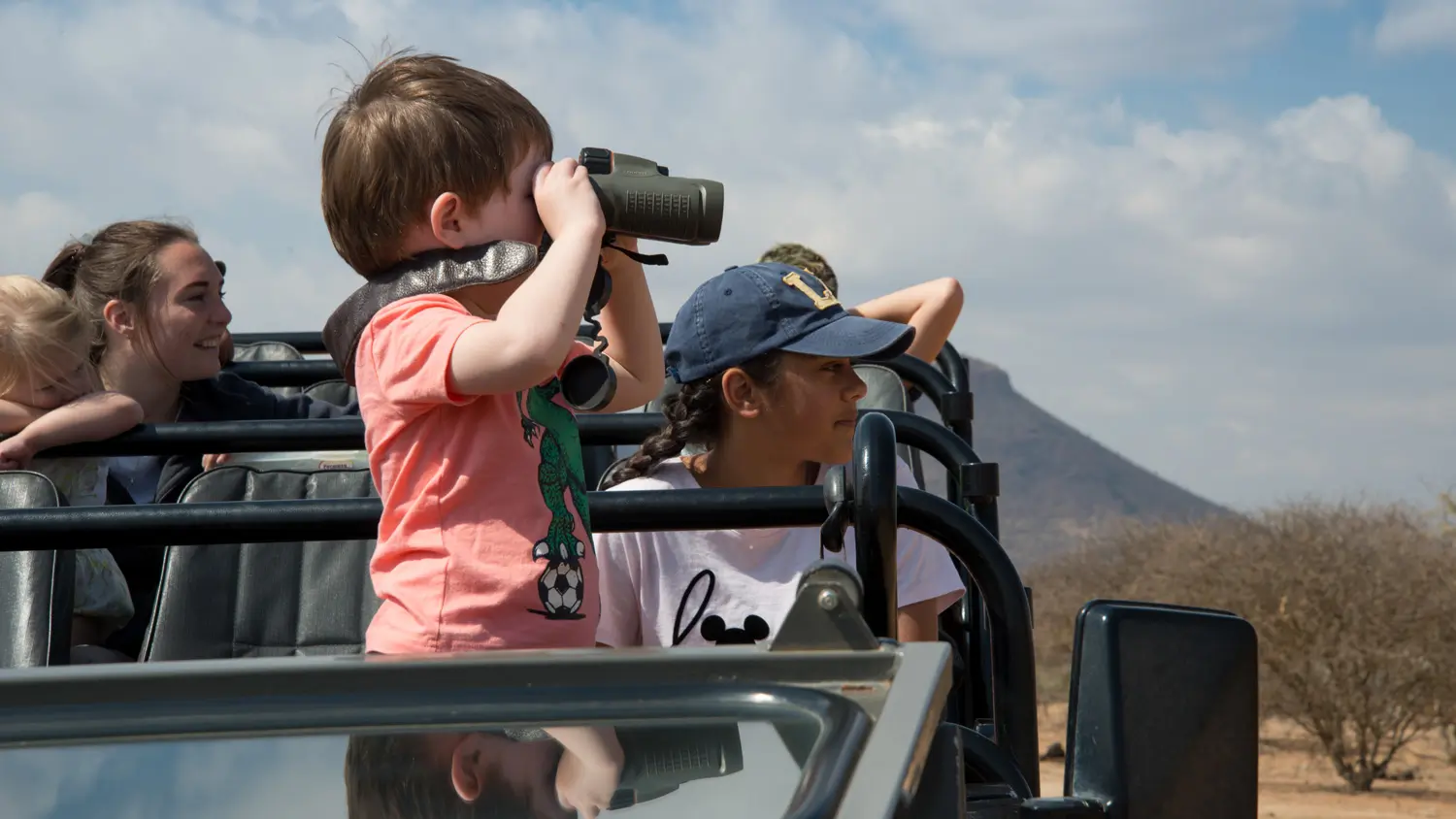
Deks Africa Safaris & Tours Ltd carefully designs every Serengeti Safari Tanzania to match your travel style, interests, and expectations. Our experienced safari consultants recommend activities that maximize wildlife viewing while creating meaningful connections with Tanzania’s natural and cultural heritage.
Game Drives – The Classic Serengeti Safari Experience
Game drives remain the most popular activity during Tanzania Wildlife Safaris. They provide excellent opportunities to explore diverse habitats while searching for Africa’s iconic wildlife.
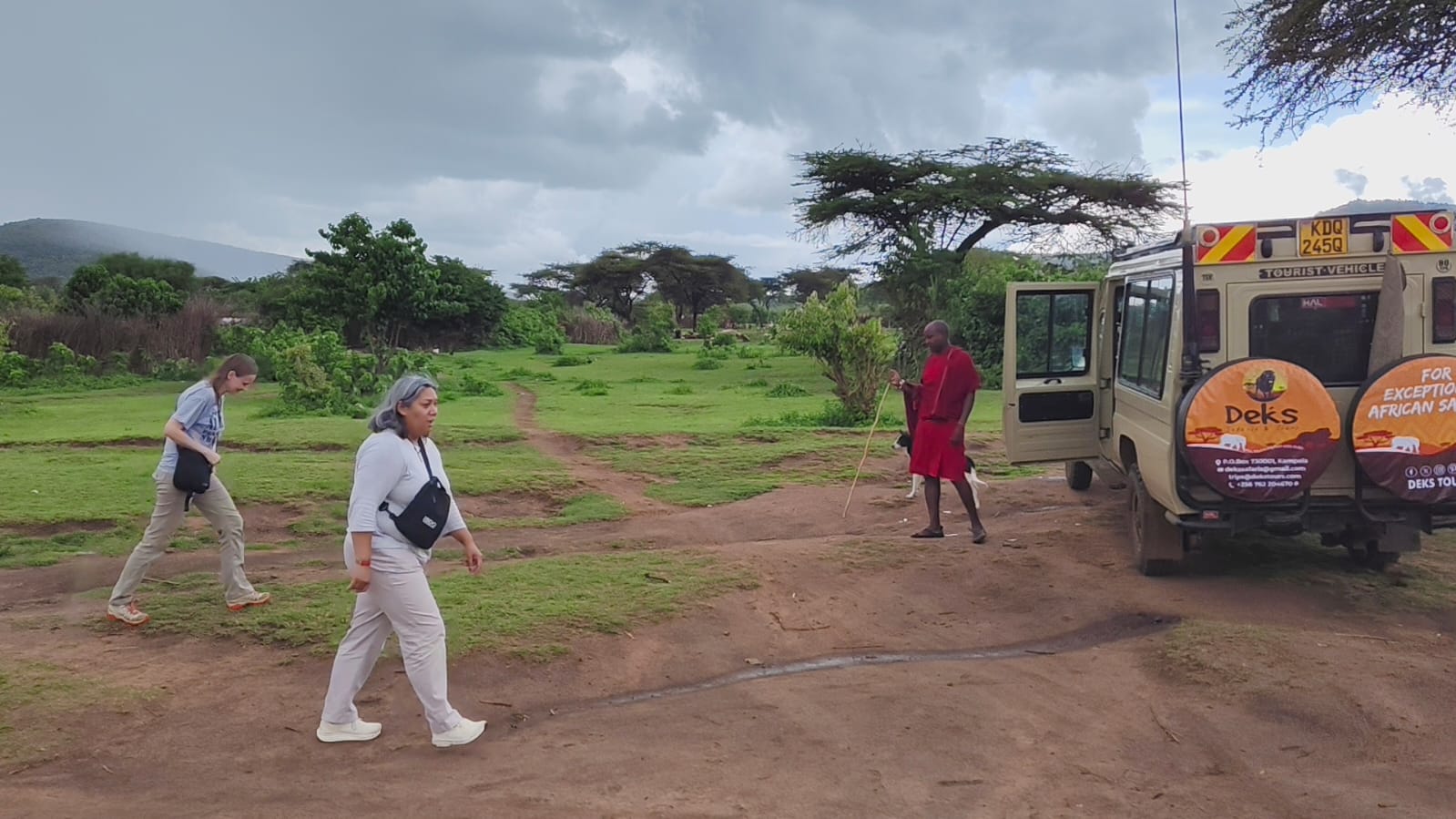
Professional safari vehicles feature elevated seating, large windows, pop-up roofs, and comfortable interiors designed specifically for wildlife viewing. These features allow every guest to enjoy excellent visibility throughout each journey.
Experienced driver-guides navigate established safari tracks while interpreting animal behavior, identifying bird species, explaining ecological relationships, and sharing fascinating insights about the Serengeti ecosystem. Their local knowledge greatly increases opportunities for memorable wildlife encounters.
Morning and afternoon game drives each offer unique advantages. Wildlife remains particularly active during cooler hours, allowing visitors to observe hunting predators, playful young animals, and impressive herds before temperatures rise.
Every game drive presents new discoveries because wildlife movements constantly change throughout The Park.
Sunrise Game Drives – Begin the Day with Africa’s Golden Light
Early morning game drives rank among the most rewarding safari experiences in Serengeti National Park.
As the first sunlight illuminates the endless plains, predators complete nighttime hunts while herbivores emerge cautiously from their resting places. Soft golden light creates outstanding photography conditions while cooler temperatures encourage increased animal activity.
Visitors often encounter lions returning from successful hunts, leopards descending from trees, elephants feeding peacefully, giraffes browsing acacia leaves, and numerous birds greeting the new day.
Sunrise also transforms the Serengeti landscape into one of Africa’s most breathtaking natural scenes.
Tanzania Walking Safaris
Afternoon Game Drives – Discover Wildlife During Changing Light
Afternoon safaris reveal a different rhythm within the Serengeti ecosystem.
As temperatures gradually decrease, animals become increasingly active after resting through the midday heat. Predators begin preparing for evening hunts while herbivores gather near rivers and open grasslands.
Warm afternoon light produces vibrant colors across the landscape, making this period especially popular among wildlife photographers.
Many unforgettable safari moments occur during these late-afternoon excursions.
Full-Day Game Drives – Explore Multiple Regions in One Adventure
Full-day game drives allow visitors to discover several ecosystems within a single excursion.
Guests enjoy extended wildlife viewing without returning to camp during midday. Picnic lunches served at designated scenic locations create enjoyable breaks while maximizing time in the wilderness.
Longer drives also increase opportunities to observe rare species, migration movements, predator interactions, and changing landscapes throughout the day.
This option works particularly well for travelers seeking comprehensive Serengeti Safaris.
Hot Air Balloon Safaris – See the Serengeti National Park from the Sky
A hot air balloon safari offers one of Africa’s most unforgettable wildlife experiences.
Flights begin before sunrise when calm morning winds provide ideal flying conditions. As the balloon gently rises above the plains, passengers enjoy panoramic views of rivers, forests, kopjes, and endless wildlife below.
From this unique perspective, migrating wildebeests resemble flowing rivers across the grasslands while elephants appear peacefully scattered beneath towering acacia trees. Lions, giraffes, zebras, buffaloes, and antelope become visible across vast distances impossible to appreciate from the ground.
Silence enhances the experience. Without engine noise, visitors fully appreciate the beauty and tranquility of the African wilderness.
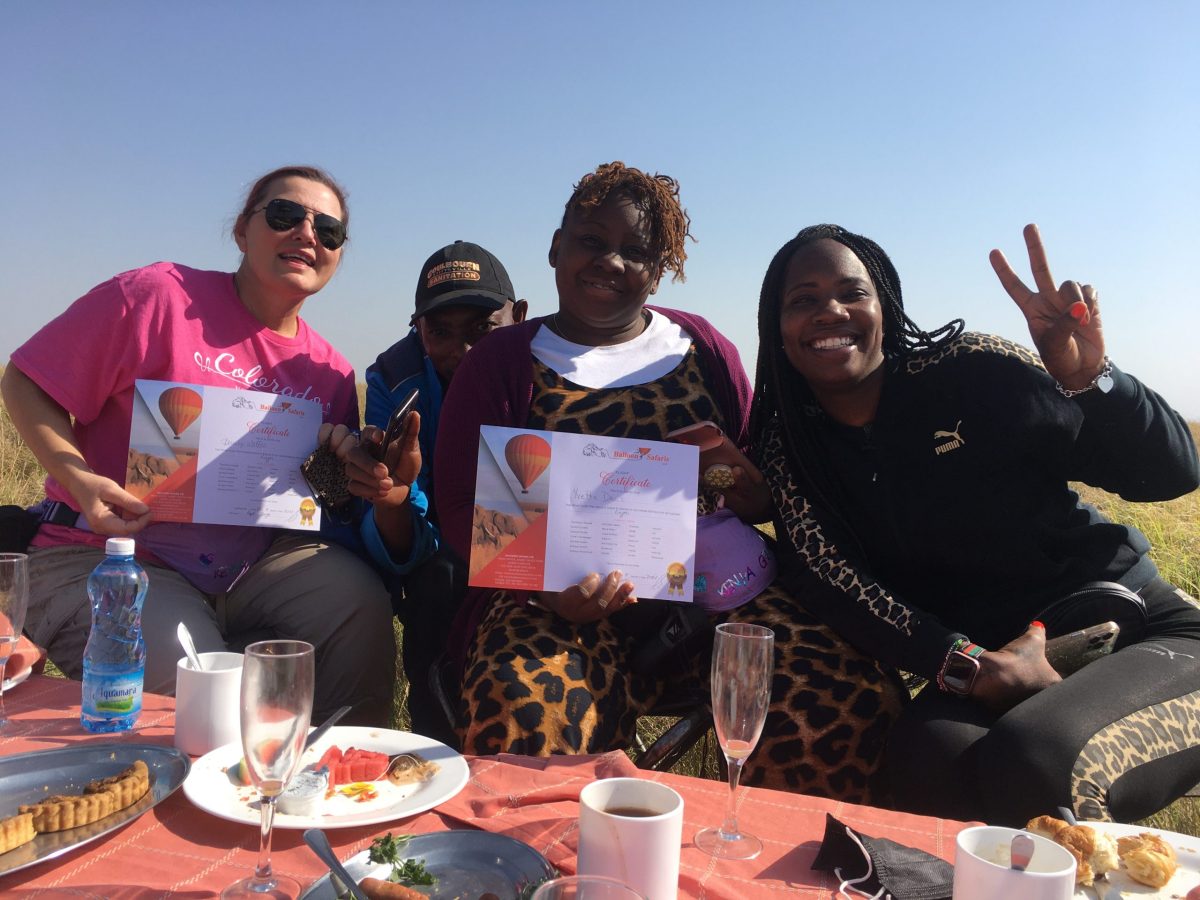
Most balloon safaris conclude with a traditional champagne bush breakfast served in a scenic location.
This extraordinary adventure remains a highlight of many Tanzania Safaris.
Walking Safaris – Experience Nature Step by Step
Walking safaris provide a completely different perspective of the Serengeti National Park ecosystem.
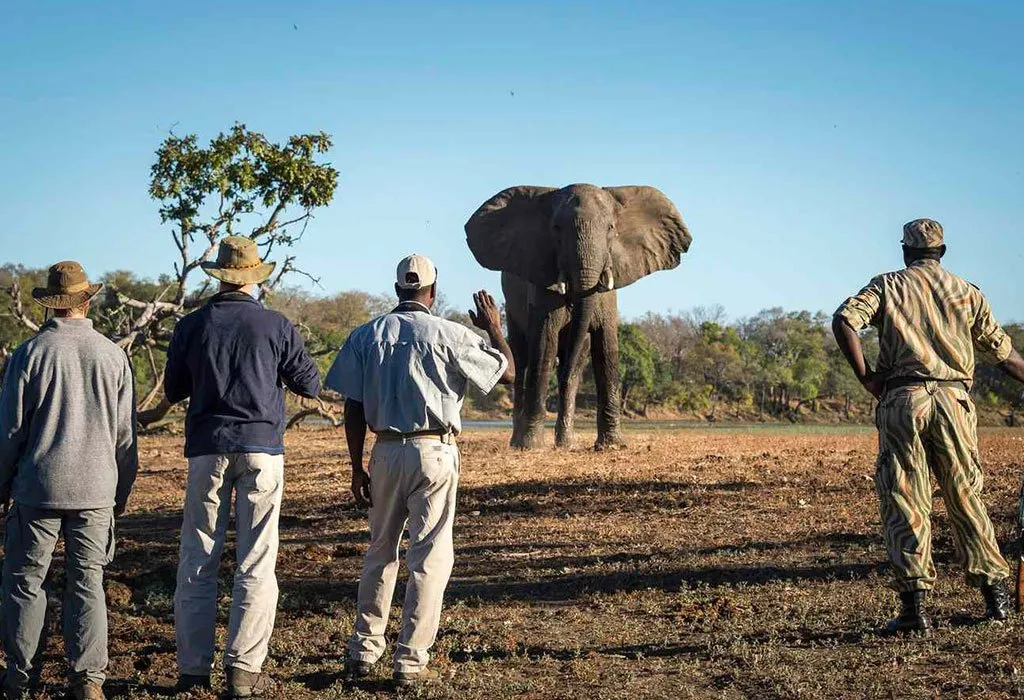
Professional armed guides lead small groups through carefully selected areas while explaining animal tracks, bird calls, medicinal plants, insects, geology, and ecological relationships often overlooked during vehicle-based safaris.
Walking allows visitors to appreciate smaller details that enrich the safari experience. Every footprint, feather, seed, termite mound, and flowering plant tells part of the Serengeti’s remarkable ecological story.
Safety remains the highest priority throughout every guided walk. Experienced guides carefully choose routes while continuously monitoring surrounding wildlife.
Walking safaris create deeper appreciation for Africa’s natural heritage while encouraging slower, more thoughtful exploration.
Night Game Drives – Discover the Serengeti National Park After Dark
Night transforms the Serengeti into an entirely different world.
Although night drives are unavailable inside the main national park, many private concessions bordering the Serengeti offer guided nocturnal safaris.
Powerful spotlights reveal elusive animals rarely seen during daylight. Visitors may encounter aardvarks, servals, civets, genets, porcupines, bush babies, honey badgers, and hunting predators actively searching for prey.
Lions often become more vocal after sunset, while hyenas patrol quietly beneath star-filled African skies.
Night safaris reveal fascinating wildlife behaviors impossible to observe during daytime excursions.
Wildlife Photography Safaris – Capture Africa’s Greatest Wilderness
The Serengeti National Park ranks among the world’s premier wildlife photography destinations.
Every season offers exceptional photographic opportunities, from dramatic river crossings and predator hunts to peaceful elephant families and colorful birdlife.
Dedicated photography safaris provide flexible schedules that prioritize lighting conditions, animal behavior, and composition opportunities rather than fixed travel timetables.
Professional guides understand photographic requirements and position safari vehicles carefully without disturbing wildlife.
Whether using professional cameras or smartphones, every visitor returns home with unforgettable images from Serengeti Safari Tanzania.
Birdwatching Safaris – Explore One of Africa’s Finest Birding Destinations
Bird enthusiasts discover exceptional diversity throughout Serengeti National Park.
More than 540 recorded bird species inhabit grasslands, wetlands, rivers, forests, and rocky outcrops.
Experienced birding guides identify resident and migratory species while explaining habitats, breeding behavior, migration patterns, and ecological importance.
Birdwatching remains rewarding throughout the year, although migratory species greatly increase diversity between November and April.
Both beginner birdwatchers and experienced ornithologists enjoy remarkable opportunities during Tanzania Wildlife Safaris.
Migration Safaris – Follow Nature’s Greatest Journey
Many visitors plan their Tanzania safari specifically around the Great Migration.
Experienced safari consultants carefully recommend travel dates according to current herd movements, ensuring guests enjoy the best possible wildlife experiences.
Migration safaris may focus on:
- Southern calving season
- Central Serengeti movement
- Grumeti River crossings
- Mara River crossings
- Predator concentrations
- Calf nurseries
- Massive grazing herds
Each migration stage delivers unique wildlife encounters throughout the year.
Luxury Serengeti Safaris – Adventure with Exceptional Comfort
These Luxury Serengeti Safaris combine world-class wildlife experiences with outstanding hospitality.</p>
Luxury lodges and tented camps provide spacious suites, gourmet cuisine, personalized service, private decks, elegant lounges, swimming pools, spa treatments, and breathtaking wilderness
views.
Private guides and customized itineraries allow complete flexibility while maximizing wildlife viewing opportunities.
Luxury safaris appeal to honeymooners, families, photographers, and travelers seeking exceptional comfort within Africa’s greatest wilderness.
Fly-in Safaris – Maximize Your Safari Time
Fly-in safaris eliminate long road transfers while providing spectacular aerial views of northern Tanzania.
Small aircraft connect Arusha with several Serengeti National Park airstrips, allowing visitors to begin wildlife viewing almost immediately after arrival.
Flights reveal rivers, volcanoes, forests, grasslands, and migrating wildlife from impressive perspectives.
This option suits travelers with limited time or those combining multiple destinations across Tanzania.
Mobile Camping Safaris – Follow the Great Migration
Mobile camps move seasonally to remain close to wildlife movements.
These comfortable tented camps combine authentic safari atmosphere with modern conveniences, including comfortable beds, private bathrooms, dining tents, and attentive hospitality.
Guests experience the excitement of sleeping close to nature while enjoying excellent access to migration hotspots.
Mobile camps remain among the finest ways to experience The Serengeti National Park.
Family Safaris – Adventures for Every Generation
The Serengeti creates unforgettable family memories through educational and exciting wildlife experiences.
Many lodges offer family accommodations, child-friendly meals, educational activities, and experienced guides who enjoy introducing younger visitors to Africa’s wildlife.
Children learn about conservation, ecosystems, animal behavior, and local cultures while developing lifelong appreciation for nature.
Family safaris combine adventure, education, and relaxation within one remarkable destination.
Honeymoon Safaris – Celebrate Love in the African Wilderness
Few destinations offer more romantic settings than the Serengeti National Park.
Couples enjoy private game drives, luxury tented camps, candlelit bush dinners, hot air balloon flights, spa treatments, and spectacular sunsets overlooking endless plains.
Many lodges arrange special honeymoon surprises, creating unforgettable celebrations surrounded by Africa’s extraordinary wildlife.
A Serengeti Safari offers romance unlike anywhere else in the world.
Bush Breakfasts – Dine in the Heart of Nature
Bush breakfasts transform ordinary mornings into unforgettable safari experiences.
After an early game drive, guests arrive at carefully selected scenic locations where professional safari teams prepare freshly cooked breakfasts beneath open African skies.
Surrounded by birdsong and breathtaking landscapes, visitors enjoy delicious meals while remaining immersed within the wilderness.
This memorable experience combines exceptional hospitality with the beauty of Serengeti National Park.
Sundowners – Africa’s Most Beautiful Evenings
Sundowners represent one of Africa’s most cherished safari traditions.
Late-afternoon game drives pause at scenic viewpoints where guests enjoy refreshing drinks while watching the sun disappear beyond the endless plains.
Golden skies, distant wildlife, and peaceful surroundings create perfect moments for reflection after an exciting day exploring the Serengeti.
Every sunset becomes another unforgettable chapter in your safari adventure.
Bush Dinners – Fine Dining Under African Stars
Bush dinners provide extraordinary dining experiences surrounded by nature.
Professional safari teams prepare elegant meals within carefully selected wilderness settings illuminated by lanterns and campfires.
Traditional Tanzanian flavors combine with international cuisine while guests enjoy outstanding hospitality beneath brilliant African night skies.
The sounds of distant wildlife create an unforgettable atmosphere unlike any restaurant in the world.
Stargazing in the Serengeti – A Sky Filled with Wonder
Minimal light pollution makes the Serengeti National Park one of East Africa’s finest stargazing destinations.
Clear evenings reveal thousands of stars, the Milky Way, bright planets, and familiar southern constellations.
Many safari camps offer comfortable outdoor lounges where guests relax after dinner while appreciating the beauty of Africa’s night sky.
Stargazing provides a peaceful ending to every adventurous safari day.
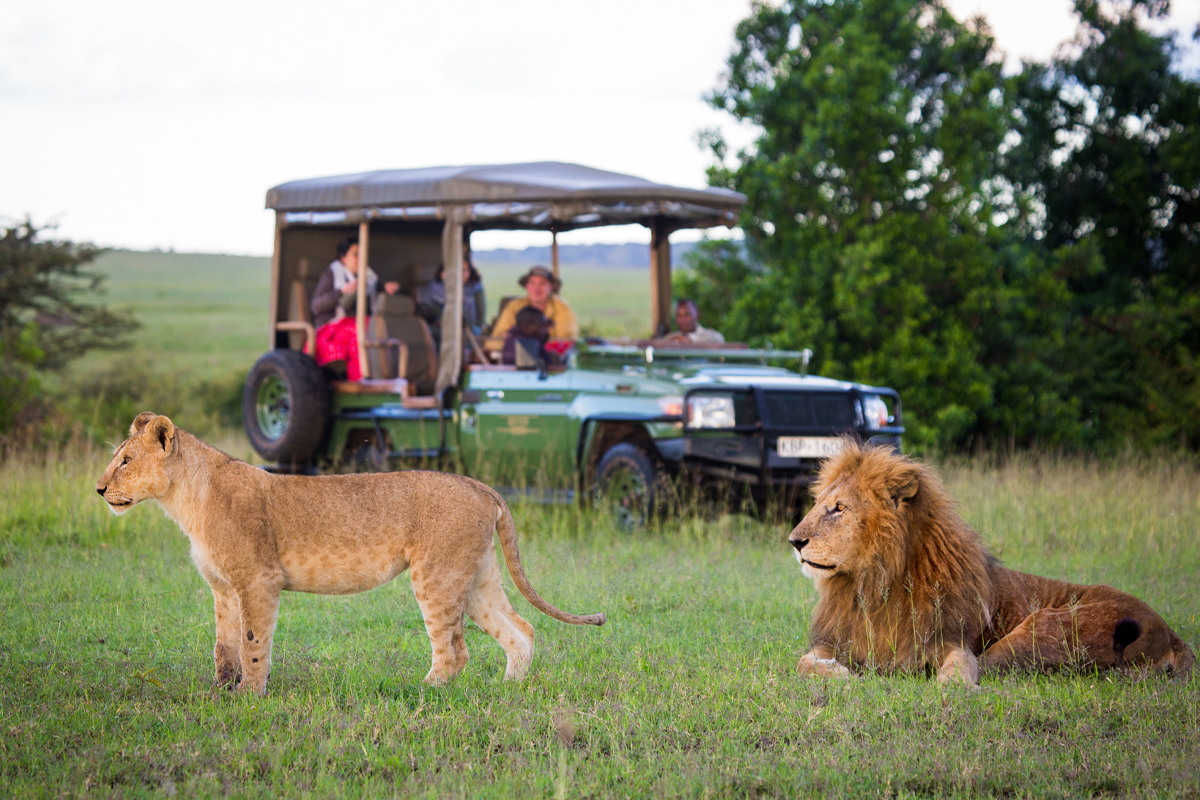
Best Time for a Photographic Safari in Uganda and Kenya
Cultural Experiences Around Serengeti National Park
Discover the Living Heritage of the Maasai
A Serengeti Safari Tanzania becomes even more meaningful when combined with authentic cultural experiences. Beyond the remarkable wildlife, northern Tanzania is home to the Maasai, one of East Africa’s most recognized indigenous communities. Their traditions, resilience, colorful attire, and close relationship with nature add a rich cultural dimension to every safari.
Responsible cultural visits create opportunities to learn directly from local communities while supporting sustainable tourism. Deks Africa Safaris & Tours Ltd partners with community-based initiatives that promote genuine cultural exchange and ensure tourism benefits local families.
Visit a Traditional Maasai Village
Experience Daily Life on the Savannah. A guided visit to a Maasai village offers valuable insight into one of Africa’s most enduring cultures.
Visitors can experience:
- Traditional homestead layouts (Manyattas)
- Maasai family life
- Livestock management practices
- Traditional cooking methods
- Local architecture using natural materials
- Community leadership traditions
Local guides explain the significance of cattle, family structure, and community cooperation while introducing visitors to everyday life in the village.
Traditional Maasai Dance and Music
Celebrate East African Culture. Music and dance play important roles in Maasai ceremonies and celebrations.
Visitors often enjoy performances featuring:
- The famous Adumu (Jumping Dance)
- Traditional songs
- Rhythmic chanting
- Ceremonial dress
- Cultural storytelling through music
These performances provide meaningful cultural appreciation while preserving traditional practices for future generations.
Maasai Handicrafts and Beadwork – Support Local Artisans
Maasai women create beautiful handmade beadwork using skills passed through generations.
Popular handmade items include:
- Necklaces
- Bracelets
- Earrings
- Decorative belts
- Traditional ornaments
- Handwoven crafts
Purchasing directly from artisans supports family livelihoods while encouraging the preservation of traditional craftsmanship.
Taste Local Tanzanian Cuisine – Discover Authentic Regional Flavors
Many cultural visits include opportunities to sample traditional Tanzanian dishes prepared using fresh local ingredients.
Guests may enjoy:
- Ugali
- Nyama Choma
- Sukuma Wiki
- Grilled vegetables
- Fresh tropical fruits
- Traditional herbal tea
Food experiences offer another enjoyable way to appreciate Tanzania’s diverse cultural heritage.
Why Combine Wildlife and Culture? A More Complete Safari Experience
Wildlife tells only part of the Serengeti National Park story. Local communities have lived alongside these landscapes for generations, developing deep knowledge of wildlife, seasons, medicinal plants, and conservation.
Combining wildlife adventures with authentic cultural experiences creates a richer understanding of northern Tanzania while supporting responsible tourism that benefits both people and nature.
Deks Africa Safaris & Tours Ltd proudly promotes sustainable travel experiences that celebrate Tanzania’s extraordinary wildlife and vibrant cultural heritage.
Best Time to Visit Serengeti National Park
One of the greatest advantages of visiting Serengeti National Park is its year-round appeal. Every month offers unique wildlife encounters, breathtaking scenery, and memorable safari experiences. Unlike destinations that depend on a single travel season, The Serengeti constantly changes as wildlife follows rainfall, vegetation responds to seasonal weather, and different ecosystems reveal new opportunities for exploration.
The ideal time for your Serengeti Safari Tanzania depends on your personal interests rather than a universal travel calendar. Some visitors dream of witnessing the Great Migration crossing the Mara River, while others hope to photograph newborn wildebeests during the calving season. Birdwatchers often prefer the arrival of migratory species, whereas photographers may seek dramatic skies during the green season.
Deks Africa Safaris & Tours Ltd helps every traveler choose the best safari dates based on wildlife interests, photography goals, travel style, accommodation preferences, and budget. With careful planning, every season becomes an unforgettable adventure across one of Africa’s greatest wildlife destinations.
Understanding the Serengeti National Park Seasons
Two Dry Seasons and Two Rainy Seasons
The Serengeti experiences four distinct seasonal periods throughout the year.
These include:
- Short Dry Season
- Long Dry Season
- Short Rainy Season
- Long Rainy Season
Unlike tropical destinations with constant heavy rainfall, the Serengeti National Park usually experiences predictable weather patterns. Rain rarely lasts throughout the day, allowing visitors to continue enjoying wildlife viewing during most safaris.
Seasonal rainfall transforms the landscape while influencing wildlife movements across the ecosystem. As grass grows and water becomes available, herbivores begin moving toward fresh grazing areas. Predators naturally follow these herds, creating outstanding wildlife viewing opportunities throughout the year.
January – The Beginning of Calving Season
January marks one of the finest months for Tanzania Wildlife Safaris in southern Serengeti.
Fresh grasses cover the plains following the short rains, providing ideal nutrition for pregnant wildebeests preparing to give birth. Wildlife concentrations increase across Ndutu and southern Serengeti as enormous herds gather before the peak calving period.
Visitors enjoy:
- Massive wildebeest herds
- Excellent cheetah sightings
- Lions with growing cubs
- Beautiful green landscapes
- Outstanding photography
- Pleasant temperatures
January combines exceptional wildlife with relatively moderate visitor numbers.
February – Peak Calving Season
February represents one of the Serengeti National Park most exciting safari months.
Hundreds of thousands of wildebeest calves are born within a remarkably short period. Thousands of newborn animals arrive every day across the nutrient-rich southern plains.
Predator activity reaches extraordinary levels because lions, cheetahs, hyenas, leopards, and jackals take advantage of abundant prey.
Visitors frequently witness:
- Newborn wildebeests
- Predator hunts
- Cheetah families
- Lion cubs
- Hyena clans
- Vultures gathering after hunts
February offers one of the most rewarding Serengeti Safaris for wildlife enthusiasts and photographers.
March – Green Landscapes and Active Wildlife
March continues delivering excellent safari experiences.
Calving season gradually concludes while wildlife remains highly concentrated across southern Serengeti National Park.
Occasional afternoon showers refresh the landscape without significantly affecting wildlife viewing.
Visitors enjoy:
- Fewer safari vehicles
- Excellent predator sightings
- Vibrant photography conditions
- Comfortable temperatures
- Beautiful green plains
March provides outstanding value for travelers seeking exceptional wildlife with fewer crowds.
April – The Green Season Begins
April marks the beginning of the long rainy season.
Although rainfall increases, the Serengeti National Park becomes incredibly beautiful as lush vegetation spreads across the plains.
Wildlife remains abundant because resident animals stay within their territories while migration herds begin moving northward.
Advantages include:
- Lower accommodation rates
- Quiet safari experiences
- Excellent birdwatching
- Rich photographic opportunities
- Dramatic cloud formations
Travelers seeking peaceful safaris often appreciate April’s unique atmosphere.
May – Excellent Value for Experienced Travelers
May continues the green season while wildlife gradually moves toward central Serengeti National Park.
Road conditions occasionally become challenging after heavy rainfall. However, experienced safari guides successfully adapt itineraries according to local conditions.
Benefits include:
- Excellent lodge offers
- Very few visitors
- Green landscapes
- Active wildlife
- Outstanding photography
Many professional photographers deliberately choose May because landscapes appear especially vibrant.
June – Beginning of the Dry Season
June introduces cooler temperatures and steadily improving road conditions.
Migration herds travel through central Serengeti toward the Western Corridor, creating impressive wildlife concentrations.
Visitors enjoy:
- Comfortable weather
- Clear skies
- Excellent game drives
- Healthy wildlife populations
- Increasing predator activity
June represents the beginning of peak safari season throughout northern Tanzania.
July – The Great Migration River Crossings Begin
July ranks among the best months for Serengeti Safari Tanzania adventures.
Many migration herds approach the Grumeti River before continuing toward northern Serengeti National Park.
Wildlife viewing becomes exceptional because:
- Vegetation grows shorter.
- Animals gather near water.
- Predators increase hunting activity.
- Weather remains dry.
- Photography conditions improve.
Advance booking becomes essential because visitor demand rises significantly.
August – Peak Wildlife Viewing
August delivers spectacular safari experiences across northern Serengeti.
Many visitors travel specifically to witness Mara River crossings as enormous wildebeest herds challenge strong currents and giant crocodiles.
Game viewing remains exceptional throughout The Serengeti National Park.
Visitors regularly encounter:
- Lions
- Leopards
- Elephants
- Buffaloes
- Giraffes
- Cheetahs
- Crocodiles
August remains one of the busiest safari months.
September – Outstanding Safari Conditions
September continues offering superb wildlife viewing throughout the Serengeti ecosystem.
Dry conditions encourage animals to gather near permanent water sources, increasing opportunities for remarkable wildlife encounters.
Visitors appreciate:
- Stable weather
- Excellent photography
- Comfortable temperatures
- Outstanding predator sightings
- Spectacular migration scenes
September suits nearly every type of safari traveler.
October – Dry Season Finale
October concludes the main dry season while migration herds gradually prepare for their southern journey.
Wildlife remains highly visible because vegetation stays relatively short.
This month offers:
- Big Five viewing
- Excellent game drives
- Pleasant weather
- Beautiful sunsets
- Outstanding balloon safaris
October combines reliable wildlife viewing with fewer visitors than August.
November – The Short Rains Return
Short rains begin arriving during November, refreshing grasslands throughout the Serengeti National Park.
Wildlife gradually follows new grazing areas toward eastern and southern regions.
Visitors enjoy:
- Green landscapes
- Returning migratory birds
- Lower visitor numbers
- Beautiful photographic scenery
- Pleasant safari weather
November creates excellent opportunities for travelers seeking quieter experiences.
December – A Beautiful Time for Holiday Safaris
December combines festive travel with exceptional wildlife viewing.
Migration herds continue moving south while landscapes become greener following seasonal rainfall.
Families frequently choose December because schools close in many countries.
Holiday visitors enjoy:
- Pleasant weather
- Excellent wildlife
- Beautiful scenery
- Family-friendly safaris
- Luxury lodge celebrations
Advance reservations remain highly recommended during the holiday season.
Best Time to Witness the Great Migration
Follow Nature Throughout the Year
The Great Migration never stops moving.
Different seasons provide different experiences:
| Season | Migration Highlight |
| January – March | Calving Season |
| April – May | Herd Movement North |
| June – July | Grumeti River Crossings |
| July – October | Mara River Crossings |
| November – December | Return to Southern Serengeti |
Choosing the right travel period depends entirely on the migration experience you wish to enjoy.
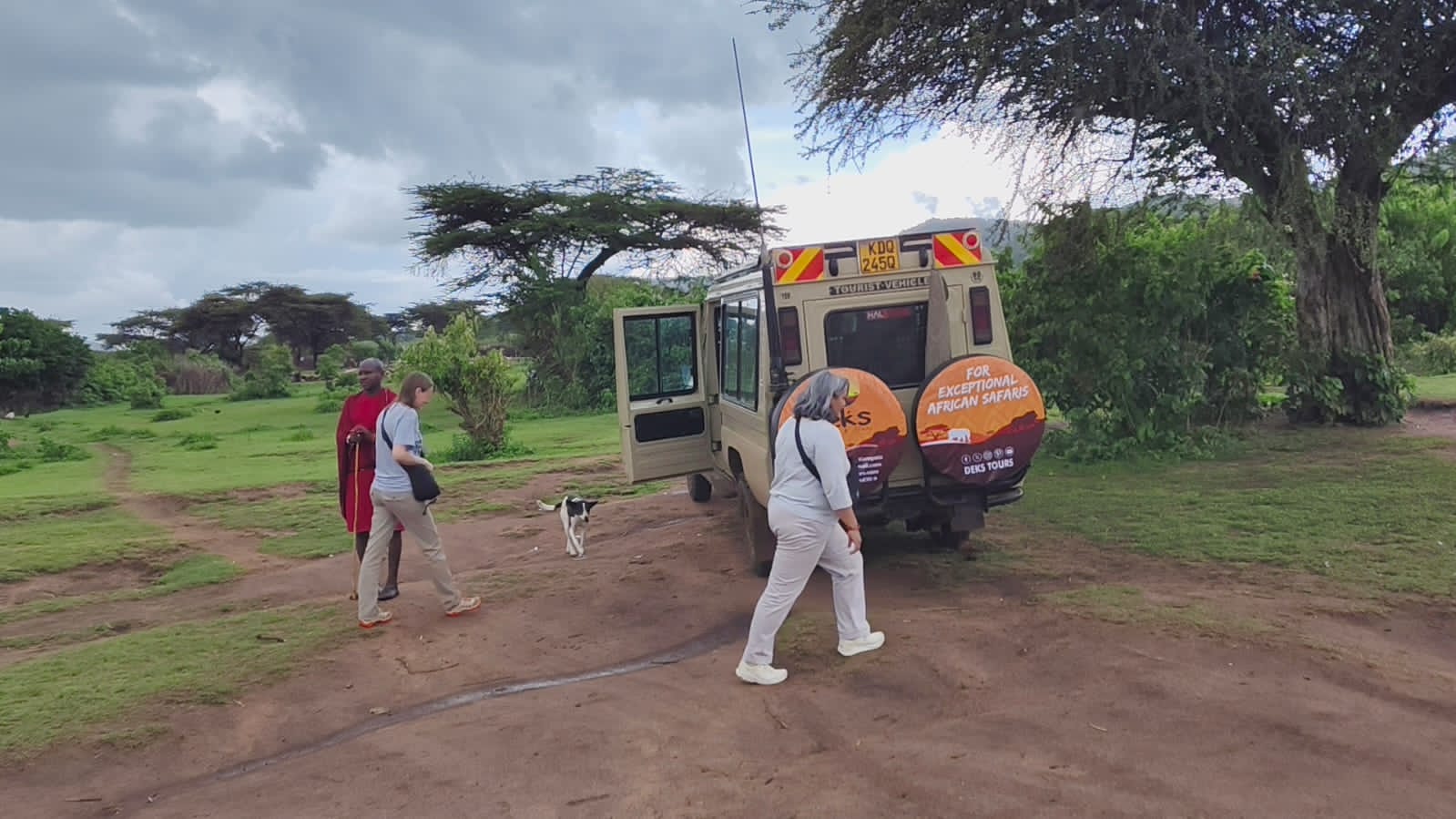
Africa Wildlife Safaris
Best Time to See the Big Five
Wildlife Throughout the Year
The Big Five remain present throughout every season. However, dry months generally provide easier wildlife viewing because vegetation becomes shorter and animals gather around permanent water sources.
Recommended period:
- June through October
- Excellent sightings remain possible throughout the rest of the year with experienced safari guides.
Best Time for Birdwatching
Discover More Than 540 Bird Species
Birdwatchers enjoy rewarding experiences throughout the year.
The greatest diversity occurs between:
- November and April
Migratory birds arrive from Europe, Asia, and northern Africa, joining resident species across the Serengeti National Park ecosystem.
Breeding plumage also creates vibrant colors ideal for bird photography.
Best Time for Wildlife Photography
Every Season Offers Different Opportunities
Professional photographers often visit during multiple seasons because each period creates unique photographic conditions.
Green Season offers:
- Dramatic skies
- Fresh vegetation
- Newborn wildlife
- Rich landscape colors
Dry Season offers:
- Dust-filled sunsets
- River crossings
- Predator action
- Concentrated wildlife
Every season rewards patient photographer exploring The Serengeti National Park.
Best Time for Hot Air Balloon Safaris
Sunrise Throughout the Year
Balloon safaris operate throughout most of the year, weather permitting.
The dry season generally provides:
- Clear morning skies
- Excellent visibility
- Stable flying conditions
- Beautiful sunrise photography
Flights remain unforgettable regardless of travel season.
Best Time for Family Safaris
Comfortable Wildlife Adventures
Families often prefer:
- June
- July
- August
- December
These months combine reliable weather, excellent wildlife viewing, and school holiday periods in many countries.
Family-friendly lodges also provide special activities for younger visitors during these seasons.
Best Time for Honeymoon Safaris
Romance in Every Season
Honeymoon couples frequently choose:
- January
- February
- June
- September
- October
These months offer outstanding wildlife while maintaining comfortable travel conditions.
Luxury camps create unforgettable romantic experiences with private dinners, balloon safaris, spa treatments, and breathtaking sunset views.
What to Pack for Every Season? – Essential Safari Equipment
Packing correctly improves comfort throughout your Tanzania safari.
Recommended items include:
- Neutral-colored clothing
- Lightweight long-sleeved shirts
- Comfortable safari trousers
- Warm fleece for early mornings
- Waterproof jacket
- Wide-brimmed hat
- Sunglasses
- Sunscreen
- Insect repellent
- Camera
- Binoculars
- Power bank
- Spare memory cards
- Reusable water bottle
- Walking shoes
- Personal medications
Packing light while preparing for changing temperatures ensures an enjoyable Tanzania safari.
Expert Travel Planning Tips – Plan with Confidence
Careful preparation helps maximize every Serengeti Safari.
Deks Africa Safaris & Tours Ltd recommends:
- Book migration safaris at least 8–12 months in advance.
- Travel with experienced local guides.
- Choose accommodations near seasonal wildlife activity.
- Carry travel insurance.
- Allow at least four to six days in the Serengeti.
- Combine the Serengeti with nearby destinations for a richer itinerary.
- Respect wildlife viewing regulations.
- Support eco-friendly safari operators.
- Travel with an open mind and flexible expectations.
Every Tanzania safari becomes unique because nature follows its own schedule. That unpredictability creates the magic that has made Serengeti National Park one of the world’s greatest wildlife destinations.
Planning Your Serengeti Safari
Traveling to Serengeti National Park is straightforward, thanks to Tanzania’s well-developed safari infrastructure. Whether you prefer a scenic overland journey or a convenient domestic flight, several travel options connect visitors with this extraordinary wildlife destination. Every route offers unique experiences while providing access to different regions of The Serengeti.
Most international travelers begin their journey at Kilimanjaro International Airport (JRO), located between Arusha and Moshi. The airport receives scheduled flights from Europe, the Middle East, Africa, and other international destinations. Upon arrival, travelers continue to Arusha, the gateway to northern Tanzania’s famous safari circuit.
Arusha serves as the primary departure point for Tanzania Safaris, offering excellent accommodation, experienced safari operators, vehicle services, and domestic flight connections. Deks Africa Safaris & Tours Ltd arranges seamless airport transfers, domestic flights, accommodation, and professionally guided safaris, allowing visitors to begin their adventure without unnecessary travel concerns.
Whether arriving by road or air, every journey toward the Serengeti National Park introduces spectacular landscapes that prepare visitors for one of Africa’s greatest safari experiences.
How to Get to Serengeti National Park?
Traveling by Road – Enjoy the Scenic Northern Safari Circuit
Road safaris remain popular because they allow travelers to experience several remarkable destinations before reaching Serengeti National Park.
Most overland journeys begin in Arusha before continuing through:
- Tarangire National Park
- Lake Manyara National Park
- Ngorongoro Conservation Area
- Serengeti National Park
The drive from Arusha to the central Serengeti usually takes between seven and nine hours, depending on road conditions, wildlife viewing stops, and the selected park entrance.
Although the journey requires patience, it rewards travelers with constantly changing scenery. Visitors pass fertile farmland, Maasai villages, volcanic highlands, acacia forests, and wildlife-rich conservation areas before entering the endless plains of the Serengeti.
Many guests choose multi-day road safaris because they maximize wildlife viewing while exploring northern Tanzania’s diverse ecosystems.
Flying to Serengeti National Park – The Fastest Way to Begin Your Safari
Domestic flights provide the quickest and most comfortable way to reach the Serengeti.
Several airlines operate scheduled and charter flights from:
- Arusha Airport
- Kilimanjaro International Airport
- Zanzibar
- Dar es Salaam
- Mwanza
Flights generally take one to two hours depending on departure location and destination airstrip.
Flying dramatically reduces travel time while offering spectacular aerial views of volcanoes, lakes, forests, rivers, and wildlife below.
Fly-in safaris work particularly well for travelers combining multiple destinations or seeking luxury safari experiences with limited vacation time.
Serengeti Airstrips – Convenient Access Throughout the Park
Several airstrips serve different regions of The Serengeti National Park, allowing visitors to arrive close to their chosen accommodation.
Major airstrips include:
- Seronera Airstrip
- Kogatende Airstrip
- Grumeti Airstrip
- Lobo Airstrip
- Ndutu Airstrip
- Sasakwa Airstrip
- Kirawira Airstrip
- Fort Ikoma Airstrip
Selecting the appropriate airstrip depends upon wildlife movements, accommodation location, and seasonal safari itineraries.
Deks Africa Safaris & Tours Ltd coordinates every domestic flight to ensure efficient transfers between airstrips and safari camps.
Serengeti National Park Entry Gates – Main Access Points
Several entrance gates provide road access into Serengeti National Park.
The most frequently used gates include:
- Naabi Hill Gate
- Naabi Hill Gate serves as the principal southern entrance.
Most visitors traveling from Ngorongoro Conservation Area enter through this gate before continuing toward Central Serengeti.
The surrounding viewpoints provide excellent opportunities to admire the vast Serengeti plains.
Ndabaka Gate
Located near the Western Corridor, Ndabaka Gate offers convenient access for visitors arriving from Mwanza and Lake Victoria.
This route suits travelers exploring western Tanzania before continuing toward central Serengeti.
Klein’s Gate
Klein’s Gate lies in the northeastern section near the Kenyan border.
This entrance mainly serves visitors staying within northern concessions and nearby luxury safari lodges.
Bologonja Gate
Bologonja Gate sits close to northern Serengeti.
Although international border crossings remain unavailable here, the gate supports internal park access for authorized safari itineraries.
Serengeti National Park Entrance Fees
Supporting Wildlife Conservation
Park entrance fees directly support wildlife conservation, infrastructure maintenance, scientific research, ranger operations, visitor services, and community development.
Fees generally vary according to:
- Visitor nationality
- Age category
- Length of stay
- Vehicle type
- Concession charges
- Camping requirements
Because Serengeti National Park fees occasionally change, Deks Africa Safaris & Tours Ltd always provides the latest official rates while preparing personalized safari quotations.
Every entrance fee contributes toward protecting one of Africa’s greatest wildlife ecosystems.
Accommodation in Serengeti National Park
Accommodation plays a vital role in every Serengeti Safari Tanzania experience.
The Park offers exceptional options ranging from comfortable budget camps to some of Africa’s most luxurious safari lodges.
Every accommodation category provides opportunities to experience the beauty of The Serengeti while enjoying professional hospitality and breathtaking surroundings.
Budget Safari Accommodation
Comfortable Adventures at Excellent Value
Budget accommodation allows travelers to experience the Serengeti without sacrificing quality wildlife viewing.
Typical features include:
- Comfortable safari tents
- Private or shared bathrooms
- Dining tents
- Friendly hospitality
- Guided game drives
- Scenic wilderness locations
Budget camps appeal to adventurous travelers, backpackers, students, and families seeking affordable Tanzania Wildlife Safaris.
Mid-Range Safari Lodges
Comfort Meets Adventure
Mid-range lodges provide excellent value while offering greater comfort and additional amenities.
Visitors typically enjoy:
- En-suite rooms
- Comfortable beds
- Restaurant dining
- Hot showers
- Solar electricity
- Wi-Fi in common areas
- Swimming pools at selected properties
- Beautiful safari views
This category remains the most popular choice for many international travelers.
Luxury Safari Lodges
Exceptional Hospitality in the Wilderness
Luxury accommodations elevate every safari through personalized service, elegant design, and outstanding comfort.
Guests often experience:
- Spacious suites
- Private verandas
- Gourmet cuisine
- Fine wines
- Infinity pools
- Spa treatments
- Private game drives
- Butler service
- Stunning wildlife views
Luxury lodges blend sophisticated hospitality with authentic African safari experiences.
Ultra-Luxury Safari Camps
Africa’s Finest Safari Experiences
Ultra-luxury camps represent the highest level of safari accommodation available within Serengeti National Park.
Visitors enjoy:
- Exclusive private villas
- Personal safari guides
- Private chefs
- Luxury plunge pools
- Premium wines
- Personalized safari itineraries
- Spa facilities
- Exceptional privacy
- World-class hospitality
These exclusive properties attract honeymooners, celebrities, photographers, and travelers seeking unforgettable luxury Africa adventures.
Choosing Accommodation by Region
Southern Serengeti
Southern camps provide excellent access to:
- Calving season
- Cheetah sightings
- Open grasslands
- Migration photography
These properties perform especially well between January and March.
Central Serengeti
Central lodges remain ideal throughout the year because resident wildlife occupies the region continuously.
Visitors regularly enjoy:
- Lions
- Leopards
- Elephants
- Giraffes
- Hippos
- Buffaloes
Year-round game drives
This region suits first-time visitors particularly well.
Western Corridor
Western accommodations provide convenient access to:
- Grumeti River
- River crossings
- Riverine forests
- Hippos
- Crocodiles
- Birdwatching
These camps perform particularly well during early migration months.
Northern Serengeti
Northern lodges become highly sought after between July and October.
Visitor’s experience:
- Mara River crossings
- Luxury tented camps
- Excellent predator sightings
- Lower visitor densities
- Beautiful landscapes
Advance reservations remain highly recommended.
Cultural Experiences Around the Serengeti
Discover Northern Tanzania’s Living Traditions
Wildlife forms only one part of the Serengeti story. The surrounding communities preserve traditions that enrich every safari experience while supporting sustainable tourism.
Authentic cultural activities include:
- Maasai village visits
- Traditional dance performances
- Local storytelling
- Bead-making demonstrations
- Traditional livestock practices
- Community-guided village walks
- Local food experiences
- Cultural markets
- Traditional home visits
These experiences encourage meaningful interaction while creating additional income for local families.
Responsible Tourism
Protecting Wildlife for Future Generations
Responsible tourism strengthens conservation while benefiting surrounding communities.
Every visitor can contribute by:
- Respecting wildlife.
- Following park regulations.
- Supporting local communities.
- Choosing eco-friendly accommodations.
- Avoiding single-use plastics.
- Conserving water.
- Respecting cultural traditions.
- Purchasing locally made crafts.
- Following ethical photography practices.
Small responsible actions create lasting positive impacts throughout the Serengeti ecosystem.
Conservation Efforts in the Serengeti
Safeguarding a Global Natural Treasure
The future of Serengeti National Park depends upon ongoing conservation.
Key conservation priorities include:
- Anti-poaching operations
- Wildlife monitoring
- Habitat protection
- Scientific research
- Community education
- Sustainable tourism
- Human-wildlife conflict reduction
- Ecological restoration
- Ranger training
- Climate resilience planning
Successful conservation protects both biodiversity and local livelihoods.
Why Travel with Deks Africa Safaris & Tours Ltd?
Experience Tanzania with Trusted Safari Experts
Deks Africa Safaris & Tours Ltd creates tailor-made safari experiences that combine expert planning, responsible tourism, exceptional service, and authentic African hospitality. Every itinerary reflects our commitment to quality, safety, sustainability, and unforgettable wildlife encounters.
Deks Tours experienced team works closely with every traveler to design personalized Serengeti Safaris that match individual interests, travel styles, and budgets. From the first inquiry to the final game drive, we focus on delivering seamless journeys that showcase the very best of Tanzania.
Whether you dream of witnessing the Great Migration, photographing the Big Five, enjoying a luxury honeymoon, or exploring East Africa with your family, Deks Africa Safaris & Tours Ltd stands ready to make your safari extraordinary.
Final Thoughts About Serengeti National Park
Serengeti National Park remains one of the greatest wildlife destinations on Earth. Its endless plains, thriving ecosystems, remarkable biodiversity, and unforgettable safari experiences continue inspiring travelers from around the world. Every visit contributes to wildlife conservation while creating memories that last a lifetime.
From the thunder of migrating wildebeests to the quiet elegance of a leopard resting in an acacia tree, every moment in the Serengeti reflects the beauty and resilience of the natural world. With careful planning, responsible travel, and expert guidance from Deks Africa Safaris & Tours Ltd, your journey into The Serengeti National Park will become an experience you will treasure forever.
Best Selling Tanzania Wildlife Safaris to Serengeti National Park
5-Day Serengeti Great Migration Safari
A 5-Day Serengeti Great Migration Safari delivers one of the most concentrated wildlife experiences in Africa. This carefully designed Tanzania Safari eliminates unnecessary travel time and focuses entirely on wildlife immersion. Every element of the itinerary prioritizes efficiency, comfort, and proximity to the Great Migration.
6-Day Serengeti National Park Safari
A 6-Day Safari inside the Serengeti National Park represents one of the most refined and immersive wildlife journeys in Africa. This itinerary focuses entirely on deep exploration within Tanzania’s most iconic ecosystem. It combines central predator territories with seasonal migration corridors, creating a complete ecological safari experience.
7-Day Affordable Tanzania Safari
A Tanzania Safari delivers a powerful blend of raw wilderness, cultural richness, and unmatched wildlife diversity across East Africa. This 7-Day Affordable Tanzania Safari builds a complete journey through iconic national parks, scenic landscapes, and authentic cultural encounters. Travelers experience Tanzania Wildlife Safaris.
7-Day All-Inclusive Tanzania Luxury Family Safari
A journey through Tanzania delivers one of the most authentic wildlife encounters in the world. This 7-Day All-Inclusive Tanzania Luxury Family Safari offers a carefully designed balance of adventure, comfort, and cultural discovery. The itinerary explores iconic destinations including Arusha, Tarangire, Lake Manyara, Serengeti.
7-Day Great Migration Safari at Mara River
A journey through northern Tanzania delivers one of Africa’s most iconic wildlife spectacles. This 7-Day Great Migration Safari at the Mara River Crossing immerses travelers into the heart of the wilderness. The itinerary connects legendary destinations such as Serengeti National Park, Ngorongoro Conservation Area, Tarangire National Park.
7-Day Ngorongoro Crater Highlands Trekking Safari
A 7-Day Ngorongoro Crater Highlands Trekking Safari offers more than traditional wildlife viewing across open savannah plains. This Ngorongoro Crater Highlands Trekking itinerary introduces a deeper, immersive journey through volcanic landscapes, remote villages, and rich cultural environments. Travelers explore one of Africa.
7-Day Best Northern Circuit Private Camping Tanzania Safari
A Tanzania Safari delivers one of Africa’s most powerful wildlife and cultural journeys across world-famous ecosystems. This 7-Day Northern Circuit Tanzania Camping Safari blends adventure, comfort, and authentic cultural immersion. Travelers explore iconic destinations including Serengeti plains, Ngorongoro Crater.
7-Day Private Luxury Serengeti Wildebeest Migration Tour
A Tanzania Safari delivers one of Africa’s most powerful wildlife journeys across world-famous conservation areas. This 7-Day Private Luxury Serengeti Wildebeest Migration Tour connects travelers with authentic Tanzania Wildlife Safaris, dramatic landscapes, and high-end comfort. Every moment reveals raw wilderness energy.
7-Day Serengeti & Bwindi Gorilla Safari
The 7-Day Serengeti & Bwindi Gorilla Safari delivers one of the most concentrated wildlife and primate experiences in East Africa. This journey combines Tanzania Safari adventures in Serengeti National Park with Rwanda Uganda gorilla trekking experiences in Bwindi Impenetrable National Park. Travelers encounter the Big Five.
7-Day Serengeti National Park Fly-In Safari
A journey through the iconic ecosystem of the Serengeti defines the essence of Africa wildlife exploration. This 7-Day Serengeti National Park Fly-In Safari itinerary delivers unmatched access to one of the world’s greatest safari destinations. It immerses travelers into the heart of the legendary ecosystem of the Serengeti National Park.
7-Day Tanzania Big Five & Great Migration Safari
A Tanzania Safari delivers one of the most complete wildlife experiences in Africa, combining vast ecosystems, dramatic predator encounters, and cultural richness. This 7-Day Tanzania Big Five & Great Migration Safari brings travelers into the heart of Tanzania Wildlife Safaris, where nature unfolds without limits and every horizon tells.
7-Day Tanzania Big Five Safari Experience
A journey through Tanzania delivers one of the most powerful wildlife experiences in Africa. This 7-Day Tanzania Big Five Safari Experience connects travelers with iconic landscapes, abundant wildlife, and authentic cultural encounters across world-famous national parks. The itinerary blends luxury comfort with raw wilderness exploration.
7-Day Tanzania Greatest Migration Safari
A journey through Tanzania delivers one of the most powerful wildlife experiences on Earth. This 7-Day Tanzania Greatest Migration Safari offers a professionally designed route across legendary ecosystems where nature still follows ancient rhythms. Travelers experience vast savannah plains, dramatic wildlife migrations.
7-Day Tanzania Ngorongoro Crater Safari
A 7-Day Tanzania Ngorongoro Crater Safari delivers far more than a single game drive within a volcanic basin. This Tanzania Safari expands into the wider Ngorongoro Conservation Area, unlocking landscapes, cultures, and ecosystems that most travelers never experience. The itinerary moves beyond the crater floor and explores.
7-Day Tanzania Safari & Rwanda Gorilla Trekking
This 7-Day Tanzania Safari and Rwanda Gorilla Trekking journey delivers an exceptional blend of savannah wildlife and primate encounters across East Africa. Travelers explore the legendary plains of Serengeti National Park and the dramatic landscapes of Ngorongoro Crater before crossing into Rwanda for the world-famous.
7-Day Tanzania Serengeti Safari Experience
A 7-Day Tanzania Serengeti Safari along the Northern Circuit represents one of Africa’s most complete wildlife journeys. This route connects Serengeti National Park, Ngorongoro Crater, and Tarangire National Park into a seamless loop designed for maximum wildlife viewing and cultural immersion. It is one of the most reliable.
7-Day Tanzania Special Luxury Safari
A Tanzania Safari offers one of the most powerful wildlife experiences across Africa. Travelers explore vast wilderness, dramatic landscapes, and unmatched biodiversity in Tanzania National Parks. This 7-Day Tanzania Special Luxury Safari delivers an immersive journey across Tarangire, Serengeti, Ngorongoro Crater, Lake Manyara.
7-Day Ultimate Northern Tanzania Safari
Northern Tanzania offers one of the most complete wildlife circuits in Africa. This 7-Day Ultimate Northern Tanzania Safari & Lake Natron delivers a powerful blend of landscapes, wildlife encounters, and cultural immersion. The journey connects iconic destinations including Tarangire National Park, Serengeti National Park, Ngorongoro Crater.
7-Day Zanzibar Bliss & Tanzania Wildlife Safari
A Tanzania Safari delivers unmatched wildlife encounters combined with breathtaking landscapes across East Africa’s most iconic destinations. This carefully designed 7-Day Zanzibar Bliss & Tanzania Wildlife Safari blends tropical relaxation with classic Tanzania Wildlife Safaris across world-famous national parks.
9-Day Rwanda & Tanzania Luxury Wildlife Tour
East Africa delivers unmatched 9-Day Rwanda & Tanzania Luxury Wildlife Tour diversity, and this curated journey combines two iconic destinations into one extraordinary experience. This carefully crafted Tanzania Rwanda safari connects the misty rainforests of Rwanda with the vast golden plains of Tanzania.
9-Day Rwanda, Uganda & Tanzania Luxury Safari
Africa offers unmatched 9-Day Rwanda, Uganda & Tanzania Luxury Wildlife Safari diversity, and this expertly curated journey delivers a powerful combination of primate encounters and savannah wildlife. This 9-Day Rwanda, Uganda & Tanzania Luxury Wildlife Safari connects the misty mountains of Rwanda and Uganda.
9-Day Rwanda Gorilla Trekking & Tanzania Safari
This 9-day Tanzania Safari & Rwanda Gorilla Trekking journey delivers one of Africa’s most diverse travel experiences. The itinerary connects lush mountain forests in Rwanda with the vast savannah plains of Tanzania. It creates a seamless Tanzania Rwanda safari that blends primate encounters with classic wildlife adventures.
9-Day Tanzania Safari & Uganda Gorilla Trekking
An East Africa journey delivers unmatched diversity, rich wildlife encounters, and deep cultural immersion. This 9-Day Tanzania Safari & Uganda Gorilla Trekking experience connects the legendary plains of Tanzania with the lush mountain forests of Uganda and Rwanda. The itinerary creates a seamless blend of classic.
10-Day Serengeti & Ngorongoro Crater Safari
A 10-day Tanzania Safari across Serengeti National Park and Ngorongoro Conservation Area represents one of the most complete wildlife journeys in Africa. This itinerary combines deep wilderness immersion, seasonal migration tracking, volcanic landscapes, and rich cultural encounters. The 10-Day Serengeti & Ngorongoro Crater Safari.
10-Day Tanzania and Rwanda Adventure Safari
East Africa delivers one of the most powerful wildlife experiences on earth through unmatched diversity, landscapes, and cultural richness. This 10-Day Tanzania and Rwanda Adventure Safari blends iconic savannah ecosystems with volcanic highlands and pristine wetlands. The journey connects Tanzania Wildlife Safaris in Serengeti.
11-Day Rwanda Uganda Tanzania Safari
The 11-Day Rwanda Uganda Tanzania Safari offers an exceptional multi-country journey across East Africa’s most iconic wildlife destinations. This safari combines Rwanda Safari experiences, Uganda primate trekking adventures, and Tanzania Wildlife Safaris into one seamless expedition. Travelers encounter mountain gorillas.
Where to Stay in Serengeti National Park? – Best Tanzania National Parks
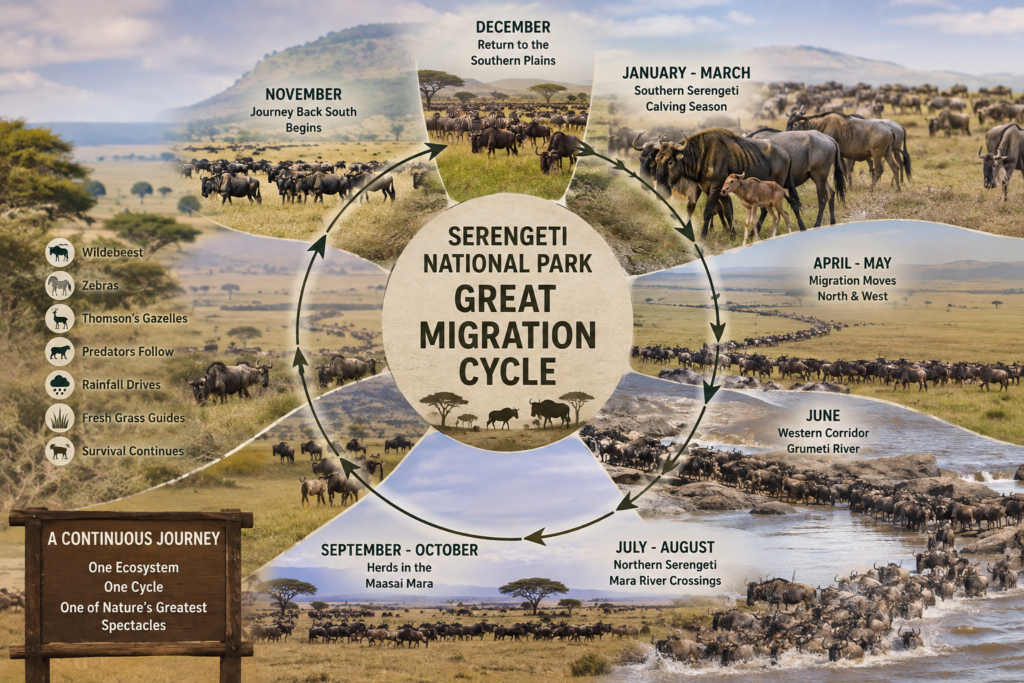
Can families enjoy Serengeti Wildlife Safaris?
Can families enjoy Serengeti Wildlife Safaris? Can families enjoy Serengeti Wildlife Safaris? Absolutely, with thoughtful planning and the right safari […]
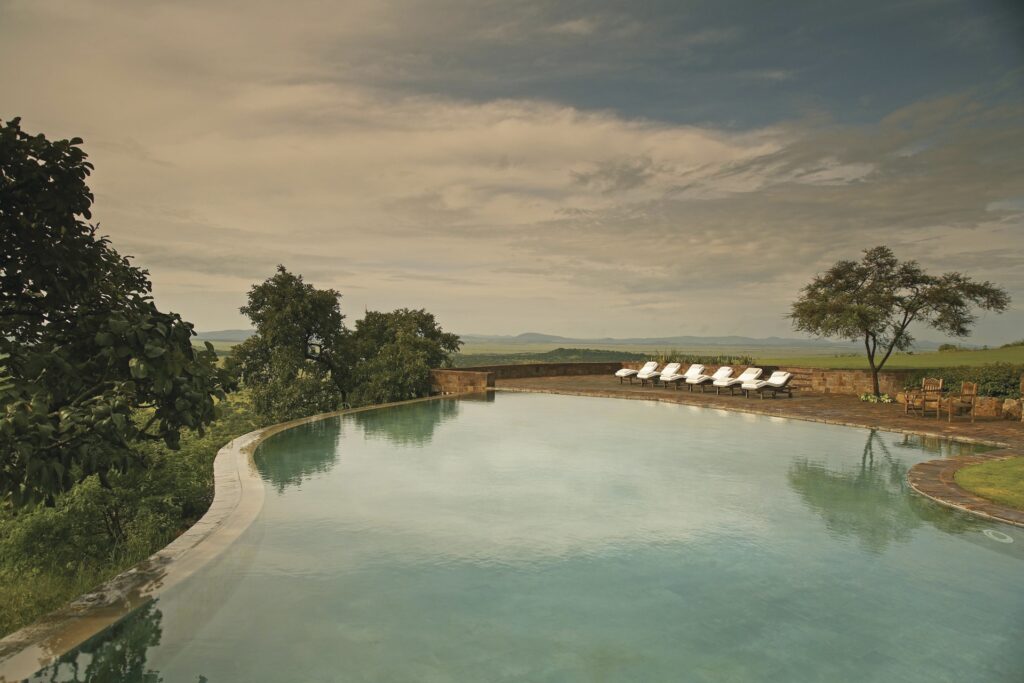
The Design Aesthetic of Singita Sasakwa Lodge
The Design Aesthetic of Singita Sasakwa Lodge What Defines The Design Aesthetic of Singita Sasakwa Lodge? Have you ever wondered […]
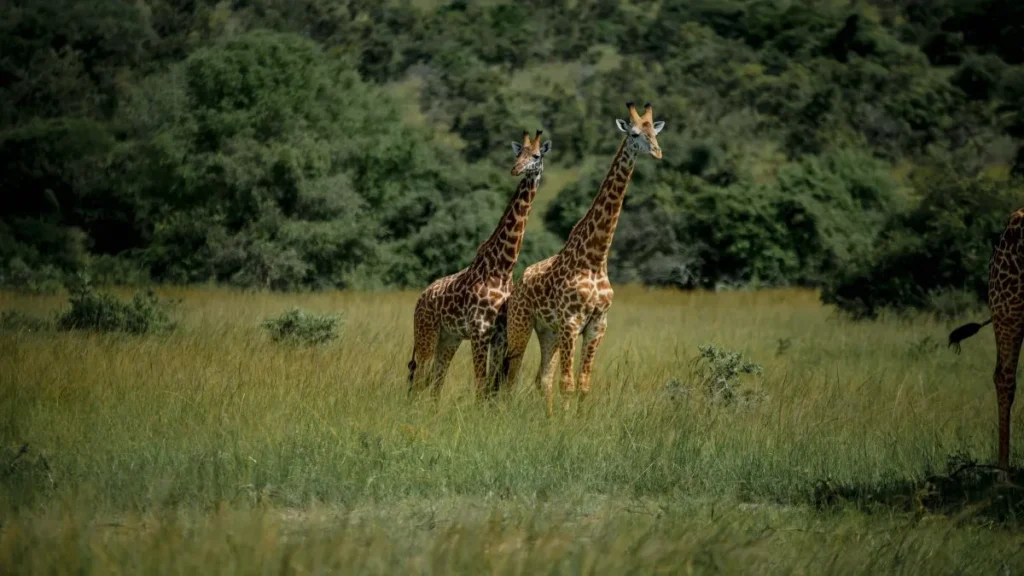
Rwanda to Serengeti: Transport & Transit Guide
Rwanda to Serengeti: Transport & Transit Guide Are you wondering how to smoothly move between the dense mountain rainforests of […]
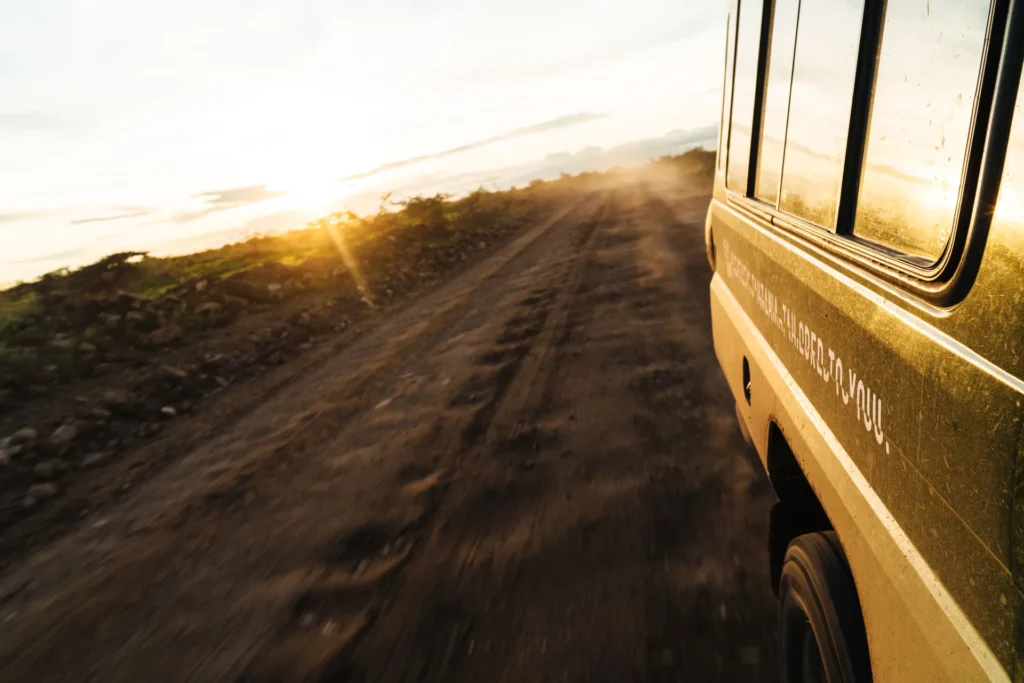
Combining Rwanda and Tanzania
Combining Rwanda and Tanzania: A Seamless Itinerary Are you looking for the ultimate East African adventure that combines world-class primate […]
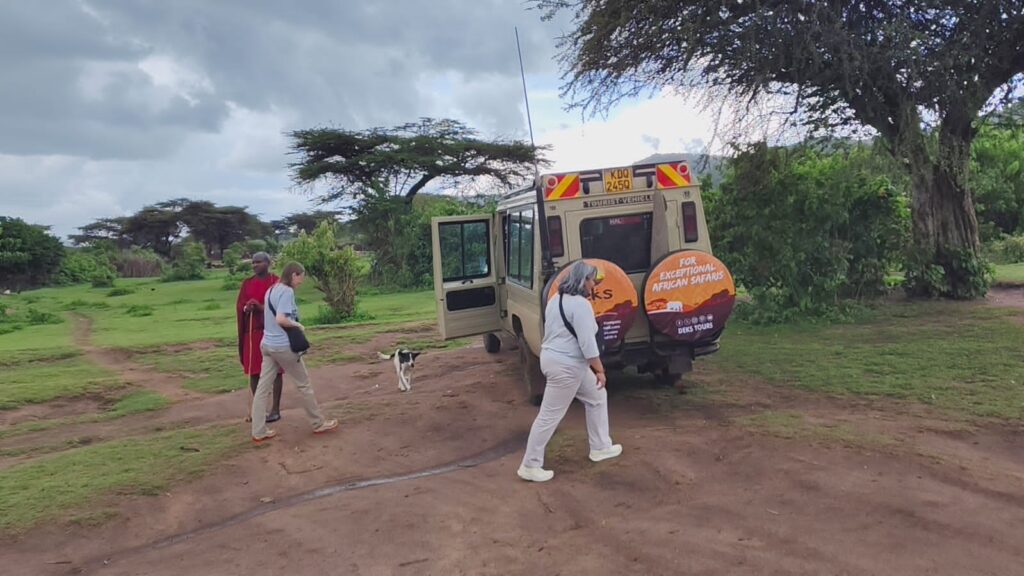
Can visitors meet the Hadzabe and Datoga communities at Lake Eyasi?
Can visitors meet the Hadzabe and Datoga communities at Lake Eyasi? Is it really possible to meet the Hadzabe and […]

Can I combine a beach holiday with a safari in Saadani National Park?
Can I combine a beach holiday with a safari in Saadani National Park? A Rare “Beach + Safari” Experience in […]
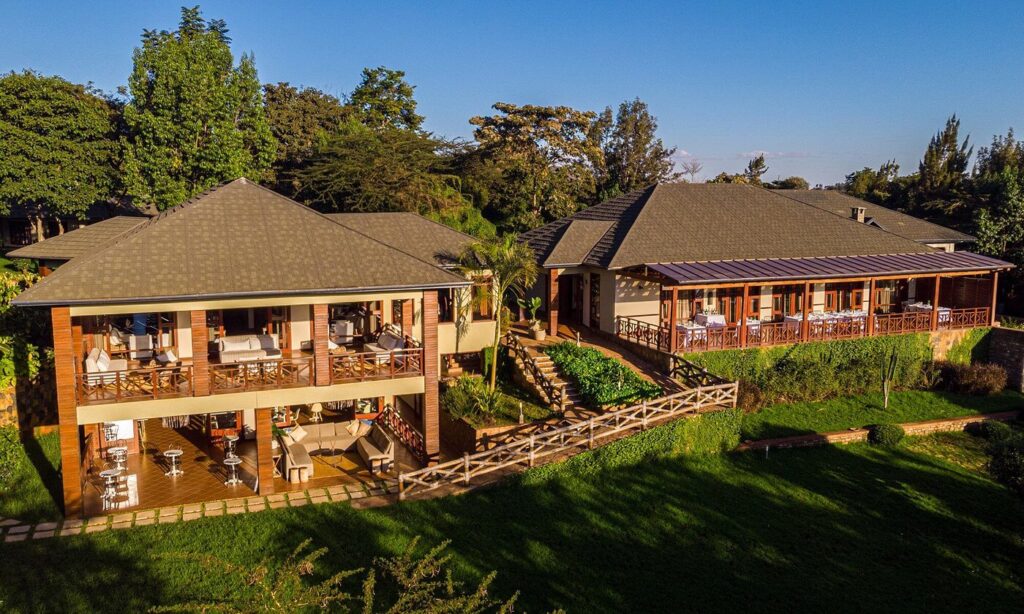
Seronera Rest House Serengeti
Seronera Rest House Serengeti – An Affordable Tanzania Safaris Holiday in the Heart of the Wild The Seronera Rest House […]
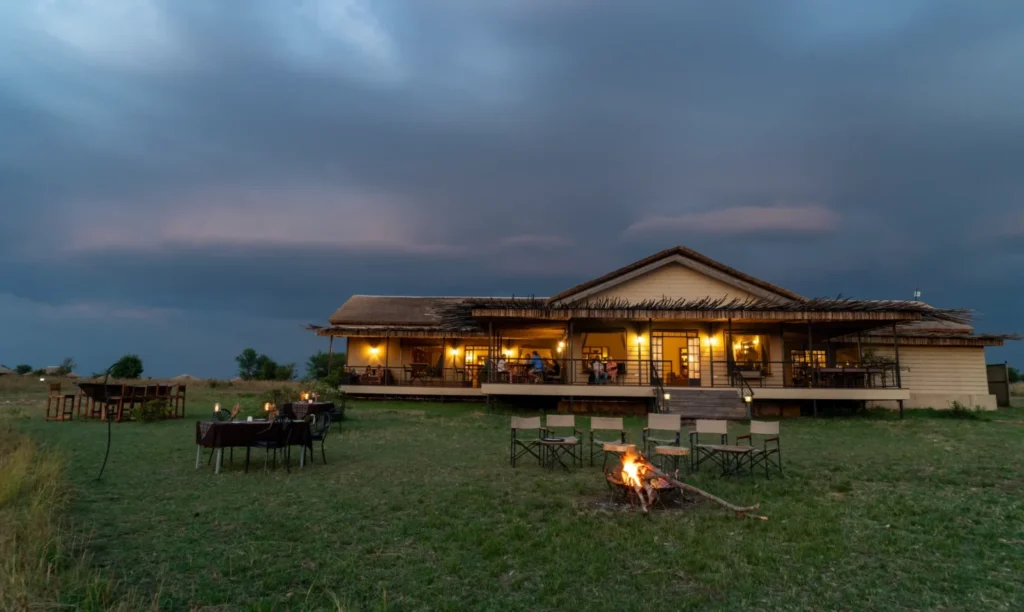
Serengeti Mara River Camp
Serengeti Mara River Camp – A Premier Tanzania Safaris Holiday by Deks Safaris and Tours Serengeti Mara River Camp defines […]
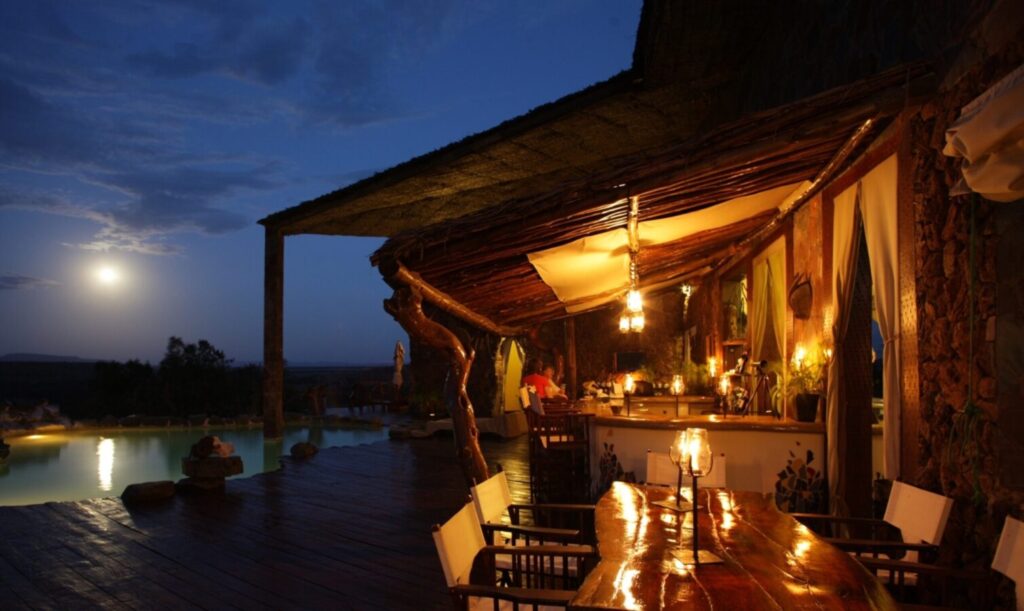
Mbalageti Serengeti Camp
Mbalageti Serengeti Camp – A Signature Tanzania Safaris Holiday by Deks Safaris and Tours Mbalageti Serengeti Camp offers a rare […]
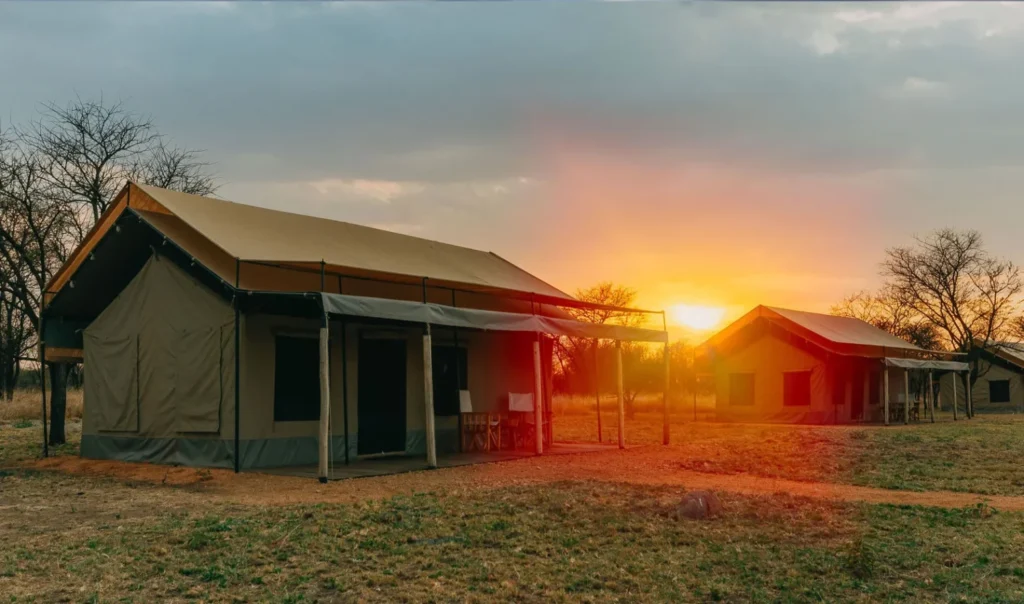
Kontiki Serengeti Camp
Kontiki Serengeti Camp – A Classic Tanzania Safaris Holiday by Deks Safaris and Tours Kontiki Serengeti Camp offers a true […]
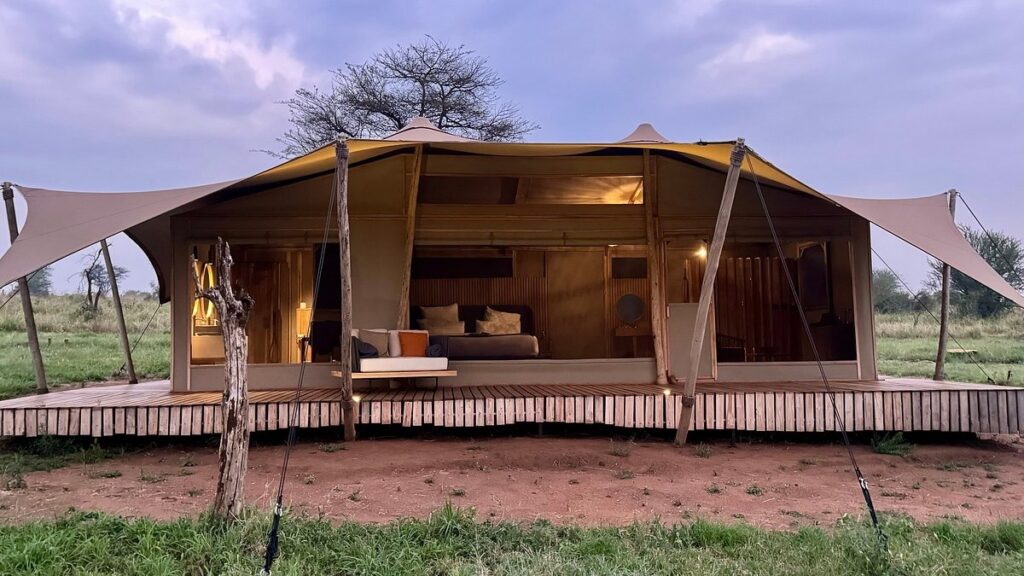
Anantya Serengeti Camp
Anantya Serengeti Camp – A Luxury Tanzania Safaris Holiday in the Heart of Central Serengeti The Anantya Serengeti Camp Safari Experience […]
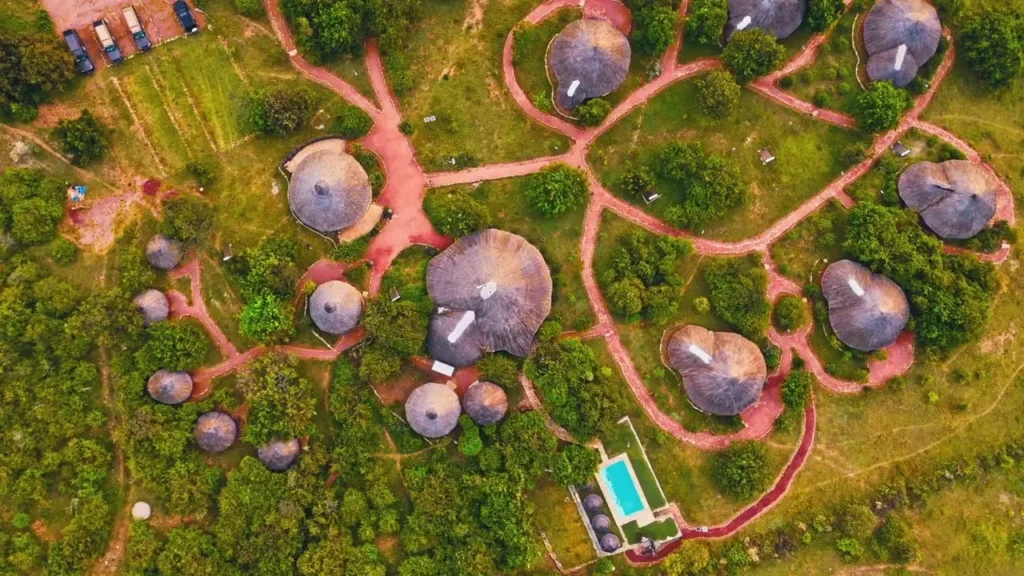
Africa Safari Maasai Boma
Africa Safari Maasai Boma – An Authentic Tanzania Safaris Holiday Africa Safari Maasai Boma offers culture, nature, and comfort in […]
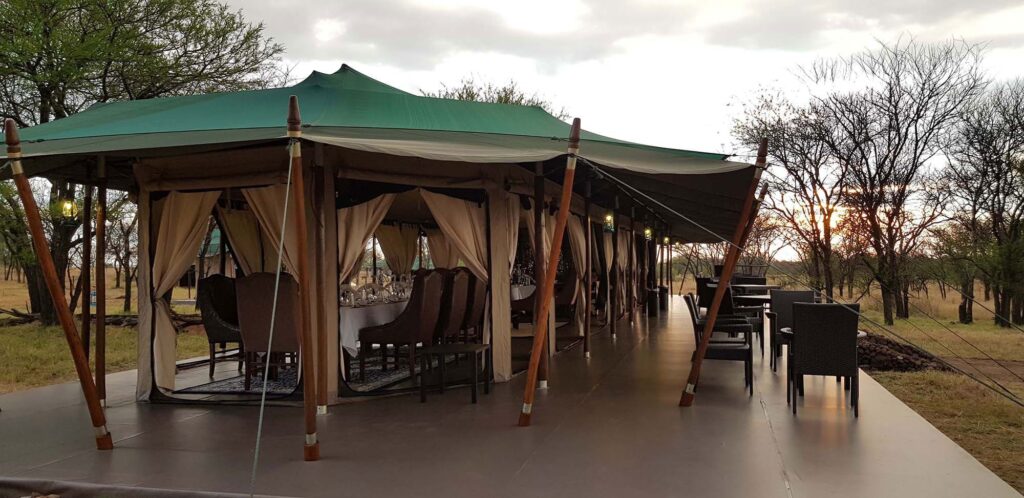
Wellworth Ole Serai Luxury Camp
Wellworth Ole Serai Luxury Camp Safari Itinerary – A Refined Journey in Central Serengeti Wellworth Ole Serai Luxury Camp stands […]
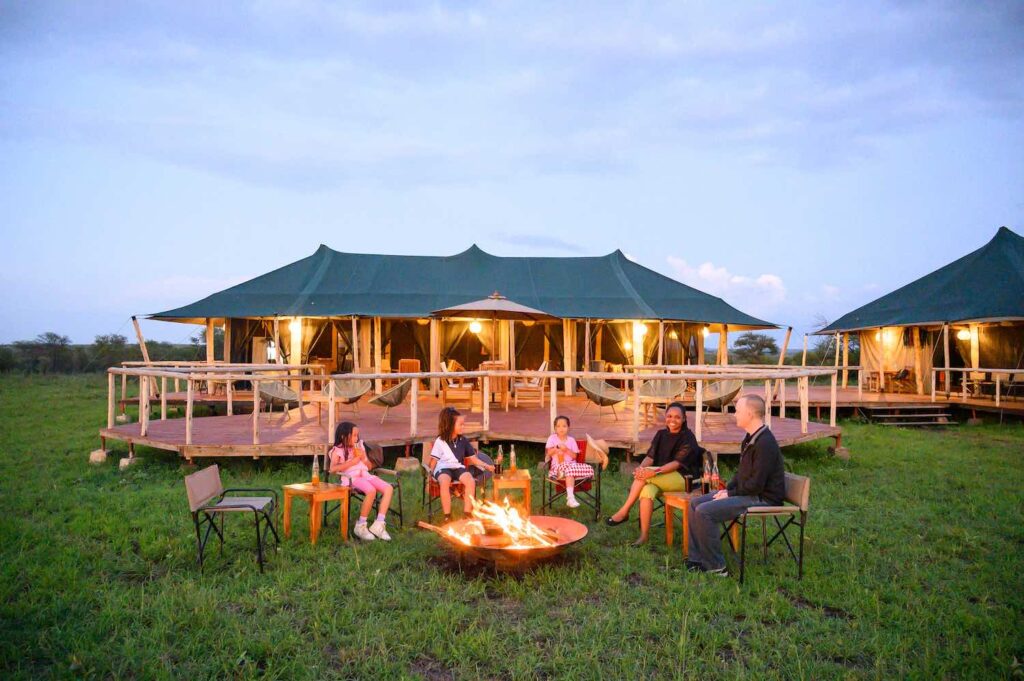
Tukaone Serengeti Camp
Tukaone Serengeti Camp – Serengeti Tanzania Safari Lodges Tukaone Serengeti Camp offers a rare balance of comfort and wild freedom. […]
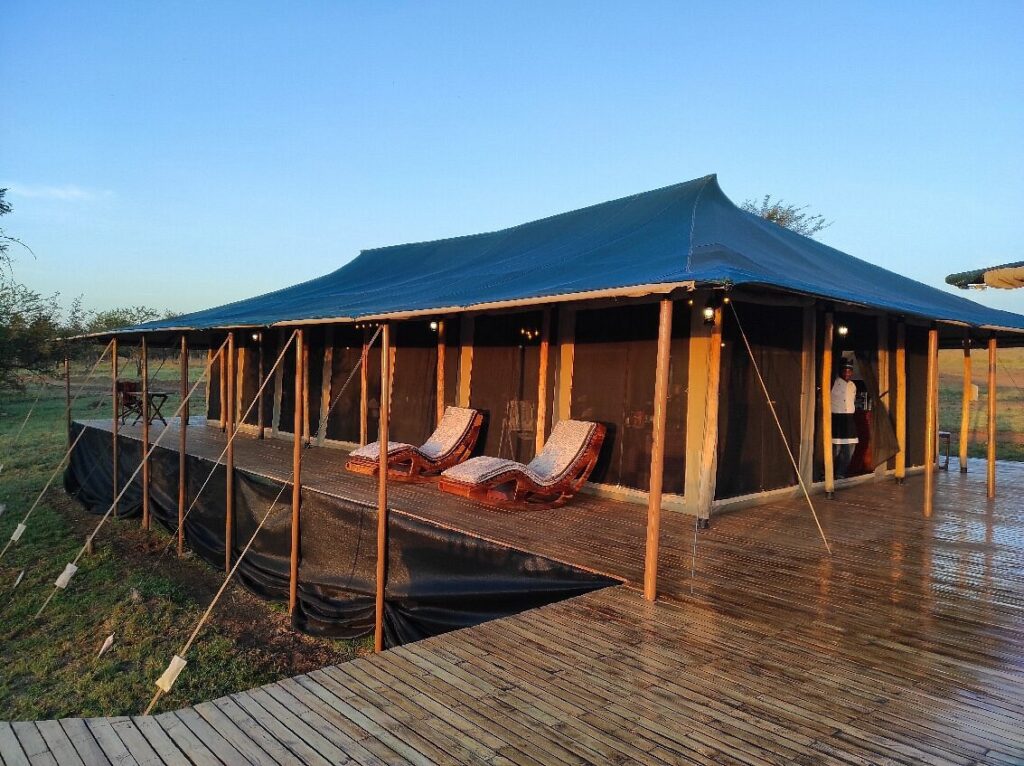
Pumzika Luxury Safari Camp
Pumzika Luxury Safari Camp – A Timeless Journey into the Heart of the Serengeti This Tanzania safari invites you to […]
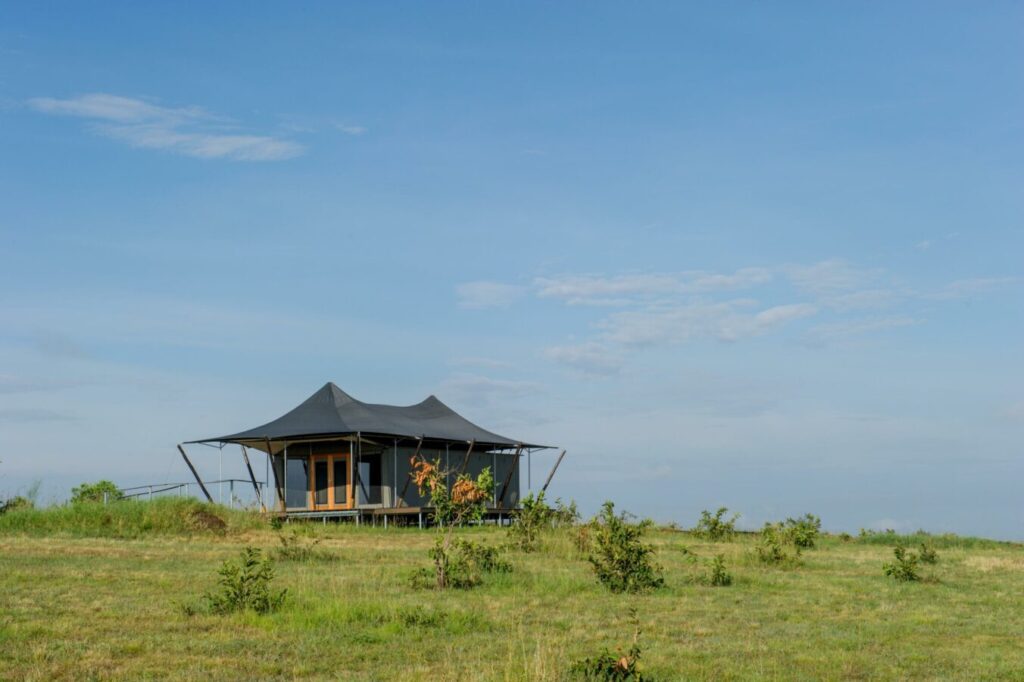
Mara Mara Tented Lodge
Mara Mara Tented Lodge Safari Itinerary – A Front-Row Seat to the Great Migration Mara Mara Tented Lodge rests in […]
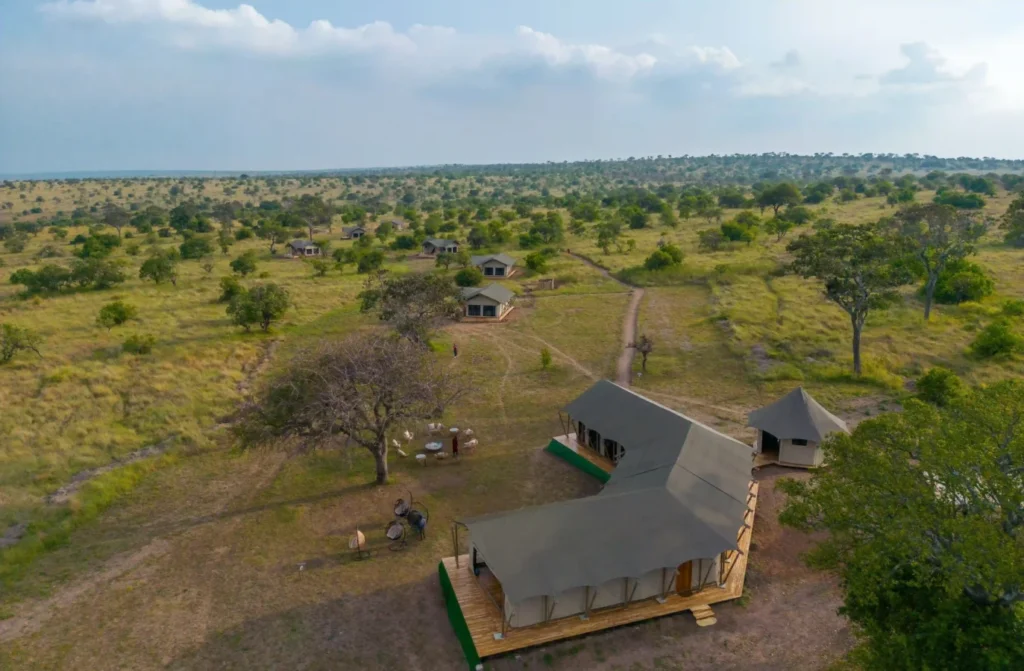
Malaika Mara River Luxury Camp
Malaika Mara River Luxury Camp – Pure Wilderness, Timeless Comfort, and River Magic This safari invites you to explore Tanzania […]
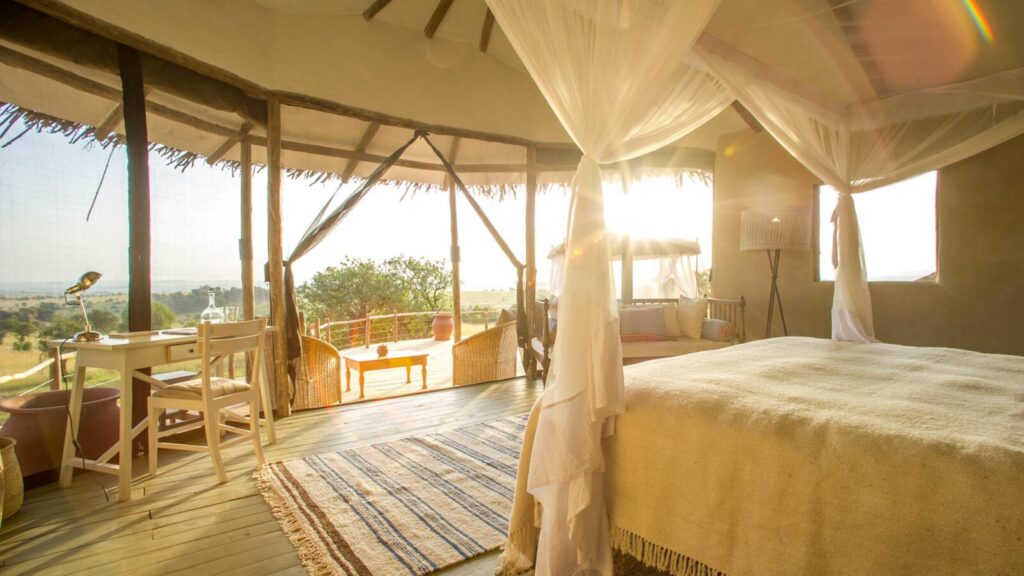
Lobo Wildlife Lodge
Lobo Wildlife Lodge – Romance, Remoteness, and the Wild Heart of the Northern Serengeti This Tanzania safari leads you to […]
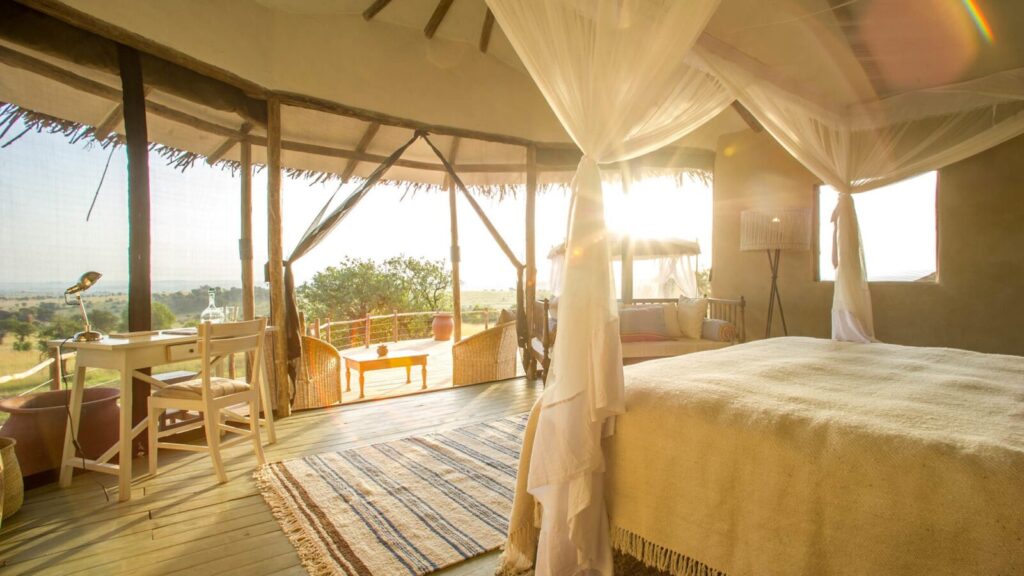
Lamai Nomad Camp
Lamai Nomad Camp Safari Itinerary – An Exceptional Northern Serengeti Safari Holiday Lamai Nomad Camp stands high above the vast […]
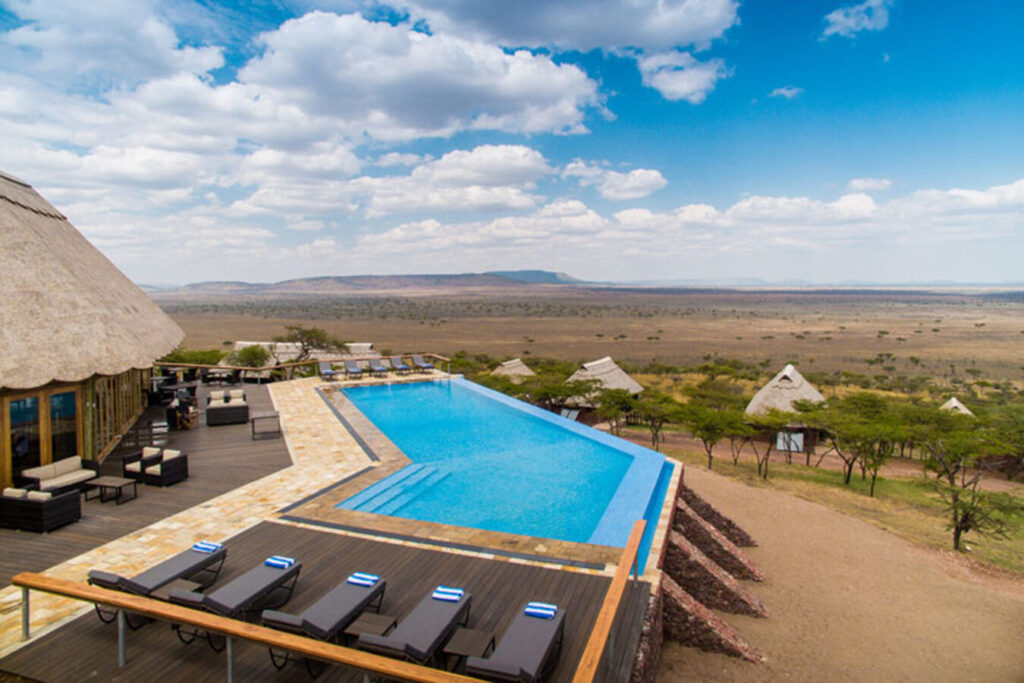
Lahia Tented Lodge
Lahia Tented Lodge Safari Itinerary – A Timeless Journey into the Heart of Serengeti Lahia Tented Lodge stands high on […]
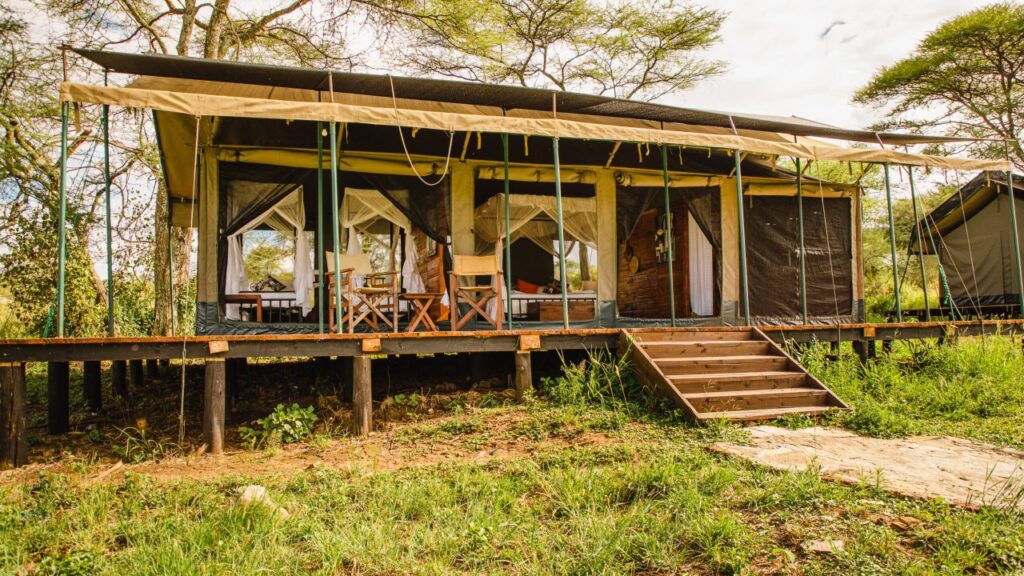
Kenzan Tented Camp
Kenzan Tented Camp – Essence of Ambience in the Heart of the Serengeti A Tanzania safari at Kenzan Tented Camp […]
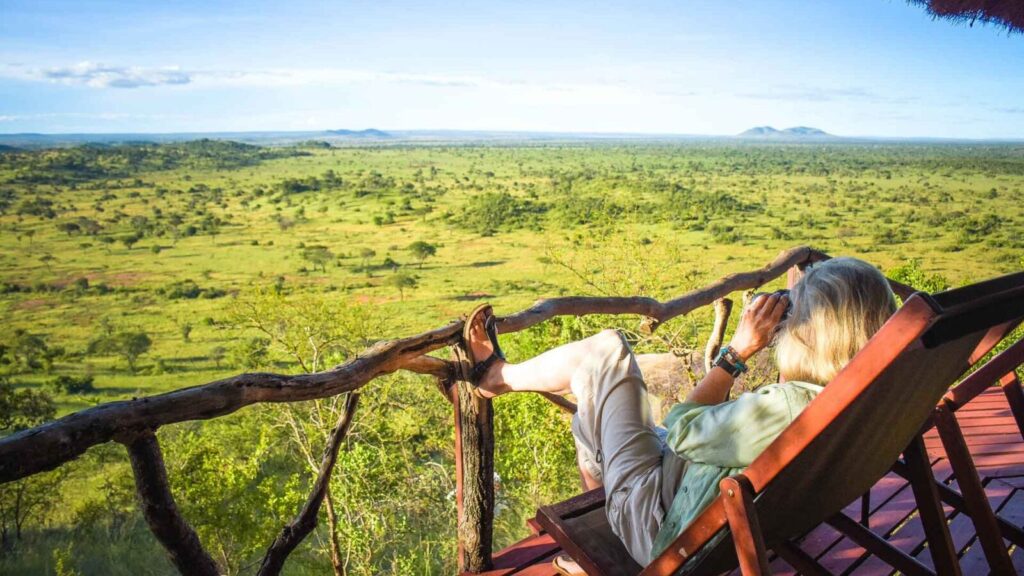
Alex Walker’s Serian Serengeti
Alex Walker’s Serian Serengeti Safari Itinerary – An Immersive Tanzania Safari Holiday Alex Walker’s Serian Serengeti offers a rare style […]
Serengeti Simba Lodge
Ultimate Serengeti Safari Experience at Serengeti Simba Lodge Embark on a journey that immerses you in the heart of Tanzania’s […]
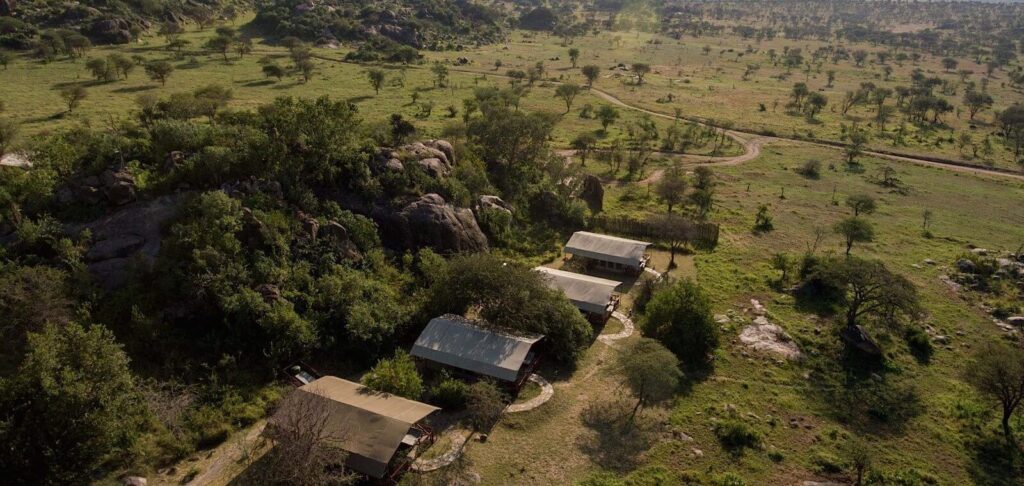
Mbuzi Mawe Serena Camp
Ultimate Serengeti Safari Experience at Mbuzi Mawe Serena Camp Mbuzi Mawe Serena Camp offers a quintessential Serengeti safari experience. Nestled […]
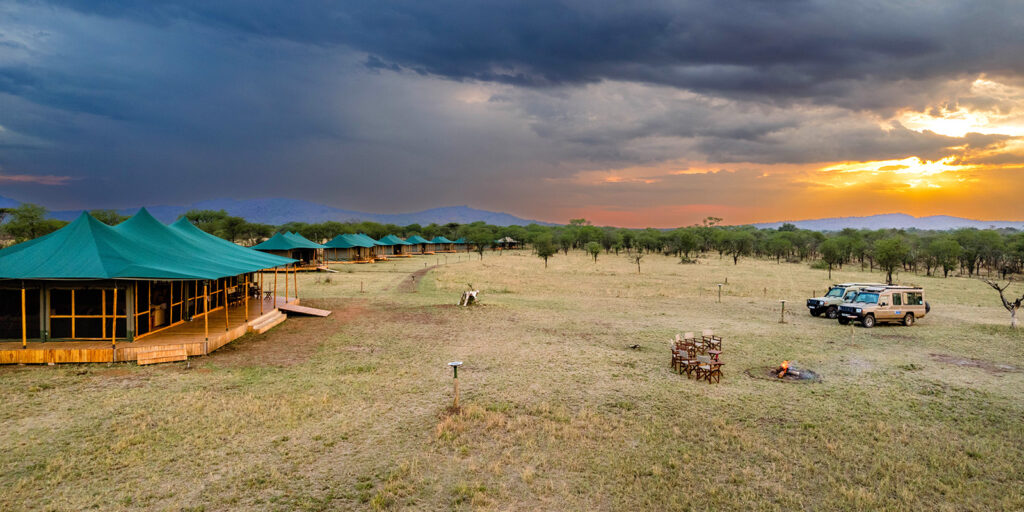
Ang’ata Serengeti Camp
Ultimate Serengeti Safari Experience at Ang’ata Serengeti Camp Ang’ata Serengeti Camp provides the perfect base for exploring Tanzania’s iconic wilderness. […]
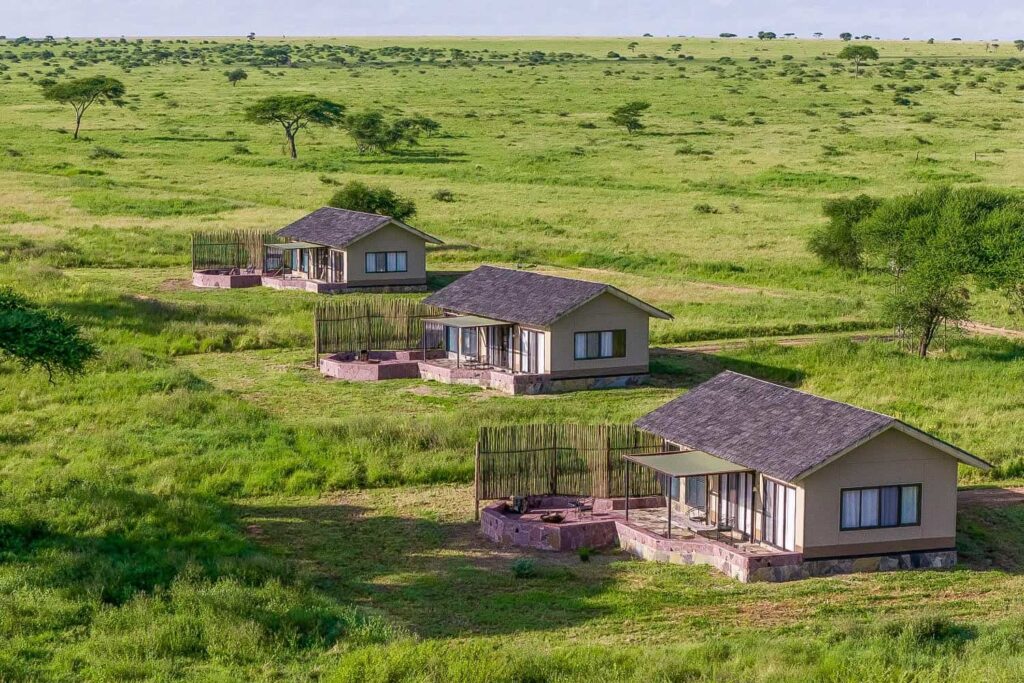
Serengeti Sametu Camp
Ultimate Serengeti Safari Adventure at Serengeti Sametu Camp Experience a safari unlike any other at Serengeti Sametu Camp, nestled along […]
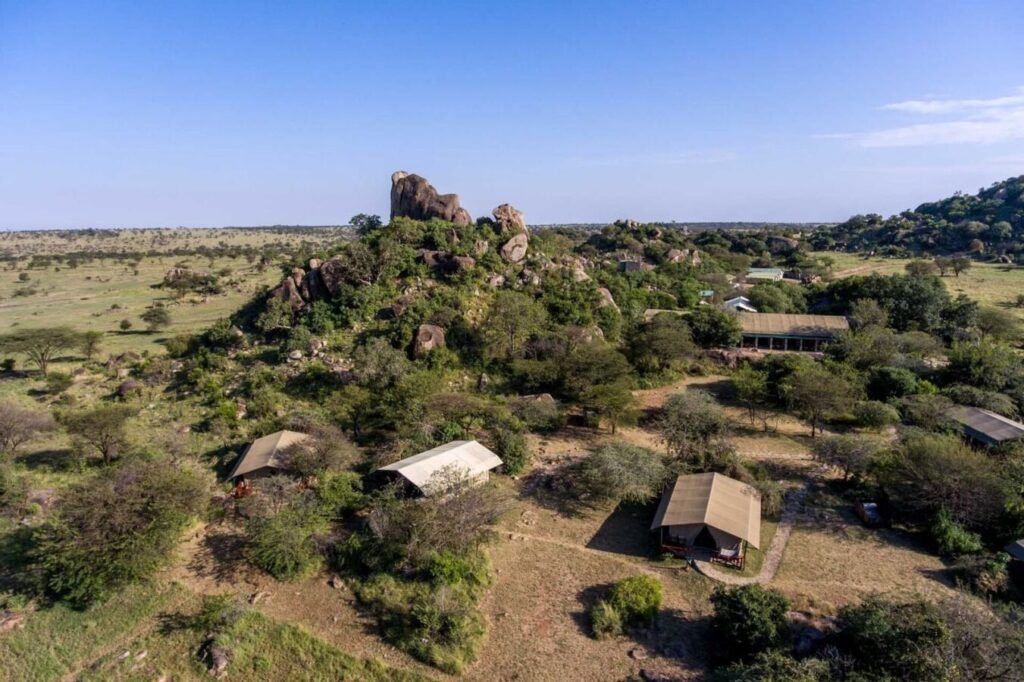
Ole Serai Luxury Camp – Moru Kopjes
Ole Serai Luxury Camp – Moru Kopjes Luxury Amidst the Rugged Beauty of the Serengeti Ole Serai Luxury Camp – […]

Suenos de Africa Luxury Camp
Sueños de África Luxury Camp – Ultimate Serengeti Migration Luxury Safari This unforgettable Tanzania safaris holiday invites you into the […]
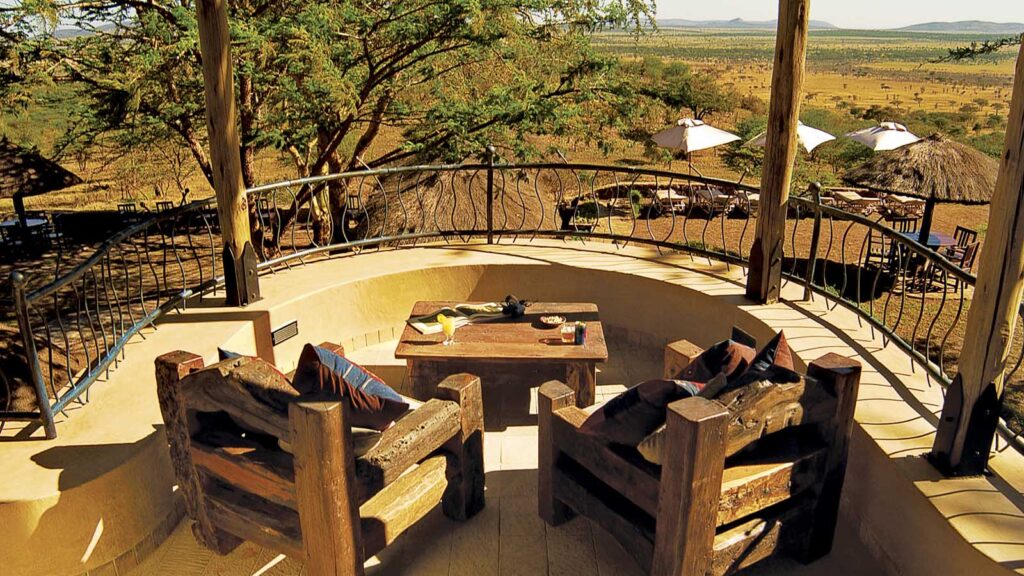
Serengeti Sopa Lodge
Serengeti Sopa Lodge – Classic Central Serengeti Safari Experience This classic Tanzania safaris holiday offers a rewarding and well-balanced safari […]
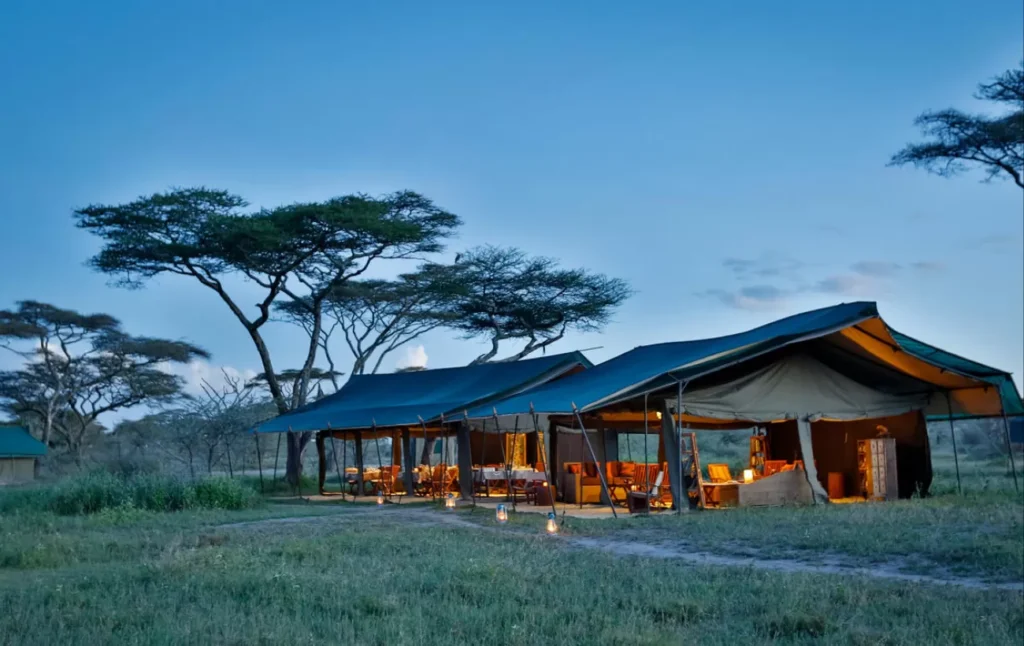
Nyikani Camp
Nyikani Camp – Ultimate Central Serengeti Safari Experience This extraordinary Tanzania safaris holiday takes you deep into the heart of […]
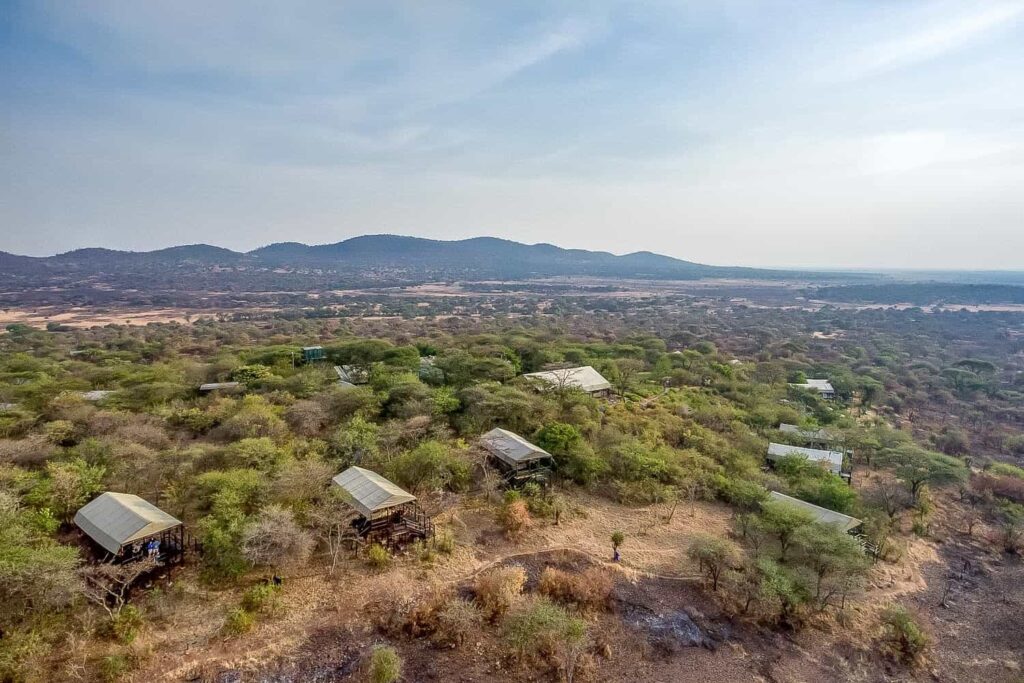
Kirawira Serena Camp
Kirawira Serena Camp – Legends of the Western Serengeti Safari This exceptional Tanzania safaris holiday invites you into the heart […]
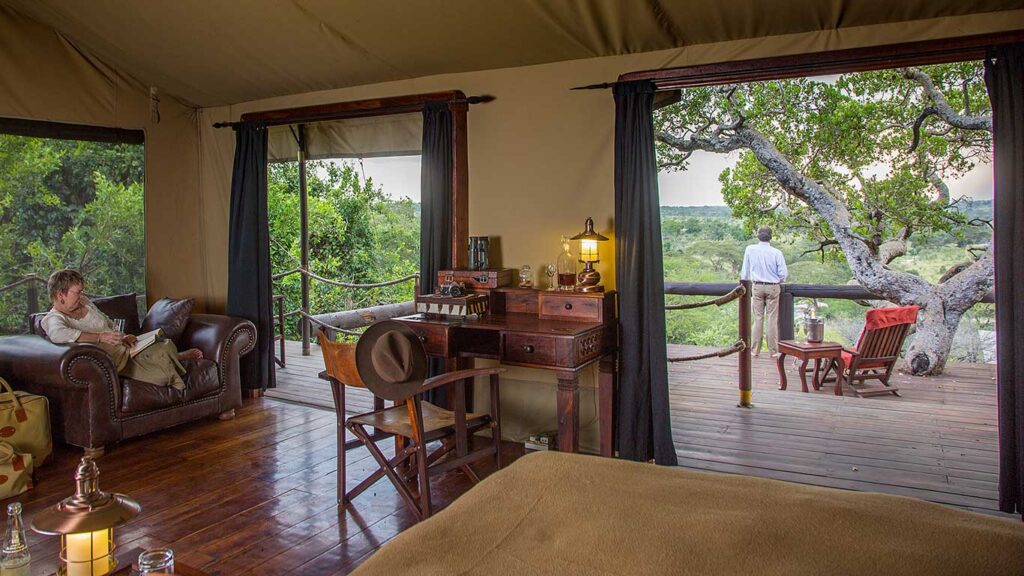
Elewana Serengeti Migration Camp
Elewana Serengeti Migration Camp – Serengeti Migration Immersion Safari This extraordinary Tanzania safaris holiday offers more than wildlife viewing—it places […]
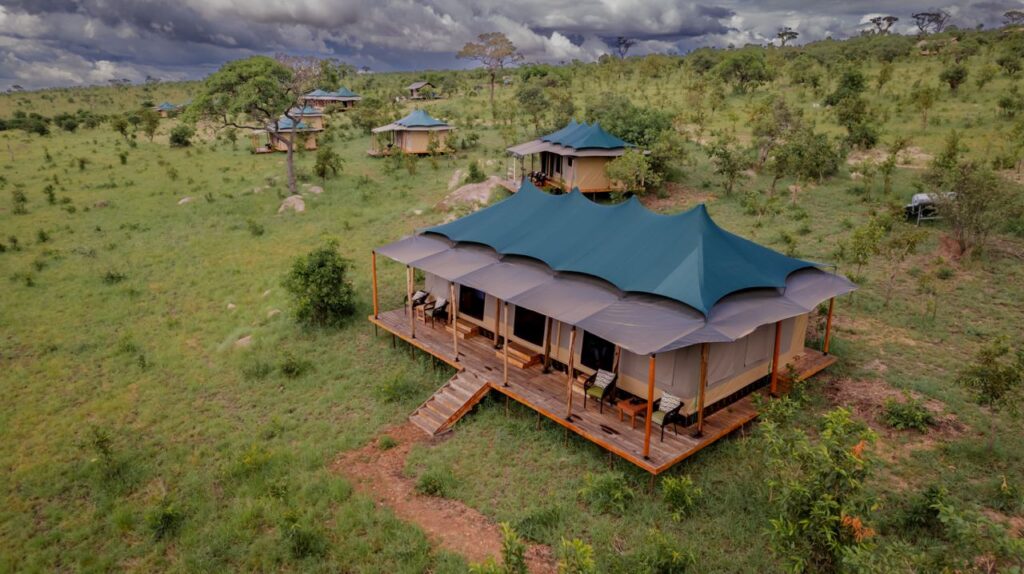
Baobab Central Serengeti Camp
Baobab Central Serengeti Camp – Soul of the Serengeti Luxury Safari Experience This Tanzania safaris holiday is an invitation to […]
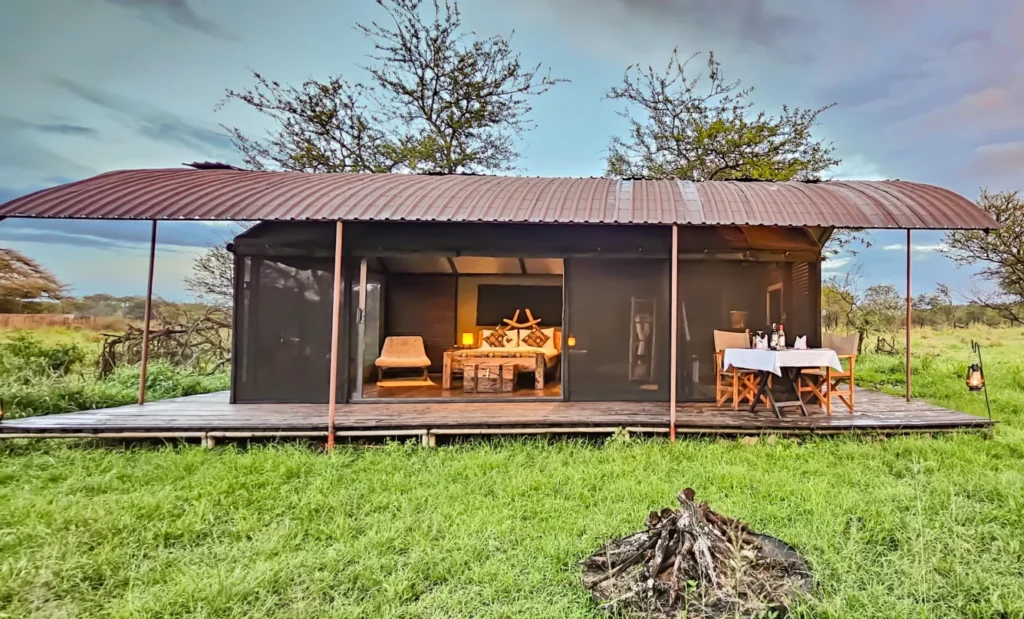
Asanja Moru
Asanja Moru – Timeless Serengeti Luxury Safari Experience This exceptional Tanzania safaris holiday invites you to experience the Serengeti in […]
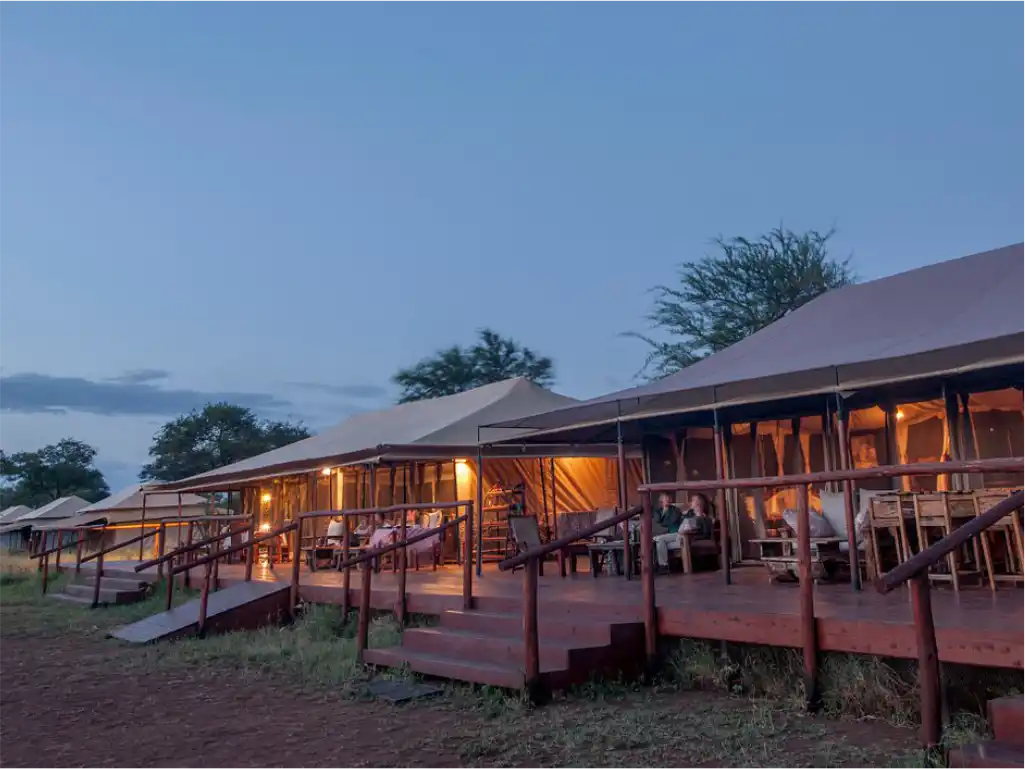
Acacia Central Camp
Acacia Central Camp – Classic Central Serengeti Luxury Safari This exceptional Tanzania safaris holiday delivers an immersive wildlife experience in […]
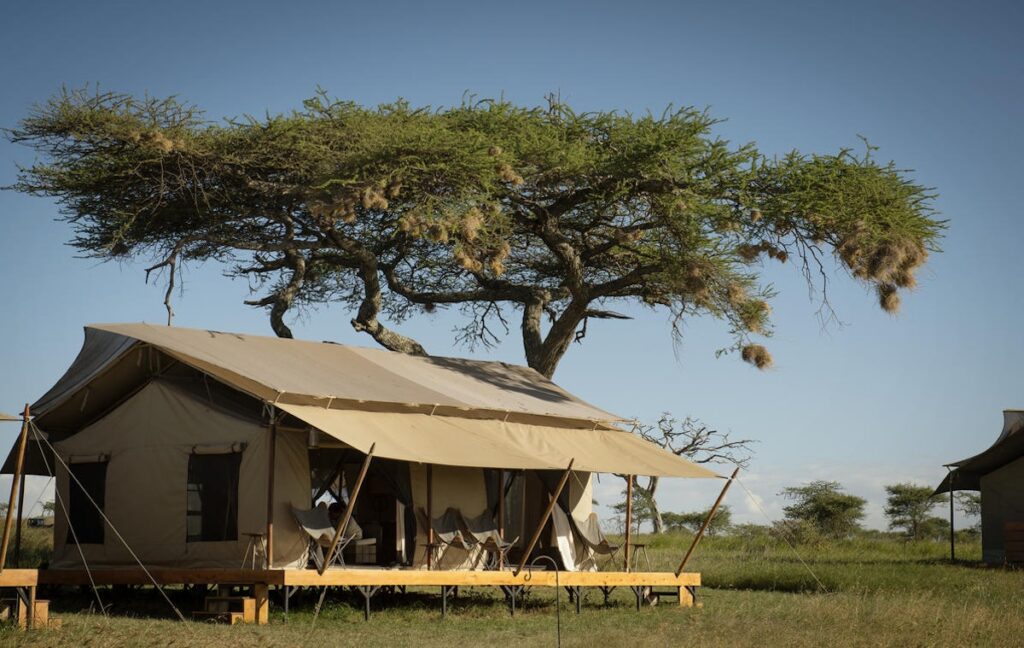
Siringit Serengeti Camp
Siringit Serengeti Camp (Central Serengeti, Tanzania) – Ultimate Luxury Serengeti Safari Experience This exceptional Tanzania safari holiday is a carefully […]
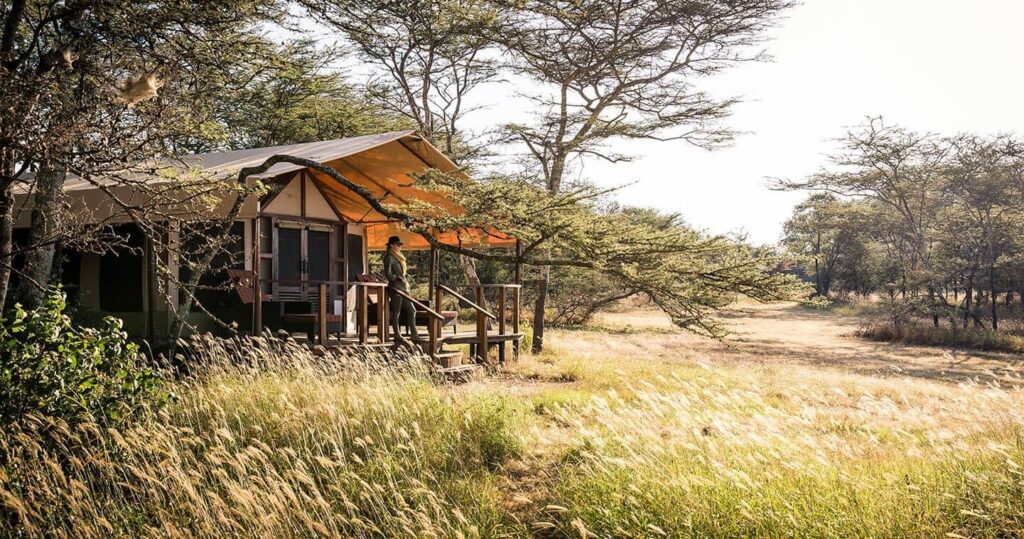
Sanctuary Kusini Camp
Sanctuary Kusini Camp (A Remote Wilderness Escape) – Ultimate Southern Serengeti Safari Experience This exclusive Tanzania safaris holiday takes you […]
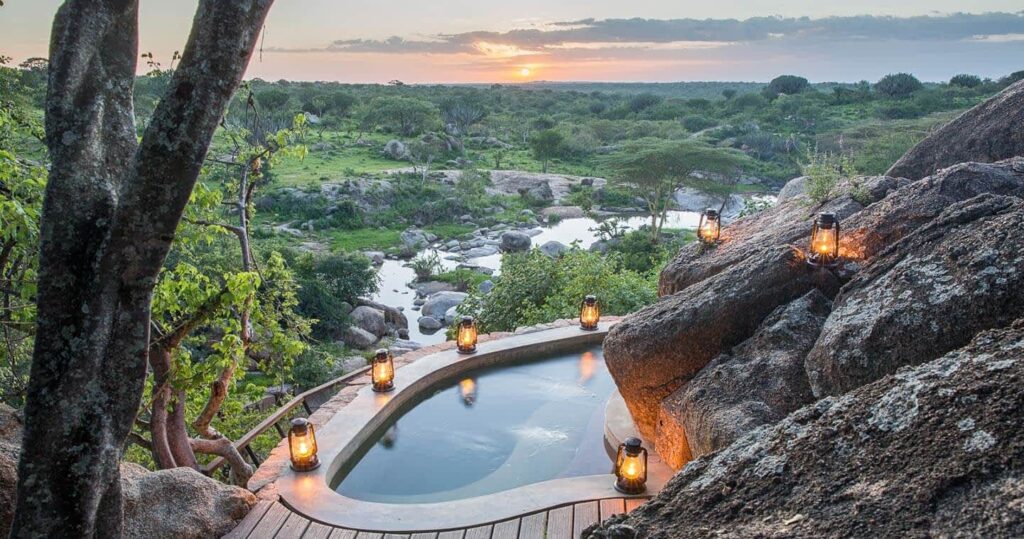
Mwiba Lodge
Ultimate Luxury Safari Escape at Legendary Mwiba Lodge An Exclusive Tanzania Safaris Holiday Experience Tanzania is a land of legends, […]
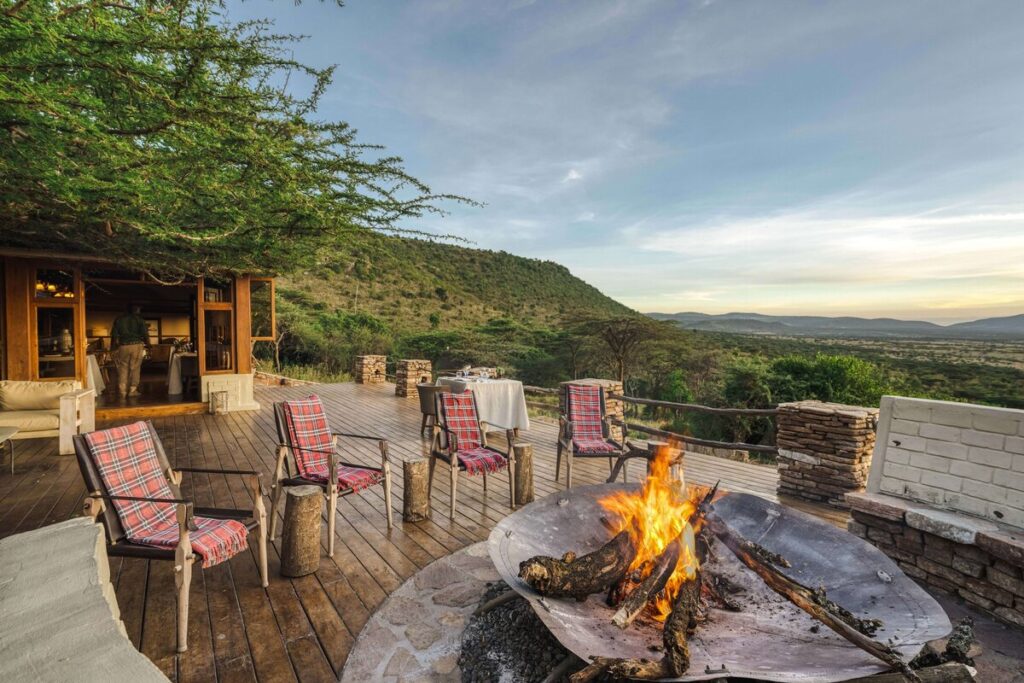
TAASA Lodge
TAASA Lodge Luxury Safari Itinerary A Signature Tanzania Safaris Holiday Experience by Deks Safaris and Tours TAASA Lodge is a […]

Meliá Serengeti Lodge
Sustainable Luxury Safari Escape at Meliá Serengeti Lodge An Ultimate Tanzania Safaris Holiday Experience Tanzania is a destination where nature […]
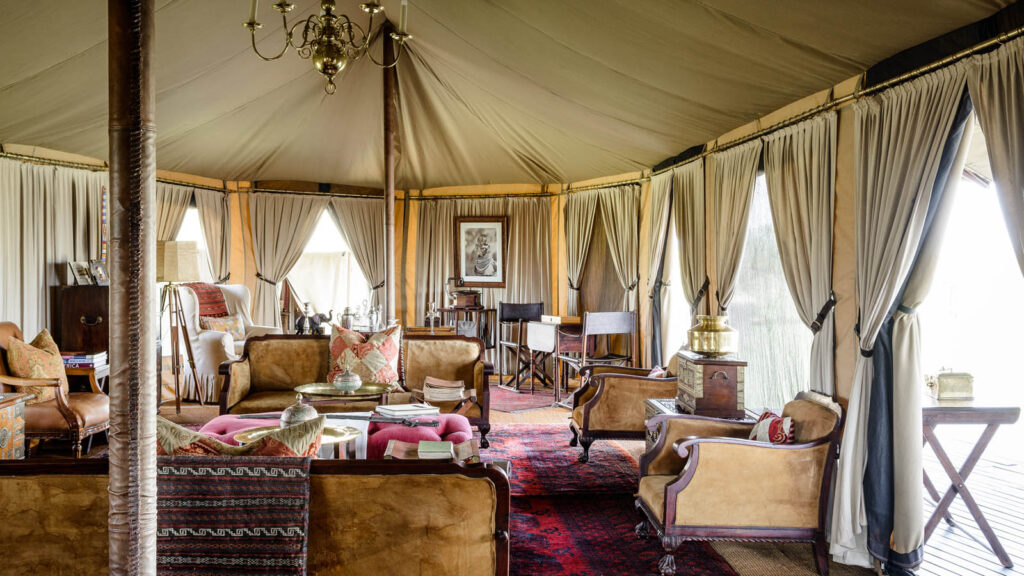
Singita Sabora Tented Camp
Singita Sabora Tented Camp Luxury Safari Itinerary A Signature Tanzania Safaris Holiday Experience by Deks Safaris and Tours Nestled within […]
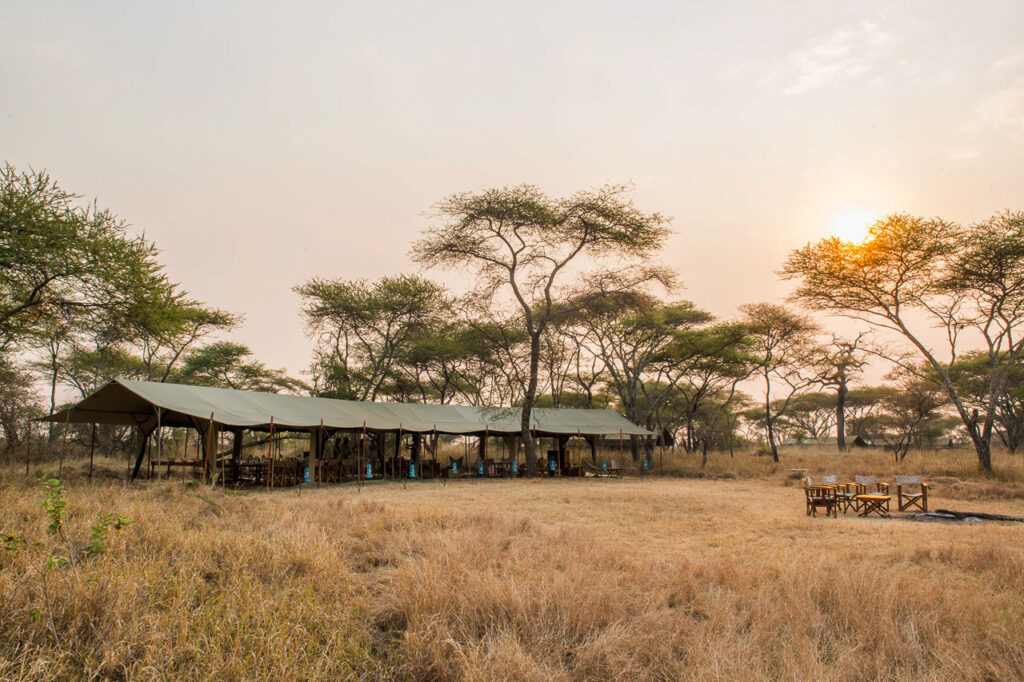
Nomad Serengeti Safari Camp
Nomad Serengeti Safari Camp Luxury Migration Itinerary A Signature Tanzania Safaris Holiday Experience by Deks Safaris and Tours A safari […]
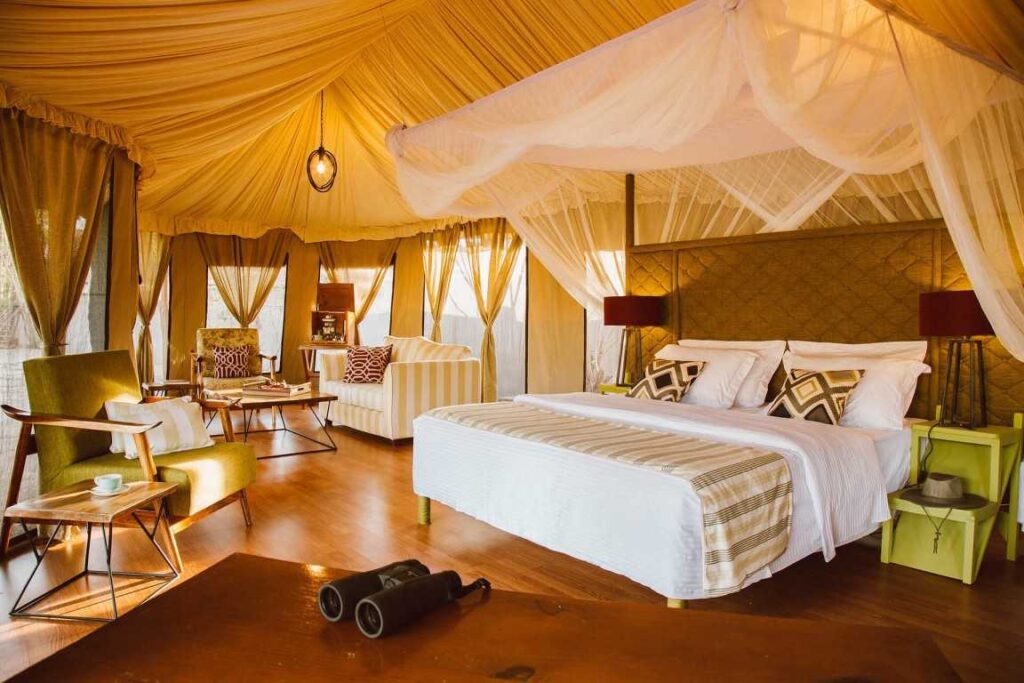
Nasikia Ehlane Plains Camp
Nasikia Ehlane Plains Camp Luxury Safari Itinerary A Signature Tanzania Safaris Holiday Experience by Deks Safaris and Tours Nestled in […]
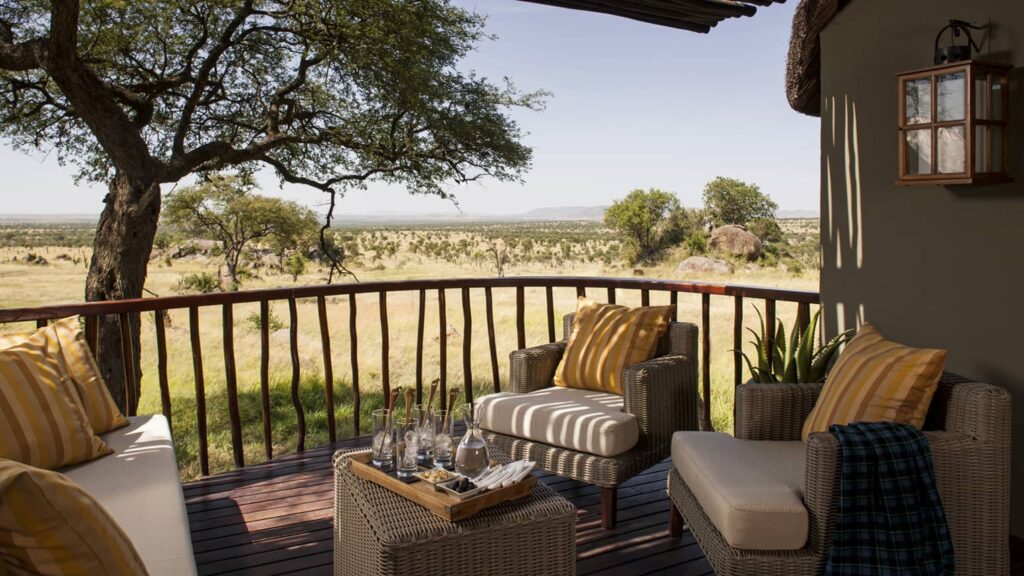
Four Seasons Safari Lodge
Luxury Serengeti Escape at Four Seasons Safari Lodge Serengeti An Ultimate Tanzania Safaris Holiday Experience Tanzania remains the crown jewel […]
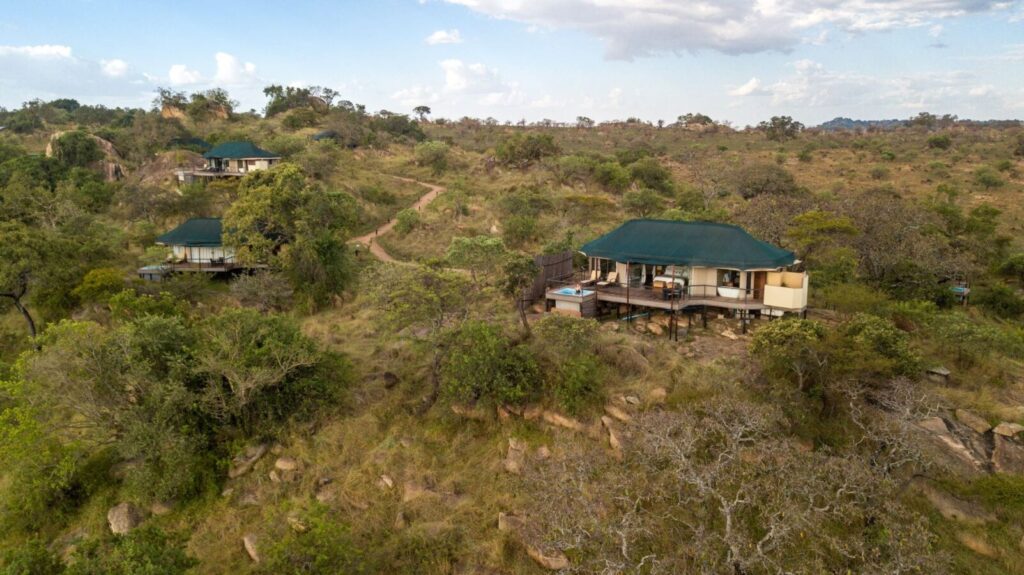
Lemala Kuria Hills Lodge
Lemala Kuria Hills Lodge Luxury Safari Itinerary A Signature Tanzania Safaris Holiday Experience In the far northern reaches of the […]
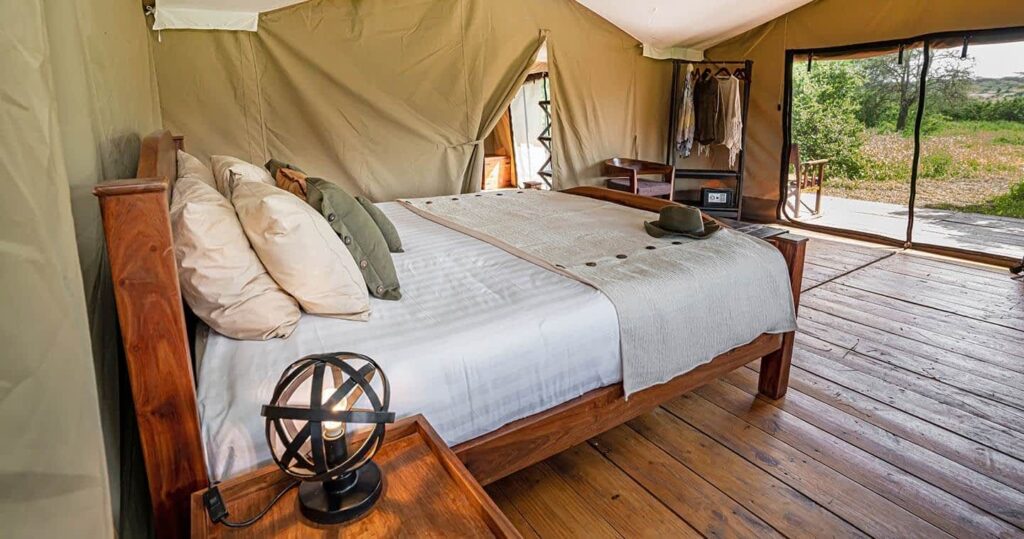
Lemala Ewanjan Camp
Classic Under‑Canvas Safari Escape at Lemala Ewanjan Camp Tanzania is a land where wilderness still speaks in its purest voice, […]
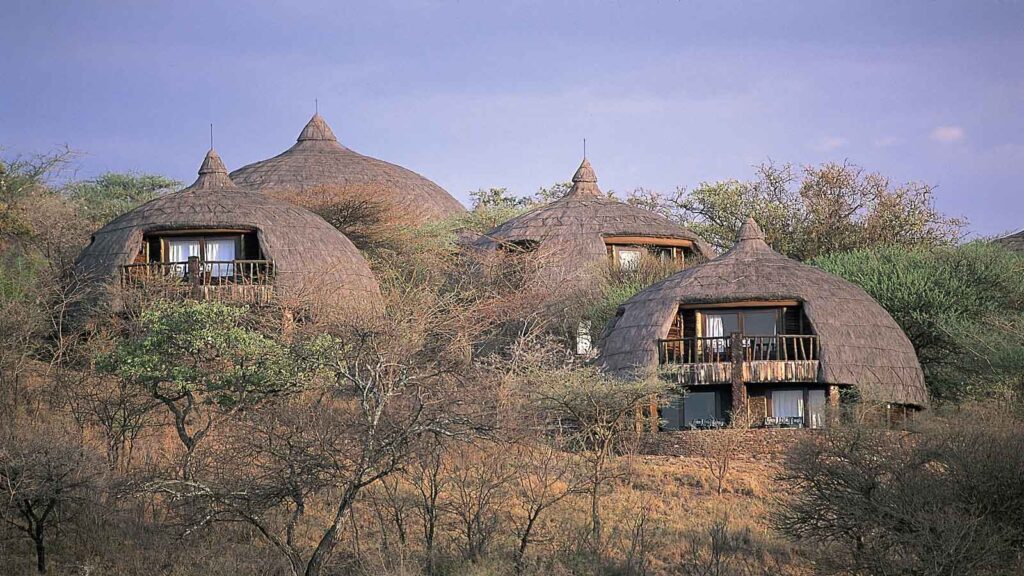
Serengeti Serena Safari Lodge
Classic Serengeti Safari Escape at Serengeti Serena Safari Lodge An Authentic Tanzania Safaris Holiday Experience Tanzania stands as one of […]
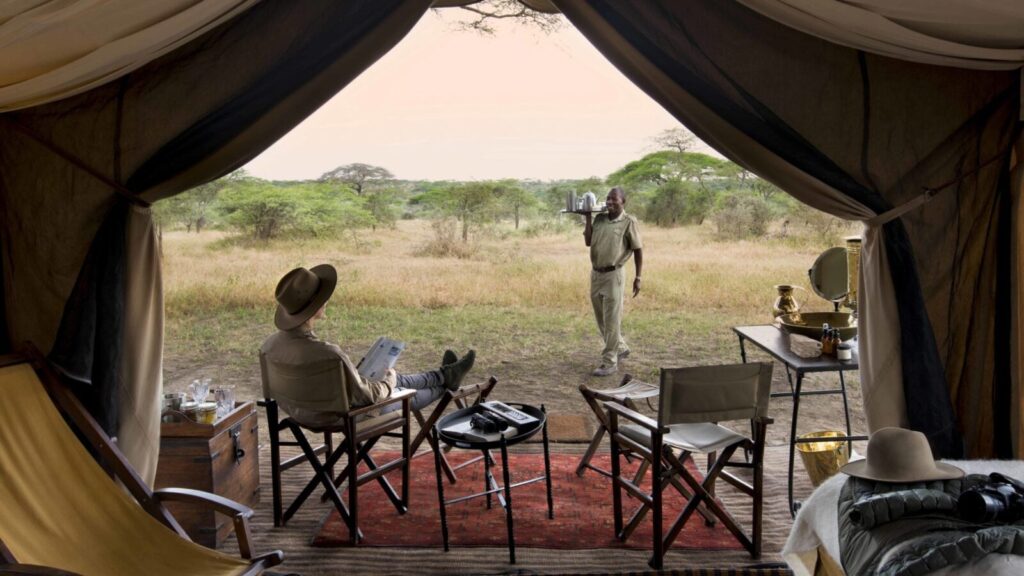
&Beyond Serengeti Under Canvas
&Beyond Serengeti Under Canvas Luxury Safari Itinerary A Signature Tanzania Safaris Holiday Experience by Deks Safaris and Tours &Beyond Serengeti […]