
Can Visitors See Flamingos at Lake Natron?
July 10, 2026
Can You Climb Mount Meru from Arusha National Park?
July 15, 2026Can Visitors See the Laetoli Footprints?
One of the most frequently asked questions by travelers interested in archaeology and Tanzania Safaris is, Can visitors see the Laetoli Footprints? The answer is yes, but with important restrictions. While the Laetoli Footprints are one of the world’s most significant archaeological discoveries, the original fossilized footprints are carefully protected and are not generally open for routine public viewing. This conservation approach helps preserve these priceless traces of early human ancestors for future generations and ongoing scientific research.
Located in the Ngorongoro Conservation Area in northern Tanzania, the Laetoli Footprints date back approximately 3.6 million years. They were preserved in volcanic ash and provide some of the earliest known evidence that ancient human ancestors walked upright on two legs. Their discovery transformed scientific understanding of human evolution and confirmed East Africa’s central role in the story of humankind.
For travelers, although access to the original footprints is limited, the surrounding region offers an exceptional educational experience through museums, expert guides, and nearby archaeological sites. At Deks Safaris and Tours Ltd, we recommend including Laetoli’s story as part of a Northern Tanzania safari that combines history, wildlife, and culture.
Why Can’t Most Visitors See the Original Laetoli Footprints?
Understanding Can visitors see the Laetoli Footprints? begins with conservation.
Protection of a Fragile World Heritage Resource
The footprints were preserved naturally in volcanic ash for millions of years. Exposure to heavy foot traffic, weather, and other environmental factors could damage these irreplaceable remains.
Conservation Comes First
To protect this globally important archaeological site, access to the original footprint trail is highly restricted. Scientists and conservation authorities carefully manage the site to ensure its long-term preservation.
This protection helps guarantee that future generations will continue to benefit from one of the world’s most remarkable records of early human history.
How Can Visitors Learn About the Laetoli Footprints?
Although direct access is limited, there are excellent ways to understand Can visitors see the Laetoli Footprints?
Visit the Olduvai Gorge Museum
The Olduvai Gorge Museum provides informative displays, scale models, photographs, and interpretive exhibits explaining:
- The discovery of the footprints
- How volcanic ash preserved them
- Their estimated age
- Their importance in human evolution
- The scientific research carried out at Laetoli
Knowledgeable guides also explain how the footprints fit into the broader story of human origins.
Expert Safari Guides
Many experienced safari guides share detailed information about Laetoli during visits to the Ngorongoro region, helping visitors appreciate its scientific and historical significance even without visiting the protected trackway itself.
Why Are the Laetoli Footprints So Important?
A key part of answering Can visitors see the Laetoli Footprints? is understanding why they receive such careful protection.
Evidence of Upright Walking
The footprints demonstrate that early hominins were walking on two legs approximately 3.6 million years ago, making them some of the oldest direct evidence of bipedal locomotion.
A Window into Human Evolution
Scientists believe the footprints were likely made by Australopithecus afarensis, an early human ancestor whose skeletal features also support upright walking.
Global Scientific Importance
The discovery strengthened the understanding that Africa played a central role in the evolution of humanity and continues to be one of the world’s most important regions for paleoanthropological research.
What Else Can Visitors Experience Near Laetoli?
Travelers interested in Can visitors see the Laetoli Footprints? often discover that the surrounding area offers numerous attractions.
Popular nearby destinations include:
- Olduvai Gorge, one of the world’s most famous archaeological sites.
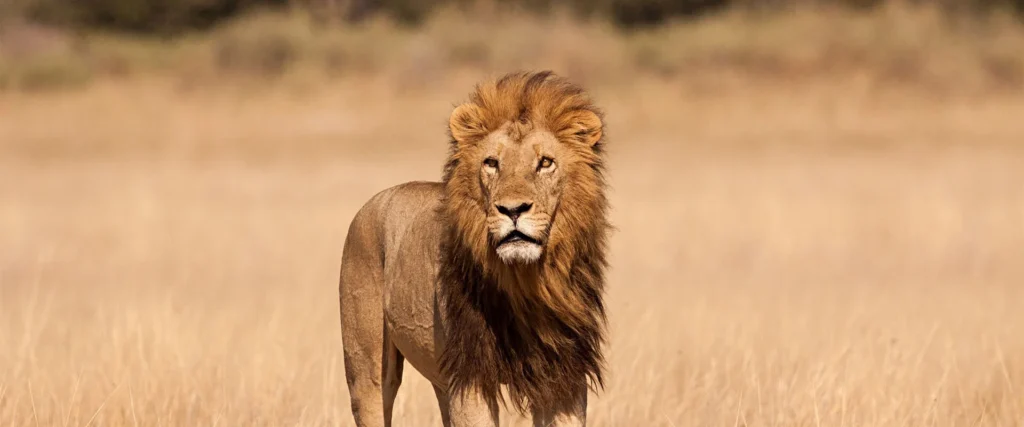
- Ngorongoro Conservation Area, renowned for spectacular wildlife viewing and the Big Five.
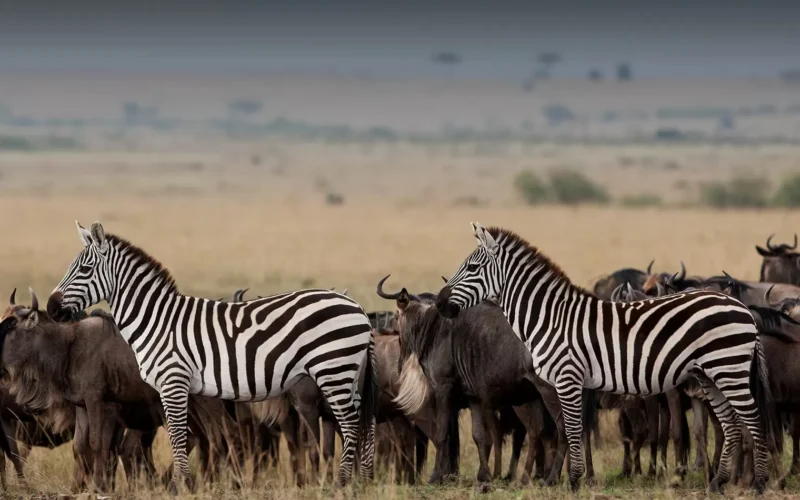
- Serengeti National Park, home to the world-famous Great Migration.
- Traditional Maasai communities, where visitors can learn about local culture and traditions.
These attractions combine archaeology, wildlife, and culture into a rich and rewarding travel experience.
Can Laetoli Be Included in a Tanzania Safari?
Yes. Although the original footprint site is protected, the history of Laetoli can easily be incorporated into Tanzania Safaris.
Many itineraries combine:
- Archaeological interpretation at Olduvai Gorge
- Game drives in the Ngorongoro Conservation Area
- Wildlife viewing in the Serengeti
- Visits to Tarangire National Park and Lake Manyara National Park
Travelers visiting during migration season can also combine their archaeological journey with the spectacular Tanzania Great Migration, creating one of the country’s most diverse safari experiences.
Safari Inclusions and Exclusions
Typical Safari Inclusions
When visiting the Ngorongoro–Olduvai region with Deks Safaris and Tours Ltd, safari packages commonly include:
- Park and conservation area entry fees
- Professional English-speaking safari guide
- Comfortable safari vehicle
- Accommodation according to the itinerary
- Meals as specified
- Bottled drinking water during game drives
- Guided visits to cultural and historical sites where included
Typical Safari Exclusions
Packages generally exclude:
- International and domestic flights unless specified
- Tanzanian visa fees
- Travel insurance
- Personal purchases
- Alcoholic beverages unless stated
- Laundry services
- Tips and gratuities

Nyali Beach Holidays
Recommended Safari Lodges Near Olduvai and Ngorongoro
Visitors exploring the Laetoli and Olduvai region may enjoy staying at:
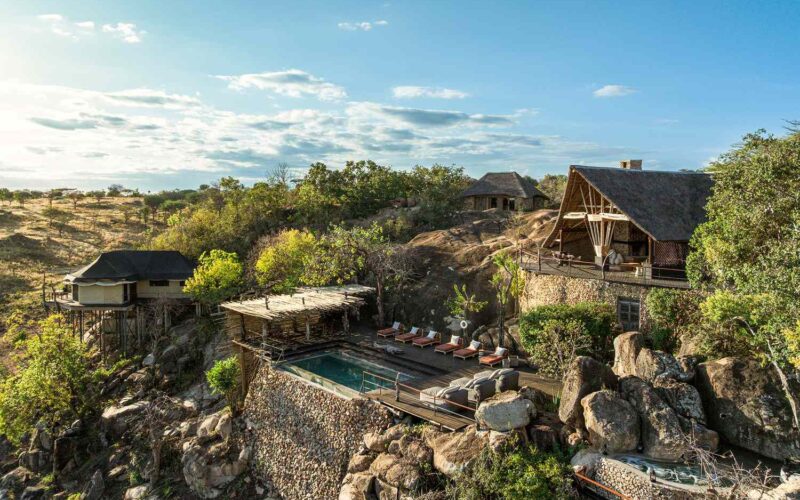
- Ngorongoro Serena Safari Lodge
- Ngorongoro Sopa Lodge
- Melia Ngorongoro
- Kubu Kubu Tented Lodge
- Serengeti Serena Safari Lodge
These accommodations provide convenient access to the Northern Circuit’s archaeological and wildlife attractions.
Conclusion: Can Visitors See the Laetoli Footprints?
The answer to Can visitors see the Laetoli Footprints? is yes, but only in a limited sense. While the original footprint trail is carefully protected and not generally accessible to the public, visitors can still experience the remarkable story of Laetoli through the Olduvai Gorge Museum, expert-guided interpretation, and visits to the surrounding archaeological landscape.
The Laetoli Footprints remain one of the world’s greatest discoveries in human evolution, demonstrating that our early ancestors walked upright millions of years ago. Combined with nearby destinations such as Olduvai Gorge, Ngorongoro Conservation Area, and Serengeti National Park, they add a fascinating historical dimension to Tanzania Safaris.
At Deks Safaris and Tours Ltd, we create thoughtfully designed safari itineraries that blend Tanzania’s extraordinary wildlife with its globally significant archaeological heritage, giving travelers a deeper appreciation of both nature and the origins of humankind.