Where Is the Migration in February?
August 21, 2026
Where Is the Migration in July?
August 21, 2026Where Is the Migration in January?
Where Is the Migration in January? January commonly finds major migration herds in southern Serengeti and the Ndutu area.
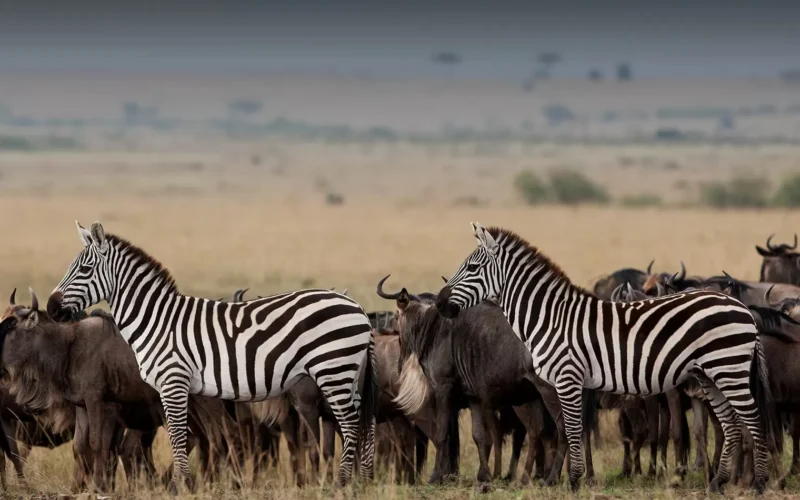
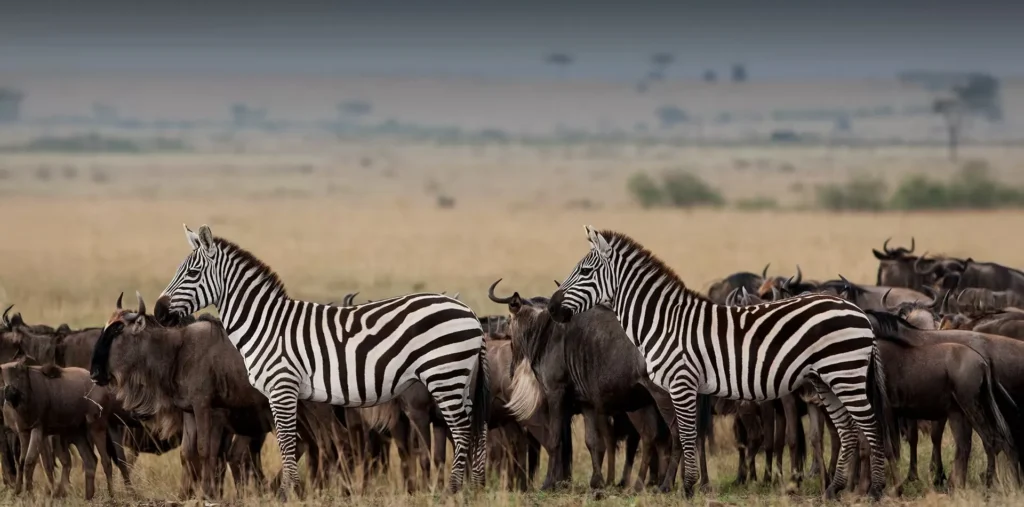
This period marks an exciting stage of the Great Wildlife Migration. Wildebeest gather across productive grasslands after seasonal rainfall.
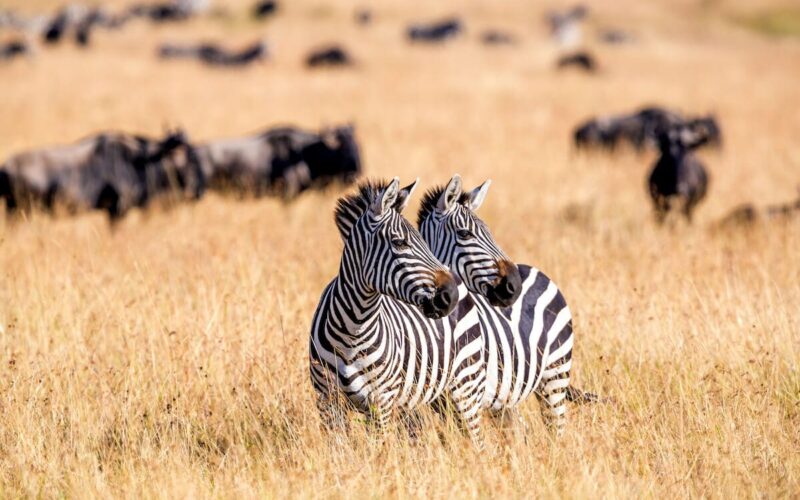
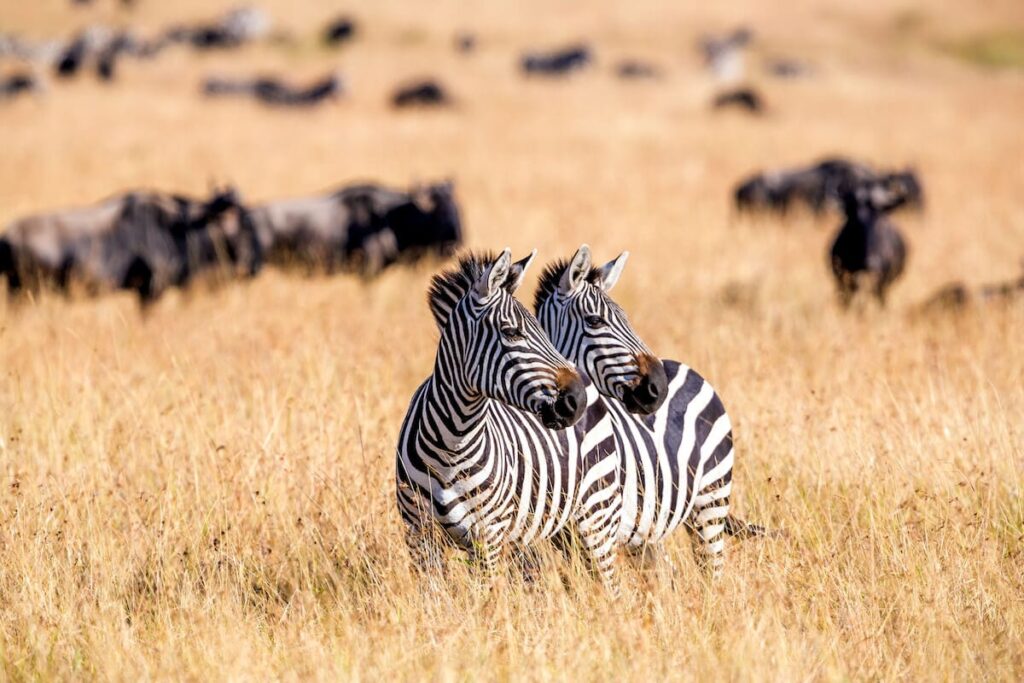
Fresh grazing attracts large numbers of pregnant females. Meanwhile, zebras and gazelles also occupy these rich southern plains.
Therefore, January offers excellent opportunities for travelers planning a Serengeti Safari. Wildlife enthusiasts can witness huge herds and early calving activity.
Understanding Where Is the Migration in January? helps travelers choose suitable lodges and safari routes. Location remains important during Tanzania Safaris.
The southern Serengeti provides wide grasslands and remarkable wildlife visibility. Predators also remain active around the growing herbivore populations.
Deks Africa Safaris and Tours Ltd helps travelers plan meaningful and well-timed Africa Safaris. Our approach combines seasonal knowledge with realistic expectations.
January does not guarantee identical wildlife scenes every year. Rainfall patterns and fresh grass can influence exact herd locations.
Nevertheless, the southern Serengeti remains the main area to consider. Therefore, Where Is the Migration in January? provides an important starting point for Great Migration Safaris.
Southern Serengeti: The Main Migration Area
Vast Herds Across the Plains
Where Is the Migration in January? The strongest general answer is southern Serengeti and the wider Ndutu ecosystem.
Large herds gather across open grasslands during this period. Seasonal rains create fresh grazing and favorable feeding conditions.
Wildebeest follow these productive landscapes. Their movement depends on rainfall distribution and available grass.
Consequently, herd concentrations can vary between different parts of the southern ecosystem. Travelers should remain flexible during their Serengeti Great Migration Safari.
The open plains offer impressive views across the landscape. Visitors may see thousands of animals stretching toward the horizon.
January also marks an important transition toward the main calving season. Pregnant wildebeest increasingly concentrate within productive grazing areas.
This combination creates exciting wildlife opportunities. Photographers can capture large herds, dramatic landscapes, and active predators.
Therefore, Where Is the Migration in January? Southern Serengeti provides the best general location for migration-focused travelers.
The Ndutu Area in January
A Key Calving Season Destination
The Ndutu area plays an important role during January. Its grasslands attract migration herds searching for fresh and nutritious grazing.
The region forms part of the wider southern Serengeti ecosystem. Wildlife moves freely according to seasonal conditions.
January can bring early births among the wildebeest population. However, the main calving concentration often develops later during the season.
Therefore, travelers can experience both migration herds and early calving activity. This creates a dynamic and rewarding wildlife environment.
The landscapes also become greener after seasonal rains. Acacia trees, open plains, and changing skies create excellent photography opportunities.
For travelers asking Where Is the Migration in January?, Ndutu deserves serious consideration. Its location provides access to major seasonal wildlife concentrations.
A well-planned Serengeti Safari should include enough nights nearby. Extra time allows guides to follow changing herd locations.
Early Calving and Wildlife Action
The Beginning of a New Generation
January begins an important stage in the wildebeest reproductive cycle. Pregnant females prepare for the concentrated calving period.
Some early births may occur across the southern plains. As the season progresses, wildlife activity can become increasingly dramatic.
Newborn calves quickly learn to stand and follow their mothers. Survival depends on mobility, awareness, and protection within the herd.
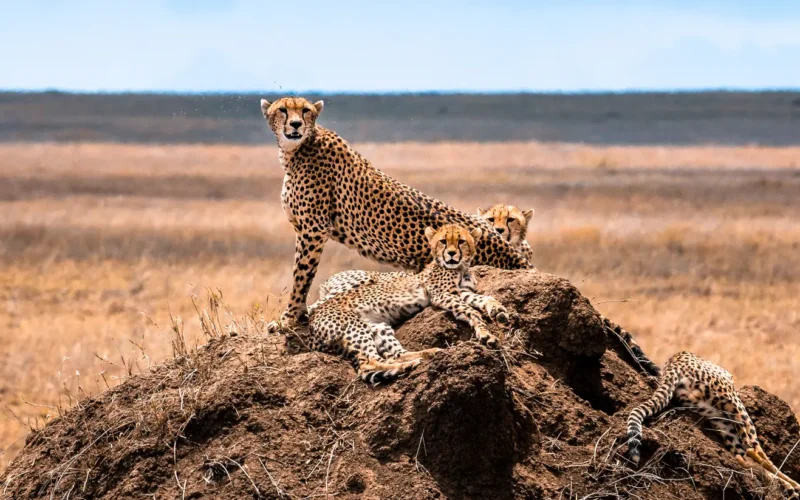
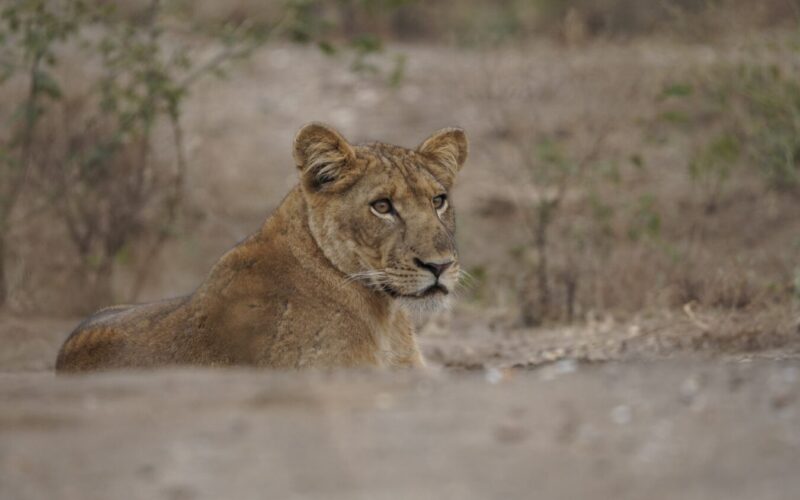
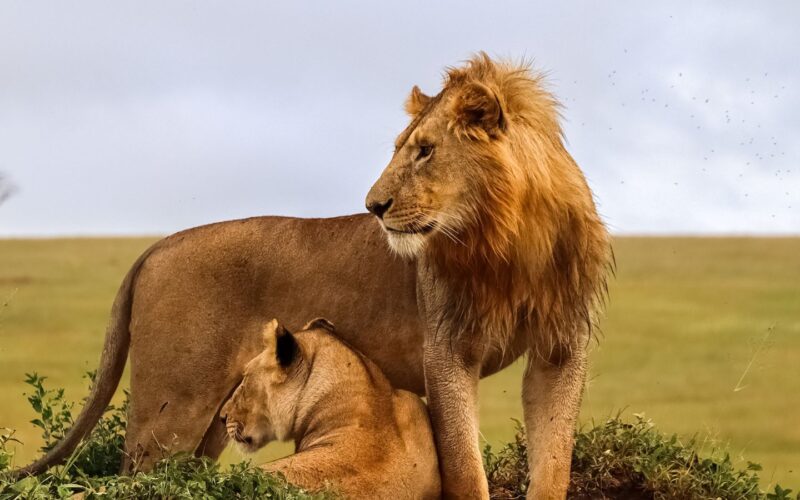
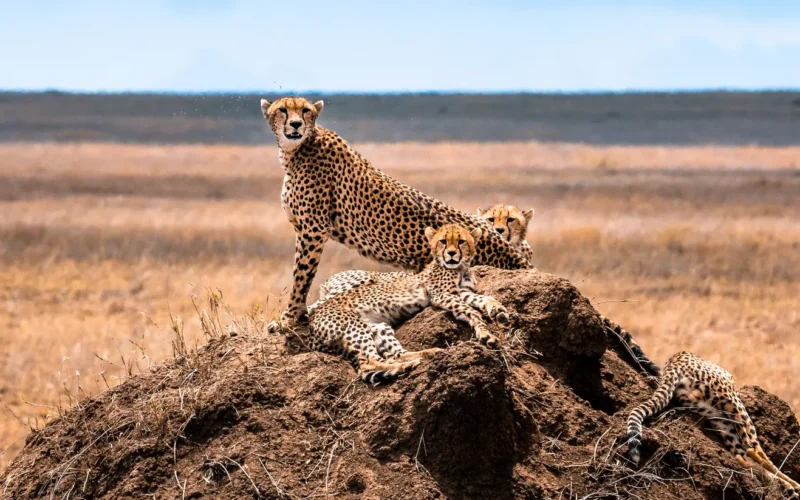
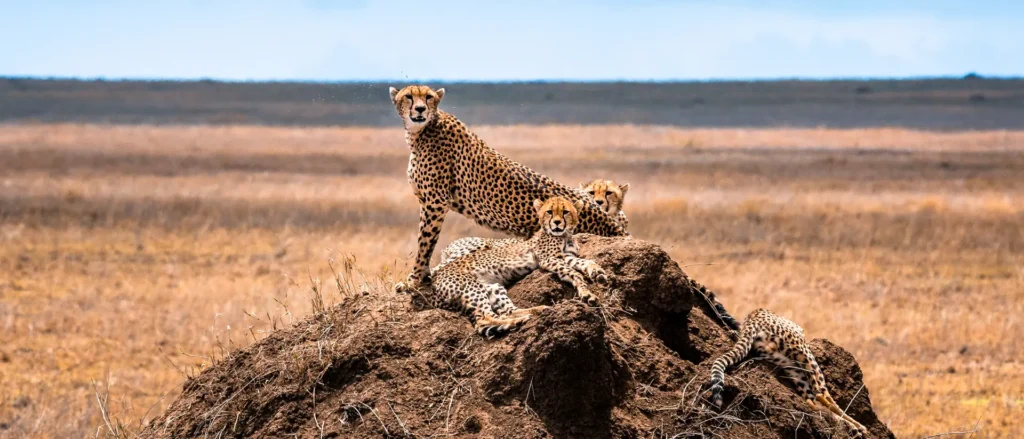
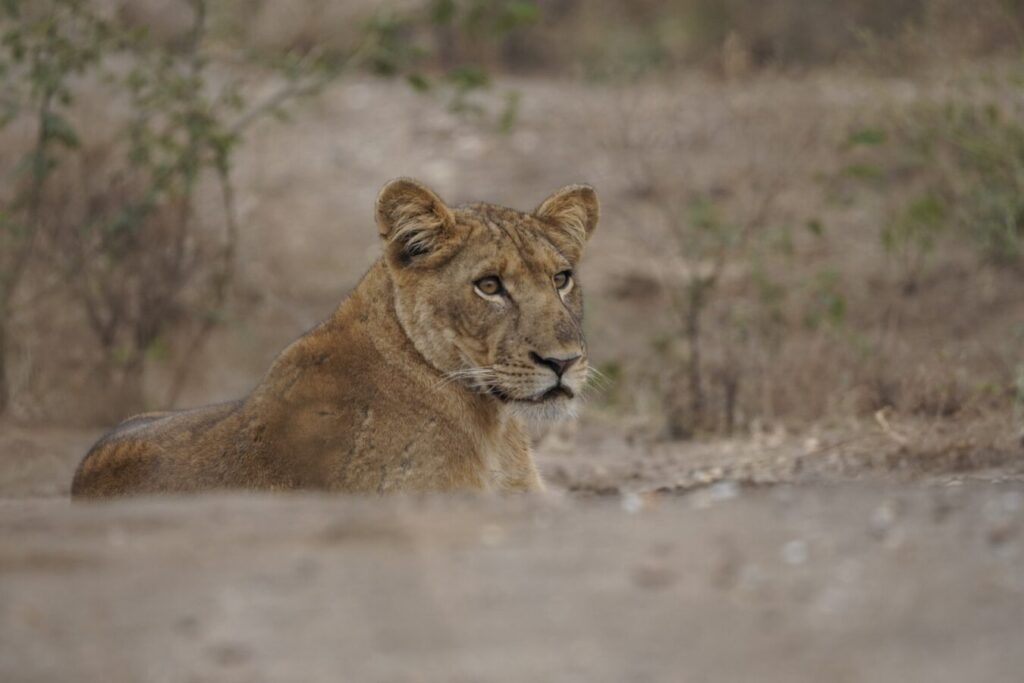
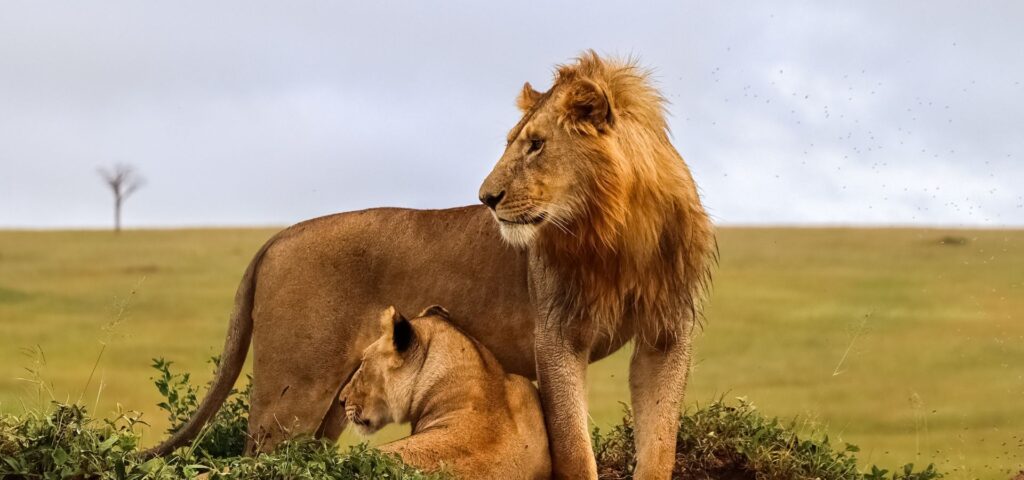
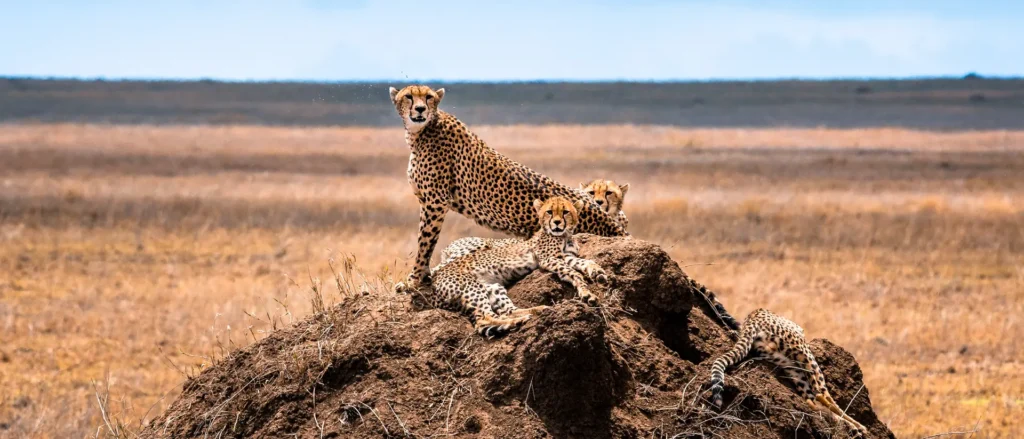
Predators recognize these seasonal opportunities. Lions, cheetahs, hyenas, and other carnivores remain active around wildlife concentrations.
However, every encounter remains unpredictable. Nature creates different experiences during every game drive.
Therefore, Where Is the Migration in January? also connects travelers with predator and prey interactions.
This period offers valuable opportunities for Tanzania Wildlife Safaris. Visitors can observe the wider ecological relationships shaping the Serengeti.
Why January Is Excellent for a Serengeti Safari
Green Landscapes and Abundant Wildlife
January often provides beautiful green scenery across southern Serengeti. Seasonal rainfall supports grass growth and transforms the landscape.
The productive plains attract large numbers of herbivores. Wildebeest, zebras, gazelles, and other species share available grazing.
Predators follow areas with abundant prey. Consequently, game drives can provide diverse wildlife encounters.
January can also offer a different atmosphere from peak northern migration months. Travelers focus on calving preparations rather than Mara River crossings.
This variety makes the season valuable for photographers and wildlife enthusiasts. Every day can reveal changing herd movements.
A Serengeti Safari during January combines migration viewing with resident wildlife. Lions, elephants, leopards, buffalo, and birds add further interest.
Therefore, Where Is the Migration in January? Southern Serengeti offers a complete wildlife experience.
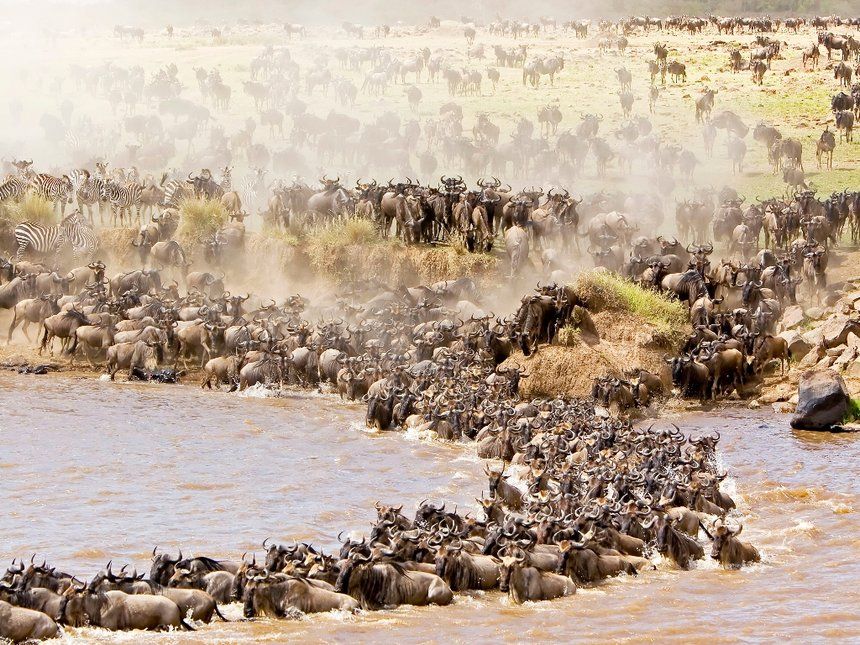
wildlife migration Safaris in Tanzania
Planning January Tanzania Safaris
Choose the Right Safari Location
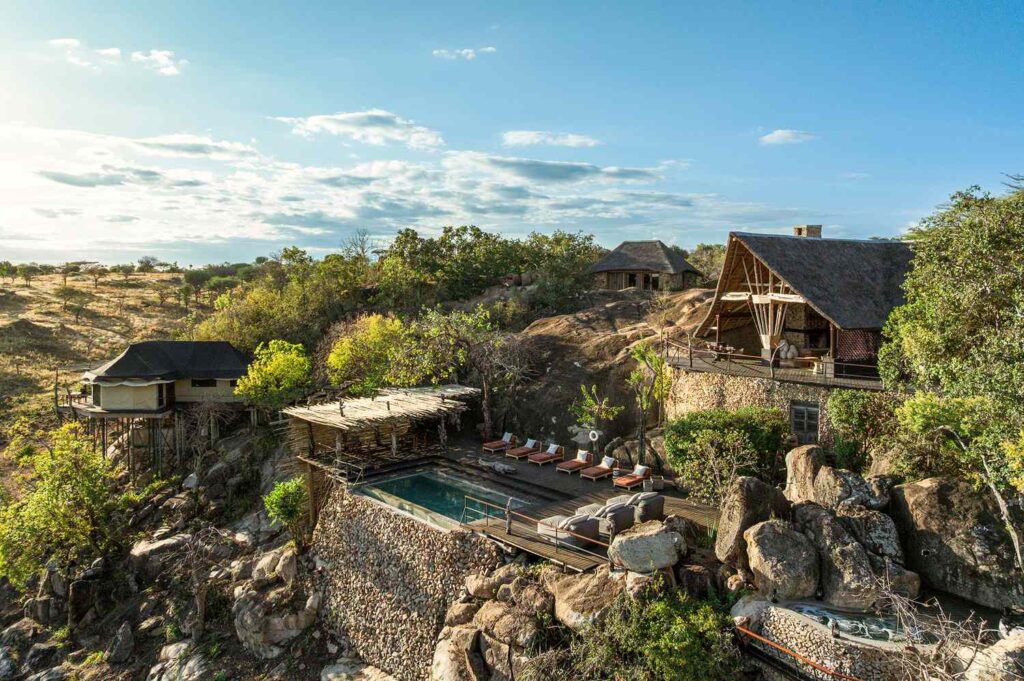
Accommodation location strongly affects the quality of your January safari. Staying closer to southern migration areas reduces unnecessary driving.
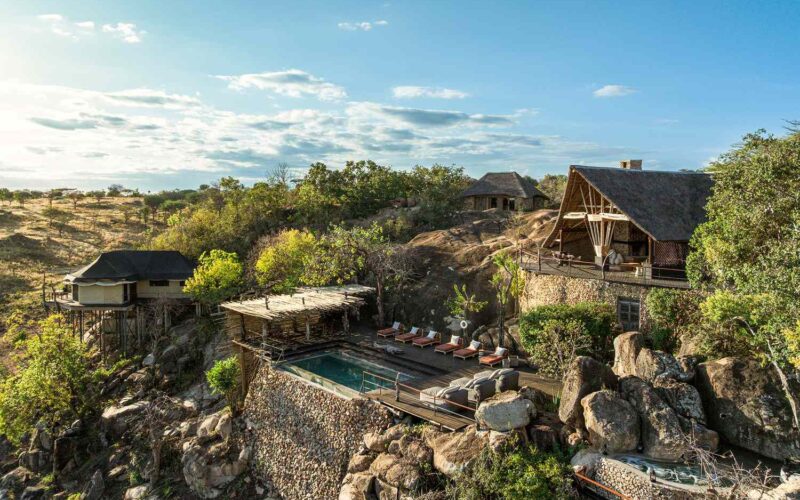
Mobile camps can offer strategic access to seasonal wildlife. Some permanent lodges also provide excellent locations for exploring nearby ecosystems.
Travelers should choose accommodation based on expected herd movements. A beautiful lodge becomes less practical when wildlife requires several hours of driving.
Deks Africa Safaris and Tours Ltd helps travelers match suitable lodges with Serengeti Migration Dates. This approach supports efficient and rewarding safari experiences.
Furthermore, travelers should allow several nights in the region. Wildlife movement can change according to rainfall and grazing conditions.
More time creates greater flexibility for guides. Therefore, guests can explore different areas without rushing.
For a successful Serengeti Great Migration Safari, location and timing should work together.
Wildlife Beyond the Migration
Explore the Complete Serengeti
A January safari offers more than wildebeest herds. Serengeti National Park supports remarkable resident wildlife throughout the year.
Lions occupy hunting territories across the ecosystem. Cheetahs benefit from open landscapes and suitable prey.
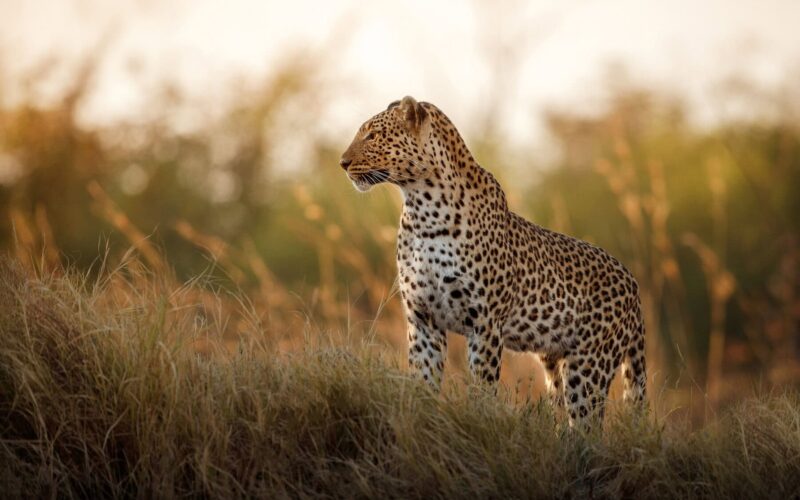
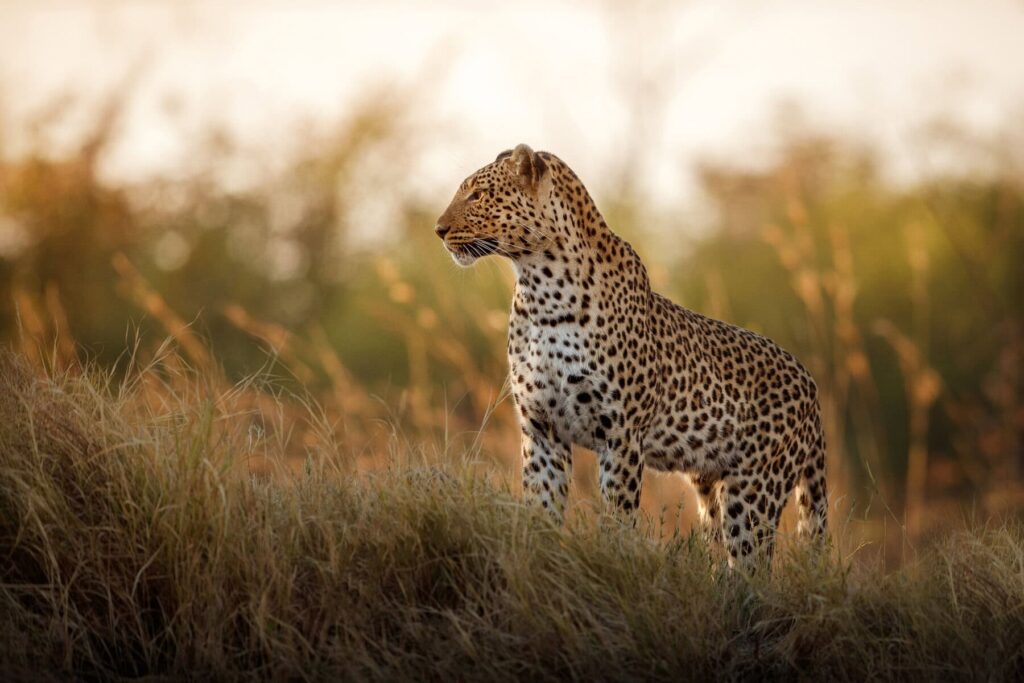
Leopards require patience and careful observation. Elephants, buffalo, giraffes, and antelopes add diversity to game drives.
Birdwatchers can also enjoy a wide range of species. Different habitats support raptors, ostriches, storks, and smaller birds.
Therefore, Tanzania Wildlife Safaris should focus on the complete ecosystem. Migration events provide one highlight among many.
This broader approach improves the travel experience. Guests can enjoy wildlife even when herds move beyond expected locations.
Hot Air Balloon Ride in the Serengeti
See the January Landscape From Above
A Hot Air Balloon Ride can add another exciting experience to a January Serengeti Safari. Early flights reveal the landscape from above.
Travelers may observe open plains, wildlife, rivers, and beautiful sunrise colors. The aerial view highlights the enormous scale of Serengeti National Park.
Each flight provides different wildlife sightings. Therefore, guests should appreciate the landscape rather than expect specific animals.
A balloon experience complements traditional game drives. It provides a peaceful and memorable perspective on Africa’s wilderness.
Weather and location influence balloon operations. Travelers should therefore book this activity early when planning Tanzania Safaris.
Cultural Experiences Around Southern Serengeti Safari Lodges
Discovering Maasai Heritage
Safari travel around southern Serengeti can include meaningful cultural experiences. Selected Maasai communities offer opportunities for respectful cultural discovery.
Visitors can explore traditional pastoral lifestyles with local hosts. Community-led experiences may introduce homes, daily activities, and livestock traditions.
Travelers can also discover Maasai beadwork and craftsmanship. Local artisans create handmade pieces with cultural and artistic value.
Traditional music and dance may form part of selected community visits. These experiences should support participating communities directly.
Some itineraries can include village walks and community projects. Local guides can provide valuable insights into everyday life.
Respect remains essential throughout every cultural experience. Travelers should always request permission before taking photographs.
Therefore, Africa Tours can combine wildlife encounters with cultural understanding. Responsible tourism should benefit conservation, travelers, and local communities.
Tips for Seeing the January Migration
Stay Flexible
January migration movements depend on current environmental conditions. Therefore, travelers should avoid expecting herds at one exact location.
Experienced safari guides can follow recent wildlife activity. Flexible game drives create better opportunities for meaningful sightings.
Allow Enough Safari Time
A longer stay improves your chances of finding major wildlife concentrations. Several nights allow guides to explore different areas.
Patience also improves the experience. Some of Africa’s most memorable wildlife moments happen unexpectedly.
Focus on the Whole Experience
The Great Wildlife Migration remains extraordinary. However, a Serengeti Safari offers much more than wildebeest viewing.
Enjoy predators, birds, landscapes, sunsets, and cultural experiences. This approach creates a richer and more complete adventure.
Safari Inclusions
- Airport transfers
- Safari vehicle
- Professional safari guide
- Accommodation
- Meals as scheduled
- Drinking water
- Game drives
- Park entry fees
- Government taxes where applicable
- Scheduled activities
Safari Exclusions
- International flights
- Visa fees
- Travel insurance
- Alcoholic beverages
- Tips and gratuities
- Personal expenses
- Optional activities
- Hot Air Balloon Ride
- Laundry services
- Medical expenses
Where Is the Migration in January?
Where Is the Migration in January? January commonly finds major herds across southern Serengeti and the Ndutu area.
Fresh grazing attracts wildebeest, zebras, and gazelles to productive grasslands. Pregnant females prepare for the important calving period.
Early births can also occur during January. Predator activity increases around the large wildlife concentrations.
However, exact herd locations vary according to rainfall and grazing conditions. Therefore, travelers should plan with flexibility.
A well-designed Serengeti Great Migration Safari focuses on likely seasonal areas. It should also allow enough time for wildlife exploration.
Southern Serengeti offers more than migration viewing. Visitors can enjoy predators, resident wildlife, green landscapes, and excellent photography opportunities.
Cultural experiences can also add depth to Tanzania Safaris. A Hot Air Balloon Ride can provide another unforgettable perspective.
Deks Africa Safaris and Tours Ltd helps travelers plan meaningful Great Migration Safaris and wider Africa Safaris. We focus on reliable guidance and responsible travel experiences.
Ultimately, Where Is the Migration in January? Southern Serengeti and Ndutu provide the strongest general answer.
Still, nature controls every migration season. Choose the right region, allow enough time, and let the Great Wildlife Migration shape your unforgettable adventure.
Where Is the Migration in January? January offers an exceptional opportunity to witness the beginning of another remarkable chapter.
Proposed East Africa Safari Holidays for the USA Travelers
- 9-Day Rwanda & Tanzania Luxury Wildlife Tour
- 9-Day Rwanda, Uganda & Tanzania Luxury Wildlife Safari
- 9-Day Rwanda Gorilla Trekking & Tanzania Safari
- 9-Day Tanzania Safari & Uganda Gorilla Trekking
- 10-Day Serengeti & Ngorongoro Crater Safari Experience
- 10-Day Tanzania and Rwanda Adventure Safari
- 11-Day Rwanda Uganda Tanzania Safari
- 20 Days Uganda, Tanzania, and Mafia Island Beach Safari
- 18 Days Uganda, Tanzania, and Mafia Island Beach Safari
- 14-Day Rwanda Uganda Tanzania Tour
- 14-Day Rwanda, Kenya, Tanzania & Beach Holiday
- 20-Day Rwanda Tanzania Zanzibar Safari Experience
- 16-Day Tanzania Safari & Rwanda Gorilla Trekking Experience
- 14 Days Kenya-Tanzania-Rwanda-Uganda Safari
- 24 Days Zanzibar-Uganda-Tanzania-Kenya Safari
- 5 Days Serengeti Great Migration Safari
- 6 Days Serengeti Great Migration Safari
- 7 Days Serengeti Great Migration Safari
- 8 Days Serengeti Great Migration Safari