How to Book a Private Serengeti Great Migration Safari?
August 24, 2026
June Versus July for Serengeti River Crossings
August 25, 2026How to Plan a Serengeti Great Migration Safari
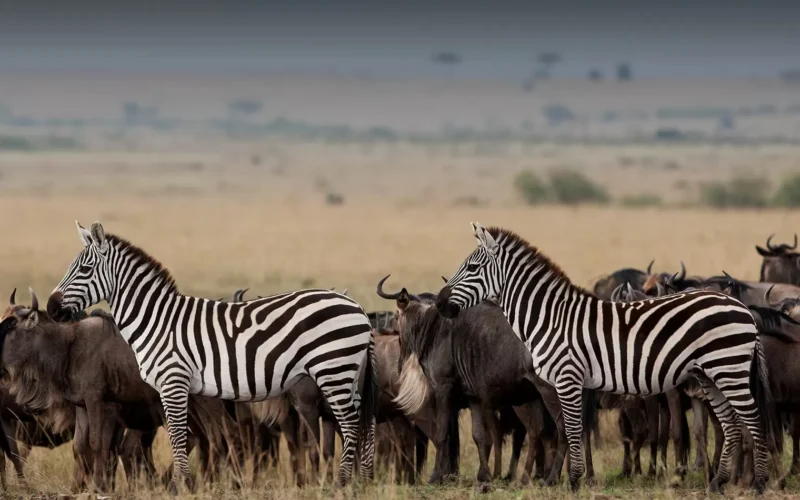
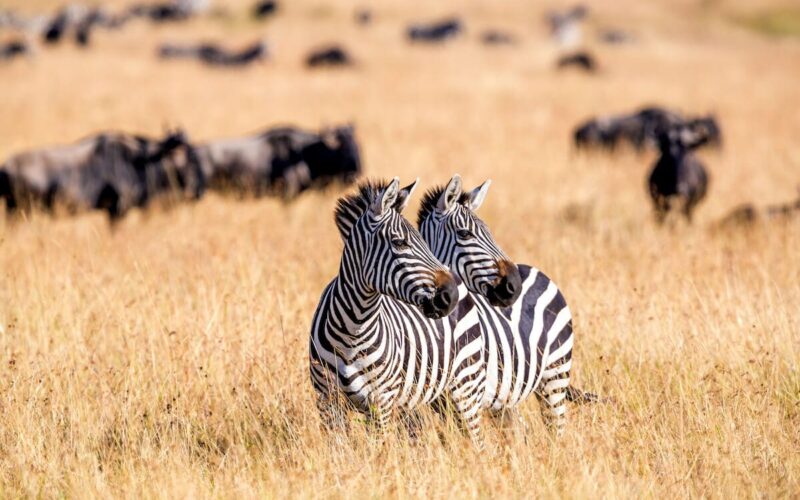
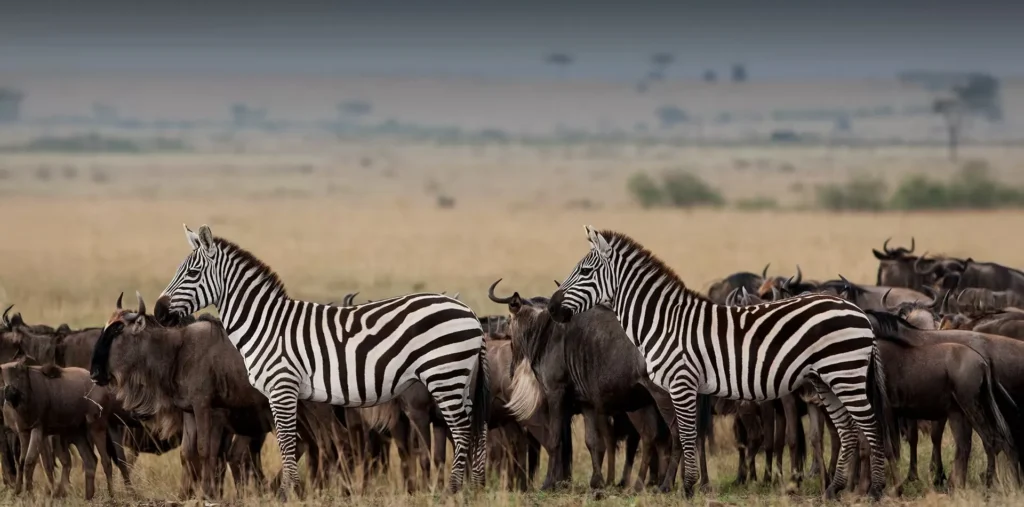
How to Plan a Serengeti Great Migration Safari requires careful timing, location planning, and experienced safari support. The Serengeti offers one of Africa’s greatest wildlife spectacles. Millions of grazing animals move across the Serengeti-Mara ecosystem each year. Wildebeest lead the movement, joined by zebras and gazelles.
A successful How to Plan a Serengeti Great Migration Safari strategy starts with understanding the migration cycle. The herds do not follow an exact calendar. Rainfall, grass, water, and local conditions influence their movements. Therefore, travelers should choose a region based on seasonal wildlife patterns.
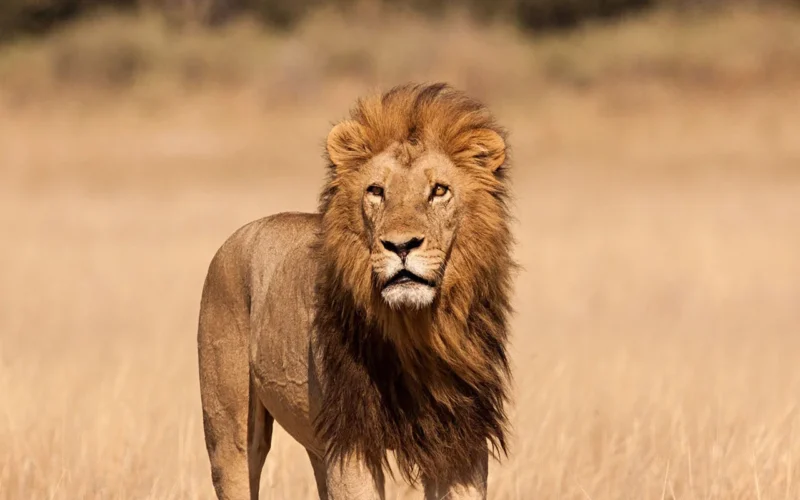
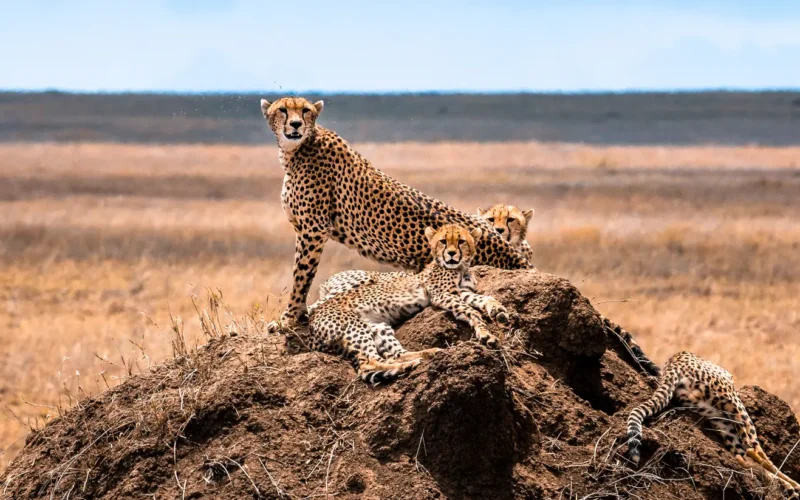
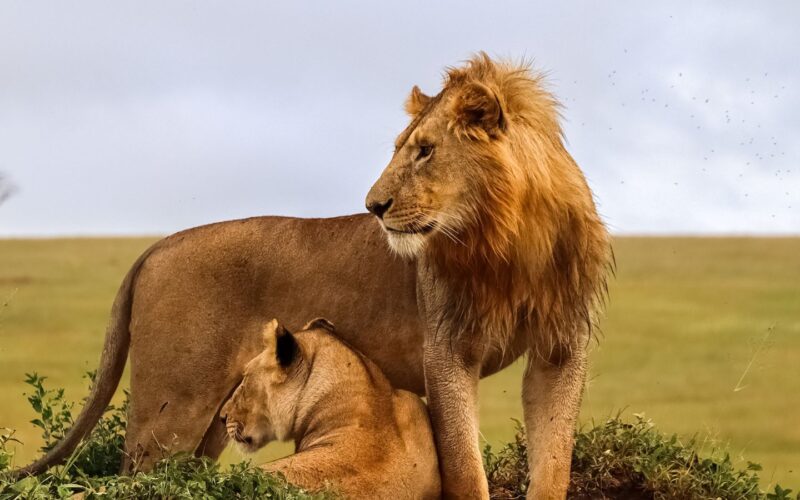
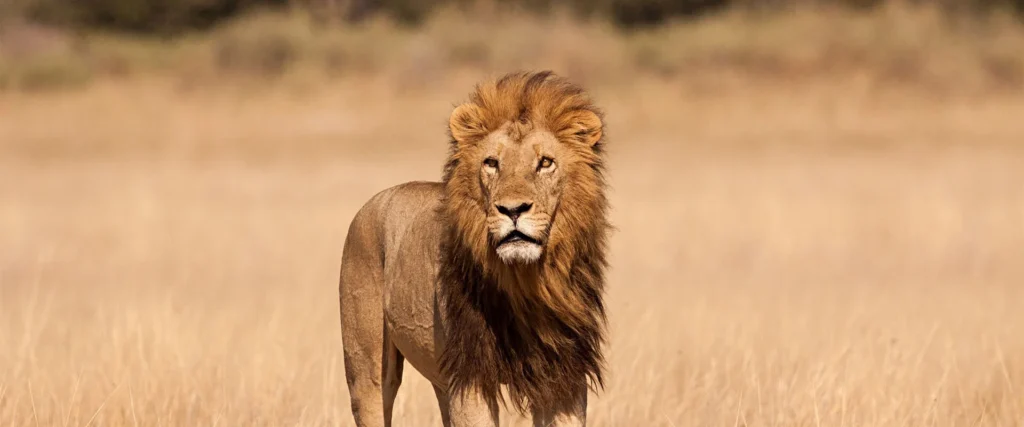
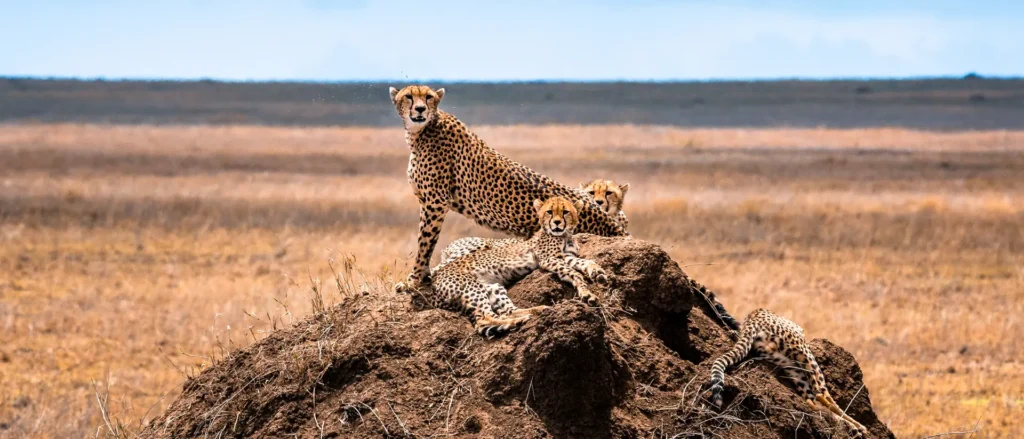
The Serengeti National Park also offers excellent wildlife beyond migration viewing. Lions, leopards, cheetahs, elephants, giraffes, buffaloes, hippos, and many antelope species inhabit the park. Consequently, a Serengeti Safari remains rewarding throughout the year.
For international travelers, preparation should also cover accommodation, transport, park regulations, photography, meals, and cultural activities. A knowledgeable safari company can coordinate these elements into one seamless experience.
This guide explains How to Plan a Serengeti Great Migration Safari with practical advice. It also highlights seasonal movements, accommodation choices, logistics, cultural experiences, and responsible tourism.
How to Plan a Serengeti Great Migration Safari Around Seasons
Understanding seasons remains the foundation of How to Plan a Serengeti Great Migration Safari. The migration follows fresh grazing opportunities across the ecosystem. Therefore, travelers should choose dates according to their preferred wildlife experience.
January to March: Calving Season
The southern Serengeti plains provide exceptional calving opportunities during this period. Large numbers of wildebeest gather around the nutritious short-grass plains. Thousands of calves arrive during the peak calving period.
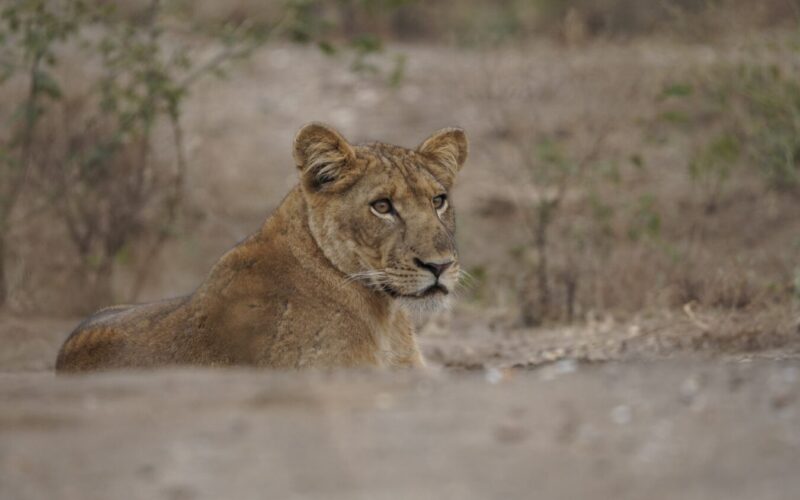
Predators also become highly active during calving season. Lions, cheetahs, hyenas, and leopards patrol areas containing young animals. Consequently, this period offers dramatic predator encounters.
Travelers interested in photography should consider this season. Young calves, hunting scenes, golden grasslands, and dramatic skies create excellent photographic opportunities.
April to May: Green Season
The long rains transform the Serengeti landscape. Grass becomes greener, vegetation flourishes, and wildlife remains widely distributed. Some roads become challenging after heavy rainfall.
Nevertheless, this season can suit travelers seeking fewer crowds. It also offers beautiful landscapes and strong photographic conditions.
June to July: Western Movement
The migration gradually moves through the western Serengeti. The Grumeti region can offer memorable wildlife viewing during this period. The herds continue searching for water and fresh grazing.
Travelers should allow several safari days during this season. Wildlife movements can change quickly because rainfall influences grazing conditions.
July to October: Northern Serengeti
Northern Serengeti becomes especially attractive during the dry season. The herds move toward the Mara River and surrounding northern areas. River crossings can create extraordinary wildlife encounters.
However, river crossings remain unpredictable. No responsible operator should guarantee a crossing on a particular day. Instead, experienced guides position guests in suitable areas and monitor animal movements carefully.
November to December: The Return Journey
Short rains encourage the herds to move southward again. The Great Wildlife Migration Cycle continues toward the southern plains.
This period can provide excellent wildlife viewing without relying on river crossings. Travelers can also enjoy greener landscapes and changing wildlife concentrations.
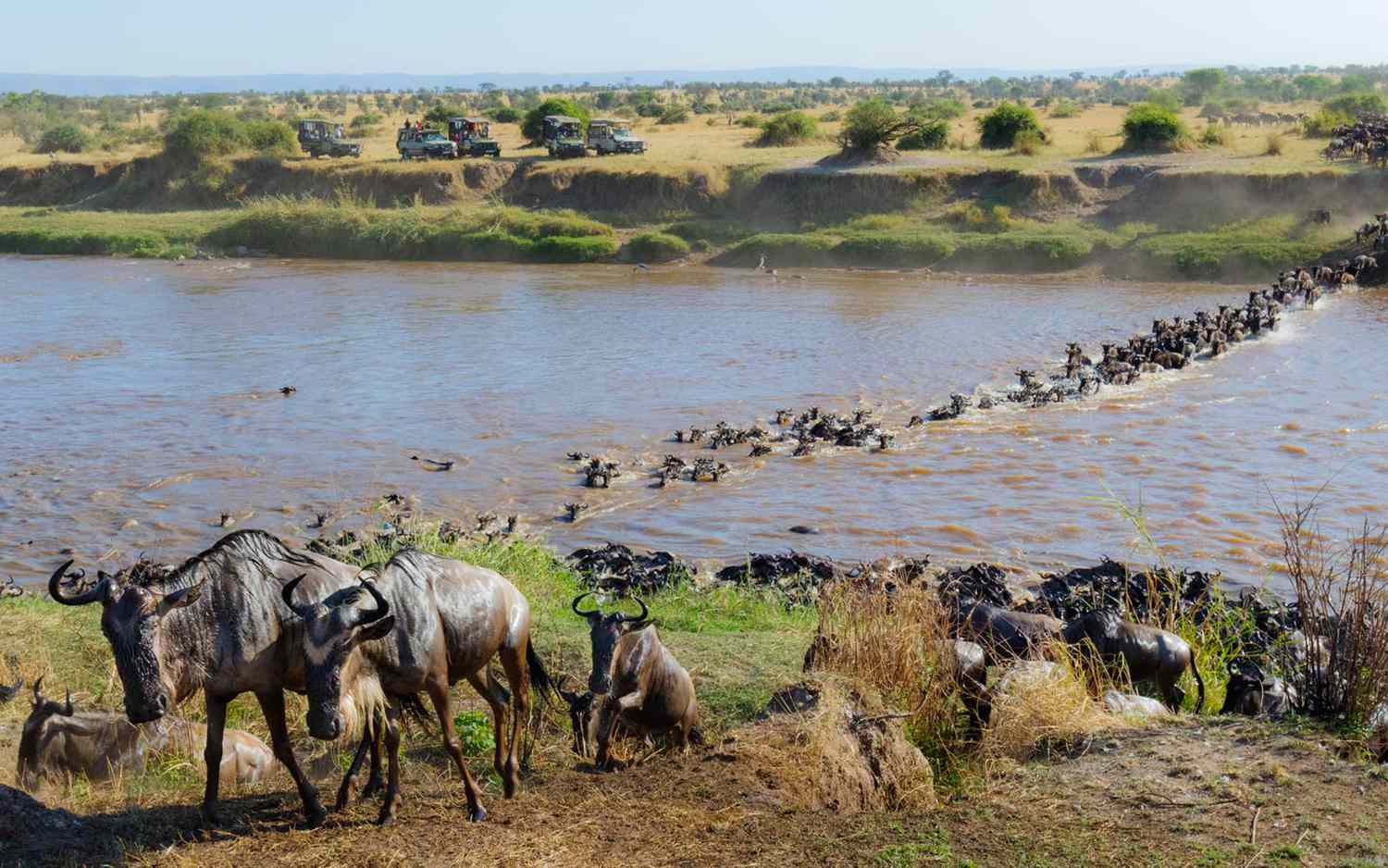
Great Wildebeest Migration in Serengeti
How to Plan a Serengeti Great Migration Safari With the Right Location
Location selection can strongly influence your safari experience. The Serengeti covers an enormous area with different wildlife patterns.
Central Serengeti remains valuable for travelers seeking year-round wildlife. The Seronera area supports strong predator viewing and permanent wildlife populations.
Western Serengeti becomes attractive during the western movement. Meanwhile, Northern Serengeti provides access to areas around Kogatende and the Mara River.
Southern Serengeti and the Ndutu area become particularly important during calving season. Your travel dates should therefore determine your preferred safari zone.
A well-planned Serengeti National Park Safari can combine two regions. For example, travelers can spend time in central Serengeti before moving north. This approach creates broader wildlife opportunities.
Choosing Accommodation for Your Serengeti Safari
Accommodation plays an important role in How to Plan a Serengeti Great Migration Safari. Your preferred accommodation should match your travel dates and safari goals.
Mobile Tented Camps
Mobile camps provide an immersive wilderness experience. Operators can position these camps near seasonal wildlife movements. They often provide comfortable tents, private facilities, dining areas, and guided safari services.
Mobile camps can work particularly well for travelers focused on migration viewing. Their seasonal positioning reduces unnecessary travel between accommodation and wildlife areas.
Permanent Lodges and Camps
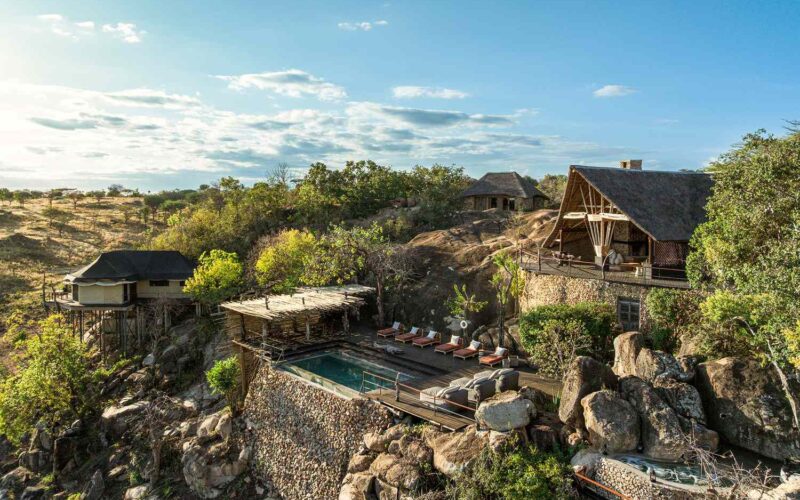
Permanent lodges offer convenience and comfort. They work especially well for travelers who prefer fixed accommodation.
Central Serengeti provides several permanent accommodation options. These properties offer access to strong wildlife areas throughout much of the year.
When choosing a lodge, consider location before luxury level. A beautiful lodge cannot replace convenient access to your preferred wildlife area.
Cultural Experiences Around Your Safari Lodge
A Serengeti Safari becomes richer when travelers include meaningful cultural experiences. Tanzania offers diverse living traditions, crafts, music, food, and community experiences.
Maasai Cultural Experience
A Maasai cultural visit can introduce travelers to traditional pastoral life. Visitors can learn about traditional homes, livestock, beadwork, dances, and community customs.
Choose community-led experiences that respect local traditions. Avoid treating cultural encounters as performances without meaningful interaction.
Local Food Experiences
Food can provide another connection with Tanzanian culture. Travelers can explore traditional dishes and locally sourced ingredients.
A lodge can arrange suitable cultural dining experiences where available. Such experiences add depth to a wildlife-focused itinerary.
Traditional Crafts
Beadwork and handmade crafts provide opportunities to support local artisans. Travelers can learn about the meaning behind different designs and materials.
Purchasing directly from community artisans can also contribute to local livelihoods. Responsible spending creates stronger connections between tourism and conservation.
Cultural and Heritage Extensions
Travelers with additional time can extend their Tanzania Safaris beyond Serengeti. Northern Tanzania offers cultural and historical attractions alongside wildlife.
Olduvai Gorge provides an important archaeological experience. Tanzania also offers cultural experiences involving Maasai, Chagga, and Hadzabe communities.
How to Plan a Serengeti Great Migration Safari With Reliable Transport
Transport requires careful planning because distances within the Serengeti can become substantial. A private 4×4 safari vehicle provides flexibility and better wildlife-viewing opportunities.
Professional guides also make a major difference. Experienced guides understand animal behavior, tracks, weather patterns, and local geography.
Internal flights can reduce long driving times between regions. However, road transfers can provide valuable scenery and additional wildlife encounters.
Your safari planner should therefore balance driving time with wildlife priorities. Avoid packing too many destinations into a short itinerary.
A comfortable Serengeti Great Migration Safari should allow enough time for unexpected wildlife opportunities.
Responsible Wildlife Viewing
Responsible tourism remains essential during the Great Wildlife Migration. Visitors should respect park regulations and wildlife space.
Serengeti authorities provide designated river-crossing areas and specific vehicle guidelines.
Guides should position vehicles carefully without blocking animal movements. Guests should also remain inside vehicles where required.
Avoid shouting, chasing animals, or requesting reckless driving. Such behavior can disturb wildlife and damage the safari experience.
Responsible photography also matters. Use long lenses instead of moving vehicles too close to animals.
The goal should always remain observation without unnecessary disturbance.
How to Plan a Serengeti Great Migration Safari for Photography
Photography requires patience, preparation, and realistic expectations. Wildlife does not perform according to a schedule.
Carry spare batteries, sufficient memory cards, protective camera covers, and suitable lenses. A telephoto lens can help capture distant wildlife without approaching too closely.
Early morning drives often provide beautiful light. Evening drives can also produce dramatic skies and silhouettes.
River crossings require additional patience. Animals may gather for hours before crossing. Therefore, travelers should prepare for waiting.
Excellent photography comes from understanding animal behavior rather than chasing action.
How to Plan a Serengeti Great Migration Safari on Different Budgets
Safari budgets vary according to accommodation, transport, duration, and travel season.
Budget travelers can choose simpler tented accommodation and shared safari arrangements. Mid-range travelers can select comfortable lodges with private vehicles.
Luxury travelers can choose premium lodges, exclusive camps, private flights, and private safari services.
However, value should not depend only on accommodation quality. Location, guiding standards, vehicle condition, and itinerary design matter equally.
A professional safari planner should explain these differences clearly. Transparent planning builds trust before the journey begins.
How to Plan a Serengeti Great Migration Safari With Enough Time
A longer itinerary provides greater flexibility. Three days may offer a brief introduction to the Serengeti. However, five to seven days can provide deeper exploration.
Longer trips allow travelers to follow changing wildlife movements. They also reduce pressure to rush between different areas.
A strong itinerary can combine Serengeti with Ngorongoro and Tarangire. These destinations create a broader Northern Tanzania wildlife experience.
Travelers can also extend their journey toward Zanzibar. This combination allows guests to enjoy wildlife, culture, history, and coastal relaxation.
Great Migration Safari Expectations
A Great Migration Safari should focus on the entire natural cycle. River crossings receive significant attention, but they represent only one part of migration.
Calving, grazing, predator activity, rutting, river crossings, and seasonal movements all create different experiences.
The Great Wildlife Migration Cycle demonstrates the connection between rainfall, grass, water, predators, and herbivores.
Therefore, travelers should avoid defining success by one event. A safari becomes more rewarding when guests appreciate the wider ecosystem.
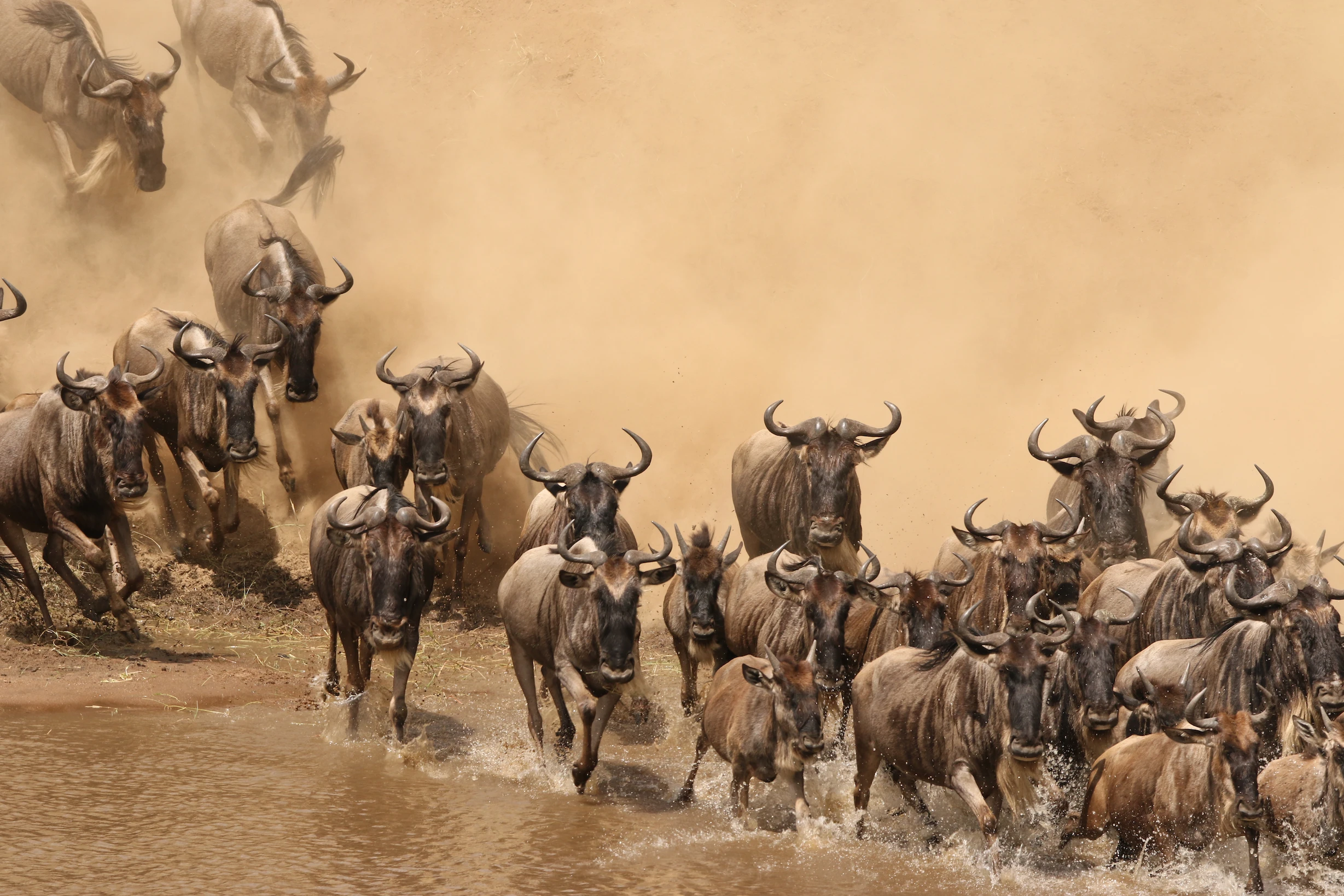
Tanzania Combo Guided Safari
Serengeti Great Migration Safari and Conservation
The migration supports the ecological health of the Serengeti-Mara ecosystem. Wildebeest influence grazing patterns and nutrient cycling across the grasslands. (Tanzania Parks)
Tourism can support conservation when visitors follow regulations and choose responsible operators. Park fees also contribute to protected-area management. TANAPA publishes official park tariff information for Serengeti National Park.
Visitors can contribute further by respecting wildlife, minimizing waste, and supporting responsible community experiences.
Conservation should remain part of every quality Tanzania wildlife safari.
Can You Combine Serengeti With Bwindi Gorilla Trekking?
Travelers visiting East Africa can combine Tanzania with Uganda. A Serengeti itinerary can therefore become part of a larger East African adventure.
Bwindi Gorilla Trekking offers a completely different wildlife experience. Instead of open savannahs, travelers explore dense mountain rainforest.
Combining a Serengeti National Park Safari with Bwindi creates remarkable diversity. Guests can experience the Great Wildlife Migration and mountain gorilla trekking within one extended journey.
This combination suits travelers seeking both savannah and rainforest experiences.
Serengeti Safari Planning Checklist
Before confirming your trip, review your preferred season and wildlife goals. Then select the most suitable Serengeti region.
Confirm your accommodation location before making final arrangements. Check transport options and allow realistic travel times.
Also review park fees, entry requirements, travel insurance, and personal packing needs. Official Tanzanian tourism resources provide current planning information for visitors.
Finally, choose a safari company with strong destination knowledge. Professional planning can transform a good safari into an exceptional journey.
Safari Inclusions
- Airport transfers
- Private 4×4 safari vehicle
- Professional safari guide
- Accommodation
- Meals as stated
- Park entrance fees
- Game drives
- Migration tracking
- Bottled drinking water
- Cultural experiences as stated
- Government taxes
- Emergency support
Safari Exclusions
- International flights
- Tanzania visa
- Travel insurance
- Personal expenses
- Alcoholic drinks
- Laundry services
- Tips and gratuities
- Souvenirs
- Medical expenses
- Additional activities
- Items not listed in the itinerary
Final Thoughts on How to Plan a Serengeti Great Migration Safari
How to Plan a Serengeti Great Migration Safari starts with realistic expectations and expert timing. The migration follows nature rather than human schedules.
Choose your travel period based on the experience you want most. Select accommodation according to wildlife location and travel style.
Furthermore, allow enough time for unexpected wildlife encounters. Include cultural experiences to understand Tanzania beyond its wildlife.
A well-designed Serengeti Safari should combine wildlife, conservation, comfort, culture, and responsible travel.
The Serengeti Great Migration Safari remains one of Africa’s most extraordinary journeys. Yet its true value extends beyond dramatic river crossings.
It reveals the rhythm of an ecosystem shaped by movement, survival, rainfall, and renewal. With careful planning, travelers can experience this remarkable cycle responsibly.
For world travelers seeking authentic Tanzania Safaris, Serengeti offers exceptional opportunities throughout the year. The right itinerary turns seasonal wildlife movement into a deeply memorable African adventure.
How to Plan a Serengeti Great Migration Safari ultimately means planning around nature. With expert guidance, thoughtful accommodation, responsible viewing, and flexible logistics, your safari can deliver lasting memories.
About Deks Africa Safaris and Tours Ltd
Deks Africa Safaris and Tours Ltd creates thoughtfully planned African safari experiences. Our approach combines destination expertise, responsible tourism, reliable logistics, and personalized travel planning.
We focus on creating meaningful journeys across Africa. Every itinerary should connect travelers with wildlife, landscapes, cultures, and communities.
Proposed East Africa Safari Holidays for the USA Travelers
- 9-Day Rwanda & Tanzania Luxury Wildlife Tour
- 10-Day Tanzania Safari Experience
- 9-Day Rwanda, Uganda & Tanzania Luxury Wildlife Safari
- 9-Day Rwanda Gorilla Trekking & Tanzania Safari
- 9-Day Tanzania Safari & Uganda Gorilla Trekking
- 10-Day Serengeti & Ngorongoro Crater Safari Experience
- 10-Day Tanzania and Rwanda Adventure Safari
- 11-Day Rwanda Uganda Tanzania Safari
- 20 Days Uganda, Tanzania, and Mafia Island Beach Safari
- 18 Days Uganda, Tanzania, and Mafia Island Beach Safari
- 14-Day Rwanda Uganda Tanzania Tour
- 14-Day Rwanda, Kenya, Tanzania & Beach Holiday
- 20-Day Rwanda Tanzania Zanzibar Safari Experience
- 16-Day Tanzania Safari & Rwanda Gorilla Trekking Experience
- 14 Days Kenya-Tanzania-Rwanda-Uganda Safari
- 24 Days Zanzibar-Uganda-Tanzania-Kenya Safari
- 5 Days Serengeti Great Migration Safari
- 6 Days Serengeti Great Migration Safari
- 7 Days Serengeti Great Migration Safari
- 8 Days Serengeti Great Migration Safari
- Hot Air Balloon serengeti
- 14 Days Uganda Tanzania and Kenya Safari
- What Should I Pack for a Tanzania Safari