Africa’s Wild Frontier
October 26, 2026Protecting the Gentle Giants
The Science Behind the Strict One-Hour Rule in Mountain Gorilla Trekking
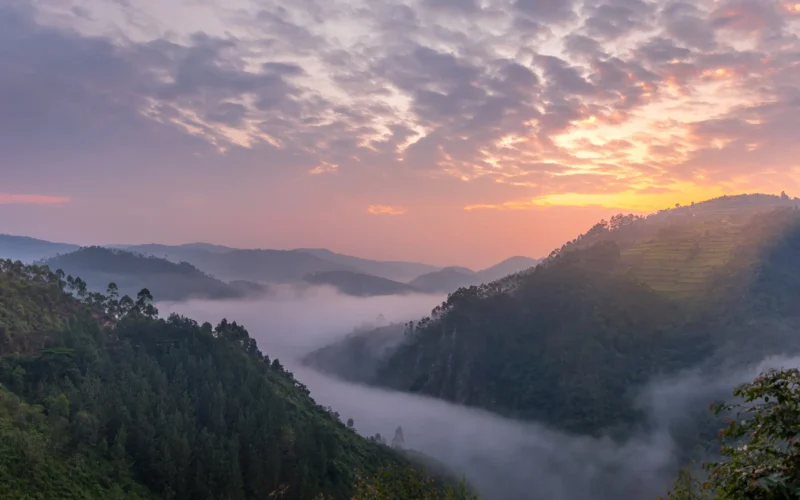
Standing face-to-face with a family of wild mountain gorillas (Gorilla beringei beringei) in the misty rainforests of East Africa is widely celebrated as one of the world’s most transformative wildlife experiences. Yet, when travelers reach a habituated gorilla group in premier sanctuaries like Bwindi Impenetrable National Park, Mgahinga Gorilla National Park, or Volcanoes National Park, an official clock begins. Conservation authorities strictly enforce a 60-minute maximum limit for visitors in the immediate presence of these endangered primates. Far from being an arbitrary restriction, this strict one-hour rule is a cornerstone of modern conservation science. Formulated by wildlife veterinarians, primatologists, and national park management agencies, this policy ensures that eco-tourism remains sustainable while directly mitigating physiological stress and biosecurity hazards. Understanding the critical reasons behind this temporal threshold enhances every trekker’s appreciation of East Africa‘s delicate gorilla protection protocols.
Minimizing Behavioral Stress and Preserving Natural Routines
Mountain gorillas undergo a meticulous, multi-year process called habituation—where expert trackers gradually accustom a wild gorilla family to the neutral presence of human observers without altering their wild behaviors. However, habituated gorillas remain wild, sentient animals that retain their acute instinctual awareness of their environment.
Preventing Foraging Disruptions
Gorillas spend up to 30% of their day feeding on leaves, stems, bamboo shoots, and wild fruits. Continuous human presence beyond one hour can cause silverbacks to move the troop away from prime feeding patches, disrupting essential daily nutritional intake.
Maintaining Social Group Dynamics
Prolonged visits can create unspoken tension among troop members. Young infants, nursing mothers, and silverbacks require quiet downtime for rest, play, and mutual grooming. Extended human presence disrupts these vital bonding rituals.
Reducing Cortisol and Stress Hormones
Endocrine studies conducted by conservation biologists have shown that extended interaction times with tourist groups significantly elevate stress hormones (cortisol) in wild primates, potentially impacting long-term reproductive health and behavioral stability.
Preventing Pathogen Transmission and Disease Outbreaks
Perhaps the most crucial rationale behind the one-hour limit is protecting gorillas from human-borne illnesses. Mountain gorillas share approximately 98% of their DNA with humans, making them exceptionally vulnerable to human pathogens, particularly respiratory infections. Because wild gorillas lack natural immunity against common human ailments—such as influenza, common cold viruses, and human respiratory syncytial virus (RSV)—a simple virus can quickly cascade into a life-threatening pneumonia outbreak across an entire troop. Limiting human interaction to 60 minutes, combined with mandatory 7-meter (23-foot) viewing distances, strict party caps (maximum 8 tourists per trek), and mandatory face masks, drastically reduces aerosol concentration in the humid rainforest microclimate, preserving troop immunity and health.
Balancing Conservation with Eco-Tourism Sustainability
The strict time limit is part of a broader, highly successful high-value, low-impact tourism framework that balances international conservation funding with long-term habitat preservation.
Minimizing Habitat Disturbance
Restricting tourist viewing times ensures that human foot traffic remains localized and temporary. This prevents vegetation trampling, preserves delicate undergrowth, and reduces environmental degradation within ancient forest zones.
Funding Anti-Poaching and Community Initiatives
Regulated gorilla permit sales generate vital revenue that funds 24/7 ranger patrols, veterinary interventions (such as Gorilla Doctors), and local community revenue-sharing programs. These economic benefits turn surrounding villages into active guardians of the forest.
What to Expect During Your 60 Minutes with the Gorillas
While 60 minutes may sound brief on paper, in practice, it is widely described as one of the most powerful and unforgettable hours of a traveler’s lifetime. Once your expert trackers locate the family, the hour begins. During this window, visitors are invited to observe:
- Silverback Dominance: Watch the powerful alpha male lead his family, clear pathways, or settle group disputes with effortless authority.
- Mother-Infant Interactions: Witness tender moments of nursing, carrying, and maternal protection deep in the forest understory.
- Playful Juvenile Dynamics: Marvel at young gorillas swinging from vines, wrestling in mossy hollows, and displaying natural curiosity.
- Quiet Observation & Photography: Capture high-resolution photography (without flash) while taking moments to absorb the raw atmosphere of the ancient rainforest.
Prime Destinations and Experiences for Gorilla Trekking
| Destination | Location | Key Gorilla Highlights |
| Bwindi Impenetrable National Park | Southwestern Uganda | UNESCO World Heritage site hosting nearly half the world’s mountain gorillas across four distinct trekking sectors. |
| Mgahinga Gorilla National Park | Southwestern Uganda | Scenic trekking along the slopes of the Virunga Volcanoes, home to the habituated Nyakagezi gorilla group. |
| Volcanoes National Park | Northwestern Rwanda | Famous sanctuary framed by dramatic volcanic peaks, offering accessible trekking paths and luxury eco-lodges. |
| Gorilla Habituation Experience (GHE) | Bwindi (Rushaga Sector) | An exclusive 4-hour immersion accompanying researchers and trackers with a gorilla family undergoing habituation. |
Sustainable Tourism and Ethical Wildlife Practices
Enforcing strict limits on human interaction is proof of East Africa’s commitment to sustainable wildlife conservation. The success of this management strategy is clear: mountain gorillas are the only wild great ape population currently increasing in number, having surpassed 1,000 individuals in recent years. By respecting park rules—such as wearing face masks, maintaining a 7-meter distance, turning off camera flashes, and honoring the 60-minute limit—travelers become active participants in one of the world’s greatest conservation success stories.
Plan Your Ethical Gorilla Trek with Deks Africa Safaris & Tours Ltd
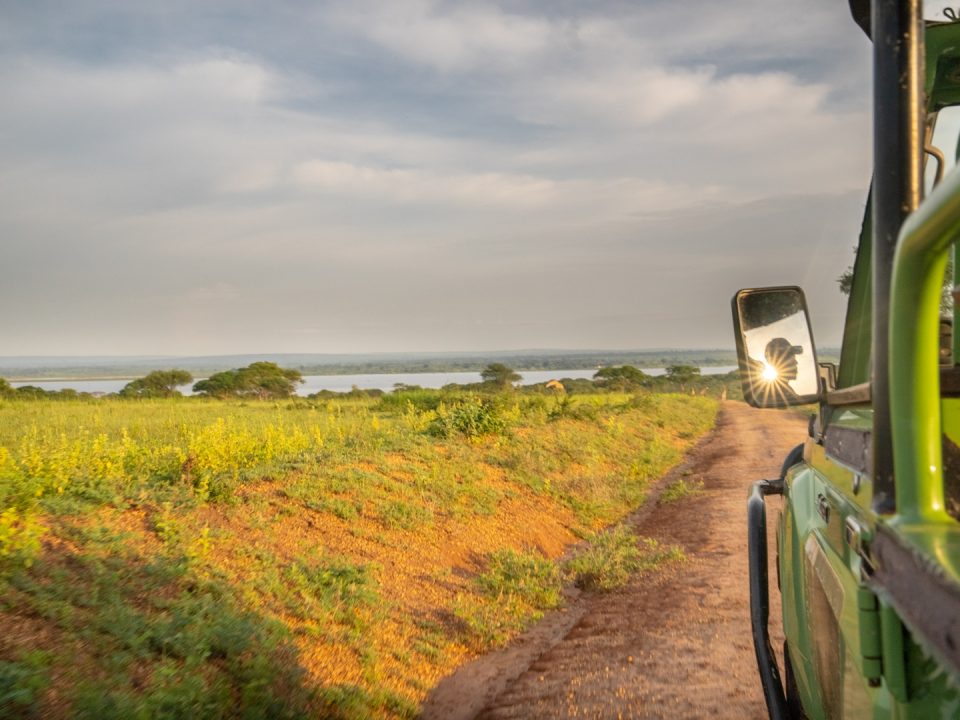
Navigating gorilla permit bookings, trek allocations, and mountain logistics requires experienced safari planning, robust 4×4 transport, and trusted local expertise. At Deks Africa Safaris & Tours Ltd, we specialize in designing customized, high-end, and ethical gorilla trekking safaris across Uganda and Rwanda.
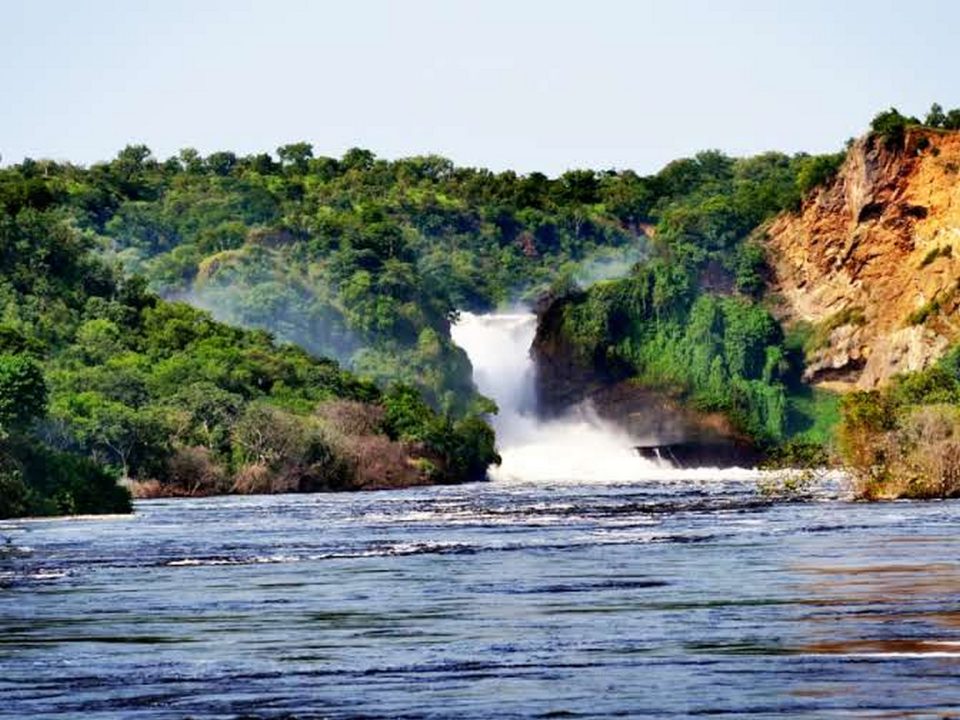
Whether you wish to combine a Bwindi gorilla trek with a wildlife safari in Queen Elizabeth National Park, a boat cruise on the Victoria Nile, or a mountain expedition in the Rwenzoris, our passionate team ensures your African adventure is seamless, responsible, and unforgettable.
Contact Deks Africa Safaris & Tours Ltd Today:
- Website: Explore our curated gorilla trekking safari packages online.
- Custom Safaris: Let our travel specialists secure your gorilla permits and design your itinerary today!