What Is the Best Time for a Photographic Safari in Uganda and Kenya?
March 16, 2026
What Makes Uganda Unique for Safari Photography?
March 17, 2026What Makes Kenya Ideal for Wildlife Photography?
Many travelers dream about capturing Africa’s wildlife through a camera lens. Therefore, many photographers ask one key question. What makes Kenya ideal for wildlife photography? The answer lies in Kenya’s landscapes, wildlife diversity, and natural lighting conditions.
Kenya offers some of the most famous safari destinations in the world. The country features wide open plains, scattered acacia trees, and dramatic skies. These elements create perfect backdrops for wildlife photography.
Additionally, Kenya supports large populations of wildlife. Photographers often capture lions, elephants, leopards, and buffalo in a single game drive. This high concentration of animals increases the chances of capturing powerful images.
Moreover, Kenya’s parks provide excellent accessibility. Roads within national parks allow vehicles to reach wildlife areas quickly. As a result, photographers can follow animals and adjust angles easily.
A Kenya safari also combines well with Uganda. While Kenya offers classic savannah scenes, Uganda provides forest and primate photography. Together, these destinations create a complete East African photography journey.
Deks Safaris and Tours designs photography itineraries that highlight Kenya’s best wildlife locations. The company ensures that photographers enjoy the best lighting conditions and wildlife encounters.
Therefore, when travelers ask what makes Kenya ideal for wildlife photography, they discover a destination that offers unmatched photographic opportunities across diverse landscapes.
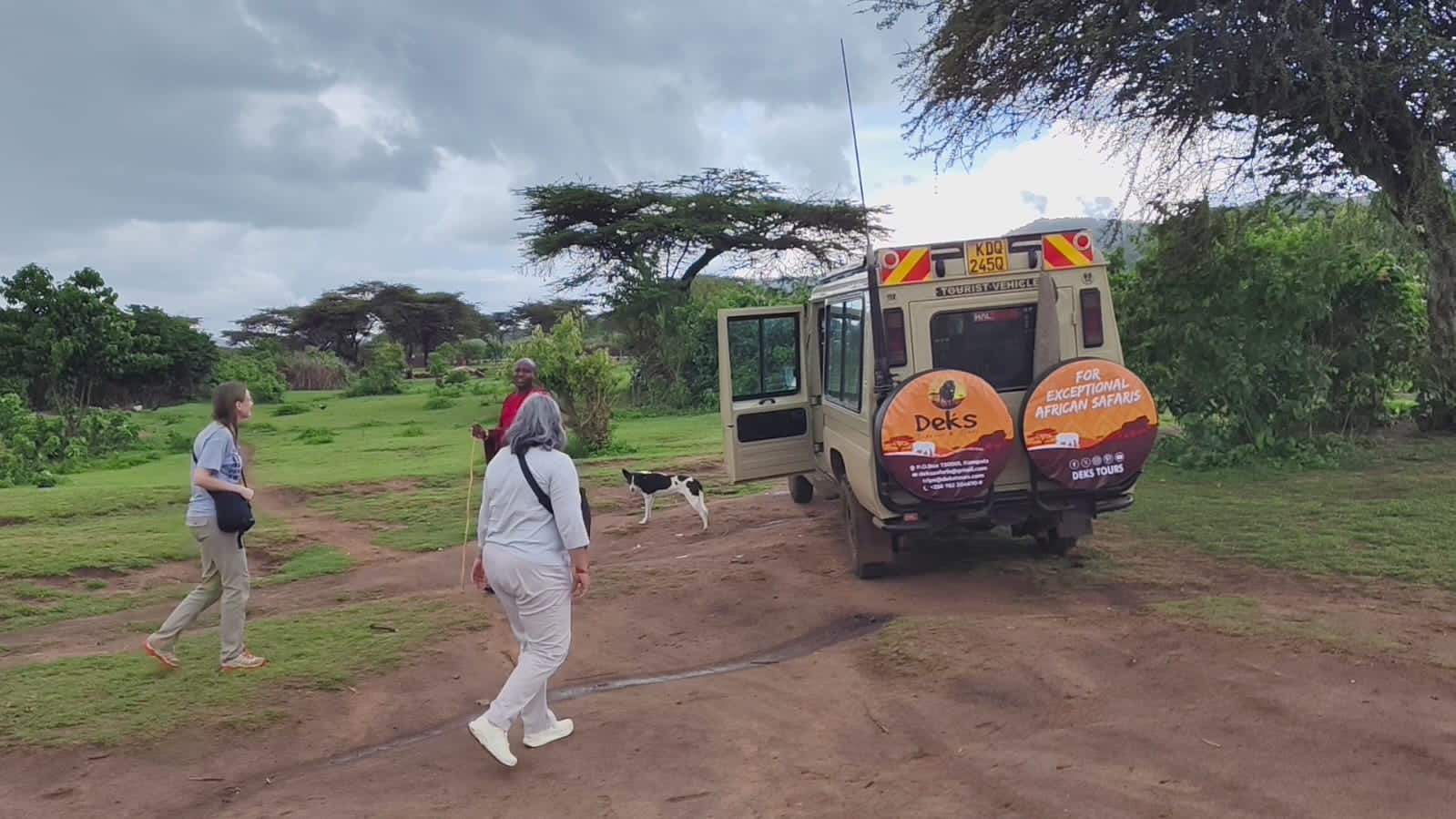
Kenya and Tanzania Group Safari
Open Savannah Landscapes: Perfect Natural Backgrounds
One of the main reasons Kenya attracts photographers lies in its open landscapes. Therefore, many travelers ask what makes Kenya ideal for wildlife photography when comparing safari destinations.
Kenya’s savannah plains stretch across wide horizons. These open spaces allow photographers to capture wildlife without obstruction. Unlike dense forests, the savannah provides clear lines of sight.
The famous Masai Mara National Reserve offers some of the best photography scenes in Africa. Golden grasslands extend toward distant hills. Acacia trees create balanced compositions in photographs.
Furthermore, these landscapes allow photographers to capture animals in motion. Lions chase prey across open ground. Elephants walk in long lines across the plains.
In addition, the sky plays an important role in photography. Sunrises and sunsets create warm colors across the landscape. These moments produce dramatic silhouettes and soft lighting.
Because of these features, many photographers strongly believe in the answer to what makes Kenya ideal for wildlife photography.
Abundant Wildlife and Big Five Opportunities
Another important factor answers the question what makes Kenya ideal for wildlife photography. Kenya hosts one of the highest wildlife densities in Africa.
The country supports large populations of the Big Five animals. These include lions, elephants, leopards, buffalo, and rhinos. Photographers often capture multiple species within a short time.
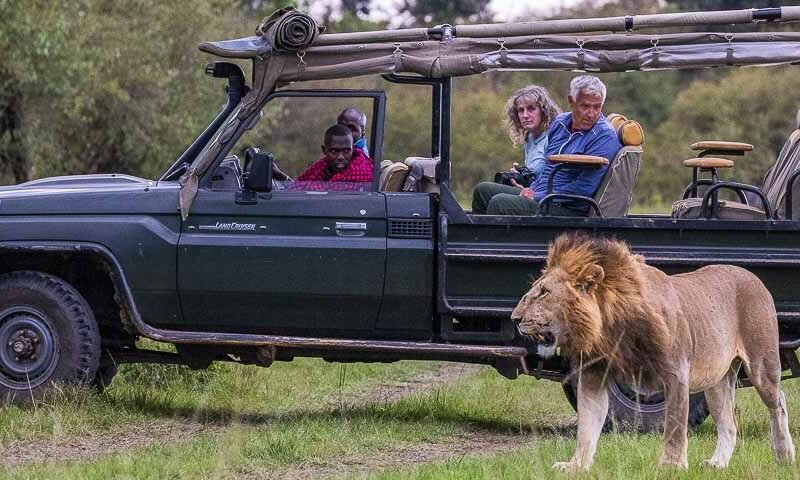
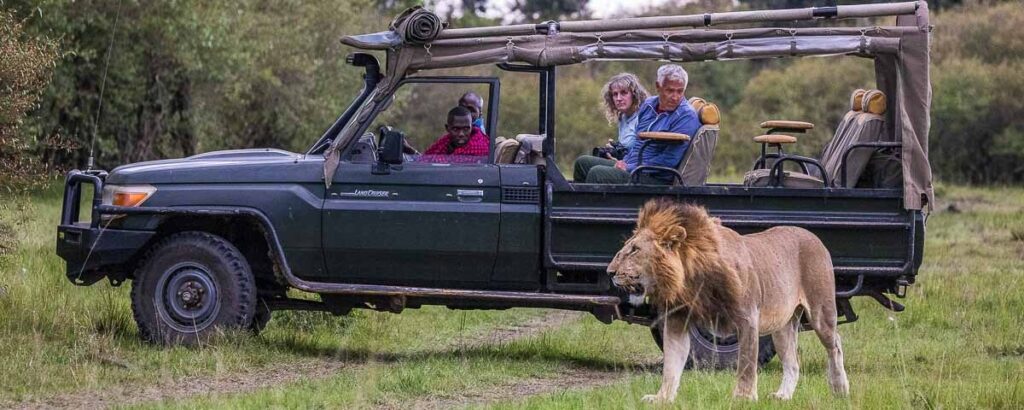
The Masai Mara National Reserve remains one of the best locations for wildlife photography. Predators appear frequently across the plains. Lions often rest near safari tracks, allowing close photography.
Additionally, Amboseli National Park provides excellent elephant photography. Large herds move slowly across open plains. Mount Kilimanjaro often appears in the background.
Wildlife behavior also improves photography opportunities. Animals interact naturally within their environment. Photographers capture hunting scenes, social interactions, and movement.
Therefore, when travelers ask what makes Kenya ideal for wildlife photography, wildlife abundance becomes a major answer.
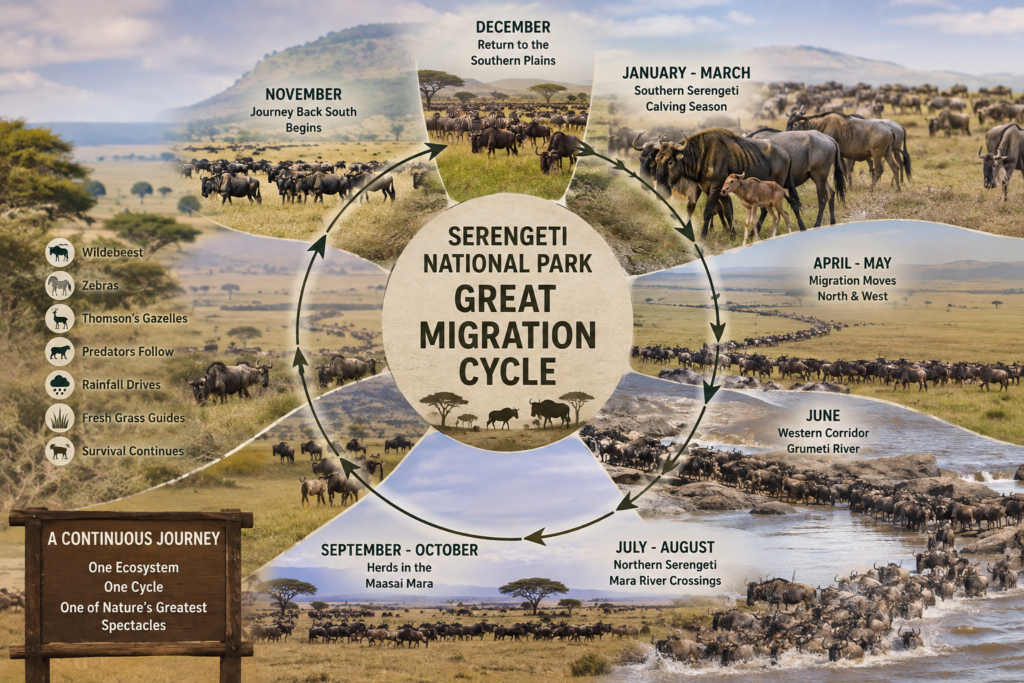
The Great Migration: A Unique Photography Experience
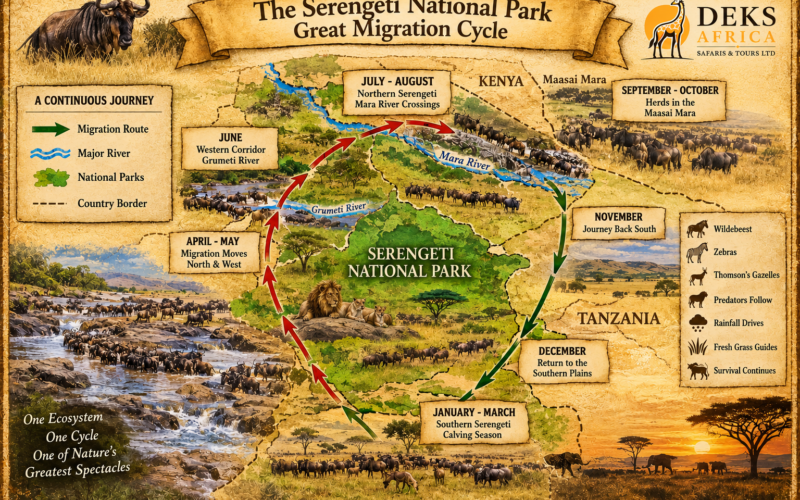
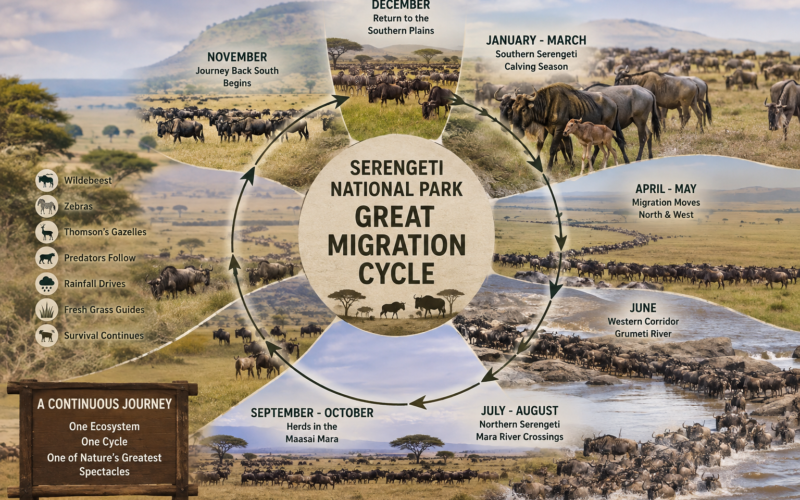
One of Kenya’s greatest attractions for photographers is the Great Migration. Therefore, many photographers ask what makes Kenya ideal for wildlife photography with this event in mind.
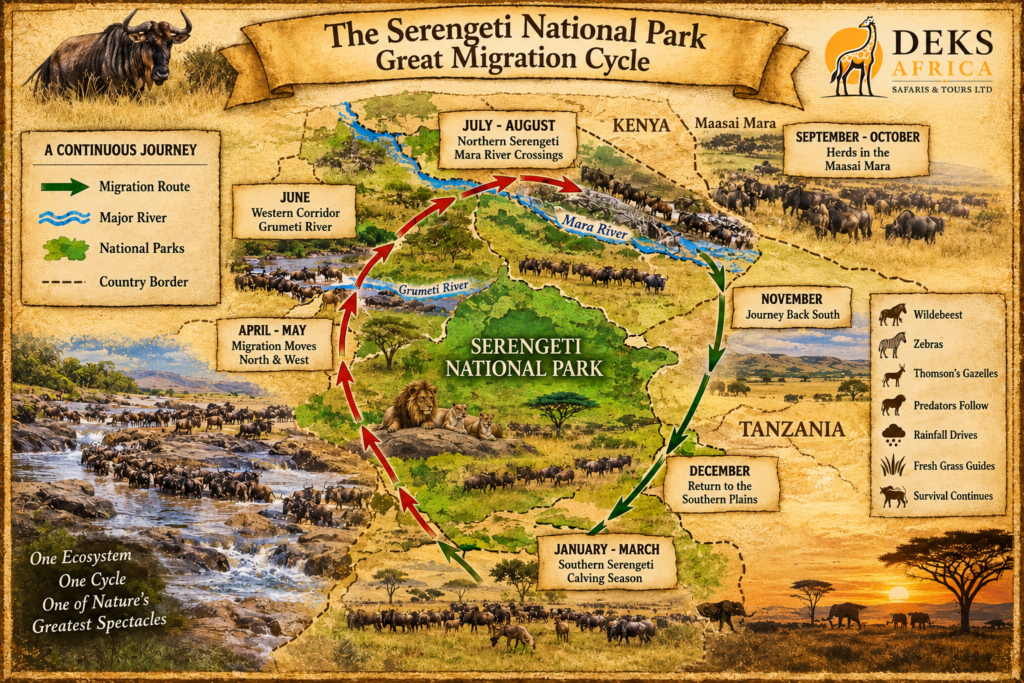
Each year, millions of wildebeest, zebras, and antelopes move across the plains. This journey takes place in the Masai Mara National Reserve.
River crossings create dramatic photography moments. Animals gather at riverbanks before attempting to cross. Crocodiles wait beneath the water, creating intense scenes.
Predators follow the migrating herds. Lions and cheetahs hunt across the plains. Photographers capture action-filled images during these moments.
Additionally, the movement of large herds creates dynamic compositions. Dust rises behind the animals, adding texture to images.
The migration usually occurs between July and October. During this time, photographers from around the world visit Kenya.
Therefore, the Great Migration strongly answers the question what makes Kenya ideal for wildlife photography.
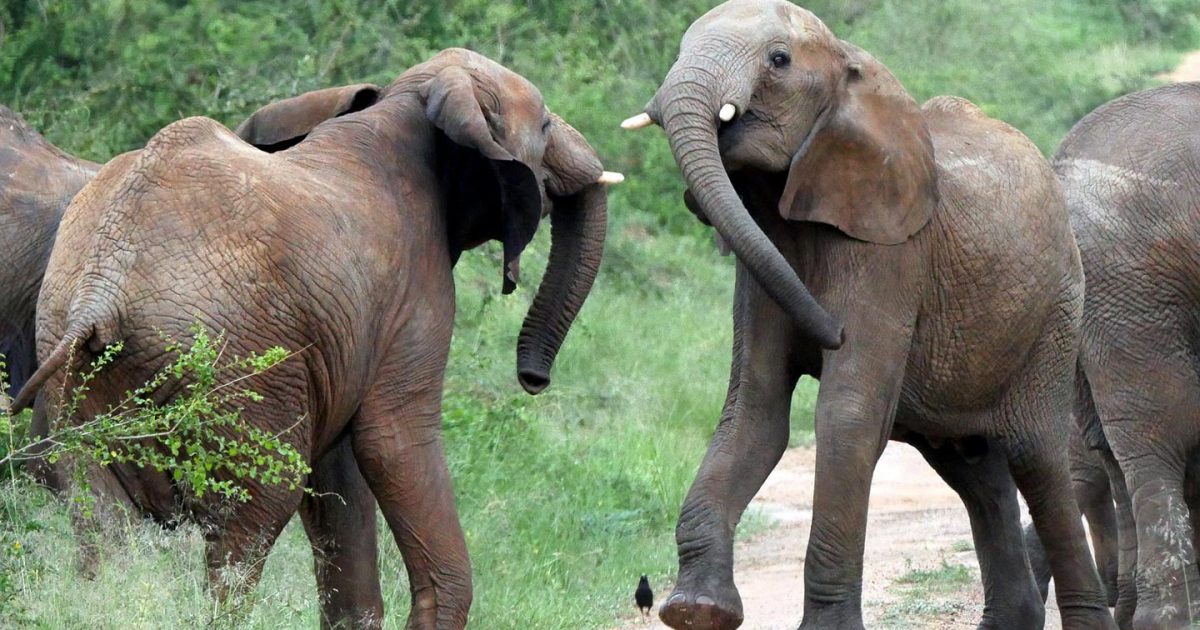
What Makes Kenya Ideal for Wildlife Photography
Excellent Lighting Conditions Throughout the Year
Lighting plays a critical role in photography. Therefore, photographers often ask what makes Kenya ideal for wildlife photography when considering lighting conditions.
Kenya offers consistent sunlight throughout the year. Clear skies dominate most days, especially during the dry seasons. These conditions create ideal lighting for photography.
Early mornings provide soft golden light. This light enhances animal features and landscape textures. Evening sunsets also create warm tones across the plains.
Moreover, Kenya’s open landscapes allow sunlight to spread evenly. Photographers avoid harsh shadows caused by dense vegetation.
Dust particles in the air during dry seasons also enhance lighting effects. They create dramatic colors during sunrise and sunset.
Because of these factors, lighting becomes a key reason behind the answer to what makes Kenya ideal for wildlife photography.
Accessibility and Well-Developed Safari Infrastructure
Accessibility also contributes to Kenya’s reputation as a photography destination. Therefore, travelers ask what makes Kenya ideal for wildlife photography when planning logistics.
Kenya offers well-developed safari infrastructure. Roads within parks allow easy movement across wildlife areas. Safari vehicles reach animals quickly.
Additionally, many lodges sit close to wildlife zones. Photographers spend less time traveling and more time capturing images.
Domestic flights also connect major parks. Visitors travel easily between destinations such as the Masai Mara and Amboseli.
Guides play a key role in photography success. Experienced guides understand animal behavior and positioning. They place vehicles in the best locations for photography.
Therefore, accessibility and infrastructure strongly support the answer to what makes Kenya ideal for wildlife photography.
Combining Kenya with Uganda for a Complete Photography Safari
A Kenya safari becomes even more rewarding when combined with Uganda. Therefore, travelers ask what makes Kenya ideal for wildlife photography alongside Uganda experiences.
Kenya offers classic savannah wildlife photography. Uganda adds forest photography and primate encounters.
In Uganda, photographers visit Queen Elizabeth National Park for wildlife and landscapes. They also explore Murchison Falls National Park for dramatic river scenes.
Gorilla trekking in Uganda provides rare photography opportunities. Photographers capture intimate moments with mountain gorillas in their natural habitat.
This combination creates a diverse photography portfolio. Travelers capture both savannah wildlife and forest primates.
Therefore, combining both countries enhances the answer to what makes Kenya ideal for wildlife photography.
Why Choose Deks Safaris and Tours
Deks Safaris and Tours specializes in East African safari experiences. The company designs photography-focused itineraries across Kenya and Uganda.
Professional guides understand photography needs. They help position vehicles for the best angles and lighting.
The company also selects lodges near wildlife areas. These locations reduce travel time and increase photography opportunities.
Additionally, Deks Safaris and Tours ensures smooth transportation between parks. Domestic flights and reliable vehicles improve the travel experience.
The company also promotes responsible tourism and conservation efforts.
Therefore, photographers asking what makes Kenya ideal for wildlife photography often choose this experienced safari operator.
What to Pack for a Photography Safari Lodge Stay
- Lightweight safari clothing
- Neutral colored shirts and trousers
- Comfortable walking shoes
- Light hiking boots
- Wide-brim safari hat
- Sunglasses
- Sunscreen
- Insect repellent
- Professional camera
- Extra lenses
- Tripod or monopod
- Extra batteries
- Memory cards
- Camera cleaning kit
- Binoculars
- Small day backpack
- Reusable water bottle
- Rain jacket
- Personal medications
- Travel documents
Safari Inclusions
- Airport transfers
- Professional safari guide
- Park entrance fees
- Game drives
- Accommodation
- Meals as per itinerary
- Bottled drinking water
- Transportation in safari vehicle
Safari Exclusions
- International flights
- Visa fees
- Travel insurance
- Personal expenses
- Tips and gratuities
- Optional activities
- Alcoholic beverages
- Laundry services
What Makes Kenya Ideal for Wildlife Photography?
Many photographers begin their safari journey with one clear question. What makes Kenya ideal for wildlife photography?
Kenya offers open landscapes, abundant wildlife, and dramatic lighting conditions. The country provides excellent opportunities to capture the Big Five and other animals.
The Great Migration adds one of the most powerful wildlife spectacles in the world. Accessibility and strong safari infrastructure also improve the photography experience.
When combined with Uganda, the safari becomes even more diverse. Photographers capture both savannah wildlife and forest primates.
Deks Safaris and Tours carefully designs these journeys to maximize photography opportunities.
Therefore, the answer to what makes Kenya ideal for wildlife photography lies in its unique combination of landscapes, wildlife, and unforgettable safari moments.
Best Selling East and Southern Africa Safari Packages
- 20 Days Uganda Rwanda Burundi Tanzania and Mozambique Tour
- 10 Days Kenya, Tanzania, Rwanda and Uganda Safari
- 14 Days Uganda Rwanda and Kenya Diani Safari Experience
- 15-Day Kenya Tanzania Grand Safari
- 17 Days Uganda Kenya Victoria Falls Botswana Safari
- 18-Day African safari
- 16 Days Uganda Kenya Diani Beach Experience
- 19 Days Uganda Kenya and Diani Beach Safari
- 17 Days Uganda Kenya and Diani Beach Safari Holiday
- 7 Days Best Masai Mara Kenya Safari and Botswana Safari
- 8 Days Kenya Botswana Wildlife Safari
- 9 Days Kenya Botswana Wildlife Safari
- 10 Days Kenya Botswana Wildlife Safari
- 12 Days Kenya Botswana Wildlife Safari
- 14 Days Kenya Botswana and Victoria Falls Safari
- 14 Days Kenya Botswana Wildlife Safari
- 14-Day Kenya & Tanzania Photographic Safari
- 14 Days Tanzania Botswana Wildlife Safari