
Kigali International Airport to Rwanda’s National Parks
October 30, 2026What To Wear on a Rwanda Wildlife Safari?
Planning the trip of a lifetime to East Africa requires careful preparation, especially when selecting your wardrobe for diverse safari environments. Knowing what can I wear on a Rwanda wildlife safari ensures maximum physical comfort, optimal safety, and full compliance with local regulations. Whether you embark on high-altitude gorilla treks, rainforest walks, or savanna game drives, your clothing choices directly influence your overall adventure.
Master Your Wardrobe for Rwanda Safaris
Choosing the correct apparel transforms your African journey from a challenging trek into an extraordinary, comfortable, and seamlessly enjoyable adventure. Rwanda features remarkably varied landscapes, ranging from warm savanna plains in the east to cool, misty tropical rainforests across the western highlands. Packing appropriately allows you to transition smoothly between early morning game drives, strenuous jungle foot treks, and relaxed evening lodge gatherings.
Understanding what can I wear on a Rwanda wildlife safari helps travelers adapt effortlessly to sudden mountain weather changes and equatorial sun exposure. Deks Safaris & Tours provides this comprehensive packing guide to ensure every guest enjoys unmatched comfort, safety, and cultural respect throughout their trip.
The Essential Safari Color Palette for Outdoor Expeditions
Selecting appropriate clothing colors forms the foundation of smart safari packing for every traveler exploring East Africa’s wild habitats. You should always choose natural, neutral colors like khaki, olive green, beige, tan, brown, and soft gray during outdoor excursions. Neutral shades help you blend seamlessly into natural forest and savanna surroundings without alarming skittish wild animals or disruptive insect swarms.
Understanding what can I wear on a Rwanda wildlife safari begins with choosing earthy tones that keep you cool, comfortable, and discreet. Avoid bright shades like bright red, bright yellow, and hot pink because glaring colors startle wild animals and attract unwanted insect attention. Furthermore, bright white clothing quickly becomes dusty, stained, and discolored during open-vehicle game drives and muddy rainforest treks across national parks.
Dark navy blue and black clothing must also be strictly avoided during savanna wildlife viewing excursions and active game drives. Tsetse flies are naturally drawn to dark blue and black colors, and their bites can be surprisingly painful during outdoor activities. Additionally, dark clothing absorbs heat rapidly under the intense equatorial sun, causing unnecessary physical discomfort during warm afternoon game drives.
Equally important, civilian travelers must never wear camouflage clothing or military-style patterns anywhere within the borders of Rwanda. Local laws strictly reserve camouflage apparel exclusively for active military personnel and authorized park rangers to maintain public safety and order. Wearing military-style clothing in public spaces or national parks can lead to severe legal penalties, detailed questioning, or immediate confiscation.
Neutral Colors for Blending into the Wild Environment
Earthy neutral colors like olive green, tan, and khaki allow guests to blend harmoniously into dense bamboo thickets and open grasslands. Wildlife views human travelers in neutral attire as non-threatening background features, enabling closer, more natural animal observations during guided park treks. Proper color selection preserves wildlife safety while elevating your photography quality throughout your journey.
Colors to Avoid to Prevent Insect Bites and Animal Disturbance
Bright primary colors disrupt natural animal behavior and can provoke defensive responses from wild animals within their protected habitats. Navy blue and black fabrics attract biting flies, increasing insect exposure along riverbanks, lakeshores, and savanna woodland trails. Sticking to soft, natural shades guarantees maximum protection and keeps you feeling cool, refreshed, and relaxed throughout long game drives.
Legal Restrictions on Civilian Camouflage Clothing in Rwanda
Rwandan security regulations strictly prohibit civilians, tourists, and guides from wearing any form of camouflage-patterned hats, jackets, or trousers. Authorities enforce these rules rigorously at all international entry ports, border posts, Kigali city centers, and protected national parks. Always inspect your safari wardrobe before departure to ensure all clothing items feature solid, non-military, neutral colors.
Clothing Requirements for Savannah Game Drives in Akagera National Park
Akagera National Park in eastern Rwanda offers classic savanna landscapes, rolling hills, open acacia woodlands, and warm, sun-drenched lakeshores. Daytime temperatures in Akagera are significantly higher than in northern or western mountain regions, requiring breathable, lightweight clothing options.
Knowing what can I wear on a Rwanda wildlife safari helps you select lightweight, moisture-wicking long-sleeved shirts and breathable long trousers. Long sleeves and pants shield your skin against harsh solar UV rays while preventing insect bites during morning and afternoon game drives. High-tech synthetic fabrics dry quickly, vent body heat efficiently, and remain lightweight even during warm equatorial afternoon hours.
While casual t-shirts and shorts offer comfort when relaxing around your luxury lodge pool during warm afternoons, long pants remain essential for evenings. Wearing lightweight trousers during dusk and dinner protects your legs against mosquitoes and other nocturnal insects common around lakeshore lodges. Wide-brimmed sun hats or sturdy safari caps are vital accessories to shield your face, neck, and ears from intense tropical sun rays.
Complement your sun protection gear with polarized sunglasses, high-SPF broad-spectrum sunscreen, and non-greasy lip balm during every outdoor excursion. Open-sided safari vehicles expose travelers to direct sunlight, wind, and dry dust while driving across open savanna tracks. Proper skin and eye protection keeps you energized, comfortable, and focused on spotting lions, leopards, elephants, and rhinos across Akagera.
Lightweight Tops and Trousers for Sun and Insect Protection
Breathable long-sleeved safari shirts with roll-up sleeve tabs provide versatile climate regulation during shifting daily temperatures across savanna habitats. Tightly woven fabrics prevent biting insects from penetrating your clothes while allowing body heat and moisture to escape quickly. Choosing convertible safari trousers gives you flexibility between cool morning game drives and warm afternoon lodge relaxation.
What Should I Pack for Relaxing Around Luxury Savanna Lodges?
After morning game drives, comfortable shorts, cotton t-shirts, and casual sandals are perfect for relaxing on panoramic lodge decks. As evening approaches, transition into breathable long trousers, lightweight socks, and long-sleeved shirts to prevent mosquito bites during outdoor dinners. Neutral-toned casual wear ensures you look stylish and professional while enjoying sunset drinks overlooking lakeshore wilderness vistas.
Wide-Brimmed Hats and Polarized Eyewear for Equatorial Sun Defense
A wide-brimmed safari hat with an adjustable chin strap protects your neck, face, and head against scorching midday heat and glare. Polarized sunglasses eliminate harsh sunlight reflection from water surfaces, dusty roads, and open grasslands, improving overall animal visibility significantly. High-quality sun gear prevents heat exhaustion and eye strain, allowing you to enjoy hours of uninterrupted game viewing.
Primate and Gorilla Trekking Apparel for Volcanoes and Nyungwe Forests
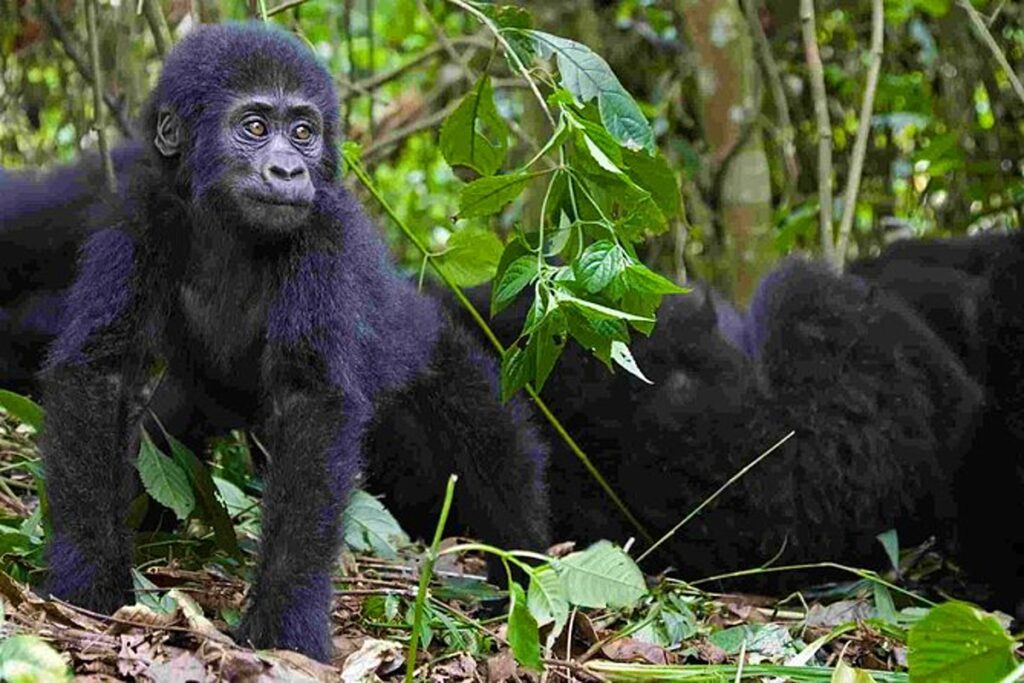
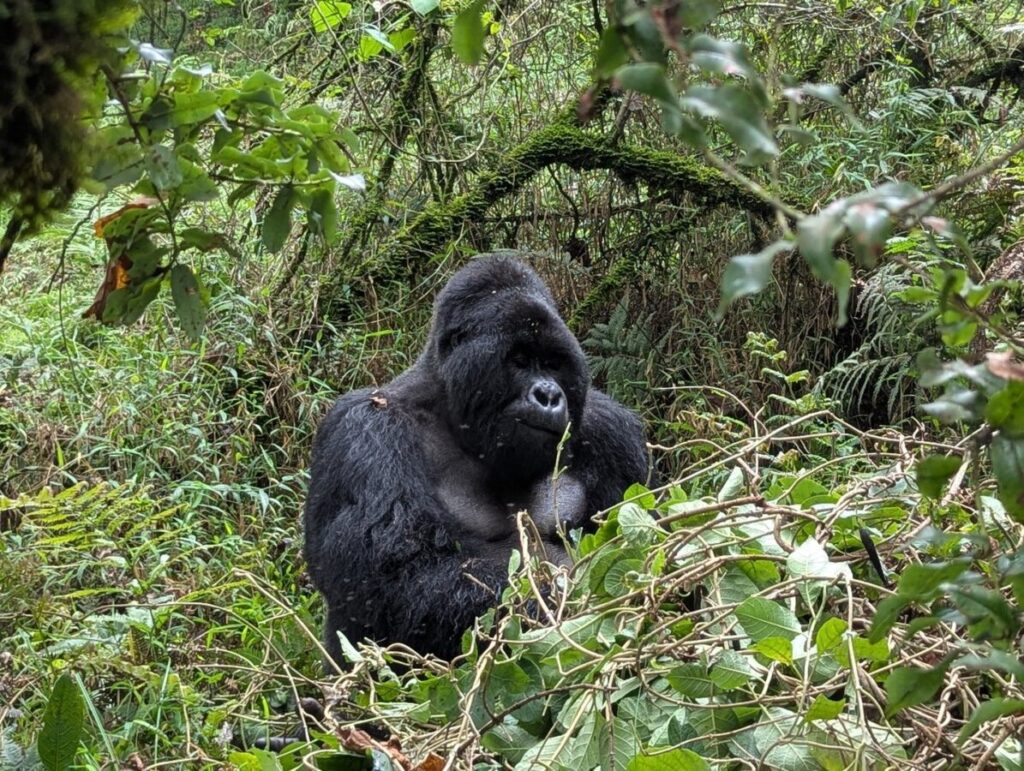
Trekking mountain gorillas in Volcanoes National Park or tracking chimpanzees in Nyungwe Forest requires specialized, durable outdoor clothing and gear. High-altitude mountain rainforests are characteristically cold, wet, muddy, and covered in dense, thorny undergrowth and stinging nettles.
Understanding what can I wear on a Rwanda wildlife safari ensures you prepare sturdy, waterproof hiking boots with excellent ankle support and deep tread grips. Wet, slippery clay trails and steep mountain slopes demand reliable footwear to prevent slips, ankle sprains, and fatigue during multi-hour treks.
Combine your hiking boots with thick, moisture-wicking wool socks and tuck your trousers directly into your socks during forest hikes. Tucking your pants into your socks creates a physical barrier that prevents safari ants, mud, and stinging nettles from crawling up your legs.
Optional waterproof gaiters provide an extra layer of protection, keeping water, mud, thorns, and forest debris completely out of your boots. Durable leather work gloves or thick gardening gloves protect your hands when grasping muddy vines, thorny branches, or stinging nettles on steep terrain.
Weather conditions in high-altitude rainforests change rapidly, making lightweight waterproof rain jackets or heavy-duty ponchos absolute mandatory equipment. Tropical rain showers occur year-round across Volcanoes and Nyungwe, even during official dry seasons from June to August and December to February.
Additionally, early mornings in high-altitude towns like Musanze bring chilly mountain air, requiring warm fleece jackets or thermal mid-layers. Layering your apparel allows you to adjust your clothing as your body warms up during active mountain climbs.
High-Traction Waterproof Hiking Boots and Ankle Support Basics
Sturdy waterproof hiking boots featuring deep rubber lugs provide essential grip on steep, muddy slopes and wet slippery tree roots. Ankle-high boot designs stabilize your feet when navigating uneven mountain terrain, loose gravel, and deep rainforest mud pits. Breaking in new hiking boots thoroughly before arriving in Africa prevents painful blisters, hot spots, and foot fatigue during long treks.
Protective Socks, Trousers, and Gloves for Dense Jungle Treks
Tucking safari trousers into thick wool socks forms an impenetrable shield against aggressive biting ants and razor-sharp forest vegetation. Tough leather or synthetic work gloves allow you to balance comfortably by grabbing jungle branches without suffering painful nettle stings or palm cuts. Durable, quick-drying trekking pants resist tears from sharp thorns while offering complete freedom of movement on steep climbs.
Layering Strategies for High-Altitude Cold and Sudden Rain Showers
High-altitude volcanic slopes experience significant temperature drops, especially during early morning briefing sessions at park headquarters. Wearing a moisture-wicking base layer, a warm fleece mid-layer, and a waterproof outer shell keeps you comfortable across all climate shifts. Breathable rain jackets prevent water penetration while allowing internal sweat moisture to evaporate during demanding jungle hikes.
Essential Accessories, Gear, and Equipment for Safaris
Packing the correct accessories dramatically enhances your safety, physical comfort, and photography success throughout your African safari vacation. High-strength insect repellent containing DEET or Picaridin is essential for repelling mosquitoes, tsetse flies, midges, and forest ticks. Apply insect repellent evenly to exposed skin and outer clothing before heading out on morning game drives or rainforest foot walks.
Understanding what can I wear on a Rwanda wildlife safari includes equipping yourself with a durable, lightweight, water-resistant daily backpack. Use your daypack to carry extra clothing layers, rain gear, camera equipment, spare batteries, insect repellent, and personal medications safely.
Hydration is critical in high-altitude and tropical equatorial environments, making a sturdy reusable water bottle an absolute safari essential. Carrying personal water containers ensures you stay healthy and refreshed while actively reducing single-use plastic waste across protected conservation areas.
Compact, high-quality binoculars are equally indispensable for observing distant wildlife, tracking tree-dwelling primates, and identifying rare bird species. Binoculars bring distant animals into sharp focus without disturbing their natural behavior or requiring off-track driving.
It is critical to note that all single-use plastic bags and commercial plastic packaging are strictly banned by law throughout Rwanda. Travelers must not bring zip-lock bags, plastic grocery bags, or disposable plastic wrappers into the country to avoid heavy fines at border entry ports.
Instead, pack durable fabric packing cubes, waterproof dry bags, or reusable silicone pouches to organize clothing, toiletries, and electronic accessories safely. Respecting local environmental laws preserves Rwanda’s reputation as one of Africa‘s cleanest, greenest, and most sustainable eco-tourism destinations.
Insect Repellents, Sun Protection, and Personal Health Items
Applying effective insect repellent reduces fly bites and protects travelers against mosquito-borne illnesses in tropical eco-zones. Pack a compact personal medical kit containing band-aids, blister pads, anti-antiseptic cream, rehydration salts, and personal prescription medications. High-SPF sunscreen and moisturizing lip balm guard skin against sun damage during long hours outdoors in open vehicles.
Recommended Backpacks, Optical Equipment, and Hydration Solutions
A 20-to-30-liter water-resistant daypack with padded shoulder straps comfortably carries your camera gear, extra layers, and personal items. Premium 8×42 or 10×42 binoculars enhance bird watching and distant animal viewing across expansive savanna plains and forest canopies. Refillable stainless steel or insulated water bottles keep drinking water cold and fresh during long outdoor morning expeditions.
Strict Plastic Bag Bans and Environmental Laws in Rwanda
Rwandan customs authorities inspect luggage at Kigali International Airport to enforce the country’s strict nation-wide plastic bag ban. Replace all disposable plastic bags with reusable canvas totes, washable cloth laundry bags, or waterproof dry bags before traveling. Adhering to local environmental standards protects native ecosystems and ensures smooth, hassle-free customs clearance upon arrival.
What Can I Wear on a Rwanda Wildlife Safari? Key Questions Answered
To help you refine your packing list, Deks Safaris & Tours addresses the most common questions travelers ask before embarking on their journey:
How Should I Dress for Rwanda Gorilla Trekking Safaris?
Wear sturdy waterproof hiking boots, thick wool socks, long quick-drying pants, a long-sleeved shirt, gardening gloves, and a waterproof rain jacket. Tuck your trousers into your socks to block insects and nettles, and wear a fleece layer for early morning high-altitude cold.
What Apparel Is Recommended for Rwanda Game Drives in Akagera?
Choose lightweight, breathable long-sleeved shirts and trousers in neutral khaki, beige, or olive green to protect against sun and insects. Avoid dark blue and black clothing to deter tsetse flies, and wear a wide-brimmed sun hat, sunglasses, and sunscreen.
Are Shorts and T-Shirts Suitable for Rwanda Family-Friendly Safaris?
Shorts and t-shirts are comfortable for kids and adults while relaxing around your lodge pool or dining indoors during warm afternoons. However, long pants and long sleeves remain recommended for morning game drives, forest walks, and evening dinners to prevent insect bites.
What Gear Is Needed for Guided Rwanda Walking Safaris in Nyungwe?
Pack high-traction waterproof boots, moisture-wicking socks, durable hiking pants, gardening gloves for thorny branches, and a lightweight rain poncho. Bring a water-resistant daypack containing binoculars, a reusable water bottle, insect repellent, and your camera gear.
How Does Wardrobe Selection Enhance Rwanda Luxury Safaris and Eco-Tours?
High-end eco-lodges emphasize sustainable comfort, so neutral, quick-drying, multi-layered clothing fits seamlessly into luxury travel routines. Dressing in eco-friendly neutral apparel minimizes environmental impact, respects local culture, and ensures optimal comfort during private guided excursions.
Cultural Experiences and Local Etiquette Around Luxury Safari Lodges
Staying at luxury safari lodges across Rwanda provides exceptional opportunities to experience authentic local culture and warm African hospitality. Around Volcanoes National Park, guests can visit the Iby’Iwacu Cultural Village near Musanze to learn traditional customs, drumming, and Intore dancing.
Understanding what can I wear on a Rwanda wildlife safari extends to choosing modest, respectful clothing when visiting local rural villages and community projects. Wearing shoulder-covering tops and knee-length pants shows respect for local traditions during cultural interactions, king coronation reenactments, and herbal medicine demonstrations.
Near Akagera National Park, luxury lodge stays offer immersive cultural visits to neighboring pastoralist cattle farming communities. Guests participate in traditional Ankole cow milking, observe traditional ghee-making processes, and listen to ancient folklore stories passed down through generations.
Wearing comfortable, closed-toe walking shoes and neutral casual clothing ensures you move comfortably around local farms and artisan cooperatives. Purchasing hand-woven baskets and wooden crafts directly from local women’s cooperatives provides vital economic support to rural host families.
Surrounding Nyungwe Forest National Park, expansive emerald green tea plantations frame luxury lodge properties, creating breathtaking cultural landscapes. Guided tea-tasting tours allow guests to walk alongside local tea pickers and learn hand-harvesting and roasting techniques.
Dressing in flexible, layered casual wear with sturdy walking shoes makes walking through hilly, manicured tea fields easy and enjoyable. Enjoying freshly brewed mountain tea on panoramic lodge terraces while watching the sunset provides a deep, peaceful connection to the region’s rich agricultural heritage.
Cultural Etiquette and Dress Codes for Village Visits
Modest, clean, and casual clothing showing covered shoulders and knees is ideal when visiting local communities and historical sites. Polite attire demonstrates cultural respect and fosters warm, genuine interactions with local elders, artisans, performers, and guides. Engaging respectfully with local hosts enriches your travel experience while strengthening positive relationships between tourists and host communities.
Supporting Community Cooperatives Around National Parks
Purchasing authentic handcrafted souvenirs directly from village cooperatives supports sustainable local livelihoods and empowers women entrepreneurs across rural areas. Local artisans craft beautiful Agaseke peace baskets, wood carvings, woven mats, and organic soaps using traditional eco-friendly techniques. These handcrafted treasures serve as wonderful keepsakes of your African safari while directly benefiting surrounding local families.
Respectful Interaction Guidelines for Authentic Cultural Encounters
Always ask for permission before taking photographs of local residents, children, traditional homes, or private community spaces. Engaging with local guides and listening attentively to community storytellers creates meaningful, mutually enriching cultural exchanges. Approaching every cultural interaction with humility, curiosity, and warmth ensures unforgettable, heart-warming memories for travelers and hosts alike.
Strategic Packing Checklist Summary
To ensure you pack efficiently for your upcoming African journey, Deks Safaris & Tours has summarized essential safari items into a quick-reference table:
| Safari Activity | Recommended Tops | Recommended Bottoms | Essential Footwear | Crucial Accessories |
| Savanna Game Drives | Neutral long-sleeved shirts, breathable cotton t-shirts | Lightweight khaki trousers, casual safari shorts | Comfortable sneakers, closed-toe walking shoes | Wide-brimmed hat, polarized sunglasses, sunscreen |
| Primate Trekking | Moisture-wicking base layer, warm fleece, waterproof rain jacket | Quick-drying trekking trousers (tucked into socks) | Waterproof high-traction hiking boots | Gardening gloves, thick wool socks, optional gaiters |
| Lodge Relaxation | Casual t-shirts, polo shirts, lightweight evening sweaters | Comfortable pants, casual shorts, evening jeans | Casual slip-on shoes, sandals, clean sneakers | Reusable water bottle, compact daypack, insect repellent |
| Cultural Visits | Modest tops covering shoulders, comfortable cotton shirts | Knee-length shorts, long trousers, casual skirts | Closed-toe walking shoes, comfortable sneakers | Small cash for crafts, camera, camera dry bag |
Why Choose Deks Safaris & Tours for Your African Safari Expeditions?
Deks Safaris & Tours stands out as an authoritative, trusted, and deeply experienced tour operator dedicated to crafting exceptional East African journeys. We design customized, seamlessly organized itineraries tailored directly to your personal travel style, fitness level, budget, and timing preferences.
Our professional safari guides bring expert wildlife knowledge, exceptional tracking skills, and an absolute commitment to guest safety and comfort. We uphold strict eco-tourism principles, actively supporting habitat conservation and empowering rural host communities across every destination we explore.
Knowing what can I wear on a Rwanda wildlife safari is just the beginning of a perfectly planned African adventure with our team. Partnering with Deks Safaris & Tours guarantees unforgettable memories, world-class service, and authentic wildlife encounters across East Africa. Contact our dedicated safari specialists today to begin planning your dream custom holiday!