The Best Great Migration Safari for Photographers
August 23, 2026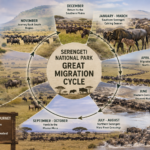
The Best Time to See Mara River Crossings
August 23, 2026The Best Time to See Great Wildebeest Calving
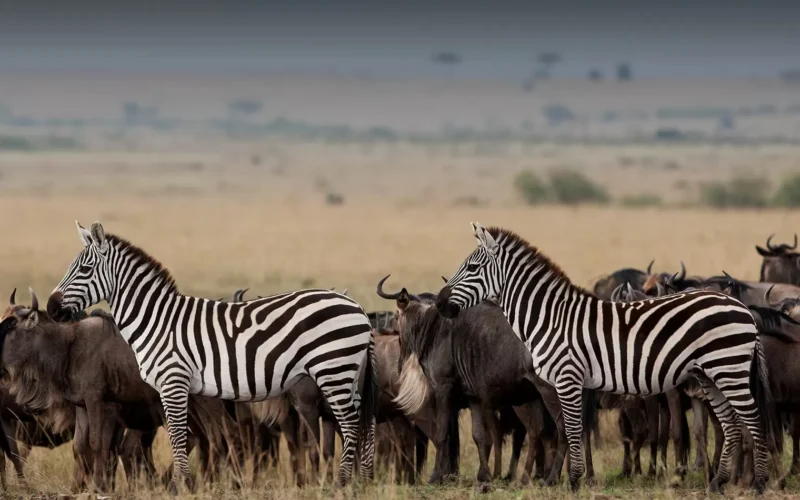
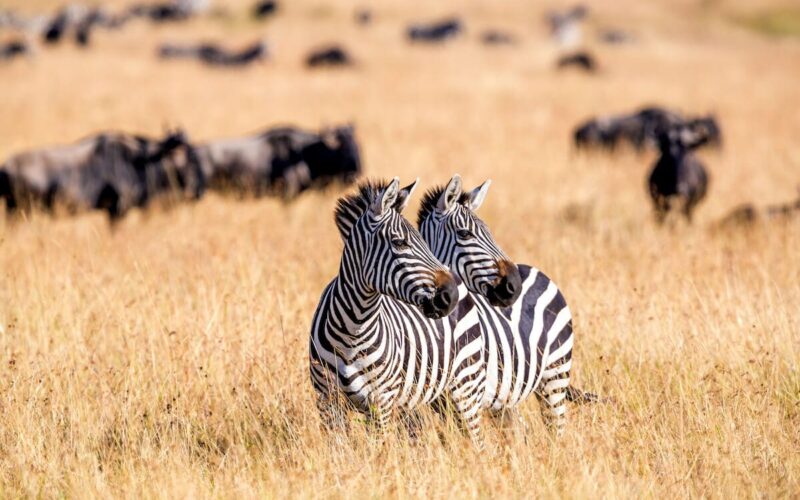
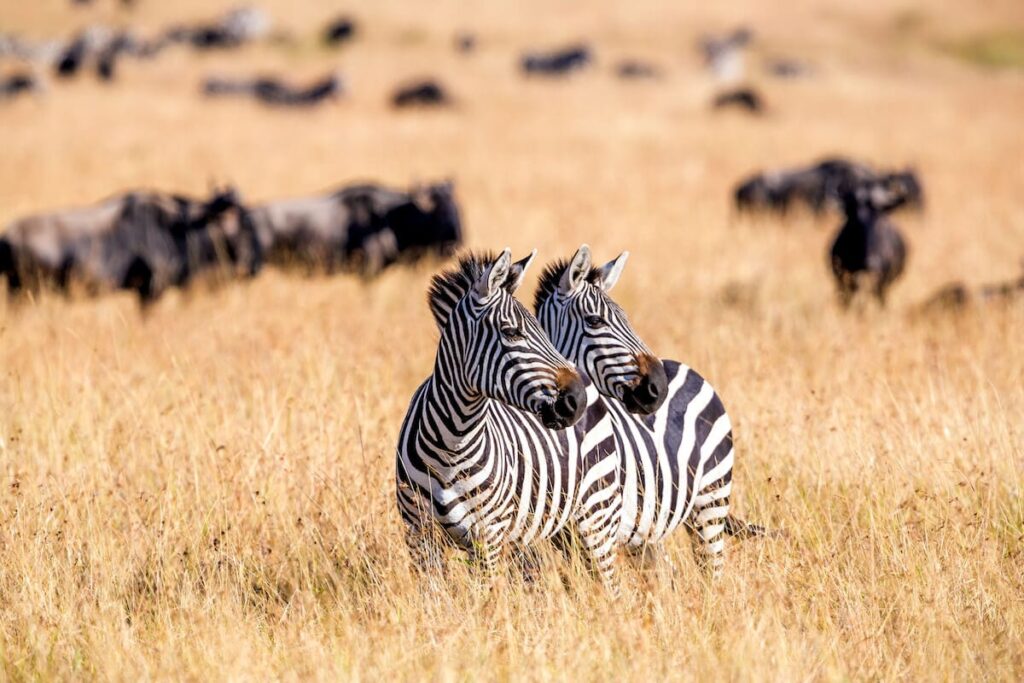
The Best Time to See Great Wildebeest Calving falls between late January and March. February usually provides the most concentrated calving activity across southern Serengeti. During this period, thousands of wildebeest calves arrive across the short-grass plains.
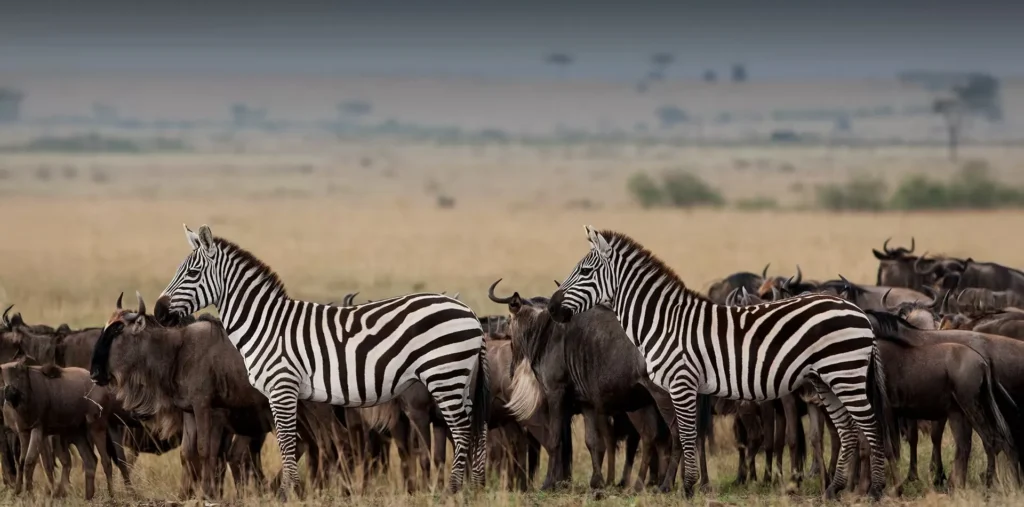
The southern Serengeti and Ndutu region form the heart of this remarkable wildlife experience. Fresh grass provides essential nutrition for pregnant wildebeest and newborn calves. As a result, large herds gather across the open plains.
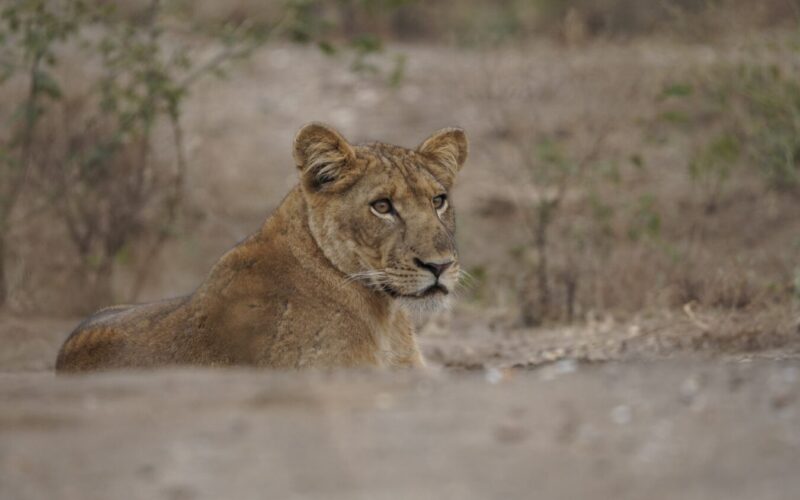
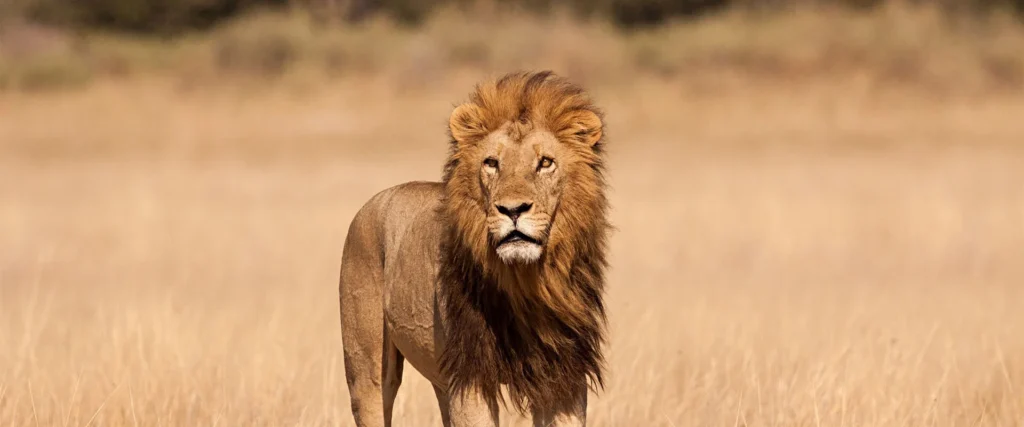
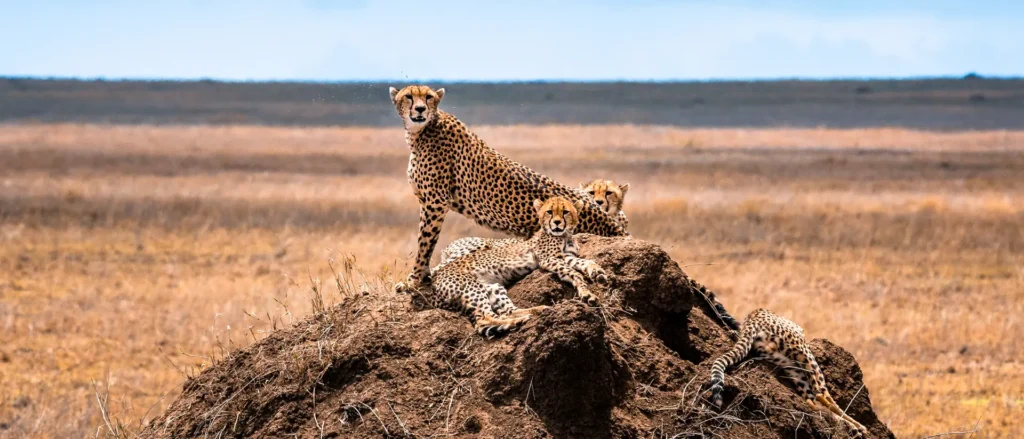
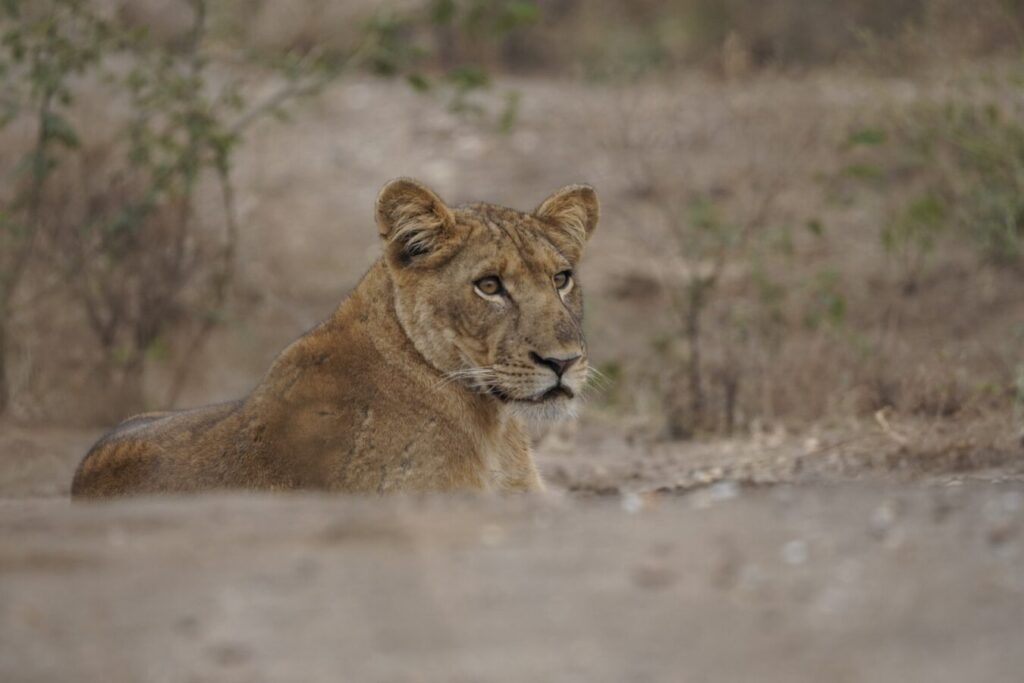
Predators also become highly active during the calving season. Lions, cheetahs, hyenas, and other predators follow the herds. Their presence creates fascinating opportunities to observe natural wildlife behavior.
For travellers, the experience extends beyond watching animals give birth. You can observe mothers protecting calves, young animals learning to run, and predators searching for opportunities.
Therefore, The Best Time to See Great Wildebeest Calving depends on your interest in newborn wildlife, predator action, photography, and green landscapes.
At Deks Africa Safaris and Tours Ltd, we help travellers plan around seasonal wildlife patterns. Our approach combines destination expertise, practical planning, responsible tourism, and personalized safari experiences.
Why February Is the Best Time to See Great Wildebeest Calving
February stands among the most rewarding months for a migration safari. Large herds gather across southern Serengeti and the Ndutu plains.
Newborn calves become a major feature of the landscape. Mothers remain close to their young during the early stages of life.
Predator activity also increases because young calves create vulnerable prey. Lions patrol the plains while cheetahs search for suitable hunting opportunities.
Hyenas may follow herds and investigate opportunities around vulnerable animals. This creates opportunities to witness natural survival strategies.
The green scenery provides another advantage. Fresh grass creates beautiful landscapes and attractive photography backgrounds.
Furthermore, February offers excellent opportunities for wildlife photographers. Early morning light can highlight newborn calves and dramatic predator scenes.
Consequently, The Best Time to See Great Wildebeest Calving often points directly to February.
Understanding the Wildebeest Calving Season
The calving season forms an important stage within the Great Wildlife Migration Cycle. Wildebeest move according to rainfall, fresh grazing, and water availability.
Southern Serengeti provides nutrient-rich short grass during the calving period. These conditions encourage large herds to gather across the region.
Calving does not happen on a single day. Instead, births continue across several weeks. This creates repeated opportunities for travellers to observe newborn animals.
The timing can vary slightly between years. Rainfall patterns influence grass growth and herd movements.
Therefore, travellers should avoid relying on one exact date. A flexible itinerary provides better opportunities for experiencing different stages of the calving season.
Where to See Great Wildebeest Calving
The southern Serengeti provides one of the most important calving areas. The Ndutu region also offers excellent opportunities during the peak season.
Short-grass plains create open viewing conditions. Travellers can often observe large herds across expansive landscapes.
Lake Ndutu and surrounding areas can attract significant wildlife concentrations. Seasonal water sources also support various resident species.
The location of accommodation matters greatly during calving season. Staying near productive wildlife areas can reduce unnecessary driving time.
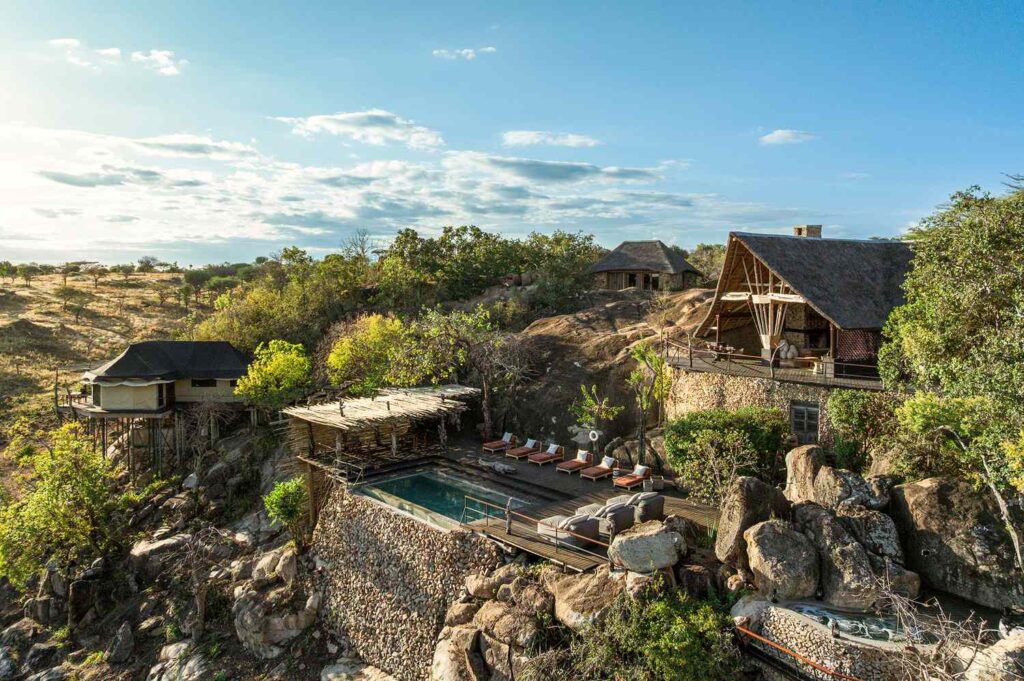
Mobile camps provide another useful option for seasonal wildlife viewing. Their locations can offer convenient access to active migration areas.
A well-planned Serengeti National Park Safari should therefore consider both wildlife timing and accommodation location.
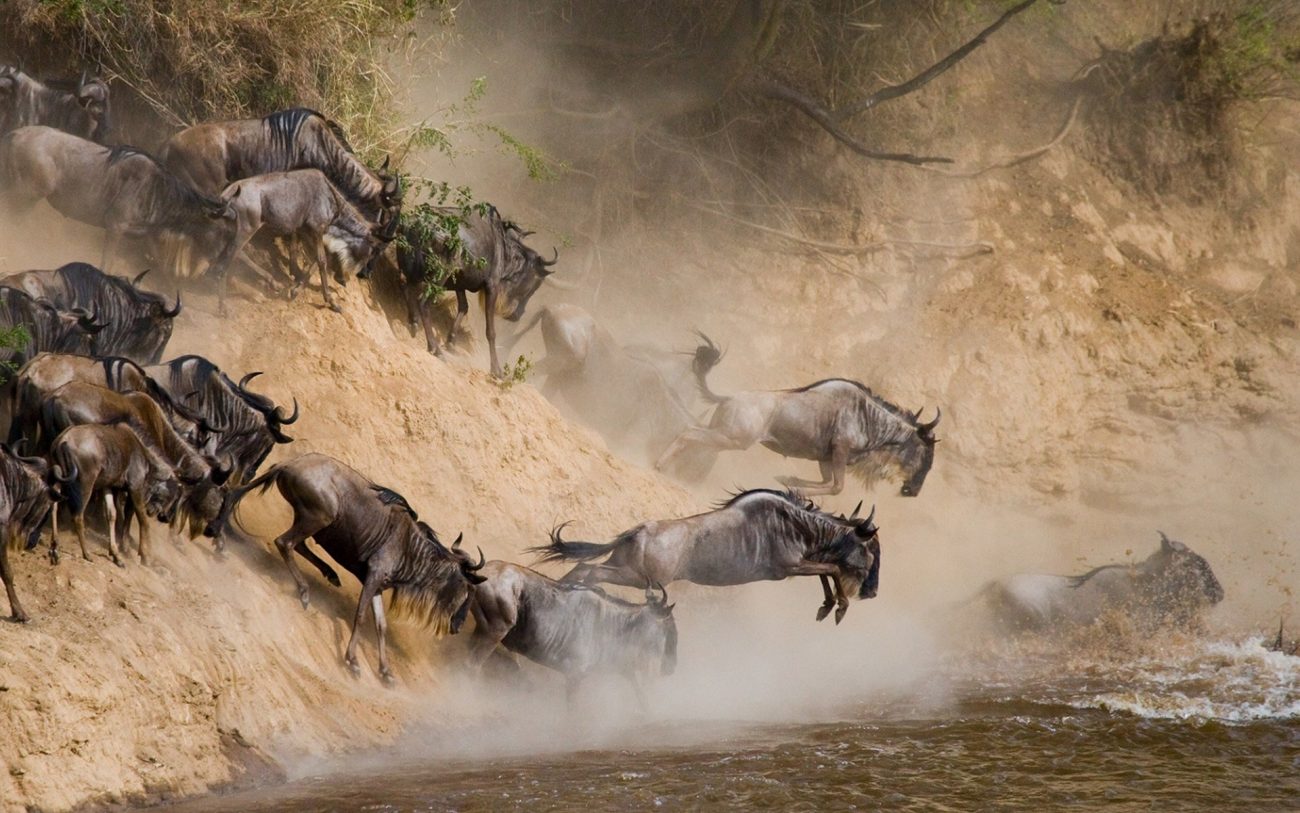
wildlife migration in Tanzania
What Makes Wildebeest Calving So Special?
Wildebeest calving provides an intimate view of wildlife survival. Newborn calves must quickly develop the ability to stand, walk, and run.
Within a short period, calves begin following their mothers. Their early movements can create memorable safari scenes.
Large herds also create impressive landscape photographs. A single image can show hundreds or thousands of animals across the plains.
Predator activity adds another layer of excitement. Lions and cheetahs monitor areas where vulnerable calves gather.
However, responsible wildlife viewing remains essential. Guides should maintain appropriate distances and avoid disturbing animals.
The greatest value comes from observing natural behavior without interfering.
Thus, The Best Time to See Great Wildebeest Calving offers both spectacular viewing and valuable lessons about wildlife ecology.
Predator Action During Calving Season
Predators play an important role in the calving-season ecosystem. The abundance of young wildebeest creates opportunities for carnivores.
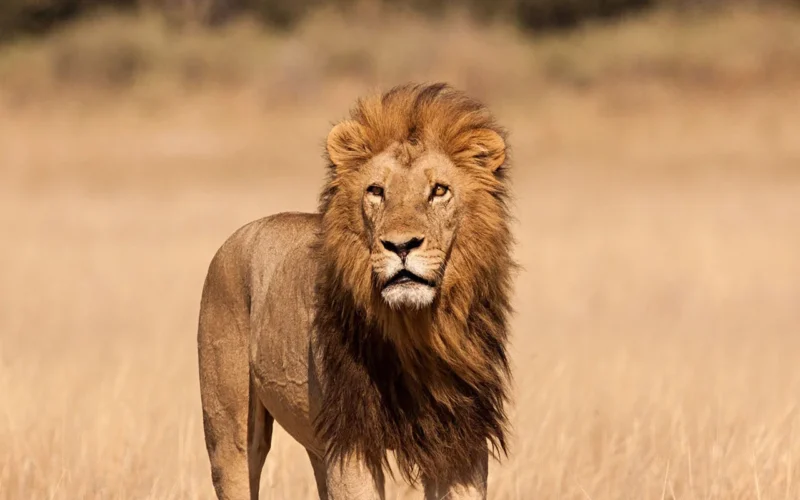
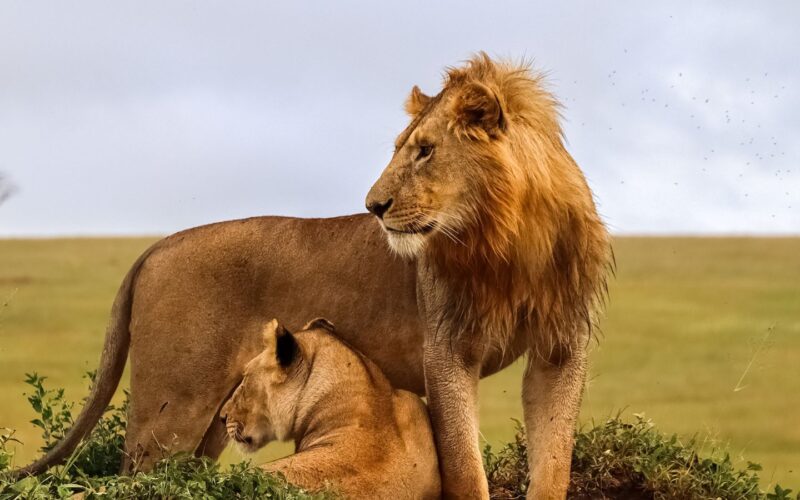
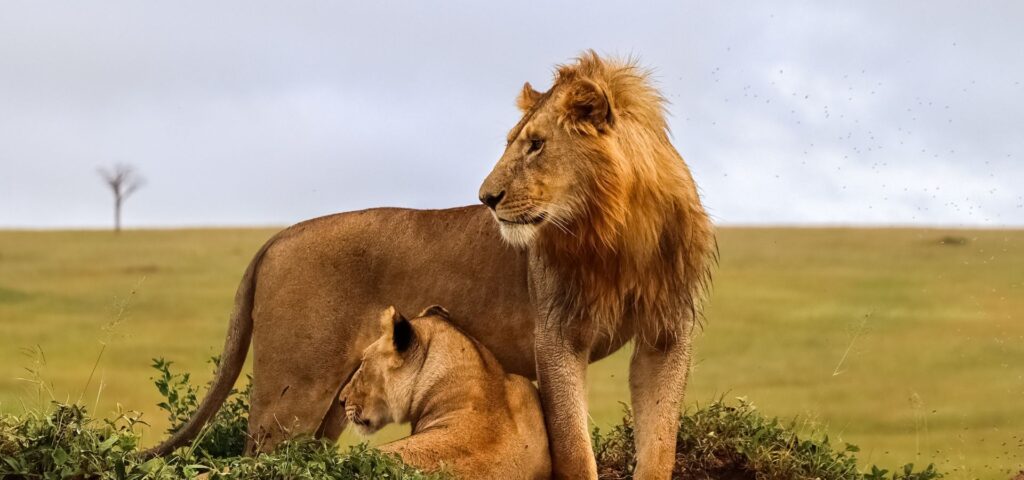
Lions often patrol areas where herds gather. Their strength and hunting strategies make them fascinating subjects for wildlife observation.
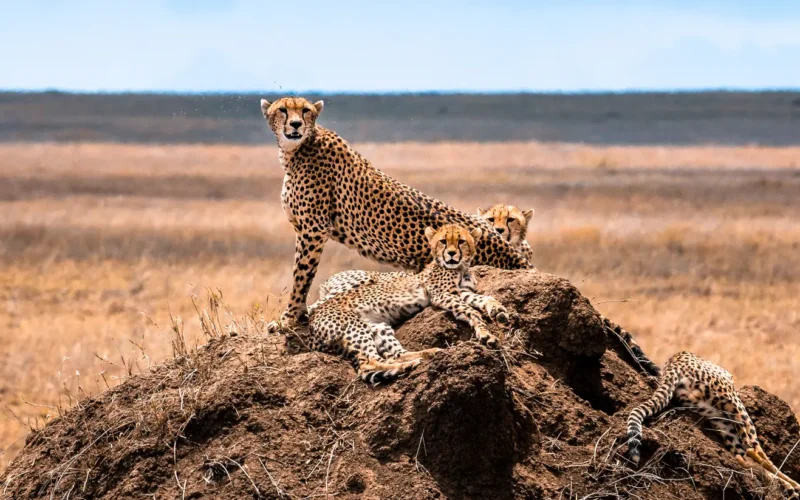
Cheetahs bring a different style of hunting. Their speed allows them to pursue vulnerable prey across open grasslands.
Hyenas also remain active around migration areas. They use cooperation and endurance when searching for food.
Other predators may also appear around the herds. These encounters demonstrate the complex relationships within the Serengeti ecosystem.
For photographers, predator activity can produce powerful storytelling opportunities. Wide-angle scenes can show the relationship between predators and migrating herds.
Wildlife Photography During Calving Season
The calving season offers exceptional photography opportunities. Green plains provide attractive backgrounds for wildlife portraits and environmental images.
Early morning light creates soft conditions for photography. Golden-hour scenes can also produce dramatic silhouettes and long shadows.
Telephoto lenses help capture distant animals without disturbing them. A wide-angle lens can show the scale of large herds.
Photographers should also capture behavior rather than only portraits. Mothers caring for calves create meaningful images.
Predator scenes require patience and ethical positioning. Never encourage a guide to approach wildlife simply for a photograph.
Therefore, The Best Time to See Great Wildebeest Calving can also provide an exceptional photographic safari.
Best Safari Activities During Calving Season
Game drives remain the primary activity during the calving period. Early morning drives offer excellent opportunities for active wildlife.
Afternoon drives can reveal different animal behaviors. Predators may become more active as temperatures decline.
Birdwatching also adds value to the experience. Southern Serengeti supports numerous resident and migratory bird species.
Photography-focused drives can provide additional flexibility. Private vehicles allow travellers to spend more time at important sightings.
Cultural experiences can also complement wildlife activities. Visitors can explore communities and learn about traditional lifestyles around suitable safari areas.
A balanced itinerary combines wildlife viewing with relaxation and cultural discovery.
Accommodation for The Best Time to See Great Wildebeest Calving
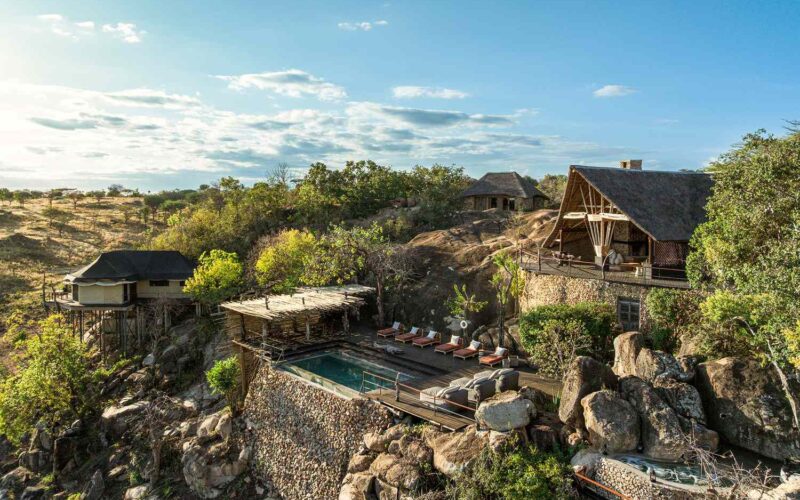
Choosing the right accommodation improves the calving-season experience. Travellers can select lodges, permanent tented camps, or mobile camps.
Mobile tented camps can provide excellent access to seasonal migration areas. Their strategic locations can reduce long daily drives.
Permanent lodges provide additional facilities and consistent comfort. They may suit families and travellers seeking more amenities.
Budget campsites offer another option for cost-conscious travellers. These facilities provide a closer connection with the wilderness.
Location remains the most important consideration. An expensive property far from wildlife activity may reduce daily viewing time.
Therefore, The Best Time to See Great Wildebeest Calving should involve careful accommodation planning.
Cultural Experiences Around Your Safari Lodge
A complete Tanzania wildlife safari should include cultural experiences. Around the Serengeti, travellers can visit Maasai communities.
Visitors can experience traditional dances and local storytelling. These activities provide insight into community history and cultural identity.
Beadwork provides another valuable experience. Guests can observe traditional craftsmanship and purchase locally produced products.
Traditional food experiences can also enrich the journey. Local dishes introduce visitors to regional ingredients and cooking methods.
Community visits should always respect local customs. Ask permission before taking photographs of people or entering private spaces.
Supporting authentic cultural experiences can also contribute to community-based tourism.
Consequently, The Best Time to See Great Wildebeest Calving can provide both wildlife and cultural discovery.
The Great Wildlife Migration Cycle Beyond Calving
Calving represents only one stage of the annual migration. The Great Wildlife Migration Cycle continues throughout the year.
After calving season, herds gradually move toward western and northern Serengeti. Fresh grazing and rainfall influence their movements.
The Grumeti region becomes important during later stages. Wildlife can encounter rivers and different ecological conditions.
Northern Serengeti becomes especially significant during the dry season. The Mara River can create dramatic migration scenes.
Later rainfall encourages herds to move south again. The cycle then continues into another calving season.
Understanding this pattern helps travellers appreciate migration beyond one event.
Comparing Calving Season with River Crossings
Calving and river crossings provide completely different safari experiences. February focuses on newborn wildlife and predator activity.
July to September often attracts travellers interested in river-crossing opportunities. These scenes can involve large herds, water, dust, and predators.
Calving season usually provides greener landscapes. River-crossing periods generally create drier scenery and stronger dust effects.
Photographers should choose based on their preferred visual story. Families may prefer the calmer rhythm of calving-season wildlife viewing.
Neither experience represents the entire migration. Each season reveals a different chapter of the natural cycle.
Therefore, The Best Time to See Great Wildebeest Calving remains February for travellers focused on newborn wildlife.
Combining Serengeti with Other Tanzania Safaris
A Serengeti Safari can form part of a broader Tanzania itinerary. Ngorongoro Conservation Area provides dramatic landscapes and excellent wildlife viewing.
Tarangire National Park adds distinctive scenery and strong elephant experiences. Zanzibar provides beaches, marine activities, history, and coastal culture.
Combining destinations creates a more diverse Tanzania adventure. Travellers can experience savanna, crater landscapes, forests, wildlife, and the Indian Ocean.
Longer itineraries also provide greater flexibility around migration conditions. You can explore different ecosystems rather than depending on one location.
These combinations create excellent Tanzania Safaris for international travellers seeking diverse experiences.
Combining Tanzania with Uganda Gorilla Trekking
Travellers seeking a broader East African adventure can extend their journey into Uganda. Bwindi Gorilla Trekking provides an extraordinary contrast to Serengeti wildlife viewing.
The experience involves hiking through ancient forest habitats. Visitors can encounter mountain gorillas within their natural environment.
Unlike a savanna game drive, gorilla trekking requires walking and careful forest navigation. The experience provides a deeper connection with rainforest ecosystems.
Combining the Serengeti and Bwindi creates a diverse African itinerary. Travellers can experience migration, predators, primates, cultures, forests, and different landscapes.
Safari Inclusions
- Airport transfers
- 4×4 safari vehicle
- Professional safari guide
- Accommodation
- Meals according to itinerary
- Serengeti National Park fees
- Game drives
- Great Migration viewing
- Calving-season wildlife viewing
- Cultural experiences
- Drinking water
- Government taxes
- Safari planning
- Driver-guide services
Safari Exclusions
- International flights
- Visa fees
- Travel insurance
- Personal expenses
- Alcoholic beverages
- Laundry services
- Tips
- Souvenirs
- Optional activities
- Additional accommodation
- Medical expenses
- Personal photography equipment
Planning The Best Time to See Great Wildebeest Calving
The Best Time to See Great Wildebeest Calving generally falls between late January and March. February usually provides the strongest concentration of newborn wildebeest.
Travellers should plan accommodation early when targeting the peak period. Popular camps can experience strong demand during February.
A longer stay can also improve your opportunities. Wildlife follows natural patterns, and no safari can guarantee a specific animal encounter.
Private vehicles provide greater flexibility during game drives. Shared safaris offer a more affordable option for budget-conscious travellers.
At Deks Africa Safaris and Tours Ltd, we plan itineraries around seasonal wildlife movements. Our approach emphasizes accurate information, responsible tourism, local expertise, and personalized service.
Ultimately, The Best Time to See Great Wildebeest Calving offers more than newborn animals. It provides an opportunity to understand one of Africa’s most remarkable natural cycles.
The southern Serengeti becomes a living classroom during this season. Every herd, predator, landscape, and newborn calf contributes to an unforgettable wildlife story.
Final Thoughts
The Best Time to See Great Wildebeest Calving is February for travellers seeking the peak calving experience. January and March also provide excellent opportunities.
Your safari can include predator viewing, photography, birdwatching, cultural experiences, and breathtaking landscapes. These experiences create a complete Serengeti adventure.
For travellers planning Great Migration Safaris, timing remains one of the most important decisions. The right month can transform an ordinary safari into an extraordinary journey.
Deks Africa Safaris and Tours Ltd provides professional safari planning for travellers seeking authentic African experiences. Our expertise helps guests navigate seasonal conditions and create practical itineraries.
The Best Time to See Great Wildebeest Calving begins with the right timing, suitable accommodation, and experienced safari support.
Written by Deks Africa Safaris and Tours Ltd
The Best Time to See Great Wildebeest Calving — explore the southern Serengeti, witness newborn wildlife, and experience Tanzania’s extraordinary Great Wildlife Migration.
Proposed East Africa Safari Holidays for the USA Travelers
- 9-Day Rwanda & Tanzania Luxury Wildlife Tour
- 9-Day Rwanda, Uganda & Tanzania Luxury Wildlife Safari
- 9-Day Rwanda Gorilla Trekking & Tanzania Safari
- 9-Day Tanzania Safari & Uganda Gorilla Trekking
- 10-Day Serengeti & Ngorongoro Crater Safari Experience
- 10-Day Tanzania and Rwanda Adventure Safari
- 11-Day Rwanda Uganda Tanzania Safari
- 20 Days Uganda, Tanzania, and Mafia Island Beach Safari
- 18 Days Uganda, Tanzania, and Mafia Island Beach Safari
- 14-Day Rwanda Uganda Tanzania Tour
- 14-Day Rwanda, Kenya, Tanzania & Beach Holiday
- 20-Day Rwanda Tanzania Zanzibar Safari Experience
- 16-Day Tanzania Safari & Rwanda Gorilla Trekking Experience
- 14 Days Kenya-Tanzania-Rwanda-Uganda Safari
- 24 Days Zanzibar-Uganda-Tanzania-Kenya Safari
- 5 Days Serengeti Great Migration Safari
- 6 Days Serengeti Great Migration Safari
- 7 Days Serengeti Great Migration Safari
- 8 Days Serengeti Great Migration Safari