The Best Great Migration Safari for Luxury Travelers
August 23, 2026
The Best Time to See Great Wildebeest Calving
August 23, 2026The Best Great Migration Safari for Photographers
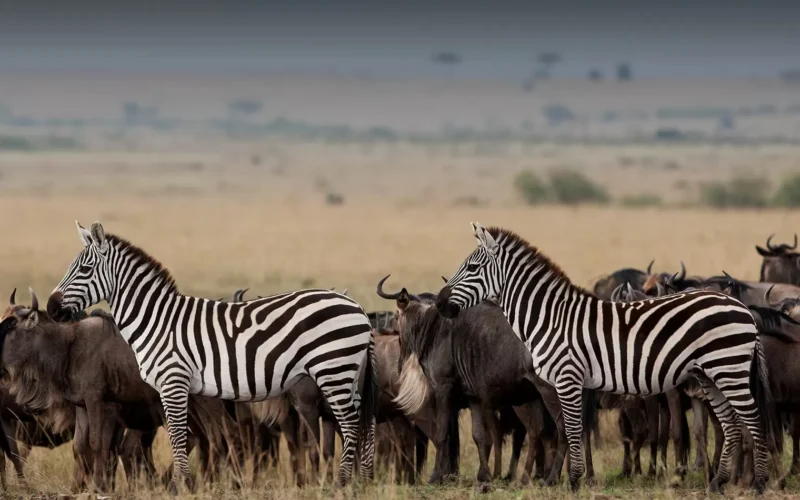
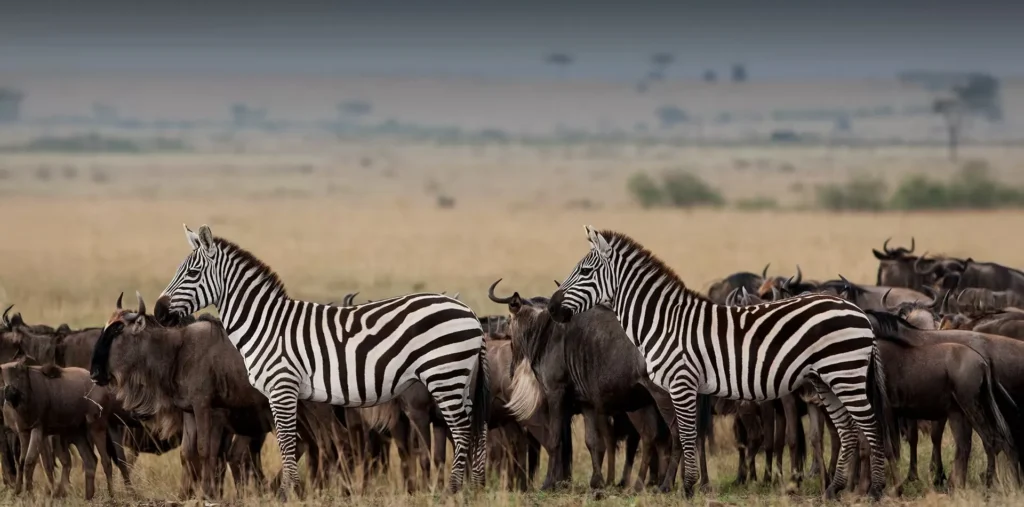
The Best Great Migration Safari for Photographers combines wildlife action, dramatic landscapes, cultural encounters, and exceptional photographic opportunities. The Serengeti National Park provides one of Africa’s finest settings for wildlife photography. Vast plains create open views of wildebeest, zebras, gazelles, lions, cheetahs, and elephants.
Moreover, the annual migration creates changing photographic opportunities throughout the year. Photographers can follow herds across different ecosystems during the Great Wildlife Migration Cycle. Each season offers unique light, animal behavior, landscapes, and storytelling opportunities.
For photographers, timing matters as much as destination selection. January to March brings the calving season across the southern Serengeti and Ndutu plains. July to September often creates spectacular opportunities around the northern Serengeti and Mara River.
Therefore, The Best Great Migration Safari for Photographers should match your photography goals. River crossings suit action photographers seeking dramatic movement. Calving season suits photographers interested in newborn animals and predator encounters.
At Deks Africa Safaris and Tours Ltd, we design photographic safaris around wildlife behavior, seasonal movements, comfort, and photography access. Our approach focuses on creating meaningful experiences rather than simply ticking destinations from a list.
Why Choose the Best Great Migration Safari for Photographers?
The Best Great Migration Safari for Photographers requires careful planning and expert destination knowledge. Photographers need more than wildlife sightings. They need favorable positioning, suitable vehicles, good light, patience, and enough time in productive areas.
Serengeti Safari experiences provide remarkable opportunities because the landscape remains open for long distances. This setting allows photographers to observe animals without dense vegetation blocking important moments.
Furthermore, early morning drives provide soft light and active wildlife. Golden-hour conditions can transform ordinary scenes into powerful photographic stories. Late afternoon also creates excellent opportunities for silhouettes and behavioral images.
A carefully designed Serengeti National Park Safari should therefore avoid unnecessary rushing. Spending several nights in productive areas gives photographers greater flexibility. It also allows guides to understand animal movements and changing conditions.
The best photographic experience also considers vehicle capacity. Fewer passengers create more space for camera equipment and positioning. Private vehicles offer even greater flexibility because photographers can adjust their schedules around wildlife opportunities.
Consequently, The Best Great Migration Safari for Photographers focuses on quality time rather than simply covering many kilometres.
Best Time for The Best Great Migration Safari for Photographers
Timing determines the photographic character of your safari. The Great Wildlife Migration Cycle moves through Tanzania throughout the year. Each stage creates different opportunities for photographers.
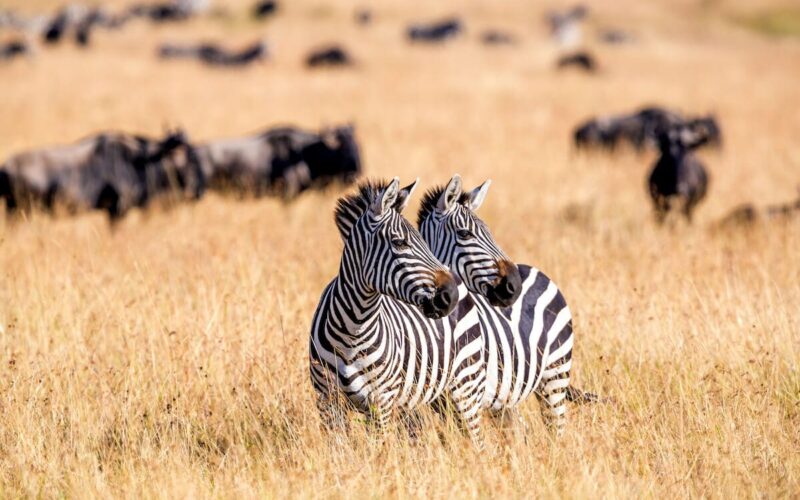
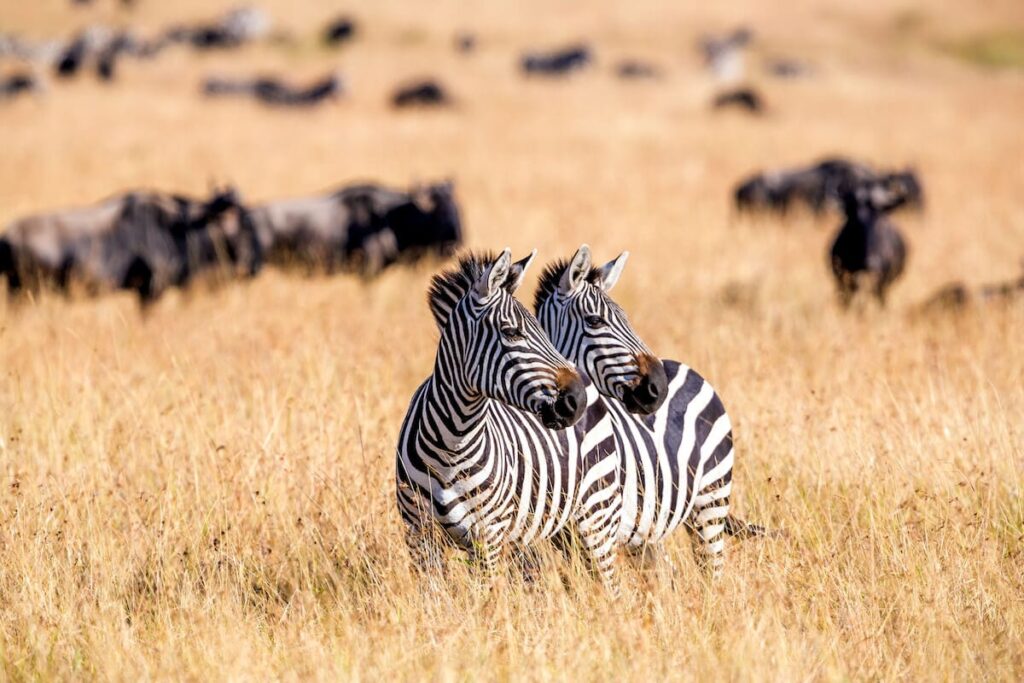
From January to March, herds concentrate around the southern Serengeti and Ndutu region. Thousands of wildebeest give birth during the calving period. Newborn calves create intimate photography opportunities across the short-grass plains.
Meanwhile, predators remain active around the herds. Lions, cheetahs, hyenas, and other predators exploit the abundance of vulnerable young animals. This period offers powerful opportunities for wildlife behavior photography.
Between May and June, migration activity often reaches the Western Corridor. The Grumeti ecosystem provides opportunities for river scenes, wildlife action, and fewer crowded viewing locations.
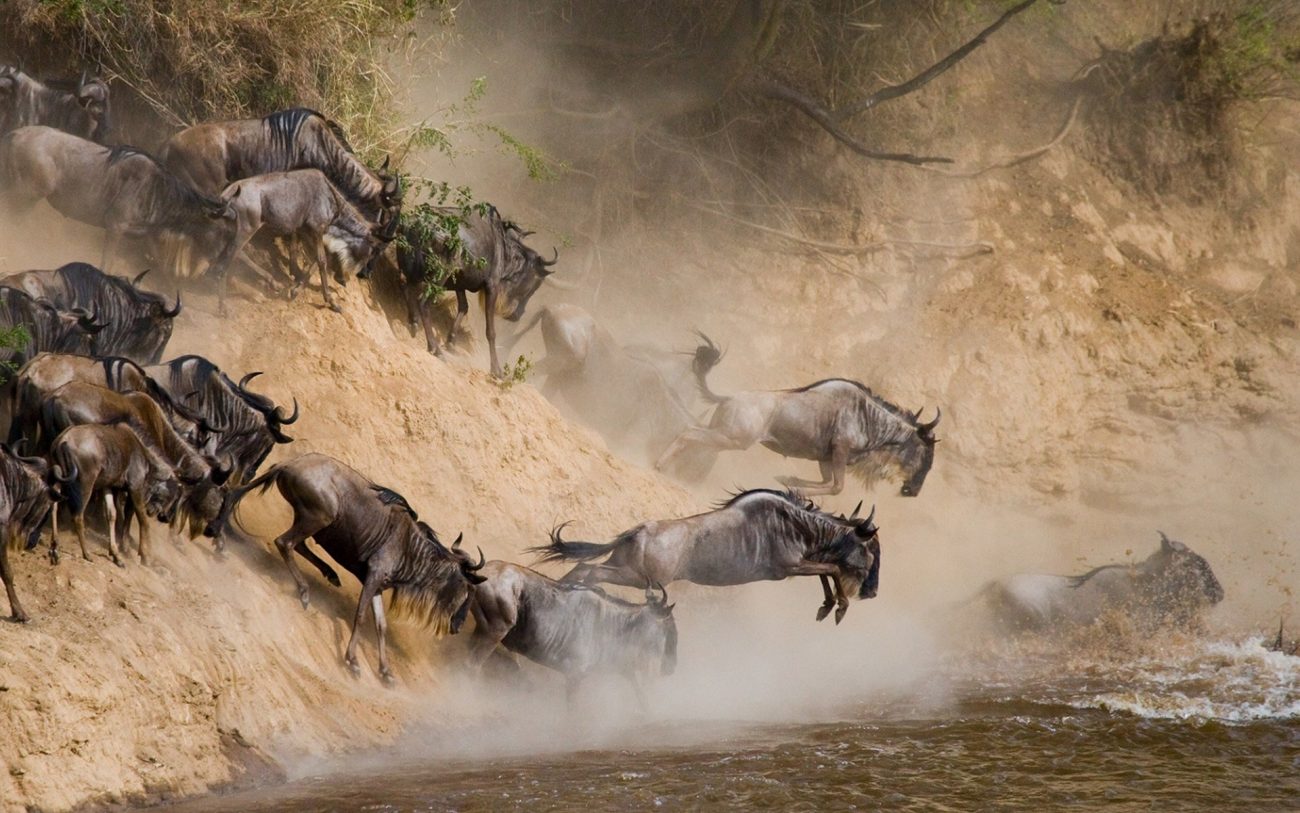
From July to September, many photographers target northern Serengeti migration activity. Mara River crossings can produce dramatic scenes involving wildebeest, crocodiles, dust, and rushing water.
Therefore, The Best Great Migration Safari for Photographers depends heavily on your preferred photographic story. Calving creates emotional images, while river crossings create dramatic action.
wildlife migration in Tanzania
Serengeti National Park Safari Photography Opportunities
A Serengeti National Park Safari provides far more than migration photography. The ecosystem supports extraordinary wildlife diversity throughout the year.
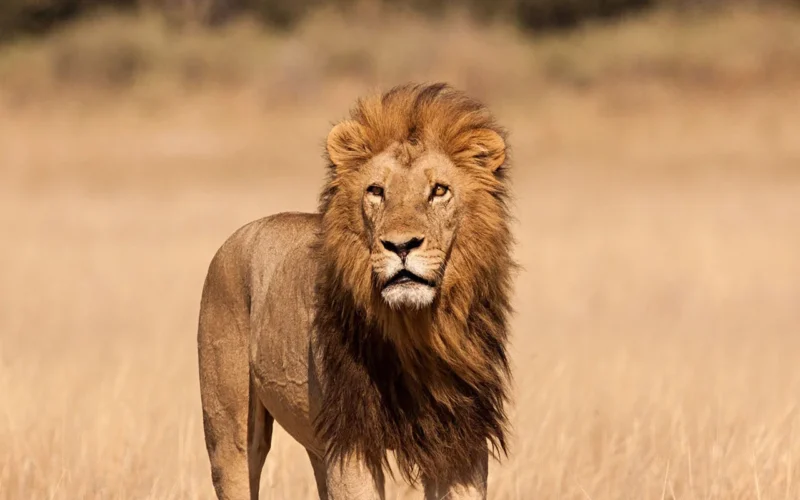
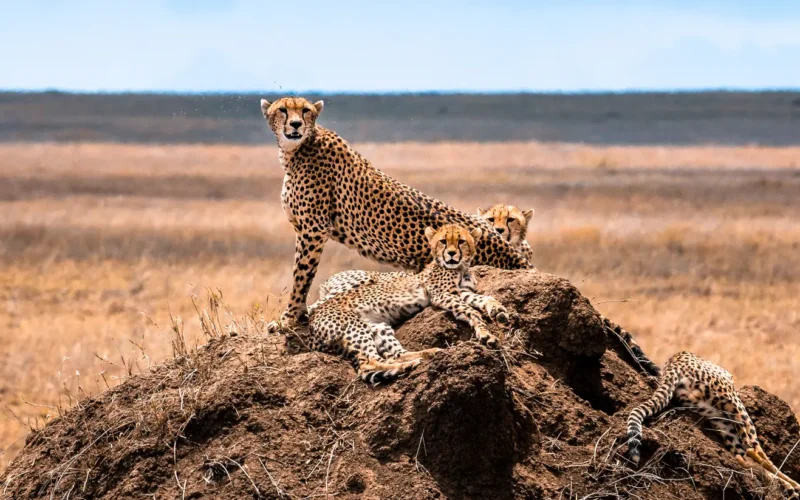
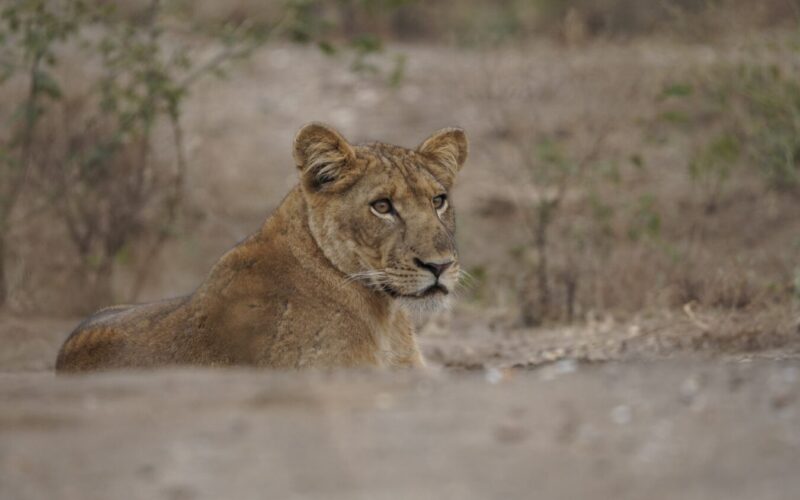
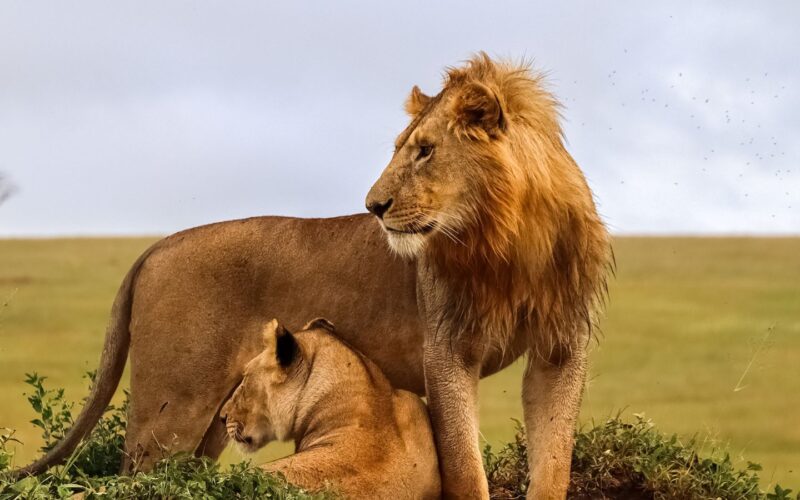
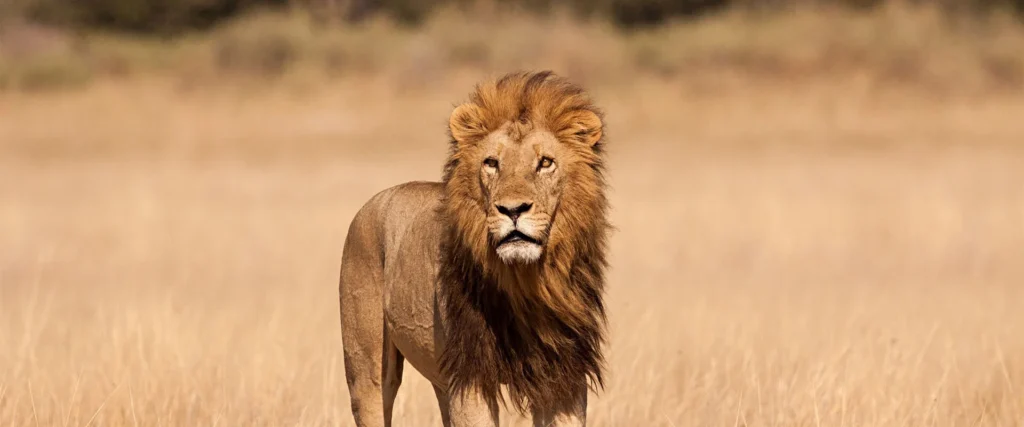
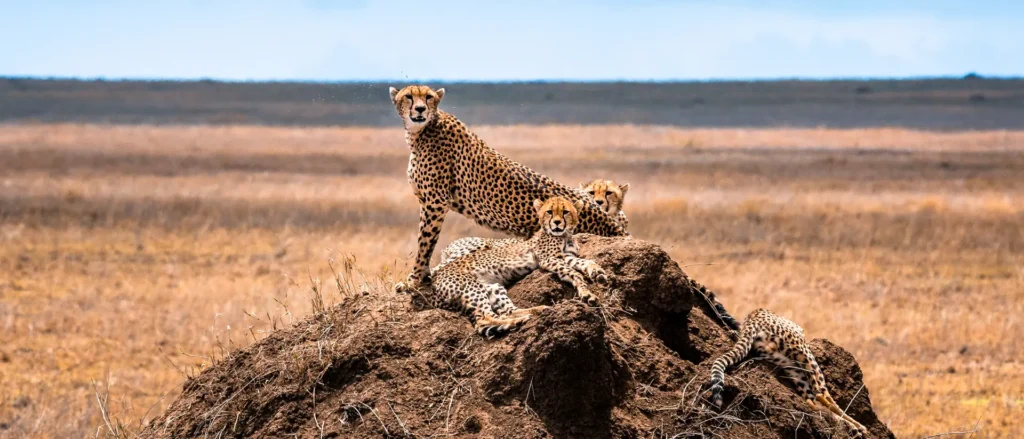
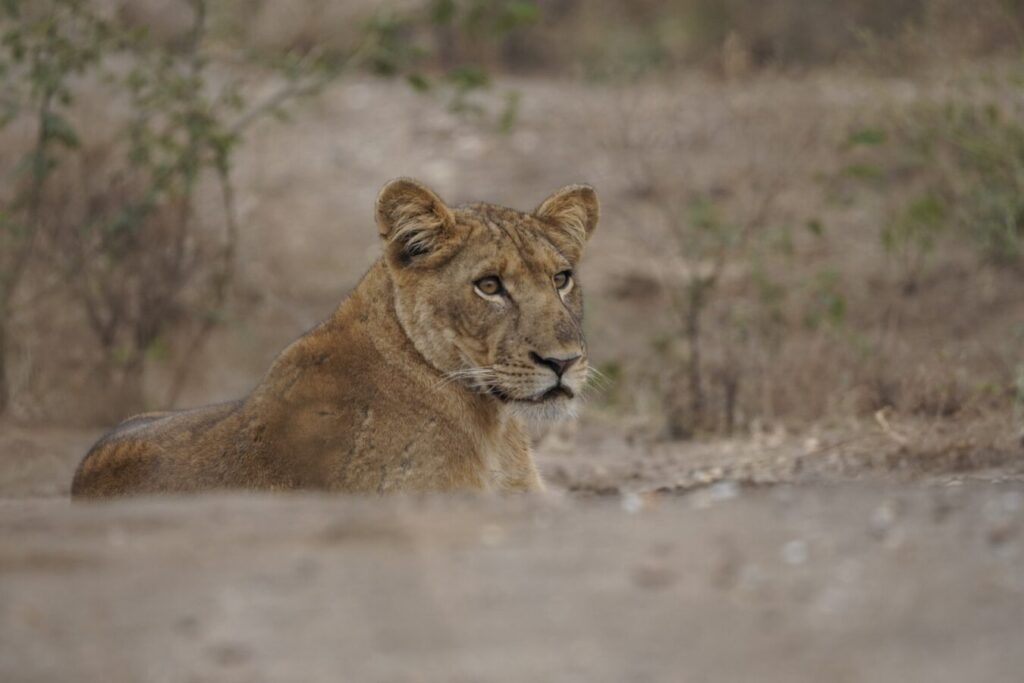
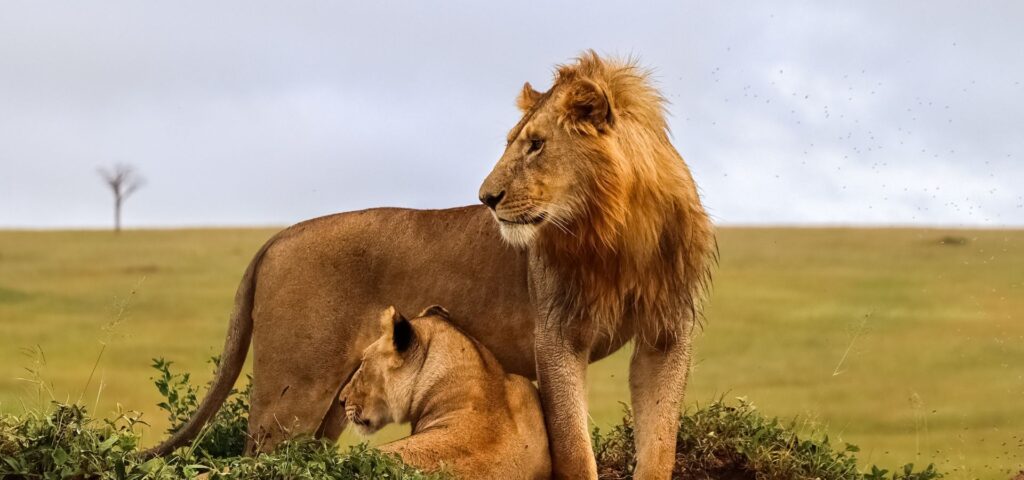
Lions frequently provide excellent opportunities for portrait photography. Cheetahs offer opportunities for low-angle images across open plains. Elephants create powerful landscape compositions against expansive horizons.
Additionally, giraffes, zebras, gazelles, hippos, crocodiles, leopards, and numerous bird species enrich the photographic experience. Each animal offers different behavioral opportunities.
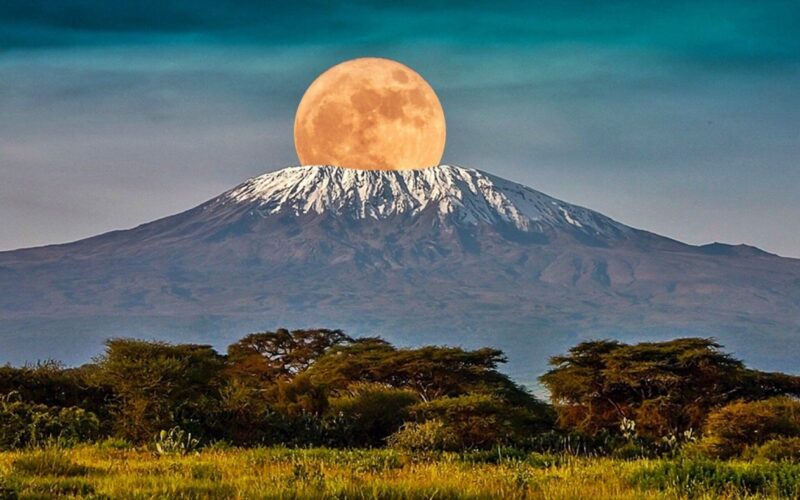
The Serengeti landscape itself deserves equal attention. Grasslands, rocky kopjes, acacia trees, seasonal rivers, and dramatic skies create diverse compositions.
Photographers should also consider environmental portraits. Instead of filling every frame with an animal, include the surrounding landscape. This approach communicates scale and strengthens wildlife storytelling.
A skilled safari guide can also help identify promising photographic situations. Knowledge of animal behavior allows the team to anticipate movement instead of reacting too late.
As a result, The Best Great Migration Safari for Photographers combines technical photography with natural-history awareness.
Great Migration Safaris and River Crossing Photography
Great Migration Safaris attract photographers because river crossings can create extraordinary wildlife moments. However, crossings remain natural events that cannot follow a fixed timetable.
Wildebeest may gather near riverbanks for hours before moving. Sometimes they retreat after approaching the water. Patience therefore becomes one of the most important photographic skills.
Once animals enter the river, the scene can change quickly. Dust, splashing water, jumping animals, and crowded banks create intense action. Fast shutter speeds help freeze important moments.
Telephoto lenses provide valuable reach while maintaining a safe distance from wildlife. A beanbag or suitable camera support can also improve stability during long waiting periods.
However, photographers should respect park regulations and responsible wildlife-viewing principles. Great photographs should never come at the expense of animal welfare.
The Best Great Migration Safari for Photographers balances access with conservation. Responsible positioning protects wildlife while still creating excellent photographic opportunities.
Photography During the Serengeti Calving Season
The calving season offers a completely different experience. During the early months of the year, the southern Serengeti becomes an important area for migration activity.
Newborn wildebeest create compelling subjects for photographers. Their first movements, interactions with mothers, and early survival experiences provide emotional storytelling opportunities.
Predators also become highly active during this period. Lions, cheetahs, and hyenas patrol areas where vulnerable calves concentrate.
The green landscape creates another advantage. Fresh grass can produce vibrant backgrounds and attractive environmental portraits.
Furthermore, softer seasonal landscapes allow photographers to experiment with wider compositions. A newborn calf surrounded by thousands of animals can communicate the scale of the migration.
For these reasons, The Best Great Migration Safari for Photographers does not always mean chasing river crossings. Calving season can provide equally powerful photographic stories.
Photography Vehicles and Safari Positioning
Vehicle design strongly influences the quality of a photography safari. Open-sided or specially adapted safari vehicles can provide better visibility.
A private vehicle offers additional advantages. Photographers can spend longer at promising sightings without worrying about another group’s schedule.
Comfort also matters during long photography days. Proper seating, charging facilities, camera support, and sufficient storage improve the overall experience.
Moreover, photographers should have enough window space for large lenses. A crowded vehicle can make changing lenses and maintaining stable compositions difficult.
Experienced guides also understand positioning. They consider the sun, wind, animal behavior, terrain, and other vehicles before selecting a viewing position.
Therefore, vehicle planning forms an important part of The Best Great Migration Safari for Photographers.
Photography Equipment for a Serengeti Safari
Good equipment helps, but preparation matters more than owning the most expensive camera. A reliable camera body and telephoto lens provide a strong foundation.
A second camera body can reduce lens-changing time during fast wildlife encounters. Wide-angle lenses also remain useful for landscapes, camps, and environmental portraits.
Photographers should carry extra batteries and memory cards. Dust protection also deserves attention because safari roads can become extremely dusty.
A beanbag provides practical support inside many safari vehicles. A monopod can also work well when vehicle design permits its use.
Additionally, photographers should protect equipment during unexpected rain. Dry bags and protective covers provide simple safeguards.
Most importantly, understand your equipment before departure. Familiarity with shutter speed, aperture, ISO, autofocus, and exposure compensation improves reaction speed.
Cultural Experiences Around Your Safari Lodge
A complete Tanzania wildlife safari should include meaningful cultural experiences. Wildlife represents only one part of Tanzania’s tourism heritage.
Depending on the lodge location, travellers can visit Maasai communities and learn about traditional lifestyles. Cultural visits may include traditional dances, crafts, livestock practices, storytelling, and community projects.
Visitors can also learn about local food traditions and traditional beadwork. Purchasing locally produced crafts can support community livelihoods when done responsibly.
Some areas also provide opportunities to learn about traditional architecture and pastoral lifestyles. These encounters add human stories to your safari photography.
Importantly, cultural tourism should respect community preferences and local customs. Always seek permission before photographing people.
Therefore, The Best Great Migration Safari for Photographers can combine wildlife storytelling with authentic cultural experiences.
Combining Tanzania Safaris with Other Destinations
Travellers seeking broader East African experiences can extend their itinerary beyond the Serengeti. Tanzania Safaris can combine Serengeti, Ngorongoro, and Tarangire.
The Ngorongoro Conservation Area offers dramatic scenery and abundant wildlife. Tarangire provides distinctive baobab landscapes and strong elephant-viewing opportunities.
For travellers extending their journey into Uganda, Bwindi Gorilla Trekking creates a remarkable contrast. Gorilla photography requires different techniques and a respectful approach.
Uganda also offers chimpanzee trekking, savanna wildlife, forest experiences, and birdwatching. Combining Tanzania wildlife safaris with Uganda creates a broader East African adventure.
Such combinations allow photographers to build diverse portfolios. Savannah predators, migration scenes, mountain gorillas, primates, birds, and landscapes create different visual narratives.
Responsible Photography and Conservation
Responsible tourism remains central to The Best Great Migration Safari for Photographers. Wildlife photography should support conservation rather than disturb animals.
Maintain appropriate distances and follow guide instructions. Avoid shouting, sudden movements, or attempts to attract wildlife.
Never pressure guides to drive off established tracks for a photograph. Such actions can damage habitats and disturb animals.
Photography also carries ethical responsibilities when communities become part of the story. Ask permission before photographing people, especially children.
Supporting responsible lodges and community initiatives can strengthen conservation benefits. Tourism creates economic value when local communities participate meaningfully.
Consequently, responsible photography helps protect the destinations that make Great Migration Safaris possible.
Planning The Best Great Migration Safari for Photographers
Planning should begin with your photographic priorities. Decide whether you prefer calving, river crossings, predators, landscapes, or broader wildlife coverage.
Next, select the appropriate season and region. Your chosen timing should support the visual experiences you want to capture.
Accommodation location also matters. Staying closer to productive wildlife areas reduces unnecessary driving time. It also creates more opportunities during prime photographic hours.
Allow sufficient nights within the Serengeti. Longer stays increase your chances of experiencing changing wildlife behavior.
Additionally, consider private safari arrangements if photography represents your main priority. Private travel offers greater control over timing and vehicle positioning.
At Deks Africa Safaris and Tours Ltd, we focus on practical planning, destination knowledge, responsible tourism, and personalized safari design.
Safari Inclusions
- Airport transfers
- Private 4×4 safari vehicle
- Professional English-speaking safari guide
- Accommodation
- Meals according to itinerary
- Serengeti National Park entry fees
- Game drives
- Great Migration viewing
- Cultural experience
- Drinking water
- Government taxes
- Safari planning and support
Safari Exclusions
- International flights
- Visa fees
- Travel insurance
- Personal expenses
- Alcoholic drinks
- Laundry services
- Tips
- Souvenirs
- Optional activities
- Additional accommodation
- Personal photography equipment
- Medical expenses
Why Choose the Best Great Migration Safari for Photographers?
The Best Great Migration Safari for Photographers creates opportunities for images that communicate Africa’s wildlife story. It combines seasonal knowledge, wildlife expertise, responsible travel, and thoughtful itinerary design.
The Serengeti remains one of the world’s most remarkable wildlife destinations. Its scale provides photographers with endless opportunities for creative composition and natural storytelling.
Great Migration Safaris also offer different experiences throughout the year. Therefore, travellers should select their dates according to their photographic interests.
With proper planning, photographers can experience spectacular wildlife encounters without compromising animal welfare. Cultural experiences can further enrich the journey beyond traditional game drives.
Ultimately, The Best Great Migration Safari for Photographers should create memories alongside exceptional photographs. Deks Africa Safaris and Tours Ltd helps travellers explore Tanzania with knowledgeable planning and professional safari support.
Whether you seek river crossings, calving scenes, predator encounters, landscapes, or cultural experiences, the Serengeti offers remarkable possibilities.
The Best Great Migration Safari for Photographers begins with the right season, the right location, and the right safari strategy. With thoughtful preparation, every journey can become a powerful photographic story.
Written by Deks Africa Safaris and Tours Ltd
The Best Great Migration Safari for Photographers — discover the Serengeti, experience the Great Wildlife Migration, and capture Africa through your own lens.
Proposed East Africa Safari Holidays for the USA Travelers
- 9-Day Rwanda & Tanzania Luxury Wildlife Tour
- 9-Day Rwanda, Uganda & Tanzania Luxury Wildlife Safari
- 9-Day Rwanda Gorilla Trekking & Tanzania Safari
- 9-Day Tanzania Safari & Uganda Gorilla Trekking
- 10-Day Serengeti & Ngorongoro Crater Safari Experience
- 10-Day Tanzania and Rwanda Adventure Safari
- 11-Day Rwanda Uganda Tanzania Safari
- 20 Days Uganda, Tanzania, and Mafia Island Beach Safari
- 18 Days Uganda, Tanzania, and Mafia Island Beach Safari
- 14-Day Rwanda Uganda Tanzania Tour
- 14-Day Rwanda, Kenya, Tanzania & Beach Holiday
- 20-Day Rwanda Tanzania Zanzibar Safari Experience
- 16-Day Tanzania Safari & Rwanda Gorilla Trekking Experience
- 14 Days Kenya-Tanzania-Rwanda-Uganda Safari
- 24 Days Zanzibar-Uganda-Tanzania-Kenya Safari
- 5 Days Serengeti Great Migration Safari
- 6 Days Serengeti Great Migration Safari
- 7 Days Serengeti Great Migration Safari
- 8 Days Serengeti Great Migration Safari