Serengeti Great Migration Family Safaris
August 25, 2026Small Group Safaris to Serengeti National Park
August 25, 2026Serengeti Migration Versus Maasai Mara Migration
The Serengeti Migration Versus Maasai Mara Migration comparison helps travelers understand one remarkable ecosystem. The Great Wildebeest Migration crosses northern Tanzania and southwestern Kenya each year. Therefore, travelers should view it as one ecological cycle rather than two separate migrations.
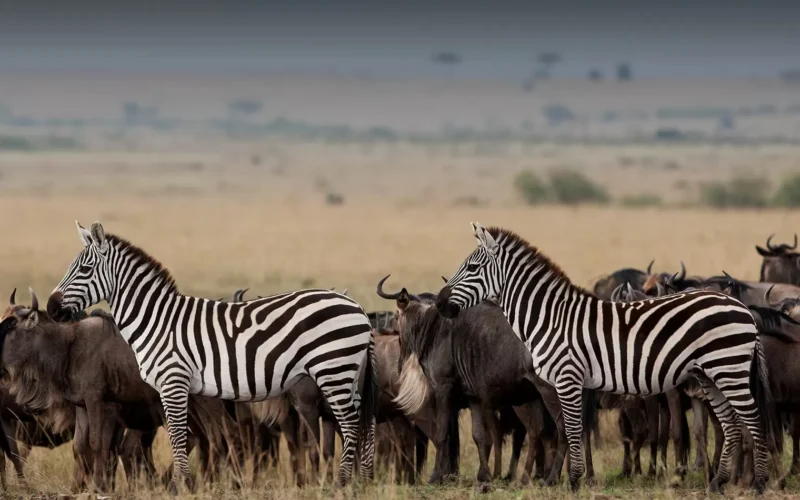
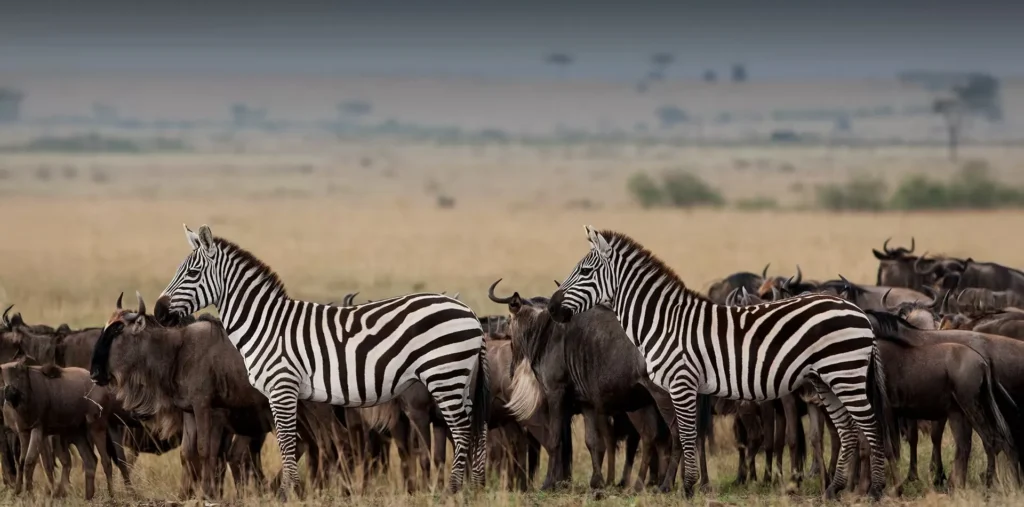
The Serengeti-Mara ecosystem connects Serengeti National Park with Maasai Mara National Reserve. Wildlife moves across this landscape according to rainfall, pasture, water, and breeding conditions. The ecosystem supports huge populations of wildebeest, zebra, gazelles, and predators.
Consequently, a Serengeti National Park Safari offers more than river crossings. It provides opportunities to experience the migration across several months. Meanwhile, a Maasai Mara safari offers excellent opportunities during the northern movement.
This guide explains the Serengeti Migration Versus Maasai Mara Migration in practical terms. It also explains seasonal patterns, wildlife experiences, cultural encounters, and safari planning considerations.
Understanding the Ecosystem
The Serengeti Migration Versus Maasai Mara Migration discussion starts with geography. The Serengeti lies within northern Tanzania, while Maasai Mara lies across the Kenyan border.
Together, these landscapes form part of the Greater Serengeti-Mara ecosystem. The ecosystem supports a large seasonal movement of grazing animals. Wildlife crosses international boundaries naturally without following political borders.
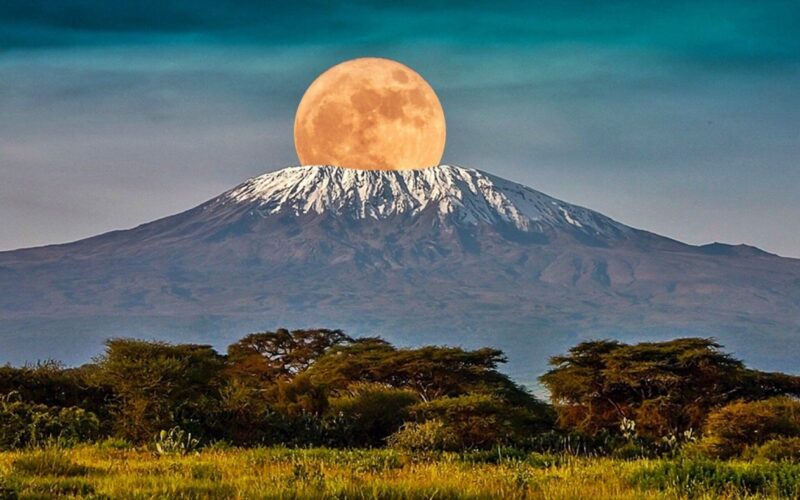
The Serengeti National Park remains the larger and more expansive safari landscape. Its broad plains create excellent opportunities for wildlife tracking throughout the year. The park also contains woodland, kopjes, grasslands, rivers, and seasonal water sources.
Maasai Mara offers a different safari atmosphere. Its rolling grasslands, riverine areas, and conservancies create concentrated wildlife viewing opportunities. Therefore, both destinations deserve attention when planning Great Migration Safaris.
Serengeti Migration Versus Maasai Mara Migration: The Great Wildlife Migration Cycle
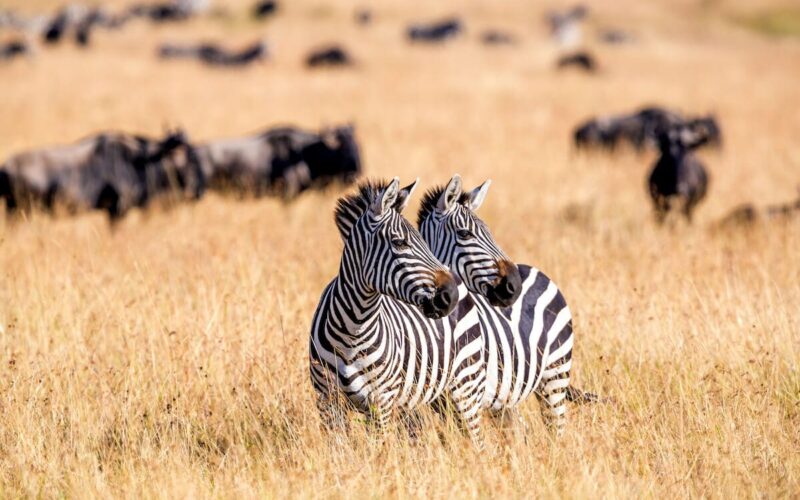
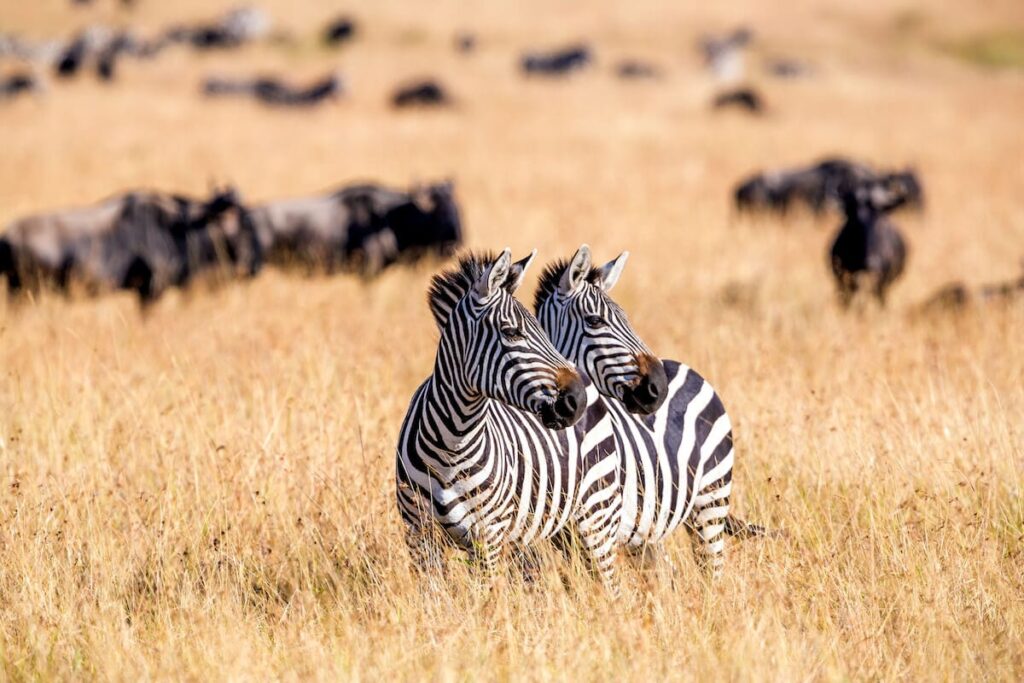
The Great Wildlife Migration Cycle follows rainfall and pasture availability. Wildebeest and other herbivores continually search for fresh grazing and water.
January through March brings an important breeding period across the southern Serengeti plains. The area provides nutrient-rich grass for mothers and young calves. During this period, visitors can experience dramatic predator activity around vulnerable newborns.
After the calving season, herds gradually move westward and northward. Their movement creates different safari experiences as the year progresses.
The western Serengeti can become especially significant during the movement toward the Grumeti region. Later, northern Serengeti areas become important as herds approach the Mara River.
Therefore, the migration does not begin and end with river crossings. River crossings represent only one dramatic chapter within a much larger ecological journey.
13 Days Kenya Tanzania and Uganda Safari
Serengeti Advantage
The Serengeti Migration Versus Maasai Mara Migration comparison gives Serengeti an important advantage. Travelers can experience different migration stages within Tanzania.
A Serengeti Safari can include calving, grazing herds, predator encounters, river crossings, and dispersal periods. The experience therefore changes according to your travel dates.
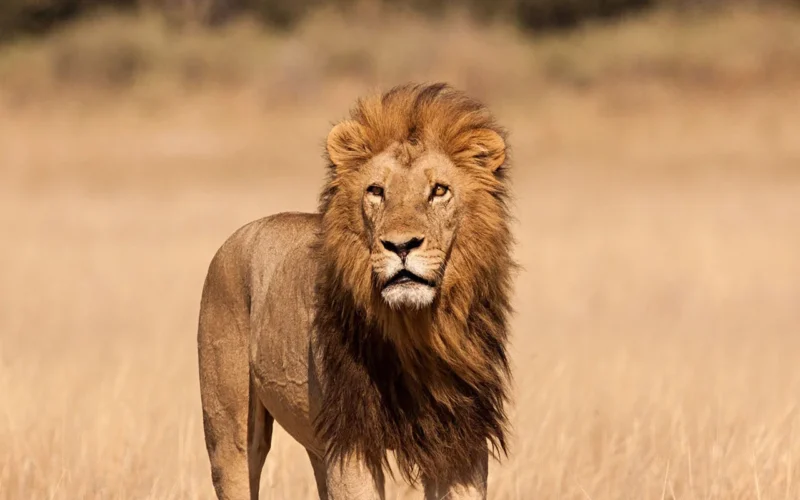
Serengeti also offers exceptional resident wildlife beyond migrating herds. Lions, leopards, cheetahs, elephants, giraffes, buffaloes, hippos, and numerous antelope species inhabit the ecosystem.
The Tanzania Tourism Board highlights Serengeti for its massive annual wildebeest and zebra migration. The park also provides varied wildlife landscapes throughout the year.
Consequently, visitors should not cancel a Serengeti trip outside peak migration months. A well-planned Tanzania wildlife safari can remain rewarding throughout the year.
Serengeti Migration Versus Maasai Mara Migration: Maasai Mara Advantage
The Serengeti Migration Versus Maasai Mara Migration comparison also reveals important Maasai Mara strengths.
The Maasai Mara provides excellent opportunities to witness large herds within a relatively concentrated landscape. July through October often attracts travelers seeking dramatic northern migration scenes.
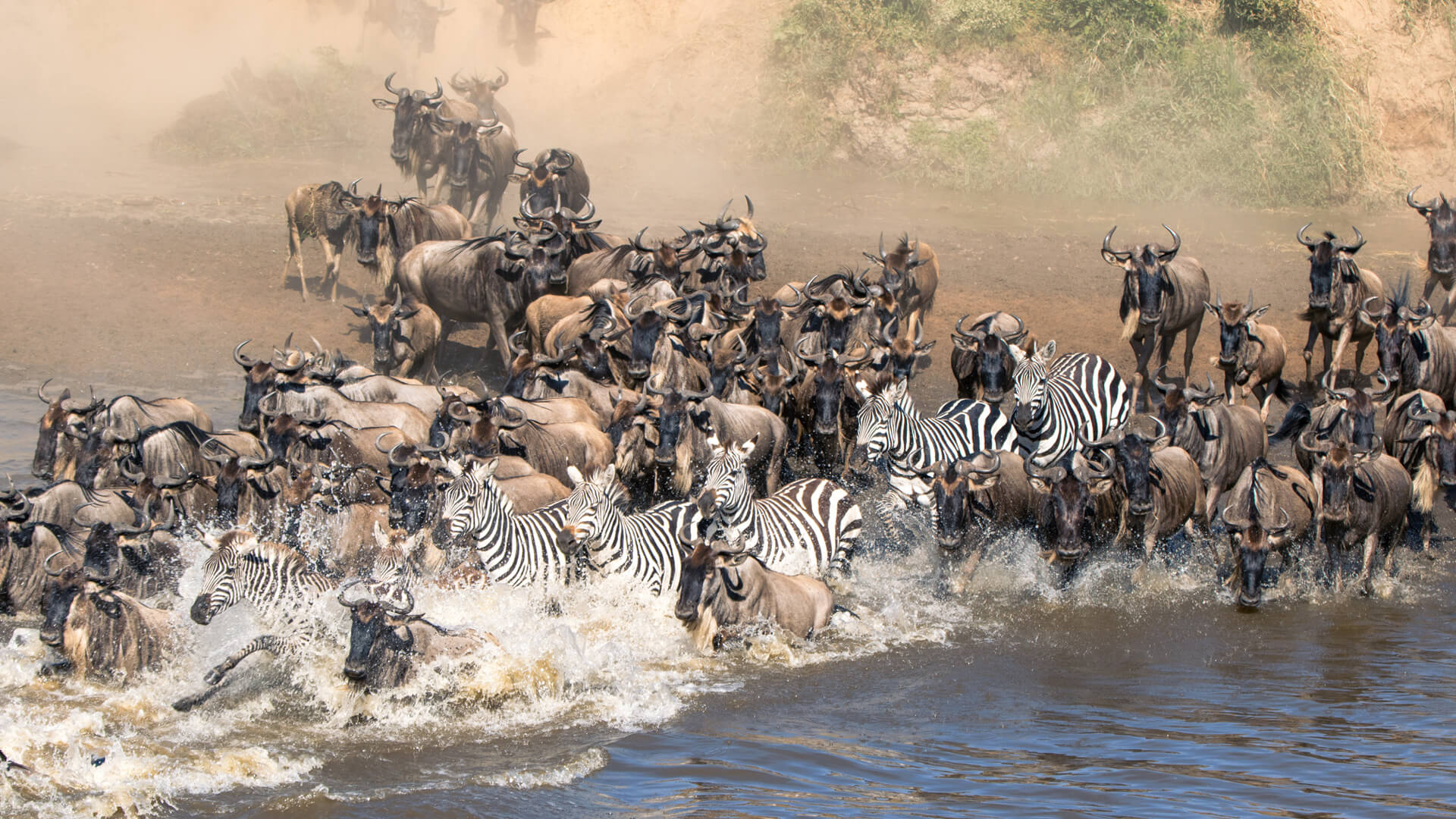
River crossings can create intense wildlife moments. Herds gather near riverbanks before crossing challenging waterways. Crocodiles and strong currents create additional dangers for migrating animals.
However, river crossings remain unpredictable. Wildlife does not follow a fixed schedule. Therefore, responsible safari planning should avoid guaranteeing a crossing on a specific day.
The Kenyan side also includes community conservancies surrounding the reserve. These areas contribute to broader wildlife conservation and dispersal.
Serengeti Migration Versus Maasai Mara Migration: River Crossings
River crossings often define the Serengeti Migration Versus Maasai Mara Migration debate.
Many travelers dream of seeing wildebeest crossing the Mara River. Northern Serengeti provides important viewing locations along the river system. TANAPA maintains designated crossing points and visitor management guidelines.
The experience demands patience because wildlife controls the timing. Herds may gather for hours before moving. Sometimes animals approach the water and suddenly retreat.
This uncertainty creates part of the adventure. A skilled guide can read animal behavior and position the vehicle responsibly.
Importantly, ethical tourism should prioritize wildlife welfare. Visitors should respect park rules, vehicle limits, and viewing distances. Responsible tourism protects the migration for future generations.
Best Time to Visit
The ideal time depends on the experience you want. Therefore, travelers should choose dates according to migration objectives.
January to March works particularly well for travelers interested in calving. The southern Serengeti provides excellent opportunities for viewing newborn wildebeest and predator interactions.
April and May can bring greener landscapes and fewer visitors. Rainfall can affect road conditions, yet experienced travelers may enjoy quieter wildlife experiences.
June and July often bring increasing movement toward western and northern areas. The timing varies because rainfall controls pasture conditions.
August through October attracts travelers interested in northern Serengeti and Maasai Mara experiences. Nevertheless, river crossings remain natural events rather than scheduled attractions.
November and December can bring renewed movement toward the southern Serengeti. Therefore, the Great Wildlife Migration Cycle continues beyond the famous crossing season.
Wildlife Beyond Migration
The Serengeti Migration Versus Maasai Mara Migration comparison should include resident wildlife.
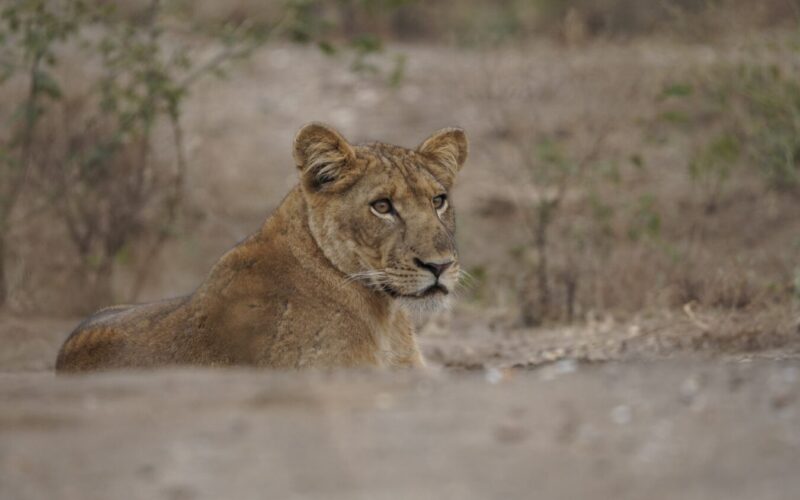
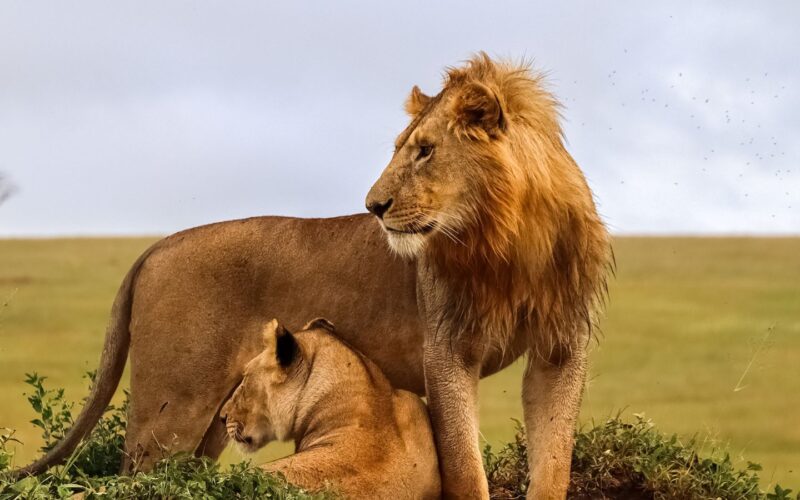
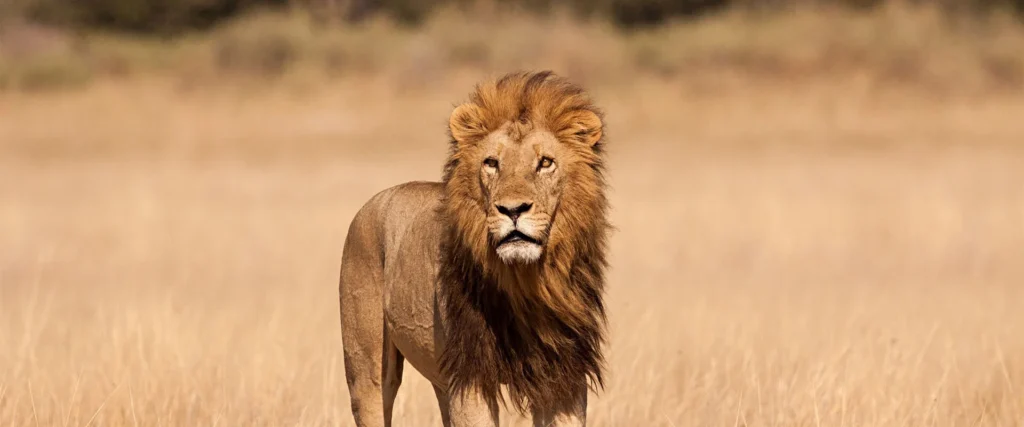
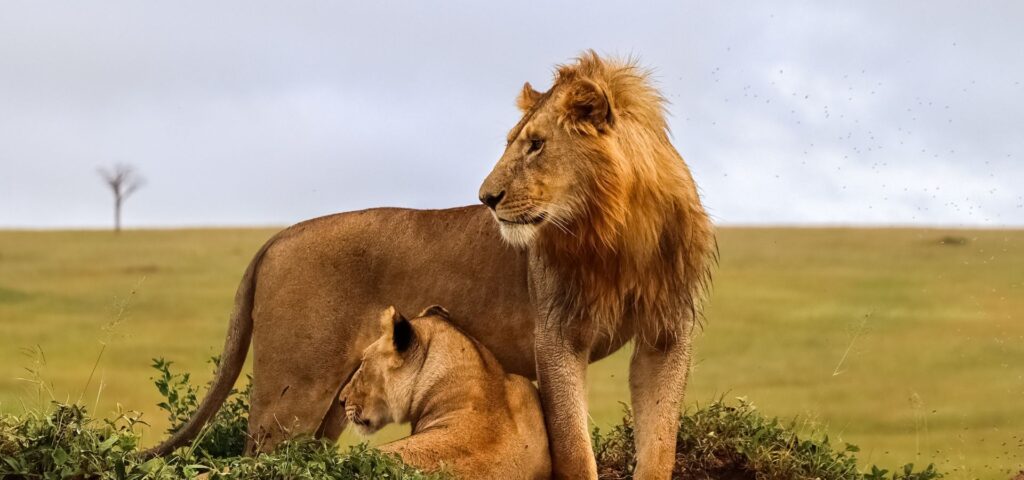
Serengeti provides exceptional opportunities for viewing Africa’s major predators. Lions frequently dominate open grasslands and woodland areas. Leopards prefer more concealed habitats, especially around riverine vegetation.
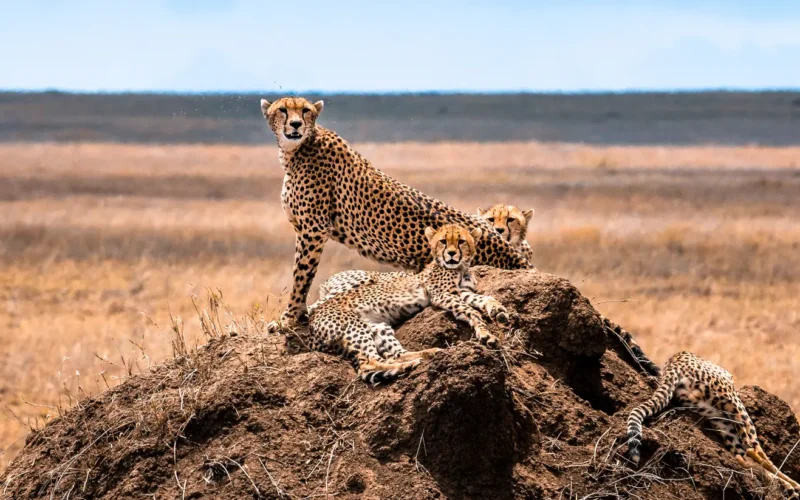
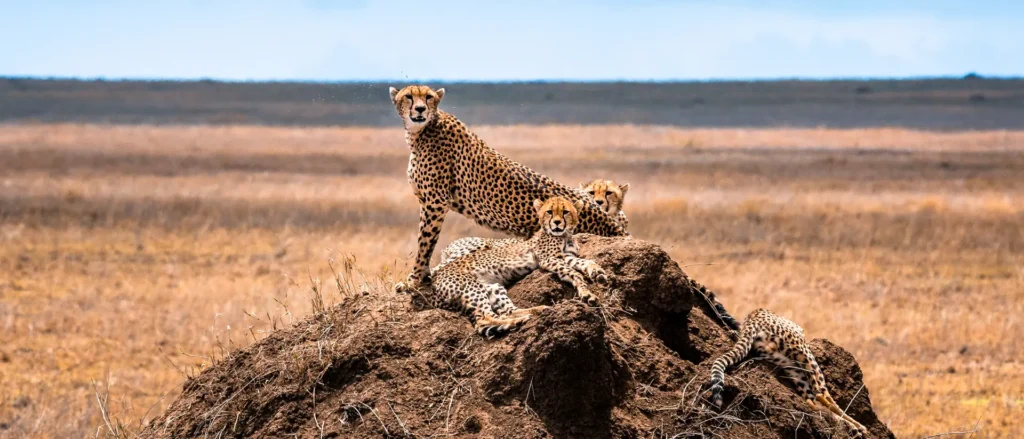
Cheetahs thrive in open plains where they can use speed to hunt. Hyenas also play an important role within the ecosystem.
Elephants, giraffes, buffaloes, hippos, warthogs, and numerous antelope species add further diversity. Bird enthusiasts can also encounter numerous savanna and raptor species.
As a result, a Serengeti National Park Safari remains valuable even when migrating herds move elsewhere. The resident wildlife creates consistent safari opportunities across different seasons.
Serengeti Migration Versus Maasai Mara Migration: Cultural Experiences
A safari should connect travelers with nature and people. Therefore, cultural experiences can enrich the Serengeti Migration Versus Maasai Mara Migration journey.
Around Serengeti, travelers can arrange respectful visits to Maasai communities. These experiences can introduce visitors to traditional lifestyles, crafts, dances, livestock practices, and local knowledge.
Travelers can also support community-based craft initiatives. Purchasing locally produced crafts provides a direct economic connection between tourism and communities.
Cultural experiences should always prioritize consent and respectful interaction. Photography should also follow community preferences.
Tanzania’s tourism authorities promote cultural tourism through traditions, crafts, music, food, and community experiences. Maasai communities remain among the country’s recognized cultural attractions.
Around suitable safari lodges and camps, travelers can also enjoy cultural evenings. These may include traditional performances, storytelling, cooking experiences, and craft demonstrations.
Safari Lodge Experiences
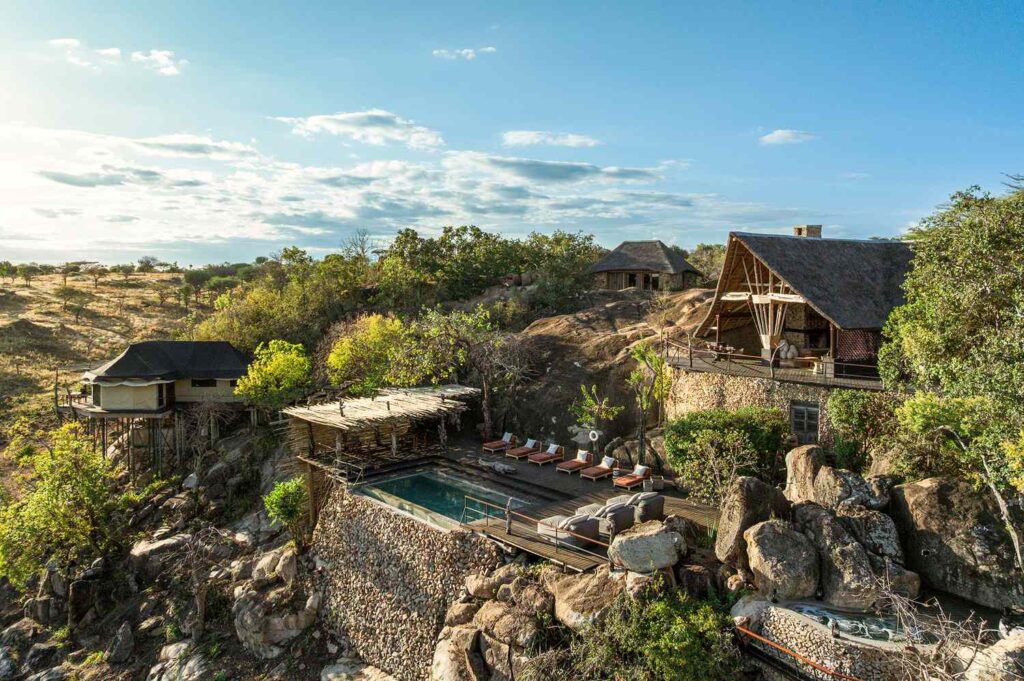
Your choice of accommodation can shape the overall safari experience. Therefore, travelers should consider location alongside comfort.
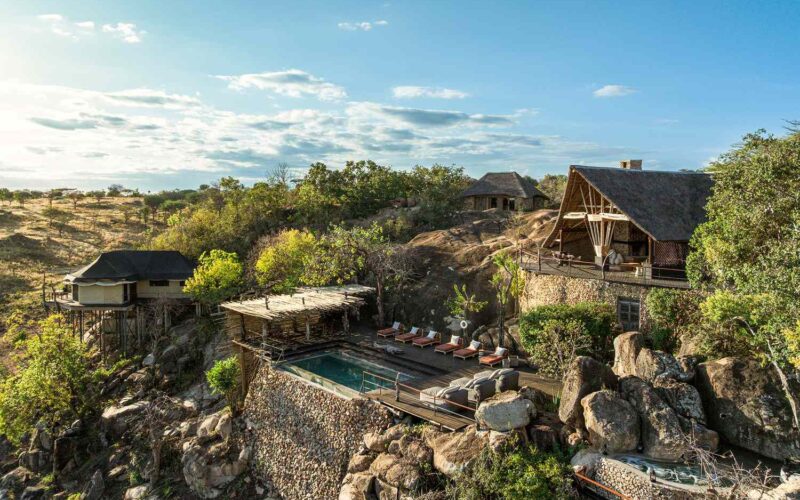
A lodge in central Serengeti can provide convenient access to year-round wildlife areas. Northern camps can offer strategic access to migration routes during suitable months.
Mobile camps can provide another advantage during migration-focused journeys. They allow travelers to stay closer to seasonal wildlife movements.
Beyond accommodation, many lodges offer cultural activities. Guests may enjoy local cuisine, traditional music, craft demonstrations, and community visits.
Some properties also arrange guided nature walks where regulations permit. These activities provide a closer connection with smaller ecosystems and local landscapes.
Therefore, accommodation should support your safari objective rather than simply provide a bed.
Which Safari Should You Choose?
The answer depends on your priorities.
Choose Serengeti if you want broader seasonal opportunities and longer wildlife exploration. It works particularly well for travelers seeking calving, predator encounters, and migration tracking.
Choose Maasai Mara if your priority focuses strongly on the northern migration period. The reserve can provide concentrated wildlife viewing and excellent predator encounters.
Choose both destinations if your schedule and budget allow. A combined Kenya and Tanzania safari can provide a broader ecosystem perspective.
Such a journey can include Tanzania Safaris, Maasai Mara wildlife viewing, cultural encounters, and additional destinations. The combined itinerary provides valuable geographical context for the migration.
For travelers interested in Bwindi Gorilla Trekking, East Africa offers another exceptional extension. Uganda can complement Tanzania with mountain gorilla encounters and forest-based wildlife experiences.
Responsible Safari Planning
Responsible planning strengthens the quality of your safari. First, select travel dates according to your preferred wildlife experience.
Next, choose experienced guides who understand seasonal animal movements. Good guiding improves wildlife interpretation, photography opportunities, and travel safety.
Furthermore, use reputable accommodation and transport providers. Confirm park fees, accommodation arrangements, transfers, and activity costs before departure.
Travelers should also respect wildlife distances and park regulations. Avoid loud behavior around animals and never encourage wildlife to approach vehicles.
TANAPA publishes official park tariff information and visitor resources. Checking current regulations before travel helps prevent unexpected changes.
Ultimately, responsible tourism protects wildlife while supporting local economies.
Safari Inclusions
- Accommodation
- Meals as indicated
- Professional safari guide
- Private safari vehicle
- Park entrance fees
- Game drives
- Airport transfers
- Drinking water
- Government taxes
- Crater service fees
- Wildlife viewing activities
Safari Exclusions
- International flights
- Tanzania visa
- Travel insurance
- Tips
- Alcoholic drinks
- Laundry
- Personal expenses
- Souvenirs
- Balloon safari
- Optional activities
- Additional accommodation
- Items not listed under inclusions
Serengeti Migration Versus Maasai Mara Migration: Final Verdict
The Serengeti Migration Versus Maasai Mara Migration comparison has no single winner. Each destination provides a different perspective of the same extraordinary ecosystem.
Serengeti offers greater seasonal breadth and extensive wildlife landscapes. Maasai Mara offers remarkable northern concentrations and dramatic river-crossing opportunities.
Therefore, travelers should choose based on timing, interests, budget, and desired safari style. More importantly, remember that migration timing changes naturally each year.
A professionally planned Serengeti Great Migration Safari should remain flexible. Guides should adapt daily plans according to wildlife movements and weather conditions.
The Great Migration represents nature at its most powerful. It combines survival, reproduction, predators, landscapes, and seasonal change.
At Deks Africa Safaris and Tours Ltd, our approach should always center on informed planning and responsible travel. Every Serengeti National Park Safari deserves thoughtful preparation and expert interpretation.
For international travelers, the experience extends beyond seeing animals. It creates deeper appreciation for Tanzania’s landscapes, communities, conservation systems, and wildlife heritage.
Ultimately, the Serengeti Migration Versus Maasai Mara Migration journey becomes more meaningful when travelers understand the ecosystem. With the right timing and planning, both destinations can deliver an extraordinary African safari.
Proposed East Africa Safari Holidays for the USA Travelers
- 9-Day Rwanda & Tanzania Luxury Wildlife Tour
- 10-Day Tanzania Safari Experience
- 9-Day Rwanda, Uganda & Tanzania Luxury Wildlife Safari
- 9-Day Rwanda Gorilla Trekking & Tanzania Safari
- 9-Day Tanzania Safari & Uganda Gorilla Trekking
- 10-Day Serengeti & Ngorongoro Crater Safari Experience
- 10-Day Tanzania and Rwanda Adventure Safari
- 11-Day Rwanda Uganda Tanzania Safari
- 20 Days Uganda, Tanzania, and Mafia Island Beach Safari
- 18 Days Uganda, Tanzania, and Mafia Island Beach Safari
- 14-Day Rwanda Uganda Tanzania Tour
- 14-Day Rwanda, Kenya, Tanzania & Beach Holiday
- 20-Day Rwanda Tanzania Zanzibar Safari Experience
- 16-Day Tanzania Safari & Rwanda Gorilla Trekking Experience
- 14 Days Kenya-Tanzania-Rwanda-Uganda Safari
- 24 Days Zanzibar-Uganda-Tanzania-Kenya Safari
- 5 Days Serengeti Great Migration Safari
- 6 Days Serengeti Great Migration Safari
- 7 Days Serengeti Great Migration Safari
- 8 Days Serengeti Great Migration Safari
- Hot Air Balloon serengeti
- 14 Days Uganda Tanzania and Kenya Safari
- What Should I Pack for a Tanzania Safari