The Best Time to Visit the Western Corridor of Serengeti National Park
August 23, 2026
August Versus September for the Wildebeest Migration
August 24, 2026What Is the Best Month to See the Great Migration?
What Is the Best Month to See the Great Migration? The answer depends on the wildlife experience you want most. July and August offer strong opportunities for dramatic Mara River crossings. February provides exceptional calving experiences across the southern Serengeti.
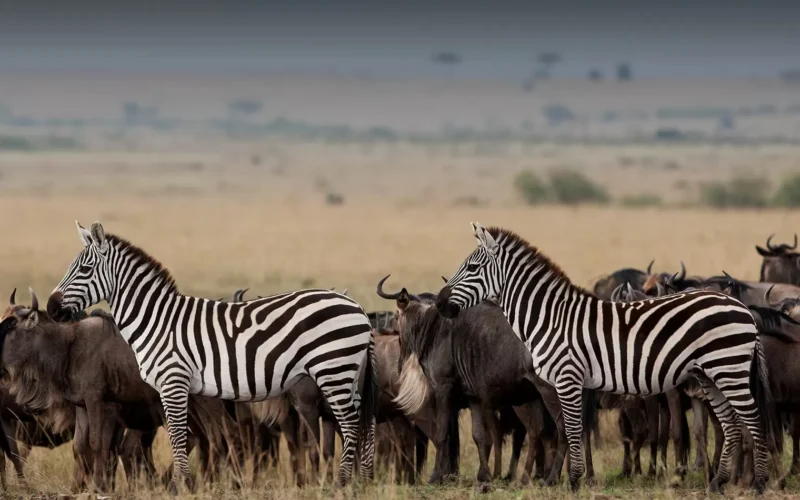
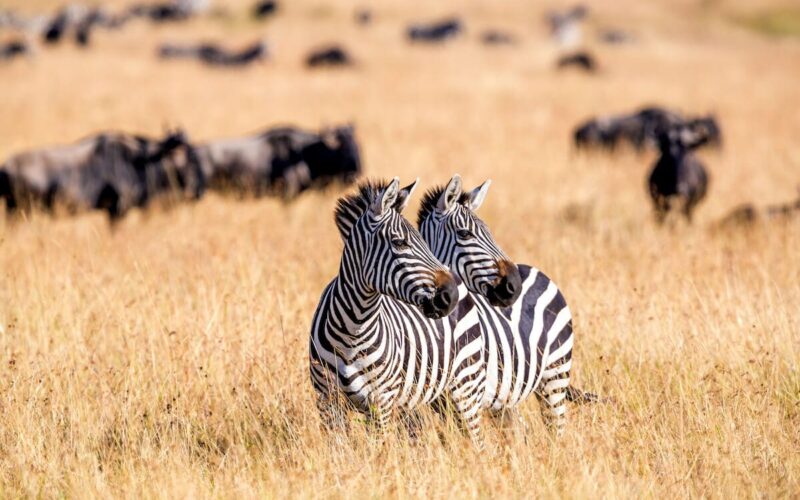
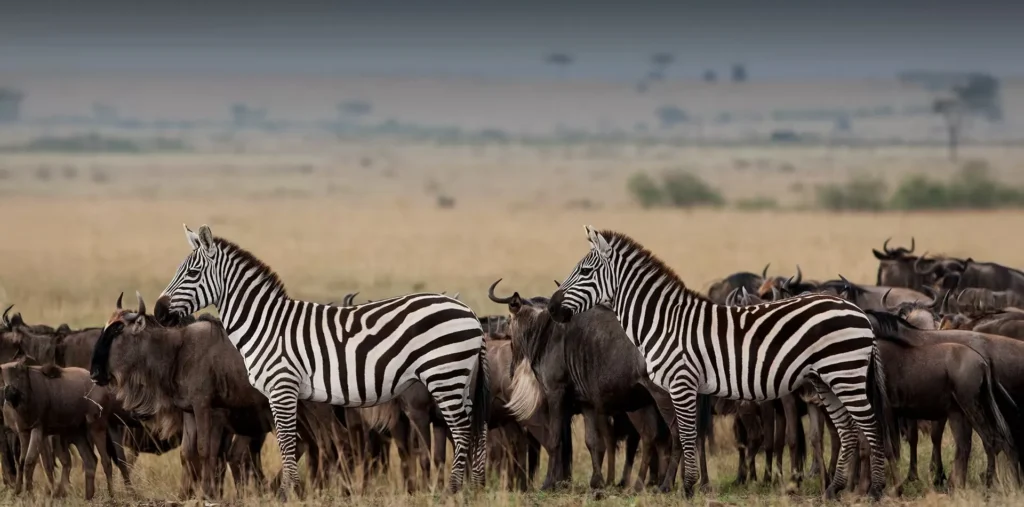
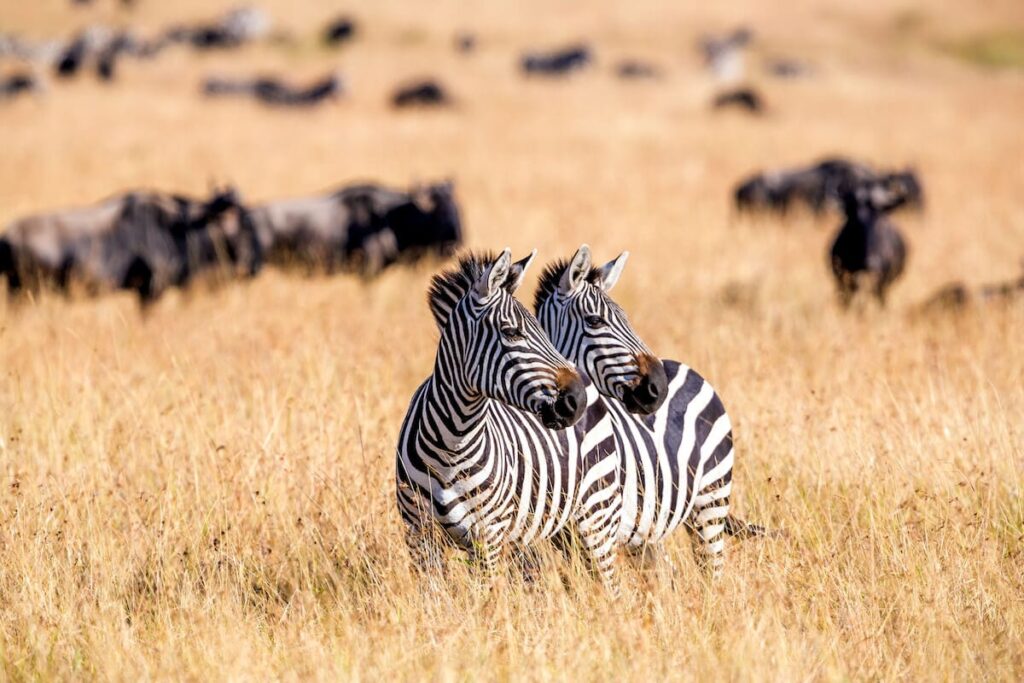
The Great Wildlife Migration continues throughout the year. Wildebeest, zebras, and gazelles move across the Serengeti ecosystem. Their movements follow rainfall, fresh grazing, water, and natural survival patterns.
Therefore, no single month guarantees every migration experience. Each season creates different opportunities for wildlife viewing, photography, and exploration.
January to March suits travellers interested in newborn animals and predator activity. July to August attracts visitors seeking dramatic river scenes. September and October can continue northern migration activity with generally dry conditions.
April to June offers greener landscapes and fewer visitors. November and December bring fresh vegetation and renewed movement toward southern grazing areas.
At Deks Africa Safaris and Tours Ltd, we help travellers understand these seasonal patterns. Our goal involves creating realistic safari expectations through expert planning and reliable destination knowledge.
What Is the Best Month to See the Great Migration?
What Is the Best Month to See the Great Migration? February often provides one of the strongest wildlife experiences. Thousands of wildebeest calves arrive across southern Serengeti and Ndutu.
Meanwhile, July and August remain popular for river-crossing opportunities. Herds can gather around riverbanks before attempting dangerous crossings.
However, migration events remain natural. Weather conditions and animal behavior influence exact timing. Even experienced guides cannot guarantee a specific crossing.
That uncertainty forms part of the Great Migration’s authentic character. Every safari unfolds according to nature rather than a fixed schedule.
For travellers seeking newborn animals, February offers exceptional possibilities. Those seeking dramatic river action should consider July through September.
Consequently, What Is the Best Month to See the Great Migration? depends on your preferred wildlife story.
February: The Best Month for Calving Experiences
February stands among the most exciting months for the migration. Southern Serengeti becomes an important calving area during this period.
Thousands of wildebeest calves arrive across the grasslands. Newborn animals remain vulnerable during their first days of life.
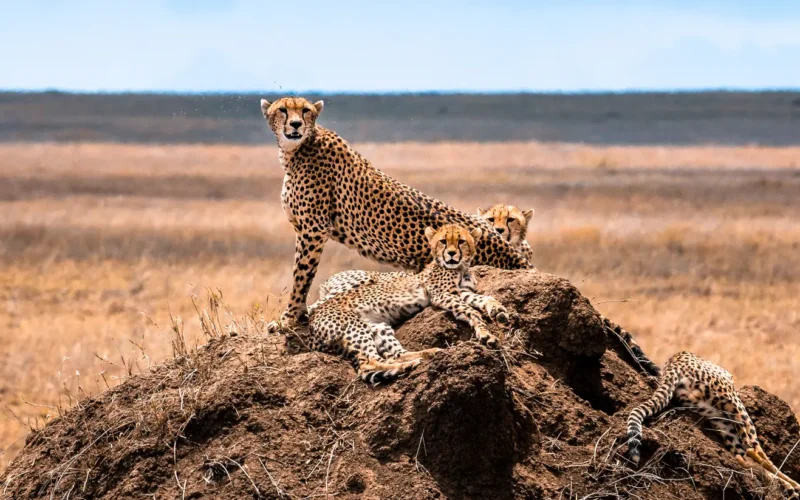
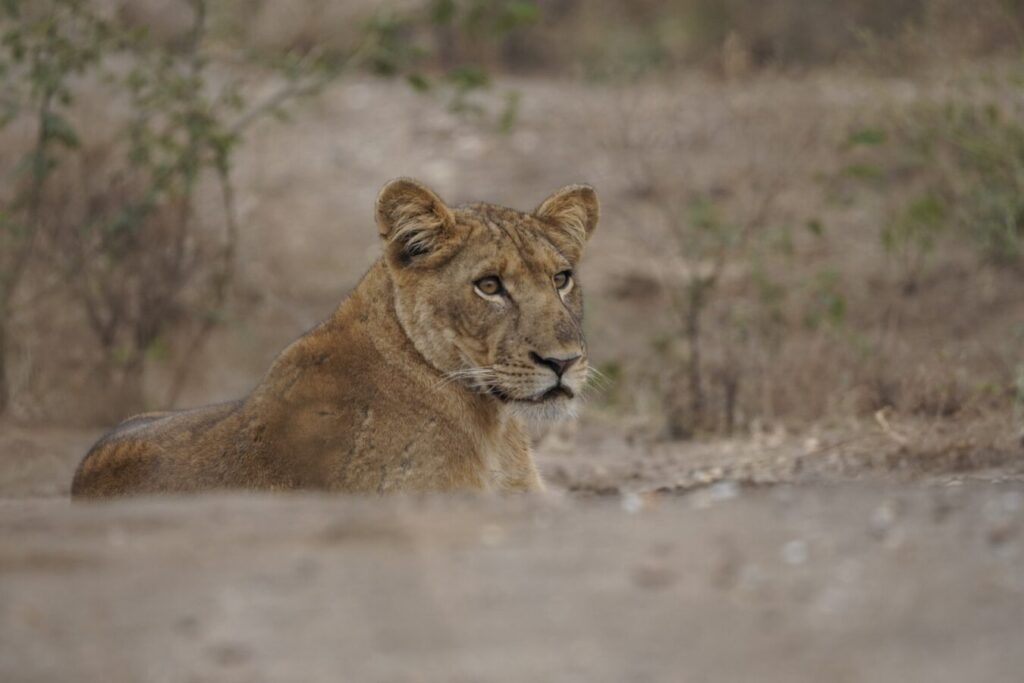
Predators take advantage of the abundant prey. Lions, cheetahs, hyenas, and other predators remain active around the herds.
This creates opportunities to observe natural survival behavior. Mothers protect their young while calves develop strength and speed.
Green landscapes provide attractive photography backgrounds. Early morning light can also create beautiful wildlife portraits.
Travellers seeking intimate wildlife experiences should strongly consider February. The combination of newborn animals and predator activity creates remarkable safari moments.
Therefore, What Is the Best Month to See the Great Migration? often leads to February for calving-season enthusiasts.
January: The Beginning of Calving Season
January marks the beginning of the calving period across southern Serengeti. Herds gather around areas with nutritious fresh grass.
Pregnant wildebeest benefit from improved grazing conditions. The arrival of calves gradually increases predator activity.
Wildlife viewing can remain excellent throughout the month. Travellers may encounter large herds, predators, zebras, gazelles, and numerous bird species.
Green scenery also creates a different photographic atmosphere. Rain clouds can produce dramatic skies across the open plains.
January offers a strong option for travellers seeking fewer peak-season crowds. It also provides opportunities to observe the migration before the calving season reaches its height.
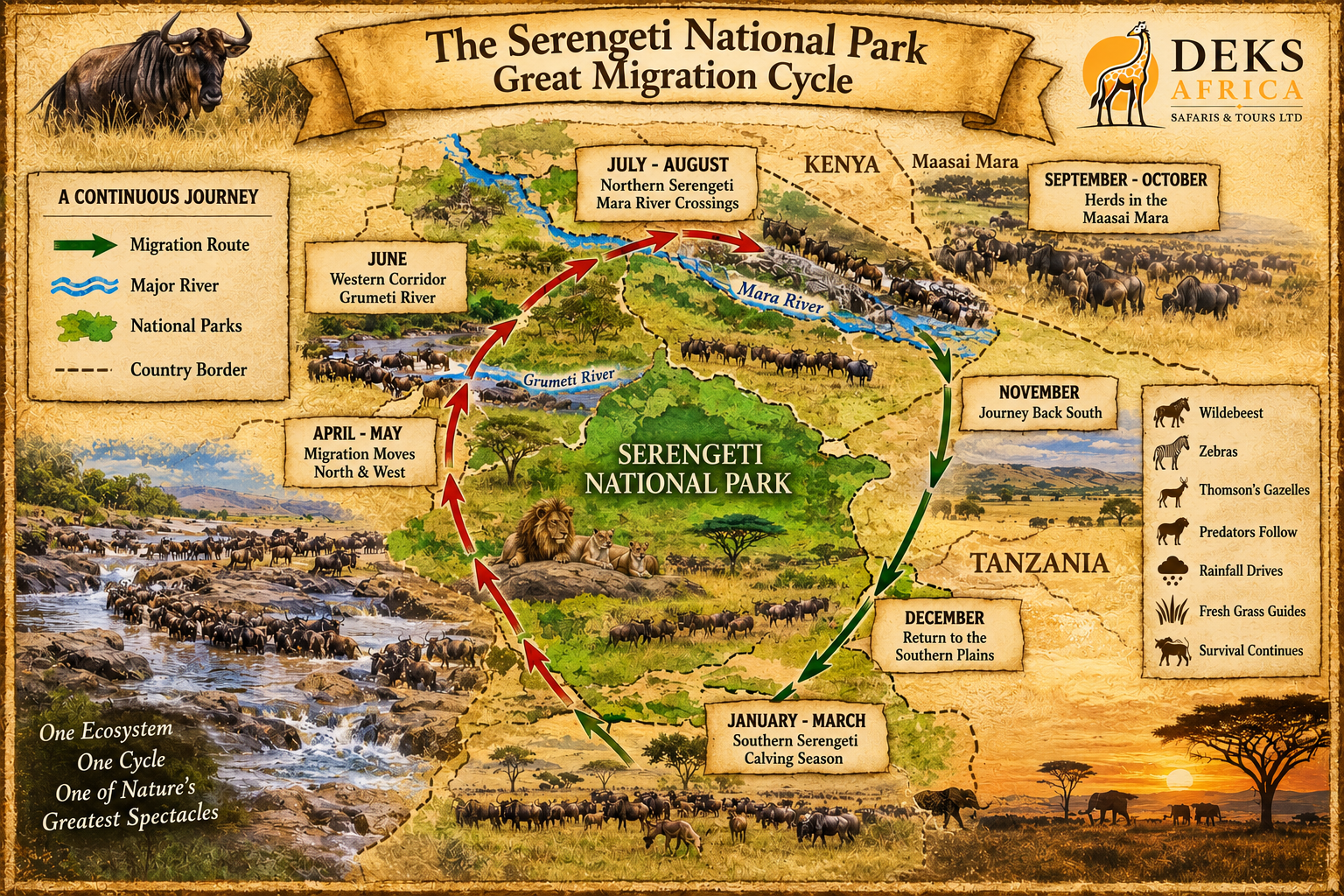
Serengeti Great Migration Cycle
March: Continued Calving and Predator Activity
March continues the calving season in southern Serengeti. Calves become stronger while herds remain concentrated around suitable grazing areas.
Predators continue searching for vulnerable young animals. This creates opportunities for observing hunting strategies and predator behavior.
The landscape remains relatively green during this period. Photographers can capture wildlife against vibrant natural backgrounds.
March also provides opportunities for broader wildlife viewing. Lions, elephants, giraffes, cheetahs, and antelope remain part of the safari experience.
Travellers who miss February can still enjoy excellent calving experiences in March.
July: A Prime Month for River-Crossing Opportunities
July marks a major transition in the migration journey. Large herds move toward northern Serengeti and the Mara River region.
River crossings attract international attention because of their dramatic nature. Wildebeest may gather along steep riverbanks before making their move.
The waiting period can last for hours. Suddenly, one animal may enter the water and trigger a rapid movement.
Dust, splashing water, struggling animals, and rushing herds create dramatic scenes. Crocodiles can also create additional challenges within the river.
However, travellers should avoid expecting a guaranteed crossing. Migration follows natural conditions rather than tourism schedules.
Consequently, July remains one of the strongest months for a Serengeti Great Migration Safari.
August: Peak River-Crossing Interest
August attracts many travellers seeking the famous Mara River experience. Herds can remain concentrated across northern Serengeti during this period.
Dry conditions generally improve road access and wildlife visibility. Shorter vegetation can also make animals easier to locate.
River crossings can create exceptional photographic opportunities. However, they require patience and respect for wildlife behavior.
Experienced guides understand animal movements and local terrain. Their knowledge can improve positioning while respecting park regulations.
Crowds may increase around popular river locations. Choosing accommodation carefully can help improve the overall safari experience.
For travellers asking What Is the Best Month to See the Great Migration?, August remains a leading choice for river-crossing enthusiasts.
September: Continued Migration Action
September can continue the northern migration spectacle. Herds may remain around the Mara River and northern Serengeti.
Dry weather generally creates comfortable game-drive conditions. Wildlife can also gather around permanent water sources.
The month provides strong opportunities for general wildlife viewing. Lions, elephants, giraffes, leopards, and cheetahs remain active.
Tourist numbers can remain significant. However, some areas may feel quieter than during the busiest August period.
September suits travellers who want potential river crossings and dry-season wildlife viewing.
October: Migration and Dry-Season Wildlife
October provides another excellent opportunity for wildlife enthusiasts. Some herds begin moving toward southern grazing areas.
The northern Serengeti can still provide rewarding migration experiences. Resident wildlife remains active throughout the ecosystem.
Dry conditions generally improve visibility during game drives. October can also offer a calmer atmosphere than peak August periods.
Travellers seeking migration without the highest seasonal pressure can consider this month.
Therefore, What Is the Best Month to See the Great Migration? can also lead to October for travellers seeking balance.
April to June: Green Season Experiences
April, May, and June provide a different migration experience. Rainfall creates lush vegetation across many parts of the Serengeti.
Fewer tourists can create quieter game drives. Lower accommodation demand can also provide better value.
April and May may experience heavier rainfall. Some roads can become muddy, particularly after strong storms.
Experienced safari operators can adapt routes according to local conditions. Flexibility becomes important during green-season travel.
Birdwatching becomes particularly rewarding during these months. Migratory birds join resident species across various habitats.
Photographers can also capture dramatic skies and vibrant landscapes. Green-season travel suits travellers who value scenery and tranquility.
November and December: Fresh Grass and Migration Movement
November and December bring seasonal rains across the Serengeti. Fresh grass encourages herds to move toward southern areas.
The landscape gradually becomes greener. Wildlife viewing remains rewarding throughout this transition.
Birdwatchers can enjoy increased activity as migratory species arrive. Photography also benefits from changing skies and renewed vegetation.
December provides an attractive option for festive-season travel. Families can combine Serengeti experiences with other Tanzania Safaris.
Accommodation demand may increase around the holiday period. Early booking helps secure preferred camps and lodges.
Understanding the Great Wildlife Migration Cycle
The Great Wildlife Migration Cycle operates continuously. Herds move according to rainfall, grazing conditions, and water availability.
Southern Serengeti supports important calving areas early in the year. Western areas become relevant as herds move northward.
Northern Serengeti becomes important during the dry season. River crossings can occur when herds encounter the Mara River.
Later in the year, rainfall encourages movement toward southern grazing areas. The cycle then begins another chapter.
This natural process makes every safari different. Understanding the cycle helps travellers choose realistic travel dates.
Therefore, What Is the Best Month to See the Great Migration? should always consider the complete migration cycle.
Serengeti National Park Safari Beyond the Migration
A Serengeti National Park Safari offers far more than migration viewing. Resident wildlife provides excellent experiences throughout the year.
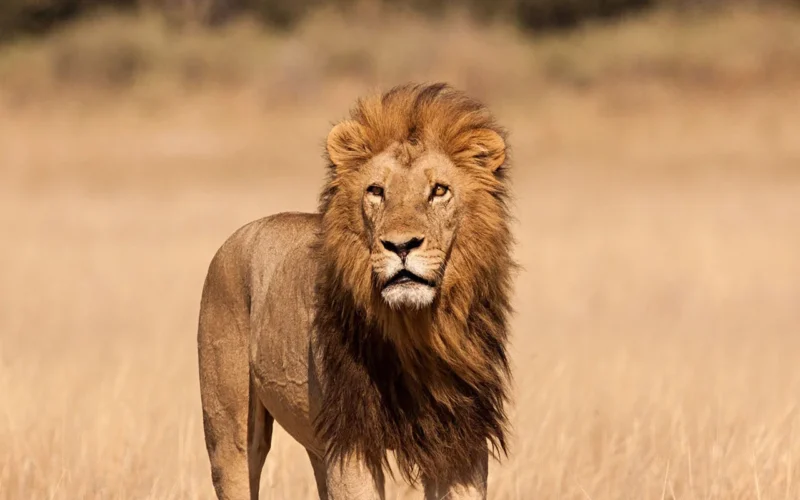
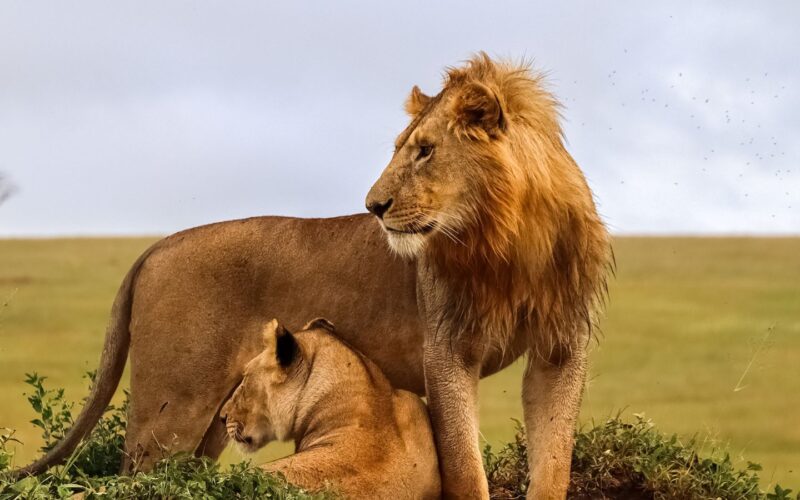
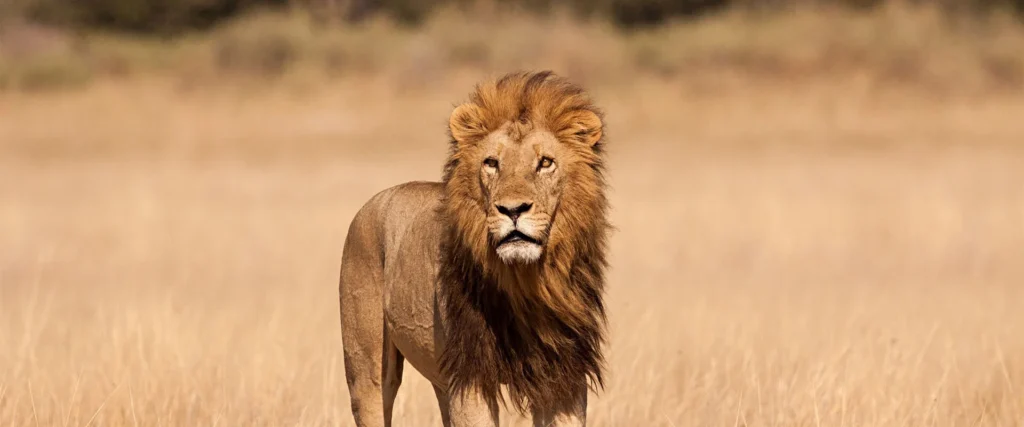
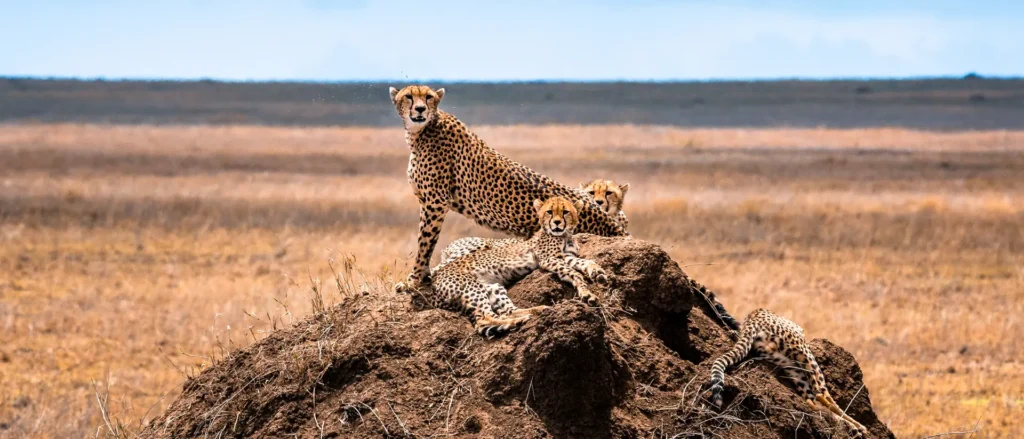
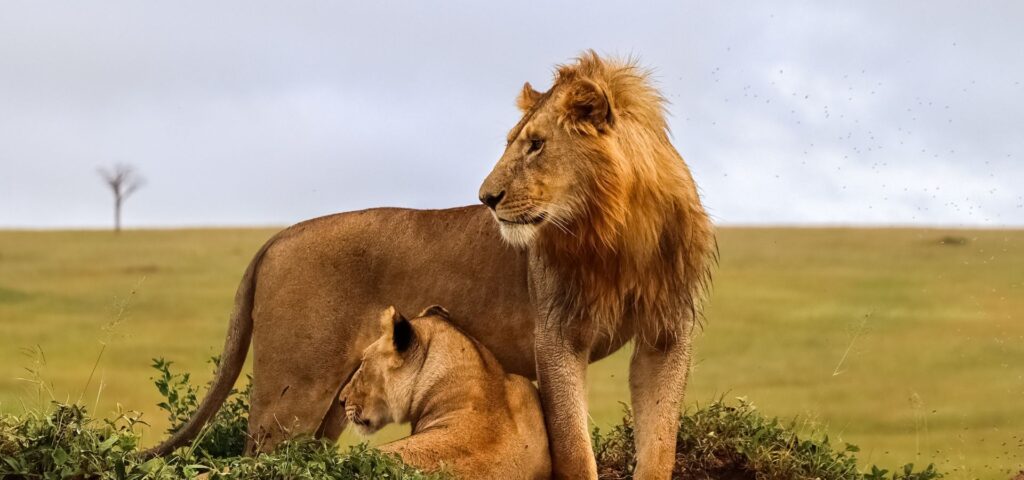
Lions dominate many open grasslands and provide memorable viewing opportunities. Cheetahs often hunt across areas with clear visibility.
Elephants, giraffes, zebras, hippos, and antelope add diversity. Leopards can also appear around wooded areas and riverine habitats.
Birdwatching adds another dimension to the safari. Raptors, waterbirds, ground birds, and migratory species occupy different habitats.
The Serengeti landscape also creates spectacular photographic opportunities. Rocky kopjes, acacia trees, grasslands, and dramatic skies provide natural compositions.
Consequently, travellers should never judge their safari solely by migration sightings.
Cultural Experiences Around Your Safari Lodge
Cultural experiences can enrich your Tanzania wildlife safaris beyond game drives. Visitors can explore Maasai communities around suitable safari areas.
Traditional dances provide opportunities to experience local cultural expression. Storytelling can introduce visitors to community history and traditions.
Beadwork provides another fascinating cultural experience. Guests can learn about traditional designs and purchase authentic locally produced crafts.
Visitors can also learn about pastoral lifestyles and traditional homes. Local food experiences can introduce regional ingredients and cooking methods.
Cultural tourism should always respect local customs. Ask permission before photographing people or entering private spaces.
Supporting responsible community tourism can also strengthen local livelihoods.
Combining the Serengeti With Other Destinations
Tanzania offers several destinations that complement a Serengeti Safari. Ngorongoro provides dramatic scenery and concentrated wildlife viewing.
Tarangire offers distinctive landscapes and excellent elephant experiences. Zanzibar can provide beaches, marine activities, and coastal cultural experiences.
Travellers seeking broader East African adventures can add Uganda. Bwindi Gorilla Trekking creates a completely different wildlife experience.
Gorilla trekking involves forest hiking and close observation of mountain gorillas. The experience contrasts strongly with open Serengeti game drives.
Combining Tanzania and Uganda can create an exceptional multi-country itinerary. Travellers experience savanna, forest, wildlife, culture, and diverse landscapes.
Safari Inclusions
- Airport transfers
- 4×4 safari vehicle
- Professional safari guide
- Accommodation
- Meals according to itinerary
- Serengeti National Park fees
- Game drives
- Great Migration viewing
- Cultural experiences
- Drinking water
- Government taxes
- Safari planning
- Driver-guide services
Safari Exclusions
- International flights
- Visa fees
- Travel insurance
- Personal expenses
- Alcoholic beverages
- Laundry services
- Tips
- Souvenirs
- Optional activities
- Additional accommodation
- Medical expenses
- Personal photography equipment
Planning Your Great Migration Safari
What Is the Best Month to See the Great Migration? depends on your preferred wildlife experience. February suits travellers interested in newborn wildebeest and predator activity.
July and August provide strong opportunities for northern migration activity. September and October can continue offering rewarding river-region experiences.
April and May appeal to travellers seeking quiet conditions and green landscapes. November and December provide fresh vegetation and excellent birdwatching.
Choosing a safari month also requires consideration of budget and accommodation. Peak periods can attract higher demand and increased prices.
At Deks Africa Safaris and Tours Ltd, we help travellers make informed seasonal decisions. Our approach combines local knowledge, practical planning, responsible tourism, and personalized safari design.
Ultimately, What Is the Best Month to See the Great Migration? has several valid answers. Your ideal month depends on the wildlife story you want to experience.
The Great Wildlife Migration remains one of Africa’s most extraordinary natural spectacles. With careful planning, you can experience its changing landscapes throughout the year.
Written by Deks Africa Safaris and Tours Ltd
What Is the Best Month to See the Great Migration? Choose your preferred season, explore the Serengeti, and experience one of Africa’s greatest wildlife journeys.
Proposed East Africa Safari Holidays for the USA Travelers
- 9-Day Rwanda & Tanzania Luxury Wildlife Tour
- 10-Day Tanzania Safari Experience
- 9-Day Rwanda, Uganda & Tanzania Luxury Wildlife Safari
- 9-Day Rwanda Gorilla Trekking & Tanzania Safari
- 9-Day Tanzania Safari & Uganda Gorilla Trekking
- 10-Day Serengeti & Ngorongoro Crater Safari Experience
- 10-Day Tanzania and Rwanda Adventure Safari
- 11-Day Rwanda Uganda Tanzania Safari
- 20 Days Uganda, Tanzania, and Mafia Island Beach Safari
- 18 Days Uganda, Tanzania, and Mafia Island Beach Safari
- 14-Day Rwanda Uganda Tanzania Tour
- 14-Day Rwanda, Kenya, Tanzania & Beach Holiday
- 20-Day Rwanda Tanzania Zanzibar Safari Experience
- 16-Day Tanzania Safari & Rwanda Gorilla Trekking Experience
- 14 Days Kenya-Tanzania-Rwanda-Uganda Safari
- 24 Days Zanzibar-Uganda-Tanzania-Kenya Safari
- 5 Days Serengeti Great Migration Safari
- 6 Days Serengeti Great Migration Safari
- 7 Days Serengeti Great Migration Safari
- 8 Days Serengeti Great Migration Safari
- Hot Air Balloon serengeti
- 14 Days Uganda Tanzania and Kenya Safari
- What Should I Pack for a Tanzania Safari