Calving Season Versus River Crossing Season
August 23, 2026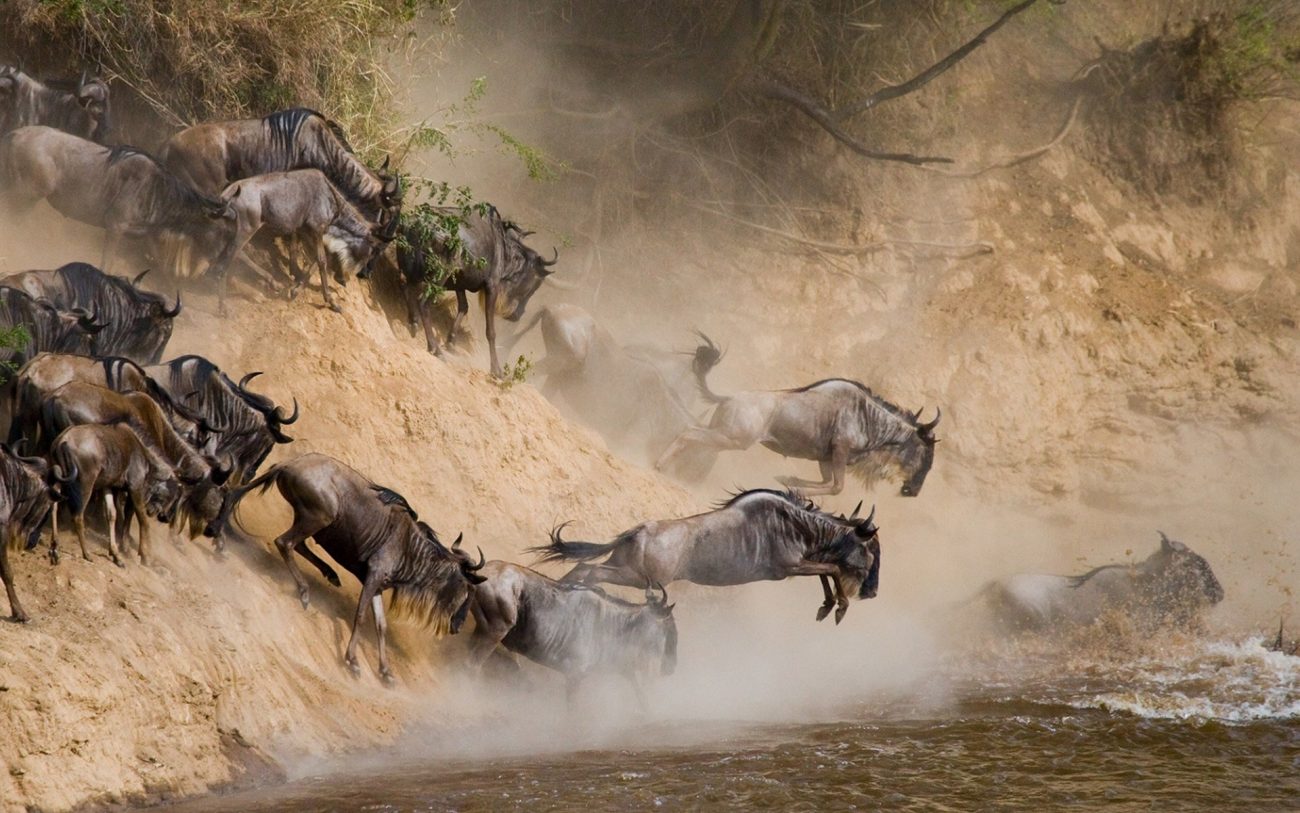
The Best Great Migration Safari for Budget Travelers
August 23, 2026How to Choose the Right Month for Your Serengeti Safari?
How to Choose the Right Month for Your Serengeti Safari starts with understanding your travel goals. The Serengeti offers remarkable wildlife experiences throughout the year. However, different months create different opportunities across this vast ecosystem.
January to March attracts travellers interested in the Great Wildlife Migration and calving season. Southern Serengeti becomes especially important during this period. Thousands of wildebeest calves arrive across nutrient-rich grasslands.
July to October appeals strongly to travellers seeking dry weather and northern migration activity. The Mara River can provide dramatic wildlife encounters during this period. However, river crossings remain natural events with unpredictable timing.
April and May offer quieter safari conditions and greener landscapes. Lower visitor numbers can create a more peaceful wilderness experience. November and December bring fresh vegetation and excellent birdwatching opportunities.
Therefore, How to Choose the Right Month for Your Serengeti Safari depends on wildlife interests, weather preferences, budget, and crowd tolerance.
At Deks Africa Safaris and Tours Ltd, we help travellers match safari dates with realistic wildlife expectations. Our approach combines destination knowledge, seasonal planning, responsible tourism, and personalized itinerary design.
Why Month Selection Matters
Understanding How to Choose the Right Month for Your Serengeti Safari can improve your overall experience. Wildlife remains present throughout the year, but animal concentrations change.
Rainfall influences grass growth, water availability, and herbivore movements. These factors also influence predator activity across the ecosystem.
Dry months often make wildlife easier to locate near permanent water sources. Shorter vegetation can also improve visibility during game drives.
Wet months create lush landscapes and dramatic skies. Migratory birds become more noticeable, while newborn animals can provide memorable experiences.
Tourism demand also changes throughout the year. Peak months attract more visitors and often increase accommodation costs.
Consequently, the best month depends on your personal priorities. There is no single month that suits every traveller.
January: The Beginning of Calving Season
January provides an excellent start to the migration calendar. Southern Serengeti and Ndutu often attract large herds during this period.
Fresh grass provides important nutrition for pregnant wildebeest. The arrival of newborn calves creates opportunities for intimate wildlife encounters.
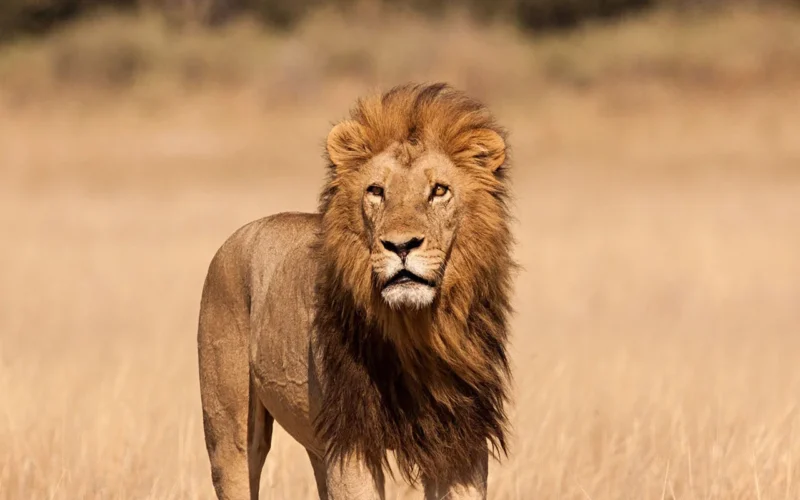
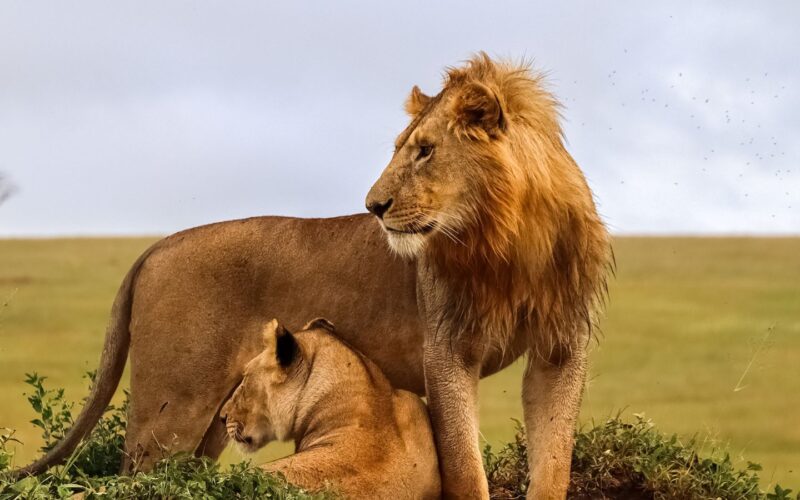
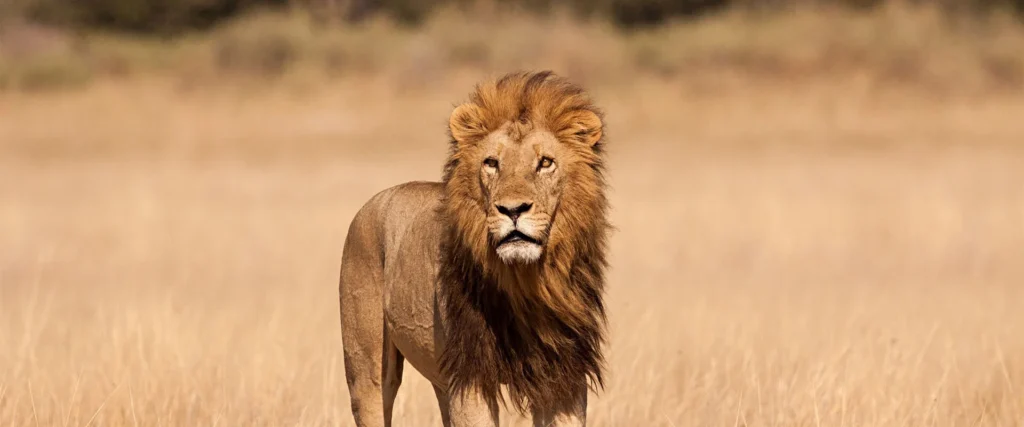
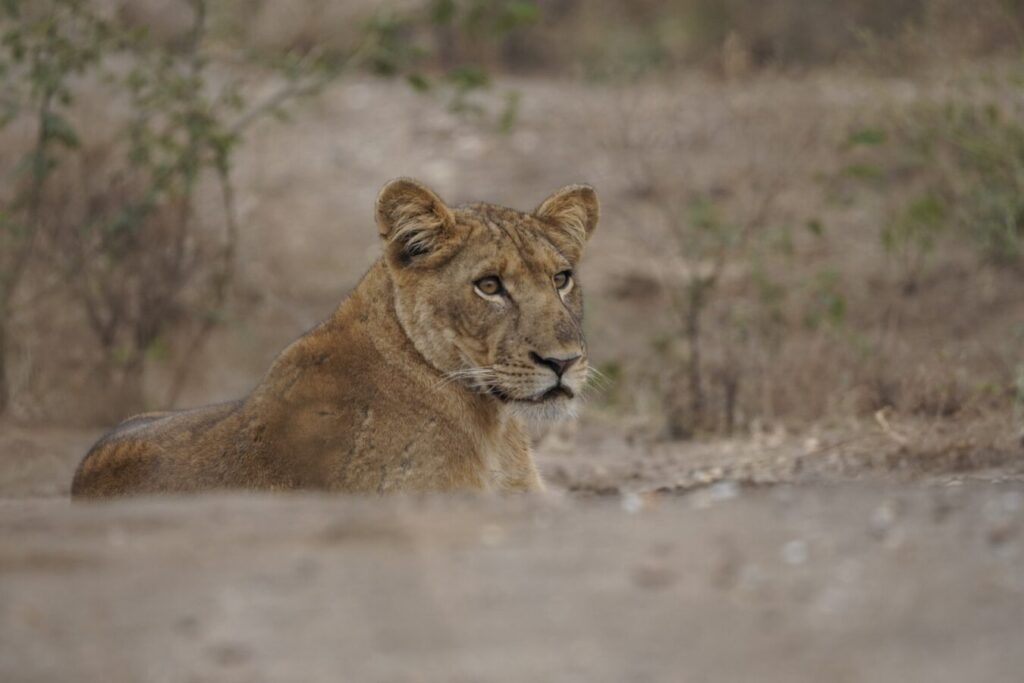
Predators also become active around the herds. Lions, cheetahs, hyenas, and other predators search for vulnerable young animals.
Green landscapes create attractive photography conditions. Soft vegetation can also produce beautiful environmental wildlife portraits.
January offers a strong balance between wildlife activity and scenic beauty. Travellers seeking the beginning of the calving season should consider this month.
For anyone researching How to Choose the Right Month for Your Serengeti Safari, January suits travellers interested in newborn wildlife.
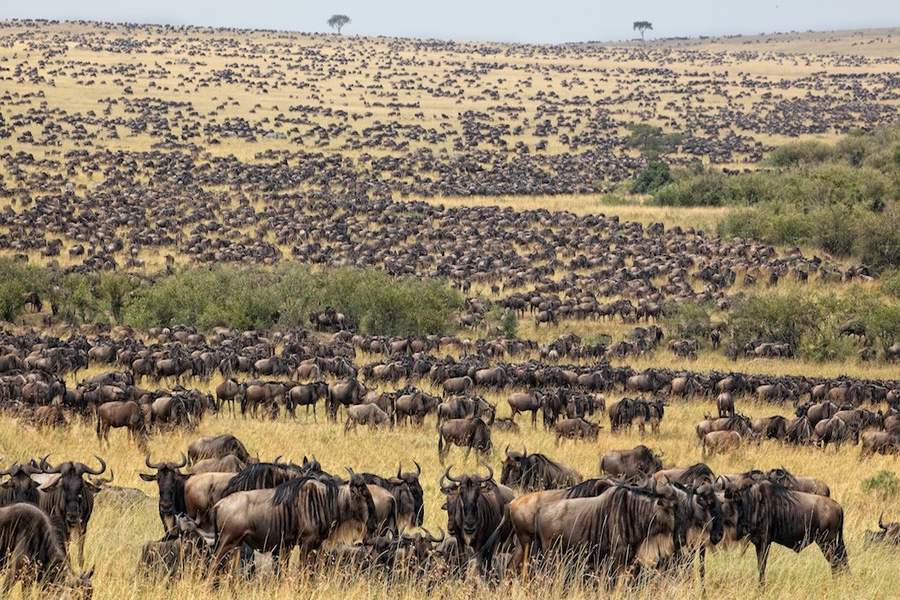
wildlife migration Safaris in Tanzania
February: Prime Calving Season
February often provides some of the most exciting calving experiences. Large herds gather across the southern plains when conditions remain favorable.
Thousands of calves can appear within a relatively short period. Their presence attracts numerous predators and creates intense wildlife interactions.
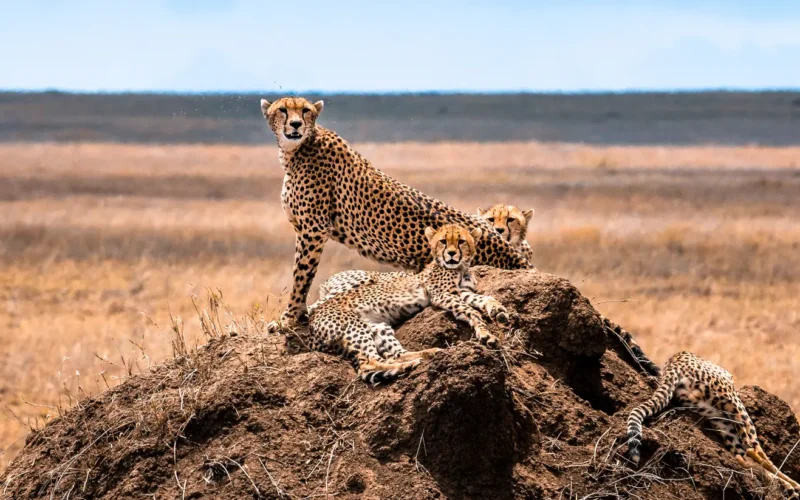
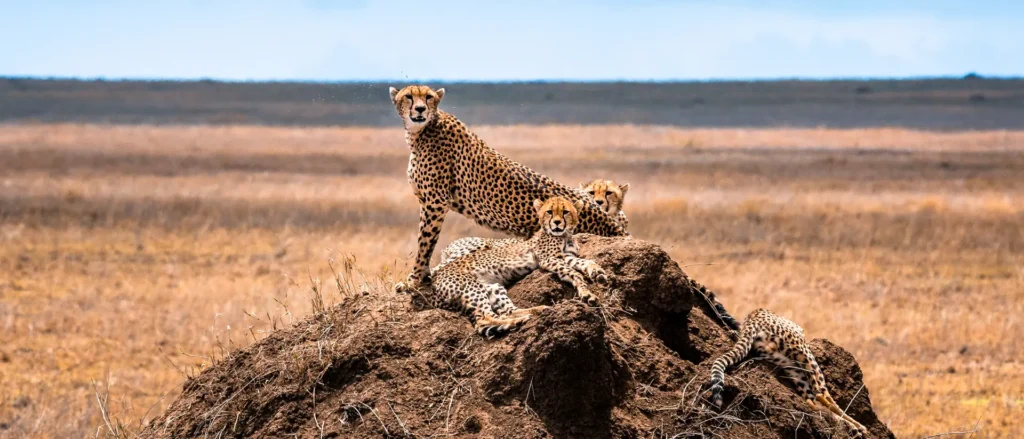
Lions may patrol areas containing young wildebeest. Cheetahs can hunt across open plains, while hyenas search for opportunities.
Photographers can capture nurturing behavior, running calves, predator encounters, and large herd scenes.
The green landscape also provides excellent backgrounds for wildlife photography. Early morning light can create especially attractive compositions.
Therefore, February ranks among the strongest months for travellers seeking the calving season.
How to Choose the Right Month for Your Serengeti Safari becomes easier when newborn wildlife forms your primary goal.
March: Continued Calving and Predator Activity
March continues the calving experience across southern Serengeti. Herds remain concentrated in areas with suitable grazing conditions.
Newborn calves become stronger and more active during this period. Their interactions with mothers provide engaging wildlife photography opportunities.
Predators continue taking advantage of abundant prey. This creates opportunities to observe natural survival behavior.
March can also provide changing weather conditions. Green vegetation remains prominent, while occasional rainfall can create dramatic skies.
Travellers seeking wildlife behavior should consider this month carefully. The combination of young animals and predator activity creates compelling safari experiences.
As a result, How to Choose the Right Month for Your Serengeti Safari points toward March for travellers focused on calving and predators.
April: Green Season Beauty
April brings a quieter atmosphere across many Serengeti areas. Seasonal rains transform the landscape into lush green grasslands.
Fewer tourists can create more peaceful game-drive experiences. Travellers may also find better accommodation value during this period.
Rain can make some roads challenging. However, experienced safari operators understand seasonal routes and adjust itineraries accordingly.
Birdwatching becomes particularly rewarding during the green season. Migratory birds join resident species across different habitats.
Photographers can also benefit from dramatic skies and vibrant landscapes. Rain clouds can add depth and atmosphere to wide-angle compositions.
April suits travellers who value scenery, fewer crowds, and potentially lower costs.
May: Quiet Wildlife Exploration
May continues the green season across the Serengeti. Regular rainfall supports fresh vegetation and vibrant landscapes.
Tourist numbers often remain lower than during the peak dry months. This creates a calmer atmosphere at many wildlife sightings.
Road conditions can vary considerably. Some tracks may become muddy after heavy rainfall.
Nevertheless, knowledgeable guides can adapt routes according to local conditions. Flexibility becomes especially important during wet-season travel.
May also provides excellent opportunities for landscape photography. Green plains, cloud formations, and wildlife create diverse photographic subjects.
Travellers with flexible schedules can consider May for a more peaceful Serengeti Safari.
Thus, How to Choose the Right Month for Your Serengeti Safari includes May as an excellent option for quiet exploration.
June: Migration Movement and Drying Landscapes
June marks an important transition in the annual migration cycle. Rainfall usually decreases across many areas.
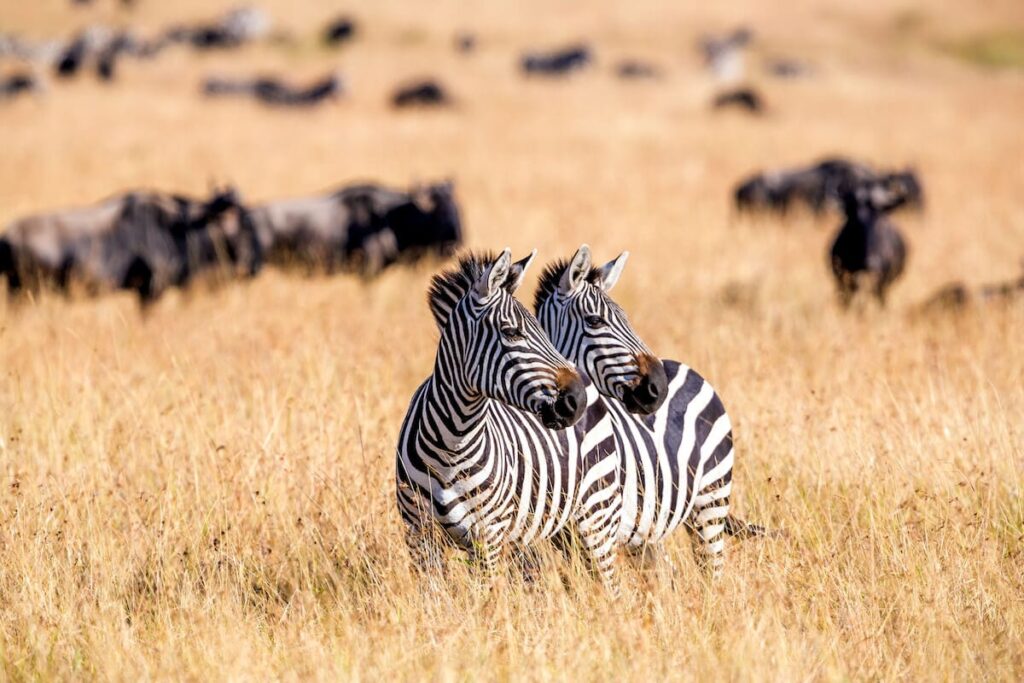
The Great Wildlife Migration begins moving toward western and northern regions. Herd movements depend on rainfall and grazing conditions.
The Grumeti ecosystem can become particularly interesting during this period. Wildlife concentrations and river environments create varied safari experiences.
Drying vegetation can improve visibility during game drives. Roads also tend to become easier to navigate than during heavy rains.
June provides a useful balance between wildlife activity and improving weather conditions.
For travellers seeking migration movement without peak-season crowds, June can offer strong opportunities.
July: Northern Serengeti Migration
July often attracts travellers interested in northern migration activity. Herds may reach areas around the Mara River during this period.
The possibility of river crossings creates significant interest among safari visitors. However, exact crossing dates remain impossible to guarantee.
Dry weather generally improves road conditions and wildlife visibility. The shorter vegetation can also make animals easier to spot.
Demand increases during July, especially around popular migration areas. Early booking becomes important for travellers seeking specific camps or lodges.
A well-planned Serengeti National Park Safari can combine migration viewing with resident wildlife experiences.
Therefore, July suits travellers seeking dry weather and northern migration activity.
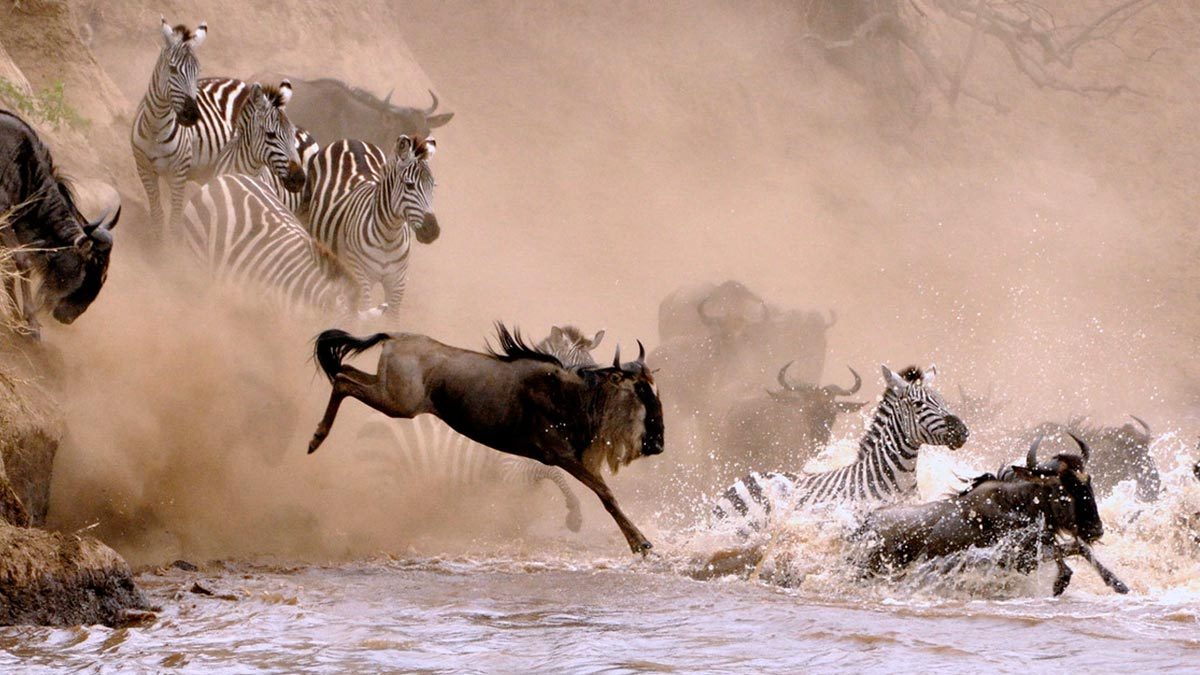
August: Mara River Crossing Season
August represents one of the most popular Serengeti travel months. Many travellers hope to witness dramatic Mara River crossings.
The northern Serengeti provides important migration habitat during this period. Herds may gather near riverbanks before making their move.
Crossings can happen quickly after long waiting periods. Some animals may approach the river and retreat before crossing.
Patience therefore remains essential. Travellers should focus on the broader migration experience rather than expecting a guaranteed crossing.
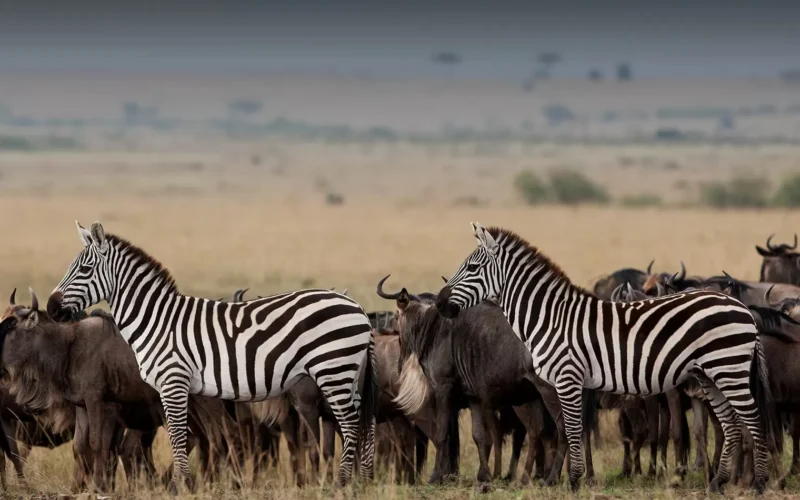
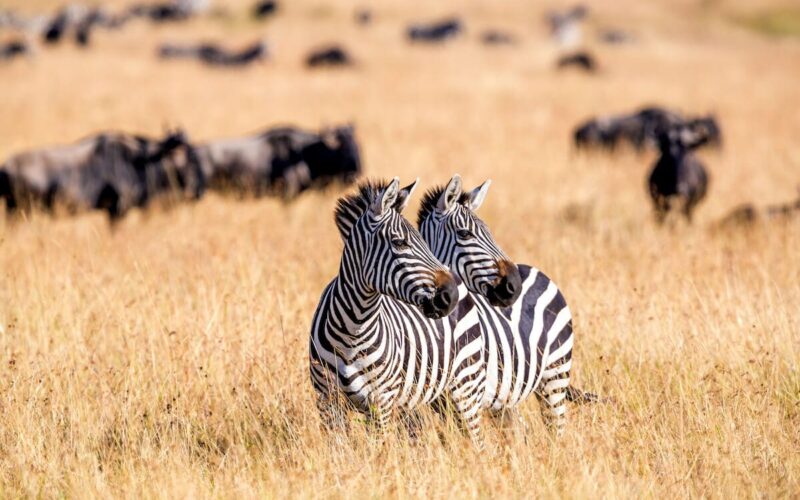
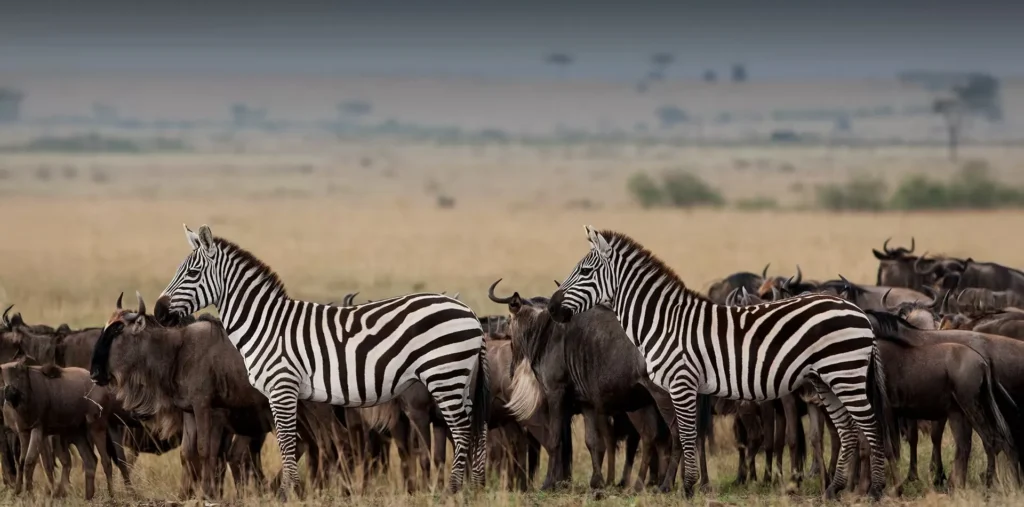
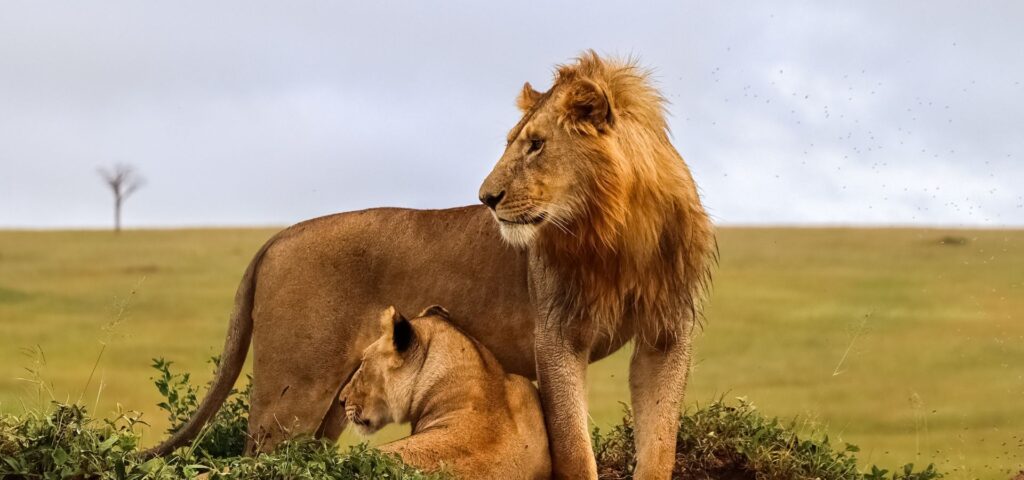
August also provides excellent general wildlife viewing. Lions, elephants, giraffes, zebras, and other species remain active across the ecosystem.
For many travellers, How to Choose the Right Month for Your Serengeti Safari leads directly to August.
September: Continued Northern Migration
September can continue the northern migration spectacle. Herds may remain around the Mara River and northern Serengeti.
Dry conditions generally support comfortable game drives. Wildlife can also concentrate around remaining water sources.
Crowds remain relatively high in popular areas. Choosing less crowded accommodation locations can improve the overall experience.
September provides strong opportunities for wildlife photography. Dust, golden light, river environments, and large herds can create dramatic images.
Travellers should book early when planning a September journey. Premium camps and strategic lodges can fill quickly.
October: Dry Season and Returning Herds
October often marks another important transition. Some herds begin moving toward southern grazing areas.
The landscape remains relatively dry in many areas. Wildlife viewing can remain productive around permanent water sources.
Crowds may gradually decrease compared with August and September. This can create a more relaxed safari atmosphere.
October suits travellers seeking dry conditions without the highest peak-season pressure.
Furthermore, resident wildlife continues providing excellent game-viewing opportunities.
November: Short Rains and Fresh Grass
November brings the beginning of seasonal short rains in many Serengeti areas. Fresh grass encourages herbivores to move toward southern regions.
The landscape begins changing from dry to green. Migratory birds also become more prominent.
Rain showers can create dramatic photographic opportunities. Travellers should carry suitable rain protection for cameras and personal equipment.
Accommodation prices may also become more attractive than during peak months. This makes November appealing to value-conscious travellers.
Consequently, November offers an excellent balance of wildlife, scenery, and lower visitor pressure.
December: Green Landscapes and Festive Safari Travel
December continues the transition toward greener conditions. Fresh vegetation improves the landscape and supports herbivore movements.
Birdwatching becomes increasingly rewarding as migratory species join local birds. Wildlife remains active across different Serengeti habitats.
December also appeals to families seeking a festive-season African adventure. Early booking remains advisable because holiday travel can increase demand.
Travellers can combine Serengeti experiences with Ngorongoro and Tarangire. Such combinations create broader Tanzania Safaris with diverse landscapes and wildlife.
Choosing the Right Month for Your Wildlife Goal
Your preferred wildlife experience should guide your travel dates. Calving season suits travellers interested in newborn animals and predators.
River-crossing season appeals to travellers seeking dramatic migration scenes. Green season travel suits photographers and birdwatchers.
Dry-season travel generally provides easier road conditions and strong wildlife visibility. Quieter months suit travellers who prefer fewer vehicles.
Families may prioritize comfortable weather and manageable travel schedules. Budget travellers can consider green-season periods for better value.
Therefore, How to Choose the Right Month for Your Serengeti Safari starts with identifying your primary travel goal.
Cultural Experiences Around Your Safari Lodge
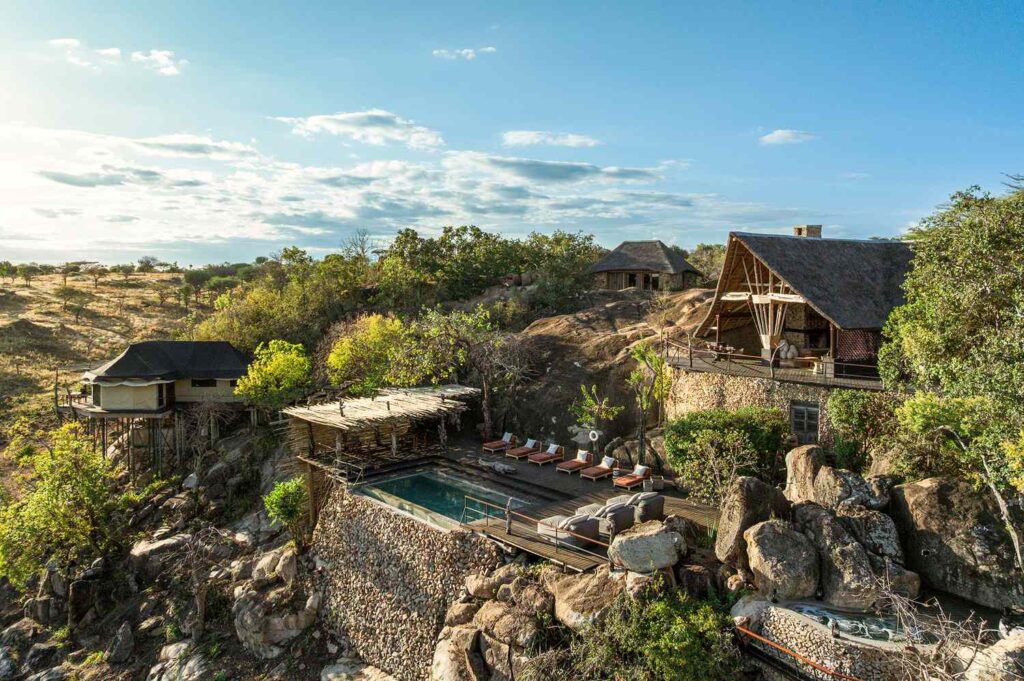
A Serengeti safari becomes more meaningful when it includes local cultural experiences. Visitors can explore Maasai communities around suitable safari areas.
Cultural visits may include traditional dances, storytelling, beadwork, and livestock experiences. Guests can also learn about traditional homes and pastoral lifestyles.
Local craft demonstrations provide opportunities to understand traditional skills. Purchasing authentic crafts can support community-based tourism initiatives.
Food experiences can introduce visitors to local ingredients and cooking traditions. These encounters create meaningful connections beyond wildlife.
Photography should always respect community preferences. Ask permission before photographing people or entering private areas.
Such experiences strengthen the cultural dimension of Tanzania wildlife safaris.
Combining Serengeti with Other East African Destinations
Travellers can extend their journey beyond the Serengeti. Ngorongoro offers dramatic crater landscapes and excellent wildlife viewing.
Tarangire provides distinctive scenery and strong elephant experiences. Zanzibar can add beaches, marine activities, and coastal culture.
For a broader East African adventure, travellers can also consider Uganda. Bwindi Gorilla Trekking offers an extraordinary forest experience.
Gorilla trekking contrasts strongly with Serengeti game drives. The experience focuses on forest hiking, primate conservation, and close gorilla observation.
Combining these destinations can create a diverse African itinerary. Travellers experience savanna, forests, cultures, wildlife, and different ecosystems.
Safari Inclusions
- Airport transfers
- 4×4 safari vehicle
- Professional safari guide
- Accommodation
- Meals according to itinerary
- Serengeti National Park fees
- Game drives
- Great Migration viewing
- Cultural experiences
- Drinking water
- Government taxes
- Safari planning
- Driver-guide services
Safari Exclusions
- International flights
- Visa fees
- Travel insurance
- Personal expenses
- Alcoholic beverages
- Laundry services
- Tips
- Souvenirs
- Optional activities
- Additional accommodation
- Medical expenses
- Personal photography equipment
Planning Your Serengeti Safari with Confidence
How to Choose the Right Month for Your Serengeti Safari depends on more than migration dates. Weather, wildlife, accommodation, costs, crowds, and personal interests all matter.
Choose January to March for calving and predator activity. Consider April and May for quieter travel and green landscapes.
June and July offer opportunities to follow migration movement northward. August and September suit travellers seeking potential Mara River crossings.
October provides dry-season wildlife viewing with gradually reducing crowds. November and December bring fresh vegetation and excellent birdwatching.
At Deks Africa Safaris and Tours Ltd, we help travellers choose dates based on realistic seasonal conditions. Our approach emphasizes honest planning, destination expertise, responsible tourism, and personalized service.
Ultimately, How to Choose the Right Month for Your Serengeti Safari begins with your expectations. The Serengeti offers memorable experiences throughout the year.
Every month creates a different chapter in the Great Wildlife Migration Cycle. Choosing the right chapter can transform your safari into a more rewarding African adventure.
Written by Deks Africa Safaris and Tours Ltd
How to Choose the Right Month for Your Serengeti Safari — choose your season wisely, explore the Serengeti confidently, and experience Tanzania’s extraordinary wildlife.
Proposed East Africa Safari Holidays for the USA Travelers
- 9-Day Rwanda & Tanzania Luxury Wildlife Tour
- 9-Day Rwanda, Uganda & Tanzania Luxury Wildlife Safari
- 9-Day Rwanda Gorilla Trekking & Tanzania Safari
- 9-Day Tanzania Safari & Uganda Gorilla Trekking
- 10-Day Serengeti & Ngorongoro Crater Safari Experience
- 10-Day Tanzania and Rwanda Adventure Safari
- 11-Day Rwanda Uganda Tanzania Safari
- 20 Days Uganda, Tanzania, and Mafia Island Beach Safari
- 18 Days Uganda, Tanzania, and Mafia Island Beach Safari
- 14-Day Rwanda Uganda Tanzania Tour
- 14-Day Rwanda, Kenya, Tanzania & Beach Holiday
- 20-Day Rwanda Tanzania Zanzibar Safari Experience
- 16-Day Tanzania Safari & Rwanda Gorilla Trekking Experience
- 14 Days Kenya-Tanzania-Rwanda-Uganda Safari
- 24 Days Zanzibar-Uganda-Tanzania-Kenya Safari
- 5 Days Serengeti Great Migration Safari
- 6 Days Serengeti Great Migration Safari
- 7 Days Serengeti Great Migration Safari
- 8 Days Serengeti Great Migration Safari