The Best Time to See Mara River Crossings
August 23, 2026
The Best Time to Visit the Central Serengeti
August 23, 2026The Best Time to Visit Northern Serengeti
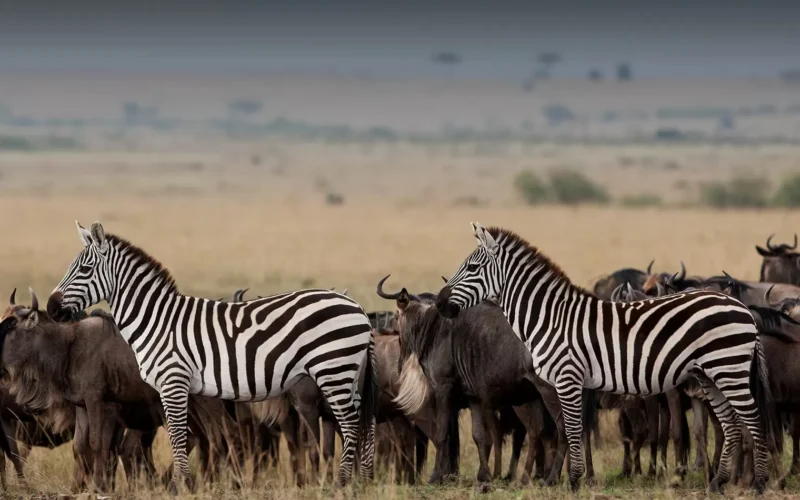
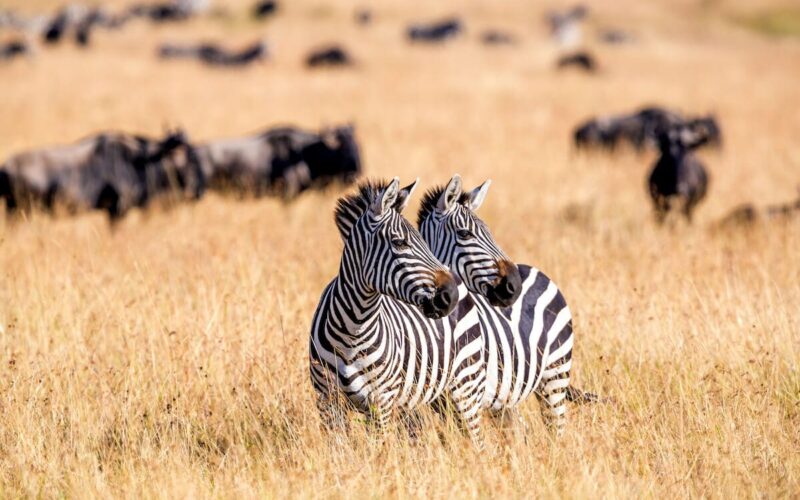
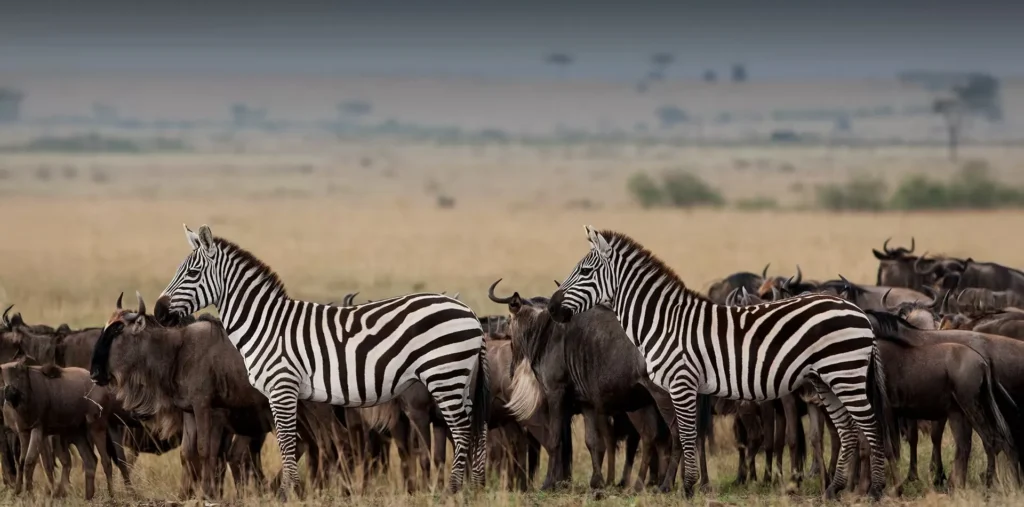
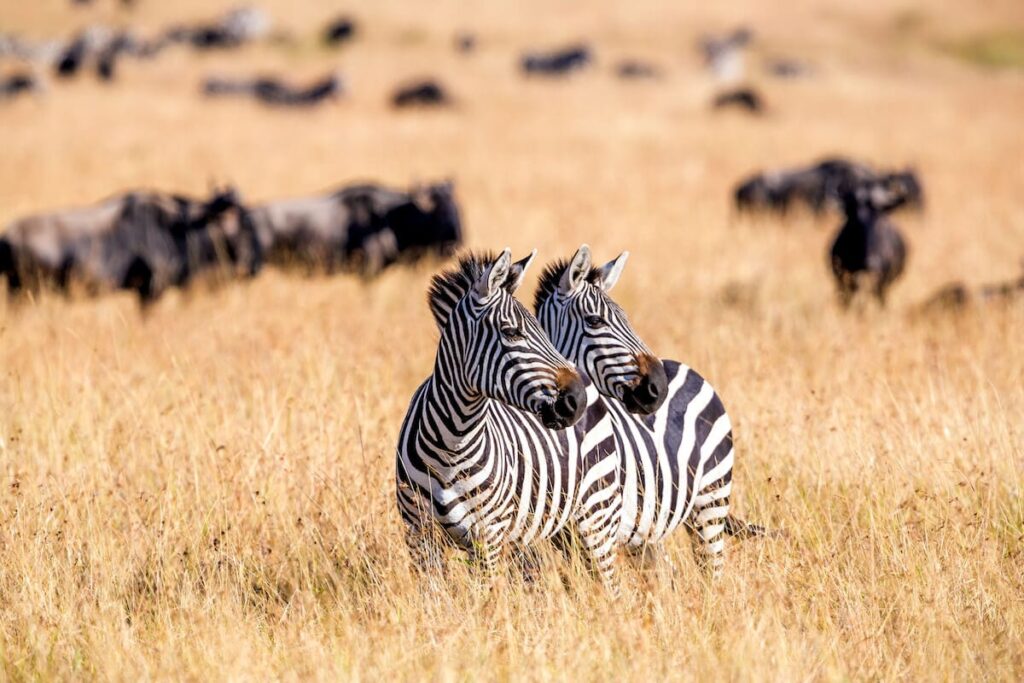
The Best Time to Visit Northern Serengeti depends on your safari goals, wildlife interests, and preferred travel experience. However, August to October offers exceptional opportunities for witnessing the Great Migration in northern Tanzania. During these months, wildebeest and zebra move through the Northern Serengeti toward the Mara River. The region becomes a dramatic setting for wildlife viewing and photography.
The Northern Serengeti includes areas around Kogatende and Lamai. These landscapes provide access to important migration routes and river-crossing areas. Tanzania National Parks also identifies Kogatende and Lamai among the northern access points.
Therefore, The Best Time to Visit Northern Serengeti often falls between August and October. September can provide an excellent balance between migration activity and safari conditions. Nevertheless, wildlife movements depend on rainfall and grazing conditions. No responsible safari operator should guarantee a specific river crossing.
Why Northern Serengeti Stands Out
The Northern Serengeti offers a powerful combination of wildlife, landscapes, and seasonal movement. Its open plains create excellent conditions for observing large herds. Rocky hills and riverine habitats also support diverse resident wildlife.
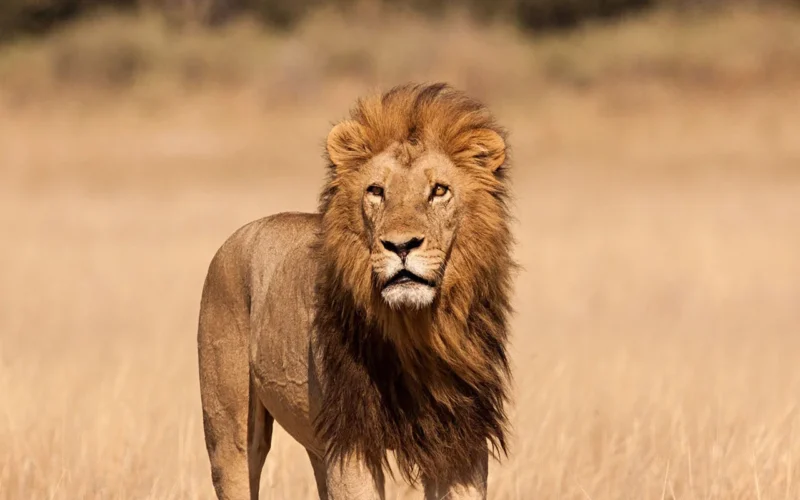
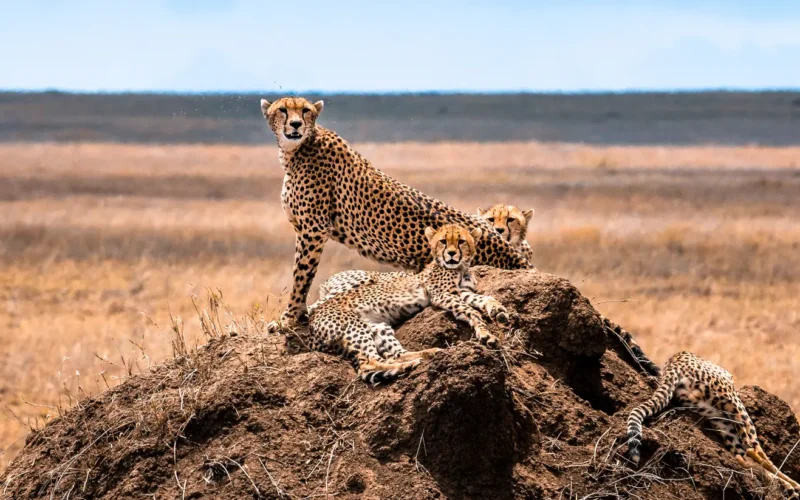
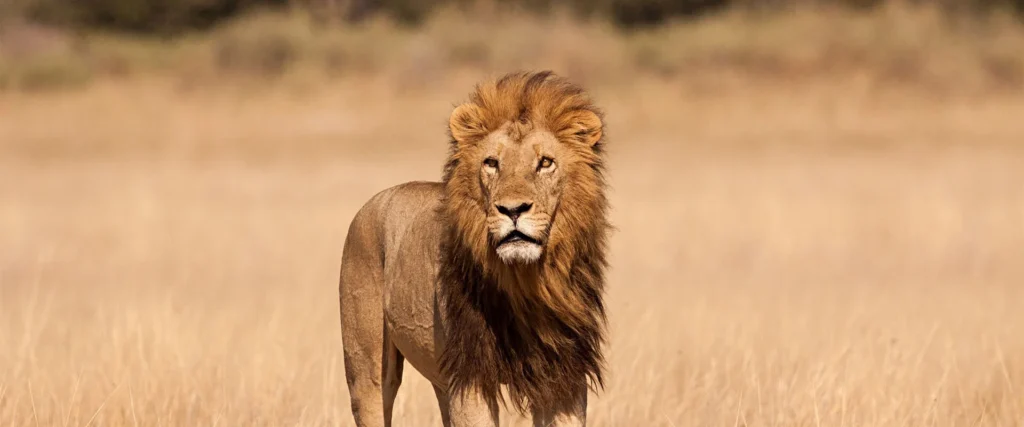
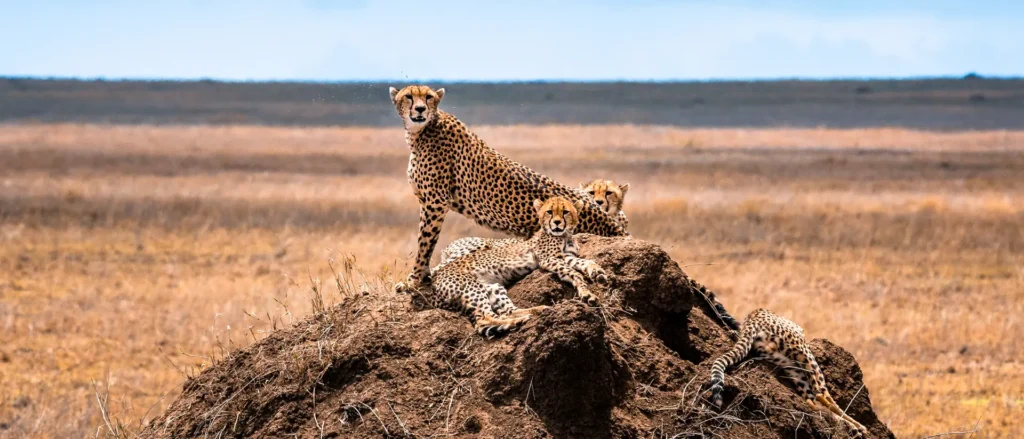
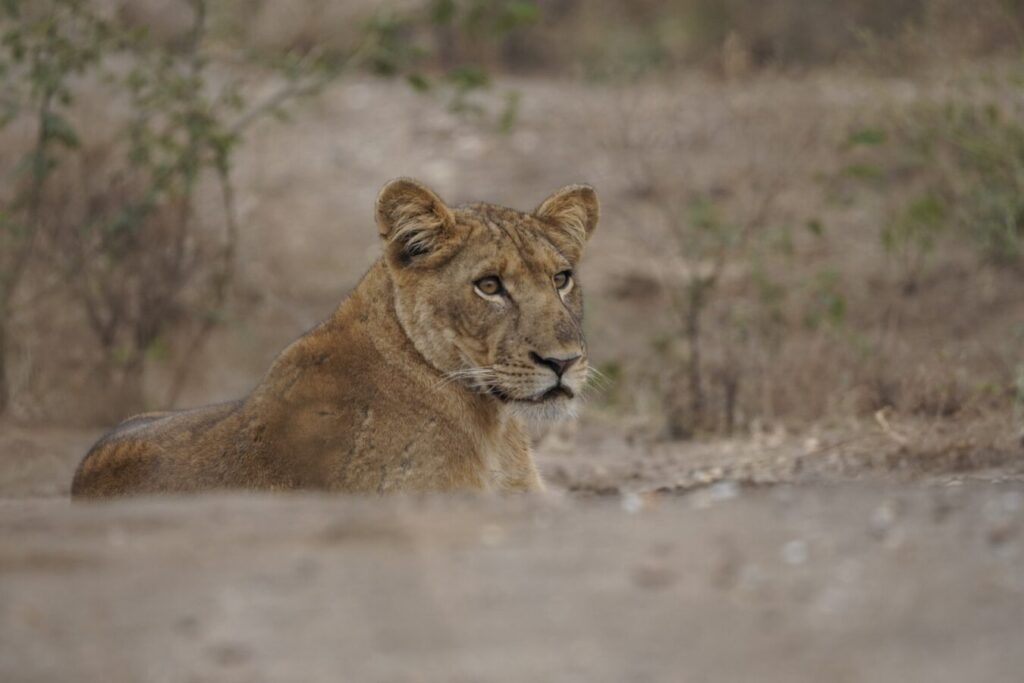
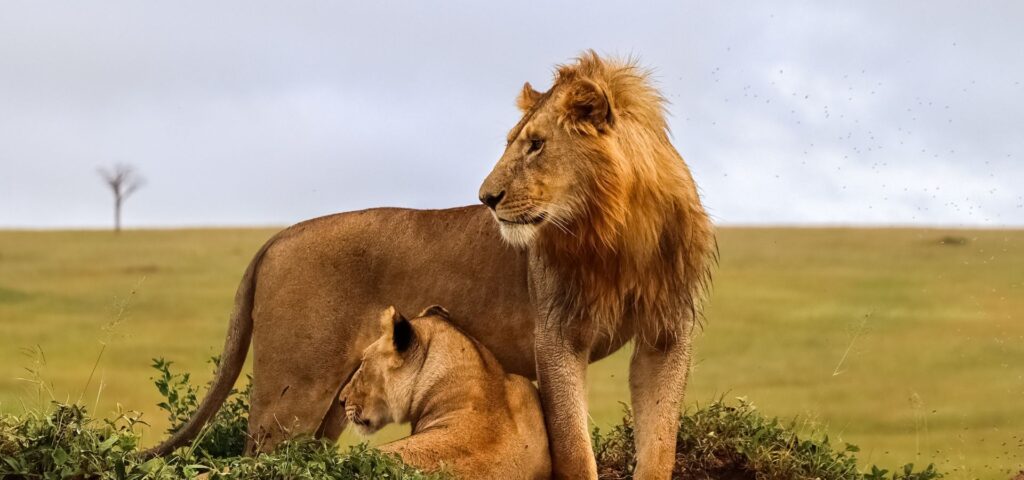
Furthermore, the region supports predators that follow abundant prey. Lions, cheetahs, leopards, hyenas, and crocodiles contribute to the area’s dramatic ecosystem. Elephants, giraffes, buffaloes, antelopes, and numerous bird species also occur across the landscape.
A Serengeti National Park Safari in this region provides more than migration viewing. You experience changing landscapes, predator interactions, sunrise drives, and peaceful evenings. The destination also connects visitors with the wider Serengeti-Mara ecosystem.
The ecosystem stretches beyond Tanzania’s national park boundaries. It supports one of Africa’s most remarkable large-mammal movements. Tanzania National Parks describes the Serengeti-Mara ecosystem as covering approximately 30,000 square kilometres.
August: Dramatic Migration Encounters
August represents one of the most popular periods for a Serengeti Safari. During this month, migration herds can occupy areas around northern Serengeti. Some herds approach or cross the Mara River.
River crossings create unforgettable wildlife moments. However, nature controls the timing and location of each crossing. Herds may gather for hours before moving. Sometimes they change direction without warning.
Consequently, patience becomes essential during a Serengeti Great Migration Safari. Experienced guides position vehicles carefully and follow park regulations. Visitors should avoid expecting guaranteed crossings on specific dates.
August also offers generally dry conditions across the region. Dry vegetation can improve visibility around many wildlife areas. Roads often become easier to navigate than during heavier rainfall periods.
Therefore, August works particularly well for travellers seeking intense migration experiences. Early booking remains important because demand increases during this popular safari period.
September: An Excellent Safari Balance
September often provides outstanding conditions for Northern Serengeti exploration. The migration can remain active around the Mara River and surrounding plains. At the same time, the landscape usually remains dry and open.
For many travellers, September provides a strong balance between wildlife opportunities and safari comfort. You can combine migration viewing with traditional game drives. These drives can reveal predators, elephants, giraffes, buffaloes, and smaller wildlife.
Moreover, September works well for photography. Clearer conditions can create excellent opportunities during early morning and late afternoon. Golden light can transform the plains into spectacular photographic landscapes.
The Best Time to Visit Northern Serengeti therefore includes September for travellers seeking flexibility. Still, migration patterns change naturally each year. Rainfall across the ecosystem remains a major influence.
A professional safari company should therefore plan around wildlife behaviour. Fixed assumptions can create unrealistic expectations. Flexible planning produces a more rewarding and responsible experience.
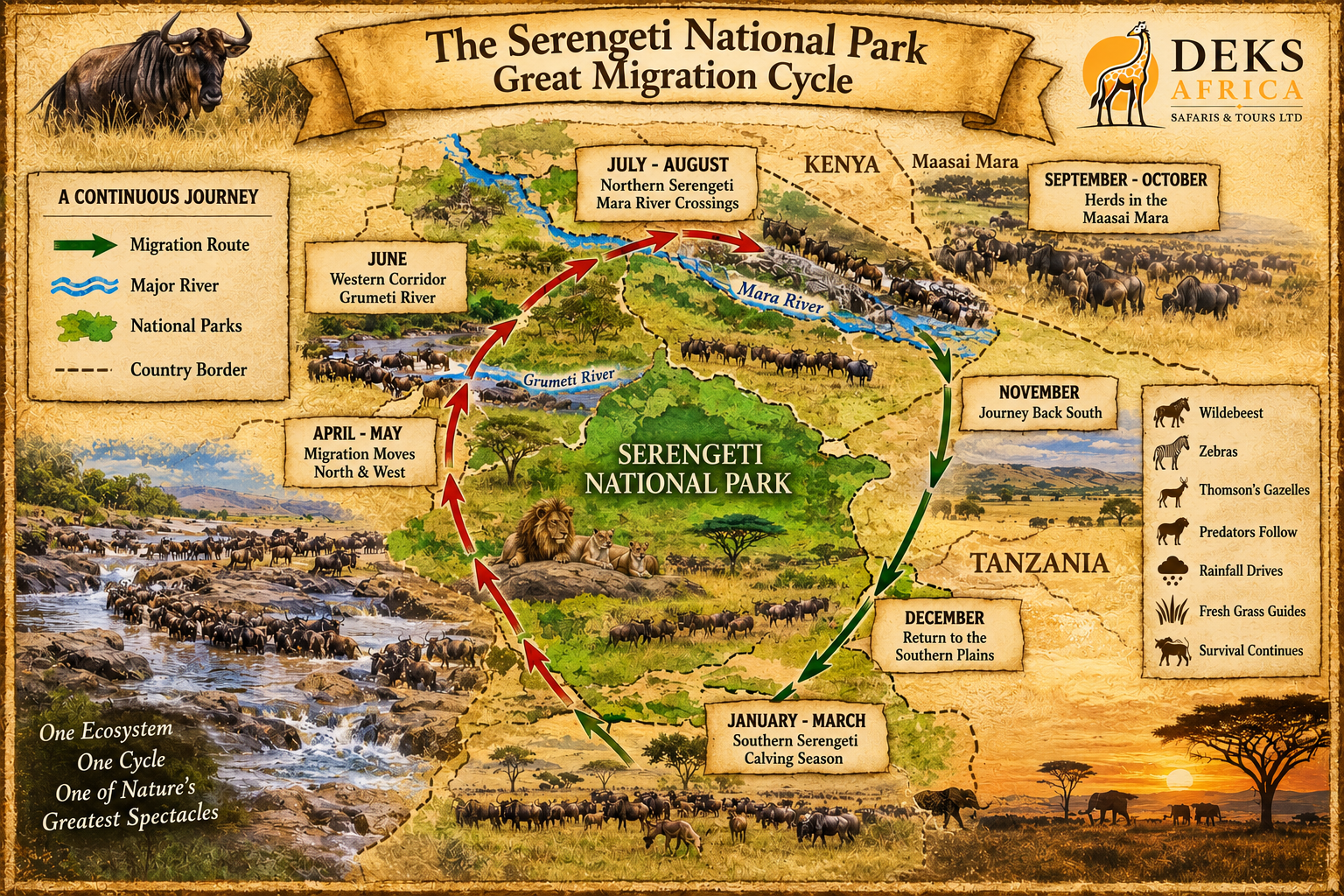
Serengeti Great Migration Cycle
October: Migration Meets Quiet Wilderness
October can remain excellent for Northern Serengeti wildlife experiences. Some migration herds may still occupy northern areas before moving south. Short rains can begin changing the landscape during this period.
The changing weather can produce beautiful skies and fresh vegetation. Wildlife may also respond quickly to new water and grazing opportunities. Consequently, October offers a different atmosphere from the peak dry season.
Travellers can also enjoy excellent resident wildlife during October. Lions and other predators remain active throughout the ecosystem. Large herbivore populations continue supporting complex predator-prey relationships.
For visitors seeking a more flexible safari experience, October can provide strong value. However, weather patterns can become less predictable. A knowledgeable safari planner should therefore prepare suitable alternatives.
The Best Time to Visit Northern Serengeti remains personal. Some travellers prioritise river crossings. Others prefer photography, fewer crowds, or broader wildlife experiences.
Understanding the Great Wildlife Migration Cycle
The Great Wildlife Migration Cycle follows seasonal rainfall, pasture availability, and water resources. Wildebeest and zebra move through different Serengeti-Mara areas throughout the year. Their movement does not follow a perfectly fixed calendar.
The cycle begins with breeding and calving activities in southern Serengeti areas. Herds then move toward western and northern grazing grounds. Eventually, many animals return south as environmental conditions change.
Tanzania National Parks describes the migration as involving roughly 1.6 million wildebeest and zebra. The movement also supports numerous other species throughout the ecosystem.
Therefore, the Great Migration should never become only a river-crossing story. The entire ecological cycle matters. Calving, grazing, predator activity, river crossings, and return movements all form one natural system.
A quality Tanzania wildlife safari should explain this broader picture. Understanding the cycle makes every wildlife encounter more meaningful.
What Makes a Northern Serengeti Safari Special?
A Northern Serengeti safari combines wilderness, wildlife, and seasonal drama. The area provides excellent opportunities for travellers seeking authentic African landscapes.
Game drives can begin early when wildlife remains highly active. Morning light also provides excellent photography conditions. Later, afternoon drives can reveal predators becoming more active.
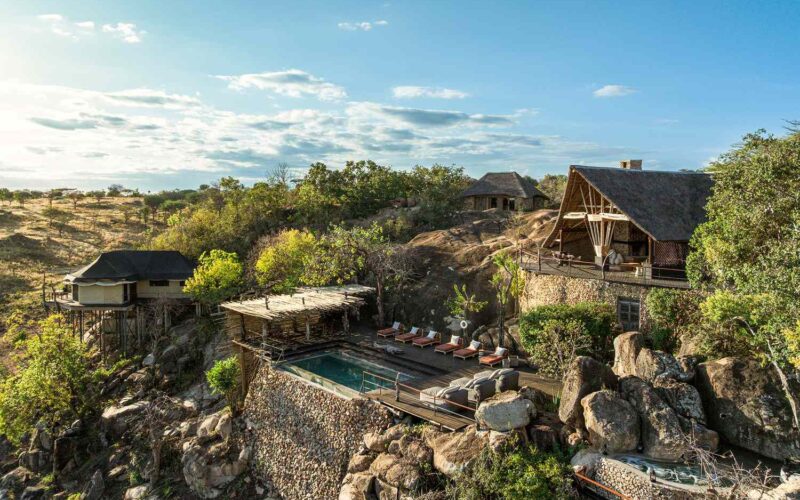
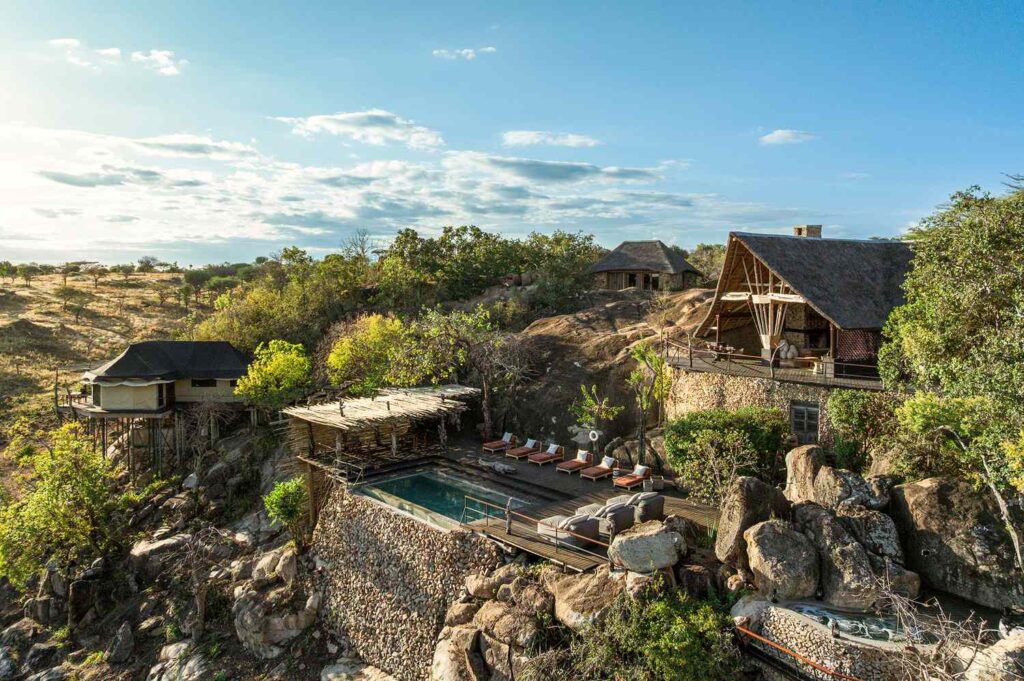
Meanwhile, lodge and tented-camp experiences add comfort to the wilderness journey. Many properties provide views across natural landscapes. Some also offer bush meals, sundowners, guided nature experiences, and cultural activities.
The best accommodation choice depends on your travel style. Luxury travellers may prefer exclusive permanent lodges or premium tented camps. Budget-conscious travellers can consider comfortable mobile camps or mid-range properties.
Importantly, location matters more than luxury alone. Staying near your preferred wildlife area can reduce unnecessary driving. This advantage becomes particularly valuable during migration season.
Cultural Experiences Around Northern Serengeti Lodges
A safari should connect visitors with people as well as wildlife. Tanzania offers more than 120 ethnic groups with diverse traditions, crafts, music, and heritage.
Guests staying at Northern Serengeti lodges can consider cultural activities near their accommodation. Options depend on the lodge location and local community arrangements. Responsible operators should confirm accessibility before including these experiences.
Maasai Cultural Encounters
A Maasai cultural experience can add depth to a Northern Serengeti safari. Visitors can explore traditional beadwork, community life, storytelling, music, and dance. Tanzania Tourism highlights Maasai cultural experiences around Serengeti and Ngorongoro areas.
These encounters should respect community customs and personal boundaries. Travellers should also support locally managed experiences where possible.
Traditional Crafts and Beadwork
Craft experiences provide another meaningful cultural opportunity. Guests can learn about traditional designs, materials, and artistic techniques. Purchasing authentic locally produced crafts can also support community livelihoods.
Local Food Experiences
Some safari properties can arrange local culinary experiences. Guests may explore traditional ingredients and cooking methods. Such experiences provide another connection with Tanzanian culture.
Tanzania Tourism also promotes cooking classes, craft workshops, cultural tours, and musical performances.
Cultural Storytelling and Music
Music and storytelling can create memorable evenings around safari accommodation. Local performances can introduce visitors to regional traditions. These activities work particularly well after an exciting game-drive day.
Other Experiences to Add
A Serengeti National Park Safari can include several experiences beyond standard game drives. Balloon safaris provide an aerial perspective across the plains. Tanzania Tourism lists balloon safaris among Serengeti experiences.
Photographic safaris also provide excellent opportunities for dedicated wildlife photographers. Professional guides can help travellers understand light, animal behaviour, and positioning.
Birdwatching provides another rewarding activity throughout the year. The Serengeti supports many bird species across grasslands, woodland, wetlands, and rocky habitats.
You can also combine Serengeti with Ngorongoro and Tarangire. This approach creates a broader Northern Tanzania safari circuit. Each destination contributes different landscapes and wildlife experiences.
Why Responsible Planning Matters
Responsible safari planning protects wildlife while improving visitor experiences. Park rules help control vehicle behaviour around sensitive wildlife areas. They also protect important habitats and reduce unnecessary disturbance.
TANAPA provides specific guidance around Mara River crossing areas. The guidance identifies designated crossing points and vehicle limits.
Therefore, travellers should choose operators who respect conservation regulations. Drivers should maintain appropriate distances and avoid blocking wildlife movements.
Sustainable tourism also includes supporting local communities. Cultural visits should create genuine benefits for participating communities. Visitors should respect local traditions, photography preferences, and environmental practices.
These principles strengthen the long-term future of Tanzania Safaris. They also help preserve the Serengeti for future generations.
Planning Your Serengeti Great Migration Safari
Planning should begin with your main safari objective. River crossings require different planning from general wildlife viewing. Your preferred accommodation level also influences location and overall safari cost.
August and September often attract strong demand. Booking early can therefore improve accommodation choices. October may provide greater flexibility depending on seasonal demand.
Travellers should also consider combining road and air connections. Northern Serengeti has airstrips around Kogatende and Lamai. Scheduled and private flights can connect the region with other destinations.
A professional itinerary should include realistic travel times. It should also allow flexibility for wildlife behaviour. Avoid itineraries that promise exact animal movements.
Combining Tanzania Safaris with Uganda Gorilla Trekking
Travellers visiting East Africa can combine Tanzania with Uganda. Bwindi Gorilla Trekking creates a powerful contrast with Serengeti wildlife viewing.
The Serengeti offers open savannah ecosystems and large mammal movements. Bwindi offers dense rainforest and intimate mountain gorilla encounters. Combining both destinations creates a diverse East African adventure.
A multi-country safari can also include Kenya or Rwanda. However, route planning requires careful attention to border crossings and flight schedules.
Combining destinations works best when the itinerary provides sufficient time in each location. Rushed travel can reduce the quality of the experience.
Safari Inclusions
- Accommodation as specified
- Meals as specified
- Private safari vehicle
- Professional safari guide
- Park entrance fees
- Game drives
- Airport transfers
- Drinking water
- Government taxes
- Cultural experience as specified
- Ranger services where applicable
- Internal flights where specified
Safari Exclusions
- International flights
- Visa fees
- Travel insurance
- Personal expenses
- Laundry services
- Alcoholic drinks
- Soft drinks outside the package
- Tips and gratuities
- Optional activities
- Personal shopping
- Medical expenses
- Items not listed under inclusions
The Best Time to Visit Northern Serengeti
The Best Time to Visit Northern Serengeti depends on what you want to experience. August and September remain excellent choices for migration-focused safaris. October offers changing landscapes and continued wildlife opportunities.
The key remains flexible planning rather than chasing guaranteed events. Wildlife follows nature, not human schedules. Your safari should therefore embrace uncertainty as part of the adventure.
A carefully planned Serengeti Safari can deliver exceptional wildlife, photography, culture, and wilderness experiences. Furthermore, responsible travel helps protect the ecosystem and supports surrounding communities.
The Best Time to Visit Northern Serengeti ultimately means choosing the season that matches your priorities. Whether you seek migration crossings, predators, photography, or cultural encounters, Northern Serengeti delivers remarkable possibilities.
About Deks Africa Safaris and Tours Ltd
Deks Africa Safaris and Tours Ltd creates thoughtfully planned African safari experiences. Our approach combines destination knowledge, practical planning, responsible tourism, and personalised service.
We design journeys around real traveller interests rather than generic safari packages. Our goal remains simple: deliver authentic African experiences with clarity, professionalism, and attention to detail.
Proposed East Africa Safari Holidays for the USA Travelers
- 9-Day Rwanda & Tanzania Luxury Wildlife Tour
- 9-Day Rwanda, Uganda & Tanzania Luxury Wildlife Safari
- 9-Day Rwanda Gorilla Trekking & Tanzania Safari
- 9-Day Tanzania Safari & Uganda Gorilla Trekking
- 10-Day Serengeti & Ngorongoro Crater Safari Experience
- 10-Day Tanzania and Rwanda Adventure Safari
- 11-Day Rwanda Uganda Tanzania Safari
- 20 Days Uganda, Tanzania, and Mafia Island Beach Safari
- 18 Days Uganda, Tanzania, and Mafia Island Beach Safari
- 14-Day Rwanda Uganda Tanzania Tour
- 14-Day Rwanda, Kenya, Tanzania & Beach Holiday
- 20-Day Rwanda Tanzania Zanzibar Safari Experience
- 16-Day Tanzania Safari & Rwanda Gorilla Trekking Experience
- 14 Days Kenya-Tanzania-Rwanda-Uganda Safari
- 24 Days Zanzibar-Uganda-Tanzania-Kenya Safari
- 5 Days Serengeti Great Migration Safari
- 6 Days Serengeti Great Migration Safari
- 7 Days Serengeti Great Migration Safari
- 8 Days Serengeti Great Migration Safari