The Best Time to See Great Wildebeest Calving
August 23, 2026
The Best Time to Visit Northern Serengeti
August 23, 2026The Best Time to See Mara River Crossings
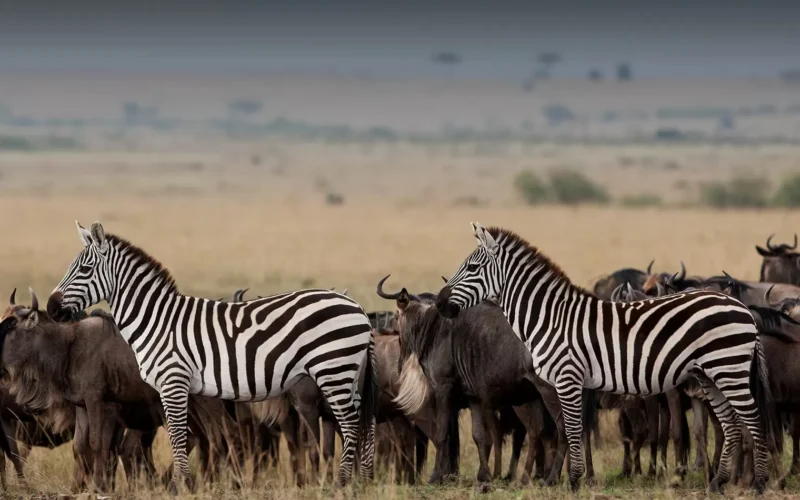
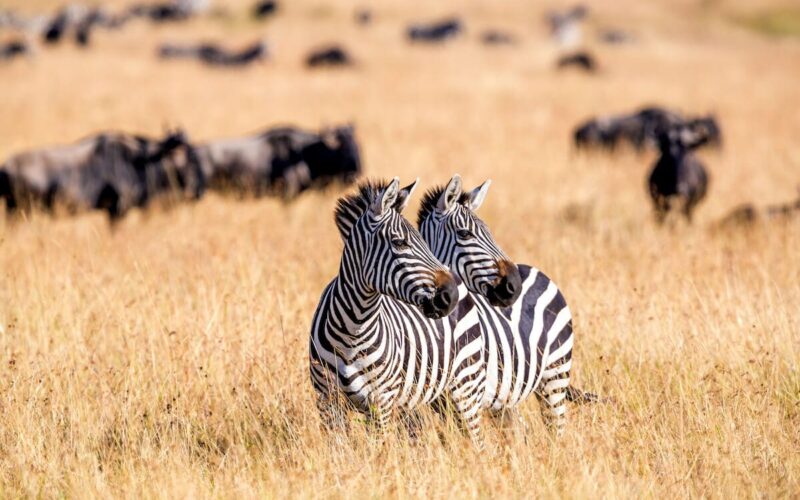
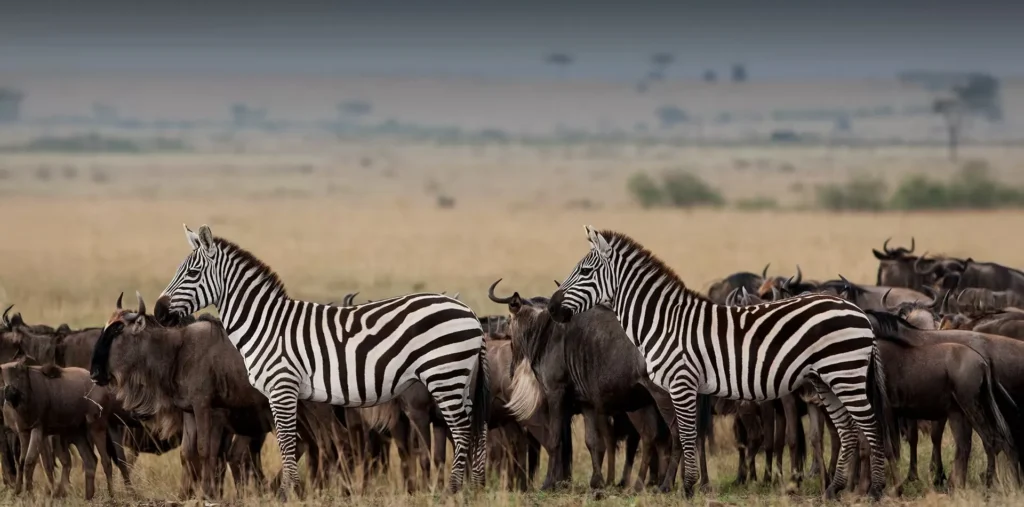
The Best Time to See Mara River Crossings generally falls between August and September. During these months, large wildebeest and zebra herds often gather around the Mara River. The wider crossing season can extend from July through October.
However, nature controls the exact timing. Rainfall, grazing conditions, water levels, and herd movements influence every crossing. Therefore, no responsible safari operator can guarantee a specific crossing on a specific day.
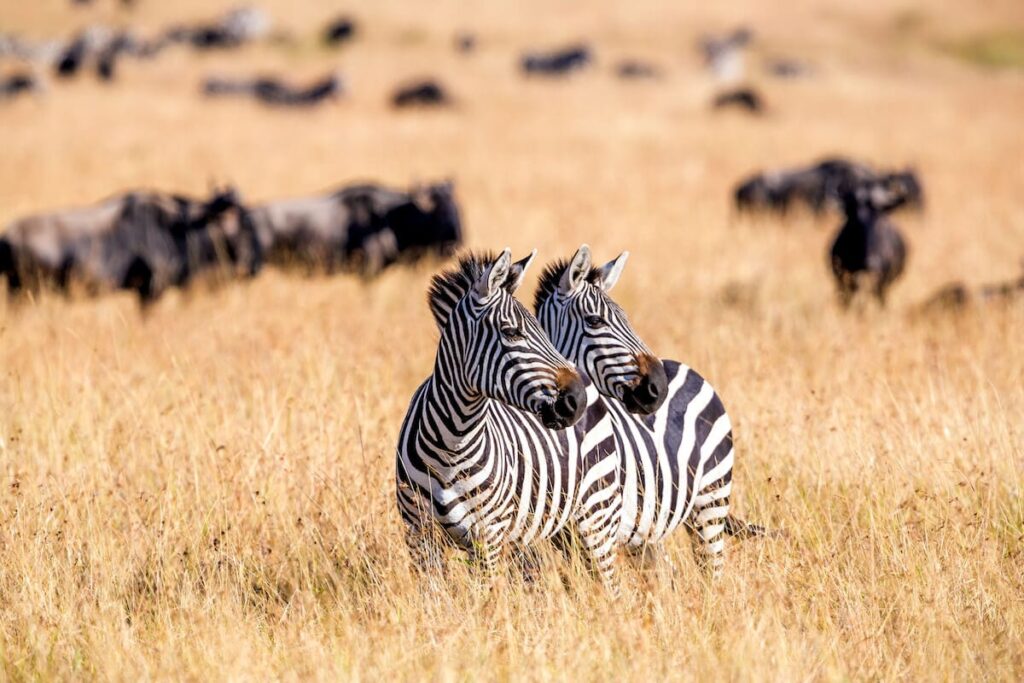
The Mara River forms part of the Great Wildlife Migration route. Wildebeest and zebras move between Tanzania and Kenya while searching for fresh grazing. Their journey creates one of Africa’s most extraordinary wildlife spectacles.
Northern Serengeti offers excellent opportunities from July onward. Kenya’s Masai Mara can provide further opportunities during August, September, and October.
For travellers, The Best Time to See Mara River Crossings depends on both timing and location. A carefully selected camp can reduce unnecessary driving and improve access to migration areas.
At Deks Africa Safaris and Tours Ltd, we plan migration journeys around seasonal patterns, wildlife behavior, and practical logistics.
Why August and September Offer The Best Opportunities?
The Best Time to See Mara River Crossings often points toward August and September. Large herds can concentrate around northern Serengeti and the Mara ecosystem.
During this period, wildebeest may gather along riverbanks before crossing. Some groups wait for hours before making a move.
Suddenly, one animal may enter the water and trigger a mass movement. Dust, splashing water, steep banks, and rushing animals create dramatic scenes.
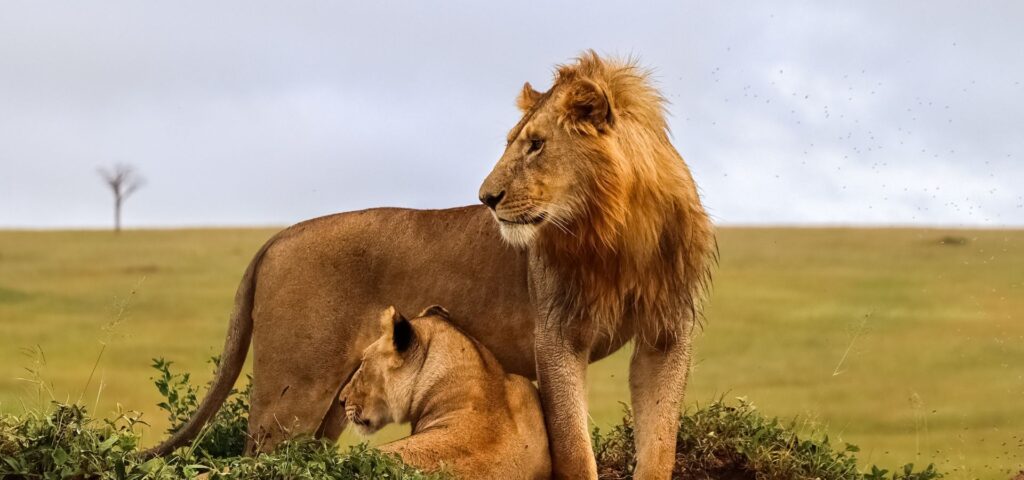
Predators can also gather around crossing areas. Nile crocodiles remain in the river, while lions and other predators may patrol nearby.
August usually experiences strong safari demand. September can offer similar opportunities with slightly different visitor patterns.
Therefore, travellers targeting river crossings should consider both months when planning their journey.
July: The Beginning of Mara River Crossing Season
July marks the beginning of the northern migration period. Herds move toward northern Serengeti after travelling through western areas.
Some early crossings may occur during this month. However, activity can remain unpredictable and scattered.
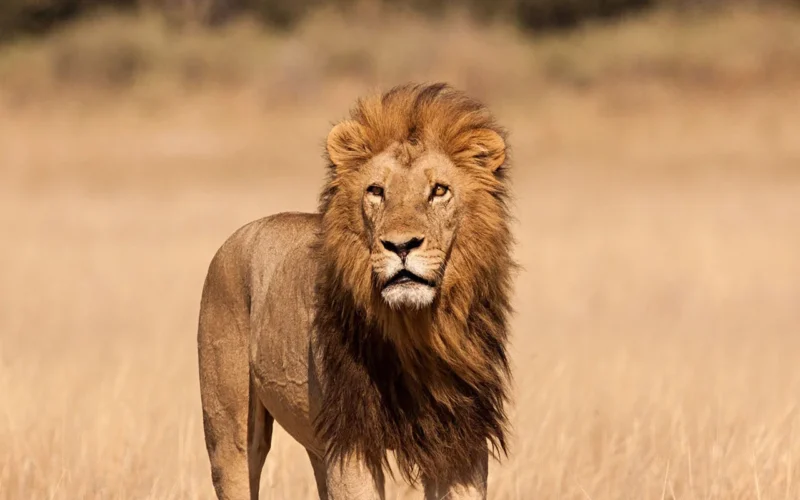
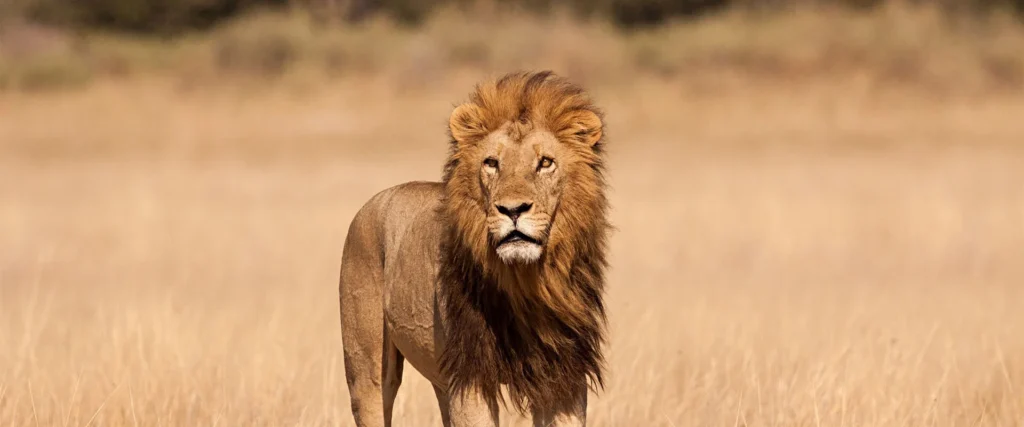
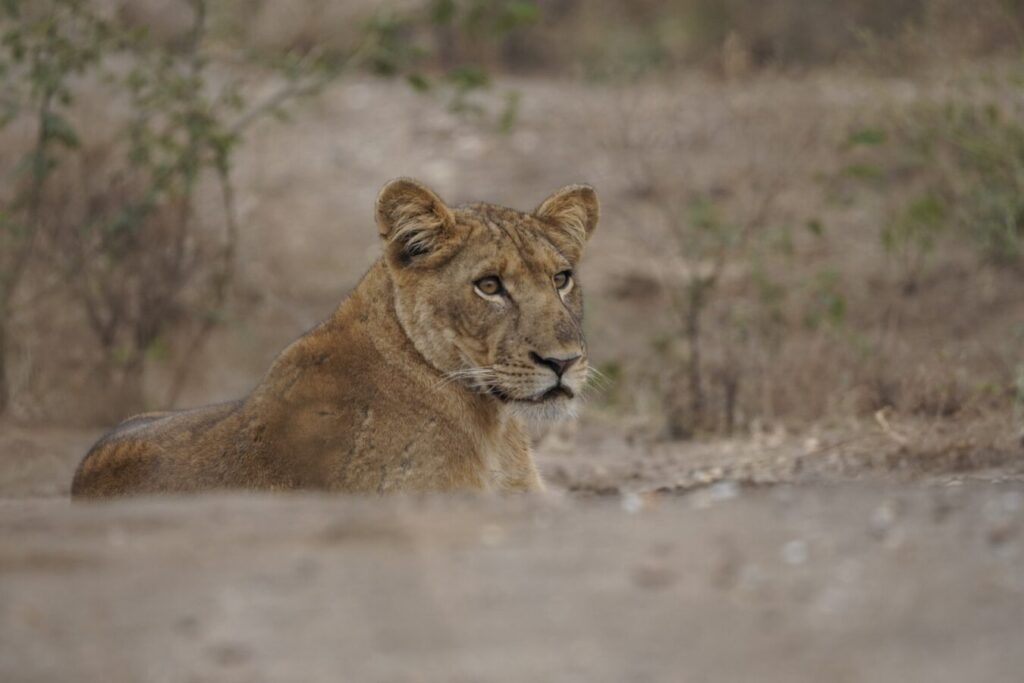
Northern Serengeti provides excellent wildlife viewing beyond the migration. Lions, leopards, elephants, giraffes, and cheetahs remain active.
The region also offers spectacular landscapes. Rocky outcrops, open grasslands, and river systems create excellent photographic settings.
Travellers visiting in July should maintain flexible expectations. The migration may arrive early, late, or move through different crossing points.
For this reason, The Best Time to See Mara River Crossings includes July for travellers seeking early-season opportunities.
Tanzania Wildlife Safaris
August: Peak River Crossing Interest
August attracts many travellers seeking dramatic migration scenes. Herds often gather around the Mara River during this period.
Crossings can occur at different points along the river. Wildlife may cross in large groups or smaller waves.
The experience can change within minutes. Calm waiting periods can suddenly become intense wildlife action.
Photographers should prepare equipment before reaching potential crossing areas. Fast shutter speeds can help capture running animals and splashing water.
A telephoto lens also provides useful reach while maintaining a respectful distance. Beanbags can provide practical support inside safari vehicles.
Moreover, responsible guides position vehicles carefully. They avoid blocking animals or creating unnecessary pressure.
Consequently, August remains one of The Best Time to See Mara River Crossings.
September: Another Excellent Month for Crossings
September continues to offer strong river-crossing possibilities. Some herds may remain around northern Serengeti and the Mara ecosystem.
Dry conditions often improve visibility during game drives. Shorter vegetation can also make wildlife easier to locate.
River levels and grazing conditions continue influencing herd movements. Crossings can therefore occur repeatedly or become less frequent.
The wider safari experience remains excellent even without a crossing. Northern Serengeti supports abundant resident wildlife throughout the year.
September suits travellers who want migration action alongside broader wildlife viewing.
For many guests, The Best Time to See Mara River Crossings includes September because it combines migration activity with dry-season conditions.
October: The End of the Main Crossing Window
October can still provide Mara River crossing opportunities. However, some herds begin moving south toward fresh grazing areas.
Migration movements become increasingly influenced by rainfall. New grass encourages wildebeest to begin their return journey.
Northern Serengeti remains valuable for wildlife viewing during this transition. Resident predators and herbivores continue using the ecosystem.
October can suit travellers seeking a quieter experience. Visitor numbers may gradually decline after the busiest months.
Therefore, The Best Time to See Mara River Crossings can extend into October, especially for flexible travellers.
Understanding the Great Wildlife Migration Cycle
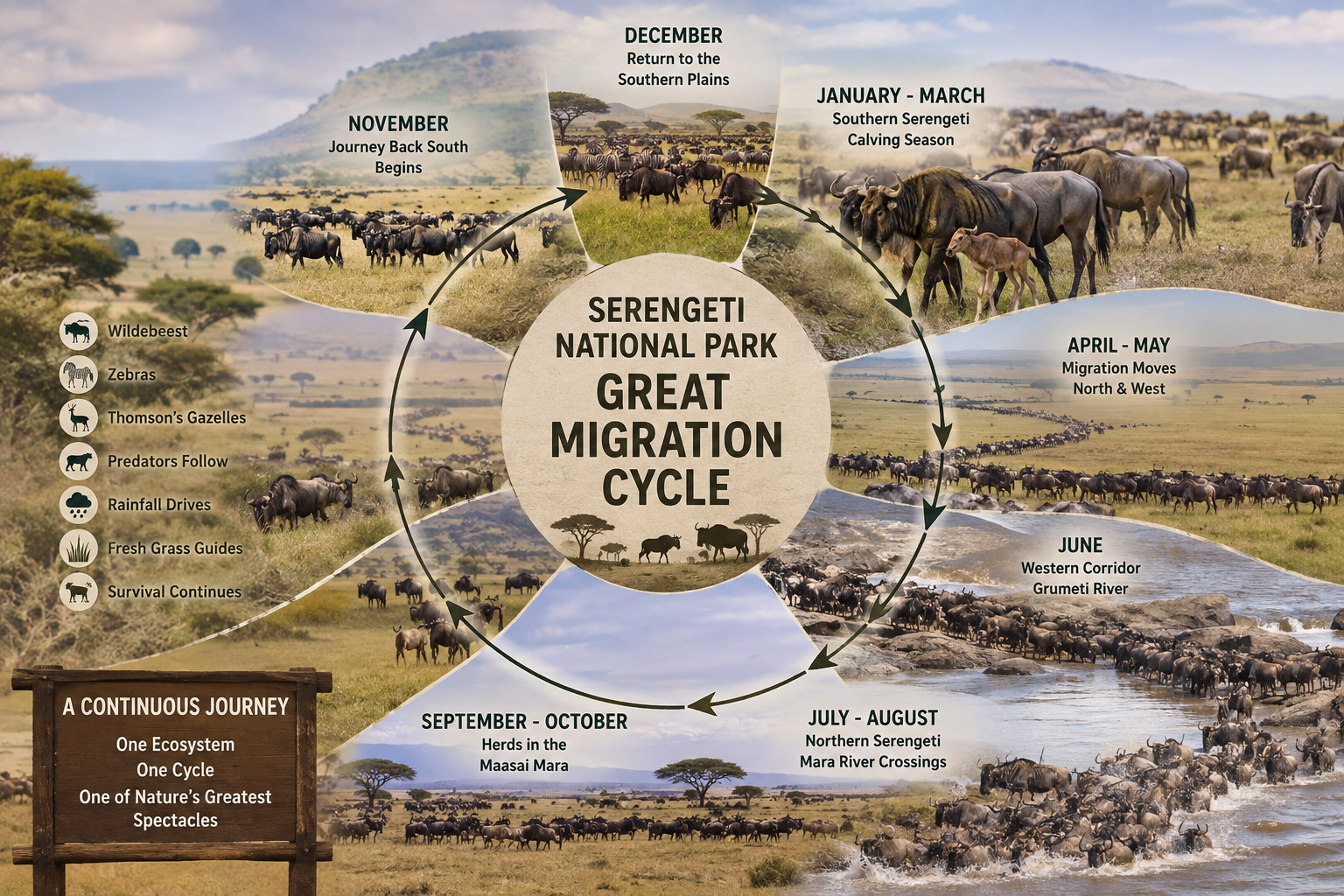
The Mara River crossings form one stage of the Great Wildlife Migration Cycle. Understanding the complete cycle creates better safari expectations.
Early in the year, wildebeest gather around southern Serengeti for calving. Fresh grass supports mothers and newborn calves during this period.
Later, herds move toward western Serengeti and the Grumeti ecosystem. They continue following rainfall and grazing conditions.
Northern movement eventually brings many herds toward the Mara River. This stage creates the famous river-crossing opportunities.
Afterward, rainfall encourages the herds to move south. The cycle eventually returns toward southern Serengeti.
Therefore, the migration remains a year-round natural process. The Mara River crossing represents one dramatic chapter within a much larger journey.
Northern Serengeti: A Strategic Location for Crossings
Northern Serengeti provides an excellent base for travellers targeting river-crossing activity. The Kogatende area offers access to important migration zones.
Staying close to active wildlife areas can reduce unnecessary driving. This advantage becomes valuable when herds gather unexpectedly.
Northern Serengeti also offers exceptional resident wildlife. Lions, leopards, elephants, giraffes, and large antelope populations remain present.
The landscape provides beautiful photographic opportunities beyond the river. Rocky kopjes and open plains create varied compositions.
A well-positioned Serengeti National Park Safari can therefore provide excellent value throughout the migration season.
Kenya’s Masai Mara: Another River-Crossing Option
Kenya’s Masai Mara forms another important migration destination. Herds can move across the Mara River after entering the Mara ecosystem.
August, September, and October can provide strong opportunities. However, exact timing remains dependent on natural conditions.
The Masai Mara also offers excellent resident wildlife. Lions, cheetahs, elephants, giraffes, hippos, and numerous antelope species create rewarding game drives.
Travellers can choose Kenya, Tanzania, or combine both destinations. Cross-border journeys provide broader opportunities to follow migration movements.
Combining both sides can also reduce dependence on one location. However, additional logistics can increase the overall safari budget.
How to Choose Between Tanzania and Kenya
Choosing the right side depends on your travel priorities. Northern Serengeti provides an excellent Tanzanian base for migration viewing.
The Masai Mara offers another perspective of the same ecosystem. Both destinations can provide dramatic wildlife experiences.
Tanzania often appeals to travellers seeking a longer Serengeti experience. Kenya can suit travellers who want to focus heavily on the Mara ecosystem.
Cross-border itineraries can create broader experiences. However, travellers should consider immigration requirements, transport arrangements, and available safari time.
A professional operator can help coordinate these logistics efficiently.
Ultimately, The Best Time to See Mara River Crossings depends on both your month and your chosen location.
Accommodation for Mara River Crossing Safaris
Accommodation location strongly influences the quality of a migration safari. Staying near active crossing zones can reduce daily travel.
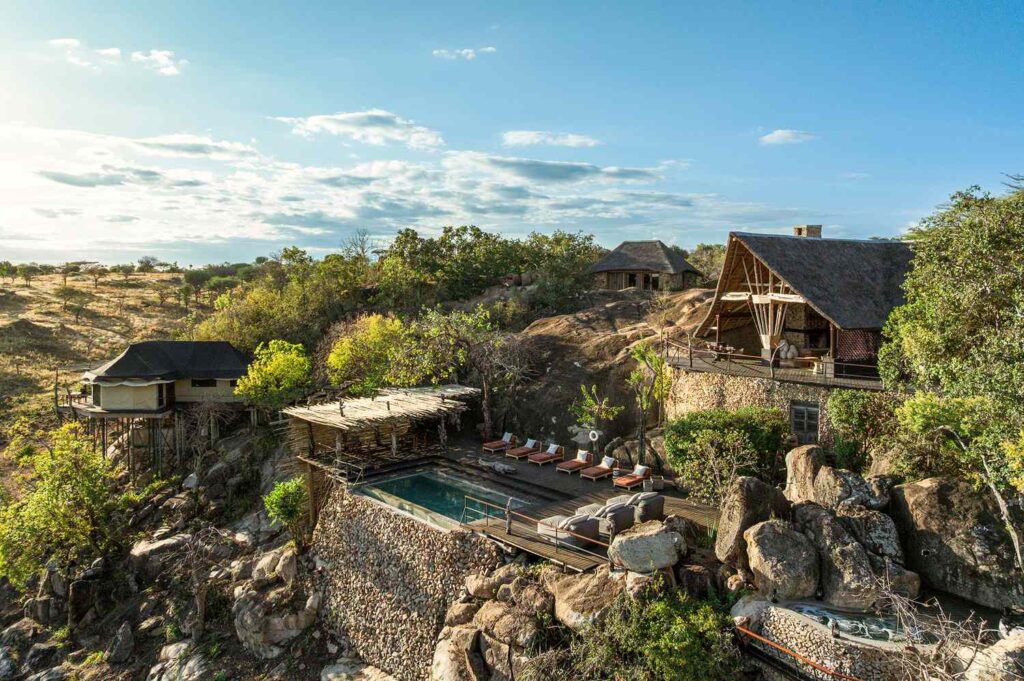
Mobile camps provide an excellent option for travellers seeking seasonal flexibility. Their locations can align with changing migration patterns.
Permanent lodges offer consistent facilities and comfortable accommodation. They may appeal to travellers who prefer additional amenities.
Luxury camps provide private dining, spacious tents, and personalized services. Budget campsites offer simpler facilities at lower costs.
Regardless of accommodation style, location remains critical. A comfortable camp far from the migration can create unnecessary driving.
Therefore, accommodation selection forms an important part of Great Migration Safaris.
Photography Tips for Mara River Crossings
River crossings create fast-moving photographic opportunities. Preparation therefore matters before the animals begin crossing.
Use a suitable telephoto lens for distant wildlife. A fast shutter speed helps freeze running animals and splashing water.
Keep your camera settings ready before action begins. Changing settings during a crossing can cause you to miss important moments.
Photographers should also capture wider environmental scenes. Dust clouds, riverbanks, herds, and surrounding landscapes communicate the scale of the event.
Patience remains essential. Many waiting periods may produce no crossing at all.
Most importantly, respect wildlife and park regulations. Never pressure guides to approach animals too closely.
Cultural Experiences Around Your Safari Lodge
A migration safari can include meaningful cultural experiences. Travellers can visit Maasai communities around suitable safari areas.
Traditional dances provide insight into local cultural expression. Storytelling can also introduce visitors to community history and traditions.
Beadwork provides another fascinating cultural experience. Visitors can learn about traditional designs and purchase authentic handmade crafts.
Guests can also explore traditional homes and pastoral lifestyles. Local food experiences can introduce visitors to regional ingredients and cooking traditions.
Cultural visits should always respect community preferences. Ask permission before photographing people or entering private areas.
Responsible cultural tourism can support local livelihoods. It also adds depth to the overall Tanzania wildlife safari experience.
Beyond the Mara River: Serengeti Wildlife
A Serengeti Safari offers much more than river crossings. The ecosystem supports extraordinary wildlife throughout the year.
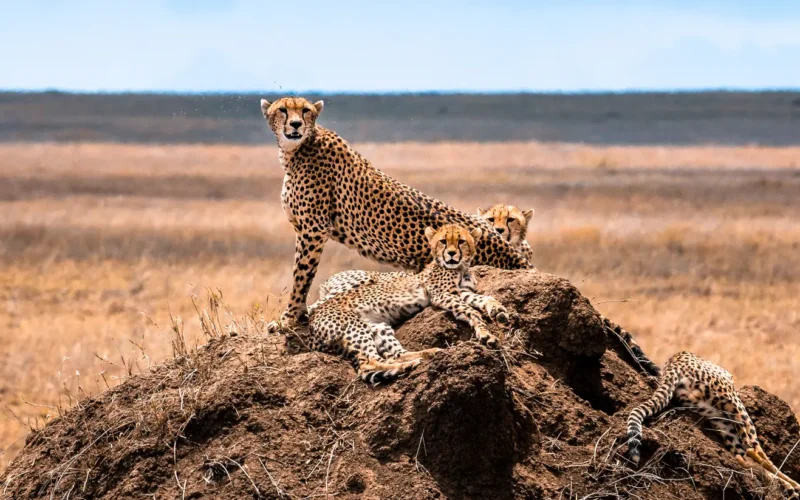
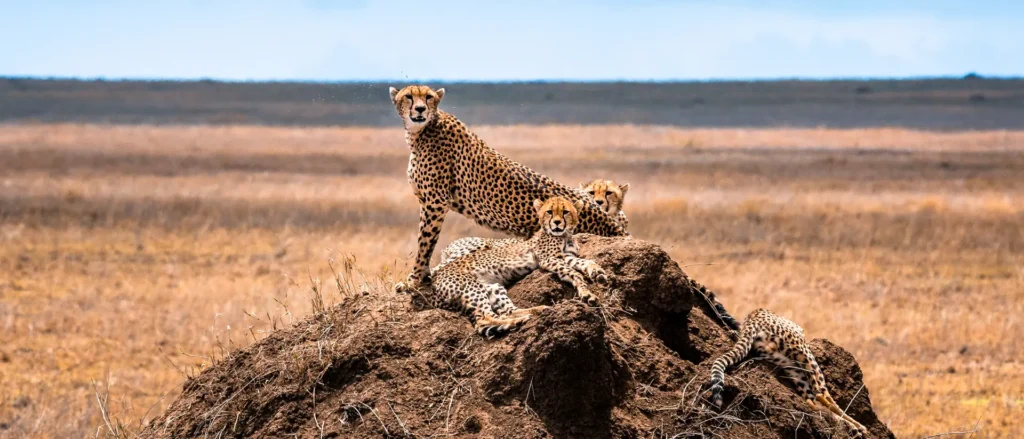
Lions provide excellent opportunities for predator photography. Cheetahs often hunt across open plains where their speed becomes visible.
Elephants create memorable family-group encounters. Giraffes add distinctive silhouettes against the Serengeti horizon.
Leopards may appear around riverine habitats and wooded areas. Hippos occupy rivers and seasonal water sources.
Birdwatching also adds value to every game drive. Raptors, ground birds, waterbirds, and migratory species inhabit the ecosystem.
Therefore, travellers should enjoy the complete Serengeti experience. The river crossing represents one part of a much larger wildlife story.
Combining Tanzania Safaris with Bwindi Gorilla Trekking
Travellers seeking a wider East African adventure can combine Tanzania with Uganda. Bwindi Gorilla Trekking offers a completely different wildlife experience.
Instead of open savanna, travellers explore dense mountain forest. The experience involves hiking through challenging terrain while searching for mountain gorillas.
Gorilla trekking creates intimate encounters with one of Africa’s most remarkable primates. It also highlights the importance of forest conservation.
Combining gorilla trekking with a Serengeti Great Migration Safari creates exceptional diversity. Travellers can experience savanna wildlife, primates, forests, cultures, and dramatic landscapes.
This combination works especially well for travellers planning longer East African holidays.
Safari Inclusions
- Airport transfers
- 4×4 safari vehicle
- Professional safari guide
- Accommodation
- Meals according to itinerary
- Park entry fees
- Mara River migration viewing
- Game drives
- Cultural experiences
- Drinking water
- Government taxes
- Safari planning
- Driver-guide services
Safari Exclusions
- International flights
- Visa fees
- Travel insurance
- Personal expenses
- Alcoholic beverages
- Laundry services
- Tips
- Souvenirs
- Optional activities
- Additional accommodation
- Medical expenses
- Personal photography equipment
Planning The Best Time to See Mara River Crossings
The Best Time to See Mara River Crossings generally falls between August and September. July can provide early opportunities, while October can offer later crossings.
However, migration follows nature rather than tourism calendars. Rainfall, grass availability, river conditions, and animal behavior influence every movement.
Travellers should therefore build flexibility into their safari plans. Spending several nights within the migration zone improves overall opportunities.
Selecting suitable accommodation also matters. Camps near active wildlife areas can reduce unnecessary travel.
Private vehicles provide greater flexibility during important wildlife moments. Shared safaris remain an affordable alternative for budget-conscious travellers.
At Deks Africa Safaris and Tours Ltd, we plan migration journeys around seasonal patterns and practical travel needs.
Our approach focuses on responsible tourism, transparent planning, destination expertise, and authentic wildlife experiences.
Ultimately, The Best Time to See Mara River Crossings depends on your preferred travel month, destination, and safari style.
Final Thoughts on The Best Time to See Mara River Crossings
The Best Time to See Mara River Crossings usually falls within August and September. These months offer strong opportunities to witness dramatic migration activity.
July and October can also provide rewarding experiences. However, no month guarantees a specific river crossing.
The broader Great Wildlife Migration remains a year-round natural phenomenon. Each stage creates different opportunities for wildlife viewing and photography.
Northern Serengeti provides an excellent Tanzanian base. Kenya’s Masai Mara offers another perspective of the migration.
Travellers can also combine these destinations with other Tanzania Safaris or Bwindi Gorilla Trekking in Uganda.
Deks Africa Safaris and Tours Ltd provides professional planning for travellers seeking reliable East African safari experiences. We focus on knowledge, responsible travel, personalized service, and realistic expectations.
The Best Time to See Mara River Crossings begins with choosing the right season and planning around nature.
Written by Deks Africa Safaris and Tours Ltd
The Best Time to See Mara River Crossings — explore northern Serengeti, experience the Great Wildlife Migration, and witness one of Africa’s most remarkable natural spectacles.
Proposed East Africa Safari Holidays for the USA Travelers
- 9-Day Rwanda & Tanzania Luxury Wildlife Tour
- 9-Day Rwanda, Uganda & Tanzania Luxury Wildlife Safari
- 9-Day Rwanda Gorilla Trekking & Tanzania Safari
- 9-Day Tanzania Safari & Uganda Gorilla Trekking
- 10-Day Serengeti & Ngorongoro Crater Safari Experience
- 10-Day Tanzania and Rwanda Adventure Safari
- 11-Day Rwanda Uganda Tanzania Safari
- 20 Days Uganda, Tanzania, and Mafia Island Beach Safari
- 18 Days Uganda, Tanzania, and Mafia Island Beach Safari
- 14-Day Rwanda Uganda Tanzania Tour
- 14-Day Rwanda, Kenya, Tanzania & Beach Holiday
- 20-Day Rwanda Tanzania Zanzibar Safari Experience
- 16-Day Tanzania Safari & Rwanda Gorilla Trekking Experience
- 14 Days Kenya-Tanzania-Rwanda-Uganda Safari
- 24 Days Zanzibar-Uganda-Tanzania-Kenya Safari
- 5 Days Serengeti Great Migration Safari
- 6 Days Serengeti Great Migration Safari
- 7 Days Serengeti Great Migration Safari
- 8 Days Serengeti Great Migration Safari