Serengeti Migration Dates
August 26, 2026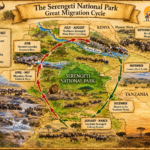
A Complete Map Guide to the Great Migration Route
August 28, 2026Are Serengeti Migration Dates Exact?
Are Serengeti Migration Dates Exact? This question matters when planning a successful wildlife adventure in Tanzania. The simple answer is no. Serengeti Migration Dates provide seasonal guidance rather than guaranteed animal locations. Rainfall, fresh grass, water, and herd behavior influence the movement every year. Therefore, travelers should understand seasonal patterns before booking a Serengeti National Park Safari.
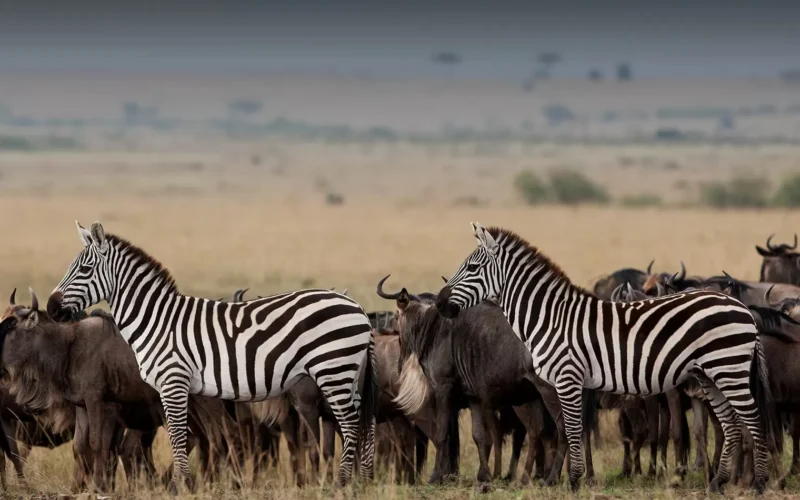
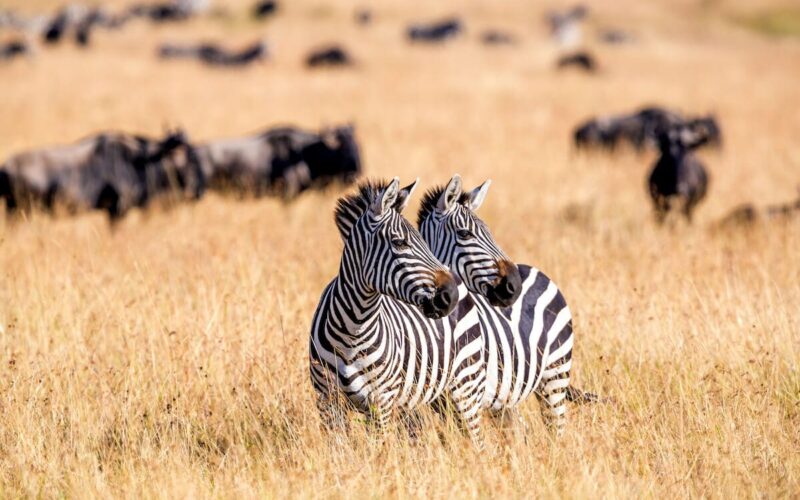
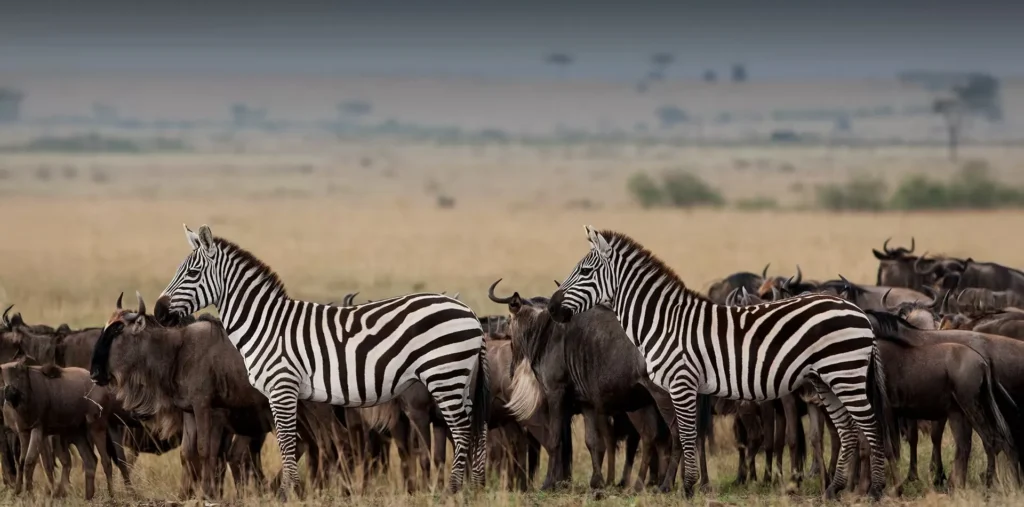
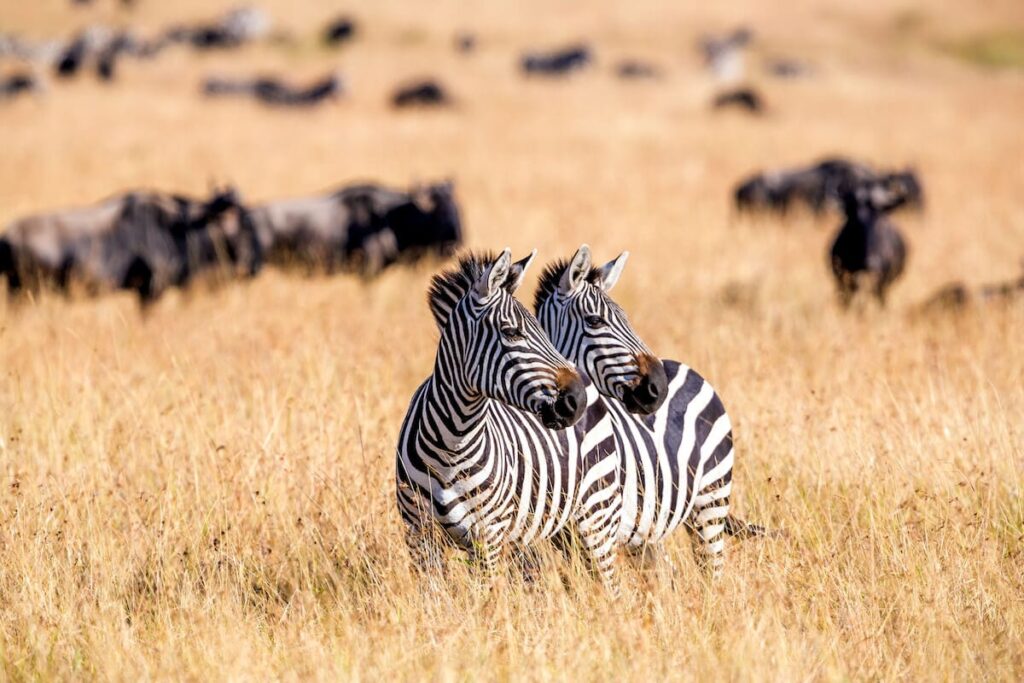
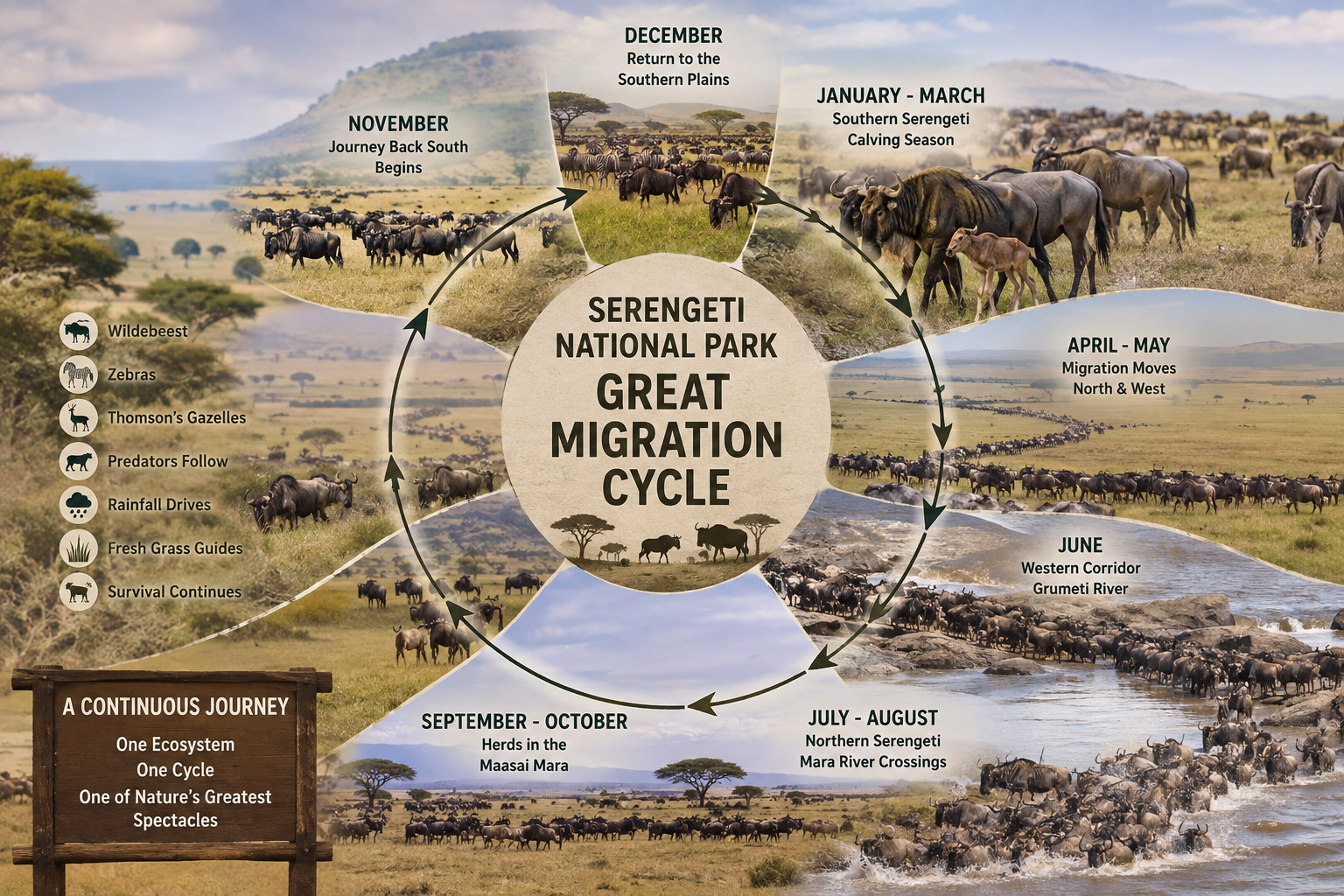
The Great Wildlife Migration follows a continuous ecological cycle across the Serengeti-Mara ecosystem. More than 1.5 million wildebeest travel with large numbers of zebras and gazelles. Their movement covers southern, central, western, and northern Serengeti. Some herds later continue toward Kenya’s Maasai Mara.
Consequently, Serengeti Migration Dates help travelers choose suitable regions and seasons. They cannot predict an exact location on a specific day. A professional Serengeti Safari combines seasonal knowledge with flexible planning. This approach creates realistic expectations and better wildlife opportunities.
At Deks Africa Safaris and Tours Ltd, we focus on practical safari planning. Our approach considers travel dates, wildlife interests, accommodation, comfort, and seasonal movement. This guide explains Serengeti Migration Dates and helps you plan with confidence.
What Do Serengeti Migration Dates Actually Mean?
Seasonal Guidance, Not Fixed Appointments
Are Serengeti Migration Dates Exact? No, because wildlife does not follow a fixed timetable. The migration responds to changing environmental conditions across the ecosystem.
Rainfall plays a major role in determining where fresh grass develops. Wildebeest naturally move toward areas with better grazing opportunities. Water availability also influences movement across the landscape.
Additionally, different herd groups can occupy different regions simultaneously. One group may remain in central Serengeti while another moves north. Therefore, travelers should avoid expecting the entire migration to appear in one location.
Serengeti Migration Dates work best as seasonal planning tools. They show where herds generally concentrate during different periods. Experienced safari planners then adjust routes according to current conditions.
Why Serengeti Migration Dates Change
Rainfall Controls the Landscape
Rainfall remains one of the strongest influences on the Great Wildlife Migration. Seasonal rains create fresh grass across different areas. The herds respond by moving toward productive grazing grounds.
However, rainfall does not always follow identical patterns each year. Timing, intensity, and distribution can change. Such changes influence grazing conditions and animal movement.
Water availability also affects the migration. Rivers, seasonal pools, and rainfall patterns create different opportunities across the Serengeti. Consequently, animals may change direction when conditions change.
Herd behavior adds another layer of uncertainty. Large groups can pause for extended periods. They can also suddenly change direction without warning.
Therefore, Serengeti Migration Dates should guide expectations without creating false certainty. Responsible Great Migration Safaris recognize this natural unpredictability.
Serengeti Migration Dates From January to March
Southern Serengeti and Calving Season
January through March forms one of the most important periods within Serengeti Migration Dates. Large herds often concentrate around southern Serengeti and Ndutu.
Fresh grass supports pregnant wildebeest and newborn calves. February often provides particularly strong calving opportunities. Thousands of young animals can enter the ecosystem during this productive period.
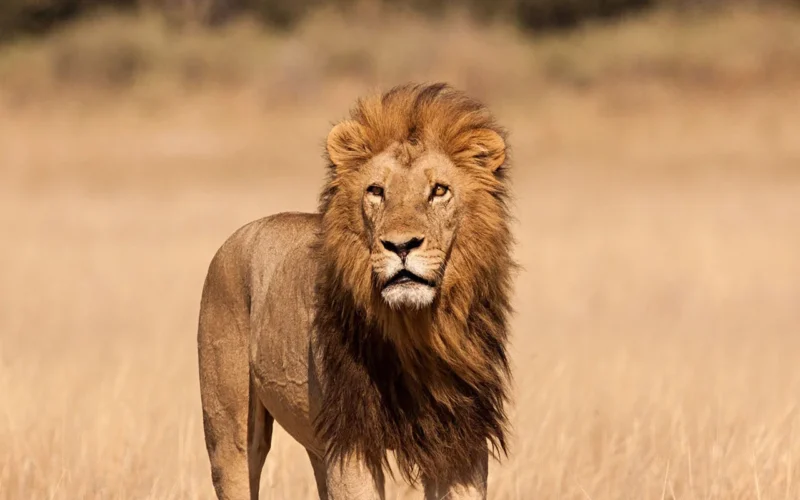
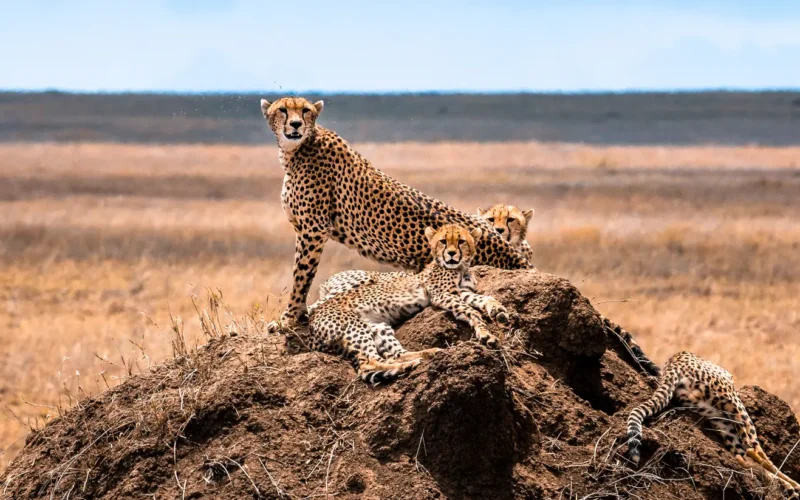
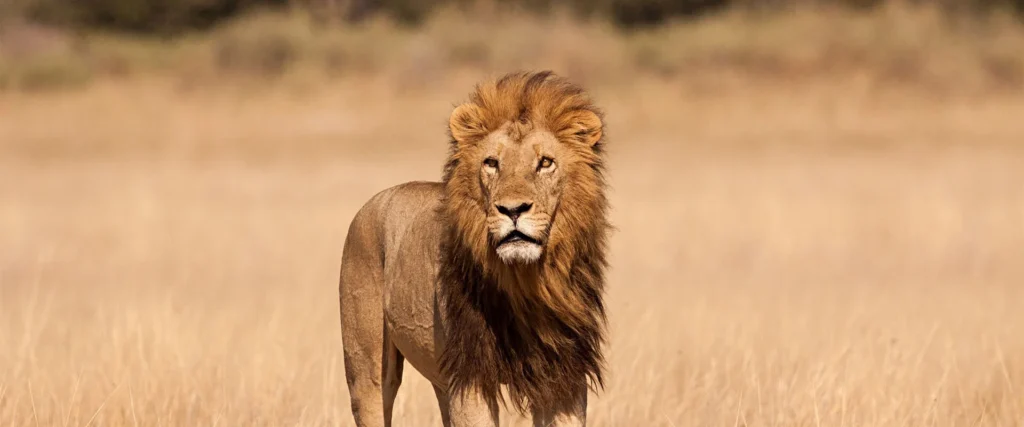
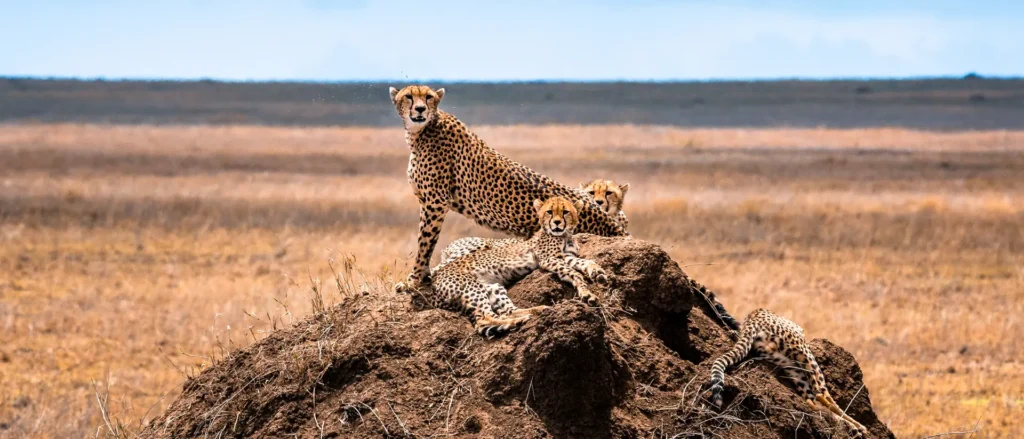
Predators also become highly active. Lions, cheetahs, and hyenas search for vulnerable young animals. Consequently, this period offers dramatic wildlife encounters.
Photographers can also enjoy green landscapes and open plains. Good visibility creates strong opportunities for wildlife photography. Families can observe young animals learning to stand and follow their mothers.
Therefore, travelers seeking calving experiences should consider southern Serengeti. These Serengeti Migration Dates offer a different experience from northern river crossings.
Tanzania Wildlife Safaris
Serengeti Migration Dates From April to May
Long Rains and Moving Herds
April and May bring the long rains across the Serengeti. Fresh vegetation changes grazing conditions and influences herd movement.
Many animals begin moving toward central and western areas. However, exact routes vary according to rainfall distribution. Large columns of wildebeest can stretch across open landscapes.
The greener scenery creates excellent photographic opportunities. Dramatic skies also add character to landscape photography. Furthermore, visitor numbers may decrease during wetter periods.
However, travelers should prepare for changing road conditions. Some seasonal camps may also change operations during this period. Therefore, experienced itinerary planning becomes particularly valuable.
These Serengeti Migration Dates suit travelers seeking quieter wilderness experiences. They also appeal to photographers who appreciate landscapes beyond peak migration scenes.
Serengeti Migration Dates From June to July
Western Corridor and Grumeti River
June often marks an important transition within the Great Wildlife Migration Cycle. Many herds move toward the Western Corridor.
The Grumeti region can become particularly important during this period. The Grumeti River creates potential wildlife encounters as herds approach the water.
Crocodiles inhabit the river and create a natural challenge for migrating animals. Nevertheless, crossings remain unpredictable. Herds may gather near the river without crossing immediately.
Patience therefore becomes essential during migration-focused game drives. Guides can search productive areas and monitor herd movement. Still, nature determines the final outcome.
The Western Corridor also supports resident wildlife. Lions, elephants, birds, and other species enrich the safari experience.
Consequently, these Serengeti Migration Dates offer much more than river activity. Travelers can enjoy diverse wildlife while following the changing migration route.
Serengeti Migration Dates From August to October
Northern Serengeti and Mara River
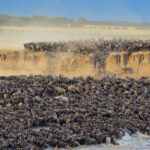
August through October attracts many travelers seeking potential Mara River crossings. Northern Serengeti becomes a major focus during this period.
Large herds may gather near riverbanks before crossing. Sometimes, movement begins suddenly. Thousands of wildebeest and zebras can rush through the water.
Strong currents, steep banks, and crocodiles create challenging conditions. However, no responsible safari company can guarantee a crossing.
Are Serengeti Migration Dates Exact? The answer remains no, even during peak crossing season. Travelers may wait for hours before animals move. Some groups may cross quickly, while others may change direction.
Therefore, patience remains essential during Serengeti Great Migration Safari experiences. Travelers should also enjoy the wider northern Serengeti ecosystem.
Serengeti Migration Dates From November to December
The Migration Returns South
November often brings the short rains across the Serengeti. Fresh grass encourages many herds to begin moving southward.
Some animals pass through central Serengeti before reaching southern grazing areas. Exact routes depend on rainfall and available vegetation.
December can provide beautiful green landscapes. The ecosystem gradually prepares for another calving season. Visitor numbers can also decrease compared with peak northern months.
However, Christmas and New Year can increase accommodation demand. Early planning remains useful during this holiday period.
These Serengeti Migration Dates suit travelers seeking changing landscapes and fewer crowds. They also provide opportunities to experience the migration’s continuous annual cycle.
Serengeti National Park Offers More Than Migration
Year-Round Wildlife Experiences
A Serengeti National Park Safari should never depend entirely on migration sightings. The park supports remarkable resident wildlife throughout the year.
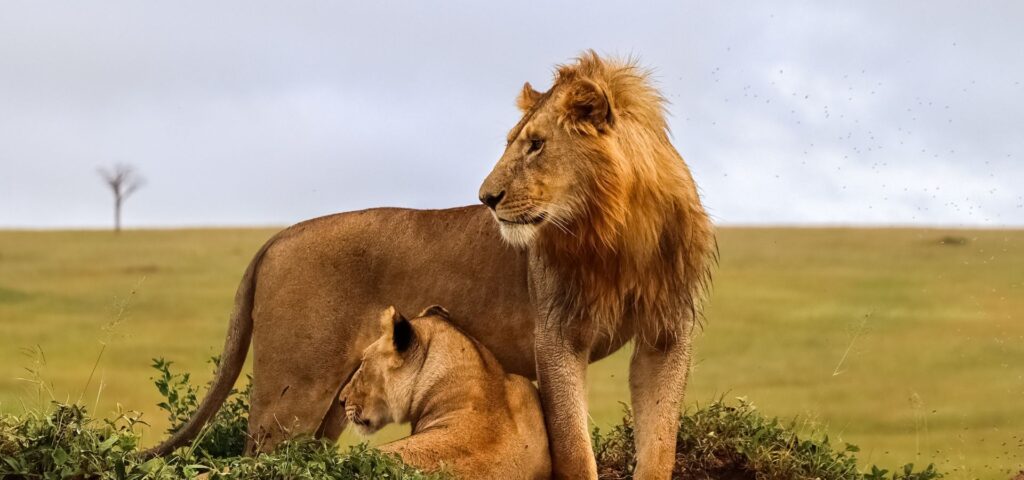
Lions occupy several habitats across the Serengeti. Elephants move through woodland and riverine areas. Buffalo gather across suitable grazing grounds.
Leopards require patience and careful observation. Guides often search trees, riverine areas, and dense vegetation. Black rhinos remain rare and highly protected.
Birdwatchers can also enjoy excellent opportunities. Raptors, ostriches, hornbills, storks, and smaller species add diversity to game drives.
Therefore, travelers can enjoy a rewarding Tanzania Wildlife Safari outside major migration concentrations. The Serengeti remains a complete wildlife destination in every season.
How to Plan Around Serengeti Migration Dates
Start With Your Main Safari Goal
First, decide which wildlife experience matters most. Calving requires different planning from Mara River crossings.
Photography may require longer stays in productive regions. Families may prefer comfortable lodges and shorter driving distances.
Luxury travelers can choose exclusive camps and fly-in connections. Budget travelers can consider road safaris and carefully selected accommodation.
Once your priorities become clear, Serengeti Migration Dates become easier to use. Your safari can then match your interests with seasonal wildlife patterns.
Allow Enough Time
A rushed safari can reduce wildlife opportunities. Nature does not follow a visitor’s timetable.
Multiple nights in suitable regions provide greater flexibility. Travelers can return to productive areas and observe changing wildlife behavior.
Longer stays also reduce constant packing and driving. Guests gain more time to enjoy their lodge and surrounding wilderness.
Therefore, migration-focused travelers should consider several nights in strategic areas.
Choosing the Right Safari Lodge
Location Matters
The location of your safari lodge can influence your experience significantly. A beautiful property may still sit far from seasonal wildlife concentrations.
Mobile camps can provide strategic access to migration areas. Their seasonal locations can bring travelers closer to moving herds.
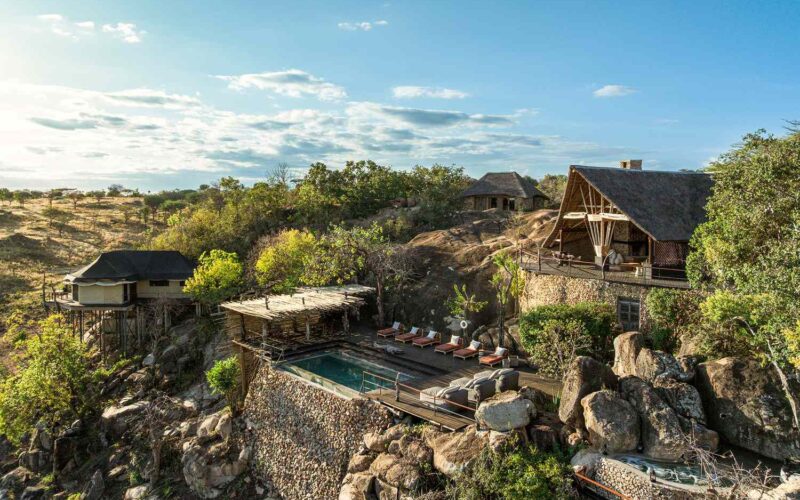
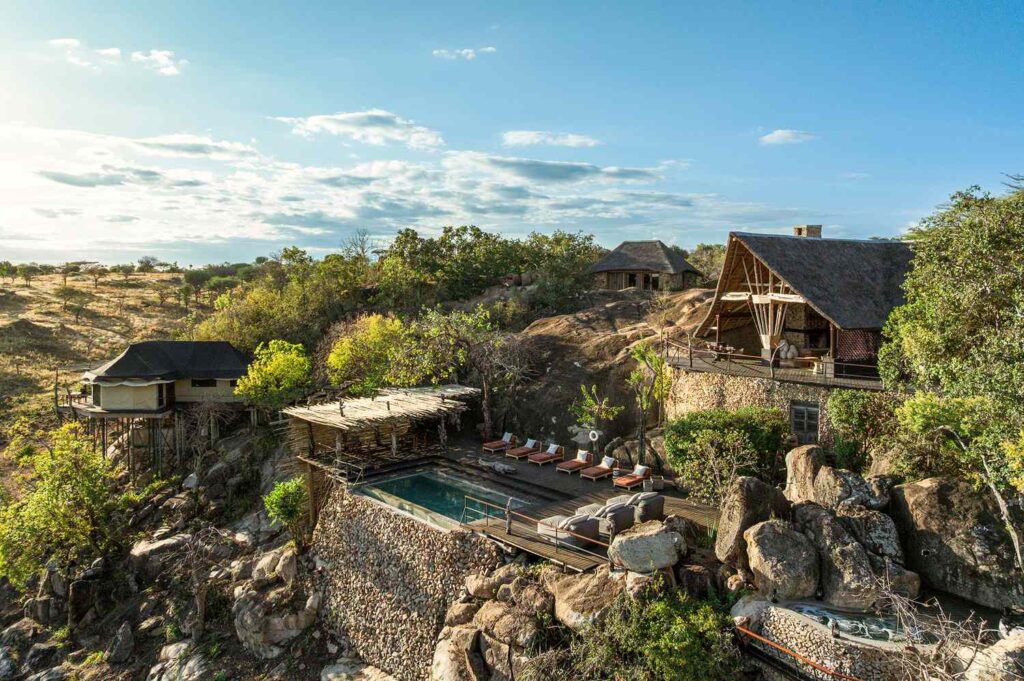
Permanent lodges provide consistent facilities and established locations. Central Serengeti properties can support year-round wildlife viewing.
Northern and southern lodges can suit specific migration seasons. Therefore, accommodation selection should consider both comfort and wildlife access.
Deks Africa Safaris and Tours Ltd can match accommodation with travel dates and safari objectives.
Cultural Experiences Around Serengeti Safari Lodges
Maasai Community Visits
A Serengeti Safari can include meaningful cultural experiences near suitable lodges. Maasai communities maintain strong traditions across northern Tanzania.
Travelers can explore traditional homes, pastoral lifestyles, crafts, music, and cultural practices. Local hosts should guide these experiences respectfully.
Community visits should support genuine interaction. Visitors should respect privacy, dignity, and local customs.
Traditional Music and Dance
Some communities offer traditional music and dance experiences. These activities introduce travelers to local cultural expression.
Responsible tourism should ensure that communities benefit from visitor participation. Cultural activities should create understanding rather than rushed entertainment.
Beadwork and Local Crafts
Local artisans create handmade crafts and traditional beadwork. Travelers can learn about designs, materials, and creative techniques.
Purchasing directly from artisans can support local livelihoods. These encounters add cultural depth to Tanzania Safaris.
Village and Community Projects
Selected itineraries can include village visits and community initiatives. Local guides can explain agriculture, education, livelihoods, and daily life.
Availability depends on the lodge and safari route. Therefore, travelers should request cultural experiences during itinerary planning.
Serengeti Migration Dates and Responsible Tourism
Protecting Wildlife
Responsible tourism remains essential throughout Great Migration Safaris. Vehicles should maintain suitable distances from wildlife.
Visitors should avoid loud behavior around animals. Feeding wildlife should never form part of a responsible safari.
Photography should also respect natural behavior. Patience creates better images without disturbing animals.
Supporting Communities
Tourism can support conservation, employment, and local economies. Travelers can strengthen this impact through responsible operators and community activities.
Cultural visits should respect local traditions. Photography should always consider personal preferences and consent.
Consequently, responsible tourism creates stronger experiences for travelers, wildlife, and communities.
Serengeti Migration Dates and Other Tanzania Destinations
Ngorongoro Crater provides a dramatic complement to Serengeti. The crater supports concentrated wildlife within a distinctive landscape.
Travelers can search for lions, elephants, buffalo, hyenas, and other species. The destination also supports important rhino populations.
Tarangire National Park
Tarangire offers a different landscape with elephants and iconic baobab trees. Birdwatching also adds value to the safari experience.
Combining Tarangire with Serengeti creates greater habitat diversity. Travelers can experience different ecosystems within one Tanzania itinerary.
Rwanda Gorilla Trekking and Gorilla Safaris
Combining East African Wildlife Experiences
Travelers seeking broader East African adventures can combine Tanzania with Rwanda. Rwanda Gorilla Trekking provides a completely different wildlife experience.
Volcanoes National Park offers opportunities to encounter mountain gorillas. Rwanda Gorilla Safaris focus on rainforest landscapes and close primate encounters.
Travelers can also consider Gorilla Trekking Safaris alongside Tanzania wildlife experiences. These combinations create diverse East African journeys.
However, each destination requires separate planning. Gorilla trekking follows different logistics from a Serengeti Safari. Therefore, travelers should allow sufficient time for permits, transfers, and activities.
Are Serengeti Migration Dates Exact?
The Honest Answer
Are Serengeti Migration Dates Exact? No. Serengeti Migration Dates provide seasonal guidance rather than guaranteed animal locations.
Rainfall and grazing conditions influence movement each year. Herd behavior also affects where animals gather and when they move.
River crossings remain especially unpredictable. A herd may approach a river and wait for hours. Another group may cross quickly without warning.
Therefore, no responsible safari company should guarantee a specific crossing on a specific date. Professional planning should communicate this reality clearly.
The best approach combines seasonal knowledge, flexible routes, suitable accommodation, and realistic expectations.
Safari Inclusions
- Airport transfers
- Safari vehicle
- Professional safari guide
- Accommodation
- Meals as scheduled
- Drinking water during game drives
- Game drives
- Park entry fees
- Government taxes where applicable
- Scheduled activities
- Emergency evacuation coverage where included
Safari Exclusions
- International flights
- Visa fees
- Travel insurance
- Personal expenses
- Alcoholic beverages
- Premium drinks
- Tips and gratuities
- Optional activities
- Hot Air Balloon Ride
- Laundry services
- Personal shopping
- Medical expenses
- Additional accommodation outside the itinerary
Final Thoughts on Serengeti Migration Dates
Are Serengeti Migration Dates Exact? No, but they remain essential planning tools for successful safaris.
The Great Wildlife Migration follows natural environmental conditions. Rainfall influences grass growth, while water availability affects animal movement.
Therefore, travelers should plan around experiences rather than fixed wildlife guarantees. Calving, predator activity, river crossings, landscapes, and quieter periods each require different strategies.
A Serengeti National Park Safari also offers exceptional experiences beyond migrating herds. Resident wildlife, birdlife, cultural encounters, and dramatic landscapes remain available throughout the year.
Combining Serengeti with other Tanzania Safaris can create a richer East African adventure. Travelers can also add Rwanda Gorilla Trekking for an unforgettable primate experience.
Most importantly, choose experienced safari planning that values honesty and responsible tourism. Good advice creates realistic expectations and stronger travel experiences.
Serengeti Migration Dates should guide your decisions, not control your expectations. Choose the right season, select the right region, and allow nature to shape your adventure.
Are Serengeti Migration Dates Exact? No. They represent a natural rhythm rather than a fixed schedule.
For travelers seeking authentic Great Migration Safaris, that uncertainty forms part of the magic. The Serengeti remains alive, unpredictable, and extraordinary.
Proposed East Africa Safari Holidays for the USA Travelers
- 9-Day Rwanda & Tanzania Luxury Wildlife Tour
- 10-Day Tanzania Safari Experience
- 9-Day Rwanda, Uganda & Tanzania Luxury Wildlife Safari
- 9-Day Rwanda Gorilla Trekking & Tanzania Safari
- 9-Day Tanzania Safari & Uganda Gorilla Trekking
- 10-Day Serengeti & Ngorongoro Crater Safari Experience
- 10-Day Tanzania and Rwanda Adventure Safari
- 11-Day Rwanda Uganda Tanzania Safari
- 20 Days Uganda, Tanzania, and Mafia Island Beach Safari
- 18 Days Uganda, Tanzania, and Mafia Island Beach Safari
- 14-Day Rwanda Uganda Tanzania Tour
- 14-Day Rwanda, Kenya, Tanzania & Beach Holiday
- 20-Day Rwanda Tanzania Zanzibar Safari Experience
- 16-Day Tanzania Safari & Rwanda Gorilla Trekking Experience
- 14 Days Kenya-Tanzania-Rwanda-Uganda Safari
- 24 Days Zanzibar-Uganda-Tanzania-Kenya Safari
- 5 Days Serengeti Great Migration Safari
- 6 Days Serengeti Great Migration Safari
- 7 Days Serengeti Great Migration Safari
- 8 Days Serengeti Great Migration Safari
- Hot Air Balloon serengeti
- 14 Days Uganda Tanzania and Kenya Safari
- What Should I Pack for a Tanzania Safari