Small Group Safaris to Serengeti National Park
August 25, 2026
Walking Safari Experiences Near the Serengeti
August 25, 2026The Best Serengeti National Park Areas for the Migration
The Best Serengeti National Park Areas for the Migration depend on season, rainfall, and herd movements. The Serengeti forms one of Africa’s greatest wildlife landscapes. Its open plains support vast herds, powerful predators, and remarkable birdlife. Tanzania National Parks describes the Great Migration as one of Serengeti’s defining attractions.
A successful Serengeti National Park Safari requires more than choosing the park. You need to select the right region for your travel dates. The Great Wildlife Migration Cycle follows changing rainfall and fresh grazing. Therefore, different Serengeti areas offer different experiences throughout the year.
This guide explores the Best Serengeti National Park Areas for the Migration in practical detail. It covers Ndutu, Southern Serengeti, Central Serengeti, Western Corridor, and Northern Serengeti. It also explains wildlife expectations and cultural experiences near each region. Finally, it provides useful planning advice for an unforgettable Serengeti Safari.
Why Location Matters on a Serengeti Safari
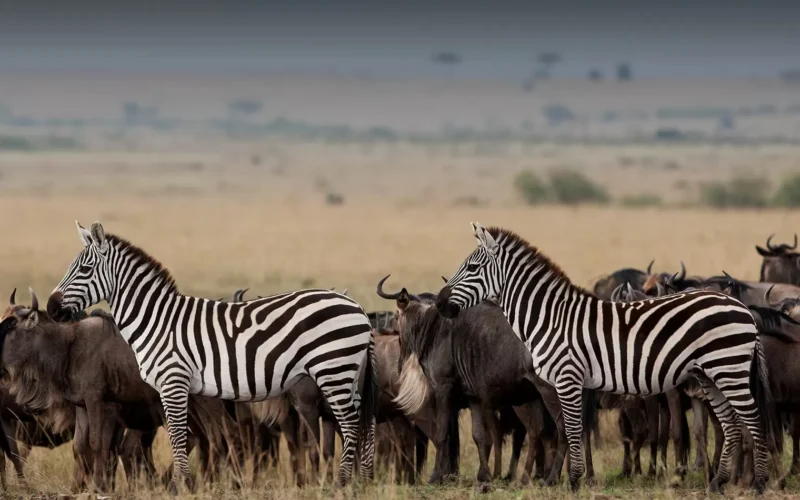
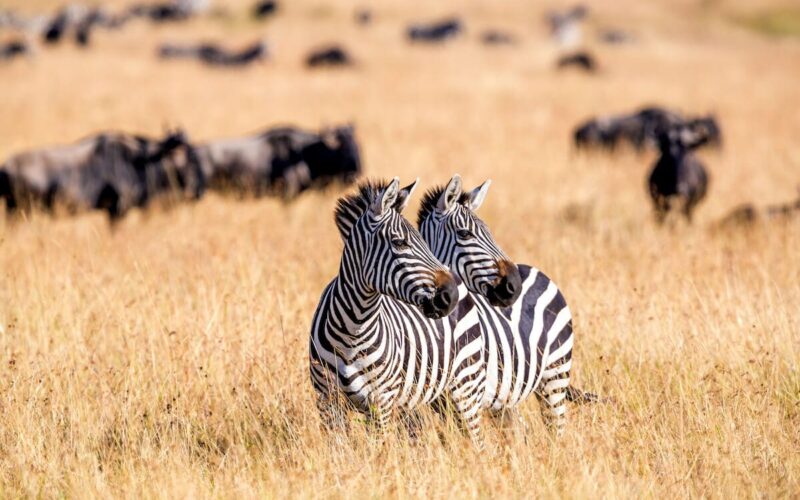
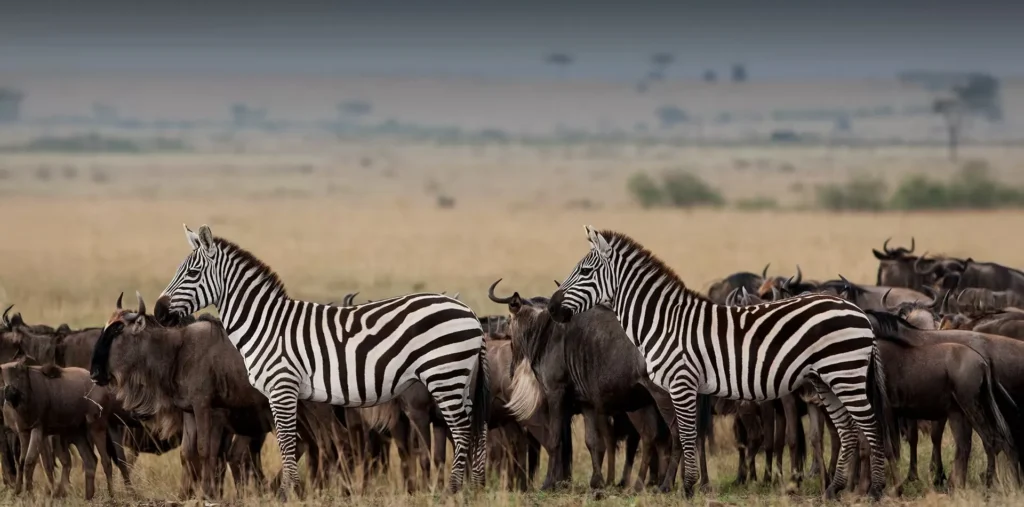
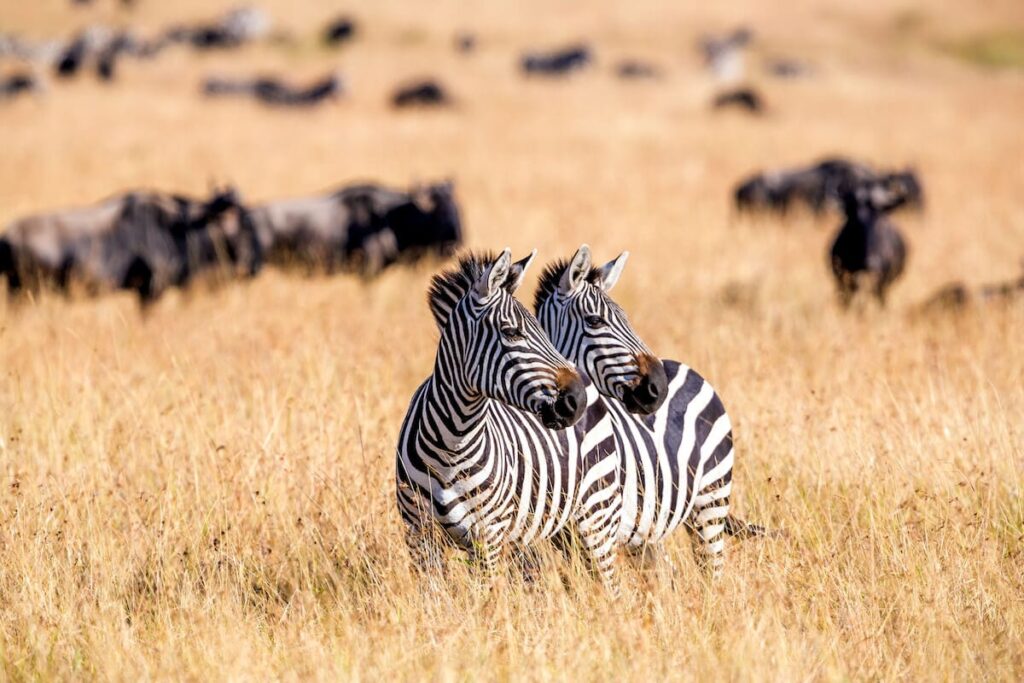
The Best Serengeti National Park Areas for the Migration change as the herds travel. Consequently, one region cannot guarantee the same spectacle throughout the year. More than one million wildebeest move alongside large numbers of zebra and gazelles.
Rainfall controls fresh grass, water availability, and herd movement. Therefore, experienced safari planning should follow ecological patterns. January and February usually offer exceptional calving opportunities. June and July can provide strong migration activity around the western areas. August and September often create opportunities for Mara River crossings.
However, nature never follows an exact calendar. Herds may arrive early, remain longer, or change direction. That uncertainty makes every Serengeti Great Migration Safari genuinely wild and unpredictable. A flexible itinerary therefore provides the strongest opportunity for memorable sightings.
Southern Serengeti and Ndutu: Calving Season
Southern Serengeti and the Ndutu plains rank among the Best Serengeti National Park Areas for the Migration during early-year months. This region becomes especially valuable from December through March. January and February often provide excellent opportunities to witness wildebeest calving.
Newborn Wildlife and Predator Action
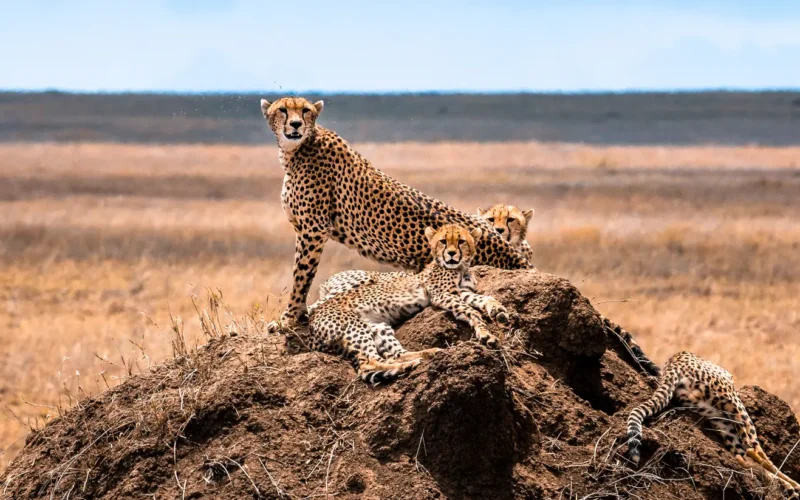
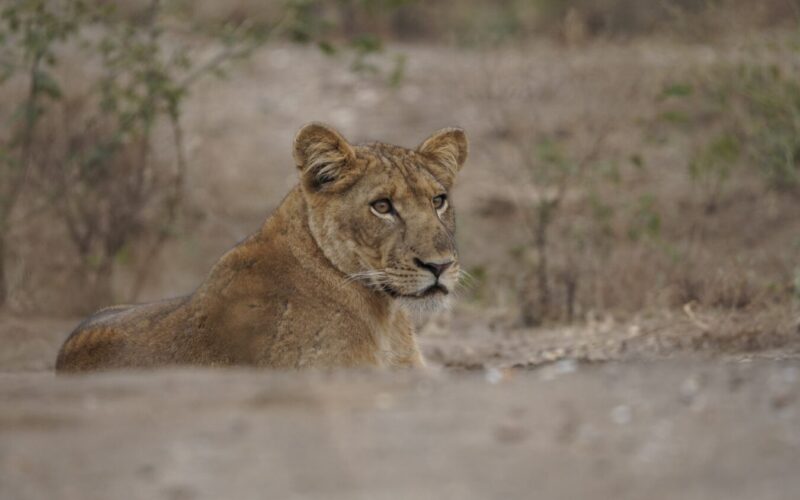
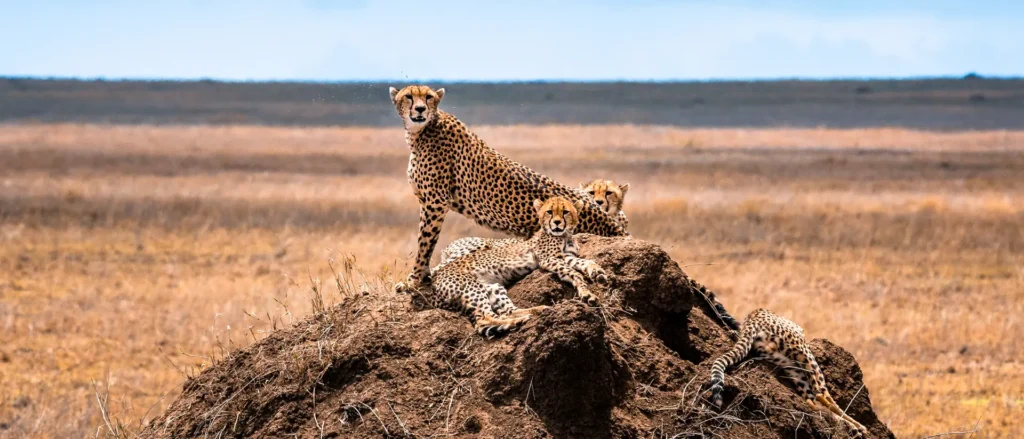
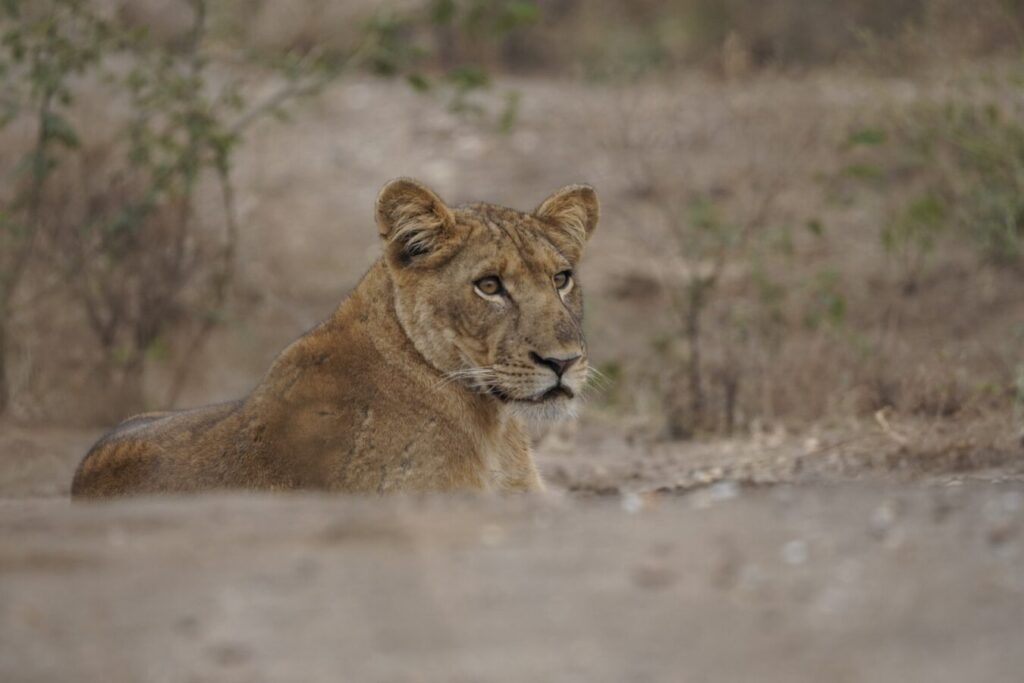
The short-grass plains create ideal conditions for large grazing herds. Thousands of newborn wildebeest can appear during the calving period. Such abundance also attracts lions, cheetahs, hyenas, and other predators.
A Great Migration Safaris itinerary during this period should focus on patience. Morning game drives often reveal mothers with young calves. Predator encounters can also become particularly intense around the herds.
The landscape offers excellent photographic opportunities as well. Golden grasslands, distant kopjes, wildlife, and dramatic skies create powerful safari scenes. For travellers seeking the emotional side of the Great Wildlife Migration, Ndutu provides an outstanding experience.
Central Serengeti and Seronera: Excellent Year-Round Wildlife
Central Serengeti remains one of the Best Serengeti National Park Areas for the Migration for travellers seeking broader wildlife experiences. Seronera provides strong opportunities for seeing resident predators throughout the year.
Big Cats and Diverse Wildlife
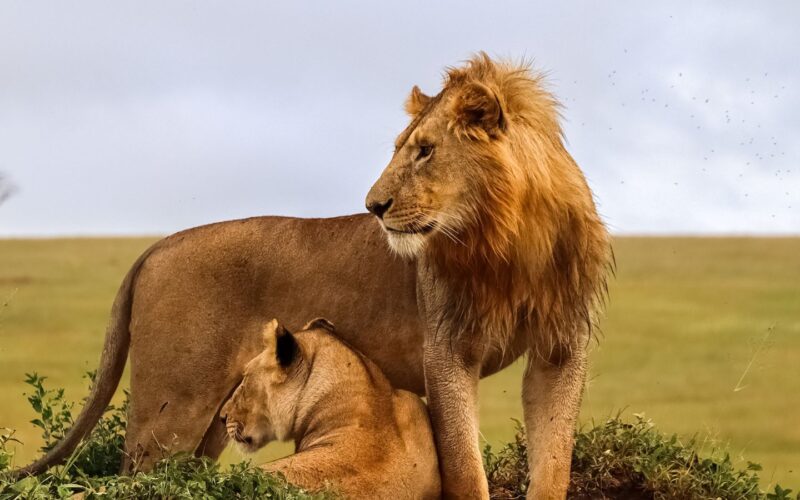
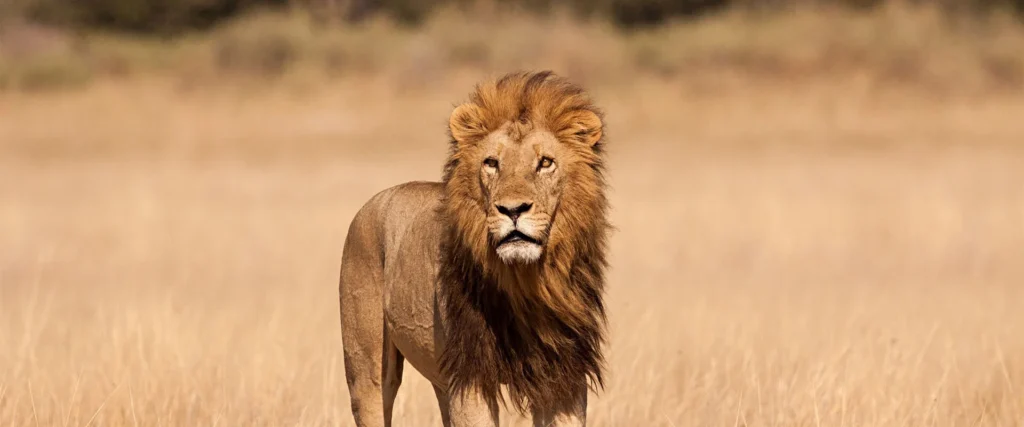
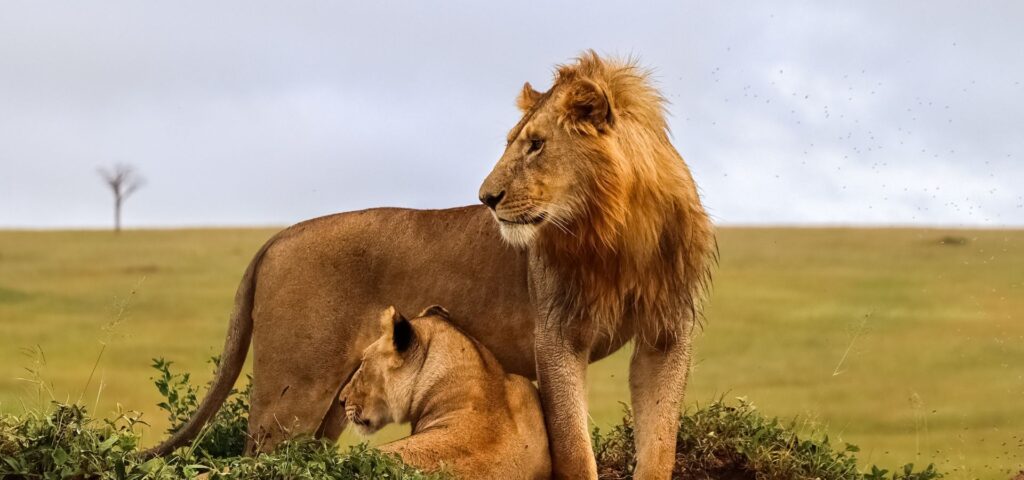
Lions, leopards, cheetahs, elephants, buffaloes, giraffes, hippos, and many antelope species inhabit this region. Consequently, Central Serengeti works well when migration timing remains uncertain.
The area also offers practical access to several safari routes. Visitors can combine migration viewing with general game drives. That combination makes Central Serengeti particularly suitable for first-time Tanzania travellers.
A Tanzania wildlife safaris itinerary can therefore include Seronera before moving north or west. This approach provides greater ecological variety. It also reduces dependence on one specific migration event.
13 Days Kenya Tanzania and Uganda Safari
Western Corridor and Grumeti River
The Western Corridor becomes important as migrating herds move north. The region generally becomes especially interesting around May and June. During this stage, the herds encounter the Grumeti River and surrounding woodlands.
Migration Along the Grumeti River
The Grumeti region provides a different experience from the southern plains. Here, travellers can encounter large herds moving through greener landscapes. Crocodiles also inhabit river systems along the migration route.
The Western Corridor can offer quieter safari experiences than some peak northern locations. Consequently, it suits travellers seeking wildlife encounters with fewer vehicles.
You can also combine game drives with cultural experiences outside the park. Local communities around the Serengeti provide opportunities to learn about traditional livelihoods. Depending on your route, cultural visits can include village walks, traditional crafts, storytelling, and community interactions.
Northern Serengeti and Kogatende: Mara River Country
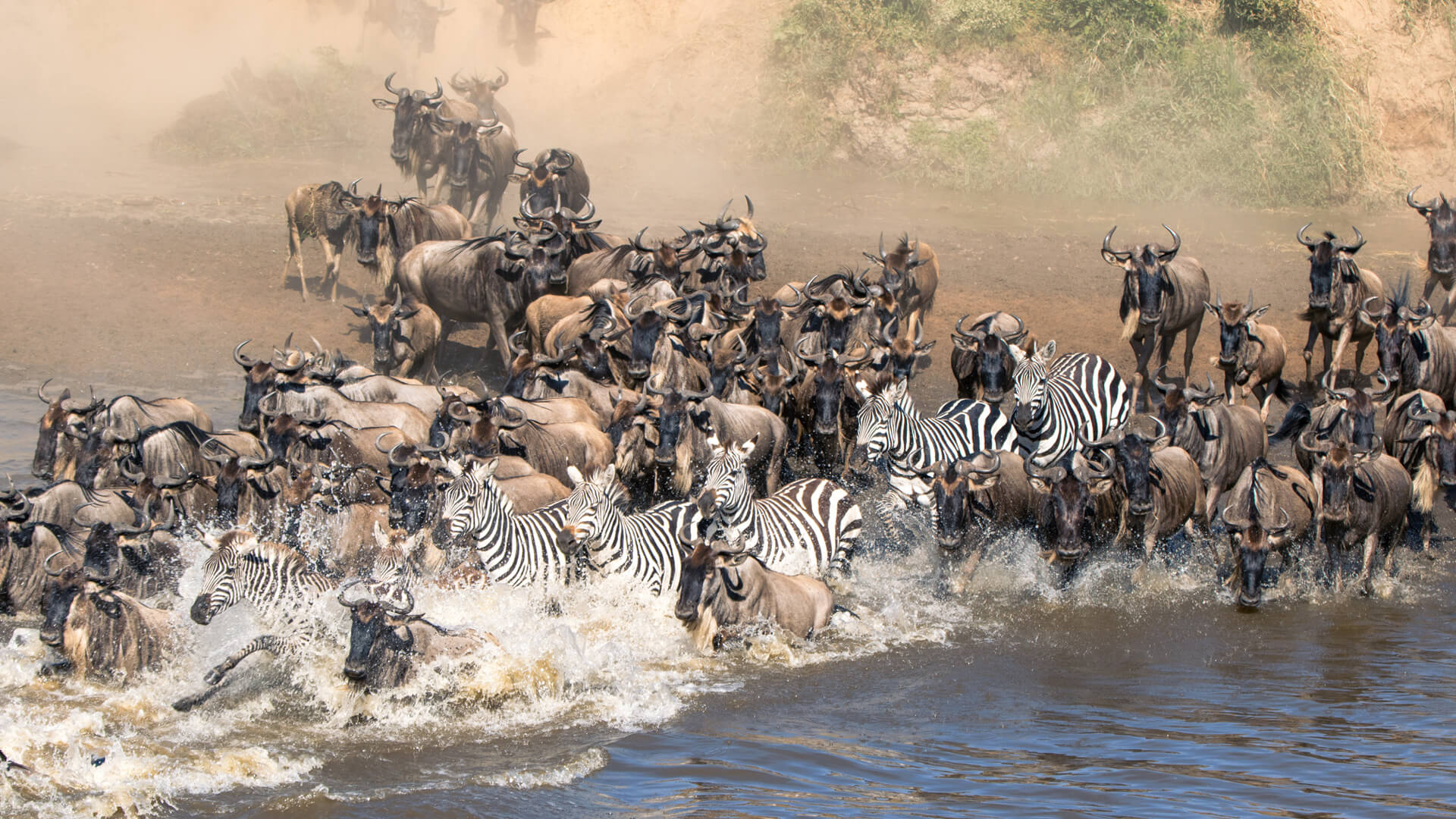
Northern Serengeti and Kogatende are among the Best Serengeti National Park Areas for the Migration during the northern migration period. July through October often provides strong opportunities for dramatic Mara River activity.
The Dramatic Mara River Crossings
The Mara River creates one of Africa’s most famous wildlife spectacles. Thousands of wildebeest may gather before attempting crossings. Their movement can create dust, noise, tension, and extraordinary photographic moments.
TANAPA maintains designated crossing points and specific vehicle management guidelines around the Mara River.
However, no responsible safari operator should promise a crossing. The animals decide when and where they move. Weather, river levels, predators, and herd behaviour all influence the event.
Therefore, the best Serengeti National Park Safari strategy involves spending several days in the northern region. More time increases your opportunities without forcing nature into a fixed schedule.
The Great Wildlife Migration Cycle
Understanding the Great Wildlife Migration Cycle helps travellers select the right Serengeti region. The movement generally follows rainfall and fresh grazing rather than fixed dates.
January to March
The herds concentrate around the southern plains and Ndutu area. Calving dominates this period. Predators also become highly active around vulnerable newborns.
April to June
The herds gradually move northward. Central and western regions become increasingly important. The Grumeti River can create memorable wildlife encounters.
July to October
Northern Serengeti becomes a major migration destination. Kogatende and the Mara River attract travellers seeking dramatic crossing opportunities.
November to December
The herds begin moving south again. Short rains encourage fresh vegetation across parts of the ecosystem. The cycle then prepares for another calving season.
This natural cycle makes Great Migration Safaris different from ordinary wildlife holidays. Every month offers a distinct ecological story.
Cultural Experiences Around Serengeti Safari Areas
A strong Tanzania safari should connect wildlife with local culture. The Serengeti region offers opportunities to experience communities living around this remarkable ecosystem.
Maasai Cultural Experiences
Travellers can arrange respectful visits to Maasai communities outside protected areas. Experiences may include traditional dances, cultural demonstrations, craft activities, and discussions about pastoral life.
These visits should support local communities directly. They should also respect photography preferences and cultural boundaries.
Local Village Experiences
Village visits provide another way to understand life around the Serengeti. Visitors can explore traditional homes, local food practices, farming activities, and handmade crafts.
Cultural experiences become more meaningful when travellers approach communities with curiosity and respect. Therefore, choose operators who prioritize responsible tourism and genuine community benefits.
Historical Experiences
The Serengeti landscape also contains historical attractions. Fort Ikoma provides an example of the region’s colonial history. TANAPA identifies the fort as a historical site near the Grumeti area.
Combining wildlife and heritage creates a more complete Tanzania travel experience. You experience the landscape, wildlife, people, and history together.
Choosing the Right Serengeti Region
Selecting among the Best Serengeti National Park Areas for the Migration depends on your priorities. Travellers seeking newborn animals should prioritize Ndutu and Southern Serengeti. Visitors seeking big cats throughout the year should consider Seronera.
Those targeting Grumeti activity should focus on the Western Corridor. Travellers dreaming of Mara River crossings should consider Northern Serengeti and Kogatende.
Match Your Dates With Your Goal
Your travel dates should determine your route. Do not select a lodge first and then expect the migration to appear nearby.
Instead, identify your desired experience first. Then select the appropriate region and accommodation. This approach improves both wildlife opportunities and overall safari value.
For example, a traveller visiting in February should prioritize calving areas. Someone travelling in September should consider Northern Serengeti. A flexible traveller can combine multiple regions for broader coverage.
Serengeti Safari Accommodation Strategy
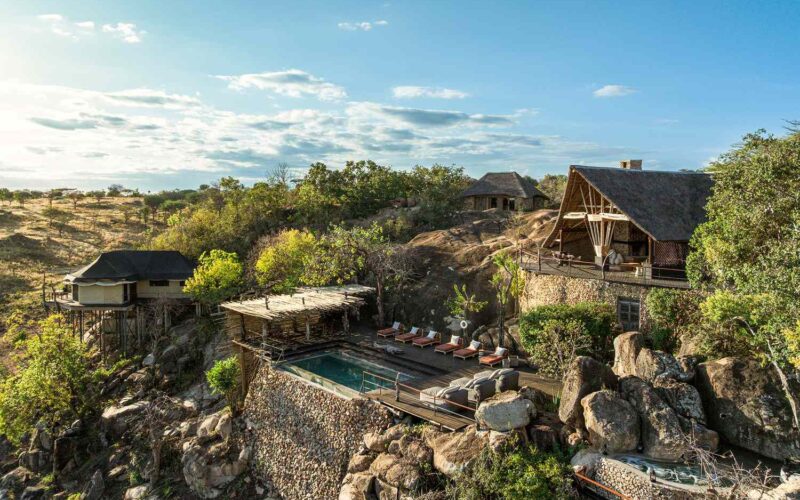
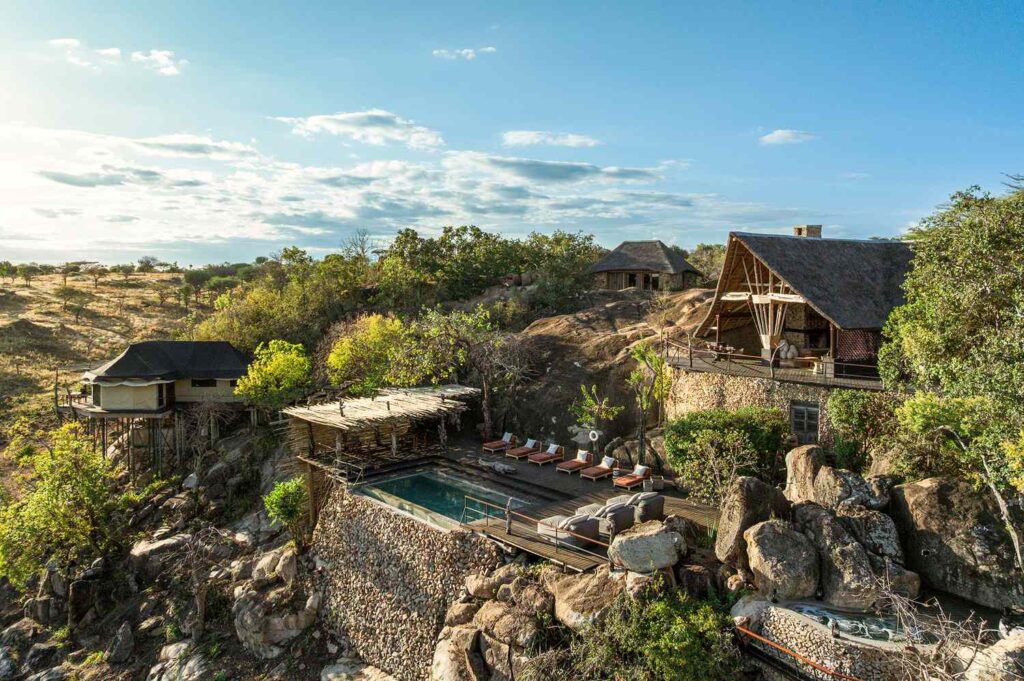
Accommodation location matters greatly during migration trips. Staying close to wildlife movement reduces unnecessary driving time. It also gives you more opportunities for longer game drives.
Mobile camps can provide excellent flexibility during migration seasons. Permanent lodges can offer comfort and strong year-round wildlife access. The best choice depends on budget, travel style, dates, and preferred experience.
Lodge-Based Cultural Experiences
Many safari lodges can help arrange community experiences around their operating areas. These may include village visits, cultural performances, local craft demonstrations, and guided community walks.
Ask your safari operator about community partnerships before booking. Responsible tourism should create value for both travellers and host communities.
Combining Serengeti with Other Tanzania Safaris
The Serengeti works exceptionally well within broader Tanzania Safaris. You can combine it with Ngorongoro Conservation Area, Tarangire National Park, and Lake Manyara.
A longer northern circuit also provides greater ecological diversity. Tarangire offers strong elephant viewing and distinctive baobab landscapes. Ngorongoro provides dramatic crater scenery and dense wildlife concentrations.
Travellers interested in East African primates can also extend their journey beyond Tanzania. For example, Bwindi Gorilla Trekking in Uganda provides a completely different wildlife experience. Combining Tanzania wildlife with Uganda’s mountain forests creates a powerful East African safari.
Practical Planning Tips for Great Migration Safaris
Start planning early when travelling during peak migration months. Northern Serengeti accommodation can become highly sought after during the river-crossing season.
Allow several days in your target region whenever possible. One night creates limited opportunities for natural events. Three or more nights provide greater flexibility.
Choose experienced guides who understand seasonal wildlife movements. Good guides read animal behaviour, weather patterns, tracks, and changing vegetation.
Furthermore, avoid operators who guarantee specific wildlife events. No ethical professional can guarantee a river crossing. Reliable safari planning combines expertise with realistic expectations.
Safari Inclusions
- Airport transfers
- Private safari vehicle
- Professional English-speaking safari guide
- Accommodation
- Meals as stated in the itinerary
- Park entrance fees
- Game drives
- Safari activities stated in the itinerary
- Drinking water
- Government taxes
- Ranger fees where applicable
Safari Exclusions
- International flights
- Tanzania visa
- Travel insurance
- Personal expenses
- Alcoholic beverages
- Laundry services
- Tips
- Optional activities
- Personal shopping
- Extra accommodation
- Balloon safari
- Items not listed under inclusions
Final Thoughts on the Best Serengeti National Park Areas for the Migration
The Best Serengeti National Park Areas for the Migration change throughout the year. Ndutu excels during calving season. Seronera provides dependable wildlife viewing. The Western Corridor offers Grumeti migration experiences. Northern Serengeti delivers opportunities for Mara River encounters.
Therefore, successful Serengeti Safari planning begins with timing. Your travel month should guide your destination within the park. Your wildlife interests should then shape your accommodation and itinerary.
A well-designed Serengeti Great Migration Safari does more than chase herds. It introduces travellers to a living ecosystem shaped by rainfall, grass, predators, rivers, and people.
Ultimately, the Best Serengeti National Park Areas for the Migration provide different chapters within one extraordinary natural cycle. Choose your region carefully, allow enough time, and travel with realistic expectations.
The Serengeti rewards patience, preparation, and professional guidance. With the right planning, your Tanzania Safaris journey can become an authentic African wildlife experience.
Proposed East Africa Safari Holidays for the USA Travelers
- 9-Day Rwanda & Tanzania Luxury Wildlife Tour
- 10-Day Tanzania Safari Experience
- 9-Day Rwanda, Uganda & Tanzania Luxury Wildlife Safari
- 9-Day Rwanda Gorilla Trekking & Tanzania Safari
- 9-Day Tanzania Safari & Uganda Gorilla Trekking
- 10-Day Serengeti & Ngorongoro Crater Safari Experience
- 10-Day Tanzania and Rwanda Adventure Safari
- 11-Day Rwanda Uganda Tanzania Safari
- 20 Days Uganda, Tanzania, and Mafia Island Beach Safari
- 18 Days Uganda, Tanzania, and Mafia Island Beach Safari
- 14-Day Rwanda Uganda Tanzania Tour
- 14-Day Rwanda, Kenya, Tanzania & Beach Holiday
- 20-Day Rwanda Tanzania Zanzibar Safari Experience
- 16-Day Tanzania Safari & Rwanda Gorilla Trekking Experience
- 14 Days Kenya-Tanzania-Rwanda-Uganda Safari
- 24 Days Zanzibar-Uganda-Tanzania-Kenya Safari
- 5 Days Serengeti Great Migration Safari
- 6 Days Serengeti Great Migration Safari
- 7 Days Serengeti Great Migration Safari
- 8 Days Serengeti Great Migration Safari
- Hot Air Balloon serengeti
- 14 Days Uganda Tanzania and Kenya Safari
- What Should I Pack for a Tanzania Safari