The Best Serengeti National Park Areas for the Migration
August 25, 2026
Wildlife Photography Tips for Serengeti Safaris
August 25, 2026Walking Safari Experiences Near the Serengeti
Walking Safari Experiences Near the Serengeti provide a deeper connection with Tanzania’s extraordinary wilderness. Instead of viewing nature only from a safari vehicle, you explore the bush on foot. Every step reveals smaller details that often escape traditional game drives. Animal tracks, bird calls, insects, plants, rocks, and natural smells become part of the experience.
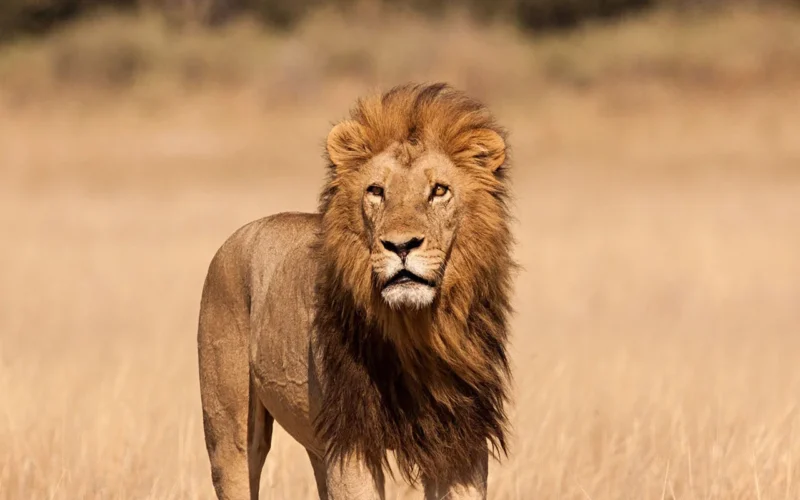
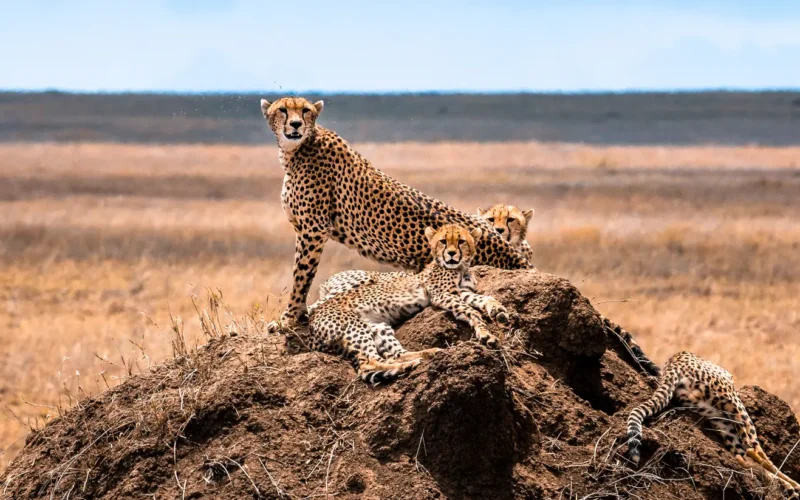
The Serengeti National Park offers one of Africa’s most remarkable wildlife landscapes. Its endless plains support lions, elephants, leopards, cheetahs, giraffes, buffaloes, zebras, and wildebeest. Walking experiences add another dimension to this ecosystem. You learn how animals move, feed, communicate, and survive in changing environments.
Moreover, walking safaris can complement a Serengeti National Park Safari perfectly. Morning walks can introduce travelers to the bush before traditional game drives begin. Sunset walks can provide peaceful opportunities to observe landscapes and birdlife. Multi-day walking adventures can create a stronger wilderness connection.
At Deks Africa Safaris and Tours Ltd, we value authentic experiences that connect travelers with Africa. Therefore, Walking Safari Experiences Near the Serengeti form an excellent addition to carefully planned Tanzania Safaris.
Why Choose Walking Safari Experiences Near the Serengeti?
Experience the Bush Differently
Walking changes the way you experience the African wilderness. A vehicle gives you distance and mobility. Walking gives you intimacy and awareness.
You notice footprints crossing dusty trails. Nearby birds may reveal the presence of predators. Fresh dung can provide clues about passing elephants. Broken branches can also reveal recent animal movement.
Consequently, walking safaris develop your understanding of wildlife beyond photography. You begin reading the landscape through signs, sounds, and smells.
This experience suits travelers seeking more than conventional sightseeing. It also appeals to photographers, nature enthusiasts, birdwatchers, and adventure travelers.
Furthermore, walking encourages slower exploration. Guides can explain plants, insects, geology, animal behavior, and traditional wilderness knowledge.
Short Walking Experiences Near the Serengeti
Buffer Zone Nature Walks
Short nature walks provide an accessible introduction to walking safaris. These excursions usually operate around areas bordering the main Serengeti ecosystem.
Local guides can add valuable cultural knowledge during these walks. Some experiences include Maasai guides who explain traditional relationships with nature.
Walks often last several hours and usually begin early. Morning temperatures remain comfortable, while wildlife activity can remain high.
The experience focuses on nature interpretation rather than pursuing large animals. Therefore, travelers should approach these walks with realistic expectations.
You may encounter birds, antelope, tracks, insects, plants, and other smaller wildlife. Larger animals may appear from a safe distance.
Multi-Day Walking Safari Adventures
Mobile Wilderness Camps
Multi-day walking safaris provide a more immersive wilderness experience. Small mobile camps move through selected areas according to the itinerary.
These expeditions emphasize simplicity, exploration, and close contact with nature. Days can include long walks through plains, woodlands, valleys, and rocky landscapes.
Evenings bring a different atmosphere around the wilderness camp. Travelers can enjoy dinner, storytelling, and peaceful views beneath African skies.
Mobile walking camps can also reach quieter areas away from busy safari routes. This creates a stronger sense of solitude and adventure.
However, these experiences require reasonable fitness and preparation. Travelers should discuss walking distances with their safari operator before departure.
Specialized Wilderness Trails
Discover Smaller Details
Specialized trails focus on ecological details often missed during vehicle safaris. Guides can explain animal tracks, plants, insects, birds, and geological formations.
Serengeti landscapes include distinctive granite kopjes and expansive grasslands. These rocky formations provide important habitats for wildlife.
Walking around kopjes can reveal lizards, birds, plants, and signs of larger animals. Acacia woodlands also provide interesting opportunities for ecological interpretation.
Additionally, guides can explain how seasonal rainfall influences vegetation. Grass growth affects herbivore movement and predator distribution.
This knowledge helps travelers understand the ecosystem as a connected system. Every plant, animal, water source, and landscape feature has an important role.
Tanzania Safari and Bwindi Gorilla Trekking
Best Time for Walking Safari Experiences
Dry Season
The dry season can provide excellent walking conditions in many Serengeti areas. Trails often become easier to navigate during periods of limited rainfall.
Wildlife may also gather around remaining water sources. Consequently, guides can identify numerous tracks and signs along established routes.
However, temperatures can become high during the middle of the day. Early morning walks therefore provide better comfort and wildlife activity.
Green Season
The green season transforms the Serengeti landscape. Fresh grass covers the plains, while wildflowers and vegetation create beautiful scenery.
Bird activity can also increase during wetter months. Migratory birds may add further interest for birdwatchers.
Walking during this period requires suitable footwear and flexible planning. Rain can make some trails muddy or difficult.
Walking During the Great Wildlife Migration
Understanding the Migration Cycle
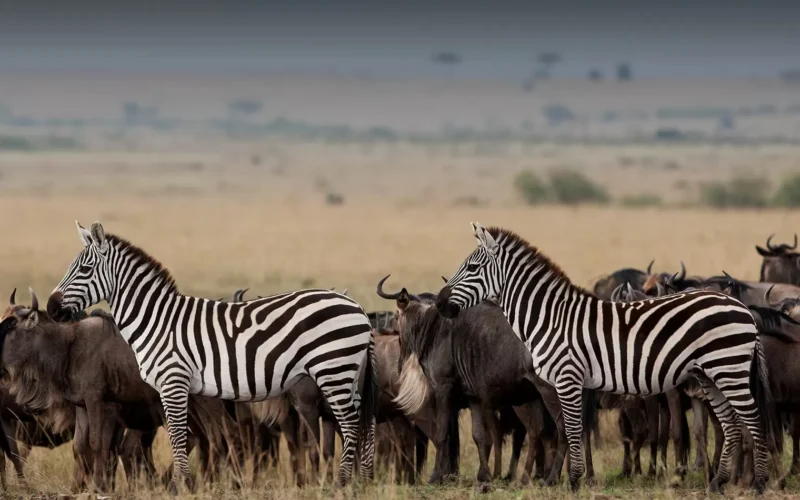
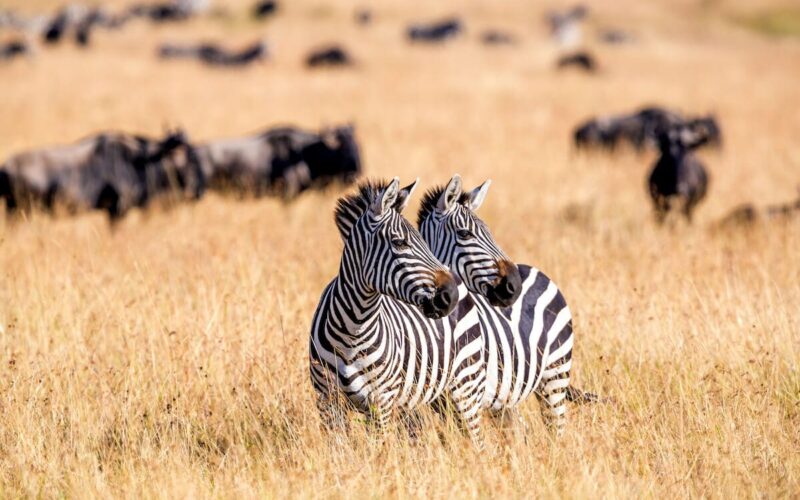
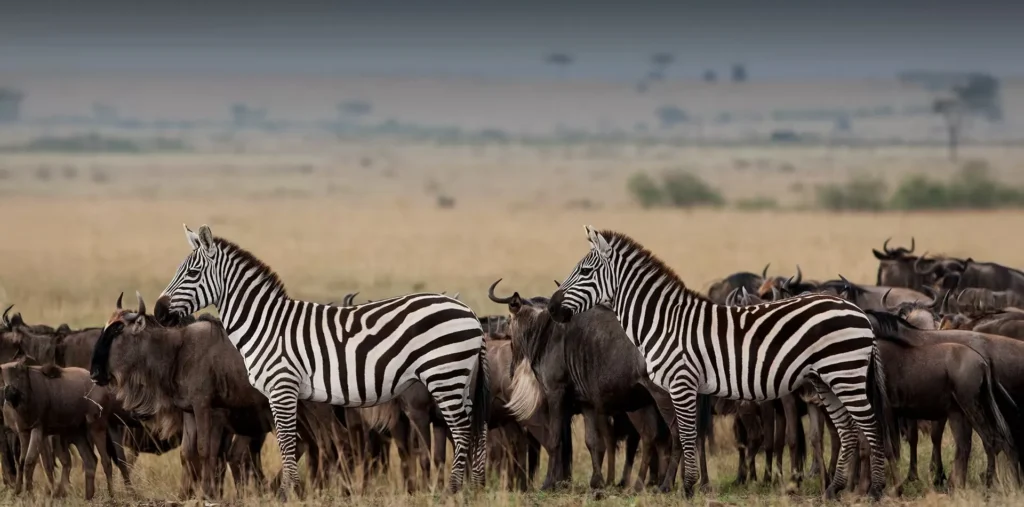
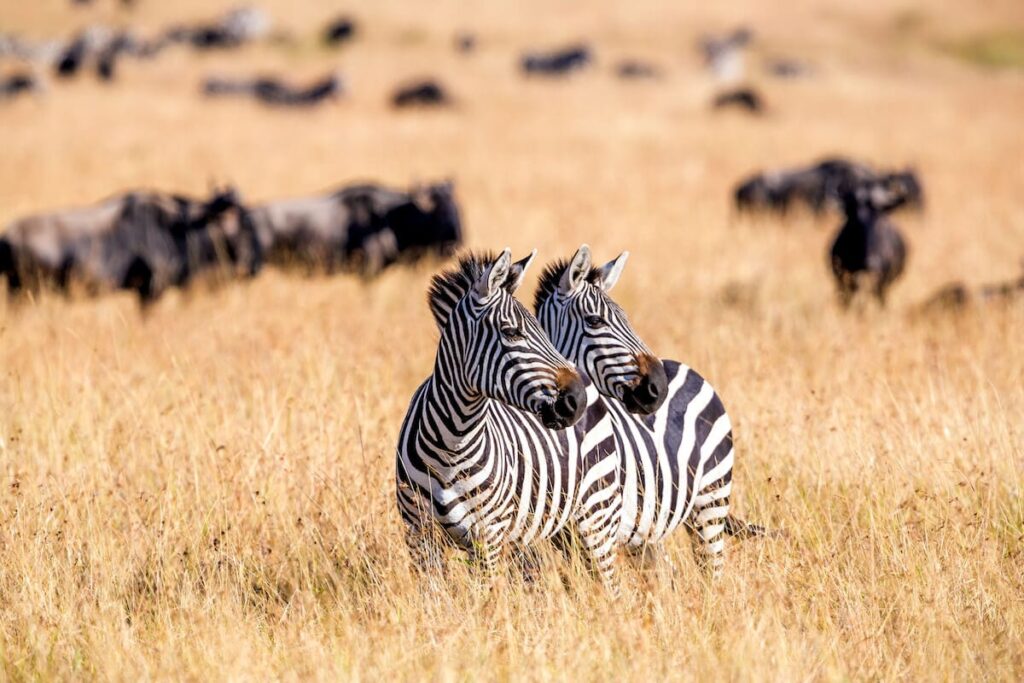
The Great Wildlife Migration follows rainfall, fresh grazing, and water availability. Millions of wildebeest and large numbers of zebras participate in this remarkable movement.
The Great Wildlife Migration Cycle changes throughout the year. Southern Serengeti usually attracts large herds during the calving period.
Later, the herds move toward western and northern grazing areas. Their movement creates different safari opportunities across the ecosystem.
Walking safaris should never focus solely on finding migrating herds. The experience emphasizes the broader ecosystem and its natural signs.
A Serengeti Great Migration Safari can combine walking with game drives. This combination provides both intimate exploration and extensive wildlife viewing.
Safety During Walking Safari Experiences Near the Serengeti
Professional Guides and Rangers
Safety remains the most important consideration during any walking safari. Professional guides understand wildlife behavior and wilderness conditions.
Many walking experiences also operate with authorized ranger support. Rangers provide additional security and help manage encounters with wildlife.
Participants must follow every guide instruction carefully. Staying together protects the group and reduces unnecessary risks.
Walking routes should always follow approved regulations and operating procedures. Guides also assess weather, animal activity, and terrain before each excursion.
Travelers should never leave the group without permission. They should also avoid loud noises and sudden movements.
What Should You Wear?
Practical Safari Clothing
Comfortable clothing improves your walking experience. Choose lightweight, breathable shirts and trousers for daytime activities.
Neutral colors can help you blend naturally into the environment. Avoid bright clothing that may distract wildlife or fellow travelers.
Strong walking shoes or hiking boots provide better support on uneven terrain. Socks should remain comfortable during longer walks.
A wide-brimmed hat provides useful protection from direct sunlight. Sunglasses and sunscreen also help during exposed walks.
Carry a small backpack for water, binoculars, personal items, and camera equipment. Your guide can advise you about additional equipment.
Cultural Experiences Around Your Safari Lodge
Maasai Community Visits
Cultural experiences can complement Walking Safari Experiences Near the Serengeti. Maasai communities provide opportunities to understand local traditions and livelihoods.
Visitors can learn about traditional homes, clothing, livestock, crafts, and community practices. Some programs also include cultural performances and storytelling.
Respectful interaction remains essential during community visits. Travelers should always follow local photography guidelines and community rules.
Traditional Beadwork
Maasai beadwork represents an important cultural art form. Visitors can observe traditional designs and learn about their cultural significance.
Purchasing authentic crafts can also support community-based tourism initiatives. This creates a direct connection between tourism and local livelihoods.
Traditional Food Experiences
Selected lodges and community programs provide opportunities to experience local cuisine. Food can introduce travelers to regional ingredients and cooking traditions.
Trying traditional dishes adds another layer to your safari experience. It also encourages meaningful cultural exchange between visitors and host communities.
Walking Safari and Birdwatching
Discover Serengeti Birdlife
Walking provides excellent opportunities for birdwatching. You move slowly and quietly through different habitats.
The Serengeti supports numerous bird species throughout the year. Grasslands, woodlands, wetlands, and rocky areas attract different species.
Guides can help identify calls, nesting sites, feeding behavior, and distinctive markings. Binoculars therefore become valuable companions during walking excursions.
Birdwatchers can also combine walking experiences with dedicated birding activities. This creates a more comprehensive Tanzania wildlife safaris experience.
Combining Walking Safaris with Game Drives
The Best of Both Experiences
A walking safari should complement traditional game drives. Vehicles allow travelers to cover larger distances and explore wider areas.
Game drives provide excellent opportunities for observing large mammals. Lions, elephants, cheetahs, leopards, buffaloes, and giraffes remain major attractions.
Walking provides a different perspective. You focus on tracks, plants, birds, insects, landscapes, and animal behavior.
Combining both experiences therefore creates a balanced safari. You experience the Serengeti from multiple perspectives.
For travelers planning Great Migration Safaris, this combination can provide exceptional flexibility. It also creates more opportunities for photography and ecological learning.
Who Can Enjoy Walking Safari Experiences Near the Serengeti?
Fitness and Age Considerations
Walking safaris suit active travelers who enjoy outdoor exploration. However, fitness requirements vary between operators and walking programs.
Short walks can suit many travelers with moderate fitness. Multi-day trails require greater stamina because participants may walk for several hours.
Age restrictions also vary according to operator policies and safety requirements. Families should confirm requirements before booking.
Travelers with mobility concerns should discuss their needs during itinerary planning. A professional safari company can recommend suitable experiences.
Responsible Walking Safaris
Protecting the Serengeti Ecosystem
Responsible tourism protects the landscapes that attract travelers. Walking groups should follow designated routes and avoid damaging vegetation.
Visitors should never remove plants, rocks, feathers, or other natural objects. Waste should also remain properly managed throughout the safari.
Responsible travelers maintain safe distances from wildlife. They also avoid feeding animals or attempting to attract them.
Supporting local guides and community tourism programs can strengthen conservation benefits. Tourism can provide valuable incentives for protecting wildlife habitats.
Deks Africa Safaris and Tours Ltd promotes tourism that respects nature and local communities. We believe memorable adventures should also support Africa’s long-term conservation goals.
Planning Your Serengeti Walking Safari
Choose the Right Experience
Start by deciding whether you prefer a short nature walk or multi-day adventure. Your available time, fitness, interests, and budget should guide this decision.
Next, select accommodation close to your preferred walking area. Convenient accommodation reduces unnecessary transfers and provides more time for activities.
Consider the season carefully when planning your journey. Migration patterns, weather, wildlife movements, and road conditions can influence your experience.
Finally, combine walking with game drives for broader wildlife coverage. This approach creates a complete and rewarding Serengeti Safari.
Safari Inclusions
- Airport transfers
- Accommodation
- Meals
- Professional safari guide
- Safari vehicle
- Serengeti National Park fees
- Walking safari
- Ranger support where required
- Game drives
- Drinking water
- Cultural experience
- Government taxes
- Safari planning services
Safari Exclusions
- International flights
- Tanzania visa
- Travel insurance
- Personal expenses
- Tips
- Alcoholic drinks
- Laundry
- Souvenirs
- Medical expenses
- Optional activities
- Additional accommodation
- Items not listed under inclusions
Why Choose Deks Africa Safaris and Tours Ltd?
Deks Africa Safaris and Tours Ltd creates carefully planned African wildlife experiences. Our approach combines destination expertise, responsible tourism, and personalized safari planning.
We understand that international travelers need reliable information before making travel decisions. Therefore, our safari planning focuses on clear communication and practical destination guidance.
Our knowledge extends across East African safari destinations and wildlife experiences. We can combine Serengeti adventures with other iconic African destinations.
Travelers interested in Bwindi Gorilla Trekking can extend their East African journey into Uganda. This creates an opportunity to combine Tanzania’s plains with Uganda’s rainforest.
A carefully designed safari can also include cultural experiences, birdwatching, photography, and conservation activities. Such combinations create deeper connections with Africa.
Final Thoughts about Walking Safari Experiences Near the Serengeti
Walking Safari Experiences Near the Serengeti provide an intimate way to understand Africa’s wilderness. Every trail introduces new sounds, tracks, plants, birds, and landscapes.
Unlike traditional vehicle safaris, walking encourages slower observation. You become more aware of your surroundings and the details beneath your feet.
The experience becomes even stronger when combined with game drives. Together, these activities create a balanced Serengeti National Park Safari.
Travelers visiting during migration periods can also combine walking with Great Migration Safaris. However, wildlife movements remain natural and seasonal.
Ultimately, Walking Safari Experiences Near the Serengeti offer adventure, education, and meaningful wilderness connection. They allow you to experience the Serengeti beyond conventional wildlife viewing.
For travelers seeking authentic Tanzania Safaris, walking creates an exceptional addition to the itinerary. Walking Safari Experiences Near the Serengeti can transform your journey into a deeper exploration of nature.
The experience also supports broader understanding of the Great Wildlife Migration Cycle. Each landscape reveals another part of this extraordinary ecosystem.
Choose Walking Safari Experiences Near the Serengeti when you want more than a traditional game drive. Choose them when you want to slow down, explore, learn, and connect.
Walking Safari Experiences Near the Serengeti remain a powerful way to discover Tanzania’s wilderness. With expert planning from Deks Africa Safaris and Tours Ltd, your African adventure can become both memorable and meaningful.
Proposed East Africa Safari Holidays for the USA Travelers
- 9-Day Rwanda & Tanzania Luxury Wildlife Tour
- 10-Day Tanzania Safari Experience
- 9-Day Rwanda, Uganda & Tanzania Luxury Wildlife Safari
- 9-Day Rwanda Gorilla Trekking & Tanzania Safari
- 9-Day Tanzania Safari & Uganda Gorilla Trekking
- 10-Day Serengeti & Ngorongoro Crater Safari Experience
- 10-Day Tanzania and Rwanda Adventure Safari
- 11-Day Rwanda Uganda Tanzania Safari
- 20 Days Uganda, Tanzania, and Mafia Island Beach Safari
- 18 Days Uganda, Tanzania, and Mafia Island Beach Safari
- 14-Day Rwanda Uganda Tanzania Tour
- 14-Day Rwanda, Kenya, Tanzania & Beach Holiday
- 20-Day Rwanda Tanzania Zanzibar Safari Experience
- 16-Day Tanzania Safari & Rwanda Gorilla Trekking Experience
- 14 Days Kenya-Tanzania-Rwanda-Uganda Safari
- 24 Days Zanzibar-Uganda-Tanzania-Kenya Safari
- 5 Days Serengeti Great Migration Safari
- 6 Days Serengeti Great Migration Safari
- 7 Days Serengeti Great Migration Safari
- 8 Days Serengeti Great Migration Safari
- Hot Air Balloon serengeti
- 14 Days Uganda Tanzania and Kenya Safari
- What Should I Pack for a Tanzania Safari