
7-Day Serengeti National Park Fly-In Safari Experience (Tanzania)
How to Spend 1 Week in Serengeti National Park – Tanzania?
A journey through the iconic ecosystem of the Serengeti defines the essence of Africa wildlife exploration. This 7-Day Serengeti National Park Fly-In Safari itinerary delivers unmatched access to one of the world’s greatest safari destinations. It immerses travelers into the heart of the legendary ecosystem of the Serengeti National Park in Tanzania.
This 7-Day Serengeti National Park Fly-In Safari experience focuses on high-value wildlife encounters, seasonal migration tracking, and luxury bush living. It also connects travelers with authentic cultural immersion near safari camps and surrounding communities. Moreover, the itinerary reflects expertise in Africa tourism planning and modern safari logistics.
Deks Africa Safaris & Tours Ltd designs this journey for global travelers seeking authority-driven safari planning, ethical wildlife experiences, and immersive adventure storytelling. Every segment of this itinerary aligns with prioritizing safety, authenticity, and destination expertise.
The 7-Day Serengeti National Park Fly-In Safari structure splits the week between central predator-rich plains and seasonal migration zones. Therefore, travelers maximize wildlife diversity while minimizing long road transfers. Additionally, fly-in and fly-out logistics enhance comfort and maximize time in the wild.
The Ultimate Tanzania Safari Immersion in Serengeti Ecosystem
A 7-Day Serengeti National Park Fly-In Safari in the Serengeti region delivers one of the most powerful wildlife spectacles on Earth. Vast plains stretch endlessly across northern Tanzania, supporting millions of animals and apex predators. This 7-day itinerary provides a structured yet flexible exploration of seasonal wildlife movements.
The 7-Day Serengeti National Park Fly-In Safari journey begins with a direct flight into Serengeti airstrips, removing long-distance road fatigue. Consequently, travelers immediately engage with game drives on arrival day. The itinerary emphasizes central Serengeti ecosystems before transitioning into migration corridors depending on the travel season.
Wildlife diversity remains unmatched, featuring lions, leopards, elephants, buffalo, and cheetahs. Moreover, the Great Wildebeest Migration transforms landscapes into living rivers of movement. Travelers witness dramatic predator-prey interactions and seasonal survival patterns.
This 7-Day Serengeti National Park Fly-In Safari also integrates cultural experiences from nearby Maasai communities. These encounters deepen understanding of Tanzania’s heritage, traditions, and conservation practices. Therefore, the experience goes beyond wildlife viewing and becomes a full cultural immersion.
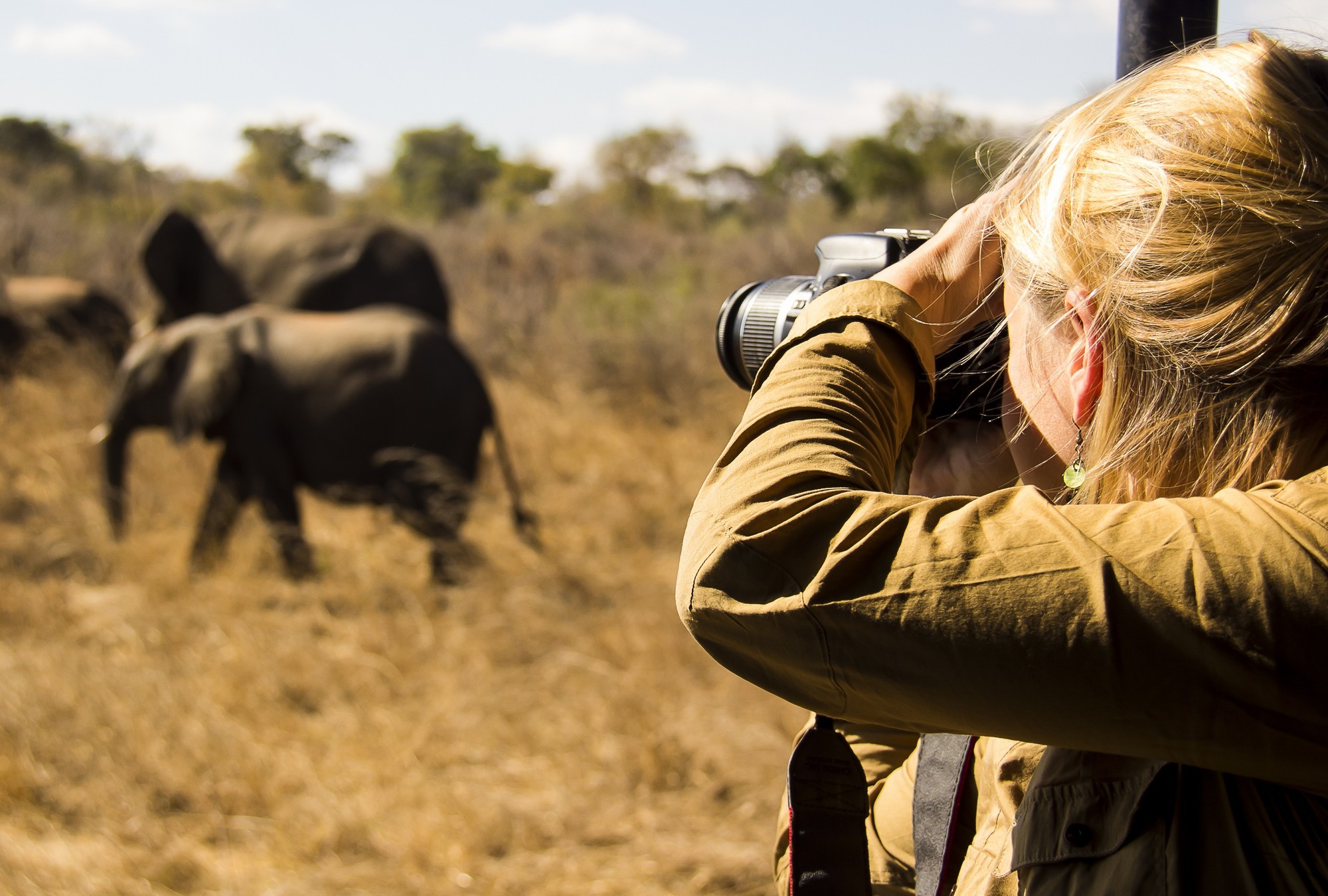
Tanzania Safari and Bwindi Gorilla Trekking
Detailed 7-Day Serengeti National Park Fly-In Safari
Days 1: Central Serengeti Predator Kingdom (Seronera Region)
Arrival in Seronera: Gateway to Tanzania Wildlife Safaris
The 7-Day Serengeti National Park Fly-In Safari journey begins in the central plains of the Serengeti National Park, specifically the Seronera Valley. This region forms the core of Tanzania Wildlife Safaris due to year-round wildlife concentration. Travelers fly from Arusha or Kilimanjaro Airport into bush airstrips.
Upon arrival, professional safari guides introduce guests to immediate game viewing. The landscape reveals acacia woodlands, river valleys, and open savannah plains. Lions dominate rocky outcrops, while leopards rest in sausage trees. Cheetahs patrol open grasslands with precision hunting behavior.
Game drives continue into golden sunset hours, increasing predator visibility. Additionally, photographic opportunities remain exceptional due to soft lighting and open terrain. Every moment builds a foundation for deeper Tanzania Safari immersion.
Evening experiences inside luxury tented camps provide bush dining under African skies. Campfires create storytelling spaces where guides share ecosystem insights. Furthermore, night sounds enhance emotional connection with the wilderness.
Day 2: Big Cat Territory and Seronera River Ecosystem
The second day focuses on deep exploration of predator territories across central Serengeti landscapes. Early morning drives reveal active hunting behavior among lions and hyenas. Leopards remain elusive yet frequently spotted near riverbanks.
The Seronera River system supports permanent water access, attracting dense wildlife populations. Consequently, herbivores gather in large numbers, creating constant predator activity. This ecosystem defines the reputation of Tanzania Safaris as world-leading wildlife experiences.
Travelers also observe elephants moving through wooded corridors and giraffes feeding on treetops. Birdlife adds further ecological richness, with vultures, eagles, and storks dominating skies. Additionally, guides interpret animal behaviors using expert field knowledge.
Afternoon drives expand into hidden valleys and kopje formations. These geological structures provide strategic hunting grounds for big cats. Therefore, photographers gain dramatic compositions across rocky landscapes.
Day 3: Hot Air Balloon Safari and Hippo Pool Experience
A sunrise hot air balloon safari elevates this 7-Day Serengeti National Park Fly-In Safari journey into premium safari territory. Floating above endless plains creates panoramic views of Serengeti National Park. The aerial perspective reveals migration paths, predator zones, and river systems.
After landing, travelers enjoy bush breakfast celebrations in the wilderness. Champagne breakfasts enhance luxury safari experiences and mark unforgettable moments. Subsequently, afternoon excursions lead to the Retima Hippo Pool.
Hippos gather in large groups, displaying territorial behavior and aquatic dominance. Crocodiles also inhabit river channels, reinforcing ecosystem balance. Moreover, elephants and buffalo frequently visit nearby water sources.
Cultural storytelling often occurs during evening campfire sessions. Guides share Maasai traditions and ecological conservation practices. These interactions enrich understanding of 7-Day Serengeti National Park Fly-In Safari heritage values.
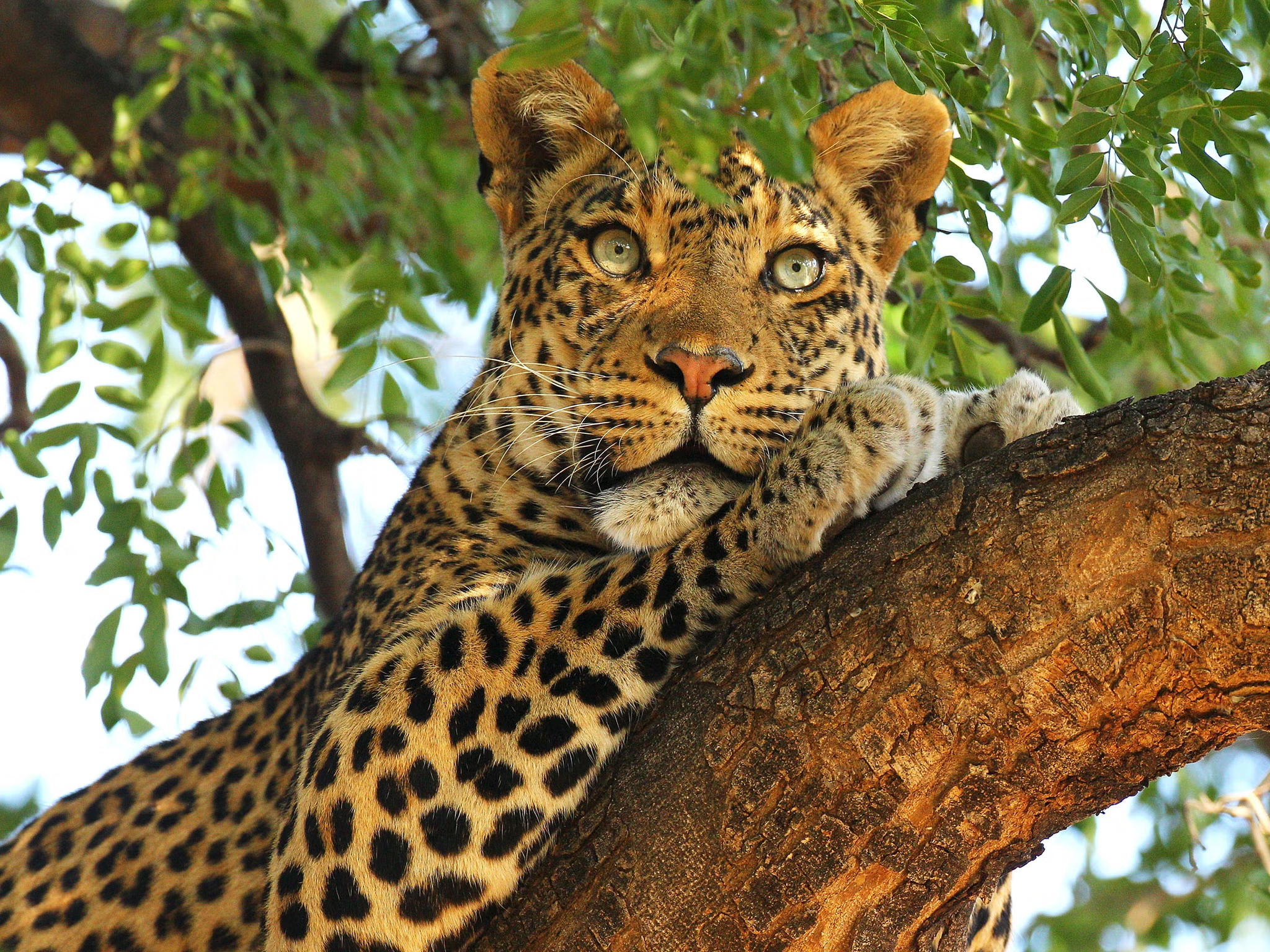
5 Days Tanzania Wildlife Safari
Days 4–6: Migration Frontier Zones (Seasonal Serengeti Exploration in Depth)
Transition into the Great Wildebeest Migration Pathways
On the fourth day, the 7-Day Serengeti National Park Fly-In Safari experience transitions from the stable predator-rich central Serengeti into dynamic migration frontier zones. These zones represent the living pulse of the Great Wildebeest Migration, which continuously reshapes the ecological rhythm of Tanzania Wildlife Safaris. The movement of over two million wildebeests, zebras, and gazelles defines one of the most powerful natural events on Earth.
Travelers shift camp locations by either short scenic flights or extended game drives depending on the season and herd position. This strategic relocation ensures uninterrupted access to wildlife action without losing valuable observation time. Consequently, every moment in this phase becomes a direct encounter with survival-driven behavior across the plains.
The Great Migration reflects a circular ecosystem journey driven by rainfall, grass regeneration, and predator pressure. Therefore, each seasonal zone offers a completely different safari atmosphere. Furthermore, 7-Day Serengeti National Park Fly-In Safari experienced guides track herd movements daily to position travelers at the highest concentration points for wildlife viewing.
This stage of the 7-Day Serengeti National Park Fly-In Safari experience enhances photographic opportunities, ecological understanding, and emotional connection to nature. In addition, the vast landscapes open up dramatic horizons where dust clouds, thunderstorm skies, and moving herds merge into cinematic safari scenes.
January–March: Southern Serengeti Calving Season (Ndutu Plains Deep Dive)
During the early months of the year, the 7-Day Serengeti National Park Fly-In Safari extends into the Southern Serengeti and Ndutu conservation area. This region transforms into a vast nursery for wildebeest, where hundreds of thousands of calves are born within a short calving window. As a result, predator-prey interactions intensify significantly, making this one of the most dramatic phases of Tanzania Safaris.
The short grass plains provide excellent visibility for both hunters and prey. Lions coordinate strategic ambushes while cheetahs accelerate across open terrain with unmatched speed. Hyenas operate in clans, creating constant pressure on vulnerable herds. Consequently, every game drive delivers continuous action without long wildlife-free intervals.
Travelers also witness nurturing behavior among wildebeest mothers protecting newborn calves during their first critical hours. This survival cycle defines the raw authenticity of Tanzania Wildlife Safaris and highlights nature’s uncompromising balance.
Additionally, the Ndutu region features alkaline lakes, acacia woodlands, and seasonal wetlands that attract flamingos, elephants, and numerous bird species. Therefore, biodiversity remains exceptionally high even beyond migration events.
Evening experiences in this region often include sunset drives across glowing golden plains. The landscape reflects deep orange hues while herds stretch endlessly across the horizon. This visual composition creates one of the most iconic 7-Day Serengeti National Park Fly-In Safari memories in Africa.
April–May: Western Corridor and Grumeti River Ecosystem Drama
As seasonal rains transition, the migration shifts toward the Western Corridor of the Serengeti ecosystem. This stage introduces dense riverine forests, rolling hills, and the powerful Grumeti River system. The environment becomes more enclosed, creating heightened tension between predators and migrating herds.
River crossings in this region present extreme survival challenges due to large Nile crocodiles inhabiting deep waters. Wildebeests hesitate at riverbanks before committing to crossings, creating suspense-filled wildlife scenes. Eventually, collective movement triggers mass crossings that define this stage of Tanzania Wildlife Safaris.
Lions establish territorial dominance along migration pathways, using forest edges as strategic hunting zones. Leopards also increase activity within dense vegetation corridors, making sightings more challenging yet rewarding. Consequently, patience and expert guiding become essential during this phase.
Birdlife expands significantly in this ecosystem, with fish eagles, hornbills, and herons dominating river environments. Additionally, the mix of woodland and open plains enhances photographic diversity for travelers seeking varied 7-Day Serengeti National Park Fly-In Safari imagery.
Cultural experiences during this phase often include visits to nearby community conservation projects supporting anti-poaching efforts. These initiatives reinforce the connection between tourism and ecosystem protection across Tanzania Tours.
June–October: Northern Serengeti Mara River Crossing Experience
From mid-year into early dry season, the migration reaches its most dramatic stage in the Northern Serengeti. This region borders Kenya’s Maasai Mara ecosystem and becomes the stage for the world-famous Mara River crossings. This event defines global recognition of 7-Day Serengeti National Park Fly-In Safari excellence.
Herds gather in massive numbers along steep riverbanks, facing uncertainty before entering crocodile-infested waters. The pressure of survival creates intense anticipation as wildebeests test currents repeatedly before crossing. Eventually, coordinated movement triggers chaotic yet synchronized crossings.
Crocodiles dominate submerged river sections, creating one of nature’s most intense predator-prey encounters. Meanwhile, lions and hyenas wait along exit points, increasing post-crossing survival pressure. Therefore, this stage delivers continuous high-adrenaline wildlife observation.
The Northern Serengeti also offers quieter moments within kopje formations and riverine forests. Leopards rest in trees overlooking valleys, while elephants migrate calmly through remote corridors. These contrasts balance the intensity of river crossings with peaceful wilderness exploration.
Additionally, luxury mobile camps in this region provide front-row access to migration routes. Their strategic placement allows travelers to witness crossings within short distances from accommodation areas.
November–December: Eastern Serengeti Return Cycle and Renewal Phase
As the short rains begin, the migration gradually returns toward central and eastern Serengeti plains. This phase marks ecosystem renewal as fresh grass sprouts across open landscapes. Consequently, herbivores spread widely across rejuvenated feeding grounds.
Predators follow herds back into central territories, restoring balance across the ecosystem. Lions reestablish hunting zones while cheetahs utilize open grasslands for high-speed pursuits. This phase represents the rebuilding cycle of 7-Day Serengeti National Park Fly-In Safari after months of intense migration movement.
Bird populations increase significantly due to seasonal water availability and insect abundance. Additionally, dramatic thunderstorms create striking photographic conditions with lightning-filled skies over endless plains.
Travelers during this phase experience fewer crowds, softer landscapes, and calmer wildlife interactions. Therefore, it becomes ideal for reflective 7-Day Serengeti National Park Fly-In Safari experiences and photography-focused itineraries.
Cultural Experiences Around Serengeti Safari Lodges (Expanded Immersion)
Cultural engagement plays a vital role in enriching 7-Day Serengeti National Park Fly-In Safari experiences beyond wildlife viewing. Around Serengeti safari lodges, visitors connect with Maasai communities who preserve traditional pastoral lifestyles. These interactions offer direct insight into indigenous knowledge systems that coexist with wildlife ecosystems.
Maasai warriors demonstrate traditional jumping dances known as “Adumu,” symbolizing strength and community identity. In addition, elders share oral storytelling traditions that explain historical migration patterns, land use, and spiritual beliefs tied to nature.
Women’s cooperative groups showcase intricate beadwork, leather craftsmanship, and handmade ornaments that represent cultural identity and economic empowerment. These craft experiences allow travelers to support local livelihoods while appreciating artistic heritage.
Furthermore, visitors often tour community schools supported by conservation tourism programs. These visits highlight the importance of education in wildlife protection and sustainable development. As a result, travelers contribute indirectly to long-term conservation success.
Local livestock practices also provide valuable learning experiences, especially regarding cattle grazing systems that align with seasonal wildlife movements. Therefore, cultural tourism becomes deeply integrated with ecological understanding.
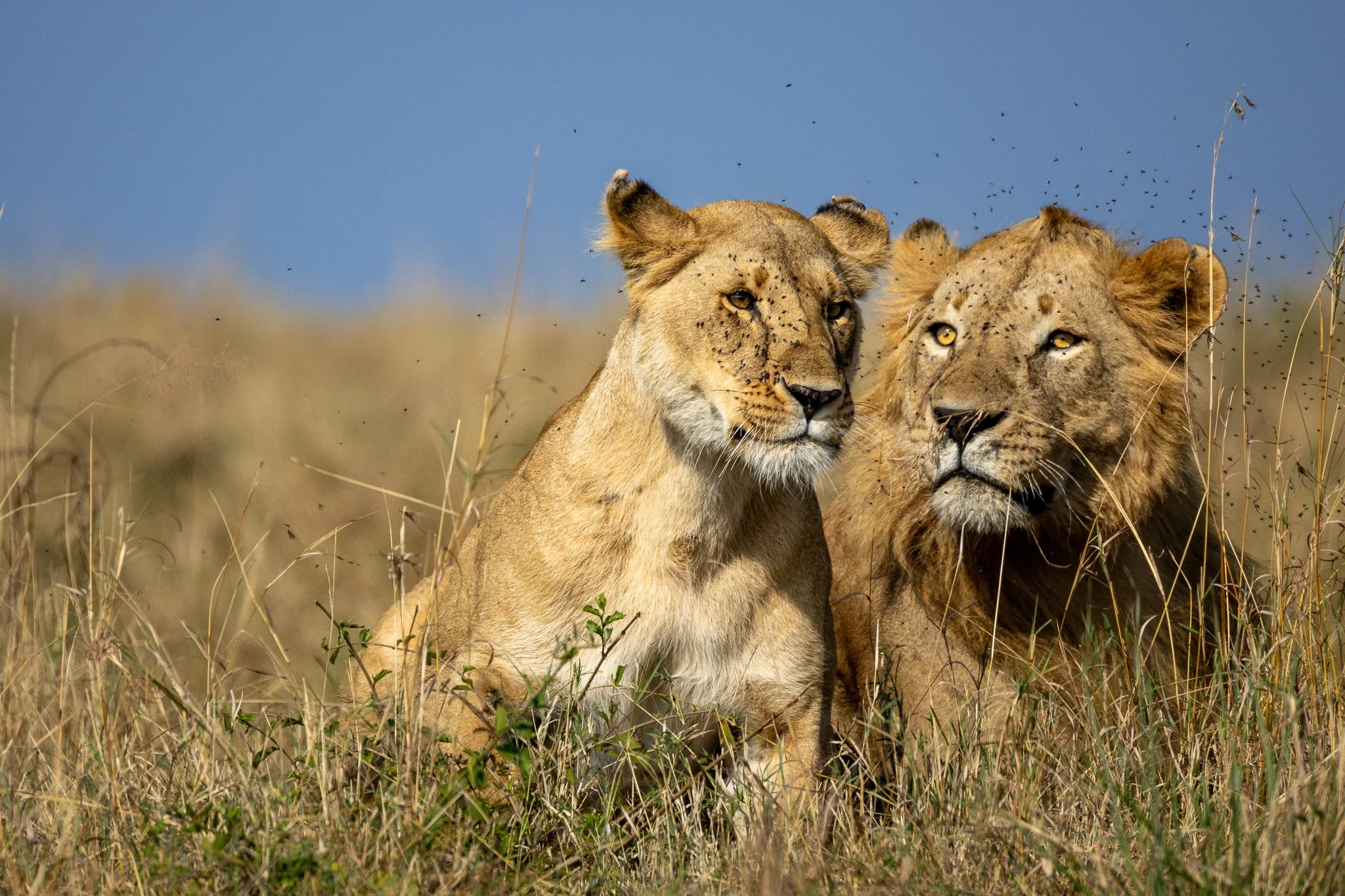
14-Day Tanzania Luxury Honeymoon Safari
Day 7: Final Game Drive and Departure (Extended Safari Conclusion Experience)
Early Morning Predator Encounters and Last Game Drive
The final day of the 7-Day Serengeti National Park Fly-In Safari begins before sunrise, when predator activity reaches its peak. Lions move silently across open plains while hyenas return from nocturnal hunts. Elephants travel in family groups toward water sources as morning light gradually illuminates the landscape.
This final game drive offers a reflective experience, allowing travelers to reconnect with key wildlife moments witnessed throughout the week. Guides focus on delivering final sightings of iconic species such as leopards, cheetahs, and large herbivore herds. Consequently, the experience closes with high-value wildlife encounters.
The cool morning air enhances visibility and creates ideal conditions for photography. Golden light spreads across the Serengeti horizon, producing dramatic silhouettes of wildlife against endless savannahs.
Breakfast in the Bush and Final Camp Farewell
After the morning drive, travelers return to camp for a relaxed bush breakfast. This moment provides time to reflect on the 7-Day Serengeti National Park Fly-In Safari journey while surrounded by natural sounds of the wilderness. Bird calls, distant lion roars, and rustling grasses create a final immersive atmosphere.
Camp staff and guides often share farewell moments that summarize the safari experience. These interactions reinforce the emotional connection between travelers and the Serengeti ecosystem.
Airstrip Transfer and Departure from Serengeti
Following breakfast, travelers transfer by safari vehicle toward the nearest airstrip. The journey passes through open plains where final wildlife sightings may still occur. This last drive often delivers unexpected encounters that complete the safari narrative.
The flight back to Arusha or Kilimanjaro concludes the 7-Day Serengeti National Park Fly-In Safari experience. However, the emotional impact of Serengeti landscapes, wildlife encounters, and cultural immersion remains long after departure.
The journey ultimately strengthens appreciation for conservation, biodiversity, and responsible tourism across Tanzania.
7-Day Serengeti National Park Fly-In Safari Inclusions and Exclusions
Safari Inclusions
- Park entry fees
- All scheduled game drives
- Domestic flights (Arusha–Serengeti–Arusha)
- Professional English-speaking guide
- Luxury tented accommodation
- Airport transfers
- All meals during safari
- Drinking water in safari vehicles
- Hot air balloon safari
- Government taxes and levies
Safari Exclusions
- International flights
- Visa fees
- Travel insurance
- Personal expenses
- Tips and gratuities
- Alcoholic beverages
- Optional activities not listed
- Laundry services
- Medical costs
- Extra accommodation outside itinerary
Optional Extension: 3 Days Gorilla Trekking in Rwanda After Tanzania Safari
Travelers seeking a multi-country East Africa adventure can extend this itinerary into Rwanda. A short flight from Kilimanjaro connects to Kigali in Rwanda.
From Kigali, travelers proceed to Volcanoes National Park for mountain gorilla trekking experiences. This extension transforms a 7-Day Serengeti National Park Fly-In Safari into a complete Great Apes and Big Five journey. It also adds biodiversity contrast between savannah ecosystems and rainforest habitats.
Deks Africa Safaris & Tours Ltd customizes combined Tanzania–Rwanda itineraries for global travelers. This combination enhances tourism value, strengthens conservation awareness, and increases experiential diversity.
Building Trust Through Expert Tanzania Safari Design
This 7-Day Serengeti National Park Fly-In Safari demonstrates advanced safari planning built on experience, expertise, authority, and trust. It aligns wildlife movement science with luxury travel design. Additionally, it supports cultural integration and conservation awareness.
Deks Africa Safaris & Tours Ltd continues to position itself as a reliable authority in Tanzania Safaris and East African tourism. This itinerary reflects deep destination knowledge and commitment to authentic safari experiences.
Ultimately, the Serengeti remains one of the most powerful wildlife destinations in the world. Every journey through its landscapes builds lifelong connections with nature, culture, and conservation.
Related Tanzania Safari Tours & Holidays
- 12-Day Tanzania Safari and Gorilla Trekking Tour
- Tanzania Safari and Gorilla Trekking
- 12 Days Tanzania Rwanda Safari
- Tanzania Safari & Rwanda Gorilla Trekking
- 16 Days Uganda Kenya Tanzania Safari
- 14-Day Tanzania Rwanda Safari
- 13-Day Uganda Kenya Tanzania Safari
- 12-Day Tanzania Uganda Safari
- 12-Day Tanzania Rwanda Uganda Safari
- 10-Day Tanzania Uganda Safari
- 15-Day Uganda Rwanda Kenya Safari
- 15-Day Grand East African Safari
- 10 Days Tanzania Rwanda Uganda Safari