The Best Time to Visit Northern Serengeti
August 23, 2026The Best Time to Visit the Western Corridor of Serengeti National Park
August 23, 2026The Best Time to Visit the Central Serengeti
The Best Time to Visit the Central Serengeti depends on your safari interests. The Seronera region offers excellent wildlife viewing throughout the year. Its permanent water sources support wildlife during different seasons.
June through October offers excellent dry-season game viewing. January and February bring green landscapes and strong predator activity. November and December create beautiful scenery with fewer visitors.
The Central Serengeti sits at the heart of Serengeti National Park. Its location makes it an important base for many Tanzania wildlife safaris. The region also supports abundant resident wildlife throughout the year.
Furthermore, the Seronera Valley contains diverse habitats. Open plains, rocky kopjes, and riverine areas attract numerous species. Lions, leopards, cheetahs, elephants, giraffes, and hyenas thrive here.
Therefore, The Best Time to Visit the Central Serengeti depends on what you want to experience. Your travel dates should match your preferred wildlife encounters and safari style.
Deks Africa Safaris and Tours Ltd can help you select suitable travel periods. We combine destination knowledge with practical safari planning for international travellers.
The Best Time to Visit the Central Serengeti During the Dry Season
The Best Time to Visit the Central Serengeti often falls between June and October. Dry conditions create excellent opportunities for wildlife viewing across Seronera.
During these months, vegetation becomes shorter and thinner. Consequently, animals become easier to spot across open grasslands.
Wildlife also gathers around reliable water sources. This pattern creates excellent game-drive opportunities throughout the day.
Morning drives provide cooler temperatures and active predators. Afternoon drives can reveal elephants, giraffes, zebras, and numerous antelope species.
Moreover, clear skies create excellent conditions for photography. Golden morning light can transform the Serengeti landscape into a spectacular scene.
June and July can also provide migration-related opportunities. However, migration timing changes according to rainfall and grazing conditions.
For travellers seeking predictable wildlife viewing, the dry season remains highly attractive.
Why January and February Are Excellent Months
The Best Time to Visit the Central Serengeti also includes January and February. These months bring greener landscapes and pleasant safari conditions.
Recent rains transform parts of the Serengeti into lush grasslands. The scenery becomes especially attractive for photographers and nature lovers.
Predators remain highly active during this period. Lions, cheetahs, leopards, and hyenas patrol areas containing abundant prey.
The southern Serengeti and Ndutu region receive particular attention during calving season. However, Central Serengeti can still provide excellent resident wildlife encounters.
Short rains can refresh vegetation without completely disrupting safari activities. Road conditions generally vary depending on local rainfall.
Therefore, travellers seeking landscapes and predators should consider these months carefully.
14-Day Tanzania Luxury Honeymoon Safari
November and December: The Green Season
The Best Time to Visit the Central Serengeti can also include November and December. These months offer attractive green-season experiences.
Short rains refresh the grasslands and surrounding vegetation. Migratory birds also add greater diversity to the wildlife experience.
Visitor numbers can remain lower than during peak dry-season months. Consequently, some travellers enjoy a quieter safari atmosphere.
Green landscapes provide excellent opportunities for landscape photography. Clouds can also create dramatic backgrounds over the endless plains.
Some roads may become muddy after heavy rainfall. Experienced safari guides can adjust routes according to road conditions.
Therefore, green-season travel can offer excellent value for flexible travellers.
March to May: The Long Rain Season
The Best Time to Visit the Central Serengeti requires careful consideration during March, April, and May. These months form the longer wet season.
Rainfall can become heavier and more frequent. Some roads may therefore become difficult after substantial downpours.
Nevertheless, the Central Serengeti remains valuable for wildlife enthusiasts. The ecosystem continues supporting resident animals throughout this period.
Birdwatchers can enjoy excellent opportunities during wetter months. Migratory birds and resident species create rewarding experiences across different habitats.
The landscape also becomes beautifully green. Photographers can capture dramatic skies, lush plains, and colourful sunsets.
Lower visitor numbers can create a more peaceful safari environment. Some accommodation options may also offer attractive seasonal rates.
Thus, experienced travellers should not automatically exclude the wet season.
Understanding Seronera and Central Serengeti
The Seronera region forms one of the most productive wildlife areas. Its central position provides access to several Serengeti habitats.
Permanent water sources support wildlife even during dry periods. This feature contributes to reliable year-round game viewing.
The region also contains kopjes that provide excellent wildlife viewing points. Lions frequently use rocky areas for resting and scanning their surroundings.
Riverine vegetation provides habitat for leopards and other species. Open plains support large herds of zebras and antelopes.
Because of its central location, Seronera works well within longer safari itineraries. Travellers can explore different parts of the park without constantly changing accommodation.
Consequently, The Best Time to Visit the Central Serengeti remains relevant across multiple seasons.
Wildlife You Can See in Central Serengeti
A Serengeti National Park Safari provides opportunities to see a remarkable variety of wildlife. Central Serengeti stands among the park’s strongest wildlife-viewing areas.
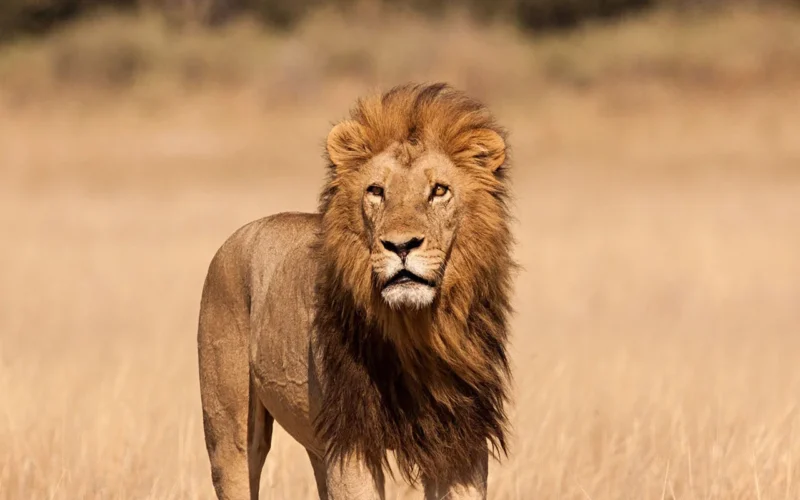
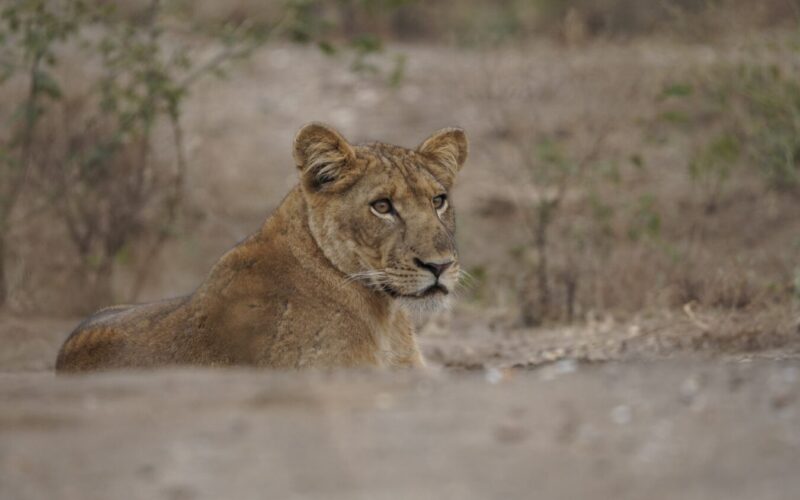
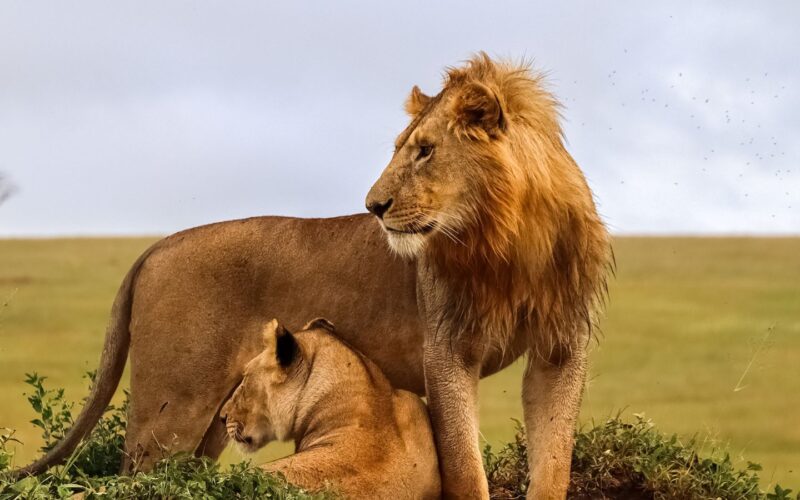
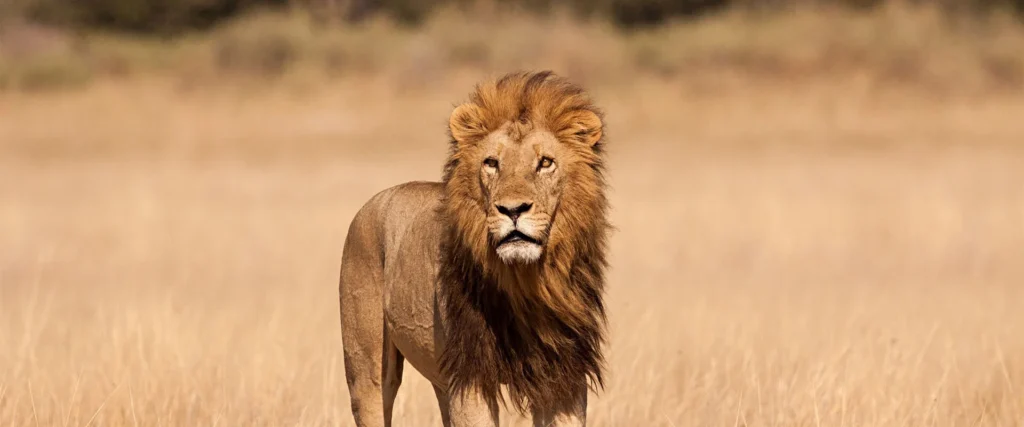
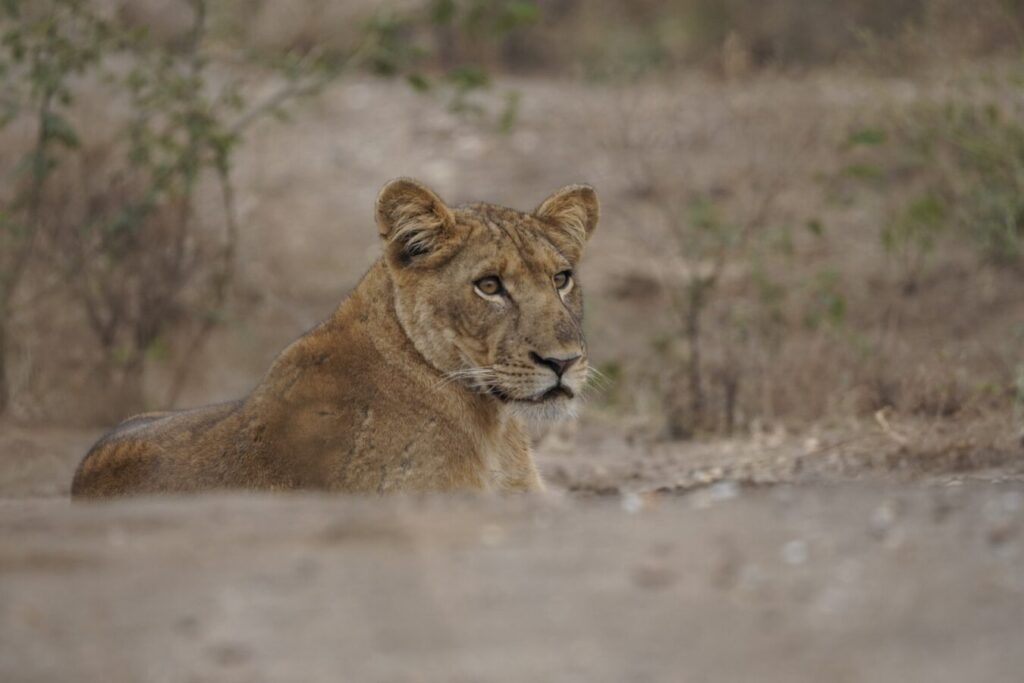
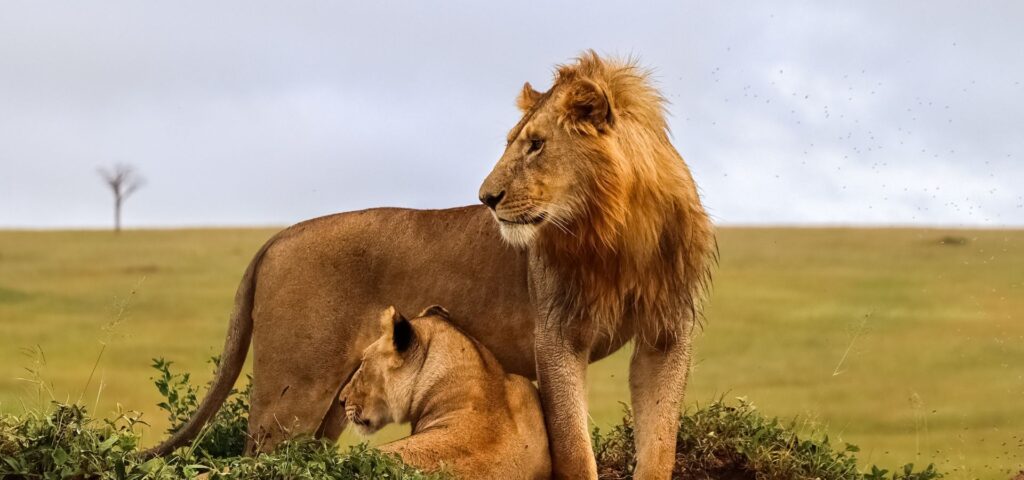
Lions remain one of the region’s major attractions. Large prides often move through open plains and around rocky kopjes.
Leopards can appear near riverine habitats and wooded areas. These secretive cats require patience and careful observation.
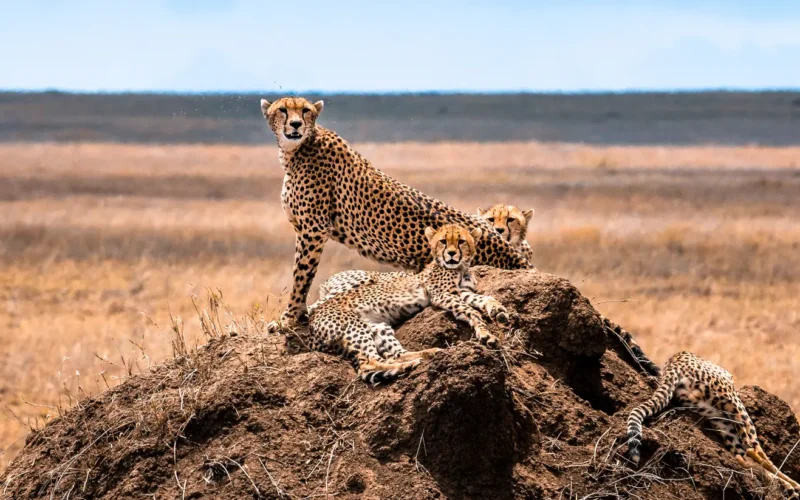
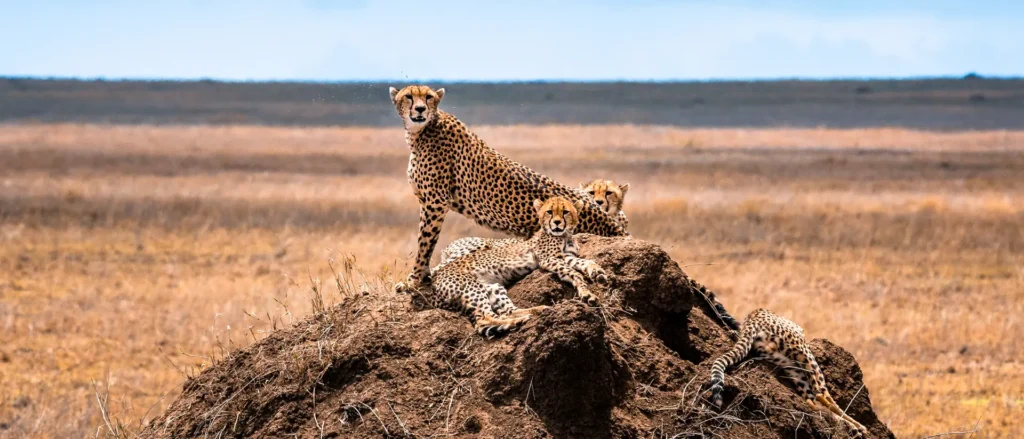
Cheetahs thrive around open grasslands where they can use speed during hunts. Their daytime activity creates excellent photographic opportunities.
Elephants, buffaloes, giraffes, hippos, and numerous antelope species also inhabit the region.
Birdlife adds another dimension to every game drive. Raptors, ground birds, and colourful species occur across different habitats.
Therefore, every season can produce memorable wildlife encounters.
The Great Wildlife Migration and Central Serengeti
Understanding the Great Wildlife Migration helps travellers plan their safari more effectively. The migration follows rainfall, fresh grass, and water availability.
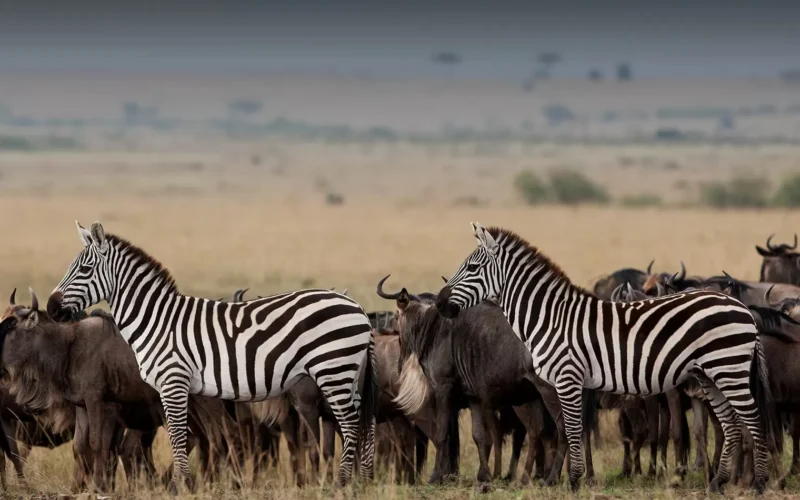
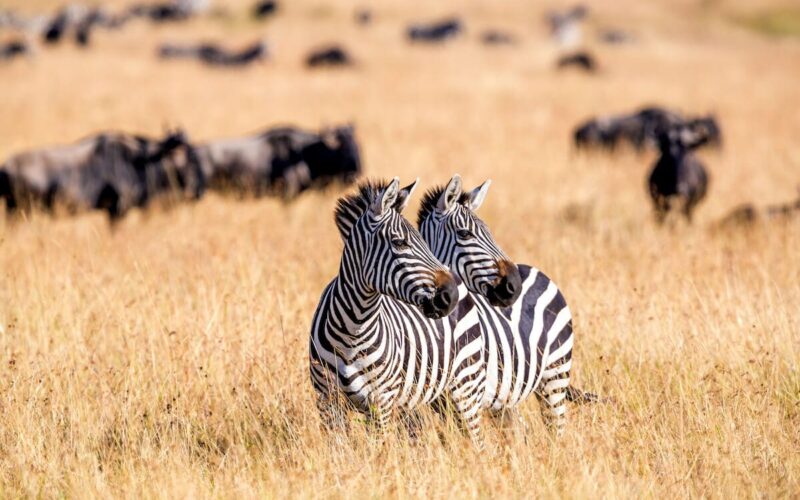
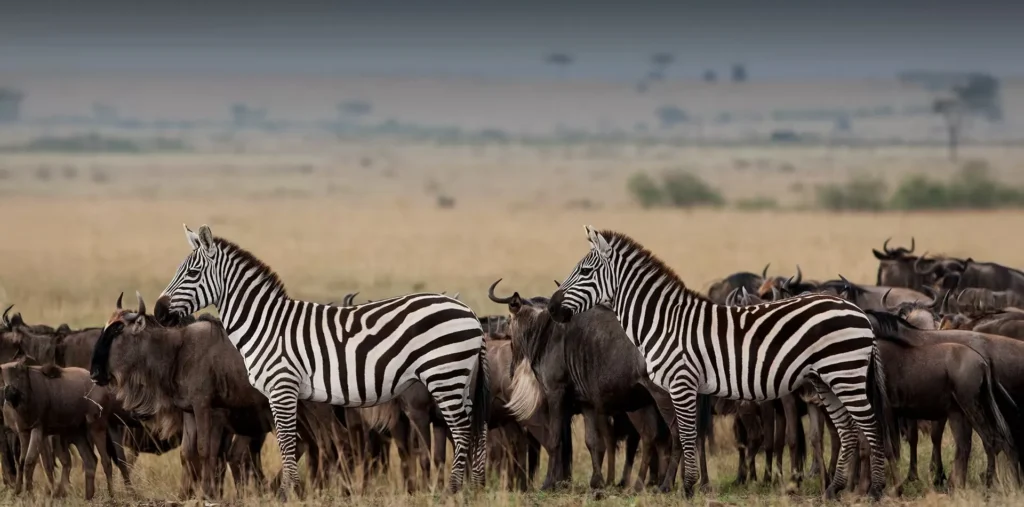
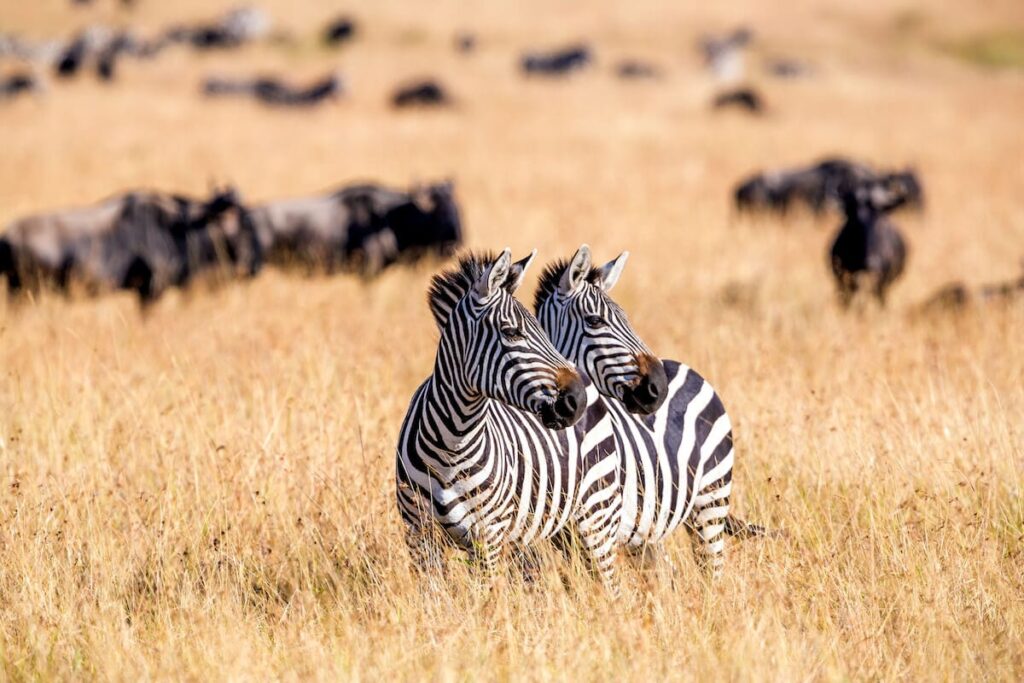
Large wildebeest and zebra herds move across the wider Serengeti ecosystem. Their movements create different wildlife opportunities throughout the year.
Central Serengeti can experience migration movements during particular periods. However, resident wildlife remains the region’s greatest year-round attraction.
Travellers should avoid treating migration as a fixed calendar event. Weather patterns can influence where herds gather and when they move.
The Great Wildlife Migration Cycle continues throughout the year. Different regions become important during different stages.
Therefore, a Central Serengeti safari should include broader wildlife expectations. This approach creates a more realistic and rewarding experience.
Experiencing a Serengeti Safari in Different Seasons
Every season creates a different Serengeti Safari experience. Dry months emphasize wildlife concentration and visibility.
Green months highlight beautiful landscapes and birdwatching opportunities. Wet periods can provide solitude and dramatic photographic conditions.
January and February can bring strong predator encounters. June through October offers excellent visibility across open landscapes.
November and December provide fresh vegetation and fewer visitors. March through May suits flexible travellers who appreciate quieter safari conditions.
Therefore, there is no single perfect month for every traveller.
Instead, The Best Time to Visit the Central Serengeti depends on your personal priorities.
Cultural Experiences Near Your Safari Lodge
A safari around Central Serengeti can include meaningful cultural experiences. Travellers can visit nearby Maasai communities through responsible tourism programs.
Maasai cultural visits can introduce guests to traditional lifestyles and community practices. Visitors may experience traditional dances, songs, crafts, and storytelling.
Beadwork provides another valuable cultural experience. Local artisans create colourful jewellery and decorative pieces using traditional skills.
Guests can also learn about pastoral traditions and livestock management. These experiences provide greater understanding of communities living around Tanzania’s wildlife areas.
Some cultural programs include traditional food experiences. Local dishes can introduce visitors to regional ingredients and cooking methods.
Responsible tourism should always respect community privacy and local customs. Visitors should seek permission before taking photographs.
Adding cultural experiences creates a deeper connection with Tanzania beyond wildlife.
Choosing the Right Safari Lodge
Accommodation can strongly influence your Central Serengeti experience. Lodge location matters because game drives can begin closer to productive wildlife areas.
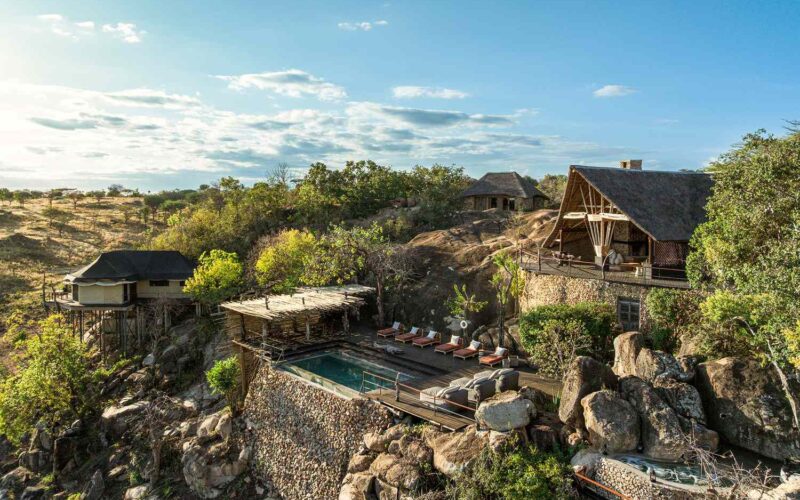
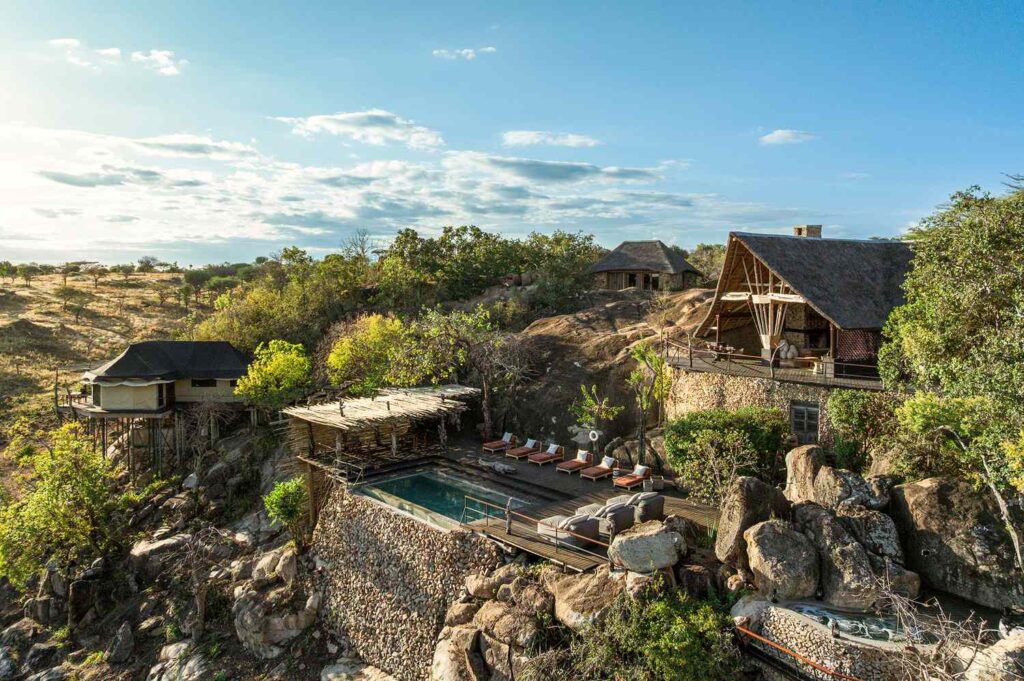
Permanent lodges provide comfortable rooms and established facilities. They suit travellers who prefer predictable accommodation and convenient services.
Tented camps offer a closer connection with the surrounding environment. Mobile camps can also follow seasonal wildlife movements.
Luxury properties provide additional comfort and personalized services. Mid-range lodges offer an attractive balance between comfort and cost.
Budget accommodation can help travellers maximize their wildlife experience without excessive accommodation expenses.
Regardless of your budget, location should remain a major consideration. A well-positioned lodge can reduce unnecessary driving during your safari.
Photography in the Central Serengeti
Central Serengeti offers excellent photography opportunities throughout the year. Different seasons create different visual conditions.
Dry months provide clear visibility and warm golden light. Green seasons create vibrant landscapes and dramatic skies.
Early morning drives offer softer light and active wildlife. Late afternoon creates beautiful opportunities for silhouettes and landscape photography.
A telephoto lens helps capture distant animals without approaching them closely. Wide-angle lenses work well for landscapes and large wildlife scenes.
Patience remains essential during wildlife photography. Avoid rushing encounters because animals often change behaviour unexpectedly.
Responsible photography also protects wildlife. Maintain appropriate distances and follow your guide’s instructions at all times.
Combining Central Serengeti with Other Tanzania Safaris
Travellers can easily combine Central Serengeti with other Tanzania Safaris. Northern Serengeti can add opportunities for Mara River migration viewing.
Ngorongoro Conservation Area provides dramatic crater landscapes and abundant wildlife. Tarangire National Park offers elephants, baobabs, and diverse birdlife.
Lake Manyara can add forest habitats and birdwatching opportunities. Combining several destinations creates a broader northern Tanzania experience.
Travellers with additional time can extend their journey toward Zanzibar. A safari and beach combination creates a balanced African holiday.
Therefore, The Best Time to Visit the Central Serengeti can also depend on your wider Tanzania itinerary.
Combining Tanzania with Bwindi Gorilla Trekking
International travellers can extend their East African adventure beyond Tanzania. Bwindi Gorilla Trekking provides an extraordinary contrast to Serengeti wildlife experiences.
Uganda’s Bwindi forest contains mountain gorillas within a challenging rainforest environment. Trekking requires physical preparation and respect for conservation guidelines.
The experience differs completely from traditional savanna game drives. Instead of viewing animals from a vehicle, visitors trek through dense forest.
Combining a Serengeti Great Migration Safari with gorilla trekking creates an exceptional multi-country adventure.
Travellers can experience savanna wildlife, rainforest ecosystems, diverse cultures, and different conservation landscapes.
Safari Inclusions
- Airport transfers
- 4×4 safari vehicle
- Professional safari guide
- Accommodation
- Meals
- Park entry fees
- Game drives
- Cultural experiences
- Drinking water
- Government taxes
- Safari planning
- Driver-guide services
Safari Exclusions
- International flights
- Visa fees
- Travel insurance
- Personal expenses
- Alcoholic drinks
- Laundry services
- Tips
- Souvenirs
- Optional activities
- Medical expenses
- Personal photography equipment
Planning The Best Time to Visit the Central Serengeti
The Best Time to Visit the Central Serengeti depends on your preferred safari experience. June through October remains excellent for dry-season wildlife viewing.
January and February provide green landscapes and strong predator activity. November and December offer fresh scenery and fewer visitors.
March through May provides quieter experiences for flexible travellers. However, heavier rainfall can affect road conditions.
Experienced safari planning considers wildlife, weather, accommodation, transport, and personal interests together.
Deks Africa Safaris and Tours Ltd focuses on creating practical and personalized Tanzania wildlife safaris. Our approach combines destination expertise with responsible tourism principles.
We help travellers understand seasonal differences before choosing their travel dates. This process creates realistic expectations and better safari experiences.
Final Thoughts
The Best Time to Visit the Central Serengeti changes according to your safari goals. Dry-season months offer outstanding wildlife visibility and comfortable game-drive conditions.
January and February create beautiful green landscapes and excellent predator viewing. Green-season months can provide quieter experiences and strong birdwatching opportunities.
Central Serengeti remains valuable because permanent water supports wildlife throughout the year. Its strategic location also makes Seronera an excellent safari base.
Moreover, the region offers more than wildlife. Cultural experiences can connect travellers with local communities and traditions.
Combining Tanzania wildlife safaris with Bwindi Gorilla Trekking can create an unforgettable East African journey.
Ultimately, The Best Time to Visit the Central Serengeti is the season that matches your interests, budget, and travel expectations.
Written by Deks Africa Safaris and Tours Ltd
The Best Time to Visit the Central Serengeti — discover Seronera’s remarkable wildlife, landscapes, cultures, and year-round safari opportunities with an experienced African safari operator.
Proposed East Africa Safari Holidays for the USA Travelers
- 9-Day Rwanda & Tanzania Luxury Wildlife Tour
- 9-Day Rwanda, Uganda & Tanzania Luxury Wildlife Safari
- 9-Day Rwanda Gorilla Trekking & Tanzania Safari
- 9-Day Tanzania Safari & Uganda Gorilla Trekking
- 10-Day Serengeti & Ngorongoro Crater Safari Experience
- 10-Day Tanzania and Rwanda Adventure Safari
- 11-Day Rwanda Uganda Tanzania Safari
- 20 Days Uganda, Tanzania, and Mafia Island Beach Safari
- 18 Days Uganda, Tanzania, and Mafia Island Beach Safari
- 14-Day Rwanda Uganda Tanzania Tour
- 14-Day Rwanda, Kenya, Tanzania & Beach Holiday
- 20-Day Rwanda Tanzania Zanzibar Safari Experience
- 16-Day Tanzania Safari & Rwanda Gorilla Trekking Experience
- 14 Days Kenya-Tanzania-Rwanda-Uganda Safari
- 24 Days Zanzibar-Uganda-Tanzania-Kenya Safari
- 5 Days Serengeti Great Migration Safari
- 6 Days Serengeti Great Migration Safari
- 7 Days Serengeti Great Migration Safari
- 8 Days Serengeti Great Migration Safari