
The Best Time to Visit the Central Serengeti
August 23, 2026
What Is the Best Month to See the Great Migration?
August 23, 2026The Best Time to Visit the Western Corridor of Serengeti National Park
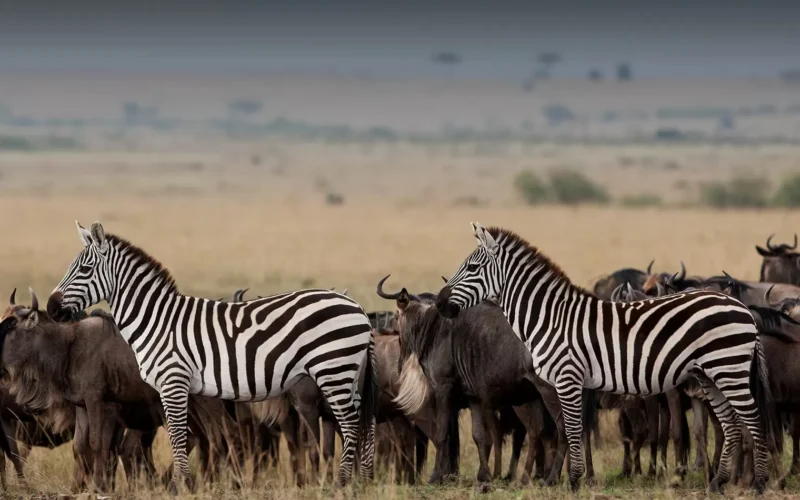
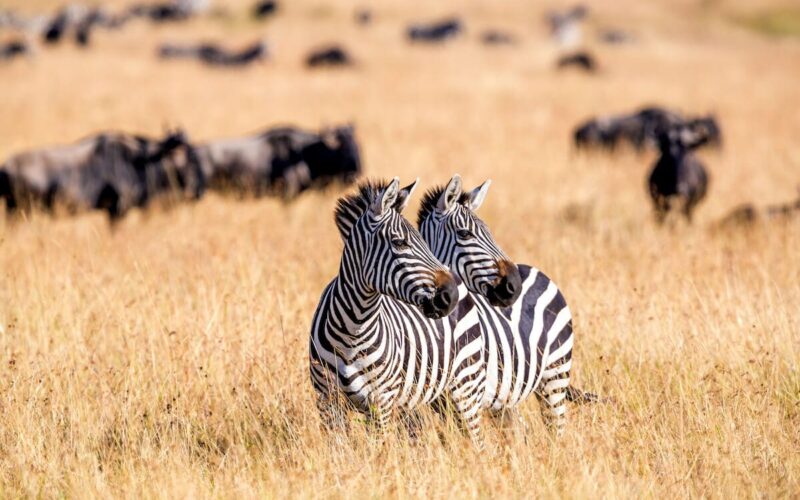
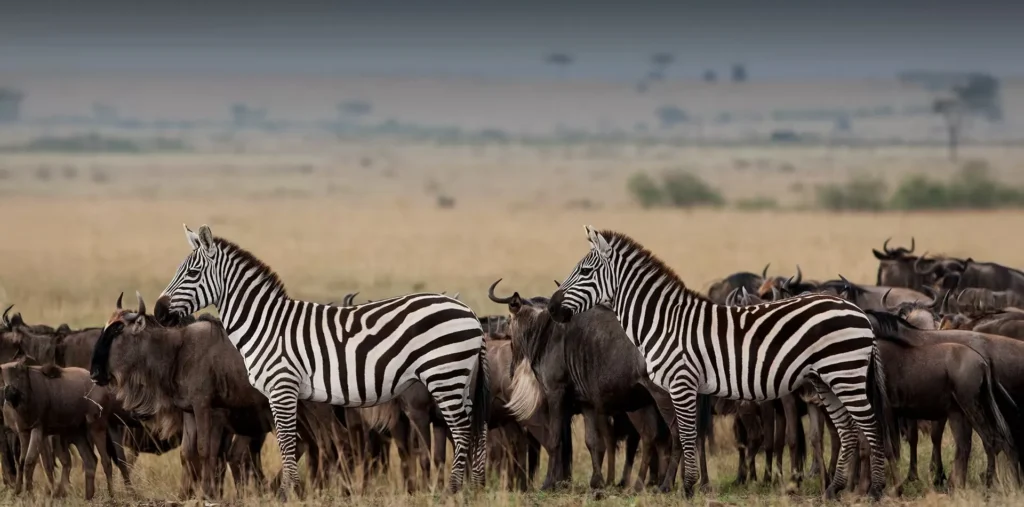
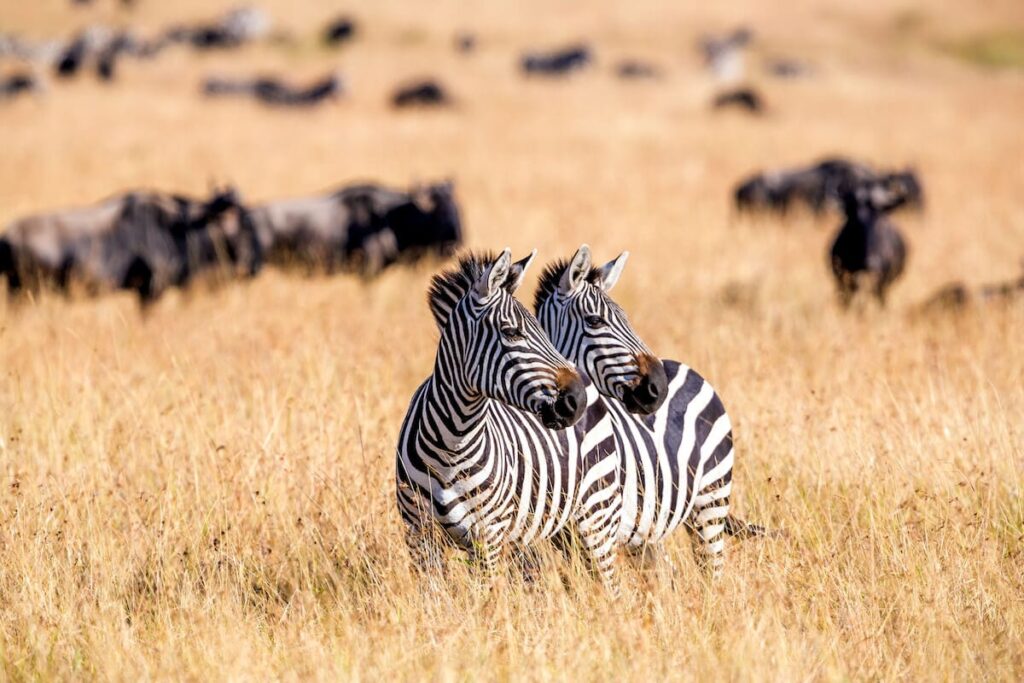
The Best Time to Visit the Western Corridor of Serengeti National Park depends on your safari goals, wildlife interests, and preferred travel conditions. However, May to July offers an exceptional opportunity for migration-focused adventures. During this period, the Great Migration moves through the Western Corridor toward the Grumeti River. Massive herds of wildebeest and zebras create spectacular wildlife encounters across the plains.
The Western Corridor also offers much more than migration viewing. Visitors can experience dramatic landscapes, powerful predators, resident wildlife, birdlife, and authentic cultural encounters. Furthermore, the region provides a quieter safari atmosphere than some heavily visited areas of Serengeti National Park.
At Deks Africa Safaris and Tours Ltd, we understand that excellent safari planning requires more than choosing a destination. It requires matching the right season with the right location and activities. Therefore, The Best Time to Visit the Western Corridor of Serengeti National Park should always consider migration movements, road conditions, accommodation, and personal interests.
Why Visit the Western Corridor of Serengeti National Park?
The Western Corridor stretches across a remarkable section of Serengeti National Park. Its landscape combines open grasslands, wooded areas, rocky outcrops, and riverine environments. The Grumeti River adds another important dimension to this wildlife-rich ecosystem.
During the migration season, enormous herds move through this region. The Great Wildlife Migration follows seasonal rainfall, fresh grazing, and available water. Therefore, wildlife movements never follow a perfectly fixed calendar.
TANAPA identifies the Great Migration as one of Serengeti’s defining attractions. The ecosystem supports more than 1.5 million migrating wildebeest alongside large numbers of zebras and gazelles.
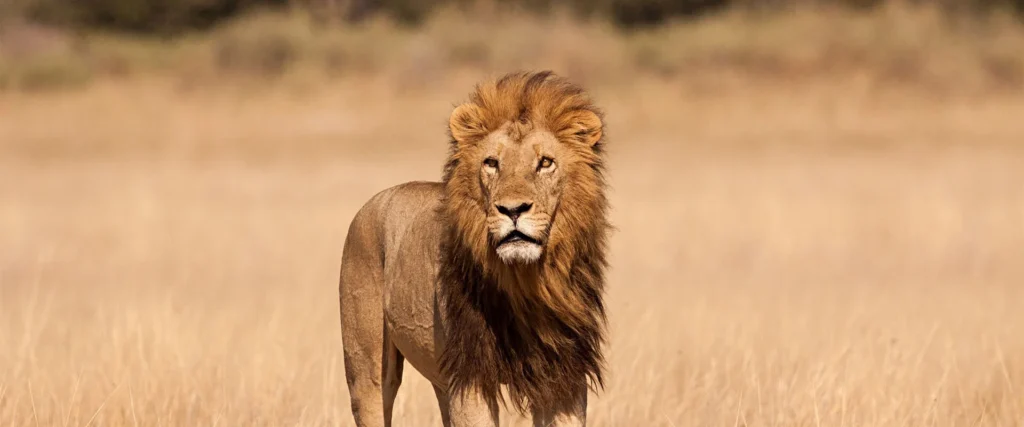
Consequently, a Serengeti National Park Safari through the Western Corridor can deliver remarkable wildlife experiences. You may encounter lions, leopards, cheetahs, elephants, buffaloes, giraffes, hippos, crocodiles, and numerous antelope species.
For travelers seeking authentic Tanzania Safaris, the Western Corridor provides excellent opportunities for immersive wildlife exploration.
The Best Time to Visit the Western Corridor of Serengeti National Park
The Best Time to Visit the Western Corridor of Serengeti National Park generally falls between May and July. This period coincides with the migration’s movement through the Western Corridor.
May brings greener landscapes after the rains. Fresh vegetation attracts large herbivore herds into the region. Predators also become highly active because migrating animals provide abundant hunting opportunities.
June often creates excellent conditions for combining migration viewing with general game drives. The landscape remains attractive, while wildlife activity can remain impressive throughout the day.
July can provide opportunities to witness intense migration activity around the Grumeti ecosystem. However, river crossings remain natural events. Their timing depends on rainfall, water levels, and herd movements.
Therefore, no responsible safari operator should guarantee a specific crossing on a specific day. Experienced planning instead maximizes your chances by allowing enough time within the migration zone.
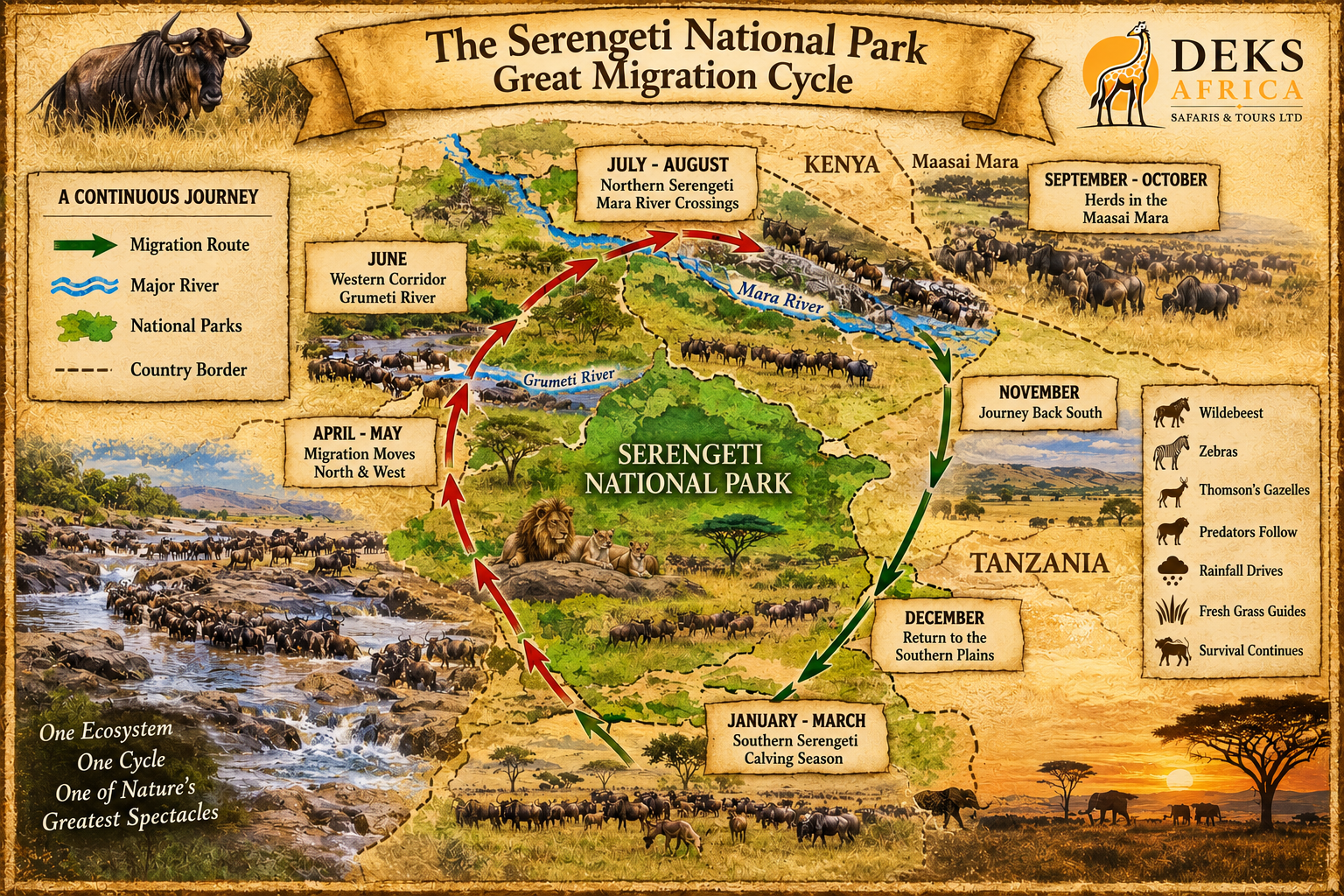
Serengeti Great Migration Cycle
May to June: Migration and Predator Action
May and June can provide some of the most rewarding Western Corridor experiences. Migrating wildebeest and zebras move through areas with fresh grazing. Their movement creates constant activity across the savanna.
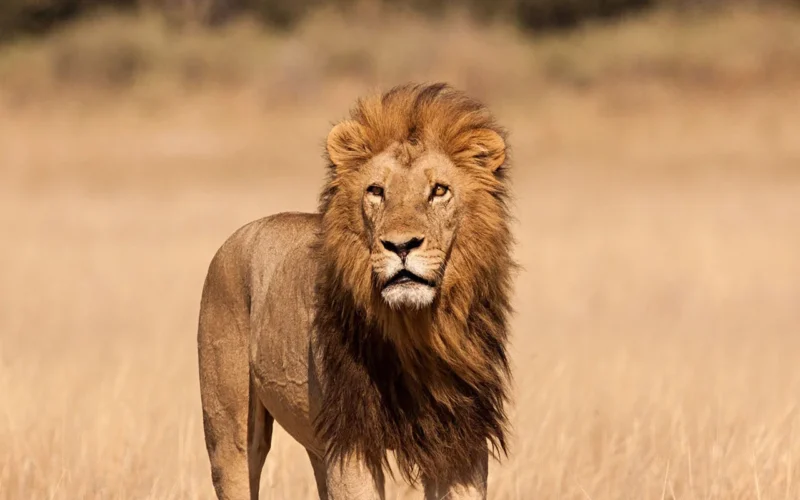
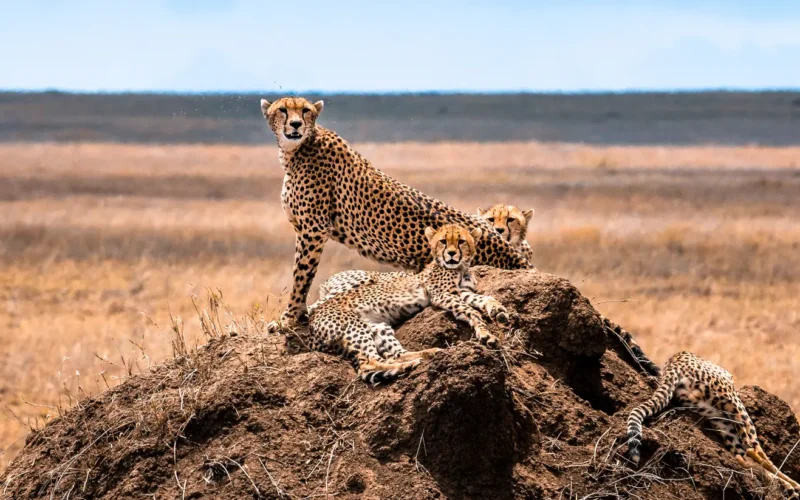
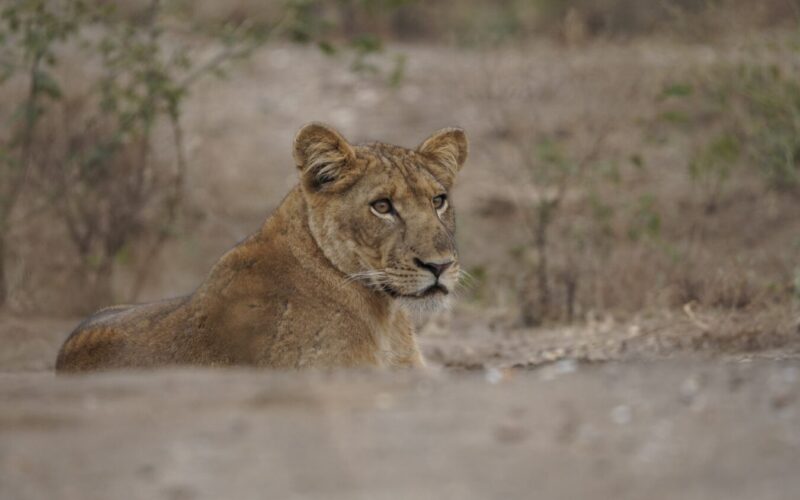
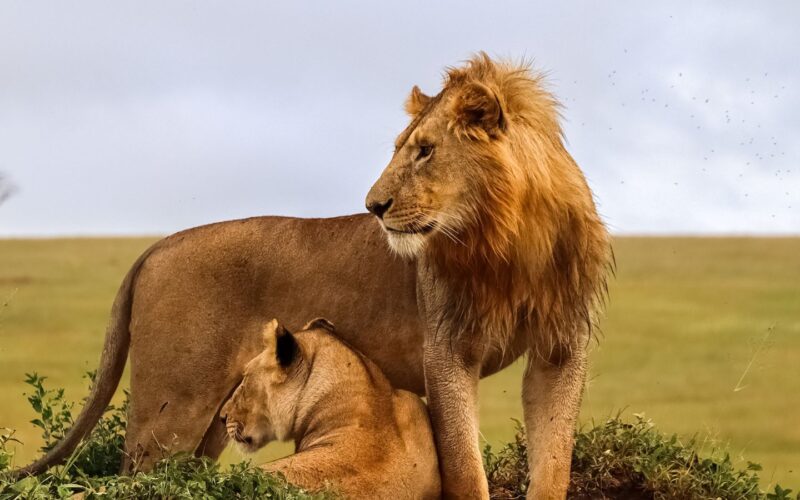
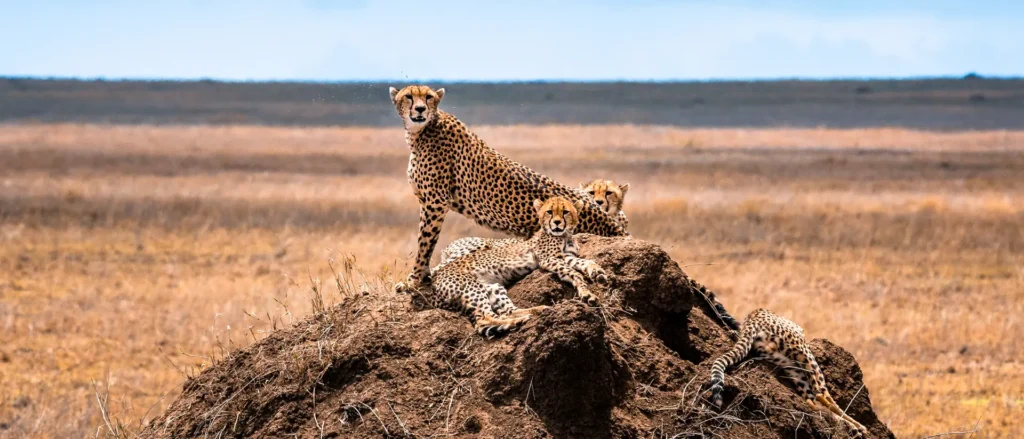
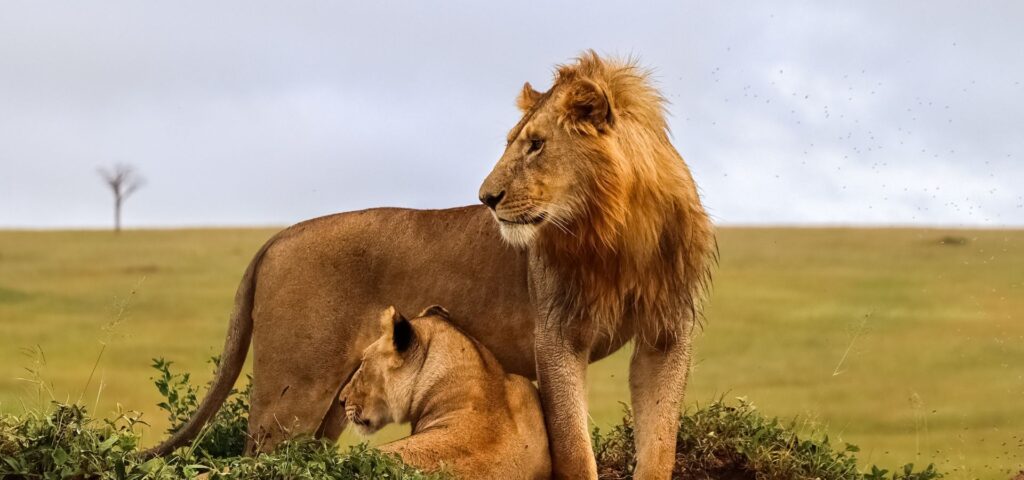
Meanwhile, predators benefit from the concentration of herbivores. Lions often patrol open plains and woodland edges. Leopards may remain hidden among thicker vegetation. Cheetahs can use open ground for hunting.
Birdwatchers also benefit from the seasonal transformation. Green vegetation creates excellent photographic backgrounds and supports diverse bird activity.
For photographers, early mornings provide soft light and active wildlife. Late afternoons create dramatic landscapes and beautiful silhouettes. Furthermore, experienced guides can help position vehicles without disturbing animals.
A well-planned Serengeti Safari during this period should include several game drives. More time increases opportunities for unexpected wildlife encounters.
June to July: Exploring the Grumeti River
The Grumeti River represents one of the Western Corridor’s most fascinating wildlife features. During migration periods, herds may gather around river areas before continuing their journey.
Nile crocodiles inhabit sections of the river system. Their presence adds another layer of drama to migration viewing.
However, travelers should understand an important distinction. The Grumeti crossings do not occur every day or at one guaranteed location. Migration remains a natural process influenced by environmental conditions.
Therefore, The Best Time to Visit the Western Corridor of Serengeti National Park means choosing a favorable season rather than expecting a guaranteed spectacle.
TANAPA also emphasizes responsible wildlife viewing during migration crossings. Visitors must follow designated viewing areas and maintain appropriate distances.
These rules protect wildlife while preserving meaningful safari experiences for future visitors.
August to October: A Quieter Western Corridor Experience
August through October provides a different safari experience. Many migrating herds continue moving northward toward the Mara ecosystem. As a result, the Western Corridor can become quieter.
Resident wildlife remains throughout the ecosystem. Elephants, giraffes, buffaloes, lions, leopards, hippos, and numerous smaller species can still appear.
This period suits travelers who value fewer migration crowds. It also works well for visitors combining Serengeti with other northern Tanzania destinations.
Dry-season conditions often make wildlife easier to locate around water sources. TANAPA highlights June through October as the dry season, with generally favorable wildlife viewing conditions.
Consequently, travelers should not assume that a safari becomes poor after migration herds move away. Serengeti National Park remains a year-round wildlife destination.
November to April: The Green Season
November through April transforms Serengeti National Park into a lush landscape. Short and long rains influence different parts of this period.
The green season offers vibrant scenery, dramatic clouds, excellent birdwatching, and fewer visitors. Wildlife photography can become particularly rewarding because vegetation creates beautiful natural backgrounds.
January through March also connects with important calving activity in the broader Serengeti ecosystem. This period can create excellent opportunities for observing young animals and predator activity.
However, some roads can become muddy during heavier rainfall. Safari planning should therefore consider local road conditions and accommodation access.
Travelers seeking value, scenery, and birdlife may find the green season particularly appealing. Tanzania wildlife safaris during this period can deliver a more relaxed and atmospheric experience.
Choosing the Right Safari Lodge in the Western Corridor
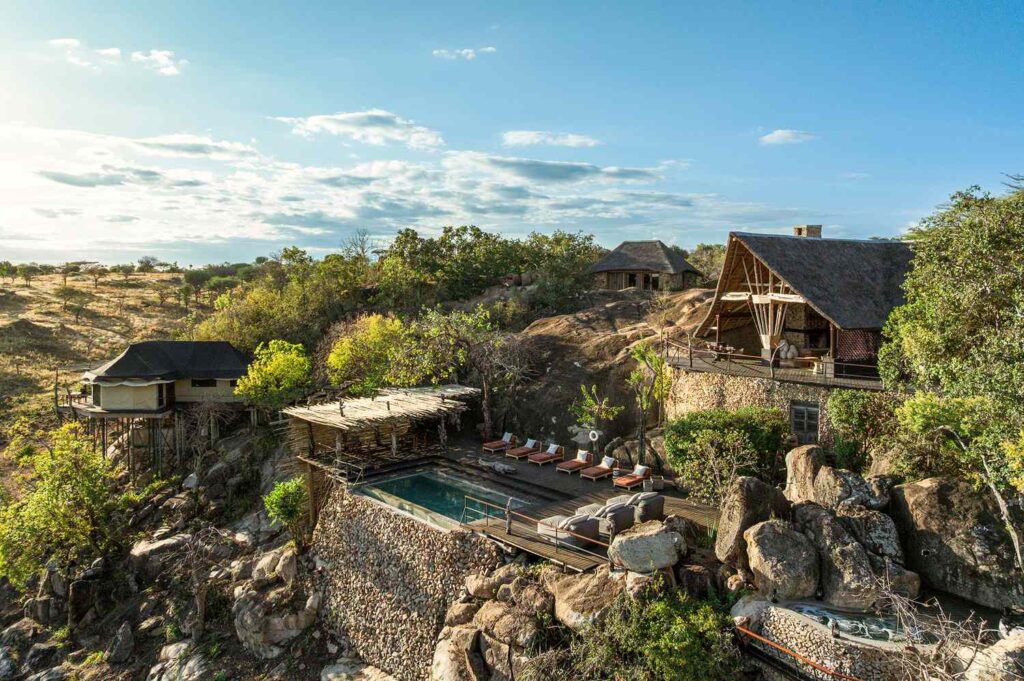
Selecting accommodation can significantly influence your safari experience. Camps and lodges near the Western Corridor reduce unnecessary driving during migration-focused trips.
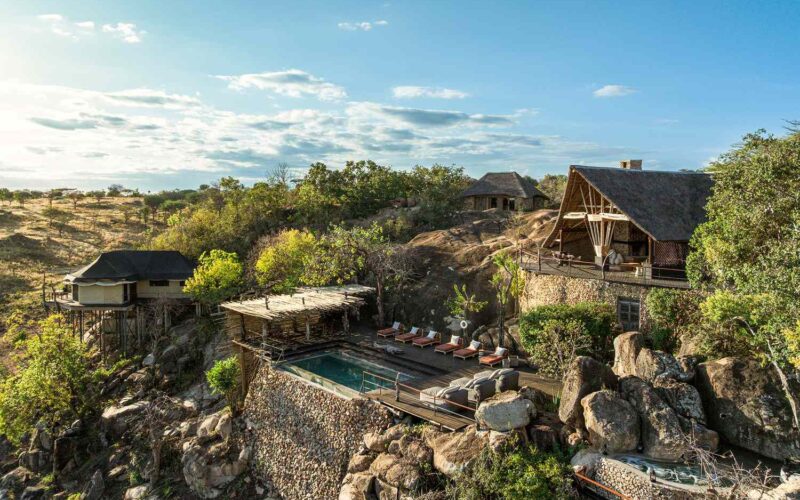
The best accommodation choice depends on your travel style. Luxury travelers may prefer permanent luxury lodges or premium tented camps. Mid-range travelers can choose comfortable tented properties with strong access to wildlife areas.
Budget-conscious travelers can consider simpler camps while maintaining access to important safari routes.
Location remains more important than luxury alone. A beautifully designed lodge can lose value when it requires long daily drives to reach wildlife areas.
Therefore, The Best Time to Visit the Western Corridor of Serengeti National Park should connect with the best accommodation location.
TANAPA provides official accommodation information for properties within Tanzania’s national parks.
Cultural Experiences Around Western Serengeti Lodges
A Western Serengeti safari can include meaningful cultural experiences outside the core wildlife activities. These experiences add depth to a Tanzania safari.
Visitors can arrange community visits around the wider Serengeti ecosystem. Depending on the selected lodge and route, travelers may meet local communities and learn about traditional livelihoods.
Local Village Experiences
A village visit can introduce travelers to traditional homes, food preparation, crafts, farming, and everyday community life. Such experiences work best when communities directly benefit from tourism.
Traditional Dance and Music
Cultural performances can provide an engaging introduction to local traditions. Visitors can enjoy music, dancing, storytelling, and traditional artistic expressions.
Local Handicrafts
Travelers can purchase locally produced crafts from responsible community initiatives. These purchases can provide direct economic benefits to artisans.
Traditional Food Experiences
Some cultural programs offer opportunities to experience locally prepared meals. Food creates an excellent connection between travelers and communities.
Fort Ikoma Heritage Visit
Fort Ikoma provides an additional historical experience near the Western Serengeti. TANAPA materials identify the former German fort near the Grumeti River as a notable historical attraction.
These experiences make a Serengeti National Park Safari more meaningful. They connect wildlife conservation with human heritage and local livelihoods.
Wildlife Beyond the Great Migration
The Western Corridor deserves attention beyond migration season. Resident wildlife makes the region valuable throughout the year.
Lions remain among the most exciting species to encounter. Leopards can appear around wooded areas and riverine vegetation. Cheetahs often favor open plains where they can pursue prey.
Elephants move through different habitats while giraffes browse on trees and shrubs. Buffaloes often gather in large herds near suitable grazing areas.
Hippos occupy river and water environments. Crocodiles remain important predators within river ecosystems.
Bird enthusiasts can also discover numerous species. Raptors, waterbirds, grassland species, and colorful smaller birds create excellent photographic opportunities.
TANAPA highlights diverse birdlife across Tanzania’s national parks, with more than 1,100 recorded species nationwide.
Thus, Tanzania wildlife safaris can offer exceptional experiences even when migration herds move elsewhere.
Responsible Tourism During Migration Safaris
Responsible tourism should remain central to every Serengeti Great Migration Safari. Wildlife encounters become more meaningful when visitors respect animals and their environment.
Drivers should remain on permitted routes and avoid unnecessary wildlife disturbance. Visitors should also maintain suitable distances from animals.
River crossing experiences require particular care. TANAPA migration guidelines require vehicles to use designated areas and maintain controlled viewing practices.
Photography should never compromise animal welfare. Travelers should avoid shouting, sudden movements, feeding wildlife, or pressuring animals toward rivers.
Furthermore, responsible lodges should manage waste carefully and reduce unnecessary environmental impacts.
At Deks Africa Safaris and Tours Ltd, responsible travel forms an important part of professional safari planning. Conservation protects the destination that travelers come to experience.
Combining the Western Corridor with Other African Experiences
A Western Corridor safari can form part of a broader East African itinerary. Tanzania offers excellent opportunities to combine Serengeti with Ngorongoro, Tarangire, and other northern destinations.
Travelers seeking primate experiences can also extend their journey into Uganda or Rwanda. Bwindi Gorilla Trekking provides a completely different wildlife experience from the open Serengeti plains.
Combining these destinations creates a diverse East African adventure. Travelers can experience large mammals, primates, cultures, landscapes, and different conservation environments.
A carefully designed itinerary can therefore combine Tanzania Safaris, Uganda safaris, and Rwanda experiences.
This approach also helps travelers understand Africa beyond a single destination. Each ecosystem offers unique wildlife, landscapes, cultures, and conservation stories.
What to Pack for a Western Serengeti Safari?
Packing correctly improves comfort during every Serengeti Safari. Lightweight clothing works well during warmer daytime conditions.
A warm layer remains useful because mornings can feel cool. Neutral colors also blend naturally into the safari environment.
Essential items include:
- Lightweight shirts
- Comfortable trousers
- Warm jacket
- Wide-brimmed hat
- Sunglasses
- Sunscreen
- Insect repellent
- Binoculars
- Camera
- Extra batteries
- Power bank
- Comfortable shoes
- Reusable water bottle
- Personal medication
Travelers should also pack light where possible. Small luggage makes internal flights and safari transfers easier.
Safari Inclusions
- Airport transfers
- Private safari vehicle
- Professional safari guide
- Accommodation
- Meals as specified
- Game drives
- Serengeti National Park entry fees
- Migration-focused game viewing
- Cultural experience
- Drinking water
- Driver allowances
- Government taxes
- Safari planning services
Safari Exclusions
- International flights
- Tanzania visa
- Travel insurance
- Personal expenses
- Alcoholic drinks
- Laundry services
- Tips
- Souvenirs
- Telephone expenses
- Optional activities
- Medical expenses
- Additional accommodation
- Activities outside the itinerary
Why Choose Deks Africa Safaris and Tours Ltd?
The Best Time to Visit the Western Corridor of Serengeti National Park requires informed planning. Seasonal patterns matter, but they represent only one part of the decision.
A professional safari operator should understand wildlife behavior, park logistics, accommodation locations, road conditions, and visitor expectations. Good planning should also balance adventure, comfort, conservation, and cultural experiences.
At Deks Africa Safaris and Tours Ltd, our approach focuses on creating meaningful African journeys. We consider your interests before recommending travel dates and safari routes.
Whether you want migration photography, predator encounters, birdwatching, cultural experiences, or luxury accommodation, we can build a suitable itinerary.
Our expertise also extends beyond Tanzania. Travelers can combine Great Migration Safaris with Uganda gorilla trekking, Rwanda adventures, and other East African experiences.
The Best Time to Visit the Western Corridor of Serengeti National Park
Ultimately, The Best Time to Visit the Western Corridor of Serengeti National Park depends on your safari priorities. May through July offers the strongest opportunity for migration-focused adventures in the Western Corridor.
May and June provide fresh landscapes and active wildlife. June and July can offer exciting opportunities around the Grumeti ecosystem. August through October provides excellent dry-season wildlife viewing with fewer migration-focused expectations.
November through April offers lush scenery, birdlife, dramatic landscapes, and a greener safari atmosphere.
The Great Wildlife Migration Cycle remains naturally unpredictable. Therefore, responsible safari planning should focus on seasonal probabilities rather than promises.
For travelers seeking an exceptional Serengeti National Park Safari, the Western Corridor offers remarkable diversity. Its wildlife, river systems, landscapes, history, and cultural connections create a complete African experience.
Most importantly, The Best Time to Visit the Western Corridor of Serengeti National Park should match your personal travel goals.
Choose your season carefully. Allow enough time for wildlife exploration. Select accommodation based on location. Respect conservation guidelines. Then let the Serengeti provide the unforgettable moments.
The Best Time to Visit the Western Corridor of Serengeti National Park is ultimately the time that gives you the experience you value most.
Proposed East Africa Safari Holidays for the USA Travelers
- 9-Day Rwanda & Tanzania Luxury Wildlife Tour
- 9-Day Rwanda, Uganda & Tanzania Luxury Wildlife Safari
- 9-Day Rwanda Gorilla Trekking & Tanzania Safari
- 9-Day Tanzania Safari & Uganda Gorilla Trekking
- 10-Day Serengeti & Ngorongoro Crater Safari Experience
- 10-Day Tanzania and Rwanda Adventure Safari
- 11-Day Rwanda Uganda Tanzania Safari
- 20 Days Uganda, Tanzania, and Mafia Island Beach Safari
- 18 Days Uganda, Tanzania, and Mafia Island Beach Safari
- 14-Day Rwanda Uganda Tanzania Tour
- 14-Day Rwanda, Kenya, Tanzania & Beach Holiday
- 20-Day Rwanda Tanzania Zanzibar Safari Experience
- 16-Day Tanzania Safari & Rwanda Gorilla Trekking Experience
- 14 Days Kenya-Tanzania-Rwanda-Uganda Safari
- 24 Days Zanzibar-Uganda-Tanzania-Kenya Safari
- 5 Days Serengeti Great Migration Safari
- 6 Days Serengeti Great Migration Safari
- 7 Days Serengeti Great Migration Safari
- 8 Days Serengeti Great Migration Safari