Best Lodges for Serengeti Great Migration Safari
August 24, 2026
February Versus August for a Great Migration Safari
August 24, 2026Choosing the Best Time for a Great Migration Safari
Choosing the Best Time for a Great Migration Safari can transform your African adventure. The right season can place you near remarkable wildlife activity. However, the Great Wildlife Migration follows rainfall, grazing conditions, and natural instincts. Therefore, exact wildlife movements never follow a fixed calendar.
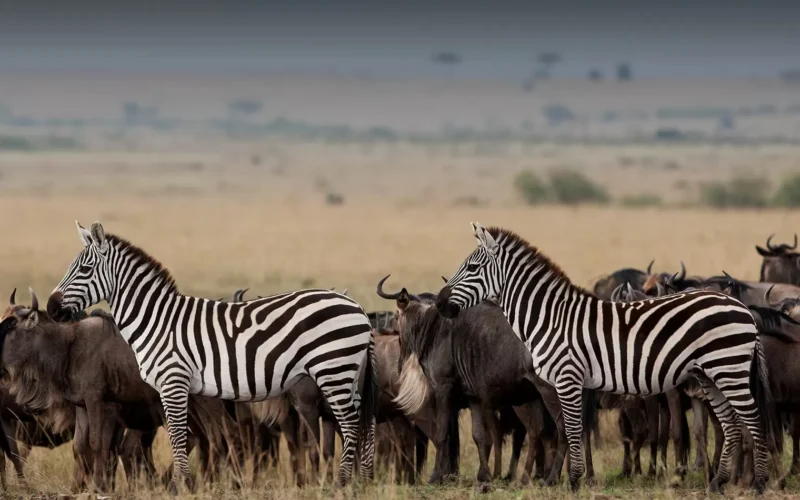
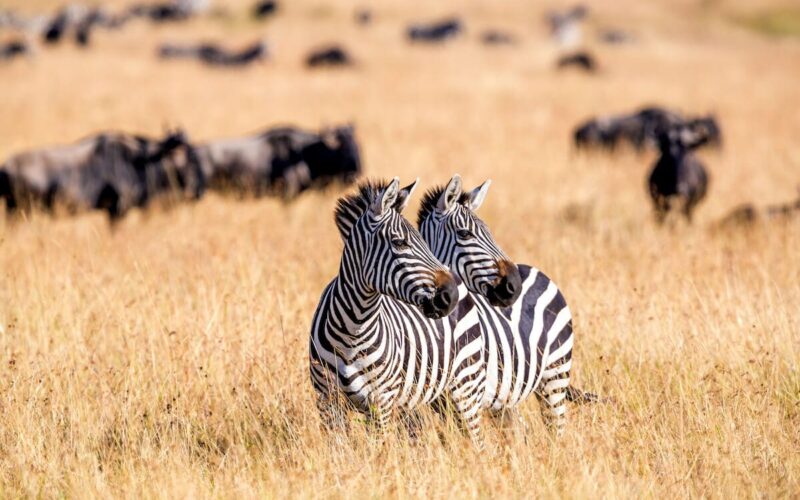
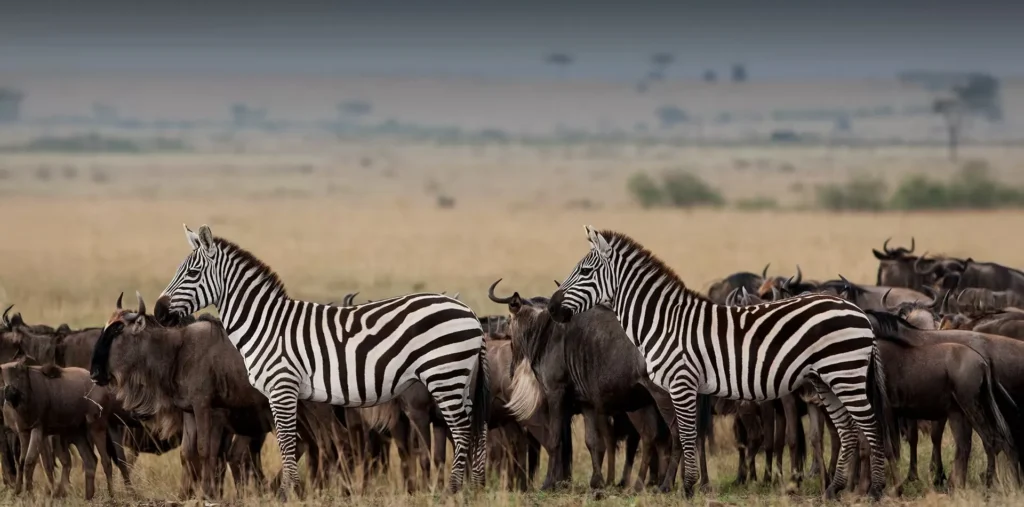
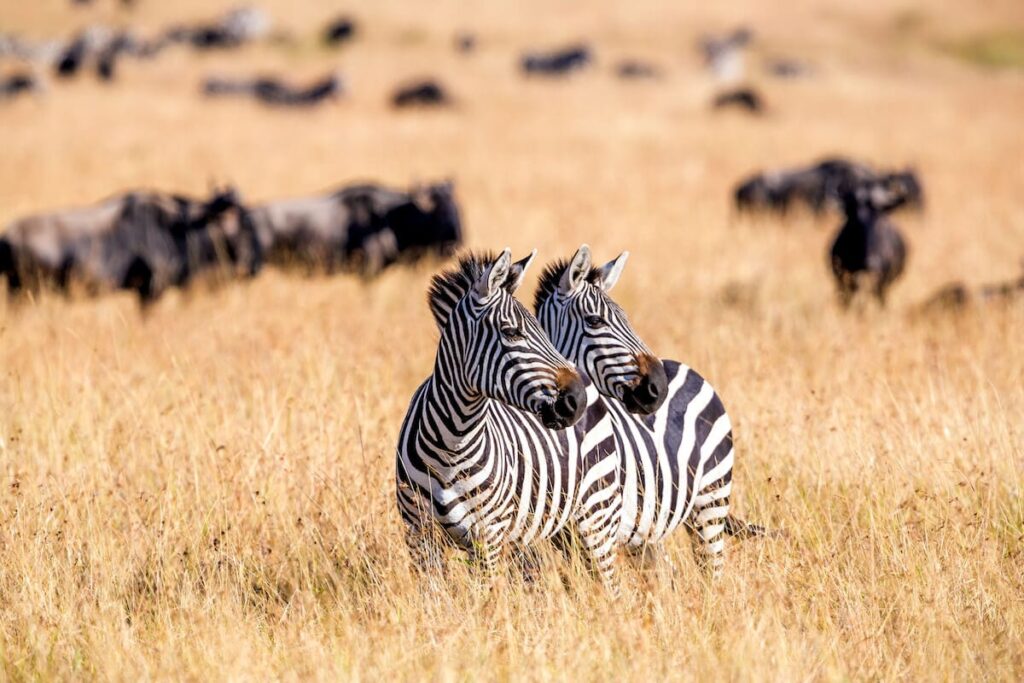
The Great Wildlife Migration involves millions of wildebeest, zebras, and other grazing animals. These herds move across the Serengeti-Mara ecosystem throughout the year. Each season creates different opportunities for wildlife viewing and photography.
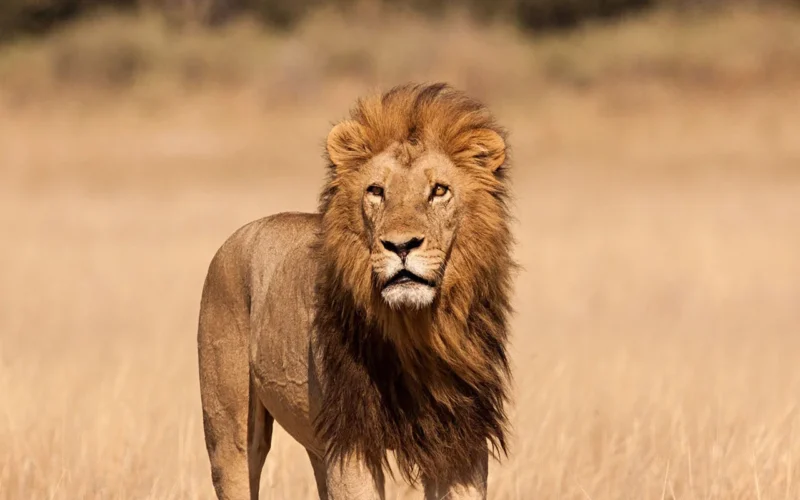
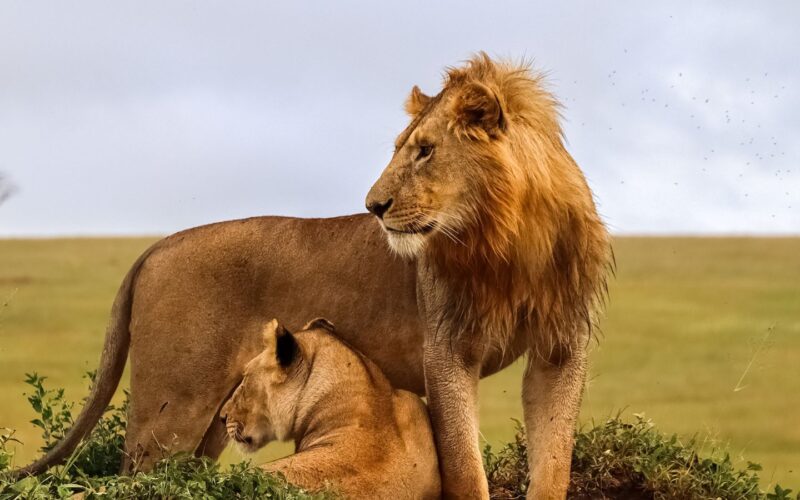
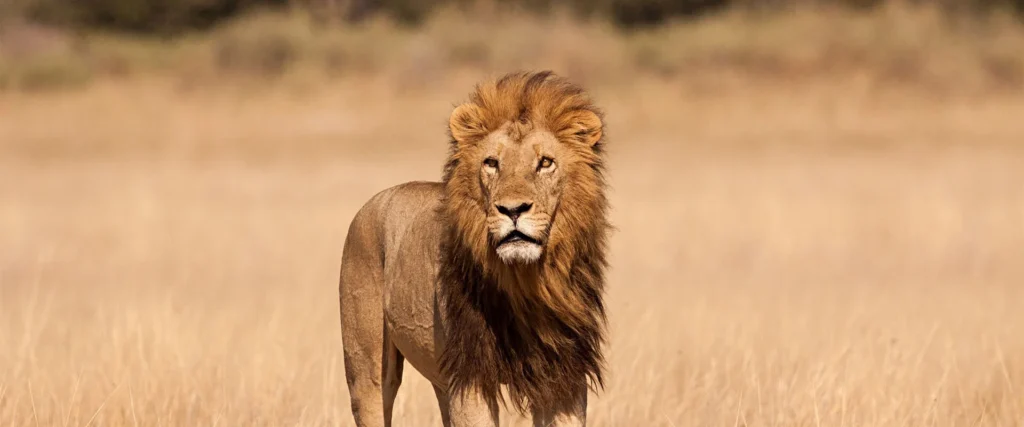
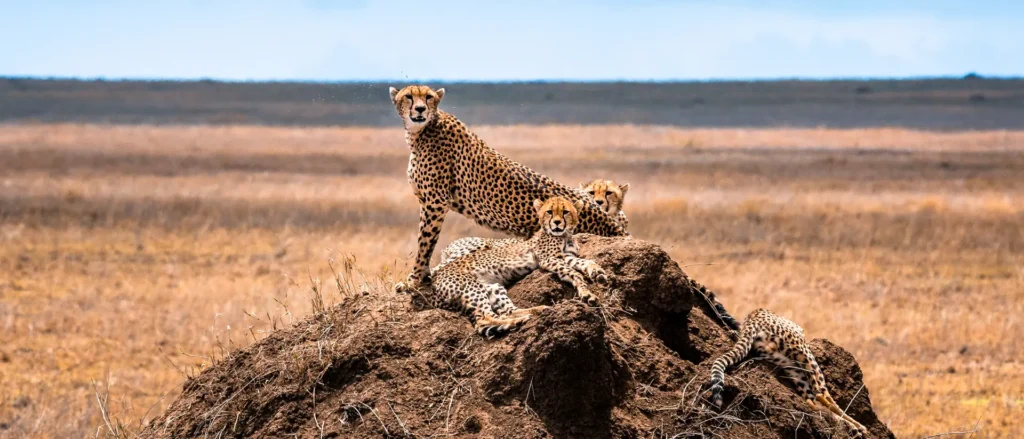
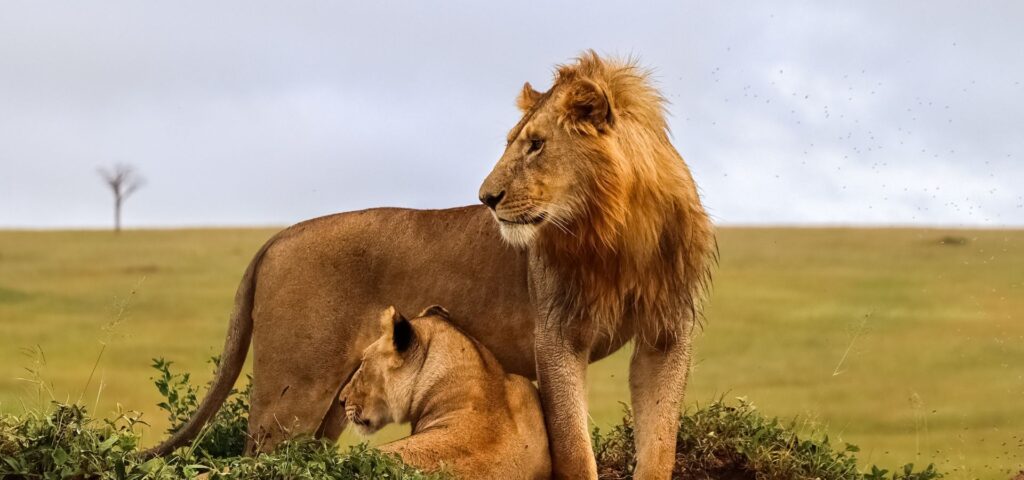
A Serengeti National Park Safari offers exceptional experiences beyond migration viewing. The ecosystem supports lions, leopards, cheetahs, elephants, buffaloes, giraffes, and many antelope species. Consequently, travelers can enjoy outstanding wildlife throughout the year.
Choosing the Best Time for a Great Migration Safari depends on your priorities. Some travelers prefer newborn calves and predator encounters. Others want dramatic river crossings or quieter wilderness experiences.
Deks Africa Safaris and Tours Ltd helps travelers understand these seasonal differences. Our approach combines destination knowledge, practical planning, and responsible tourism. We create journeys that match your expectations, travel style, and available time.
Why Timing Matters on a Great Migration Safari
Choosing the Best Time for a Great Migration Safari requires understanding the annual migration cycle. The herds respond mainly to rainfall and fresh grazing. Their movements therefore change according to environmental conditions.
During some months, huge herds gather across southern Serengeti plains. Other periods bring the animals toward western and northern regions. Later, the herds begin their journey back toward southern grazing areas.
A well-timed Serengeti Safari can increase your chances of witnessing specific wildlife behavior. Nevertheless, nature does not operate according to human schedules. Experienced safari planning therefore combines seasonal knowledge with flexibility.
Your preferred accommodation location also matters. Staying near likely wildlife areas can reduce unnecessary driving. Mobile camps can offer additional flexibility during major migration periods.
Moreover, private safari vehicles can improve your overall experience. Private guiding allows more freedom with game-drive timing and wildlife viewing. This approach works particularly well for photographers, couples, and families.
January to March: The Calving Season
Choosing the Best Time for a Great Migration Safari often leads travelers toward January through March. During this period, large herds gather across the southern Serengeti and Ndutu plains.
Fresh green grass provides excellent feeding conditions for pregnant wildebeest. Soon afterward, thousands of calves arrive across the open plains. The calving season creates powerful opportunities for observing young wildlife.
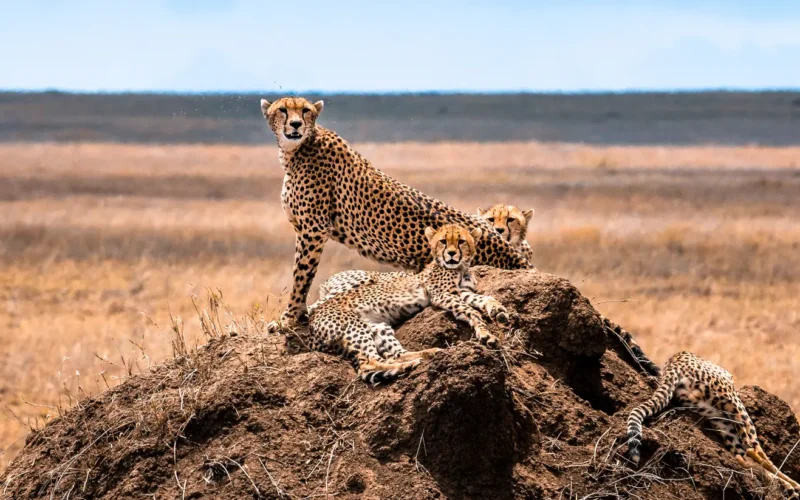
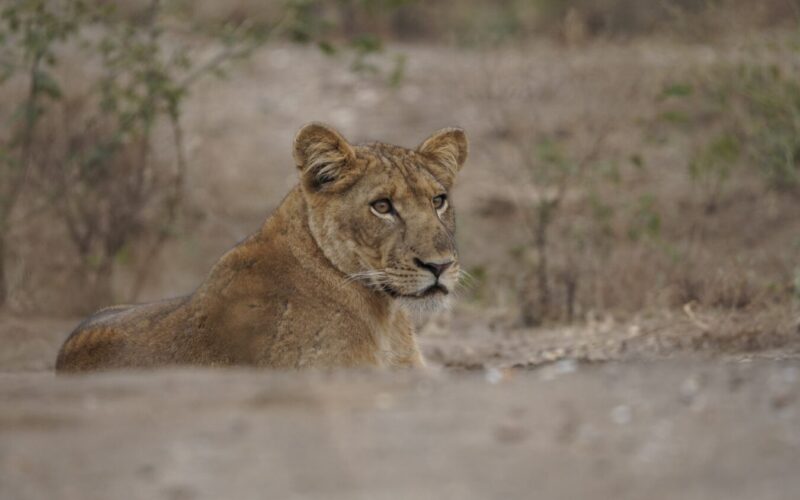
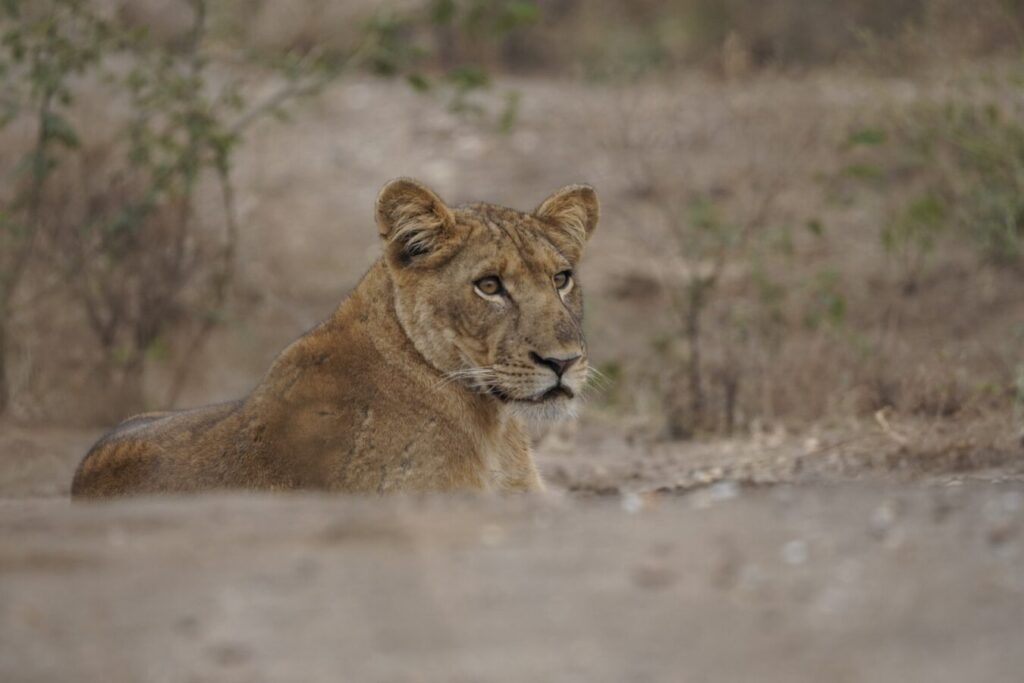
Predators also concentrate around these rich feeding areas. Lions, cheetahs, hyenas, and other predators follow the abundant prey. Therefore, this season can provide remarkable predator encounters.
Photographers can enjoy beautiful green landscapes and dramatic wildlife scenes. Morning game drives often provide excellent opportunities for photography. Soft sunlight also creates attractive conditions across the plains.
The southern Serengeti offers an especially rewarding Tanzania wildlife safari during this period. Visitor numbers can also vary by location and accommodation choice.
For travelers interested in newborn wildlife, January through March remains highly attractive. Choosing the Best Time for a Great Migration Safari should therefore consider the calving season seriously.
April to June: The Migration Moves North
April through June brings important changes within the Great Wildlife Migration Cycle. The herds begin moving away from southern grazing grounds. Their journey takes them through central and western Serengeti areas.
Rainfall can create lush landscapes during this period. Green vegetation provides beautiful scenery for wildlife photography. The changing landscape also creates varied safari experiences.
Male wildebeest become increasingly active during the rutting period. Their competition creates fascinating behavioral encounters across the plains. This season offers more than simply watching animals move.
The western Serengeti can also provide opportunities around the Grumeti River corridor. Wildlife concentrations vary, so flexible planning remains important.
April and May can bring wetter conditions. However, these months can offer quieter safari experiences. Travelers seeking fewer crowds may find this period appealing.
June often provides an attractive transition between seasons. Wildlife activity can remain strong while rainfall patterns begin changing. Consequently, Choosing the Best Time for a Great Migration Safari should consider your tolerance for changing weather.
July to October: The Northern Migration
July through October represents one of the most popular periods for Great Migration Safaris. During these months, herds move through northern Serengeti landscapes.
The Mara River becomes a major feature of the migration journey. Herds may approach riverbanks before attempting dangerous crossings. However, crossings remain unpredictable and can occur at different times.
Strong currents and crocodiles create serious natural challenges for migrating animals. The spectacle can become intense when thousands of animals gather around riverbanks.
August and September often attract many travelers seeking river-crossing experiences. Consequently, accommodation demand can become particularly high during these months.
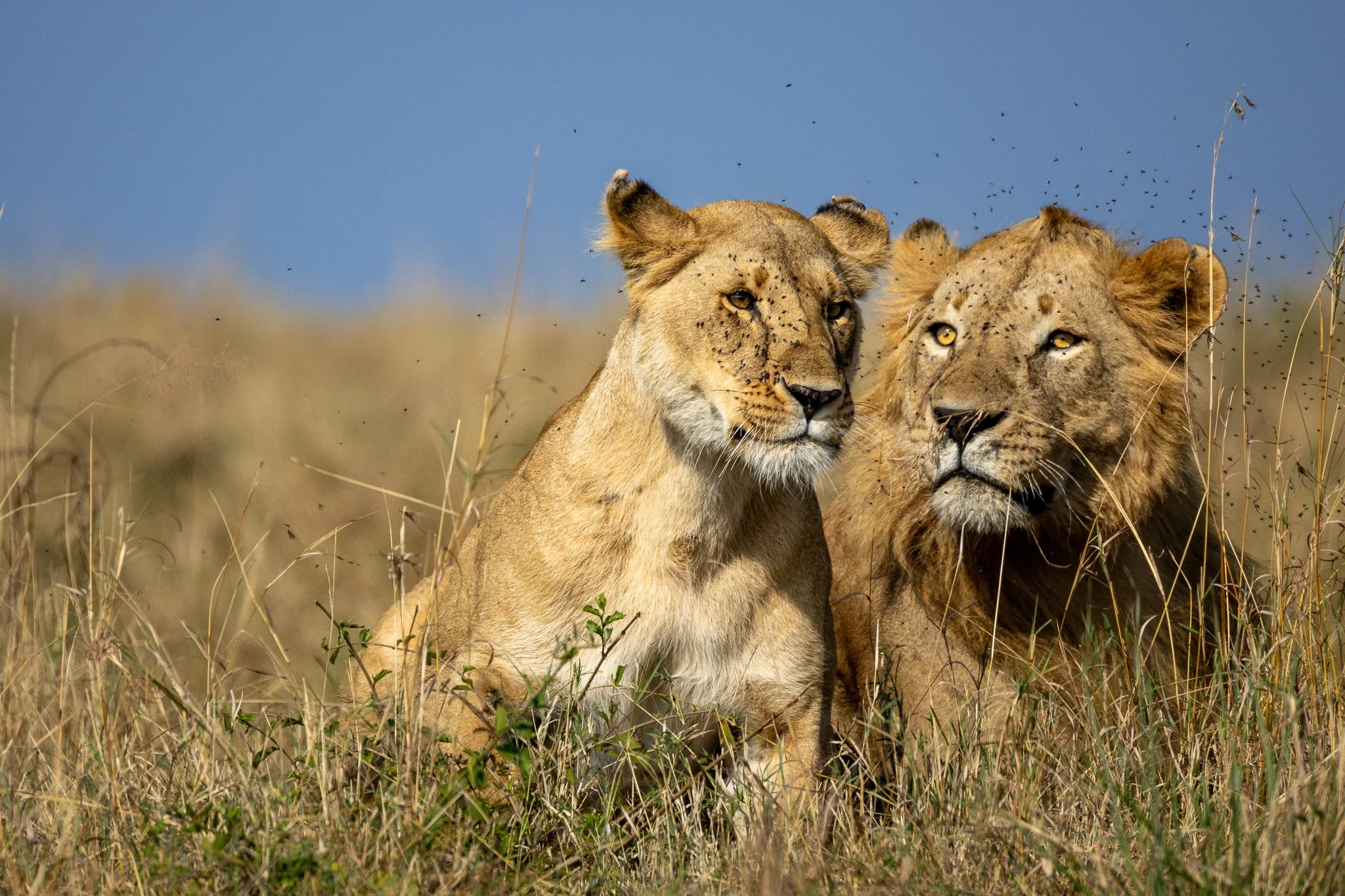
Northern Serengeti also provides excellent resident wildlife viewing. Lions, leopards, elephants, giraffes, and buffaloes remain within the ecosystem. Therefore, travelers can enjoy strong safari experiences even without witnessing a crossing.
Choosing the Best Time for a Great Migration Safari should never focus exclusively on river crossings. The broader northern Serengeti experience offers substantial wildlife value.
14-Day Tanzania Luxury Honeymoon Safari
November to December: The Journey South
November and December bring another important stage of the Great Wildlife Migration Cycle. Short rains begin transforming landscapes across parts of the Serengeti.
The herds gradually move southward toward fresh grazing areas. Green vegetation creates attractive scenery across the ecosystem. Wildlife can become widely distributed as grazing conditions improve.
This period can offer rewarding game drives without the peak-season atmosphere. Travelers may also find greater accommodation flexibility in selected areas.
Resident predators continue hunting throughout the ecosystem. Lions, cheetahs, leopards, and hyenas remain important attractions during this period.
Birdlife can also become particularly interesting after seasonal rains. Migratory species may add another dimension to wildlife viewing.
For travelers seeking greener landscapes and changing wildlife patterns, November and December deserve consideration. Choosing the Best Time for a Great Migration Safari means evaluating the entire seasonal cycle.
Understanding River Crossings
Many travelers associate Serengeti Great Migration Safari experiences with river crossings. These dramatic events can create unforgettable wildlife encounters.
However, river crossings remain completely natural events. No safari company can guarantee the exact date or location. Herds may wait for hours or days before crossing.
Patience therefore becomes essential during northern Serengeti safaris. Skilled guides monitor wildlife behavior and adjust plans accordingly. This strategy provides better opportunities without disrupting natural processes.
Travelers should also avoid expecting a constant spectacle. Wildlife may gather at riverbanks before changing direction. Such behavior forms part of the natural migration experience.
The surrounding ecosystem also provides excellent wildlife viewing. Crocodiles, hippos, lions, elephants, and other animals add variety to northern safaris.
Therefore, Choosing the Best Time for a Great Migration Safari requires realistic expectations. The migration remains spectacular because nature controls every moment.
Choosing the Best Safari Lodge
Accommodation plays an important role when Choosing the Best Time for a Great Migration Safari. Lodge location can influence driving distances and daily wildlife opportunities.
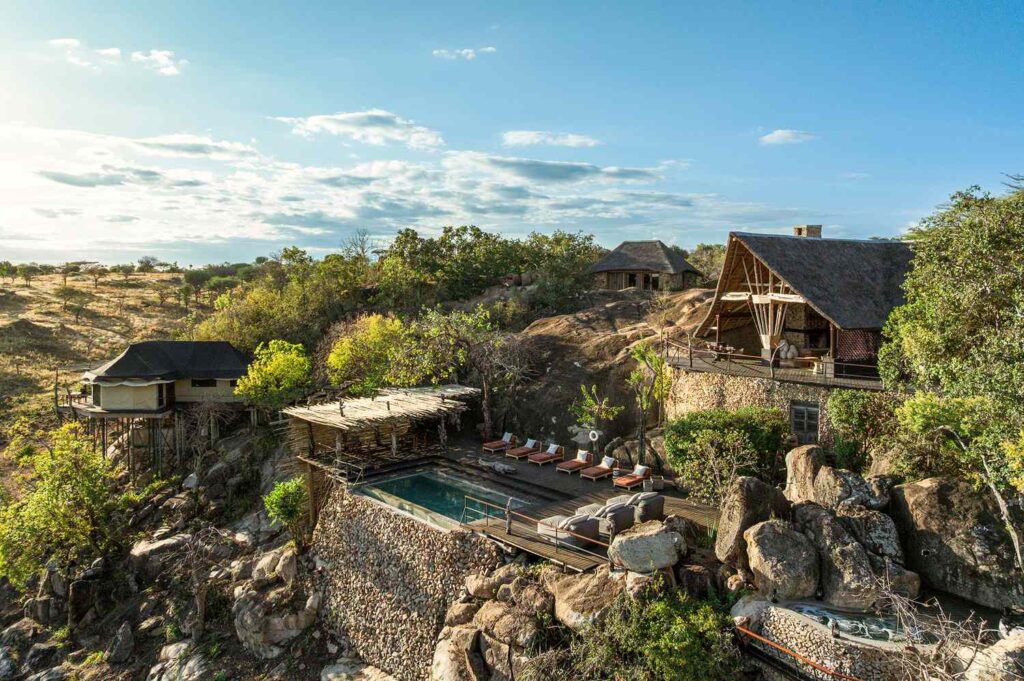
Southern Serengeti camps work well during the calving season. Central Serengeti properties can provide useful access during transitional months. Northern camps become attractive during migration periods around the Mara River.
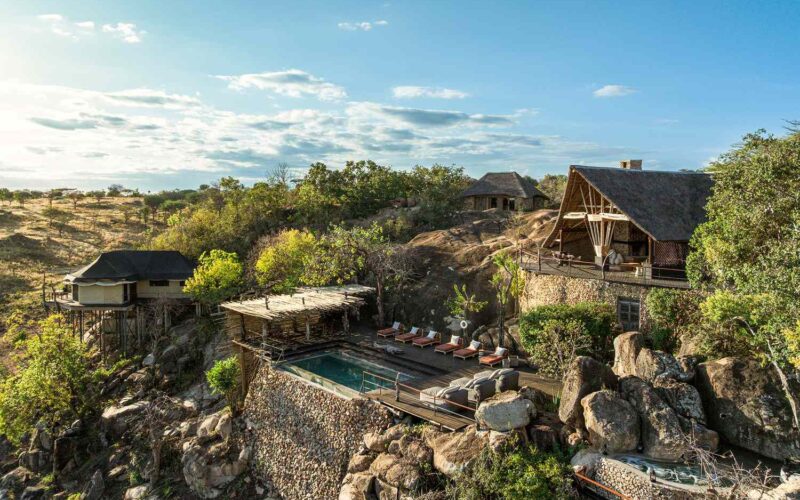
Luxury lodges offer excellent comfort and permanent facilities. Tented camps provide a more immersive wilderness atmosphere. Mobile camps can follow seasonal migration patterns in selected areas.
Couples may prefer private rooms and romantic dining arrangements. Families may prioritize spacious rooms and convenient facilities. Photographers often value strategic locations near wildlife activity.
Before booking, consider the lodge’s location and seasonal accessibility. Accommodation quality matters, but location can matter even more during migration safaris.
Cultural Experiences Around Serengeti Lodges
Choosing the Best Time for a Great Migration Safari can include meaningful cultural experiences. The Serengeti region offers opportunities to understand communities living around the ecosystem.
Maasai cultural visits provide insight into traditional pastoral lifestyles. Travelers can learn about livestock keeping, traditional homes, beadwork, music, and dance.
Community visits should support respectful and responsible tourism. Guests should follow local customs and respect photography preferences. Authentic interaction creates more meaningful experiences for everyone.
Some cultural programs also showcase traditional crafts. Purchasing locally produced crafts can support community livelihoods. Travelers can therefore contribute directly to local economic opportunities.
Guided community walks may provide further insight into daily life. Guests can discover how people adapt to the surrounding environment.
Adding cultural experiences creates a broader Tanzania Safari experience. Wildlife becomes one part of a journey that also celebrates people and heritage.
Combining Serengeti With Other Tanzania Safaris
Choosing the Best Time for a Great Migration Safari also involves considering other destinations. Tanzania offers several outstanding parks that complement the Serengeti.
Ngorongoro Conservation Area provides dramatic scenery and excellent wildlife viewing. Tarangire National Park offers elephants, baobabs, and distinctive landscapes.
Lake Manyara can add another ecosystem to a northern Tanzania itinerary. Each destination provides different wildlife and landscape experiences.
Combining destinations can create a more balanced safari. Travelers can experience migration areas while exploring other ecosystems.
Longer itineraries also reduce pressure to rush between destinations. More time allows travelers to enjoy game drives, cultural experiences, and scenic landscapes.
Couples can also extend their safari toward Zanzibar. Beach relaxation creates a natural ending after several days in the wilderness.
Great Migration Safari Planning Tips
Choosing the Best Time for a Great Migration Safari requires early planning during peak periods. July through October often attracts significant international demand.
Luxury camps and prime locations can fill quickly. Booking early therefore provides more accommodation choices.
Travelers should also maintain flexibility around wildlife movements. Avoid building an itinerary around one guaranteed event. Instead, plan around seasonal patterns and allow room for natural changes.
Consider private vehicles when flexibility matters. Private guiding can provide greater control over daily safari activities.
Travel insurance also remains important for international travelers. Weather, flight changes, and other unexpected circumstances can affect travel plans.
A professional safari operator can coordinate accommodation, park logistics, transfers, guides, and activities. This support simplifies planning and creates a smoother travel experience.
Responsible Migration Safaris
Responsible tourism should remain central to every Serengeti National Park Safari. Wildlife conservation depends on protecting habitats and maintaining respectful visitor behavior.
Safari vehicles should maintain appropriate distances from animals. Guides should follow park regulations and avoid unnecessary wildlife disturbance.
Travelers should also minimize waste throughout their journeys. Reusable bottles can reduce unnecessary plastic consumption.
Supporting community-based tourism can create additional local benefits. Visitors can purchase appropriate crafts and participate in responsible cultural programs.
Conservation also depends on protecting natural habitats. Sustainable tourism creates economic reasons to preserve wildlife areas.
Deks Africa Safaris and Tours Ltd promotes responsible travel across African destinations. Our goal involves creating memorable journeys while respecting wildlife, communities, and ecosystems.
Great Migration Safari and Bwindi Gorilla Trekking
Travelers seeking broader African adventures can combine Tanzania with Bwindi Gorilla Trekking in Uganda. This combination creates two remarkably different wildlife experiences.
The Serengeti offers open plains and massive herbivore movements. Bwindi provides dense forests and intimate mountain gorilla encounters.
A multi-country itinerary can therefore showcase contrasting African ecosystems. Travelers can experience Tanzania wildlife safaris before exploring Uganda’s forested landscapes.
This combination requires careful logistical planning. Flights, border arrangements, permits, accommodation, and transfers should align properly.
Travelers should also allow sufficient time between major activities. A relaxed itinerary creates a better experience than rushing between destinations.
Safari Inclusions
- Airport transfers
- Private safari vehicle
- Professional safari guide
- Accommodation
- Meals
- Park entrance fees
- Game drives
- Migration viewing
- Bottled drinking water
- Cultural experiences
- Government taxes
- Emergency assistance
Safari Exclusions
- International flights
- Visa fees
- Travel insurance
- Personal expenses
- Alcoholic drinks
- Laundry services
- Tips
- Souvenirs
- Optional activities
- Medical expenses
- Additional accommodation
- Personal communications
- Items not listed under inclusions
Why Choose Deks Africa Safaris and Tours Ltd?
Choosing the Best Time for a Great Migration Safari becomes easier with experienced planning. Deks Africa Safaris and Tours Ltd focuses on practical knowledge and personalized safari design.
Our approach considers seasons, wildlife movements, accommodation locations, and traveler expectations. We also prioritize responsible tourism throughout the planning process.
Every traveler deserves accurate information before committing to an African safari. Clear planning helps guests understand seasonal opportunities and natural uncertainties.
We also recognize that every traveler has different priorities. Some prefer photography, while others prioritize predators, landscapes, culture, or relaxation.
Therefore, we design experiences around individual interests rather than generic itineraries. This approach creates more meaningful and comfortable Tanzania Safaris.
Experience the Great Migration With Confidence
Choosing the Best Time for a Great Migration Safari starts with understanding your desired experience. Calving season offers newborn wildlife and intense predator activity. The northern season offers opportunities for dramatic river encounters.
Meanwhile, transitional months provide changing landscapes, wildlife movements, and potentially quieter experiences. Every season offers something valuable across the Serengeti ecosystem.
The Great Wildlife Migration remains one of Africa’s greatest natural spectacles. Its unpredictability forms part of its extraordinary appeal.
A well-planned Serengeti Safari combines wildlife, culture, comfort, conservation, and expert guidance. Travelers can also expand their journey through other Tanzania wildlife safaris.
For those seeking a broader African adventure, Bwindi Gorilla Trekking provides an exceptional extension. Such journeys connect different landscapes, cultures, and wildlife experiences.
Ultimately, Choosing the Best Time for a Great Migration Safari depends on what you want to experience. Choose your priorities first, then build your itinerary around the natural migration cycle.
Proposed East Africa Safari Holidays for the USA Travelers
- 9-Day Rwanda & Tanzania Luxury Wildlife Tour
- 10-Day Tanzania Safari Experience
- 9-Day Rwanda, Uganda & Tanzania Luxury Wildlife Safari
- 9-Day Rwanda Gorilla Trekking & Tanzania Safari
- 9-Day Tanzania Safari & Uganda Gorilla Trekking
- 10-Day Serengeti & Ngorongoro Crater Safari Experience
- 10-Day Tanzania and Rwanda Adventure Safari
- 11-Day Rwanda Uganda Tanzania Safari
- 20 Days Uganda, Tanzania, and Mafia Island Beach Safari
- 18 Days Uganda, Tanzania, and Mafia Island Beach Safari
- 14-Day Rwanda Uganda Tanzania Tour
- 14-Day Rwanda, Kenya, Tanzania & Beach Holiday
- 20-Day Rwanda Tanzania Zanzibar Safari Experience
- 16-Day Tanzania Safari & Rwanda Gorilla Trekking Experience
- 14 Days Kenya-Tanzania-Rwanda-Uganda Safari
- 24 Days Zanzibar-Uganda-Tanzania-Kenya Safari
- 5 Days Serengeti Great Migration Safari
- 6 Days Serengeti Great Migration Safari
- 7 Days Serengeti Great Migration Safari
- 8 Days Serengeti Great Migration Safari
- Hot Air Balloon serengeti
- 14 Days Uganda Tanzania and Kenya Safari
- What Should I Pack for a Tanzania Safari