Choosing the Best Time for a Great Migration Safari
August 24, 2026
Fly-in Versus Driving During a Serengeti Migration Safari
August 24, 2026February Versus August for a Great Migration Safari: Choosing the Right Season
Choosing between February and August can shape your entire safari experience. Both months offer remarkable wildlife encounters across Tanzania’s Serengeti ecosystem. However, each season creates a different atmosphere, landscape, and wildlife experience.
February Versus August for a Great Migration Safari requires more than checking migration calendars. You should consider wildlife behavior, weather, photography, crowds, accommodation, and your personal safari goals.
The Serengeti National Park remains one of Africa’s most extraordinary wildlife destinations. Its vast plains support huge populations of wildebeest, zebra, gazelles, predators, and resident wildlife. The annual migration follows rainfall, fresh grass, water, and changing ecological conditions.
Therefore, no single month guarantees one exact migration location. Nature controls the movement, while experienced safari planning helps you maximize your opportunities.
For travelers seeking newborn animals and dramatic predator encounters, February offers exceptional possibilities. August appeals strongly to travelers seeking northern Serengeti landscapes and river-crossing possibilities.
Ultimately, February Versus August for a Great Migration Safari depends on what you want to experience most.
February Versus August for a Great Migration Safari: Understanding February
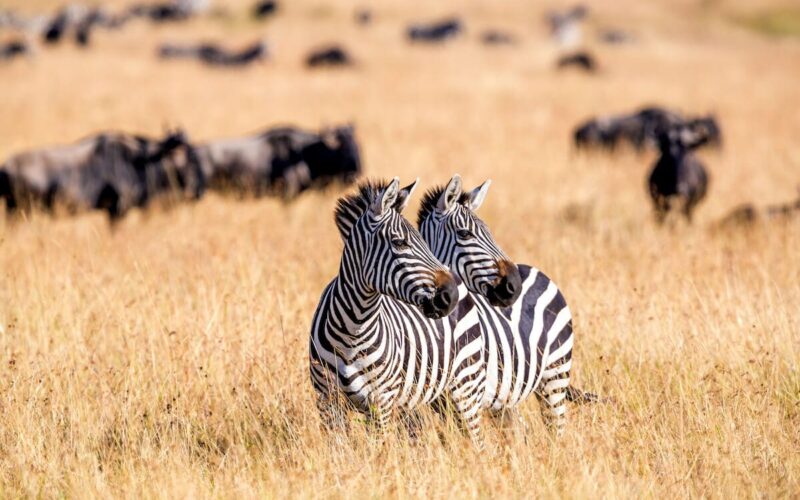
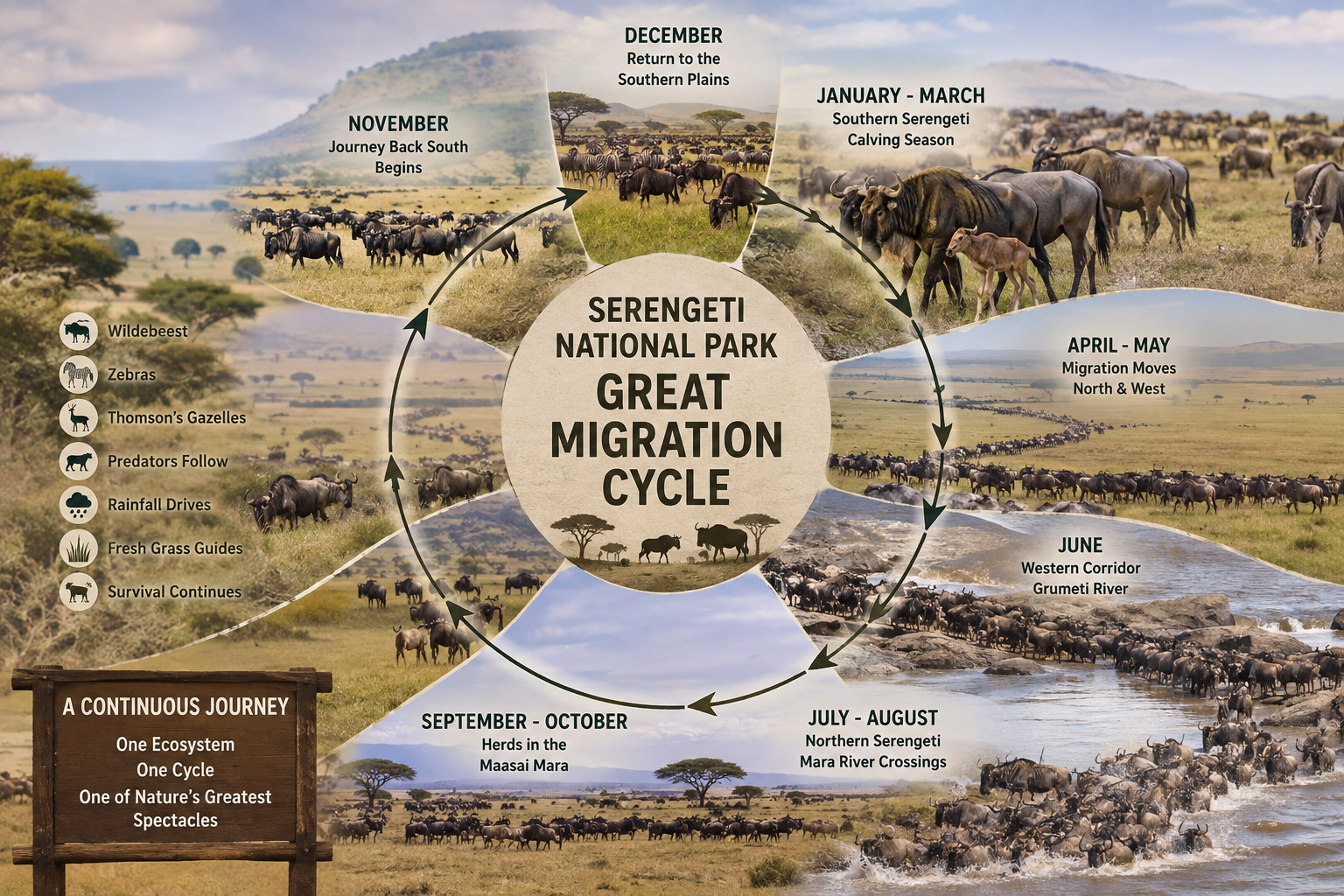
February represents one of the most exciting periods within the Great Wildlife Migration Cycle. During this period, large wildebeest herds often concentrate around the southern Serengeti and Ndutu ecosystem.
The Calving Season
Fresh grazing attracts enormous herds across the short-grass plains. Many wildebeest give birth during this period. Newborn calves create spectacular opportunities for wildlife photography and observation.
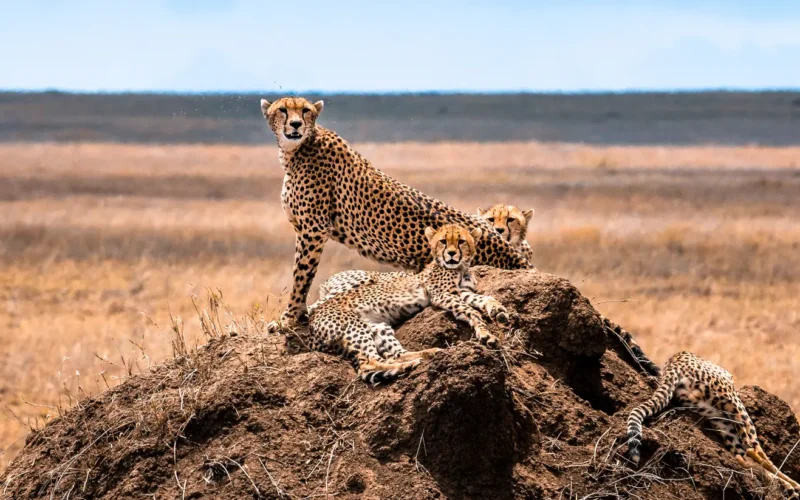
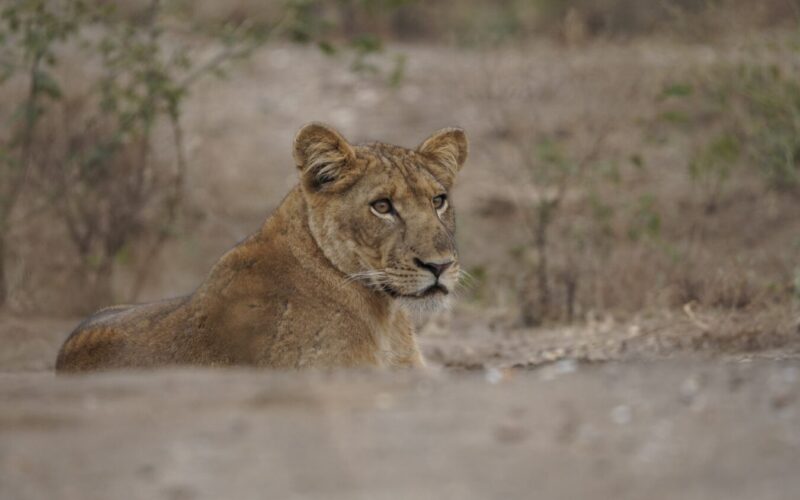
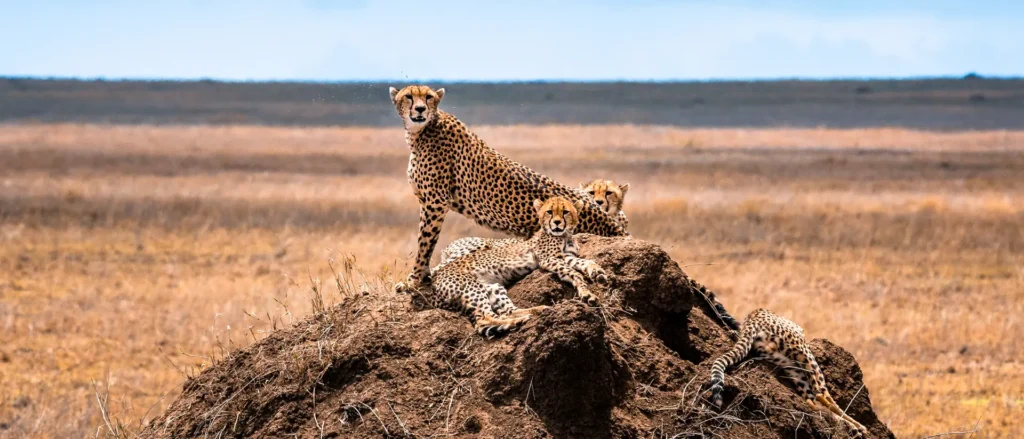
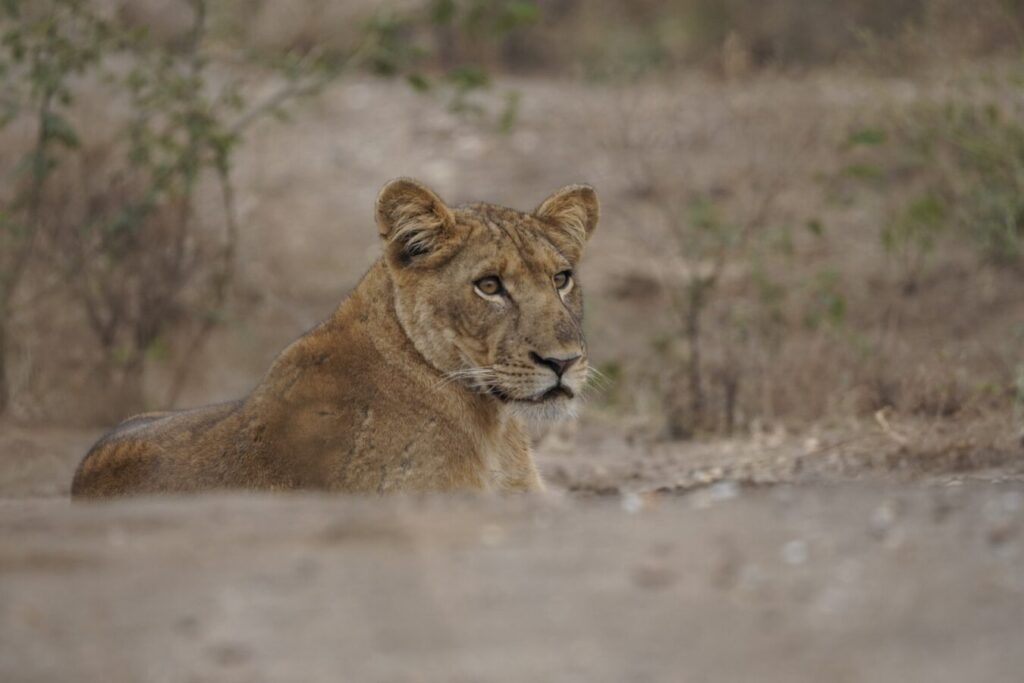
Predators also take advantage of this abundance. Lions, cheetahs, hyenas, and other carnivores follow the herds closely. Consequently, February can deliver intense predator-prey interactions.
The green landscape also creates beautiful photographic backgrounds. Golden grass contrasts with fresh vegetation and dramatic African skies. Early morning drives often provide excellent light and active wildlife.
February can also provide a more intimate safari atmosphere than the busiest migration months. However, popular areas still attract many travelers during peak calving periods.
For photographers, families, and wildlife enthusiasts, February offers tremendous value. The combination of newborn animals and active predators creates unforgettable safari moments.
That makes February Versus August for a Great Migration Safari an important decision for anyone prioritizing calving experiences.
August brings a completely different migration atmosphere. Large herds may move through the northern Serengeti and approach the Mara River region.
Northern Serengeti Wildlife
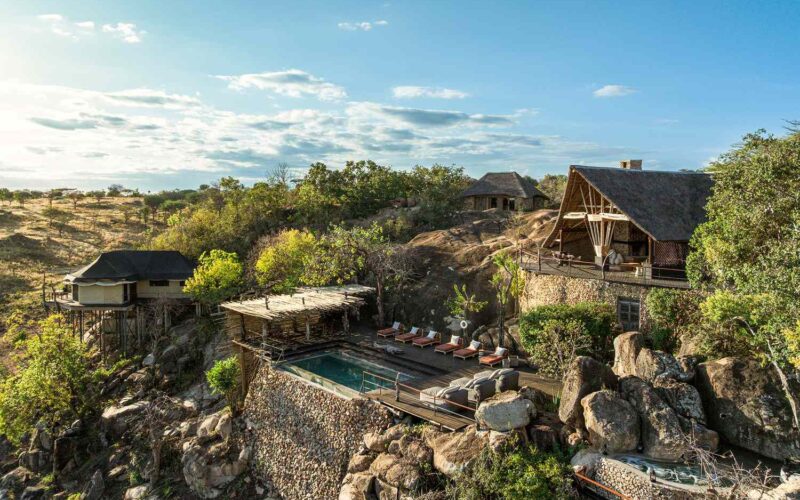
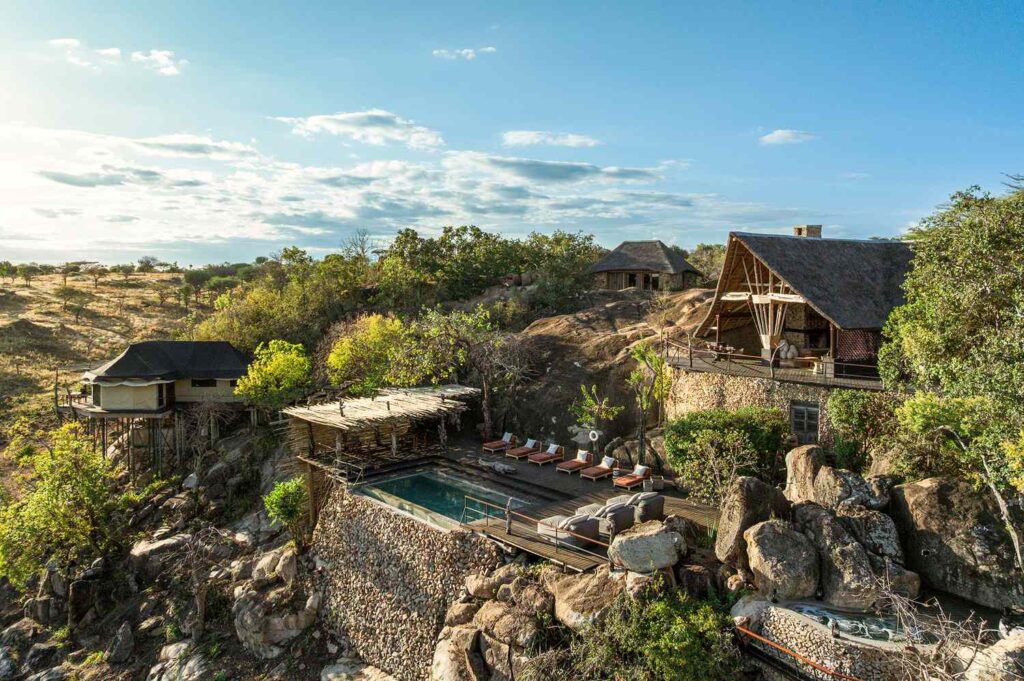
The northern Serengeti offers dramatic scenery and excellent wildlife viewing. Rocky outcrops, open plains, riverine habitats, and wooded areas create diverse safari environments.
River crossings can occur during this period. However, travelers should never treat crossings as guaranteed events. The herds respond to rainfall, water levels, predators, and available grazing.
Waiting patiently can become part of the adventure. Sometimes herds gather for hours before moving. At other times, animals cross quickly and unexpectedly.
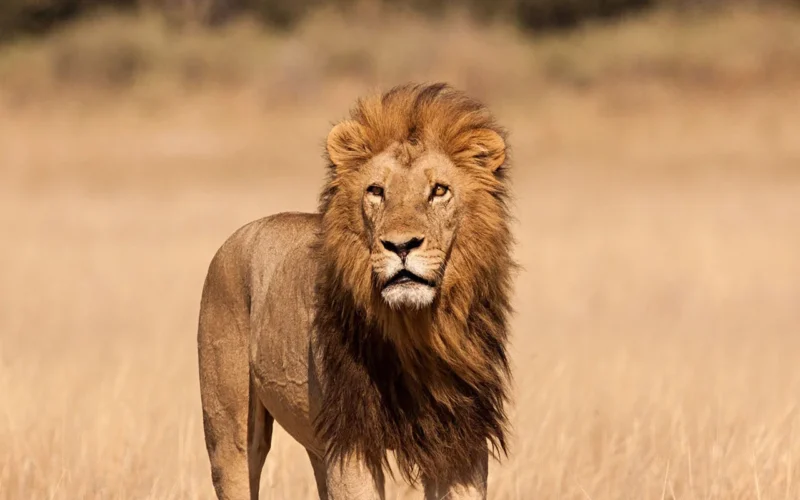
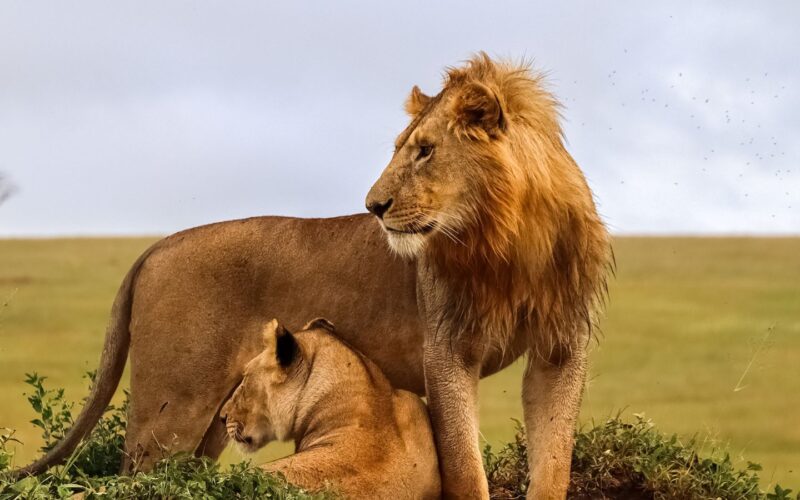
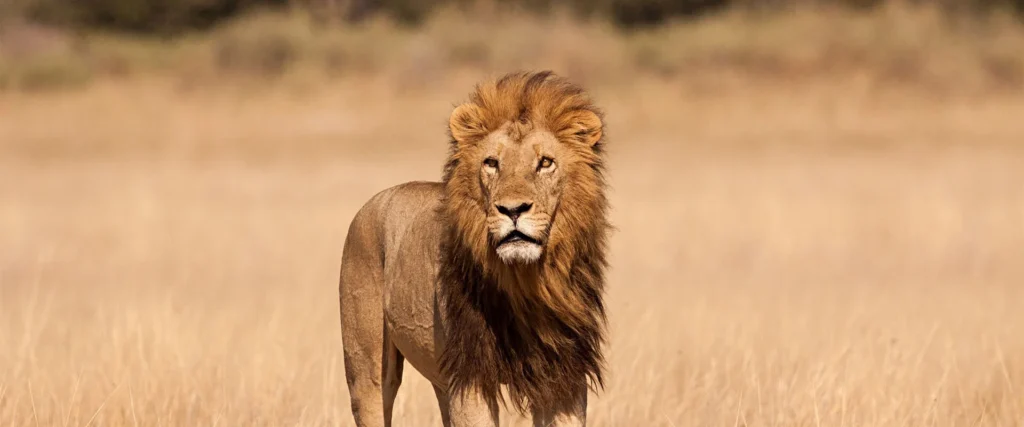
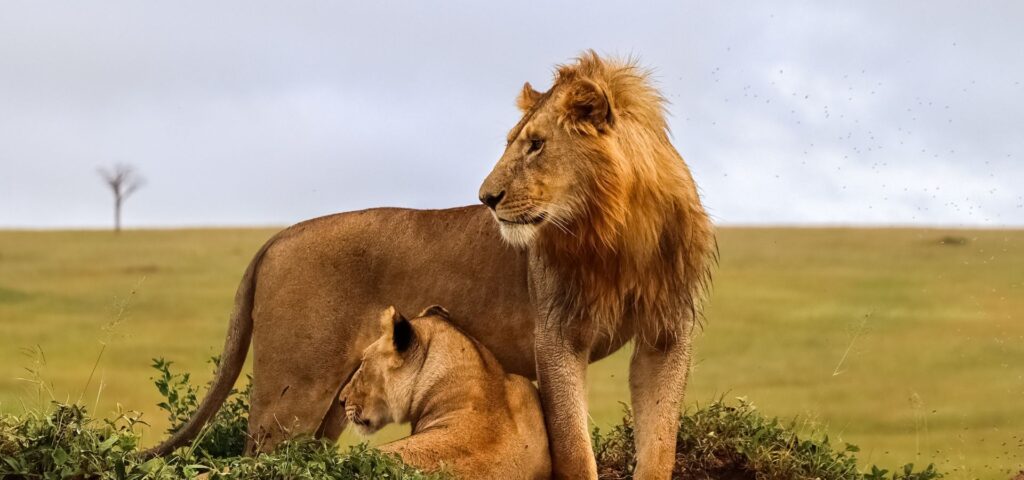
August also provides excellent opportunities for general wildlife viewing. Resident lions, elephants, leopards, giraffes, buffaloes, and numerous antelope species remain throughout the ecosystem.
Therefore, February Versus August for a Great Migration Safari should not focus only on river crossings. August offers an entire northern Serengeti safari experience.
Wildlife Differences
February and August provide different wildlife spectacles. February focuses strongly on reproduction, newborn calves, and predator activity.
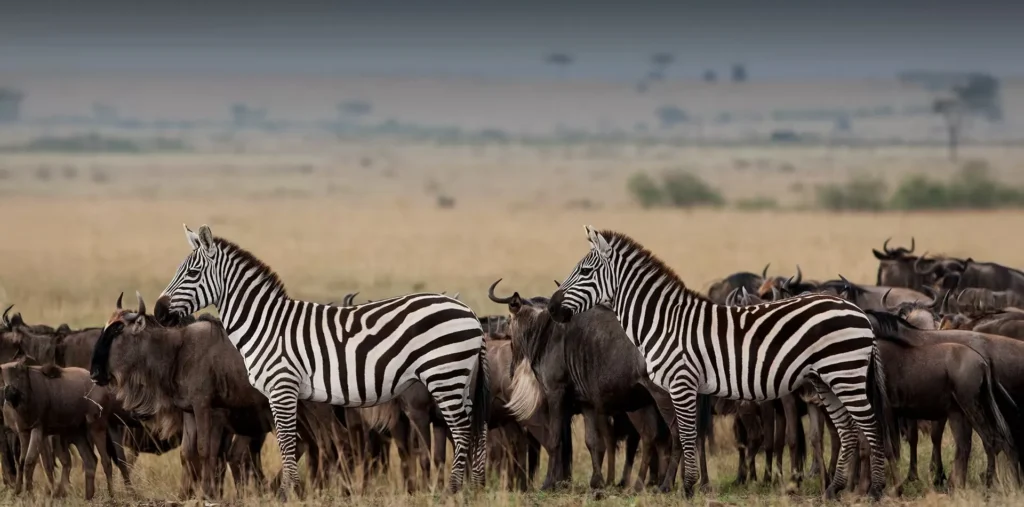
August focuses more strongly on herd movement and the possibility of dramatic river crossings. Each season creates unique photographic opportunities.
During February, travelers can observe mothers protecting young calves. Predators may patrol areas containing vulnerable newborns. This creates exciting but emotionally powerful wildlife scenes.
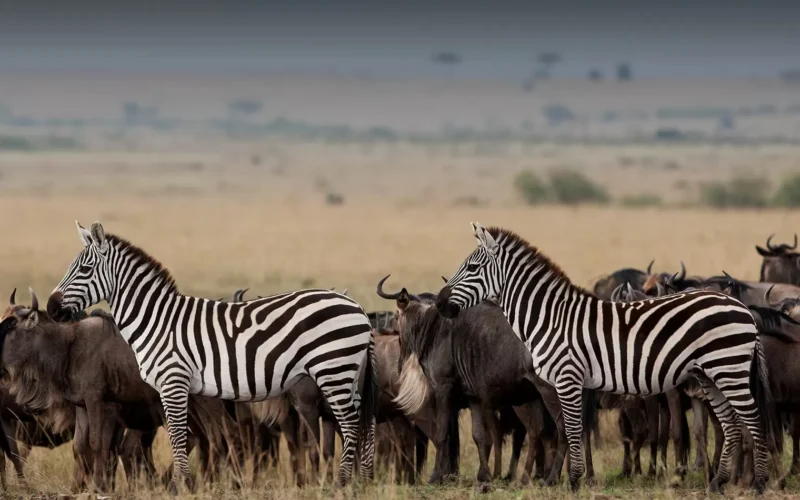
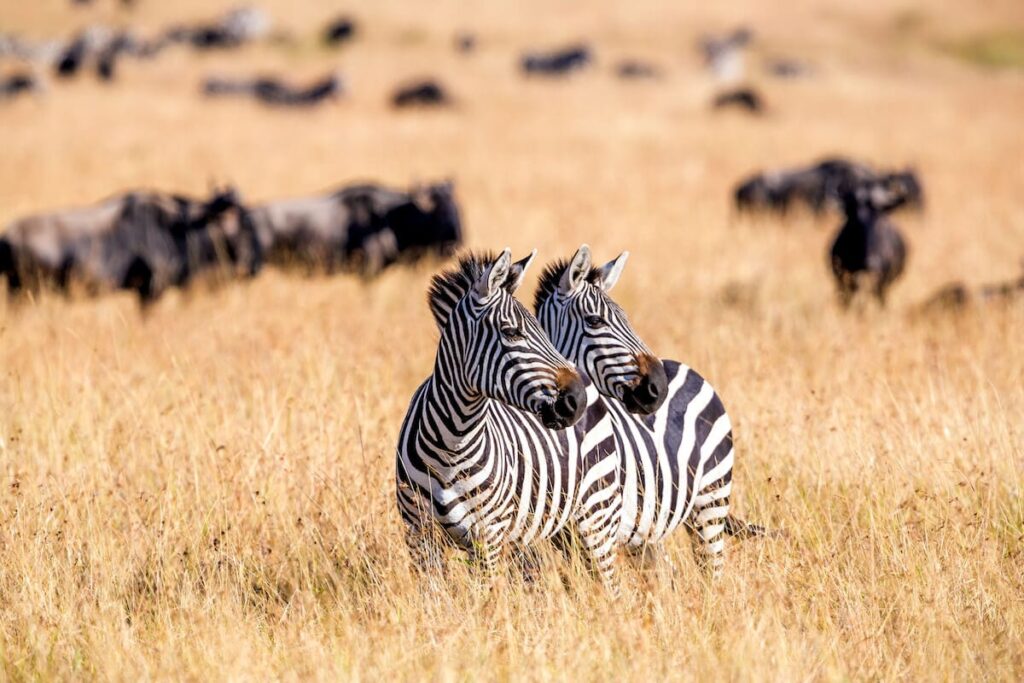
August offers enormous herds moving across open landscapes. Crocodiles inhabit river areas, while predators wait near potential crossing points.
Nevertheless, the Great Wildlife Migration remains unpredictable. Wildlife follows ecological conditions rather than human travel schedules.
Experienced safari planning therefore considers several locations and flexible game-drive strategies. This approach improves the chances of meaningful sightings.
For this reason, February Versus August for a Great Migration Safari should always include realistic expectations.
Tanzania Wildlife Safaris
February Versus August for a Great Migration Safari: Weather and Landscapes
February usually offers lush scenery across the southern Serengeti ecosystem. Fresh vegetation supports herbivores and creates vibrant photographic conditions.
Temperatures can feel warm during afternoons. Early mornings and evenings usually provide more comfortable safari conditions.
August often brings drier landscapes across northern Tanzania. Dry conditions can make wildlife easier to locate around water sources.
The dry season also produces clear skies and excellent visibility. Photographers often appreciate the strong contrast between wildlife and golden grasslands.
However, dry conditions can create dusty roads. Travelers should prepare with suitable clothing, sunglasses, sunscreen, and hydration.
Weather patterns can vary between different parts of the Serengeti. Consequently, travelers should avoid treating seasonal descriptions as absolute guarantees.
A professional operator should adapt the safari plan according to actual conditions. That flexibility strengthens the overall safari experience.
February Versus August for a Great Migration Safari: Crowds and Privacy
February can attract travelers interested in the calving season. Certain southern areas may therefore become busy around popular wildlife zones.
August represents another major travel period. International demand rises because travelers often target the northern Serengeti and migration activity.
However, the Serengeti covers a vast area. Strategic accommodation choices can reduce unnecessary crowding around wildlife sightings.
Private game drives also provide greater flexibility. Travelers can spend more time observing interesting behavior instead of following rigid schedules.
Choosing less crowded areas can improve photography and create quieter wilderness moments. Therefore, accommodation location matters almost as much as travel month.
This factor makes February Versus August for a Great Migration Safari more complex than a simple seasonal comparison.
February Versus August for a Great Migration Safari: Choosing Your Safari Base
Your accommodation location should match your migration priorities. February travelers often benefit from staying around southern Serengeti or Ndutu areas.
August travelers should consider northern Serengeti locations when migration movement becomes the priority.
Central Serengeti also offers excellent resident wildlife throughout the year. Seronera provides a strong base for travelers seeking diverse wildlife experiences.
A well-planned Tanzania Safari can combine different ecosystems. You may include Tarangire, Ngorongoro, Serengeti, and other destinations.
Tanzania’s northern safari circuit combines iconic landscapes with diverse wildlife experiences.
Luxury lodges, tented camps, and mid-range properties offer different experiences. Your budget, preferred comfort level, and travel style should guide the final choice.
Cultural Experiences Around Your Serengeti Safari Lodge
A Serengeti safari should not end with wildlife. Tanzania offers meaningful cultural experiences that can complement your lodge stay.
Maasai Cultural Experiences
A visit to a Maasai community can introduce travelers to traditional lifestyles, crafts, music, dance, and pastoral culture.
Responsible visits should support local communities and respect cultural boundaries. Travelers should ask permission before photographing people or entering private spaces.
Some lodge locations can arrange community visits through approved cultural tourism programs. Availability depends on the lodge, location, season, and community arrangements.
Local Crafts and Traditional Skills
Travelers can also explore locally produced crafts and artistic traditions. Purchasing authentic products directly through responsible channels can support community livelihoods.
Tanzania promotes cultural tourism as an important part of the visitor experience. Its tourism offerings include diverse traditions, communities, music, dance, art, and local lifestyles.
Village and Community Walks
Some safari programs can include guided village experiences outside protected areas. These activities provide a deeper understanding of rural life.
The best experiences create genuine interaction rather than staged entertainment. Therefore, responsible tourism should remain central to every cultural visit.
Travelers seeking deeper cultural exploration can also extend their journey toward Ngorongoro. Maasai and Hadzabe cultural experiences can add another dimension to Tanzania wildlife safaris.
February Versus August for a Great Migration Safari: Photography Opportunities
February provides exceptional opportunities for photographing newborn wildlife. Green landscapes create attractive compositions with dramatic skies.
August offers strong opportunities for photographing large herds. Dry grass, dusty roads, and northern landscapes create classic African safari imagery.
River-crossing photography requires patience and responsible positioning. Guides should maintain safe distances from wildlife while following park regulations.
Early morning drives often provide soft light and active wildlife. Late afternoon drives can also produce excellent silhouettes and golden scenes.
A good camera helps, but patience matters more. Wildlife rarely follows a photographer’s preferred schedule.
For serious photographers, February Versus August for a Great Migration Safari depends on preferred subjects. February favors newborns and predators, while August favors herd movement.
February Versus August for a Great Migration Safari: Comparing Costs
Safari prices can vary significantly between February and August. August generally experiences strong demand across many northern Tanzania safari destinations.
February can also command premium rates around popular calving areas. Accommodation availability becomes particularly important during peak periods.
Travelers seeking better value should compare different lodge categories. Mid-range camps can provide excellent access without luxury-level pricing.
Private safaris offer flexibility but may cost more than shared departures. Group safaris can reduce individual transport costs.
Flight connections, park fees, accommodation, transfers, and activities all affect the final price. A reliable operator should provide transparent quotations.
February Versus August for a Great Migration Safari: February or August?
Choose February if newborn wildlife interests you most. This month also suits travelers seeking predator action and lush landscapes.
Choose August if you prioritize northern Serengeti wildlife and potential river-crossing scenes. The dry season also offers strong general wildlife viewing.
Choose neither month solely because someone promises guaranteed migration action. Wildlife movement remains naturally unpredictable.
Instead, choose the month that matches your strongest safari interests. Then build a flexible itinerary around the ecosystem.
A professional Tanzania Safari operator should explain seasonal realities clearly. Honest planning creates realistic expectations and stronger travel experiences.
February Versus August for a Great Migration Safari: Can You Combine Experiences?
Longer itineraries can provide broader exposure to Tanzania’s wildlife regions. Travelers can combine Serengeti with Ngorongoro and Tarangire.
You can also add cultural activities before or after your Serengeti safari. Zanzibar provides another excellent extension for travelers seeking beaches and Swahili heritage.
Tanzania’s tourism portfolio combines wildlife, culture, adventure, history, and coastal experiences.
Travelers interested in East African wildlife can also compare Tanzania with Uganda. Bwindi Gorilla Trekking provides a completely different primate experience.
Uganda’s mountain forests contrast strongly with Tanzania’s open savannahs. Combining destinations creates a broader understanding of East Africa’s natural diversity.
Recommended Safari Inclusions
- Airport transfers
- Private safari vehicle
- Professional safari guide
- Accommodation
- Meals as stated
- Park entrance fees
- Game drives
- Migration-focused game drives
- Drinking water
- Government taxes
- Cultural experience where included
- Emergency support
- Safari planning services
Safari Exclusions
- International flights
- Tanzania visa
- Travel insurance
- Personal expenses
- Alcoholic drinks
- Laundry services
- Tips
- Souvenirs
- Optional activities
- Balloon safari
- Medical expenses
- Additional accommodation
- Items not listed under inclusions
February Versus August for a Great Migration Safari: Final Verdict
There is no universal winner between February and August. Each month delivers a distinctive Serengeti experience.
February stands out for calving, newborn wildlife, predator activity, and green landscapes. August stands out for northern Serengeti adventures and possible river crossings.
The smartest choice depends on your priorities, budget, photography interests, and preferred travel style.
Most importantly, February Versus August for a Great Migration Safari should involve informed planning rather than promises.
The Serengeti remains a dynamic ecosystem that changes throughout the year. Wildlife follows nature, not tourism calendars.
Therefore, experienced planning should focus on seasonal patterns, current conditions, accommodation locations, and flexible routing.
Whether you choose February or August, Serengeti National Park can deliver an extraordinary African wildlife experience.
For travelers seeking expert-guided Tanzania Safaris, the right itinerary can transform a wildlife trip into a lifelong memory.
February Versus August for a Great Migration Safari ultimately comes down to the experience you value most.
At Deks Africa Safaris and Tours Ltd, our approach focuses on responsible planning, authentic experiences, transparent advice, and meaningful wildlife encounters.
Our goal remains simple. We help travelers explore Africa with confidence, respect, comfort, and genuine connection.
February Versus August for a Great Migration Safari is not simply about choosing a month. It is about choosing the right experience for your African adventure.
Proposed East Africa Safari Holidays for the USA Travelers
- 9-Day Rwanda & Tanzania Luxury Wildlife Tour
- 10-Day Tanzania Safari Experience
- 9-Day Rwanda, Uganda & Tanzania Luxury Wildlife Safari
- 9-Day Rwanda Gorilla Trekking & Tanzania Safari
- 9-Day Tanzania Safari & Uganda Gorilla Trekking
- 10-Day Serengeti & Ngorongoro Crater Safari Experience
- 10-Day Tanzania and Rwanda Adventure Safari
- 11-Day Rwanda Uganda Tanzania Safari
- 20 Days Uganda, Tanzania, and Mafia Island Beach Safari
- 18 Days Uganda, Tanzania, and Mafia Island Beach Safari
- 14-Day Rwanda Uganda Tanzania Tour
- 14-Day Rwanda, Kenya, Tanzania & Beach Holiday
- 20-Day Rwanda Tanzania Zanzibar Safari Experience
- 16-Day Tanzania Safari & Rwanda Gorilla Trekking Experience
- 14 Days Kenya-Tanzania-Rwanda-Uganda Safari
- 24 Days Zanzibar-Uganda-Tanzania-Kenya Safari
- 5 Days Serengeti Great Migration Safari
- 6 Days Serengeti Great Migration Safari
- 7 Days Serengeti Great Migration Safari
- 8 Days Serengeti Great Migration Safari
- Hot Air Balloon serengeti
- 14 Days Uganda Tanzania and Kenya Safari
- What Should I Pack for a Tanzania Safari