How to Plan a Serengeti Great Migration Safari
August 24, 2026Luxury Versus Budget Great Migration Safaris
August 25, 2026June Versus July for Serengeti River Crossings
June Versus July for Serengeti River Crossings creates an exciting choice for travelers planning a Great Migration safari. Both months offer exceptional wildlife encounters across the Serengeti ecosystem. However, they provide different migration settings, landscapes, and safari atmospheres.
June often brings migration activity toward the Western Corridor and Grumeti River. July can bring increasing activity toward the Northern Serengeti and Mara River. Wildlife movement remains unpredictable because rainfall, grazing, water, and herd behavior influence migration routes.
Therefore, travelers should avoid guarantees about specific crossing dates. Instead, choose a safari period that matches your priorities and travel expectations.
June can suit travelers who prefer fewer visitors and lush scenery. July can suit travelers targeting the dramatic northern migration landscapes.
The Serengeti National Park supports extraordinary wildlife throughout the year. Its ecosystem hosts wildebeest, zebra, gazelles, lions, elephants, leopards, cheetahs, and many other species.
Consequently, June Versus July for Serengeti River Crossings involves more than river crossings. It involves choosing between two distinctive stages within the Great Wildlife Migration Cycle.
June Versus July for Serengeti River Crossings: Understanding June
Western Corridor Migration
June often represents an important period for migration activity across the Western Corridor. Large herds can move toward areas surrounding the Grumeti River.
The Western Corridor provides a striking landscape of grasslands, woodland, rocky areas, and seasonal watercourses. This region creates excellent opportunities for wildlife photography.
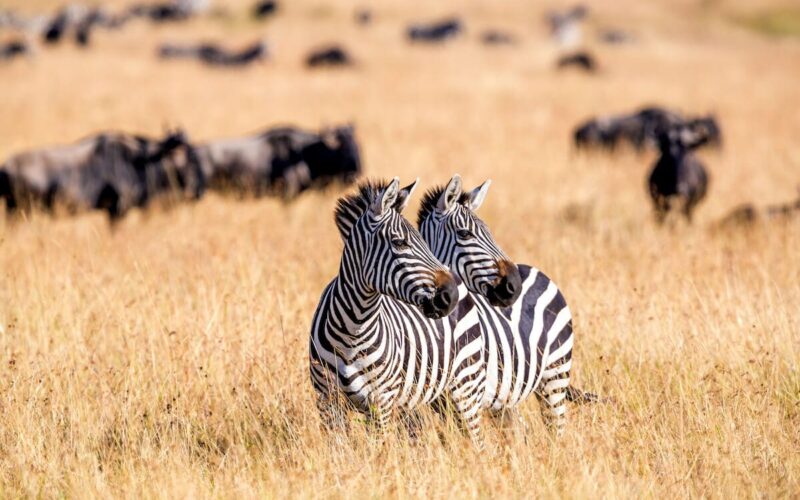
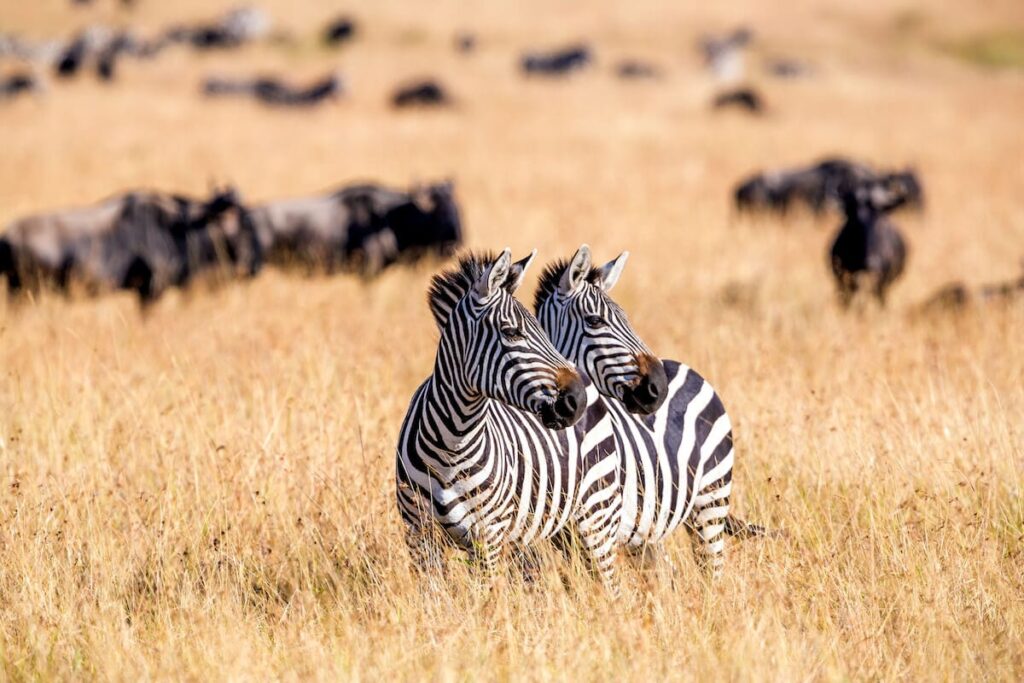
The Grumeti River adds another important attraction. Wildebeest and zebra may cross sections of the river while continuing their northern movement.
However, crossing activity varies considerably. Herds may gather, move away, return, or cross at different locations. Patience therefore becomes essential during a migration-focused safari.
June also provides opportunities to explore the wider Serengeti ecosystem. Resident predators remain active around areas supporting abundant herbivores.
For travelers seeking a quieter experience, June can offer an excellent balance. The month can provide strong wildlife viewing without focusing entirely on famous river crossings.
That makes June Versus July for Serengeti River Crossings especially relevant for travelers who value space and flexibility.
June Versus July for Serengeti River Crossings: Why June Can Be Special
Green Landscapes and Photography
June can still retain attractive green tones following the earlier rains. The landscape may combine fresh vegetation with increasingly dry conditions.
This combination creates excellent photography opportunities. Wildlife often stands out beautifully against open grasslands and changing seasonal scenery.
Morning game drives provide cool temperatures and soft natural light. Afternoon drives can reveal active predators and grazing herds.
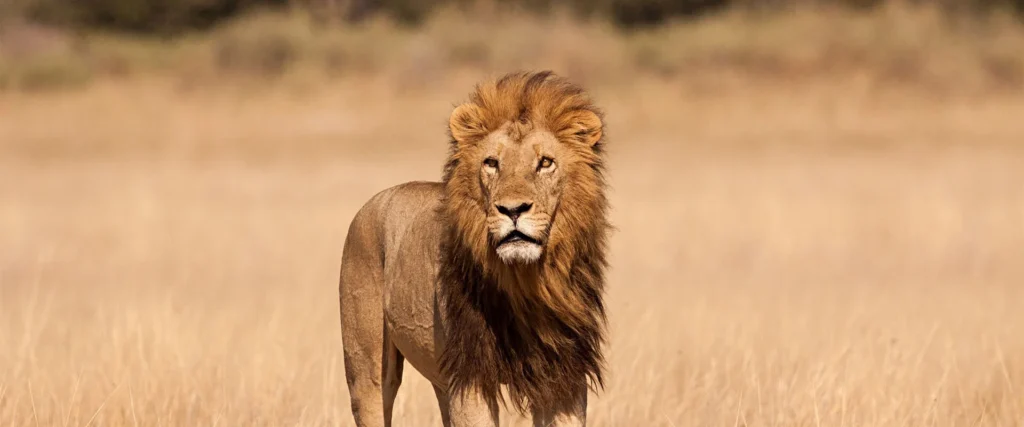
June also offers excellent opportunities for travelers who enjoy broader wildlife experiences. You can explore lions, elephants, giraffes, buffaloes, cheetahs, hippos, and numerous antelope species.
Moreover, the Serengeti offers more than migration viewing. Its permanent wildlife populations create rewarding game drives throughout the year.
The Tanzania Tourist Board highlights the Serengeti as a major destination for migration and diverse wildlife experiences.
Consequently, June can deliver an excellent Serengeti Safari without depending entirely on one river crossing.
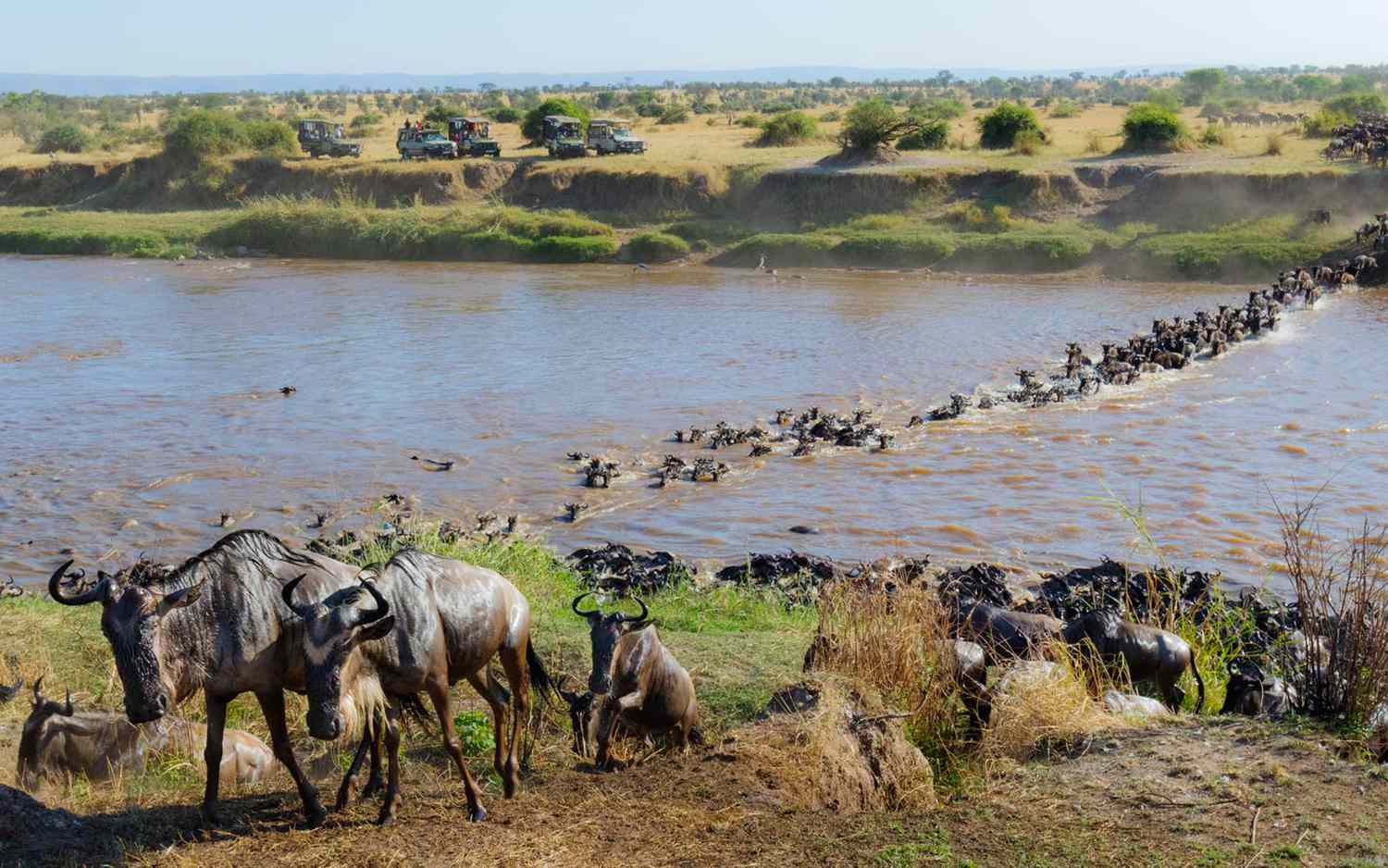
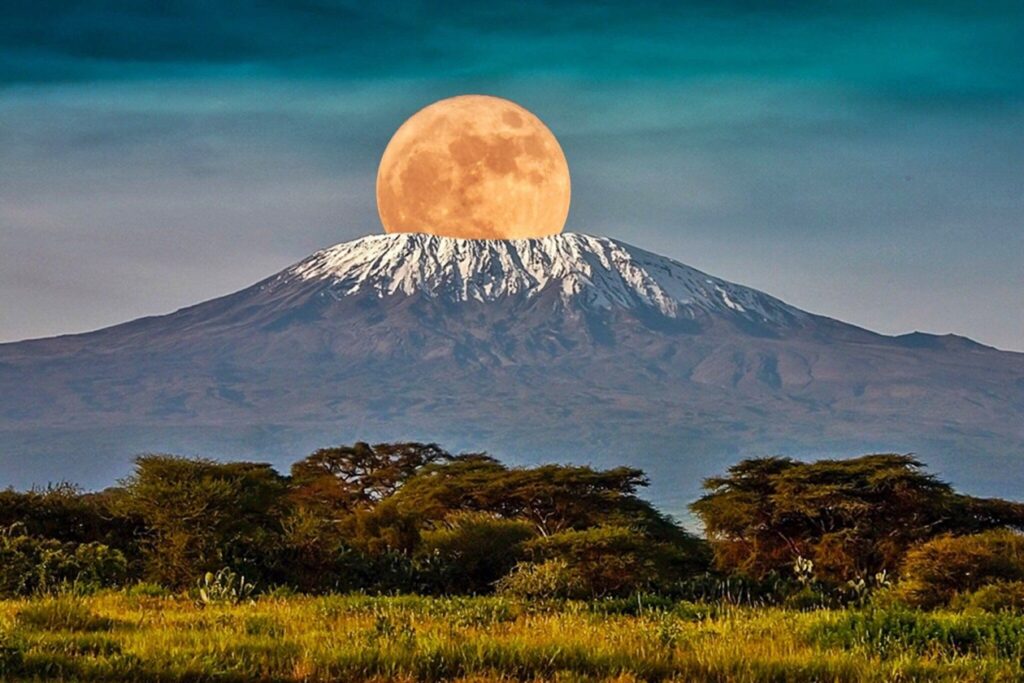
Great Wildebeest Migration in Tanzania
June Versus July for Serengeti River Crossings: Understanding July
Northern Serengeti Migration
July brings increasing attention toward the Northern Serengeti. Migrating herds may move toward the Mara River and surrounding northern landscapes.
This period attracts travelers seeking dramatic migration scenes. The northern Serengeti provides expansive plains, rocky hills, woodland, and riverine habitats.
Mara River crossings can become spectacular wildlife events. Large herds may gather near riverbanks before making their move.
Yet, crossings remain natural events rather than scheduled performances. Animals can wait for hours or days before crossing.
Strong currents and crocodiles create additional challenges for migrating animals. Predators also remain nearby, creating intense wildlife interactions.
For this reason, June Versus July for Serengeti River Crossings often favors July for travelers specifically targeting northern river-crossing possibilities.
Nevertheless, July does not guarantee a crossing. A responsible safari operator should explain this reality before confirming your journey.
June Versus July for Serengeti River Crossings: The Mara River Experience
Dramatic Wildlife Movement
The Mara River provides one of the most recognizable settings within the Great Wildlife Migration. Herds approach the river cautiously before committing to the crossing.
Wildebeest may gather in large numbers along steep riverbanks. Suddenly, one animal moves forward and triggers a massive response.
Thousands of animals can follow rapidly. Others may retreat when conditions appear unsafe.
This unpredictable behavior creates powerful wildlife moments. Travelers may witness splashing water, dust, movement, and intense survival instincts.
Crocodiles also inhabit river environments. Their presence adds another layer to the natural drama.
However, travelers should respect wildlife and avoid expecting a specific outcome. Nature remains in control throughout the experience.
Therefore, June Versus July for Serengeti River Crossings should prioritize realistic expectations over guaranteed sightings.
Wildlife Viewing
June Wildlife Encounters
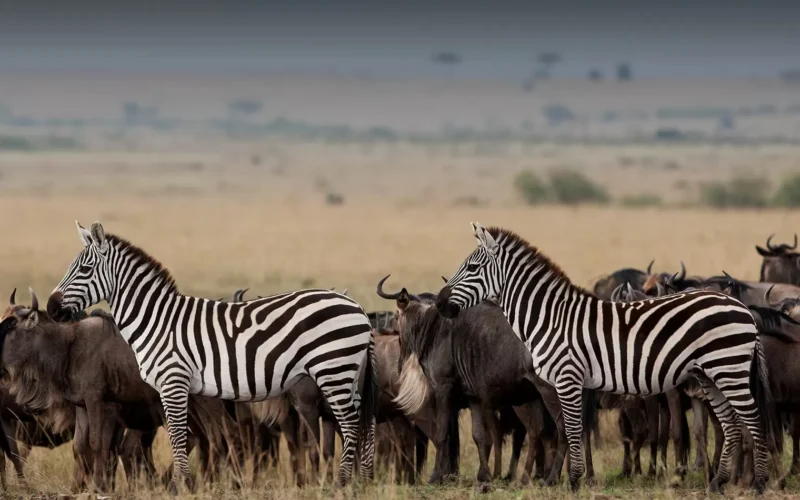
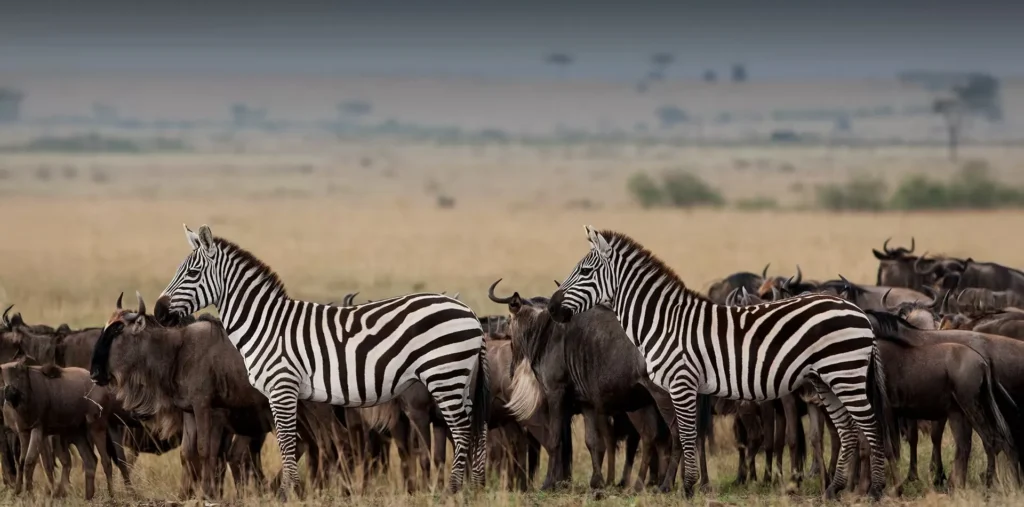
June can provide excellent opportunities for viewing migrating wildebeest and zebra. Predators often follow herbivore movements across productive areas.
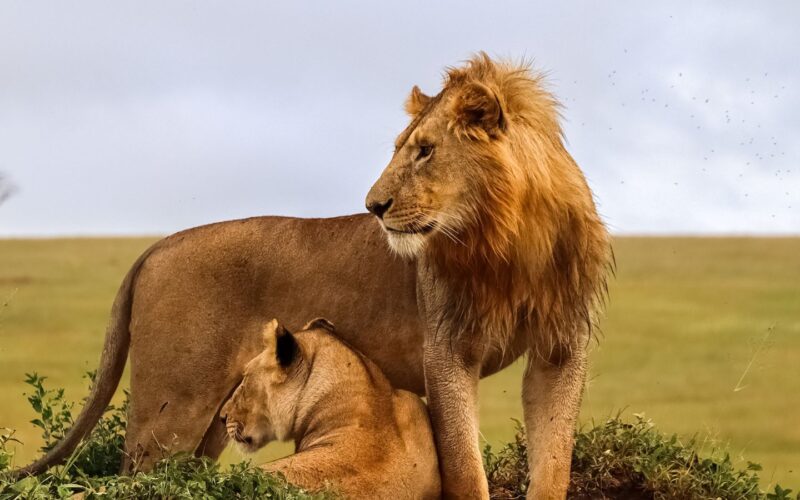
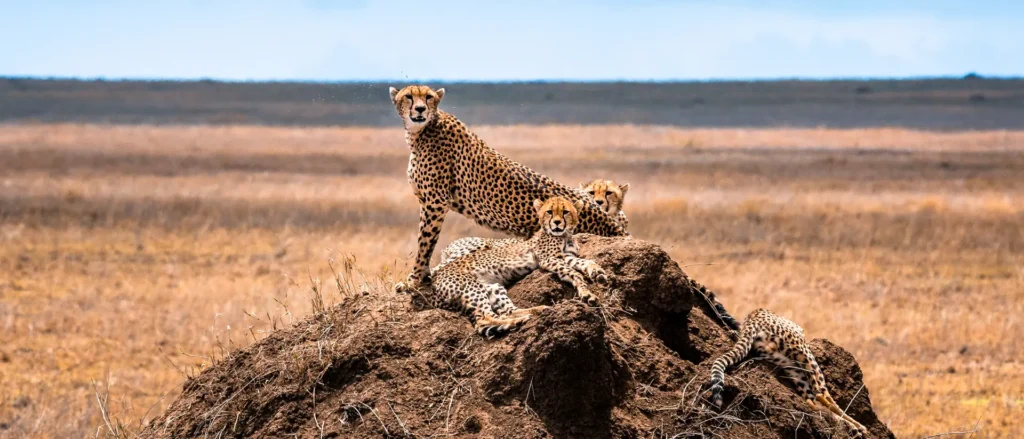
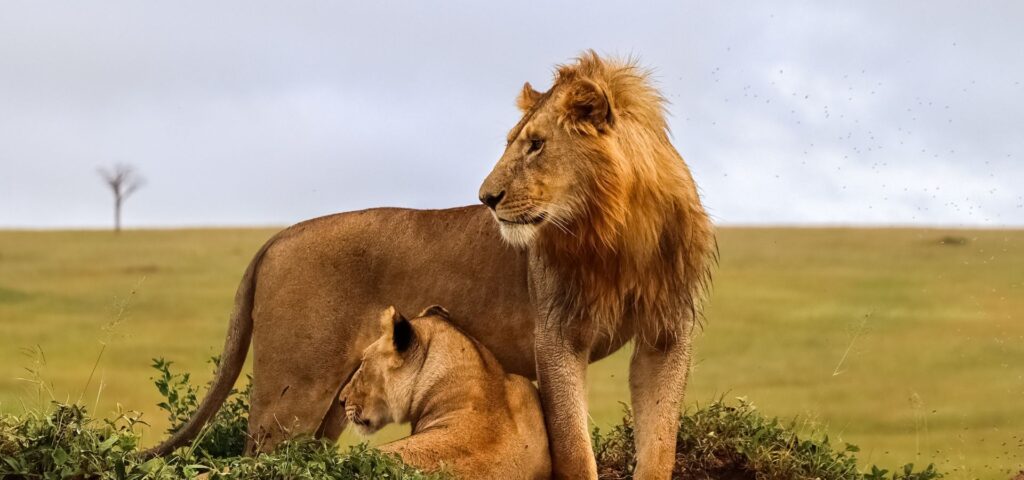
Lions may rest near migration routes while cheetahs search open plains for opportunities. Hyenas can also remain active around large herbivore concentrations.
July Wildlife Encounters
July can provide equally rewarding wildlife viewing. Northern Serengeti habitats support abundant resident species beyond the migrating herds.
Elephants, giraffes, buffaloes, lions, leopards, and smaller predators remain important attractions.
Therefore, travelers should not measure safari quality only through migration crossings. A complete Serengeti National Park Safari combines migration viewing with general wildlife exploration.
Weather Conditions
June Weather
June generally brings cooler and drier conditions across northern Tanzania. Early mornings can feel particularly cold during open-vehicle game drives.
Travelers should carry warm layers for morning and evening activities. Comfortable clothing remains important throughout the day.
The landscape can retain attractive greenery in some areas. This creates a beautiful transition between wetter and drier seasonal conditions.
July Weather
July normally brings dry-season conditions across the Serengeti. Dry landscapes can improve visibility and make animals easier to locate around water sources.
Clear skies can also create excellent photographic conditions. However, temperatures can change considerably between morning and afternoon.
Dust can increase along busy safari roads. Sunglasses, sunscreen, and hydration therefore remain important.
Understanding seasonal weather helps travelers prepare properly. Good preparation improves comfort and enjoyment during long game drives.
Crowds
June for Quieter Safaris
June can appeal to travelers seeking a more relaxed safari atmosphere. Some areas may experience fewer visitors than during the busiest migration periods.
Lower visitor pressure can create more peaceful wildlife encounters. Photographers may also appreciate greater freedom around selected sightings.
However, popular migration areas can still attract visitors. The Serengeti remains one of Africa’s most sought-after safari destinations.
July for Peak Migration Interest
July generally attracts stronger international demand. Many travelers specifically plan their Great Migration Safaris around northern migration activity.
As demand rises, accommodation can become more competitive. Popular river areas may also experience more safari vehicles.
Strategic planning can help reduce unnecessary crowding. Choosing suitable camps and exploring less congested areas can improve the experience.
Thus, June Versus July for Serengeti River Crossings also becomes a decision about your preferred safari atmosphere.
Choosing Your Safari Lodge
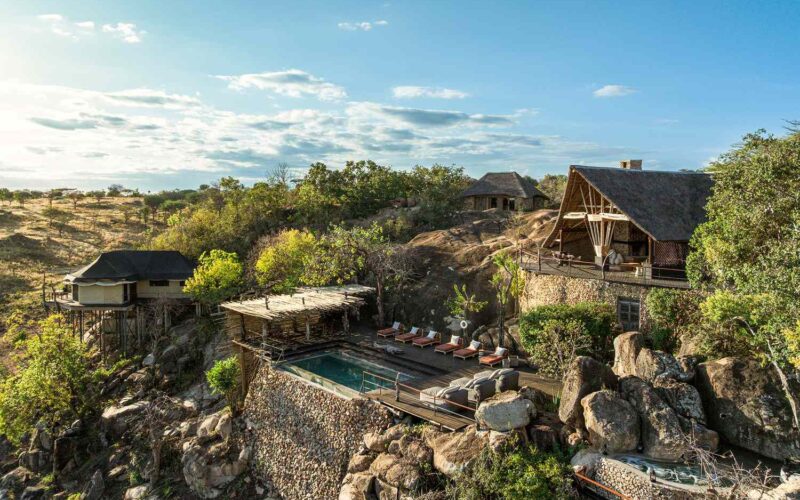
Lodge Location Matters
Your accommodation location can significantly influence your migration experience. A lodge near your target wildlife area reduces unnecessary driving time.
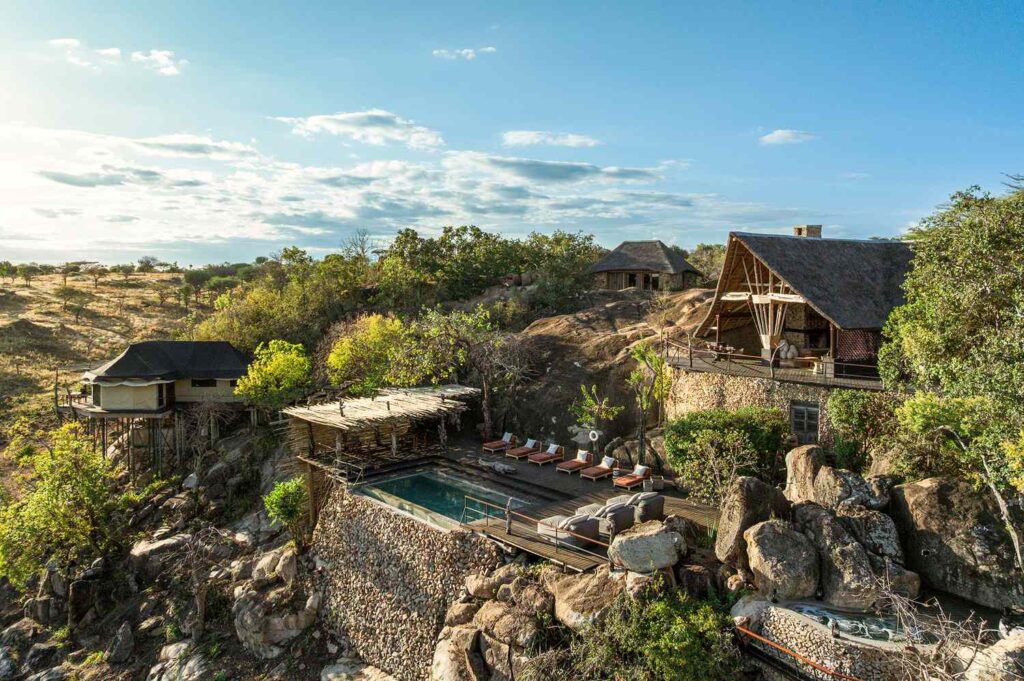
June travelers should consider accommodation around the Western Corridor. July travelers targeting the Mara River should consider Northern Serengeti camps.
Central Serengeti properties can provide another useful option. These locations offer access to diverse wildlife and different parts of the ecosystem.
A professional safari planner should match accommodation with your seasonal objectives. Comfort matters, but location should remain a major consideration.
The Tanzania Tourist Board promotes the Northern Tanzania safari circuit around Serengeti, Ngorongoro, and Tarangire.
Therefore, a carefully selected lodge can strengthen your overall Tanzania wildlife safari experience.
Cultural Experiences Around Your Serengeti Safari Lodge
Maasai Community Visits
A Serengeti safari can include meaningful cultural experiences beyond wildlife viewing. Maasai communities offer opportunities to understand traditional pastoral lifestyles.
Travelers can learn about traditional homes, livestock practices, crafts, music, dance, and community life.
Responsible cultural tourism should respect local customs. Visitors should also seek permission before taking photographs.
Traditional Crafts
Some communities produce handmade beadwork, carvings, textiles, and other cultural products. Purchasing authentic crafts can support local livelihoods.
Travelers should prioritize ethical community experiences. Direct engagement can create stronger connections between tourism and local economic development.
Local Food Experiences
Some cultural programs include opportunities to explore local cuisine. Tanzanian food reflects diverse regional influences and traditional cooking methods.
Culinary experiences can complement a safari beautifully. They allow travelers to experience Tanzania beyond wildlife and landscapes.
The Tanzania Tourist Board recognizes culture, cuisine, community lifestyles, and heritage as important tourism experiences.
Consequently, June Versus July for Serengeti River Crossings can become part of a broader cultural journey.
Photography Opportunities
June Photography
June offers beautiful opportunities around the Western Corridor. Green vegetation, open landscapes, and moving herds create strong compositions.
Photographers can focus on herd movement, predators, landscapes, and river environments.
Early morning light often provides softer conditions for wildlife photography. Patience remains essential when waiting for natural behavior.
July Photography
July provides exciting opportunities around the Northern Serengeti. Large herds can create dramatic compositions across open plains.
River areas can produce powerful images when animals gather or cross. Dust, water, movement, and wildlife create dynamic scenes.
However, responsible photography should always prioritize wildlife welfare. Guides should maintain appropriate distances and follow park regulations.
For photographers, June Versus July for Serengeti River Crossings depends on preferred subjects and shooting conditions.
Costs
June Safari Costs
June can offer attractive value during parts of the month. Accommodation demand may remain lower than during the busiest migration periods.
Travelers should still book early when targeting specific camps. Location remains critical when planning a migration-focused safari.
July Safari Costs
July often brings stronger demand across popular Serengeti areas. Premium camps and prime northern locations can therefore become more expensive.
Travelers should compare accommodation categories before making decisions. Mid-range camps can provide excellent wildlife access at different price points.
Private safaris offer flexibility and personalized routing. Group safaris can provide a more economical alternative.
Transparent pricing should include park fees, accommodation, meals, transport, guiding, and planned activities.
Which Month Wins?
Choose June for Flexibility
Choose June if you prefer quieter conditions and Western Corridor migration opportunities. This month can suit travelers who value photography and peaceful wildlife viewing.
The Grumeti region provides an exciting alternative to the famous Mara River. Wildlife encounters can remain excellent across the broader Serengeti ecosystem.
Choose July for Northern Migration
Choose July if the Mara River represents your primary goal. Northern Serengeti landscapes provide access to one of Africa’s most famous migration settings.
Still, never expect guaranteed crossings. The Great Wildlife Migration follows natural conditions rather than tourism schedules.
Experienced operators should build flexible game-drive strategies into migration itineraries. This approach improves your chances without creating unrealistic promises.
Therefore, June Versus July for Serengeti River Crossings depends on your preferred experience.
Combining Tanzania Safaris
A longer itinerary can provide greater exposure to Tanzania’s diverse wildlife destinations. Serengeti can combine naturally with Ngorongoro and Tarangire.
Ngorongoro offers remarkable crater landscapes and abundant wildlife. Tarangire provides impressive elephant encounters and distinctive baobab scenery.
The official Tanzania tourism program recognizes Serengeti, Ngorongoro, and Tarangire as key Northern Circuit destinations.
Travelers can also extend their safari toward Zanzibar. Beach relaxation, Swahili culture, cuisine, and historical experiences create an excellent post-safari extension.
East Africa also offers different primate experiences. Bwindi Gorilla Trekking in Uganda provides an extraordinary complement to Tanzania wildlife safaris.
Combining Tanzania and Uganda can create a broader East African adventure. Each destination offers distinct ecosystems, wildlife, cultures, and landscapes.
Recommended Safari Inclusions
- Airport transfers
- Private safari vehicle
- Professional safari guide
- Accommodation
- Meals as stated
- Park entrance fees
- Game drives
- Migration game drives
- Drinking water
- Government taxes
- Cultural experience
- Lodge accommodation
- Emergency support
- Safari planning services
Safari Exclusions
- International flights
- Tanzania visa
- Travel insurance
- Personal expenses
- Alcoholic drinks
- Laundry services
- Tips and gratuities
- Souvenirs
- Optional activities
- Balloon safari
- Medical expenses
- Additional accommodation
- Items not listed under inclusions
Final Verdict
June Versus July for Serengeti River Crossings offers two remarkable approaches to the Great Wildlife Migration.
June can provide Western Corridor experiences and opportunities around the Grumeti ecosystem. July can provide stronger opportunities for exploring Northern Serengeti migration activity.
Neither month guarantees a particular river crossing. Natural conditions determine when and where animals move.
Therefore, travelers should choose based on realistic priorities rather than fixed promises.
June can suit travelers seeking quieter experiences and flexible wildlife exploration. July can suit travelers seeking the northern migration spectacle.
The best Serengeti Great Migration Safari combines excellent timing with strategic accommodation and expert guiding.
A well-designed itinerary also allows time for regular wildlife viewing. This approach ensures value even when herds change direction.
Ultimately, June Versus July for Serengeti River Crossings should reflect your personal safari priorities.
Your journey can include migration, predators, landscapes, culture, photography, and meaningful community experiences.
At Deks Africa Safaris and Tours Ltd, we believe reliable safari planning starts with honest information. Our approach focuses on experience, responsible tourism, comfort, and practical destination knowledge.
We understand that every traveler has different expectations. Some travelers prioritize river crossings, while others value privacy and broader wildlife experiences.
For that reason, June Versus July for Serengeti River Crossings deserves careful planning before booking.
The Serengeti rewards patience, preparation, and respect for nature. With the right itinerary, either month can create an unforgettable African adventure.
Proposed East Africa Safari Holidays for the USA Travelers
- 9-Day Rwanda & Tanzania Luxury Wildlife Tour
- 10-Day Tanzania Safari Experience
- 9-Day Rwanda, Uganda & Tanzania Luxury Wildlife Safari
- 9-Day Rwanda Gorilla Trekking & Tanzania Safari
- 9-Day Tanzania Safari & Uganda Gorilla Trekking
- 10-Day Serengeti & Ngorongoro Crater Safari Experience
- 10-Day Tanzania and Rwanda Adventure Safari
- 11-Day Rwanda Uganda Tanzania Safari
- 20 Days Uganda, Tanzania, and Mafia Island Beach Safari
- 18 Days Uganda, Tanzania, and Mafia Island Beach Safari
- 14-Day Rwanda Uganda Tanzania Tour
- 14-Day Rwanda, Kenya, Tanzania & Beach Holiday
- 20-Day Rwanda Tanzania Zanzibar Safari Experience
- 16-Day Tanzania Safari & Rwanda Gorilla Trekking Experience
- 14 Days Kenya-Tanzania-Rwanda-Uganda Safari
- 24 Days Zanzibar-Uganda-Tanzania-Kenya Safari
- 5 Days Serengeti Great Migration Safari
- 6 Days Serengeti Great Migration Safari
- 7 Days Serengeti Great Migration Safari
- 8 Days Serengeti Great Migration Safari
- Hot Air Balloon serengeti
- 14 Days Uganda Tanzania and Kenya Safari
- What Should I Pack for a Tanzania Safari