Walking Safari Experiences Near the Serengeti
August 25, 2026
Serengeti Migration Dates
August 26, 2026Wildlife Photography Tips for Serengeti Safaris
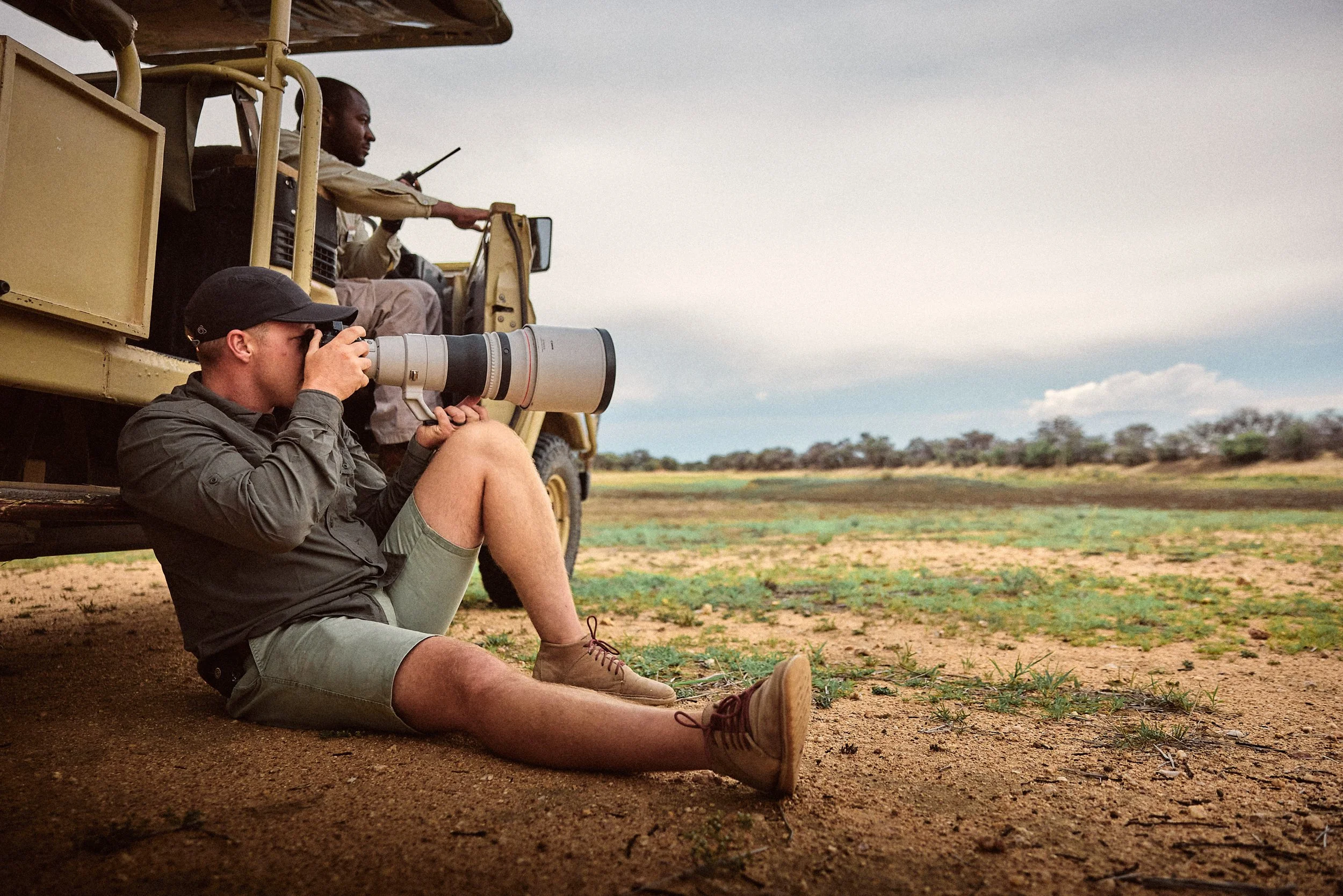
Wildlife Photography Tips for Serengeti Safaris can transform your safari into a rewarding visual journey. The Serengeti offers exceptional opportunities for wildlife, landscape, and cultural photography. Every sunrise creates new light across the endless plains. Each game drive can also reveal unique animal behavior and dramatic moments.
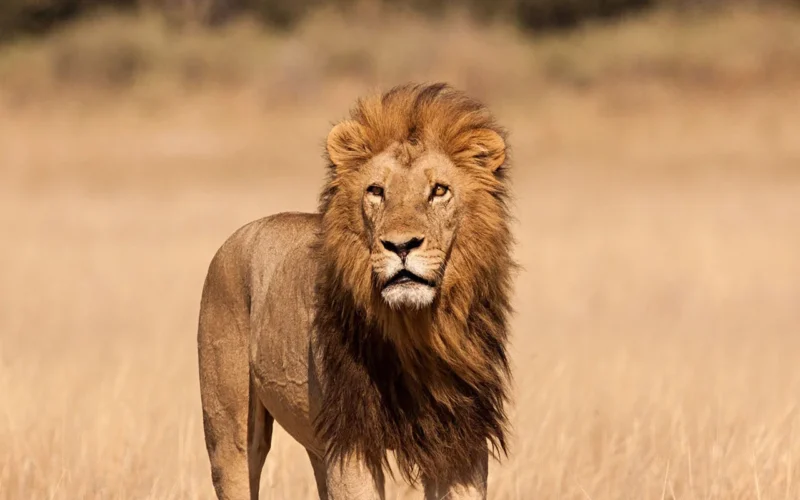
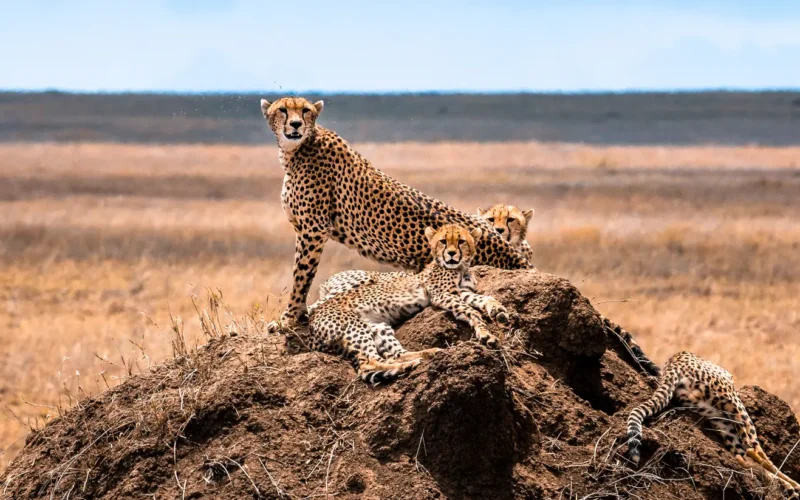
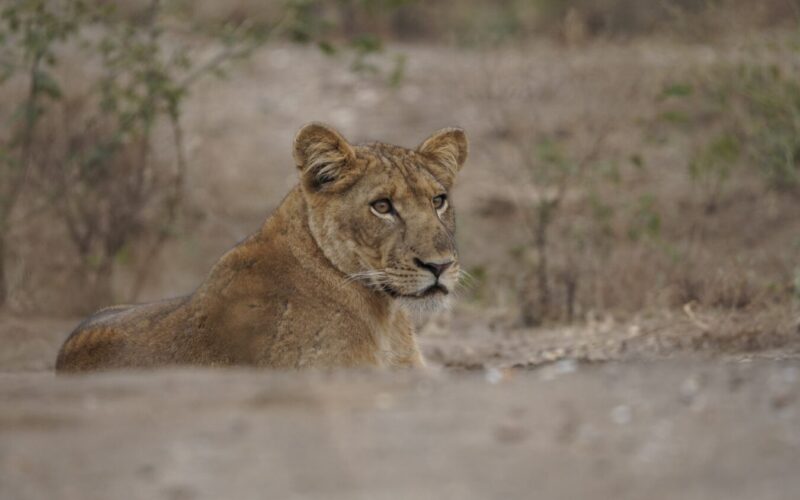
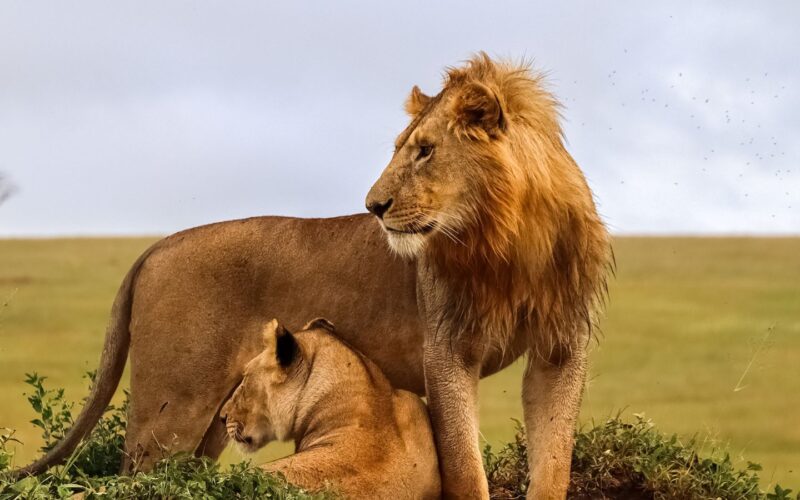
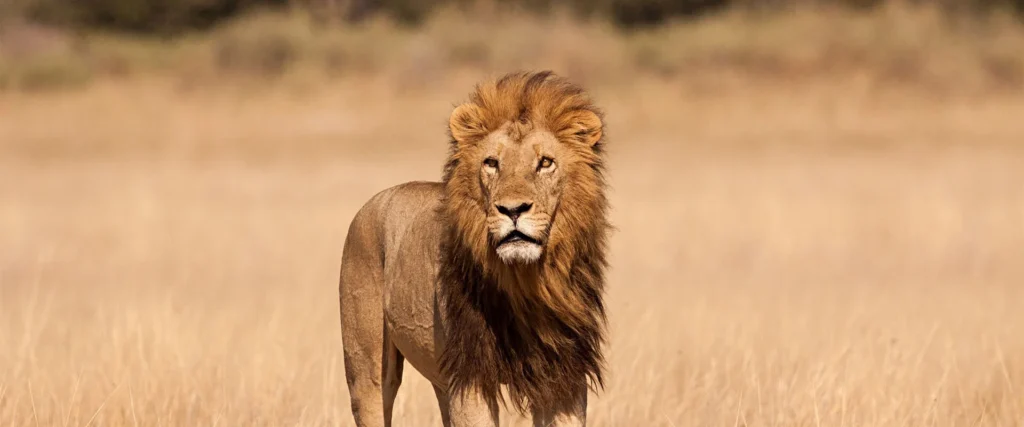
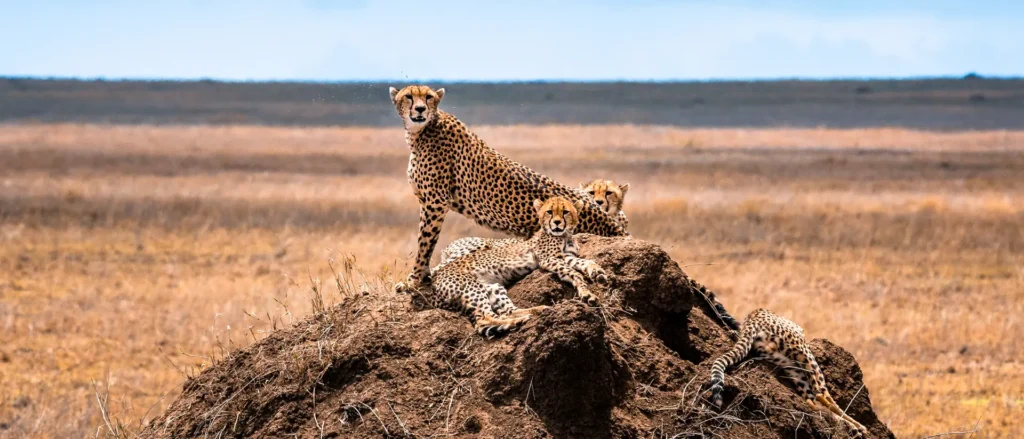
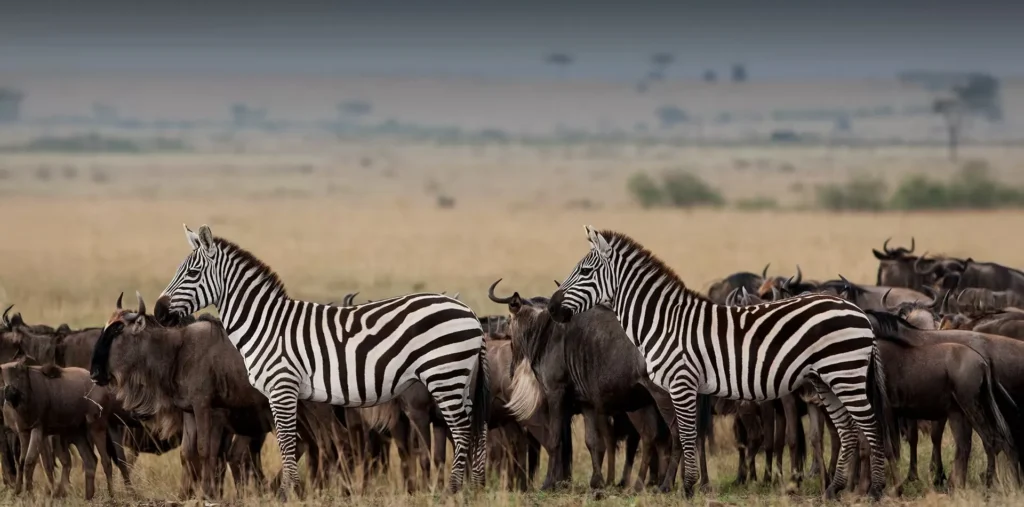
The Serengeti National Park supports lions, leopards, cheetahs, elephants, buffaloes, giraffes, zebras, and wildebeest. Therefore, photographers can capture diverse subjects within one destination. The annual Geat Wildlife Migration radds another spectacular dimension. Millions of wildebeest and zebras move across the ecosystem during their seasonal cycle.
Successful safari photography requires more than expensive equipment. You need patience, good preparation, strong field awareness, and appropriate camera settings. Your guide also plays an important role in positioning the vehicle safely.
At Deks Africa Safaris and Tours Ltd, we understand the needs of photographers. We plan safari experiences around wildlife behavior, seasonal conditions, and photography opportunities. These Wildlife Photography Tips for Serengeti Safaris can help you prepare for an unforgettable photographic adventure.
Choose the Right Camera Equipment
Select a Versatile Telephoto Lens
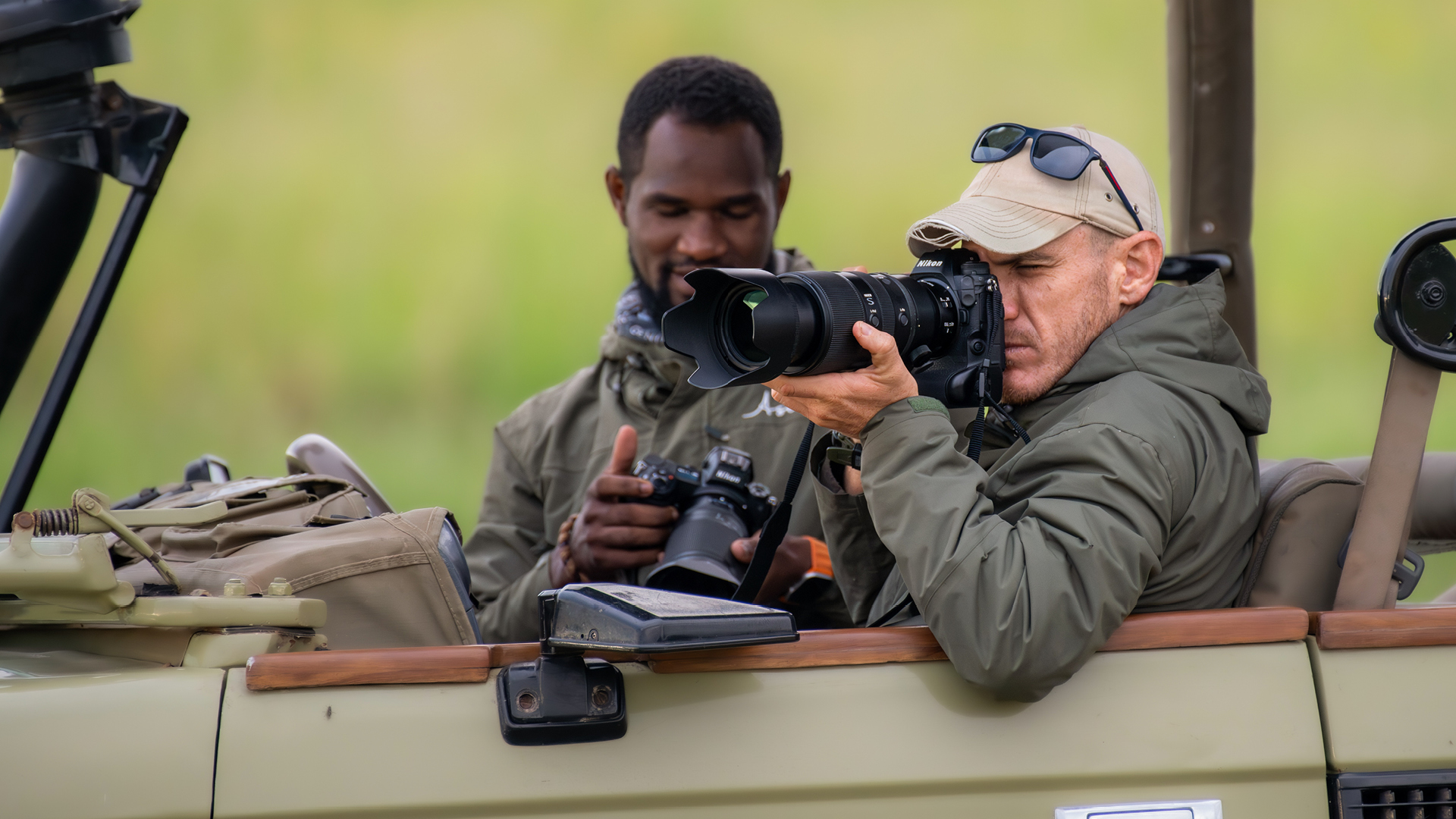
A telephoto lens remains one of the most important pieces of safari equipment. Wildlife often stays at a considerable distance from safari vehicles.
A 100–500mm lens offers excellent versatility for many safari situations. Photographers seeking greater reach can consider a 200–600mm lens. Such lenses work particularly well for leopards, birds, and distant predators.
However, avoid carrying excessive equipment into every game drive. Heavy camera bags can become inconvenient during long safari days. Choose equipment that matches your photography style and physical comfort.
A second camera body can also improve efficiency. You can keep a wide-angle lens ready for landscapes and close encounters. Meanwhile, the telephoto camera remains available for wildlife.
What is Required to Travel to Tanzania
Carry a Wide-Angle Lens
Capture the Serengeti Landscape
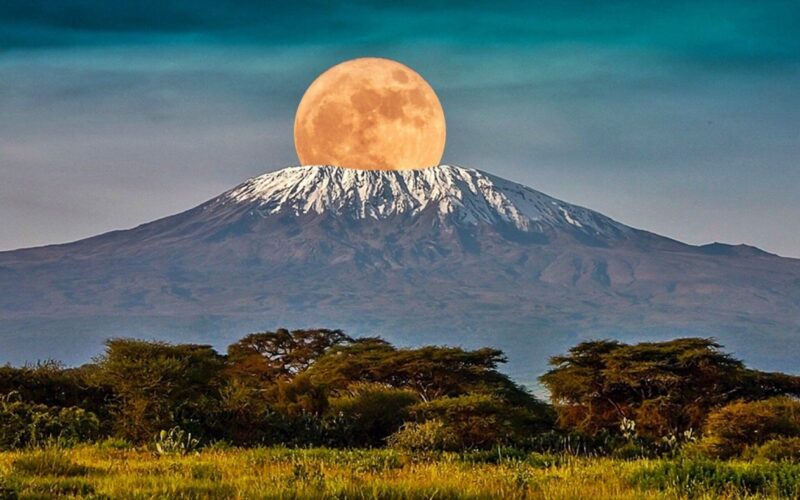
Wildlife photography should not focus only on animals. The Serengeti landscape forms an important part of every safari story.
A 24–70mm lens can capture animals within their environment. It can also photograph dramatic skies, acacia trees, kopjes, and expansive grasslands.
Landscape images help viewers understand the scale of the Serengeti. They also create variety within your photographic collection.
During the Great Migration, wide compositions can reveal enormous herds moving across the plains. Dust clouds can add atmosphere and movement to these images.
Therefore, switch lenses when the situation allows. A strong safari portfolio should combine intimate wildlife portraits with environmental images.
Use a Beanbag for Stability
Support Heavy Lenses
A beanbag provides practical support during vehicle-based photography. You can rest it on the safari vehicle roof or window edge.
This support reduces camera movement when using long lenses. It also makes heavy equipment more comfortable during extended viewing sessions.
Tripods can become difficult to use inside safari vehicles. A beanbag offers greater flexibility and faster repositioning.
Remember to keep the camera strap secure while using the beanbag. Sudden vehicle movements can cause expensive equipment to fall.
A good support system therefore improves both comfort and image sharpness.
Protect Your Camera from Dust
Prepare for Serengeti Conditions
Dust forms an unavoidable part of many safari journeys. Dry-season roads can create significant dust during vehicle movements.
Carry a small blower to remove loose particles from your camera. Microfiber cloths can also help clean lenses and screens.
Avoid changing lenses unnecessarily in dusty environments. When possible, change equipment inside a protected vehicle or lodge room.
Keep memory cards and batteries inside clean, sealed storage. Small protective bags can provide additional protection.
These simple precautions can protect valuable equipment throughout your Serengeti Safari.
Master Your Camera Settings
Use Fast Shutter Speeds
Wildlife can move suddenly and unpredictably. Fast shutter speeds help freeze running animals, flying birds, and hunting predators.
A shutter speed around 1/1000 second works well for many action scenes. Faster settings can help capture extremely rapid movement.
For slower subjects, you can reduce the shutter speed when lighting conditions allow. Always monitor your images and adjust settings according to movement.
Your camera should respond quickly when unexpected behavior begins. Preparation therefore matters as much as technical knowledge.
Control Your Aperture
Separate Wildlife from Backgrounds
A wide aperture can create beautiful background separation. This technique helps your subject stand out from busy grasslands or vegetation.
Apertures such as f/4 or f/5.6 can work well with suitable telephoto lenses. However, the ideal setting depends on your lens and subject distance.
Consider using a narrower aperture when photographing multiple animals. This approach can keep more subjects within the sharp focus area.
Therefore, avoid relying on one aperture setting throughout the safari. Adjust your aperture according to the story you want to capture.
Serengeti Photography Safari
Manage ISO Carefully
Adapt to Changing Light
Serengeti light changes rapidly throughout the day. Early mornings can remain relatively dark, while midday sunlight becomes intense.
Manual exposure with Auto ISO can provide useful control. You can maintain your preferred shutter speed and aperture while the camera adjusts ISO.
Modern cameras can handle higher ISO settings effectively. However, avoid unnecessary increases when sufficient natural light exists.
Always check your exposure before important wildlife encounters. Small adjustments can protect highlights and preserve shadow details.
Shoot in RAW Format
Preserve More Image Information
RAW files provide greater flexibility during post-processing. They preserve more image information than compressed JPEG files.
This flexibility becomes valuable when working with strong sunlight and deep shadows. You can recover some details while adjusting exposure and highlights.
RAW files also allow more control over white balance. This flexibility helps maintain natural colors during different lighting conditions.
Remember that RAW files require additional storage space. Carry sufficient memory cards for your entire safari.
Back up your images whenever possible. A laptop, external drive, or reliable storage system can protect valuable photographs.
Photograph During Golden Hours
Use Beautiful Morning Light
Early morning provides some of the best photographic conditions. Soft sunlight creates warm tones across the Serengeti.
Animals also tend to remain active during cooler morning hours. Predators may still hunt, while herbivores move across open grasslands.
The combination of good light and animal activity creates strong opportunities. Therefore, begin your photography sessions early whenever possible.
Capture Evening Light
Late afternoon provides another excellent photography period. The sunlight becomes warmer as the sun approaches the horizon.
Backlighting can create beautiful silhouettes around animals. Dust can also glow dramatically when sunlight passes through it. Golden-hour photography works particularly well for elephants, giraffes, zebras, and acacia trees.
Focus on the Animal’s Eyes
Create Strong Wildlife Portraits
The eyes often provide the emotional center of a wildlife photograph. Sharp eyes can make an image feel more powerful and engaging.
Use continuous autofocus when photographing moving animals. Single-point or animal-eye autofocus can also help, depending on your camera.
Always monitor your focus when animals change direction. Predators can move quickly, leaving little time for correction.
A sharp eye can turn an ordinary wildlife encounter into a compelling photograph.
Improve Your Composition
Try Eye-Level Photography
Eye-level images often create stronger connections between viewers and wildlife. Whenever safe and practical, position your camera close to the animal’s visual level.
Safari vehicles provide different shooting angles depending on their design. Your guide can help position the vehicle appropriately.
Never request unsafe positioning for a photograph. Wildlife safety and personal safety should always come first.
Use the Rule of Thirds
Place the animal slightly away from the center when the composition benefits from additional space. This approach can create a stronger visual balance.
Leave space in front of moving animals whenever possible. The open space gives the photograph a sense of direction.
However, rules should support creativity rather than restrict it. Experiment with different compositions during your Serengeti National Park Safari.
Tell a Story Through Photography
Capture More Than Portraits
A strong safari portfolio should tell a complete story. Include landscapes, wildlife interactions, people, vehicles, and environmental details.
Photograph animals within their surroundings when possible. Such images explain where the animals live and how they use the ecosystem.
During Great Migration Safaris, capture movement rather than individual animals alone. Herds crossing plains can create powerful documentary images.
Dust, footprints, birds, rivers, and vegetation can also strengthen your visual story.
Photography becomes more meaningful when each image contributes to a larger narrative.
Practice Patience in the Field
Anticipate Wildlife Behavior
Patience often produces better images than constant movement. Watch the animal before pressing the shutter.
Predators may crouch before chasing prey. Birds may prepare before taking flight. Elephants may interact moments before a memorable behavior occurs.
Your guide can help interpret these signals. However, you should also develop your own observation skills.
Wait for meaningful behavior instead of capturing hundreds of random frames. This approach improves both your photography and your understanding of wildlife.
Photography During the Great Migration
Capture Movement and Scale
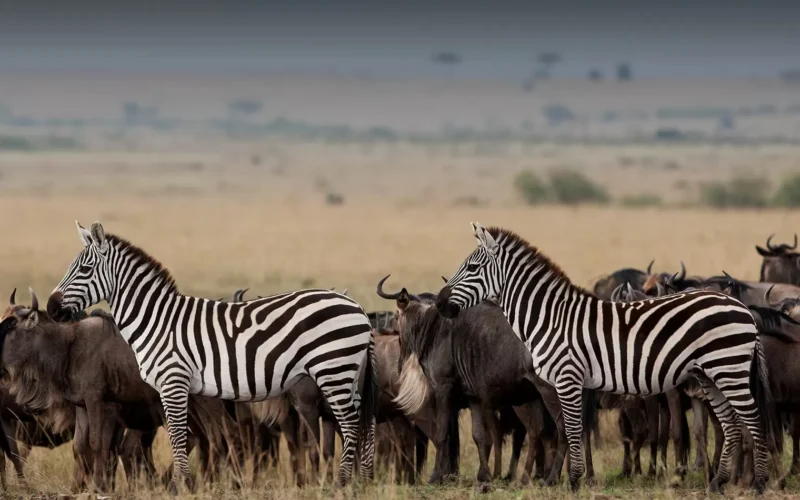
The Great Wildlife Migration creates exceptional photographic opportunities. Huge herds can stretch across the Serengeti plains.
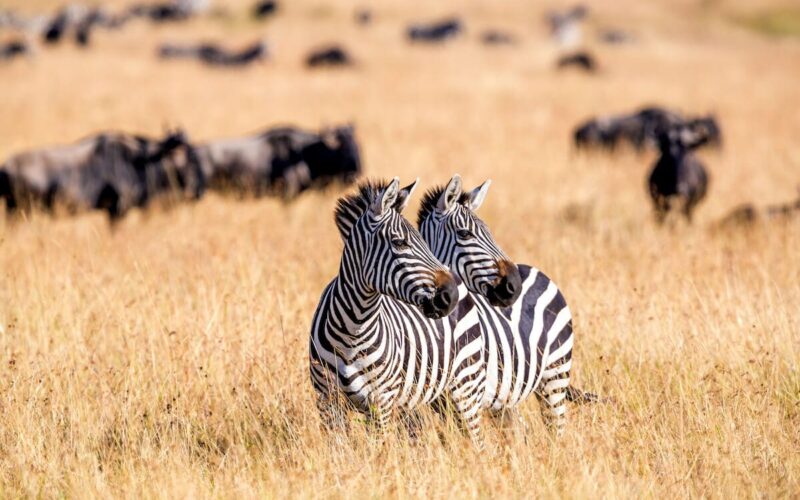
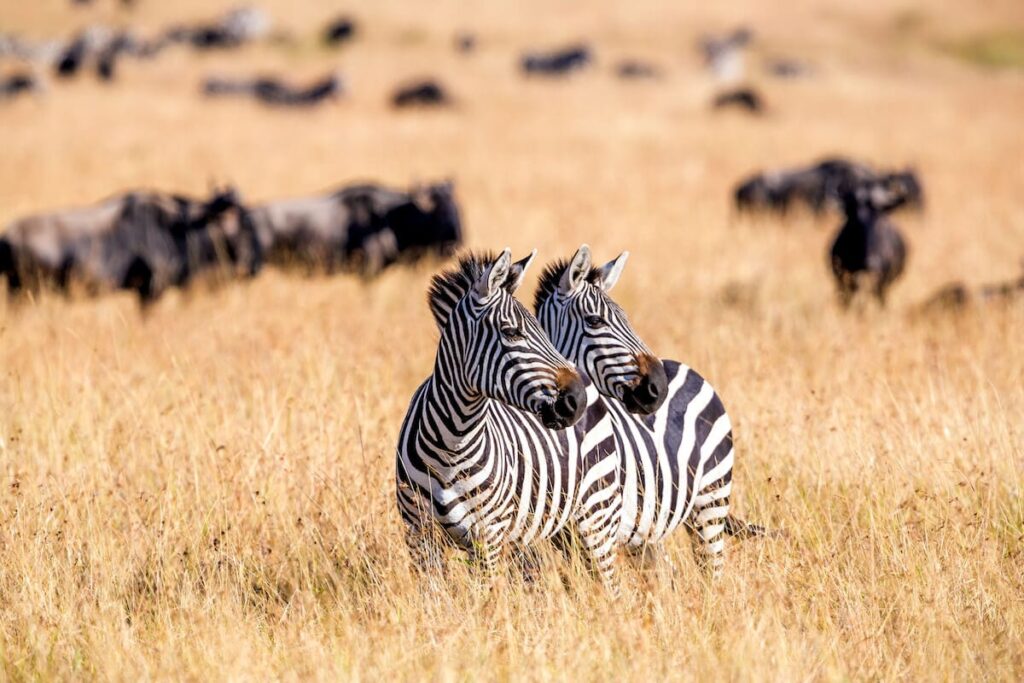
Wildebeest and zebras create powerful patterns when photographed from elevated viewpoints. Dust clouds can add movement and atmosphere.
River crossings can also produce dramatic scenes. However, crossings remain unpredictable and should never become the sole focus of your itinerary.
A Serengeti Great Migration Safari should include time for varied wildlife experiences. The migration forms only one part of the wider Serengeti ecosystem.
Understanding the Great Wildlife Migration Cycle also helps photographers anticipate seasonal opportunities.
Tanzania Adventure & Cultural Trail
Cultural Photography Experiences
Wildlife photography can extend beyond animals and landscapes. Cultural experiences provide opportunities to document human connections with the Serengeti.
Maasai community visits can introduce travelers to traditional clothing, beadwork, dances, homes, and daily activities.
Always request permission before photographing individuals. Respect local customs and community guidelines throughout the experience.
Photograph Traditional Crafts
Beadwork provides colorful subjects for cultural photography. Close-up images can capture patterns, textures, and artistic details.
Traditional crafts also provide opportunities to support local communities. Purchasing authentic products can contribute directly to community livelihoods.
Experience Local Cuisine
Some safari lodges and cultural programs offer traditional food experiences. These activities introduce travelers to regional ingredients and cooking methods.
Food photography can add another layer to your safari story. Focus on presentation, preparation, people, and cultural context.
Cultural Experiences Around Your Safari Lodge
Explore Local Communities
Your safari lodge can serve as a gateway to cultural experiences. Ask your safari planner about reputable community programs near your accommodation.
Some communities offer guided walks, craft demonstrations, storytelling, and traditional performances. These activities create meaningful connections between travelers and local residents.
Support Community Tourism
Choose cultural activities that provide clear benefits to local communities. Community-based tourism can strengthen livelihoods while encouraging conservation.
Responsible tourism should respect local traditions and avoid treating communities as photographic subjects alone.
A meaningful cultural experience combines learning, respect, and genuine interaction.
Photographing Other East African Destinations
Expand Your Photography Journey
Travelers seeking broader Tanzania wildlife safaris can combine Serengeti with other destinations. Ngorongoro, Tarangire, and other northern circuit areas offer diverse photographic opportunities.
Photographers can also extend their East African adventure into Uganda. Bwindi Gorilla Trekking provides extraordinary opportunities for rainforest wildlife photography.
Gorilla photography requires patience, respect, and strict adherence to trekking regulations. Forest conditions also create different lighting challenges from the Serengeti.
Combining Tanzania and Uganda can create a diverse African photography portfolio. You experience savannah, rainforest, mountains, wildlife, and different cultures.
Wildlife Photography Tips for Serengeti Safaris Inclusions and Exclusions
Safari Inclusions
- Airport transfers
- Accommodation
- Meals
- Professional safari guide
- Private safari vehicle
- Serengeti National Park fees
- Game drives
- Photography-focused safari planning
- Drinking water
- Cultural experience
- Government taxes
- Safari support
Safari Exclusions
- International flights
- Tanzania visa
- Travel insurance
- Camera equipment
- Personal expenses
- Tips
- Alcoholic beverages
- Laundry
- Souvenirs
- Medical expenses
- Optional activities
- Additional accommodation
- Items not listed under inclusions
Why Choose Deks Africa Safaris and Tours Ltd?
Deks Africa Safaris and Tours Ltd understands that photographers need flexible safari planning. Wildlife photographers require time, positioning, patience, and knowledgeable guides.
Our safari planning considers seasonal wildlife movements and photography opportunities. We also help travelers balance photography with relaxation and cultural experiences.
Professional guidance can make a major difference during wildlife encounters. An experienced guide understands animal behavior and responsible viewing practices.
Furthermore, we prioritize safe and ethical wildlife experiences. Great photographs should never compromise animal welfare or visitor safety.
Our expertise extends across East African destinations and diverse safari experiences. Whether you choose Tanzania Safaris, Great Migration Safaris, or a combined East African journey, we can help create a thoughtful itinerary.
Final Thoughts about Wildlife Photography Tips for Serengeti Safaris
Wildlife Photography Tips for Serengeti Safaris can significantly improve your safari photography. Good equipment helps, but preparation and patience matter even more.
The Serengeti National Park provides extraordinary opportunities throughout the year. Each season creates different lighting, wildlife movements, landscapes, and photographic possibilities.
A successful Serengeti National Park Safari should allow enough time for observation. Avoid rushing between sightings when an interesting behavior may develop.
During migration periods, the Great Wildlife Migration creates spectacular opportunities. Yet the Serengeti offers outstanding wildlife photography beyond migration events.
Combining telephoto lenses, strong composition, appropriate settings, and patience can produce exceptional images. Cultural encounters can also broaden your photographic story.
Ultimately, Wildlife Photography Tips for Serengeti Safaris help you photograph Africa with greater purpose. They encourage observation, preparation, respect, and creative storytelling.
Let’s Start Planning Your Serengeti Safari Holiday
For serious photographers, Wildlife Photography Tips for Serengeti Safaris should form part of every trip preparation process. The right planning can turn fleeting wildlife encounters into lasting visual memories.
Remember that Wildlife Photography Tips for Serengeti Safaris apply beyond technical camera settings. They also involve ethics, conservation, culture, patience, and responsible travel.
A well-planned Serengeti Safari gives you opportunities to photograph wildlife naturally. Meanwhile, knowledgeable guidance helps you understand the environment behind every image.
Choose Wildlife Photography Tips for Serengeti Safaris when preparing for your next African photography adventure. With Deks Africa Safaris and Tours Ltd, your journey can combine expertise, authenticity, conservation, and unforgettable photography.
Proposed East Africa Safari Holidays for the USA Travelers
- 9-Day Rwanda & Tanzania Luxury Wildlife Tour
- 10-Day Tanzania Safari Experience
- 9-Day Rwanda, Uganda & Tanzania Luxury Wildlife Safari
- 9-Day Rwanda Gorilla Trekking & Tanzania Safari
- 9-Day Tanzania Safari & Uganda Gorilla Trekking
- 10-Day Serengeti & Ngorongoro Crater Safari Experience
- 10-Day Tanzania and Rwanda Adventure Safari
- 11-Day Rwanda Uganda Tanzania Safari
- 20 Days Uganda, Tanzania, and Mafia Island Beach Safari
- 18 Days Uganda, Tanzania, and Mafia Island Beach Safari
- 14-Day Rwanda Uganda Tanzania Tour
- 14-Day Rwanda, Kenya, Tanzania & Beach Holiday
- 20-Day Rwanda Tanzania Zanzibar Safari Experience
- 16-Day Tanzania Safari & Rwanda Gorilla Trekking Experience
- 14 Days Kenya-Tanzania-Rwanda-Uganda Safari
- 24 Days Zanzibar-Uganda-Tanzania-Kenya Safari
- 5 Days Serengeti Great Migration Safari
- 6 Days Serengeti Great Migration Safari
- 7 Days Serengeti Great Migration Safari
- 8 Days Serengeti Great Migration Safari
- Hot Air Balloon serengeti
- 14 Days Uganda Tanzania and Kenya Safari
- What Should I Pack for a Tanzania Safari