
Serengeti Big Five Safaris: An Unforgettable African Wildlife Experience
Serengeti Big Five Safaris offer an extraordinary way to explore Tanzania’s legendary wilderness. The Serengeti combines vast plains, remarkable wildlife, diverse habitats, and unforgettable landscapes. For many international travelers, it represents the heart of an authentic African safari.
Serengeti National Park supports exceptional wildlife viewing throughout the year. The southern plains around Seronera remain especially popular with safari travelers. However, the Western Corridor and Mara River regions also provide rewarding wildlife experiences.
A carefully planned Serengeti Wildlife Safari can introduce travelers to lions, leopards, elephants, buffalo, and rhinoceros. These famous animals form the traditional Big Five. Their different behaviors create varied encounters throughout a safari.
Beyond the Big Five, the Serengeti supports cheetahs, hyenas, jackals, wildebeest, zebras, antelopes, and numerous bird species. The wider ecosystem creates opportunities for travelers to observe predator-prey relationships.
Furthermore, the Great Wildlife Migration adds another dimension to Serengeti safari experiences. Massive herds move through the ecosystem as they search for grazing and water. Predators often follow these movements because migrating herds provide important feeding opportunities.
At Deks Africa Safaris & Tours Ltd, we understand that travelers seek different safari experiences. Some guests want Big Five encounters. Others prioritize photography, migration viewing, culture, luxury, family travel, or affordable adventures.
Therefore, we design Serengeti Big Five Safaris around individual interests, travel periods, accommodation preferences, and available time. This approach helps create practical itineraries that balance wildlife, comfort, culture, and adventure.
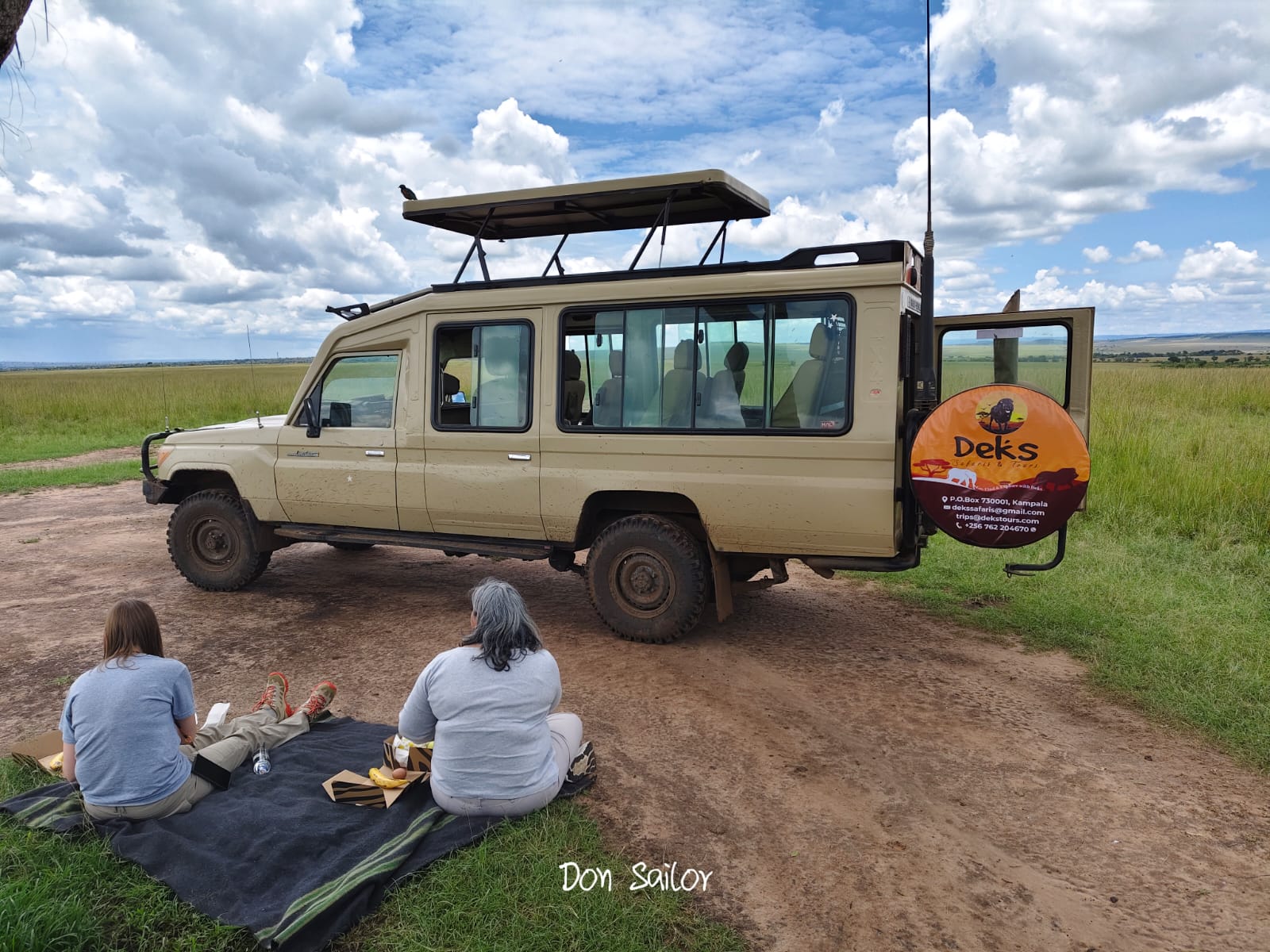
Kenya Tanzania Wildlife Tours
Why Choose Serengeti Big Five Safaris?
The Serengeti provides an exceptional environment for observing African wildlife. Its open plains create excellent visibility across many areas. Travelers can often observe animals without dense vegetation blocking their view.
Lions remain among the most recognizable predators in the park. They live in social groups and frequently hunt grazing herbivores. Their presence creates some of the most memorable encounters on a Serengeti Safari.
Cheetahs also thrive in open landscapes. Their hunting style depends on speed, timing, and careful positioning. Watching a cheetah prepare for a hunt can become a remarkable safari moment.
Leopards require more patience. These secretive cats often use trees and vegetation for cover. The Seronera River area offers opportunities to search for them.
Elephants and buffalo add another important dimension to Serengeti Wildlife Safaris. Their size and social behavior provide excellent opportunities for observation and photography.
Rhinoceros sightings can require additional patience. Their conservation importance makes every encounter especially meaningful.
Consequently, a Big Five safari should never become a simple checklist. Each species contributes to the broader story of the Serengeti ecosystem.
Understanding the Big Five
The term Big Five originally referred to five African animals considered challenging to hunt on foot. Modern tourism gives the term a different meaning.
Today, travelers use the Big Five as a wildlife viewing goal. The five animals include the lion, leopard, elephant, buffalo, and rhinoceros.
Each species has distinct behavior and ecological importance. Understanding those differences makes wildlife encounters more rewarding.
A good guide can explain feeding patterns, social structures, habitat preferences, and predator behavior. This information transforms an ordinary sighting into a valuable learning experience.
Therefore, Serengeti Big Five Safaris should combine observation with interpretation. Travelers should leave with a deeper understanding of African wildlife.
Lion Encounters in the Serengeti
Lions remain one of the main attractions during Serengeti Big Five Safaris. The Serengeti provides extensive habitat for these powerful predators.
Their social behavior makes lion sightings particularly interesting. Pride members often rest together after feeding. Cubs may play around adults while older lions remain nearby.
During cooler periods, lions can become more active. Early morning game drives may therefore create valuable opportunities for observation.
Predator behavior can change quickly. A resting pride can suddenly become alert when prey approaches. Such moments demonstrate why guides encourage patience during wildlife viewing.
Moreover, lions play an important ecological role. They help regulate herbivore populations and influence animal movement across the ecosystem.
For photographers, lions offer varied opportunities. Travelers can capture portraits, group interactions, landscapes, and behavioral moments.
However, responsible viewing remains essential. Vehicles should maintain suitable distances and avoid disturbing resting or hunting animals.
Leopard Experiences on a Serengeti Safari
Leopards remain among the most sought-after animals during Serengeti Wildlife Tours. Their solitary behavior makes them more difficult to locate than lions.
These powerful cats often use trees and vegetation as cover. A leopard resting on a branch can create an exceptional photographic opportunity.
Seronera offers habitat where travelers can search for these elusive predators. Experienced guides use tracks, recent sightings, and habitat knowledge during searches.
Leopards also demonstrate remarkable adaptability. They can hunt different prey depending on local opportunities.
Their stealth makes observation especially fascinating. Travelers may notice little more than movement before discovering a leopard.
Patience therefore becomes essential during leopard searches. Guides may spend time observing likely habitats without guaranteeing a sighting.
This uncertainty forms part of authentic wildlife tourism. Wild animals do not follow schedules designed for visitors.
African Elephant Encounters
Elephants provide some of the most powerful experiences during Serengeti Big Five Safaris. Their size creates an immediate sense of scale.
Family groups often travel together through suitable habitats. Younger elephants remain close to adults for protection and guidance.
The matriarch plays an important role within many elephant families. She helps guide movement and responds to environmental conditions.
Travelers can observe feeding, social interaction, communication, and movement during game drives. These behaviors reveal the complexity of elephant societies.
Elephants also influence their environment. Their feeding can shape vegetation and create pathways through certain habitats.
Responsible viewing protects both elephants and visitors. Drivers should avoid crowding herds or blocking their movement.
A quiet observation can become more meaningful than a rushed encounter. Give animals space and allow their natural behavior to unfold.
Cape Buffalo on Serengeti Big Five Safaris
Cape buffalo represent another important member of the Big Five. They can form large herds across suitable grasslands.
Their strong bodies and distinctive horns make them easy to recognize. However, their appearance should never encourage careless approach.
Buffalo can react strongly when threatened. Guides therefore maintain safe distances during encounters.
Herd behavior provides fascinating opportunities for observation. Animals communicate through movement, posture, and vocalization.
Young buffalo often remain within the protection of larger adults. This creates interesting social dynamics within herds.
Photographers can capture powerful images when buffalo move across open plains. Large herds can also create impressive landscape compositions.
During a Serengeti National Park Safari, buffalo sightings add variety to predator-focused wildlife viewing.
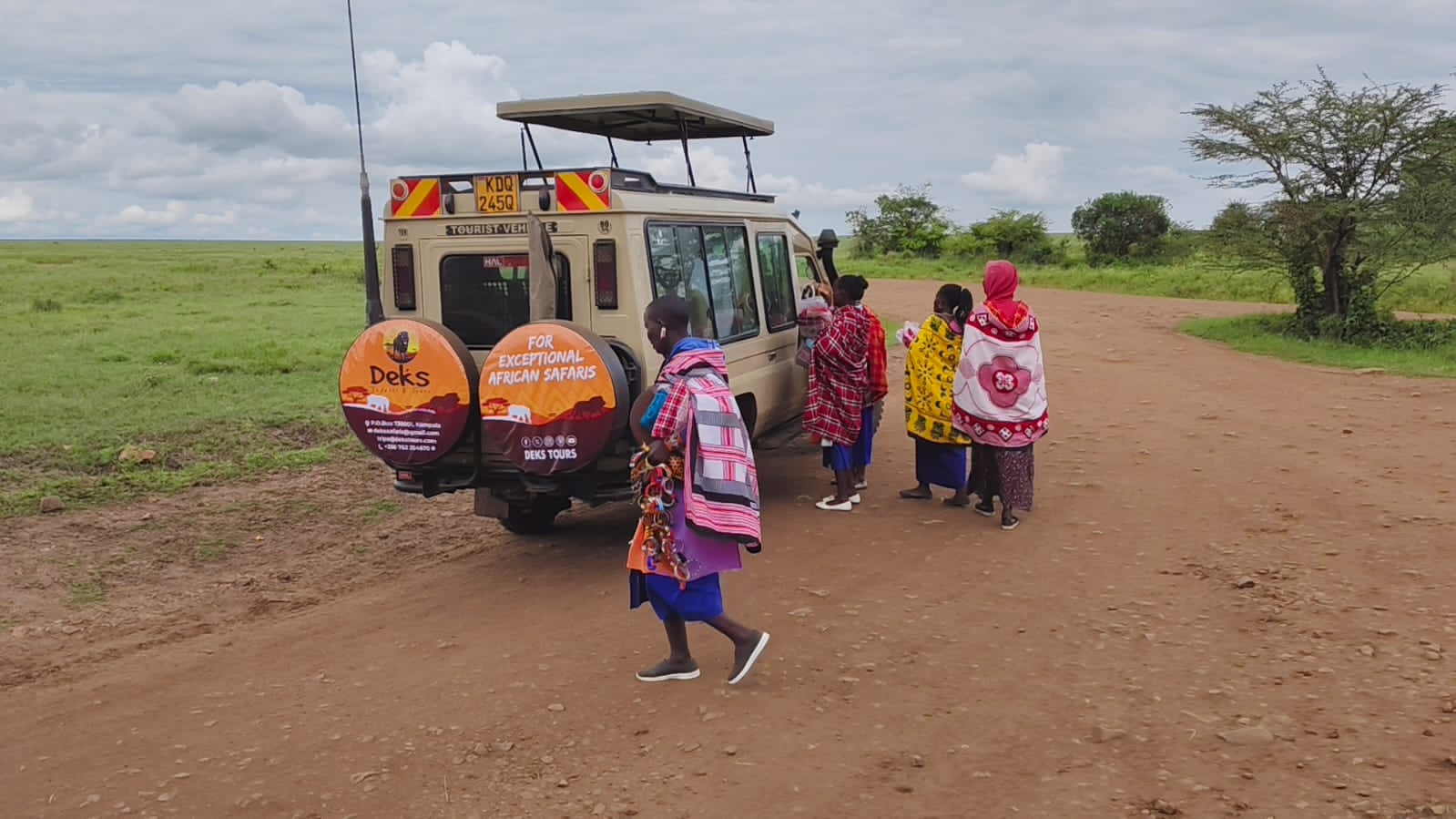
Serengeti National Park
Rhinoceros Encounters in the Serengeti
Rhinoceros remain among the most special Big Five sightings. Their conservation significance makes encounters particularly valuable.
They also require patience because sightings can prove less frequent. Travelers should therefore approach rhino viewing with realistic expectations.
A responsible safari operator never guarantees a specific animal. Wildlife remains free to move according to food, water, weather, and safety.
Guides instead use habitat knowledge and current field observations. Their role involves creating the best possible opportunities for wildlife viewing.
Rhinoceros conservation also demonstrates why protected areas matter. Tourism can help create economic reasons for preserving important wildlife habitats.
Travelers can contribute by following park rules and supporting responsible tourism practices.
Serengeti National Park and Its Wildlife Habitats
Serengeti National Park covers a vast ecosystem with different landscapes and habitats. These environments support different wildlife communities.
The southern plains provide expansive grasslands. These areas attract large herbivore populations during suitable seasons.
Seronera provides a mixture of habitats that supports diverse wildlife. The region remains particularly popular among travelers searching for predators.
The Western Corridor adds another dimension to Tanzania Wildlife Safaris. Its landscapes provide different opportunities for wildlife observation.
The Mara River region can also create dramatic wildlife experiences. Seasonal animal movement may bring large concentrations of herbivores into the area.
Therefore, travelers should avoid limiting a safari to one small region. Exploring suitable areas can increase the variety of experiences.
Serengeti Big Five Safaris and the Great Wildlife Migration
The Great Wildlife Migration forms one of the most famous natural spectacles in Africa. Large herds move through the Serengeti ecosystem during their annual cycle.
Wildebeest represent the largest component of this movement. Zebras and other grazing animals also participate in the broader ecological cycle.
Rainfall influences vegetation growth across the ecosystem. Animals respond to changes in grazing and water availability.
Predators follow these herds because abundant prey creates feeding opportunities. Lions, cheetahs, hyenas, and other predators can become highly active around migrating animals.
This relationship creates powerful opportunities during Great Migration Safaris. However, travelers should understand that migration timing changes between seasons.
Weather patterns can influence animal movements. Therefore, responsible safari planning should use seasonal patterns rather than fixed guarantees.
The Great Wildlife Migration Cycle
The Great Wildlife Migration Cycle represents continuous movement rather than one isolated event. Herds move through different areas as ecological conditions change.
Some travelers focus on river crossings. Others prefer calving areas or large herds on open plains.
River crossings can create dramatic wildlife scenes. However, crossings remain unpredictable natural events.
Travelers may wait for hours without seeing a crossing. This uncertainty forms part of genuine wildlife observation.
Calving periods create another fascinating stage of the migration. Newborn animals bring new life into the ecosystem.
Predators also concentrate around vulnerable young animals. This creates opportunities to observe hunting strategies and predator behavior.
Consequently, Serengeti Great Migration Safaris require flexibility. Travelers should allow nature to determine the experience rather than expecting a scripted event.
Serengeti Big Five Safaris Throughout the Year
The Serengeti offers wildlife viewing opportunities across different seasons. Travelers can therefore plan safaris throughout the year.
Dry periods can concentrate animals around remaining water sources. Reduced vegetation can also improve visibility in some areas.
Green seasons transform the landscape. Fresh grass creates beautiful scenery and supports herbivore activity.
Bird watchers may also appreciate wetter periods. Migratory birds can add diversity to the wildlife experience.
Photography conditions vary throughout the year. Green landscapes create vivid backgrounds, while dry landscapes create different textures.
Migration activity also changes according to rainfall patterns. Travelers should therefore choose dates based on their main priorities.
A specialist safari company can help match travel dates with desired experiences.
Best Areas for Serengeti Big Five Safaris
Seronera remains one of the most popular regions for wildlife viewing. Its habitats attract numerous species throughout the year.
The Southern Serengeti provides extensive plains and important grazing areas. Seasonal changes can transform the concentration of wildlife.
The Western Corridor offers different landscapes and wildlife experiences. Travelers with enough time can explore this region as part of a longer itinerary.
The Mara River region provides another distinctive safari environment. It becomes especially interesting during periods of animal movement.
Choosing the right area depends on season and wildlife interests. Therefore, itinerary planning should consider geography carefully.
A longer safari provides more opportunities to explore different habitats.
Serengeti Big Five Safaris for Wildlife Photographers
Photography remains one of the strongest reasons to visit the Serengeti. The park combines wildlife, landscapes, light, and dramatic skies.
Early morning drives provide softer light. Wildlife may also display increased activity during cooler hours.
Late afternoon offers warm tones across the plains. Sunset can create powerful landscape compositions.
Photographers should carry suitable camera equipment and spare batteries. A telephoto lens helps capture distant animals without approaching too closely.
Patience remains more important than expensive equipment. Good wildlife images often depend on waiting for natural behavior.
Guides can help identify photographic opportunities. They can also position vehicles responsibly without disrupting animals.
Photographers should remember that wildlife welfare comes first. A perfect photograph never justifies disturbing an animal.
Serengeti Wildlife Safaris for Families
Families can enjoy the Serengeti with appropriate planning. Children often find wildlife encounters educational and exciting.
Shorter game drives can help younger travelers remain comfortable. Breaks can also reduce fatigue during longer safari days.
Family-friendly accommodation provides additional convenience. Parents should communicate children’s ages before booking lodges.
Guides can adapt explanations for younger travelers. Simple wildlife lessons can make the safari more engaging.
Families can also combine game drives with cultural experiences. This approach introduces children to both nature and local communities.
Private safari vehicles can provide greater flexibility. Parents can adjust departure times and activities around family needs.
As a result, Serengeti Big Five Safaris can become meaningful family learning experiences.
Tanzania Luxury Serengeti Big Five Safaris
Luxury travelers can experience the Serengeti with premium accommodation and personalized services. Luxury lodges and tented camps provide comfort within remarkable landscapes.
Location remains an important consideration. A beautiful lodge far from preferred wildlife areas can increase daily driving time.
Private vehicles provide additional flexibility. Travelers can also customize game drives around their interests.
Some luxury itineraries combine Serengeti with Ngorongoro and Tarangire. Others continue toward Zanzibar for coastal relaxation.
These combinations create complete Tanzania Safaris. Guests experience wildlife, culture, landscapes, and beaches within one journey.
Luxury does not need to mean excessive activity. Some travelers prefer slower schedules with more time at their lodge.
Affordable Serengeti Wildlife Safaris
A Serengeti experience can suit travelers with different budgets. Group safaris can reduce transportation and guiding costs.
Budget accommodation provides practical options for travelers focused on wildlife. Camping can also create an adventurous connection with nature.
Shorter itineraries may help reduce overall costs. However, travelers should still allow enough time for meaningful wildlife experiences.
Comparing safari quotations requires careful attention. Travelers should check park fees, accommodation, transport, meals, and activities.
A transparent quotation should clearly identify inclusions and exclusions. This prevents confusion during the journey.
Deks Africa Safaris & Tours Ltd can tailor safari arrangements around available budgets and priorities.
Cultural Experiences Around Your Safari Lodge
A safari should not end with wildlife viewing. Cultural experiences can provide valuable insight into Tanzania’s diverse communities.
Maasai cultural visits remain an important option around suitable northern Tanzania safari areas. Travelers can learn about traditional lifestyles, crafts, music, and community practices.
Cultural experiences should always respect local customs. Visitors should ask permission before photographing people.
Travelers can also support local artisans by purchasing authentic crafts. Direct community purchases can provide useful economic benefits.
Some cultural visits include traditional music and dance. Others focus on community life, food, livestock, or traditional knowledge.
The exact experiences depend on your lodge location and community partnerships. Therefore, travelers should confirm cultural activities before adding them to an itinerary.
Maasai Cultural Experiences
Maasai communities form an important part of northern Tanzania’s cultural landscape. Their pastoral traditions provide opportunities for meaningful cultural learning.
Visitors can learn about traditional homes, clothing, crafts, and community organization. Local hosts can explain practices within their cultural context.
Respect remains essential during these encounters. Travelers should follow local guidance and avoid treating communities as entertainment.
Photography should always involve consent. Visitors should also respect areas where photography may not be appropriate.
Buying handmade crafts can support local livelihoods. Travelers should also value the cultural knowledge shared during visits.
A cultural experience becomes stronger when visitors approach it with curiosity and respect.
Hadzabe Cultural Experiences
Travelers with longer Tanzania itineraries may explore opportunities to learn about the Hadzabe community. Such experiences require careful geographic planning.
The Hadzabe have distinctive traditions and historical connections with the region. Their knowledge of the environment offers another perspective on northern Tanzania.
These visits should focus on respectful cultural exchange. Travelers should avoid assumptions about community life.
Because suitable locations may lie away from the Serengeti, additional travel time may apply. Your safari planner should confirm practical arrangements.
Cultural tourism works best when communities maintain meaningful control over the experience.
Swahili Cultural Experiences in Tanzania
Swahili culture adds another dimension to Tanzania Safaris. Coastal areas provide especially strong opportunities to explore Swahili history.
Travelers combining Serengeti with Zanzibar can explore Stone Town and coastal traditions. Food, architecture, music, and language provide insight into the region’s cultural heritage.
This creates a strong contrast with the Serengeti. Guests can move from savannah wildlife to Indian Ocean culture.
Such combinations work particularly well for longer holidays. They also provide diverse experiences for couples and families.
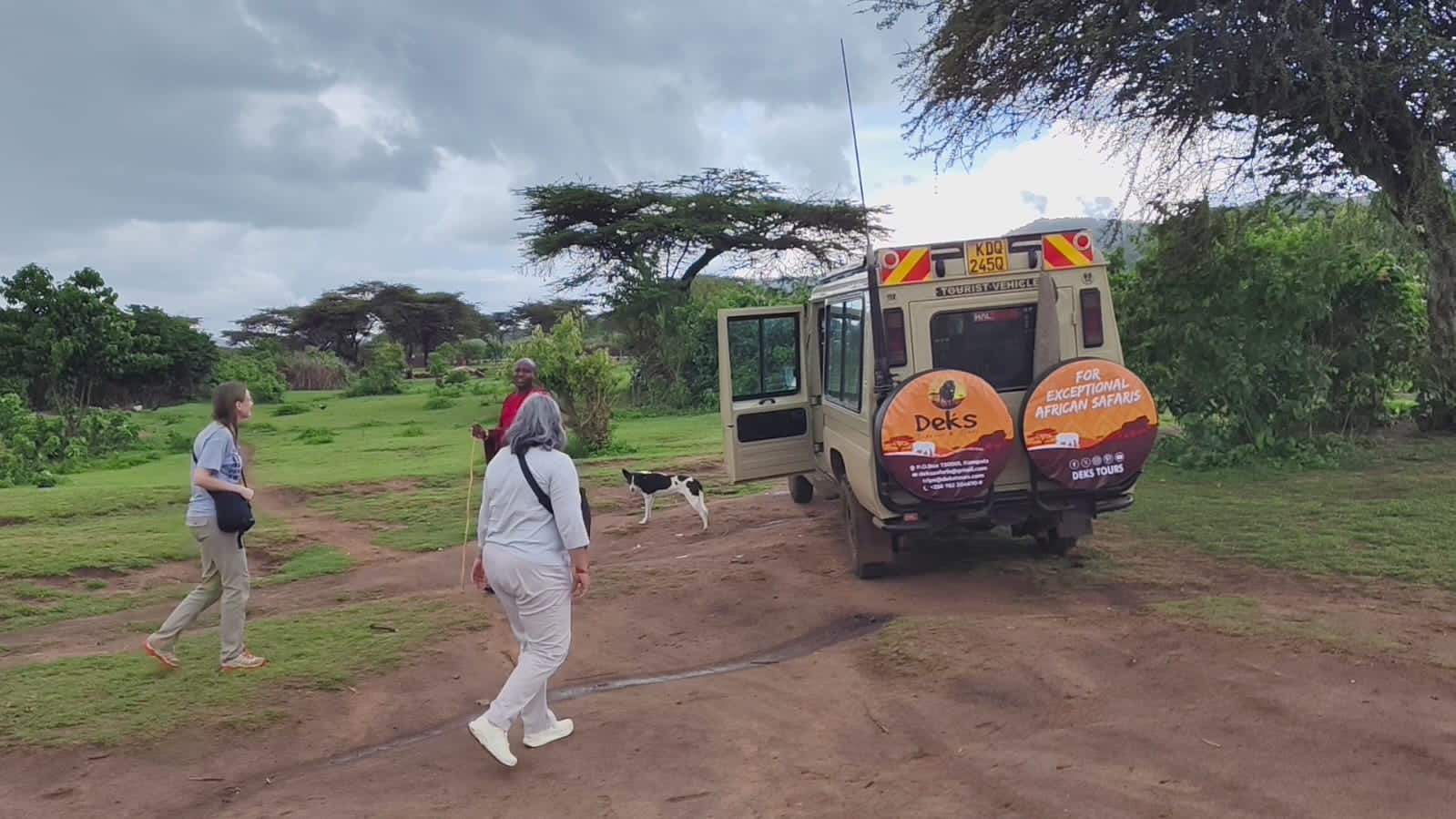
Kenya and Tanzania Group Safari
Combining Serengeti Big Five Safaris With Ngorongoro
Ngorongoro offers an excellent addition to a Serengeti itinerary. The landscapes differ dramatically from the Serengeti plains.
The Ngorongoro Crater provides a distinctive volcanic environment. Its enclosed landscape supports diverse wildlife.
Combining both destinations creates a broader northern Tanzania experience. Travelers can enjoy different scenery and wildlife habitats.
Tarangire can also complement the itinerary. Its landscapes and elephant encounters add further diversity.
Therefore, a multi-park itinerary can provide greater ecological variety than a single-destination trip.
Serengeti Big Five Safaris and Zanzibar
A Serengeti safari can combine naturally with a Zanzibar holiday. The two destinations provide contrasting experiences.
The Serengeti delivers wildlife, landscapes, and adventure. Zanzibar offers beaches, cultural heritage, marine activities, and relaxation.
Domestic flights can connect mainland safari destinations with the islands. Travelers should confirm flight schedules during itinerary planning.
Couples can create romantic safari and beach holidays. Families can also enjoy the combination of adventure and relaxation.
This approach transforms a Tanzania wildlife safari into a broader East African holiday.
Serengeti Wildlife Tours for International Travelers
International travelers need careful planning before arriving in Tanzania. Passport requirements, visas, insurance, and travel arrangements require advance attention.
Travelers should also understand the expected safari environment. Game drives can involve long periods in vehicles.
Early morning departures may form part of the experience. Comfortable clothing and appropriate footwear can improve comfort.
Sun protection remains important throughout the safari. Travelers should carry sunscreen, sunglasses, and suitable hats.
Binoculars can greatly improve wildlife observation. Cameras provide opportunities to preserve memories.
A reliable safari operator should provide clear information before departure. Good communication helps travelers prepare with confidence.
What to Pack for Serengeti Big Five Safaris
Packing for a safari requires practical thinking. Lightweight clothing works well during warmer daytime periods.
Warm layers can help during early morning drives. Temperatures can feel cooler before sunrise.
Comfortable walking shoes remain useful around lodges. Travelers should also carry personal medications.
A reusable water bottle can reduce plastic waste. Insect repellent can provide additional comfort.
Binoculars improve wildlife viewing from a safe distance. Camera batteries and memory cards deserve careful attention.
Travel documents should remain accessible throughout the journey. Travelers should also keep copies of important documents.
Responsible Wildlife Tourism in the Serengeti
Responsible tourism protects wildlife and local communities. Travelers should follow all park regulations.
Vehicles should maintain suitable distances from animals. Drivers should avoid blocking wildlife movement.
Guests should keep noise levels low during encounters. They should also avoid feeding wild animals.
Litter should never remain in protected areas. Travelers should use appropriate waste facilities.
Photography should respect animals and people. Cultural photography should always involve consent.
Supporting locally owned businesses can strengthen tourism benefits. Purchasing local crafts can also support community livelihoods.
Responsible travel helps protect the Serengeti for future generations.
Conservation and the Future of Serengeti Wildlife Safaris
Conservation remains central to the future of Serengeti tourism. Protected habitats provide space for wildlife populations.
Tourism can support conservation through park fees and local economic activity. Responsible operators also help educate travelers about environmental protection.
Visitors play an important role as well. Following regulations reduces pressure on wildlife.
Travelers should choose operators who prioritize responsible practices. They should also ask questions about sustainability.
A healthy ecosystem creates better wildlife experiences. Conservation therefore benefits both nature and tourism.
The future of Serengeti Big Five Safaris depends on protecting the landscapes that make these journeys possible.
Rwanda Gorilla Trekking and Serengeti Safaris
Travelers seeking a broader East African experience can combine Tanzania with Rwanda Gorilla Trekking. This creates a contrast between savannah wildlife and mountain forests.
Rwanda Gorilla Safaris focus on mountain gorillas in protected forest habitats. The experience requires different preparation from a Serengeti safari.
Travelers should consider trekking permits, accommodation, transport, and regional flights. A well-planned itinerary can connect both experiences efficiently.
The combination offers opportunities to encounter very different African ecosystems.
Uganda Gorilla Trekking and Tanzania Wildlife Safaris
Uganda Gorilla Trekking provides another option for travelers seeking a multi-country African adventure. Bwindi Impenetrable National Park offers a distinct forest environment.
Travelers can combine Uganda Gorilla Trekking with Tanzania wildlife safaris. Such itineraries require careful planning because the destinations involve significant distances.
Gorilla Trekking Safaris also involve physical walking through forest terrain. Travelers should prepare according to their selected trekking area.
Combining primate trekking with Serengeti wildlife creates an exceptionally diverse itinerary.
Gorilla Trekking Safaris and Serengeti Big Five Safaris
A combination of Gorilla Trekking Safaris and Serengeti Big Five experiences creates two contrasting wildlife adventures.
The Serengeti offers open savannah landscapes. Gorilla trekking introduces dense forest environments.
Both experiences require responsible wildlife behavior. Travelers must follow guide instructions during animal encounters.
Such combinations work best within longer East African itineraries. Travelers should allow sufficient time for border crossings and regional transportation.
Professional itinerary planning can reduce unnecessary travel complications.
Planning Your Serengeti Big Five Safaris
Start by identifying your main safari priorities. Decide whether Big Five viewing, migration, photography, culture, or relaxation comes first.
Next, select suitable travel dates. Seasonal conditions influence wildlife distribution and landscapes.
Then choose your safari style. Private safaris provide flexibility, while group safaris can offer value.
Accommodation should also match your travel expectations. Consider location, comfort, services, and access to wildlife areas.
Safari duration matters equally. Longer itineraries create more flexibility and reduce pressure.
Finally, review every inclusion and exclusion before confirming your booking. Clear planning helps prevent misunderstandings.
Why Choose Deks Africa Safaris & Tours Ltd?
Deks Africa Safaris & Tours Ltd focuses on creating meaningful African travel experiences. Our approach combines destination knowledge, itinerary planning, and responsible tourism.
We understand that travelers come from different countries and cultures. Therefore, we communicate safari information in clear and accessible language.
Our planning considers wildlife interests, accommodation preferences, budget, and travel duration. We also recognize the importance of flexibility.
Every traveler deserves realistic expectations. Wildlife remains unpredictable, and responsible operators should communicate this clearly.
Our goal involves creating the strongest possible conditions for authentic experiences. We do not depend on unrealistic promises.
Instead, we focus on professional planning, local knowledge, and thoughtful safari design.
Serengeti Big Five Safaris for Honeymoon Travelers
Couples can enjoy a romantic Serengeti safari with carefully selected accommodation. Private game drives can create greater flexibility and privacy.
Luxury tented camps can provide intimate settings within the wilderness. Sundowner experiences can also add romance to safari evenings.
Couples can combine the Serengeti with Zanzibar. Beach relaxation provides a natural continuation after several days of wildlife adventure.
Photography also creates lasting memories. Couples can capture landscapes, wildlife, sunsets, and shared experiences.
A honeymoon itinerary should avoid excessive travel. A balanced schedule provides time for both adventure and relaxation.
Serengeti Big Five Safaris for Solo Travelers
Solo travelers can experience the Serengeti through private or group safari arrangements. Group trips can provide opportunities to meet travelers from different countries.
Private safaris offer greater control over schedules. They can also provide more opportunities for personalized wildlife interests.
Solo travelers should communicate dietary and accommodation preferences early. Good preparation makes the experience more comfortable.
Cultural activities can also add social interaction. Travelers can learn about local communities while gaining a broader understanding of Tanzania.
Serengeti Big Five Safaris for Photographic Enthusiasts
Photographers can design itineraries around wildlife behavior and lighting conditions. Longer stays allow more time for patience and observation.
Private vehicles provide greater flexibility for photography. They also allow travelers to spend additional time with interesting subjects.
Telephoto lenses remain useful for distant animals. Wide lenses can capture wildlife within dramatic landscapes.
Photographers should carry adequate storage and batteries. Dust protection can also help protect camera equipment.
Most importantly, photography should never disturb wildlife. Ethical photography creates better long-term outcomes for animals and tourism.
Safari Inclusions
- Airport transfers
- Safari transportation
- Professional driver-guide
- Accommodation
- Meals as specified
- Serengeti National Park fees
- Game drives
- Government taxes
- Drinking water
- Cultural activities as specified
- Conservation fees
- Safari planning
- Local coordination
Safari Exclusions
- International flights
- Tanzania visa
- Travel insurance
- Personal expenses
- Alcoholic beverages
- Laundry
- Tips
- Souvenirs
- Personal communication
- Optional activities
- Additional accommodation
- Medical expenses
- Emergency evacuation
- Services not listed
Serengeti Big Five Safaris: Creating a Complete African Adventure
Serengeti Big Five Safaris provide much more than opportunities to see famous animals. They create opportunities to understand one of Africa’s most important ecosystems.
The Serengeti offers extraordinary wildlife throughout the year. Seronera provides popular wildlife viewing, while the Western Corridor and Mara River region add variety.
Lions, leopards, elephants, buffalo, and rhinoceros remain central to the Big Five experience. Cheetahs, hyenas, jackals, wildebeest, zebras, and birds add further diversity.
The Great Wildlife Migration provides another reason to explore the Serengeti. Its movement follows changing ecological conditions across the wider ecosystem.
Cultural experiences can deepen the journey. Maasai visits, local crafts, food experiences, and other community activities provide opportunities for cultural learning.
Travelers can also extend their adventure. Ngorongoro, Tarangire, Zanzibar, Rwanda, and Uganda can complement a Tanzania safari.
Ultimately, successful safari planning requires more than selecting a famous destination. It requires matching the destination with the traveler’s interests, timing, budget, and expectations.
Serengeti Big Five Safaris With Deks Africa Safaris & Tours Ltd
Serengeti Big Five Safaris remain among Africa’s most rewarding wildlife experiences. The destination combines dramatic landscapes with extraordinary wildlife encounters.
At Deks Africa Safaris & Tours Ltd, we create safari journeys around what travelers genuinely want to experience. Our approach emphasizes careful planning, clear communication, responsible tourism, and local destination knowledge.
Whether you want a Serengeti Wildlife Safari, a Serengeti National Park Safari, or a broader Tanzania adventure, we can structure the journey around your priorities.
Travelers seeking Great Migration Safaris can plan around seasonal wildlife movement. Photography enthusiasts can focus on landscapes and animal behavior.
Families can enjoy flexible schedules and educational experiences. Couples can combine luxury safari experiences with Zanzibar beach relaxation.
International travelers can also create multi-country itineraries. Rwanda Gorilla Safaris, Uganda Gorilla Trekking, and Gorilla Trekking Safaris can complement a Tanzania wildlife adventure.
Every journey deserves thoughtful preparation. Each destination deserves respect. Every wildlife encounter deserves responsible observation.
Serengeti Big Five Safaris can therefore become more than a holiday. They can become an educational journey through one of Africa’s most remarkable ecosystems.
Serengeti Big Five Safaris can connect travelers with wildlife, landscapes, culture, conservation, and authentic African hospitality.
Serengeti Big Five Safaris can also create memories that continue long after travelers leave Tanzania.
For travelers ready to explore Tanzania, the Serengeti offers an extraordinary starting point.
Serengeti Big Five Safaris with Deks Africa Safaris & Tours Ltd provide an opportunity to experience Tanzania with thoughtful planning and genuine destination expertise.
Proposed East Africa Safari Holidays for the USA Travelers
- 9-Day Rwanda & Tanzania Luxury Wildlife Tour
- 10-Day Tanzania Safari Experience
- 9-Day Rwanda, Uganda & Tanzania Luxury Wildlife Safari
- 9-Day Rwanda Gorilla Trekking & Tanzania Safari
- 9-Day Tanzania Safari & Uganda Gorilla Trekking
- 10-Day Serengeti & Ngorongoro Crater Safari Experience
- 10-Day Tanzania and Rwanda Adventure Safari
- 11-Day Rwanda Uganda Tanzania Safari
- 20 Days Uganda, Tanzania, and Mafia Island Beach Safari
- 18 Days Uganda, Tanzania, and Mafia Island Beach Safari
- 14-Day Rwanda Uganda Tanzania Tour
- 14-Day Rwanda, Kenya, Tanzania & Beach Holiday
- 20-Day Rwanda Tanzania Zanzibar Safari Experience
- 16-Day Tanzania Safari & Rwanda Gorilla Trekking Experience
- 14 Days Kenya-Tanzania-Rwanda-Uganda Safari
- 24 Days Zanzibar-Uganda-Tanzania-Kenya Safari
- 5 Days Serengeti Great Migration Safari
- 6 Days Serengeti Great Migration Safari
- 7 Days Serengeti Great Migration Safari
- 8 Days Serengeti Great Migration Safari
- Hot Air Balloon serengeti
- 14 Days Uganda Tanzania and Kenya Safari
- What Should I Pack for a Tanzania Safari