What Is the Best Month to See the Great Migration?
August 23, 2026
Best Airstrips in Serengeti National Park
August 24, 2026August Versus September for the Wildebeest Migration
August Versus September for the Wildebeest Migration presents one of Africa’s most exciting safari decisions. Both months offer exceptional opportunities to witness the Great Wildlife Migration in northern Tanzania. However, each month creates a slightly different safari atmosphere.
The Great Migration follows rainfall, fresh grass, water, and instinct. Therefore, wildlife movement never follows an exact calendar. August and September generally place large wildebeest herds around the northern Serengeti and Mara River ecosystem.
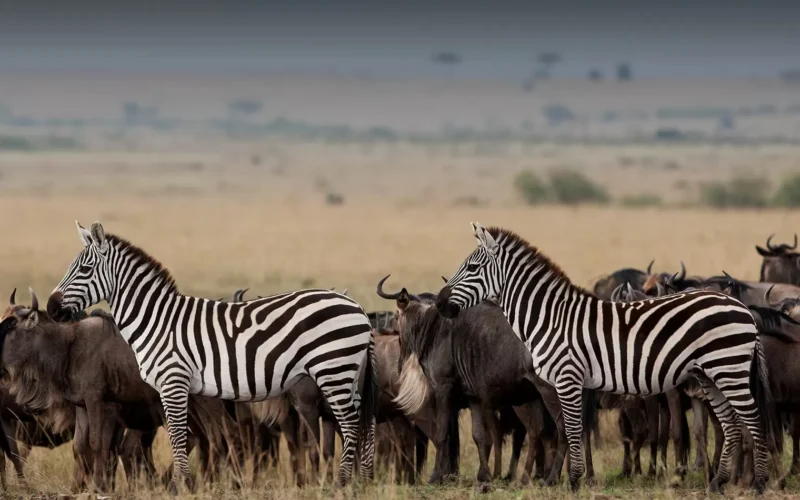
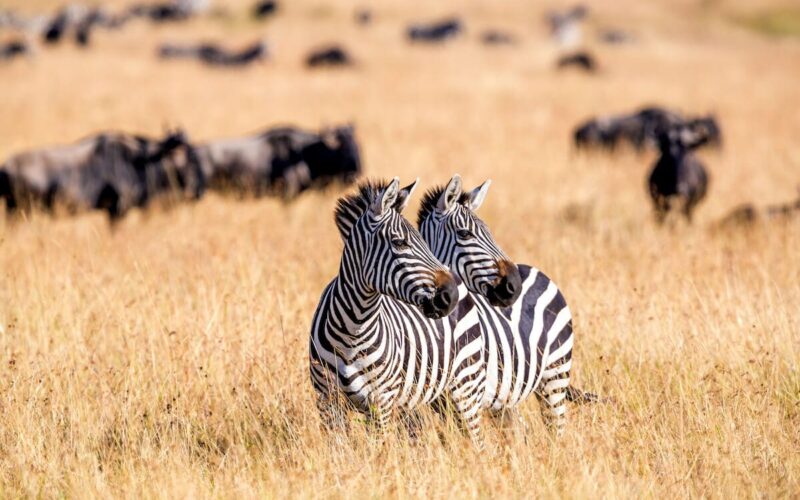
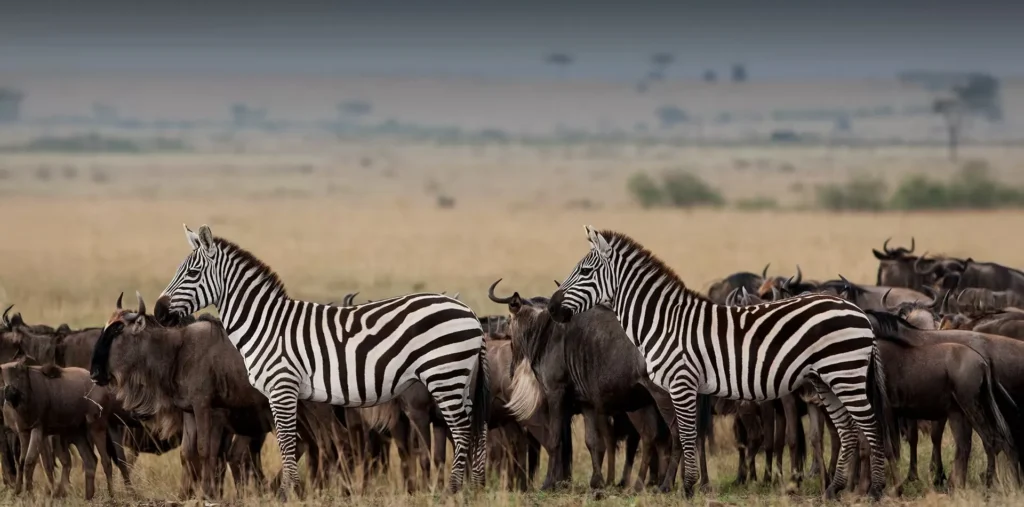
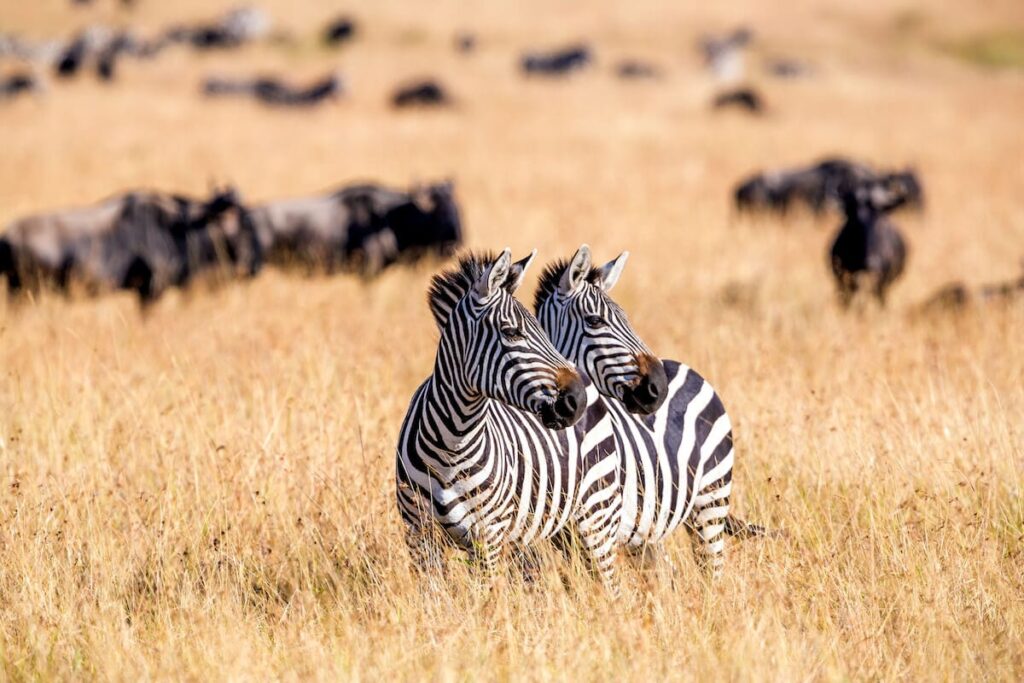
For travellers planning Tanzania Safaris, this period offers remarkable wildlife encounters. Huge herds move across open plains while predators follow closely behind. Meanwhile, zebras and gazelles add incredible diversity to the moving spectacle.
The August Versus September for the Wildebeest Migration debate therefore depends on your safari priorities. August usually offers intense river-crossing anticipation and peak-season energy. September can provide continued migration activity with potentially calmer viewing conditions.
At Deks Africa Safaris and Tours Ltd, we approach migration planning with realism. We understand that nature controls the timing, location, and behaviour of the herds. Consequently, we design flexible itineraries around wildlife opportunities rather than promises.
August Versus September for the Wildebeest Migration: Understanding the Cycle
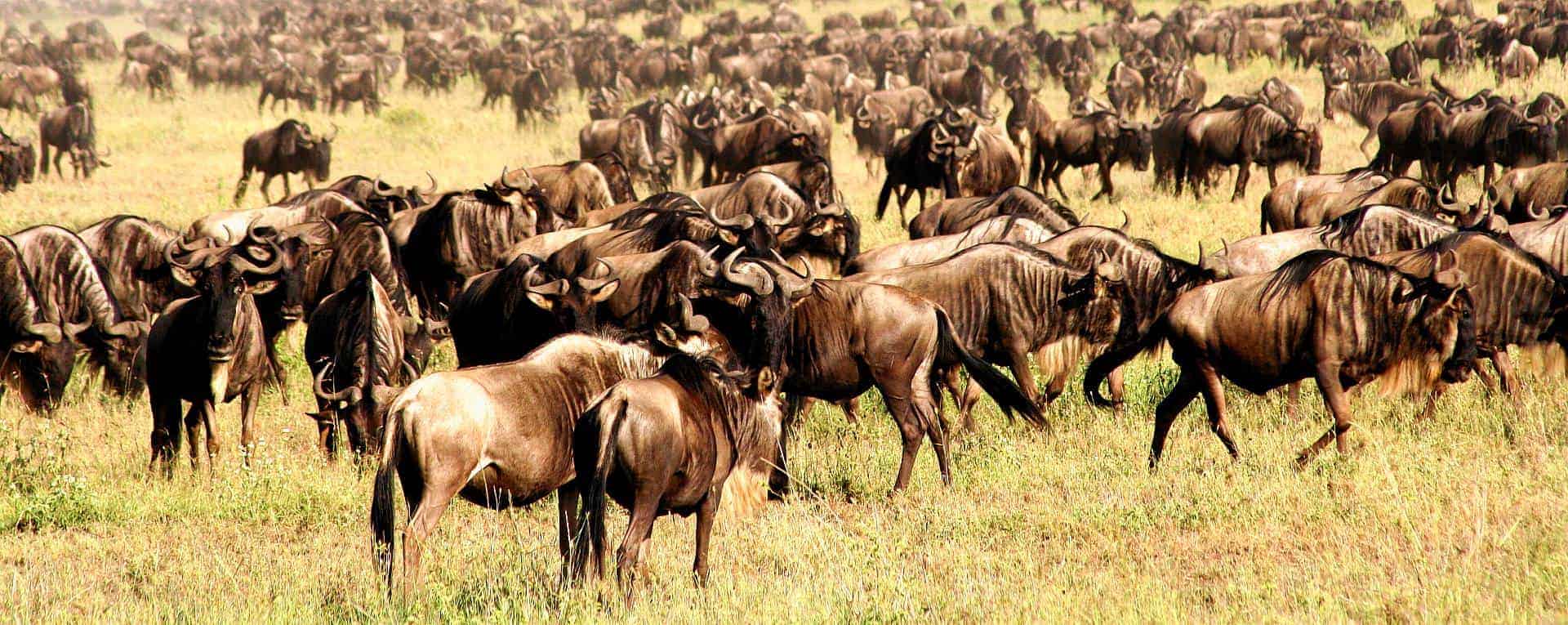
The Great Wildlife Migration represents a continuous ecological cycle across Tanzania and Kenya. The movement covers enormous areas within the Serengeti-Mara ecosystem. More than one million wildebeest travel with large numbers of zebra and gazelles.
This Great Wildlife Migration Cycle responds strongly to rainfall and grazing conditions. The herds move towards areas offering fresh grass and reliable water. Their journey therefore continues throughout the year.
By August, many herds reach the northern Serengeti. The Mara River becomes a major focus during this period. Crossings can occur between the northern Serengeti and Kenya’s Maasai Mara.
September continues this extraordinary movement. Some herds remain around the northern Serengeti. Others move across the border or return towards Tanzania.
Understanding this movement helps travellers choose realistic safari expectations. A Serengeti Safari should never depend entirely on witnessing one specific crossing.
Instead, experienced travellers should focus on the entire ecosystem. Herd behaviour, predator activity, landscapes, and changing weather all create exceptional experiences.
August Safari: Peak Migration Drama
August represents one of the most sought-after periods for a Serengeti National Park Safari. Large herds often gather around the Mara River during this month. Their movement creates some of Africa’s most dramatic wildlife scenes.
The river crossings can become intense and unpredictable. Herds may gather near the riverbank before crossing. Sometimes, they wait for hours before making a sudden move.
Other groups may cross quickly and continue towards fresh grazing areas. Some herds can even turn back after approaching the river.
This uncertainty creates genuine wilderness experiences. No itinerary can guarantee the exact moment of a crossing. However, longer stays can improve your opportunities.
Northern Serengeti areas such as Kogatende provide important access to migration zones. Tanzania National Parks also regulates vehicle positions around designated crossing areas. These measures help reduce disturbance and protect viewing conditions.
For travellers seeking dramatic photography, August offers exceptional possibilities. Dust, water, movement, predators, and enormous herds create powerful visual moments.
Therefore, August Versus September for the Wildebeest Migration often favours August for peak-season excitement.
Masai Mara Safari Tanzania
September Safari: Continued Wildlife Action
September remains an excellent month for Great Migration Safaris. Migration activity does not suddenly stop when August ends. Instead, herds continue responding to local grazing and rainfall conditions.
Many animals remain around the northern Serengeti and Mara River ecosystem. Others continue moving between Tanzania and Kenya. This creates opportunities for travellers who prefer continued migration activity.
September can also provide a slightly different safari atmosphere. Peak-season pressure may begin easing in some areas. However, popular river-crossing locations can still attract significant visitor numbers.
The dry-season landscape also improves visibility across many Serengeti areas. Wildlife often becomes easier to locate around water sources and open plains.
September therefore suits travellers seeking a balance between migration activity and safari flexibility. You can enjoy more than river crossings during your stay.
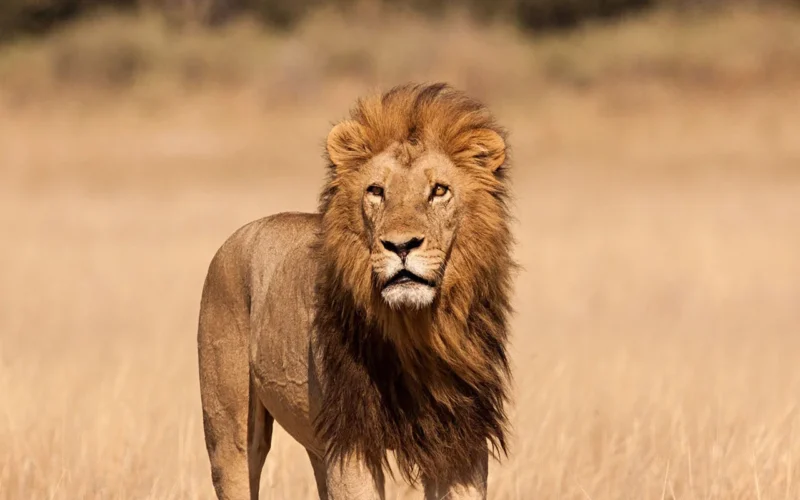
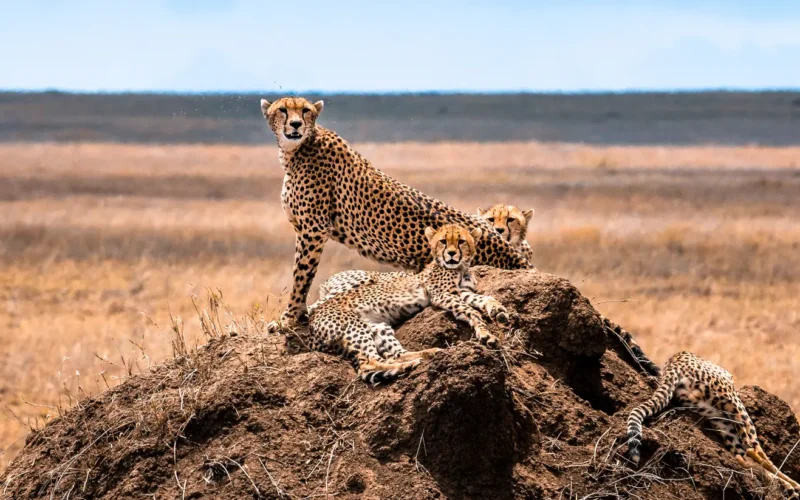
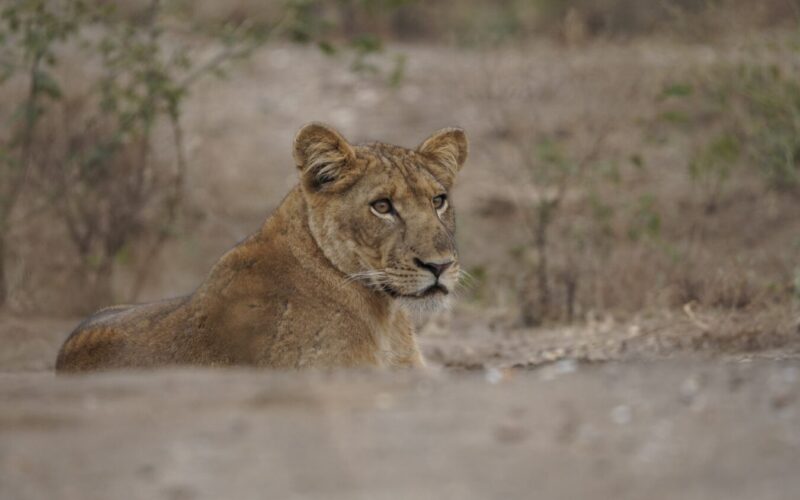
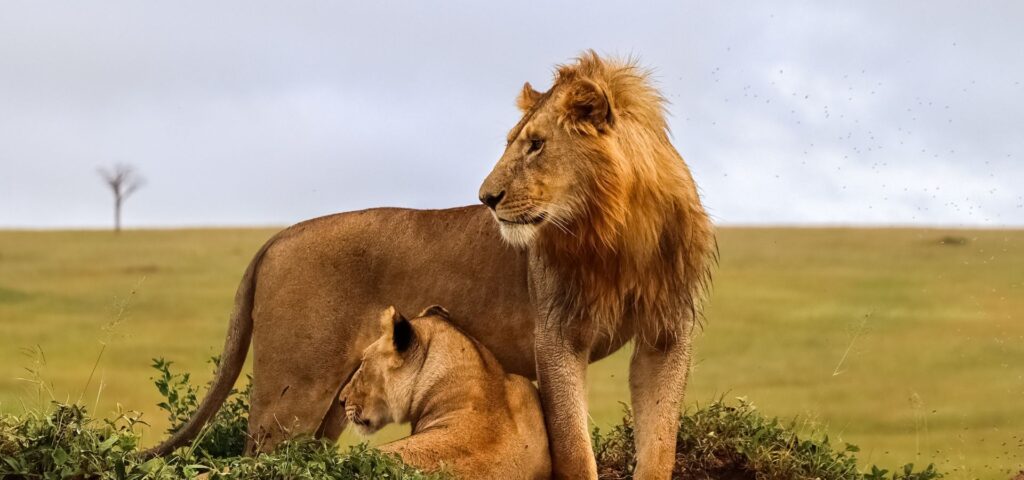
Lion, leopard, cheetah, hyena, elephant, giraffe, buffalo, and numerous antelope species remain important attractions. Consequently, your Serengeti National Park Safari becomes a complete wildlife experience.
For many experienced travellers, this balance makes September highly attractive.
August Versus September for the Wildebeest Migration: Which Offers Better Crossings?
Choosing between August and September requires realistic expectations. Mara River crossings remain unpredictable during both months.
August often represents the peak period for dramatic crossing activity. September continues to offer opportunities as herds remain within the northern ecosystem.
The key difference involves probability, crowds, and safari style. August can deliver intense activity alongside higher visitor demand. September can offer continued action with potentially more relaxed conditions.
However, neither month guarantees a crossing. Wildebeest respond to environmental conditions rather than tourist schedules.
Therefore, travellers should avoid operators promising guaranteed river crossings. Reliable safari planning acknowledges uncertainty while maximising wildlife opportunities.
A longer stay also improves your chances of witnessing meaningful migration behaviour. Two or three nights around the northern Serengeti can provide better opportunities than one rushed visit.
This approach demonstrates why professional planning matters. Experienced guides understand local roads, wildlife behaviour, weather patterns, and viewing strategies.
Choosing the Best Safari Lodge Location
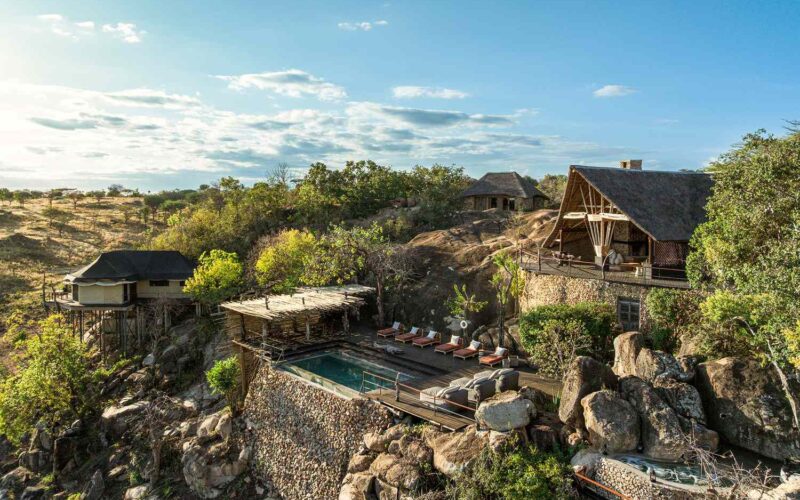
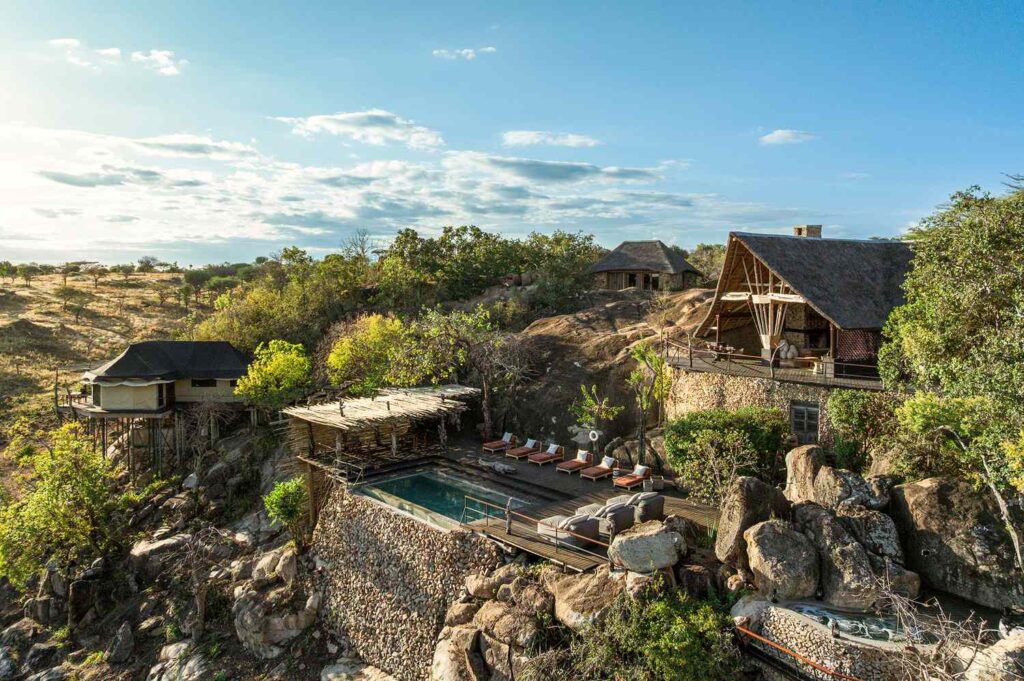
Your accommodation location can significantly influence your migration experience. Northern Serengeti camps provide convenient access to major migration areas.
Kogatende and surrounding northern areas can position travellers close to Mara River crossing zones. This reduces unnecessary driving when herds gather nearby.
However, lodge selection should involve more than migration positioning. Comfort, accessibility, guiding quality, sustainability, food, privacy, and camp atmosphere also matter.
A well-positioned safari lodge can transform your daily experience. Early departures allow you to reach wildlife areas before temperatures rise. Afternoon drives provide different lighting and predator activity.
Many travellers also value camps offering authentic cultural connections. Therefore, your lodge should complement wildlife experiences with meaningful community encounters.
Depending on the itinerary, cultural experiences can include Maasai community visits. Travellers may explore traditional homesteads, learn about pastoral lifestyles, and experience local crafts.
Some programmes also include cultural walks, traditional dance, storytelling, and community-led conservation discussions. These activities should respect local customs and provide genuine community benefits.
Cultural Experiences Around Your Serengeti Safari Lodge
A Tanzania wildlife safari becomes richer when it includes cultural discovery. The Serengeti landscape exists alongside communities with deep historical connections to the region.
Maasai cultural experiences provide opportunities to understand traditional pastoral life. Visitors can learn about livestock, family structures, crafts, food traditions, and community values.
Traditional beadwork offers another valuable cultural experience. Local artisans create distinctive jewellery and decorative pieces using established techniques.
Travellers can also participate in guided community walks where available. These experiences provide insight into medicinal plants, traditional livelihoods, and local landscapes.
Cultural performances may also add colour to your safari. Traditional music and dance create memorable evenings when organised respectfully.
Importantly, cultural tourism should create mutual value. Travellers gain knowledge while communities benefit through responsible tourism income.
Deks Africa Safaris and Tours Ltd can incorporate suitable cultural experiences into carefully planned itineraries. These experiences complement wildlife viewing rather than replacing it.
For international visitors, this combination creates a deeper understanding of Tanzania. You experience the country through landscapes, wildlife, people, traditions, and conservation.
Wildlife Beyond the Wildebeest
A Serengeti National Park Safari offers much more than migration viewing. The park supports exceptional concentrations of predators and herbivores.
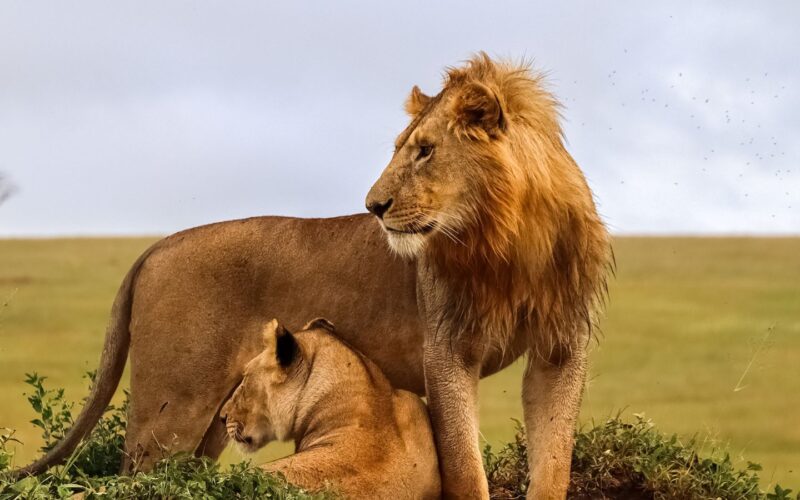
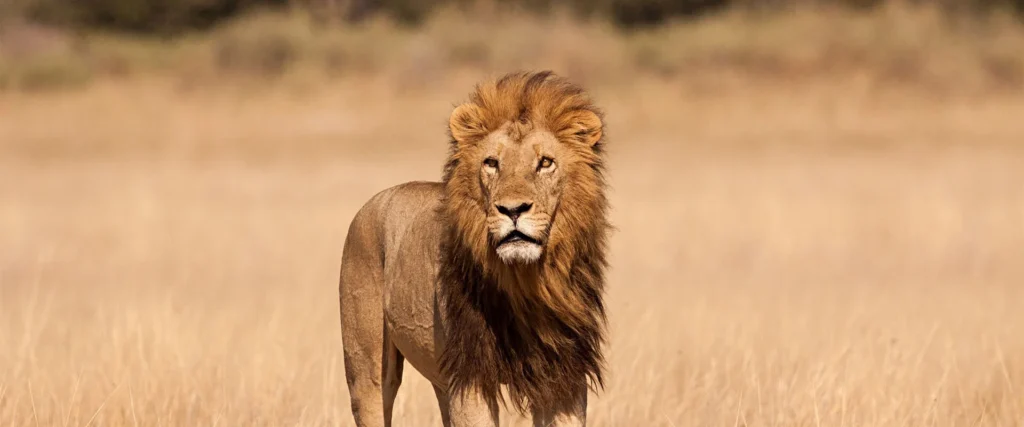
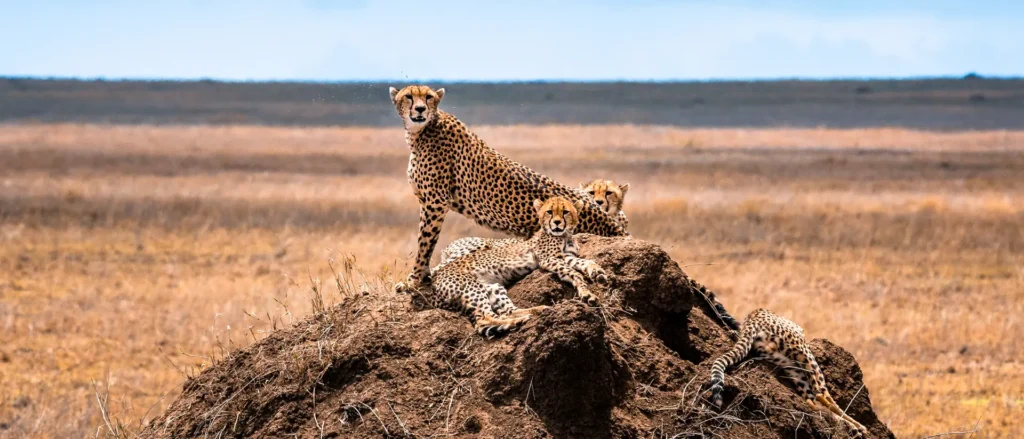
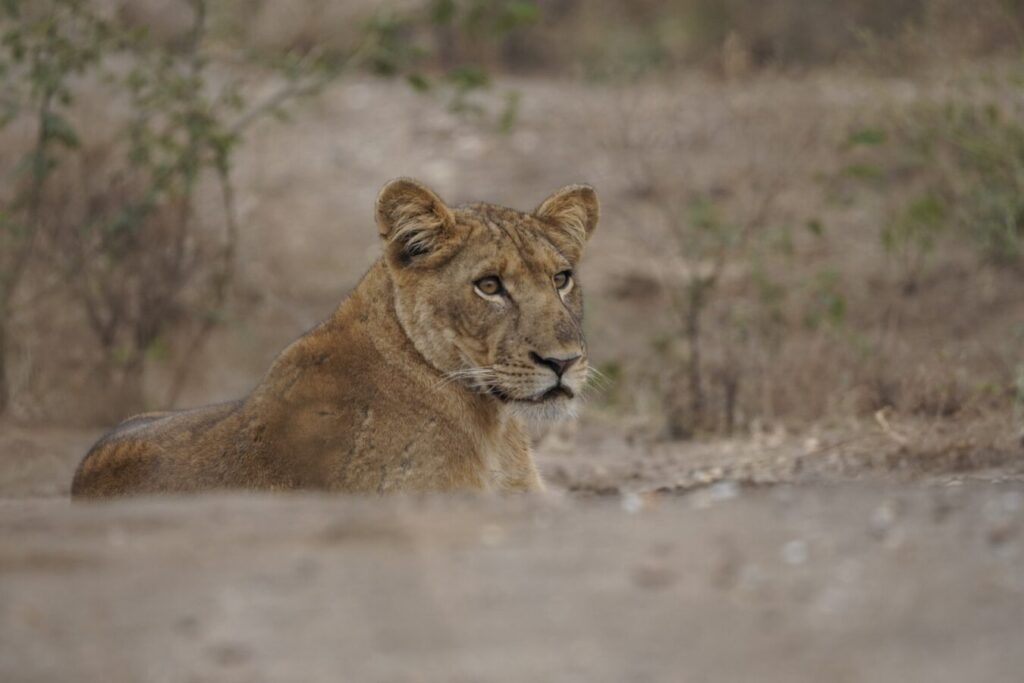
Lions frequently dominate the open plains and woodland areas. Cheetahs provide spectacular encounters across suitable grassland habitats. Leopards often require more patience because they favour secluded environments.
Hyenas also follow migrating herds and exploit opportunities created by large concentrations of prey. Their social behaviour adds another fascinating dimension to Tanzania wildlife safaris.
Elephants, giraffes, buffaloes, hippos, crocodiles, and numerous antelope species further enrich the experience. Bird enthusiasts can also encounter a wide variety of resident and migratory species.
The migration itself creates a moving food chain. Predators follow herds while scavengers take advantage of vulnerable animals. Consequently, every game drive can reveal different ecological interactions.
This wider perspective makes Great Migration Safaris more rewarding. You are not simply watching wildebeest move across the plains. Instead, you are witnessing an entire ecosystem responding to seasonal change.
Photography During August and September
Photography enthusiasts will find both months highly rewarding. The Serengeti provides expansive landscapes, dramatic skies, wildlife, and extraordinary movement.
August can produce spectacular river-crossing images. Dust clouds, splashing water, crowded riverbanks, and running wildebeest create dynamic compositions.
September also offers excellent photographic opportunities. The landscape often remains dry and open, making animal subjects easier to locate.
Early morning light provides soft conditions for wildlife portraits. Late afternoon offers warm landscapes and strong silhouettes.
Professional photography requires patience and responsible positioning. Visitors should avoid pressuring animals for photographs.
Tanzania’s Mara River guidelines establish specific viewing rules around designated crossing points. These regulations help maintain safe distances and minimise disturbance.
A skilled safari guide can also help identify strong photographic positions. However, wildlife always determines the final composition.
August Versus September for the Wildebeest Migration: Crowds and Costs
Peak migration periods attract travellers from around the world. August generally experiences strong demand for northern Serengeti accommodation.
Popular camps can sell out well in advance. Early booking therefore remains important for travellers targeting specific properties or locations.
September can still experience significant demand. However, some travellers may find greater flexibility depending on their chosen camp and travel dates.
Budget-conscious travellers should compare different accommodation categories. Luxury mobile camps, permanent lodges, tented camps, and mid-range properties provide different experiences.
The cheapest option is not always the best value. Location, guiding standards, transfers, meals, and included activities can significantly influence the overall safari experience.
Therefore, compare the complete package rather than accommodation prices alone. A well-planned safari can reduce unnecessary transfers and maximise time in wildlife areas.
Combining Serengeti With Other Tanzania Safaris
Travellers with additional time can expand their Tanzania wildlife safaris. The northern circuit offers several complementary destinations.
Ngorongoro Conservation Area provides dramatic scenery and exceptional wildlife opportunities. Tarangire National Park offers impressive elephant encounters and distinctive baobab landscapes.
Combining destinations creates a broader interpretation of Tanzania. Each ecosystem presents different habitats, wildlife patterns, landscapes, and cultural experiences.
A longer itinerary also reduces pressure to see everything in one park. You can enjoy each destination at a comfortable pace.
Travellers interested in Africa’s wider primate experiences can also consider Bwindi Gorilla Trekking in Uganda. This creates an exceptional multi-country safari combining East Africa’s wildlife and primate experiences.
Similarly, travellers can combine Tanzania Safaris with Kenya’s Maasai Mara. August and September provide strong opportunities for experiencing the transboundary migration ecosystem.
Our Recommendation
August Versus September for the Wildebeest Migration ultimately depends on your personal travel priorities.
Choose August if you prioritise peak migration energy and strong river-crossing possibilities. Plan well ahead because demand remains high around popular northern Serengeti camps.
Choose September if you want continued migration opportunities and potentially greater itinerary flexibility. Nevertheless, popular crossing areas can remain busy during this month.
Travellers seeking the best experience should consider staying several nights in the northern Serengeti. This strategy provides more opportunities to observe changing herd behaviour.
Your safari should also include traditional game drives beyond migration zones. This ensures a rewarding experience even when the herds remain stationary.
Remember that nature does not operate according to fixed schedules. The Great Wildlife Migration remains unpredictable, dynamic, and deeply influenced by weather.
That unpredictability represents the true value of a Serengeti Safari. Every day creates a different story.
Why Choose Deks Africa Safaris and Tours Ltd?
Deks Africa Safaris and Tours Ltd focuses on creating informed, responsible, and memorable African journeys. Our approach combines destination knowledge, practical planning, professional guiding, and personalised safari design.
We understand that international travellers need clear information before investing in an African safari. Therefore, we prioritise realistic expectations, transparent planning, and responsible tourism practices.
Our expertise covers wildlife experiences, migration planning, cultural encounters, accommodation, and regional safari combinations. We design itineraries around your interests, travel style, timing, and preferred comfort level.
Most importantly, we respect the unpredictable nature of wildlife. We never treat the Great Migration as a scheduled performance.
Instead, we help travellers experience the ecosystem with patience and appreciation. This philosophy creates authentic Tanzania wildlife safaris with lasting memories.
Whether you choose August or September, we can build a safari around your priorities. Our goal remains simple: connect you with Africa through exceptional wildlife, culture, landscapes, and responsible travel.
Safari Inclusions
- Accommodation in selected safari lodges or camps
- Daily meals as specified
- Professional English-speaking safari guide
- Private or shared safari vehicle
- Game drives
- Serengeti National Park entry fees
- Migration viewing opportunities
- Airport or hotel transfers
- Cultural experiences where included
- Drinking water during game drives
- Government taxes and applicable service charges
Safari Exclusions
- International flights
- Tanzania visa fees
- Travel insurance
- Personal expenses
- Alcoholic drinks
- Laundry services
- Tips and gratuities
- Optional activities
- Personal shopping
- Excess baggage charges
- Medical expenses
- Items not specifically included in the itinerary
Final Thoughts on August Versus September for the Wildebeest Migration
August Versus September for the Wildebeest Migration should not become a choice based only on crossing photographs. Both months provide remarkable opportunities across the Serengeti-Mara ecosystem.
August offers intense peak-season migration drama. September continues the action while potentially providing a slightly different safari rhythm.
The strongest strategy involves choosing the right location, staying long enough, and travelling with experienced guides. Flexibility also remains essential because wildlife controls the final outcome.
For travellers seeking Great Migration Safaris, northern Serengeti provides an exceptional base during these months. The region combines vast landscapes, extraordinary wildlife, cultural encounters, and remarkable migration experiences.
A carefully designed Serengeti Great Migration Safari can therefore become much more than a wildlife holiday. It becomes an immersive journey through one of Earth’s greatest natural ecosystems.
August Versus September for the Wildebeest Migration remains a fascinating comparison. Yet the best month ultimately depends on your expectations, travel style, budget, and safari priorities.
Plan thoughtfully, travel responsibly, and allow nature to shape your experience.
Proposed East Africa Safari Holidays for the USA Travelers
- 9-Day Rwanda & Tanzania Luxury Wildlife Tour
- 10-Day Tanzania Safari Experience
- 9-Day Rwanda, Uganda & Tanzania Luxury Wildlife Safari
- 9-Day Rwanda Gorilla Trekking & Tanzania Safari
- 9-Day Tanzania Safari & Uganda Gorilla Trekking
- 10-Day Serengeti & Ngorongoro Crater Safari Experience
- 10-Day Tanzania and Rwanda Adventure Safari
- 11-Day Rwanda Uganda Tanzania Safari
- 20 Days Uganda, Tanzania, and Mafia Island Beach Safari
- 18 Days Uganda, Tanzania, and Mafia Island Beach Safari
- 14-Day Rwanda Uganda Tanzania Tour
- 14-Day Rwanda, Kenya, Tanzania & Beach Holiday
- 20-Day Rwanda Tanzania Zanzibar Safari Experience
- 16-Day Tanzania Safari & Rwanda Gorilla Trekking Experience
- 14 Days Kenya-Tanzania-Rwanda-Uganda Safari
- 24 Days Zanzibar-Uganda-Tanzania-Kenya Safari
- 5 Days Serengeti Great Migration Safari
- 6 Days Serengeti Great Migration Safari
- 7 Days Serengeti Great Migration Safari
- 8 Days Serengeti Great Migration Safari
- Hot Air Balloon serengeti
- 14 Days Uganda Tanzania and Kenya Safari
- What Should I Pack for a Tanzania Safari