February Versus August for a Great Migration Safari
August 24, 2026Honeymoon Safaris and the Serengeti Migration
August 24, 2026Fly-in Versus Driving During a Serengeti Migration Safari
Fly-in Versus Driving During a Serengeti Migration Safari is an important decision for every traveler. Your choice affects travel time, safari costs, comfort, flexibility, and your connection with Tanzania.
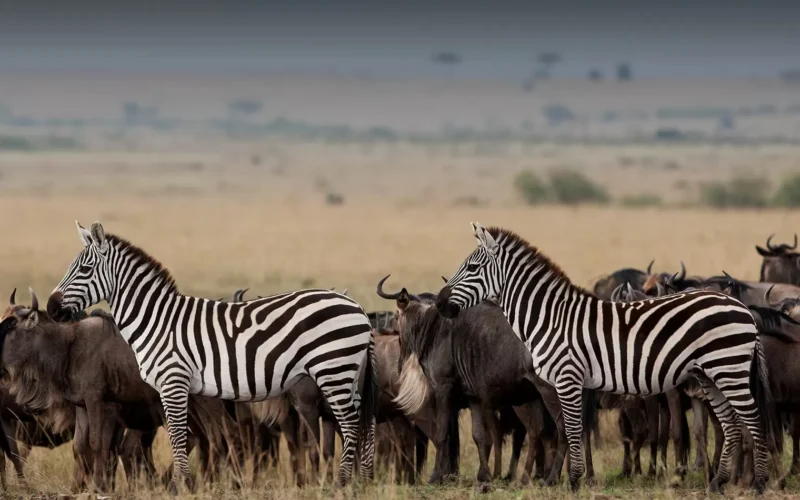
The Serengeti offers one of Africa’s most remarkable wildlife experiences. Millions of wildebeest and zebras move through the ecosystem during the Great Wildlife Migration. Predators follow these herds, creating exceptional wildlife viewing opportunities throughout the year.
Fly-in offers speed and convenience. Small aircraft connect travelers with remote airstrips across the Serengeti. Driving creates a slower journey through changing landscapes, villages, and wildlife areas.
Therefore, Fly-in Versus Driving During a Serengeti Migration Safari depends on your priorities. Travelers with limited time may prefer Fly-in. Visitors seeking scenic exploration may prefer driving.
Deks Africa Safaris and Tours Ltd helps travelers choose practical safari transport options. We consider your itinerary, budget, travel season, comfort, and preferred experiences.
A carefully planned Serengeti Safari should maximize your time in nature. It should also create comfortable transitions between destinations. Understanding both options helps you make a confident travel decision.
Fly-in Versus Driving During a Serengeti Migration Safari
Fly-in Versus Driving During a Serengeti Migration Safari creates two distinctly different travel experiences. Neither option suits every traveler equally.
Fly-in safaris reduce long road transfers between major destinations. Small aircraft can connect regional airports with remote Serengeti airstrips. This approach allows travelers to begin wildlife activities sooner.
Driving offers a deeper connection with Tanzania’s landscapes. Travelers can observe villages, farmland, changing vegetation, and dramatic scenery along the journey.
The choice also depends on your itinerary length. Short trips often benefit from flights because they maximize wildlife time. Longer journeys can accommodate scenic overland transfers more comfortably.
Budget also matters when comparing these options. Flights usually increase the overall safari cost. Driving generally provides better value for travelers with flexible schedules.
Ultimately, Fly-in Versus Driving During a Serengeti Migration Safari should match your travel style. Consider the complete journey rather than focusing only on transportation.
Fly-In Serengeti Safaris
Fly-in Great Migration Safaris provide speed, convenience, and efficient access to remote areas. Travelers can avoid lengthy road transfers across northern Tanzania.
Small aircraft operate between regional airports and safari airstrips. Depending on your itinerary, flights may connect with areas such as Seronera or Kogatende.
Travelers can therefore reach migration regions more efficiently. This advantage becomes especially valuable during short safari itineraries.
Fly-in journeys also reduce fatigue caused by long road transfers. Guests can spend more time relaxing or enjoying game drives.
The scenic experience remains another attraction. Flights provide impressive aerial views of the Serengeti landscape. You may see rivers, woodland, plains, and wildlife from above.
However, luggage restrictions require careful preparation. Many bush flights require soft-sided bags with limited weight. Travelers should confirm current baggage requirements before departure.
Flight schedules can also limit flexibility. Some routes operate according to scheduled departures and available seats.
Driving to Serengeti National Park
Driving creates an immersive overland adventure through northern Tanzania. Travelers experience the changing environment gradually rather than arriving directly by air.
The journey can pass through towns, villages, farmland, and scenic landscapes. Guests can observe daily life beyond the boundaries of major tourist destinations.
Driving also works well for multi-park itineraries. Travelers can connect destinations such as Tarangire, Lake Manyara, Ngorongoro, and Serengeti.
A private safari vehicle provides additional flexibility during overland journeys. Travelers can stop for photographs and short breaks when appropriate.
Road travel can take several hours between destinations. Some routes include rough sections that require patience and experienced driving.
Nevertheless, the journey itself becomes part of the safari. Travelers experience Tanzania from ground level rather than viewing it only from the air.
For travelers with sufficient time, driving can provide excellent value. It also creates opportunities to discover lesser-seen landscapes along the route.
Tanzania Wildlife Safaris
Travel Time and Safari Efficiency
Fly-in Versus Driving During a Serengeti Migration Safari becomes especially important when time remains limited.
A long road transfer can consume much of a safari day. Flights can reduce this travel period significantly.
Fly-in guests can often arrive near their chosen safari region. This arrangement allows game drives to begin sooner.
Driving requires more time but provides greater overland exposure. Travelers can combine transportation with scenic and cultural experiences.
Short itineraries often benefit from Fly-in. A three or four-day safari can lose valuable wildlife time through lengthy road transfers.
Longer itineraries provide more flexibility for driving. Seven or ten days can accommodate several destinations without creating excessive pressure.
Therefore, your available travel days should influence the transport decision. Efficient planning helps you spend more time experiencing the destination.
Costs of Fly-in Versus Driving
Cost remains a major consideration when comparing Fly-in Versus Driving During a Serengeti Migration Safari.
Fly-in safaris usually cost more because they include scheduled bush flights. Aircraft operations involve fuel, pilots, maintenance, and specialized logistics.
Driving can reduce transportation costs when several travelers share one safari vehicle. The same vehicle can also remain with the group throughout the itinerary.
However, driving may involve additional accommodation nights. Long transfers can require overnight stays between major destinations.
Flights can sometimes create better value despite higher ticket prices. The time saved can provide additional game-drive opportunities.
Luxury travelers often prefer Fly-in because convenience supports their overall experience. Budget travelers may choose driving to control total safari costs.
A professional safari planner can compare both options based on your complete itinerary. The cheapest transport choice does not always create the best overall value.
Wildlife Viewing and the Great Migration
The Great Wildlife Migration remains the central attraction for many Serengeti visitors. Transportation can influence how quickly you reach migration areas.
Fly-in safaris can place travelers close to seasonal wildlife concentrations. This advantage becomes useful when migration activity occurs far from major park entrances.
Driving can also deliver excellent wildlife experiences. Overland routes may pass through wildlife-rich areas before reaching your main destination.
The Serengeti supports abundant resident wildlife throughout the year. Lions, leopards, cheetahs, elephants, buffaloes, and giraffes remain important attractions.
Therefore, you should not choose transportation based only on migration expectations. The entire Serengeti ecosystem deserves attention.
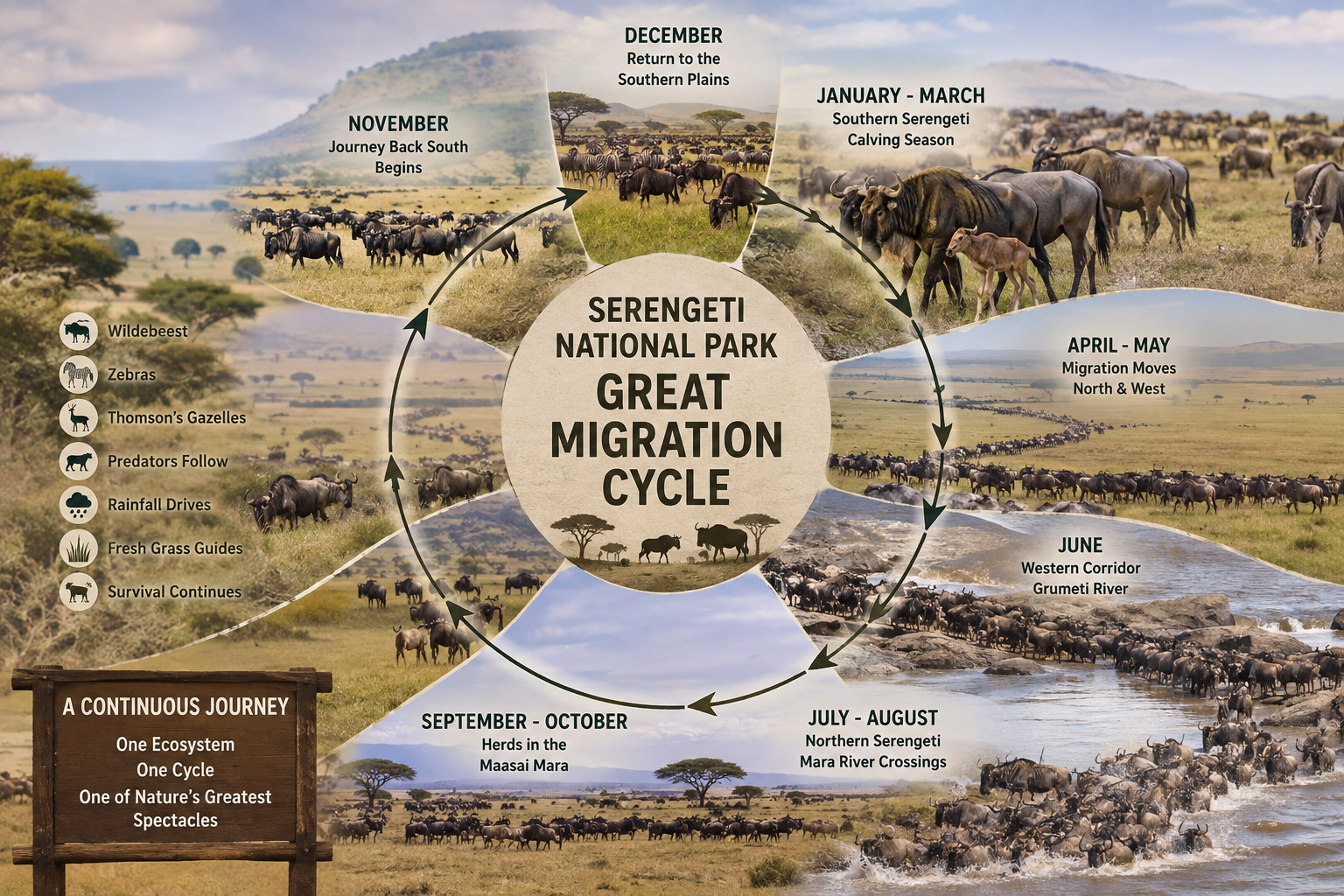
The Great Wildlife Migration Cycle changes according to rainfall and grazing conditions. Exact herd locations can shift from year to year.
Experienced guides monitor seasonal patterns and recent wildlife activity. Their knowledge helps travelers make better decisions about safari routing.
Fly-in During the Migration Season
Fly-in Versus Driving During a Serengeti Migration Safari becomes particularly relevant during peak migration periods.
Northern Serengeti areas can attract travelers during the river-crossing season. Fly-in can provide direct access to remote northern airstrips.
This option reduces lengthy drives from southern or central areas. Guests can therefore spend more time exploring northern wildlife areas.
During calving season, southern Serengeti access may become important. Flights can also reduce road travel toward these seasonal wildlife zones.
However, migration movements remain unpredictable. A flight cannot guarantee a river crossing or specific wildlife sighting.
Your safari should therefore include several wildlife opportunities. This approach reduces dependence on one particular event.
A flexible itinerary provides stronger value than chasing one guaranteed spectacle. Nature remains unpredictable, and that unpredictability creates part of the adventure.
Driving Through the Northern Tanzania Circuit
Driving works especially well for travelers exploring several northern Tanzania destinations. The classic circuit can connect multiple ecosystems within one journey.
Tarangire provides impressive elephant encounters and dramatic baobab scenery. Lake Manyara adds forest habitats and diverse birdlife.
Ngorongoro offers spectacular crater landscapes and rich wildlife concentrations. The journey can then continue toward the Serengeti.
This route creates a gradual transition between different environments. Travelers experience changing landscapes before reaching the open Serengeti plains.
Road travel also creates opportunities for cultural encounters. Visitors can pass through local communities and learn about everyday Tanzanian life.
Therefore, driving suits travelers who value the journey as much as the destination. It creates a broader understanding of northern Tanzania.
Cultural Experiences During a Driving Safari
One major advantage of driving involves greater opportunities for cultural experiences. Travelers can encounter communities along routes toward the Serengeti.
Maasai cultural visits can provide insight into traditional pastoral lifestyles. Guests may learn about livestock keeping, traditional homes, beadwork, music, and dance.
Community visits should always respect local customs. Responsible tourism should also create meaningful benefits for participating communities.
Travelers can purchase locally produced crafts from community artisans. Traditional beadwork can provide memorable souvenirs while supporting local livelihoods.
Some cultural experiences include guided village walks. These activities can reveal local agriculture, food traditions, and daily routines.
Driving therefore creates opportunities beyond wildlife viewing. The journey can connect travelers with Tanzania’s landscapes and people.
Cultural Experiences Around Your Serengeti Lodge
Fly-in Versus Driving During a Serengeti Migration Safari does not limit your cultural opportunities once you reach your lodge.
Many Serengeti lodges can arrange cultural experiences with nearby communities. Guests can explore Maasai traditions through respectful community visits.
Traditional dance performances can provide lively evening entertainment. Beadwork demonstrations can also reveal the skills behind popular local crafts.
Guests may learn about traditional livestock management and pastoral life. Such experiences provide important context about communities living around protected areas.
Some lodges can also arrange guided community interactions. These activities can complement game drives without requiring long travel.
Couples may combine cultural visits with private dinners or sunset experiences. Families can choose educational activities that suit different age groups.
A balanced Tanzania wildlife safari should celebrate both wildlife and local heritage.
Comfort and Convenience
Comfort creates another major difference between Fly-in and driving. Fly-in safaris reduce the physical demands of long road transfers.
Guests can spend more time resting between wildlife activities. Luxury camps can also provide premium accommodation and personalized services.
Driving can involve dusty roads and rough terrain. Travelers should prepare for changing road conditions during wet or dry seasons.
Nevertheless, modern safari vehicles provide comfortable seating and practical amenities. Experienced guides also plan suitable breaks during long journeys.
Families should consider children’s tolerance for long drives. Older travelers may also prefer flights when transfers become extensive.
Couples seeking romantic luxury often appreciate the convenience of fly-in travel. Adventurous travelers may enjoy the slower pace of overland journeys.
Choosing the Right Option for Your Safari
Fly-in Versus Driving During a Serengeti Migration Safari should depend on several practical factors.
Choose Fly-in when you have limited time. Consider it when you want maximum wildlife time and fewer road transfers.
Driving suits travelers with longer itineraries. It also works well for guests who enjoy landscapes, villages, and cultural encounters.
A combination can provide the best of both experiences. You might drive between nearby northern destinations and fly into remote Serengeti areas.
Such hybrid itineraries provide flexibility without creating excessive travel time. They can also balance budget considerations with convenience.
Your travel month also matters. Migration-focused trips may benefit from direct access to specific regions.
Ultimately, the best option depends on your personal priorities. Expert itinerary planning can help you balance cost, comfort, time, and experience.
Combining Serengeti With Other Tanzania Safaris
Fly-in Versus Driving During a Serengeti Migration Safari becomes easier to decide when planning a wider itinerary.
Tanzania Safaris can include Serengeti, Ngorongoro, Tarangire, and Lake Manyara. These destinations offer different ecosystems and wildlife experiences.
Driving creates natural connections between these destinations. Flights can provide faster access when distances become significant.
Travelers seeking a wider East African experience can also consider Bwindi Gorilla Trekking in Uganda.
Bwindi provides a completely different ecosystem from Serengeti’s open plains. Dense rainforest creates an intimate setting for mountain gorilla encounters.
Combining Tanzania and Uganda requires careful coordination. International flights, domestic connections, permits, accommodation, and transfers must align properly.
A professional operator can coordinate these details and create a practical multi-country itinerary.
Responsible Serengeti Safari Travel
Responsible tourism should remain central to every Serengeti National Park Safari. Visitors have an important role in protecting Africa’s wildlife.
Safari vehicles should maintain appropriate distances from animals. Guides should follow park regulations and minimize wildlife disturbance.
Travelers should also avoid littering and unnecessary plastic use. Reusable water bottles provide a simple conservation measure.
Supporting local communities strengthens the relationship between tourism and conservation. Cultural experiences can provide direct economic opportunities for communities.
Respecting local traditions also creates better cultural interactions. Travelers should follow guidance during community visits and photography.
Deks Africa Safaris and Tours Ltd promotes responsible tourism throughout East Africa. Our focus combines wildlife conservation, community benefits, safety, and memorable travel.
Safari Inclusions
- Airport transfers
- Safari vehicle
- Professional safari guide
- Accommodation
- Meals
- Park entrance fees
- Game drives
- Migration viewing
- Domestic flights where specified
- Bottled drinking water
- Cultural experiences
- Government taxes
- Emergency assistance
Safari Exclusions
- International flights
- Visa fees
- Travel insurance
- Personal expenses
- Alcoholic beverages
- Laundry services
- Tips
- Souvenirs
- Optional activities
- Medical expenses
- Additional accommodation
- Excess baggage fees
- Personal communications
- Items not listed under inclusions
Why Choose Deks Africa Safaris and Tours Ltd?
Fly-in Versus Driving During a Serengeti Migration Safari requires careful planning. Deks Africa Safaris and Tours Ltd combines destination knowledge with practical safari coordination.
Our planning considers travel time, seasonal wildlife movements, accommodation locations, and personal preferences. We also consider your budget before recommending transport arrangements.
Every traveler deserves transparent information before booking an African safari. Understanding transportation options helps you make confident decisions.
We also recognize that no two travelers want exactly the same experience. Some guests prioritize wildlife photography and migration viewing.
Others prefer cultural encounters, scenic drives, luxury accommodation, or relaxed schedules. Our safari planning approach accommodates these different priorities.
Experience Fly-in Versus Driving During a Serengeti Migration Safari
Fly-in Versus Driving During a Serengeti Migration Safari offers two rewarding ways to explore Tanzania.
Fly-in prioritizes speed, convenience, and efficient access to remote wildlife areas. Driving emphasizes landscapes, culture, scenic routes, and overland adventure.
Both options can lead to unforgettable Great Migration Safaris. The right choice depends on your available time, budget, comfort, and travel priorities.
A Serengeti National Park Safari also provides excellent resident wildlife viewing throughout the year. You do not need to witness a river crossing to enjoy the Serengeti.
The Great Wildlife Migration Cycle creates changing experiences across different seasons. Understanding these patterns allows travelers to plan more intelligently.
For a broader African adventure, consider adding Bwindi Gorilla Trekking to your journey. The combination offers extraordinary contrasts between Serengeti savannah and Uganda’s rainforest.
Ultimately, Fly-in Versus Driving During a Serengeti Migration Safari comes down to how you want to experience Africa.
Choose the option that fits your time, budget, and adventure style. Then allow the Serengeti to create memories that last a lifetime.
Proposed East Africa Safari Holidays for the USA Travelers
- 9-Day Rwanda & Tanzania Luxury Wildlife Tour
- 10-Day Tanzania Safari Experience
- 9-Day Rwanda, Uganda & Tanzania Luxury Wildlife Safari
- 9-Day Rwanda Gorilla Trekking & Tanzania Safari
- 9-Day Tanzania Safari & Uganda Gorilla Trekking
- 10-Day Serengeti & Ngorongoro Crater Safari Experience
- 10-Day Tanzania and Rwanda Adventure Safari
- 11-Day Rwanda Uganda Tanzania Safari
- 20 Days Uganda, Tanzania, and Mafia Island Beach Safari
- 18 Days Uganda, Tanzania, and Mafia Island Beach Safari
- 14-Day Rwanda Uganda Tanzania Tour
- 14-Day Rwanda, Kenya, Tanzania & Beach Holiday
- 20-Day Rwanda Tanzania Zanzibar Safari Experience
- 16-Day Tanzania Safari & Rwanda Gorilla Trekking Experience
- 14 Days Kenya-Tanzania-Rwanda-Uganda Safari
- 24 Days Zanzibar-Uganda-Tanzania-Kenya Safari
- 5 Days Serengeti Great Migration Safari
- 6 Days Serengeti Great Migration Safari
- 7 Days Serengeti Great Migration Safari
- 8 Days Serengeti Great Migration Safari
- Hot Air Balloon serengeti
- 14 Days Uganda Tanzania and Kenya Safari
- What Should I Pack for a Tanzania Safari