Tanzania Great Migration Safari
August 29, 2026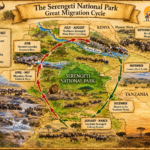
The Ultimate Serengeti Great Migration Travel Guide
August 29, 2026The Great Migration: Africa’s Ultimate Race for Life
The Great Migration takes travelers into one of the planet’s greatest wildlife spectacles. This extraordinary journey unfolds across Tanzania’s Serengeti ecosystem and Kenya’s Maasai Mara.
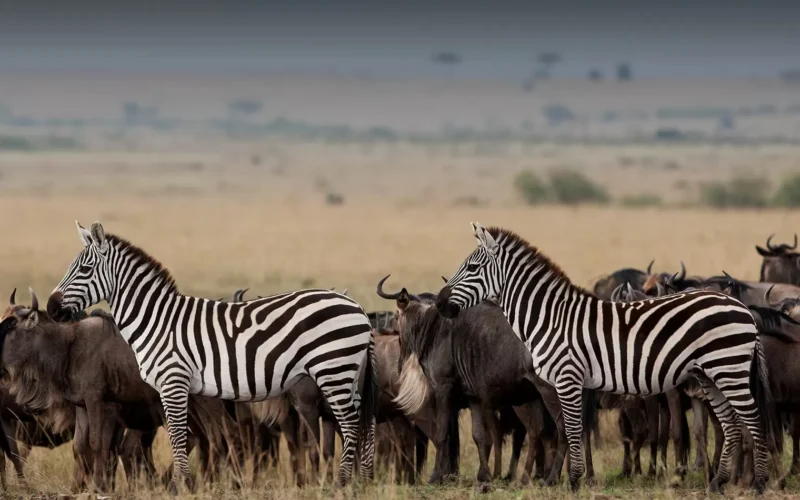
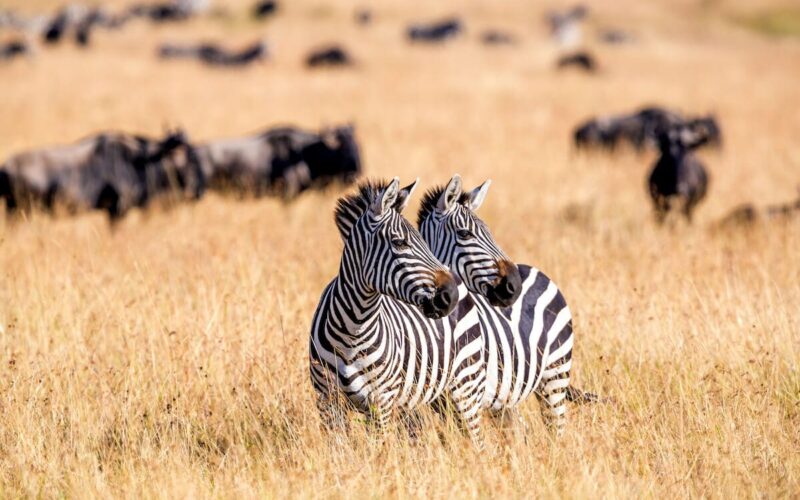
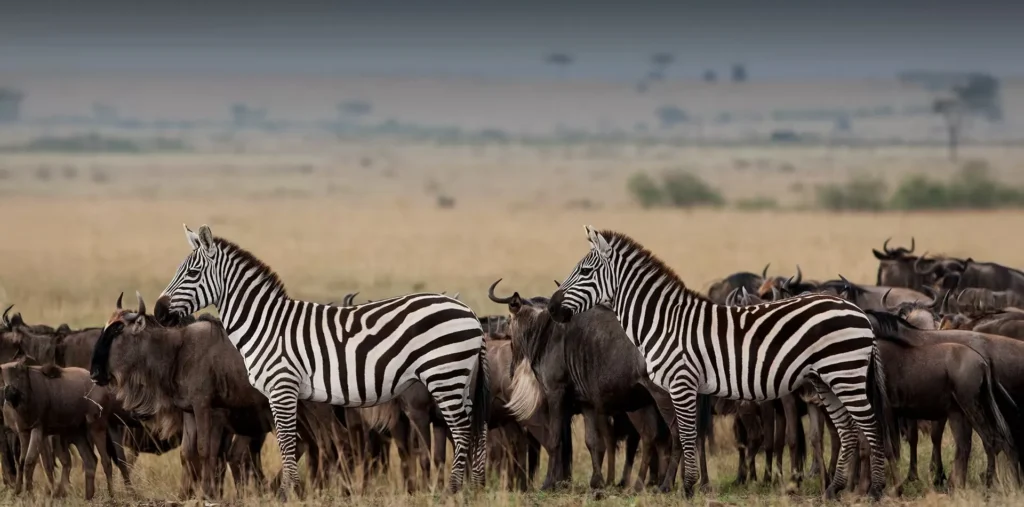
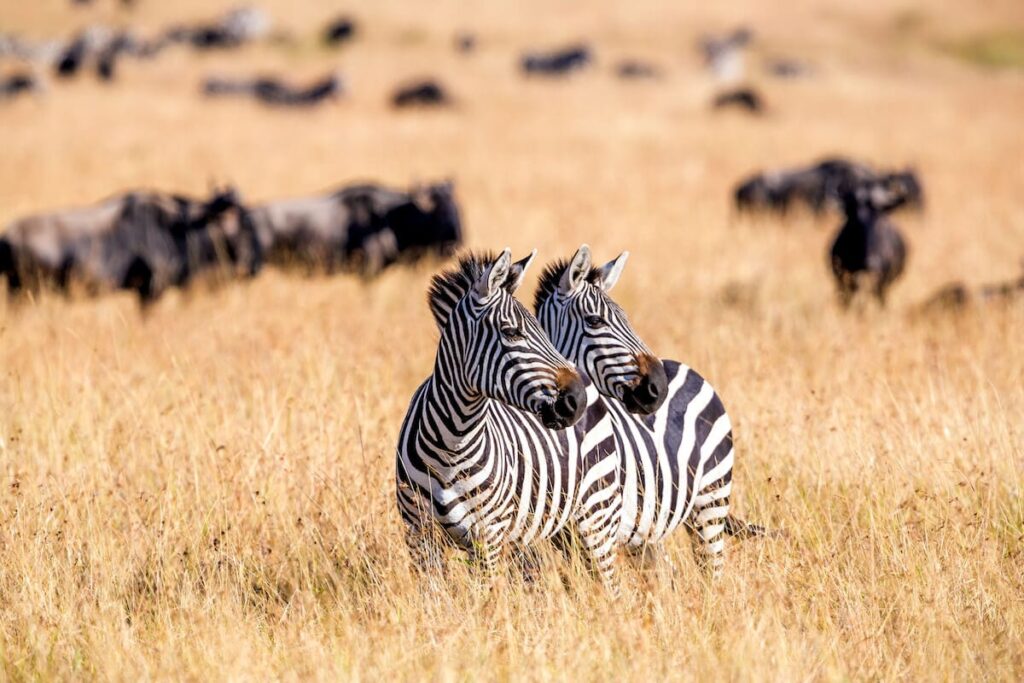
More than a million wildebeest form the heart of this remarkable movement. Large populations of zebras, gazelles, and other grazing animals travel alongside them.
The Great Wildlife Migration follows rainfall, fresh grazing, and changing water conditions. Consequently, the animals continue moving throughout the year.
A Serengeti National Park Safari offers travelers the opportunity to witness different stages of this remarkable journey. Every season reveals new wildlife behavior and changing landscapes.
Visitors may experience dramatic calving scenes across Southern Serengeti. They may also witness massive herds, predator encounters, and challenging river crossings.
Therefore, The Great Migration remains one of Africa’s most powerful safari experiences. It represents survival, movement, adaptation, and the constant struggle of life in the wild.
Deks Africa Safaris and Tours Ltd creates carefully planned journeys for travelers seeking authentic African adventures. Our safari knowledge helps visitors select suitable destinations according to their preferred travel periods.
This guide explores the migration’s purpose, annual route, seasonal stages, wildlife encounters, cultural experiences, and safari planning opportunities.
Why Wildebeest Follow the Great Migration Route
The Search for Fresh Grass and Water
The Great Migration follows nature’s changing seasons. Wildebeest migrate because fresh grass and water availability change across the ecosystem.
Seasonal rainfall transforms dry landscapes into productive grazing areas. The animals naturally follow these new feeding opportunities.
Southern Serengeti provides nutrient-rich short grasses during the rainy season. These open plains offer excellent grazing for large populations.
The landscape also provides better visibility for grazing animals. Wildebeest can often detect approaching predators across the open grasslands.
Consequently, the southern plains become important calving areas. Large numbers of pregnant females gather where nutritious grass supports their needs.
However, the plains eventually dry as seasonal conditions change. The enormous herds must then search for greener grazing areas.
Their journey generally follows a broad clockwise pattern. The animals move from the south toward western regions and northern grasslands.
Eventually, changing rains encourage the herds to return south. This continuous movement creates the famous Great Wildlife Migration Cycle.
A Serengeti Great Migration Safari allows travelers to follow these seasonal changes. Understanding the natural route helps visitors choose suitable safari locations.
The Great Migration and the Circle of Nature
Birth, Survival, Predators, and Movement
The Great Migration presents an extraordinary example of nature’s continuous cycle. Life begins, predators hunt, herds travel, and another generation continues the journey.
Southern Serengeti becomes especially important during the calving period. Thousands of young wildebeest enter the ecosystem within a relatively short time.
Newborn calves quickly learn to stand and follow their mothers. Their rapid development improves their chances of surviving the demanding wilderness.
However, abundant young animals attract many predators. Lions, hyenas, cheetahs, and other carnivores search for hunting opportunities.
This natural relationship creates some of Africa’s most dramatic wildlife encounters. Wildlife photographers and nature enthusiasts often find this period particularly rewarding.
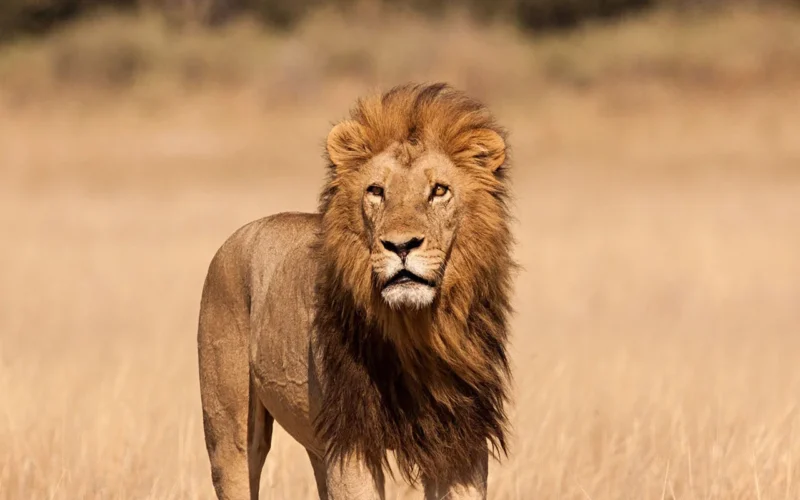
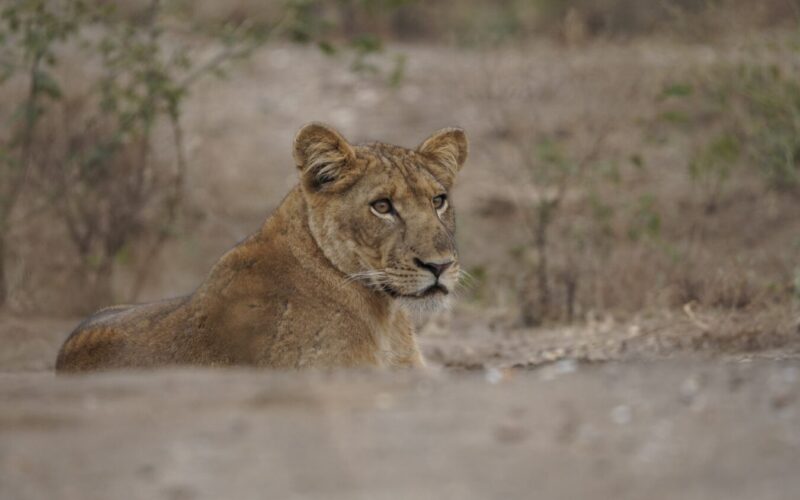
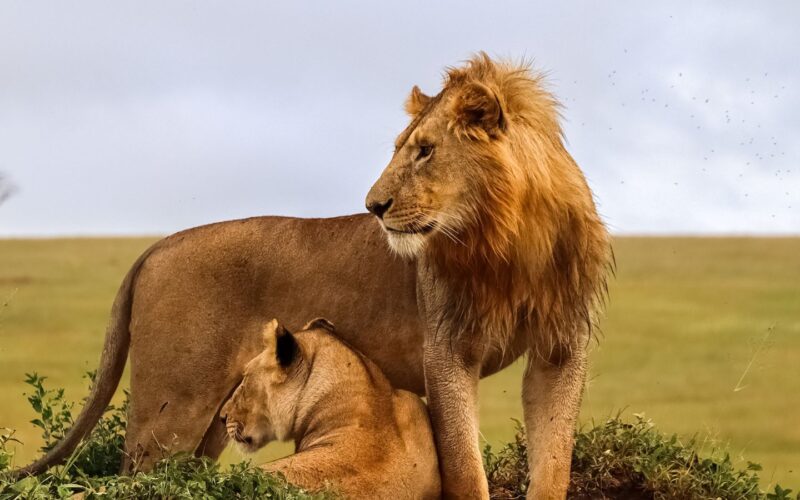
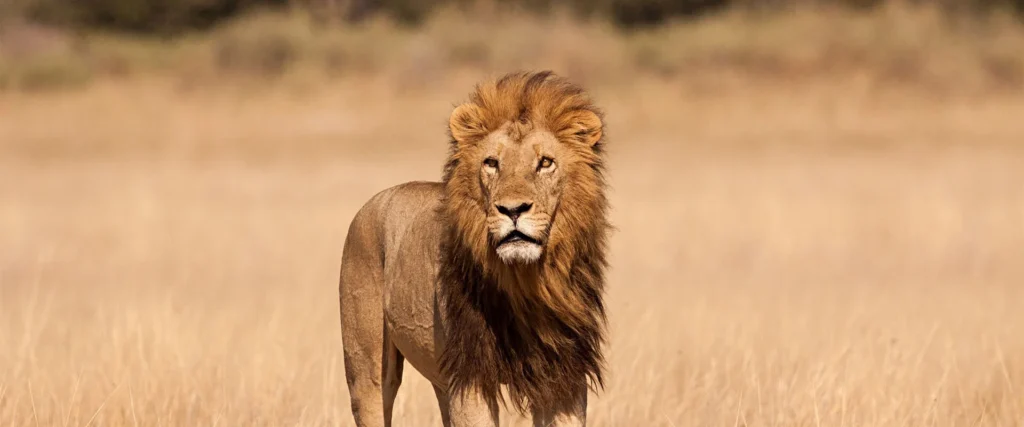
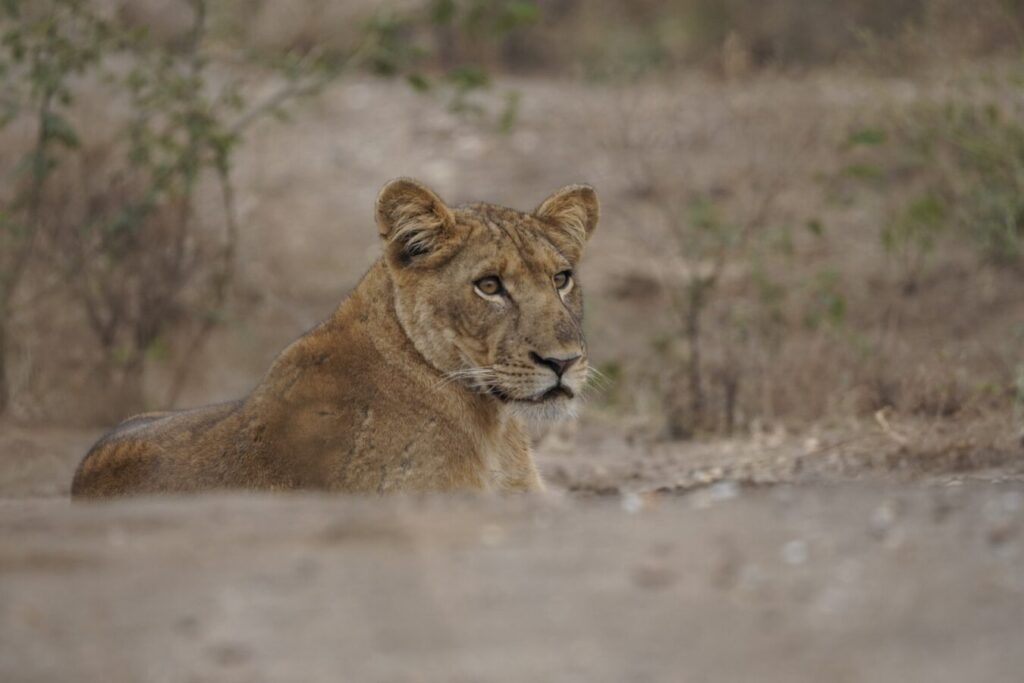
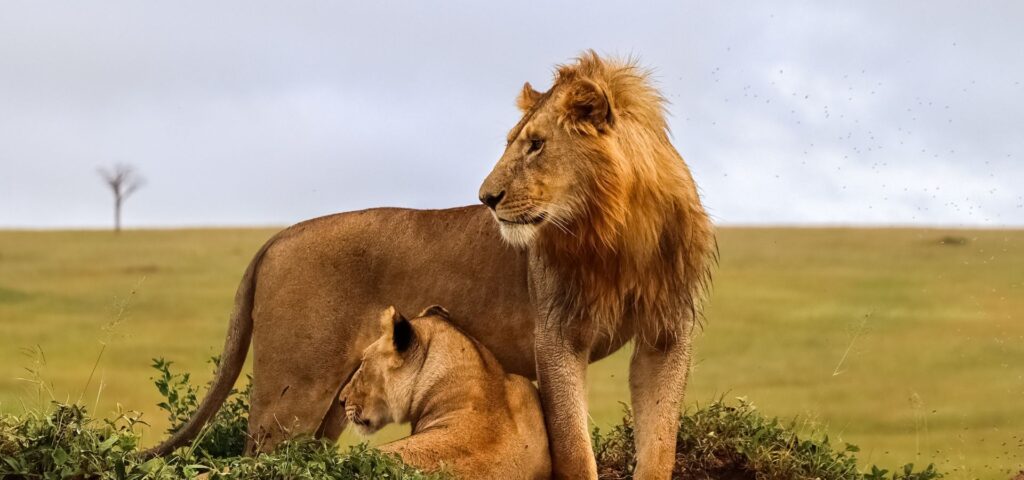
The Serengeti National Park supports one of Africa’s strongest predator populations. Lions remain among the most recognizable wildlife attractions during Tanzania Safaris.
Watching predators interact with enormous grazing herds creates unforgettable moments. Yet every encounter forms part of a natural ecosystem.
The Great Wildlife Migration demonstrates the connection between predators, prey, rainfall, and landscapes. Every element influences the survival of another.
Therefore, The Great Migration offers far more than dramatic photographs. It provides a deeper understanding of Africa’s natural wilderness.
December to April: Southern Serengeti and Ndutu
The Season of New Life
The Great Migration begins another important chapter across Southern Serengeti. Seasonal rains encourage large herds to gather on the short-grass plains.
The landscape stretches across southeastern Serengeti toward the famous Ndutu region. Fresh and nutritious grasses support enormous populations of grazing animals.
January through March offers excellent opportunities for wildlife viewing. The calving period becomes particularly exciting during these months.
Hundreds of thousands of wildebeest calves may join the herds during the wider calving season. This creates extraordinary scenes across the open plains.
Predators naturally concentrate near areas containing abundant prey. Lions, hyenas, cheetahs, and leopards add excitement to every safari day.
A Serengeti National Park Safari during this period offers exceptional photography opportunities. The open landscape provides excellent visibility across the grasslands.
Moreover, travelers can observe large concentrations of zebras and gazelles. The sheer number of animals creates a powerful wilderness experience.
The exact movement of herds can change with rainfall. Therefore, flexible itineraries remain important for successful Great Migration Safaris.
Deks Africa Safaris and Tours Ltd helps travelers select suitable camps near likely wildlife locations. Strategic accommodation reduces driving time and increases safari opportunities.
May to July: The Great Journey Toward the West
The Long March Begins
The Great Migration enters another dramatic stage between May and July. The herds begin their long journey toward western and northern grazing areas.
As southern grasslands become less productive, animals start moving in large formations. Thousands of wildebeest may create long lines across the landscape.
This period can produce one of Africa’s most impressive wildlife scenes. Massive columns of animals move across the endless Serengeti plains.
The journey leads many herds toward the Western Corridor. This region becomes an important connection between Central Serengeti and northern migration areas.
A Serengeti Safari during this period can reveal extraordinary herd movements. Travelers may encounter huge concentrations of wildebeest, zebras, and gazelles.
The exact timing varies because rainfall influences grazing conditions. Some herds begin moving earlier, while others remain longer in productive areas.
Therefore, safari planning requires flexibility and reliable local knowledge. No fixed calendar can control the movement of wild animals.
The Great Wildlife Migration Cycle remains one of nature’s most dynamic events. Every year creates slightly different patterns and experiences.
For this reason, Deks Africa Safaris and Tours Ltd carefully considers travel dates when planning Tanzania Safaris.
The Western Corridor and Grumeti River
A Dangerous Natural Obstacle
The Western Corridor introduces one of the migration’s most challenging landscapes. The Grumeti River creates a significant obstacle for animals moving north.
The Great Migration becomes especially dramatic around these river systems. Large herds may gather near riverbanks before attempting crossings.
Some animals hesitate for extended periods before entering the water. Others suddenly follow the movement of the first animals.
River crossings involve strong currents and dangerous wildlife. Large Nile crocodiles inhabit parts of the Grumeti River system.
This environment creates dramatic moments during a Serengeti Great Migration Safari. However, travelers should understand that crossings cannot follow guaranteed schedules.
Patience becomes essential when searching for migration action. Experienced guides monitor herd movements and changing conditions.
The Western Corridor also provides excellent wildlife beyond the migration. Elephants, giraffes, antelopes, lions, and other species inhabit the surrounding landscapes.
Therefore, Tanzania wildlife safaris remain rewarding even without witnessing a major crossing. Every game drive offers opportunities for unexpected discoveries.
The Great Migration reminds visitors that wildlife experiences happen naturally. The greatest safari moments often arrive unexpectedly.
August to September: The Journey Toward the Mara River
Northern Serengeti’s Greatest Challenge
During August and September, many herds continue toward Northern Serengeti. The Mara River becomes another major obstacle along their migration route.
The Great Migration reaches one of its most internationally recognized stages here. Mara River crossings create powerful scenes of courage and survival.
Large groups gather along the riverbanks before attempting a crossing. Thousands of animals may wait as movement builds gradually.
Suddenly, a group may enter the water and encourage others to follow. The river can quickly become filled with swimming wildebeest.
Strong currents create serious challenges for the animals. Crocodiles also increase the danger within certain crossing locations.
Nevertheless, crossings remain unpredictable and cannot receive guarantees. Herds may cross repeatedly, delay movement, or select different river locations.
A Serengeti National Park Safari during this season should therefore include sufficient time. Longer stays improve flexibility and wildlife viewing opportunities.
Some migration herds continue toward Kenya’s Maasai Mara. Others remain within Tanzania’s northern Serengeti landscapes.
The Serengeti Mara area can provide exceptional opportunities during this period. Travelers can experience remarkable wildlife while enjoying beautiful northern landscapes.
October to November: The Return Through Northern Serengeti
Following the Seasonal Rains South
The Great Migration continues when seasonal conditions begin changing again. Short rains influence the availability of fresh grazing across Tanzania.
Many animals gradually begin their return journey south. Herds travel through Northern Serengeti, Lobo, and other less crowded areas.
This period offers excellent opportunities for travelers seeking quieter Tanzania Safaris. Fewer vehicles can create a more peaceful wilderness experience.
The Lobo region provides beautiful landscapes and diverse wildlife. Lions, elephants, giraffes, and other animals continue enriching safari experiences.
Eventually, the migration moves toward central and southern Serengeti. Fresh grazing opportunities guide the animals toward their traditional calving areas.
The exact timing can vary considerably between years. Rainfall may encourage herds to change direction unexpectedly.
Therefore, The Great Migration should never follow rigid expectations. Nature remains the ultimate guide.
Flexible travelers often enjoy the greatest rewards. Every changing condition creates new opportunities for wildlife experiences.
Deks Africa Safaris and Tours Ltd provides guidance based on seasonal patterns and practical safari knowledge. Our planning helps travelers choose suitable regions without unrealistic guarantees.
The Serengeti Beyond the Great Migration
A Year-Round Wildlife Destination
A Serengeti National Park Safari offers extraordinary experiences throughout the year. The migration remains spectacular, but it represents only one part of this vast ecosystem.
The Serengeti supports impressive populations of lions and other predators. Leopards often inhabit riverine forests and woodland areas.
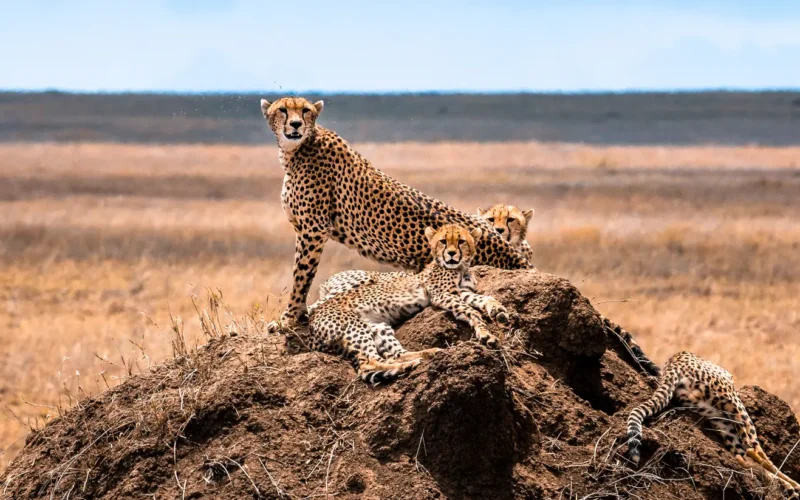
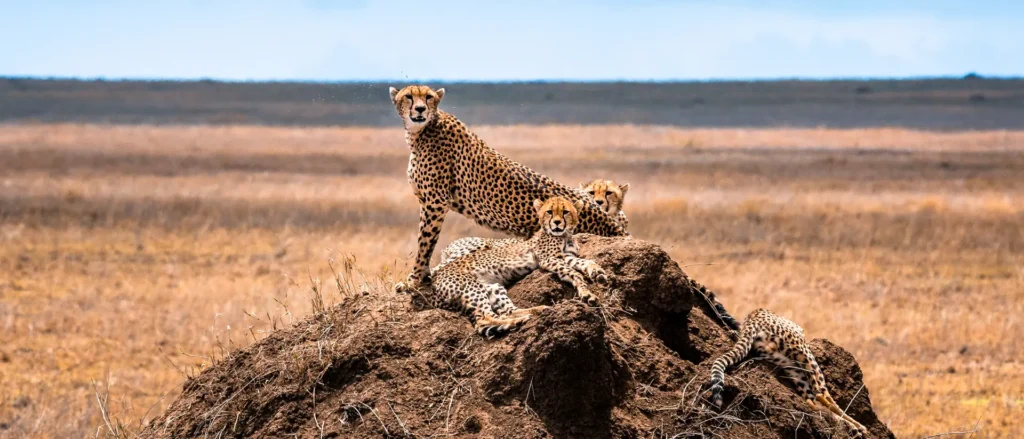
Cheetahs use open plains to pursue fast-moving prey. Hyenas also play an important role within the ecosystem.
Elephants move through different regions of the park. Giraffes browse peacefully across woodland landscapes.
Buffaloes, hippos, zebras, antelopes, and numerous bird species add diversity. Every safari region offers different wildlife opportunities.
Therefore, travelers should not plan Tanzania Safaris around migration sightings alone. The wider Serengeti provides exceptional game viewing during every season.
The Great Migration becomes even more meaningful within this larger ecosystem. The migration interacts with resident wildlife and changing habitats.
Deks Africa Safaris and Tours Ltd encourages travelers to appreciate the complete Serengeti experience. Africa’s wilderness offers remarkable surprises beyond every planned highlight.
Cultural Experiences Around Serengeti Safari Lodges
Discovering Tanzania’s Living Heritage
A Serengeti Safari becomes more meaningful when travelers explore Tanzania’s cultural heritage. Communities around safari destinations provide valuable cultural experiences.
Maasai cultural encounters remain among the most popular experiences around Serengeti and Ngorongoro areas. Visitors can learn about traditional lifestyles and community heritage.
Travelers can experience traditional music and cultural dances. These activities offer meaningful introductions to local forms of expression.
Local artisans create colorful beadwork and handmade jewelry. Visitors can explore craft traditions while supporting community businesses.
Guided village visits can provide insights into daily life. Respectful cultural tourism should always protect dignity and community values.
Local markets also provide exciting opportunities for cultural exploration. Travelers can discover Tanzanian foods, fabrics, crafts, and everyday activities.
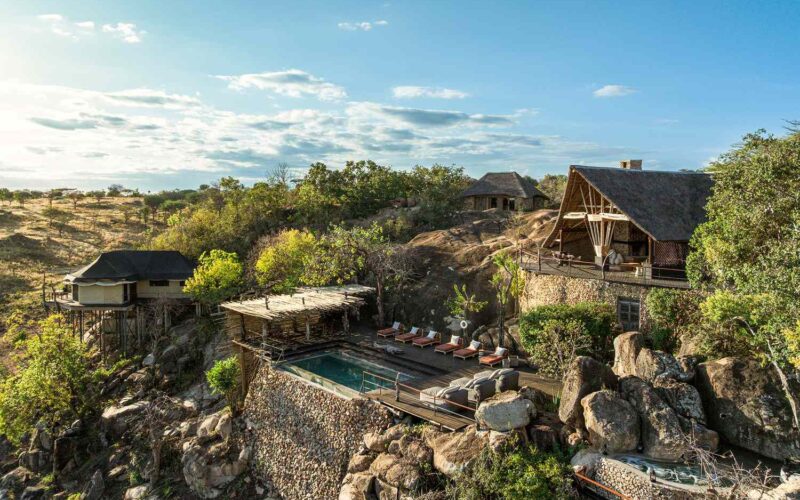
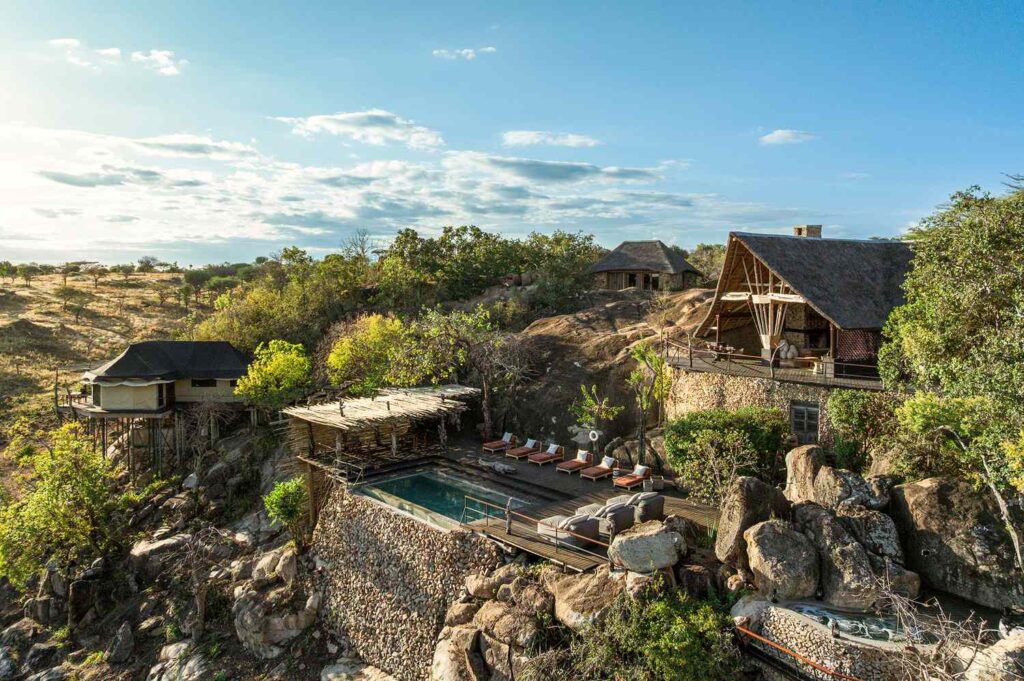
Some safari lodges arrange cultural experiences with nearby communities. These activities can complement wildlife adventures when managed responsibly.
The Great Migration therefore includes more than animals and landscapes. Tanzania’s people and cultures add greater depth to every journey.
Deks Africa Safaris and Tours Ltd promotes responsible travel experiences that respect wildlife and local communities.
When Should You Visit for Great Migration Safaris?
Choosing the Right Region
The Great Migration offers remarkable experiences throughout the year. However, your preferred wildlife experience should guide your travel dates.
Southern Serengeti and Ndutu work well during the calving season. Travelers can experience large herds and increased predator activity.
Central and Western Serengeti become important during northwestern herd movements. These regions provide excellent opportunities for dramatic migration scenes.
The Western Corridor becomes particularly interesting around the Grumeti River period. Patient visitors may encounter impressive herd movements and river activity.
Northern Serengeti attracts travelers interested in the Mara River migration. However, visitors should never expect guaranteed crossings.
October and November can provide quieter migration experiences around Lobo and northern areas. The returning journey creates another exciting wildlife chapter.
Therefore, The Great Migration offers something valuable during every season. Choosing the correct region matters more than searching for one perfect month.
Professional safari planning can match your travel dates with likely wildlife locations.
Combining Tanzania Safaris With Rwanda Gorilla Trekking
The Ultimate East African Wildlife Journey
Travelers can create an even greater adventure by combining Tanzania Safaris with Rwanda Gorilla Trekking. These destinations provide completely different wildlife environments.
The Serengeti offers endless savannah landscapes and enormous wildlife populations. Rwanda offers volcanic mountains and dense tropical forests.
A Serengeti Great Migration Safari provides spectacular encounters with migrating animals. Rwanda Gorilla Safaris create intimate encounters with mountain gorillas.
Gorilla Trekking takes visitors through protected forests with experienced guides. Strict conservation practices protect the gorillas and their natural habitats.
Gorilla Trekking Safaris create powerful wildlife experiences for travelers worldwide. The combination offers incredible diversity within one East African journey.
From the vast Serengeti plains to Rwanda’s misty mountains, every landscape tells a different story.
The Great Migration can become part of a larger African adventure. Deks Africa Safaris and Tours Ltd can help travelers create well-connected multi-country safari itineraries.
Safari Inclusions
- Professional safari guide
- Private safari vehicle
- Accommodation
- Meals according to the itinerary
- Airport transfers
- Game drives
- Drinking water
- Park entry arrangements
- Government taxes where applicable
- Cultural experiences where included
- Domestic flights where specified
Safari Exclusions
- International flights
- Visa fees
- Travel insurance
- Alcoholic beverages
- Personal expenses
- Laundry services
- Optional activities
- Hot air balloon safari
- Tips and gratuities
- Personal shopping
The Great Migration Final Thoughts
The Great Migration represents one of the greatest natural journeys on Earth. It demonstrates the remarkable connection between rainfall, wildlife, landscapes, and survival.
The journey moves through Southern Serengeti, Central Serengeti, the Western Corridor, and Northern Serengeti. Eventually, changing rains guide the animals back toward their southern calving grounds.
Every stage creates different opportunities for a Serengeti National Park Safari. Travelers can witness new life, predator encounters, massive herd movements, and challenging river crossings.
However, nature never follows an exact tourism schedule. Rainfall and environmental conditions continue shaping the Great Wildlife Migration Cycle.
Therefore, successful Great Migration Safaris require flexibility and knowledgeable planning. The right safari region can significantly improve your wildlife experience.
The Great Migration remains a powerful reminder of Africa’s natural beauty. It offers travelers a journey filled with excitement, discovery, and unforgettable wildlife moments.
Deks Africa Safaris and Tours Ltd provides carefully planned Tanzania wildlife safaris for global travelers. Our commitment combines destination expertise, responsible tourism, personalized planning, and authentic African experiences.
Whether you dream of a Serengeti Safari, Tanzania Safaris, Rwanda Gorilla Trekking, or Gorilla Trekking Safaris, Africa offers extraordinary adventures.
The Great Migration invites you to discover one of nature’s greatest wonders with confidence and unforgettable memories.
Proposed East Africa Safari Holidays for the USA Travelers
- 9-Day Rwanda & Tanzania Luxury Wildlife Tour
- 10-Day Tanzania Safari Experience
- 9-Day Rwanda, Uganda & Tanzania Luxury Wildlife Safari
- 9-Day Rwanda Gorilla Trekking & Tanzania Safari
- 9-Day Tanzania Safari & Uganda Gorilla Trekking
- 10-Day Serengeti & Ngorongoro Crater Safari Experience
- 10-Day Tanzania and Rwanda Adventure Safari
- 11-Day Rwanda Uganda Tanzania Safari
- 20 Days Uganda, Tanzania, and Mafia Island Beach Safari
- 18 Days Uganda, Tanzania, and Mafia Island Beach Safari
- 14-Day Rwanda Uganda Tanzania Tour
- 14-Day Rwanda, Kenya, Tanzania & Beach Holiday
- 20-Day Rwanda Tanzania Zanzibar Safari Experience
- 16-Day Tanzania Safari & Rwanda Gorilla Trekking Experience
- 14 Days Kenya-Tanzania-Rwanda-Uganda Safari
- 24 Days Zanzibar-Uganda-Tanzania-Kenya Safari
- 5 Days Serengeti Great Migration Safari
- 6 Days Serengeti Great Migration Safari
- 7 Days Serengeti Great Migration Safari
- 8 Days Serengeti Great Migration Safari
- Hot Air Balloon serengeti
- 14 Days Uganda Tanzania and Kenya Safari
- What Should I Pack for a Tanzania Safari