What Is Unique About Volcanoes National Park?
October 31, 2026
Are Porters Available During Gorilla Habituation in Uganda
November 8, 2026Sustainable Mountain Gorilla Trekking Safaris: Why the Eight-Visitor Rule Protects Africa’s Great Apes
At Deks Africa Safaris & Tours Ltd, we believe that Sustainable Mountain Gorilla Trekking Safaris should place conservation at the centre of every visitor experience. Uganda’s Bwindi Impenetrable National Park and Mgahinga Gorilla National Park, together with Rwanda’s Volcanoes National Park, provide some of the world’s most important mountain gorilla habitats. These protected landscapes form part of the wider Virunga-Bwindi conservation region, where dedicated conservation teams work to protect mountain gorillas and their forest homes.
Deep within the mist-covered rainforests of East Africa, mountain gorillas live among ancient trees, tangled vines and dramatic volcanic landscapes. Encountering these endangered great apes in their natural habitat remains one of Africa’s most extraordinary wildlife experiences. However, responsible tourism requires much more than finding a gorilla family and taking photographs. It demands careful planning, respect for wildlife and a commitment to protecting the fragile ecosystems that sustain these remarkable animals.
One important measure supports this conservation effort: the maximum of eight visitors allowed to visit a habituated gorilla family during a standard gorilla trekking experience. This carefully managed limit helps control human contact, reduce disturbance and protect the health of gorillas. Consequently, Sustainable Mountain Gorilla Trekking Safaris offer travellers an exceptional wildlife encounter while supporting long-term conservation.
Understanding the Eight-Visitor Rule in Sustainable Mountain Gorilla Trekking Safaris
Why Gorilla Trekking Groups Have a Strict Limit
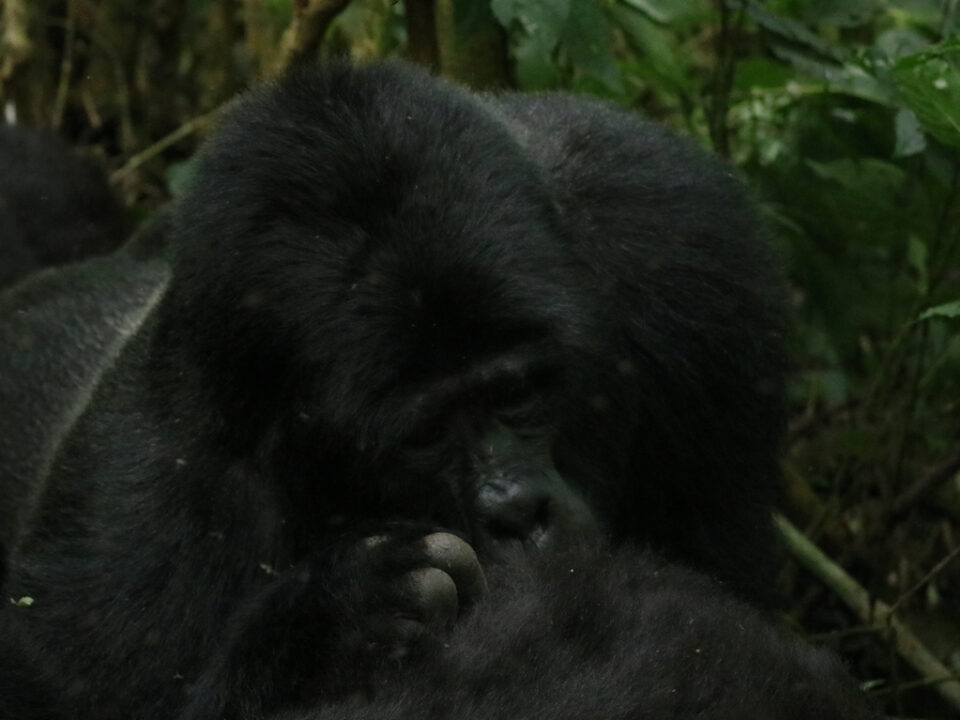
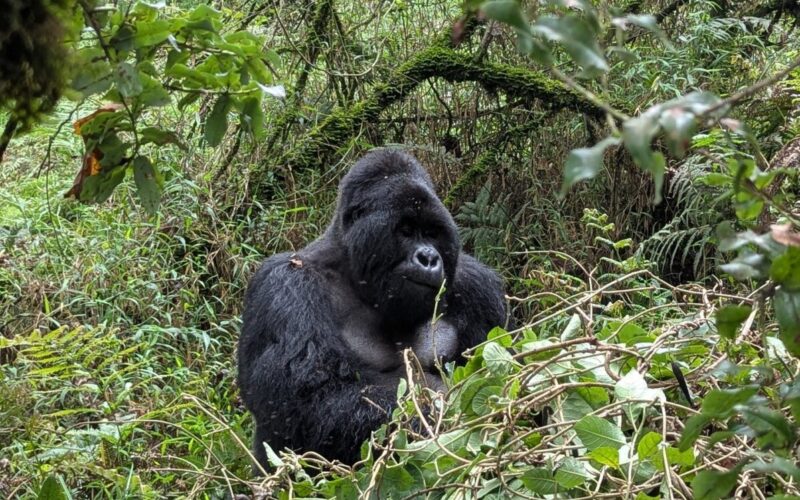
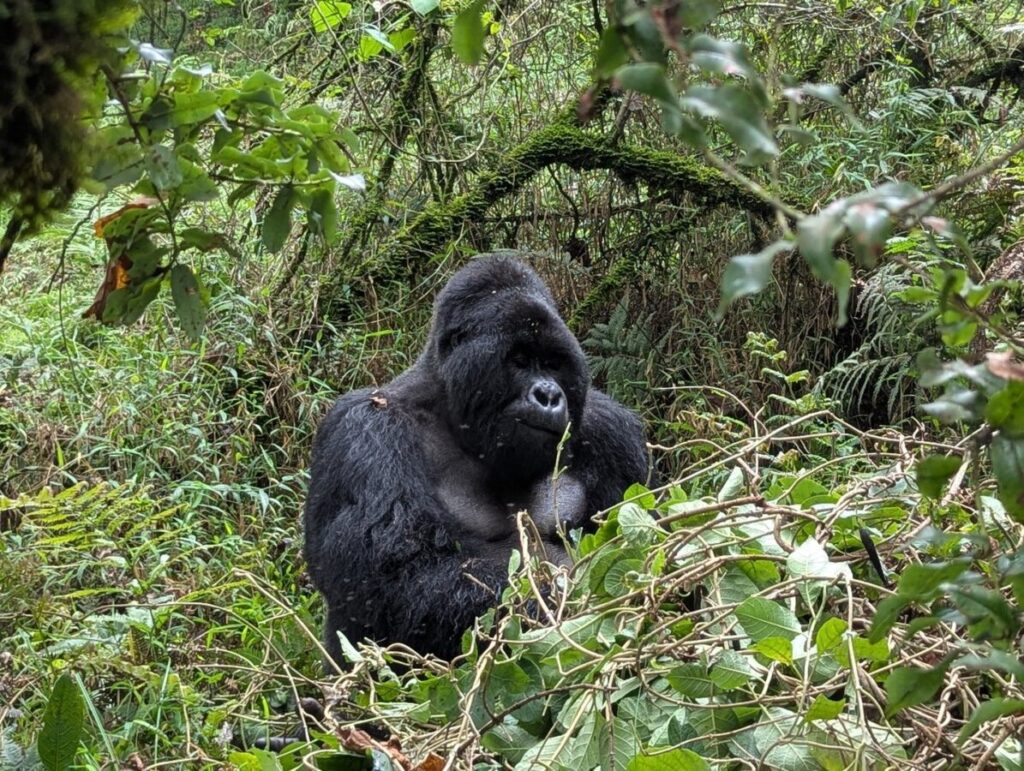
Mountain gorillas (Gorilla beringei beringei) live in closely connected family groups led by dominant silverbacks. Their daily activities include feeding, resting, grooming, travelling and caring for young members. Although habituated gorillas tolerate the presence of people, they remain wild animals that need space and freedom to follow their natural routines.
To manage human contact, conservation authorities limit standard gorilla trekking visits to a maximum of eight tourists per habituated family per day. This rule applies in Uganda and Rwanda and forms an important part of responsible gorilla tourism. It also helps park authorities control visitor numbers and maintain an organised trekking experience.
Furthermore, the limit allows guides and rangers to manage visitor behaviour more effectively. Small groups can follow instructions, maintain appropriate viewing distances and move through the forest with less disruption. For travellers, this creates a more personal experience with better opportunities to observe gorilla behaviour.
Standard Gorilla Trekking and Gorilla Habituation Are Different
Understanding the difference between standard trekking and habituation helps travellers choose the right experience. Standard Gorilla Trekking Safaris involve visiting a gorilla family that has completed habituation and regularly receives tourists. Visitors normally spend a maximum of one hour observing the family once they reach it, subject to ranger instructions and conservation requirements.
The Gorilla Habituation Experience in Uganda follows a different arrangement. Visitors accompany researchers, trackers and habituation teams as they continue the process of helping a wild gorilla group become comfortable with limited human presence. This experience takes place in Bwindi’s Rushaga sector and allows up to four visitors per habituation group, with a viewing period of up to four hours under the applicable arrangements.
Both activities contribute to conservation awareness, but they offer different experiences. Travellers seeking a classic encounter can choose standard Uganda Gorilla Trekking, while those interested in a more extended conservation experience can consider gorilla habituation.
Protecting Mountain Gorilla Welfare and Natural Behaviour
Minimising Disturbance to Gorilla Families
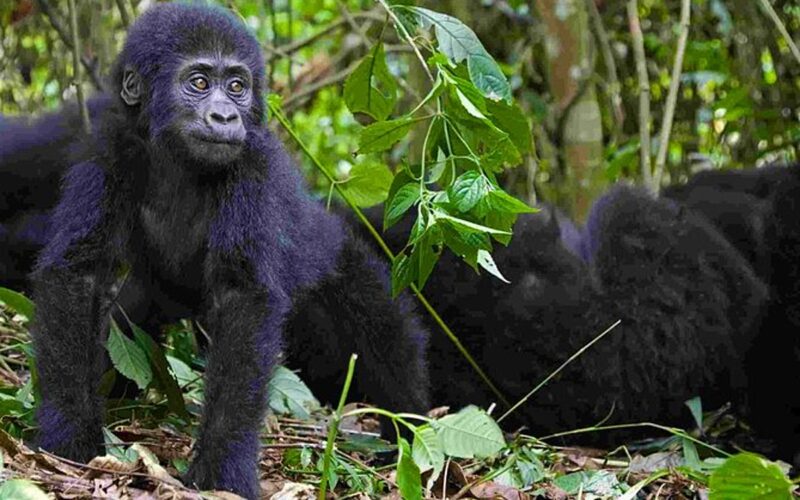
Mountain gorillas depend on stable social relationships and familiar daily routines. A dominant silverback protects the family, while adult females care for infants and juveniles. Younger gorillas spend much of their time playing, exploring and learning through interactions with other family members.
Large visitor groups can create unnecessary noise, movement and pressure around these animals. By keeping standard trekking groups small, conservation authorities help reduce the number of people surrounding a gorilla family. Visitors can observe feeding, grooming, resting and social interactions without creating an unnecessarily crowded environment.
Moreover, experienced guides understand how to interpret gorilla behaviour and respond to changing situations. They instruct visitors when to stop, remain quiet or move back. If a gorilla becomes uncomfortable, the guide can adjust the encounter or end it early. This approach makes Sustainable Mountain Gorilla Trekking Safaris more respectful of animal welfare.
Respecting the Silverback, Mothers and Young Gorillas
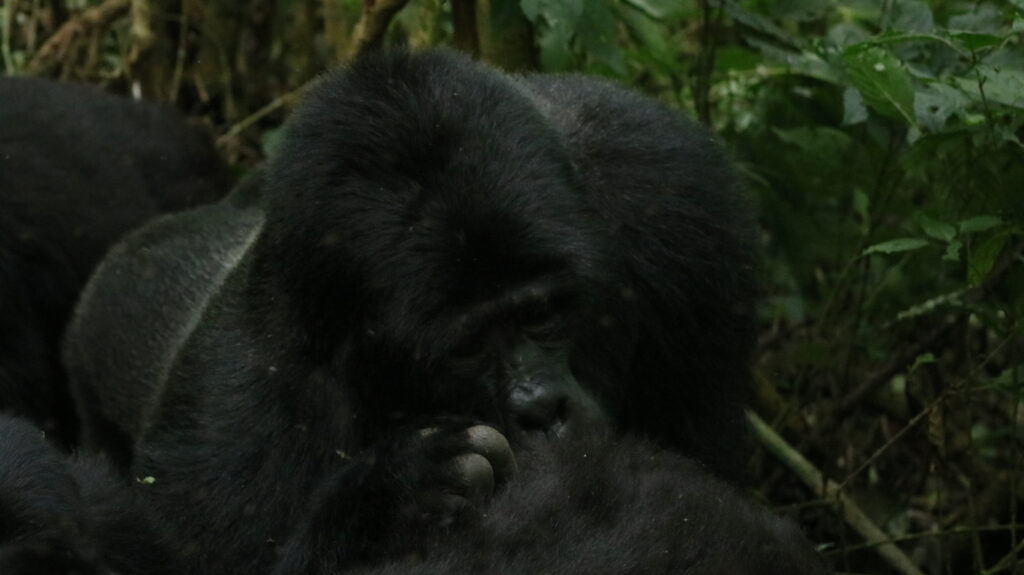
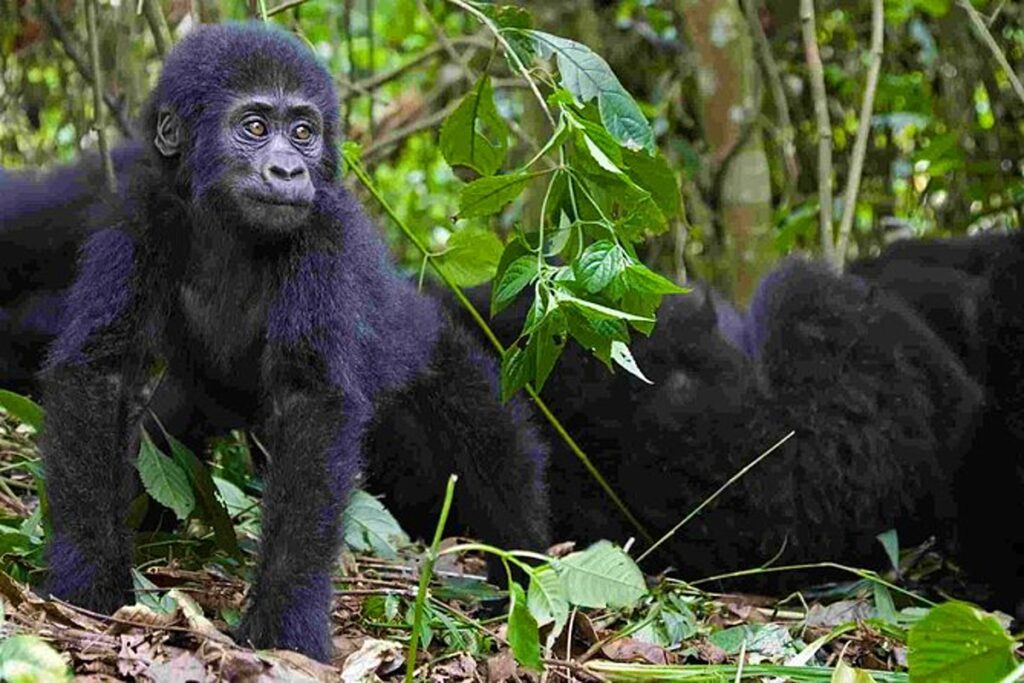
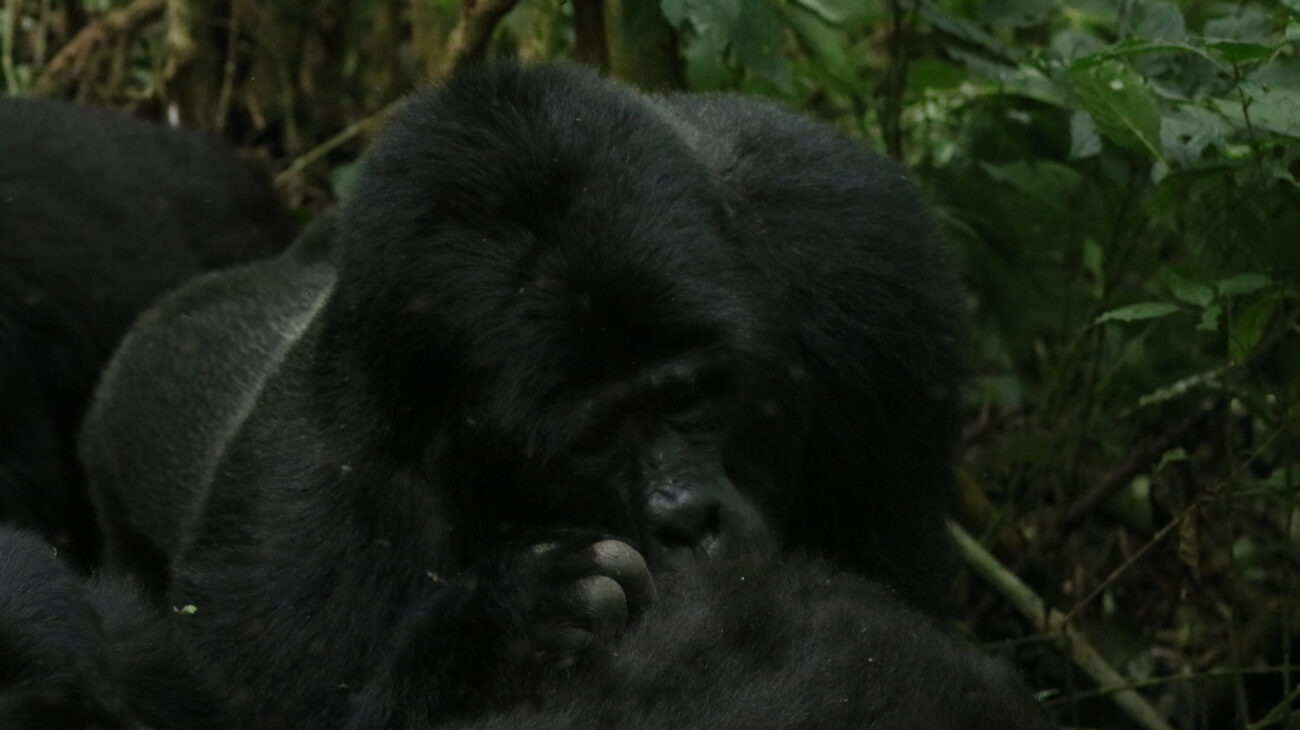
Every gorilla family has its own social character. Silverbacks play an important role in maintaining group stability, while mothers invest considerable time caring for their young. Juveniles often display playful behaviour, climbing vegetation, wrestling gently and interacting with other family members.
Responsible visitors must avoid actions that could disturb these relationships. Never approach a gorilla, attempt to touch it or make sudden movements to attract its attention. Instead, remain with the trekking group and follow the instructions of the park ranger.
The eight-visitor rule supports this approach by limiting the number of tourists around each family. As a result, Sustainable Mountain Gorilla Trekking Safaris protect the natural atmosphere that makes these encounters so meaningful.
Preventing Disease Transmission Through Responsible Tourism
Why Human Health Matters to Mountain Gorillas
Mountain gorillas share a close evolutionary relationship with humans. This biological connection also creates a health risk because certain human respiratory infections can affect great apes. Common illnesses such as colds, influenza and other respiratory infections may threaten gorilla health, particularly when visitors come into close contact with these endangered animals.
Limiting visitor numbers helps reduce the overall volume of human contact. However, group size alone cannot prevent disease transmission. Every traveller must also follow health guidelines and cooperate with park authorities throughout the trekking experience.
Visitors who feel unwell, especially those with symptoms of an infectious respiratory illness, should not approach gorillas. Park authorities may restrict participation when health concerns arise. This precaution protects wildlife and supports responsible tourism.
Following Hygiene and Viewing Guidelines
During Sustainable Mountain Gorilla Trekking Safaris, every visitor plays an important role in protecting gorilla health. Follow the ranger’s instructions and observe the current regulations issued by the relevant wildlife authority.
Important guidelines include:
- Wash or sanitise your hands before entering the forest.
- Do not trek when experiencing an infectious illness.
- Maintain the minimum viewing distance required by park authorities.
- Keep your voice low around gorillas.
- Avoid eating, drinking or smoking near the gorilla family.
- Cover your mouth and turn away when coughing or sneezing.
- Never touch gorillas, even when they approach you.
- Avoid flash photography.
- Carry all rubbish out of the forest.
- Follow the instructions of your ranger and guide.
Uganda’s published conservation guidelines specify a ten-metre viewing distance, while Rwanda’s official guidance sets out its own visitor requirements. Travellers should follow the current instructions of the park authority rather than assume identical rules across destinations.
Preserving Bwindi and the Virunga Forest Ecosystems
Reducing Pressure on Fragile Forest Trails
Mountain gorilla habitats contain complex ecosystems that support countless plant and animal species. Bwindi Impenetrable National Park protects an ancient rainforest with exceptional biodiversity, while the Virunga volcanic landscapes support important montane forest habitats.
These environments contain delicate vegetation, rich soils, natural water systems and habitats for numerous birds, insects and mammals. Uncontrolled visitor numbers can increase pressure on forest trails, particularly around frequently visited gorilla territories.
Small trekking groups help park authorities manage foot traffic and maintain designated routes. Visitors should remain with their guides instead of creating alternative paths through vegetation. They must also avoid picking flowers, breaking branches or disturbing other wildlife.
Through Sustainable Mountain Gorilla Trekking Safaris, travellers can enjoy the forest while respecting the ecological systems that make these destinations special.
Protecting Wildlife Beyond the Gorillas
Bwindi and the Virunga region offer much more than mountain gorilla encounters. Their forests shelter several monkey species, forest birds, butterflies and numerous smaller creatures that contribute to the ecological balance.
Bwindi also supports forest elephants and other mammals, although sightings remain unpredictable. Mgahinga’s volcanic forests provide habitat for golden monkeys, while the wider Virunga landscape supports a remarkable variety of wildlife.
Responsible trekking helps protect these wider habitats. Visitors should avoid unnecessary noise, remain on authorised trails and never attempt to approach animals outside the guided activity. In this way, Sustainable Mountain Gorilla Trekking Safaris contribute to a broader appreciation of Africa’s forest biodiversity.
The Visitor Experience: Why Small Gorilla Trekking Groups Matter
Better Photography and Wildlife Observation
A small trekking group creates a more comfortable environment for observing gorillas. Visitors have a better opportunity to listen to their guide, watch family interactions and take photographs without unnecessary crowding.
Photographers particularly appreciate the opportunity to concentrate on natural behaviour rather than compete for viewing positions. Nevertheless, visitors must always prioritise conservation rules over photography. Flash photography remains prohibited, and nobody should move closer to a gorilla simply to obtain a better image.
More Meaningful Interaction with Expert Guides
Professional ranger guides and trackers contribute greatly to the quality of a gorilla trekking experience. They understand the forest, recognise signs of gorilla movement and help visitors interpret animal behaviour.
Smaller groups make communication easier. Travellers can ask questions about gorilla feeding habits, family relationships, conservation challenges and forest ecology without creating unnecessary noise. This educational element turns Sustainable Mountain Gorilla Trekking Safaris into meaningful learning experiences rather than simple wildlife viewing activities.
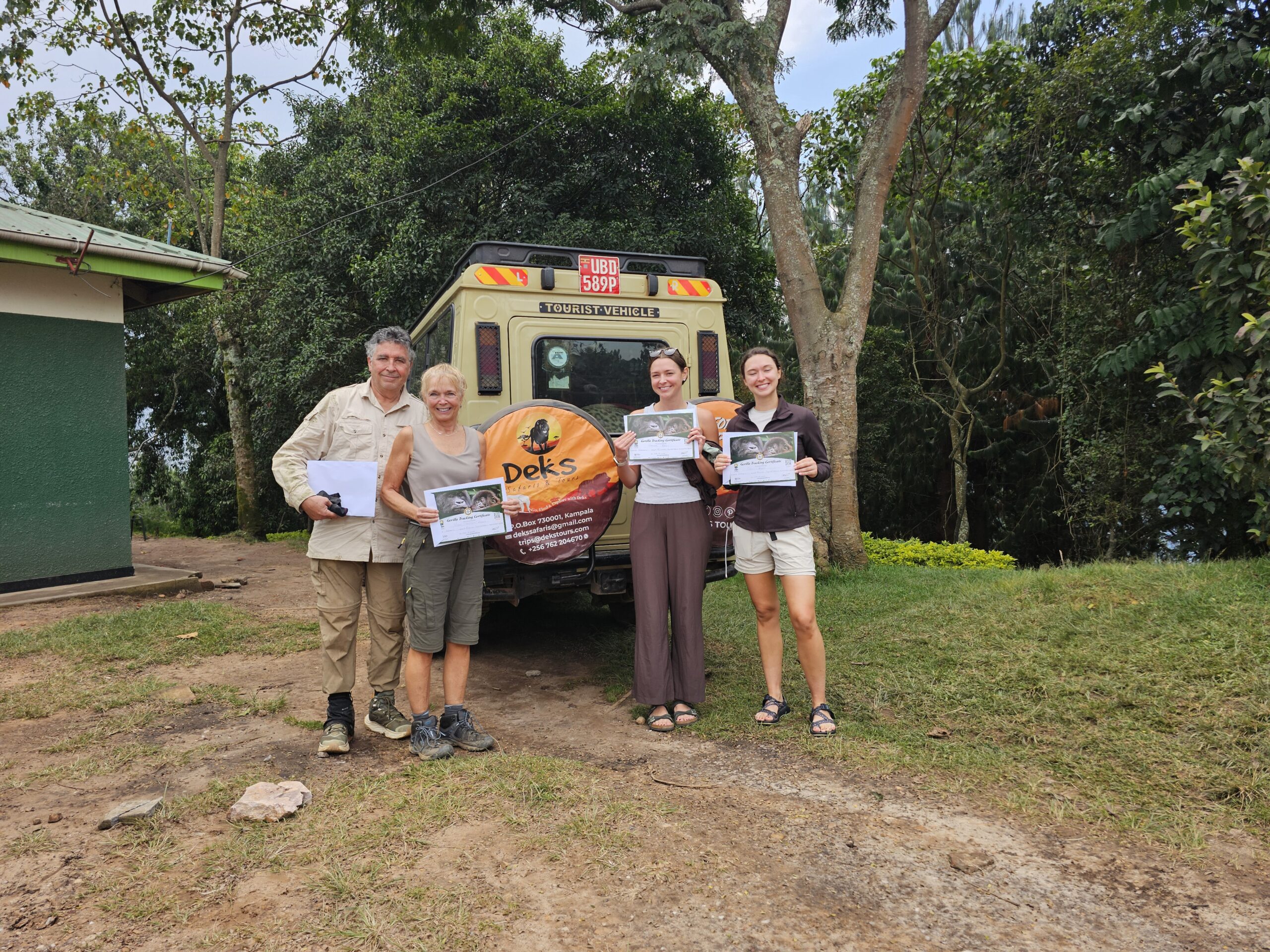
Uganda Gorilla Trekking Safari
High-Value, Low-Impact Tourism and Community Conservation
How Gorilla Permits Support Conservation
Mountain gorilla trekking operates through a controlled permit system. Each permit grants access to a specific conservation experience on an assigned date, subject to availability and park regulations. Limited visitor numbers help protect gorillas while allowing tourism to generate important conservation revenue.
In Uganda, the Uganda Wildlife Authority manages gorilla trekking in Bwindi and Mgahinga. Rwanda’s Rwanda Development Board manages tourism activities in Volcanoes National Park. Both authorities regulate access, oversee park activities and support conservation programmes.
Permit revenue contributes to the management of protected areas, ranger operations, wildlife monitoring and other conservation priorities. It also helps sustain the tourism infrastructure that allows visitors to experience these remarkable forests responsibly.
Supporting Communities Around Gorilla Habitats
Communities surrounding gorilla parks play an essential role in long-term conservation. Local residents live alongside protected forests and experience the economic and social effects of wildlife protection. Responsible tourism can create opportunities that connect community livelihoods with the preservation of natural habitats.
Uganda operates a revenue-sharing programme that directs a portion of park revenue towards communities around protected areas. Rwanda also runs a tourism revenue-sharing programme that supports community projects near national parks.
These initiatives help finance community development priorities, including education, healthcare, infrastructure and livelihood projects. However, the benefits extend beyond official revenue-sharing arrangements. Tourism also creates employment for local guides, porters, drivers, lodge employees, craft makers and cultural performers.
Cultural Experiences Around Bwindi and Mgahinga Lodges
Discovering Batwa Heritage Near Bwindi
A gorilla trekking safari offers an opportunity to appreciate the people and cultures connected to Uganda’s forest landscapes. Around Bwindi, visitors can arrange a Batwa cultural experience that introduces aspects of Batwa heritage, traditional knowledge and historical relationships with the forest.
Depending on the community programme, visitors may learn about traditional food gathering, medicinal plants, music, dance, storytelling and former forest-based livelihoods. These encounters provide valuable cultural understanding while creating opportunities for local communities to earn income through tourism.
Travellers should approach cultural visits with respect, support community-led initiatives and ask permission before taking photographs. Choosing responsible cultural experiences helps ensure that local people maintain control over how they share their heritage.
Exploring Local Life Around Rushaga and Nkuringo
Rushaga and Nkuringo provide access to remarkable landscapes in southern Bwindi. Beyond gorilla trekking, visitors can explore nearby villages, meet local farmers, discover traditional food preparation and enjoy guided walks through surrounding communities.
Depending on the lodge location and available activities, guests may visit local coffee-growing areas, learn about banana cultivation or experience traditional Ugandan meals. Community craft demonstrations and cultural performances also offer opportunities to understand everyday life in southwestern Uganda.
These experiences complement Sustainable Mountain Gorilla Trekking Safaris by connecting wildlife conservation with local livelihoods. Deks Africa Safaris & Tours Ltd can help arrange suitable community activities around your selected accommodation, subject to availability and local arrangements.
Cultural Encounters Around Buhoma, Ruhija and Mgahinga
Travellers visiting Buhoma and Ruhija can explore community initiatives, village walks, local farming activities and traditional craft experiences. The surrounding highland communities offer insight into rural livelihoods and the relationship between people, agriculture and forest conservation.
Around Mgahinga, visitors can arrange Batwa cultural experiences and discover the heritage of communities connected to the Virunga landscape. Activities vary by location and provider, so travellers should confirm arrangements before their safari.
Choosing Between Uganda, Rwanda and Congo Gorilla Trekking
Uganda Gorilla Trekking in Bwindi and Mgahinga
Uganda offers two destinations for mountain gorilla trekking: Bwindi Impenetrable National Park and Mgahinga Gorilla National Park. Bwindi provides four main trekking sectors: Buhoma, Ruhija, Rushaga and Nkuringo. Each sector offers access to different gorilla families and distinct accommodation options.
Bwindi Gorilla Trekking appeals to travellers seeking a forest-based adventure with opportunities to combine primate encounters, cultural activities and wildlife safaris. Rushaga Gorilla Trekking also provides access to Uganda’s Gorilla Habituation Experience.
Mgahinga offers a different setting, with dramatic volcanic scenery and opportunities to combine gorilla trekking with golden monkey tracking. Together, these destinations make Uganda an excellent choice for diverse Gorilla Trekking Safaris.
Rwanda Gorilla Trekking in Volcanoes National Park
Rwanda Gorilla Trekking takes place in Volcanoes National Park, part of the wider Virunga volcanic region. The park offers dramatic mountain scenery, bamboo forests and access to habituated mountain gorilla families.
Its proximity to Kigali makes Rwanda particularly convenient for travellers with limited time. Visitors can also combine gorilla trekking with golden monkey tracking, cultural experiences and visits to other destinations around the country.
Congo Gorilla Trekking in Virunga National Park
The Democratic Republic of Congo also forms part of the mountain gorillas’ natural range. Virunga National Park protects important gorilla habitat within the wider Virunga landscape. However, security conditions and park operations can change, so travellers must verify current access arrangements before planning Congo Gorilla Trekking.
For anyone considering Africa Gorilla Trekking, Uganda and Rwanda offer established tourism options with different landscapes, travel logistics and safari combinations. The best destination depends on travel dates, budget, interests and current park arrangements.
Planning Sustainable Mountain Gorilla Trekking Safaris with Deks Africa Safaris & Tours Ltd
Secure Your Gorilla Trekking Permit Early
Gorilla trekking permits have limited daily availability because each habituated family receives a restricted number of visitors. Popular travel periods can attract strong demand, making early planning particularly important for couples, families and private safari groups.
Deks Africa Safaris & Tours Ltd helps travellers organise permits through the appropriate authorities and plan accommodation, transport and other safari activities. We consider your preferred trekking sector, arrival airport, travel dates and accommodation category before developing a practical itinerary.
Our team also helps coordinate cross-border journeys between Rwanda and Uganda, including Kigali-to-Bwindi safaris. This flexibility allows travellers to combine Rwanda Gorilla Trekking logistics with Uganda’s exceptional forest experiences.
Choose Responsible Lodges and Local Experiences
Accommodation plays an important role in a successful gorilla trekking safari. Bwindi and Mgahinga offer a range of lodges and guesthouses near their trekking sectors, from comfortable midrange properties to luxury forest retreats.
When selecting accommodation, consider its distance from the assigned trekking briefing point, available facilities, community engagement and environmental practices. A well-positioned lodge can make an early trekking morning easier and provide more time to enjoy the surrounding landscape.
Where possible, support accommodation providers and community initiatives that employ local residents, respect natural resources and contribute positively to conservation.
Travel Responsibly and Protect Africa’s Mountain Gorillas
Sustainable Mountain Gorilla Trekking Safaris offer more than an unforgettable wildlife encounter. They connect travellers with endangered mountain gorillas, extraordinary rainforest ecosystems and communities whose livelihoods relate closely to protected landscapes.
The eight-visitor rule, health precautions, responsible guiding and controlled permit system all contribute to a carefully managed tourism experience. Equally important, every visitor has a responsibility to follow park regulations, respect local cultures and minimise their environmental footprint.
At Deks Africa Safaris & Tours Ltd, we organise gorilla trekking journeys with a strong commitment to responsible tourism, professional local guidance and meaningful destination experiences. Whether you choose Bwindi Gorilla Trekking, Mgahinga or Rwanda’s Volcanoes National Park, our team can help you plan a rewarding African safari.
Choose Sustainable Mountain Gorilla Trekking Safaris and become part of the wider effort to protect Africa’s mountain gorillas and their irreplaceable forest habitats.
Plan Your Sustainable Mountain Gorilla Trekking Safaris Today
Contact Deks Africa Safaris & Tours Ltd to discuss your preferred destination, travel dates and accommodation. Our safari specialists can help arrange official gorilla permits, private 4×4 transport, experienced driver-guides, quality accommodation and cultural experiences.
Website: www.dekstours.com
Custom Safaris: Contact our team to plan your Uganda or Rwanda Gorilla Trekking Safari and begin your journey into Africa’s remarkable mountain forests.
Related Africa Safaris & Tour Holidays
- 30-Day African Overland Experiential Safari
- 27 Days Uganda Rwanda Kenya Tanzania Safari
- 20 Days East Africa Safari Experience
- 20-Day Uganda Birding Excursion Safari
- 20-Day Uganda–Rwanda Birding Excursion Safari
- 19 Days Tanzania Uganda Safari
- 19 Days Signature East Africa Luxury Safari Expedition
- 19 Days Kenya Tanzania and Uganda Safari Holiday
- 18 Days Tanzania and Uganda Safari
- 18 Days Tanzania and Uganda Safari Experience
- 19 Days Kenya Tanzania and Uganda Safari Holiday
- 22 Days Africa Safari of a Lifetime Experience
- 22 Days Uganda Kenya Victoria Falls and Botswana Safari Experience
- 23 Days Africa Safari of a Lifetime
- 19 Days Uganda Kenya and Diani Beach Safari
- 17 Days Zimbabwe–Botswana–Tanzania–Uganda Safari
- 23 Days Uganda Rwanda Burundi Tanzania and Mozambique Tour
- 21 Days East Africa Wildlife Tour & Zanzibar Safari
- 20 Days Namibia–Uganda Safari Experience
- 20 Days Uganda, Tanzania, and Mafia Island Beach Safari
- 20-Day Rwanda Tanzania Zanzibar Safari Experience
- 18-Day Rwanda Gorilla Trekking and Kenya Safari
- 22 Days Africa Wildlife Safari Experience
- 30 Days Best of East Africa Safari Experience
- 21 Days Africa Adventure Safari Holiday