
Is the Gorilla Habituation Experience Worth the Money?
November 13, 2026
What Should I Wear During the Gorilla Habituation Experience
November 13, 2026What Is the Gorilla Habituation Experience in Uganda?
The Gorilla Habituation Experience in Uganda offers one of Africa’s most extraordinary wildlife encounters, allowing visitors to spend up to four hours observing a semi-habituated mountain gorilla family in its natural rainforest habitat. Unlike conventional gorilla trekking, which provides one hour with a fully habituated gorilla group, this specialised conservation experience introduces visitors to the fascinating process through which wild mountain gorillas gradually become accustomed to human presence.
Located in the magnificent Bwindi Impenetrable National Park in southwestern Uganda, the experience combines wildlife exploration, scientific research and conservation education. Visitors accompany authorised researchers, experienced trackers and Uganda Wildlife Authority rangers as they monitor the behaviour and development of a selected gorilla family. This extended encounter provides valuable opportunities to understand mountain gorilla social structures, feeding habits, family relationships and natural behaviour.
Furthermore, Gorilla Habituation Experience in Uganda offers a deeper connection with the rainforest ecosystem and the conservation efforts that protect these endangered primates. From observing powerful silverbacks to watching mothers care for their infants, every moment reveals something fascinating about mountain gorilla life.
At Deks Africa Safaris & Tours Ltd, we organise Gorilla Habituation Safaris for international travellers seeking meaningful wildlife encounters in Uganda. Our approach combines local destination knowledge, responsible tourism practices and carefully coordinated safari arrangements to create memorable experiences in Bwindi.
What Is Gorilla Habituation?
Understanding the Habituation Process
Gorilla habituation experience in Uganda is a gradual process that helps wild mountain gorillas become familiar with the presence of humans without domesticating them or changing their natural behaviour.
Mountain gorillas naturally live-in family groups led by a dominant silverback. These groups maintain complex social relationships and depend on established territories, feeding areas and forest habitats for survival.
Because wild gorillas naturally avoid unfamiliar human activity, researchers must approach them carefully and consistently. During habituation, trained conservation teams visit selected gorilla families regularly and observe their reactions to human presence.
The process requires patience, specialised knowledge and continuous monitoring. Researchers study gorilla movements, feeding patterns, social interactions, communication and responses to visitors while maintaining strict conservation standards.
The Role of Researchers and Trackers
Researchers and experienced trackers play an essential role throughout the habituation process. They locate gorilla families, monitor individual animals and document behavioural changes during regular forest visits.
Their work also helps conservation teams understand gorilla health, group dynamics and habitat use. Additionally, trackers maintain knowledge of forest trails, vegetation and the movements of different gorilla families.
The Uganda Wildlife Authority regulates gorilla tourism and manages visitor activities within Bwindi Impenetrable National Park. This framework helps protect the gorillas while providing carefully controlled opportunities for visitors to experience their natural environment.
What Makes the Gorilla Habituation Experience Special?
Four Hours with Mountain Gorillas
The most distinctive feature of the Gorilla Habituation Experience is the opportunity to spend up to four hours with a semi-habituated mountain gorilla family after the tracking team locates the group.
This extended observation period creates opportunities to appreciate gorilla behaviour beyond the brief encounter associated with ordinary gorilla trekking.
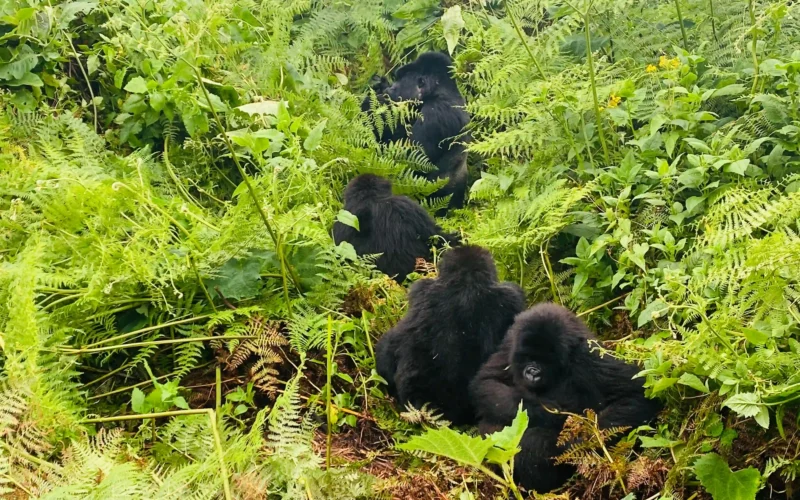
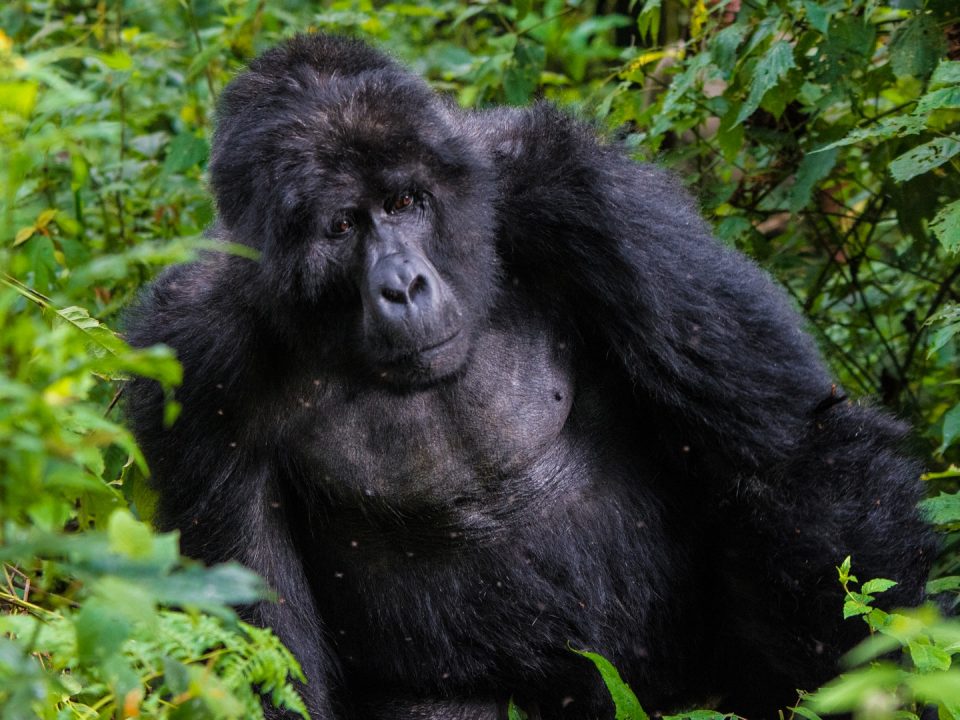
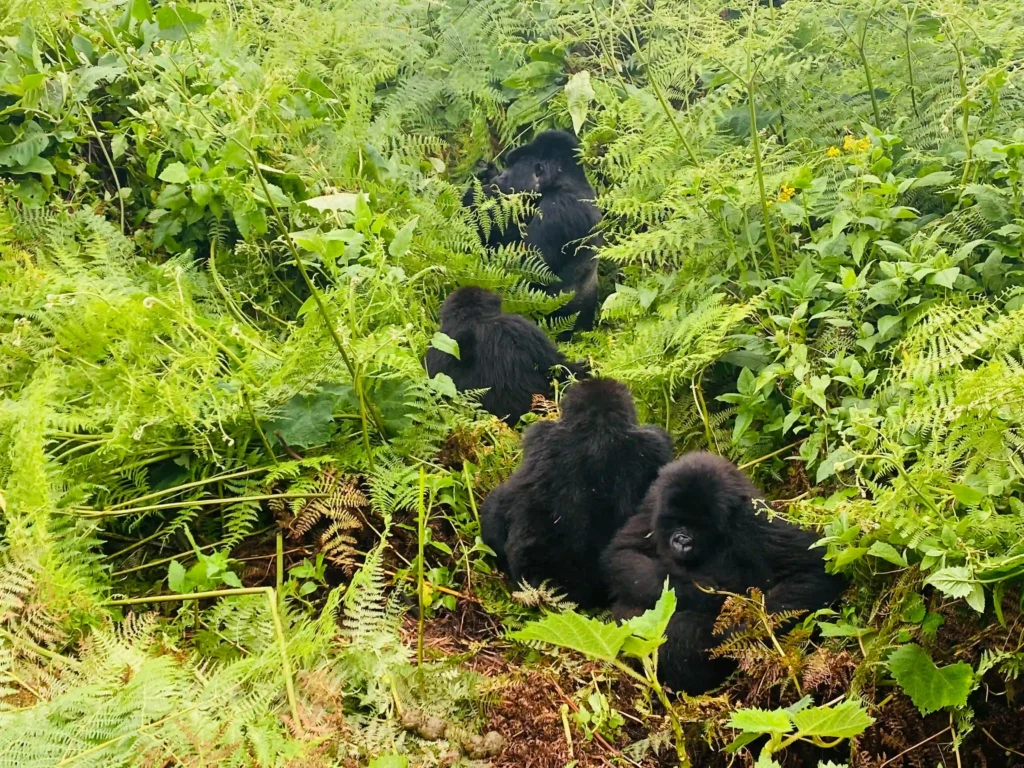
You may observe a dominant silverback maintaining order within the family, mothers nurturing their infants and younger gorillas playing among the vegetation. Other members may spend time feeding on leaves, stems, shoots and seasonal fruits.
Furthermore, the additional observation time allows visitors to appreciate the relationships between individual gorillas and understand how family members communicate and interact.
An Educational Wildlife Encounter
Gorilla Habituation goes beyond ordinary wildlife photography and observation. It provides an opportunity to understand the conservation science behind mountain gorilla tourism.
Visitors accompany authorised teams and gain insights into the work involved in preparing selected gorilla families for controlled tourism activities.
This experience also highlights the importance of protecting forest ecosystems, preventing wildlife diseases and maintaining responsible visitor behaviour.
For conservation enthusiasts, photographers and wildlife researchers, the Gorilla Habituation Experience offers a particularly rewarding opportunity to explore the relationship between tourism and wildlife protection.
Where Does Gorilla Habituation Take Place in Uganda?
Bwindi Impenetrable National Park
Bwindi Impenetrable National Park is the principal destination for Uganda’s Gorilla Habituation Experience. Located in southwestern Uganda, the park protects an ancient montane and lowland rainforest ecosystem that provides essential habitat for endangered mountain gorillas.
Bwindi forms part of the wider Bwindi-Mgahinga conservation landscape and supports exceptional biodiversity. Its steep hills, deep valleys, thick vegetation and mist-covered mountains create a remarkable environment for forest exploration.
Beyond mountain gorillas, the park supports numerous other wildlife species, including forest elephants, monkeys, butterflies and an impressive variety of forest birds.
The park’s conservation importance also extends beyond wildlife. Surrounding communities maintain distinctive cultural traditions and participate in tourism activities that contribute to local livelihoods.
Rushaga Sector: Home of the Gorilla Habituation Experience
The Rushaga sector occupies the southern part of Bwindi and serves as the main location for Uganda’s Gorilla Habituation Experience.
Rushaga offers access to selected semi-habituated mountain gorilla groups and provides a convenient base for visitors undertaking this specialised activity.
The surrounding landscape features rolling hills, cultivated valleys, traditional settlements and forested mountains. This setting creates an attractive environment for travellers interested in both wildlife and cultural tourism.
Several accommodation properties operate around Rushaga, including Four Gorillas Lodge and Ichumbi Gorilla Lodge. Their locations provide convenient access to the park headquarters and opportunities to explore nearby community attractions.
Gorilla Habituation Experience vs Ordinary Gorilla Trekking
Although both activities involve observing mountain gorillas in Bwindi, they offer different experiences.
Duration of the Encounter
Ordinary gorilla trekking allows visitors to spend one hour with a habituated gorilla family after locating the group.
In contrast, the Gorilla Habituation Experience provides up to four hours with a semi-habituated family. This extended period creates additional opportunities to observe natural behaviour and learn about conservation activities.
Nature of the Experience
Conventional gorilla trekking focuses primarily on wildlife observation and photography.
Gorilla habituation introduces visitors to the gradual process through which selected wild gorilla families become accustomed to human presence. Visitors accompany authorised conservation teams and gain a deeper understanding of gorilla research and monitoring.
Permits and Availability
Both activities require separate permits from the Uganda Wildlife Authority. Gorilla habituation permits have limited daily availability, making early reservations particularly important.
The appropriate experience depends on your interests, travel budget and available time. Travellers seeking a longer conservation-focused encounter may prefer habituation, while those looking for a shorter gorilla experience may choose conventional trekking.
What to Expect During a Gorilla Habituation Adventure?
Early Morning Briefing at Rushaga
Your Gorilla Habituation Adventure begins early in the morning with a transfer to the Rushaga park headquarters.
After registration, Uganda Wildlife Authority rangers conduct a briefing covering forest conditions, wildlife safety, trekking procedures and responsible gorilla viewing.
Visitors receive instructions on maintaining the required distance, avoiding sudden movements, respecting the animals and following their assigned guides throughout the activity.
Trekking Through Bwindi’s Ancient Rainforest
After the briefing, you join experienced trackers, researchers and park guides before entering the forest.
The trekking duration varies depending on the location of the assigned gorilla family, terrain and forest conditions. Some trails involve steep slopes, muddy sections, thick undergrowth and uneven ground.
Along the way, you may encounter different forest birds, butterflies, monkeys and fascinating vegetation. The forest itself forms an important part of the experience, offering a glimpse into one of Africa’s most remarkable ecosystems.
Observing a Semi-Habituated Gorilla Family
Once the team locates the gorilla group, your extended observation period begins.
You may encounter the dominant silverback, adult females, juveniles and infants as they move through their natural habitat. Their feeding habits, grooming activities, communication and family interactions provide fascinating insights into gorilla behaviour.
Photography opportunities can be excellent, although visitors must follow all park guidelines and avoid actions that disturb the animals.
Mountain Gorilla Behaviour: What Can You Observe?
The Dominant Silverback
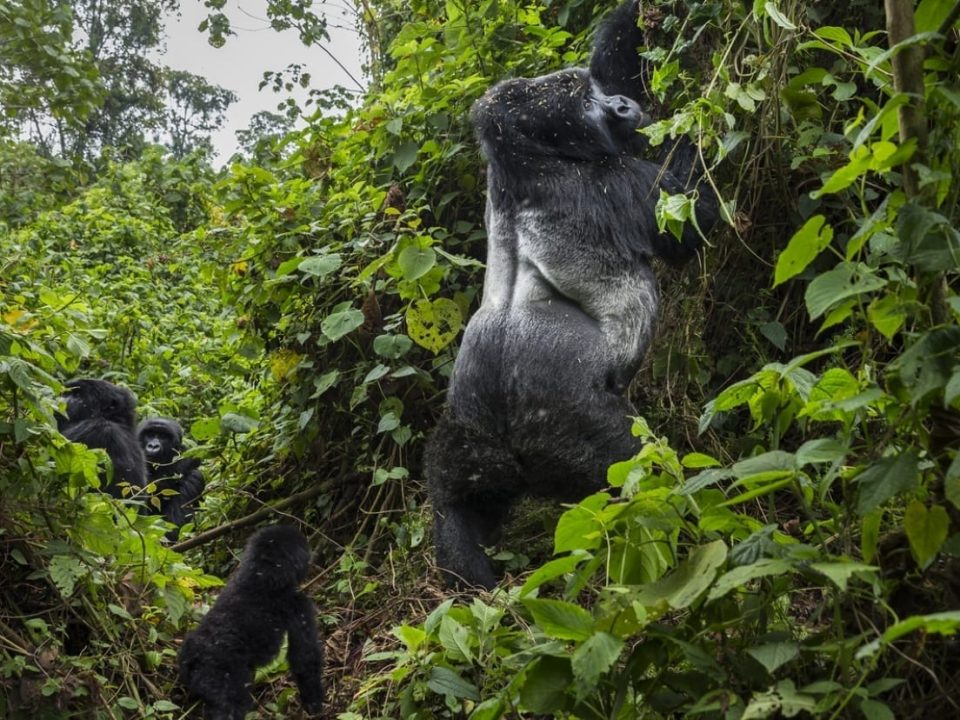
The silverback plays a central role within a mountain gorilla family. Mature males develop distinctive silver-grey hair across their backs and often provide leadership, protection and social stability.
During the habituation encounter, you may observe the silverback feeding, resting, moving through the forest or interacting with other group members.
Mothers and Infant Gorillas
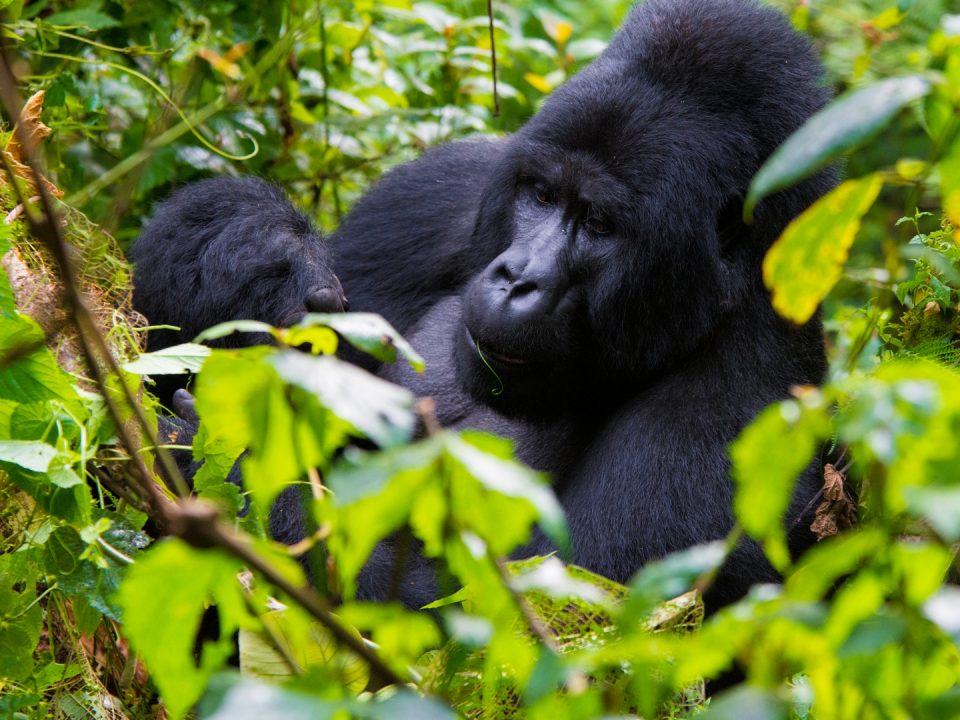
Mother gorillas maintain close relationships with their infants. They provide protection, feeding support and continuous care during the early stages of development.
Observing these interactions creates an opportunity to appreciate the strong family relationships that define mountain gorilla societies.
Juvenile Gorillas and Playful Behaviour
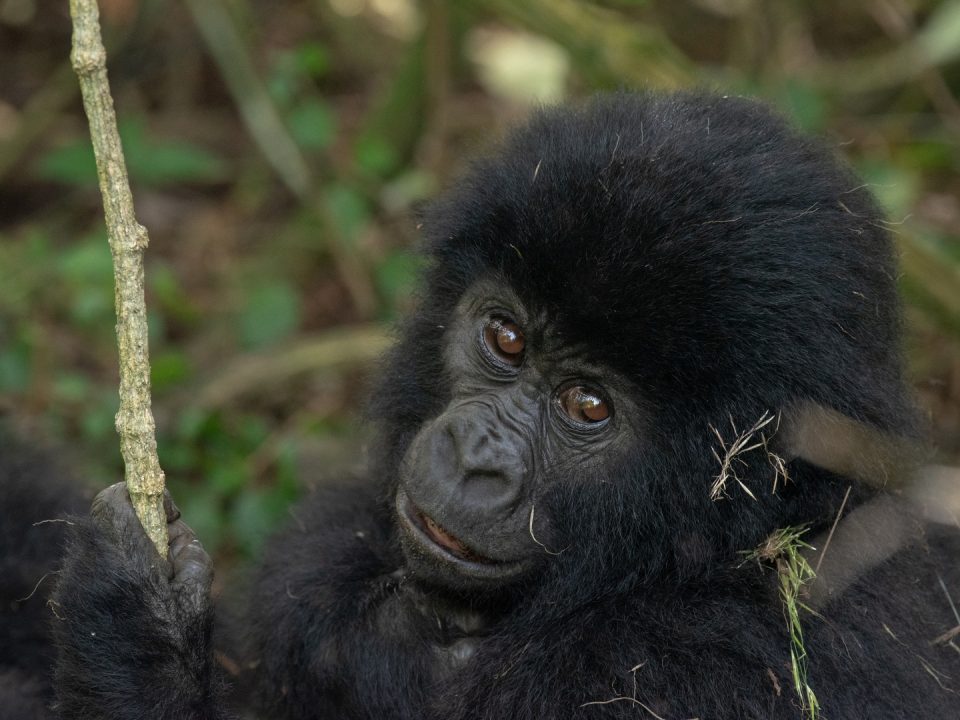
Young gorillas often display energetic behaviour as they explore their surroundings and interact with other members of the family.
Their playful activities include climbing vegetation, chasing one another and practising movements that contribute to their physical and social development.
Feeding and Forest Adaptation
Mountain gorillas spend a significant portion of their day feeding on vegetation. Their diet includes leaves, shoots, stems, roots and seasonal fruits, depending on availability.
Watching gorillas search for food and move through the forest provides valuable insights into how they adapt to their natural environment.
Conservation Importance of Gorilla Habituation in Uganda
Protecting an Endangered Species
Mountain gorillas remain among the world’s most remarkable conservation success stories. Their survival depends on effective habitat protection, veterinary support, research and responsible tourism management.
Bwindi plays a critical role in this conservation work by protecting an important population of mountain gorillas and their rainforest habitat.
Supporting Research and Monitoring
Gorilla habituation contributes to conservation research by allowing authorised teams to monitor selected gorilla families over time.
Researchers gather information about behaviour, health, social relationships and responses to human presence. This knowledge supports long-term conservation planning and responsible tourism management.
Responsible Tourism and Community Benefits
Uganda’s regulated gorilla tourism industry generates revenue that supports conservation management and surrounding communities.
Tourism also creates employment opportunities for guides, trackers, drivers, lodge employees, porters and community tourism operators.
By choosing responsible Gorilla Habituation Safaris, visitors participate in a tourism system that connects wildlife conservation with local economic opportunities.
Cultural Experiences Around Rushaga and Bwindi Lodges
A Gorilla Habituation Safari offers much more than a mountain gorilla encounter. The communities surrounding Rushaga and Bwindi provide opportunities to explore the cultural heritage of southwestern Uganda.
Batwa Cultural Experience
The Batwa people have a longstanding historical connection with the forests of southwestern Uganda. Their traditional heritage includes forest knowledge, medicinal plants, hunting practices, music, storytelling and craft-making.
A guided Batwa cultural experience introduces visitors to aspects of this heritage through traditional demonstrations, community interpretation and cultural performances.
Visitors can learn about the Batwa’s historical relationship with the forest, the changes associated with conservation and the importance of community participation in sustainable tourism.
Traditional Dance and Music
Community cultural performances provide opportunities to appreciate traditional music, dance and storytelling.
These activities introduce visitors to the cultural identity of communities around Bwindi while supporting local performers and cultural initiatives.
Local Coffee Experiences
Coffee farming plays an important role in the livelihoods of many communities in southwestern Uganda.
Visitors can arrange local coffee experiences to learn about coffee cultivation, harvesting, processing and preparation. These encounters offer an interesting introduction to agricultural traditions and local enterprise.
Community Walks and Local Crafts
Guided community walks provide opportunities to explore rural settlements, visit craft-making groups and appreciate traditional farming practices.
Travellers can also purchase locally produced crafts and souvenirs, creating direct economic opportunities for community members.
Four Gorillas Lodge and Ichumbi Gorilla Lodge provide convenient bases for exploring these experiences around the Rushaga area, subject to activity availability and arrangements with local operators.
Gorilla Habituation Experience in Uganda
Best Time to Enjoy the Gorilla Habituation Experience
Uganda offers Gorilla Habituation Experiences throughout the year. Nevertheless, seasonal rainfall influences forest trekking conditions and general travel comfort.
June to September: These months generally experience relatively drier conditions and attract many visitors interested in gorilla trekking and habituation.
December to February: This period also offers generally favourable conditions for exploring Bwindi’s rainforest and surrounding highlands.
March to May and October to November: These months generally experience heavier rainfall. However, the forest becomes particularly lush and green, creating beautiful scenery for nature enthusiasts and photographers.
Since Bwindi is a tropical rainforest, rainfall can occur throughout the year. Therefore, visitors should prepare for changing weather conditions regardless of their travel dates.
What to Pack for a Gorilla Habituation Safari?
Proper preparation helps you enjoy your forest adventure comfortably and responsibly.
Essential items include:
- Waterproof hiking boots with good ankle support.
- Long-sleeved shirts and lightweight trekking trousers.
- Waterproof jacket or rain poncho.
- Gardening gloves for holding vegetation.
- Comfortable hiking socks.
- A small backpack.
- Drinking water and light snacks.
- Insect repellent.
- Sunscreen and a hat.
- Camera with spare batteries and memory cards.
- Personal medication and basic first-aid supplies.
You can also hire a local porter at the park headquarters. Porters assist with carrying personal belongings and navigating difficult sections of the forest while earning income from tourism.
Important Gorilla Habituation Rules and Visitor Guidelines
Mountain gorillas are vulnerable to certain human diseases, making responsible visitor behaviour essential.
Visitors must follow Uganda Wildlife Authority regulations throughout the experience.
Important guidelines include:
- Maintain the required distance from the gorillas.
- Avoid touching the animals.
- Never feed mountain gorillas.
- Keep your voice low.
- Avoid sudden movements.
- Follow your assigned guides and trackers.
- Do not use flash photography.
- Follow instructions concerning masks and respiratory hygiene.
- Avoid visiting gorillas when you have an infectious illness.
- Respect the permitted observation period.
- Never leave litter in the forest.
These guidelines help protect the gorillas, visitors and the wider rainforest ecosystem.
Book Your Gorilla Habituation Safari with Deks Africa Safaris & Tours Ltd
The Gorilla Habituation Experience in Uganda offers an exceptional opportunity to explore the fascinating world of mountain gorillas while learning about the conservation work that protects them.
From the ancient rainforest of Bwindi to the extraordinary behaviour of semi-habituated gorilla families, every stage of this adventure creates a deeper appreciation of Africa’s natural heritage.
Deks Africa Safaris & Tours Ltd specialises in organising Gorilla Habituation Safaris, conventional gorilla trekking adventures and tailor-made Uganda wildlife holidays. Our team assists with permit reservations, accommodation, transportation and safari planning to create a smooth and rewarding travel experience.
Whether you are planning a short Gorilla Habituation Adventure or combining Bwindi with chimpanzee tracking in Kibale and wildlife viewing in Queen Elizabeth National Park, we can help design a journey that matches your interests and travel expectations.
Contact Deks Africa Safaris & Tours Ltd today to plan your Uganda Gorilla Habituation Experience and discover the extraordinary mountain gorillas of Bwindi Impenetrable National Park.
Uganda Gorilla Habituation Safaris & Tour Holidays
- 6-Day Uganda Habituation Safari
- 7-Day Uganda Habituation Safari Experience
- 3-Day Uganda Gorilla Habituation Experience Tour
- 4-Day Uganda Gorilla & Golden Monkey Habituation Safari
- 5-Day Uganda Chimpanzee & Gorilla Habituation Tour
- 8-Day Uganda Gorilla Habituation Safari Experience
- 6-Day Gorilla Habituation and Golden Monkey Safari in Uganda
- 4-Day Gorilla Habituation Safari Starting in Kigali
- 7-Day Uganda Gorilla Habituation, Chimpanzee and Wildlife Safari
- 6-Day Uganda Gorilla Habituation and Wildlife Safari