
How Is Gorilla Habituation Different from Ordinary Gorilla Trekking in Uganda?
November 9, 2026How Many Hours Do You Spend with the Gorillas During the Gorilla Habituation Experience in Uganda?
The Gorilla Habituation Experience in Uganda offers one of Africa’s most remarkable wildlife encounters, giving visitors an extraordinary opportunity to spend extended time observing endangered mountain gorillas in their natural rainforest habitat. Unlike conventional gorilla trekking, which allows visitors to spend a maximum of one hour with a fully habituated gorilla family, this special conservation experience provides up to four hours with a semi-habituated mountain gorilla family in Bwindi Impenetrable National Park.
For wildlife enthusiasts, photographers, conservation supporters and adventurous travellers, the additional observation time creates a deeper connection with one of the world’s most fascinating primates. Rather than simply photographing gorillas and returning to the starting point, visitors gain valuable opportunities to observe their social relationships, feeding habits, communication, grooming routines and interactions within the family.
A Gorilla Habituation Safari also introduces travellers to the conservation work that prepares wild gorilla families for regular human observation. Researchers, trackers, conservationists and experienced ranger guides play important roles throughout this process. Their work supports responsible tourism while helping protect Uganda’s mountain gorilla population.
At Deks Africa Safaris & Tours Ltd, we recognise that understanding the duration and structure of this encounter helps visitors prepare for a rewarding experience. This guide explains how many hours you spend with the gorillas, whether trekking time counts towards the four-hour allowance, what happens during the encounter and how to make the most of your Gorilla Habituation Adventure in Uganda.
How Many Hours Do You Spend with the Gorillas?
Understanding the Four-Hour Gorilla Encounter
The Gorilla Habituation Experience allows visitors to spend up to four hours observing a semi-habituated mountain gorilla family once the trackers locate the assigned group. This extended observation period represents the main difference between gorilla habituation and conventional gorilla trekking in Uganda.
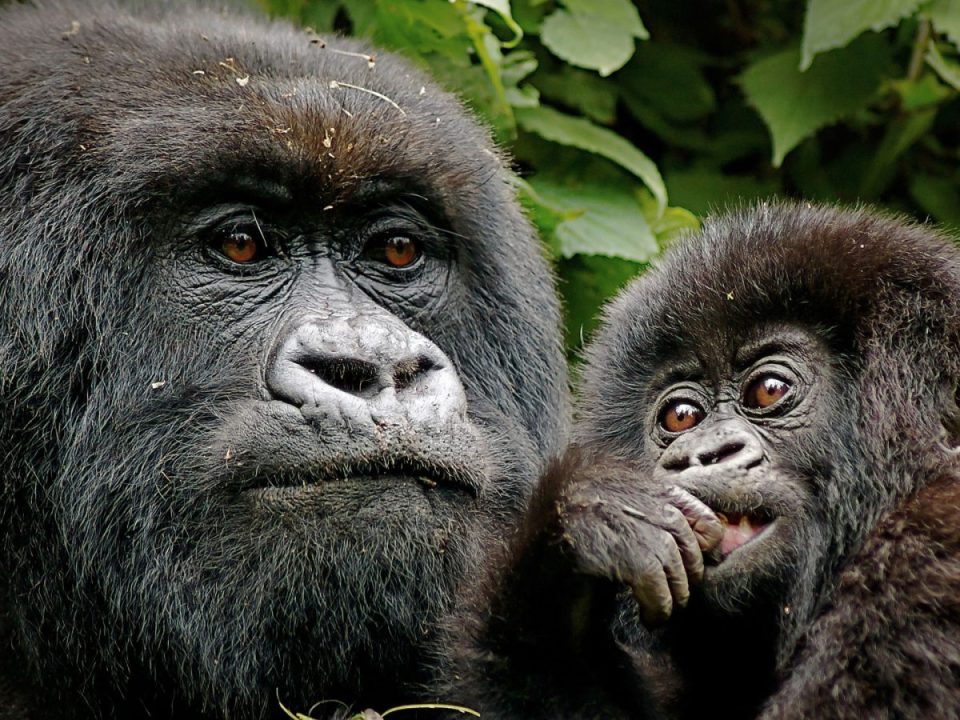
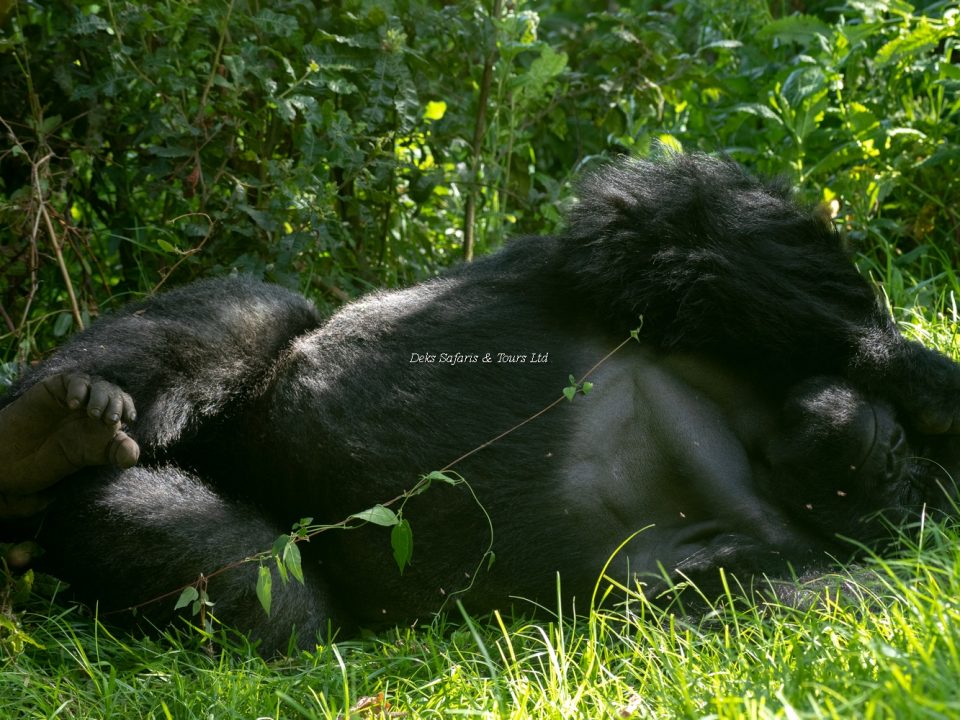
During these four hours, you experience mountain gorillas in a more natural and exploratory setting. The animals may move through the forest, feed on fresh vegetation, rest beneath the trees, groom one another or interact with different family members. You may also witness playful behaviour among younger gorillas, maternal care and interactions between dominant silverbacks and other members of the group.
Unlike a traditional one-hour gorilla encounter, this longer period creates opportunities to appreciate subtle behaviours and individual characteristics. For example, visitors can observe how younger gorillas develop social skills, how mothers care for their infants and how adult gorillas maintain relationships within the family.
However, the gorillas determine the natural rhythm of the encounter. Their movements, feeding patterns and behaviour influence the observation experience. Consequently, visitors should remain patient, follow ranger instructions and appreciate every opportunity to observe these remarkable animals.
Does the Four-Hour Period Include the Trek?
No. The four-hour observation allowance does not include the time spent walking through Bwindi Impenetrable National Park. The authorised observation period begins after the team locates the assigned semi-habituated gorilla family and reaches the appropriate viewing position.
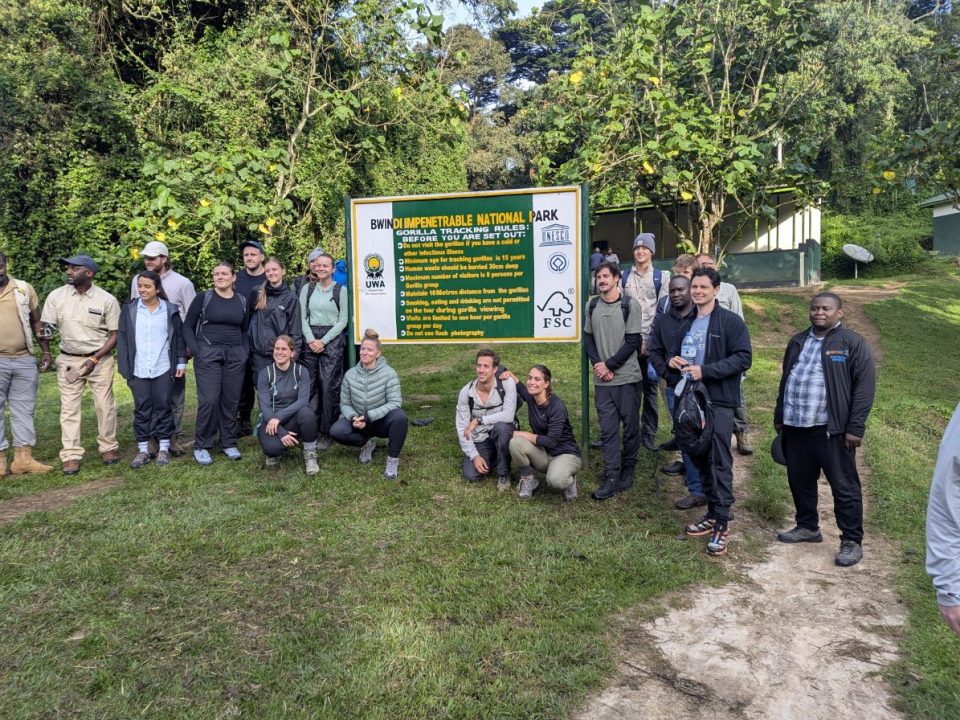
Your complete Gorilla Habituation Safari involves several stages, beginning with the morning briefing at the park headquarters. After registration and preparation, experienced ranger guides lead visitors into the rainforest to meet the trackers and researchers already working with the assigned gorilla family.
The journey through the forest can take several hours, depending on the group’s location, terrain, weather conditions and vegetation. Bwindi’s landscape features steep slopes, thick undergrowth, narrow forest trails and uneven ground. Therefore, visitors should prepare for a physically demanding activity.
Once the team locates the gorillas, the four-hour observation period begins. After completing the authorised encounter, visitors leave the gorilla family under ranger guidance and return to the park headquarters.
As a result, the entire activity can occupy most of the day. Travellers should avoid scheduling other demanding excursions immediately afterwards.
What Happens During the Four Hours with the Gorillas?
Observing Natural Gorilla Behaviour
One of the greatest advantages of the Gorilla Habituation Experience lies in the opportunity to observe mountain gorillas without rushing through the encounter. The extended period allows visitors to appreciate different aspects of gorilla behaviour as the family moves through its natural habitat.
Feeding provides an interesting starting point. Mountain gorillas spend considerable time consuming leaves, shoots, stems, fruits and other vegetation available in the forest. Watching their feeding routines offers insights into their diet and the importance of Bwindi’s rainforest ecosystem.
Grooming also provides fascinating observations. Family members sometimes groom one another, helping maintain social relationships and strengthen bonds. Meanwhile, younger gorillas may play, climb vegetation, explore their surroundings and interact with other members.
The dominant silverback often plays an important role in family organisation and protection. Visitors may observe his interactions with females, juveniles and other group members. Although every encounter differs, the additional time increases the opportunities to witness these natural behaviours.
Understanding Gorilla Family Relationships
The Gorilla Habituation Adventure offers more than wildlife photography. It creates opportunities to understand the complex social organisation of mountain gorillas.
A typical mountain gorilla family may include a dominant silverback, adult females, juveniles and infants. Each member contributes to the group’s social structure, while the silverback generally provides leadership and protection.
During the observation period, visitors may notice how younger gorillas interact with their mothers, how family members respond to one another and how the group moves together through the forest.
These observations help travellers appreciate the intelligence, social awareness and family bonds of mountain gorillas. Furthermore, the presence of researchers and trackers provides valuable conservation context, connecting the visitor experience with the long-term protection of the species.
How Is Gorilla Habituation Different from Ordinary Gorilla Trekking?
Four Hours Versus One Hour
The most significant difference between conventional gorilla trekking and the Gorilla Habituation Experience is the authorised time visitors spend with the gorillas.
| Experience | Time with Gorillas |
| Conventional gorilla trekking | Up to 1 hour |
| Gorilla Habituation Experience | Up to 4 hours |
Conventional trekking involves visiting a fully habituated mountain gorilla family. These families have completed the habituation process and can receive visitors under established wildlife tourism regulations.
By contrast, Uganda Gorilla Habituation introduces visitors to a semi-habituated family that continues to undergo a gradual familiarisation process. The extended encounter allows visitors to observe the conservation work associated with this process.
Both experiences offer exceptional wildlife encounters. Nevertheless, travellers seeking a longer and more immersive gorilla experience often find the four-hour habituation adventure particularly rewarding.
A More Immersive Conservation Experience
Another important distinction involves the conservation activities surrounding the encounter. Gorilla habituation brings visitors closer to the work of trackers, researchers and conservation teams.
These professionals monitor gorilla movements, identify individual animals, observe behavioural changes and contribute to ongoing research. Their daily work supports the gradual process through which gorillas become comfortable with carefully controlled human presence.
Visitors gain a better appreciation of the time, patience and expertise required to prepare a wild gorilla family for responsible tourism. Therefore, the Gorilla Habituation Experience combines wildlife observation with valuable conservation education.
Making the Most of Your Four Hours with the Gorillas
Photography and Wildlife Observation
For photographers, the four-hour encounter provides valuable opportunities to capture different gorilla behaviours. Instead of concentrating on a few photographs within a short observation window, visitors have more time to study the animals and identify suitable photographic moments.
You may capture images of a silverback resting among vegetation, a mother caring for her infant or juveniles playing within the family. Changing forest light and dense vegetation create interesting photographic conditions throughout the encounter.
However, visitors should use suitable camera equipment and avoid disturbing the animals. Flash photography is not permitted, and all photography must follow ranger instructions and applicable wildlife regulations.
Learning from Rangers and Researchers
The presence of experienced trackers and conservation professionals adds another dimension to the experience. Their knowledge helps visitors understand gorilla identification, family dynamics, forest ecology and conservation challenges.
Take advantage of appropriate opportunities to learn about the gorilla habituation process, provided questions do not interrupt the work or disturb the animals.
The experience becomes considerably more meaningful when visitors understand the conservation purpose behind their encounter.
Respecting Gorilla Welfare
The welfare of mountain gorillas always takes priority over photography and visitor preferences. Rangers control the encounter and determine how visitors approach, observe and interact with the assigned family.
Visitors must maintain the required distance, avoid sudden movements, remain quiet and follow instructions throughout the observation period. Anyone feeling unwell should inform the authorities before participating because mountain gorillas remain vulnerable to human respiratory infections.
Responsible behaviour helps protect the animals and supports the sustainability of Uganda’s gorilla tourism industry.
Where Does the Gorilla Habituation Experience Take Place in Uganda?
Bwindi Impenetrable National Park
Bwindi Impenetrable National Park in southwestern Uganda provides the setting for the country’s Gorilla Habituation Experience. This UNESCO World Heritage Site protects an extraordinary montane and lowland rainforest ecosystem, supporting mountain gorillas alongside numerous other wildlife and plant species.
The habituation activity takes place in the Rushaga sector, located in the southern part of Bwindi. Rushaga offers access to mountain gorilla families undergoing habituation, making it an important destination for travellers interested in this specialised conservation experience.
The surrounding landscape features forested hills, agricultural communities, scenic valleys and traditional settlements. Visitors can combine their Gorilla Habituation Safari with other regional experiences, including nature walks, community visits and cultural encounters.
Why Stay Near the Rushaga Sector?
Choosing accommodation near the Rushaga trekking headquarters makes an important difference to your safari arrangements. A nearby lodge reduces early-morning driving and allows visitors to reach the briefing point comfortably.
Several accommodation establishments serve travellers visiting this part of Bwindi, ranging from comfortable mid-range properties to luxury forest retreats. Deks Africa Safaris & Tours Ltd can help visitors select suitable accommodation according to their budget, preferred comfort level and travel arrangements.
Staying in the Rushaga area also creates opportunities to explore local communities and appreciate the cultural heritage of southwestern Uganda.
Cultural Experiences Around Rushaga and Bwindi
Batwa Cultural Experiences
A visit to a Batwa community offers valuable insights into the cultural heritage of one of the region’s historically forest-dwelling communities. The Batwa have a long-standing connection with the forests surrounding Bwindi and neighbouring protected areas.
Through responsible community-led cultural activities, visitors can learn about traditional forest knowledge, storytelling, music, dance and aspects of historical daily life.
These experiences provide a deeper understanding of the relationship between local communities, forest conservation and changing livelihoods. Visitors should choose activities organised with community participation and ensure that their visits support local guides and cultural initiatives.
Bakiga Cultural Encounters
The Bakiga communities of southwestern Uganda also contribute to the cultural richness of the Bwindi region. Visitors can experience traditional music, energetic dances, local food and community hospitality.
Depending on the available activities and accommodation location, travellers may arrange village visits, cultural performances or interactions with local craft producers.
Traditional dishes offer another interesting dimension of the experience. Local meals may include matooke, sweet potatoes, beans, groundnut sauce and other regional specialities.
Combining gorilla habituation with cultural experiences creates a more complete journey, connecting Uganda’s wildlife heritage with the people and traditions of the surrounding communities.
How Should You Prepare for the Gorilla Habituation Experience in Uganda?
Physical Preparation and Suitable Clothing
A Gorilla Habituation Adventure requires reasonable physical fitness because the forest terrain can be challenging. Visitors should prepare for extended walking, steep slopes, muddy trails and uneven ground.
Regular walking, hiking and light cardiovascular exercise before travelling can improve comfort during the activity.
Appropriate clothing includes long trousers, long-sleeved shirts, waterproof hiking boots, gardening gloves and a lightweight waterproof jacket. Thick vegetation and unpredictable rainforest weather make suitable protection particularly important.
Visitors should also carry drinking water, snacks, a small backpack and essential personal items. A walking stick can provide additional stability on steep or slippery sections.
Choosing the Right Photography Equipment
A camera with a suitable zoom lens can help visitors photograph gorillas while maintaining the required viewing distance. Extra batteries, memory cards and protective equipment for wet weather can also prove useful.
Smartphone photography remains an option, although forest conditions and limited natural light may affect image quality.
Regardless of equipment, visitors must prioritise responsible observation and follow the instructions of their ranger guides.
When Is the Best Time for Gorilla Habituation Experience in Uganda?
Bwindi Impenetrable National Park welcomes visitors throughout the year. However, the relatively drier periods generally offer more favourable hiking conditions.
June to September and December to February often provide popular travel windows for gorilla trekking and habituation activities. During these months, trails may experience less rainfall, although weather conditions can change at any time.
The wetter periods, particularly March to May and October to November, can bring heavier rainfall and muddy forest trails. Nevertheless, these months offer lush vegetation and excellent opportunities to experience Bwindi’s rainforest environment.
Importantly, gorilla habituation does not depend on a particular season. Travellers can plan their adventure according to permit availability, personal schedules and preferred travel conditions.
Uganda Gorilla Trekking Safari
Gorilla Habituation Experience Permits in Uganda and Booking Arrangements
The Gorilla Habituation Experience requires a special permit issued by the Uganda Wildlife Authority. Permit availability remains limited, making advance arrangements essential, particularly during busy travel periods.
The permit covers participation in the authorised habituation activity and the extended observation period with the assigned gorilla family. Visitors should confirm the latest permit fees, eligibility requirements and booking conditions before making travel arrangements.
At Deks Africa Safaris & Tours Ltd, we help travellers organise their Gorilla Habituation Safari, including permit arrangements, accommodation, transportation, professional guiding and additional activities.
Advance planning also allows visitors to coordinate international flights, arrival accommodation and transfers to southwestern Uganda without unnecessary pressure.
Why Choose Deks Africa Safaris & Tours Ltd for Your Gorilla Habituation Safari?
A successful Gorilla Habituation Adventure requires careful coordination, reliable information and an understanding of Uganda’s wildlife tourism destinations.
Deks Africa Safaris & Tours Ltd helps international travellers plan meaningful safari experiences through practical travel advice, suitable accommodation arrangements and well-organised ground transportation.
Our approach focuses on responsible tourism, visitor comfort and respect for Uganda’s natural heritage. From the initial permit arrangements to the final return journey, we help guests understand what to expect and prepare for the different stages of their adventure.
Whether you prefer a dedicated Gorilla Habituation Experience or a longer Uganda safari combining gorillas, chimpanzees, wildlife viewing and cultural activities, our team can develop an itinerary that reflects your interests, available time and travel budget.
Is Four Hours with the Gorillas Worth It?
Spending up to four hours with mountain gorillas creates an exceptional opportunity to appreciate their behaviour, family relationships and natural rainforest environment. The extended observation period distinguishes the Gorilla Habituation Experience from conventional gorilla trekking and provides a deeper understanding of Uganda’s mountain gorilla conservation efforts.
Although the forest trek can require several hours, the authorised observation period begins only after the team locates the assigned family. Consequently, visitors should reserve most of the day for this activity and prepare for changing terrain and weather conditions.
Beyond the gorilla encounter, the Rushaga region offers rewarding cultural experiences, beautiful landscapes and opportunities to connect with local communities.
For travellers seeking a more immersive wildlife adventure, the Gorilla Habituation Experience in Uganda delivers an unforgettable combination of conservation, education and responsible tourism.
Plan your Gorilla Habituation Safari in Uganda with Deks Africa Safaris & Tours Ltd and discover the extraordinary world of mountain gorillas in Bwindi Impenetrable National Park.
Related Africa Safaris & Tour Holidays
- 30-Day African Overland Experiential Safari
- 27 Days Uganda Rwanda Kenya Tanzania Safari
- 20 Days East Africa Safari Experience
- 20-Day Uganda Birding Excursion Safari
- 20-Day Uganda–Rwanda Birding Excursion Safari
- 19 Days Tanzania Uganda Safari
- 19 Days Signature East Africa Luxury Safari Expedition
- 19 Days Kenya Tanzania and Uganda Safari Holiday
- 18 Days Tanzania and Uganda Safari
- 18 Days Tanzania and Uganda Safari Experience
- 19 Days Kenya Tanzania and Uganda Safari Holiday
- 22 Days Africa Safari of a Lifetime Experience
- 22 Days Uganda Kenya Victoria Falls and Botswana Safari Experience
- 23 Days Africa Safari of a Lifetime
- 19 Days Uganda Kenya and Diani Beach Safari
- 17 Days Zimbabwe–Botswana–Tanzania–Uganda Safari
- 23 Days Uganda Rwanda Burundi Tanzania and Mozambique Tour
- 21 Days East Africa Wildlife Tour & Zanzibar Safari
- 20 Days Namibia–Uganda Safari Experience
- 20 Days Uganda, Tanzania, and Mafia Island Beach Safari
- 20-Day Rwanda Tanzania Zanzibar Safari Experience
- 18-Day Rwanda Gorilla Trekking and Kenya Safari
- 22 Days Africa Wildlife Safari Experience
- 30 Days Best of East Africa Safari Experience
- 21 Days Africa Adventure Safari Holiday