Serengeti Safari in August
August 17, 2026
Serengeti Safari in December
August 17, 2026The Serengeti National Park Great Migration Cycle
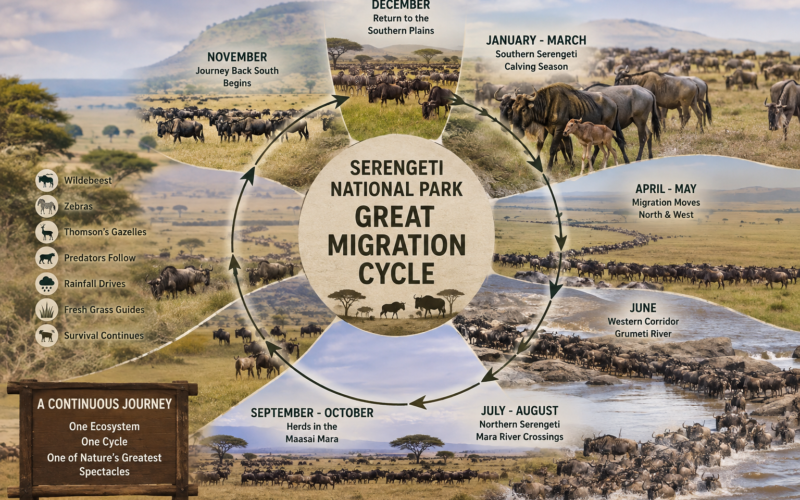
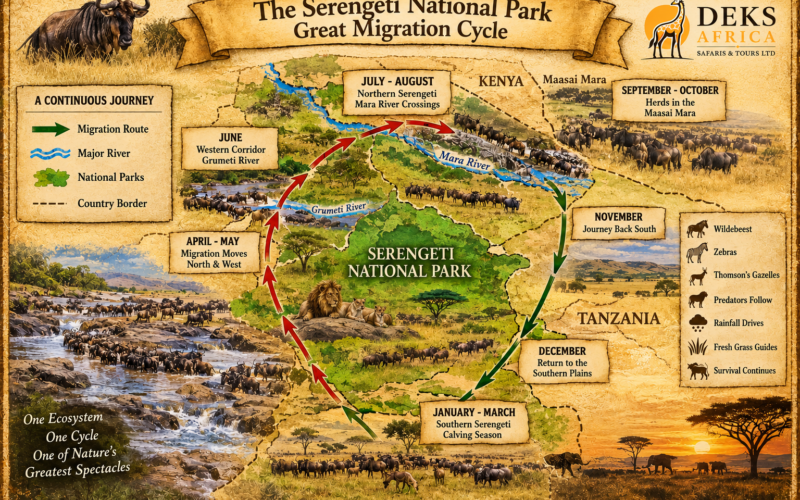
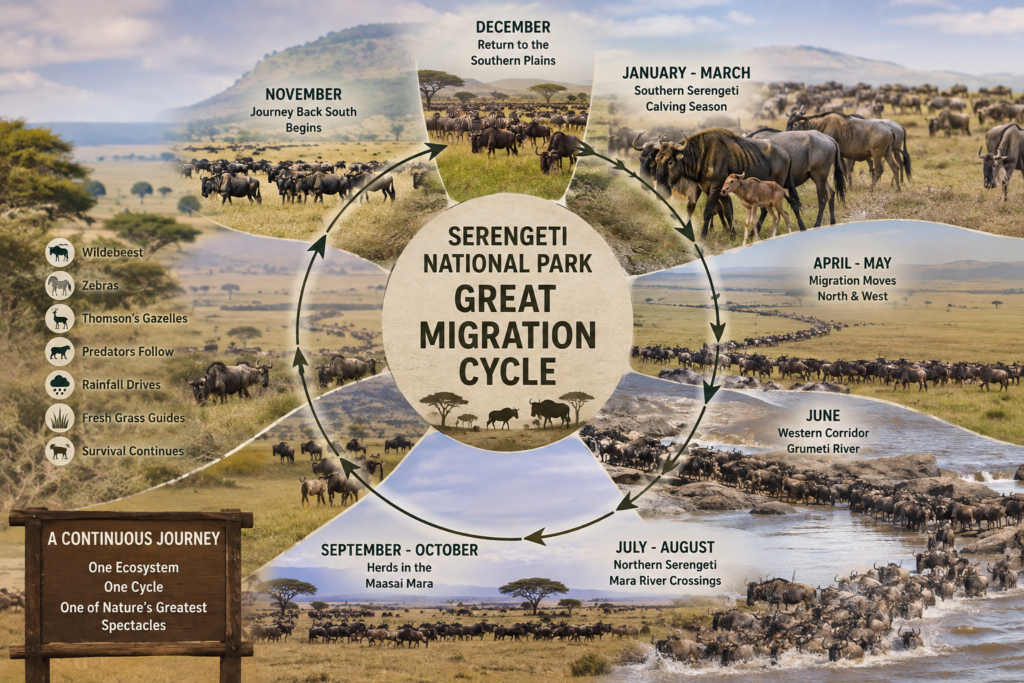
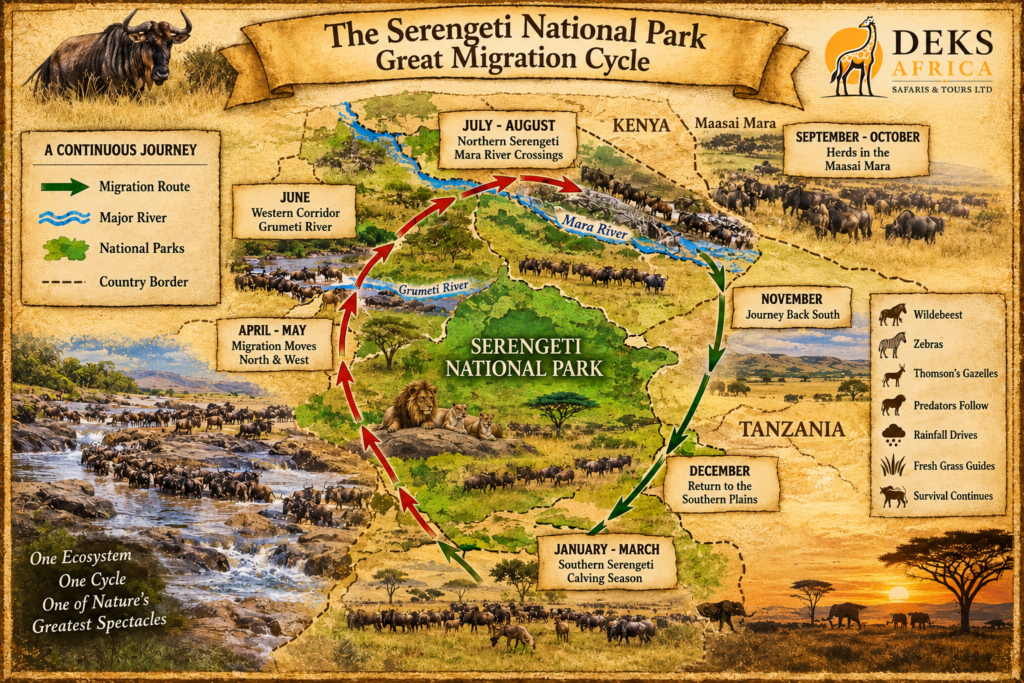
The Serengeti National Park Great Migration Cycle is one of Africa’s greatest wildlife spectacles. Millions of animals move across Tanzania and Kenya each year. Their journey follows rainfall, fresh grass, and available water.
The migration mainly involves wildebeests, zebras, and Thomson’s gazelles. Wildebeests dominate the enormous herds that travel across the ecosystem. Predators follow these movements and create dramatic wildlife encounters.
However, the migration does not follow a fixed timetable. Rainfall patterns influence the movement of the herds. Therefore, travelers should understand the seasonal cycle before planning their safari.
The Serengeti National Park Great Migration Cycle continues throughout the entire year. Animals do not disappear after one famous river crossing. Instead, the herds complete a continuous journey through changing landscapes.
Southern grasslands support calving during the early part of the year. Later, the animals move westward and northward. Eventually, many herds cross into Kenya’s Maasai Mara.
After the rains return, the animals begin moving south again. This remarkable journey completes another stage of the migration cycle.
A Serengeti safari offers travelers opportunities to experience different migration events. Each season provides unique landscapes, wildlife encounters, and photography opportunities.
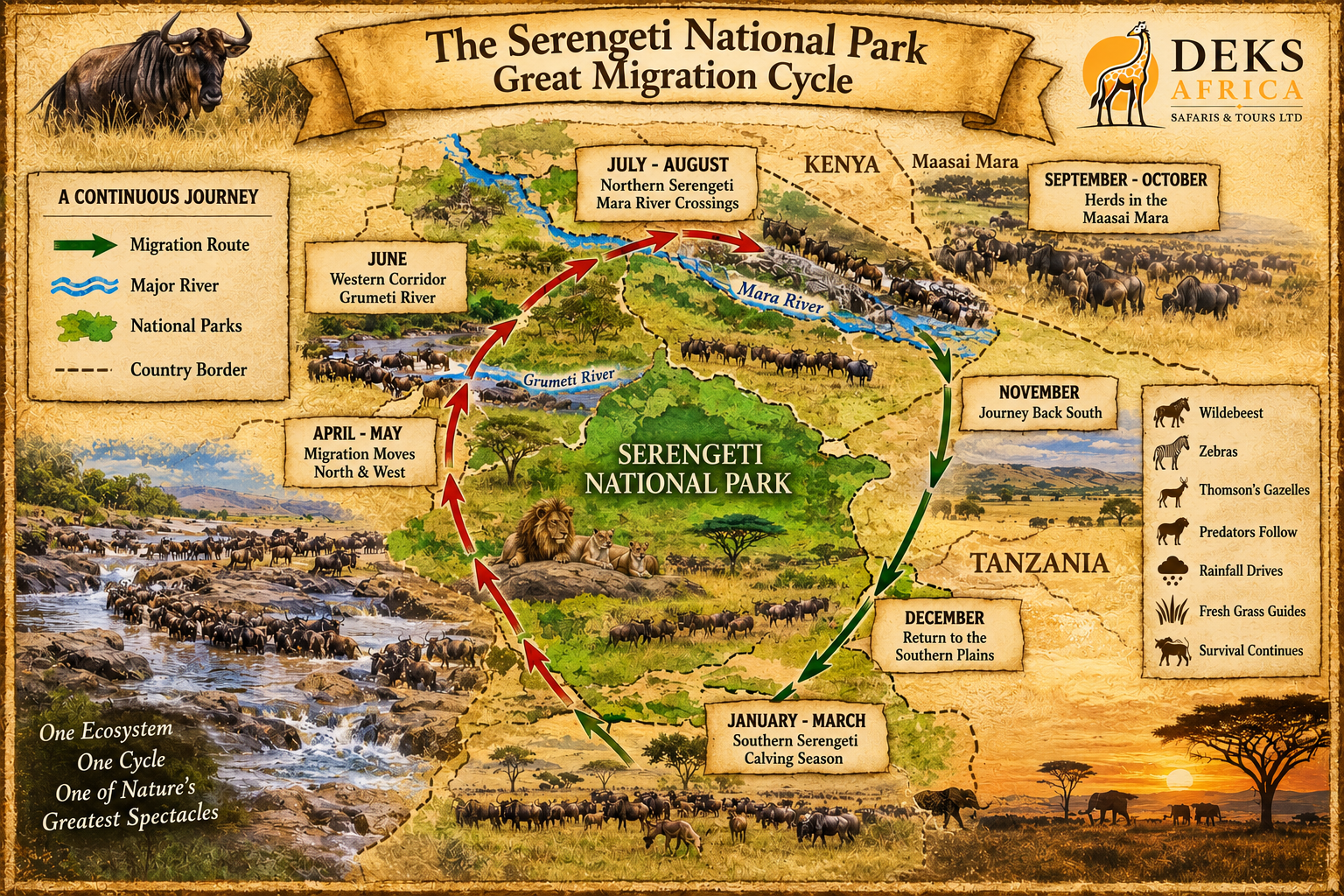
Serengeti Great Migration Cycle
January to March: The Southern Serengeti and Calving Season
The year often begins with large herds across the southern Serengeti plains. The Ngorongoro Conservation Area and Ndutu region also support major concentrations.
Fresh grass grows after seasonal rains and provides nutritious food. Pregnant wildebeests benefit from these rich grazing conditions. Consequently, the southern plains become important nursery areas.
The Serengeti National Park Great Migration Cycle reaches an exciting stage during the calving season. Thousands of wildebeest calves arrive within a relatively short period.
Calving commonly peaks around February, depending on rainfall patterns. Newborn calves quickly learn to stand and follow their mothers. This survival ability remains essential within predator-rich landscapes.
Lions, cheetahs, leopards, and hyenas take advantage of the abundant prey. Therefore, this season provides excellent predator activity and wildlife photography.
The open plains also offer clear views across the landscape. Visitors can often observe large herds stretching toward the horizon.
This period suits travelers seeking dramatic wildlife action and newborn animals. Moreover, the lush green scenery creates beautiful photography conditions.
April and May: The Migration Moves North and West
As grazing conditions change, the herds begin leaving the southern plains. Large groups gradually move toward the central and western Serengeti.
Rain may continue during parts of this period. Therefore, some safari roads can become more challenging. Nevertheless, the changing landscape creates a beautiful and rewarding experience.
The Serengeti National Park Great Migration Cycle becomes increasingly active during these months. Wildebeests form long lines as they travel across the plains.
The sight of thousands of animals moving together remains unforgettable. Zebras often travel alongside wildebeests and contribute to the migration’s diversity.
Central Serengeti areas can provide excellent wildlife viewing during this transition. Predators remain active because the migrating herds provide abundant prey.
Later, many animals continue toward the Western Corridor. The journey becomes more demanding as rivers and changing landscapes influence movement.
Travelers who enjoy dramatic landscapes and massive moving herds may appreciate this period. Furthermore, the lower visitor numbers can create a quieter safari atmosphere.
June: The Western Corridor and Grumeti River
June often marks an important stage within the Serengeti National Park Great Migration Cycle. Many herds move toward the Western Corridor and surrounding areas.
The Grumeti River creates one of the migration’s most challenging obstacles. Wildebeests may gather near the river before attempting crossings.
Nile crocodiles inhabit sections of the river and wait for potential opportunities. However, crossings remain unpredictable and depend on herd movements.
Some animals cross quickly, while others gather along the banks. The tension can create unforgettable moments for safari travelers.
Predators also remain active throughout the Western Corridor. Lions, leopards, and other carnivores benefit from the movement of prey.
June can offer excellent conditions for travelers seeking river-crossing experiences. Nevertheless, no safari operator can guarantee a crossing on a specific day.
The migration follows nature rather than a tourism schedule. Flexibility therefore remains important when planning a Serengeti wildlife safari.
July to August: Northern Serengeti and Mara River Crossings
The northern Serengeti becomes the focus for many travelers during July and August. Large herds move toward the Mara River and the Kenyan border.
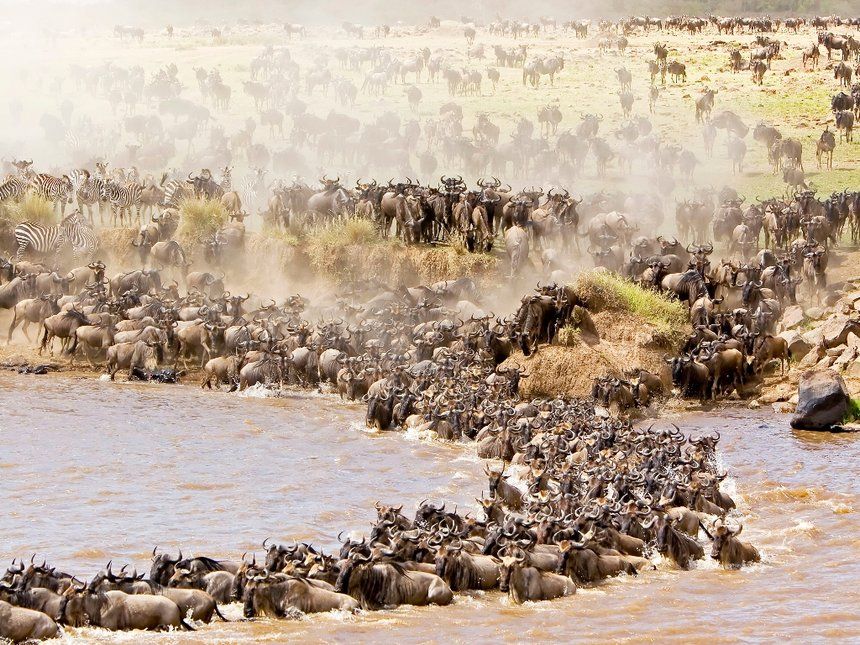
This period can produce some of the most dramatic scenes of the Serengeti National Park Great Migration Cycle. Wildebeests gather in large numbers near riverbanks.
The animals may wait for hours or even days before crossing. Suddenly, one group can begin moving, and thousands may follow.
Strong currents and steep riverbanks create dangerous conditions. Crocodiles also occupy sections of the Mara River.
Despite these dangers, the herds continue their journey toward fresh grazing areas. The survival instinct drives the migration forward.
Northern Serengeti safaris offer excellent opportunities for travelers seeking iconic river-crossing photography. However, patience remains essential because crossings follow natural conditions.
This period also attracts many visitors. Early planning can help secure suitable safari camps and accommodation.
September to October: The Herds Reach the Maasai Mara
During September and October, many migrating animals move between northern Serengeti and Kenya’s Maasai Mara. The exact location depends on rainfall and available grazing.
The migration does not recognize national borders. Wildebeests move through the wider Serengeti-Mara ecosystem in search of resources.
A Serengeti National Park Great Migration Cycle safari can still offer excellent wildlife viewing during this period. Some herds remain within Tanzania while others explore Kenya.
The Maasai Mara supports rich grasslands and large wildlife populations. Predators remain active around the migrating herds.
Visitors can witness lions hunting, cheetahs scanning the plains, and hyenas searching for opportunities. Elephants, giraffes, and other resident wildlife also enrich the safari experience.
This period suits travelers planning combined Tanzania and Kenya safaris. A carefully designed itinerary can follow wildlife across the broader ecosystem.
Moreover, visitors can enjoy diverse landscapes and cultural experiences around safari destinations.
November: The Journey Back South Begins
Seasonal rains can trigger another important movement within the Serengeti National Park Great Migration Cycle. Fresh grass begins growing across parts of the eastern and southern Serengeti.
The herds gradually begin moving southward. This journey can happen quickly when rainfall creates new grazing opportunities.
Large groups may travel across the eastern plains toward the central Serengeti. Wildlife movement can vary significantly from one year to another.
November therefore rewards flexible travelers who enjoy following nature. Guides monitor recent animal movements and adapt safari activities accordingly.
The landscape can also become greener and more colorful after rainfall. Birdlife becomes increasingly interesting, and the scenery changes dramatically.
This period offers a different perspective on the migration. Instead of dramatic river crossings, visitors may witness vast herds traveling across open landscapes.
December: Return to the Southern Plains
By December, many migrating animals continue toward the southern Serengeti. The herds follow fresh grazing and prepare for another important stage.
The Serengeti National Park Great Migration Cycle begins approaching the calving season again. Pregnant wildebeests search for suitable grazing areas.
Southern plains become increasingly important as the cycle continues. The animals benefit from the short, nutritious grasses that develop after rainfall.
Travelers visiting during this period can experience large herds and beautiful green scenery. Wildlife viewing also includes resident animals throughout the Serengeti.
December creates an excellent opportunity for festive safari travel. Families, couples, and wildlife enthusiasts can combine holiday experiences with African adventures.
However, migration locations may differ according to rainfall. Therefore, travelers should choose flexible itineraries and knowledgeable safari planners.
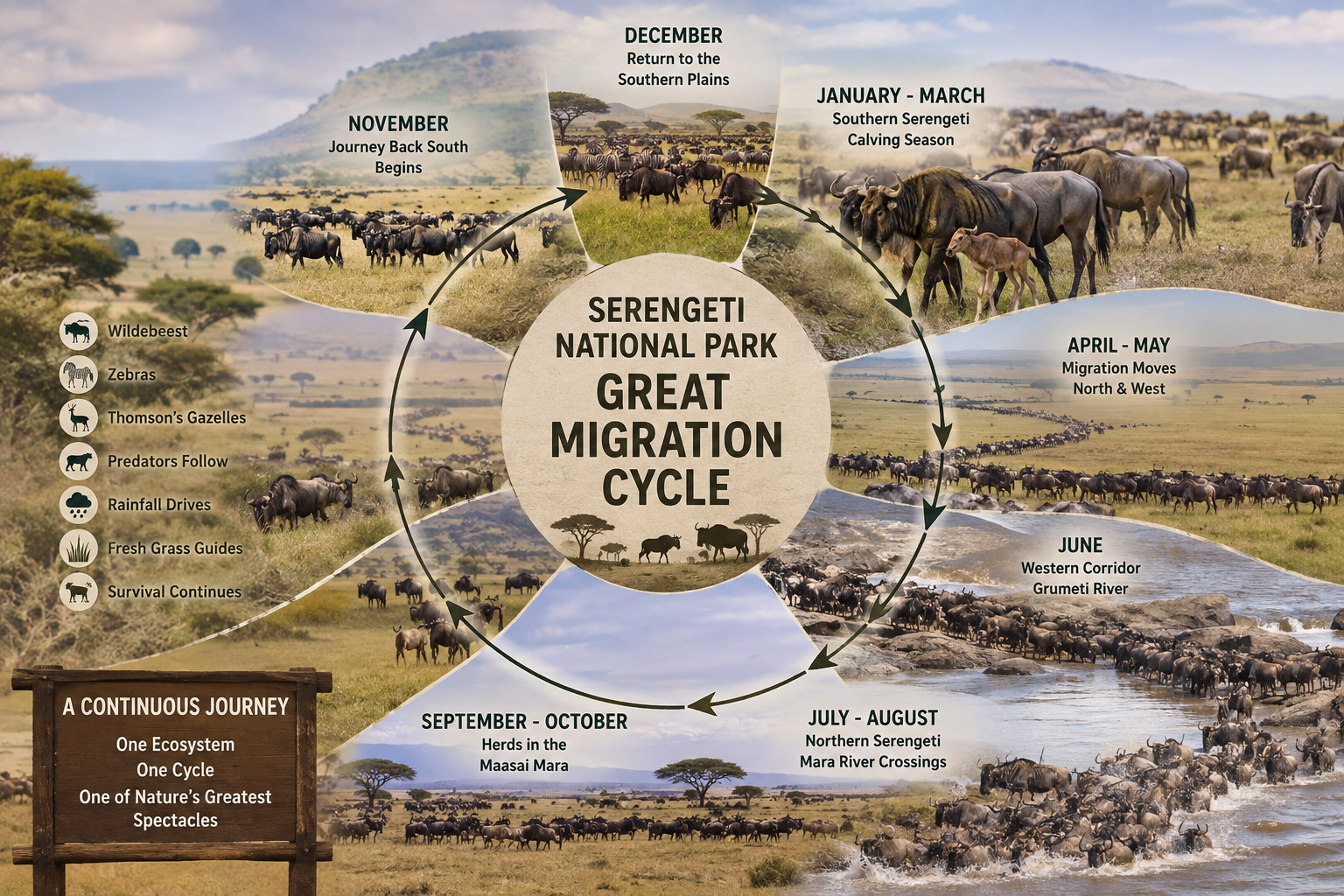
Tanzania Wildlife Safaris
The Great Migration Is a Continuous Journey
The Serengeti National Park Great Migration Cycle does not begin and end with river crossings. It represents a continuous movement across a vast ecosystem.
Every stage serves an important ecological purpose. Animals search for fresh grass, water, and suitable conditions for survival.
The southern plains support calving and early growth. Central and western areas provide important movement routes. Northern regions connect the Serengeti with the Maasai Mara ecosystem.
Predators also depend on these movements. Lions, cheetahs, leopards, hyenas, and crocodiles interact with migrating animals throughout the year.
This relationship creates one of the world’s most remarkable natural systems. Every season tells a different part of the same story.
Therefore, travelers should choose their safari according to their preferred experience. Some visitors want newborn animals and predator action. Others dream of witnessing dramatic river crossings.
Wildlife Beyond the Migration
A Serengeti safari offers much more than migrating wildebeests. The park supports an extraordinary variety of resident wildlife throughout the year.
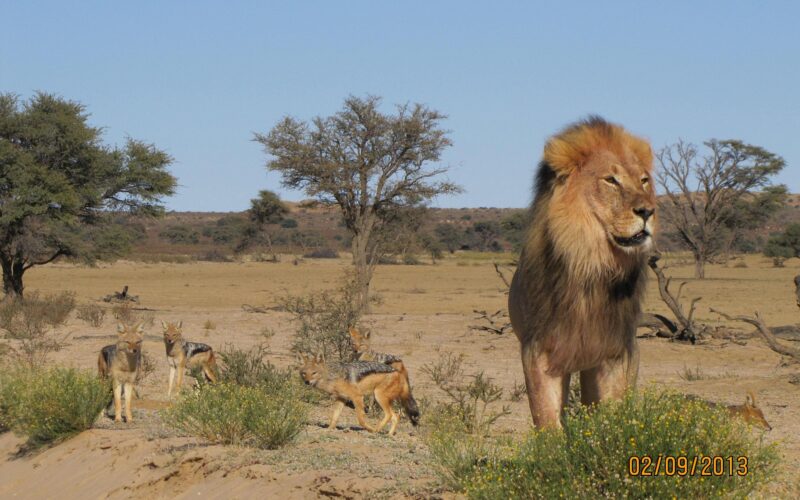
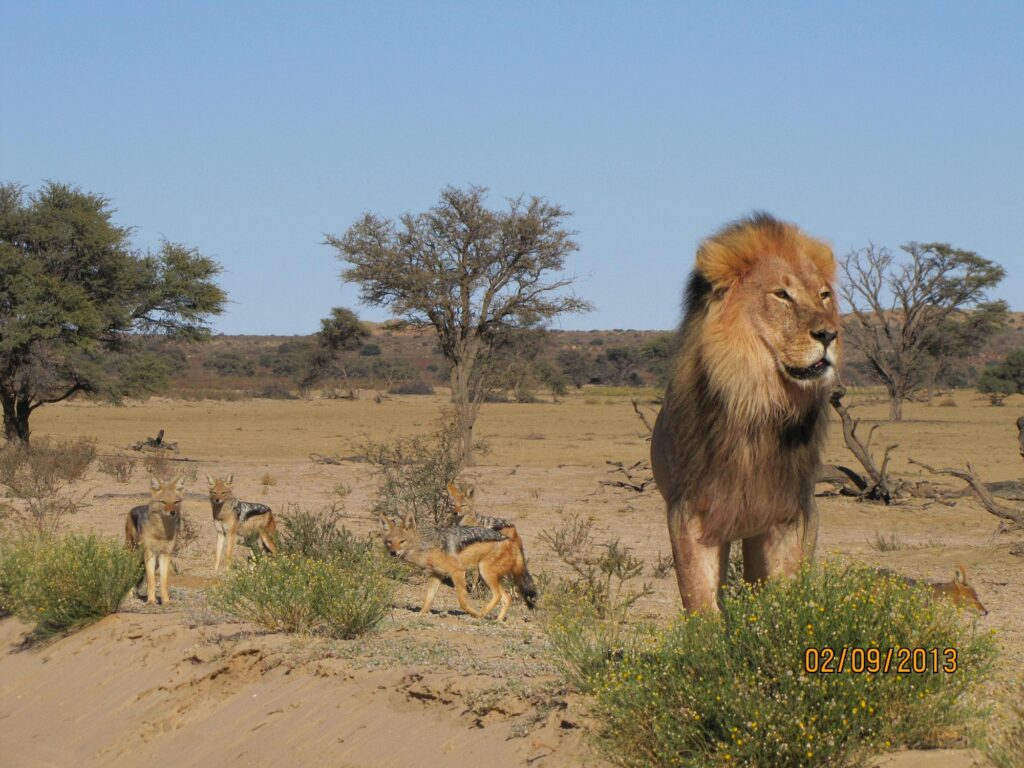
Lions live across many parts of the Serengeti. The open plains provide excellent opportunities for wildlife viewing and photography.
Cheetahs hunt across suitable grassland areas. Leopards often use trees and riverine habitats for shelter and observation.
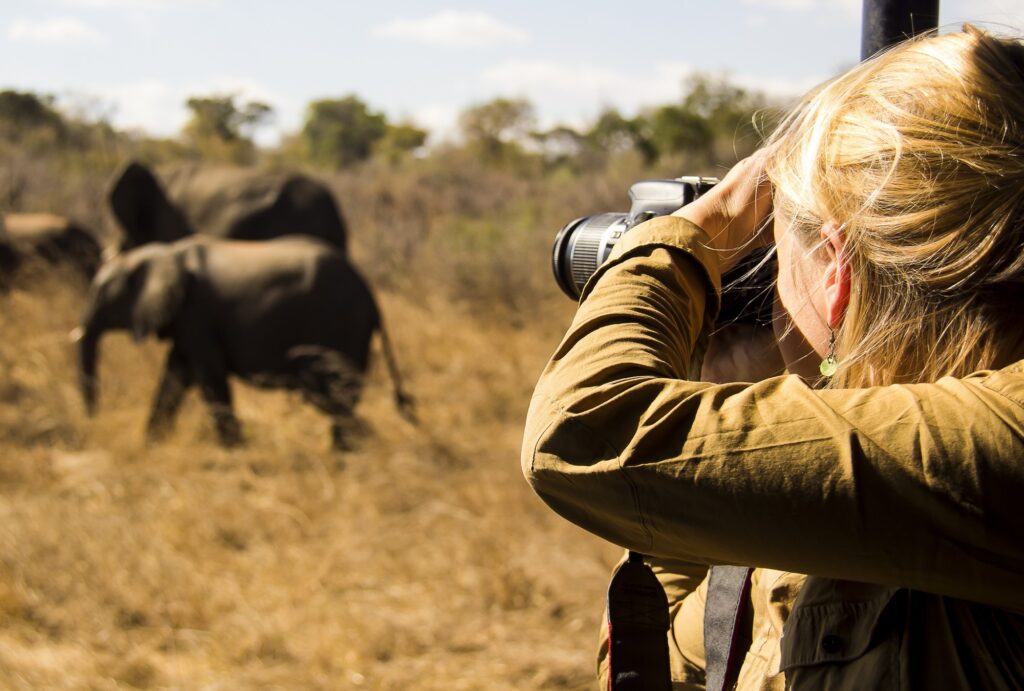
Elephants move through woodlands and open landscapes. Buffaloes, giraffes, hippos, and numerous antelope species also enrich the experience.
Birdwatchers can enjoy a diverse range of species throughout the ecosystem. Eagles, vultures, ostriches, storks, and colorful smaller birds add variety.
Therefore, the Serengeti National Park Great Migration Cycle should form part of a broader wildlife experience. Even when migration herds move elsewhere, the park remains an exceptional safari destination.
Cultural Experiences Around the Serengeti
A Serengeti safari can also introduce travelers to Tanzania’s rich cultural heritage. Cultural experiences add depth to a wildlife-focused journey.
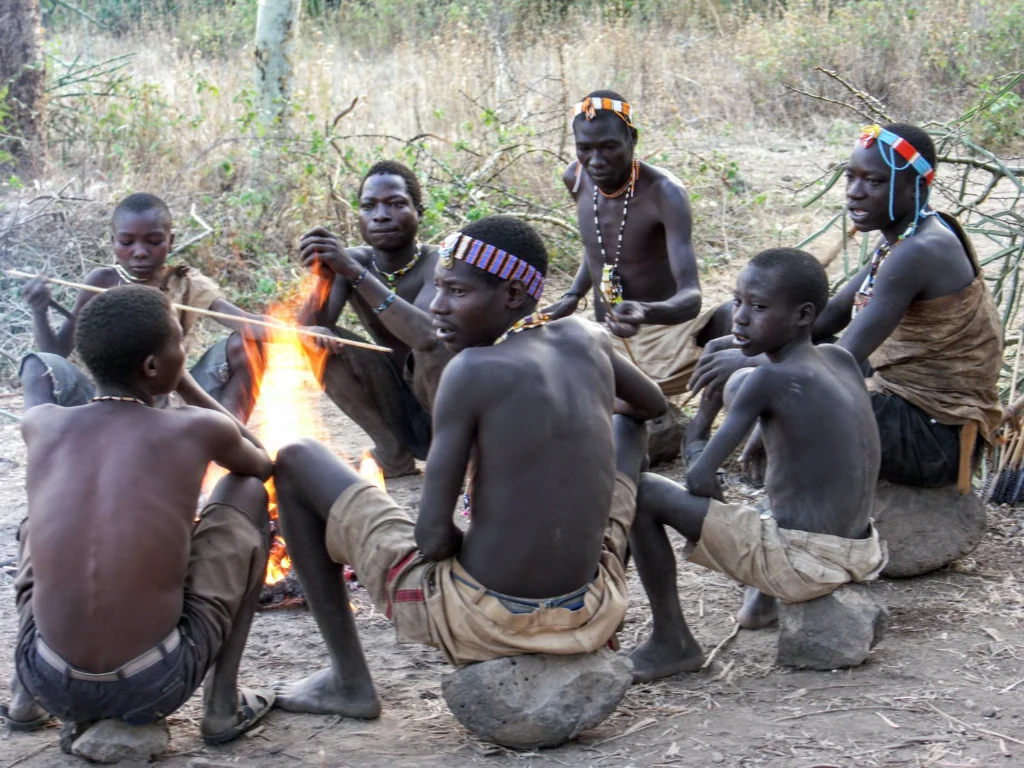
Visitors can explore Maasai communities through respectful and organized cultural programs. These experiences may include traditional dances, crafts, clothing, and local customs.
Travelers can learn about pastoral lifestyles and the connection between people and the surrounding landscapes. However, responsible tourism should always respect community privacy and traditions.
Local markets and craft centers can also provide opportunities to support artisans. Visitors may purchase handmade products and learn about traditional skills.
Food experiences introduce travelers to Tanzanian flavors and ingredients. Local dishes can become an enjoyable part of the safari journey.
Deks Africa Safaris and Travels Ltd encourages meaningful cultural experiences. Responsible travel should benefit communities and create respectful connections.
Best Time to Experience the Great Migration
The best time depends on the migration experience you want. January through March generally suits travelers interested in calving and predator activity.
April and May can offer dramatic herd movements toward central and western Serengeti. June may provide opportunities around the Grumeti River.
July through October can suit travelers seeking northern Serengeti migration experiences and possible Mara River crossings. However, crossings remain unpredictable.
November and December can provide exciting southward movements as rains influence fresh grazing. The cycle then returns toward the southern plains.
A Serengeti National Park Great Migration Cycle safari should therefore focus on flexibility. Rainfall remains the strongest influence on herd movements.
Deks Africa Safaris and Travels Ltd can help travelers design an itinerary around their preferred migration stage.
Safari Inclusions
- Accommodation as per itinerary
- Meals as per itinerary
- Professional safari guide
- Private or shared safari vehicle
- Game drives
- Park entry fees
- Government taxes where applicable
- Drinking water during safari activities
- Airport transfers as scheduled
- Activities listed in the itinerary
Safari Exclusions
- International flights
- Visa fees
- Travel insurance
- Alcoholic drinks
- Tips and gratuities
- Personal expenses
- Optional activities
- Laundry services
- Medical expenses
- Personal shopping
- Items of a personal nature
- Activities not listed in the itinerary
Experience the Serengeti Great Migration with Deks Africa Safaris and Travels Ltd
The Serengeti National Park Great Migration Cycle remains one of the world’s greatest natural journeys. Millions of animals move through changing landscapes in search of life-sustaining resources.
From the southern calving grounds to the northern river crossings, every stage offers a unique adventure. Travelers can witness newborn wildebeests, massive moving herds, hunting predators, and challenging river crossings.
The Serengeti National Park Great Migration Cycle also teaches an important lesson about nature. Wildlife follows rainfall, food, water, and survival instincts. No calendar can control this remarkable journey.
For this reason, every safari offers a different experience. A flexible itinerary and experienced safari planning can help travelers maximize their opportunities.
Deks Africa Safaris and Travels Ltd creates unforgettable journeys across Africa’s leading safari destinations. We combine wildlife knowledge, carefully planned itineraries, cultural experiences, and responsible tourism values.
Plan your Serengeti National Park Great Migration Cycle safari with confidence. Discover the endless plains, follow the great herds, and experience one of Africa’s most extraordinary wildlife adventures.
Proposed East Africa Safari Holidays for the USA Travelers
- 9-Day Rwanda & Tanzania Luxury Wildlife Tour
- 9-Day Rwanda, Uganda & Tanzania Luxury Wildlife Safari
- 9-Day Rwanda Gorilla Trekking & Tanzania Safari
- 9-Day Tanzania Safari & Uganda Gorilla Trekking
- 10-Day Serengeti & Ngorongoro Crater Safari Experience
- 10-Day Tanzania and Rwanda Adventure Safari
- 11-Day Rwanda Uganda Tanzania Safari
- 20 Days Uganda, Tanzania, and Mafia Island Beach Safari
- 18 Days Uganda, Tanzania, and Mafia Island Beach Safari
- 14-Day Rwanda Uganda Tanzania Tour
- 14-Day Rwanda, Kenya, Tanzania & Beach Holiday
- 20-Day Rwanda Tanzania Zanzibar Safari Experience
- 16-Day Tanzania Safari & Rwanda Gorilla Trekking Experience
- 14 Days Kenya-Tanzania-Rwanda-Uganda Safari
- 24 Days Zanzibar-Uganda-Tanzania-Kenya Safari
- 5 Days Serengeti Great Migration Safari
- 6 Days Serengeti Great Migration Safari
- 7 Days Serengeti Great Migration Safari
- 8 Days Serengeti Great Migration Safari