Where Is the Migration in September?
August 21, 2026
4 Days Queen Elizabeth National Park Guided Safari
August 22, 2026Serengeti National Park Safari
Discover Tanzania’s Legendary Wildlife Destination
A Serengeti National Park Safari delivers one of Africa’s greatest wildlife adventures. Vast grasslands stretch beyond the horizon. Wildlife moves freely across an ancient and remarkably diverse ecosystem.
The Serengeti National Park stands at the heart of northern Tanzania’s safari circuit. It attracts travellers seeking lions, leopards, cheetahs, elephants, giraffes, buffaloes, and enormous migration herds.
Moreover, a Serengeti Safari offers much more than wildlife sightings. Every journey reveals changing landscapes, seasonal movements, dramatic predator encounters, and rich cultural experiences.
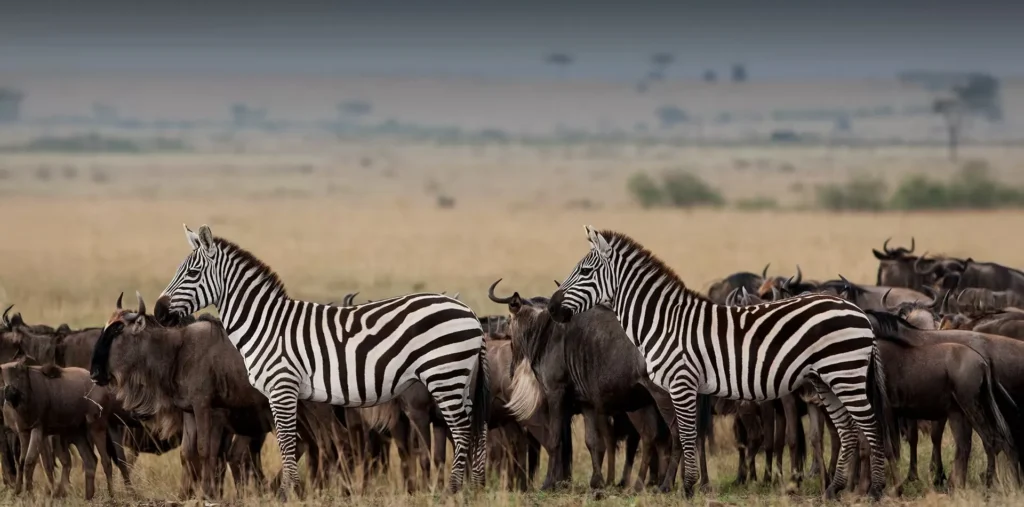
The Great Migration adds another remarkable dimension. Millions of wildebeest, zebras, and gazelles follow seasonal rainfall and fresh grazing. Their movements create one of nature’s greatest continuous wildlife spectacles.
However, the Serengeti remains rewarding throughout the year. Resident wildlife provides excellent game viewing even when migration herds move elsewhere.
Deks Africa Safaris and Tours Ltd creates carefully planned Tanzania Safaris for travellers seeking meaningful and well-organized African adventures. We combine experienced safari planning, suitable accommodation, cultural experiences, and flexible wildlife routes.
Therefore, this detailed guide explores the best regions, seasons, activities, accommodation areas, cultural encounters, and travel considerations. It helps travellers understand what makes a Serengeti National Park Safari truly exceptional.
Serengeti Safari and Bwindi Gorilla Trekking
Why Choose a Serengeti National Park Safari?
Endless Plains and Extraordinary Wildlife
The Serengeti National Park Safari experience begins with its extraordinary landscape. Endless plains, granite kopjes, river valleys, and woodland habitats support an exceptional variety of wildlife.
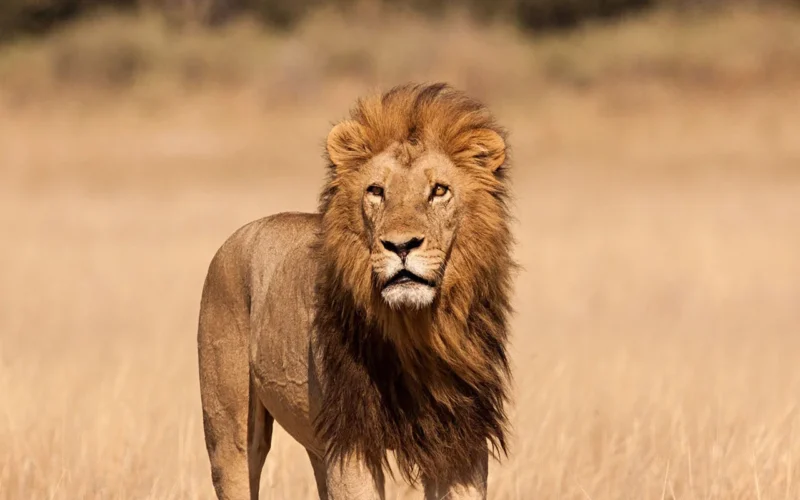
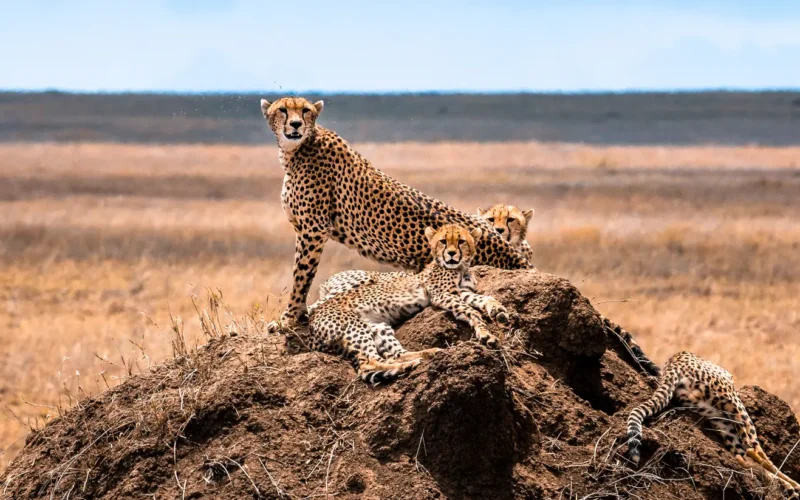
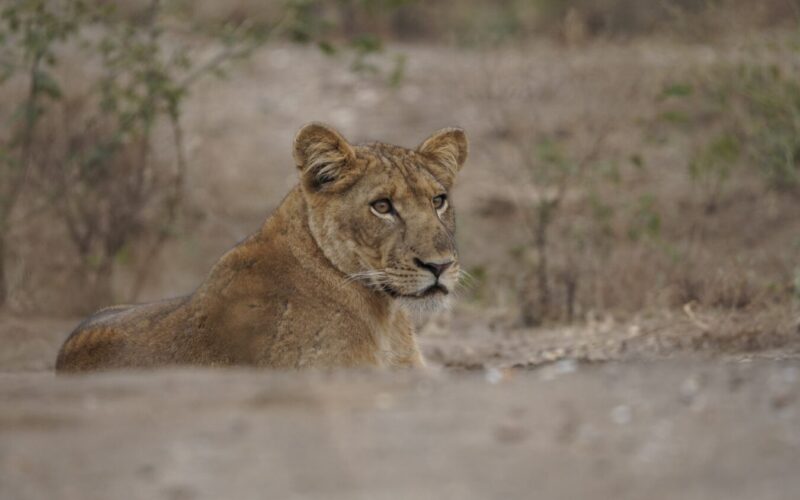
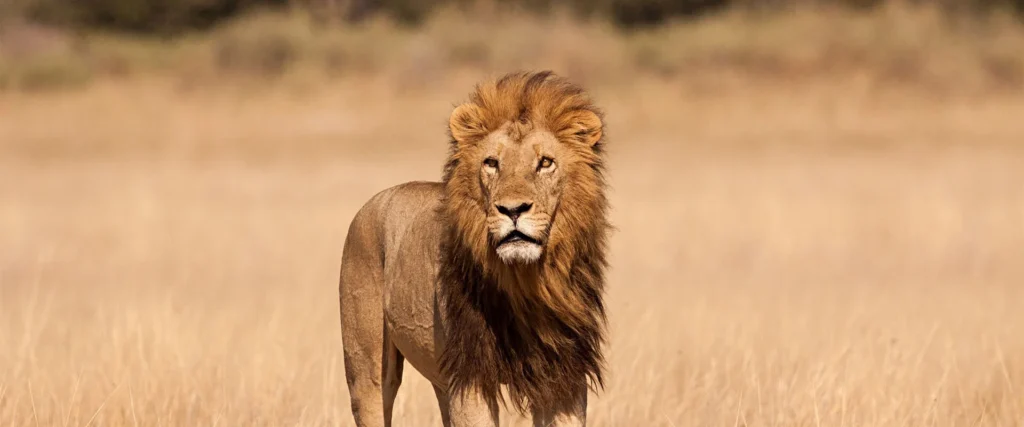
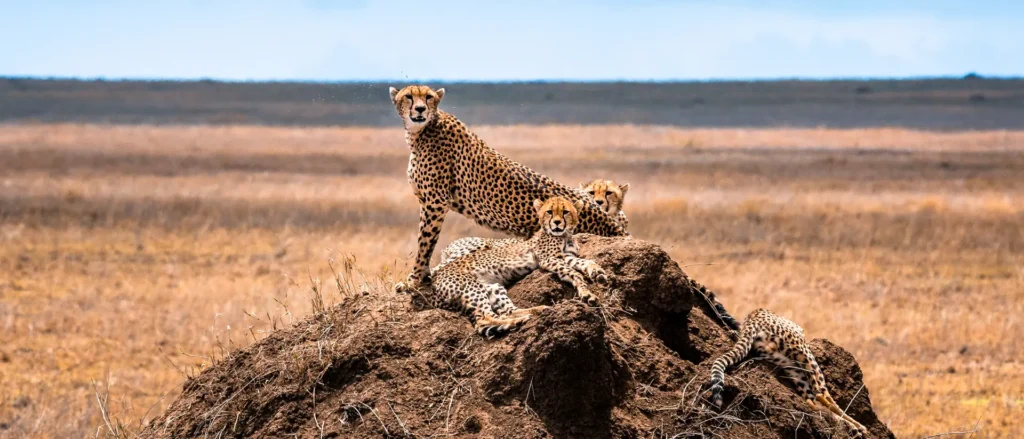
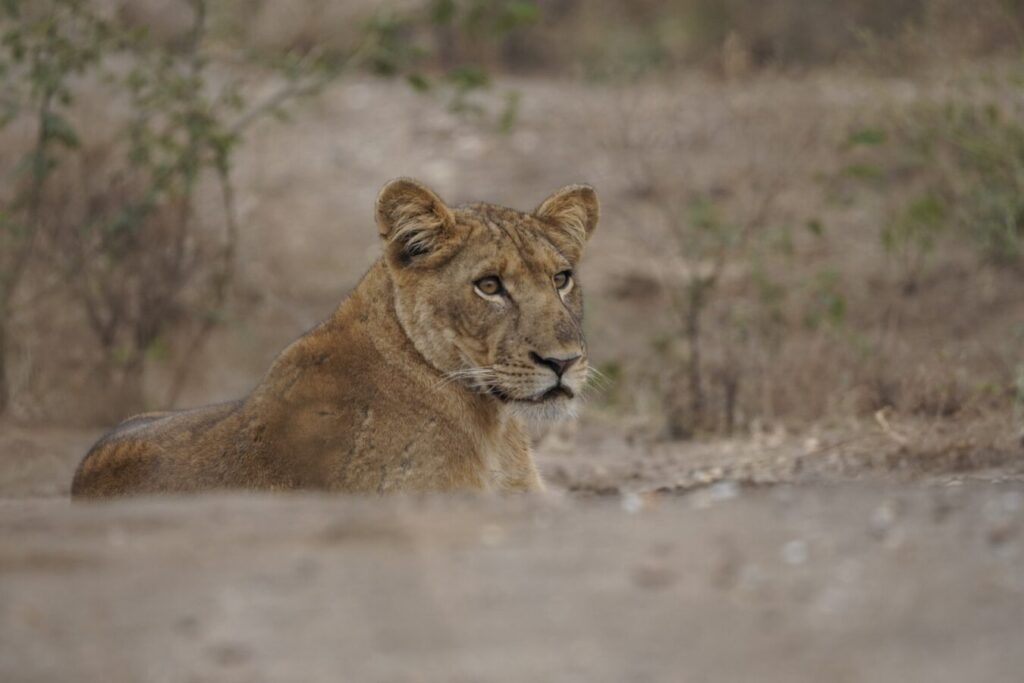
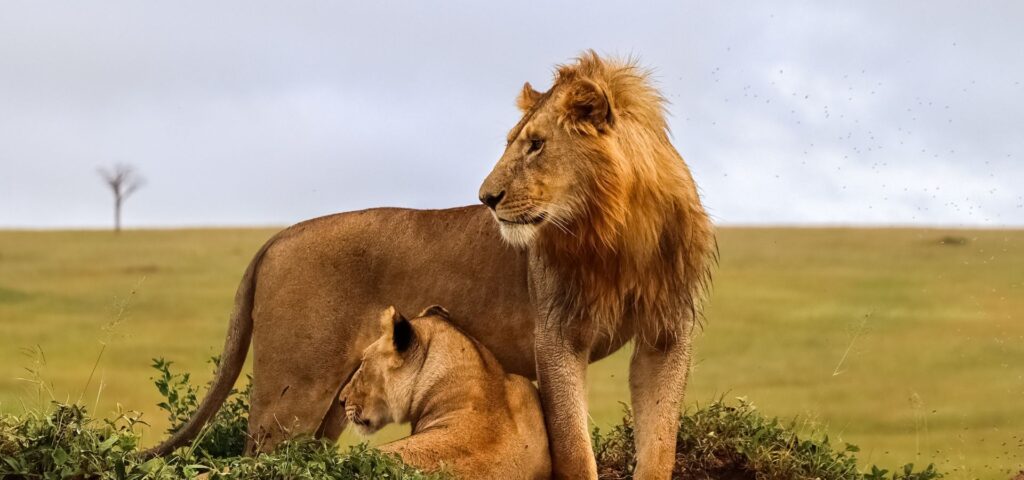
Lions rest beneath trees or observe nearby herds. Cheetahs scan open grasslands for hunting opportunities. Leopards often seek cover among trees and riverine vegetation.
Meanwhile, elephants move through woodland areas and open plains. Buffaloes gather in large groups. Giraffes feed peacefully across acacia-dotted landscapes.
These wildlife encounters make the Serengeti one of Africa’s most important safari destinations. Yet, each game drive remains different.
Morning light can reveal fresh tracks along dusty roads. Afternoon drives may uncover predators resting near kopjes. Evening landscapes often produce dramatic photography opportunities.
Consequently, a Serengeti Safari rewards patience, skilled guiding, and flexible planning. Wildlife follows natural rhythms rather than fixed schedules.
The Park also forms a major part of Tanzania wildlife safaris. It combines perfectly with Ngorongoro, Tarangire, Lake Manyara, and other northern Tanzania destinations.
For many international travellers, the Serengeti represents the classic image of Africa. Nevertheless, the real experience offers far greater depth than photographs can capture.
Understanding the Serengeti National Park
A Vast and Changing Ecosystem
The Serengeti National Park Safari covers an enormous area of northern Tanzania. Its name has become synonymous with open savanna and spectacular wildlife.
However, the ecosystem contains far more than endless grassland. Rivers, woodlands, kopjes, wetlands, and seasonal plains create varied habitats.
Each habitat attracts different animal species. Therefore, your guide adjusts game drives according to wildlife activity, weather, and seasonal conditions.
The central Seronera area provides excellent year-round wildlife viewing. This region supports resident predators and prey throughout many seasons.
Southern areas attract major migration concentrations during the calving period. The western regions become important as herds move toward the Grumeti area.
Later, northern areas gain attention when migration movements approach the Mara River. These patterns help travellers select suitable regions.
Still, nature does not follow an exact calendar. Rainfall, grazing conditions, and wildlife decisions influence the timing and direction of movement.
For this reason, Deks Africa Safaris and Tours Ltd recommends matching travel dates with realistic wildlife expectations. This approach improves planning and creates a more rewarding Serengeti National Park Safari.
The Great Wildlife Migration
Africa’s Greatest Natural Journey
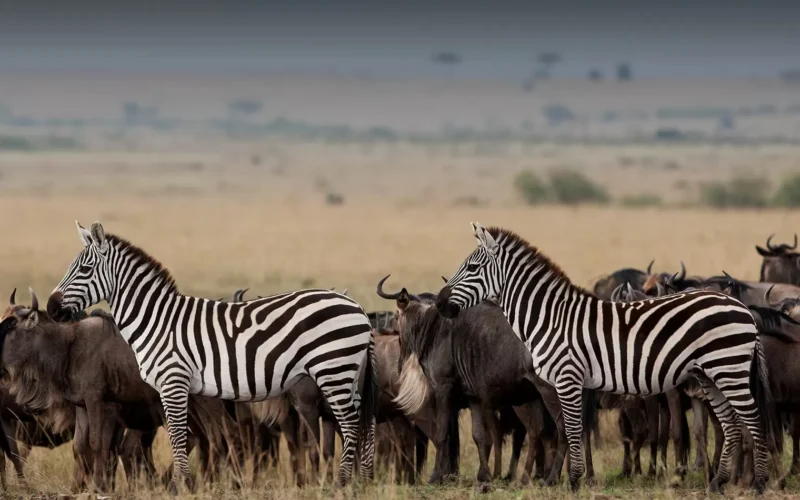
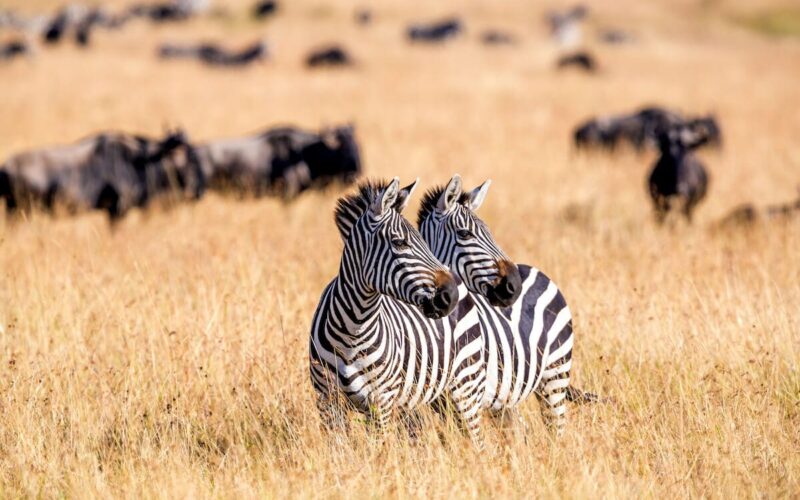
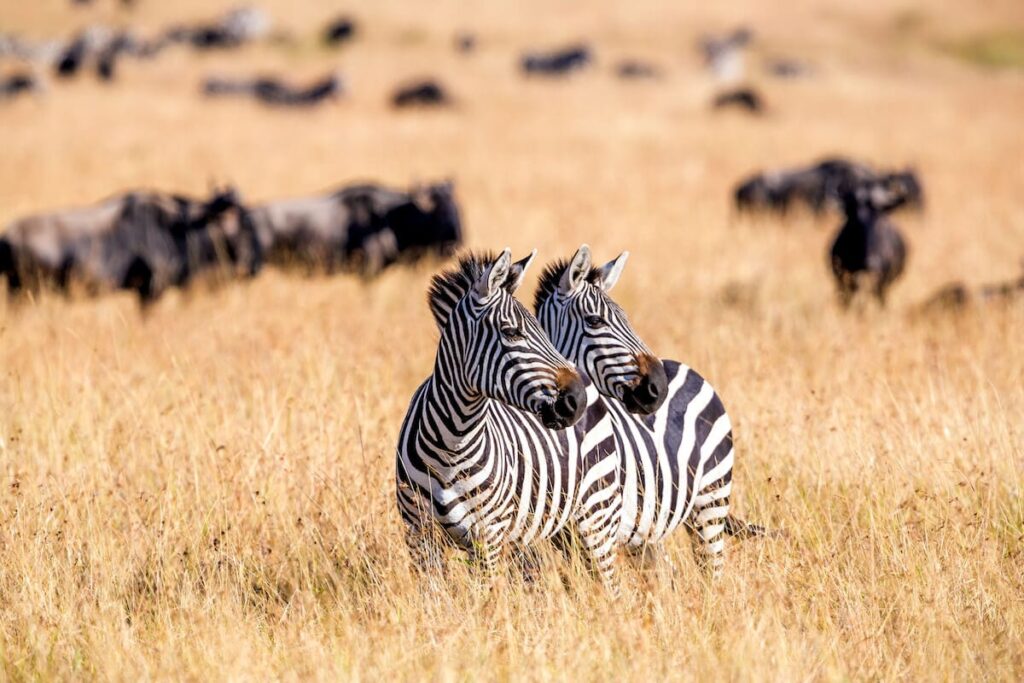
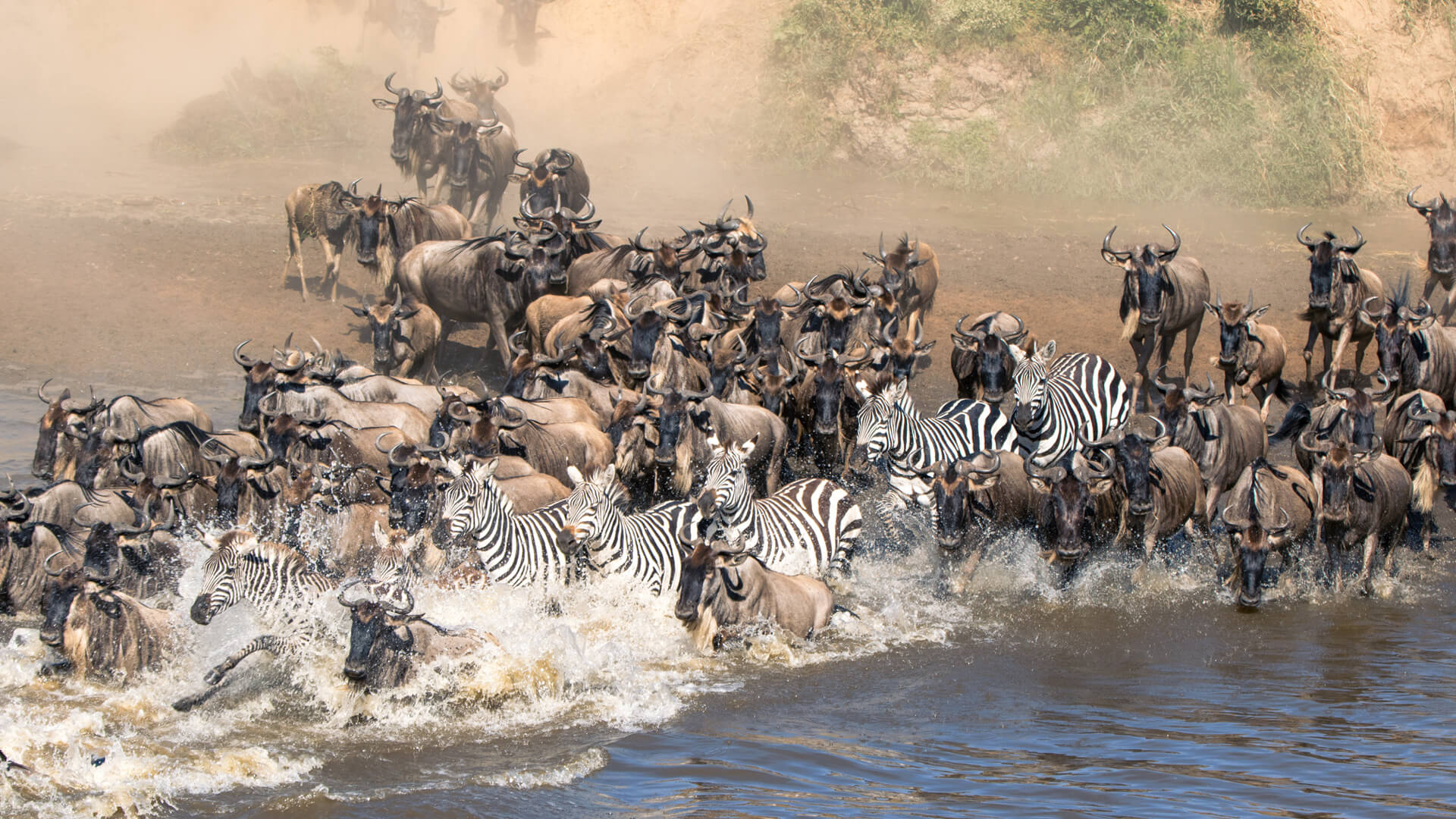
The Great Wildlife Migration remains one of the strongest reasons to choose a Serengeti journey. Vast herds of wildebeest move alongside zebras and gazelles.
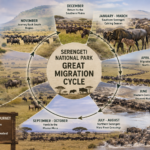
This remarkable cycle follows rainfall and the search for fresh grazing. The animals travel across Tanzania’s Serengeti ecosystem and into Kenya’s Maasai Mara.
The journey continues throughout the year. Therefore, Great Migration Safaris require careful planning around seasonal wildlife movements.
During the southern plains season, wildebeest gather across productive grasslands. The calving period creates extraordinary scenes as newborn animals arrive in large numbers.
Predators also follow these concentrations. Lions, cheetahs, hyenas, and other predators benefit from abundant prey.
As conditions change, the herds gradually move through central and western areas. Eventually, some animals approach major river systems.
Northern movements can create dramatic scenes around the Mara River. However, river crossings remain unpredictable.
A crossing may occur quickly or after several days of waiting. No safari operator can guarantee a specific crossing.
Therefore, the best Great Migration Safaris focus on the complete ecosystem rather than one dramatic event. Every stage offers unique wildlife experiences.
The Serengeti National Park Safari remains exceptional because migration encounters combine with excellent resident wildlife viewing.
Southern Serengeti National Park Safari Experience
Calving Season and Ndutu Adventures
Southern Serengeti and the wider Ndutu region become particularly important during the early part of the year. Short-grass plains provide rich feeding opportunities for large herds.
January through March often attracts travellers interested in calving activity. The exact timing depends on rainfall and environmental conditions.
Thousands of young animals can appear across the plains during productive periods. This creates an exciting wildlife environment.
Predators remain highly active in areas with concentrated herds. Lions may patrol nearby territories, while cheetahs use the open plains for hunting.
Consequently, photographers and wildlife enthusiasts often consider this period highly rewarding.
A Serengeti National Park Safari in the south offers wide views and dramatic wildlife encounters. The landscape provides excellent opportunities to observe animal behaviour.
Accommodation around this region can include mobile camps and permanent lodges. These properties often position travellers closer to seasonal wildlife activity.
Cultural experiences may include carefully arranged Maasai community visits. Travellers can learn about beadwork, pastoral traditions, music, dance, and local lifestyles.
Respect remains essential during every cultural visit. Deks Africa Safaris and Tours Ltd encourages meaningful and responsible community engagement.
Therefore, the southern circuit combines migration experiences, predator action, cultural discovery, and beautiful landscapes.
Central Serengeti National Park Safari
Year-Round Wildlife in Seronera
Central Serengeti offers one of the most reliable areas for year-round wildlife viewing. The Seronera Valley supports animals throughout different seasons.
Rivers and permanent water sources attract numerous species. Consequently, predators often remain active within this productive ecosystem.
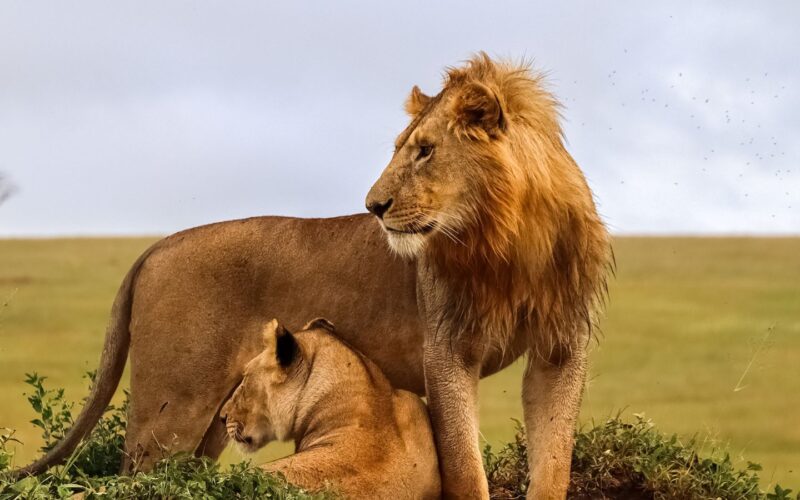
Lions frequently occupy territories across the central plains. Leopards may appear near riverine trees and dense vegetation.
Cheetahs also hunt across suitable open areas. Hyenas, jackals, and smaller predators add further diversity.
This makes central Serengeti ideal for travellers with flexible wildlife interests. You do not need to depend entirely on migration movements.
A Serengeti National Park Safari in Seronera can include morning and afternoon game drives. Each drive explores different habitats and wildlife concentrations.
The area also contains granite kopjes. These ancient rock formations provide shelter and elevated viewpoints for several animal species.
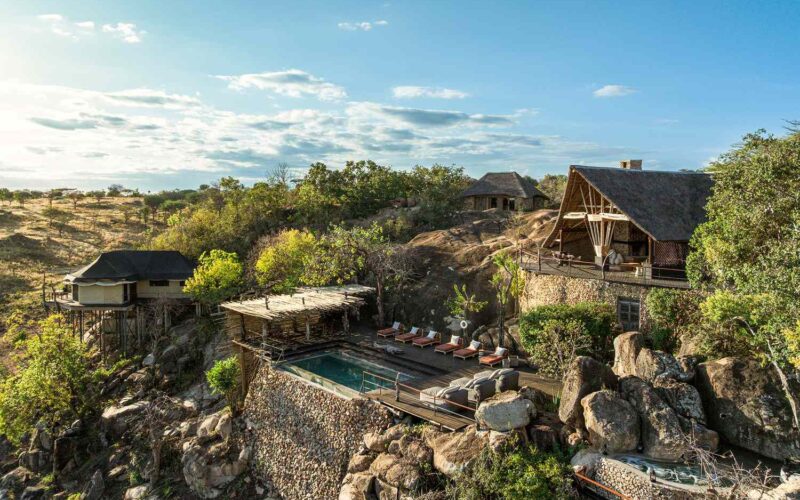
Accommodation ranges from comfortable tented camps to luxury safari lodges. The choice depends on your budget, preferred comfort level, and travel style.
Around selected camps, cultural visits can introduce travellers to nearby Maasai communities. Activities may include traditional dance, storytelling, crafts, and local food experiences.
Therefore, central Serengeti provides an excellent foundation for first-time and returning visitors.
Western Corridor Adventures
Grumeti River and Seasonal Movements
The Western Corridor becomes particularly important during migration movements toward the northwest. Herds can spread across large areas as they follow changing grazing conditions.
This region includes the Grumeti River and surrounding woodland landscapes. The scenery differs noticeably from the open southern plains.
Seasonal wildlife movements can create exciting safari opportunities. However, migration timing varies according to rainfall and other natural conditions.
River crossings may attract significant attention. Crocodiles inhabit some river sections, adding dramatic elements to the wildlife story.
Nevertheless, a successful Serengeti National Park Safari should never depend entirely on witnessing a crossing.
The Western Corridor offers diverse habitats, resident wildlife, and changing landscapes. These features create rewarding experiences beyond migration activity.
Guided game drives explore suitable routes according to current conditions. Experienced guides interpret animal tracks, behaviour, and habitat changes.
Some safari camps also arrange cultural experiences outside the main wildlife areas. Maasai community visits can introduce travellers to local traditions and craftsmanship.
Therefore, the Western Corridor suits travellers seeking seasonal migration movements and less crowded landscapes.
Serengeti Wildlife Tours
Northern Serengeti Safari
Mara River and Remote Wilderness
Northern Serengeti offers a more remote and dramatic safari environment. Rolling landscapes, river systems, and open plains create exceptional scenery.
This region often becomes popular during migration movements between July and October. However, exact dates change each year.
The Mara River attracts particular attention because migration herds may cross at selected locations. These events remain completely unpredictable.
Herds may gather near the river for hours or days. Eventually, environmental pressure and animal movement can trigger a crossing.
For this reason, travellers should allow several days when seeking migration action. Patience improves the experience.
Northern Great Migration Safaris also provide excellent general wildlife viewing. Elephants, giraffes, predators, and antelope species inhabit the wider ecosystem.
Remote camps create an immersive wilderness atmosphere. Many properties use tented accommodation to connect guests closely with nature.
Cultural experiences can include Maasai community visits arranged through responsible local partnerships. Travellers may explore traditional homes, crafts, music, and pastoral practices.
A northern Serengeti National Park Safari combines dramatic landscapes, seasonal migration possibilities, and peaceful wilderness.
Best Time for a Serengeti National Park Safari
Choosing Your Travel Season
The best travel period depends on your personal wildlife interests. There is no single perfect month for every traveller.
January through March often suits visitors seeking southern migration herds and calving activity. Predator encounters can also become particularly rewarding.
April and May bring heavier rains and changing migration patterns. The landscapes become greener, while some areas may receive fewer visitors.
June and July often mark important northwestern movements. The Western Corridor and surrounding areas can become particularly interesting.
July through October generally attracts travellers interested in northern migration movements and Mara River activity. However, crossings remain unpredictable.
November and December can bring returning rainfall and southward movements. Wildlife disperses and gradually follows fresh grazing.
Meanwhile, central Serengeti remains attractive throughout the year. Resident predators and herbivores provide consistent wildlife opportunities.
Therefore, your Serengeti National Park Safari should match your travel dates with realistic seasonal expectations.
Deks Africa Safaris and Tours Ltd can tailor suitable routes according to your month of travel, available time, accommodation preferences, and wildlife priorities.
A carefully designed itinerary creates better experiences than following a rigid migration calendar.
Game Drives in Serengeti National Park
Explore the Wilderness with Expert Guidance
Guided game drives remain the foundation of every Serengeti Safari. A professional guide helps identify wildlife and understand animal behaviour.
Morning drives often begin early when temperatures remain cooler. Many animals become active during these hours.
Predators may still move across the landscape after nighttime hunting. Herbivores also feed before temperatures rise.
Afterward, travellers can return to camp for breakfast and relaxation. Afternoon game drives then explore new areas.
The changing light creates excellent photographic conditions. Sunset can transform the plains into dramatic shades and silhouettes.
Guides adapt routes according to recent sightings and wildlife movement. However, ethical wildlife viewing should always remain a priority.
Animals require space and freedom to behave naturally. Responsible guides avoid unnecessary disturbance.
This approach supports better wildlife encounters and sustainable Tanzania wildlife safaris.
Game drives also provide educational value. Visitors learn about predator relationships, migration patterns, vegetation, and conservation challenges.
Therefore, a professionally guided drive becomes more than transportation. It becomes an important part of understanding the Serengeti ecosystem.
Hot Air Balloon Safaris
See the Serengeti from the Sky
A hot air balloon safari provides a completely different perspective. The experience usually begins before sunrise.
Guests travel from camp toward the launch area during early morning darkness. As daylight approaches, the balloon rises above the plains.
From the air, the scale of the Serengeti National Park Safari becomes immediately clear. Rivers, wildlife trails, kopjes, and open grasslands stretch below.
Wildlife sightings depend on the flight route and current conditions. However, the aerial experience itself remains remarkable.
During migration periods, large herds may create extraordinary scenes from above. Outside migration seasons, the landscape still provides unforgettable views.
After landing, many balloon experiences include a bush breakfast. This creates a memorable transition into the day’s safari activities.
A Serengeti National Park Safari with a balloon experience suits travellers seeking something beyond traditional game drives.
Weather and operational conditions determine whether flights can proceed. Therefore, flexibility remains important when planning this activity.
Guided Walking Safaris
Experience the Bush at Ground Level
Selected areas around the Serengeti ecosystem may allow guided walking experiences. These activities follow park regulations and approved locations.
Walking provides a different understanding of the wilderness. Small details become more visible from the ground.
Guides may explain animal tracks, insects, plants, birdlife, and ecological relationships. This experience focuses on observation rather than close encounters with large wildlife.
Safety remains the highest priority. Professional guides provide instructions before every walk.
Travellers should wear suitable clothing and comfortable walking shoes. Guides also advise participants about movement and behaviour in the bush.
A walking experience can complement traditional vehicle-based Tanzania Safaris. It creates a stronger connection with the natural environment.
Availability depends on location, regulations, accommodation arrangements, and safety conditions.
Maasai Cultural Experiences
Connect With Tanzania’s Living Heritage
A Serengeti National Park Safari can include meaningful cultural experiences alongside wildlife adventures. Maasai communities form an important part of northern Tanzania’s cultural landscape.
Visitors can learn about traditional beadwork, clothing, music, dance, and pastoral lifestyles through respectfully organized visits.
Some experiences include guided walks around community areas. Others focus on crafts, traditional homes, or cultural performances.
Food experiences may also introduce travellers to regional ingredients and cooking traditions.
Responsible cultural tourism should benefit host communities. Deks Africa Safaris and Tours Ltd encourages respectful arrangements that value local participation.
Travellers should approach cultural experiences with curiosity and appreciation. Photography should follow local guidance and permission.
These encounters add an important human dimension to Tanzania Safaris.
The Serengeti landscape does not exist separately from its surrounding communities. Understanding local culture can create a richer travel experience.
Therefore, cultural visits complement wildlife exploration and strengthen the overall safari journey.
Cultural Experiences Around Serengeti Safari Lodges
Discover Communities Beyond the Camp
Many safari lodges and camps operate near communities with strong cultural traditions. Available activities depend on each lodge’s location and partnerships.
Maasai village visits can provide insight into daily routines and pastoral life. Visitors may observe traditional housing and livestock practices.
Local artisans can demonstrate beadwork techniques. Handmade jewellery and crafts may provide meaningful souvenirs.
Traditional music and dance can also form part of selected community experiences. These activities create opportunities for cultural exchange.
Some lodges support community projects involving education, conservation, women-led enterprises, or local employment.
Travellers can learn how responsible tourism supports these initiatives. This creates a deeper understanding of the connection between tourism and local development.
Food experiences may introduce guests to Tanzanian dishes and regional ingredients. Local markets can also provide insight into everyday commerce.
Consequently, your Serengeti National Park Safari can combine wildlife viewing with authentic cultural discovery.
The most rewarding experiences prioritize respect, consent, fair community benefits, and genuine interaction.
Accommodation on a Serengeti Safari
Choose the Right Safari Lodge or Camp
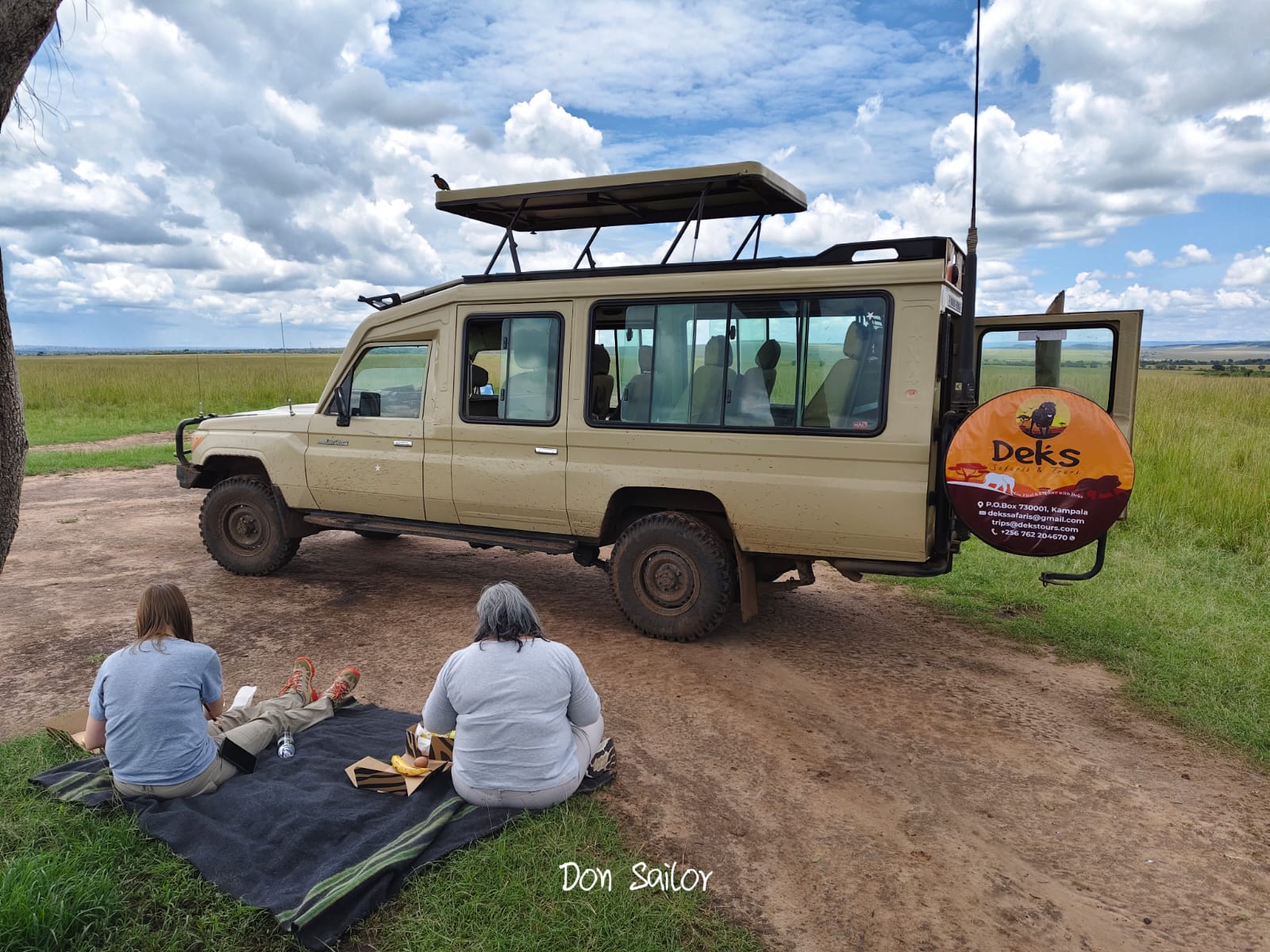
Accommodation plays an important role in your Serengeti National Park Safari. Tanzania offers options ranging from basic camps to luxurious lodges.
Budget travellers may prefer simple tented camps or selected campsites. These options focus on practical comfort and close access to nature.
Mid-range properties provide comfortable rooms or safari tents with additional services. They offer a balance between value and comfort.
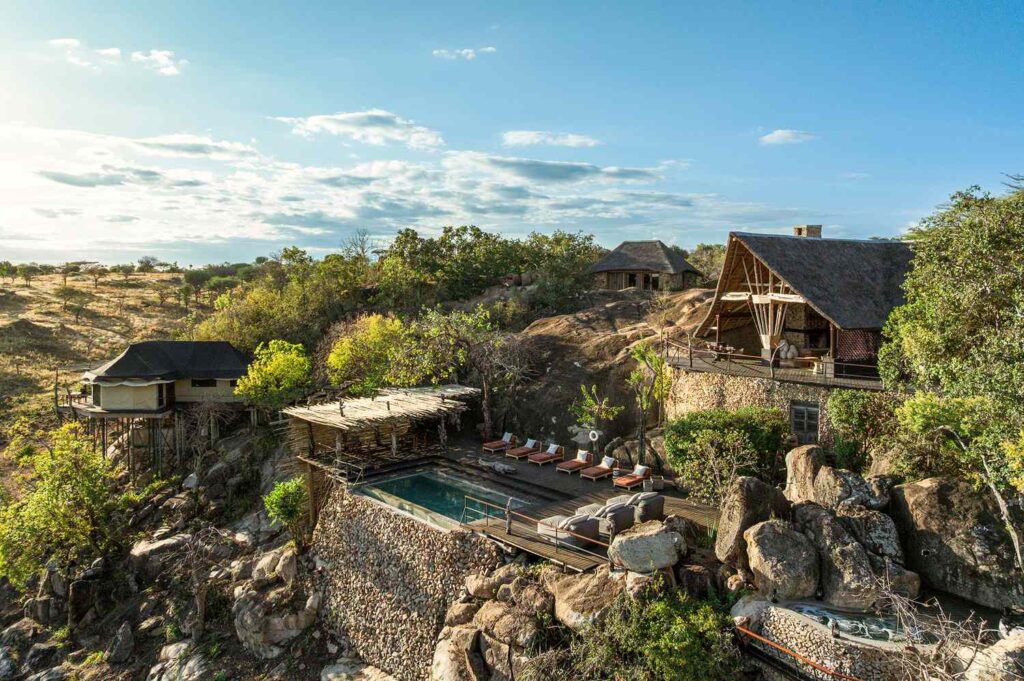
Luxury lodges provide larger suites, premium dining, private experiences, and exceptional locations. Some properties also include specialized guiding and wellness services.
The best accommodation depends on your travel style. A luxury lodge may suit one traveller, while a mobile camp suits another.
Location often matters more than unnecessary facilities. A well-positioned camp can reduce driving time and improve access to wildlife.
During Great Migration Safaris, mobile camps may follow seasonal wildlife movements. This positioning can improve opportunities for encountering major herds.
Deks Africa Safaris and Tours Ltd can help match accommodation with your preferred comfort level, travel dates, and budget.
Tanzania Wildlife Safari
Planning Your Serengeti National Park Safari Budget
Understand the Main Travel Costs
The cost of a Serengeti National Park Safari varies considerably. Travel style, accommodation, group size, and itinerary length all influence the final price.
Budget camping safaris usually cost less than private luxury journeys. However, lower prices may involve shared facilities and less flexibility.
Mid-range safaris offer comfortable lodges or tented camps. These options often provide strong value for couples, families, and small groups.
Luxury safaris focus on premium accommodation and personalized services. Private guides, exclusive camps, and additional activities can increase costs.
Park fees also form part of the total safari budget. Fees can change, so travellers should confirm current rates before booking.
Similarly, domestic flights can affect overall costs. Flying between regions saves time but increases the safari budget.
A private safari vehicle offers flexibility and personalized guiding. Shared departures can reduce individual costs.
Therefore, Deks Africa Safaris and Tours Ltd recommends requesting a detailed quotation based on exact travel dates and preferences. This approach provides a clearer and more reliable Serengeti National Park Safari budget.
Responsible Wildlife Tourism
Travel With Respect for Nature
Responsible travel helps protect the landscapes that make Serengeti National Park Safaris possible.
Visitors should respect park rules and follow their guide’s instructions. Wildlife requires space to feed, rest, hunt, and raise young animals.
Vehicles should remain on approved routes. Off-road driving can damage vegetation and disturb wildlife.
Travellers should also reduce unnecessary waste. Reusable water bottles and responsible disposal practices support cleaner environments.
Cultural respect remains equally important. Local communities deserve dignity, fair benefits, and control over their participation.
Choosing responsible safari operators supports conservation and community livelihoods. Tourism can create employment and generate funding for protected landscapes.
However, responsible travel requires continuous commitment. Every visitor can contribute through thoughtful choices.
Therefore, sustainable practices should remain central to every Serengeti Safari.
Photography Tips for Serengeti Safaris
Capture Wildlife Responsibly
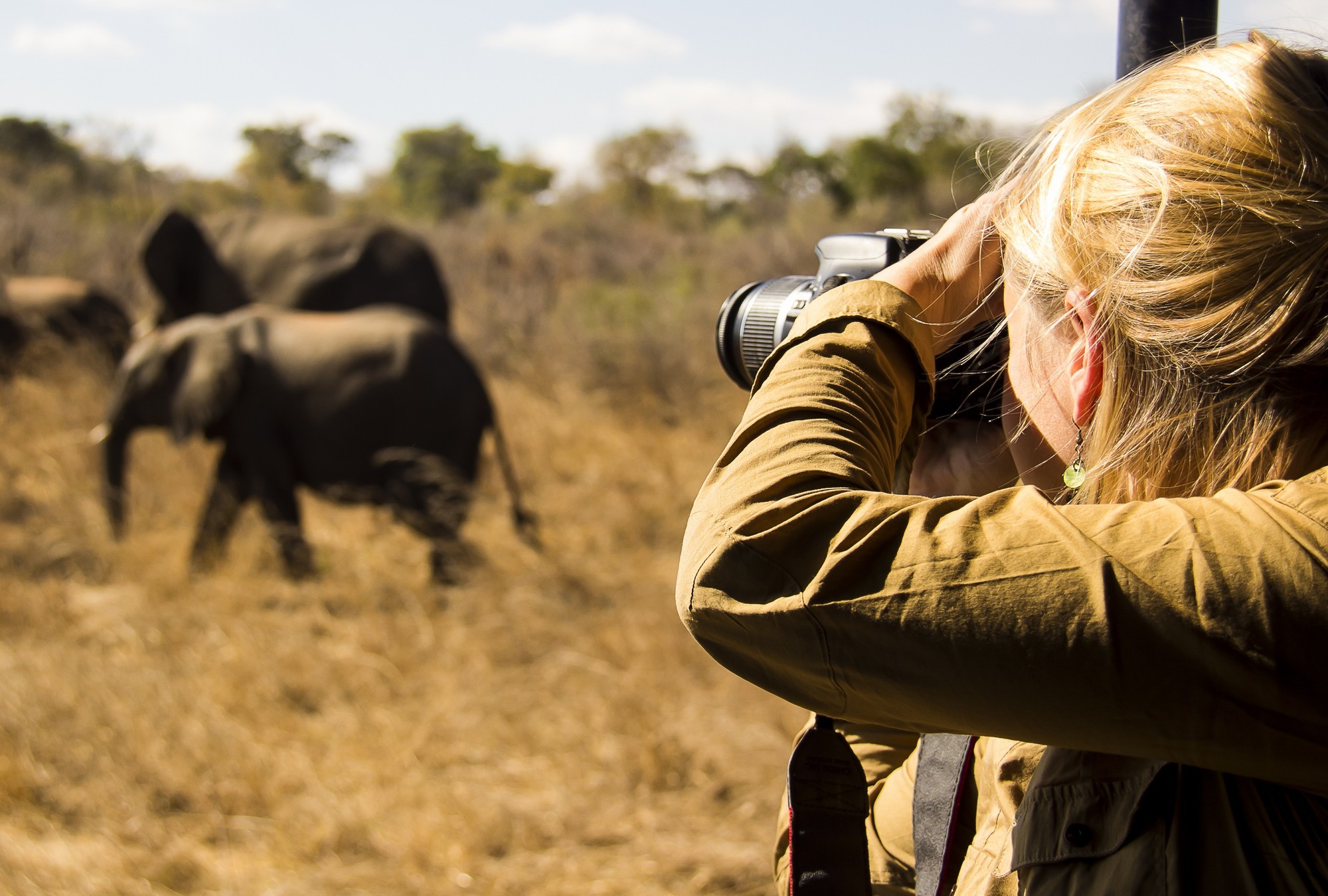
A Serengeti National Park Safari offers remarkable photography opportunities. However, excellent images require patience and ethical behaviour.
Early morning and late afternoon often provide softer light. These periods can create stronger wildlife photographs.
A zoom lens helps capture distant animals without disturbing them. Photographers should avoid pressuring guides to approach wildlife too closely.
Patience often produces better results than constant movement. Spending time near a suitable area may reveal natural animal behaviour.
Dust protection can help protect cameras during game drives. Extra batteries and memory cards also remain useful.
Most importantly, travellers should occasionally lower their cameras. Experiencing the Serengeti directly creates memories that photographs cannot fully replace.
Combine Serengeti Safari with Bwindi Gorilla Trekking
A Serengeti Safari & Bwindi Gorilla Trekking adventure creates one of Africa’s most diverse wildlife combinations.
Tanzania offers open savanna, vast migration herds, and classic Big Five experiences. Uganda provides dense rainforest and close encounters with mountain gorillas.
This combination allows travellers to experience two completely different ecosystems. One journey moves from endless plains to ancient tropical forests.
A Serengeti section can focus on lions, elephants, cheetahs, leopards, and the Great Migration. The Bwindi section focuses on one of Africa’s most powerful primate encounters.
Gorilla Trekking requires a reasonable level of physical preparation. Trails can become steep, muddy, and challenging.
However, the effort often becomes part of the experience. Reaching a mountain gorilla family inside the forest creates an unforgettable moment.
A combined itinerary also supports broader Africa Safaris. Travellers gain a deeper understanding of the continent’s ecological diversity.
Deks Africa Safaris and Tours Ltd can tailor a Serengeti National Park Safari & Bwindi Gorilla Trekking journey according to available travel days and preferred accommodation.
7 Days Serengeti National Park Safari Experience
A Focused Tanzania Wildlife Adventure
The 7 Days Serengeti Safari Experience offers a rewarding option for travellers with limited holiday time. A well-planned route can combine several major northern Tanzania destinations.
The journey can begin in Arusha before continuing toward Tarangire or Lake Manyara. These destinations introduce diverse habitats before reaching the Serengeti.
Several days inside the Serengeti allow travellers to explore central areas and selected seasonal migration locations.
Afterward, Ngorongoro can provide another remarkable wildlife experience. The crater landscape offers a dramatic contrast to the Serengeti plains.
A carefully designed 7 Days Serengeti Safari Experience balances travel time and wildlife exploration. Too much driving can reduce the quality of the journey.
Therefore, accommodation locations should support efficient daily routes. Experienced planning helps maximize time in wildlife areas.
Cultural visits can also fit within the itinerary. Maasai experiences and local craft encounters add depth to the safari.
The 7 Days Serengeti National Park Safari Experience can suit couples, families, photographers, and first-time African travellers.
Sample 7 Days Serengeti National Park Safari Experience
Day One: Arrival in Arusha
Your journey begins with arrival at Kilimanjaro International Airport or another suitable arrival point. A representative welcome you and transfers you to your hotel.
The evening provides time for relaxation and safari preparation. Arusha offers a comfortable introduction to northern Tanzania.
Selected cultural experiences may include local markets, Tanzanian food, and craft centres.
Day Two: Arusha to Tarangire National Park
After breakfast, travel toward Tarangire National Park. Enjoy guided game drives while searching for elephants, giraffes, buffaloes, and other wildlife.
The park’s baobab landscapes create a distinctive setting. Later, continue to your selected lodge or camp.
Day Three: Transfer Toward Serengeti National Park
Travel through the northern Tanzania safari circuit toward the Serengeti ecosystem. Enjoy changing scenery and selected wildlife opportunities.
Arrive in the Serengeti before beginning an afternoon game drive. Later, settle into your safari lodge or tented camp.
Day Four: Full-Day Serengeti Safari
Spend the day exploring the Serengeti National Park Safari with morning and afternoon game drives.
Search for lions, leopards, cheetahs, elephants, and other wildlife. Follow seasonal migration activity when conditions allow.
Day Five: Another Serengeti Wildlife Adventure
Continue your 7 Days Serengeti National Park Safari Experience with flexible wildlife exploration.
Visit different habitats and follow current wildlife activity. A hot air balloon experience may become available as an optional activity.
Day Six: Ngorongoro Conservation Area
Leave the Serengeti and travel toward Ngorongoro. Enjoy wildlife viewing along the journey.
Later, explore selected cultural experiences or relax at your lodge near the conservation area.
Day Seven: Ngorongoro Crater and Departure
Descend into Ngorongoro Crater for a final wildlife adventure. Later, transfer toward Arusha or Kilimanjaro International Airport.
Your 7 Days Serengeti National Park Safari Experience concludes with unforgettable memories of Tanzania’s wildlife and landscapes.
13 Days Kenya Tanzania and Uganda Safari
What Makes Great Migration Safaris Special?
Follow Wildlife Across Changing Landscapes
Great Migration Safaris offer an opportunity to witness a natural movement on an extraordinary scale.
However, successful planning requires realistic expectations. The migration does not arrive according to a guaranteed timetable.
Rainfall influences grass growth and water availability. Therefore, the herds may move earlier or later than expected.
A flexible itinerary improves your chances of encountering wildlife concentrations. Selecting camps near seasonal migration areas also helps.
Nevertheless, every migration season provides unique experiences. Southern calving offers newborn animals and predator activity.
Western movements introduce river systems and changing habitats. Northern areas create opportunities for dramatic Mara River activity.
The returning journey offers another fascinating stage as herds move toward fresh southern grazing.
Therefore, the Great Wildlife Migration should be understood as a continuous cycle rather than a single event.
This broader perspective helps travellers appreciate the true scale and complexity of the Serengeti ecosystem.
Travel Tips for International Visitors
Prepare for a Smooth Safari
International travellers should prepare carefully before beginning a Serengeti National Park Safari.
Confirm passport validity and relevant visa requirements before departure. Requirements can change, so official sources should guide final preparations.
Travel insurance provides important protection during international journeys. Policies should match your planned activities.
Pack lightweight clothing suitable for warm daytime temperatures. Early mornings and evenings can feel cooler, especially during open vehicle drives.
Comfortable shoes remain useful for lodge areas and walking activities. A hat and sun protection also provide important comfort.
Bring any personal medications and essential travel items. Your doctor can advise about individual health and vaccination considerations.
Finally, maintain realistic expectations about wildlife. Nature remains unpredictable, and this unpredictability creates part of the adventure.
A successful safari does not depend on seeing every species. Instead, it comes from experiencing the landscape as a living ecosystem.
Why Book with Deks Africa Safaris and Tours Ltd?
Experience, Planning, and Local Safari Knowledge
Deks Africa Safaris and Tours Ltd designs African journeys around meaningful wildlife experiences and practical travel planning.
Every Serengeti National Park Safari requires careful coordination. Travel dates, wildlife movements, accommodation locations, and transport arrangements all matter.
Our approach focuses on matching travellers with suitable routes. We consider your preferred travel period, budget, comfort level, and wildlife interests.
We also recognize that no two travellers want identical experiences. Some visitors prioritize the Great Migration. Others focus on predators, photography, culture, or luxury.
Therefore, safari planning should remain flexible and personal.
Deks Africa Safaris and Tours Ltd aims to provide clear information and realistic expectations. We avoid promising wildlife events that nature cannot guarantee.
This honest approach builds trust and helps travellers make informed decisions.
Our goal is simple. We want every Serengeti Safari to provide comfort, safety, authentic experiences, and lasting memories.
Safari Inclusions
- Airport transfers
- Safari accommodation
- Meals as specified
- Professional safari guide
- Private safari vehicle
- Guided game drives
- Park entry fees
- Conservation fees
- Government taxes and levies
- Drinking water during game drives
- Crater fees where applicable
- Cultural visits where included
- Guided activities listed in the final itinerary
Safari Exclusions
- International flights
- Visa fees
- Travel insurance
- Personal expenses
- Alcoholic drinks
- Additional beverages
- Optional hot air balloon safari
- Optional walking safaris
- Laundry services
- Tips and gratuities
- Telephone charges
- Internet charges
- Medical expenses
- Personal shopping
- Accommodation upgrades
- Activities not listed in the final itinerary
Final Thoughts on the Serengeti National Park Safari
Plan Your Ultimate Tanzania Adventure
A Serengeti National Park Safari offers far more than a traditional holiday. It provides a journey into one of Earth’s greatest wildlife ecosystems.
The open plains reveal extraordinary wildlife encounters. The Great Migration demonstrates nature’s powerful seasonal rhythms.
Meanwhile, resident predators ensure that every season offers exciting possibilities. Lions, cheetahs, leopards, elephants, and countless other species create a constantly changing wildlife experience.
A Serengeti Safari can also introduce travellers to Tanzania’s rich cultural heritage. Respectful Maasai experiences, local crafts, traditional food, and community visits add human stories to the landscape.
Furthermore, travellers can combine the Serengeti with Ngorongoro, Tarangire, or even Bwindi Gorilla Trekking in Uganda.
Whether you choose a focused 7 Days Serengeti Safari Experience or a longer Serengeti Safari & Bwindi Gorilla Trekking journey, careful planning creates a stronger experience.
Deks Africa Safaris and Tours Ltd invites travellers from around the world to explore Tanzania through carefully designed Tanzania Safaris.
Choose a Serengeti National Park Safari for the Great Migration, extraordinary wildlife, remarkable landscapes, and meaningful cultural encounters. Experience Africa with curiosity, respect, and a genuine sense of adventure.
Frequently Asked Questions About Serengeti National Park Safari
When Is the Best Time for a Serengeti National Park Safari?
Choose the Season Around Your Wildlife Interests
A Serengeti National Park Safari offers rewarding wildlife viewing throughout the year. However, the best period depends on your preferred experience.
January through March often suits travellers seeking calving activity in southern Serengeti and the Ndutu plains. Large wildebeest herds gather in productive grassland areas.
Predator activity can also become especially interesting during this period. Lions, cheetahs, hyenas, and other predators follow areas with abundant prey.
June through October generally suits travellers interested in northern migration movements. The Mara River area can offer dramatic wildlife scenes.
However, no operator can guarantee a specific river crossing. Wildlife movements depend on rainfall, grazing conditions, and natural animal behaviour.
Central Serengeti remains an excellent choice throughout the year. The Seronera area supports strong populations of resident wildlife and predators.
Therefore, travellers should choose their dates according to their priorities. Deks Africa Safaris and Tours Ltd can recommend suitable regions after reviewing your travel period.
How Many Days Do I Need for a Serengeti Safari?
Allow Enough Time for Wildlife Exploration
A minimum of three nights inside the Serengeti can provide a rewarding experience. However, longer stays offer greater flexibility.
A 7 Days Serengeti National Park Safari Experience provides enough time to combine the Serengeti with other northern Tanzania destinations.
Travellers seeking migration activity may benefit from additional days. Wildlife movement remains unpredictable, particularly around river crossings.
A longer itinerary also allows guests to explore several Serengeti habitats. Central, northern, southern, and western areas each offer different experiences.
Therefore, safari duration should depend on your available holiday time and wildlife priorities.
A Serengeti National Park Safari becomes more rewarding when travellers avoid rushing between destinations.
Can I Combine Serengeti Safari and Bwindi Gorilla Trekking?
Experience Savanna and Rainforest in One Journey
Yes, a Serengeti Safari & Bwindi Gorilla Trekking journey creates an exceptional multi-country African adventure.
The Serengeti offers vast plains, predators, elephants, and migration herds. Bwindi provides dense rainforest and mountain gorilla encounters.
This combination delivers two completely different safari environments. Travellers can experience Tanzania’s open landscapes before entering Uganda’s ancient mountain forests.
The itinerary requires careful flight and transfer planning. Therefore, a specialized safari operator can help create an efficient route.
A combined journey suits travellers seeking a broader Africa Safaris experience. It also provides excellent value for visitors travelling long distances to Africa.
Is the Serengeti Suitable for First-Time Safari Travellers?
A Welcoming Introduction to Africa Safaris
The Serengeti provides an excellent destination for first-time safari travellers. Professional guides support guests throughout their wildlife adventures.
Game drives allow visitors to explore the wilderness from comfortable safari vehicles. Lodges and tented camps provide accommodation across different budget levels.
Furthermore, Tanzania offers a well-developed northern safari circuit. Travellers can combine several major destinations within one itinerary.
A Serengeti National Park Safari can therefore suit solo travellers, couples, families, photographers, and small groups.
Good preparation and realistic expectations improve the experience. Wildlife remains wild, unpredictable, and constantly changing.
That unpredictability remains one of the Serengeti’s greatest attractions.
Start Planning Your Serengeti National Park Safari
Explore Tanzania with Deks Africa Safaris and Tours Ltd
The Serengeti National Park Safari remains one of the world’s most extraordinary wildlife journeys. It combines remarkable scenery, diverse wildlife, cultural experiences, and seasonal migration movements.
From the southern calving plains to northern river landscapes, each region offers a unique safari story.
Central Serengeti provides year-round wildlife encounters. The Western Corridor introduces changing landscapes and seasonal movements.
Meanwhile, the northern region offers remote wilderness and opportunities to follow migration herds.
A Serengeti National Park Safari can also include a sunrise balloon adventure, guided game drives, cultural encounters, and carefully selected accommodation.
For travellers seeking greater diversity, Serengeti Safari & Bwindi Gorilla Trekking combines Tanzania’s legendary plains with Uganda’s remarkable rainforest experiences.
Deks Africa Safaris and Tours Ltd creates personalized Tanzania wildlife safaris for travellers seeking well-planned, authentic, and memorable African journeys.
Choose the Serengeti National Park Safari that matches your travel dates, wildlife interests, budget, and preferred accommodation.
Experience the Great Wildlife Migration. Explore extraordinary landscapes. Discover Tanzania’s rich culture. Create unforgettable memories through a carefully planned Serengeti National Park Safari with Deks Africa Safaris and Tours Ltd.
Proposed East Africa Safari Holidays for the USA Travelers
- 9-Day Rwanda & Tanzania Luxury Wildlife Tour
- 10-Day Tanzania Safari Experience
- 9-Day Rwanda, Uganda & Tanzania Luxury Wildlife Safari
- 9-Day Rwanda Gorilla Trekking & Tanzania Safari
- 9-Day Tanzania Safari & Uganda Gorilla Trekking
- 10-Day Serengeti & Ngorongoro Crater Safari Experience
- 10-Day Tanzania and Rwanda Adventure Safari
- 11-Day Rwanda Uganda Tanzania Safari
- 20 Days Uganda, Tanzania, and Mafia Island Beach Safari
- 18 Days Uganda, Tanzania, and Mafia Island Beach Safari
- 14-Day Rwanda Uganda Tanzania Tour
- 14-Day Rwanda, Kenya, Tanzania & Beach Holiday
- 20-Day Rwanda Tanzania Zanzibar Safari Experience
- 16-Day Tanzania Safari & Rwanda Gorilla Trekking Experience
- 14 Days Kenya-Tanzania-Rwanda-Uganda Safari
- 24 Days Zanzibar-Uganda-Tanzania-Kenya Safari
- 5 Days Serengeti Great Migration Safari
- 6 Days Serengeti Great Migration Safari
- 7 Days Serengeti Great Migration Safari
- 8 Days Serengeti Great Migration Safari
- Hot Air Balloon serengeti
- 14 Days Uganda Tanzania and Kenya Safari
- What Should I Pack for a Tanzania Safari