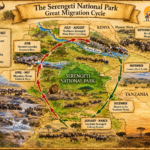
The Ultimate Serengeti Great Migration Travel Guide
August 29, 2026
Can I See All the Big Five in the Serengeti National Park?
September 23, 2026What is the best time for Serengeti Big Five Safaris?
What is the best time for Serengeti Big Five Safaris? The answer depends on your travel goals. Serengeti National Park offers remarkable wildlife experiences throughout the year. Each season creates different opportunities across the vast Tanzanian plains.
The dry months often provide excellent conditions for wildlife viewing. Animals gather around reliable water sources during this period. Shorter vegetation can also improve visibility during game drives. However, the wet seasons bring lush landscapes, dramatic skies, and abundant birdlife.
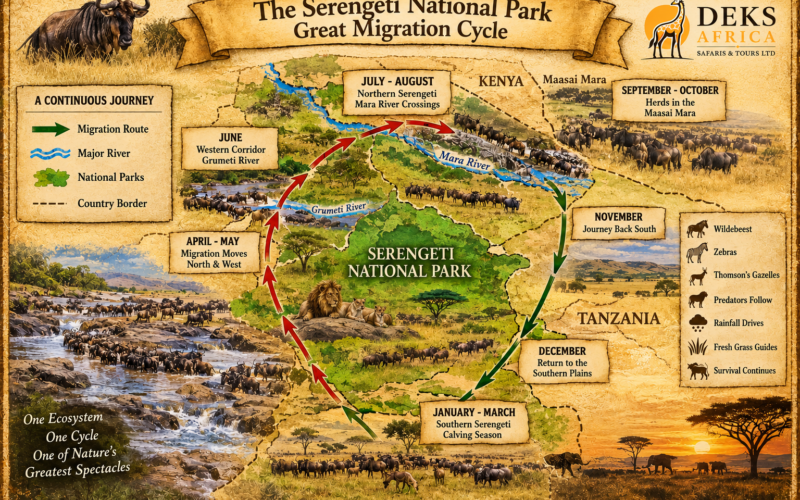
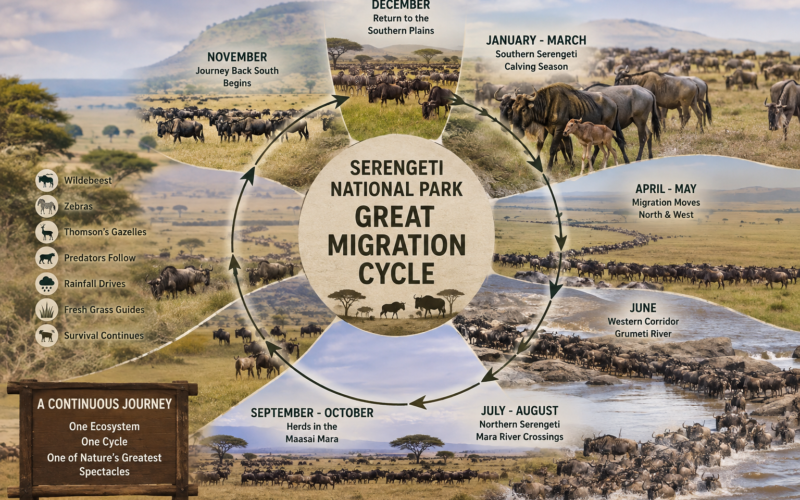
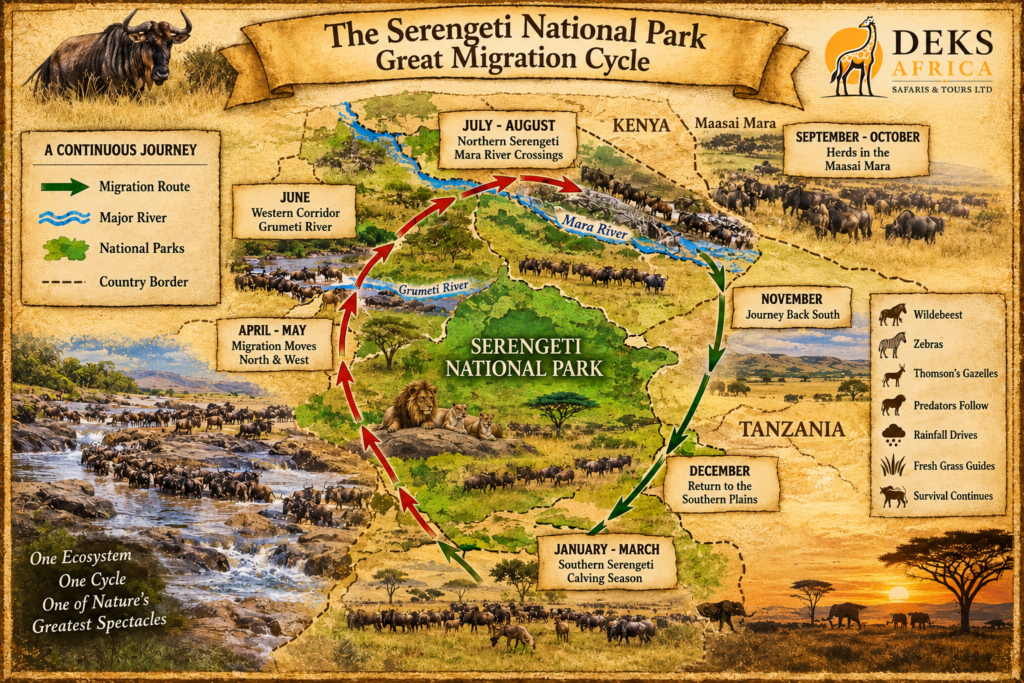
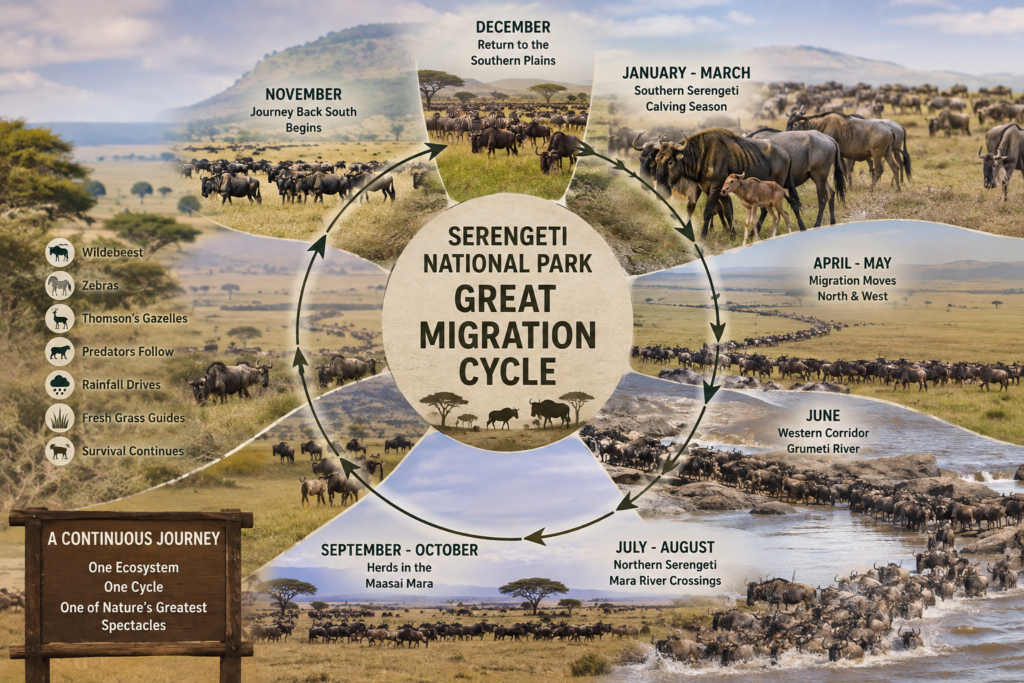
The Serengeti also hosts the remarkable Great Wildlife Migration Cycle. More than one million wildebeest move across the wider Serengeti-Mara ecosystem. Zebras and gazelles travel alongside the herds during this annual movement.
Therefore, what is the best time for Serengeti Big Five Safaris depends on your priorities. Some travelers seek predators and general wildlife. Others prioritize migration movements and dramatic river crossings. Families may prefer comfortable weather and flexible safari schedules.
A professional safari operator should match the season with your expectations. That approach creates a more rewarding and realistic Serengeti Safari experience.
14-Day Tanzania Luxury Honeymoon Safari
June to October: Prime Dry-Season Wildlife Viewing
For many travelers, June through October offers excellent Serengeti Wildlife Safaris. The landscape becomes drier as rainfall decreases. Consequently, wildlife often becomes easier to locate around water sources.
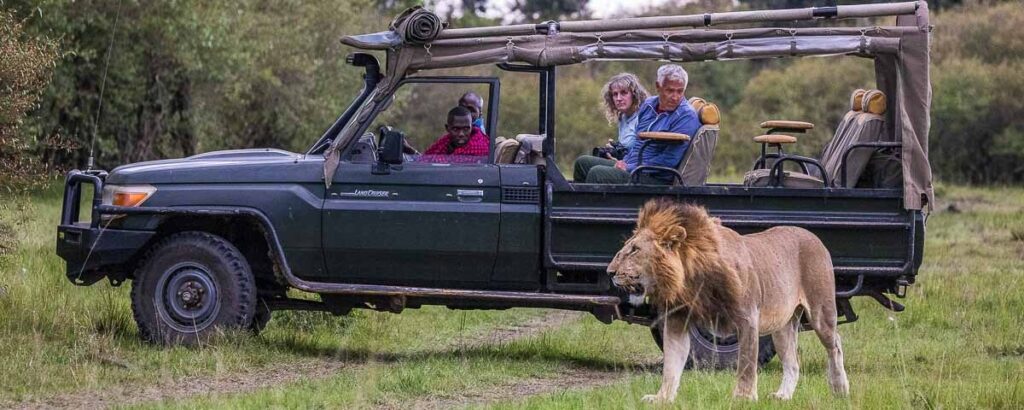
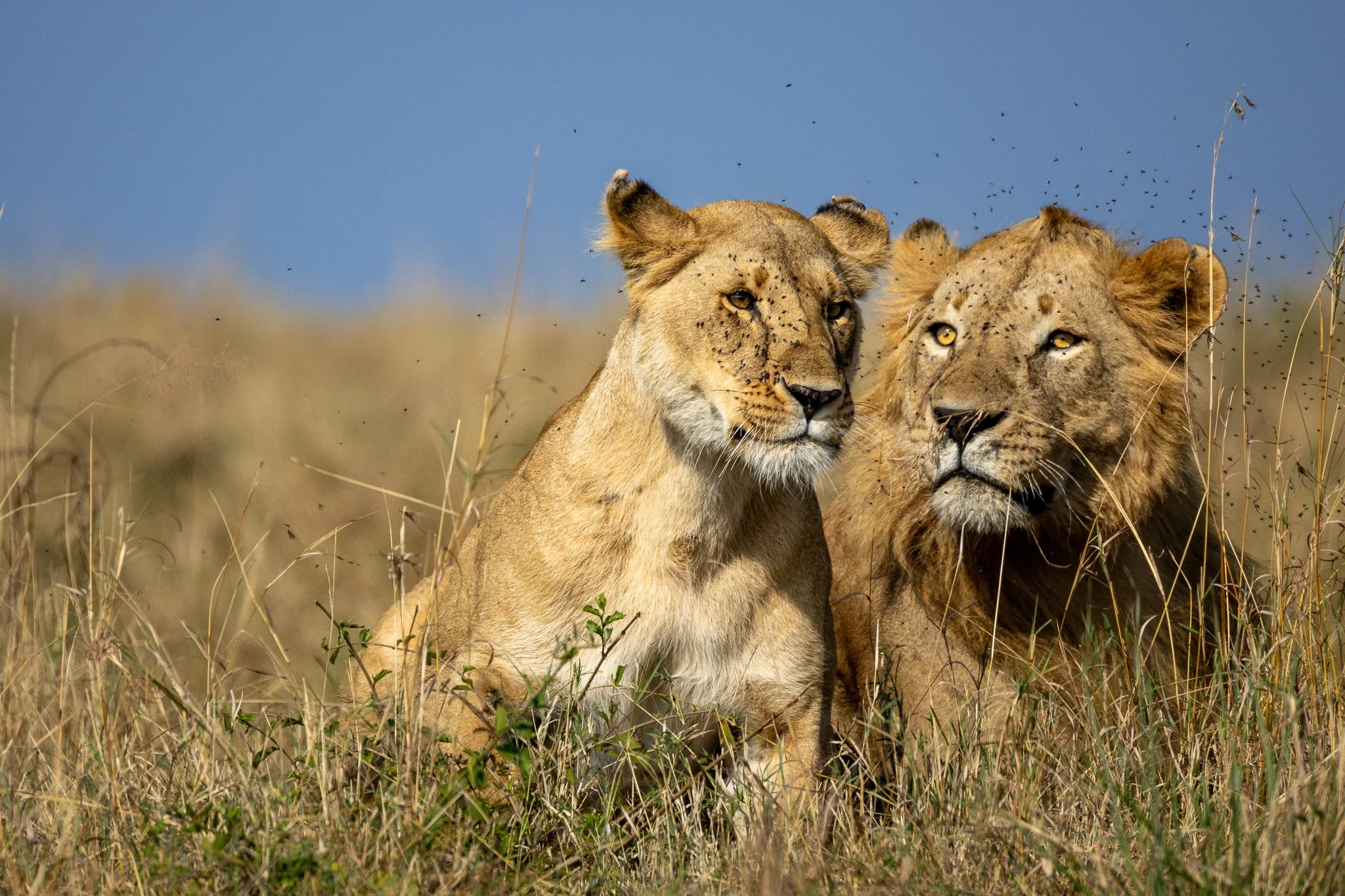
Predators can also become easier to observe across open plains. Lions, leopards, cheetahs, hyenas, and wild dogs may appear during game drives. Elephants, buffaloes, giraffes, and several antelope species also inhabit the ecosystem.
During this period, travelers can enjoy classic Serengeti Big Five Safaris. However, wildlife remains unpredictable, so sightings can never receive guarantees.
The dry season also creates excellent photography conditions. Clearer skies often provide strong morning and evening light. Furthermore, thinner vegetation can create broader views across the plains.
This season suits travelers seeking traditional Serengeti Wildlife Tours. It also works well for first-time visitors planning Tanzania Safaris. However, demand can increase around popular wildlife areas.
July to October: Great Migration Safari Opportunities
The question, what is the best time for Serengeti Big Five Safaris, often connects with migration planning. July through October attracts travelers interested in northern Serengeti experiences.
The Great Migration does not follow an exact annual timetable. Rainfall patterns influence the movement of the herds. Therefore, travelers should avoid treating migration dates as fixed guarantees.
Northern Serengeti can provide opportunities to witness dramatic river crossings. These moments require patience, timing, and experienced guiding. Wildlife behavior also changes daily according to environmental conditions.
A Serengeti Great Migration Safari should therefore include flexible planning. Your safari team can adjust activities according to current wildlife movements.
The migration represents a continuous ecological cycle rather than one isolated event. Wildebeest, zebra, and other grazers move between grazing areas and water sources.
For this reason, Great Migration Safaris should focus on the complete ecological experience. The surrounding predators, landscapes, birds, and local communities also deserve attention.
January to March: Calving and Predator Activity
January through March offers another fascinating period for Serengeti Wildlife Safaris. The southern Serengeti and Ndutu area can become particularly significant during calving.
Large numbers of wildebeest calves arrive during the calving season. This creates important feeding opportunities for predators. Lions, cheetahs, hyenas, and other carnivores follow the concentrations of prey.
Consequently, travelers interested in predator interactions may consider this period. The landscape can also appear greener following seasonal rainfall.
The experience differs from the dry-season Serengeti Safari. Visitors may encounter younger animals and dramatic predator-prey interactions. Birdwatchers can also enjoy strong opportunities during greener months.
Therefore, what is the best time for Serengeti Big Five Safaris has no universal answer. January through March can deliver an exceptional wildlife experience for travelers seeking seasonal diversity.
April and May: Green Season Serengeti Wildlife Safaris
April and May form part of Tanzania’s wetter period. Rainfall can transform the Serengeti into a vibrant green landscape.
The scenery becomes particularly attractive for photographers and nature enthusiasts. Wildflowers and fresh vegetation can add remarkable color to the plains.
Fewer travelers may also create a quieter safari atmosphere in some areas. Nevertheless, rainfall can affect road conditions and daily safari schedules.
Experienced safari planning becomes especially valuable during this period. Your operator can select suitable routes and accommodation based on current conditions.
This season can suit travelers seeking landscapes rather than only famous migration moments. It also offers opportunities for birdwatching and photography.
Moreover, green-season travel can support a broader understanding of the Serengeti ecosystem. The park remains a year-round destination according to TANAPA.
Cultural Experiences Around Your Serengeti Safari Lodge
A Serengeti Wildlife Safari should extend beyond game drives. Cultural experiences can add valuable context to your Tanzania wildlife safaris.
Depending on your lodge location, you can arrange visits to nearby communities. Travelers may experience traditional crafts, local foods, music, dance, and storytelling.
Maasai cultural experiences provide opportunities to learn about traditional pastoral lifestyles. Responsible visits should respect community customs and local privacy.
You can also explore community tourism initiatives around the wider northern Tanzania region. Tanzania’s tourism authorities promote cultural tourism alongside wildlife experiences.
Cooking experiences can introduce visitors to local ingredients and culinary traditions. Craft demonstrations can also provide opportunities to support community-based enterprises.
Additionally, cultural visits can complement Serengeti National Park Safari itineraries. They create meaningful connections between wildlife conservation and local livelihoods.
Your lodge or safari operator should arrange these experiences responsibly. Always choose activities that provide genuine community participation and economic benefits.
Choosing the Right Serengeti Safari Season
The right season depends on what you want from your safari. Wildlife enthusiasts may prioritize dry-season viewing conditions. Migration enthusiasts may focus on particular ecosystem areas and seasonal movements.
Photographers may prefer greener landscapes and dramatic skies. Birdwatchers can benefit from periods with greater bird activity and seasonal visitors.
Families should also consider travel comfort and children’s interests. Flexible itineraries can provide better experiences than tightly scheduled programs.
Furthermore, travelers combining Tanzania wildlife safaris with other destinations need careful planning. A northern Tanzania itinerary can include Serengeti, Ngorongoro, and Tarangire.
Some travelers may also combine Tanzania Safaris with Rwanda Gorilla Trekking. Others may add Uganda Gorilla Trekking to their East African journey.
Such combinations create broader Gorilla Trekking Safaris and wildlife experiences across the region. Rwanda Gorilla Safaris and Uganda Gorilla Trekking provide completely different ecosystems and activities.
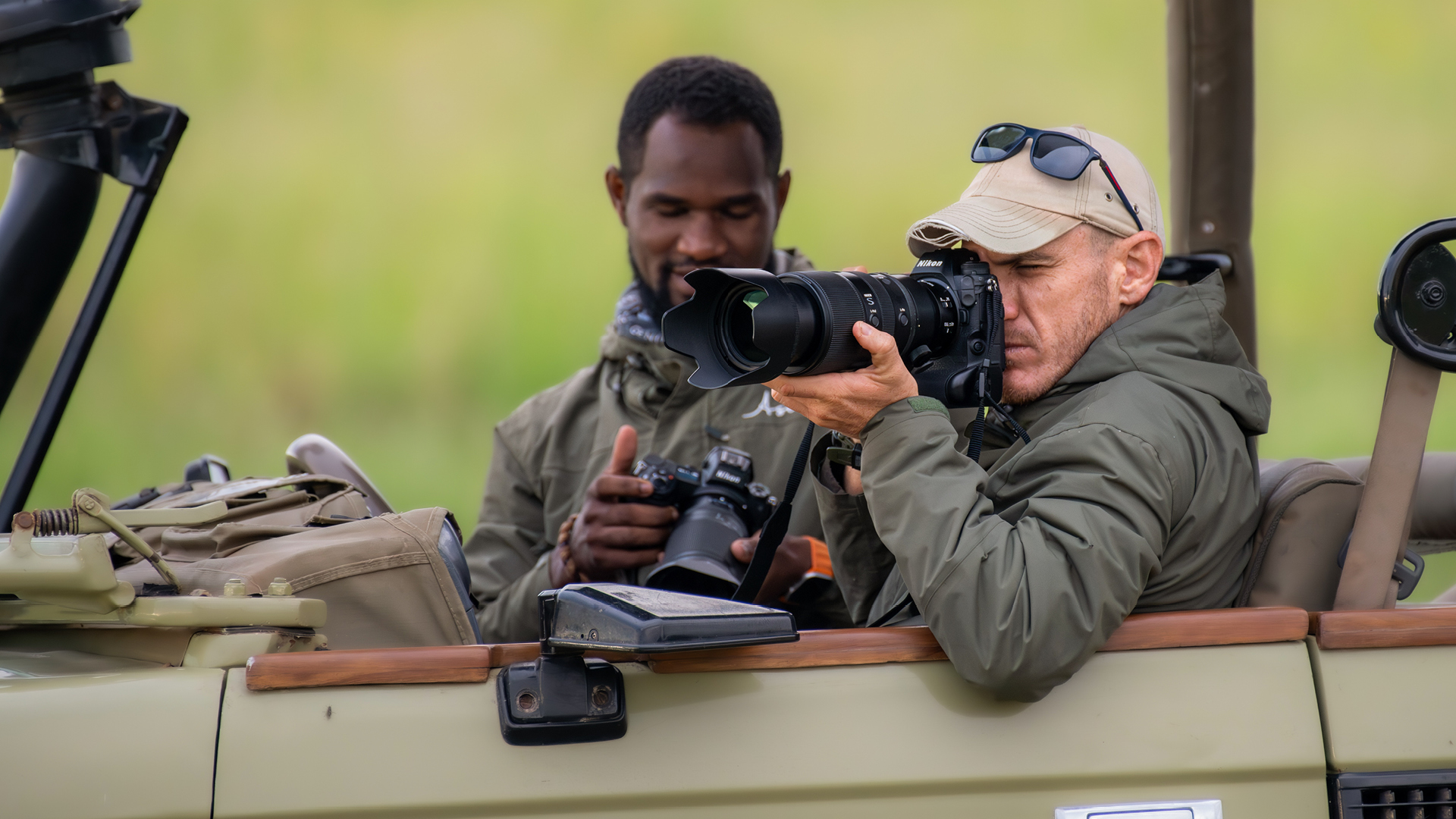
Serengeti Photography Safari
Planning a Responsible Serengeti Wildlife Tour
Responsible tourism should remain central to every Serengeti Wildlife Tour. Travelers should respect wildlife distances and follow park regulations.
Professional guides play an important role in responsible wildlife viewing. They understand animal behavior, park rules, conservation priorities, and suitable viewing locations.
Visitors should also avoid disturbing animals for photographs. Quiet observation often creates better and more natural wildlife encounters.
Supporting responsible lodges and community initiatives can strengthen local tourism benefits. Sustainable tourism can connect conservation, employment, and community development.
The Serengeti represents more than a safari destination. Its landscapes support an interconnected ecosystem with international conservation importance.
Therefore, travelers should approach every Serengeti National Park Safari with respect. Responsible travel helps protect these extraordinary landscapes for future generations.
Final Answer: What is the best time for Serengeti Big Five Safaris?
So, what is the best time for Serengeti Big Five Safaris? There is no single month that suits every traveler.
June to October can provide excellent dry-season wildlife viewing. January to March can offer compelling calving-season experiences. April and May can provide greener landscapes and quieter safari conditions.
July to October can attract travelers seeking northern Serengeti migration experiences. However, migration movements depend on rainfall and natural conditions.
Ultimately, what is the best time for Serengeti Big Five Safaris depends on your priorities. Your ideal safari should combine season, location, activities, accommodation, and travel style.
A carefully planned Serengeti Safari can deliver extraordinary experiences throughout the year. The Great Wildlife Migration remains a remarkable ecological phenomenon. Yet the Serengeti offers much more than migration.
Its predators, elephants, landscapes, birds, cultures, and conservation stories create a complete African journey. That diversity makes Serengeti National Park one of Tanzania’s defining safari destinations.
Deks Africa Safaris & Tours Ltd can help travelers understand these seasonal differences. Our approach focuses on practical planning, responsible tourism, and authentic African experiences.
When planning your next Tanzania wildlife safari, choose your season around your personal interests. Then build the journey around the experiences you value most.
Proposed East Africa Safari Holidays for the USA Travelers
- 9-Day Rwanda & Tanzania Luxury Wildlife Tour
- 10-Day Tanzania Safari Experience
- 9-Day Rwanda, Uganda & Tanzania Luxury Wildlife Safari
- 9-Day Rwanda Gorilla Trekking & Tanzania Safari
- 9-Day Tanzania Safari & Uganda Gorilla Trekking
- 10-Day Serengeti & Ngorongoro Crater Safari Experience
- 10-Day Tanzania and Rwanda Adventure Safari
- 11-Day Rwanda Uganda Tanzania Safari
- 20 Days Uganda, Tanzania, and Mafia Island Beach Safari
- 18 Days Uganda, Tanzania, and Mafia Island Beach Safari
- 14-Day Rwanda Uganda Tanzania Tour
- 14-Day Rwanda, Kenya, Tanzania & Beach Holiday
- 20-Day Rwanda Tanzania Zanzibar Safari Experience
- 16-Day Tanzania Safari & Rwanda Gorilla Trekking Experience
- 14 Days Kenya-Tanzania-Rwanda-Uganda Safari
- 24 Days Zanzibar-Uganda-Tanzania-Kenya Safari
- 5 Days Serengeti Great Migration Safari
- 6 Days Serengeti Great Migration Safari
- 7 Days Serengeti Great Migration Safari
- 8 Days Serengeti Great Migration Safari
- Hot Air Balloon serengeti
- 14 Days Uganda Tanzania and Kenya Safari
- What Should I Pack for a Tanzania Safari