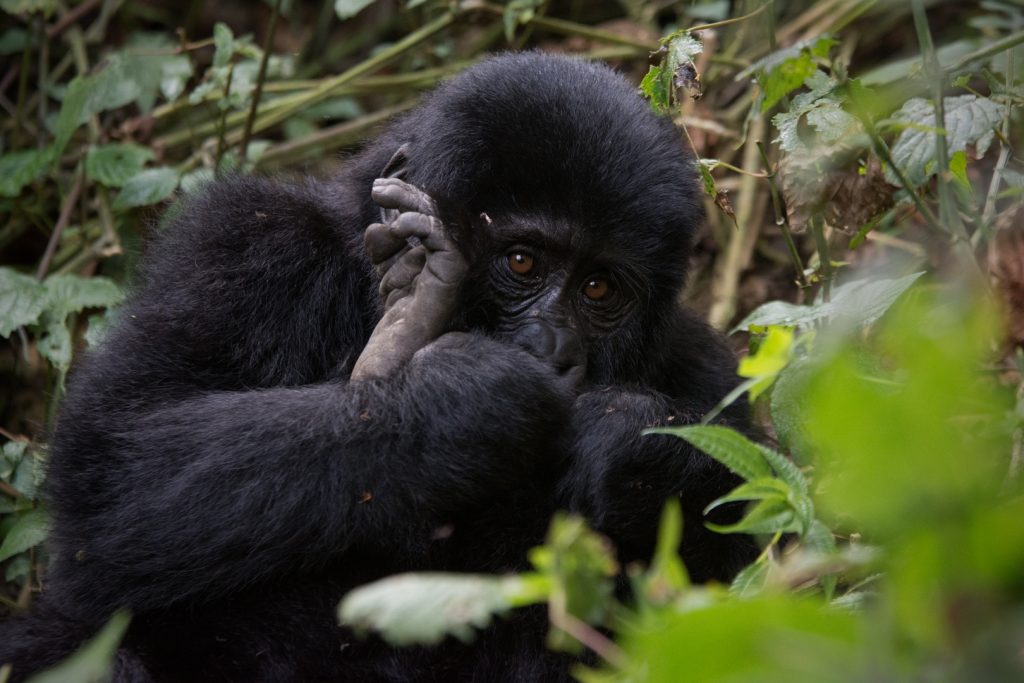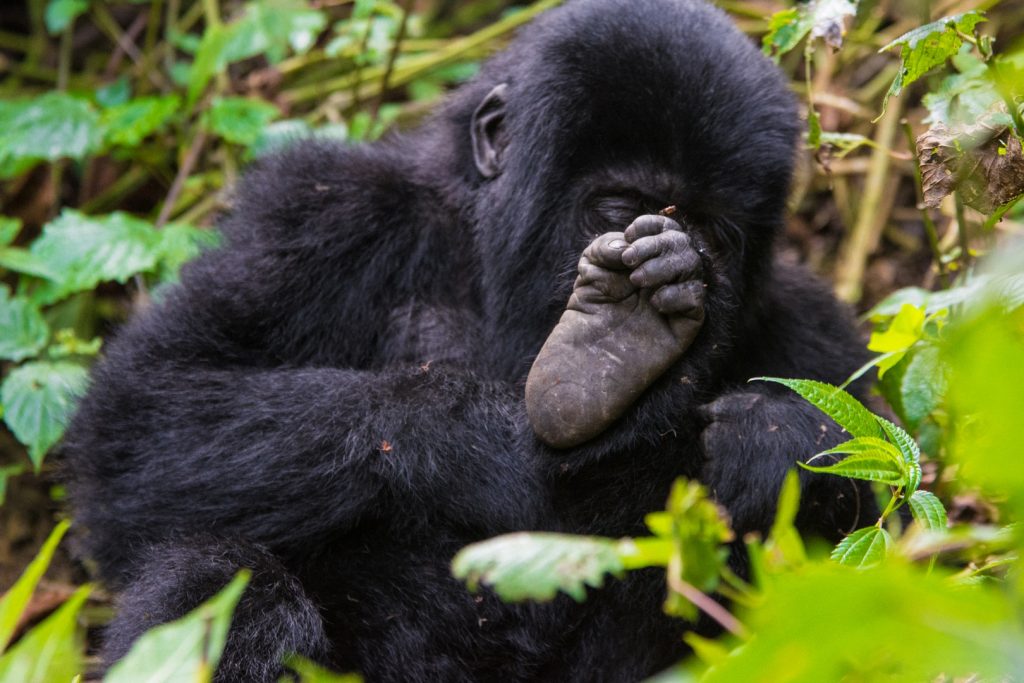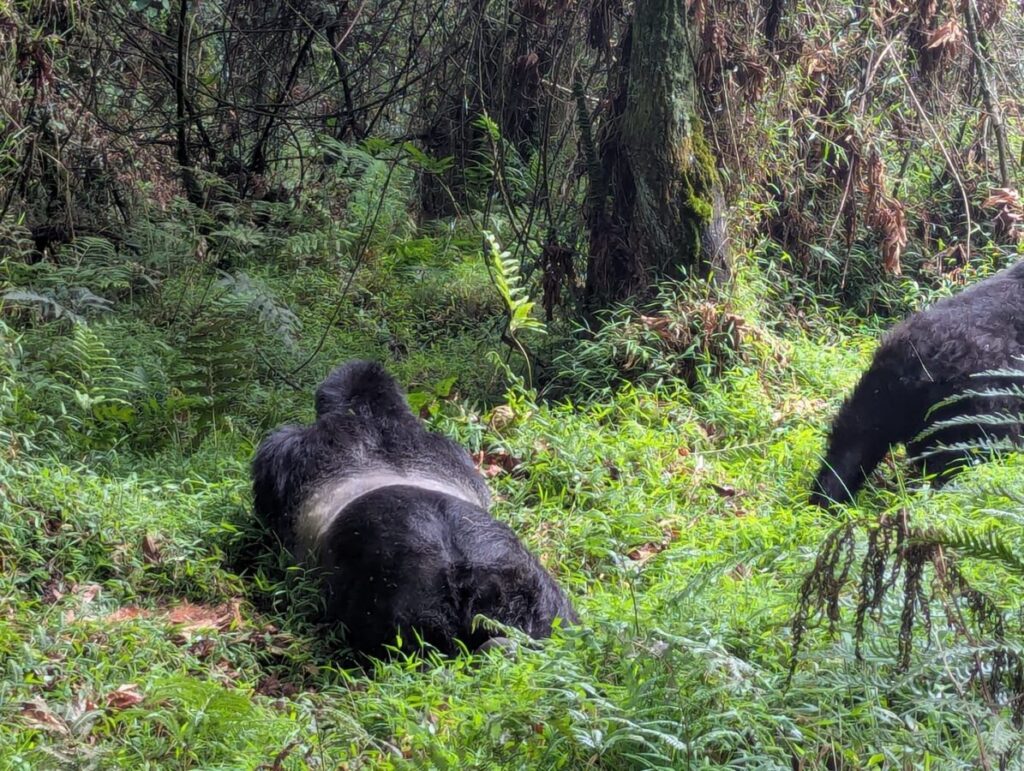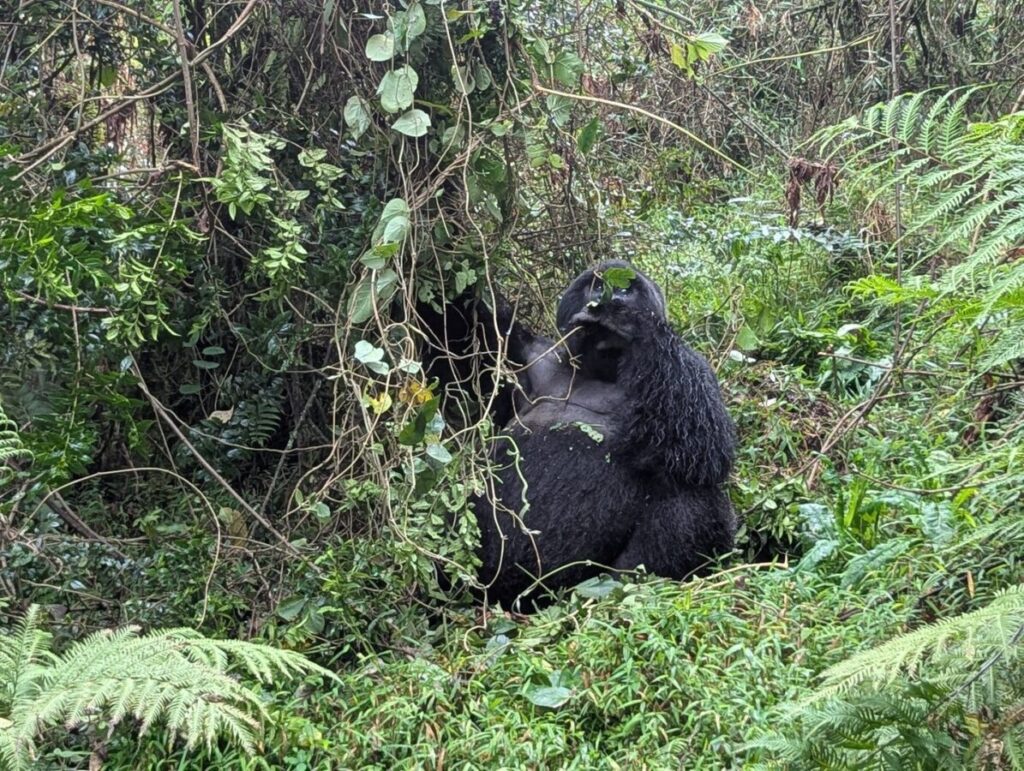

Can I Take Photographs During the Gorilla Habituation Experience
November 9, 2026
Do I Need to Be Physically Fit for Gorilla Habituation
November 9, 2026Can I Visit the Batwa Community During My Gorilla Habituation Safari?
Can I Visit the Batwa Community During My Gorilla Habituation Safari? A Gorilla Habituation Safari in Uganda offers much more than an extraordinary encounter with mountain gorillas. It also creates an opportunity to discover the cultural heritage, traditions and everyday lives of the communities surrounding Bwindi Impenetrable National Park. Among the most meaningful cultural experiences available in southwestern Uganda is a visit to the Batwa community, whose history and identity have deep connections with the forests of the region.
Yes, you can visit the Batwa community during your Gorilla Habituation Safari, particularly when your itinerary includes time around the Rushaga sector of Bwindi. A community-led cultural experience adds another dimension to your Uganda Gorilla Habituation Adventure by introducing you to the traditional forest knowledge, music, dance, storytelling and heritage of the Batwa people.
For international visitors, this experience provides valuable cultural understanding alongside wildlife exploration. You can learn about the historical relationship between the Batwa and the forest while appreciating the importance of community participation in modern conservation and tourism.
At Deks Africa Safaris & Tours Ltd, we encourage travellers to combine meaningful cultural encounters with responsible wildlife experiences. A Gorilla Habituation Safari should celebrate not only Uganda’s remarkable biodiversity but also the people, traditions and communities that form part of its wider tourism heritage.
Who Are the Batwa People?
An Indigenous Community with a Deep Forest Heritage
The Batwa are an Indigenous people of the Great Lakes region of Central Africa, including southwestern Uganda. Their traditional livelihoods developed through a close relationship with forest environments. For generations, Batwa communities relied on their knowledge of the forest to find food, collect medicinal plants, make shelters and understand the natural environment.
Their historical forest knowledge includes an understanding of edible plants, useful roots, traditional hunting practices and natural materials. This relationship shaped many aspects of their cultural identity, social organisation and everyday activities.
Today, Batwa communities live in different settlements around the forests of southwestern Uganda. Their circumstances have changed significantly over time, particularly following the establishment of protected forest areas and restrictions on traditional access to the forests. Nevertheless, their cultural heritage remains an important part of the region’s history.
Understanding Their Connection to Bwindi
Bwindi Impenetrable National Park is internationally recognised for its mountain gorillas, rich biodiversity and ancient rainforest. However, the landscape also has a human history that extends beyond modern conservation tourism.
A Batwa cultural visit helps visitors understand the historical relationship between forest communities and their natural surroundings. It also encourages a broader appreciation of conservation, including the importance of recognising local communities and their experiences.
During your Gorilla Habituation Safari, this cultural perspective can make your visit to Bwindi more meaningful. Rather than experiencing the forest only as a wildlife destination, you gain insight into its wider cultural and historical significance.
What Can I Experience During a Batwa Cultural Visit?
A community-led Batwa experience introduces visitors to aspects of traditional life through demonstrations, storytelling and cultural performances. Activities vary according to the community programme and local guides. However, several experiences can make your visit particularly memorable.
Discover Traditional Forest Knowledge
One of the most interesting aspects of a Batwa cultural experience is learning about the community’s traditional understanding of the forest.
Local cultural guides may introduce visitors to plants historically used for food, traditional medicine and other everyday purposes. You can learn how forest resources supported traditional livelihoods and how generations developed knowledge of the surrounding environment.
Depending on the programme, demonstrations may include traditional fire-making, the preparation of natural materials and explanations of historical food-gathering practices.
These activities provide an educational connection between culture and nature. They also complement the wildlife experience during your Gorilla Habituation Safari by showing another dimension of the relationship between people and Uganda’s forests.
Enjoy Traditional Music and Dance
Music and dance form an important part of many community cultural experiences in southwestern Uganda. During a Batwa visit, you may enjoy traditional songs, rhythmic dancing and performances using locally made instruments.
These performances offer a lively introduction to cultural expression and community storytelling. Through rhythm, movement and song, visitors can appreciate how traditions remain part of community identity.
The experience may also provide opportunities to interact with performers, learn about the meaning of particular songs and understand how music contributes to community gatherings.
For many travellers, this becomes one of the most memorable parts of a Gorilla Habituation Adventure because it creates a personal connection beyond the usual wildlife activities.
Learn Through Storytelling and Cultural History
Storytelling provides another important way to understand Batwa heritage. Community guides may share historical accounts, traditional knowledge and experiences connected with forest life.
These stories can introduce visitors to the skills required to navigate forest environments, identify useful natural resources and live in close contact with nature.
You may also learn about the social and economic changes that have affected Batwa communities over the years. This perspective helps visitors understand that the Batwa are not simply part of Uganda’s historical past. They are contemporary communities with their own families, ambitions, challenges and cultural identities.
A respectful cultural visit creates space for learning while allowing community members to decide how they wish to present their heritage.
Explore Traditional Hunting and Survival Skills
Some community programmes include demonstrations of traditional forest skills. Depending on local arrangements, these may cover historical hunting techniques, traditional tools, shelter construction and ways of identifying useful forest materials.
Such demonstrations help visitors understand the practical knowledge that supported traditional forest livelihoods.
However, these activities should remain educational and culturally respectful. Visitors should follow the guidance of community hosts and avoid treating traditional practices as entertainment without understanding their historical context.
This experience adds educational value to a Gorilla Habituation Safari, particularly for travellers interested in anthropology, Indigenous heritage and the relationship between human communities and natural environments.
Discover Local Crafts and Handmade Products
Community visits may also introduce visitors to locally made crafts and traditional products. Depending on what local artisans offer, you may find handmade items that reflect cultural creativity and practical skills.
Purchasing crafts directly from local producers can provide an additional source of income for participating households. It also allows visitors to take home a meaningful reminder of their time in southwestern Uganda.
When purchasing, consider asking about the materials, production process and cultural significance of each item. This encourages genuine interaction and supports appreciation of local craftsmanship.
Where Can I Visit the Batwa Community During My Gorilla Habituation Safari?
Batwa Cultural Experiences Around Bwindi Impenetrable National Park
The most practical way to include a Batwa cultural experience in your Gorilla Habituation Safari is to arrange a community visit around the Bwindi region.
The Rushaga sector, in southern Bwindi, is particularly relevant because it provides access to the Gorilla Habituation Experience. Travellers staying around Rushaga can discuss nearby community activities with their safari operator or accommodation provider.
However, the exact location and availability of a Batwa cultural programme depend on the local community organisation, the route and the time available. Not every cultural activity operates from every lodge, so advance arrangements help avoid unnecessary transfers.
Combining the Visit with Your Rushaga Lodge Stay
Accommodation around Rushaga provides a convenient base for travellers undertaking Bwindi Gorilla Habituation. Depending on your selected property, you may be able to arrange a cultural excursion before or after your habituation activity.
For example, travellers staying at Four Gorillas Lodge or Ichumbi Gorilla Lodge can ask about suitable community experiences and transport arrangements. The best programme depends on the lodge’s location, the participating community and the day’s schedule.
A cultural visit can fit particularly well into an afternoon after your gorilla activity, provided you finish early enough and have sufficient time to travel and participate comfortably. Alternatively, you can arrange it on a separate day to enjoy a more relaxed experience.
Deks Africa Safaris & Tours Ltd can help coordinate suitable community activities around your accommodation and Gorilla Habituation Safari itinerary.
Other Cultural Experiences Around the Bwindi and Rushaga Area
A Batwa community visit is not the only way to discover the cultural heritage of southwestern Uganda. Travellers can also explore other community activities that complement their Gorilla Habituation Adventure.
Experience Bakiga Culture
The Bakiga are among the communities living around southwestern Uganda. Their cultural traditions include distinctive music, dance, food and community celebrations.
Depending on local arrangements, visitors may enjoy traditional performances, village visits and opportunities to learn about everyday rural life. These encounters can introduce you to local customs, agricultural practices and the social importance of community gatherings.
Taste Traditional Ugandan Food
Food offers another enjoyable way to experience local culture. Around Bwindi, visitors may encounter traditional dishes prepared using locally available ingredients.
Popular foods include matooke, sweet potatoes, cassava, beans, groundnut sauce and seasonal vegetables. Some community programmes or accommodation providers may arrange opportunities to experience local food preparation or enjoy traditional meals.
Trying these dishes provides a practical introduction to Uganda’s food culture while supporting local suppliers and producers.
Visit Community Craft Projects
Community craft initiatives provide opportunities to discover locally made products and support small-scale enterprises. Depending on availability, you may find baskets, decorative items, handmade accessories and other crafts.
These visits can create valuable opportunities for interaction with local artisans. They also help visitors understand how tourism can contribute to household income beyond the traditional wildlife tourism sector.
Enjoy Nature and Community Walks
Some local programmes combine cultural activities with guided walks through nearby villages and surrounding landscapes. These walks may introduce visitors to local farming practices, community life, indigenous plants and scenic viewpoints.
Availability varies, so your safari operator should confirm the activities before including them in your itinerary.
How Does a Batwa Cultural Visit Support Community Tourism?
Creating Direct Economic Opportunities
Community tourism can create opportunities for local people to benefit from visitors who travel to Bwindi for gorilla experiences.
Participation fees, guide payments and purchases of locally made crafts can contribute to community income. These benefits can support participating households and encourage local involvement in the tourism economy.
A well-organised visit should make the community’s role clear. Visitors should understand which organisation coordinates the experience, how payments work and whether they can purchase products directly from local artisans.
Preserving Cultural Knowledge
Cultural tourism can also create opportunities for younger generations to learn about traditional knowledge, music, storytelling and heritage.
When community members lead their own programmes, they retain an important role in deciding which traditions to share and how to present them. This approach encourages cultural continuity while allowing communities to adapt to contemporary social and economic realities.
Connecting Conservation with Local Communities
Bwindi’s conservation story involves both wildlife protection and the people who live around the protected landscape. Responsible tourism should recognise the importance of local participation, community livelihoods and respectful relationships.
A Batwa cultural experience gives visitors an opportunity to learn about this wider context. It also encourages a more thoughtful understanding of conservation challenges and the historical changes that have affected forest communities.
Uganda Gorilla Trekking Safari
How Can I Include a Batwa Visit in My Gorilla Habituation Safari?
Plan the Cultural Experience Before Travelling
The easiest way to include a Batwa visit is to discuss it with your safari operator when planning your Uganda Gorilla Habituation itinerary.
Early planning allows your operator to identify a suitable community programme, confirm its location and arrange transport. It also helps prevent scheduling conflicts with the early-morning briefing and demanding forest hike required for the Gorilla Habituation Experience.
Allow Enough Time for the Visit
Avoid treating a community experience as a rushed activity between other excursions. The time required depends on the programme, location and activities available.
A relaxed visit allows you to listen to local guides, enjoy performances, ask appropriate questions and interact with community members. If your itinerary includes several cultural activities, consider dedicating a separate afternoon or additional day.
Follow Community Guidance
Respect should guide every cultural encounter. Always ask before taking photographs or recording videos, particularly when photographing individuals, children or private community activities.
Follow the instructions of your hosts, respect personal boundaries and avoid making assumptions about traditional lifestyles. Remember that the Batwa are contemporary people, not simply a cultural attraction.
Is a Batwa Community Visit Suitable for All Gorilla Habituation Travellers?
Most travellers interested in cultural learning can enjoy a Batwa community experience. It suits couples, families, solo travellers, photographers and visitors with an interest in Indigenous heritage, conservation and local history.
However, the experience may involve walking around a village or community location. Travellers should discuss mobility requirements and accessibility needs when making arrangements.
Photography enthusiasts may also find the visit rewarding, although they should always obtain permission before photographing people or private activities.
For families, a community-led programme can provide an educational opportunity for older children to learn about cultural diversity, traditional knowledge and the relationship between people and nature. Families should confirm age suitability and programme arrangements with their safari operator.
Why Combine Cultural Experiences with a Gorilla Habituation Adventure?
A Gorilla Habituation Safari provides a rare opportunity to spend extended time observing a semi-habituated mountain gorilla family in its natural forest environment. Nevertheless, the wider experience becomes even more rewarding when you explore the cultural heritage of the surrounding region.
The gorilla experience introduces you to Uganda’s extraordinary wildlife, while a Batwa visit provides insight into the human history of the forest. Together, these activities create a more balanced understanding of Bwindi as both a conservation landscape and a culturally significant region.
Furthermore, community visits help distribute tourism opportunities beyond accommodation providers and wildlife activities. Travellers can support local guides, artisans and community organisations while gaining a deeper appreciation of southwestern Uganda.
Plan Your Gorilla Habituation Safari with Deks Africa Safaris & Tours Ltd
At Deks Africa Safaris & Tours Ltd, we believe that a memorable African safari should combine outstanding wildlife encounters with meaningful cultural experiences.
Our Uganda safari planning can include the Gorilla Habituation Experience in Bwindi’s Rushaga sector, comfortable accommodation, private transport and community-led cultural activities. We work to match each experience with your available time, interests and travel preferences.
Whether you are travelling specifically for Bwindi Gorilla Habituation or planning a wider Uganda primate safari, we can help you include a Batwa cultural visit in a practical and respectful way.
Your Gorilla Habituation Safari can become more than a wildlife adventure. It can also be an opportunity to learn about local heritage, appreciate community knowledge and contribute to responsible tourism in Uganda.
Contact Deks Africa Safaris & Tours Ltd to plan your Uganda Gorilla Habituation Adventure and discover the cultural heritage of the communities surrounding Bwindi Impenetrable National Park.
Uganda Gorilla Habituation Safaris & Tour Holidays
- 6-Day Uganda Habituation Safari
- 7-Day Uganda Habituation Safari Experience
- 3-Day Uganda Gorilla Habituation Experience Tour
- 4-Day Uganda Gorilla & Golden Monkey Habituation Safari
- 5-Day Uganda Chimpanzee & Gorilla Habituation Tour
- 8-Day Uganda Gorilla Habituation Safari Experience
- 6-Day Gorilla Habituation and Golden Monkey Safari in Uganda
- 4-Day Gorilla Habituation Safari Starting in Kigali
- 7-Day Uganda Gorilla Habituation, Chimpanzee and Wildlife Safari
- 6-Day Uganda Gorilla Habituation and Wildlife Safari