
Can I Start My Gorilla Habituation Safari in Kigali?
November 8, 2026
Can I Visit the Batwa Community During My Gorilla Habituation Safari?
November 9, 2026Can I Take Photographs During the Gorilla Habituation Experience? A Complete Photography Guide to Bwindi, Uganda
Can I Take Photographs During the Gorilla Habituation Experience? The Gorilla Habituation Experience in Uganda offers an extraordinary opportunity to observe and photograph endangered mountain gorillas in their natural rainforest habitat. Deep inside Bwindi Impenetrable National Park, visitors join experienced trackers, researchers and guides to follow a semi-habituated gorilla family. Unlike ordinary gorilla trekking, which allows up to one hour with a fully habituated family, the Gorilla Habituation Experience provides up to four hours of observation after the team locates the gorillas.
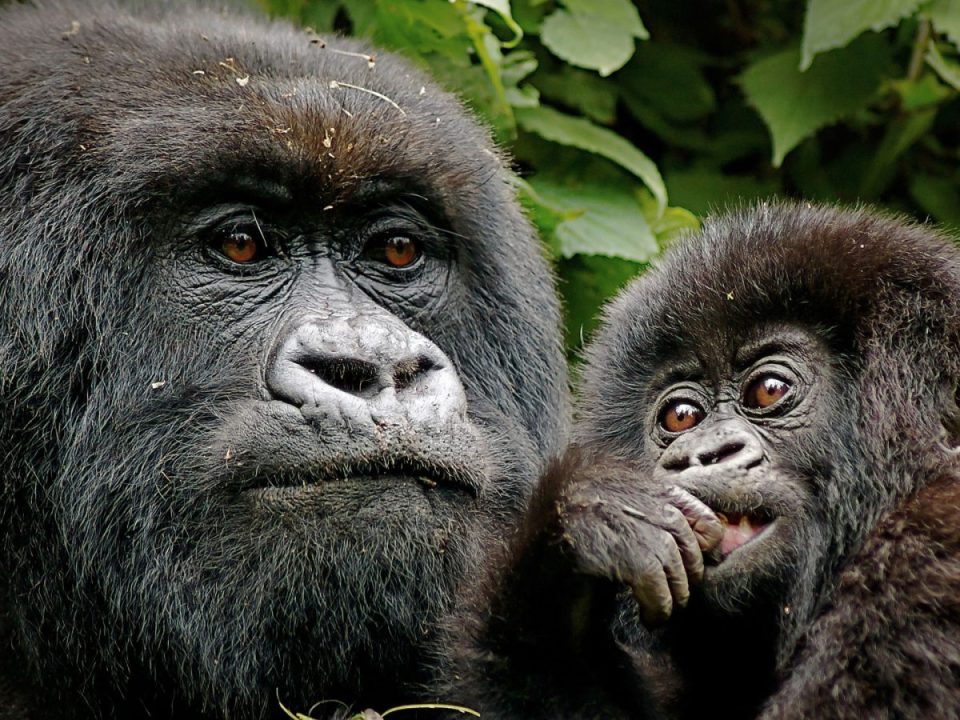
For wildlife photographers, this extended time creates valuable opportunities to capture intimate moments of gorilla behaviour. You may photograph a powerful silverback resting beneath the forest canopy, a mother caring for her infant, or young gorillas playing among the vegetation. Moreover, Bwindi’s misty atmosphere, towering trees and filtered sunlight create a beautiful setting for nature photography.
However, photographing mountain gorillas requires more than a good camera. Visitors must understand the photography guidelines, prepare suitable equipment and respect the animals throughout the encounter. Responsible photography protects the gorillas while allowing visitors to preserve meaningful memories of their adventure.
At Deks Africa Safaris & Tours Ltd, we help travellers prepare for memorable Uganda Gorilla Habituation Safaris. This guide explains whether you can take photographs, which equipment to carry, how to manage rainforest lighting and how to photograph gorillas responsibly during your Bwindi Gorilla Habituation Adventure.
Can You Take Photographs During the Gorilla Habituation Experience?
Photography Is Part of the Experience
Yes. Visitors can take photographs during the Gorilla Habituation Experience, provided they follow the instructions of the Uganda Wildlife Authority rangers and respect all applicable wildlife regulations.
The extended observation period offers more opportunities to document the gorillas’ natural behaviour. Unlike a brief wildlife encounter, this experience gives photographers additional time to observe interactions within the family and prepare carefully for suitable photographic moments.
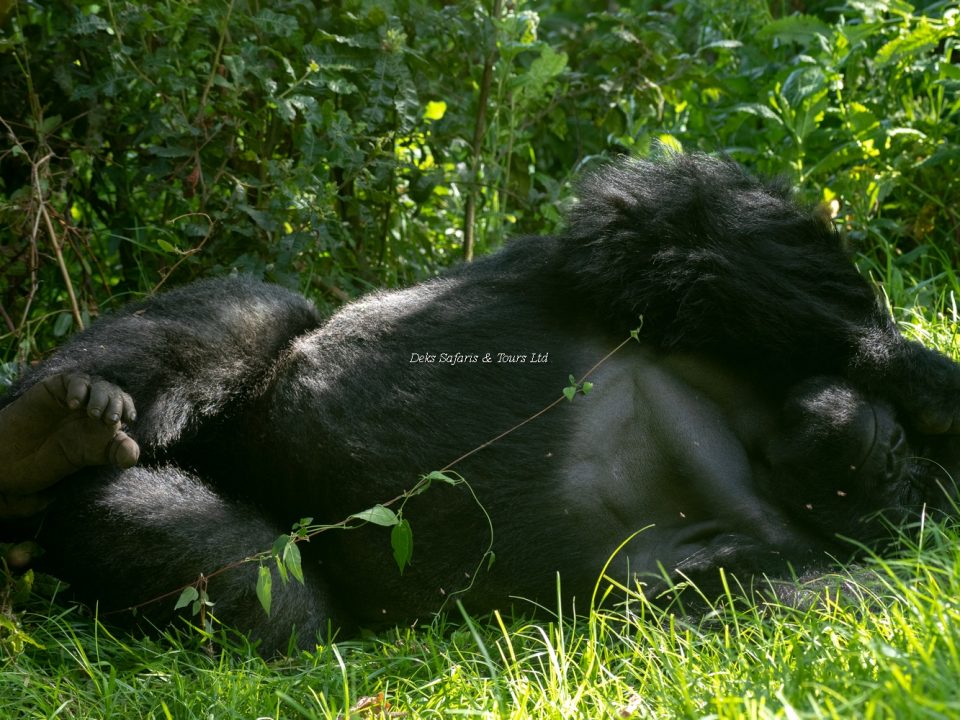
For example, you may capture a silverback feeding, grooming or resting while other members of the family move through the forest. You might also photograph a mother holding her infant or juveniles exploring their surroundings.
Why the Experience Appeals to Wildlife Photographers
Bwindi provides an exceptional setting for wildlife photography because its rainforest environment combines rich vegetation, changing light and dramatic landscapes. Mist sometimes hangs between the trees, while small openings in the canopy allow soft natural light to reach the forest floor.
Furthermore, the behaviour of mountain gorillas creates opportunities for different photographic compositions. A close portrait can reveal facial expressions and physical details, while a wider image can show how the animals interact with their forest environment.
Nevertheless, photography should always remain secondary to responsible wildlife observation. Your main priority is to follow the ranger’s instructions and avoid disturbing the gorillas.
What Gorilla Photography Opportunities Can You Expect?
Photographing the Dominant Silverback
The silverback often attracts considerable attention during a Gorilla Habituation Safari. As the mature male within the family, he may display impressive physical features, including a broad chest, muscular arms and the distinctive silver hair across his back.
Photographers can look for natural moments such as feeding, resting, grooming and movement through the vegetation. A portrait that captures the silverback’s expression can become a memorable record of the encounter.
However, avoid treating the silverback as a photographic subject that must perform for the camera. Never make noises, wave objects or attempt to attract his attention. Observe quietly and photograph his natural behaviour from the distance set by your ranger.
Capturing Mothers and Young Gorillas
Mother-infant interactions provide some of the most touching photography opportunities during Bwindi Gorilla Habituation. A mother may hold her baby, groom it or allow it to rest close to her body.
Juvenile gorillas also display playful behaviour. They may climb, explore, chase one another or interact with other family members. These natural moments can create engaging photographs that communicate the social character of mountain gorillas.
Patience plays an important role in this type of wildlife photography. Rather than anticipating a particular action, observe the family and remain ready to capture spontaneous behaviour.
Photographing the Rainforest Environment
Gorilla photography does not need to focus exclusively on individual animals. Bwindi’s rainforest provides beautiful environmental details that help tell a more complete story.
You can photograph towering trees, tangled vines, broad leaves, moss-covered branches and mist moving through the forest. Wider compositions can also show the relationship between the gorillas and their natural habitat.
These environmental photographs add variety to your collection and help communicate the importance of protecting the mountain gorillas’ rainforest home.
What Camera Should You Bring for Gorilla Habituation?
DSLR and Mirrorless Cameras
A DSLR or mirrorless camera with good low-light performance offers useful advantages for gorilla photography. Bwindi’s dense vegetation often limits the amount of natural light reaching the forest floor. Consequently, cameras that perform well at higher ISO settings can help you capture clearer images in darker conditions.
Full-frame cameras provide additional flexibility in challenging lighting, although a good crop-sensor camera can also produce excellent results. The most important considerations include image quality, autofocus performance, handling and familiarity with your equipment.
Do not feel that you need the most expensive professional camera to enjoy the Gorilla Habituation Experience. A camera you understand and can operate comfortably often proves more useful than unfamiliar advanced equipment.
Choosing the Right Lens
A versatile telephoto lens helps you photograph gorillas without approaching them. A zoom lens also gives you flexibility when animals move through different distances and positions.
Useful lens options include:
- 70–200mm: Suitable for portraits and general wildlife photography.
- 100–400mm: Offers greater reach and flexibility for changing compositions.
- 150–600mm: Provides extended reach, although its size and weight may make forest hiking more demanding.
- 24–70mm: Useful for wider environmental photographs and forest scenes.
Your ranger determines the permitted viewing distance. Therefore, choose your lens to work within those limits rather than relying on equipment to justify getting closer to the animals.
How to Photograph Gorillas in Bwindi’s Low-Light Conditions
Understand the Forest Lighting
Low light presents one of the main challenges of Bwindi Gorilla Habituation photography. The thick canopy blocks much of the direct sunlight, creating dark areas and uneven lighting throughout the forest.
A camera with good high-ISO performance can help you maintain faster shutter speeds when gorillas move. However, increasing ISO too much may introduce digital noise, so balance exposure settings according to the available light.
Use Suitable Shutter Speeds
Gorillas may remain still for several minutes, but they can also move suddenly while feeding, climbing or interacting with family members.
For stationary portraits, a moderately fast shutter speed may work well, depending on your lens and camera stability. For movement, you may need a faster shutter speed to reduce motion blur.
Image stabilisation can help when photographing relatively still subjects, especially in low light. Nevertheless, stabilisation cannot freeze a moving gorilla, so shutter speed remains important.
Make the Most of Natural Light
Avoid relying on direct sunlight or forcing a composition when the lighting becomes difficult. Instead, look for natural openings in the vegetation where soft light illuminates the gorillas.
Also, pay attention to the background. Dark vegetation can create a dramatic portrait, while filtered light may reveal details in the gorilla’s face and fur.
Above all, remain flexible. The rainforest changes constantly, and adapting your camera settings to the available light is part of the photographic adventure.
Essential Camera Accessories for a Gorilla Habituation Safari
Carry Spare Batteries and Memory Cards
Photography during the Gorilla Habituation Experience can involve hundreds of images. Carry fully charged batteries and additional memory cards so that you do not run out of storage during an important moment.
Cold, damp conditions can also affect battery performance. Keep spare batteries in a secure, dry compartment and switch them when necessary.
Use reliable memory cards with enough capacity and suitable writing speeds for your camera. If you plan to record video where permitted, check the camera’s storage requirements before travelling.
Protect Your Camera from Rain and Humidity
Rain can occur throughout the year in Bwindi. A waterproof camera bag or rain cover helps protect your equipment from sudden showers and moisture.
Humidity can also cause condensation, especially when moving between different temperatures. Keep your camera inside its protective bag when necessary and avoid exposing it to sudden temperature changes.
A lens-cleaning cloth is another useful accessory. Rain droplets, mist and fingerprints can affect image quality, so clean the lens carefully whenever required.
Other Useful Photography Equipment
Consider packing the following accessories:
- Spare camera batteries.
- Extra memory cards.
- Waterproof camera bag or rain cover.
- Microfibre lens-cleaning cloth.
- Comfortable camera strap.
- Small dry bags for electronic accessories.
- A compact camera support, if practical and permitted.
Keep your equipment manageable because you must carry it through potentially steep and muddy forest terrain. A heavy camera bag can quickly become uncomfortable during a long hike.
Gorilla Photography Rules: How to Photograph Responsibly
Never Use Flash Photography
Avoid flash photography during the Gorilla Habituation Experience. Flash can disturb wildlife and interfere with natural behaviour. Use your camera’s available-light settings instead.
If the forest becomes dark, adjust your ISO, aperture and shutter speed according to the situation. You can also wait for a better natural-light opportunity rather than using flash.
Maintain the Required Distance
Uganda Wildlife Authority rangers provide instructions on how visitors should behave around mountain gorillas. Follow the required viewing distance and never approach an animal to improve your photograph.
Do not move ahead of the group, surround a gorilla or attempt to position yourself in a better location without permission. Your ranger understands the family’s behaviour and determines the appropriate viewing arrangements.
Avoid Sudden Movements and Loud Sounds
Remain calm and move carefully when the gorillas are nearby. Sudden movements, shouting and unnecessary noise can disturb the animals.
Turn off camera sounds where possible and avoid making repeated noises while adjusting your equipment. Furthermore, never imitate gorilla calls or attempt to attract the attention of an infant or silverback.
Follow Your Ranger’s Instructions
Your ranger’s instructions always take priority over photographic preferences. If the ranger asks you to stop taking photographs, change position or move away, respond immediately.
Responsible wildlife photography protects the gorillas and helps maintain a safe environment for everyone. A successful Gorilla Habituation Experience depends on respecting the animals, not simply collecting photographs.

Can I Take Photographs During the Gorilla Habituation Experience
Should You Bring a Smartphone or Professional Camera?
Smartphone Photography
Modern smartphones can capture impressive photographs, especially in good lighting. They are lightweight, convenient and easy to carry during a forest excursion.
However, smartphones may struggle in Bwindi’s darker rainforest conditions, particularly when subjects move or remain at a distance. Digital zoom can also reduce image quality.
If you prefer smartphone photography, use the main camera lens whenever possible, keep the lens clean and avoid relying excessively on digital zoom.
Professional Wildlife Photography
A DSLR or mirrorless camera offers greater control over exposure, focus and lens selection. These features can be valuable for photographers who want detailed wildlife portraits or high-quality images for professional projects.
However, professional equipment requires careful preparation. Make sure you understand your camera settings before entering the forest, because you may not have time to learn unfamiliar controls during an important encounter.
Both smartphones and professional cameras can preserve wonderful memories. Choose equipment that matches your interests, experience and comfort during the hike.
Can Professional Photographers Plan a Special Gorilla Habituation Safari?
Planning Around Photography Interests
Yes. Professional photographers and wildlife enthusiasts can discuss their interests with Deks Africa Safaris & Tours Ltd before booking.
A carefully planned Gorilla Habituation Safari can include suitable accommodation, transport arrangements, photography preparation and additional scenic experiences around Bwindi. We can also help you understand the permit arrangements and the practical limitations of photographing wild gorillas.
However, the Gorilla Habituation Experience follows wildlife management rules and the natural movements of the gorilla family. A private safari vehicle or specialised photography itinerary does not guarantee exclusive access, a particular gorilla family or specific photographic positions.
Allow Extra Time Around Bwindi
Consider adding extra nights to your itinerary if photography forms an important part of your Uganda adventure. Additional time allows you to explore the surrounding countryside, photograph forest landscapes and enjoy other activities without rushing between destinations.
You may also combine your Gorilla Habituation Experience with ordinary gorilla trekking, subject to separate permits and availability. This creates an opportunity to understand two different gorilla tourism experiences within Bwindi.
Cultural and Scenic Experiences Around Your Gorilla Habituation Lodge
Discover Batwa Cultural Heritage
A Gorilla Habituation Adventure offers an opportunity to explore the cultural heritage of communities around Bwindi. One meaningful activity is a community-led Batwa cultural experience.
The Batwa people have a longstanding historical connection with the forest. Organised visits introduce travellers to traditional knowledge, storytelling, music, dance and aspects of their cultural heritage.
These experiences add an important human dimension to a wildlife safari. They also provide opportunities to support community tourism through recognised local initiatives.
Experience Bakiga Traditions and Local Cuisine
The Bakiga communities around southwestern Uganda offer further opportunities to discover local culture. Depending on the activities available, visitors may enjoy traditional dance, music, village visits and craft demonstrations.
Local food also forms an important part of the experience. Popular dishes include matooke, sweet potatoes, cassava, beans, groundnut sauce and seasonal vegetables.
Enjoy Nature Walks and Birdwatching
Some lodges and community organisations arrange guided nature walks, birdwatching and visits to nearby villages. These activities allow photographers to explore the landscape beyond the main gorilla encounter.
Travellers staying around Rushaga may consider accommodation such as Four Gorillas Lodge or Ichumbi Gorilla Lodge, depending on availability and personal preferences. Ask your safari operator to confirm which cultural and nature activities are accessible from your selected property.
Choosing Deks Africa Safaris & Tours Ltd for Your Gorilla Photography Adventure
At Deks Africa Safaris & Tours Ltd, we understand that every traveller approaches a Uganda safari differently. Some visitors prioritise wildlife photography, while others want to experience the forest, learn about conservation and discover local culture.
We help guests plan Gorilla Habituation Safaris with practical attention to permits, accommodation, transport, preparation and additional activities. For photography enthusiasts, we can discuss suitable travel schedules, extra nights around Bwindi and scenic experiences that complement the main activity.
Our approach focuses on responsible tourism and realistic expectations. Mountain gorillas remain wild animals, and their behaviour, location and movements cannot be controlled for photography.
We encourage every visitor to prioritise conservation, respect park regulations and enjoy the privilege of observing these remarkable animals in their natural habitat.
Capture the Beauty of the Gorilla Habituation Experience Responsibly
Can you take photographs during the Gorilla Habituation Experience? Yes. Photography offers a wonderful way to preserve memories of your encounter with Uganda’s endangered mountain gorillas. The extended observation period creates opportunities to capture silverbacks, mothers, infants, juveniles and the beautiful rainforest environment.
A suitable DSLR or mirrorless camera, versatile telephoto lens, spare batteries, memory cards and waterproof protection can improve your photography experience. Nevertheless, the most important requirements are patience, preparation and respect for wildlife regulations.
Never use flash, disturb the gorillas or move closer to improve your composition. Follow your ranger’s instructions throughout the activity and remember that responsible wildlife observation always comes first.
With thoughtful planning and guidance from Deks Africa Safaris & Tours Ltd, you can enjoy an unforgettable Gorilla Habituation Safari in Bwindi while capturing meaningful photographs of one of Africa’s most extraordinary wildlife experiences.
Contact Deks Africa Safaris & Tours Ltd to plan your Uganda Gorilla Habituation Adventure and discover the photographic opportunities of Bwindi Impenetrable National Park.
Uganda Gorilla Habituation Safaris & Tour Holidays
- 6-Day Uganda Habituation Safari
- 7-Day Uganda Habituation Safari Experience
- 3-Day Uganda Gorilla Habituation Experience Tour
- 4-Day Uganda Gorilla & Golden Monkey Habituation Safari
- 5-Day Uganda Chimpanzee & Gorilla Habituation Tour
- 8-Day Uganda Gorilla Habituation Safari Experience
- 6-Day Gorilla Habituation and Golden Monkey Safari in Uganda
- 4-Day Gorilla Habituation Safari Starting in Kigali
- 7-Day Uganda Gorilla Habituation, Chimpanzee and Wildlife Safari
- 6-Day Uganda Gorilla Habituation and Wildlife Safari