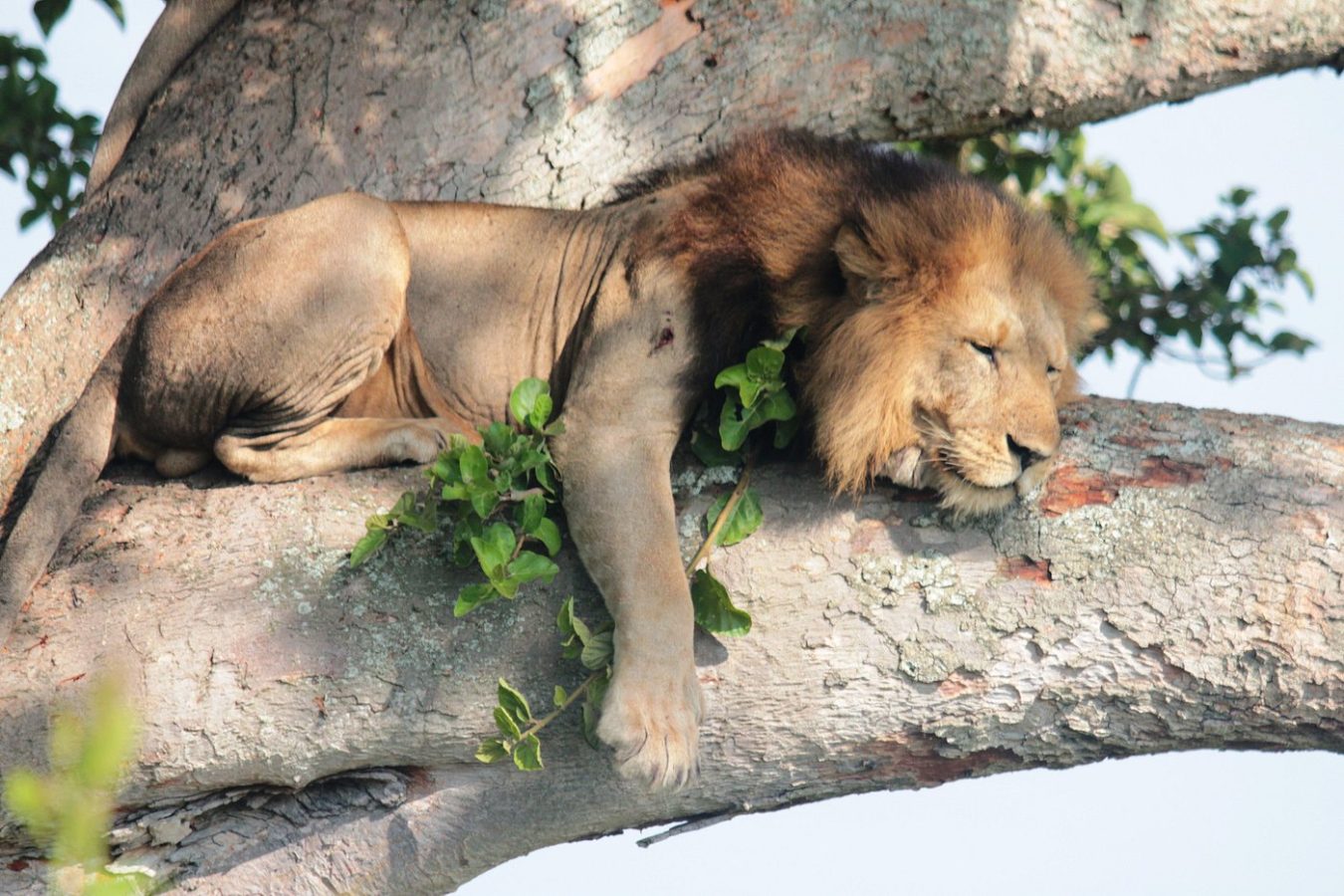
Are the Tree-Climbing Lions Still Found in Lake Manyara National Park?
July 6, 2026
Can I combine a beach holiday with a safari in Saadani National Park?
July 7, 2026Best Time to Visit Mahale Mountains National Park
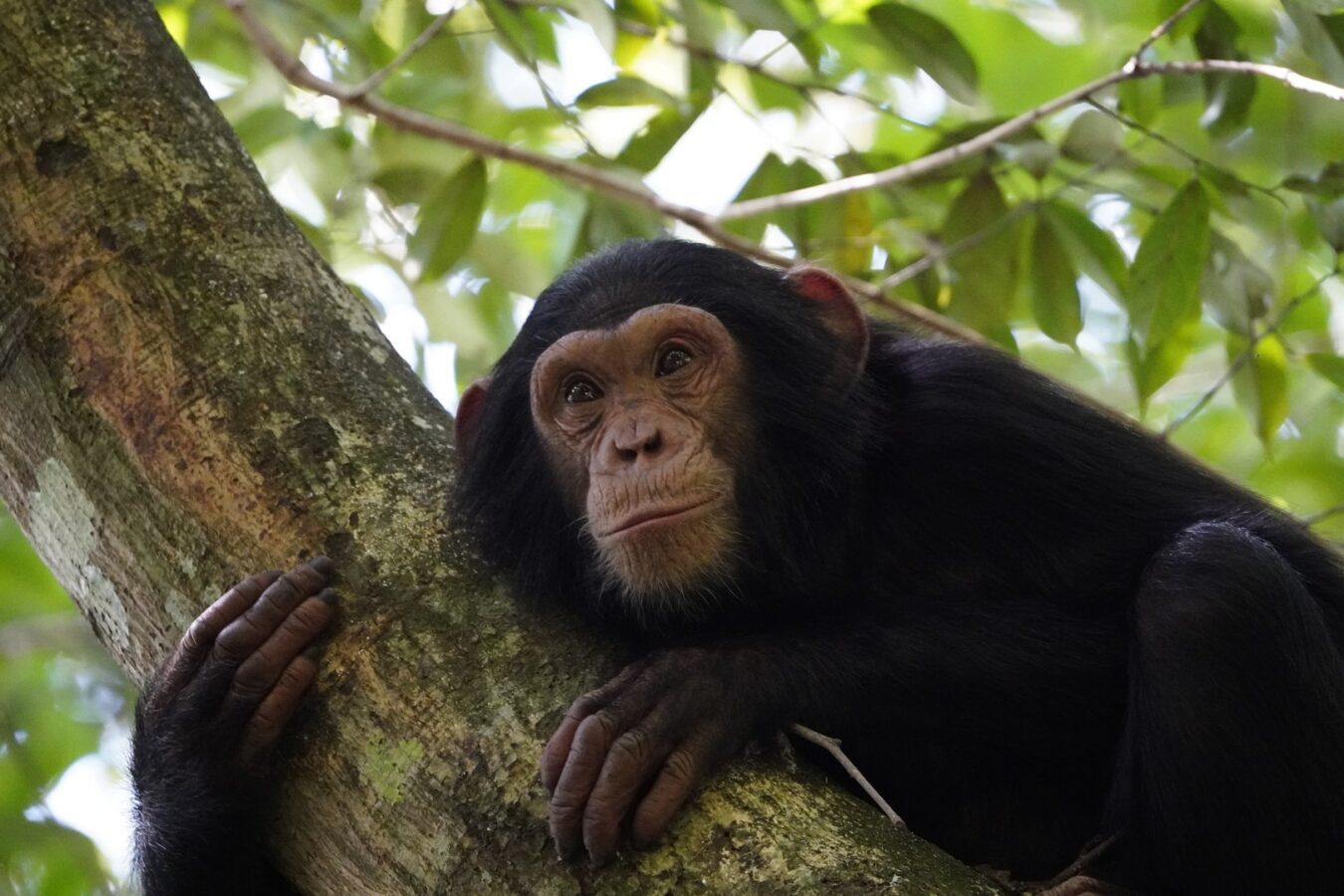
One of the most common questions from travelers planning unforgettable Tanzania Safaris is, What is the best time to visit Mahale Mountains National Park? The answer depends on the type of experience you are looking for, but for most visitors, the dry season from June to October is considered the ideal time. During these months, the weather is pleasant, forest trails are easier to hike, and chimpanzees are generally easier to locate as they spend more time feeding on lower slopes.
Situated on the eastern shores of Lake Tanganyika in western Tanzania, Mahale Mountains National Park is one of Africa’s most remote and spectacular safari destinations. Unlike the open plains of Serengeti, Mahale is covered by lush tropical rainforest and rugged mountain landscapes, making it world-famous for its exceptional chimpanzee trekking experiences.
Whether you are planning your first Tanzania Best Safari or returning to discover another side of Africa, understanding the seasonal changes in Mahale Mountains National Park will help you choose the perfect time for your adventure. At Deks Safaris and Tours Ltd, we help travelers select the most suitable travel season based on wildlife viewing, weather conditions, photography opportunities, and overall safari experience.
Big Five and Chimpanzee Tracking
Why Is June to October the Best Time to Visit Mahale Mountains National Park?
When discussing the best time to visit Mahale Mountains National Park, the dry season consistently ranks as the top choice.
Excellent Chimpanzee Trekking Conditions
Between June and October:
- Forest trails are drier and easier to hike.
- Chimpanzees are often found at lower elevations, making them easier to locate.
- Trekking is generally less physically demanding.
- Clear skies provide excellent visibility for photography.
This is the most popular period for visitors whose main goal is observing wild chimpanzees in their natural habitat.
Comfortable Weather
Daytime temperatures are pleasant, humidity is lower, and rainfall is minimal, allowing visitors to enjoy hiking and outdoor activities comfortably.
Is the Green Season a Good Time to Visit?
Yes. Although the dry season is often recommended, the green season from November to May also offers rewarding experiences.
Lush Rainforest Scenery
During the rainy months, Mahale transforms into a vibrant green paradise with:
- Flourishing tropical vegetation
- Beautiful waterfalls
- Fresh mountain streams
- Spectacular landscapes
Excellent Birdwatching
Many migratory and resident bird species are active during this period, making it one of the best seasons for bird enthusiasts.
Fewer Tourists
Travelers who prefer a quieter safari experience will appreciate the lower visitor numbers during the green season.
While occasional rain can make trails more challenging, chimpanzee trekking continues throughout much of the year.
What Wildlife Can Visitors See Throughout the Year?
Regardless of when you visit, Mahale Mountains National Park offers exceptional biodiversity.
Besides chimpanzees, visitors may encounter:
- Red colobus monkeys
- Red-tailed monkeys
- Blue monkeys
- Bushbucks
- Forest birds
- Butterflies
- Colorful cichlid fish in Lake Tanganyika
Every season offers unique wildlife viewing opportunities.
Can You Combine Mahale with the Tanzania Great Migration?
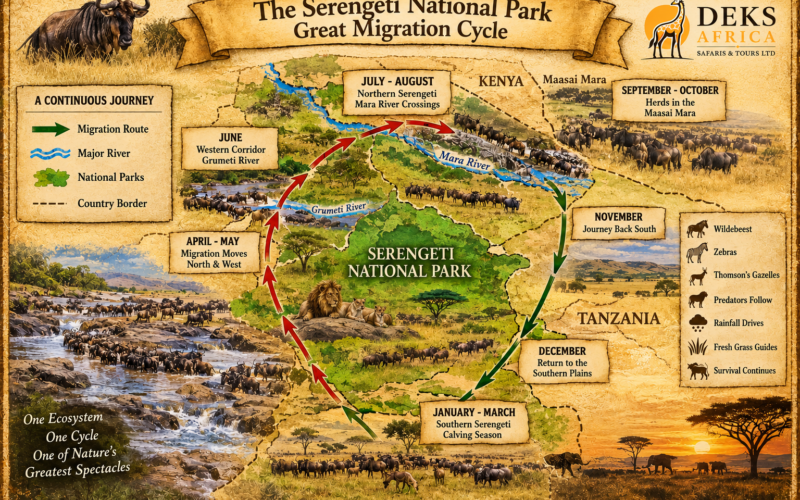
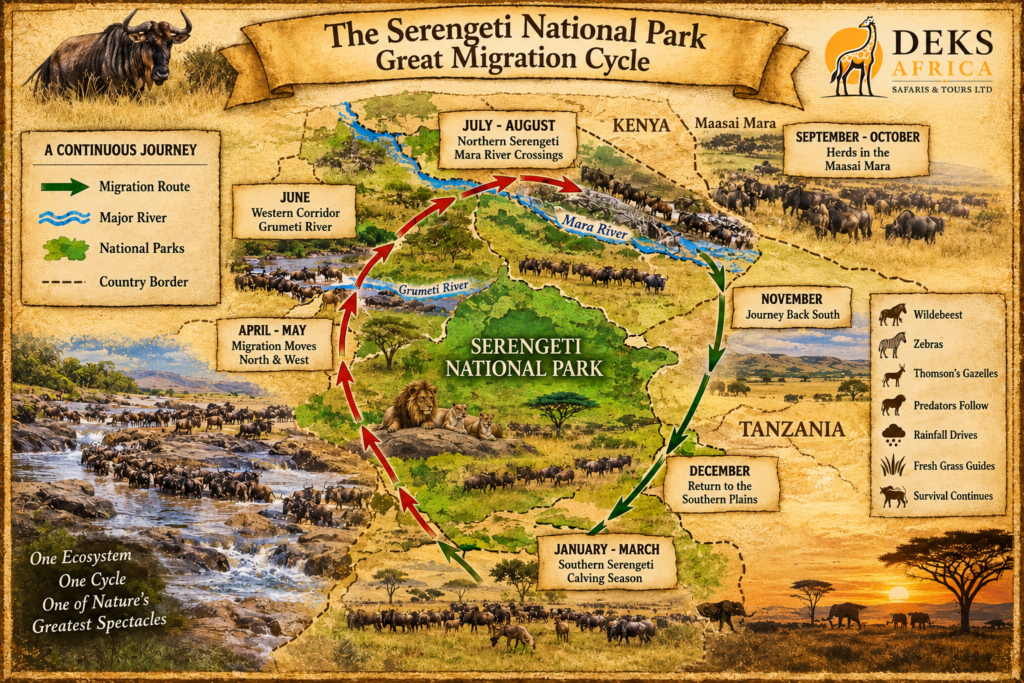
Absolutely. One of the greatest advantages of visiting Mahale during the dry season is the opportunity to combine it with the famous Tanzania Great Migration in Serengeti National Park.
Depending on your travel dates, you can experience:
- Chimpanzee trekking in Mahale Mountains National Park
- Big Five game drives in Ngorongoro Conservation Area
- Large elephant herds in Tarangire National Park
- Birdwatching in Lake Manyara National Park
- The spectacular Great Migration in the Serengeti
This combination creates one of the most diverse and rewarding Tanzania Safaris, blending rainforest adventures with classic savannah wildlife.
Safari Inclusions and Exclusions
What Is Usually Included?
A Mahale Mountains safari with Deks Safaris and Tours Ltd typically includes:
- National park entrance fees
- Chimpanzee trekking permits
- Professional English-speaking safari guide
- Ranger-guided chimpanzee trek
- Accommodation according to your itinerary
- Meals as specified
- Scheduled boat transfers where applicable
- Bottled drinking water during activities
What Is Usually Excluded?
Safari packages generally exclude:
- International and domestic flights unless specified
- Tanzanian visa fees
- Travel insurance
- Personal expenses
- Alcoholic beverages unless included
- Laundry services
- Tips for guides and lodge staff
Recommended Safari Lodges in Mahale Mountains National Park
For a comfortable stay near the chimpanzee trekking areas, Deks Safaris and Tours Ltd recommends:
- Greystoke Mahale
- Mbali Mbali Mahale Lodge
- Kungwe Beach Lodge
These lodges offer exceptional hospitality, stunning lake views, and convenient access to trekking trails.
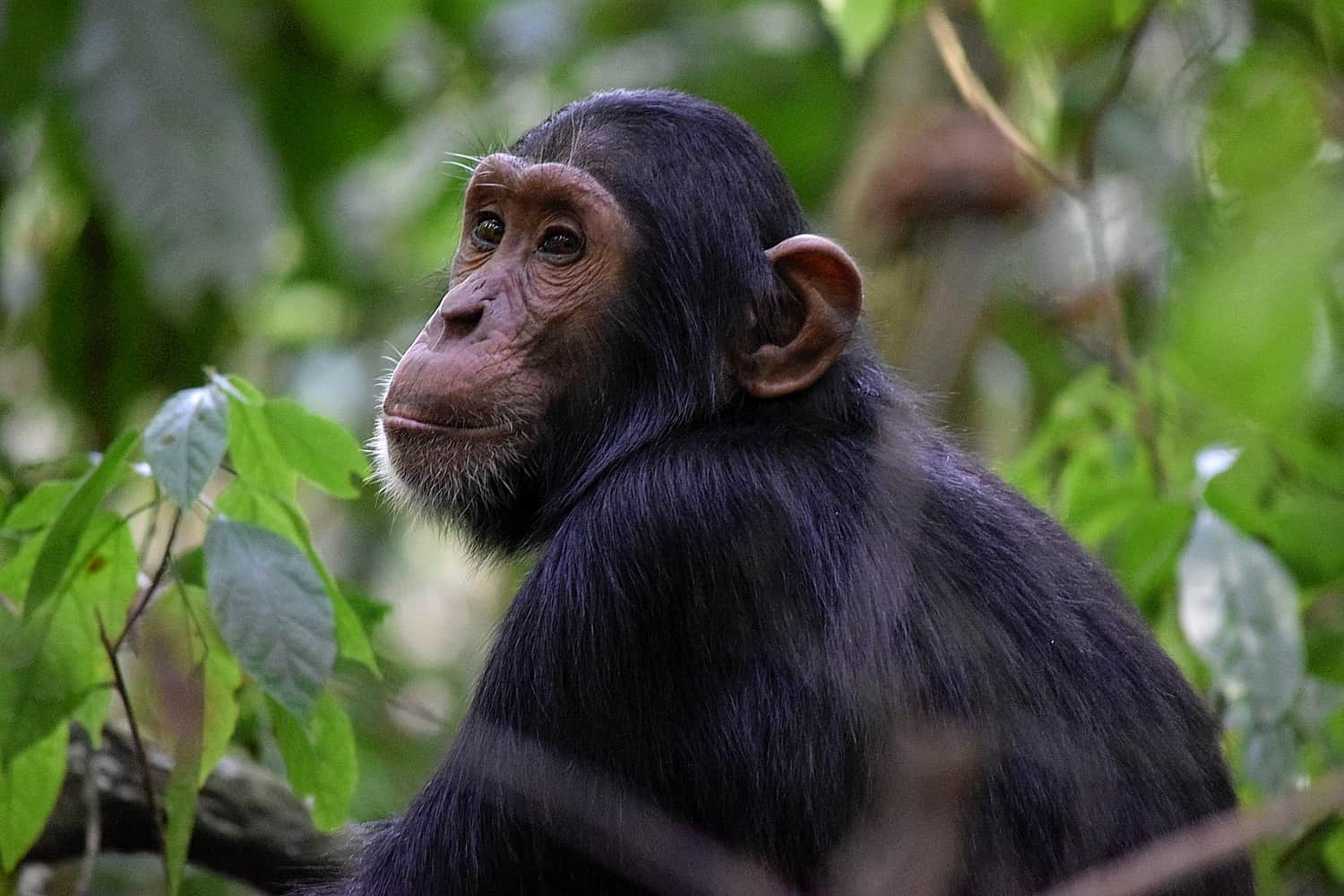
Chimpanzee Tracking in Tanzania
Conclusion: What Is the Best Time to Visit Mahale Mountains National Park?
The best time to visit Mahale Mountains National Park is generally June to October, when dry weather, comfortable hiking conditions, and excellent chimpanzee sightings combine to create an unforgettable safari experience. However, the green season from November to May also offers lush scenery, outstanding birdwatching, and a quieter atmosphere for travelers seeking a different perspective.
Whether your goal is tracking wild chimpanzees, hiking through tropical rainforest, relaxing along the shores of Lake Tanganyika, or combining your visit with the Tanzania Great Migration in Serengeti National Park, Mahale Mountains National Park promises one of Africa’s most unique wildlife adventures.
At Deks Safaris and Tours Ltd, we specialize in creating tailor-made Tanzania Best Safaris that combine Mahale’s remarkable chimpanzee encounters with the country’s iconic national parks, ensuring an authentic, memorable, and expertly planned African safari.