Serengeti Safari in January
August 20, 2026
Serengeti Safari in June
August 20, 2026Serengeti Safari in July: The Peak of the Great Migration
A Serengeti Safari in July delivers one of Africa’s most exciting wildlife adventures. July brings dry weather, excellent visibility, and dramatic wildlife encounters.
The month also places travelers near important stages of the Great Wildlife Migration. Vast herds move across northern and western Serengeti landscapes.
A Serengeti Safari in July offers exceptional opportunities for wildlife lovers, photographers, families, and adventure travelers. Moreover, the dry season makes game drives more comfortable.
The famous Serengeti National Park provides remarkable scenery throughout the journey. Endless plains, granite kopjes, rivers, and acacia woodlands create unforgettable safari landscapes.
Many travelers choose July for a Serengeti Great Migration Safari because wildlife activity becomes highly concentrated. Wildebeest, zebras, gazelles, predators, and resident animals create constant opportunities for memorable sightings.
However, migration movements remain natural and unpredictable. Therefore, experienced planning should match accommodation locations with expected herd movements.
Deks Africa Safaris and Tours Ltd designs personalized Tanzania Safaris around travel interests, comfort levels, and available safari dates. Consequently, every itinerary can focus on migration viewing, photography, wildlife, culture, or luxury experiences.
A well-planned Serengeti Safari in July can also combine Tarangire, Ngorongoro, and other famous northern Tanzania destinations.
Tanzania Wildlife Safaris
Why Choose a Serengeti Safari in July?
Peak Wildlife Season
A Serengeti Safari in July takes place during the established dry season. Rainfall generally decreases, while vegetation becomes shorter across many areas.
These conditions improve visibility during game drives. Lions resting near kopjes become easier to locate.
Elephants gather around important water sources. Buffalo move across open grasslands, while giraffes browse through woodland areas.
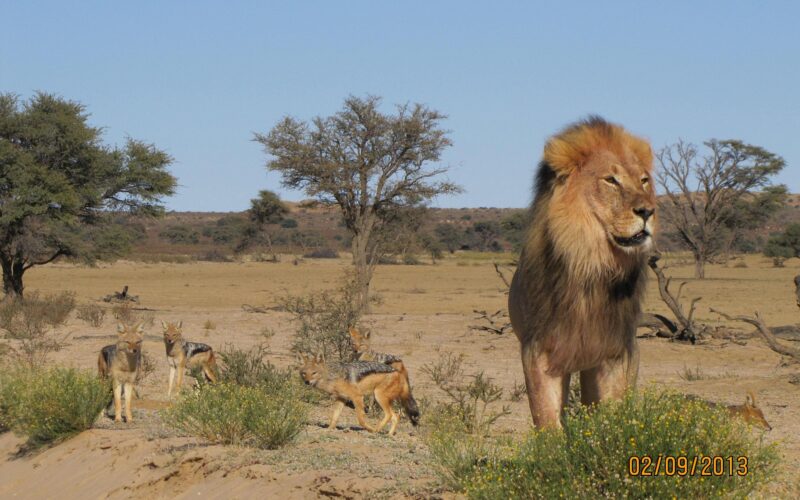
Furthermore, predators remain active throughout the Serengeti ecosystem. Lions, leopards, cheetahs, hyenas, and African wild dogs may appear during carefully planned drives.
July also attracts travelers seeking iconic migration scenes. Depending on seasonal rainfall and herd movements, travelers may encounter enormous columns of wildebeest and zebra.
This makes Great Migration Safaris especially rewarding for visitors wanting large-scale wildlife encounters.
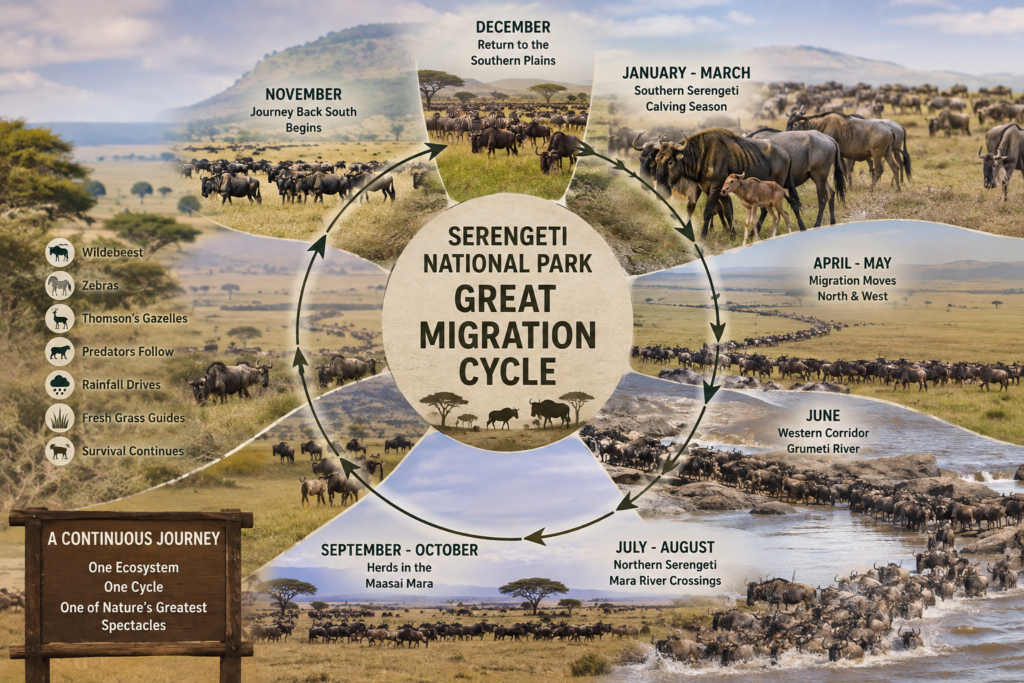
Unlike a single event, the migration follows changing rainfall and grazing conditions. Therefore, exact Serengeti Migration Dates can vary between different years.
A flexible itinerary provides better opportunities than relying on one guaranteed location. Deks Africa Safaris and Tours Ltd considers seasonal wildlife movements when planning each Serengeti Safari in July.
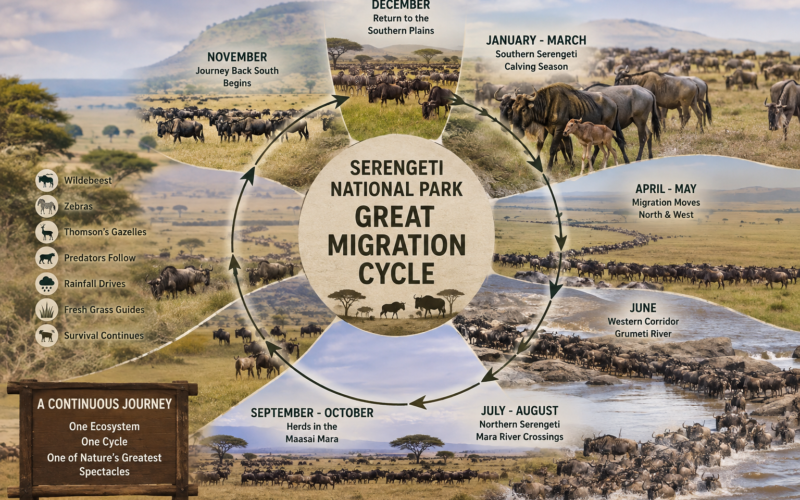
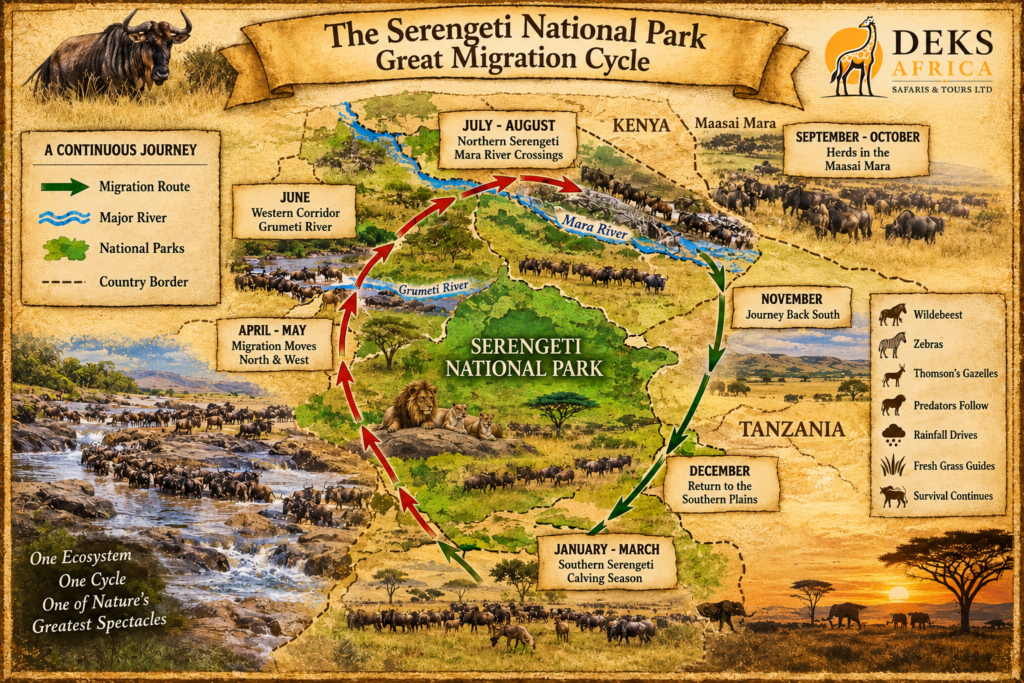
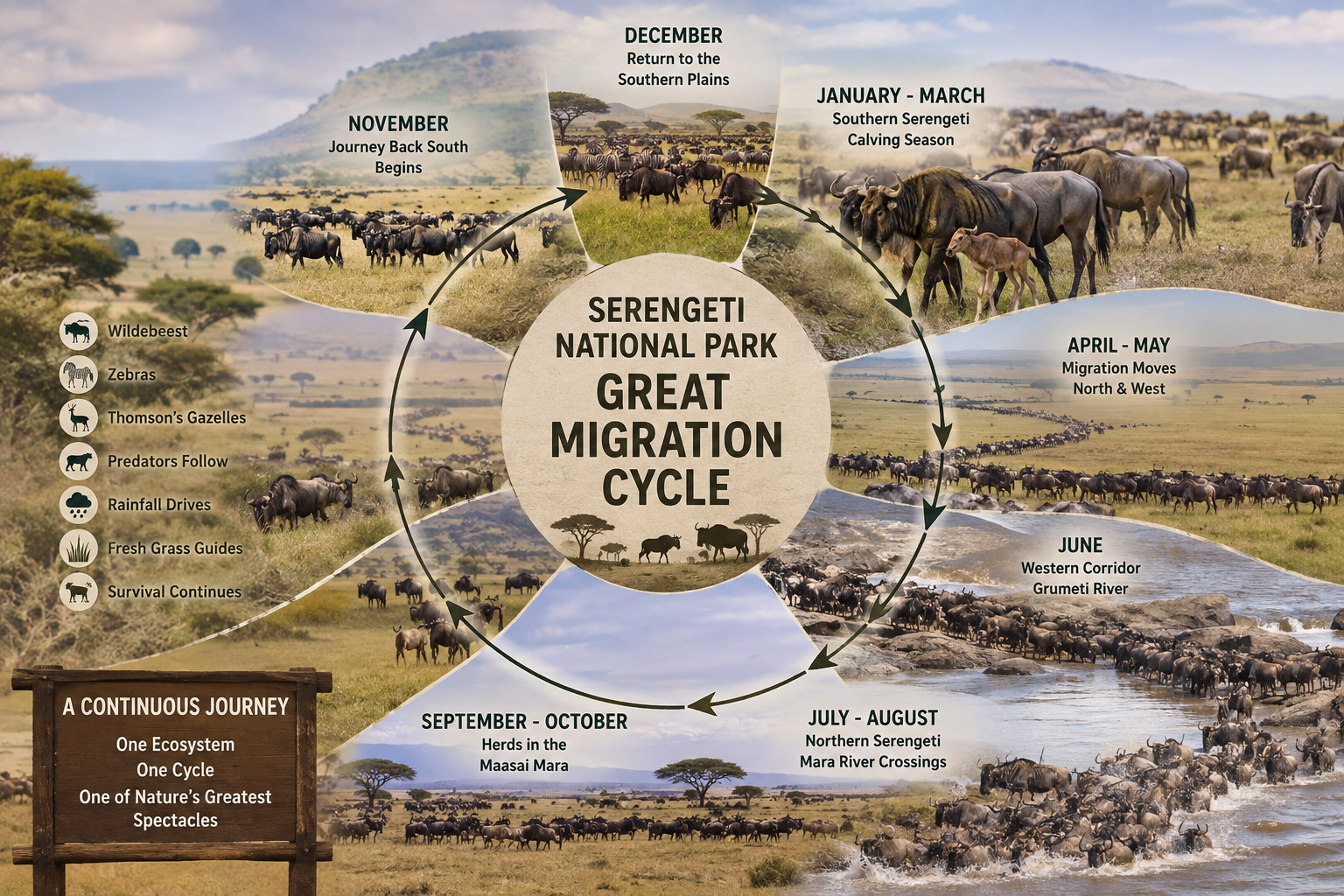
The Great Wildlife Migration in July
Following the Northern Movement
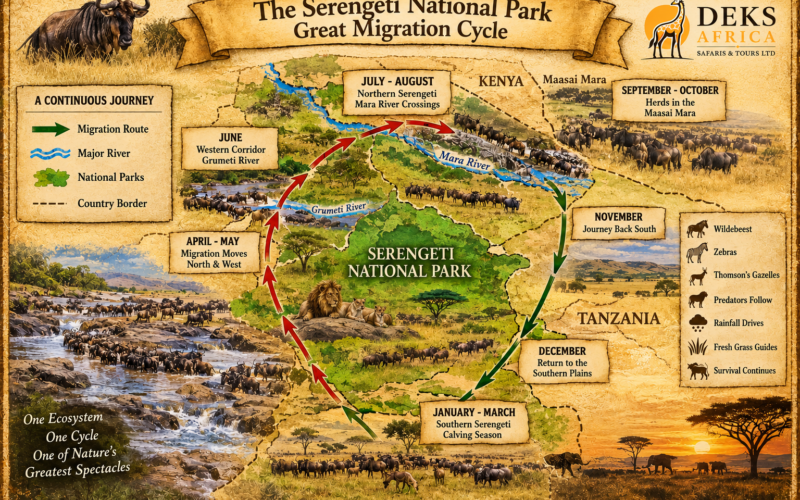
July often marks an important stage of the northward Great Wildlife Migration. Large herds may move through the western and northern regions.
The Western Corridor can provide impressive wildlife activity. Meanwhile, the northern Serengeti becomes increasingly important for migration-focused travelers.
A Serengeti Great Migration Safari during July may include movement near major river systems. The Grumeti and Mara regions attract particular attention.
River crossings create some of Africa’s most dramatic wildlife moments. However, crossings never follow a fixed timetable.
Herds can gather near riverbanks for hours or days. Animals may approach the water repeatedly before crossing.
Consequently, patience plays an important role during migration safaris. A skilled guide observes herd behavior and chooses promising locations.
The Serengeti Safari in July experience involves much more than river crossings. Massive grazing herds, predator encounters, and dramatic landscapes create a complete wildlife journey.
Travelers should focus on the entire ecosystem. This approach creates a richer and more rewarding Serengeti Safari in July.
Mara River Crossings and Migration Drama
Nature on Its Own Schedule
The Mara River represents one of the most famous wildlife locations during northern migration seasons. Wildebeest and zebras may cross strong currents at different points.
Crocodiles inhabit parts of the river. Predators also follow vulnerable animals across the surrounding landscape.
Nevertheless, no safari company can guarantee a river crossing. Wildlife follows natural instincts, weather patterns, grazing conditions, and changing environmental factors.
This unpredictability makes every Serengeti Great Migration Safari unique. Travelers may witness a dramatic crossing or enjoy other remarkable wildlife moments.
An experienced guide maximizes opportunities through local knowledge and careful timing. Still, nature controls the final outcome.
For this reason, longer Tanzania Wildlife Safaris often improve migration viewing opportunities. Additional days allow travelers to explore different areas.
A Serengeti Safari in July should therefore include enough time for flexible game drives. Rushing between destinations can reduce valuable wildlife opportunities.
Northern Serengeti camps also provide convenient access to migration areas. Mobile camps may follow expected herd movements throughout different seasons.
Weather During a Serengeti Safari in July
Cool Mornings and Dry Days
July brings some of the coolest conditions of the Serengeti year. Early mornings and evenings can feel surprisingly cold.
Therefore, travelers should pack warm layers for sunrise game drives. Light jacket, fleece, and comfortable trousers provide useful protection.
Daytime conditions often become pleasant for wildlife viewing. Dry roads also support comfortable travel across many safari routes.
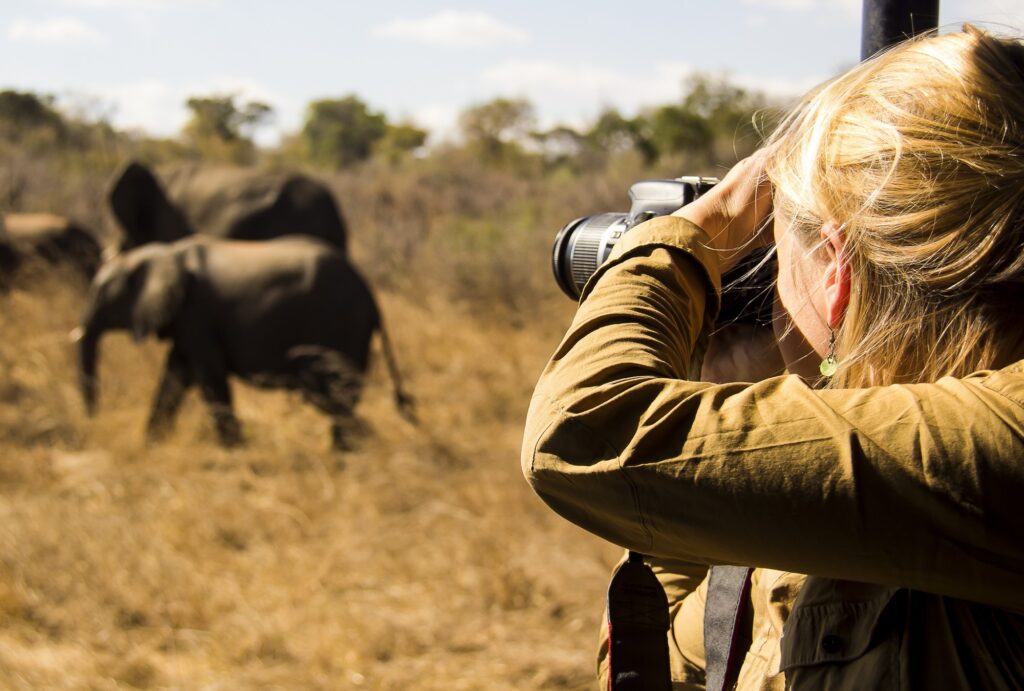
Clearer skies can create excellent photography conditions. Morning light illuminates the grasslands, while late afternoons create beautiful wildlife silhouettes.
The dry season also reduces dense vegetation in several areas. As a result, guides can often spot animals more easily.
However, temperatures vary between regions and elevations. Ngorongoro Crater and surrounding highlands can feel colder than the Serengeti plains.
A successful Serengeti Safari in July requires suitable clothing for changing conditions. Layered clothing provides the easiest solution.
Furthermore, sun protection remains essential during daytime activities. A hat, sunglasses, sunscreen, and reusable water bottle improve comfort during Africa Safaris.
Best Places to Visit in July
Northern Serengeti
The northern Serengeti remains a major focus during a Serengeti Safari in July. Its open landscapes provide excellent wildlife viewing.
The area contains rolling hills, riverine vegetation, grasslands, and remote wilderness. Compared with central areas, some northern locations offer a stronger sense of isolation.
Migration herds may move through this region during July. Their exact position depends on annual rainfall patterns and grazing conditions.
Visitors can also encounter elephants, giraffes, lions, hyenas, and many antelope species. Birdlife adds further variety to game drives.
A northern-based Serengeti Great Migration Safari works well for travelers with several dedicated migration days.
Western Serengeti
The Western Corridor offers another important area for July travel. This region includes grasslands and river systems that influence migration movements.
Wildlife remains abundant beyond the migrating herds. Lions and other predators take advantage of the area’s rich prey populations.
Additionally, the Western Corridor offers a different landscape from northern plains. This variety strengthens longer Tanzania Safaris.
Central Serengeti
Central Serengeti provides excellent wildlife viewing throughout the year. The Seronera ecosystem supports strong populations of resident animals.
Leopards often inhabit riverine areas. Lions use kopjes and open plains, while cheetahs hunt across suitable grasslands.
Therefore, central Serengeti makes an excellent addition to a Serengeti Safari in July. Travelers can combine migration tracking with dependable resident wildlife.
Wildlife Encounters Beyond the Migration
The Big Five and More
A Serengeti Safari in July offers much more than wildebeest viewing. The park supports an extraordinary variety of African wildlife.
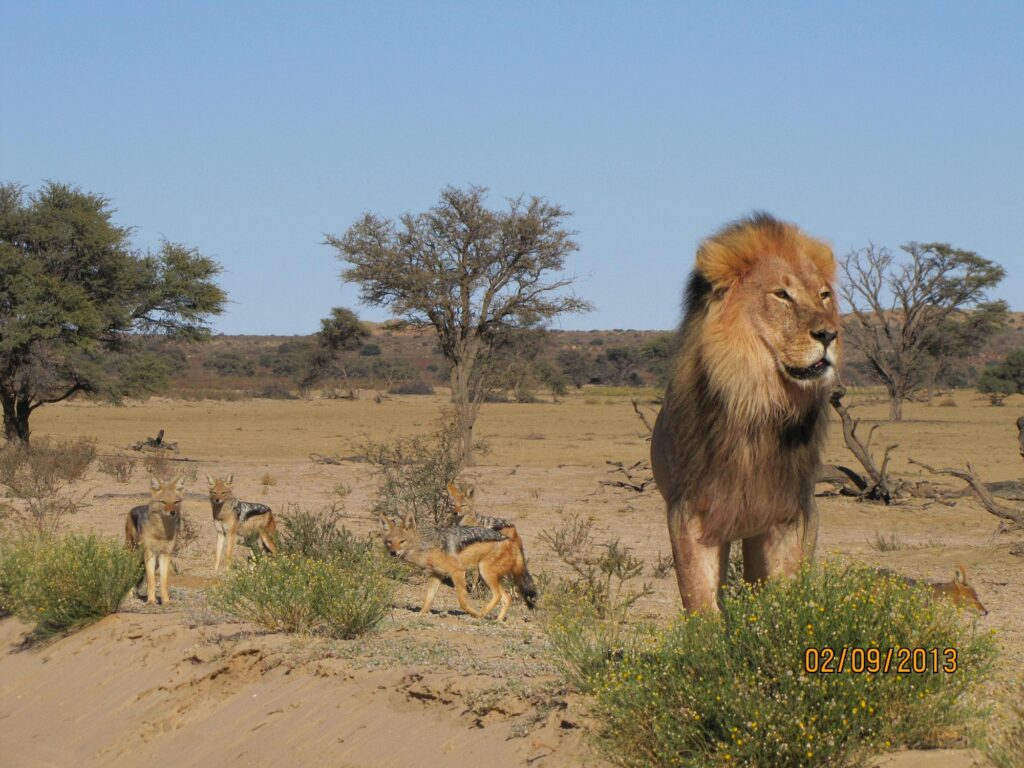
Lions rank among the most frequently observed predators. Large prides often occupy territories near prey-rich grasslands.
Leopards require more patience but remain an exciting possibility. Guides often search large trees and riverine vegetation.
Cheetahs favor open habitats where they can use speed during hunts. Hyenas also provide fascinating behavior during daytime and evening drives.
Elephants move through several Serengeti habitats. Buffalo remain widespread, while rhinos require specialized locations and careful conservation protection.
Zebras frequently travel alongside wildebeest during migration movements. Grant’s gazelles, Thomson’s gazelles, topi, impalas, and hartebeests increase the diversity.
Birdwatchers can also enjoy numerous species across the ecosystem. Raptors, ostriches, hornbills, storks, and smaller birds enrich every safari.
For this reason, Tanzania Wildlife Safaris appeal to travelers with different interests. Every game drive can reveal something unexpected.
Enjoy a Hot Air Balloon Ride
Aerial Views of the Serengeti
A Hot Air Balloon Ride adds another dimension to a Serengeti Safari in July. The adventure usually begins before sunrise.
Travelers watch the balloon inflate before lifting gently above the African wilderness. From the air, the scale of the Serengeti becomes truly visible.
Herds appear as moving patterns across the grasslands. Rivers, kopjes, woodland, and plains create spectacular aerial scenery.
The experience offers exceptional photographic opportunities. However, travelers should reserve balloon experiences early during busy July periods.
A Hot Air Balloon Ride also complements traditional game drives. The two activities provide completely different perspectives.
After landing, many balloon experiences include a bush-style breakfast. This creates a memorable conclusion to the morning adventure.
Deks Africa Safaris and Tours Ltd can include balloon experiences within customized Africa Tours. Early planning helps secure availability during popular travel periods.
Cultural Experiences Around the Serengeti
Connect With Tanzania’s Living Heritage
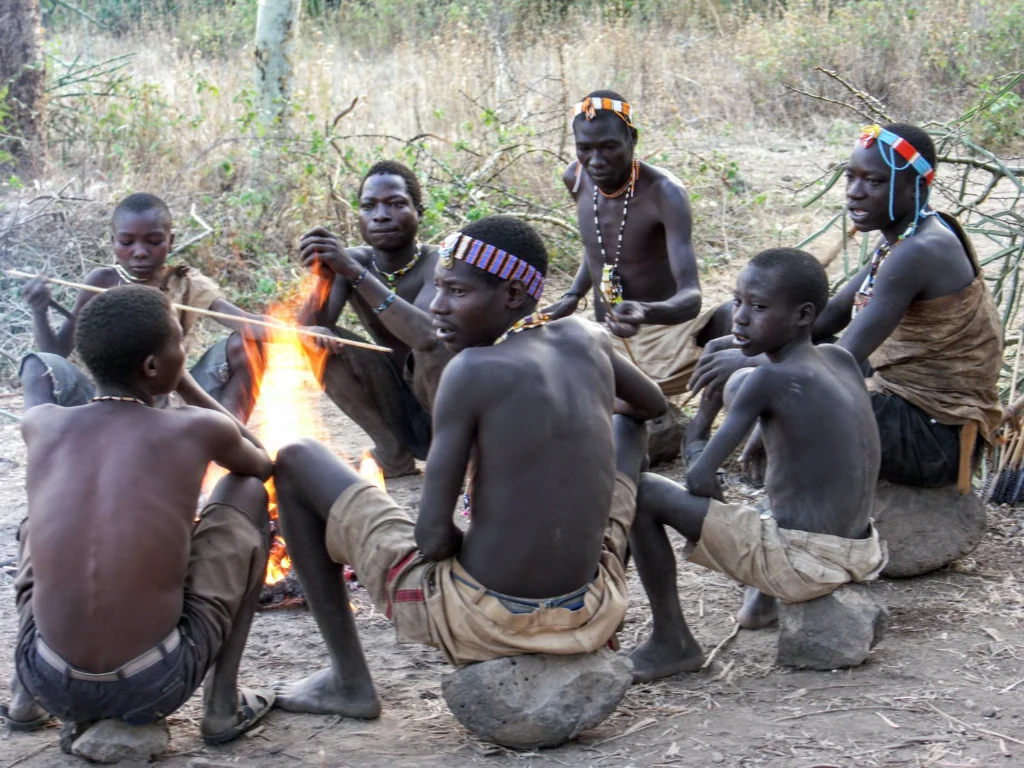
A Serengeti Safari in July can include meaningful cultural experiences alongside wildlife adventures. Tanzania offers diverse communities, traditions, crafts, and lifestyles.
Travelers can arrange guided cultural visits around appropriate safari routes. Maasai community experiences offer insights into traditional homes, dress, livestock practices, music, and daily life.
Respectful visits should support local communities and follow agreed cultural guidelines. Responsible tourism creates more meaningful connections for both visitors and hosts.
Near the Ngorongoro region, travelers can also explore cultural heritage connected with Maasai communities. Guided experiences may include traditional storytelling, crafts, dancing, and village activities.
Mto wa Mbu offers another popular cultural stop during northern circuit Tanzania Safaris. Visitors can explore local markets, food traditions, farming, and community-based experiences.
These activities add depth to a Serengeti Safari in July. Wildlife introduces travelers to Tanzania’s natural heritage.
Culture introduces them to the people who contribute to the country’s identity. Combining both experiences creates more balanced and meaningful Africa Tours.
Choosing the Right Safari Lodge or Camp
Location Matters Most
Accommodation location plays a major role during a Serengeti Safari in July. The best camp depends on the expected position of wildlife.
Northern camps suit travelers focusing on migration movements and possible Mara River activity. Central Serengeti camps offer reliable access to resident wildlife.
Mobile tented camps can provide another excellent option. These camps may change locations according to seasonal wildlife patterns.
Accommodation styles range from basic camping to midrange lodges and luxury tented camps. Every option provides a different experience.
Luxury camps may offer spacious tents, private facilities, excellent dining, and personalized service. Midrange properties balance comfort with affordability.
Camping offers a closer connection with the wilderness. However, travelers should select accommodation based on personal comfort and travel expectations.
Deks Africa Safaris and Tours Ltd can help match camps with travel dates and safari priorities. This planning improves the overall Serengeti Safari in July experience.
How to Plan Your Serengeti Safari in July
Book Early and Stay Flexible
July attracts international travelers because of its dry weather and migration opportunities. Therefore, popular lodges and camps can fill quickly.
Booking early provides more accommodation choices. It also improves access to strategically located properties.
Travelers should begin by choosing their preferred safari length. A longer itinerary allows more flexibility for wildlife tracking.
Next, select the primary migration area based on expected seasonal movements. Then, add destinations that complement the Serengeti experience.
Tarangire National Park offers elephants and iconic baobab landscapes. Ngorongoro Crater provides dense wildlife viewing within a remarkable volcanic setting.
Together, these destinations create varied Tanzania Safaris. They also strengthen the value of longer Great Migration Safaris.
A private 4×4 safari vehicle provides flexibility during game drives. Experienced driver-guides help identify wildlife and adapt routes when conditions change.
Most importantly, travelers should remain flexible with exact Serengeti Migration Dates. Nature does not follow a calendar.
A flexible itinerary always offers stronger opportunities for a successful Serengeti Safari in July.
Suggested Safari Highlights
- A carefully designed Serengeti Safari in July can include:
- Great Migration wildlife tracking
- Northern Serengeti game drives
- Mara River migration viewing
- Western Corridor exploration
- Central Serengeti wildlife viewing
- Big Five opportunities
- Predator tracking
- Sunrise and sunset game drives
- Hot Air Balloon Ride
- Maasai cultural experiences
- Mto wa Mbu cultural visit
- Ngorongoro Crater safari
- Tarangire elephant encounters
- Professional safari photography opportunities
- Luxury, midrange, or camping accommodation
Serengeti Safari in July Inclusions
- Airport transfers
- 4×4 safari vehicle
- Professional driver-guide
- Accommodation
- Meals as specified
- Drinking water
- Game drives
- Park entry fees
- Conservation fees
- Crater fees, where applicable
- Government taxes and levies
- Safari activities listed in the itinerary
Serengeti Safari in July Exclusions
- International flights
- Visa fees
- Travel insurance
- Personal expenses
- Alcoholic beverages
- Additional drinks
- Optional Hot Air Balloon Ride
- Tips and gratuities
- Laundry services
- Items of a personal nature
- Activities not listed in the itinerary
Why Book Your Serengeti Safari in July with Deks Africa Safaris and Tours Ltd?
Expert Planning for Exceptional Africa Safaris
A Serengeti Safari in July requires more than transport and accommodation. Successful planning depends on timing, route design, wildlife knowledge, and realistic expectations.
Deks Africa Safaris and Tours Ltd focuses on creating journeys that match each traveler’s interests. Every safari can include migration tracking, wildlife photography, cultural experiences, or premium wilderness accommodation.
The Great Migration remains a natural phenomenon. Therefore, responsible safari planning avoids unrealistic guarantees.
Instead, strong planning positions travelers within the most suitable regions. Flexible routes and knowledgeable guides then improve wildlife opportunities.
A Serengeti Safari in July offers dry-season wildlife viewing, dramatic landscapes, and unforgettable migration experiences. It can become the centerpiece of a longer Tanzanian adventure.
Whether travelers choose luxury camps or comfortable midrange lodges, the Serengeti delivers extraordinary wilderness experiences.
Plan your Serengeti Safari in July with Deks Africa Safaris and Tours Ltd. Explore the Great Wildlife Migration, discover Tanzania’s diverse cultures, and experience the remarkable beauty of Africa’s wilderness.
Proposed East Africa Safari Holidays for the USA Travelers
- 9-Day Rwanda & Tanzania Luxury Wildlife Tour
- 9-Day Rwanda, Uganda & Tanzania Luxury Wildlife Safari
- 9-Day Rwanda Gorilla Trekking & Tanzania Safari
- 9-Day Tanzania Safari & Uganda Gorilla Trekking
- 10-Day Serengeti & Ngorongoro Crater Safari Experience
- 10-Day Tanzania and Rwanda Adventure Safari
- 11-Day Rwanda Uganda Tanzania Safari
- 20 Days Uganda, Tanzania, and Mafia Island Beach Safari
- 18 Days Uganda, Tanzania, and Mafia Island Beach Safari
- 14-Day Rwanda Uganda Tanzania Tour
- 14-Day Rwanda, Kenya, Tanzania & Beach Holiday
- 20-Day Rwanda Tanzania Zanzibar Safari Experience
- 16-Day Tanzania Safari & Rwanda Gorilla Trekking Experience
- 14 Days Kenya-Tanzania-Rwanda-Uganda Safari
- 24 Days Zanzibar-Uganda-Tanzania-Kenya Safari
- 5 Days Serengeti Great Migration Safari
- 6 Days Serengeti Great Migration Safari
- 7 Days Serengeti Great Migration Safari
- 8 Days Serengeti Great Migration Safari