
Africa Wildlife Safaris – The Ultimate Pan-African Safari Adventure by Deks Safaris and Tours
Africa Wildlife Safaris bring you closer to nature than any other journey on earth. This carefully designed expedition connects the finest wildlife destinations across Eastern and Southern Africa. Moreover, it blends primate tracking, classic savannah safaris, river cruises, and cultural encounters into one seamless experience. Deks Safaris and Tours crafted this adventure in line with Africa Wildlife Safaris standards, ensuring comfort, safety, and unforgettable wildlife encounters.
Throughout Africa Wildlife Safaris, you will explore the wild landscapes of Uganda, Kenya, Tanzania, South Africa, Botswana, and Zambia. Each country offers a distinct safari style. Uganda delivers intimate gorilla encounters and rich birdlife. Kenya and Tanzania showcase the Great Migration spectacle. South Africa offers accessible Big Five viewing. Botswana and Zambia provide remote luxury and water-based safaris.
This grand Africa Wildlife Safaris itinerary runs for 30 remarkable days. However, guests may customize the duration. The journey suits both first-time visitors and seasoned safari travelers. Additionally, expert guides lead every activity, ensuring your safety and enhancing wildlife interpretation.
Expect thrilling game drives, guided bush walks, boat safaris, and primate treks. Furthermore, you will stay in carefully selected lodges and tented camps that blend comfort with nature. Most importantly, Africa Wildlife Safaris create deep connections with Africa’s wilderness while supporting local communities and conservation efforts.
Best Ways to Explore Africa Wildlife & Gorilla Trekking Safaris
Ways to Explore Africa
- 10 Days Kenya, Tanzania, Rwanda and Uganda Safari
- 14 Days Uganda Rwanda and Kenya Diani Safari Experience
- 15-Day Kenya Tanzania Grand Safari
- 17 Days Uganda Kenya Victoria Falls Botswana Safari
- 18-Day African safari
- 16 Days Uganda Kenya Diani Beach Experience
- 19 Days Uganda Kenya and Diani Beach Safari
- 17 Days Uganda Kenya and Diani Beach Safari Holiday
- 7 Days Best Masai Mara Kenya Safari and Botswana Safari
- 8 Days Kenya Botswana Wildlife Safari
- 9 Days Kenya Botswana Wildlife Safari
- 10 Days Kenya Botswana Wildlife Safari
- 12 Days Kenya Botswana Wildlife Safari
- 14 Days Kenya Botswana and Victoria Falls Safari
- 14 Days Kenya Botswana Wildlife Safari
- 14-Day Kenya & Tanzania Photographic Safari
- 10 Days Kenya Tanzania and Rwanda Safari
- 15 Days Uganda Rwanda and Kenya Diani Safari Experience
- 22 Days Africa Safari of a Lifetime Experience
- 22 Days Uganda Kenya Victoria Falls and Botswana Safari Experience
- 23 Days Africa Safari of a Lifetime
- 7-Day Kenya Wildlife Safari – Ultimate East Africa Adventure
- 10 Days Kenya Rwanda Uganda Safari Package
- 10 Days Kenya Uganda and Rwanda City Tour
- 12 Days Kenya Tanzania Rwanda and Uganda Safari
- 10 Days Kenya Uganda Safari Experience
- 14 Days Kenya Tanzania and Uganda Safari
- 11 Days Uganda Kenya Safari Experience
- 14 Days Kenya, Tanzania & Rwanda Safari Holiday
Ways to Explore Africa
- Serengeti National Park Safari Lodges
- 6 Days Uganda Kenya Safari Experience
- 9 Days Uganda Kenya Big Five and Gorilla Trekking Safari
- 19 Days Kenya Tanzania and Uganda Safari Holiday
- 21-Days Kenya–Tanzania–Rwanda Luxury Safari
- Kenya and Rwanda Wildlife Safaris
- Kenya Safari and Rwanda Chimpanzee Tracking
- Kenya Safari and Rwanda Golden Monkey Safaris
- Kenya Rwanda Guided Game Drives Safaris
- Kenya and Rwanda Cultural Safaris
- Guided Kenya Game Drives Safaris
- 19 Days Signature East Africa Luxury Safari Expedition
- Kenya–Uganda Guided Game Drives Safari
- 14 Days Kenya Rwanda and Uganda Safari
- 19 Days Kenya Tanzania and Uganda Safari Holiday
- Kenya and Tanzania Budget Safari
- Kenya and Tanzania Luxury Safari
- Kenya and Tanzania Mid-Range Safari
- Kenya and Tanzania Safari Packages from Nairobi
- Kenya Tanzania Rwanda Safari
- Kenya Tanzania Safaris
- Kenya Tanzania Uganda Safari
- Luxury Kenya and Tanzania Safari
- Kenya and Tanzania Safari Holidays
- Tanzania Wildlife Safari Holiday
- Best of Kenya and Tanzania Safari
- Ultimate 30-Day African Overland Experiential Safari
- 27 Days Uganda Rwanda Kenya Tanzania Safari
- 16- Day Kenya and Tanzania Family Overland Safari
- 7 Days Kenya and Tanzania Combined Scheduled Group Safari
- 8 Days Kenya Tanzania Safari Itinerary
- 8-Day Kenya and Tanzania Safari
Ways to Explore Africa
- 13-Day Luxury Uganda, Kenya & Tanzania Safari
- 14-Day Kenya Tanzania Safari Itinerary
- 15 Days Luxury Rwanda, Kenya, Tanzania & Zanzibar Safari
- 15 Days Uganda, Kenya, and Tanzania Safari
- 15-Day luxury Kenya Tanzania & Uganda Safari
- 16-Day Kenya Tanzania and Rwanda Luxury Safari
- 17 Days Uganda, Kenya & Tanzania Safari
- Affordable Kenya and Tanzania Safari
- Kenya Tanzania Zanzibar Safari
- Best Kenya & Tanzania Safari Tours
- Best Kenya and Tanzania Safari
- Best Time to Visit Kenya and Tanzania Safari
- 10-Day Kenya Uganda Safari Itinerary
- 12-Day Kenya Uganda Safari Experience
- 14-Day Kenya Uganda Safari Adventure
- 15-Day Kenya Uganda Safari Experience
- 16-Day East Africa Safari Experience
- 18-Day East African Safari Experience
- 15 Days Kenya Birding Tour
- 11 Days Kenya Birding Safari
- 10 Days Kenya Birding Safari
- 8-Day Kenya Tanzania Safari
- 8-Day Ultimate Kenya and Tanzania Safari
- 10-Day Kenya Uganda Safari Experience
- 10 Days Kenya Uganda Rwanda Fly-in Safari
- 13 Days Kenya, Tanzania & Uganda Safari Experience
- 13-Day Kenya Tanzania Rwanda Safari
- 12-Day Kenya Rwanda Safari Itinerary
- 16-Day Kenya Uganda Luxury Safari
- 14 Days Uganda Kenya Tanzania Safari
- Ultimate 12-Day Rwanda Kenya Seychelles Safari
- 13 Days Kenya Tanzania Uganda Safari
- Ultimate 15 Days Kenya Tanzania and Rwanda Safari Experience
- 17 Days Kenya Tanzania Uganda Safari Journey
Best Ways to Explore Rwanda Gorilla Trekking Safaris
Best Ways of Explore Africa Holidays
- 10 Days Rwanda, Uganda, & Burundi Safari
- 2 Days Rwanda Gorilla Trekking Safari
- 2 Days Rwanda Gorilla Trekking & Golden Monkey Tracking Tour
- Rwanda Gorilla Trekking 3-Day Safari
- Ultimate 8-Day Rwanda Uganda Safari
- Uganda Rwanda Gorilla Trekking 5-Day Safari
- Rwanda Primates & Gorilla Trekking 4-Day Safari
- Rwanda Trekking Gorillas & Chimps 4-Day Safari
- Rwanda Wildlife & Gorilla Trekking 4-Days Safari
- Rwanda Uganda Gorilla Trekking 4-Day Safari
- 7-Day Rwanda Wildlife Safari
- Kenya Uganda Rwanda 10-Day Tour
- Kenya, Uganda, & Rwanda 12-Day Safari
- 14-day-all-inclusive-rwanda-wildlife-safari
- Rwanda Uganda Gorilla Trekking 4-Day Safari
- Rwanda Gorilla Tracking 5-Day Safari
- Rwanda Gorilla & Big5 Wildlife 9-Day Tour
- Rwanda Gorilla Trekking & Chimps 5-Day Tour
- Uganda Rwanda Gorilla Trek 5-Day Safari
- Rwanda Uganda Gorillas & Wildlife 6-Day Safari
- Rwanda Uganda Gorilla Trekking 7-Day Tour
- Rwanda Primate Tracking & Cultural 8-Day Tour
- 12 Days Tanzania Rwanda Safari
- Tanzania Safari & Rwanda Gorilla Trekking
- 14-Day Tanzania Rwanda Safari
- 12-Day Tanzania Rwanda Uganda Safari
- 10-Day Tanzania Uganda Safari
- 15-Day Uganda Rwanda Kenya Safari
- 15-Day Grand East African Safari
- 10 Days Tanzania Rwanda Uganda Safari
- 14-Day Kenya Tanzania Burundi Rwanda Uganda Safari
- 10 Days Kenya Uganda Rwanda Fly-in Safari
- 8 Days Tanzania Rwanda Safari
- Rwanda Gorilla Trekking and Tanzania Safari
- 9 Days Tanzania Rwanda Safari
- 13-Day Kenya Tanzania Rwanda Safari
- Rwanda Gorilla Trekking with Zanzibar Safari
- Serengeti Safari with Rwanda Gorilla Trekking
- Tarangire Safari with Rwanda Gorilla Trekking
- 11-Day Burundi Rwanda Uganda Safari
- 14 Days Uganda Rwanda and Kenya Diani Safari Experience
Best Ways of Explore Africa Holidays
- 12-Day Kenya Rwanda Safari Itinerary
- Chimpanzee Trekking Uganda Vs Rwanda
- Kenya Safaris Vs Rwanda Safaris
- Golden Monkey Trekking Uganda Vs Rwanda
- Gorilla Trekking Uganda Vs Rwanda
- Kenya Great Migration and Rwanda Gorilla Trekking
- 7 Days Rwanda Gorilla Trekking & Zanzibar Tour Holiday
- 8-Day Rwanda Gorilla Trekking & Zanzibar Holiday
- 8 Days Rwanda Gorillas, Game & Zanzibar Safari
- 8-Day Uganda Rwanda Gorilla Trekking Safari
- 10 Days Rwanda Primates Tour & Zanzibar Holiday
- 11 Days Rwanda Primates Safari & Zanzibar Holiday
- 11 Days Rwanda Safari & Zanzibar Holiday
- 12 Days Rwanda Safari & Zanzibar Beach Holiday
- 12 Days Rwanda Tanzania Zanzibar Safari
- Ultimate 12-Day Rwanda Kenya Seychelles Safari
- 13 Days Kenya Tanzania Uganda Safari
- 13-Day Tanzania and Rwanda Safari
- 12-Day Rwanda Tanzania Zanzibar Safari
- 10 Days Uganda Rwanda Burundi Safari
- Rwanda Gorilla Trekking & Zanzibar Safari
- 14 Days Best Kenya Rwanda Safari
- Rwanda Gorilla Trekking & Kenya Safari
- Tanzania Rwanda Safaris
- Private & Luxury Gorilla Trekking Rwanda
- 8-Day Express Rwanda and Botswana Safari
- 9-Day Rwanda & Namibia Safari Adventure
- 10-Day Rwanda & Namibia Wildlife Safari
- 10-Day Rwanda and Botswana Safari
- 11-Day Luxury Rwanda & Namibia Safari
- 11-Day Rwanda and Botswana Family Safari
- 12-Day Botswana Safari and Rwanda Gorilla Trekking
- 12-Day Namibia Rwanda Safari
- 13-Day Rwanda & Namibia Safari
- 14-Day Rwanda & Namibia Safari
- 14-Day Rwanda Botswana Safari Holiday
- 15-Day Rwanda Botswana Safari
- 15-Day Premium Rwanda & Namibia Safari
- Botswana Safari and Rwanda Gorilla Trekking
- Rwanda Gorilla Trekking & Golden Monkey
- Rwanda Gorilla Trekking & Maasai Mara Safari
Best Ways of Explore Africa Holidays
- 10 Days Best of Rwanda Mid-Range Safari
- 10 Day Rwanda Gorilla Trekking and Maasai Mara Safari
- 7 Days Rwanda Gorilla Tour & Masai Mara Safari
- 6-Day Luxury Rwanda Tour
- 15 Days Luxury Rwanda, Kenya, Tanzania & Zanzibar Safari
- 16-Day Kenya Tanzania and Rwanda Luxury Safari
- 27 Days Uganda Rwanda Kenya Tanzania Safari
- 10 Days Uganda–Rwanda–Burundi Safari
- 11 Days Burundi, Rwanda, and Uganda Safari
- Uganda, Rwanda & Burundi Safari Experience
- 9 Days Mid-Range Rwanda Birding & Primate Safari
- 12-Day Uganda–Rwanda Birding Excursion Safari
- 16-Day Uganda–Rwanda Birding Excursion Safari
- 18-Day Uganda & Rwanda Birding Excursion Safari
- 20-Day Uganda–Rwanda Birding Excursion Safari
- 12 Days Botswana and Rwanda Luxury+ Safari
- 14 Days Kenya Rwanda and Uganda Safari
- Kenya Safari and Rwanda Chimpanzee Tracking
- Kenya Safari and Rwanda Golden Monkey Safaris
- Kenya and Rwanda Cultural Safaris
- 21-Days Kenya–Tanzania–Rwanda Luxury
- 15 Days Burundi, Rwanda, & Uganda Safari
- 12-Day Botswana & Rwanda Safari
- 14 Days Kenya, Tanzania & Rwanda Safari
- Ultimate 15 Days Kenya Tanzania and Rwanda Safari Experience
- 15 Days Rwanda Uganda Tanzania and Victoria Falls Safari
- 5 Days Rwanda Gorilla Trekking and Cultural Safari
- 10 Days Tanzania Uganda Rwanda Tour
- 10 Days Kenya Rwanda Uganda Safari
- 10 Days Kenya Uganda Rwanda Tour
- 14 Days Rwanda Tanzania and Zanzibar Safari Experience
- 20 Days Uganda Rwanda Burundi Tanzania and Mozambique Tour
- 10 Days Kenya, Tanzania, Rwanda and Uganda Safari
30 Days Pan-African Safari Adventure, Wildlife Safaris and Gorilla Trekking
Day 1–7: Uganda – The Pearl of Africa
Arrival in Entebbe and Transfer to Bwindi Impenetrable National Park
Your Africa Wildlife Safaris adventure begins in Entebbe, a calm lakeside town on the shores of Lake Victoria. Upon arrival at Entebbe International Airport, our professional safari guide welcomes you with a warm smile. Soon after a short briefing, your Africa Wildlife Safaris journey officially begins. You start a scenic drive southwest toward Bwindi Impenetrable National Park, one of Africa’s most treasured rainforests.
As you travel, the landscape changes beautifully. Rolling green hills stretch into the distance. Tea plantations cover slopes in neat patterns. Small farms and trading centers appear along the roadside. Moreover, you see local families tending gardens and children walking home from school. This journey introduces you to authentic rural Uganda. Therefore, the drive itself becomes part of the safari experience.
How about a Flight from Entebbe to Kihihi or Kisoro Airstrip?
Alternatively, guests may choose a domestic flight to the Kihihi or Kisoro airstrip. This option reduces travel time and offers aerial views of Uganda’s hills. Upon arrival in Bwindi, you check into a forest lodge overlooking misty valleys. The cool mountain air feels refreshing. Additionally, the lodge serves fresh local cuisine prepared with care. From your balcony, you hear birds calling from the forest canopy.
Africa Wildlife Safaris focus strongly on smooth logistics and guest comfort. Therefore, Deks Safaris and Tours handles permits, accommodation, park entries, and transfers in advance. As a result, you relax and prepare for the next day’s highlight. Your first evening ends with a briefing about gorilla trekking guidelines and conservation rules. Excitement builds as you prepare to meet mountain gorillas in their natural home.
Gorilla Trekking Experience in Bwindi Impenetrable Forest
Gorilla trekking remains the heart of Africa Wildlife Safaris in Uganda. Early in the morning, you enjoy breakfast before transferring to the park headquarters. At the briefing point, rangers explain safety rules and trekking expectations. They also assign you to a specific habituated gorilla family. Soon after, experienced trackers lead you into the dense forest.
The trek passes through thick vegetation and uneven terrain. However, guides clear paths with machetes when necessary. You walk slowly and steadily while learning about forest plants and wildlife signs. Along the way, you may spot monkeys and colorful birds. Although the trek may last between two and six hours, anticipation keeps your energy high.
Eventually, trackers signal that the gorillas stand nearby. Your heart beats faster as you approach quietly. Finally, you see a family of Mountain Gorilla resting and feeding. A dominant silverback watches protectively. Young gorillas tumble and play. Mothers groom their babies gently. This close encounter creates powerful emotion and deep respect.
How is the 1-Hour Gorilla Trekking Safari Experience in Bwindi Like?
The visit lasts one magical hour. During that time, you observe natural behaviors and take photos without flash. Meanwhile, rangers ensure everyone keeps a safe distance. Africa Wildlife Safaris place conservation first. Therefore, strict guidelines protect both visitors and gorillas from disease transmission.
After the trek, you return to the lodge for relaxation. In the evening, you share stories around a campfire. This unforgettable day becomes a defining highlight of your Africa Wildlife Safaris journey.
Queen Elizabeth National Park – Tree Climbing Lions and Boat Safari
After your time in Bwindi, Africa Wildlife Safaris continue north toward Queen Elizabeth National Park. The drive reveals crater lakes and open grasslands. Soon, the scenery shifts from dense forest to wide savannah plains.
Queen Elizabeth National Park offers diverse ecosystems. These include wetlands, forests, lakes, and open plains. Consequently, wildlife thrives in great numbers. Game drives begin early in the morning when animals remain active. In the Ishasha sector, guides search for rare tree-climbing lions. These lions rest on large fig trees during hot hours. Spotting them high in branches feels extraordinary.
Meanwhile, elephants move in family groups across the plains. Buffalo herds graze near water sources. Uganda kobs stand alert in golden grass. You may also see hyenas returning from night hunts. Every turn in the park reveals something new.
Later in the afternoon, Africa Wildlife Safaris include a boat cruise along the Kazinga Channel. This natural channel connects Lake Edward to Lake George. The cruise brings you close to hippos resting in shallow waters. Nile crocodiles bask along muddy banks. Furthermore, hundreds of birds gather along the shoreline.
As the sun sets, the sky glows orange and pink. Reflections shimmer on the calm water. Therefore, photographers capture stunning images. The combination of game drives and boat safaris makes Queen Elizabeth a complete wildlife destination within Africa Wildlife Safaris.
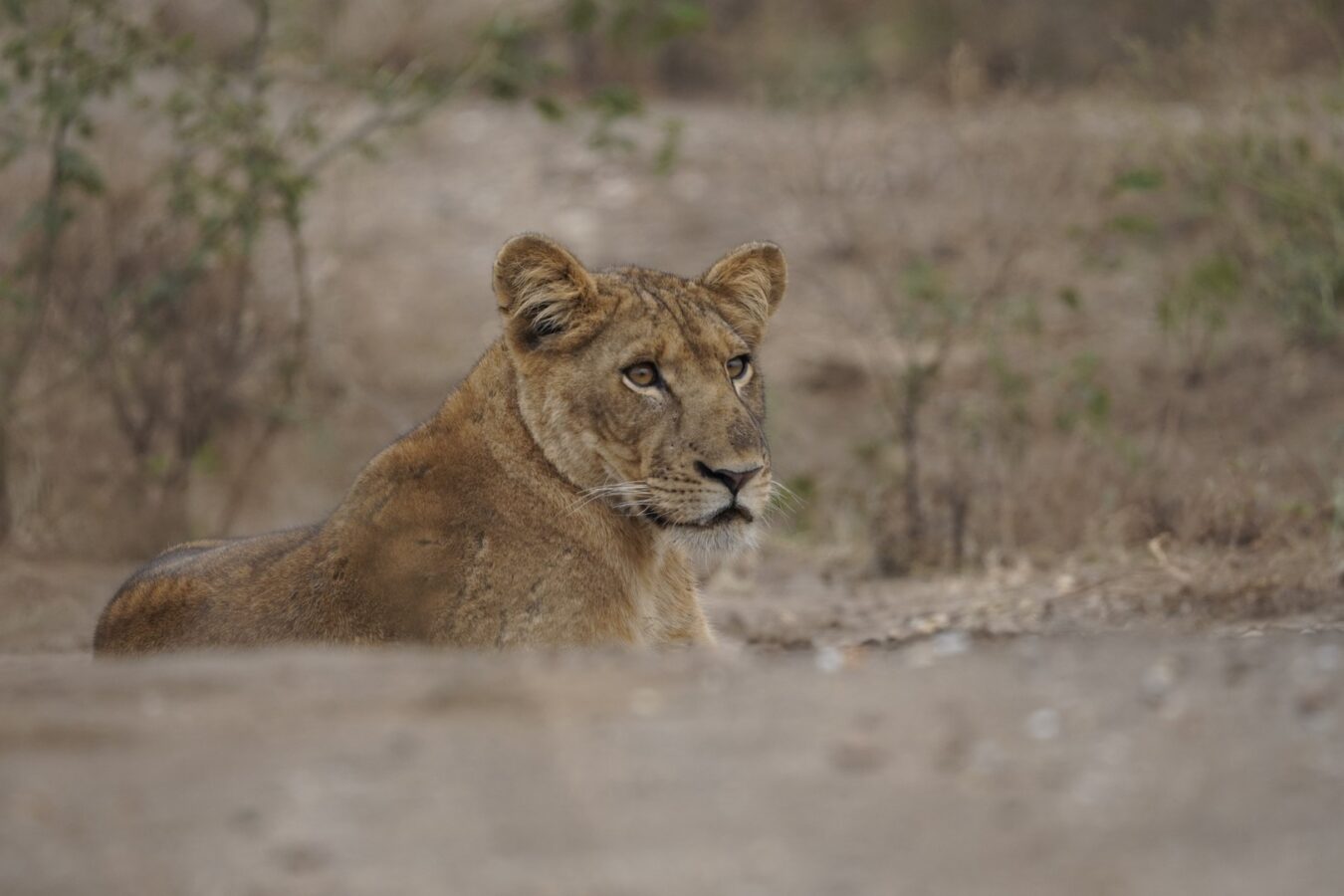
Affordable Kenya and Tanzania Safari
Murchison Falls National Park – Power of the Nile (The Most Powerful Waterfall)
Africa Wildlife Safaris then guide you toward Murchison Falls National Park, Uganda’s largest national park. This destination offers powerful landscapes shaped by the mighty Nile River. As you enter the park, vast savannah plains stretch toward the horizon.
Morning game drives begin before sunrise. Cool air keeps wildlife active. Lions patrol open grasslands searching for prey. Elephants move gracefully through acacia woodlands. Buffalo gather in large herds near riverbanks. With luck, you may spot a leopard resting in a tree.
Additionally, Rothschild’s giraffes stand tall against the skyline. Their gentle movements create beautiful silhouettes at sunrise. Antelopes and warthogs appear frequently along the tracks. Every drive offers new wildlife moments.
Later, Africa Wildlife Safaris include a boat cruise to the base of Murchison Falls. Here, the Nile squeezes through a narrow gorge only seven meters wide. The water crashes down with thunderous force. Mist rises high above the falls. The roar fills the air with raw energy.
You may hike to the top of the falls for panoramic views. From above, you witness the Nile’s dramatic power. This moment perfectly captures Uganda’s wild beauty. As your Uganda chapter ends, Africa Wildlife Safaris prepare you for East Africa’s legendary migration landscapes.
Day 8–16: Kenya and Tanzania – The Great Migration Realm on Africa Wildlife Safaris
Masai Mara National Reserve – Kenya Wildlife Safaris
Africa Wildlife Safaris continue into the legendary Masai Mara National Reserve, a jewel of East Africa’s safari circuit. This remarkable reserve lies in southwestern Kenya and connects directly to Serengeti National Park in neighboring Tanzania. Together, they form one vast ecosystem that supports one of the greatest wildlife movements on earth. As you enter the Masai Mara, wide golden plains stretch toward distant hills. Scattered acacia trees break the horizon. Fresh air carries the scent of wild grass. Immediately, you sense that something special awaits.
Between July and October, Africa Wildlife Safaris align perfectly with the Great Migration season. During this time, millions of wildebeest, zebras, and gazelles cross from Tanzania into Kenya. They move in search of fresh pasture and water. This dramatic movement attracts predators in large numbers. Lions patrol riverbanks. Cheetahs scan open plains. Hyenas wait patiently for opportunity. Meanwhile, crocodiles hide silently in muddy waters. Therefore, every game drive offers powerful and raw wildlife scenes.
Guided Game Drives in Masai Mara National Reserve
Morning drives begin before sunrise when animals remain active. Your guide tracks fresh footprints and listens for alarm calls. Soon, you may witness a pride of lions resting after a hunt. Later, elephants cross the plains in family groups. Giraffes feed gracefully on tall acacia trees. Furthermore, large herds of buffalo move steadily across the grasslands.
In addition to wildlife viewing, Africa Wildlife Safaris include cultural immersion. You visit a traditional Maasai village where local warriors welcome you warmly. They demonstrate traditional dances and explain their cattle-centered lifestyle. Women showcase colorful beadwork and handmade crafts. This visit creates cultural connection and deeper understanding. Ultimately, the Masai Mara delivers thrilling wildlife encounters and authentic African heritage within your Africa Wildlife Safaris journey.
Serengeti National Park – Tanzania Wildlife Safaris
After exploring Kenya’s savannah, Africa Wildlife Safaris cross into Tanzania and enter the endless plains of Serengeti National Park. The name Serengeti means “endless plains,” and the landscape truly reflects this meaning. Vast grasslands stretch far beyond the horizon. Rolling hills appear in the distance. Large granite kopjes rise from the earth like natural watchtowers. These rocky outcrops provide shade for lions and vantage points for leopards.
The Serengeti hosts abundant wildlife throughout the year. However, migration season transforms the park into a living spectacle. Massive herds move across the plains in search of greener pasture. Dust rises behind thousands of hooves. The sound of movement fills the air. Consequently, predators follow closely. Lions organize strategic hunts. Cheetahs rely on speed and timing. Hyenas compete fiercely for survival.
Witnessing the Great Wildlife Migration at Mara River
River crossings along the Mara River create intense drama. Wildebeest gather nervously at steep banks. Suddenly, one animal jumps into the water. Others follow quickly. Crocodiles launch powerful attacks. Some animals succeed, while others fall prey. These raw scenes reveal the true rhythm of nature. Africa Wildlife Safaris position you safely to observe these events while respecting wildlife space.
Optional hot air balloon safaris elevate the experience further. Before sunrise, you lift gently into the sky. Warm golden light spreads across the plains. From above, you see wildlife patterns and herd movements clearly. After landing, you enjoy a bush breakfast in the heart of the savannah. Fresh coffee and warm dishes taste even better in the wild. This unforgettable Serengeti chapter strengthens the magic of Africa Wildlife Safaris and leaves lasting memories.
Day 17–21: South Africa Wildlife Safaris – Kruger National Park
Africa Wildlife Safaris now lead you south into South Africa, home to the iconic Kruger National Park. This vast and well-managed reserve ranks among Africa’s finest wildlife destinations. Kruger covers nearly two million hectares of diverse ecosystems. These include open savannah, riverine forests, and dense bushveld. Because of this diversity, wildlife thrives in impressive numbers.
Morning and afternoon game drives reveal consistent sightings. Your guide selects routes based on recent wildlife activity. Lions often rest under shady trees after night hunts. Leopards hide skillfully within riverine forests. Spotting a leopard requires patience and sharp observation. Meanwhile, elephants gather around waterholes to drink and bathe. Young calves play under watchful mothers.
Africa Wildlife Safaris focus strongly on the Big Five experience here. You search for lion, leopard, elephant, buffalo, and rhino. Buffalo herds move in strong formations. Rhinos graze quietly in protected zones. Each sighting brings excitement and appreciation for conservation efforts in South Africa.
Witnessing the Big Five Animals in Krugar National Park
Kruger’s excellent road network allows smooth exploration across large areas. Unlike remote parks, Kruger offers reliable infrastructure. Therefore, guests enjoy comfortable transfers and well-timed drives. Additionally, luxury lodges provide elegant relaxation after adventurous days. Spacious rooms overlook the bush. Private decks allow wildlife viewing from your suite. Evening dinners feature local cuisine and fine South African wines.
Furthermore, night drives reveal nocturnal species rarely seen during daylight. You may encounter bush babies, civets, or even hunting leopards. As the sun sets, the African sky glows with brilliant stars. This southern chapter of Africa Wildlife Safaris blends comfort, accessibility, and thrilling wildlife encounters into one seamless experience.
Day 22–26: Botswana – Okavango Delta Experience
Africa Wildlife Safaris now guide you into the heart of Southern Africa’s pristine wilderness in Botswana. Here, the journey shifts from open savannah to a remarkable water-based ecosystem. The breathtaking Okavango Delta spreads across northern Botswana like a shining oasis. Unlike other deltas, this one flow inland rather than into the sea. Seasonal floodwaters arrive from Angola and transform dry land into a vibrant network of lagoons, channels, and islands. Consequently, wildlife gathers in impressive numbers around this life-giving water system.
Upon arrival, Africa Wildlife Safaris introduce you to one of the delta’s most peaceful activities. You board a traditional mokoro canoe, which a skilled local guide navigates gently through narrow channels. As the canoe glides silently over calm water, you notice how close nature feels. Water lilies float beside you. Reeds sway softly in the breeze. Birds fly low across the surface. Because the mokoro moves quietly, animals remain relaxed in your presence. You may observe elephants drinking at the water’s edge. Hippos surface briefly before sinking again. Antelopes step carefully through shallow areas.
Guided Bush Walks on Africa Wildlife Safaris
Moreover, guided bush walks add another level of discovery. Armed rangers lead you safely across islands while explaining animal tracks and plant uses. You learn how local communities depend on this ecosystem. Each footprint in the sand tells a story. Therefore, the experience feels intimate and educational.
Luxury tented camps complete your stay in comfort. These camps blend seamlessly with the environment while offering elegant amenities. Spacious tents include private decks overlooking the delta. At night, you sit around the fire as guides share stories under star-filled skies. The clear African night reveals countless constellations. Meanwhile, distant lion calls echo softly across the water. This magical setting marks a peaceful yet thrilling chapter within Africa Wildlife Safaris.
Day 27–30: Zambia – Victoria Falls and Walking Safaris
Africa Wildlife Safaris continue into scenic Zambia, home to one of the world’s greatest natural wonders. The journey leads you to magnificent Victoria Falls, located along the mighty Zambezi River. Locally known as “Mosi-oa-Tunya,” meaning “The Smoke That Thunders,” this waterfall creates an unforgettable first impression. As you approach, rising mist becomes visible from far away. Soon, the powerful roar of falling water fills the air.
Guided tours follow well-maintained rainforest trails along the Zambian side of the falls. Each viewpoint reveals a different angle of this massive curtain of water. During high water season, spray rises high above the gorge. Rainbows often appear in the mist. Therefore, photographers capture vibrant images throughout the day. The surrounding forest thrives because of constant moisture, creating a unique green environment.
In addition to guided walks, Africa Wildlife Safaris offer optional adventure activities. Thrill seekers may enjoy a helicopter flight above the falls. This aerial view reveals the full width of the waterfall and the deep gorge below. Others may choose sunset cruises along the Zambezi River. Calm waters and golden light create a peaceful ending to each day.
Adventuring Beyond the Victoria Falls
Beyond Victoria Falls, Zambia offers remarkable walking safaris in South Luangwa National Park. This Park ranks among Africa’s finest for guided walking experiences. Skilled guides and armed scouts lead small groups into the bush. You learn how to read tracks, identify bird calls, and understand animal behavior. Unlike vehicle safaris, walking creates strong connection with nature. Every sound and movement feels closer.
Elephants move quietly through woodland areas. Giraffes browse calmly nearby. Although encounters remain safe under expert supervision, the experience feels thrilling and real. Africa Wildlife Safaris conclude in Zambia with a strong sense of adventure, knowledge, and deep appreciation for Africa’s wild beauty.
Understanding the Big Five and Big Seven on the Africa Wildlife Safaris
Africa Wildlife Safaris often focus strongly on the famous Big Five. These iconic animals include the lion, leopard, elephant, buffalo, and rhino. Long ago, hunters created this term to describe the five most difficult animals to hunt on foot. However, modern safaris celebrate them through photography and conservation. Today, travelers search for these species with cameras instead of rifles. Consequently, the meaning of the Big Five has shifted toward protection and admiration.
The African lion rules the savannah with strength and pride. Visitors often see lions resting under trees during hot hours. Meanwhile, leopards prefer secrecy and move silently through riverine forests. Spotting a leopard requires patience and sharp eyes. African elephants travel in family groups led by wise matriarchs. Their calm presence often becomes a safari highlight. Buffalo move in powerful herds and defend each other strongly. Finally, rhinos graze quietly yet remain highly protected due to past poaching threats. Africa Wildlife Safaris support conservation programs that safeguard these remarkable animals across the continent.
How About the Big Seven Animals?
In addition to the Big Five, some destinations promote the Big Seven concept. This expanded list adds two marine giants to the original five. These giants include the great white shark and the southern right whale. Travelers can encounter these species along the coast of South Africa. Marine safaris operate near coastal towns where whale watching and shark cage diving take place seasonally.
Therefore, Africa Wildlife Safaris offer both land and sea wildlife experiences. Guests may complete the Big Five in savannah parks and then add the marine species along the coast. This combination creates a diverse and well-rounded wildlife adventure. Ultimately, understanding the Big Five and Big Seven enriches your safari journey and deepens appreciation for Africa’s rich biodiversity.
Best Time for Africa Wildlife Safaris and Gorilla Trekking Adventures
Choosing the right season greatly enhances Africa Wildlife Safaris. In general, the best months include June to August and January to February. These periods fall within the dry seasons across many safari regions. During dry months, vegetation becomes thinner and water sources shrink. Consequently, animals gather around rivers, lakes, and waterholes. This concentration improves wildlife viewing opportunities.
Clear skies and cooler temperatures also create comfortable safari conditions. Early mornings feel fresh, while afternoons remain warm but manageable. Additionally, roads stay accessible because heavy rains remain absent. Therefore, game drives operate smoothly without interruption. Photographers benefit from bright sunlight and clear horizons.
However, each region differs slightly in climate and wildlife movement. For example, the Great Migration in the Masai Mara National Reserve peaks between July and October. During this time, massive herds cross from Tanzania into Kenya. River crossings become dramatic and unpredictable. Meanwhile, calving season in the southern Serengeti National Park occurs earlier in the year. That season attracts many predators and offers different viewing highlights.
When to Visit Krugar National Park?
Southern Africa also follows distinct seasonal patterns. In Kruger National Park, dry winter months between May and September provide excellent wildlife visibility. Meanwhile, the Okavango Delta floods between May and October, creating ideal water-based safaris.
Although dry seasons offer prime viewing, green seasons hold unique beauty. Rain transforms landscapes into lush paradise. Birdlife increases dramatically. Fewer tourists visit during these months, which allows more private experiences.
Ultimately, Africa Wildlife Safaris operate year-round with carefully planned itineraries. The best time depends on your interests, travel goals, and preferred wildlife experiences. Deks Safaris and Tours guide you in selecting the ideal season for your dream safari adventure.
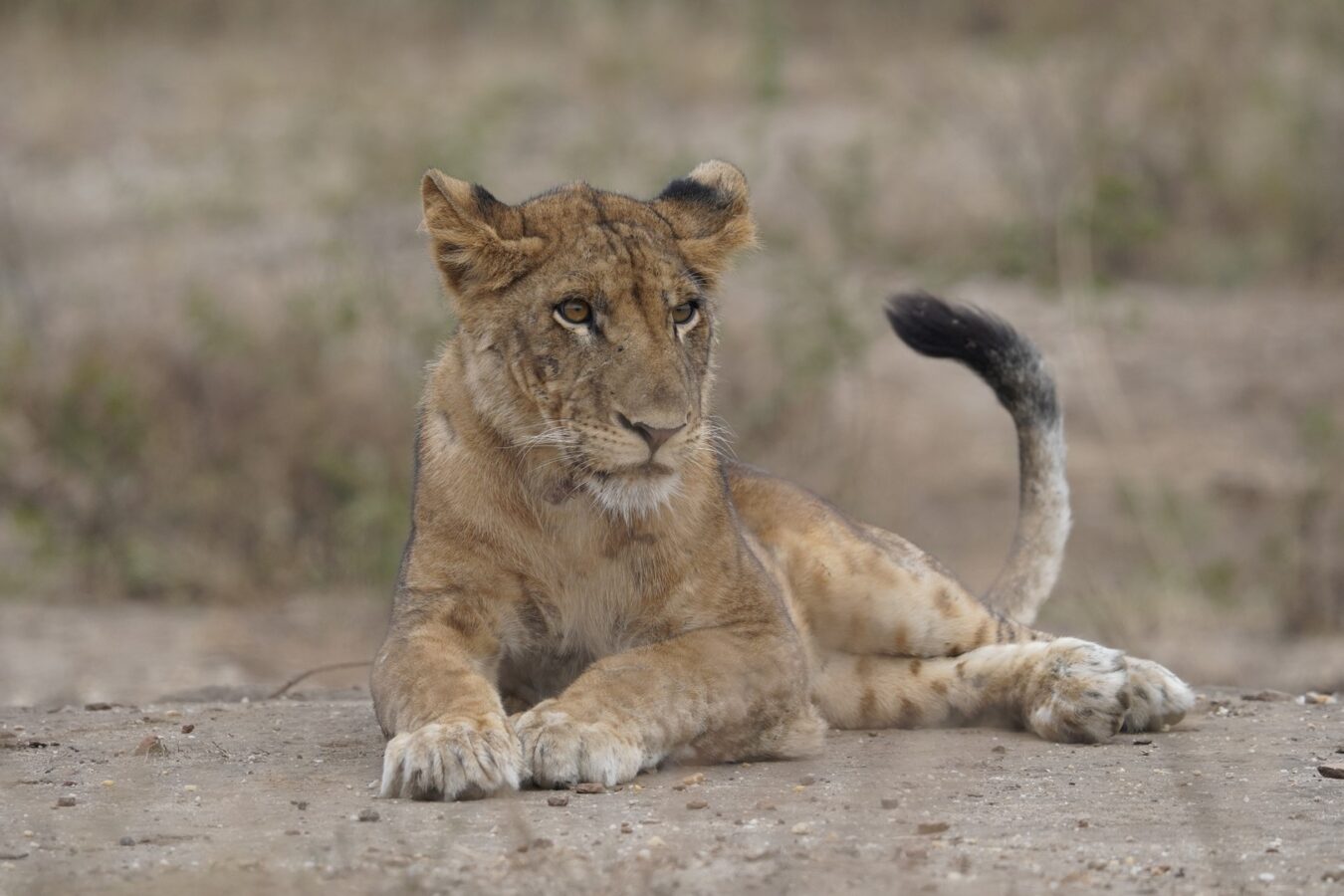
14-day Kenya Tanzania safari
Frequently Asked Questions About Africa Wildlife Safaris
Which place is best for Africa wildlife safari?
Choosing the best destination for Africa Wildlife Safaris depends on your travel goals and wildlife interests. However, several countries stand out for exceptional safari experiences. Uganda offers intimate encounters with mountain gorillas in Bwindi Impenetrable National Park. This experience feels personal and emotional. Moreover, Uganda provides classic savannah game drives in Murchison Falls National Park and Queen Elizabeth National Park. Therefore, travelers enjoy both primates and Big Five viewing within one country.
Meanwhile, Kenya remains famous for open plains and rich predator sightings in Masai Mara National Reserve. This reserve offers dramatic wildlife scenes during migration season. In addition, Tanzania delivers vast landscapes in Serengeti National Park and breathtaking scenery in the Ngorongoro region. These parks provide year-round wildlife viewing and large predator populations.
On the other hand, South Africa stands out for accessibility and infrastructure in Kruger National Park. Roads remain well maintained. Lodges range from mid-range to ultra-luxury. Wildlife sightings remain consistent throughout the year. Furthermore, South Africa offers malaria-free reserves in certain regions.
Ultimately, the best place depends on what you value most. If you seek gorillas, Uganda leads. Migration drama, Kenya and Tanzania excel. If you prefer comfort and ease, South Africa fits perfectly. Africa Wildlife Safaris by Deks Safaris and Tours combine several countries into one seamless journey. Therefore, you experience multiple highlights within a single grand safari adventure.
Which month is best for African Wildlife Safaris Adventure?
Selecting the best month for Africa Wildlife Safaris requires understanding seasonal wildlife patterns. In general, June to August offers prime viewing conditions across many regions. During these months, dry weather reduces thick vegetation. As a result, animals gather near rivers and waterholes. This concentration improves game viewing opportunities significantly.
For example, the dry season in Masai Mara National Reserve aligns with the Great Migration river crossings. Large herds arrive between July and October. Meanwhile, predator activity increases as food becomes abundant. In Serengeti National Park, migration movements shift depending on rainfall. Southern plains host calving season early in the year, usually between January and March. That period attracts many lions and cheetahs.
In Southern Africa, winter months from May to September create excellent viewing in Kruger National Park. Cooler temperatures keep animals active during daylight hours. Additionally, leaf cover decreases, making wildlife easier to spot. Similarly, the flood season in the Okavango Delta peaks between May and October. Water-based safaris operate smoothly during this time.
However, green seasons also offer unique benefits. Rain transforms landscapes into lush scenery. Birdlife becomes vibrant and colorful. Tourist numbers remain lower, allowing quieter experiences. Therefore, Africa Wildlife Safaris operate successfully throughout the year.
Deks Safaris and Tours guide guests carefully when selecting travel dates. The best month depends on your wildlife priorities, climate preferences, and photography goals. With expert planning, every season offers rewarding safari memories.
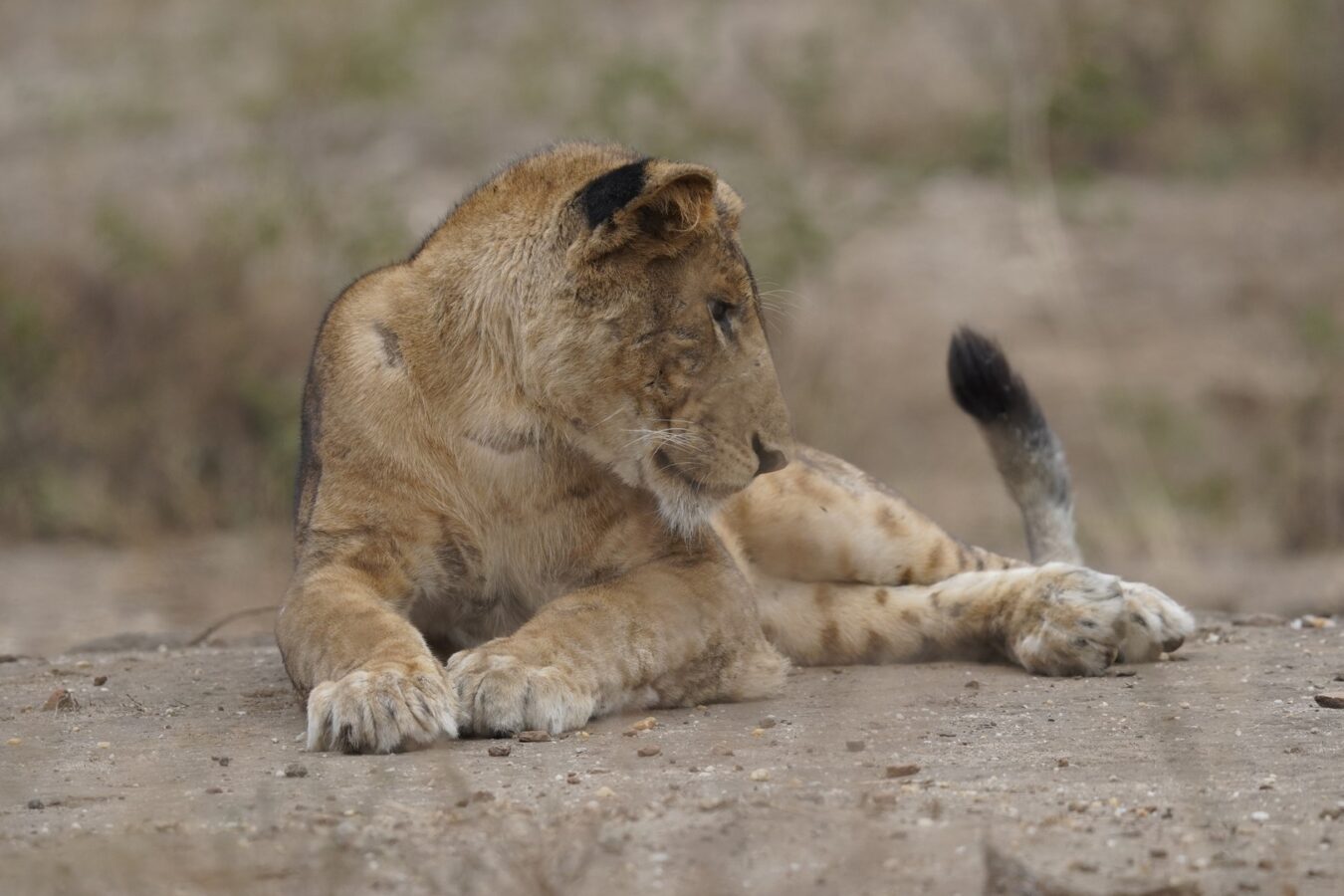
Rwanda Kenya Tanzania & Zanzibar Safari
Is Kruger or Chobe or Serengeti, which is Better for Africa Wildlife Safaris?
Travelers often compare Kruger National Park, Chobe National Park, and Serengeti National Park when planning Africa Wildlife Safaris. Each destination offers unique strengths. Therefore, the answer depends on your safari style and expectations.
Serengeti National Park delivers unmatched migration drama. Massive herds cross open plains in powerful movement. Predator encounters occur frequently during peak season. Wide landscapes create classic African safari images. Moreover, the Serengeti feels wild and expansive. Camps often sit in remote areas surrounded by nature.
Kruger National Park offers excellent infrastructure and accessibility. Roads remain well developed. Lodges provide varied comfort levels. Wildlife sightings stay consistent year-round. Visitors often see the full Big Five within a few days. Additionally, Kruger supports strong conservation programs and anti-poaching efforts.
Chobe National Park in Botswana stands out for its enormous elephant herds. The Chobe River attracts wildlife in large numbers during dry months. Boat safaris allow close encounters with elephants swimming across channels. Therefore, photographers capture unique water-based wildlife scenes.
Ultimately, Africa Wildlife Safaris by Deks Safaris and Tours combine multiple destinations. Instead of choosing only one, travelers may explore several parks within one extended itinerary. This approach offers diversity, varied ecosystems, and broader wildlife experiences.
Do You Need Malaria Pills for Africa Wildlife Safaris Adventure?
Health preparation remains an important part of Africa Wildlife Safaris planning. Many safari regions fall within malaria-risk zones. Therefore, medical professionals often recommend malaria prevention measures. However, advice may vary depending on destination and travel season.
For example, parts of Uganda and Kenya experience malaria presence in certain areas. Similarly, sections of Tanzania and Zambia may require precautions. On the other hand, some reserves in South Africa remain malaria-free.
Before traveling, consult your doctor or travel clinic. Medical professionals evaluate your health history and provide personalized advice. They may recommend antimalarial tablets, mosquito repellent, and protective clothing. Additionally, sleeping under mosquito nets and wearing long sleeves at night reduces risk.
Africa Wildlife Safaris prioritize guest safety. Lodges often use mosquito control measures. Safari vehicles operate mainly during daylight hours when mosquito activity remains low. Furthermore, guides brief guests about preventive practices.
With proper planning and medical consultation, health risks remain manageable. Deks Safaris and Tours provide up-to-date information before departure. Therefore, you travel confidently and focus on enjoying your safari adventure.
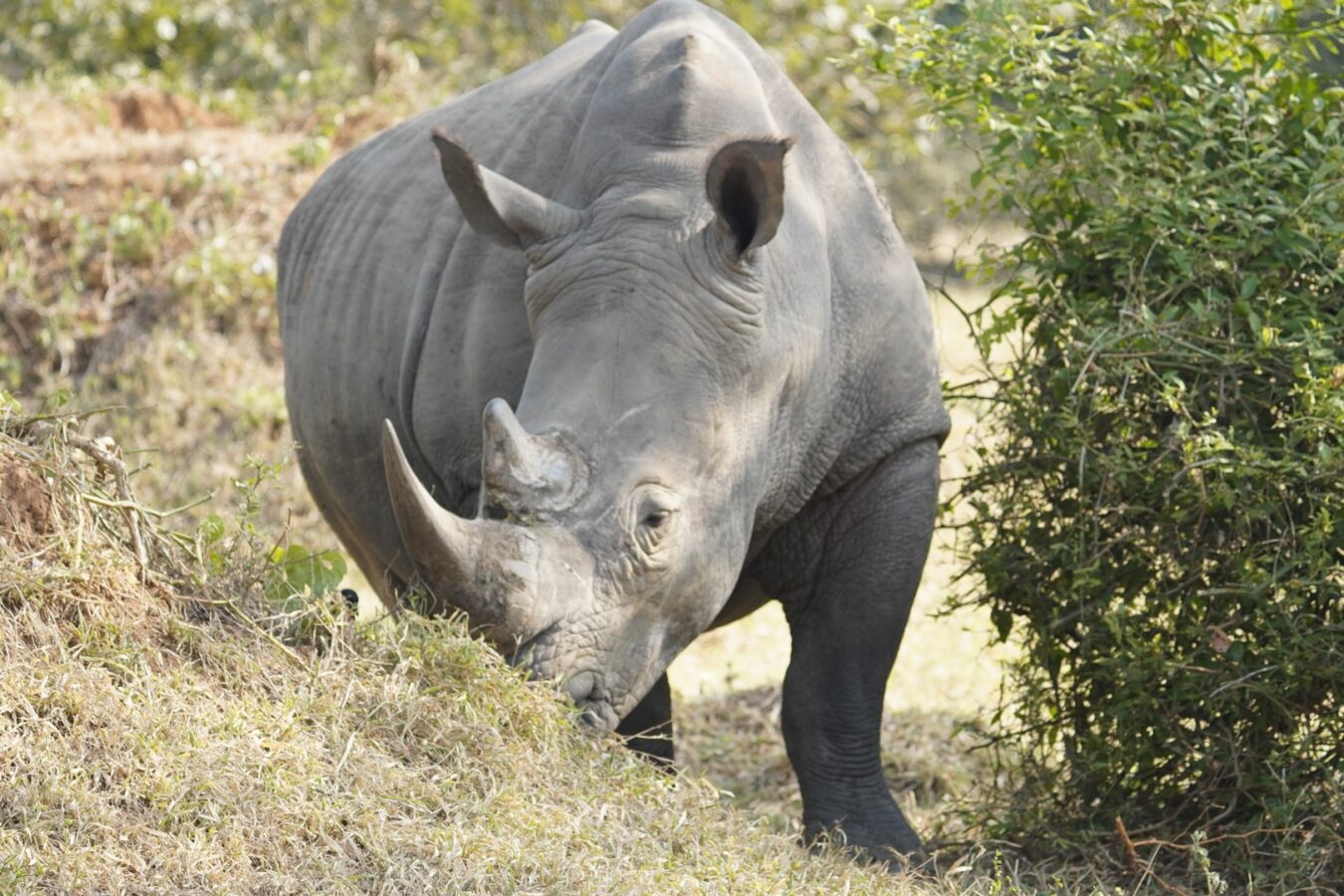
8-Days Kenya and Tanzania Big Five Safari
Why Choose Africa Wildlife Safaris?
Africa Wildlife Safaris combine diverse ecosystems, iconic wildlife, and rich cultural experiences into one seamless journey across the continent. From gorilla trekking in Bwindi Impenetrable National Park to migration viewing in Masai Mara National Reserve and Serengeti National Park, every chapter offers something extraordinary. Furthermore, southern destinations such as Kruger National Park and Okavango Delta provide distinct safari styles and landscapes.
Deks Safaris and Tours design each itinerary with professionalism and passion. Expert guides lead every game drive and walking safari. Carefully selected lodges ensure comfort and relaxation after adventurous days. Additionally, seamless logistics allow guests to focus fully on wildlife and scenery.
Most importantly, Africa Wildlife Safaris create life-changing experiences in Africa’s wild heart. Witness raw predator hunts. You stand near gentle giants. You hear lions roar beneath star-filled skies. These moments remain in memory forever.
Therefore, choosing Africa Wildlife Safaris means choosing depth, diversity, and authenticity. It means supporting conservation and local communities. Above all, it means embarking on a journey that connects you deeply with Africa’s natural beauty and cultural heritage.
General Africa Wildlife Safari Questions
What is an African wildlife safari?
An African wildlife safari is a guided journey into protected natural areas to observe wild animals in their natural habitat. The word “safari” comes from a Swahili term meaning journey. However, today it represents much more than travel. Africa Wildlife Safaris offer immersive experiences across savannah plains, rainforests, wetlands, and deserts. Guests travel in specially designed 4×4 vehicles with professional guides who understand animal behavior and ecosystems. These safaris focus on wildlife viewing, photography, conservation awareness, and cultural exchange.
During Africa Wildlife Safaris, travelers explore famous national parks and reserves. For example, visitors track mountain gorillas in Bwindi Impenetrable National Park in Uganda. Others witness the Great Migration in Serengeti National Park in Tanzania. In Southern Africa, guests search for the Big Five in Kruger National Park in South Africa. Therefore, each safari location provides unique wildlife encounters.
Moreover, safaris include morning and afternoon game drives when animals remain most active. Some itineraries also feature walking safaris, boat cruises, and cultural visits. Professional guides share knowledge about animal tracks, bird calls, and conservation efforts. As a result, guests gain deeper understanding of Africa’s ecosystems.
Africa Wildlife Safaris combine adventure with comfort. Lodges and tented camps offer safe accommodation within or near parks. Meals often feature fresh local ingredients. Evenings allow guests to relax while listening to distant wildlife sounds. Ultimately, an African wildlife safari connects travelers to nature in a powerful and unforgettable way.
Which countries are best for Africa wildlife safaris?
Several countries stand out as prime destinations for Africa Wildlife Safaris. Each country offers distinct landscapes, wildlife species, and safari styles. Therefore, the best choice depends on your interests and expectations. Uganda ranks highly for primate experiences. Visitors track mountain gorillas in Bwindi Impenetrable National Park and chimpanzees in Kibale Forest. Additionally, Uganda offers classic savannah safaris in Murchison Falls National Park.
Meanwhile, Kenya and Tanzania dominate discussions about the Great Migration. The open plains of Masai Mara National Reserve and the vast grasslands of Serengeti National Park host millions of migrating animals each year. These countries also offer strong predator sightings and cultural interactions with Maasai communities.
In Southern Africa, South Africa attracts travelers seeking excellent infrastructure and reliable wildlife viewing in Kruger National Park. Furthermore, Botswana provides exclusive luxury safaris in the Okavango Delta. Zambia offers outstanding walking safaris in South Luangwa.
Ultimately, Africa Wildlife Safaris often combine several countries into one itinerary. This approach delivers varied ecosystems and diverse wildlife experiences. Deks Safaris and Tours help guests choose destinations that align perfectly with their travel dreams.
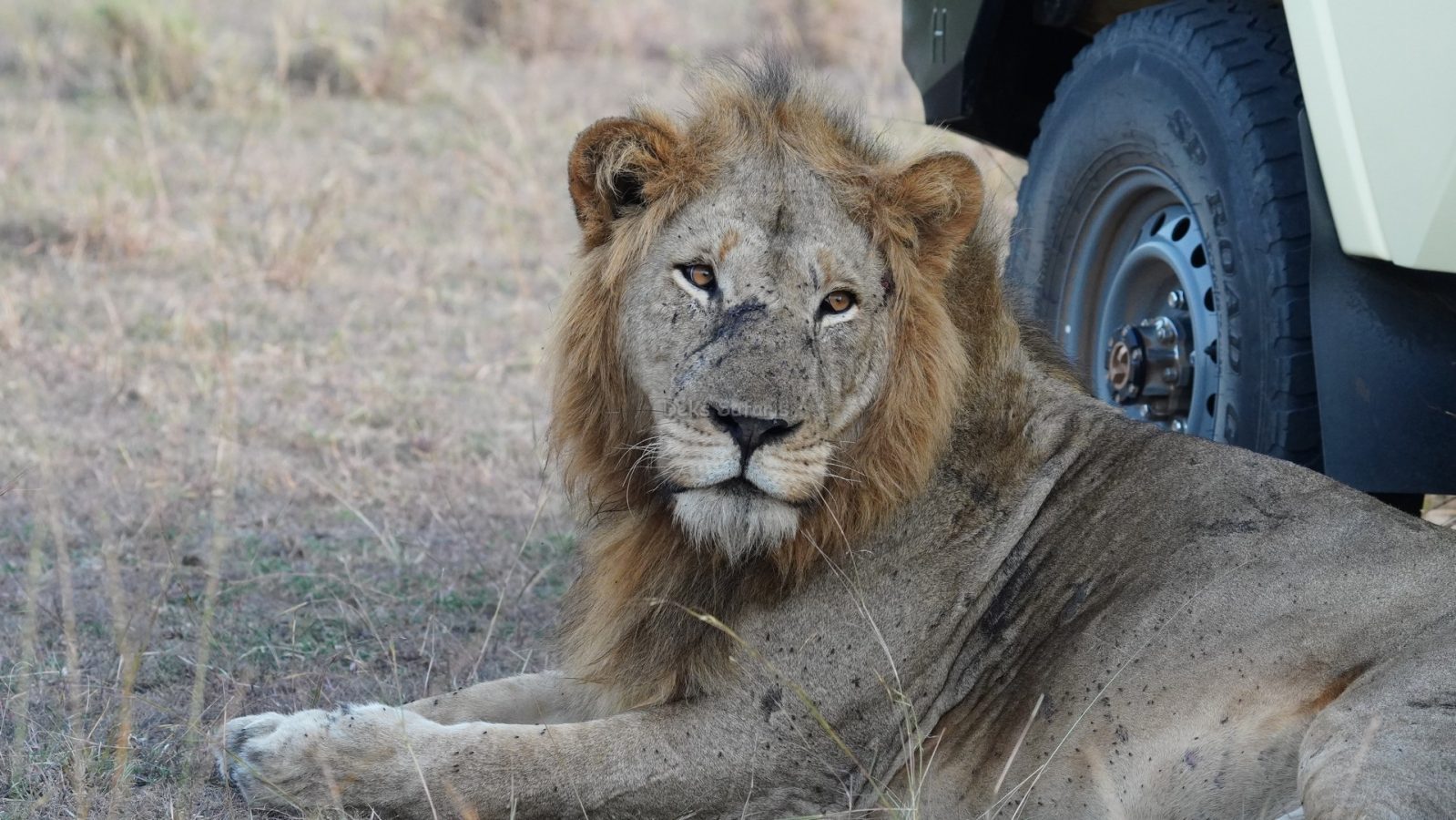
Uganda Wildlife Tours
What animals can I see on an African Wildlife safari?
Africa Wildlife Safaris showcase one of the richest wildlife collections on earth. Travelers can observe large mammals, colorful birds, reptiles, and smaller species across different ecosystems. The most sought-after sightings include lions, elephants, leopards, buffalo, and rhinos. These species form the famous Big Five. However, safari experiences extend far beyond these animals.
In East Africa’s savannah parks, guests often encounter cheetahs, giraffes, zebras, wildebeest, and hyenas. During migration season in Serengeti National Park, massive herds move across the plains. Meanwhile, hippos and crocodiles inhabit major rivers like the Nile River. Bird enthusiasts enjoy spotting eagles, kingfishers, hornbills, and storks.
Rainforest regions in Uganda provide unique primate encounters. Visitors track mountain gorillas in Bwindi Impenetrable National Park and chimpanzees in Kibale. These experiences create emotional and educational moments.
Southern Africa adds more diversity. In Chobe National Park, large elephant herds gather along riverbanks. In coastal South Africa, marine safaris may reveal whales and sharks.
Therefore, Africa Wildlife Safaris offer unmatched wildlife variety. Each region introduces different species and habitats. With expert guides from Deks Safaris and Tours, guests maximize sightings while respecting conservation guidelines.
What is the Big Five in Africa?
The Big Five represent Africa’s most iconic large mammals. These animals include the lion, leopard, elephant, buffalo, and rhinoceros. Originally, hunters used this term to describe the five most challenging animals to hunt on foot. Today, Africa Wildlife Safaris celebrate them through conservation and photography.
Lions dominate the savannah as social predators living in prides. Leopards prefer solitary life and hide skillfully in trees. African elephants travel in strong family groups led by matriarchs. Buffalo form powerful herds and defend each other fiercely. Rhinos graze quietly but require protection due to past poaching.
Guests search for the Big Five in parks such as Kruger National Park and Masai Mara National Reserve. Guides track fresh footprints and listen for alarm calls. Each sighting brings excitement and respect.
Africa Wildlife Safaris promote ethical wildlife viewing. Operators support anti-poaching units and community conservation projects. Therefore, the Big Five now symbolize preservation rather than hunting.
How long should an African safari last?
The ideal duration for Africa Wildlife Safaris depends on travel goals and budget. However, most experts recommend at least seven to ten days for a meaningful experience. This timeframe allows guests to explore one or two major parks without rushing. Shorter safaris of three to five days suit travelers with limited time. Meanwhile, extended journeys lasting two to three weeks provide broader regional coverage.
For example, a ten-day safari may combine gorilla trekking in Uganda with migration viewing in Kenya. Longer itineraries may include Southern Africa destinations such as Botswana and Zambia.
Ultimately, Africa Wildlife Safaris by Deks Safaris and Tours tailor itineraries to guest preferences. Careful planning ensures balanced travel time, wildlife activities, and relaxation.
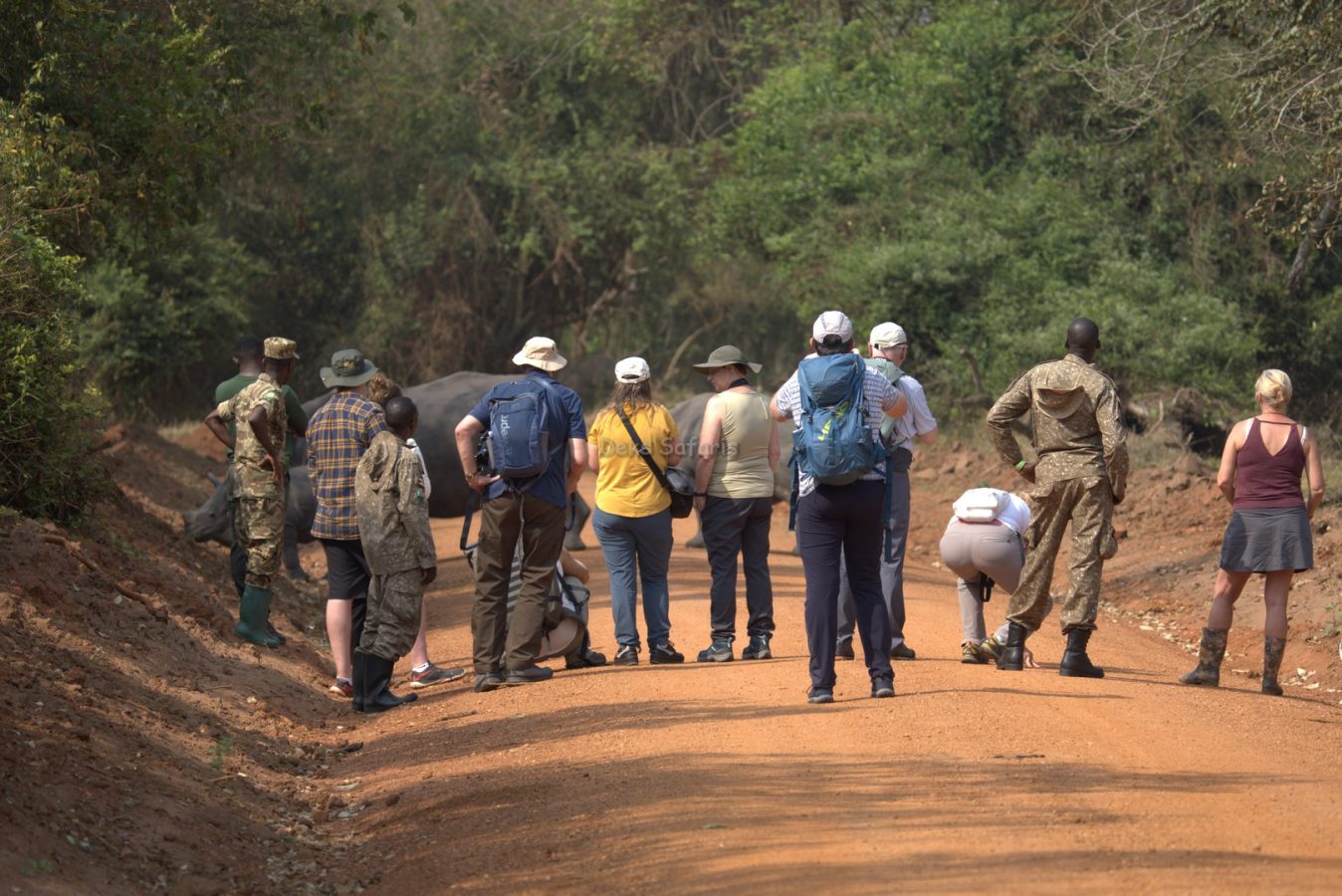
Ziwa Rhino Tracking Safari
Is Africa safe for wildlife safaris and Gorilla Trekking?
Africa Wildlife Safaris operate safely with professional planning and experienced guides. National parks enforce strict regulations. Rangers monitor wildlife areas closely. Licensed guides understand animal behavior and maintain safe distances.
Countries such as Rwanda, Botswana, and Namibia rank among Africa’s safest travel destinations. Safari lodges provide secure environments and trained staff.
Travelers should follow guide instructions at all times. Basic precautions such as travel insurance and health consultation enhance safety further. Therefore, with responsible operators like Deks Safaris and Tours, Africa Wildlife Safaris remain secure and enjoyable.
Are African Wildlife Safaris suitable for families with children?
Africa Wildlife Safaris welcome families, although age restrictions may apply for certain activities. Gorilla trekking, for example, often requires participants to be at least fifteen years old. However, many lodges offer family-friendly programs.
Parks such as Kruger National Park provide malaria-free zones and child-friendly accommodations. Guides adjust game drives to suit younger guests. Educational bush walks introduce children to nature safely.
Therefore, families can enjoy bonding experiences while learning about wildlife and conservation.
What makes African safaris unique compared to other wildlife trips?
Africa Wildlife Safaris stand apart because of their scale, diversity, and raw wildlife encounters. Few places on earth offer such large concentrations of wild animals roaming freely across open landscapes. The Great Migration alone surpasses most global wildlife events.
Moreover, African safaris combine wildlife, culture, and scenery within one journey. Guests meet local communities, taste regional cuisine, and learn traditional customs. Additionally, sunrise and sunset game drives create dramatic light conditions unmatched elsewhere.
This combination of biodiversity, culture, and open wilderness makes Africa Wildlife Safaris truly unique.
Can I combine an Africa wildlife safari with a beach holiday?
Many travelers combine Africa Wildlife Safaris with relaxing beach extensions. After exciting game drives, coastal retreats provide rest and luxury. In Tanzania, visitors often add Zanzibar Island to their itinerary. Kenya also offers beautiful beaches along the Indian Ocean coast.
Southern Africa allows combinations with Cape Town and coastal towns in South Africa. These destinations feature scenic coastlines and marine wildlife.
Therefore, combining safari and beach creates balance between adventure and relaxation.
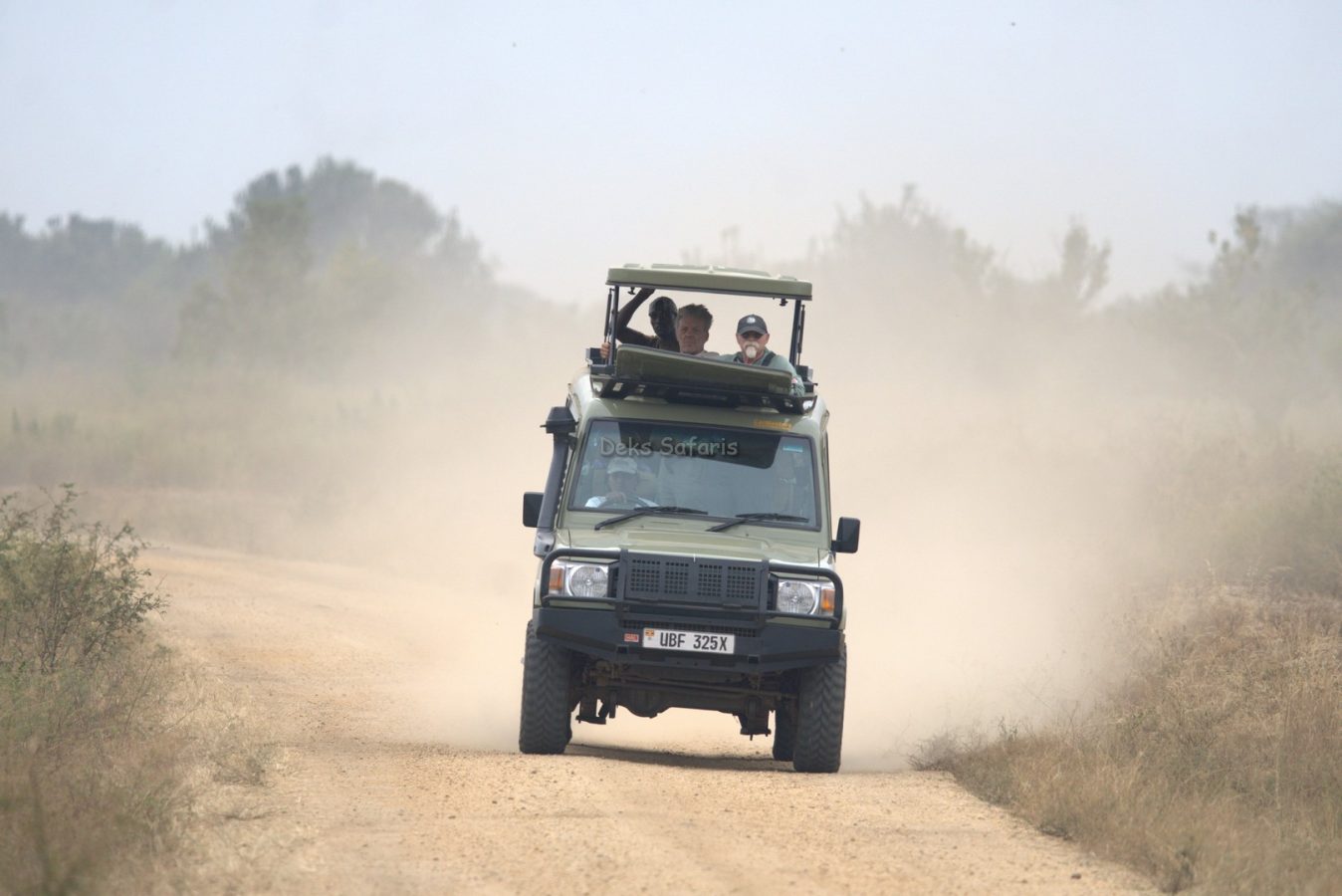
Uganda Safari Experience
Are African safaris environmentally friendly?
Africa Wildlife Safaris increasingly focus on sustainable tourism practices. Many lodges use solar energy and limit plastic waste. Conservation fees support park management and anti-poaching units. Additionally, community tourism projects create local employment opportunities.
Responsible operators such as Deks Safaris and Tours prioritize ethical wildlife viewing and environmental awareness. Guests receive guidance on reducing their ecological footprint during travel.
Therefore, modern Africa Wildlife Safaris promote conservation while delivering unforgettable experiences.
Best Africa Wildlife Safari Destinations
Is Uganda good for wildlife safaris?
Yes, Uganda ranks among the most rewarding destinations for Africa Wildlife Safaris. Known as the Pearl of Africa, Uganda offers diverse ecosystems within a compact area. Travelers enjoy rainforest adventures, savannah game drives, crater lakes, and river safaris in one itinerary. Therefore, Uganda provides excellent variety without long travel distances between parks.
One major highlight includes gorilla trekking in Bwindi Impenetrable National Park. This ancient rainforest protects nearly half of the world’s remaining mountain gorillas. Meeting these gentle giants in their natural habitat creates deep emotional impact. Additionally, chimpanzee tracking in Kibale Forest adds another exciting primate encounter. Few countries combine both gorilla and chimpanzee experiences so effectively.
Uganda also delivers classic Big Five safaris. In Murchison Falls National Park, visitors spot lions, elephants, buffalo, and giraffes across open savannah. Boat cruises along the Nile River bring guests close to hippos and crocodiles. Meanwhile, Queen Elizabeth National Park features tree-climbing lions and diverse birdlife.
Moreover, Uganda remains less crowded compared to other East African destinations. This allows more intimate wildlife viewing and personalized guiding. Costs also remain competitive, especially for multi-park itineraries. Africa Wildlife Safaris in Uganda blend adventure, scenery, and culture within one destination. Deks Safaris and Tours design seamless journeys that highlight Uganda’s biodiversity and warm hospitality. Ultimately, Uganda stands as an outstanding safari destination for both first-time and experienced travelers.
Is Kenya or Tanzania better for safari?
Choosing between Kenya and Tanzania often challenges travelers planning Africa Wildlife Safaris. Both countries offer exceptional wildlife experiences and share the same ecosystem across their borders. However, subtle differences shape the safari style in each destination.
Kenya’s Masai Mara National Reserve remains world-famous for dramatic predator sightings and river crossings during the Great Migration. The reserve features rolling plains dotted with acacia trees. Wildlife density stays high throughout the year. Additionally, Kenya offers strong infrastructure and a wide range of lodges, from budget camps to luxury properties.
Tanzania, on the other hand, hosts the vast Serengeti National Park. This park covers a larger area than the Masai Mara and offers more remote wilderness experiences. Visitors often enjoy fewer vehicles around sightings. Furthermore, Tanzania includes the spectacular Ngorongoro Crater, which provides concentrated wildlife viewing in a unique volcanic setting.
Migration timing also influences choice. The herds move between Tanzania and Kenya depending on rainfall patterns. Therefore, safari planners must consider seasonal movement carefully.
Ultimately, neither country is better overall. Each provides extraordinary Africa Wildlife Safaris. Many travelers combine both destinations within one itinerary for maximum diversity. Deks Safaris and Tours coordinate cross-border logistics smoothly, allowing guests to experience the best of Kenya and Tanzania in a single seamless journey.
What makes the Serengeti National Park famous?
Serengeti National Park stands among the most iconic safari destinations in the world. Its fame comes largely from the Great Migration, one of nature’s most impressive wildlife spectacles. Every year, millions of wildebeest, zebras, and gazelles move across the plains in search of fresh grass. This continuous movement creates dramatic predator-prey interactions that define Africa Wildlife Safaris.
The Serengeti’s endless plains provide ideal grazing grounds. Large granite kopjes rise from the landscape and serve as resting spots for lions and leopards. During calving season in the southern plains, thousands of newborn wildebeest arrive within weeks. Consequently, predators gather in high numbers. This natural cycle ensures year-round wildlife activity.
In addition to migration, the Serengeti hosts healthy populations of the Big Five. Visitors often see lions hunting cooperatively. Cheetahs rely on open terrain for high-speed chases. Elephants roam woodlands in family groups. Furthermore, birdlife flourishes with hundreds of recorded species.
The park’s vast size enhances its reputation. Covering thousands of square kilometers, it offers authentic wilderness free from urban development. Therefore, travelers feel immersed in untouched nature. Africa Wildlife Safaris in the Serengeti combine dramatic wildlife scenes with breathtaking scenery. Deks Safaris and Tours design itineraries that follow migration routes and seasonal wildlife patterns carefully. Ultimately, the Serengeti’s scale, biodiversity, and natural drama secure its global fame.
Is Kruger National Park worth visiting?
Kruger National Park ranks among Africa’s most established wildlife reserves. Located in South Africa, it offers reliable wildlife viewing and excellent infrastructure. Therefore, many travelers consider it ideal for first-time Africa Wildlife Safaris.
Kruger supports strong populations of the Big Five. Lions roam open grasslands. Leopards hide within riverine forests. Elephants gather at waterholes in impressive numbers. Buffalo herds move across plains confidently. Rhinos remain protected through strict conservation programs. Consequently, sightings occur frequently throughout the year.
The park’s road network allows easy exploration. Both guided and self-drive safaris operate within designated areas. Lodges range from affordable camps to high-end private reserves bordering the park. Additionally, many lodges provide luxury amenities such as private pools and spa services.
Kruger also features diverse habitats, including savannah, woodland, and river systems. This diversity supports a wide variety of mammals and birds. Birdwatchers often spot rare species during early morning drives.
Accessibility enhances its appeal. International flights connect directly to nearby airports. Therefore, travel logistics remain smooth and efficient. Africa Wildlife Safaris in Kruger blend comfort with exciting wildlife encounters. Deks Safaris and Tours ensure well-organized itineraries that maximize game viewing opportunities. Ultimately, Kruger National Park offers exceptional value and unforgettable safari experiences.
Which safari destination is best for the Great Migration?
The Great Migration spans across northern Tanzania and southern Kenya. Therefore, both Serengeti National Park and Masai Mara National Reserve serve as prime viewing destinations. The best location depends largely on timing.
Between January and March, the southern Serengeti hosts calving season. Thousands of wildebeest give birth within a short period. Predators gather to hunt vulnerable calves. This period offers intense action and photographic opportunities.
From July to October, river crossings dominate migration highlights. Herds move north toward the Masai Mara. Crocodiles wait along riverbanks as wildebeest leap into the water. These crossings create some of Africa’s most dramatic wildlife scenes.
Therefore, Africa Wildlife Safaris carefully plan itineraries around seasonal migration routes. Deks Safaris and Tours track rainfall patterns and herd movements. Guests receive expert advice on selecting ideal travel months. Ultimately, both Serengeti and Masai Mara provide unforgettable migration experiences when timed correctly.
What is special about gorilla trekking in Uganda?
Gorilla trekking in Uganda remains one of Africa’s most unique wildlife encounters. The activity takes place primarily in Bwindi Impenetrable National Park. This ancient rainforest shelters nearly half of the world’s remaining mountain gorillas.
Unlike vehicle safaris, gorilla trekking involves hiking through dense forest terrain. Rangers guide small groups to habituated gorilla families. The trek may last several hours depending on gorilla movement. However, the reward feels priceless.
Upon locating the gorillas, visitors spend one hour observing them closely. Silverbacks protect their families calmly. Juveniles play energetically. Mothers care gently for infants. The proximity creates deep emotional connection. Few wildlife experiences compare to standing meters away from wild gorillas.
Strict conservation rules protect both humans and animals. Visitor numbers remain limited daily. Permit fees support community projects and anti-poaching efforts. Africa Wildlife Safaris in Uganda therefore contribute directly to gorilla conservation. Deks Safaris and Tours manage permits and logistics professionally, ensuring smooth and responsible trekking experiences.
Where is the best place to see lions in Africa?
Lions inhabit many African parks. However, some destinations offer higher densities and frequent sightings. Serengeti National Park and Masai Mara National Reserve rank among the best for lion viewing. Open plains allow easy spotting of prides resting or hunting.
In Southern Africa, Kruger National Park also hosts strong lion populations. Meanwhile, Queen Elizabeth National Park features unique tree-climbing lions in the Ishasha sector.
Africa Wildlife Safaris design game drives around lion territories. Guides track pride movements and follow fresh tracks. Early mornings and late afternoons provide the best chances. Ultimately, East African plains often offer the highest concentration of lions, especially during migration season.
Which country offers the most affordable safari?
Safari costs vary depending on park fees, accommodation level, and travel logistics. Generally, Uganda provides competitive pricing for multi-park itineraries. Although gorilla permits cost more, other park fees remain reasonable. Kenya also offers mid-range options with diverse accommodation categories.
Southern African destinations such as Botswana often focus on high-end, low-volume tourism. Therefore, costs may be higher there. However, value remains strong due to exclusivity and service quality.
Africa Wildlife Safaris by Deks Safaris and Tours tailor packages to suit various budgets. Early booking and off-season travel reduce expenses further. Ultimately, affordability depends on itinerary design and travel timing.
What are the best national parks for wildlife viewing?
Africa hosts numerous outstanding wildlife parks. Serengeti National Park, Masai Mara National Reserve, and Kruger National Park rank among the top globally. Each offers strong Big Five sightings and rich biodiversity.
Additionally, Okavango Delta provides water-based safaris with unique perspectives. Murchison Falls National Park adds scenic waterfalls and Nile boat cruises.
Africa Wildlife Safaris often combine several parks for varied landscapes and wildlife diversity. Deks Safaris and Tours ensure balanced itineraries that highlight top parks across regions.
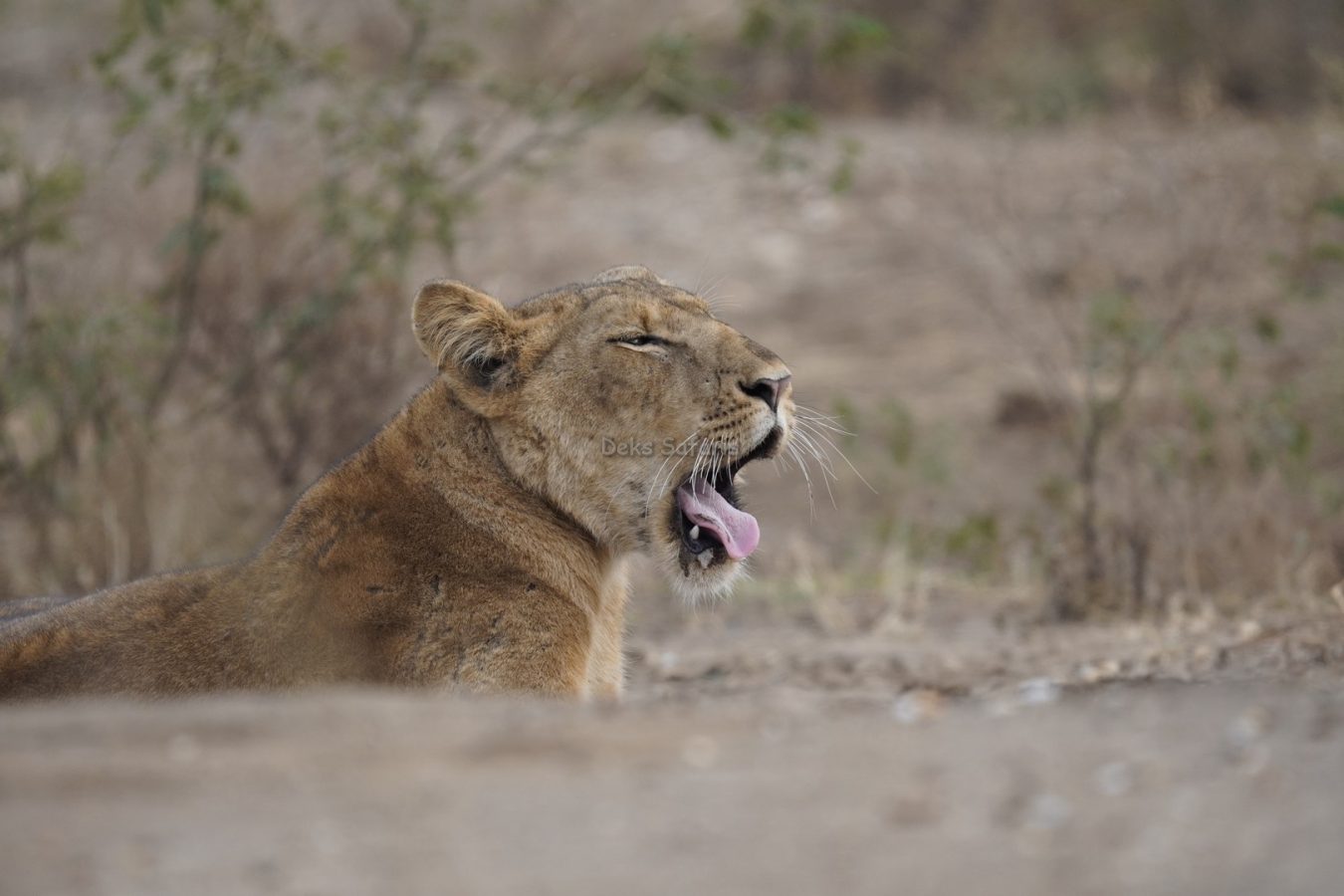
Uganda Wildlife Safaris
Can I visit more than one country on the same safari trip?
Yes, multi-country itineraries remain popular within Africa Wildlife Safaris. East Africa allows seamless travel between Kenya, Tanzania, and Uganda. Regional flights and border crossings operate efficiently.
Southern Africa also supports cross-border safaris between South Africa, Botswana, and Zambia.
Combining destinations enhances diversity and value. Guests experience multiple ecosystems, wildlife species, and cultures within one journey. Deks Safaris and Tours manage logistics professionally to ensure smooth connections. Ultimately, multi-country Africa Wildlife Safaris deliver comprehensive and unforgettable African adventures.
Best Time for Africa Wildlife Safaris
What is the best month for an African wildlife safari?
The best month for Africa Wildlife Safaris depends on your destination and wildlife goals. However, many travelers prefer July. During this month, dry conditions improve animal visibility. Grass remains short, and water sources become limited. As a result, animals gather near rivers and waterholes. This makes sightings easier and more frequent.
In East Africa, July also marks the start of the Great Migration river crossings. In the Masai Mara National Reserve, wildebeest cross from Tanzania into Kenya. Meanwhile, predators wait along the riverbanks. This creates dramatic wildlife moments. Similarly, the Serengeti National Park offers excellent viewing during this time.
Southern Africa also shines in July. The dry season peaks in the Kruger National Park. Animals gather around permanent water sources. Therefore, visitors enjoy consistent Big Five sightings.
However, January and February also offer strong safari conditions. These months fall within short dry seasons in East Africa. Wildlife remains active, and landscapes appear fresh after light rains. In addition, many animals give birth during this period. This increases predator activity and photographic opportunities.
Therefore, the best month depends on your goals. If you seek migration drama, choose July or August. If you prefer fewer crowds and lush scenery, consider January or February. Africa Wildlife Safaris operate year-round. Each month offers unique wildlife experiences. Deks Safaris and Tours carefully plans every itinerary based on seasonal patterns. As a result, guests enjoy rewarding sightings in every season.
Is the dry season better than the wet season for safaris?
Many travelers believe the dry season offers the best conditions for Africa Wildlife Safaris. Indeed, dry months provide clear skies and easier wildlife spotting. Vegetation becomes thinner. Water sources shrink. Consequently, animals gather in open areas near rivers and waterholes. This improves visibility during game drives.
In places like Queen Elizabeth National Park, dry months create excellent lion sightings. Meanwhile, elephants and buffalo concentrate near the Kazinga Channel. Similarly, in the Okavango Delta, floodwaters attract wildlife during the dry season.
However, the wet season also offers strong advantages. Rain transforms landscapes into green havens. Birds migrate from Europe and Asia. As a result, birdwatchers enjoy colorful sightings. Additionally, newborn animals appear during this period. Predators remain active as they hunt vulnerable young prey.
Crowds also reduce during rainy months. This allows more private safari experiences. Lodges often offer lower rates. Therefore, travelers seeking value may prefer this season.
Road conditions may become muddy in some parks. Yet professional guides handle such challenges well. Deks Safaris and Tours ensures safe travel regardless of weather.
Ultimately, both seasons provide rewarding experiences. The dry season improves visibility. The wet season enhances scenery and birdlife. Therefore, the better season depends on personal preference. Africa Wildlife Safaris remain exciting throughout the year. Each season tells a different wildlife story across Africa’s vast landscapes.
When can I see the Great Migration?
The Great Migration stands as one of the most spectacular events in Africa Wildlife Safaris. This natural movement involves over one million wildebeest, zebras, and gazelles. They move in search of fresh grass and water. The migration follows a yearly cycle between Tanzania and Kenya.
From January to March, herds gather in southern Serengeti National Park. During this time, calving season begins. Thousands of calves are born daily. Predators remain nearby, creating intense wildlife action.
Between April and June, herds move northward. They cross central Serengeti plains. By July and August, many reach the Masai Mara National Reserve. River crossings along the Mara River attract crocodiles and lions. These dramatic scenes often appear in wildlife documentaries.
September and October still offer excellent viewing in the Masai Mara. However, by November, rains begin in Tanzania. Herds then move south again. The cycle continues every year.
Therefore, timing depends on which migration stage you wish to witness. River crossings peak between July and September. Calving season peaks in February. Each phase offers unique wildlife moments.
Deks Safaris and Tours carefully tracks herd movements. Guides adjust itineraries to maximize viewing opportunities. As a result, guests experience unforgettable migration scenes. Africa Wildlife Safaris during the migration season create lasting memories for every traveler.
Are safaris possible all year round?
Yes, Africa Wildlife Safaris operate throughout the year. Africa’s diverse climates allow continuous wildlife viewing. However, experiences vary by region and season.
In East Africa, dry months from June to August offer peak conditions. Yet January and February also provide excellent wildlife visibility. Meanwhile, parks like Bwindi Impenetrable National Park welcome gorilla trekkers year-round. Even during rainy months, trekking continues with expert guides.
Southern Africa also supports year-round safaris. The Kruger National Park provides strong wildlife sightings in both dry and wet seasons. In Botswana, the Okavango Delta changes with seasonal floods. Each season reveals different wildlife patterns.
Rainy seasons bring lush landscapes and newborn animals. Dry seasons improve visibility. Therefore, each time of year offers unique rewards.
Travelers should consider personal interests, budget, and crowd levels. Peak months attract more visitors. Low seasons offer better rates and fewer tourists.
Deks Safaris and Tours plans customized itineraries for every season. Professional guides monitor wildlife movements and weather conditions. Consequently, guests enjoy rewarding safaris regardless of travel month.
Therefore, safaris remain possible and enjoyable all year round. Africa’s wild beauty never sleeps. Africa Wildlife Safaris continue to inspire travelers in every season.
What is the weather like during safari season?
Weather during Africa Wildlife Safaris depends on region and time of year. However, most safari destinations experience two main seasons. These include dry and rainy periods.
In East Africa, dry months from June to August bring sunny days and cool mornings. Temperatures often range between 20 and 28 degrees Celsius. Evenings can feel chilly. Therefore, travelers should pack light jackets.
Short rains usually occur in November. Long rains often fall between March and May. During these months, landscapes turn green and vibrant. Although showers may occur, rain rarely lasts all day.
Southern Africa follows similar patterns. In the Kruger National Park, winter months from May to September remain dry and cool. Summer months from October to March bring heat and afternoon storms.
Meanwhile, Botswana’s Okavango Delta experiences seasonal floods during dry months. This unique pattern attracts wildlife to permanent waters.
Therefore, safari weather often remains pleasant. Mornings may feel cool. Afternoons often warm up. Even rainy seasons allow game drives between showers.
Deks Safaris and Tours prepares travelers with clear packing advice. Guides adjust daily schedules based on weather. As a result, guests enjoy comfortable and safe journeys. Africa Wildlife Safaris continue smoothly despite seasonal changes.
Is June to August the best time for safari?
June to August ranks among the best months for Africa Wildlife Safaris. During this period, dry conditions dominate much of East and Southern Africa. Wildlife gathers near limited water sources. This improves visibility during game drives.
In the Masai Mara National Reserve, river crossings often begin in July. Visitors witness dramatic scenes as wildebeest face crocodile-filled waters. Meanwhile, the Serengeti National Park hosts massive herds moving northward.
Uganda also shines during these months. Trails in Bwindi Impenetrable National Park remain less muddy. Gorilla trekking becomes more comfortable. Similarly, wildlife gathers along riverbanks in Murchison Falls National Park.
However, these months attract many travelers. Lodges fill quickly. Prices may rise due to demand. Therefore, early booking becomes important.
Despite higher visitor numbers, wildlife sightings remain exceptional. Clear skies enhance photography. Cooler temperatures create pleasant game drives.
Deks Safaris and Tours recommends June to August for travelers seeking peak wildlife action. However, other months also offer rewarding experiences. Africa Wildlife Safaris provide memorable adventures beyond peak season as well.
When is the cheapest time to go on safari?
The most affordable time for Africa Wildlife Safaris often falls during rainy seasons. In East Africa, March to May usually brings lower prices. Similarly, November offers reduced lodge rates.
During these months, fewer tourists travel. As a result, camps and lodges provide discounts. This allows travelers to enjoy quality experiences at lower costs.
Wildlife viewing remains good despite occasional rain. In the Serengeti National Park, herds still move across the plains. In Uganda’s Queen Elizabeth National Park, animals remain active near water sources.
Rain showers often occur in the afternoon. Mornings usually remain clear for game drives. Therefore, flexible schedules ensure rewarding sightings.
Birdlife thrives during wet seasons. Migratory species arrive in large numbers. Landscapes appear lush and colorful. Photographers enjoy dramatic skies and fresh scenery.
However, some remote roads may become muddy. Experienced guides manage these challenges safely. Deks Safaris and Tours ensures proper vehicles and planning.
Travelers seeking value and fewer crowds often choose low seasons. Although conditions differ slightly, experiences remain memorable. Africa Wildlife Safaris during budget months still deliver authentic wildlife encounters and cultural experiences.
Do animals migrate during certain seasons?
Yes, many animals migrate during specific seasons across Africa. The most famous example appears during Africa Wildlife Safaris in East Africa. The Great Migration moves between Tanzania and Kenya.
Each year, herds travel in search of fresh grazing land. Rainfall patterns guide their movement. From southern Serengeti National Park, herds move north toward the Masai Mara National Reserve. Later, they return south as rains begin again.
However, smaller migrations occur in other regions. In Botswana’s Chobe National Park, elephants move between river systems based on water availability. Similarly, zebra migrations occur within parts of the Okavango ecosystem.
Birds also migrate seasonally. Many species travel from Europe and Asia to Africa during northern winters. Therefore, birdwatching peaks between November and April.
Seasonal movement helps animals survive harsh conditions. It also creates dynamic safari experiences.
Deks Safaris and Tours monitors these movements carefully. Guides adjust routes to maximize wildlife encounters. Consequently, guests witness nature’s rhythms in real time. Africa Wildlife Safaris allow travelers to observe these powerful seasonal journeys across vast landscapes.
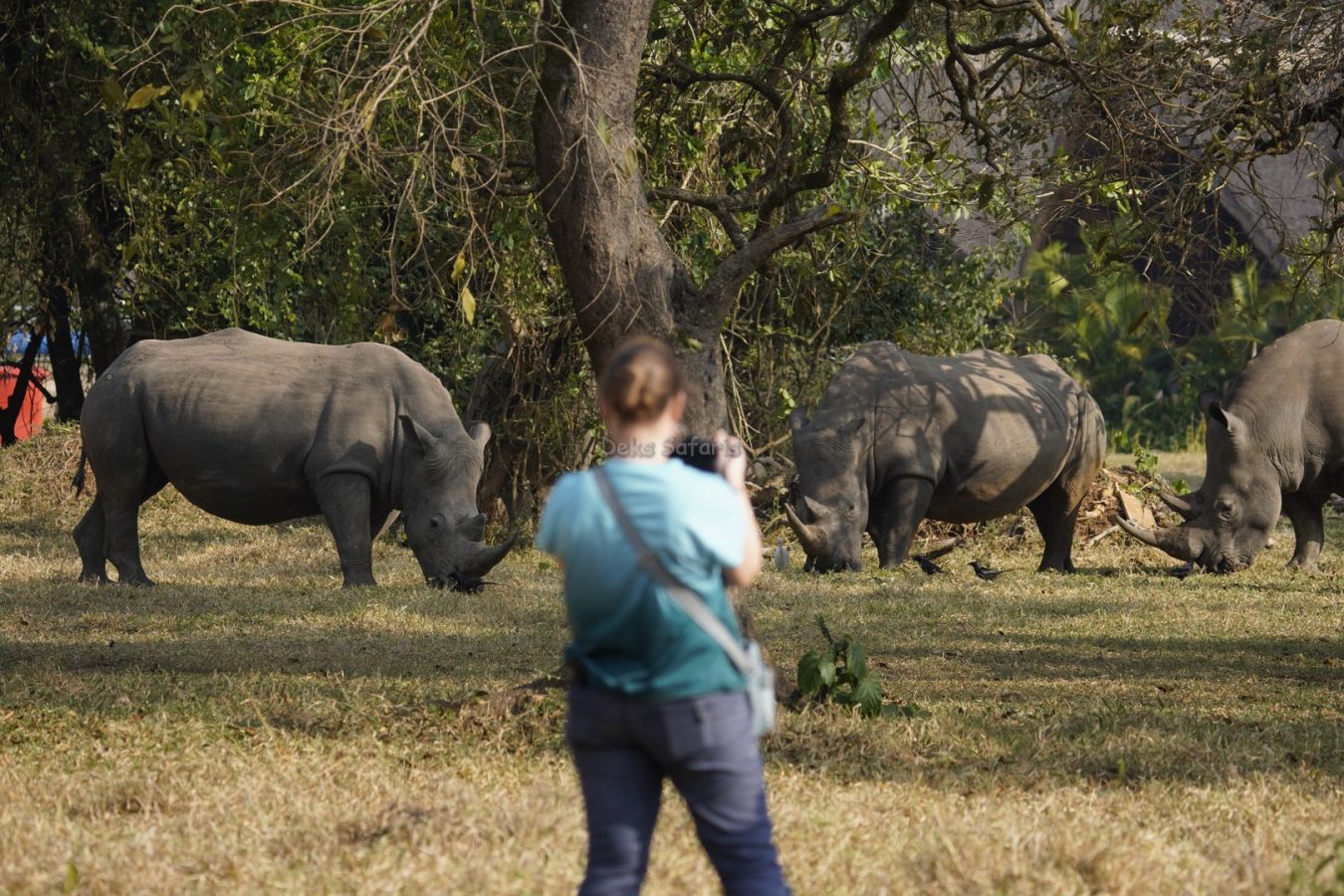
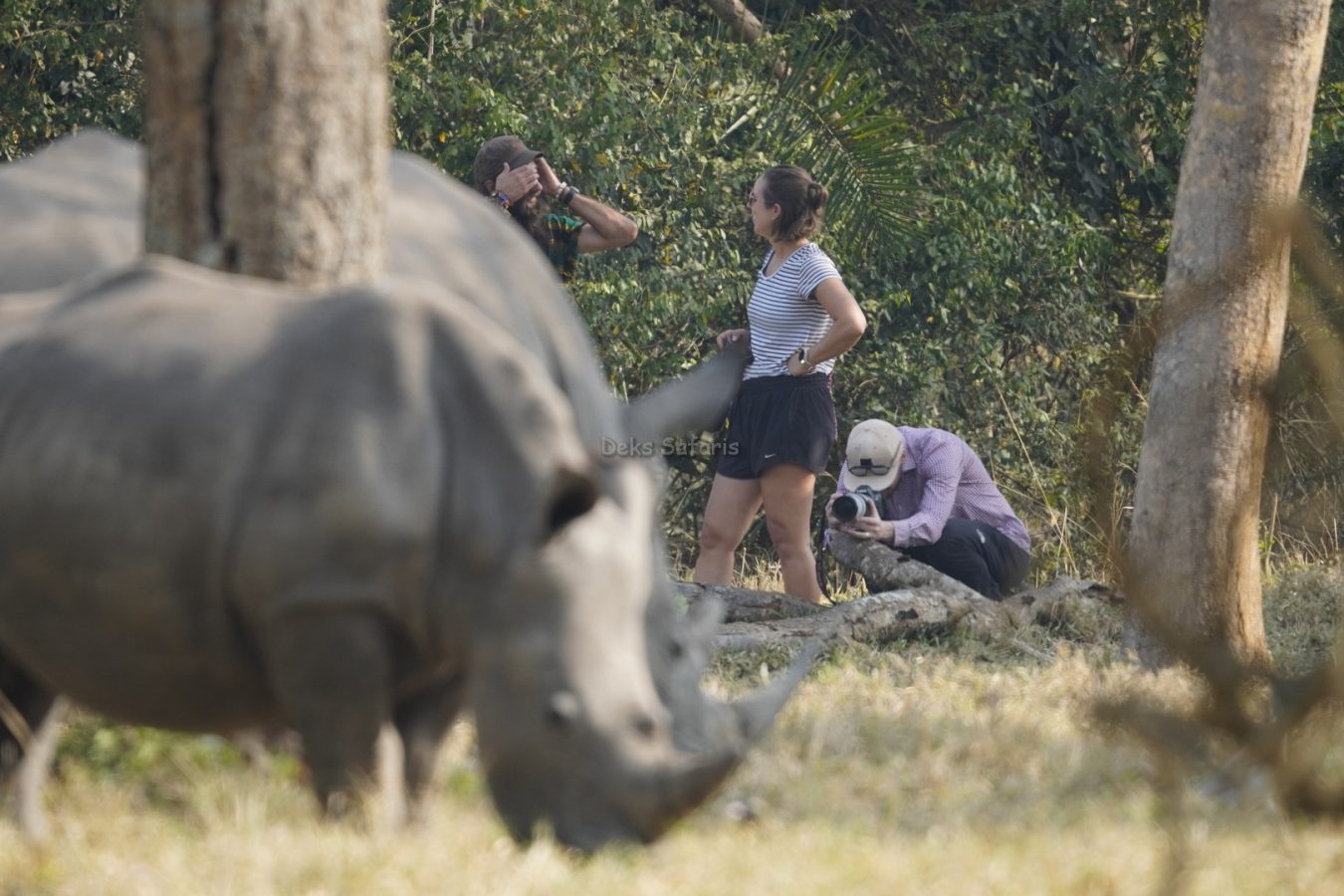
Rhino Tracking Uganda Tours
Is it worth going on safari in the rainy season?
Yes, rainy season safaris remain worthwhile and rewarding. Although many travelers prefer dry months, Africa Wildlife Safaris during rainy periods offer unique benefits.
First, landscapes appear green and vibrant. Fresh grass covers open plains. Flowers bloom across savannahs. Photographers capture rich colors and dramatic skies.
Second, birdlife increases significantly. Migratory birds arrive in large numbers. In parks like Queen Elizabeth National Park, birdwatchers enjoy exceptional sightings.
Third, fewer tourists visit during rainy months. Therefore, game drives feel more private. Lodges offer discounted rates. This makes safaris more affordable.
Although rain may fall, showers often occur in short bursts. Mornings frequently remain clear. Professional guides adjust schedules accordingly.
Wildlife remains active throughout the year. In the Kruger National Park, predators continue hunting despite seasonal rain. Similarly, gorilla trekking in Bwindi Impenetrable National Park operates year-round.
Therefore, rainy season safaris still deliver strong wildlife experiences. Deks Safaris and Tours prepares travelers with proper guidance and equipment advice. As a result, guests enjoy comfortable journeys even during wet months. Africa Wildlife Safaris remain magical regardless of season.
How far in advance should I book a safari?
Travelers should book Africa Wildlife Safaris at least six to twelve months in advance. This applies especially during peak seasons from June to August. Lodges near migration routes fill quickly. Gorilla permits in Bwindi Impenetrable National Park also sell out early.
Early booking ensures better lodge selection. It also secures internal flights and permits. During migration months in the Masai Mara National Reserve, high demand increases rapidly. Therefore, planning ahead prevents disappointment.
However, low seasons may allow shorter booking windows. Travelers seeking flexibility can sometimes secure trips three to four months ahead. Still, early planning provides peace of mind.
Deks Safaris and Tours assists with detailed planning from the start. The team advises on seasonal timing, permits, and accommodation availability. Consequently, guests enjoy smooth travel arrangements.
Booking early also allows time for visa applications and health preparation. Travelers can consult doctors regarding vaccinations or malaria prevention.
Therefore, advance booking enhances overall safari experience. Africa Wildlife Safaris require careful coordination across countries and parks. With proper planning, travelers enjoy seamless journeys across Africa’s most iconic wildlife destinations.
Hiking to the Top of Ngorongoro Crater
Costs & Budgeting for Africa Wildlife Safaris
How much does an African wildlife safari cost?
The cost of an African wildlife safari varies widely depending on location, duration, accommodation, and activities. On average, a mid-range safari for 7–10 days can cost between $5,000 and $8,500 per person. Luxury safaris may exceed $10,000. Shorter or budget options start from $3,500 for a few days in select parks.
Several factors influence pricing. First, accommodation type matters. Tented camps and lodges in prime locations near parks are more expensive than standard hotels in nearby towns. Second, permits for activities like gorilla trekking in Bwindi Impenetrable National Park add significant cost. Each permit can cost several hundred dollars.
Transportation also affects cost. Domestic flights reduce travel time but increase the budget. Meanwhile, 4×4 safari vehicles with professional guides are standard. Guides provide safety, wildlife knowledge, and personalized experiences.
Meal plans also contribute. Full-board packages with local or international cuisine are common. Guided game drives, walking safaris, and boat trips often come included in the package.
Going on Africa Wildlife Safaris During the Pick Season
Additionally, safari seasons affect pricing. Peak months from June to August and January to February attract higher rates due to demand and prime wildlife viewing. Off-peak months may offer lower rates but come with seasonal considerations such as rainfall.
Ultimately, Africa Wildlife Safaris by Deks Safaris and Tours tailor trips to budget preferences. Packages combine lodges, permits, game drives, and activities to ensure value for money. Travelers can balance comfort, wildlife access, and adventure according to budget.
While a safari represents a significant investment, the experiences—encounters with the Big Five, Great Migration, gorilla trekking, and stunning landscapes—offer unmatched value. Proper planning allows guests to manage costs while enjoying a world-class African adventure.
Why are African safaris expensive?
African safaris often carry a high price tag due to several logistical, ecological, and service-related factors. First, conservation plays a major role. Parks such as Kruger National Park, Serengeti National Park, and Bwindi Impenetrable National Park maintain strict conservation measures. Fees support anti-poaching efforts, ranger salaries, and habitat protection.
Second, professional guides and vehicles increase costs. Specialized 4×4 safari vehicles require maintenance, fuel, and safety equipment. Guides receive extensive training in wildlife behavior, navigation, and first aid. Their expertise ensures both guest safety and meaningful wildlife experiences.
Third, accommodation near wildlife zones is limited. High-quality lodges and luxury tented camps command premium rates due to remote locations, infrastructure development, and exceptional service. Many lodges include full-board meals, game drives, and cultural activities, which add value but also cost.
Permits for unique activities such as gorilla trekking or hot air balloon safaris further increase expenses. Gorilla permits alone in Uganda or Rwanda can cost several hundred dollars per person. Similarly, park entry fees and conservation levies are essential but add to total costs.
How About Multi-Country Africa Safaris?
Additionally, cross-country logistics in multi-destination safaris raise the budget. Internal flights, transfers, and visa coordination require planning and resources. Peak season demand drives prices higher, as wildlife viewing is optimal during dry months and migration periods.
Finally, safety and insurance considerations contribute to expense. Safaris operate in remote regions. Vehicles, medical support, and reliable communication systems must be maintained.
While prices may appear high, they reflect the combination of exclusive wildlife experiences, conservation support, expert guidance, and luxury accommodations. Deks Safaris and Tours ensures that each safari provides value while maintaining sustainable and ethical travel standards.
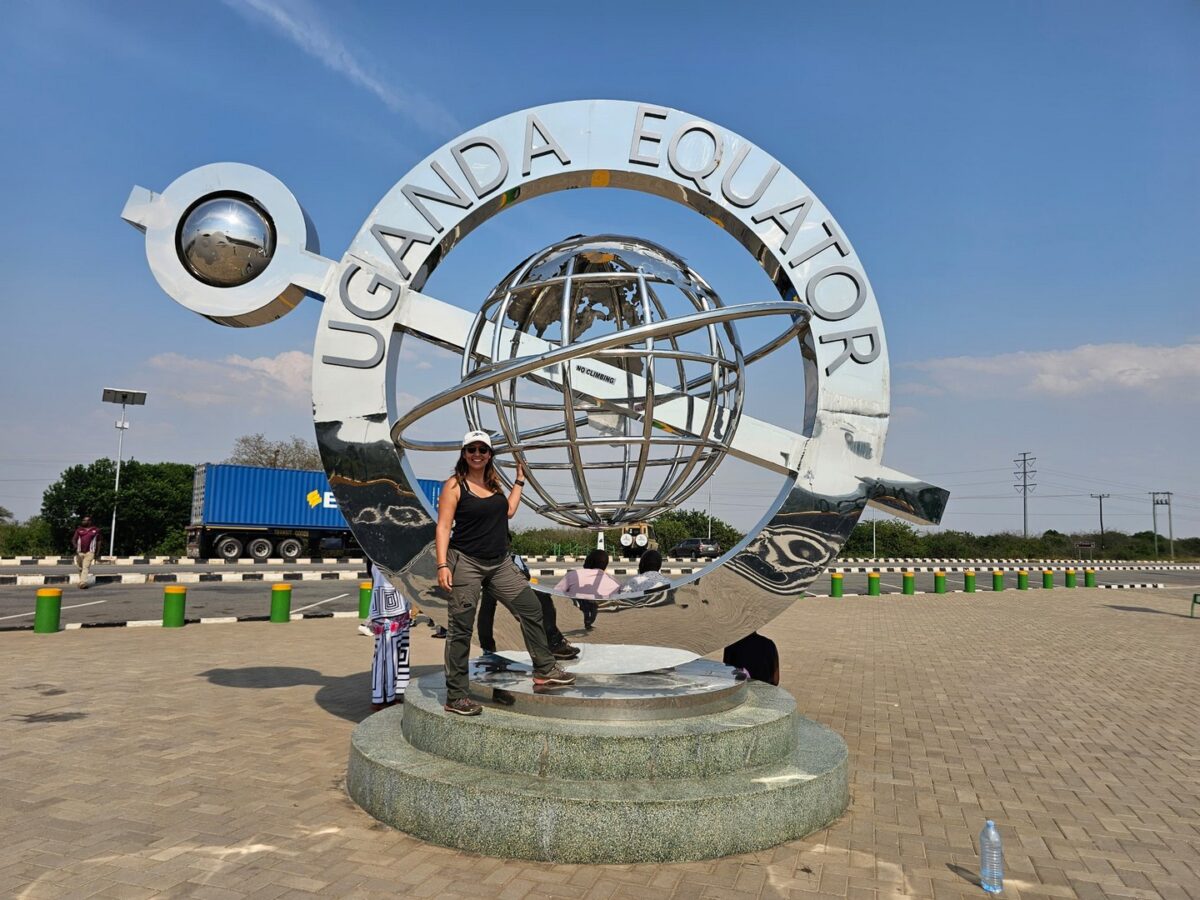
Queen Elizabeth National Park
Are there budget safari options available?
Yes, budget safari options exist for travelers seeking affordable Africa Wildlife Safaris. These safaris focus on maximizing wildlife encounters while minimizing accommodation and travel costs. Budget-friendly trips often use mid-range lodges, camping, or community-run tented camps instead of luxury lodges.
Shared 4×4 vehicles reduce per-person costs while still providing safe, guided wildlife drives. Meals may consist of simple but fresh local cuisine. Although some comfort is reduced compared to luxury camps, the wildlife experience remains high-quality.
Destinations like Uganda, Kenya, and Tanzania provide several affordable safari parks. Queen Elizabeth National Park, Murchison Falls National Park, and parts of Masai Mara National Reserve have budget-friendly accommodations without sacrificing wildlife access.
How is Travelling in Shoulder Seasons Like?
Traveling in shoulder seasons, such as April-May or November, can further reduce costs. Lodge rates, park fees, and flights tend to be lower while still offering rewarding wildlife sightings.
Deks Safaris and Tours carefully crafts budget itineraries. Packages include shared game drives, essential park permits, and guided walks. Guests enjoy authentic African wildlife experiences while keeping costs manageable.
Budget safaris may not include luxury amenities or private game drives. However, they remain immersive and educational. Travelers witness the Big Five, observe migration patterns, and explore forests and rivers at an accessible cost.
Therefore, a budget safari allows flexibility, adventure, and authentic wildlife encounters. Africa Wildlife Safaris by Deks Safaris and Tours ensures even cost-conscious travelers experience the magic of Africa’s wild landscapes.
What is included in a safari package?
A typical safari package includes accommodation, game drives, guided walks, and park permits. Meals are usually full board, covering breakfast, lunch, and dinner. Lodges provide comfortable rooms or tented camps near parks.
Professional guides operate daily game drives. They share knowledge about wildlife behavior, bird species, and ecological systems. Vehicles are often open-top 4x4s with panoramic views and safety features.
Park entry fees and permits are often included, especially for high-demand activities like gorilla trekking in Bwindi Impenetrable National Park. Some packages include domestic flights or transfers between parks.
Optional activities, such as boat safaris on the Kazinga Channel, hot air balloon rides in the Serengeti National Park, or cultural village visits, may be part of the package or available at an extra cost.
How Deks Safaris and Tours Manages Multi-Country Logistics?
Deks Safaris and Tours ensures that packages are seamless. They manage logistics, transfers, accommodations, and activity schedules. This allows travelers to focus on wildlife, scenery, and cultural experiences.
Some packages may also include airport pick-ups and drop-offs, laundry, and local guides in multiple languages. Travel insurance is recommended but often not included.
Overall, a safari package offers convenience, structure, and access to exclusive wildlife experiences. Guests enjoy peace of mind knowing that permits, transportation, and accommodations are professionally handled.
Are park fees included in safari prices?
Park fees are usually included in Africa Wildlife Safaris packages, but it depends on the provider. Entry fees fund conservation, park management, and anti-poaching programs. In Uganda, for example, park fees for Bwindi Impenetrable National Park and Murchison Falls National Park are often built into safari packages.
In Kenya and Tanzania, Masai Mara and Serengeti permits usually appear in package costs. Similarly, Southern Africa lodges include fees for Kruger, Chobe, or Okavango Delta reserves.
Some optional activities, like gorilla trekking, hot air ballooning, or night safaris, may have additional fees. Therefore, it’s essential to clarify what is included when booking.
Deks Safaris and Tours ensures transparency regarding park fees. Clients receive a detailed itinerary showing which costs are covered. This clarity allows travelers to budget accurately.
Including park fees in the package simplifies planning. Travelers focus on the safari experience without worrying about daily payments or currency exchange at entrances.
Ultimately, most reputable safari providers bundle major park fees to offer convenience and smooth logistics.
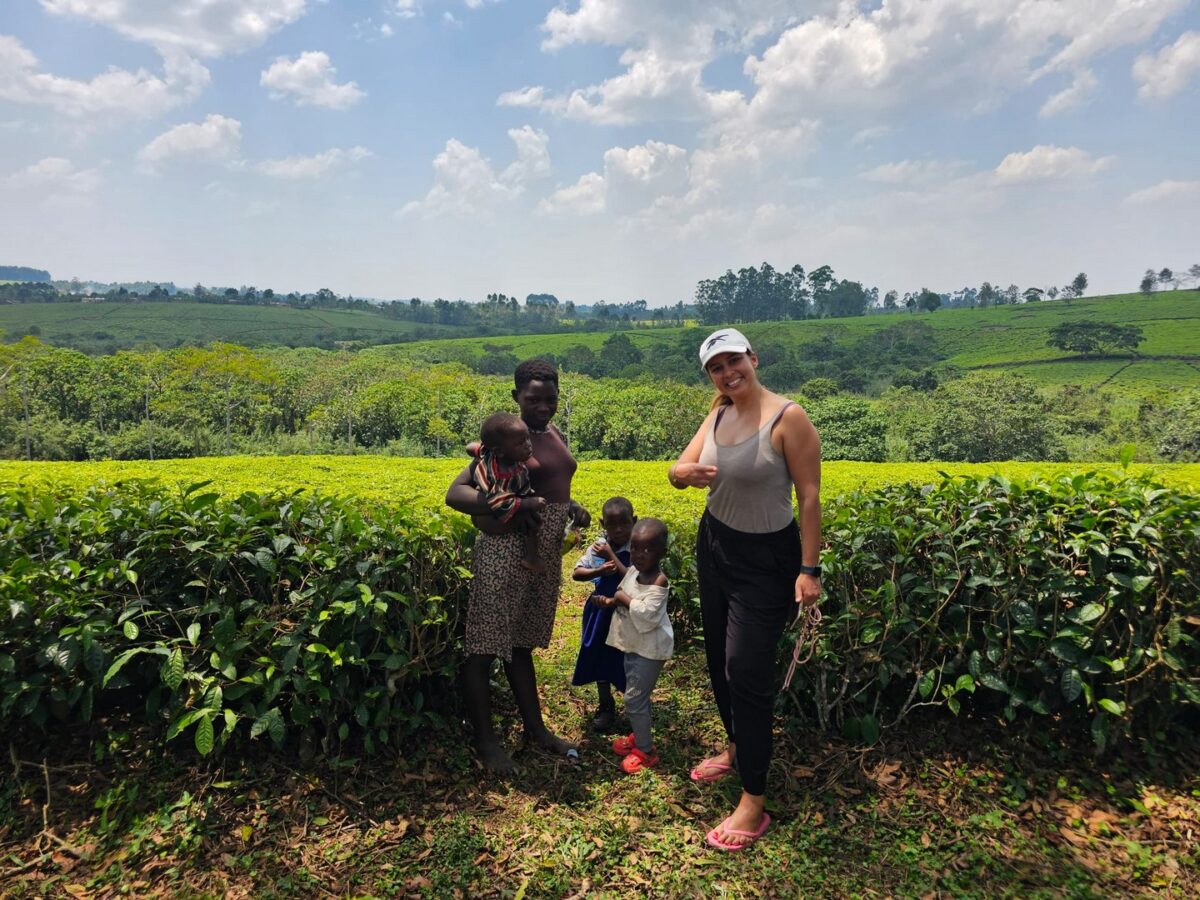
Uganda Primates and Wildlife Safari
Do I need travel insurance for safari?
Yes, travel insurance is essential for any Africa Wildlife Safari. Safaris often take travelers into remote locations. Vehicles drive across uneven terrain. Activities include game drives, walking safaris, and boat trips. Unexpected medical emergencies, trip cancellations, or lost luggage could become major challenges without insurance.
Medical coverage is particularly important. Parks such as Kruger National Park, Bwindi Impenetrable National Park, or the Serengeti National Park are far from major hospitals. Evacuation or emergency care can be costly. Travel insurance ensures financial protection and peace of mind in these scenarios.
Additionally, insurance covers unforeseen trip interruptions. Flight delays, canceled accommodations, or adverse weather could impact itineraries. Safari packages often include domestic flights, lodge stays, and permits. If a flight is delayed or a lodge is overbooked, insurance helps recover costs.
How About Combining Walking Safaris and Gorilla Trekking?
Some policies also cover activity-specific risks. Walking safaris, gorilla trekking, or boating in rivers such as the Kazinga Channel may involve moderate risk. Travel insurance ensures that guests are financially protected in case of accidents.
Deks Safaris and Tours strongly recommends all guests obtain comprehensive travel insurance. They provide guidance on policies suitable for African destinations. Policies should include medical evacuation, trip cancellation, lost luggage, and activity coverage.
Ultimately, while safari costs may seem significant, insurance safeguards the investment and ensures uninterrupted enjoyment. For Africa Wildlife Safaris, a well-chosen travel insurance policy provides safety, confidence, and peace of mind, allowing travelers to focus fully on wildlife, culture, and adventure.
Are tips expected on safari?
Tipping is a customary practice on Africa Wildlife Safaris. Guides, drivers, lodge staff, and trackers provide attentive service throughout the journey. Although not mandatory, tipping shows appreciation and supports local livelihoods.
Game drive guides and trackers often receive tips for their expertise. They track wildlife, explain animal behavior, and ensure safety during drives. A suggested range is $10–$20 per guest per day for guides, depending on the service level. Drivers providing smooth transfers between parks may also receive $5–$10 per day.
Lodge staff, including housekeepers, waiters, and porters, benefit from small daily tips. In luxury lodges, $2–$5 per staff member per day is common. Community experiences, such as Maasai village visits, may also warrant modest contributions to support local people.
Tipping should reflect the quality of service. Exceptional guidance, wildlife spotting, and personalized attention may justify higher tips. Conversely, if services were average, adjusting accordingly is appropriate.
About Tipping During Africa Wildlife Safaris
Deks Safaris and Tours provides clear tipping guidance for each itinerary. Guests receive advice on expected amounts per service category. Tips are generally given in cash, preferably in local currency or US dollars. While tipping is appreciated, it remains discretionary.
Tipping also benefits the conservation and community initiatives supported by safari operators. Staff rely on tips as a supplement to salaries, encouraging high standards and dedication.
Ultimately, tipping enhances the safari experience by acknowledging the efforts of those who ensure safety, comfort, and unforgettable wildlife encounters. Proper guidance ensures travelers give appropriately without stress. Africa Wildlife Safaris thrive on the synergy of professional staff and grateful guests.
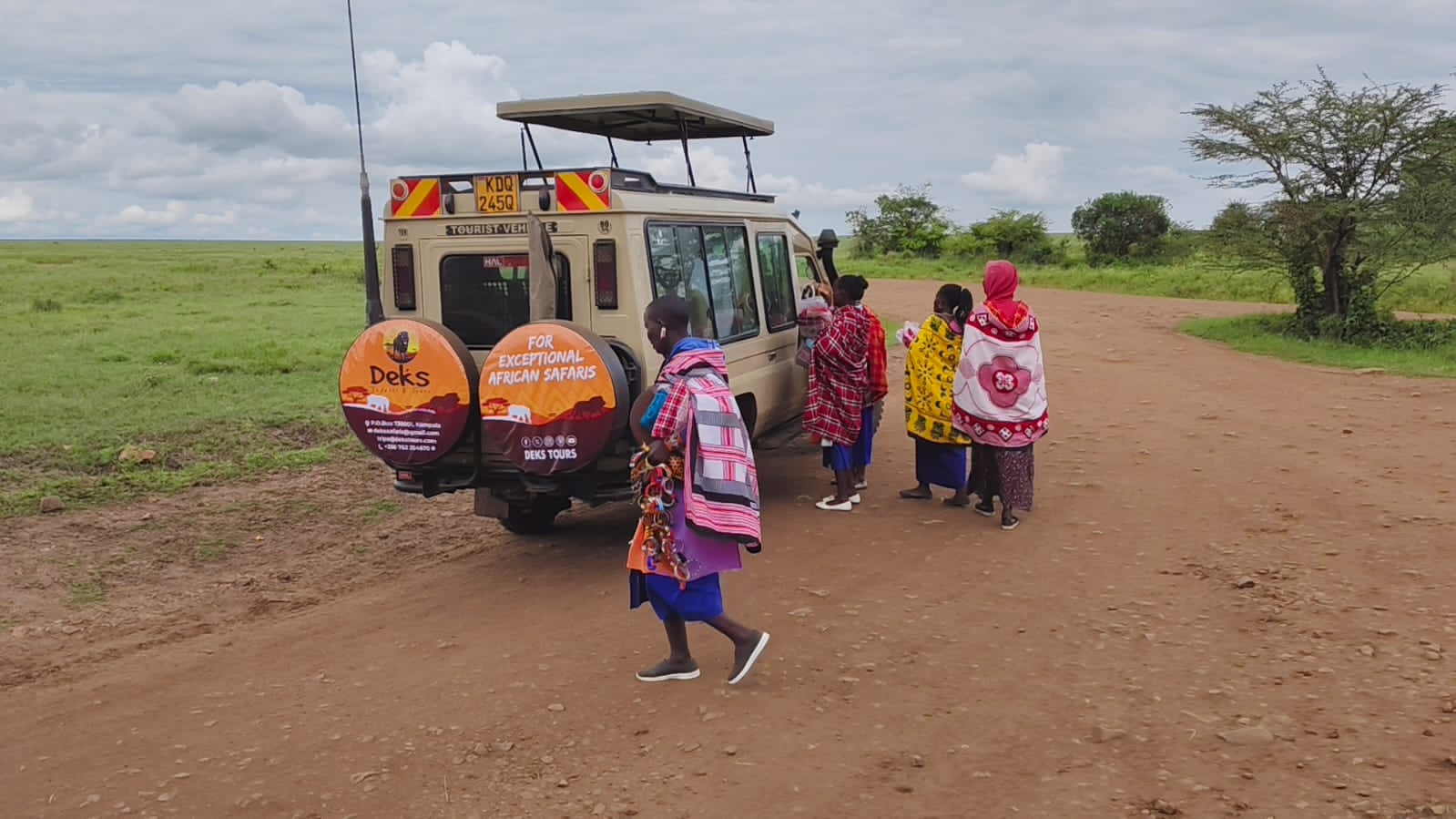
Masai Mara National Reserve
Can I customize my safari itinerary?
Yes, Africa Wildlife Safaris are highly customizable. Every traveler has different preferences, fitness levels, and wildlife priorities. Some guests prioritize gorilla trekking in Bwindi Impenetrable National Park. Others focus on migration viewing in the Masai Mara National Reserve or luxury lodges in Kruger.
Custom itineraries allow adjustments to duration, accommodations, and activities. Travelers may combine multiple countries such as Uganda, Kenya, Tanzania, Botswana, and South Africa in a single safari. Duration can vary from 7 days for a focused experience to 30 days for comprehensive exploration.
Activities can be tailored to interests. For example, hot air balloon safaris in the Serengeti provide aerial wildlife perspectives. Walking safaris in Zambia teach tracking skills. Mokoro canoe trips in the Okavango Delta offer intimate wildlife viewing from the water. Cultural interactions, including Maasai village visits or community conservation projects, can be added for immersive experiences.
Is Transportation During Africa Wildlife Safaris Flexible?
Transportation is also flexible. Guests may choose domestic flights to reduce travel time between parks or scenic road transfers for more leisurely exploration. Lodging can range from luxury tented camps to mid-range or budget accommodations depending on preferences.
Deks Safaris and Tours works closely with travelers to design bespoke experiences. They consider seasonal wildlife patterns, special interests, and budget constraints. Each custom safari ensures smooth logistics, expert guiding, and maximum wildlife exposure.
Customizable itineraries ensure guests experience Africa’s wild heart on their terms. Travelers enjoy tailored game drives, flexible schedules, and personalized adventures, all while maintaining the high standards of Africa Wildlife Safaris.
Are luxury safaris worth the price?
Luxury safaris are highly recommended for travelers seeking comfort and exclusivity. While costs are higher, the experiences justify the price. Luxury lodges and camps provide elegant accommodations, gourmet cuisine, and personalized service. Locations often sit within or adjacent to prime wildlife zones, allowing immediate access to morning and evening game drives.
Luxury safaris include expert guides, private 4×4 vehicles, and private walking or boat excursions. These experiences allow uninterrupted wildlife observation and a more intimate connection with nature. Amenities often include plunge pools, spa services, and panoramic views of savannahs or river systems.
During migration or gorilla trekking seasons, luxury lodges offer guaranteed access and early tracking times. Guests enjoy fewer crowds, exclusive sightings, and curated wildlife photography opportunities. In addition, all logistics, transfers, and park permits are handled seamlessly.
Deks Safaris and Tours ensures luxury safaris maintain a balance of adventure and comfort. Travelers witness iconic wildlife, indulge in fine dining, and enjoy cultural interactions without logistical stress.
Ultimately, luxury safaris provide unmatched convenience, safety, and immersive experiences. The price reflects the combination of proximity to wildlife, quality of service, and level of comfort. For those seeking a premium experience, luxury safaris remain a worthwhile investment in unforgettable memories.
How can I save money on an African safari?
Saving money on Africa Wildlife Safaris requires planning and flexibility. Traveling during shoulder or off-peak seasons reduces accommodation and package costs. For example, March to May and November often feature discounted rates.
Choosing mid-range lodges or tented camps instead of luxury lodges lowers expenses without sacrificing wildlife experiences. Shared 4×4 vehicles and group game drives also reduce per-person costs.
Booking early ensures better availability and prevents paying last-minute premiums. Combining multiple destinations in one itinerary can maximize value and reduce separate travel costs.
Additionally, consider selective activities. While gorilla trekking or hot air balloon rides are iconic, skipping optional add-ons may reduce the budget. Using local guides and transport options when possible also saves costs.
Deks Safaris and Tours provides expert advice on budget-conscious itineraries. They tailor trips to deliver maximum wildlife exposure while optimizing costs. By planning strategically, travelers can experience high-quality safaris without overspending.
Ultimately, budget-friendly safaris still allow encounters with the Big Five, river cruises, walking safaris, and migration viewing. With thoughtful planning, Africa Wildlife Safaris remain accessible to a wide range of travelers while delivering unforgettable African experiences.
Africa Wildlife Safaris
Wildlife & Experiences
What animals can I see besides the Big Five?
While the Big Five—lion, leopard, elephant, buffalo, and rhino—capture much attention, Africa offers an incredible variety of other wildlife. Africa Wildlife Safaris ensures that travelers encounter many fascinating species beyond the iconic five. Visitors may spot giraffes browsing treetops, zebras grazing in open plains, and wildebeest in massive herds. These herbivores often create dynamic predator-prey interactions that make safari drives thrilling.
Uganda and Tanzania host primates such as chimpanzees and colobus monkeys, adding to wildlife diversity. Birding enthusiasts enjoy over 600 species in Uganda’s parks, including hornbills, kingfishers, and rare shoebills. Botswana’s Okavango Delta offers a wetland haven, attracting hippos, crocodiles, and waterbirds. Hippos wallow in calm waterways while crocodiles lie in ambush, creating dramatic photo opportunities.
Small mammals also appear frequently. Meerkats in Botswana, warthogs in Kenya, and various antelope species in Tanzania enrich the wildlife experience. Nocturnal animals like civets, bush babies, and porcupines may appear on night drives or guided walks.
Observing the Big Five in Africa
Africa Wildlife Safaris arranges diverse game activities to maximize sightings. Guests witness predator hunts, herd migrations, and waterhole interactions. Wildlife experiences are enhanced by expert guides who understand animal behavior and ecosystem dynamics.
In addition, Africa’s unique landscapes influence animal encounters. Rolling savannahs, dense forests, swamps, and rivers provide habitats for species that are rare elsewhere. Observing giraffes or eland against a backdrop of sunlit plains can be as memorable as spotting a lion or rhino.
Therefore, safaris deliver more than the Big Five. Travelers experience ecosystems teeming with birds, primates, reptiles, and herbivores, creating a complete and immersive wildlife journey. Deks Safaris and Tours ensures every guest sees a rich diversity of animals, emphasizing ethical and safe wildlife interactions.
What is a game drive?
A game drive forms the core activity of any Africa Wildlife Safari. It involves driving in specially designed 4×4 vehicles through national parks, reserves, or wilderness areas to observe animals in their natural habitats. Game drives can be conducted in the morning, afternoon, or night, depending on park rules and wildlife activity.
Early morning drives often reveal predators returning from nocturnal hunts and herbivores grazing in cooler temperatures. Afternoon drives may catch animals seeking water or shelter from the heat. Vehicles are typically open-sided, offering panoramic views for photography and observation. Guides provide expertise in spotting camouflaged animals, interpreting tracks, and understanding animal behavior.
In addition to big game, game drives include birdwatching, small mammal sightings, and landscape appreciation. Drivers pause at waterholes where elephants, buffaloes, and antelopes converge, creating dramatic scenes. Game drives are often scheduled for two to six hours, with optional picnic breaks in scenic locations.
What Happens During Guided Game Drives in Africa?
During drives, guides also educate travelers on conservation issues, including poaching, habitat preservation, and wildlife protection programs. Understanding animal interactions, breeding patterns, and migration routes enhances the safari experience.
Africa Wildlife Safaris ensures that game drives are conducted ethically. Vehicles maintain safe distances to avoid disturbing animals, and rangers enforce park regulations. Private or group drives offer flexibility, with the option for intimate experiences or social exploration with other travelers.
Ultimately, a game drive allows visitors to observe Africa’s rich wildlife with minimal intrusion. It combines adventure, education, and photography opportunities, providing a core highlight for any safari itinerary.
What is the difference between a private and group safari?
Private and group safaris offer distinct experiences for Africa Wildlife Safaris travelers. A private safari caters exclusively to a single party. Vehicles, guides, and itineraries are reserved for the guest group, providing flexibility in timing, route, and activity choices. Private safaris allow early morning starts, extended game drives, and tailored experiences. Families, honeymooners, or small groups often prefer this option for privacy, personalized service, and comfort.
Group safaris include multiple travelers sharing vehicles and guides. These are cost-effective, providing high-quality wildlife experiences at lower prices per person. Group tours create opportunities to meet fellow travelers while still enjoying expert guiding and organized logistics. Deks Safaris and Tours carefully manages group sizes to avoid overcrowding.
Both options cover core safari activities like game drives, guided walks, and cultural visits. Private safaris offer more flexibility to change itineraries on short notice, while group safaris adhere to pre-scheduled programs. Luxury lodges or tented camps can accommodate both types, but private safaris often allow exclusive accommodations.
Ultimately, the choice depends on budget, desired privacy, and travel style. Private safaris emphasize personal attention and customizable experiences. Group safaris deliver camaraderie, structured logistics, and cost efficiency. Africa Wildlife Safaris provides guidance to ensure each traveler selects the option that best suits their goals.

Masai Mara National Reserve
Can I go on a walking safari?
Yes, walking safaris are a unique feature of Africa Wildlife Safaris. Unlike vehicle-based game drives, walking safaris offer an immersive, close-to-nature experience. Guests explore the bush on foot, guided by professional rangers who provide insight into animal behavior, plant species, and ecological systems.
Walking safaris are often conducted in small groups for safety and intimacy. Rangers carry essential safety equipment and maintain communication with nearby vehicles. Guests learn to interpret animal tracks, identify bird calls, and observe insects, reptiles, and small mammals. The pace is slow, allowing participants to notice details that are invisible from vehicles.
Destinations such as Zambia’s South Luangwa National Park and Botswana’s Okavango Delta offer exceptional walking safaris. These areas combine rich wildlife, open terrain, and safety measures, allowing guests to witness elephants, giraffes, and even lions from safe distances.
How about Guided Game drives and Nature Walks?
Walking safaris enhance understanding of ecosystems. Guides explain predator-prey interactions, plant medicinal uses, and conservation efforts. Unlike game drives, walking allows travelers to connect with Africa’s wilderness on a more personal level.
For fitness considerations, walking safaris vary in difficulty. Some are leisurely, covering short distances in flat terrain, while others require moderate endurance for hill climbs or river crossings. Proper clothing, footwear, and hydration are essential.
Deks Safaris and Tours emphasizes safety, education, and enjoyment. Walking safaris are paired with vehicle backup for emergencies. Guests experience Africa’s wild landscapes in an intimate, unforgettable way, making walking safaris an enriching complement to traditional game drives.
Are night game drives available?
Yes, night game drives are offered in select Africa Wildlife Safaris destinations. Unlike daytime drives, nocturnal drives focus on animals that are active at night. This includes leopards, hyenas, bush babies, porcupines, and other nocturnal mammals. Night drives are usually conducted in parks that permit off-road, low-light exploration, such as Kruger, Pilanesberg, and certain private reserves.
Vehicles are equipped with powerful spotlights to observe wildlife safely. Guides use expert knowledge of nocturnal behavior to locate elusive animals without disturbing them. Night drives offer a different perspective on Africa’s ecosystems, revealing sounds, scents, and movements often missed during the day.
Night game drives also highlight predator behavior. Lions may hunt, while hyenas patrol territories. Guests witness the intricate nocturnal rhythms that sustain the bush ecosystem. Cultural and educational commentary from guides enhances understanding of animal adaptations to night life.
Deks Safaris and Tours ensures safety during night drives. Vehicles stay at safe distances from predators, and guests follow strict rules to avoid accidents. Night drives are generally shorter than daytime drives, lasting two to three hours, and often include refreshments or evening snacks.
Night safaris complement daytime activities by revealing species that hide during the day. They create a holistic understanding of African wildlife and provide memorable experiences distinct from standard game drives.
How close can safari vehicles get to animals?
Safari vehicles maintain safe and ethical distances from wildlife during Africa Wildlife Safaris. Guidelines prioritize the safety of guests and the protection of animals. Vehicles typically stop 10–30 meters away from large mammals, with closer approaches only under controlled conditions.
Lions, elephants, rhinos, and leopards can appear calm while resting, but guides always respect behavior and stress signals. Approaching too closely may disturb feeding, mating, or resting behaviors. Small animals such as antelopes or warthogs can be observed from slightly closer distances without causing stress.
Guides are trained in animal behavior. They understand when to stop, move, or wait silently. Vehicles often follow one-way rules in parks to minimize traffic and prevent wildlife harassment. Photography opportunities are maximized without compromising safety.
Deks Safaris and Tours enforces strict adherence to park regulations. Ethical safari practices ensure long-term conservation. Travelers experience wildlife intimately yet safely. This approach protects both visitors and animals.
Ultimately, safari vehicles strike a balance. Guests witness Africa’s majestic wildlife up close, while guides ensure responsible observation. Safe distances, patience, and expert guidance create memorable and sustainable wildlife encounters.
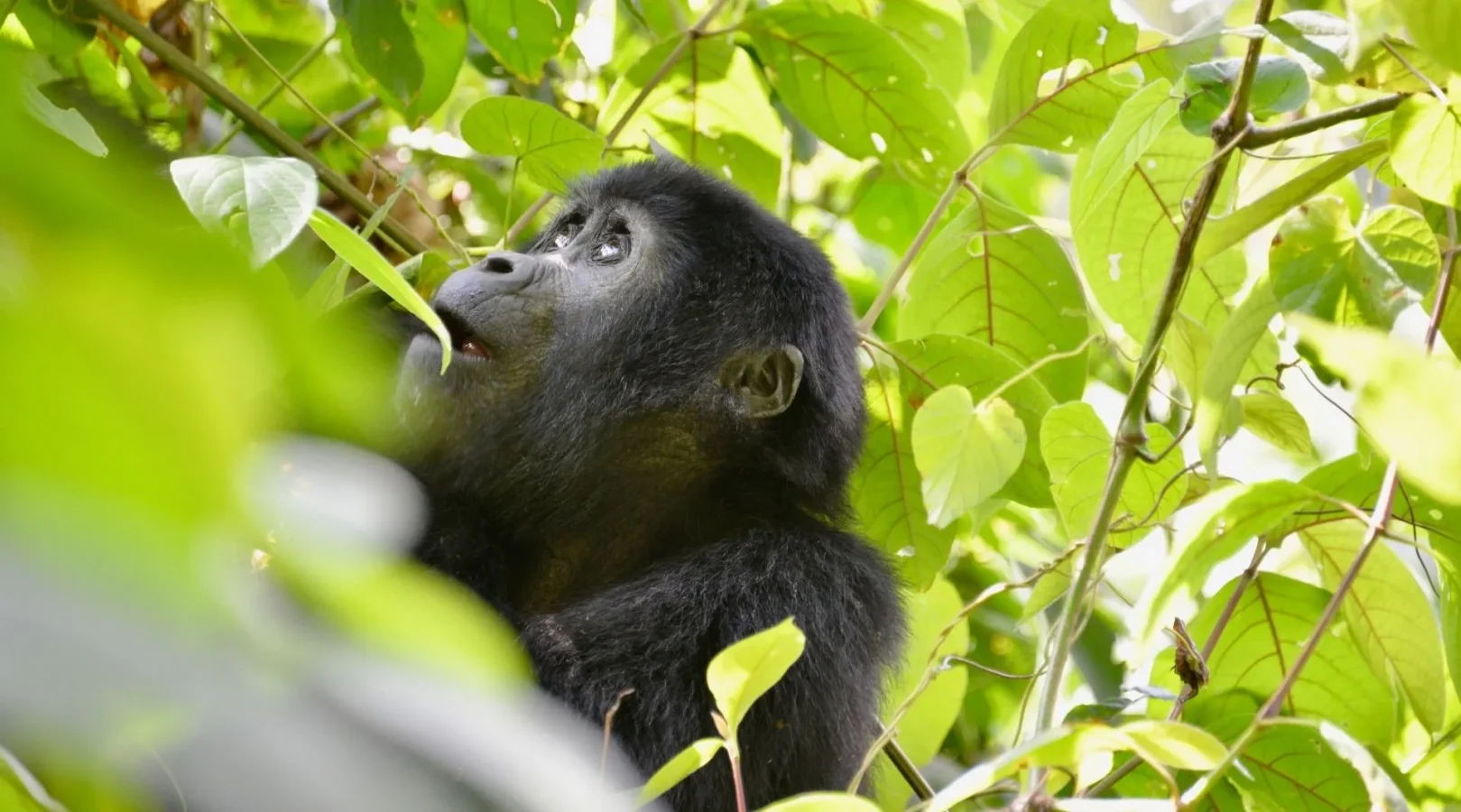
Gorilla Trekking Rwanda
Is gorilla trekking physically demanding?
Gorilla trekking is one of the most rewarding yet physically engaging activities on Africa Wildlife Safaris. Trekking occurs in dense forests, such as Uganda’s Bwindi Impenetrable National Park and Rwanda’s Volcanoes National Park, which are home to habituated mountain gorilla families. The terrain includes steep hills, muddy trails, and thick vegetation, making moderate fitness necessary.
Trekking distances vary depending on the gorilla family’s location. Some groups may be found within a short 1–2 hour walk, while others require 4–6 hours of trekking through challenging terrain. Guides and trackers accompany every group, leading the way, cutting trails, and monitoring gorilla movement. Their knowledge reduces physical strain and ensures safety.
The reward, however, far outweighs the effort. Once you locate a gorilla family, you spend up to one hour observing these gentle giants in their natural habitat. Visitors witness mothers caring for infants, juveniles playing, and adults feeding. Every moment offers a deep emotional connection, creating memories that last a lifetime. Photography is permitted, but a safe distance must be maintained to protect both gorillas and guests.
How to Prepare for Gorilla Trekking Activity in Bwindi?
Preparation for gorilla trekking enhances comfort. Proper footwear, long sleeves, insect repellent, water, and light snacks are recommended. Trekking poles may help on steep trails. Guides provide support and advice for adjusting pace, ensuring the experience remains accessible to most healthy adults.
Deks Safaris and Tours ensures that gorilla trekking is safe, ethical, and immersive. All guests receive thorough briefings on safety, forest etiquette, and conservation rules. By combining physical challenge with unforgettable wildlife encounters, gorilla trekking offers a transformative safari experience unmatched anywhere else in Africa.
Can I see endangered species on safari?
Yes, Africa Wildlife Safaris provide opportunities to encounter endangered and rare species. Africa’s protected parks and reserves play a critical role in conserving species at risk of extinction. Uganda, for instance, offers gorilla trekking in Bwindi Impenetrable National Park, home to critically endangered mountain gorillas. Each visit supports conservation efforts and sustainable tourism.
In South Africa, parks such as Kruger host black rhinos, which are endangered due to poaching. Botswana’s Okavango Delta provides habitats for rare wild dogs, African wildcats, and pangolins. Conservation-focused lodges often educate guests about these species and their ecological importance.
Birdwatchers encounter endangered species like the shoebill stork in Uganda or wattled cranes in Botswana. Marine safaris along South Africa’s coasts may reveal southern right whales and great white sharks, both considered vulnerable or protected species. Witnessing these animals in their natural environment is a rare privilege.
How to Keep the Distance from Animals?
Deks Safaris and Tours prioritizes ethical observation. Guides maintain safe distances, respect breeding territories, and follow strict park regulations. Photography and viewing do not interfere with feeding or social behavior. Every safari contributes to conservation funding through permits, park fees, and responsible tourism.
Experiencing endangered wildlife firsthand fosters awareness and appreciation. Guests learn about habitat preservation, anti-poaching initiatives, and community conservation projects. Observing animals like mountain gorillas, black rhinos, or wild dogs highlights the fragility and beauty of Africa’s ecosystems, making safaris both educational and transformative.
Ultimately, endangered species sightings add depth to wildlife safaris. They combine adventure, conservation awareness, and unforgettable moments, enriching the Africa Wildlife Safaris experience.
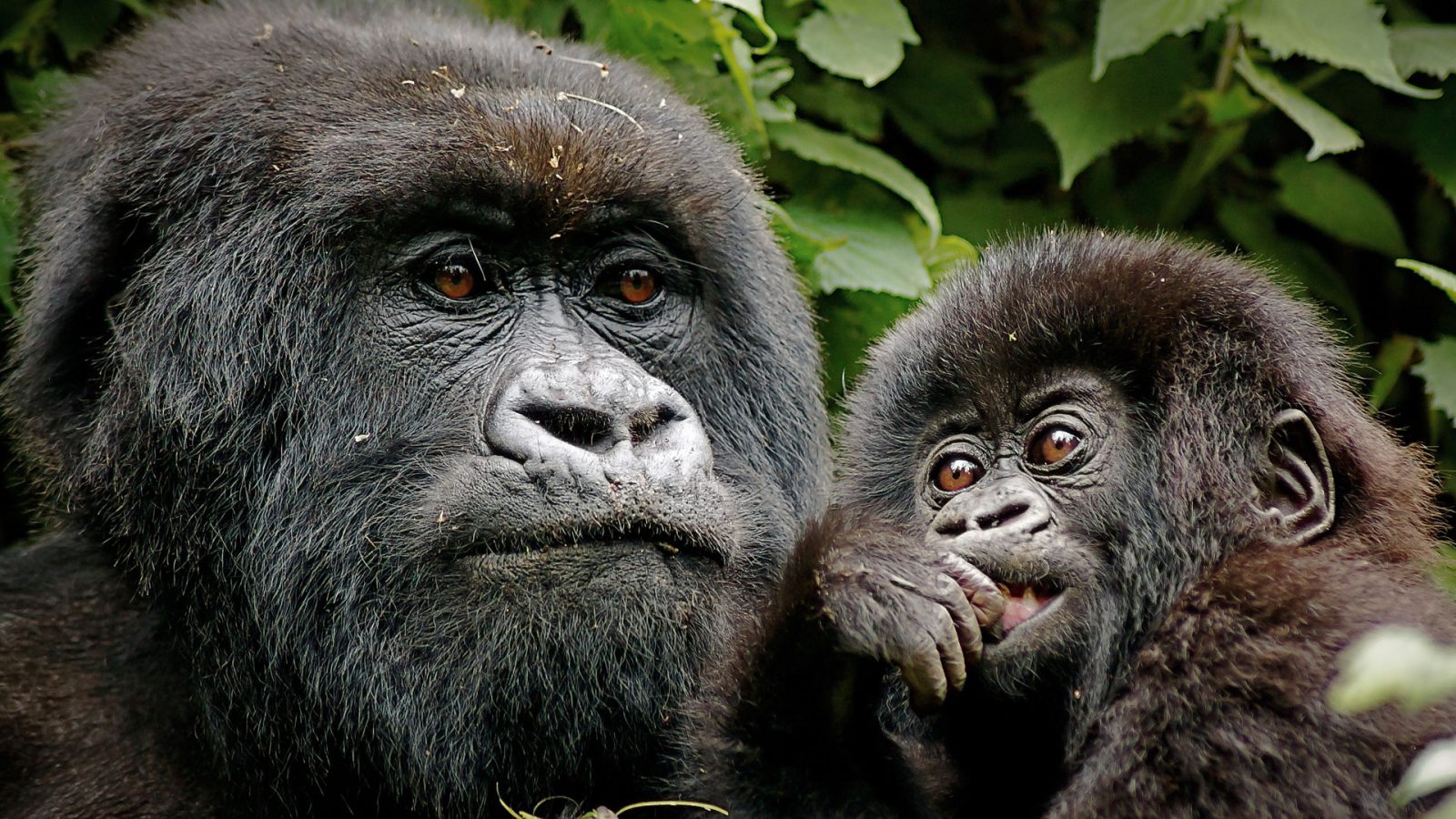
Uganda Gorilla Trekking & Chimps 6-Day Safari
What is the Great Migration?
The Great Migration is one of Africa’s most spectacular natural events. It occurs annually across the Serengeti-Mara ecosystem, linking Tanzania’s Serengeti National Park and Kenya’s Masai Mara National Reserve. Millions of wildebeest, zebras, and gazelles travel in search of fresh grazing and water. Predators, including lions, cheetahs, and crocodiles, follow closely, creating dramatic predator-prey encounters.
Migration timing varies by rainfall and grazing conditions. In general, wildebeest herds move north from the Serengeti plains to the Masai Mara between July and October. River crossings along the Mara River are particularly thrilling, as crocodiles wait for vulnerable animals. These crossings provide extraordinary photographic opportunities.
Observing the Great Migration is more than witnessing large herds. It showcases natural survival instincts, animal behavior, and ecological balance. Guides interpret movement patterns, breeding cycles, and predator-prey interactions for guests. Understanding these dynamics enriches the safari experience and creates lifelong memories.
Deks Safaris and Tours crafts itineraries specifically to witness migration highlights. Guests may experience morning and evening game drives, river crossings, and aerial perspectives via hot air balloon safaris. Staying in strategically located lodges or camps ensures optimal viewing and reduces travel fatigue.
The Great Migration is considered a bucket-list wildlife event. It combines sheer scale, drama, and ecological wonder, making it one of the most celebrated wildlife spectacles worldwide. Every visitor to the Serengeti or Masai Mara during this period witnesses one of nature’s most awe-inspiring phenomena, a highlight of Africa Wildlife Safaris.
Can I photograph wildlife easily on safari?
Yes, wildlife photography is a central component of Africa Wildlife Safaris, and most guests can capture incredible images with proper preparation. Open-sided vehicles provide unobstructed views, allowing photographers to approach animals safely and ethically. Guides are skilled at positioning vehicles for optimal angles without disturbing wildlife.
Photography opportunities vary by time of day. Early mornings and late afternoons offer soft, golden light, ideal for landscape and animal portraits. Midday lighting may be harsher, but active wildlife and dramatic scenes at waterholes still provide excellent shots. Night drives or dawn walking safaris can capture unique nocturnal behaviors.
Equipment choice is important. Telephoto lenses allow safe distance photography of predators and shy animals, while wide-angle lenses capture landscapes, herds, and river crossings. Tripods or monopods may be used in lodge hides or stationary observation points. Deks Safaris and Tours offers guidance on photography, including ethical considerations and best practices for wildlife safety.
Patience is crucial. Animals may remain hidden or move unpredictably. Experienced guides understand behaviors and predict movements, increasing the likelihood of successful captures. Photography is not limited to big game; birds, insects, and flora offer artistic and educational subjects.
Ethical photography is emphasized. Flash is avoided near animals, and vehicles maintain respectful distances. Guests are encouraged to respect natural behavior rather than chasing perfect shots.
Ultimately, photography on safari is accessible, rewarding, and educational. With the right guidance, equipment, and patience, travelers leave with unforgettable images and memories, complementing the immersive wildlife experience of Africa Wildlife Safaris.
Travel & Logistics
Do I need a visa for an African safari?
Yes, most African safari destinations require a visa, but requirements vary by country. Uganda, Kenya, Tanzania, Botswana, South Africa, and Zambia each have specific entry rules for international visitors. Travelers should verify requirements well in advance to avoid delays or denied entry.
Uganda, for example, offers an online e-visa system, which simplifies entry. Applications usually require a scanned passport, a passport-sized photo, and payment via credit card. Once approved, the visa allows entry for 30 to 90 days, depending on the type. Similarly, Kenya has an e-visa option for short-term tourism, while Tanzania requires either a visa on arrival or an electronic visa obtained before travel.
South Africa’s process depends on nationality, but many travelers receive a visa upon arrival or benefit from visa exemptions. Botswana and Zambia also have visa-on-arrival options, though some nationalities must apply in advance. Multi-country itineraries often require multiple visas, so planning is essential.
How Deks Safaris and Tours Help in Obtaining the Travel Visas?
Deks Safaris and Tours assists travelers in understanding visa requirements for each destination. They provide guidance on deadlines, supporting documents, and application procedures to ensure seamless entry. Incorrect or late applications can cause logistical challenges, particularly when safari itineraries are tightly scheduled.
Travelers should carry printed copies of e-visas, passports, and any supporting documents while entering parks or crossing borders. Border officers may request proof of accommodations or return flights.
Obtaining visas in advance ensures uninterrupted safari experiences. It also provides peace of mind, allowing travelers to focus on wildlife, cultural interactions, and scenic landscapes rather than bureaucratic issues.
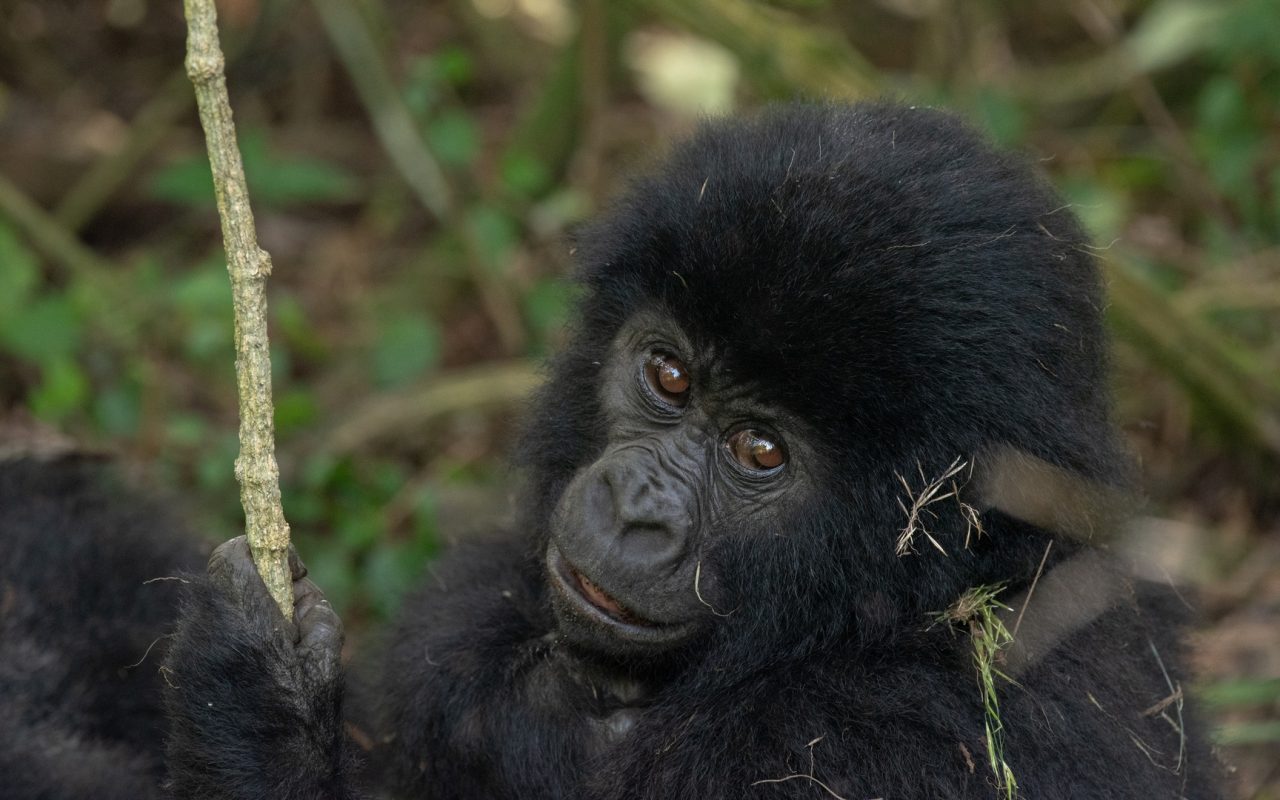
Gorilla Trekking Tours to Africa
What vaccinations are required for safari?
Vaccinations are highly recommended for travelers undertaking Africa Wildlife Safaris, as many destinations are located in tropical or subtropical regions with potential exposure to infectious diseases. Requirements vary depending on country, season, and prior health conditions.
A yellow fever vaccination is mandatory for entry into Uganda, Kenya, Tanzania, and Zambia. Travelers must carry an International Certificate of Vaccination (“yellow card”) as proof. Other recommended vaccines include hepatitis A and B, typhoid, measles, mumps, rubella, and polio. Routine vaccinations such as tetanus, diphtheria, and influenza should be up to date.
Rabies vaccination may be considered for those planning extensive bush walks, walking safaris, or interaction with wildlife. Travelers should also consult a healthcare provider regarding prophylaxis for malaria, as many safari regions are malaria-endemic.
Timing is crucial. Some vaccines require multiple doses or take time to develop full immunity. Travelers are advised to consult a travel clinic at least six to eight weeks before departure. Clinics provide updated advice on emerging health risks, seasonal outbreaks, and recommended preventive measures.
Deks Safaris and Tours emphasizes health preparation. Guides and lodge staff are trained in basic first aid, but vaccinations protect travelers from serious illnesses before departure. Proper vaccination ensures a safe, comfortable, and uninterrupted safari experience.
Ultimately, preparation is key. Vaccinations reduce the risk of illness, allowing guests to fully enjoy game drives, gorilla trekking, boat safaris, and cultural encounters across Africa’s diverse ecosystems.
Is malaria a concern on safari?
Yes, malaria is a concern for many regions where Africa Wildlife Safaris operate. Countries like Uganda, Kenya, Tanzania, Botswana, and Zambia have areas that are malaria-endemic, particularly in low-lying savannahs, wetlands, and delta regions. The risk varies by season, elevation, and local conditions.
Preventive measures are strongly recommended. Travelers should consult a physician before departure to obtain prophylactic medication. Common options include atovaquone-proguanil, doxycycline, or mefloquine, each with specific dosing schedules.
Protective measures complement medication. Wearing long sleeves and trousers during dawn and dusk reduces mosquito exposure. Applying insect repellent with DEET, using mosquito nets, and staying in accommodations with screened windows also decrease risk. Safaris often occur outdoors, so consistent precautions are essential.
Deks Safaris and Tours advises guests on malaria risk for each specific park or reserve. Guides educate travelers about peak mosquito activity, high-risk areas, and first-aid measures in case of fever. Emergency plans are in place for serious illness, including access to nearby medical facilities.
While malaria is a concern, proper preparation and preventive action significantly reduce risk. Visitors who take medications, use protective measures, and follow local health guidance can safely enjoy Africa Wildlife Safaris without interruption. Awareness and preparedness are essential components of responsible and enjoyable travel.
What should I pack for an African safari?
Packing for an Africa Wildlife Safari requires balancing comfort, practicality, and preparedness for diverse climates. Essentials include neutral-colored clothing, which reduces visibility to wildlife and helps prevent mosquito attraction. Breathable fabrics are ideal for hot, humid days, while layers provide warmth for early morning drives or high-altitude locations.
Sturdy hiking boots or walking shoes are essential for forest treks and bush walks. Lightweight socks, a sun hat, and sunglasses protect against sun exposure. Long-sleeved shirts and trousers shield against insects, thorny vegetation, and sunburn.
Accessories include binoculars for wildlife spotting, cameras with telephoto lenses, and spare batteries or memory cards. A small backpack or daypack is useful for carrying water, snacks, and personal items during excursions. Insect repellent, sunscreen, and a first-aid kit are essential for health and comfort.
Rain gear may be necessary during wet seasons, and swimming attire is useful at lodge pools. Flashlights or headlamps can help in camps with limited lighting. Travel documents, passports, visas, and printed itineraries should be carried safely.
Deks Safaris and Tours provides a detailed packing list customized for each itinerary. Guests are advised to pack lightly for domestic flights and lodge transfers, as luggage space is limited on small aircraft.
Packing thoughtfully ensures comfort, safety, and preparedness for activities such as gorilla trekking, game drives, and walking safaris. Proper gear enhances wildlife viewing, photography, and overall enjoyment. Travelers arrive ready to embrace the adventure while staying practical, protected, and organized.
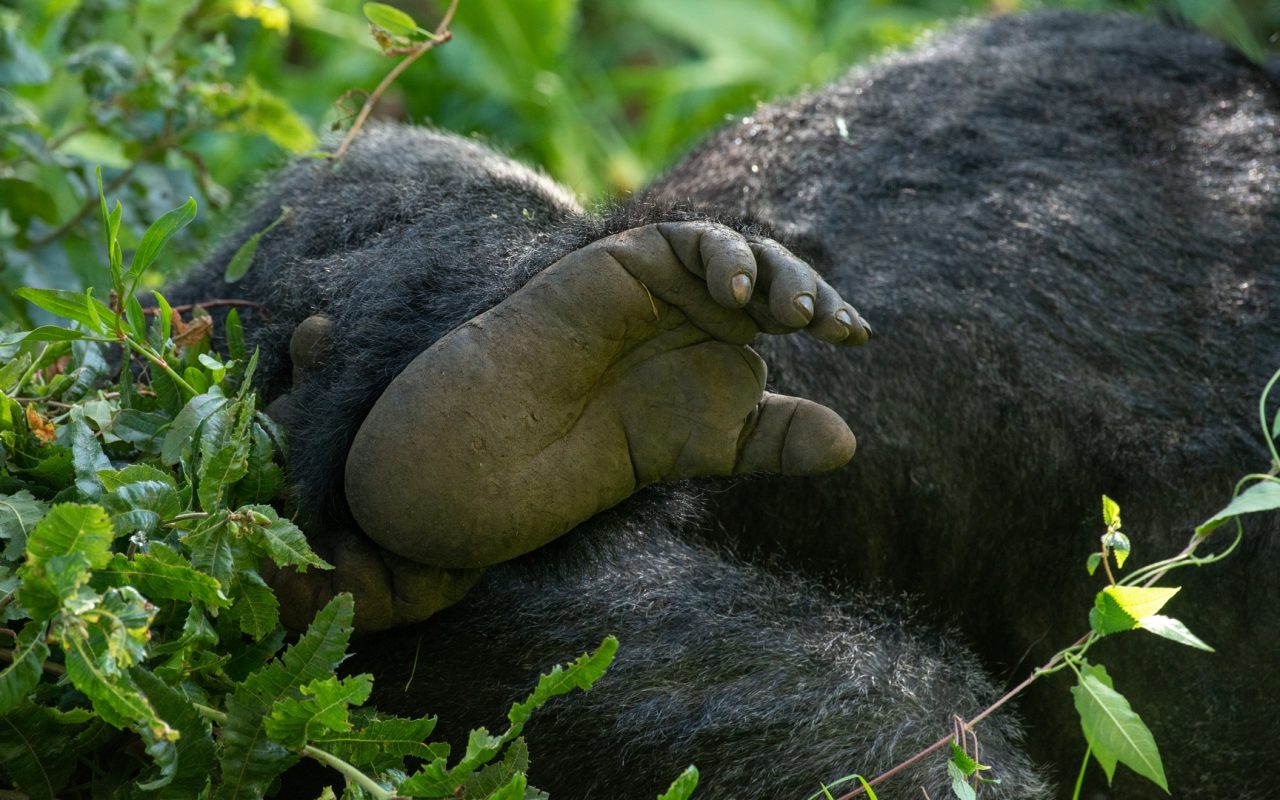
Gorilla Trekking Tours to Africa
Are domestic flights required between parks?
Domestic flights are often recommended for long-distance transfers between safari destinations. Africa’s parks are vast, and road transfers can take several hours or even full days. For instance, traveling from Uganda’s Bwindi to Kenya’s Masai Mara by road is possible but time-consuming, while a short domestic flight saves valuable safari time.
Flights are available between major hubs such as Entebbe, Nairobi, Arusha, and Kasane. Small aircraft access remote lodges and camps, especially in Botswana’s Okavango Delta or Zambia’s South Luangwa. These flights reduce travel fatigue, allowing guests to maximize game drives, cultural visits, and other activities.
Deks Safaris and Tours arranges domestic flights as part of multi-destination itineraries. They handle booking, luggage transfers, and timing coordination to ensure seamless logistics. Flight schedules are integrated with lodge check-ins, game drives, and optional activities.
While flights may increase overall costs slightly, the time saved, comfort gained, and convenience provided outweigh the expense. Road travel remains an option for travelers who prefer scenic drives or cost-effective alternatives, particularly within single-country safaris.
Ultimately, domestic flights streamline multi-country itineraries, allowing guests to experience more parks and regions with less travel fatigue. Proper coordination ensures smooth transfers, providing an uninterrupted and enjoyable Africa Wildlife Safari experience.
How do I get to safari destinations?
Reaching safari destinations typically involves a combination of international flights, domestic flights, and road transfers. Most travelers arrive via international airports in Entebbe (Uganda), Nairobi (Kenya), Arusha (Tanzania), Johannesburg (South Africa), or Lusaka (Zambia). From there, domestic flights or private transfers bring guests closer to parks and lodges.
Road transfers often include scenic drives through rural villages, farmland, and savannah landscapes, offering an early introduction to Africa’s natural beauty. 4×4 safari vehicles are standard for park roads, ensuring safety and access to wildlife viewing areas.
Deks Safaris and Tours arranges all transfers, including pick-up from airports, domestic flights, and lodge check-ins. Guides provide assistance with customs, luggage handling, and local documentation. This ensures a seamless transition from international arrival to the start of the safari.
For more remote locations, such as the Okavango Delta or South Luangwa, charter flights are used. These flights land on small airstrips near lodges, reducing road travel and allowing guests to maximize time in the bush.
Travelers are advised to check flight luggage restrictions, carry essentials in hand luggage, and prepare for minor delays in small aircraft operations.
Ultimately, efficient transportation planning ensures guests reach all safari destinations safely, comfortably, and on schedule. Proper coordination is key to maximizing wildlife viewing, cultural experiences, and overall enjoyment of Africa Wildlife Safaris.
What currency is used on safari?
Currency use varies by country. Uganda uses the Ugandan Shilling (UGX), Kenya uses the Kenyan Shilling (KES), Tanzania uses the Tanzanian Shilling (TZS), Botswana uses the Pula (BWP), Zambia uses the Zambian Kwacha (ZMW), and South Africa uses the Rand (ZAR).
Many lodges, camps, and safari operators accept major credit cards or US dollars. Cash is essential for small purchases, tips, park fees, and local markets. ATMs are available in larger towns but are limited near remote parks.
Deks Safaris and Tours advises guests to carry a mix of cash and cards, preferably in small denominations. US dollars are widely accepted across multiple countries for tipping, park fees, or private purchases.
Carrying local currency ensures smooth transactions, minimizes delays, and supports local communities. Guides can advise on appropriate amounts to bring for the duration of the safari.
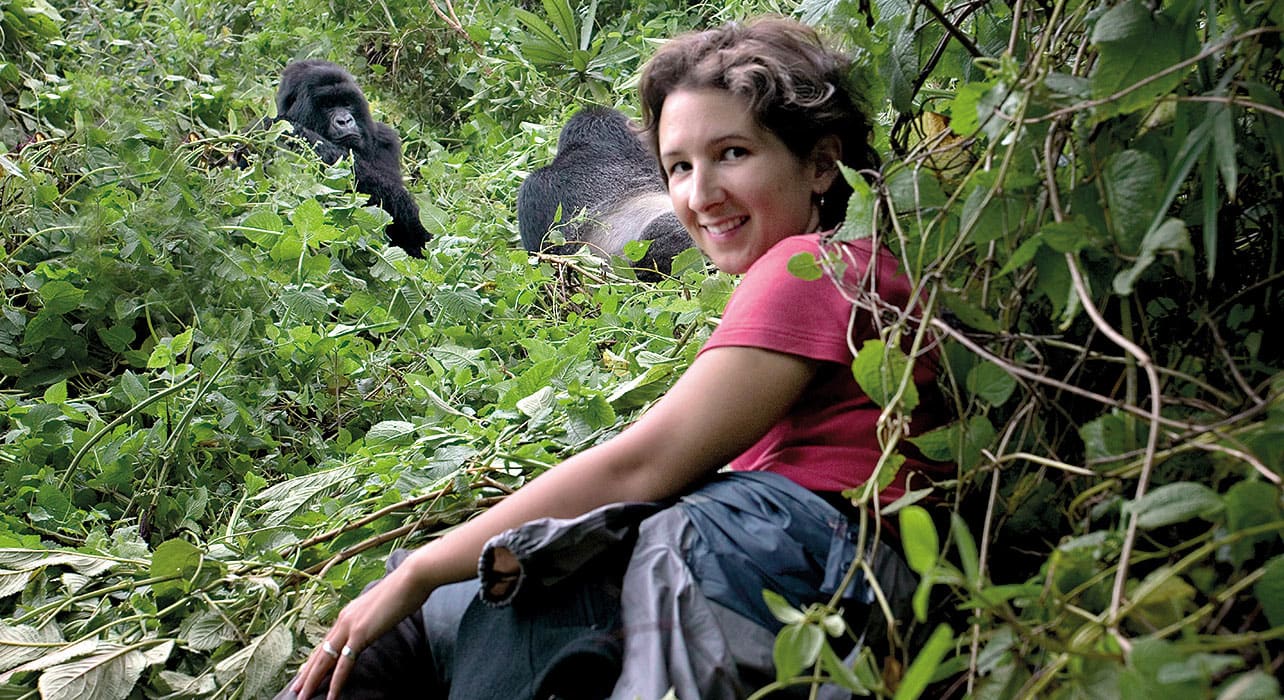
Is Gorilla Trekking in Uganda
Are safaris suitable for solo travelers?
Yes, solo travelers are increasingly enjoying Africa Wildlife Safaris. Many lodges, camps, and tours accommodate individual guests. Solo travelers benefit from guided safaris, group game drives, and communal meals, creating opportunities for social interaction.
Private safaris are also an option for solo travelers seeking exclusive experiences. Deks Safaris and Tours tailors itineraries to provide personalized attention, safety, and comfort. Solo travelers often enjoy the flexibility to focus on photography, wildlife observation, or cultural immersion without compromise.
Safety, guidance, and structured itineraries make solo travel on safari convenient, enriching, and rewarding.
What languages are spoken by safari guides?
Safari guides primarily speak English, which is the standard language for communication with international travelers. Many guides are also fluent in local languages, such as Swahili in East Africa, Setswana in Botswana, and Zulu or Afrikaans in South Africa.
This multilingual ability enhances cultural explanations, community interactions, and interpretation of local wildlife traditions. Guides communicate animal behavior, conservation practices, and ecological insights clearly to guests of diverse backgrounds.
Deks Safaris and Tours ensures guides are professional, experienced, and capable of delivering high-quality educational experiences.
Do I need special clothing for safari?
Yes, proper clothing enhances comfort, safety, and wildlife observation. Neutral, earth-toned clothing reduces visibility to animals. Breathable fabrics are ideal for heat, while layers are needed for cool mornings or high-altitude treks.
Long sleeves and trousers protect against sunburn, insect bites, and thorny vegetation. Hats, sunglasses, and sturdy footwear are essential. Rain gear may be necessary during wet seasons, and warmer layers help during early morning or evening drives.
Deks Safaris and Tours provides a detailed clothing guide for each safari, ensuring guests are prepared for diverse climates, activities, and landscapes.
What to Do Africa Wildlife Safaris and Gorilla Trekking Expeditions?
What to Do on Tanzania Safaris? from Tanzania Wildlife Tours to Beach Getaways
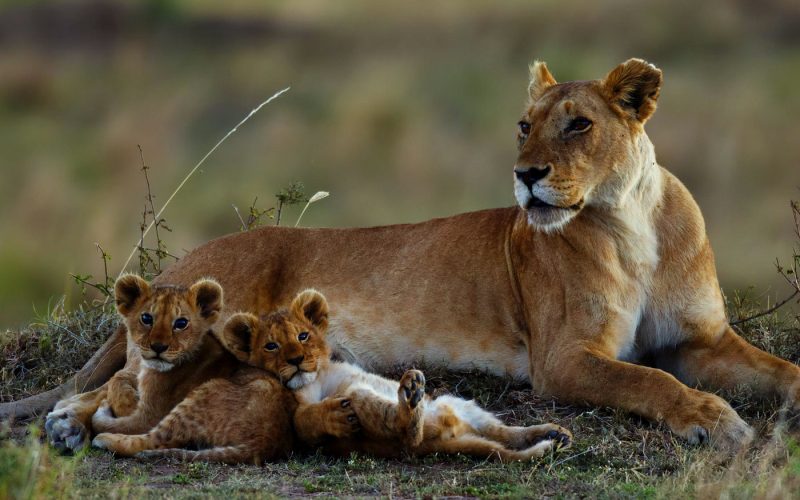
Tanzania Safaris Tour
Many East African safari travelers always want to keep lasting memories of various trips through Africa. Here at Deks Safaris & Tours, Africa, we tailor-make programs ranging from Tanzania’s wildlife safaris.
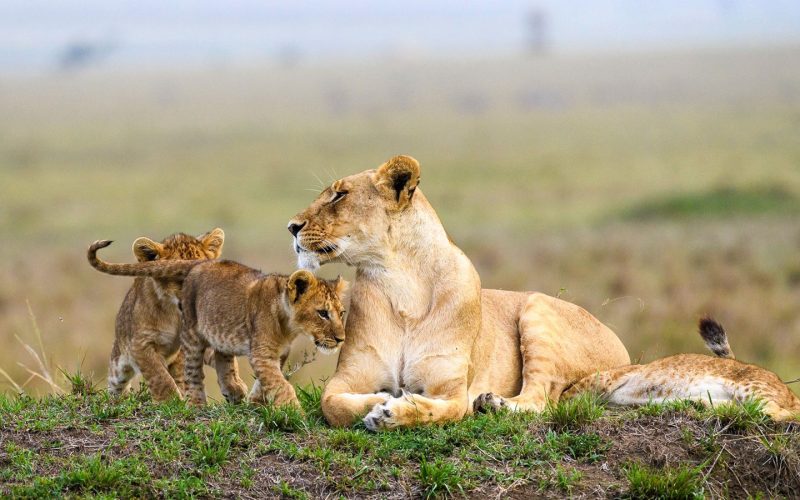
Tanzania Wildlife Safaris
What are your expectations for an ideal African safari? Scenic landscapes, extraordinary wildlife encounters, and the unparalleled freedom to immerse yourself in jungles, towering mountains, serene lakes.
Tanzania Safari Destinations
It is a country in East Africa renowned for its stunning landscapes, diverse wildlife, and rich cultural heritage. It offers some of the best safari destinations in the world. Famous for the annual Great Migration.
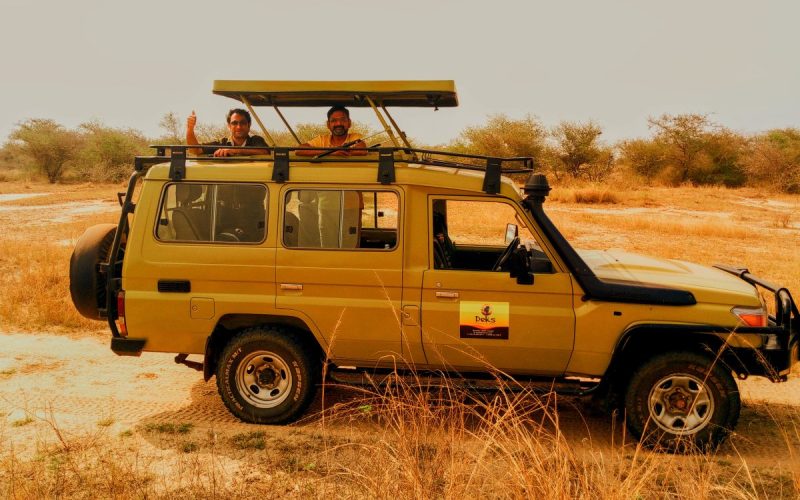
Tanzania Safari Holidays
Embarking on Tanzania Safari Holidays unveils the quintessence of an African safari experience, seamlessly blending Big 5 game viewing with awe-inspiring landscapes such as the Serengeti.
Tanzania Safari Vacations
Embark on the ultimate Tanzania safari with Deks Safaris & Tours, where every moment is crafted to deliver unparalleled experiences and create lasting memories. Our Tanzania safari trips offer a diverse.
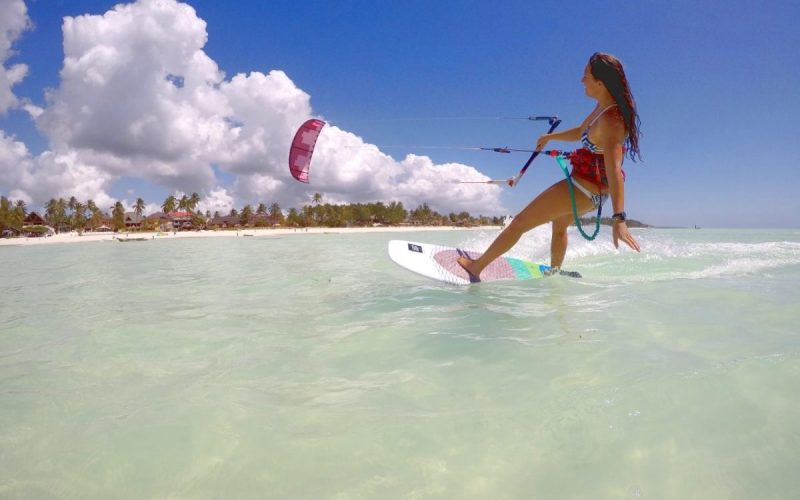
Tanzania Beach Holidays
Mention Tanzania as an exceptional African destination for beach holidays and the mind immediately conjures images of sweeping grasslands and vast expanses teeming with an incredible array of land.
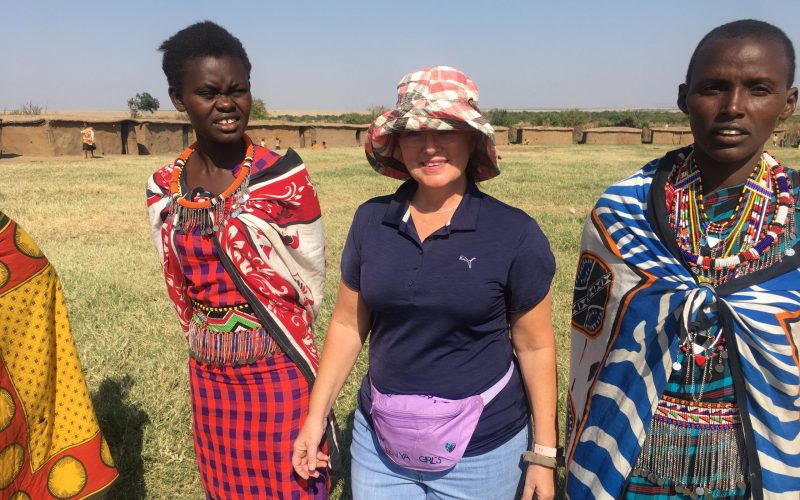
Tanzania Cultural Tours
At Deks Tours, we firmly believe that Tanzania Cultural Tours showcase the country’s immense cultural diversity, which stands as one of its greatest strengths. Engaging with people whose beliefs.
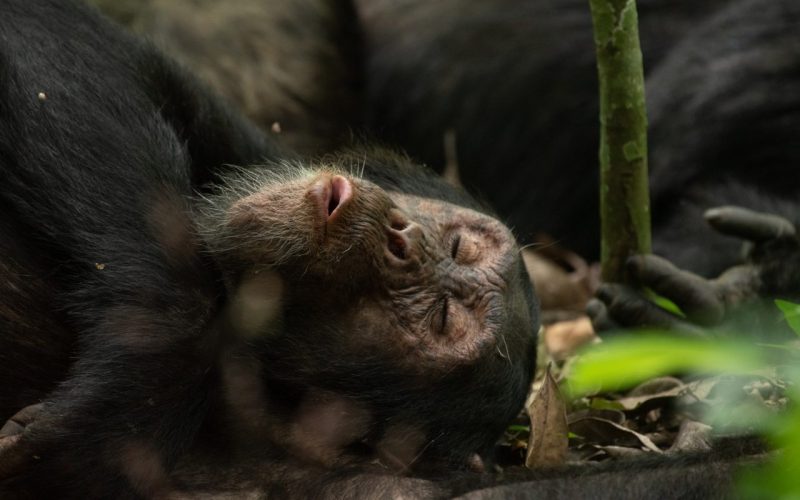
Chimpanzee Trekking in Tanzania
Africa is home to four subspecies of chimpanzees, providing incredible chimpanzee trekking safari experiences in Tanzania, Uganda, and Rwanda for East African travelers. These remarkable primates.
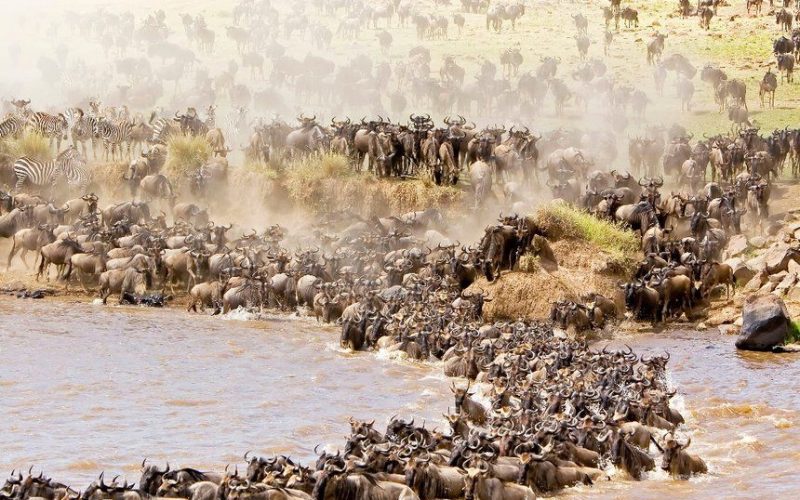
Great Wildlife Migration in Tanzania
Embark on an immersive Tanzanian safari, delving into the real-life drama of the Great Wildlife Migration in Tanzania! As you venture through the expansive Serengeti National Park from July to October,
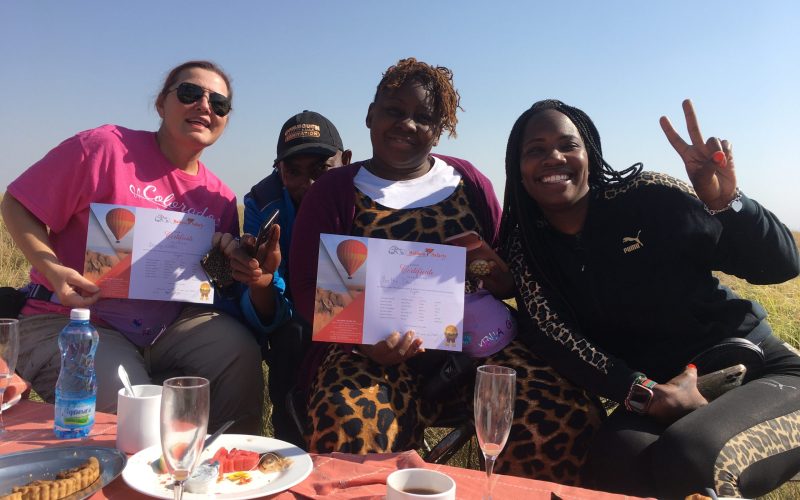
Camping Safaris in Tanzania
Tanzania camping safaris provide extraordinary opportunities to experience the jungle. Many people associate camping with low-cost travelers, but Tanzania‘s camping safaris offer more than just.
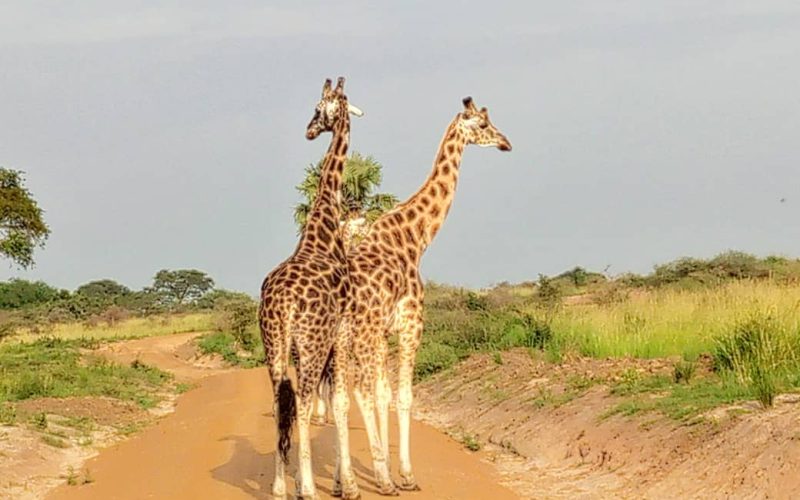
Tanzania Budget Safari
A budget safaris in Tanzania is a great way to experience the country’s stunning wildlife and landscapes without breaking the bank. Tanzania is renowned for its national parks and game reserves.
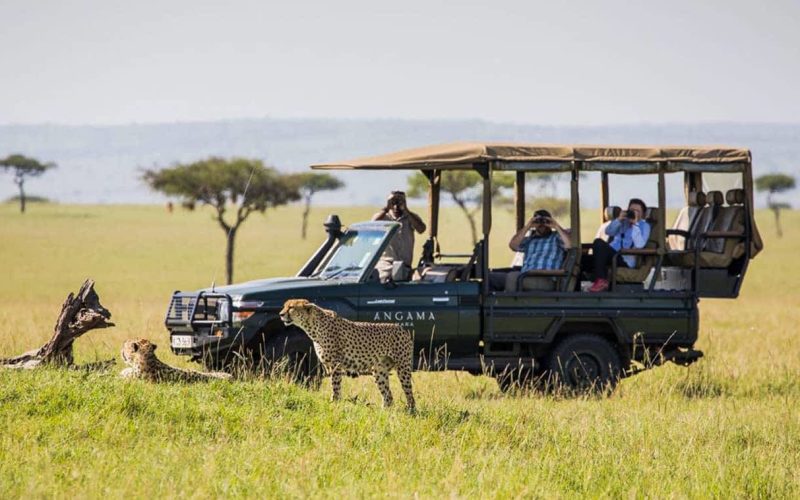
Tanzania Luxury Safari
A luxury safari in Tanzania offers the opportunity to experience the stunning wildlife, landscapes, and culture of this East African country in style and comfort. Tanzania is renowned for its diverse.
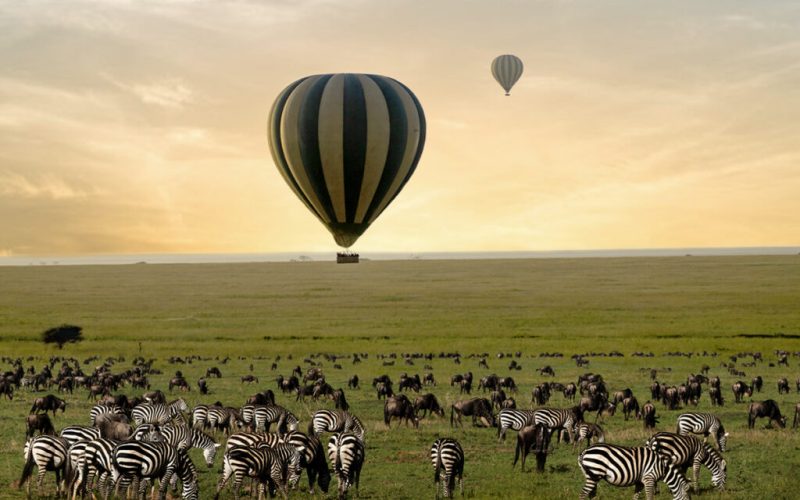
Tanzania Safari Activities
Exciting Safari Activities in Tanzania – Exclusive 12+ Tanzania Safari Activities. Tanzania is renowned for its stunning wildlife and diverse landscapes, making it a popular destination for safari enthusiasts.
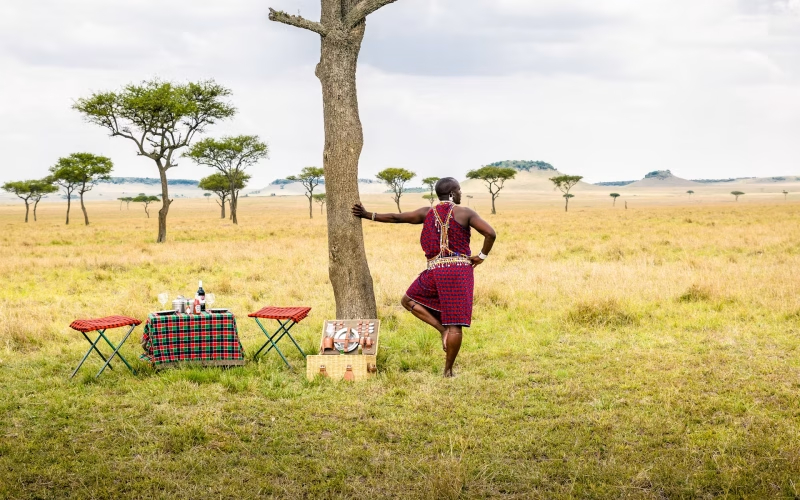
Tanzania Tented Camp Safari
A Tanzania tented camp safari offers an exciting and immersive way to experience the natural beauty and wildlife of Tanzania. These safaris typically involve staying in comfortable, spacious canvas tents.
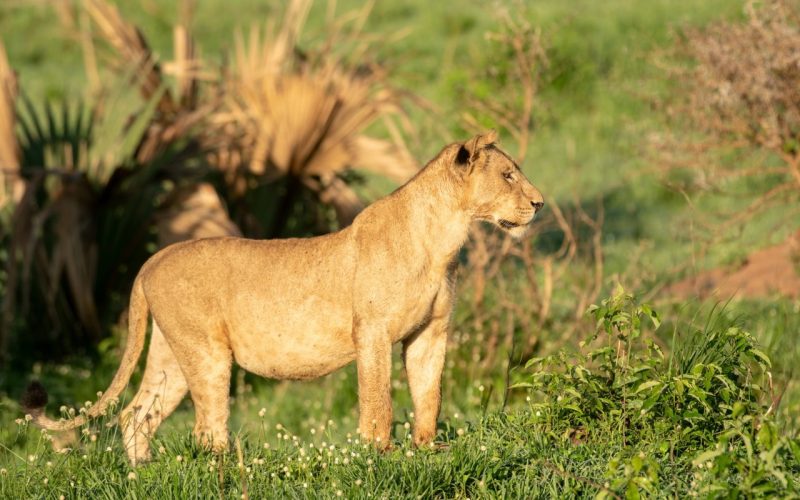
Tanzania Gay Travel Safari
The Tanzania Gay Travel Safari Experience, offered by Deks Safaris & Tours Ltd, is a meticulously planned adventure designed specifically for LGBTQ+ travelers. This safari provides an inclusive and affirming.
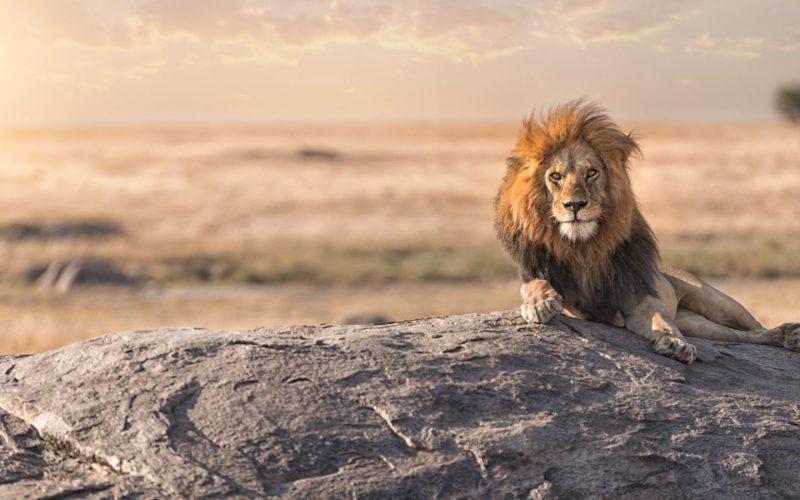
The Big Five in Tanzania
Tanzania’s reputation as a premier safari destination is firmly rooted in its exceptional wildlife, diverse landscapes, and world-class national parks. Among the many reasons travelers flock to Tanzania.
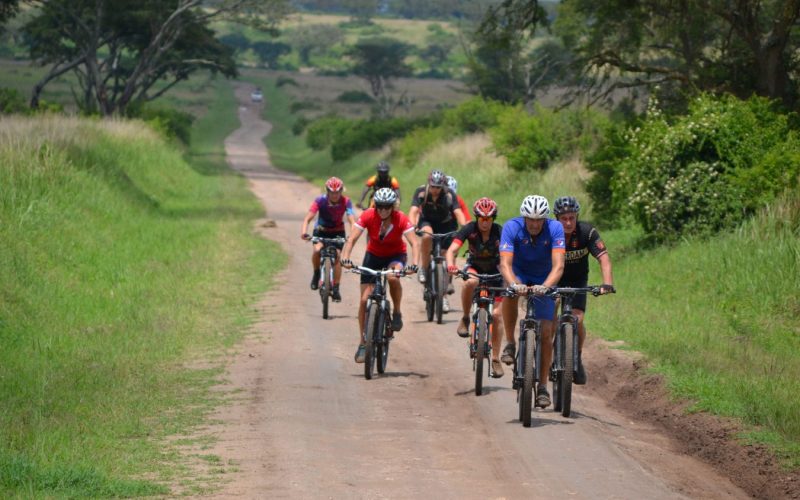
Family-Friendly Safaris in Tanzania
Family-Friendly Safaris in Tanzania: A Memorable Adventure for All Ages. A Tanzania safaris Tour is often seen as a once-in-a-lifetime opportunity to explore some of Africa’s most iconic wildlife and landscapes.
Walking Safaris in Tanzania?
Tanzania, a land of unparalleled natural beauty and abundant wildlife, offers a variety of safari experiences to suit every type of traveler. Among these, walking safaris stand out as a unique and immersive.
Rwanda Safari Experiences: A Transformative Journey into Gorilla Kingdom and Culture
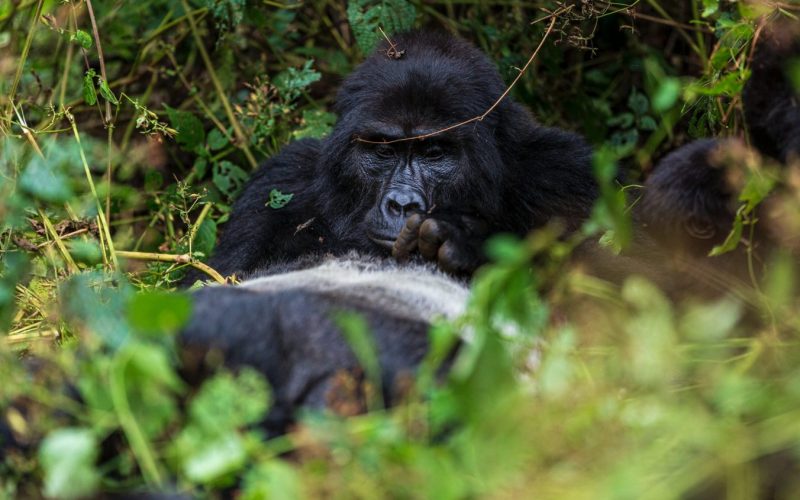
Rwanda Safaris
Rwanda Safaris, renowned for offering Africa’s most accessible gorilla trekking experiences, invite adventure enthusiasts to explore the lush landscapes and rich biodiversity of Rwanda.
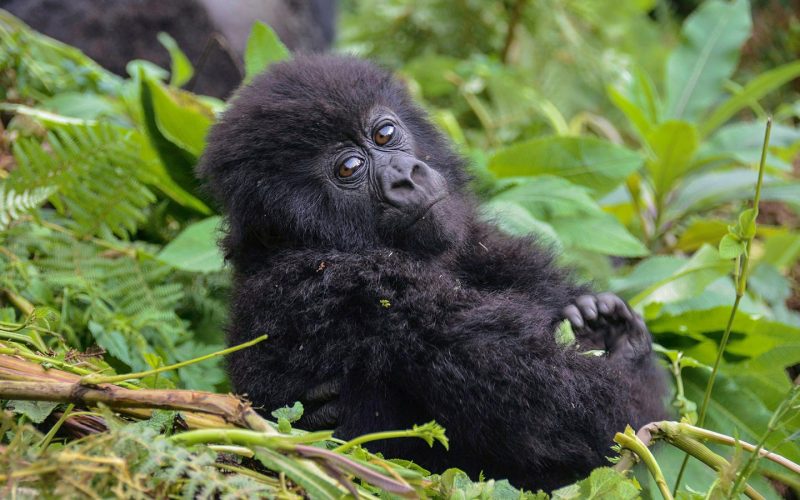
Rwanda Gorilla Safaris
The renowned primatologist, Dian Fossey, initiated her groundbreaking research on mountain gorillas in central Africa in 1967, shedding light on the challenges faced by this amicable and endangered species.
Rwanda Wildlife Safaris
Deks Safaris and Tours Ltd offers unparalleled Rwanda wildlife safaris, providing enthusiasts and adventurers with an immersive experience amidst the breathtaking landscapes and diverse ecosystems.
Short Rwanda Safaris
Short Rwanda safaris are an excellent way to experience the natural beauty, wildlife, and culture of this East African nation in a limited amount of time. These safaris typically span 3 to 5 days, allowing you.
Rwanda Safari Destinations
It is located in East Africa, is a country known for its stunning landscapes, diverse wildlife, and vibrant culture. While it may be a relatively small country, Rwanda offers several safari destinations that attract.
Rwanda Safari Packages
Enchanting Rwanda Photo Safari Tours and Authentic Photographic Safaris in Rwanda. That’s the feeling that envelops you during this extraordinary moment on the Rwanda Photo Safari Tours.
Rwanda Primates Tours
An unforgettable journey with Deks Safaris, where we strive to meet your every expectation for the perfect Primates tours holiday in Rwanda, Africa. Our commitment is to provide you with intimate accommodations.
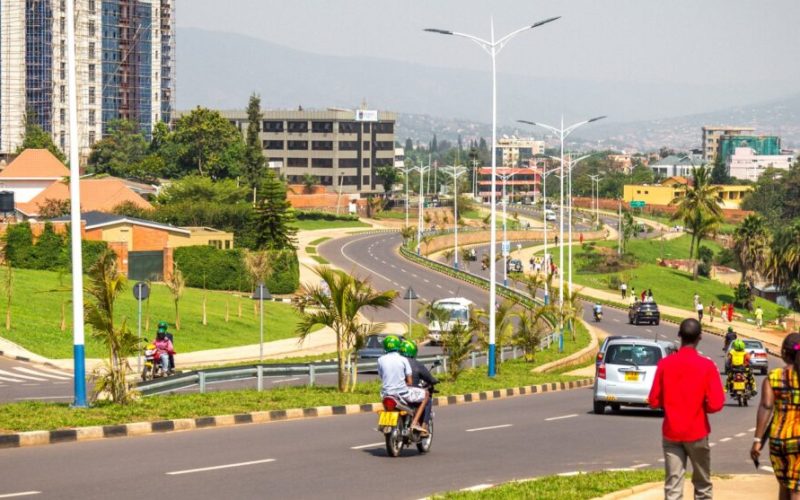
Rwanda Cultural Tours
THE TOP 18 Rwanda Cultural Tours (w/Prices). Explore Rwanda’s rich cultural diversity with Deks Safaris & Tours! Immerse yourself in the fascinating history, traditions, and warm hospitality of the three.
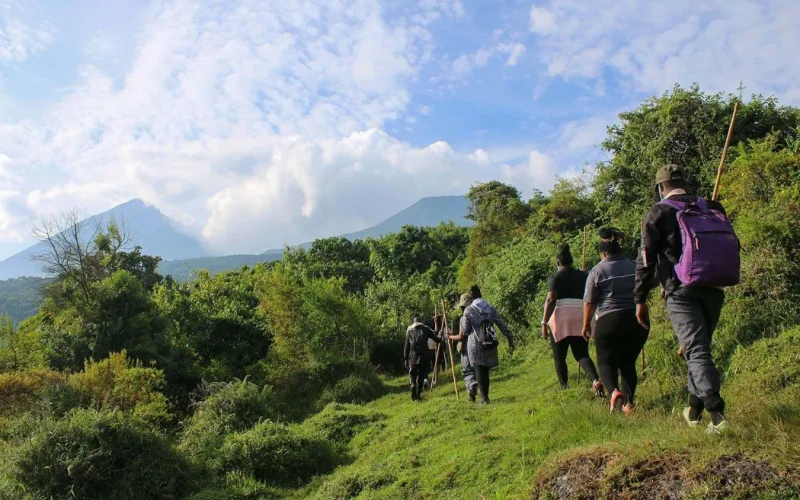
Rwanda Mountain Hiking Tours
Rwanda is a walking & Mountain Hiking Tours safari paradise offering fantastic walking trails for all levels of experience, from beginners who prefer easy hikes to experienced hikers looking for a physical.
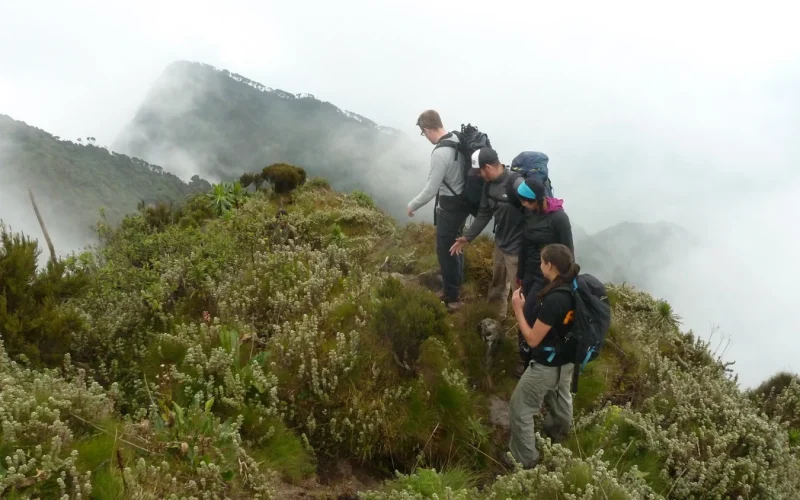
Rwanda Vacation Holidays
Vacations are a special moment in the lives of newlyweds who are on the cusp of their new life together and looking forward to a wonderful future. There is no more memorable place to mark a new beginning.
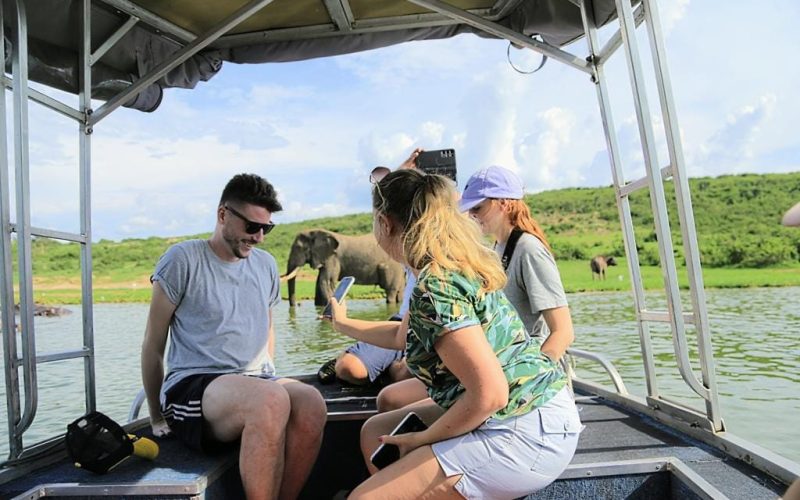
Lake Ihema Rwanda
Lake Ihema (Akagera National Park) Rwanda – All You Need to Know Before You Go. This Lake is one of the largest lakes in Rwanda and is located in the Eastern Province of the country. It is part.
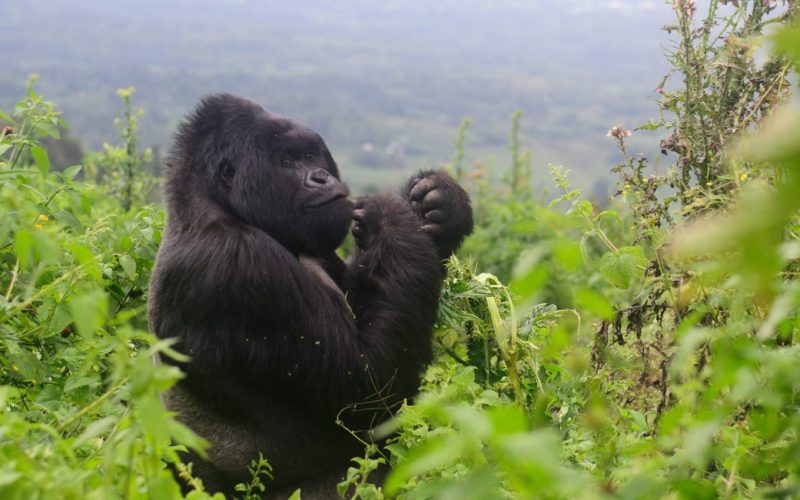
Rwanda Gorilla Trekking Safaris
Rwanda Gorilla Trekking Safaris are amazing trips to the land of thousand hills, carried out in the Volcanoes national park Rwanda(Parc Nationale des volcanoes), the conservation area was formed as a result.
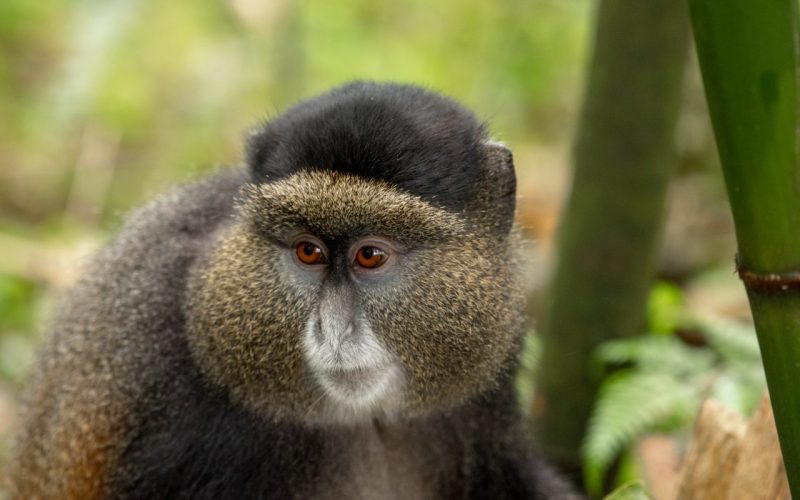
Rwanda Golden Monkey Tracking
Golden Monkey Tracking in Rwanda is another exciting wildlife experience that allows you to observe and interact with the endangered Golden Monkeys (Cercopithecus Kandti) in their habitat.
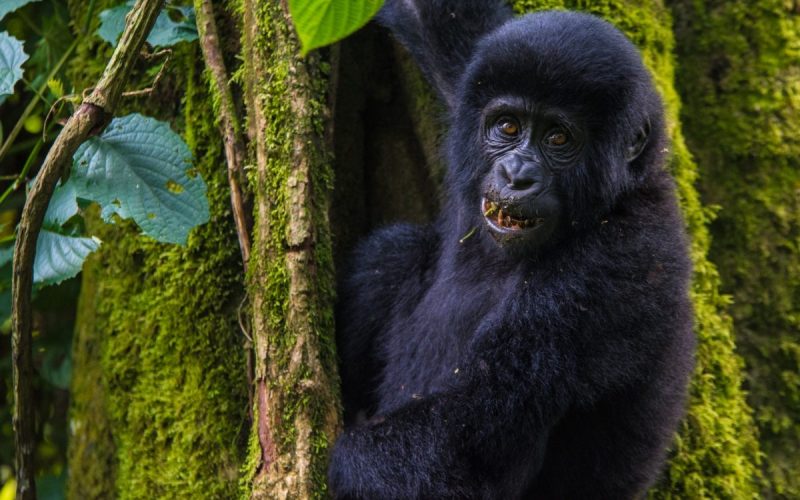
Rwanda Day Trips
Rwanda is a beautiful country in East Africa known for its stunning landscapes, wildlife, and vibrant culture. While many visitors come to Rwanda for gorilla trekking in Volcanoes National Park.
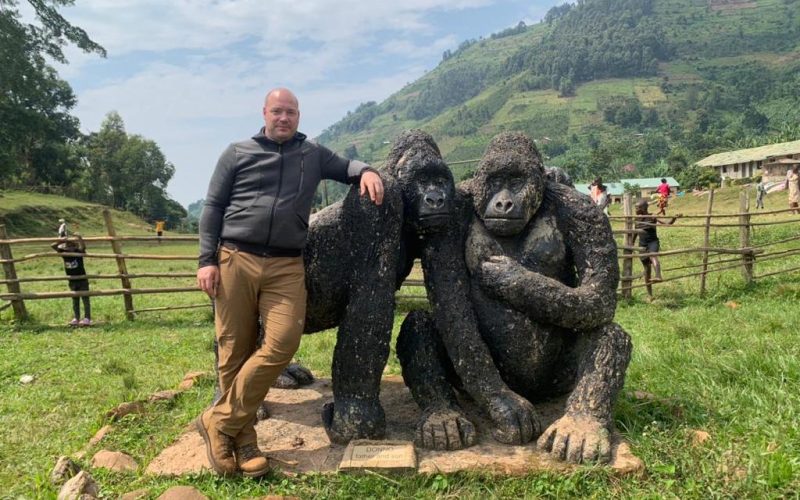
Rwanda Safari Activities
Rwanda, often referred to as the “Land of a Thousand Hills,” entices travelers with its captivating landscapes and diverse wildlife. This East African gem is renowned not only for its scenic beauty but also.
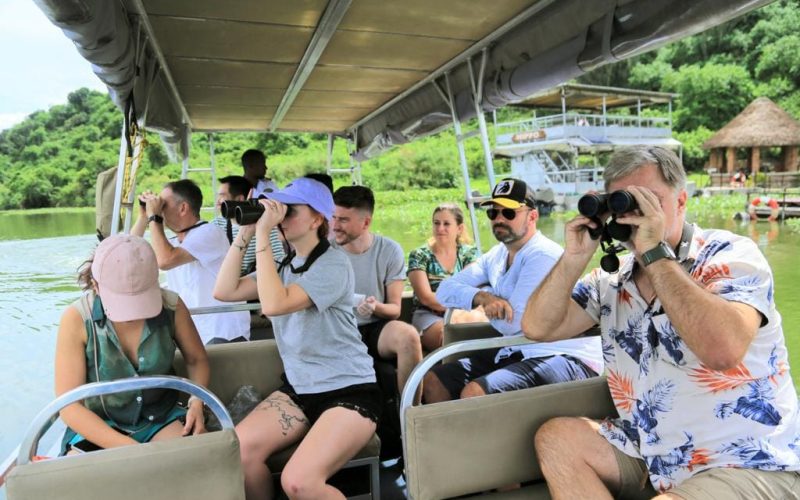
Exploring Lake Kivu Rwanda
All you need to know about Lake Kivu before you go to Rwanda, Facts, Activities, Size, with Photos and Reviews. It is one of the African Great Lakes and is located on the border between Rwanda and DRC.
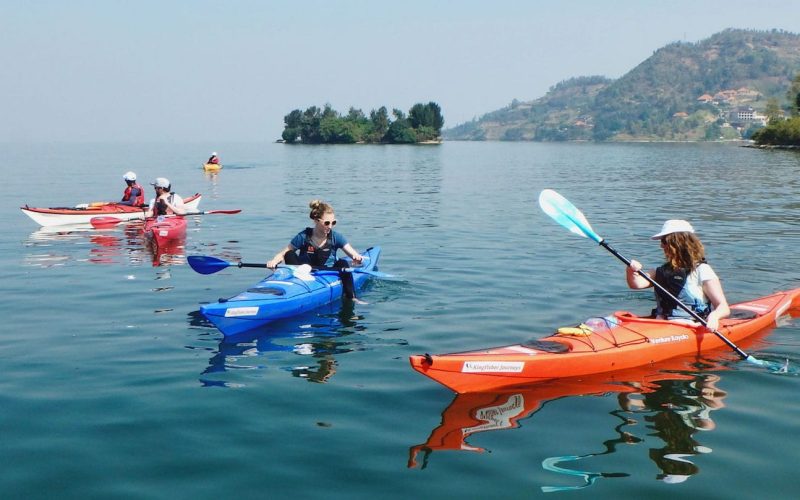
Exploring Gisenyi City Rwanda
All you need to know about Gisenyi city in Rwanda before you go there. Facts, Activities, attractions, reviews, photos, and Videos. Gisenyi is a city located in the Rubavu District in the Western Province of Rwanda.
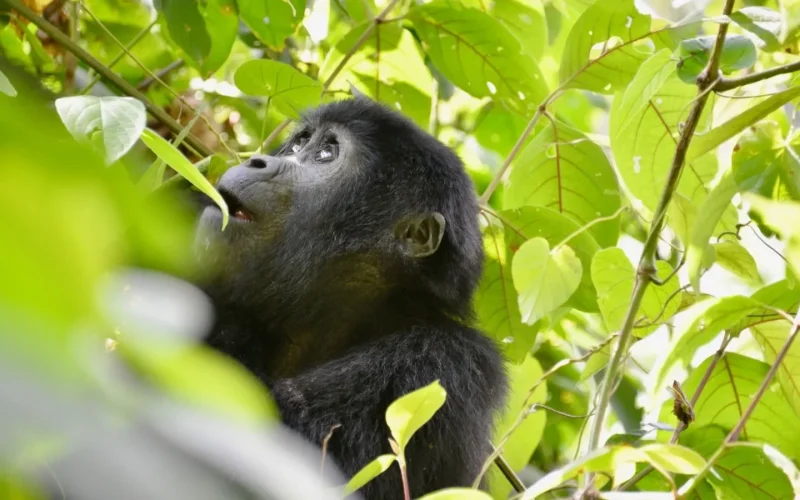
Rwanda Gay Travel Safari
The Rwanda Gay Travel Safari Experience, offered by Deks Safaris & Tours Ltd, is a bespoke journey designed to provide LGBTQ+ travelers with a unique and inclusive adventure in the heart of Africa.
Kenya Safari Experiences: A Signature Africa Wildlife Tour Adventure by Deks Safaris & Tours Ltd
Kenya Safaris Tour Holidays
Kenya is one of Africa’s most distinct and stunning locations in Africa. Traveling with Deks Safaris & Tours Africa to the country’s finest destinations for Kenya safaris tour holidays.
Kenya Wildlife Safaris
Explore the Wonders of Kenya’s Wildlife Safaris. Top Destinations for Wildlife safaris in Kenya. Embark on a journey to one of the most spectacular wildlife safaris tour destinations.
Kenya Safari Destinations
Kenya is renowned for its spectacular safari destinations, offering diverse landscape, abundant wildlife, and a rich cultural tapestry. These are just in Kenya.
Kenya Safari Holidays
An Unparalleled Adventure with Kenya Safari Holidays. Explore the Pioneering Private Conservancies for Kenya safari holidays and experiences. The remarkable success of Kenya.
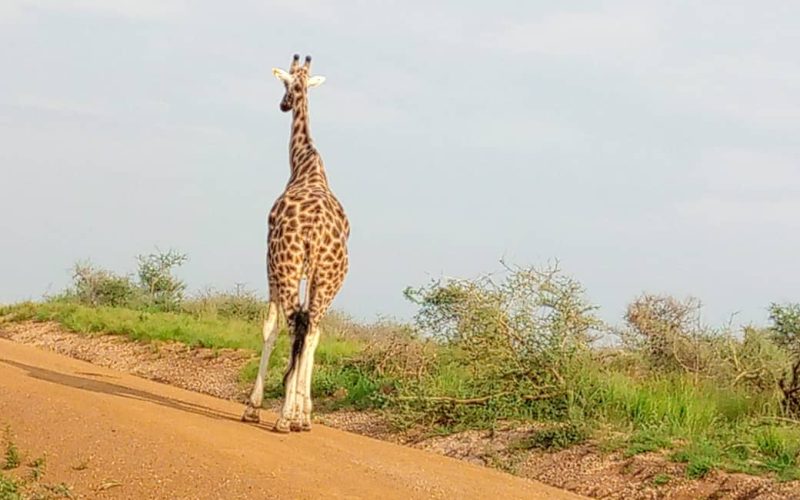
Kenya Safari Ideas
Where to Go for Wildlife Safari in Kenya? Kenya stands as the primary and enduring safari destination in Africa. Approximately 8% of the nation’s land, dedicated to conservation.
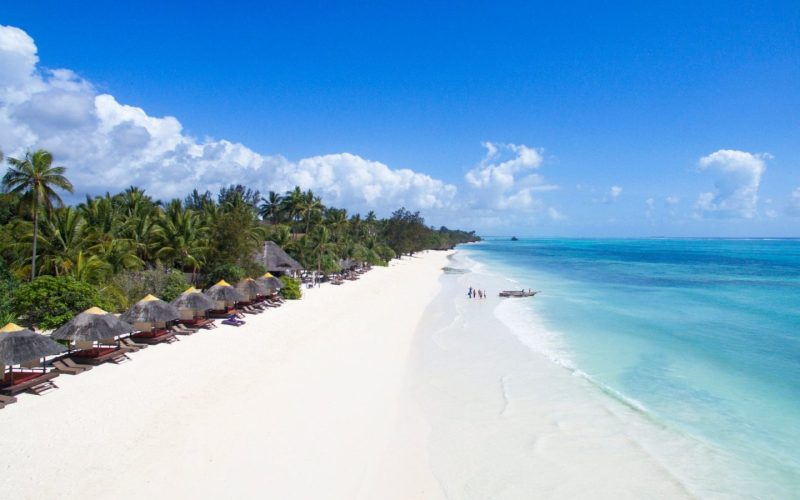
Kenya Beach Holidays
Ultimate Guide to Kenya Beach Holidays with Photos and Videos. Kenya is known for its stunning coastline along the Indian Ocean, and it offers a variety of beautiful beach.
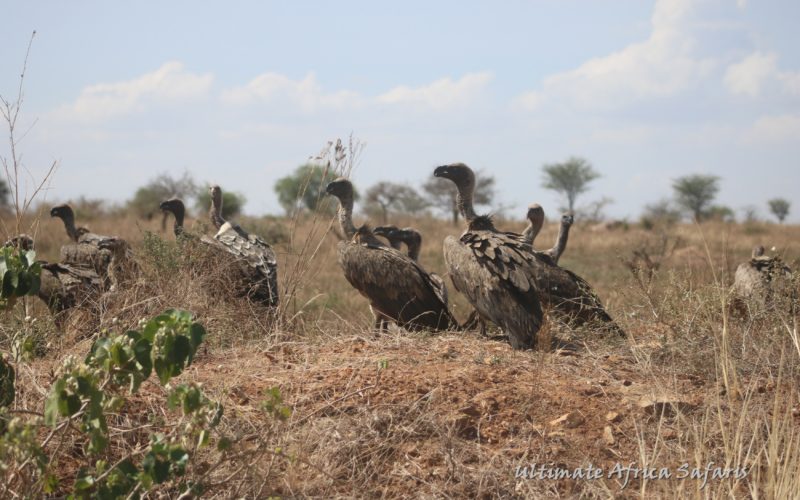
Kenya Birding Safaris
Birding Safaris in Kenya Bird Watching Tours. Go for Exceptional Birding Safaris Experiences at the Great Rift Valley Lakes region of Kenya. Embark on Kenya birding safaris to explore.
Kenya Cultural Tours
Immersive and Educational Encounters with the Rich Tapestry of Kenya’s Cultures. Embarking on Cultural Tours in Kenya allows you to engage intimately with diverse communities.
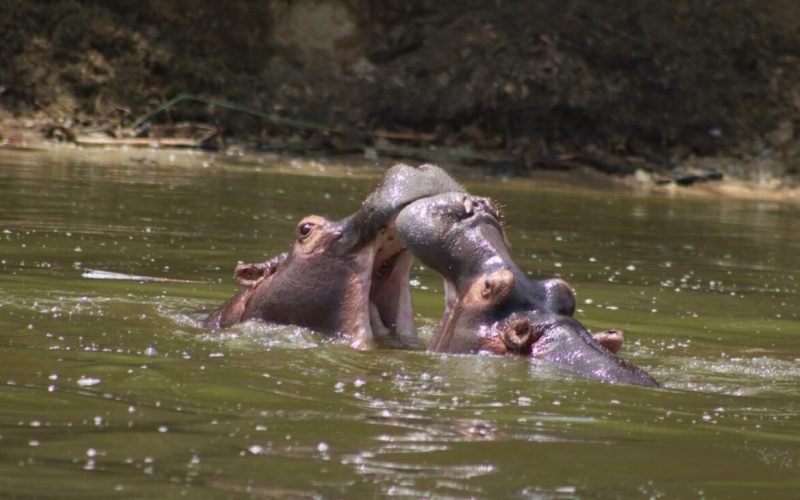
Kenya Honeymoon Safaris
Discover The Ideal Time For Your Romantic Adventure In The Heart Of Africa. Embark on an enchanting honeymoon safaris tour in Kenya with Deks Safaris, where the allure.
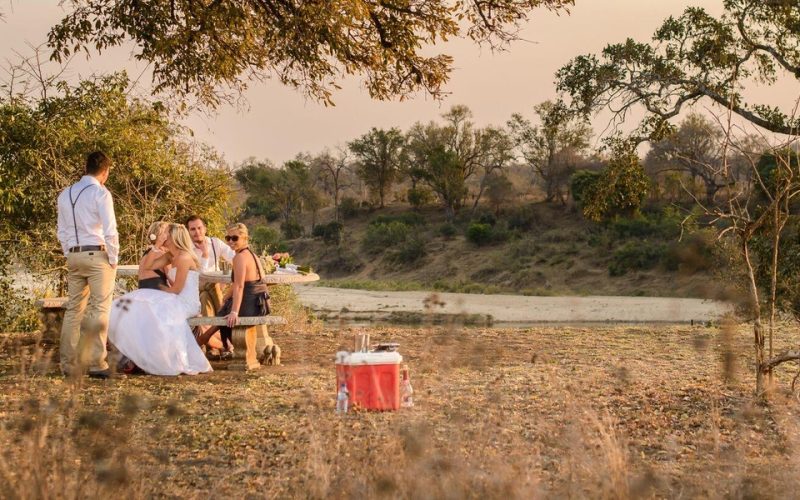
Kenya Wedding Safaris
At the core of your wedding experience lies a genuine essence of romance and intimacy, forming the foundation for your shared life. When seeking venues for your wedding.
Great Migration in Kenya
The Great Wildlife Migration in Kenya and Tanzania is one of the most iconic and awe-inspiring natural spectacles on the planet. It involves the movement of millions.
Kenya Travel Advice
‘Can I go on safari in Kenya?’ is a question asked by many travelers to Africa, especially first-timers wanting safari advice for this wildlife-rich East African country which is home.
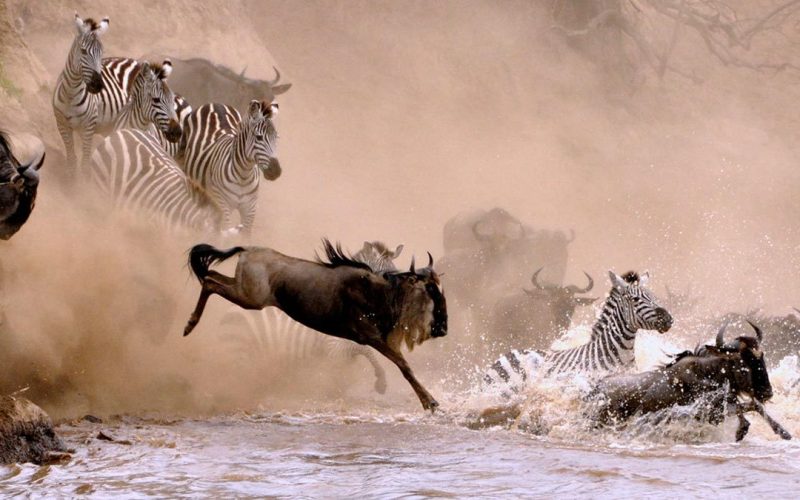
Kenya Safari Tours
Kenya is a popular destination for safari tours due to its diverse wildlife and stunning landscapes. The country is home to iconic national parks and reserves, offering.
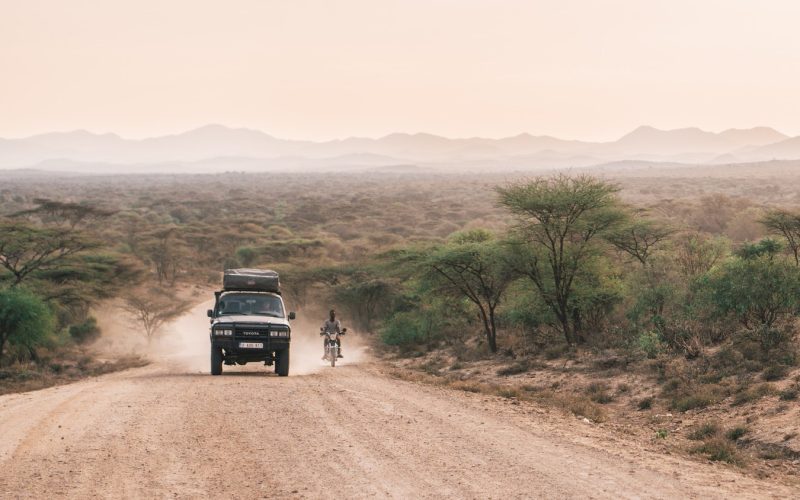
Kenya Wildlife Safaris Tour
A wildlife safaris tour in Kenya is an incredible experience, allowing you to explore the country’s diverse landscapes and encounter its rich wildlife. Kenya is renowned for its national parks.
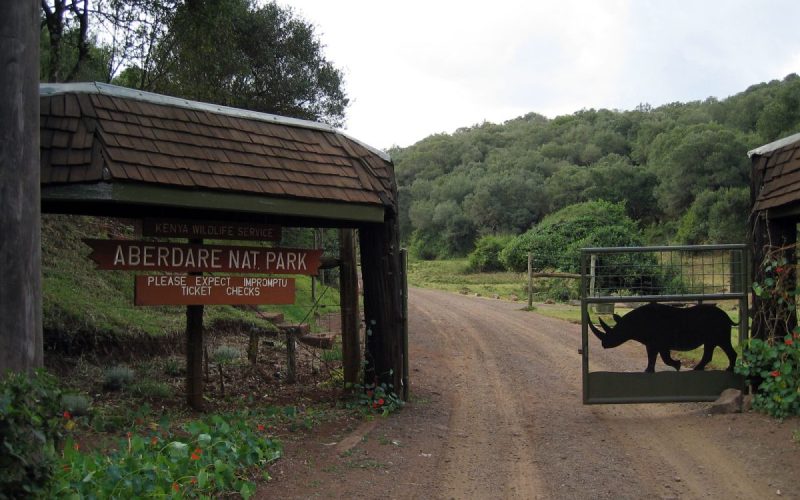
Kenya Travel Holidays
Kenya is a beautiful country in East Africa known for its stunning landscapes, diverse wildlife, and vibrant culture. Whether you’re interested in going on Kenya travel holidays.
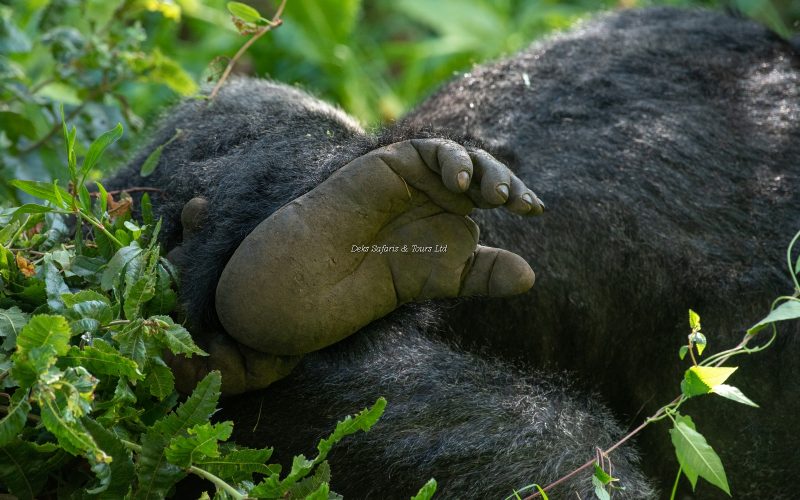
Kenya and Uganda Tours
Combining Kenya and Uganda in one tours holiday allows you to experience the best of both East African countries, from diverse wildlife and stunning landscapes to vibrant cultures.
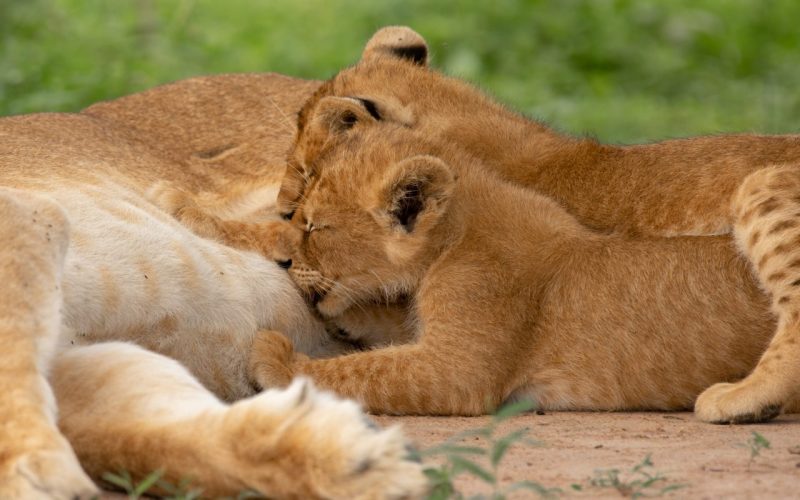
Kenya Luxury Safari
A luxury safari in Kenya offers a high-end and exclusive wildlife experience in one of Africa’s most iconic safari destinations. Kenya is renowned for its diverse landscapes.
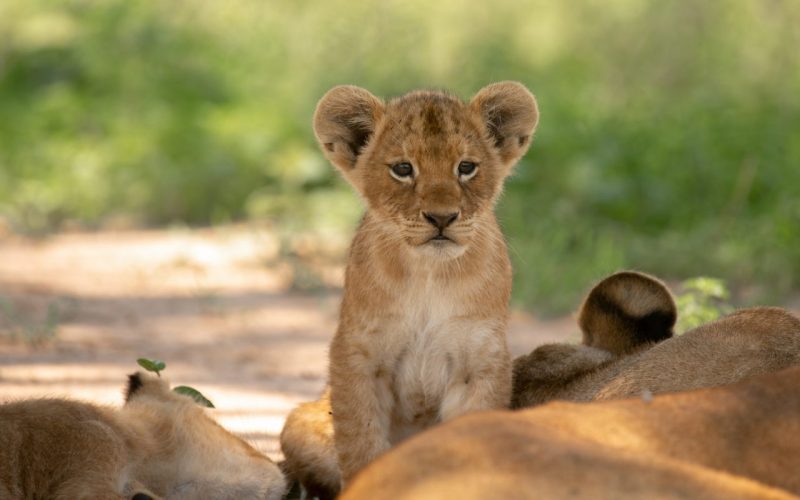
Kenya Safari Vacation
A Kenya safari vacation promises an unforgettable journey into the heart of Africa’s wildlife and natural beauty. Customize your itinerary based on your interests, and consider.
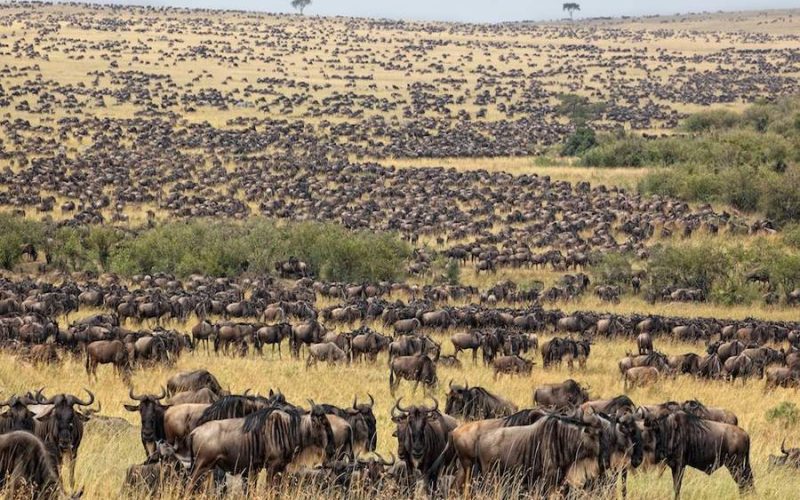
Kenya Wildlife Photography Tour
Kenya offers some of the most spectacular wildlife photography opportunities in the world. Its diverse landscapes, iconic wildlife, and dramatic natural settings make.
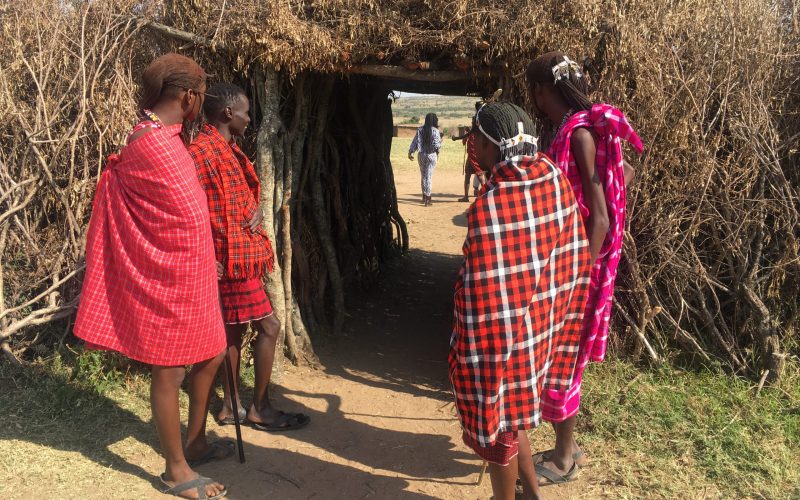
Kenya Budget Safaris
Kenya is a popular destination for wildlife enthusiasts, adventure seekers, and budget safaris holidays in Kenya. It offers affordable way to experience the country’s incredible.
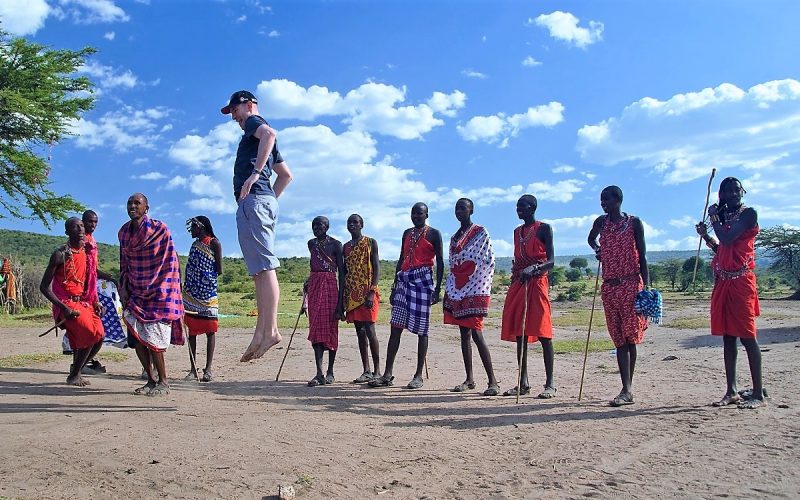
Kenya Luxury Safaris
Kenya is renowned for its breathtaking landscapes, incredible wildlife, and diverse ecosystems, making it a prime destination for luxury safaris. Luxury safaris in Kenya offer.
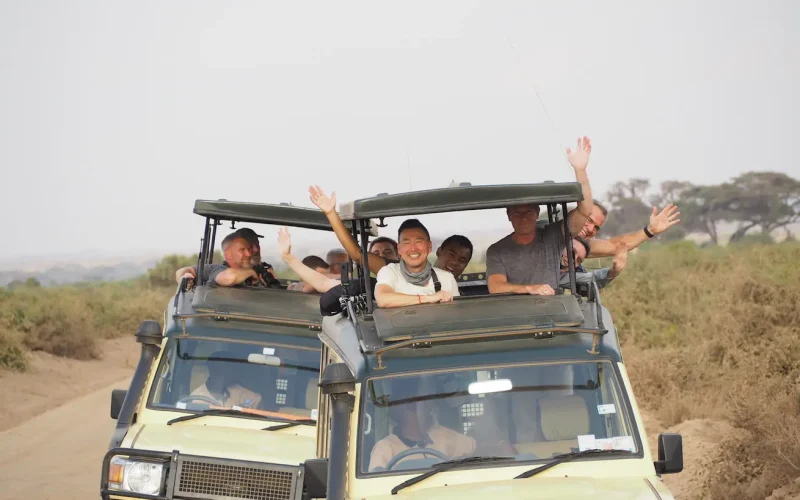
Kenya Mid-Range Safaris
Kenya offers a wide range of safaris tour options, catering to various budgets and preferences. If you’re looking for mid-range safaris in Kenya, you can expect comfortable.
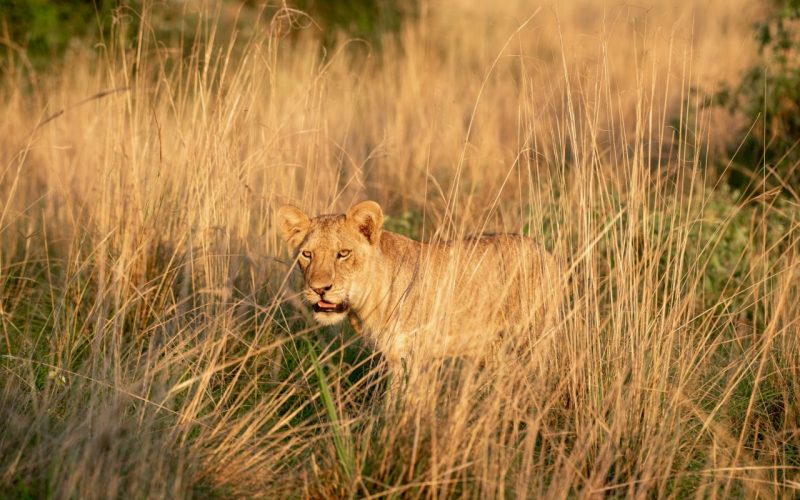
Kenya Wildlife Safari Holidays
Kenya Wildlife Safari Holidays (Compare 40 Tours) – Deks Tours. A wildlife safari in Kenya is a truly unforgettable experience, offering the opportunity to witness some of Africa.
Kenya Gay Travel Safari
Kenya Gay Travel Safari Experiences, offered by Deks Safaris & Tours Ltd, is a bespoke journey designed to provide LGBTQ+ travelers with an inclusive and memorable adventure.
2026/2027 Africa Travel News. What to Know Before Travelling to Africa for Safari?
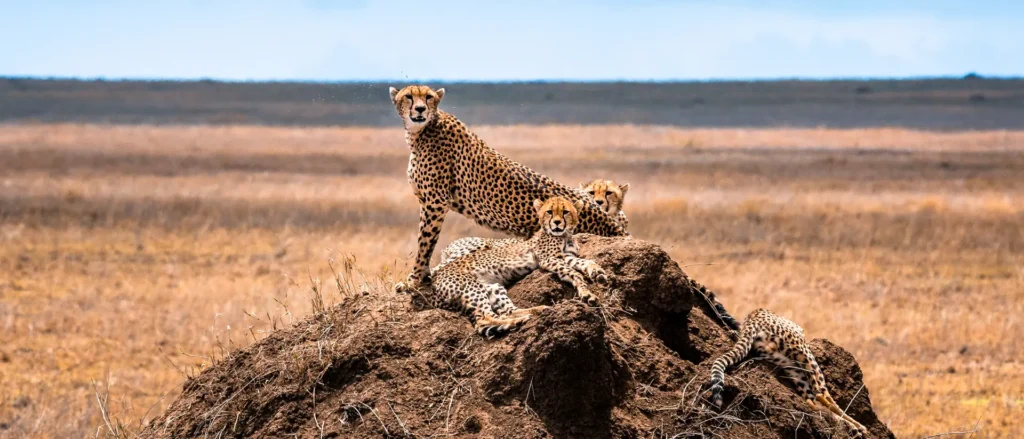
How Much is a Safari Experience in Tanzania?
How Much is a Safari Experience in Tanzania? Safari experience in Tanzania: Whether you are looking for budget camping adventures […]
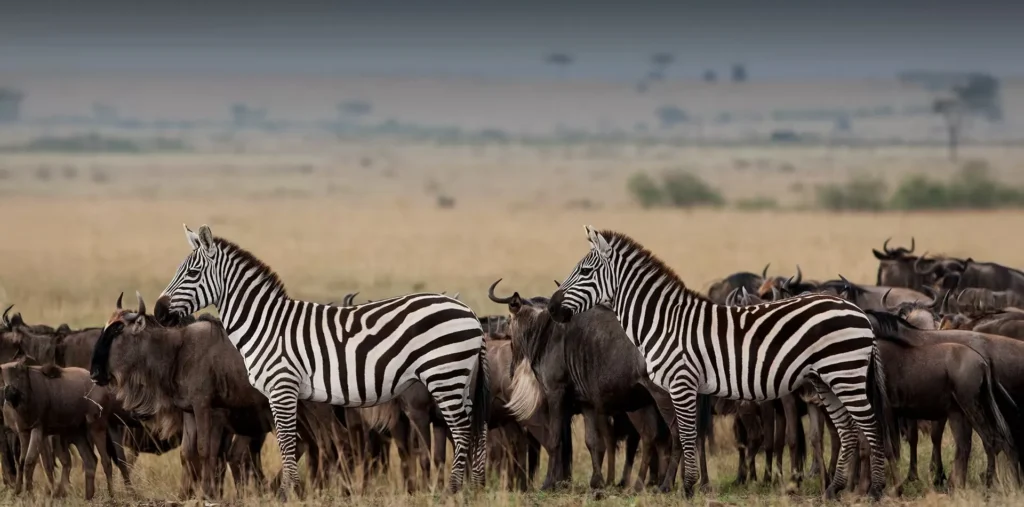
Which is Cheaper, Masai Mara or Serengeti?
Which is Cheaper, Masai Mara or Serengeti? Masai Mara or Serengeti?: Both the Masai Mara National Reserve in Kenya and […]
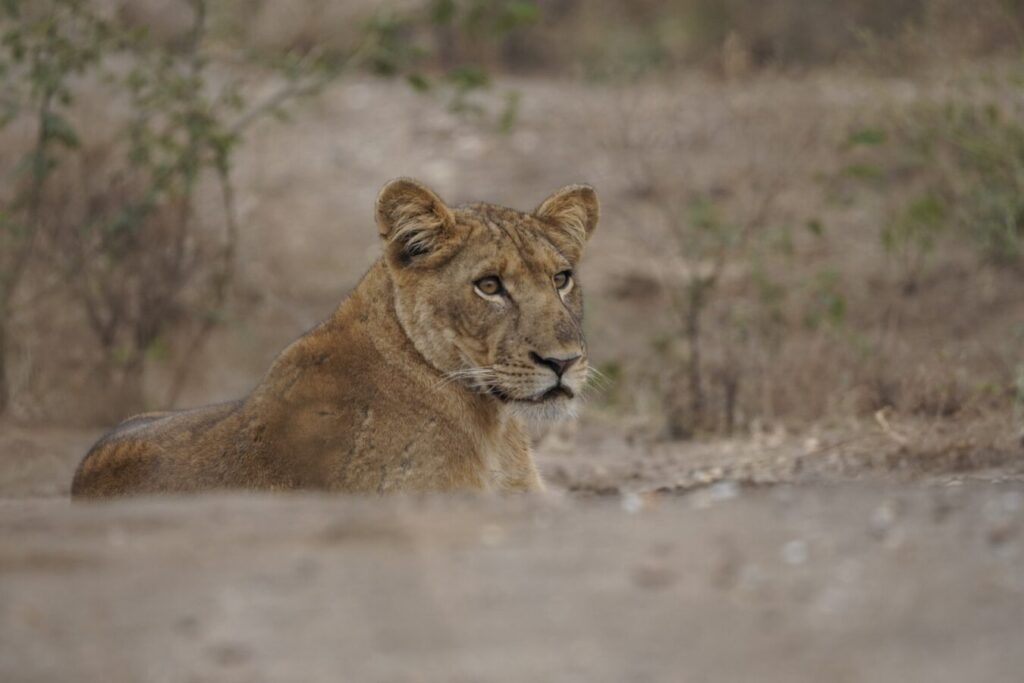
What is Cheaper, Kenya or Tanzania?
What is Cheaper, Kenya or Tanzania? Kenya is Generally Cheaper Than Tanzania for Travel, Transport, and Safari Packages What is […]
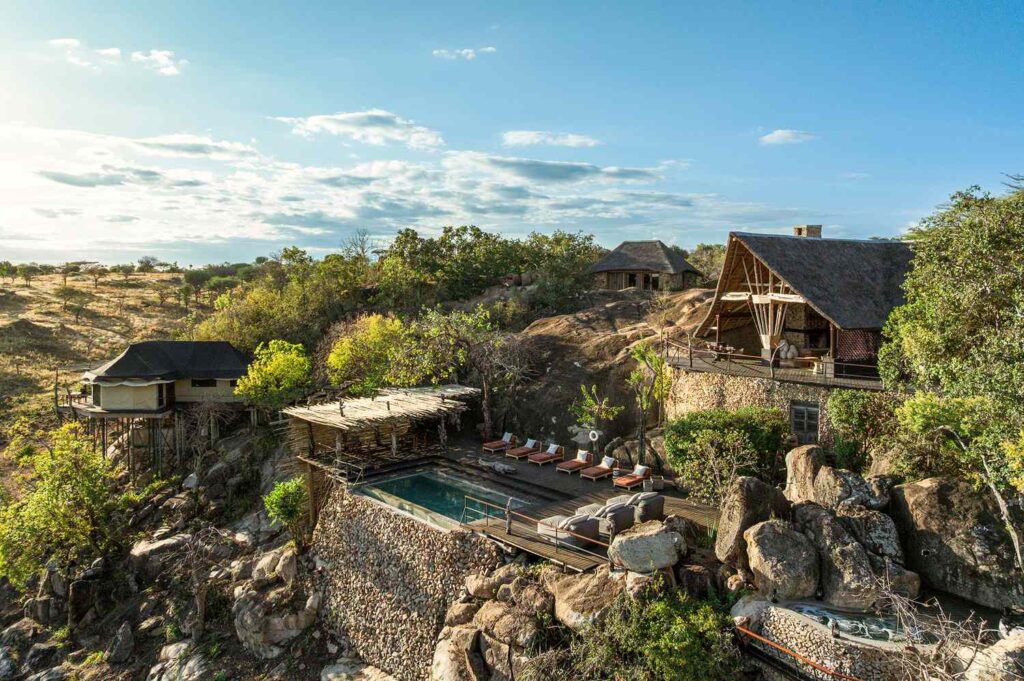
Where to Stay in Tanzania for a Safari?
Where to Stay in Tanzania for a Safari? Where to stay in Tanzania for a safari? can feel overwhelming because […]
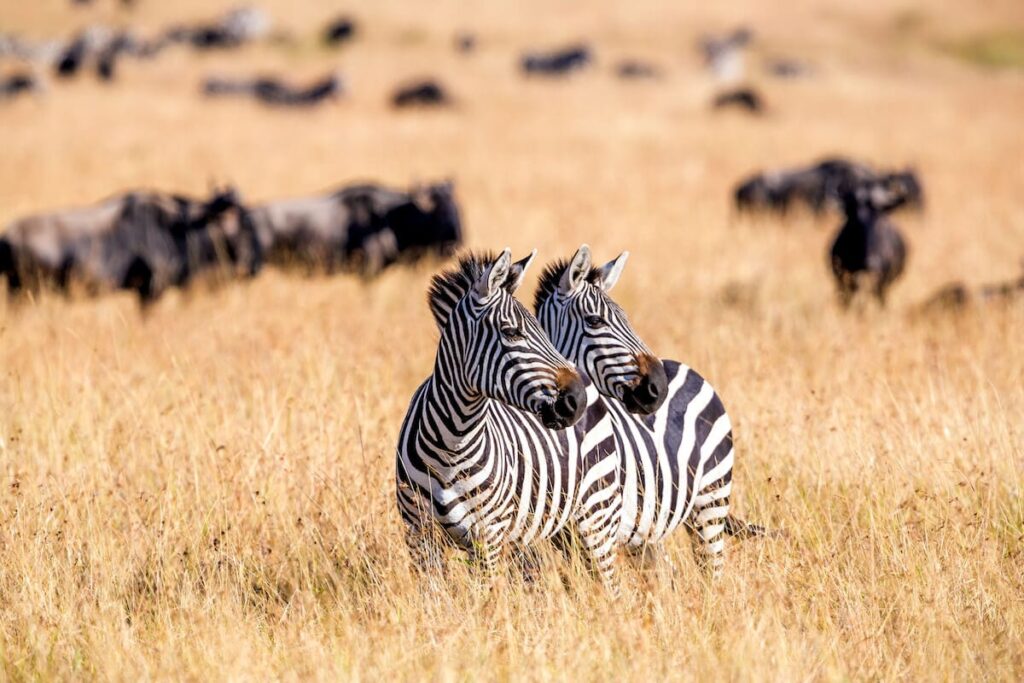
Is Safari Better in Tanzania or Kenya?
Is Safari Better in Tanzania or Kenya? Is safari better in Tanzania or Kenya? Neither country is objectively better; Kenya […]
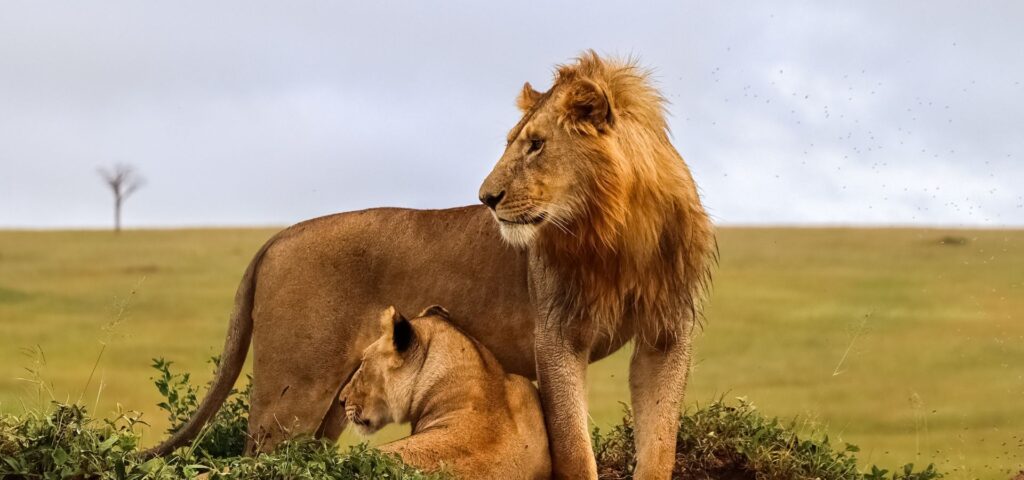
Which Month Is Best for Tanzania Safari?
Which Month Is Best for Tanzania Safari? Which month is best for Tanzania safari? Choosing the ideal travel period directly […]
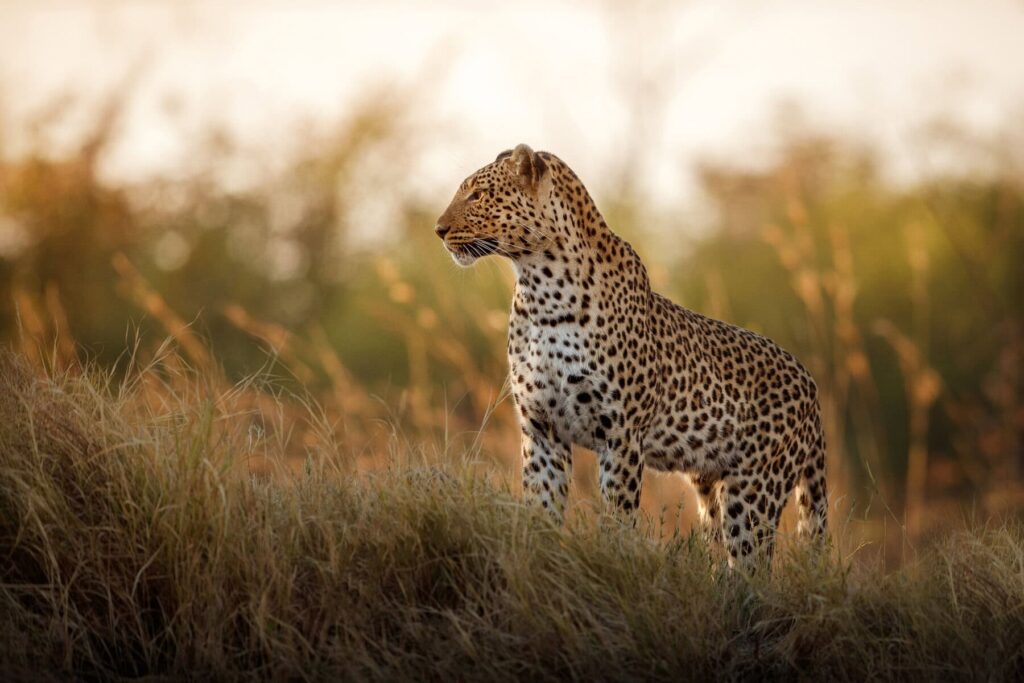
How Much Do Tanzania Safari Packages Typically Cost?
How Much Do Tanzania Safari Packages Typically Cost? Tanzania Safari Packages Cost: On average, a typical Tanzania safari package costs […]
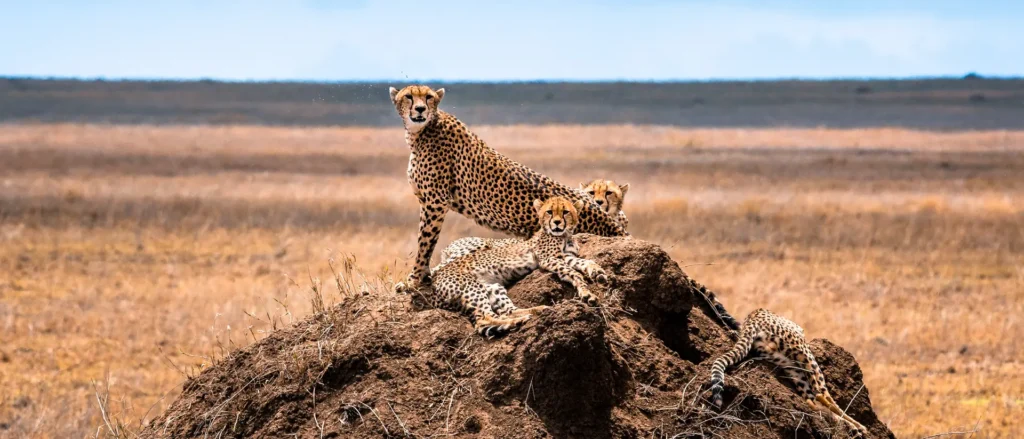
Which is the Best Safari in Tanzania?
Which is the Best Safari in Tanzania? Which is the Best Safari in Tanzania? For travelers planning their first African […]
Family-Friendly Safari Adventures
Family-Friendly Safari Adventures: Where the Wild Meets Wonder No doubt, a wildlife safari is one of the most exciting experiences […]
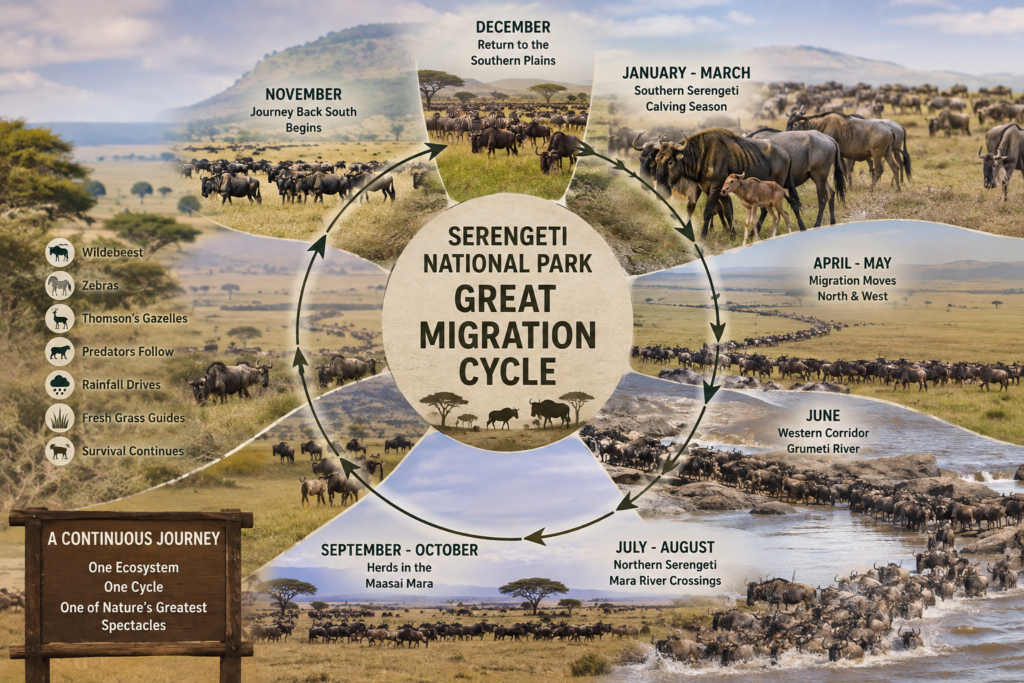
Can families enjoy Serengeti Wildlife Safaris?
Can families enjoy Serengeti Wildlife Safaris? Can families enjoy Serengeti Wildlife Safaris? Absolutely, with thoughtful planning and the right safari […]
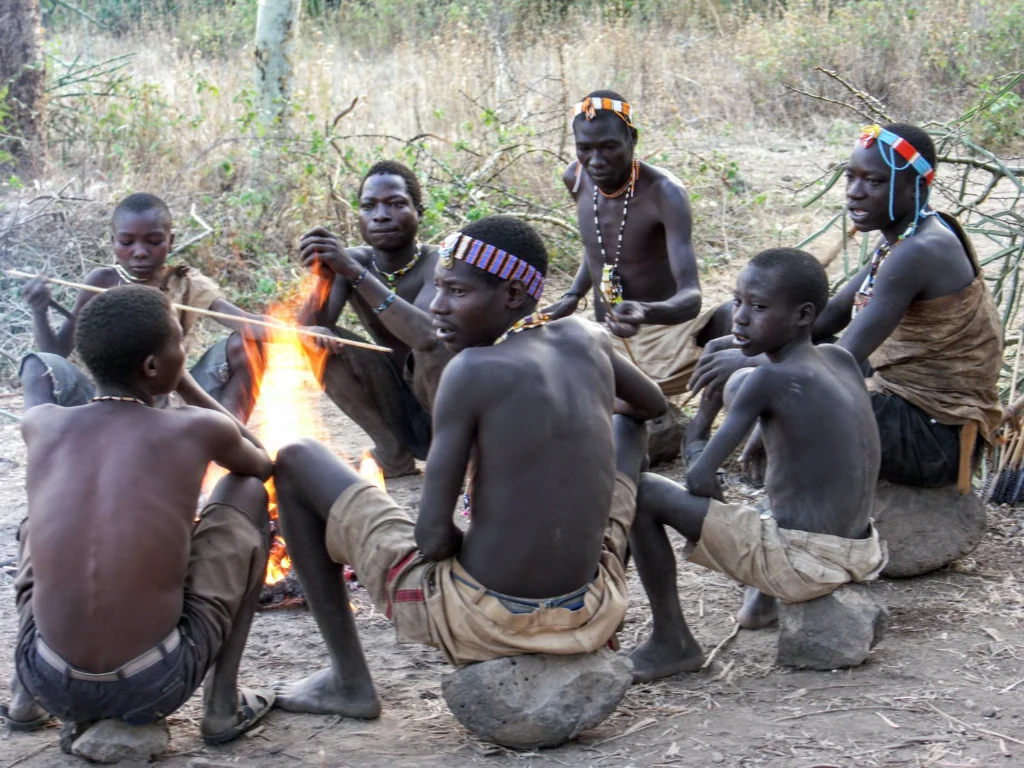
Can I Combine Tanzania with Rwanda or Uganda?
Can I Combine Tanzania with Rwanda or Uganda? Can I combine Tanzania with Rwanda or Uganda gorilla trekking? Yes, you […]
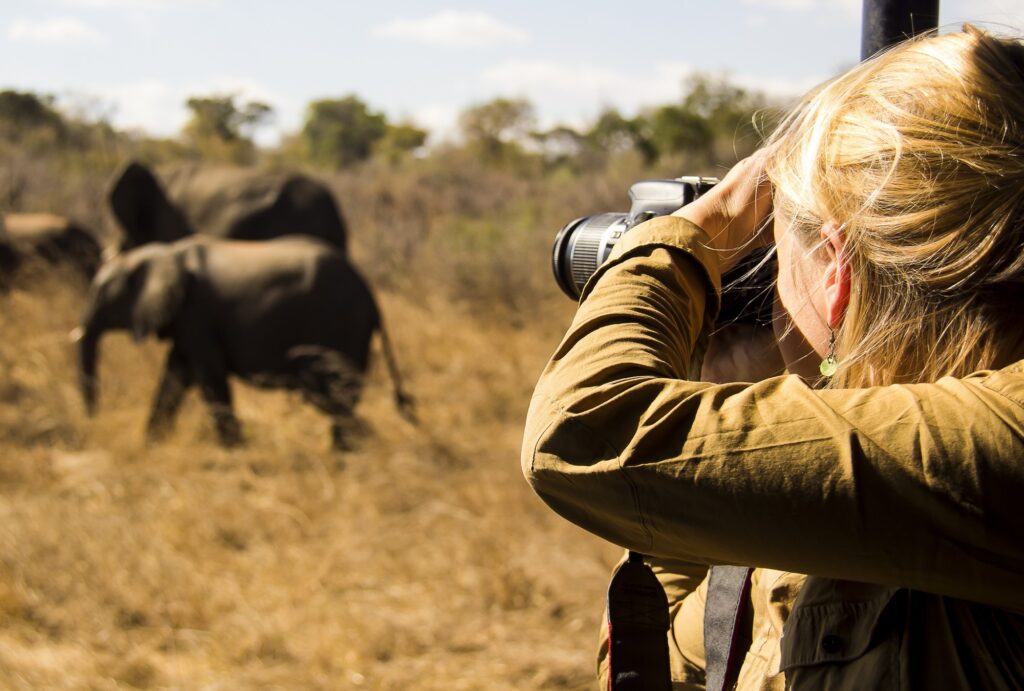
Can I See All the Big Five in the Serengeti National Park?
Can I See All the Big Five in the Serengeti National Park? Yes, the Serengeti supports all five traditional Big […]
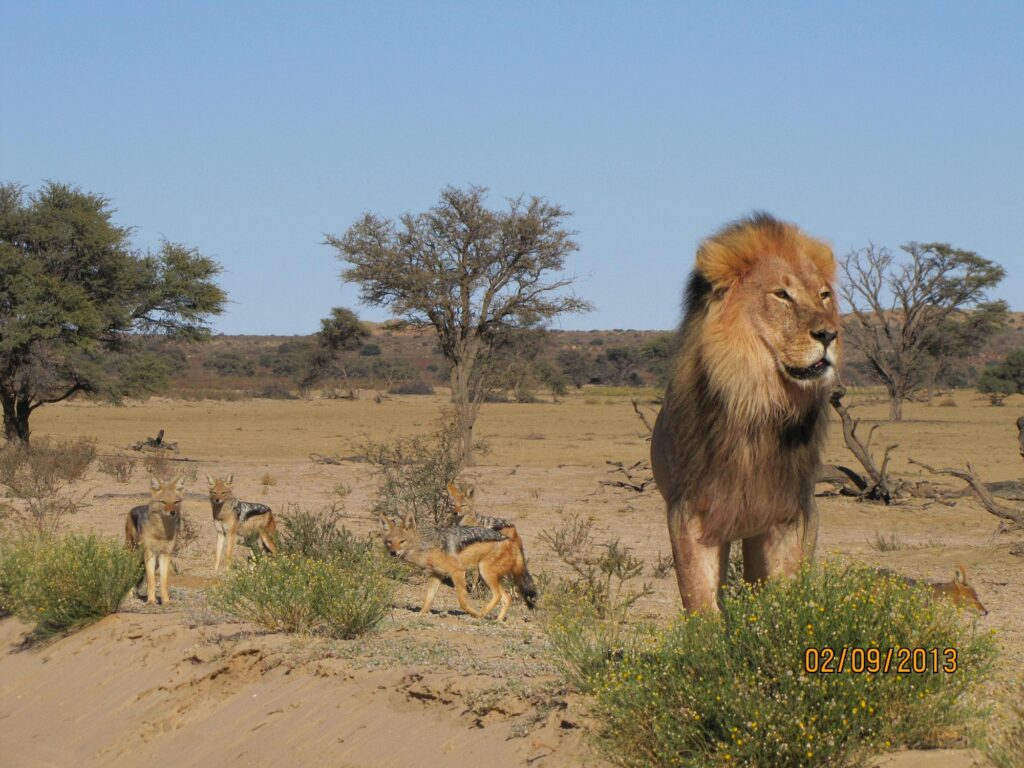
What is the best time for Serengeti Big Five Safaris?
What is the best time for Serengeti Big Five Safaris? What is the best time for Serengeti Big Five Safaris? […]
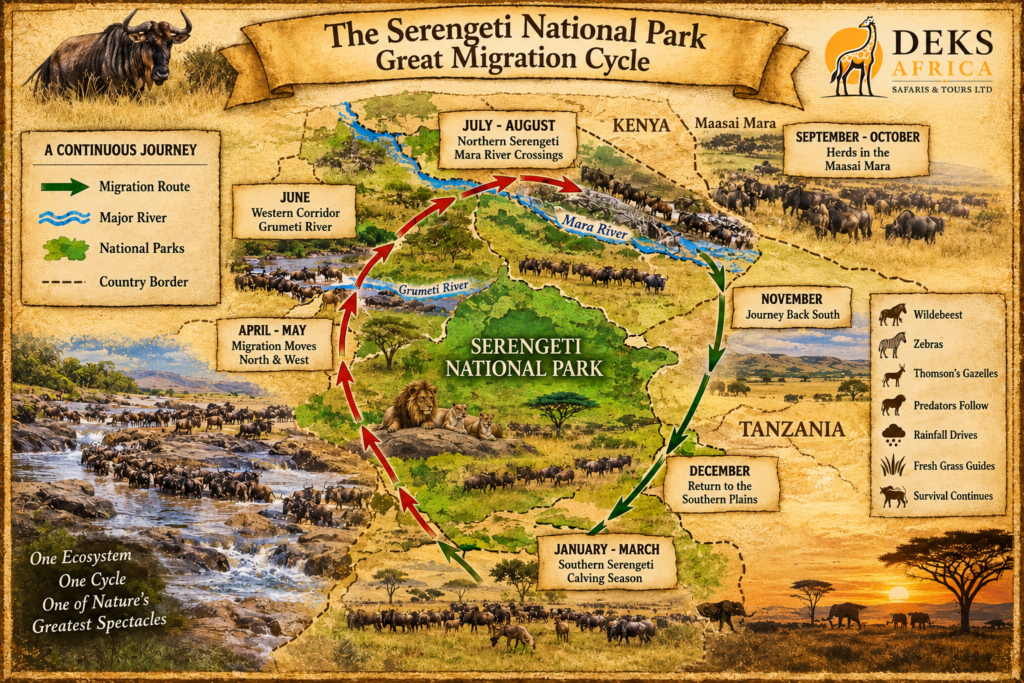
The Ultimate Serengeti Great Migration Travel Guide
The Ultimate Serengeti Great Migration Travel Guide The Ultimate Serengeti Great Migration Travel Guide introduces one of Africa’s most remarkable […]
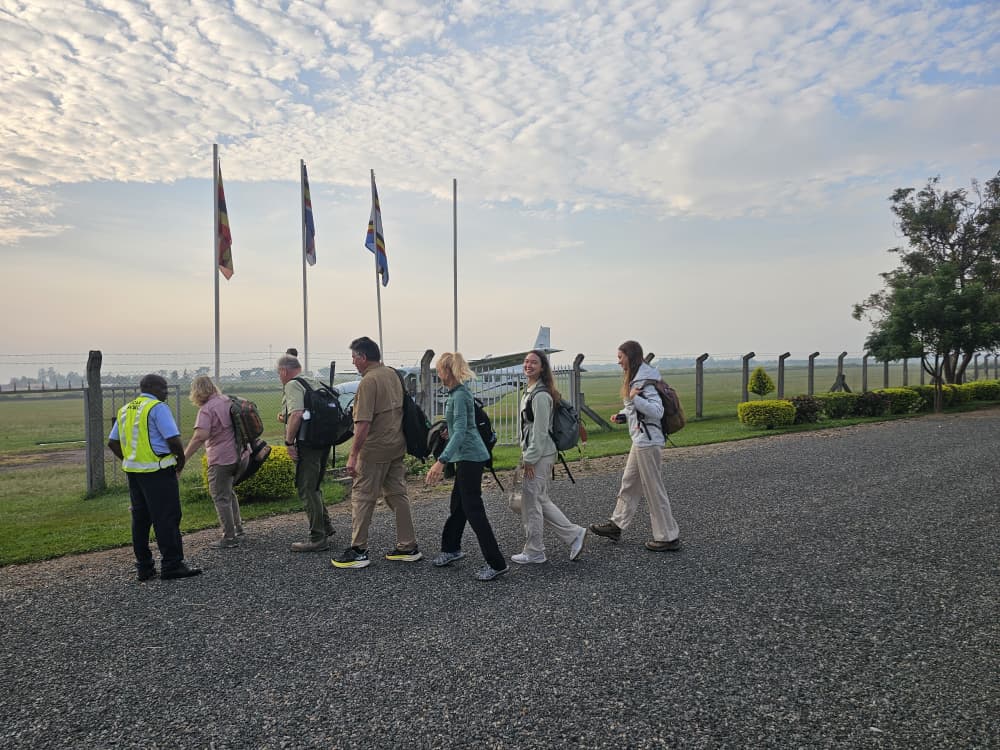
The Great Migration
The Great Migration: Africa’s Ultimate Race for Life The Great Migration takes travelers into one of the planet’s greatest wildlife […]
Tanzania Great Migration Safari
Tanzania Great Migration Safari A Tanzania Great Migration Safari offers one of the world’s most extraordinary wildlife experiences. Millions of […]
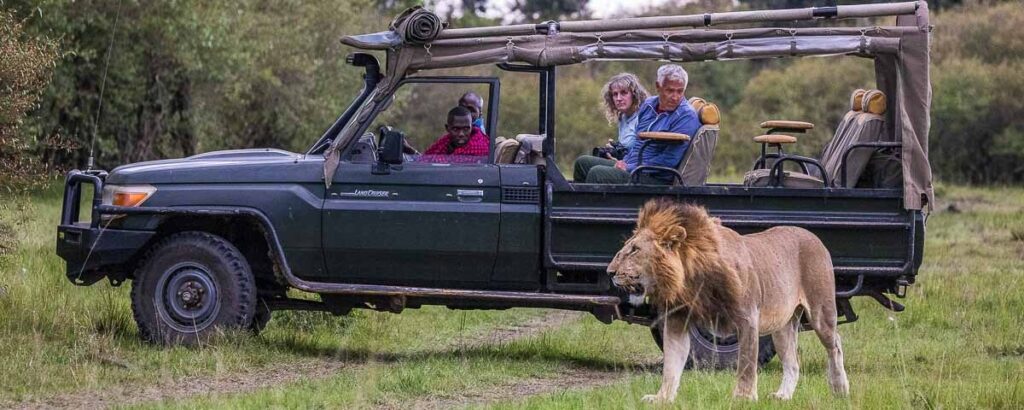
Serengeti Safari Areas
Serengeti Safari Areas: A Complete Guide to Exploring Serengeti National Park Serengeti Safari Areas offer some of Africa’s most remarkable […]
Serengeti Great Wildlife Migration Safari Cost
Serengeti Great Wildlife Migration Safari Cost Understanding the Serengeti Great Wildlife Migration Safari Cost helps travelers plan one of Africa’s […]
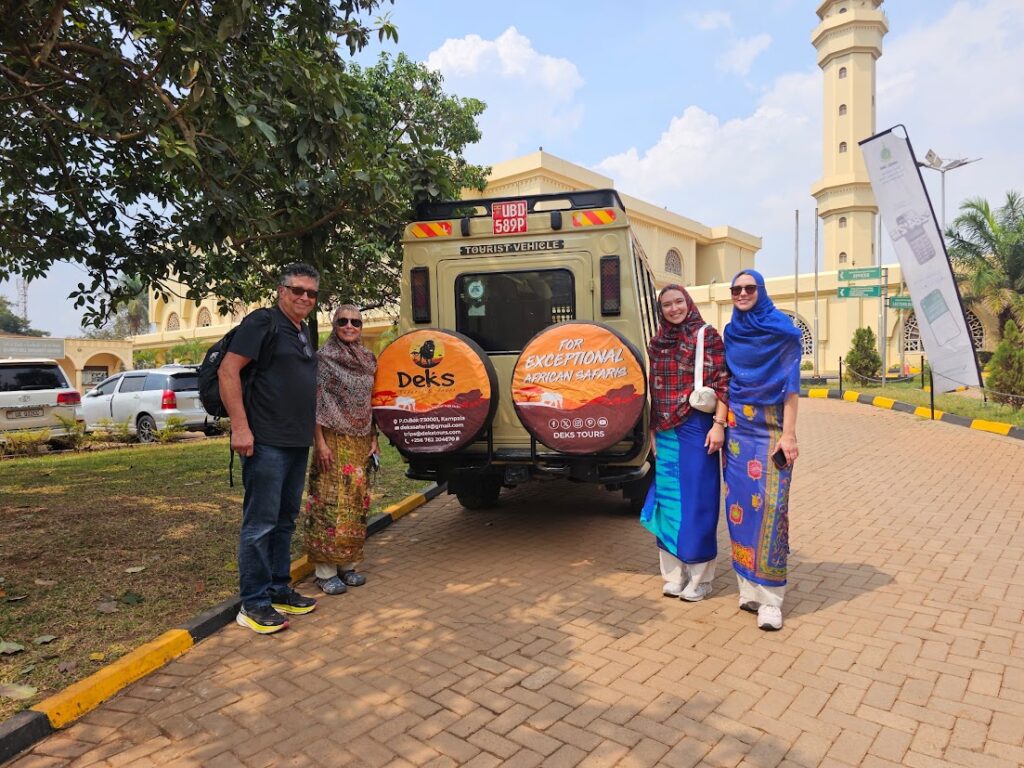
Going on a Tanzania Safari in Serengeti National Park
Going on a Tanzania Safari in Serengeti National Park Going on a Tanzania Safari in Serengeti National Park offers an […]
A Complete Map Guide to the Great Migration Route
A Complete Map Guide to the Great Migration Route A Complete Map Guide to the Great Migration Route introduces one […]
Are Serengeti Migration Dates Exact?
Are Serengeti Migration Dates Exact? Are Serengeti Migration Dates Exact? This question matters when planning a successful wildlife adventure in […]
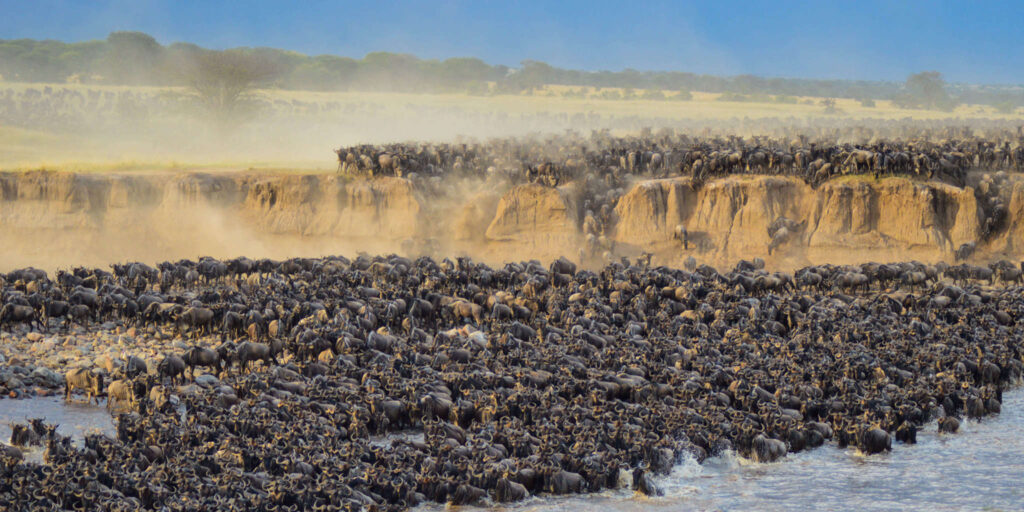
Serengeti Migration Dates
Serengeti Migration Dates: Complete Guide to the Great Wildlife Migration Serengeti Migration Dates provide an important guide for planning one […]
Wildlife Photography Tips for Serengeti Safaris
Wildlife Photography Tips for Serengeti Safaris Wildlife Photography Tips for Serengeti Safaris can transform your safari into a rewarding visual […]
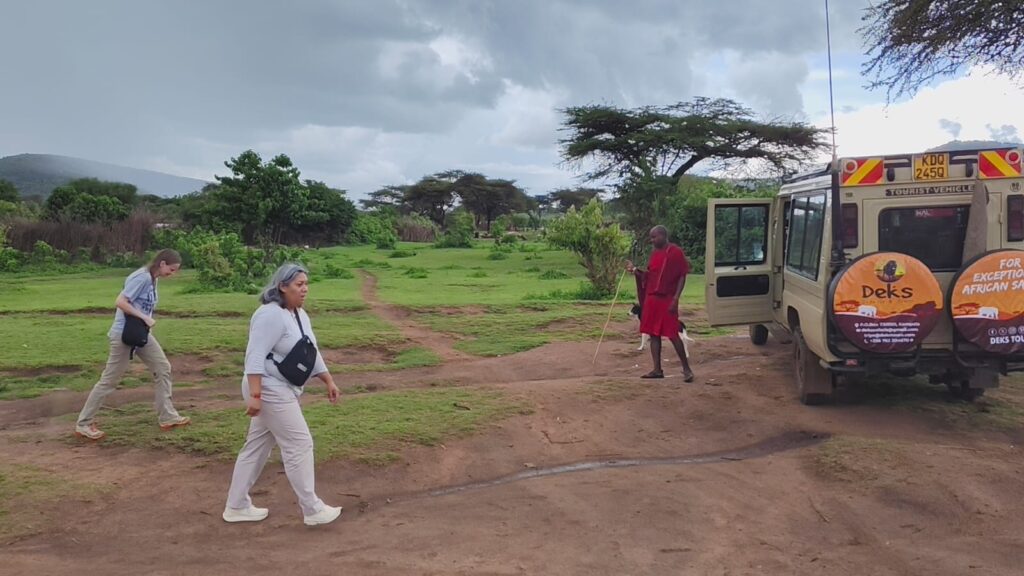
Walking Safari Experiences Near the Serengeti
Walking Safari Experiences Near the Serengeti Walking Safari Experiences Near the Serengeti provide a deeper connection with Tanzania’s extraordinary wilderness. […]
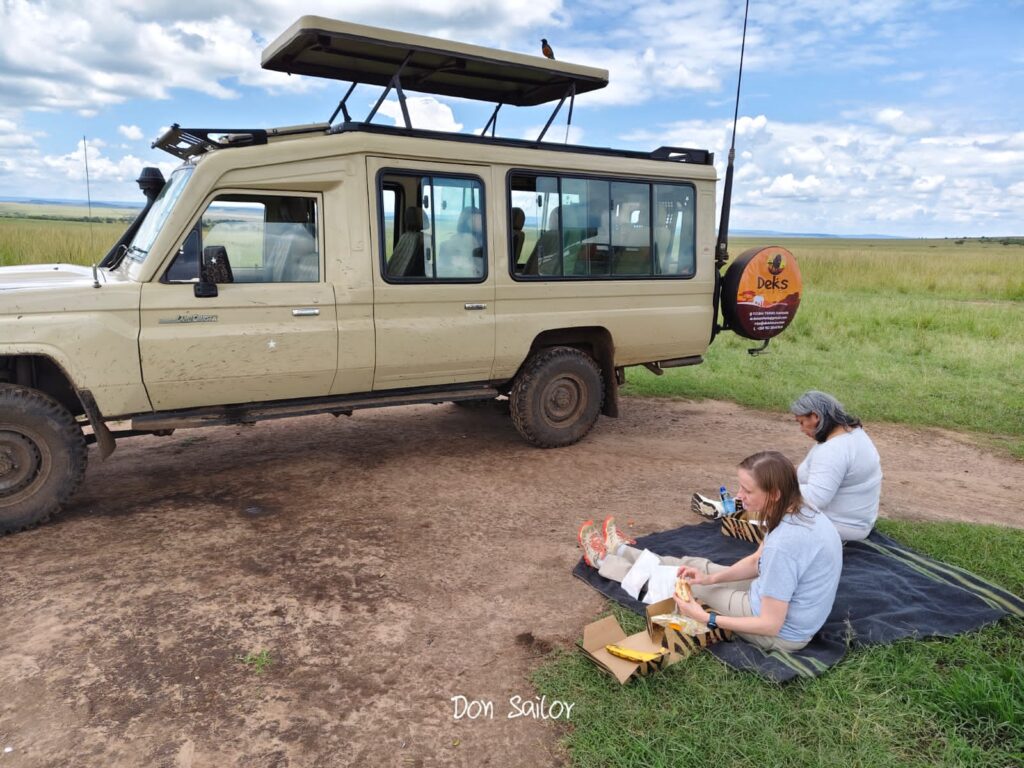
The Best Serengeti National Park Areas for the Migration
The Best Serengeti National Park Areas for the Migration The Best Serengeti National Park Areas for the Migration depend on […]
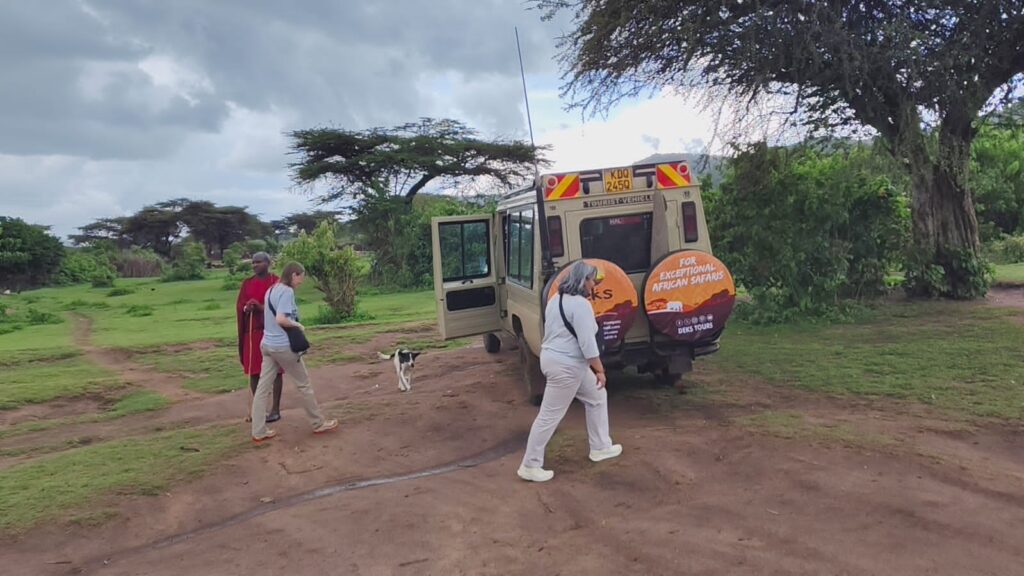
Small Group Safaris to Serengeti National Park
Small Group Safaris to Serengeti National Park Small Group Safaris to Serengeti National Park offer an exciting way to explore […]
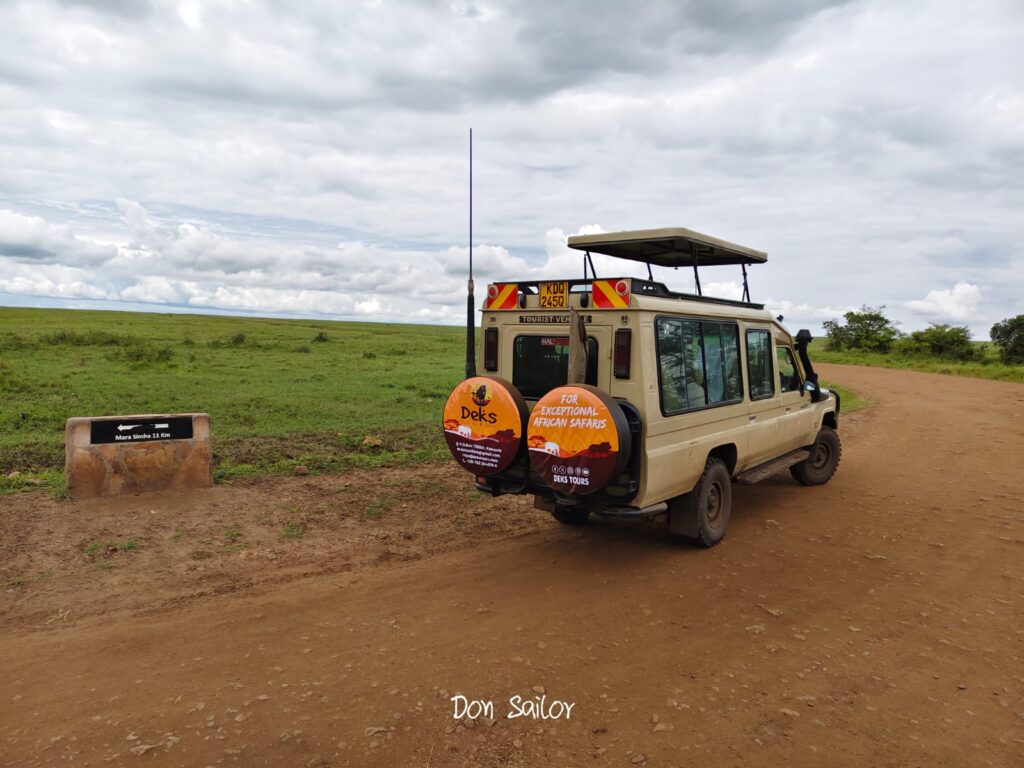
Serengeti Migration Versus Maasai Mara Migration
Serengeti Migration Versus Maasai Mara Migration The Serengeti Migration Versus Maasai Mara Migration comparison helps travelers understand one remarkable ecosystem. […]
Serengeti Great Migration Family Safaris
Serengeti Great Migration Family Safaris Serengeti Great Migration Family Safaris create unforgettable opportunities for parents and children. Families can explore […]
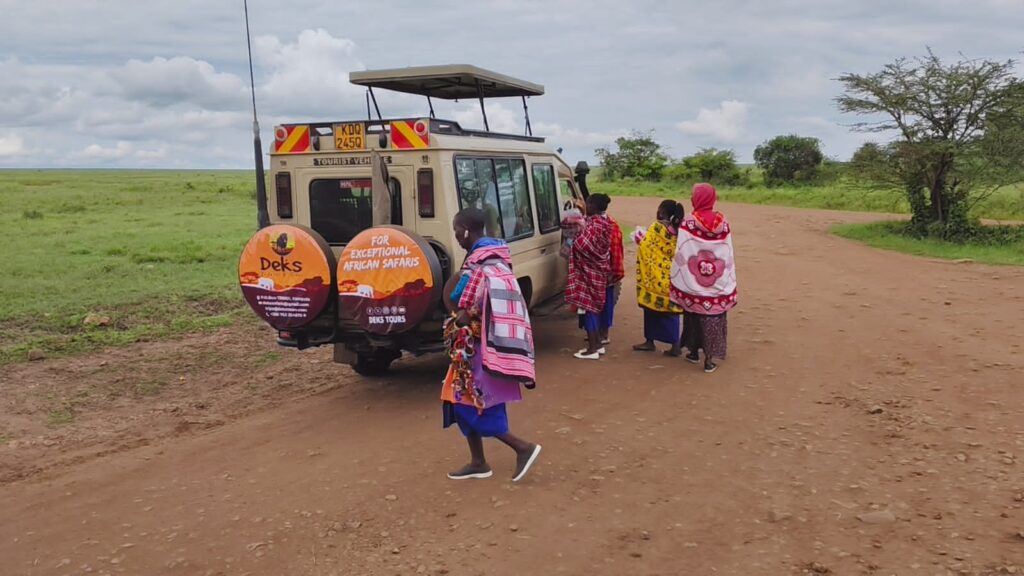
Luxury Versus Budget Great Migration Safaris
Luxury Versus Budget Great Migration Safaris Luxury Versus Budget Great Migration Safaris offer different ways to experience Africa’s greatest wildlife […]
June Versus July for Serengeti River Crossings
June Versus July for Serengeti River Crossings June Versus July for Serengeti River Crossings creates an exciting choice for travelers […]
How to Plan a Serengeti Great Migration Safari
How to Plan a Serengeti Great Migration Safari How to Plan a Serengeti Great Migration Safari requires careful timing, location […]
How to Book a Private Serengeti Great Migration Safari?
How to Book a Private Serengeti Great Migration Safari How to Book a Private Serengeti Great Migration Safari requires thoughtful […]
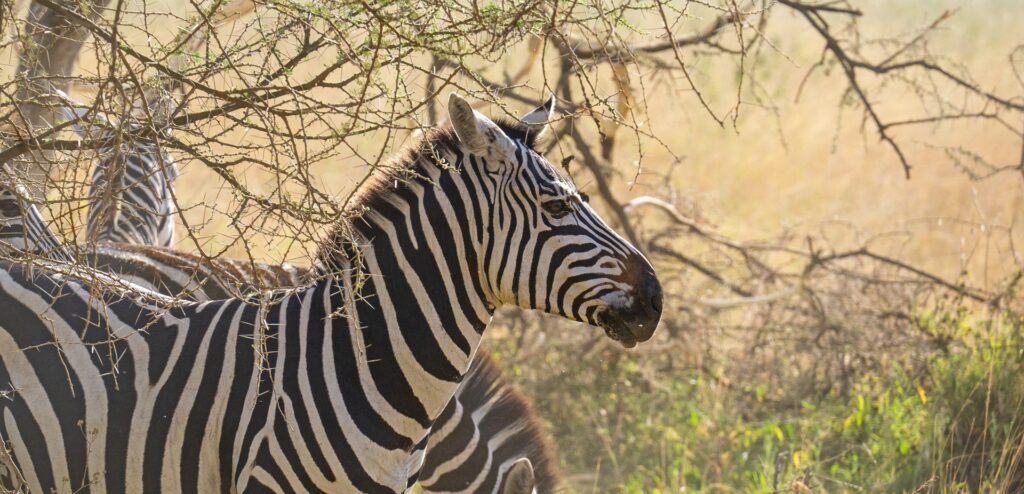
How Much Does a Serengeti Great Migration Safari Cost?
How Much Does a Serengeti Great Migration Safari Cost? How Much Does a Serengeti Great Migration Safari Cost? This question […]
Hot Air Balloon Safaris During the Great Migration
Hot Air Balloon Safaris During the Great Migration Hot Air Balloon Safaris During the Great Migration create one of Africa’s […]
Honeymoon Safaris and the Serengeti Migration
Honeymoon Safaris and the Serengeti Migration Honeymoon Safaris and the Serengeti Migration create an unforgettable journey across Tanzania’s most iconic […]
Fly-in Versus Driving During a Serengeti Migration Safari
Fly-in Versus Driving During a Serengeti Migration Safari Fly-in Versus Driving During a Serengeti Migration Safari is an important decision […]
February Versus August for a Great Migration Safari
February Versus August for a Great Migration Safari: Choosing the Right Season Choosing between February and August can shape your […]
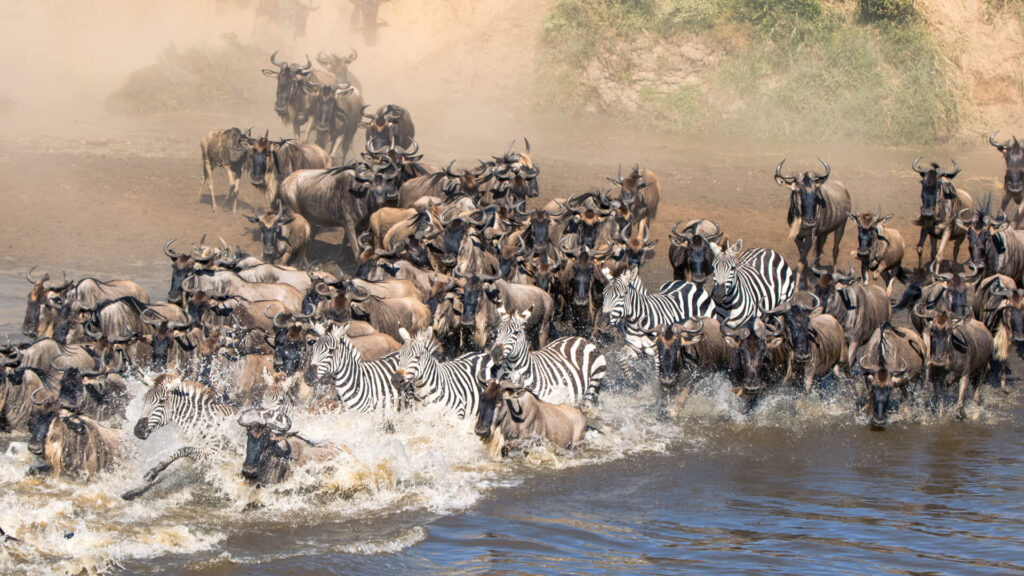
Choosing the Best Time for a Great Migration Safari
Choosing the Best Time for a Great Migration Safari Choosing the Best Time for a Great Migration Safari can transform […]
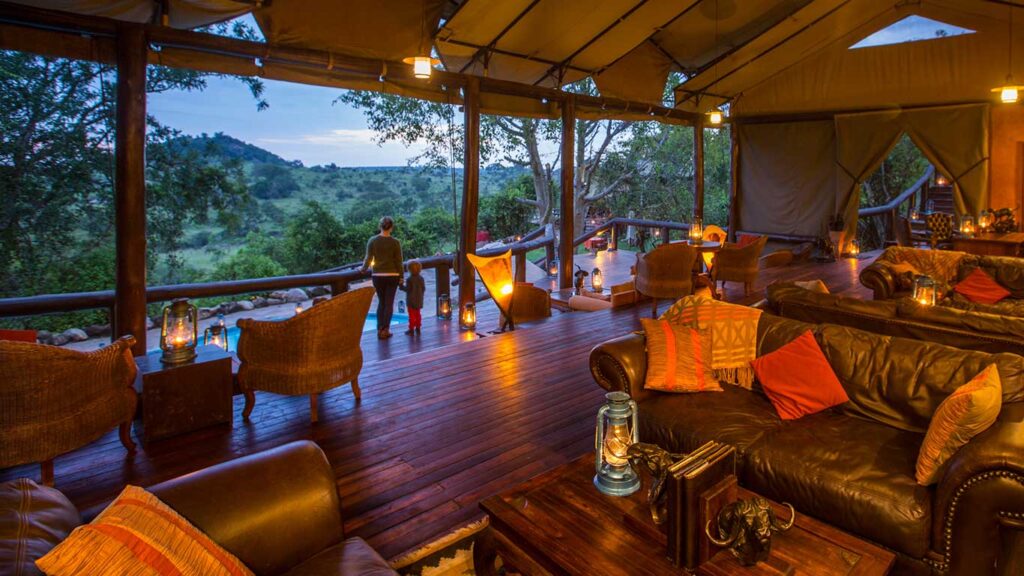
Best Lodges for Serengeti Great Migration Safari
Best Lodges for Serengeti Great Migration Safari Best Lodges for Serengeti Great Migration Safari can transform an already remarkable journey […]
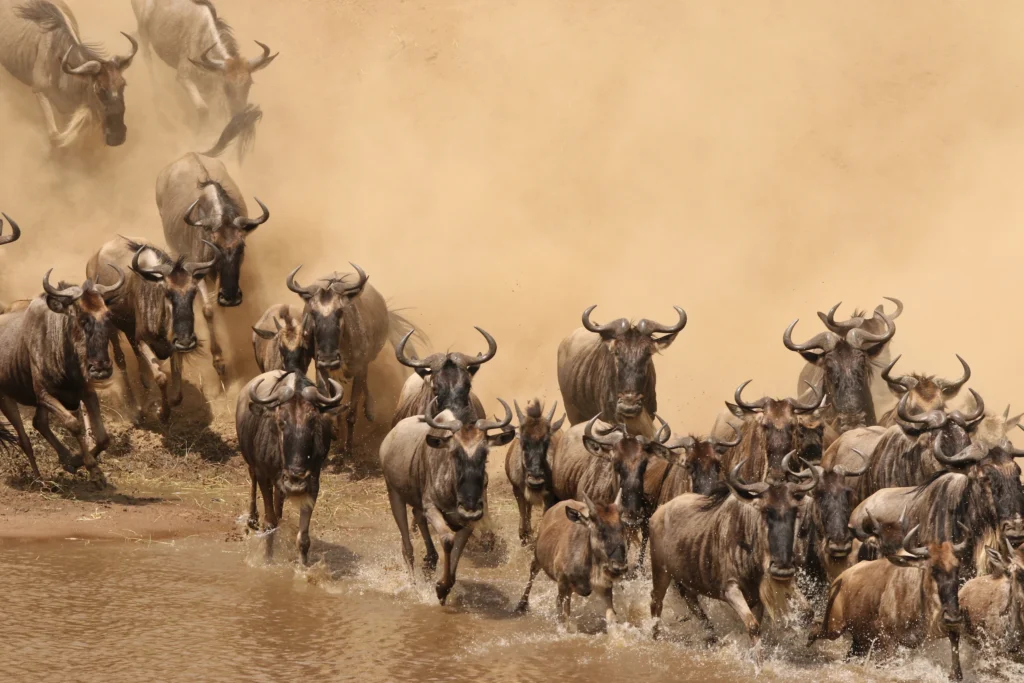
Best Airstrips in Serengeti National Park
Best Airstrips in Serengeti National Park The Best Airstrips in Serengeti National Park depend on your safari region and travel […]
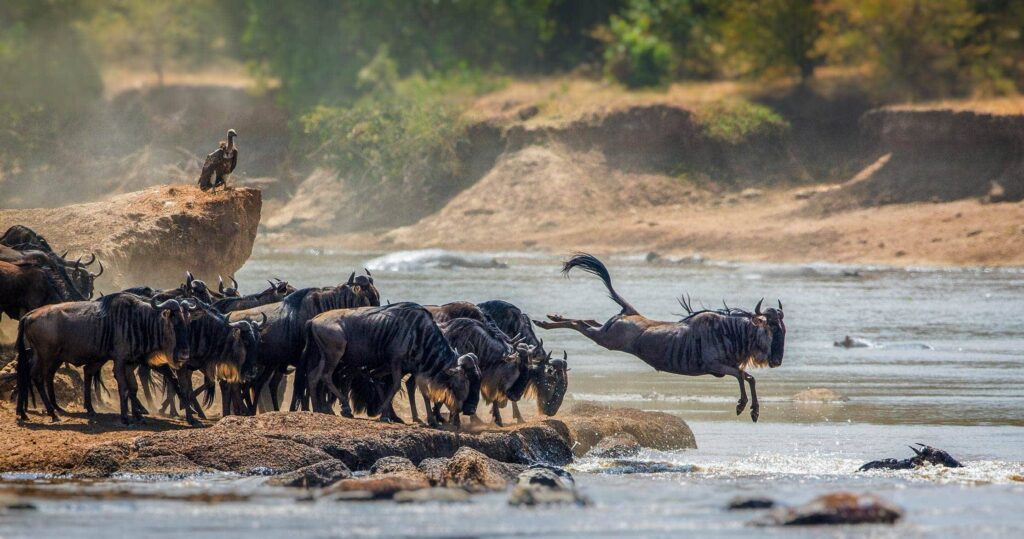
August Versus September for the Wildebeest Migration
August Versus September for the Wildebeest Migration August Versus September for the Wildebeest Migration presents one of Africa’s most exciting […]
What Is the Best Month to See the Great Migration?
What Is the Best Month to See the Great Migration? What Is the Best Month to See the Great Migration? […]
The Best Time to Visit the Western Corridor of Serengeti National Park
The Best Time to Visit the Western Corridor of Serengeti National Park The Best Time to Visit the Western Corridor […]
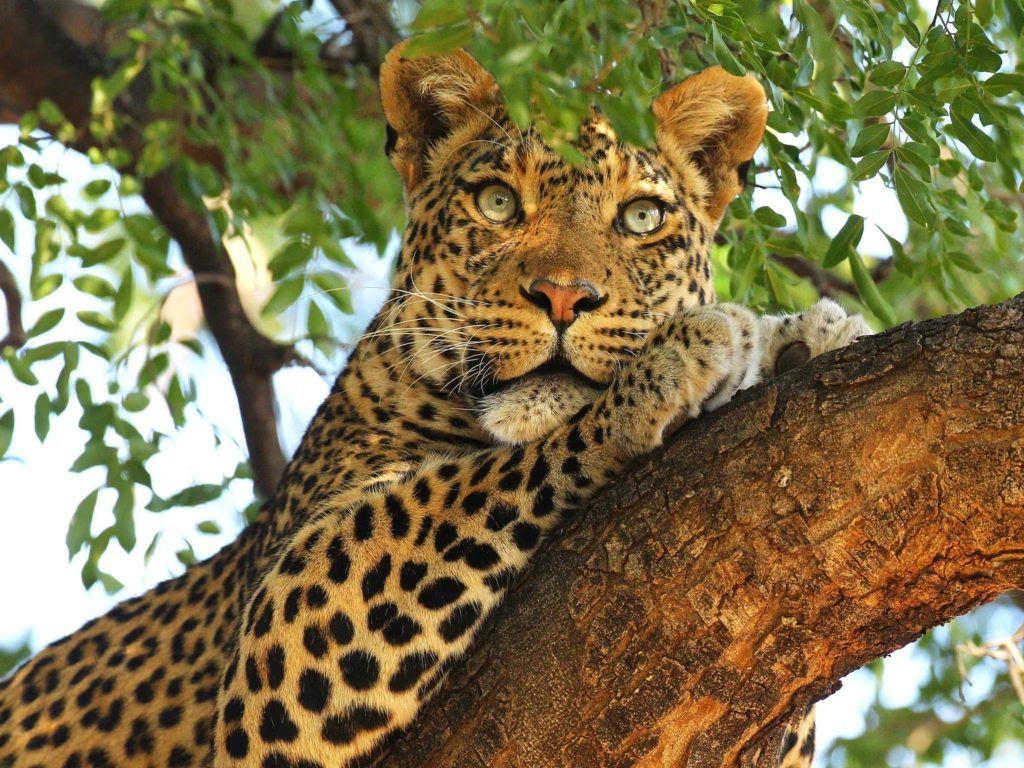
The Best Time to Visit the Central Serengeti
The Best Time to Visit the Central Serengeti The Best Time to Visit the Central Serengeti depends on your safari […]
The Best Time to Visit Northern Serengeti
The Best Time to Visit Northern Serengeti The Best Time to Visit Northern Serengeti depends on your safari goals, wildlife […]
The Best Time to See Mara River Crossings
The Best Time to See Mara River Crossings The Best Time to See Mara River Crossings generally falls between August […]
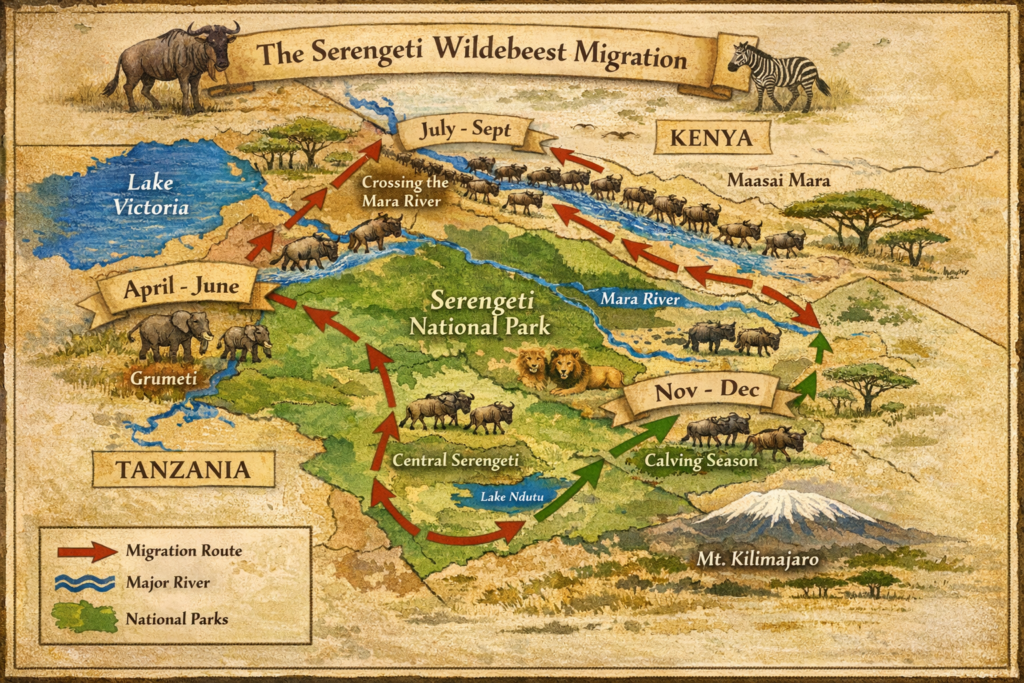
The Best Time to See Great Wildebeest Calving
The Best Time to See Great Wildebeest Calving The Best Time to See Great Wildebeest Calving falls between late January […]
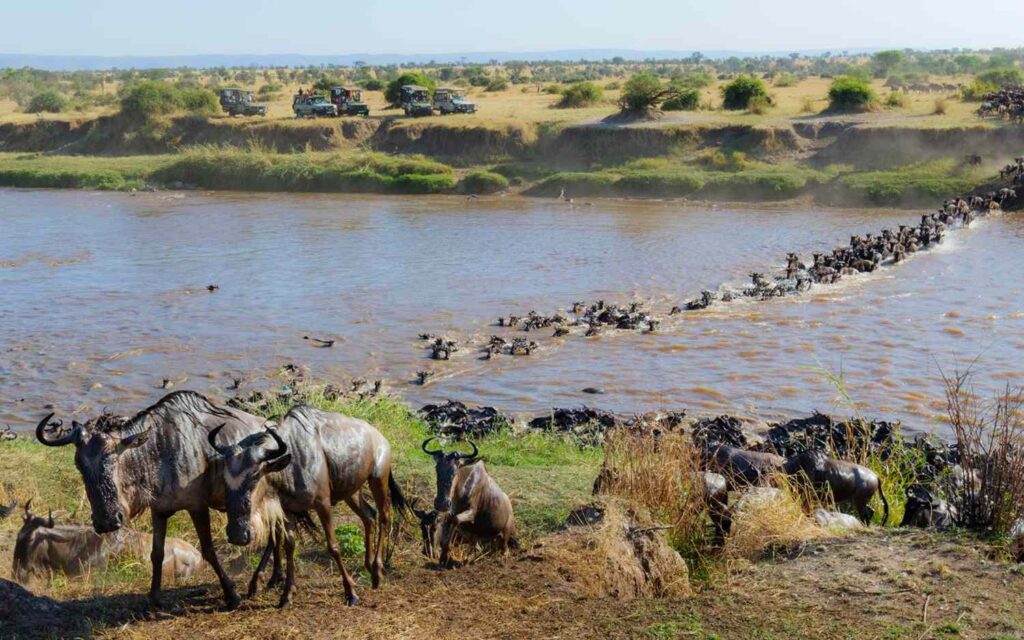
The Best Great Migration Safari for Photographers
The Best Great Migration Safari for Photographers The Best Great Migration Safari for Photographers combines wildlife action, dramatic landscapes, cultural […]
The Best Great Migration Safari for Luxury Travelers
The Best Great Migration Safari for Luxury Travelers The Best Great Migration Safari for Luxury Travelers combines exceptional wildlife, elegant […]
The Best Great Migration Safari for Families
The Best Great Migration Safari for Families: An Unforgettable Family Adventure The Best Great Migration Safari for Families combines extraordinary […]
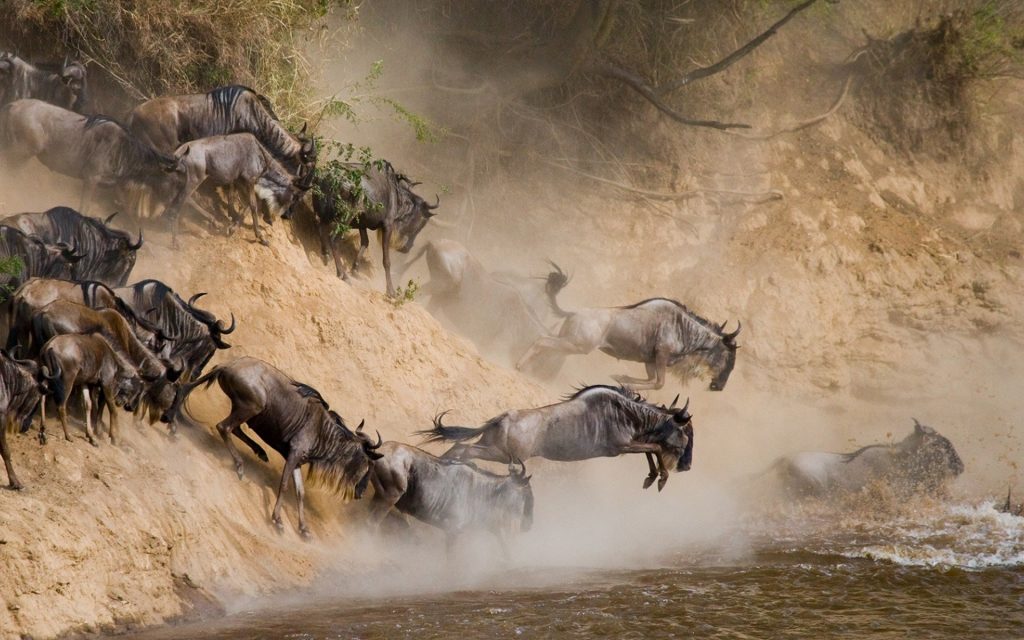
The Best Great Migration Safari for Budget Travelers
The Best Great Migration Safari for Budget Travelers The Best Great Migration Safari for Budget Travelers combines affordability, wildlife, adventure, […]
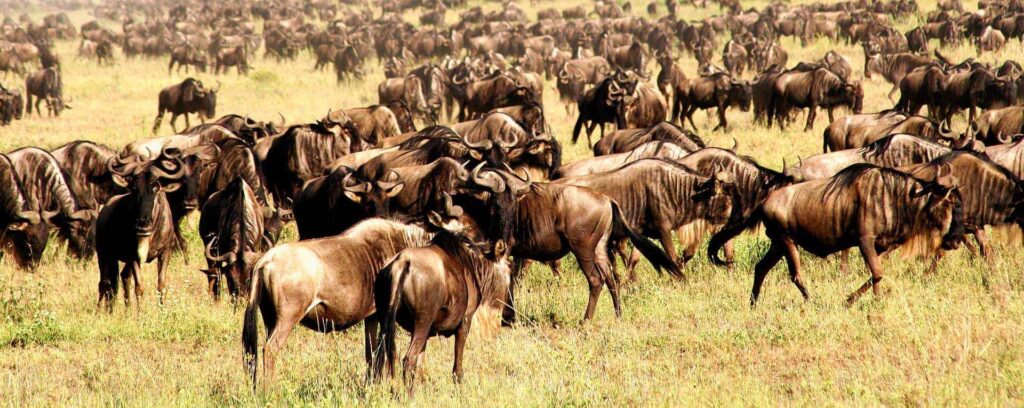
How to Choose the Right Month for Your Serengeti Safari?
How to Choose the Right Month for Your Serengeti Safari? How to Choose the Right Month for Your Serengeti Safari […]
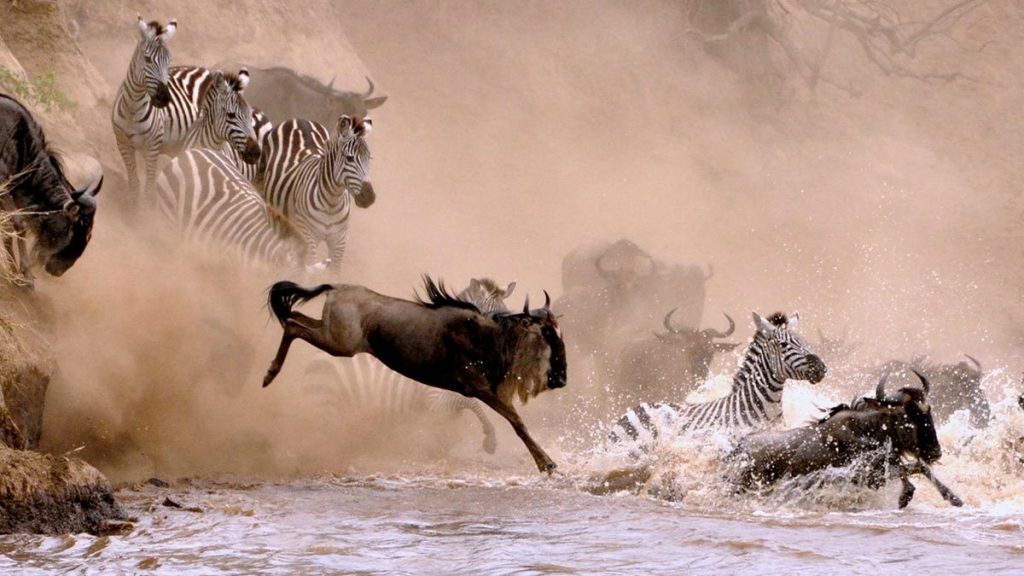
Calving Season Versus River Crossing Season
Calving Season Versus River Crossing Season Calving Season Versus River Crossing Season presents two extraordinary ways to experience Tanzania’s Great […]
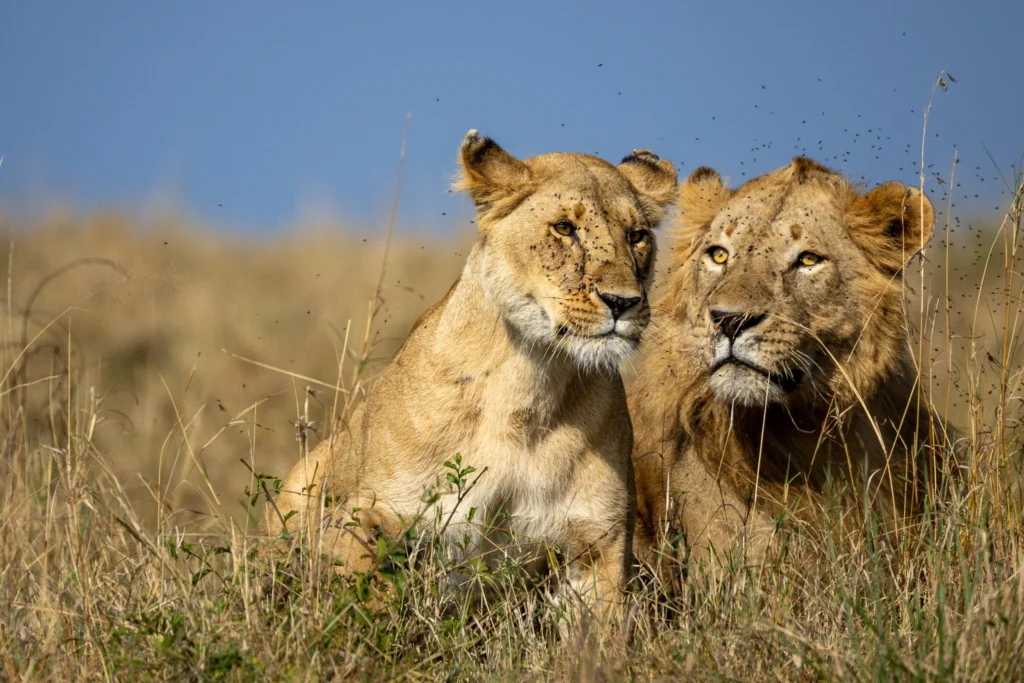
4 Days Queen Elizabeth National Park Guided Safari
4 Days Queen Elizabeth National Park Guided Safari The 4 Days Queen Elizabeth National Park Guided Safari offers a rewarding […]
Serengeti National Park Safari
Serengeti National Park Safari Discover Tanzania’s Legendary Wildlife Destination A Serengeti National Park Safari delivers one of Africa’s greatest wildlife […]
Where Is the Migration in September?
Where Is the Migration in September? Where Is the Migration in September? September can continue offering exceptional migration viewing across […]
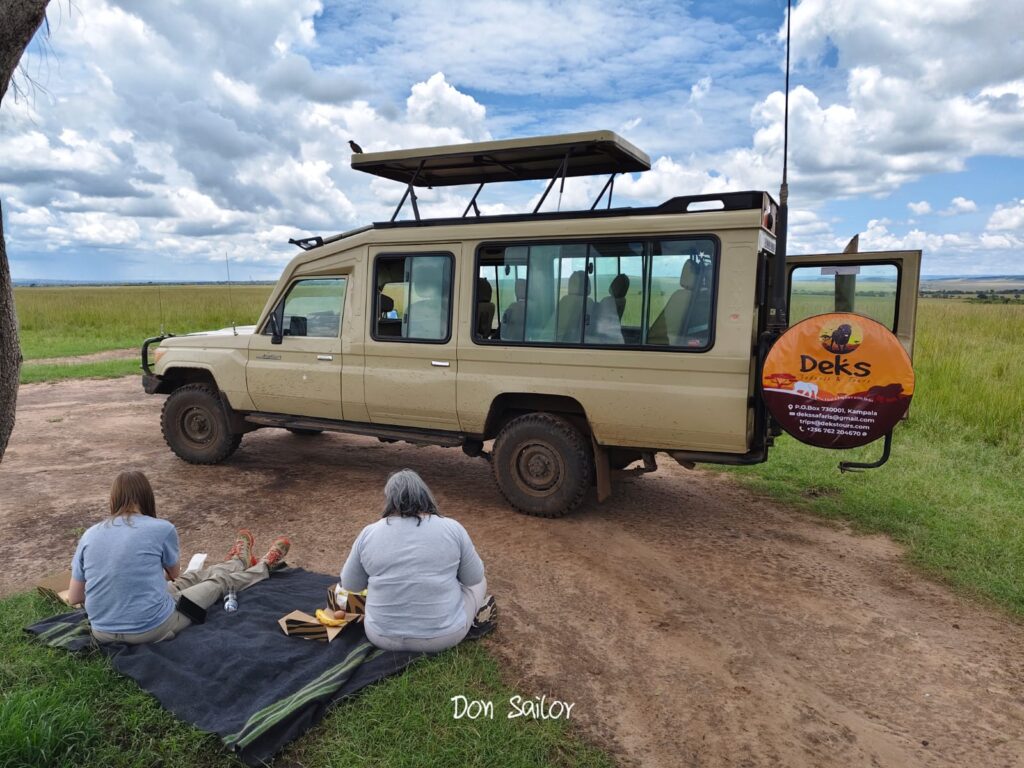
Where Is the Migration in October?
Where Is the Migration in October? Where Is the Migration in October? October can still offer excellent migration experiences across […]
Where Is the Migration in November?
Where Is the Migration in November? Where Is the Migration in November? November often marks an important transition within the […]
Where Is the Migration in May?
Where Is the Migration in May? Where Is the Migration in May? May often brings spectacular movement across central and […]
Where Is the Migration in March?
Where Is the Migration in March? Where Is the Migration in March? March can continue offering remarkable southern Serengeti migration […]
Where Is the Migration in June?
Where Is the Migration in June? Where Is the Migration in June? June often brings significant migration movement toward the […]
Where Is the Migration in July?
Where Is the Migration in July? Where Is the Migration in July? July can bring major migration movement toward northern […]
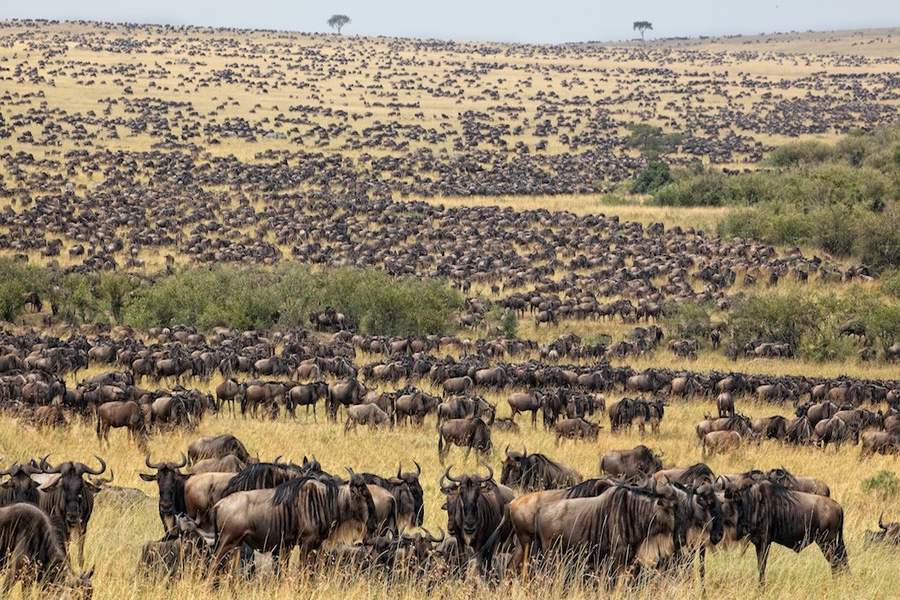
Where Is the Migration in January?
Where Is the Migration in January? Where Is the Migration in January? January commonly finds major migration herds in southern […]
Where Is the Migration in February?
Where Is the Migration in February? Where Is the Migration in February? February often finds large migration herds across southern […]
Where Is the Migration in December?
Where Is the Migration in December? Where Is the Migration in December? December can bring increasing herd movement toward southern […]
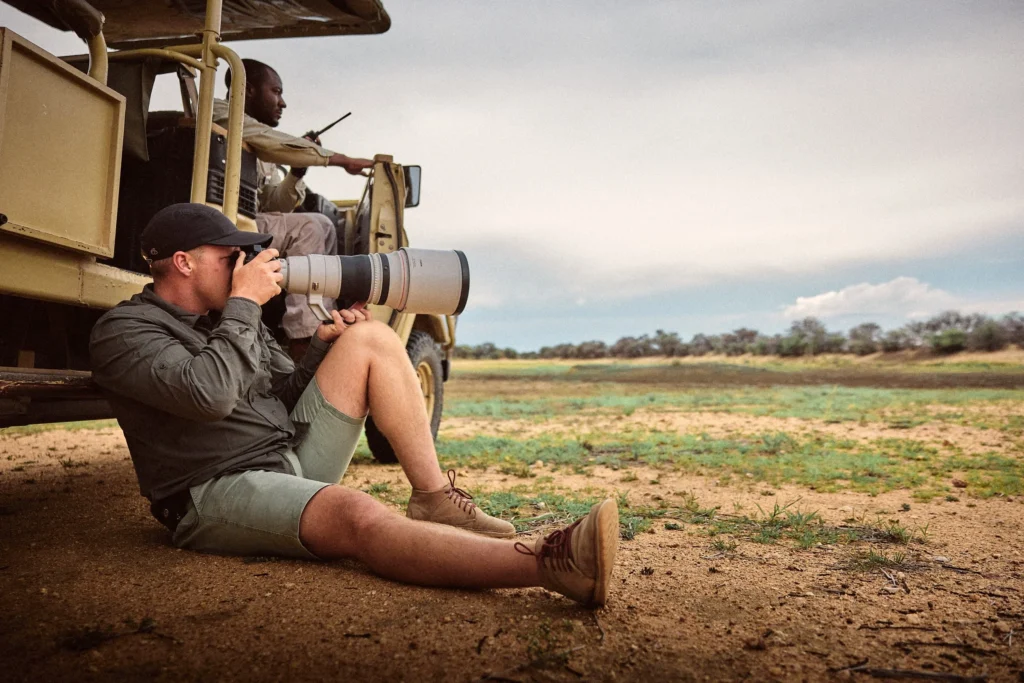
Where Is the Migration in August?
Where Is the Migration in August? Where Is the Migration in August? August often focuses attention on northern Serengeti and […]
Where Is the Migration in April?
Where Is the Migration in April? Where Is the Migration in April? April often brings an important transition within the […]
When Is the Best Time to See the Great Wildebeest Migration?
When Is the Best Time to See the Great Wildebeest Migration? When Is the Best Time to See the Great […]
When Do Wildebeest Give Birth?
When Do Wildebeest Give Birth? When Do Wildebeest Give Birth? This question guides travelers planning one of Africa’s most exciting […]
When Do Wildebeest Cross the Mara River?
When Do Wildebeest Cross the Mara River? When Do Wildebeest Cross the Mara River? This question attracts travelers planning an […]
What Triggers the Serengeti Migration?
What Triggers the Serengeti Migration? What triggers the Serengeti migration remains one of the most fascinating questions for Africa Safari […]
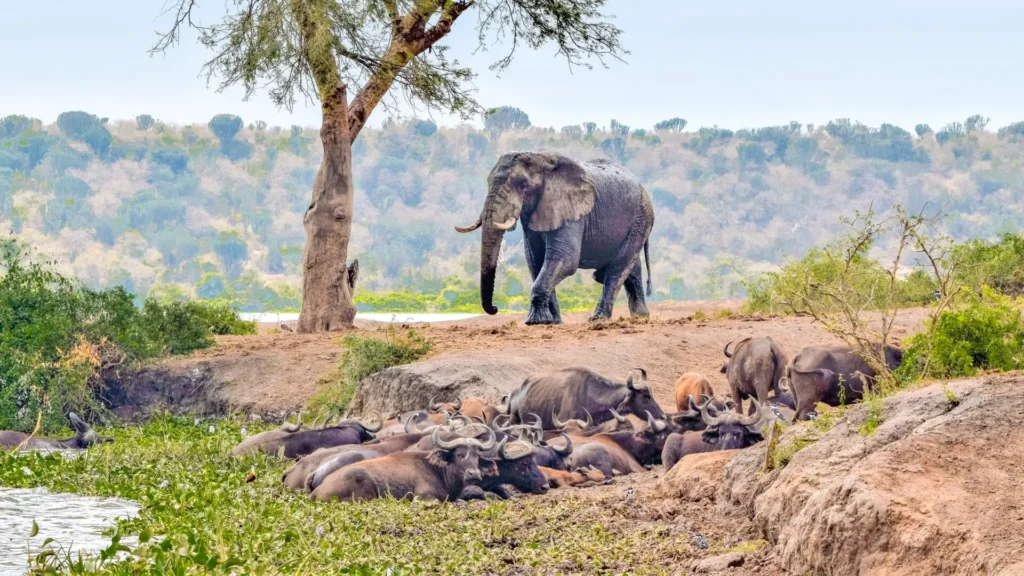
What Are Serengeti Migration Dates?
What Are Serengeti Migration Dates? What Are Serengeti Migration Dates? This question helps travelers understand one of Africa’s greatest natural […]
Serengeti Safari in September
Serengeti Safari in September: The Final Act of the Great Migration A Serengeti Safari in September offers exceptional wildlife viewing […]
Serengeti Safari in October
Serengeti Safari in October: A Tranquil End to the Dry Season A Serengeti Safari in October offers exceptional wildlife viewing, […]
Serengeti Safari in November
Serengeti Safari in November: The Start of the Green Season A Serengeti Safari in November offers a refreshing change across […]
Serengeti Safari in May
Serengeti Safari in May: Witness the Great Migration in Full Swing A Serengeti Safari in May offers an exciting combination […]
Serengeti Safari in March
Serengeti Safari in March: Wildlife, Migration and Green Season Adventures A Serengeti Safari in March offers an exciting combination of […]
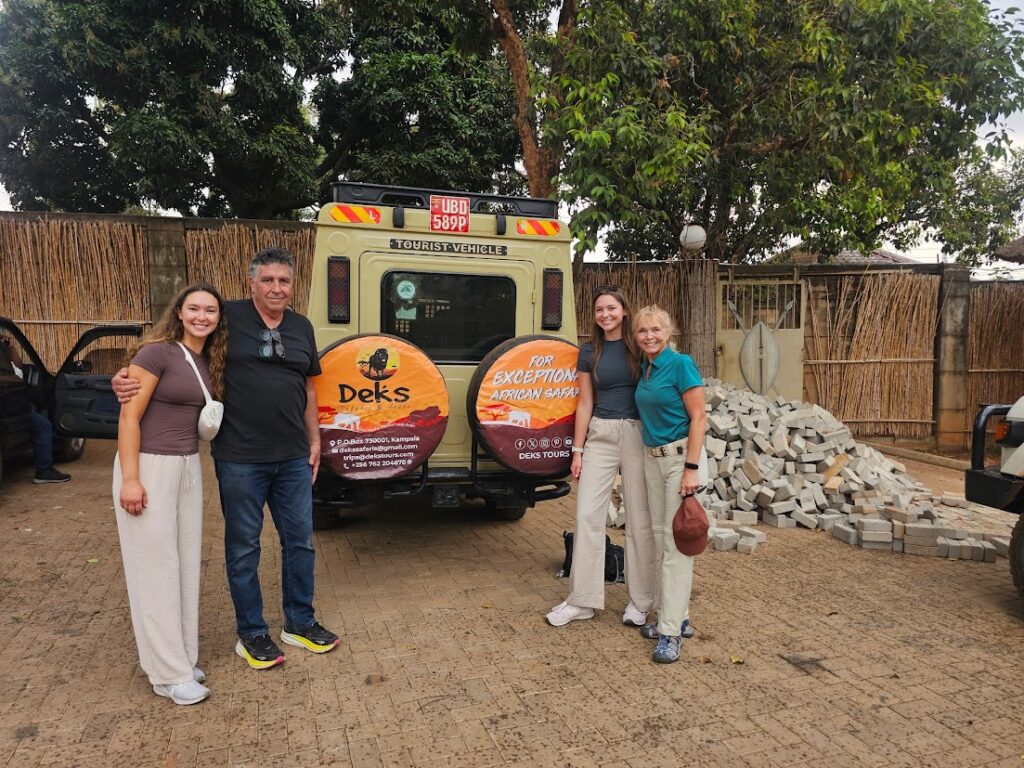
Serengeti Safari in June
Serengeti Safari in June: The Start of the Dry Season and the Great Migration A Serengeti Safari in June introduces […]
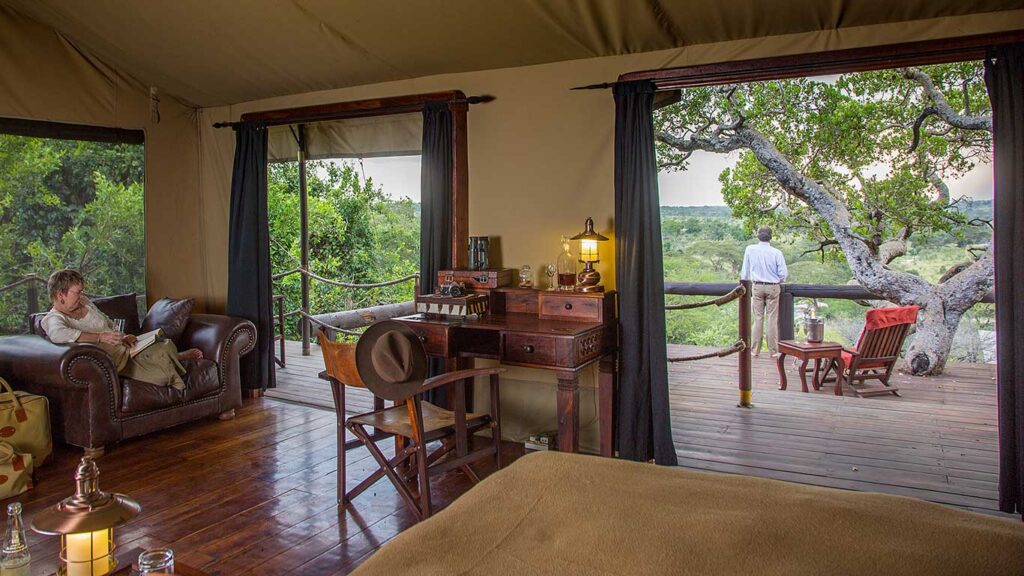
Serengeti Safari in July
Serengeti Safari in July: The Peak of the Great Migration A Serengeti Safari in July delivers one of Africa’s most […]
Serengeti Safari in January
Serengeti Safari in January – Witness the Great Migration Herd Calving Season A Serengeti Safari in January offers an exciting […]
Serengeti Safari in February
Serengeti Safari in February: Witness the Miracle of the Wildebeest Calving Season A Serengeti Safari in February offers one of […]
Serengeti Safari in December
Serengeti Safari in December: A Lush Paradise for Wildlife Enthusiasts A Serengeti Safari in December offers a remarkable blend of […]
The Serengeti National Park Great Migration Cycle
The Serengeti National Park Great Migration Cycle The Serengeti National Park Great Migration Cycle is one of Africa’s greatest wildlife […]
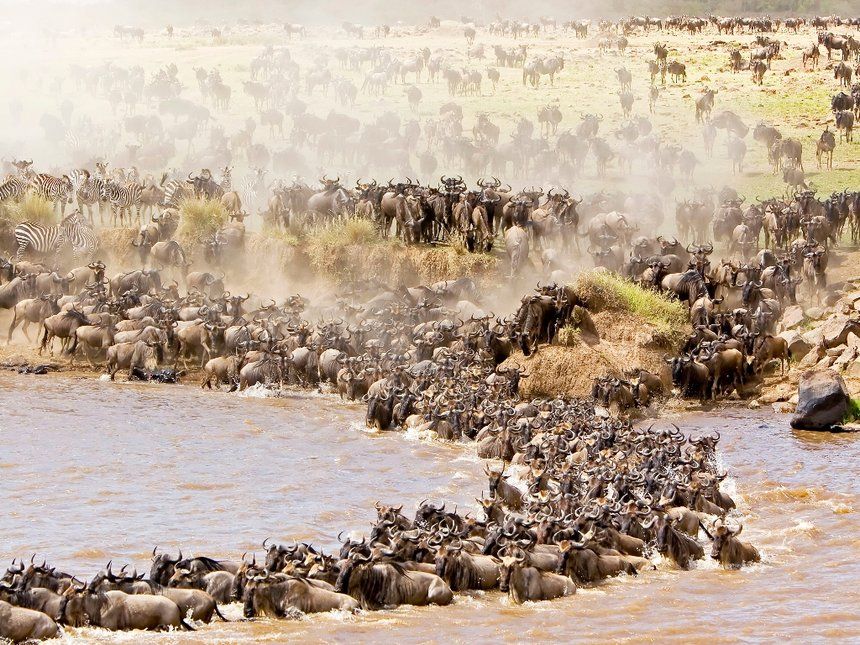
Serengeti Safari in August
Serengeti Safari in August: Witness the Drama of the Great Migration A Serengeti Safari in August offers one of Africa’s […]
Serengeti Safari in April
Serengeti Safari in April: A Hidden Gem for Wildlife Enthusiasts A Serengeti Safari in April offers a rewarding journey through […]
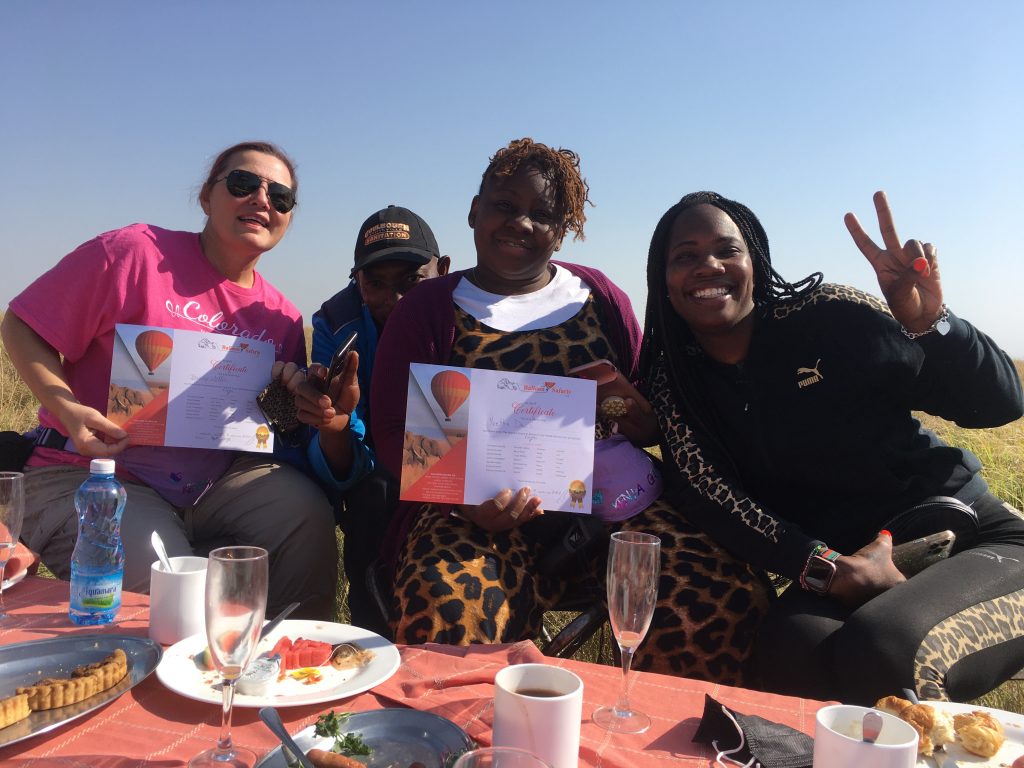
Serengeti Migration Tours from South Africa
Serengeti Migration Tours from South Africa: Experience Africa’s Greatest Wildlife Journey Serengeti Migration Tours from South Africa offer an exceptional […]
Serengeti Great Migration Safari
Serengeti Great Migration Safari A Serengeti Great Migration Safari offers one of the world’s most extraordinary wildlife experiences. It takes […]
Northern Serengeti Safari
Northern Serengeti Safari: The Ultimate Guide to Mara River Crossings and Wildlife Wonders A Northern Serengeti Safari offers one of […]
Is the Serengeti Migration Worth Seeing?
Is the Serengeti Migration Worth Seeing? Is the Serengeti migration worth seeing? Absolutely. The Great Wildlife Migration offers one of […]
Is Serengeti Better Than Maasai Mara for Migration?
Is Serengeti Better Than Maasai Mara for Migration? Is Serengeti better than Maasai Mara for migration? Both destinations offer extraordinary […]